Blog

  • India asks Pakistan to back anti-terror claims with action as tensions rise

    India asks Pakistan to back anti-terror claims with action as tensions rise

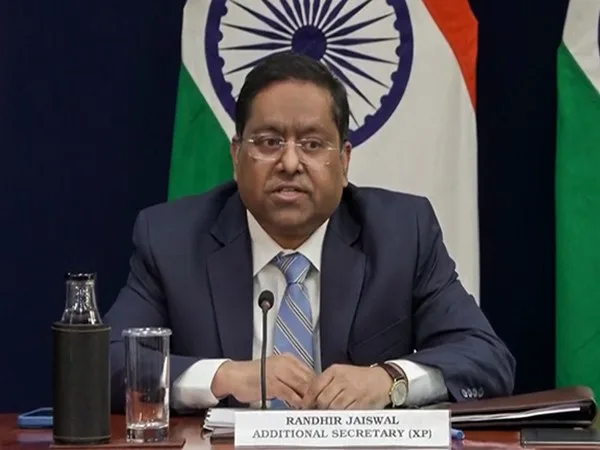
    India has called on Pakistan to demonstrate concrete action against cross-border terrorism, hours after Pakistan Army chief and Chief of Defence Forces Field Marshal Asim Munir reiterated his military’s commitment to defeating terrorism. Ministry of External Affairs spokesperson Randhir Jaiswal said on Tuesday that Pakistan would need to show a firm commitment through action before its assurances could gain greater credibility internationally. The remarks came amid renewed tensions between Pakistan and Afghanistan following Pakistani airstrikes in Afghanistan’s Kunar and Paktika provinces.
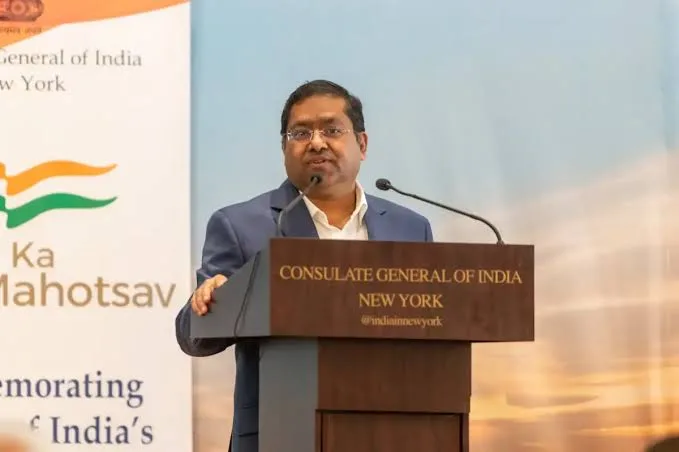
    India has called on Pakistan to demonstrate concrete action against cross-border terrorism, hours after Pakistan Army chief and Chief of Defence Forces Field Marshal Asim Munir reiterated his military’s commitment to defeating terrorism. (ANI)
    India has called on Pakistan to demonstrate concrete action against cross-border terrorism, hours after Pakistan Army chief and Chief of Defence Forces Field Marshal Asim Munir reiterated his military’s commitment to defeating terrorism. (ANI)

    Pakistan’s cross-border terrorism remarks draw response from India

    Jaiswal was responding to Munir’s remarks during a visit to Corps Headquarters in Peshawar. According to Pakistan’s military media wing, Munir was briefed on the security situation in the province, ongoing counter-terrorism operations, border management measures and the operational preparedness of formations deployed there.

    The Pakistani military said Munir emphasised the armed forces’ determination to defeat terrorism and ensure lasting peace and stability in the country.

    Responding to the statement, Jaiswal said Pakistan needs to demonstrate both action and a firm commitment against terrorism. He specifically called for credible action on Pakistan’s cross-border terrorism before the international community accepts Islamabad’s stated intentions.

    India has repeatedly raised concerns about cross-border terrorism emanating from Pakistan. The issue has remained a central point of disagreement between the two countries, with New Delhi maintaining that Pakistan must take verifiable steps against terrorist networks operating from territory under its control.

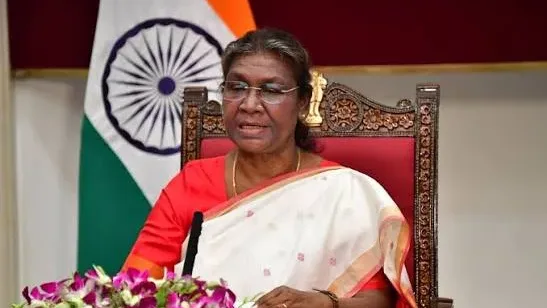
    Also Read | President Droupadi Murmu urges film stars to avoid harmful products; calls for more women on award juries
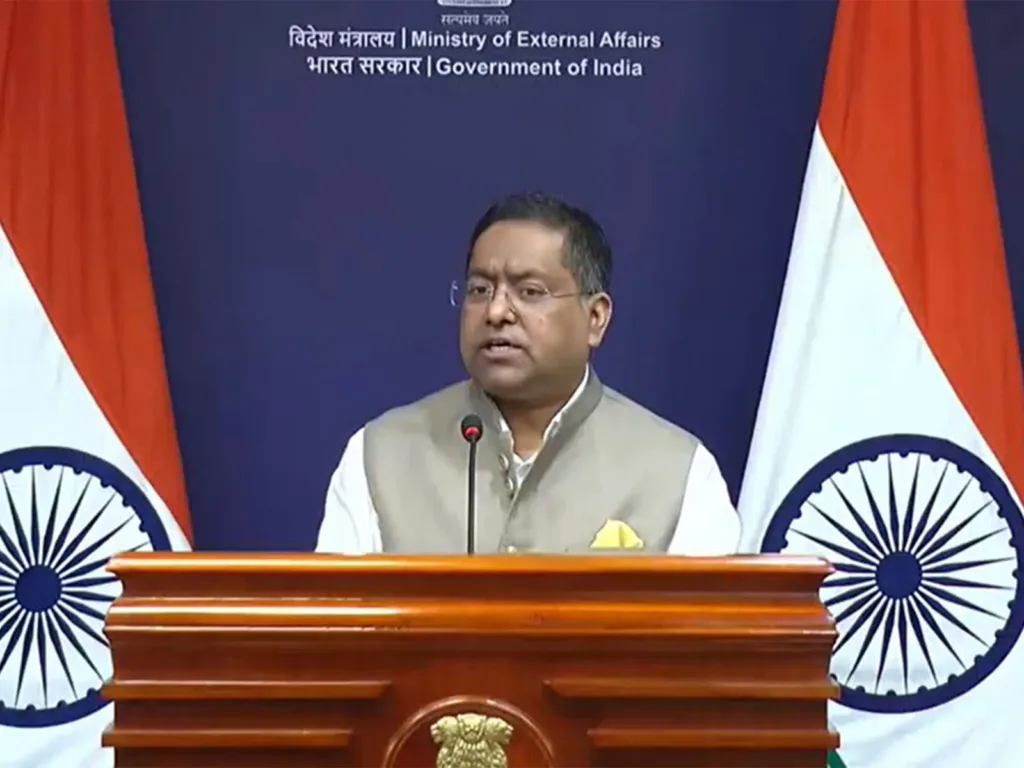
    Jaiswal was responding to Munir’s remarks during a visit to Corps Headquarters in Peshawar. (ANI)
    Jaiswal was responding to Munir’s remarks during a visit to Corps Headquarters in Peshawar. (ANI)

    Pakistan’s cross-border terrorism issue comes amid Afghanistan strikes

    The latest exchange between New Delhi and Islamabad came against the backdrop of escalating tensions between Pakistan and Afghanistan.

    Pakistan carried out airstrikes in Afghanistan’s Kunar and Paktika provinces on September 21. Islamabad said the operation targeted militant groups and reported that 28 militants had been killed. Afghan authorities, however, reported civilian casualties, while the United Nations Assistance Mission in Afghanistan confirmed that three civilians, including a man, a woman and a girl, were killed.

    India separately condemned the Pakistani strikes. Jaiswal said attacks against a sovereign neighbour were contrary to regional peace and security and reaffirmed India’s support for Afghanistan’s independence, sovereignty, and territorial integrity.

    Pakistan has maintained that militant groups operating from Afghan territory pose a security threat to the country. Afghan authorities have rejected accusations that they are allowing their territory to be used for attacks against Pakistan.

    The dispute has added another layer to the wider regional security situation, even as India continues to raise its own concerns over Pakistan’s cross-border terrorism.

    Also Read | Broken idol at home? Delhi introduces dedicated collection centres
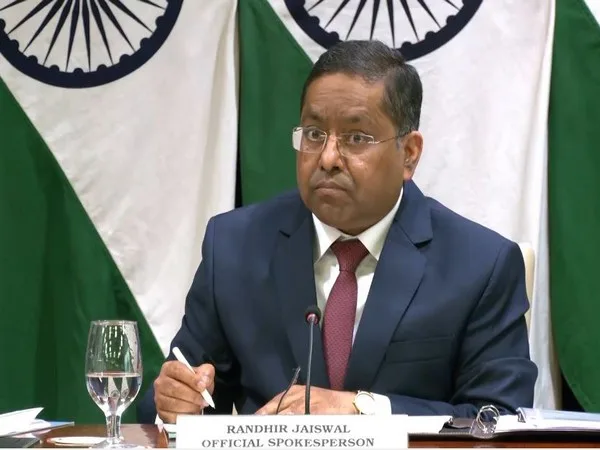
    The latest exchange between New Delhi and Islamabad came against the backdrop of escalating tensions between Pakistan and Afghanistan. (ANI)
    The latest exchange between New Delhi and Islamabad came against the backdrop of escalating tensions between Pakistan and Afghanistan. (ANI)

    Pakistan’s cross-border terrorism remains a key Indian concern

    India’s latest statement reflects a longstanding position that declarations against terrorism need to be accompanied by demonstrable measures. The MEA has previously said that Pakistan must take credible, irreversible, and verifiable action against cross-border terrorism.

    The issue has repeatedly affected India-Pakistan relations, including efforts to improve bilateral ties. New Delhi has maintained that progress on normal relations is linked to the security environment and the absence of terrorism and violence directed against India.

    At the same time, the immediate diplomatic exchange does not establish whether Pakistan’s current counter-terrorism operations will result in any change in the security situation along its borders. Pakistan has publicly maintained that its armed forces are conducting operations against militant groups and has pointed to attacks inside the country as the reason for its security measures.

    For now, Pakistan’s cross-border terrorism remains a central issue in India’s public diplomatic messaging towards Islamabad. The latest remarks also come as Pakistan faces a separate security challenge along its western border, where tensions with Afghanistan have intensified following the recent airstrikes and competing allegations over militant activity.
  • Chief Minister Suvendu Adhikari promises major investments in Bengal; Adani hospital project set to begin 

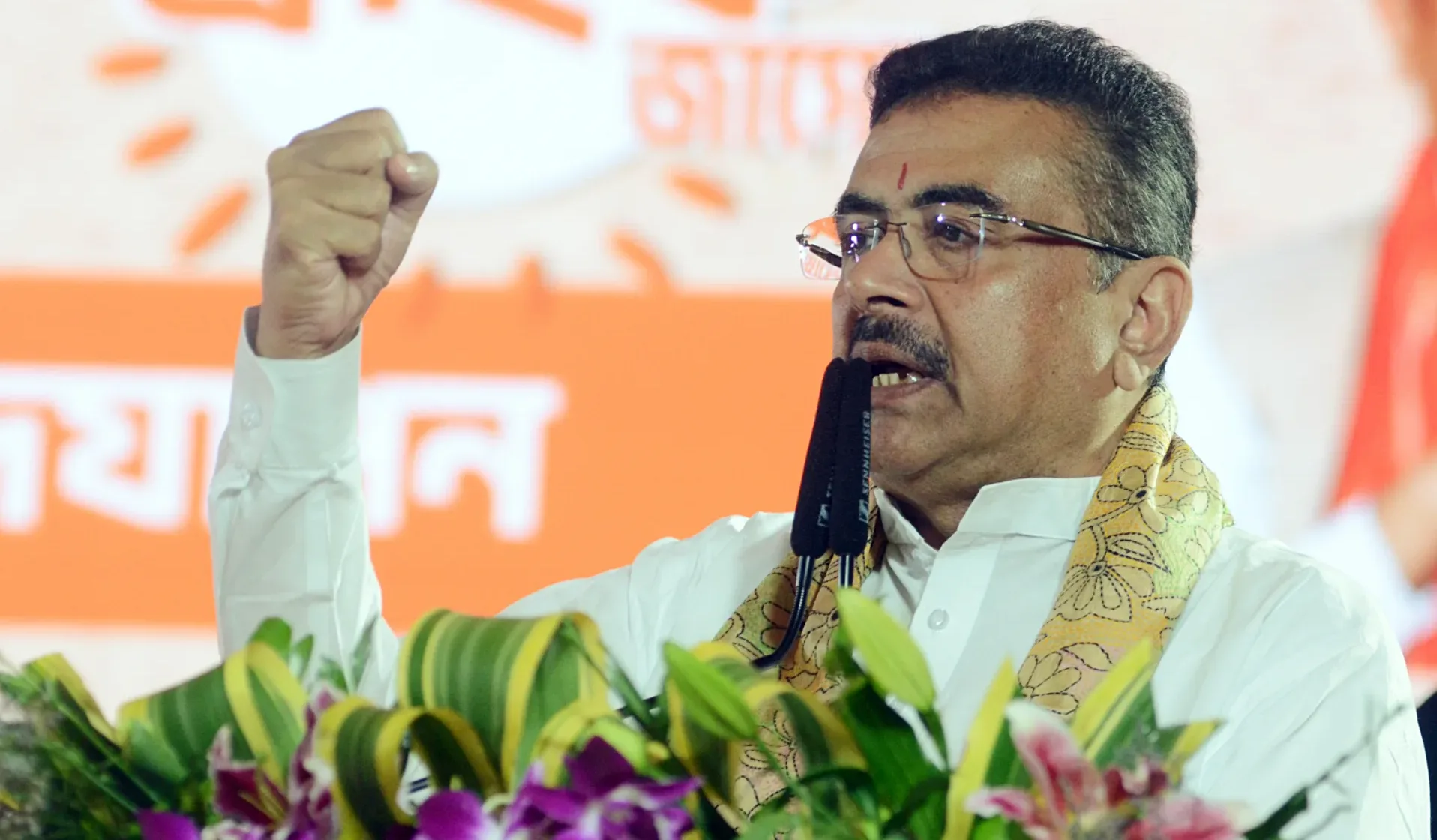
    Chief Minister Suvendu Adhikari promises major investments in Bengal; Adani hospital project set to begin 

    West Bengal Chief Minister Suvendu Adhikari on Tuesday said the state could see major investments from leading industrial groups, while indicating that the government was working to bring more big businesses to Bengal.

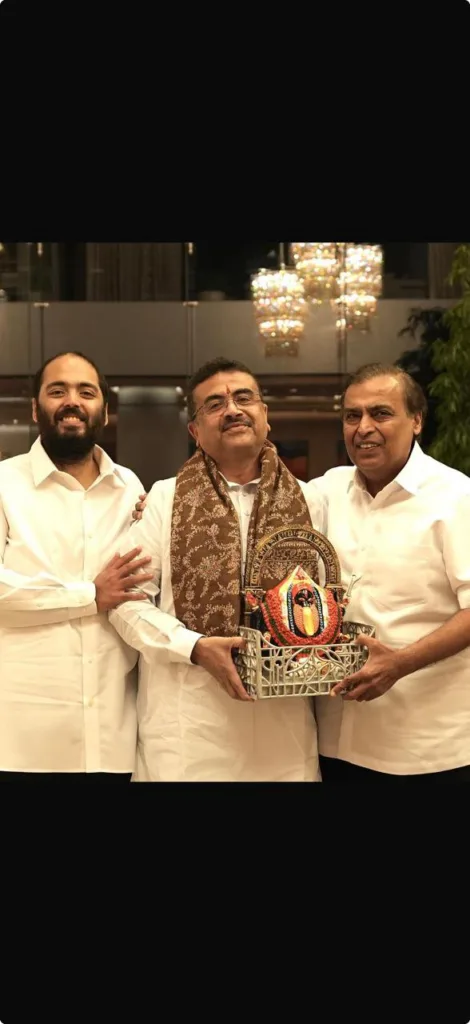
    Speaking to reporters in Cooch Behar, Adhikari referred to Prime Minister Narendra Modi’s message of “talk less and work more” while discussing his government’s efforts to attract investment. His remarks came a day after he met industrialist Mukesh Ambani and his son Anant Ambani in Mumbai. Recent reports said investment opportunities and the expansion of Reliance’s presence in West Bengal were discussed during the meeting. 

    Suvendu Adhikari hints at Ambani development

    Adhikari suggested that his meeting with the Ambanis could lead to a development in Bengal, although he did not disclose details.

    “I received an invitation from Anant Ambani to attend their Ganpati festival. I couldn’t make it last week, but yesterday I visited their home, performed Aarti at their temple, and had dinner with Mukesh ji and Anant ji. You will have to wait and watch what happens,” Adhikari told reporters in Cooch Behar.

    The meeting was part of the state government’s efforts to attract fresh industrial investment. Reports said discussions included opportunities for Reliance to expand its business activities in Bengal. 

    West Bengal Cm Suvendu Adhikari with Mukhesh and Anant Ambani
    West Bengal Cm Suvendu Adhikari with Mukhesh and Anant Ambani. Credit: X/Suvendu Adhikari

    ‘There will be huge investments in Bengal’

    Adhikari said major investors would be brought to the state and claimed that Bengal would receive substantial investment.

    “There will be huge investments in Bengal. All major investors will be here. The Communists and previous chief minister Mamata (Banerjee) have caused massive damage to the state. The entire country is ready to support the BJP government to get Bengal back on its feet. I have got this commitment from everybody,” Adhikari said.

    Also Read | Will West Bengal’s new land reforms make it easier to set up businesses? Exploring

    His comments form part of the state government’s broader push to attract large industrial projects and position West Bengal as an investment destination. The government has also announced plans to provide land to 33 industries before Durga Puja. 

    Adani hospital project in New Town

    Adhikari also said the groundbreaking ceremony for the Adani Group’s proposed hospital in Kolkata’s New Town would take place soon, with Gautam Adani expected to attend.

    The proposed facility is a 2,000-bed hospital, with the foundation stone ceremony scheduled for September 24, according to recent reports. 

    Also Read | West Bengal 933 schools with no students under government review; might hand buildings to other depts

    The developments involving the Ambani and Adani groups come as the Bengal government steps up its outreach to major corporate groups. The focus remains on attracting investment and expanding industrial activity across the state.

    This version targets Suvendu Adhikari, Bengal investment, Mukesh Ambani, Anant Ambani, Adani Group and New Town hospital as the main SEO keywords while keeping the political claims clearly attributed.

  • President Droupadi Murmu urges film stars to avoid harmful products; calls for more women on award juries

    President Droupadi Murmu urges film stars to avoid harmful products; calls for more women on award juries

    President Droupadi Murmu has urged popular film personalities to be careful about the products they promote, particularly those that could harm public health. Speaking at the 72nd National Film Awards ceremony, Murmu said celebrities have a strong influence on children and young people and should use that reach responsibly.

    The President presented the National Film Awards for 2024 across various categories at a ceremony held at Ekta Nagar, near the Statue of Unity. Several prominent names from the Indian film industry attended the event.

    Droupadi Murmu’s message to film stars

    Addressing the gathering, Murmu highlighted how the public often follows the lifestyle choices of successful actors and other popular artists.

    “When successful artists speak about the benefits of a disciplined lifestyle, millions of children and young people emulate them. I urge popular artists not to endorse products that are harmful to people’s health. A true star is the one who spreads light, not darkness,” Murmu said.

    Her remarks focused on the wider influence of film personalities beyond their work on screen. She pointed out that the words and actions of well-known artists can have a strong effect on younger audiences.

    President calls for more women on award juries

    Murmu also spoke about the representation of women in the committees responsible for selecting films for the National Film Awards.

    Also Read | Passport rules changed: What children and parents need to know

    She called for greater participation of women in the regional juries and said their perspectives could contribute to a broader approach to decision-making.

    “I would like to see women’s participation ensured in every regional jury,” she said. The President noted that several women were among the award recipients at the ceremony. She also stressed the importance of including women’s viewpoints across different fields.

    “incorporating the female perspective in any field makes it possible to form a holistic human outlook”.

    Murmu highlights welfare of film workers

    The President also appealed to the film industry to pay greater attention to the people working behind the scenes.

    She called for respect and social security for workers, small-scale artists, assistants and others who contribute to India’s creative economy.

    Many of these professionals work to establish themselves in the industry, making their contribution an important part of the larger film ecosystem.

    Also Read | India’s semiconductor push faces sabotage risk, Union Minister Ashwini Vaishnaw warns

    The 72nd National Film Awards ceremony brought together leading figures from Indian cinema, with Murmu using the occasion to highlight responsible endorsements, wider representation of women and better support for workers across the creative sector.

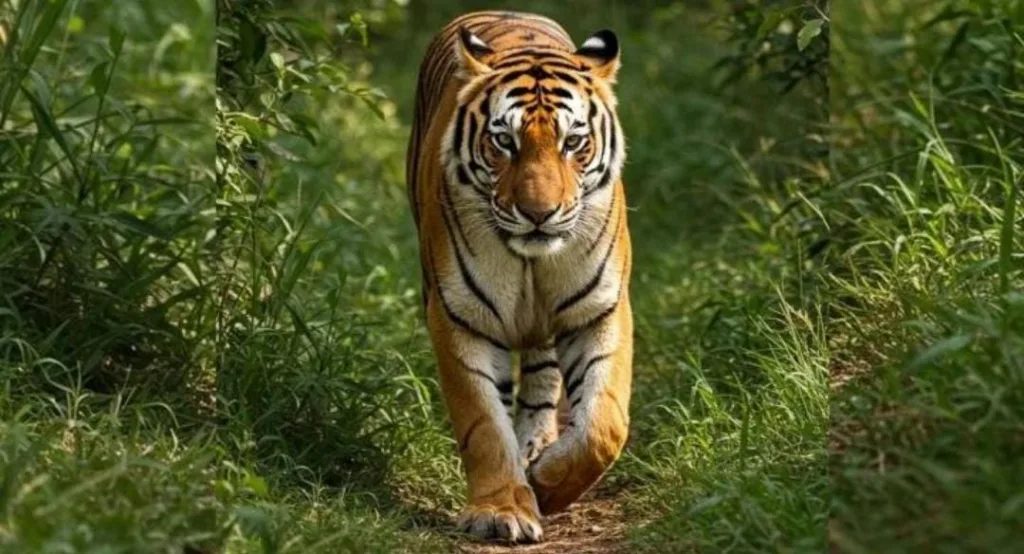
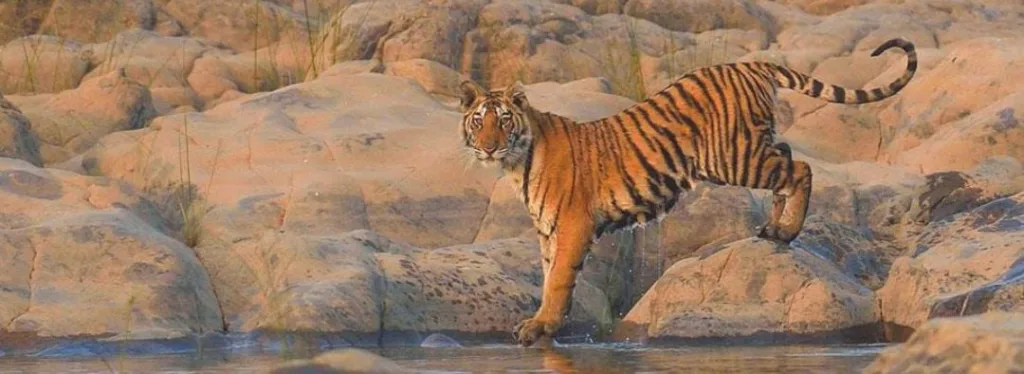
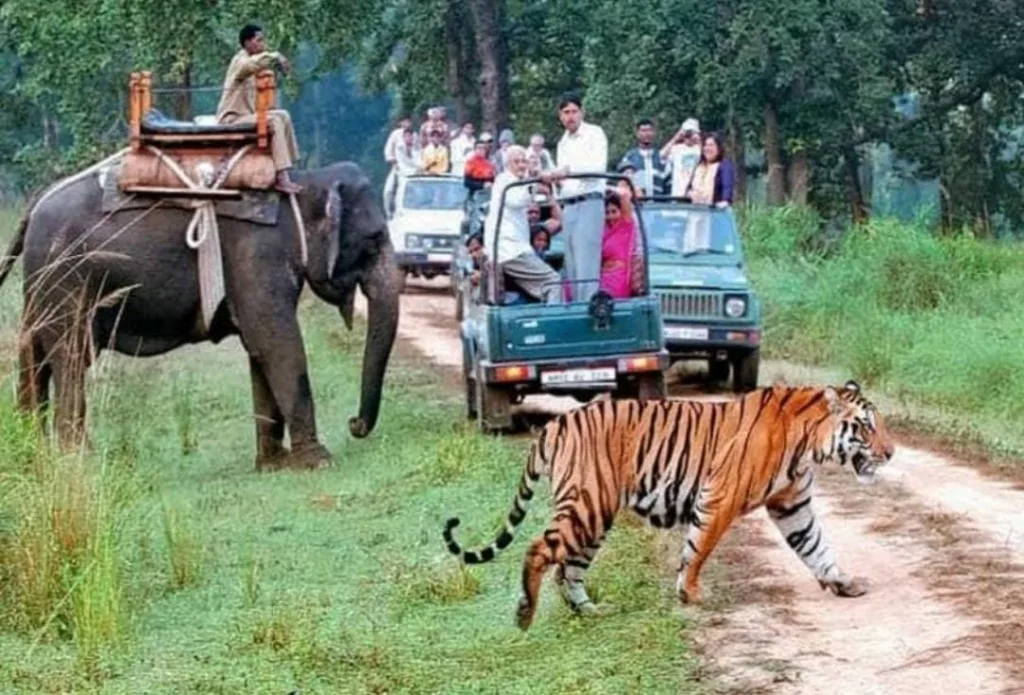
  • Tiger safari season is back: 8 national parks to visit as safari gates reopen in October

    Tiger safari season is back: 8 national parks to visit as safari gates reopen in October

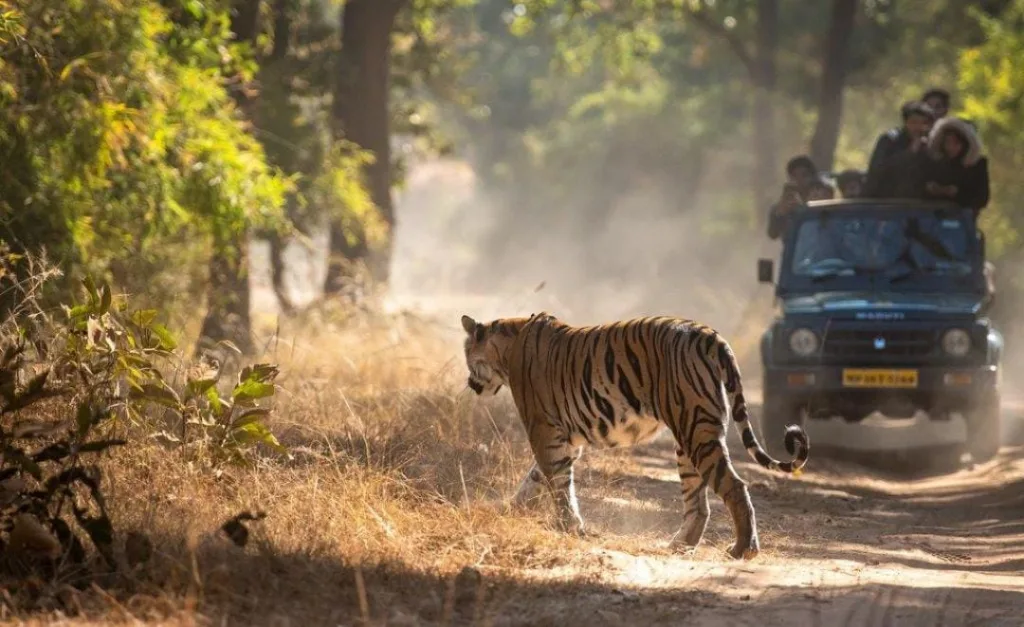
    As the monsoon comes to an end, India’s forests are ready to welcome wildlife lovers once again. Every year, most tiger reserves remain closed during the rainy season to protect breeding habitats, allow forests to recover, and repair safari tracks damaged by heavy rainfall. With October marking the beginning of the new safari season, travellers can once again enter the country’s iconic national parks.

    The post-monsoon months bring lush green landscapes, flowing rivers, pleasant temperatures and a fresh burst of wildlife activity. While dense vegetation can make tiger sightings slightly more challenging than summer, October offers one of the most beautiful times to experience India’s forests.
    Why October is a great time for a tiger safari

    October offers a different side of India’s forests. The rains leave behind vibrant greenery, water bodies are full, and animals become more active in the cooler weather. Apart from tigers, visitors have a chance to spot leopards, elephants, sloth bears, deer, wild dogs and a wide variety of birds.

    Many parks also reopen their core safari zones from October 1, while a few gradually open additional zones later in the month depending on weather conditions.

    8 tiger reserves reopening this October

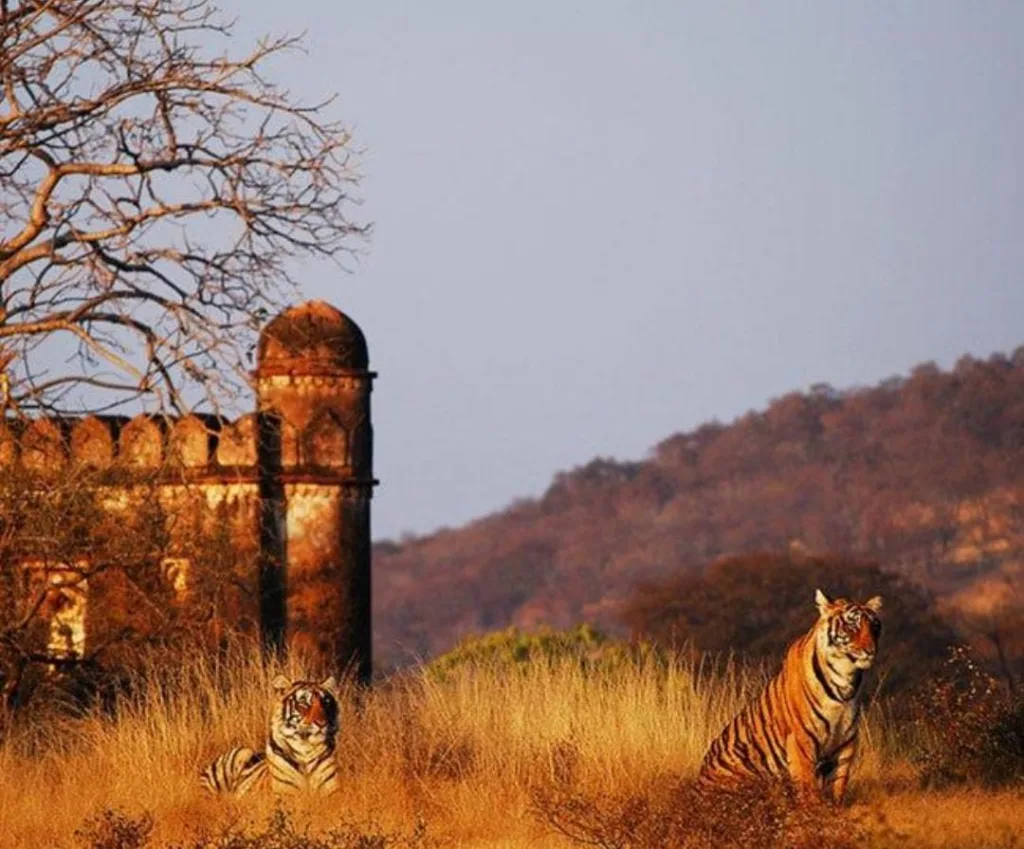
    Ranthambore National Park, Rajasthan

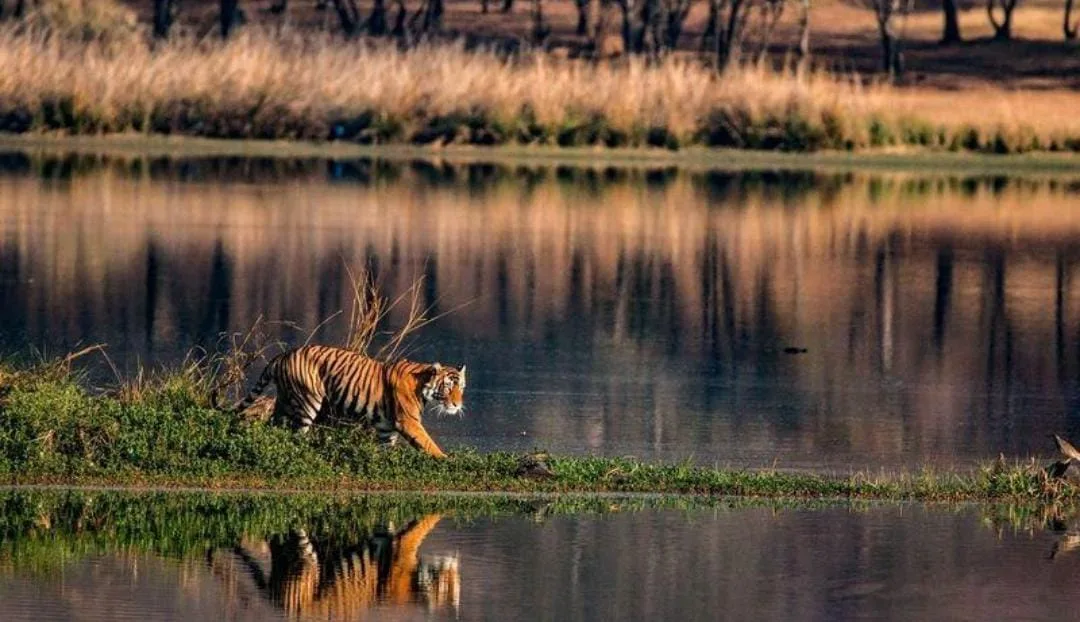
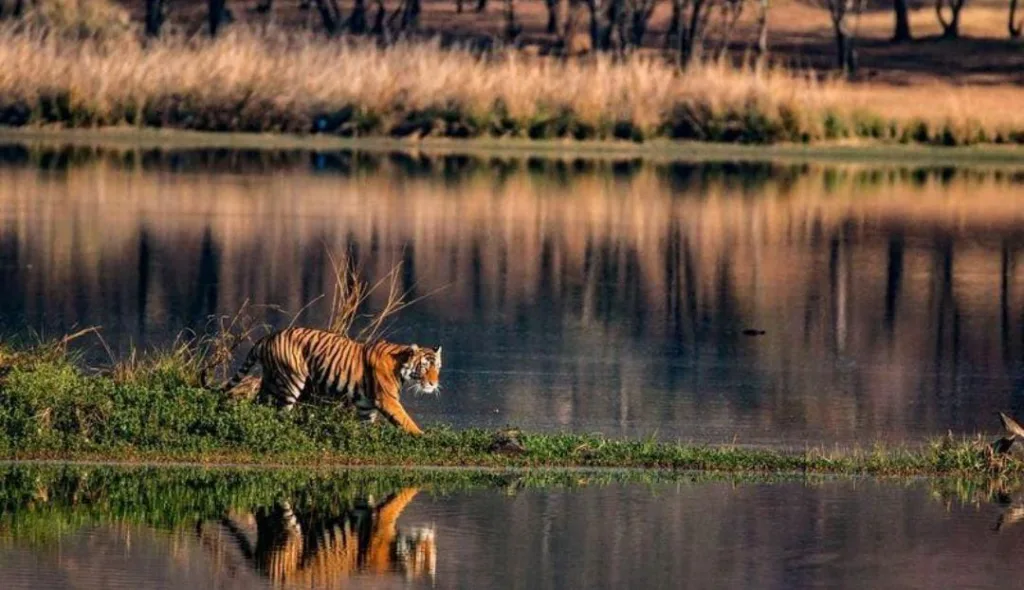
    One of India’s most famous tiger reserves, Ranthambore is known for its tigers roaming near lakes, ancient ruins and the historic Ranthambore Fort. The park reopens on October 1 after the monsoon closure.

    Bandhavgarh Tiger Reserve, Madhya Pradesh

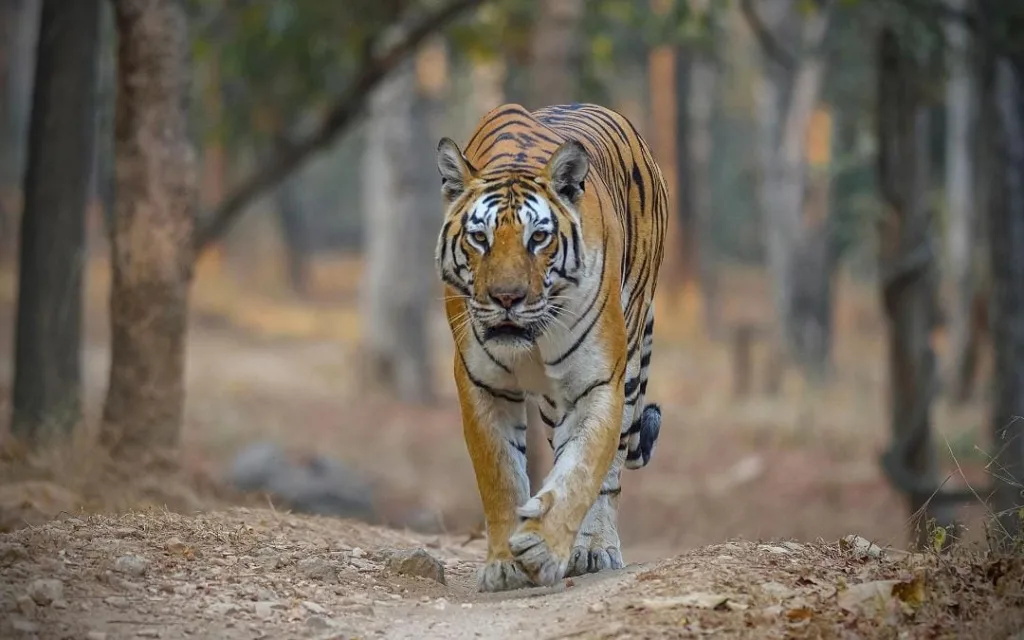
    Bandhavgarh has one of the highest tiger populations in India. Its dense forests, rocky hills and grasslands also shelter leopards, sloth bears and more than 300 species of birds.

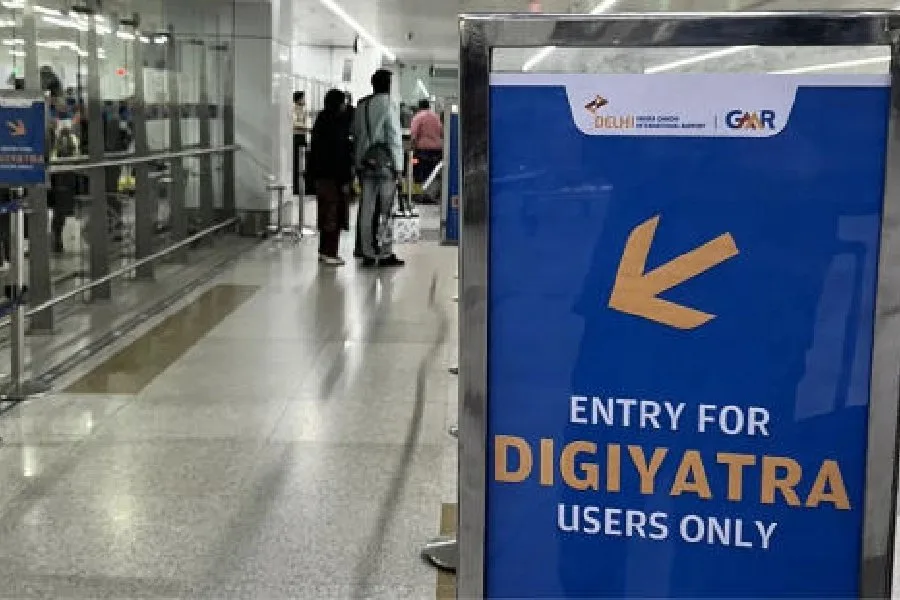
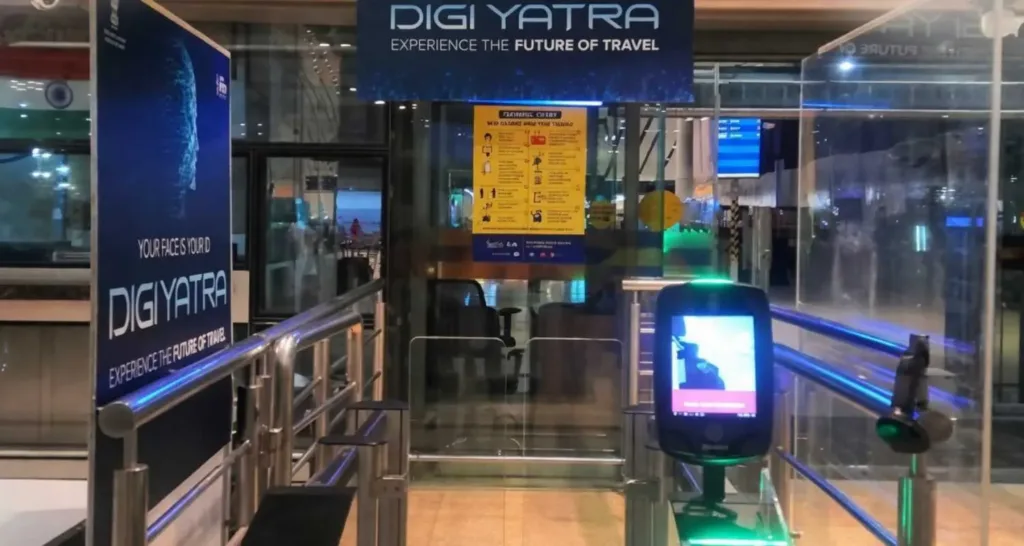
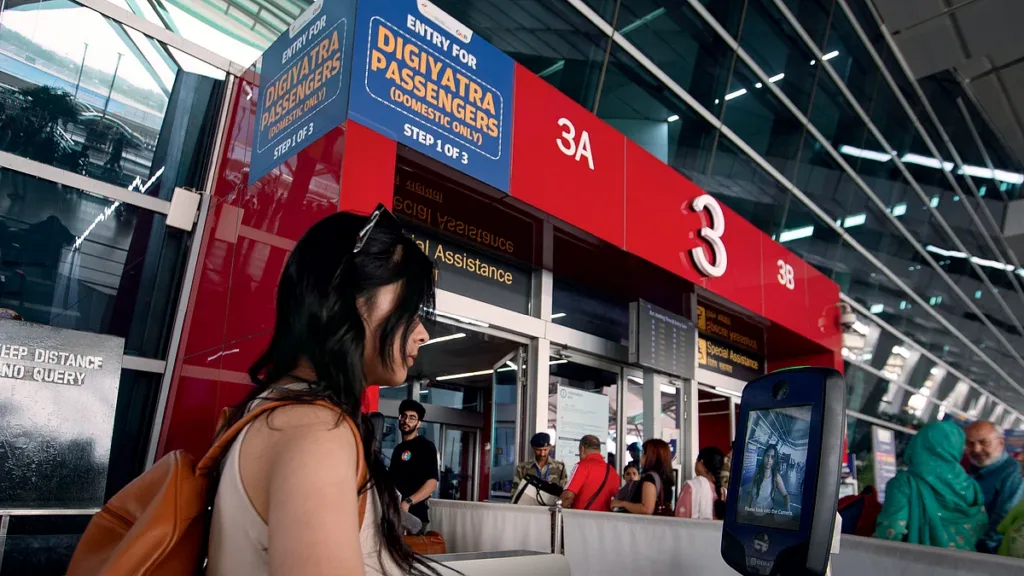
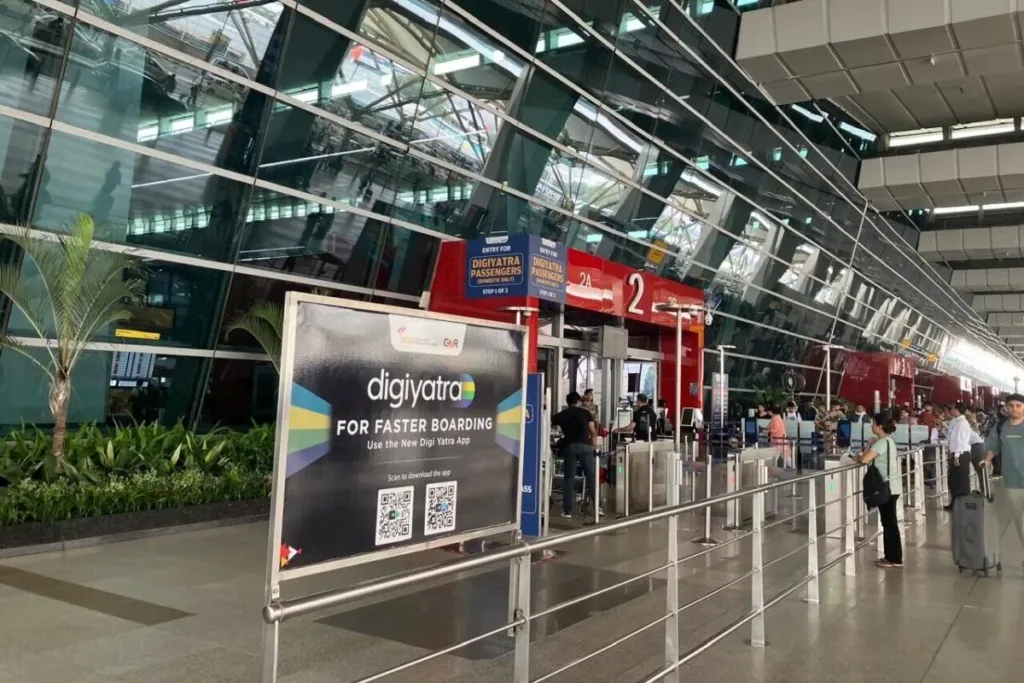
    Also Read | Digi Yatra international trial may begin at Delhi, Mumbai, Bengaluru, Hyderabad and Cochin airports

    Kanha Tiger Reserve, Madhya Pradesh

    Known for inspiring The Jungle Book, Kanha is famous for its sprawling sal forests and the rare hard-ground barasingha. It is one of the country’s largest and most scenic tiger reserves.

    Pench Tiger Reserve, Madhya Pradesh-Maharashtra

    Spread across two states, Pench is home to tigers, leopards, wild dogs and rich birdlife. The reserve’s teak forests and open meadows make it a favourite among wildlife photographers.

    Also Read | 7 luxury fashion hotels every style lover should know

    Tadoba-Andhari Tiger Reserve, Maharashtra

    Tadoba is among Maharashtra’s top wildlife destinations and is well known for frequent tiger sightings. Visitors can also spot sloth bears, leopards and marsh crocodiles here.

    Panna Tiger Reserve, Madhya Pradesh

    Located near Khajuraho, Panna is recognised for its successful tiger conservation programme. The Ken River flowing through the reserve adds to its scenic beauty.

    Jim Corbett National Park, Uttarakhand

    India’s oldest national park begins reopening several safari zones in October, with some remaining zones opening later. Besides tigers, Corbett is famous for elephants, gharials and hundreds of bird species.

    Sariska Tiger Reserve, Rajasthan

    Nestled in the Aravalli hills, Sariska offers a mix of wildlife, forests, lakes and historic temples. It is an excellent destination for travellers looking for both nature and heritage.

    Things to know before planning your trip

    Safari permits for popular parks such as Ranthambore, Bandhavgarh and Kanha are often booked well in advance. Visitors should check the official forest department booking portals for opening dates, safari timings and zone availability before making travel plans, as not all zones reopen on the same day.

  • Why do you cling or pull away in love? Attachment styles explained

    Why do you cling or pull away in love? Attachment styles explained

    Attachment styles are largely influenced by early childhood experiences, particularly how consistently caregivers respond to a child’s emotional and physical needs.

    Consistent and emotionally responsive caregiving can help children develop a sense of trust and security. On the other hand, inconsistent, neglectful or frightening caregiving experiences may contribute to feelings of anxiety, insecurity or fear.

    Also Read | Micro-cheating vs cheating: What is the difference in a relationship

    However, childhood is not the only factor. Relationships outside the family and experiences later in life can also influence attachment patterns. Even past heartbreak can affect how cautiously or openly someone approaches a new relationship.

    What are the four attachment styles and how can they show up in relationships?

    Secure attachment

    People with a secure attachment style generally feel comfortable forming and maintaining close relationships. They value intimacy while also being able to maintain healthy boundaries and communicate their needs.

    Secure attachment is also associated with interdependence — being able to seek support and reassurance from a partner while still regulating your own emotions and maintaining a sense of independence.

    Secure attachment
    Secure attachment / Pexels

    How is secure attachment formed?

    Consistently present and responsive caregivers, particularly during early childhood, can help create the foundation for secure attachment.

    Anxious attachment

    Anxious attachment is often associated with a strong desire for closeness alongside a fear of abandonment or rejection.

    People with this pattern may frequently seek reassurance from their partners but still struggle to feel reassured even after receiving it. It can also appear through excessive communication, difficulty expressing needs directly or changing oneself to maintain a relationship.

    The internet’s latest dating trend, pheromone maxxing, is taking natural body odour to a whole new level.
    Anxious attachment / Pexels

    How is anxious attachment formed?

    Emotionally inconsistent or unpredictable caregiving can contribute to anxious attachment. When a child’s experience of emotional availability changes frequently, they may become uncertain about whether support and closeness will be available in the future.

    Avoidant attachment

    Avoidant attachment tends to look very different from anxious attachment. Instead of seeking frequent reassurance, people with avoidant patterns may place a strong emphasis on independence and feel uncomfortable with emotional closeness.

    They may find vulnerability difficult and pull away when relationships become more intimate. Although they can still desire connection, closeness may also trigger discomfort or a need for distance.

    Love bombing, blame-shifting and conditional affection can be warning signs.
    Avoidant attachment / Pexels

    How is avoidant attachment formed?

    Dismissive, disconnected or emotionally distant caregiving can contribute to avoidant attachment. When emotional needs are not consistently acknowledged, children may learn to rely primarily on themselves.

    Disorganised attachment

    Disorganized attachment, also called fearful-avoidant attachment, can involve a combination of anxious and avoidant behaviours.

    A person may want closeness while simultaneously fearing it, creating a push-and-pull pattern in relationships. They may struggle with trust and find it difficult to establish lasting emotional connections.

    Disorganised attachment
    Disorganised attachment / Pexels

    How is disorganised attachment formed?

    This pattern has been associated with highly unpredictable, frightening or abusive caregiving environments. A child may seek closeness from a caregiver while also becoming fearful or withdrawn, creating conflicting responses to intimacy.

    How can you figure out your attachment style?

    Identifying an attachment pattern starts with looking at how you respond to closeness, trust, conflict and emotional vulnerability.

    Reflecting on childhood experiences, relationships with caregivers and past romantic relationships can help reveal recurring patterns. Online attachment-style questionnaires can also be used as a starting point, but their results should not be treated as a definitive assessment.

    For a deeper assessment, a psychotherapist can use clinical interviews and standardised tools to explore attachment patterns and how they may affect relationships.

    Can your attachment style change?

    Yes. Attachment styles are not necessarily fixed for life.

    Developing awareness of recurring behaviours can be an important first step towards changing them. Strategies such as emotional regulation, assertive communication and healthy boundaries can help people develop more secure ways of relating to others.

    Also Read | Who was Miss Dior? Meet Christian Dior’s real-life muse

    Therapy can also help people understand where certain patterns come from and develop different ways of responding to difficult emotions, intimacy and relationship challenges.

    The process is gradual. Understanding your attachment style is less about placing yourself in a fixed category and more about recognising patterns in your relationships and deciding what you may want to change.

  • Broken idol at home? Delhi introduces dedicated collection centres

    Broken idol at home? Delhi introduces dedicated collection centres

    Delhi is introducing dedicated collection centres for damaged or broken idols, offering devotees an alternative to leaving them in public spaces or disposing of them in water bodies.

    For many devotees, idols remain closely connected to faith even after they become damaged or unsuitable for worship. To address the disposal of such khandit murtis, the Delhi government has announced plans for dedicated collection centres where people can deposit damaged idols and other religious material.

    Also Read | Who is Suryanarayana Doolla? IIT Bombay professor suspended after student’s death

    Delhi Chief Minister Rekha Gupta recently announced the initiative, saying special centres would be created where devotees could bring damaged idols for respectful disposal. The collected material will be handled through scientific and environmentally responsible methods, according to the government.

    What will happen to damaged idols in Delhi?

    The initiative aims to provide an organised alternative to a practice seen in several cities, where damaged idols are sometimes left under trees, beside roads, in parks or near water bodies.

    Under the proposed system, devotees will be able to deposit damaged idols and leftover puja material at designated collection points. The collected material will then be processed for disposal and recycling through designated systems.

    The move also comes amid concerns around the disposal of religious material in water bodies, including the Yamuna. During festivals such as Ganesh Chaturthi and Durga Puja, devotees traditionally immerse idols in water as part of the visarjan ritual.

    While visarjan holds religious significance, the immersion of idols and other puja materials can put additional pressure on water bodies, particularly when the materials used to make idols are not easily biodegradable.

    Why is Delhi looking for alternatives to idol immersion?

    The dedicated collection centres are intended to address a different situation from traditional visarjan, idols that have already become damaged or khandit and are no longer suitable for worship.

    Instead of leaving such idols in public places or disposing of them in rivers and other water bodies, devotees would have designated locations where they can deposit them.

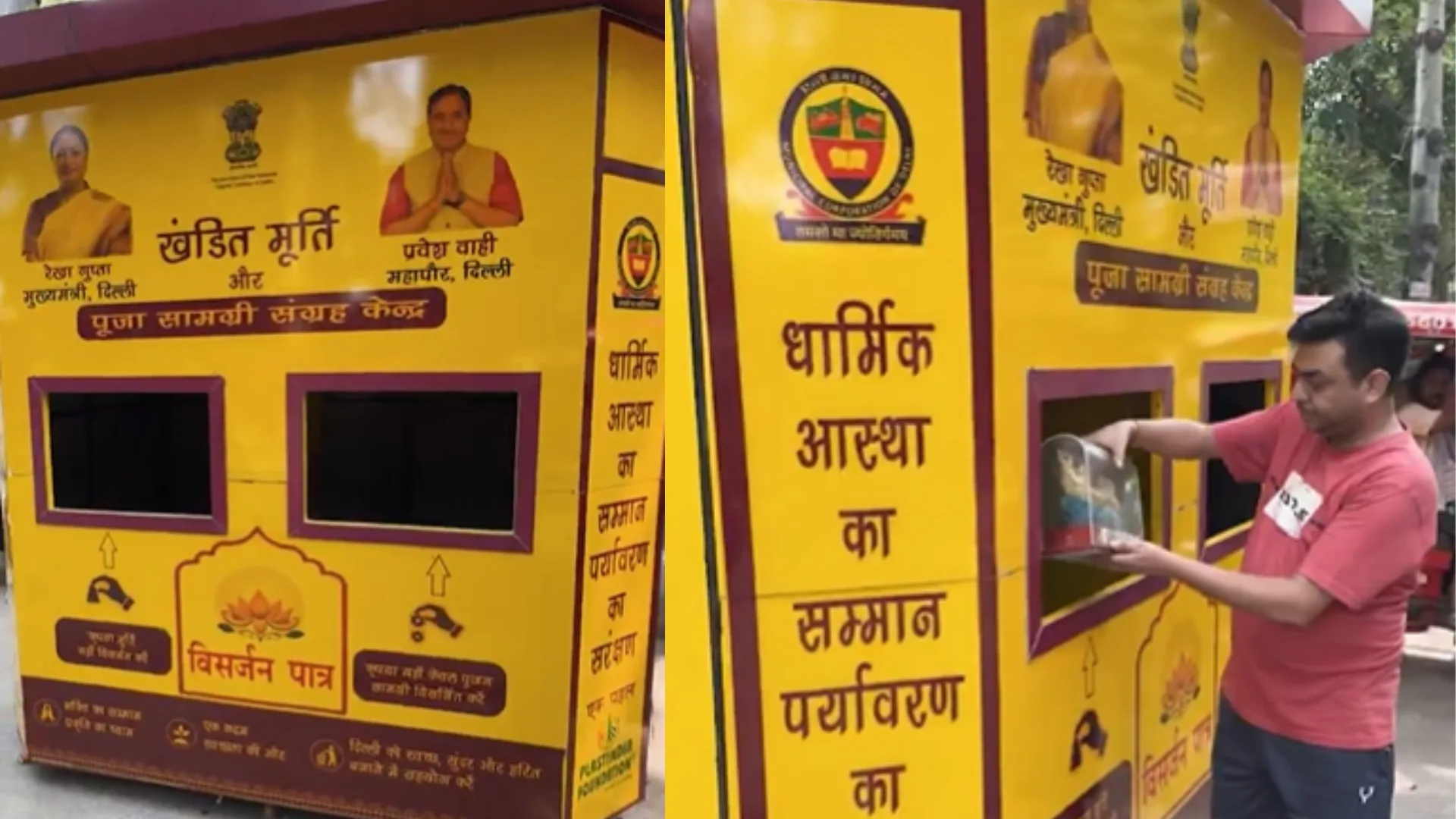
    Delhi is introducing dedicated collection centres for damaged idols and puja material, offering devotees an organised alternative to disposal in public spaces or water bodies.
    Delhi is introducing dedicated collection centres for damaged idols and puja material / X, Delhi Government

    The initiative therefore brings together religious considerations and waste-management concerns. The government has also highlighted the need for more organised systems to handle religious waste while reducing its impact on the environment.

    Over 110 ‘Visarjan Patra’ installed across Delhi

    According to the information available on the initiative, more than 110 Visarjan Patra have been installed across Delhi for collecting broken idols, puja remains and other religious material.

    Earlier, the Shahdara North zone of the Delhi Municipal Corporation had established damaged-idol collection centres at several locations with support from resident welfare associations and other organisations.

    Also Read | Sangrur man consumes poison over alleged drug inaction, political row follows

    The latest initiative aims to create a more structured system across the city, allowing devotees to use designated collection points rather than leaving damaged idols in public spaces.

    The collected material is expected to be handled through scientific and eco-friendly disposal and recycling methods.

    For devotees who have a damaged idol at home, the centres could provide an organised way to part with it while remaining mindful of the religious sentiment associated with the idol.

  • From Trump TV to Truth Social: Inside the US president’s media multiverse

    From Trump TV to Truth Social: Inside the US president’s media multiverse

    Donald Trump’s media ecosystem has grown far beyond social media. What began with Truth Social has now expanded into streaming, data licensing and a dedicated White House video platform called TRUMP TV.

    The latest addition comes as tensions between the Trump administration and major US news organisations intensify, raising fresh questions about how presidential events and statements reach the public.

    What is Trump TV?

    The White House launched “TRUMP TV: The Essentials Station” on September 21, describing it as a 24/7 destination for the Trump administration’s “biggest moments all in one place”.

    Also Read | Wars, Trump and Guterres’ exit set the tone for UN General Assembly 2026

    The platform features “top videos, major remarks, and must-see highlights” and is designed to update content in real time. The White House has also promoted the launch with the title “Trump TV is Here”.

    Unlike a conventional television news network, Trump TV is a White House initiative focused on administration-produced material. It is also separate from Truth Social and Truth+, which are operated by Trump Media & Technology Group (TMTG).

    Truth Social and Truth+: How they fit in

    Truth Social became the first major part of Trump’s alternative media network. TMTG says the platform became generally available in early 2022 and was created around a free-expression model with less dependence on major technology companies.

    Trump has repeatedly linked the platform to his free-speech message. In December 2022, he said, “If we don’t have free speech, then we just don’t have a free country.”

    Trump TV to Truth Social: Inside Trump’s media multiverse
    Truth Social remains the core of Trump’s direct media strategy | ANI

    TMTG later expanded into streaming with Truth+. The company says the service offers live television channels and on-demand content, with standalone apps available across phones, the web and connected TVs.

    Truth API adds a data layer

    In August 2026, TMTG launched Truth API, allowing licensed customers to access publicly available posts from selected prominent Truth Social accounts. The company described it as its first data-licensing product.

    Why the TV pool dispute matters

    The Trump TV launch comes amid a major dispute involving the White House press corps.

    On September 19, the White House announced that CNN, MS NOW and Politico would be barred from White House access. On September 21, ABC, CBS, Fox News, CNN and NBC suspended their pooled television coverage of Trump’s events.

    Trump
    Truth+ and Truth API broaden Trump’s digital media reach | ANI

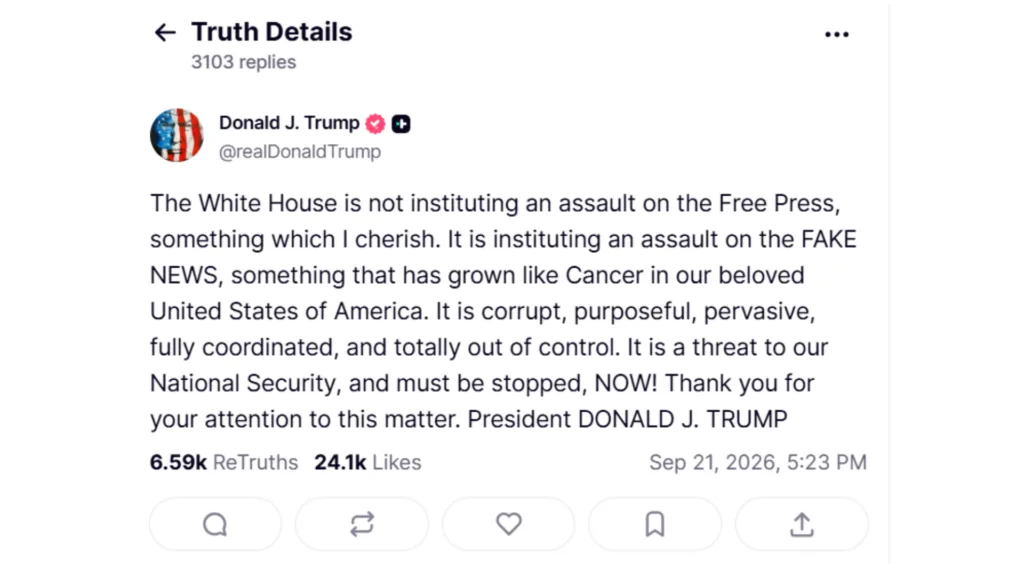
    Trump defended the administration’s move on Truth Social, saying, “The White House is not instituting an assault on the Free Press, something which I cherish.”

    Also Read | Why India wants a permanent seat at the UN Security Council

    He described the administration’s action instead as an assault on “FAKE NEWS”, calling it “corrupt, purposeful, pervasive, fully coordinated, and totally out of control” and a “threat to our National Security.”

    Trump TV to Truth Social: Inside Trump’s media multiverse

    CNN, MS NOW and Politico have challenged the restrictions in court.

    With Trump TV now providing a continuous White House video outlet, the administration has another direct route to audiences alongside the existing Trump media platforms.

  • Digi Yatra international trial may begin at Delhi, Mumbai, Bengaluru, Hyderabad and Cochin airports

    Digi Yatra international trial may begin at Delhi, Mumbai, Bengaluru, Hyderabad and Cochin airports

    International air travellers from India could soon get access to a facial recognition-based Digi Yatra system at major airports. The government is planning trials for international departures between October and December 2026, with Delhi and Mumbai expected to be among the first airports to receive the facility. Bengaluru, Hyderabad and Cochin airports are also part of the proposed trial.

    International air travellers from India could soon get access to a facial recognition-based Digi Yatra system at major airports. (ANI)
    International air travellers from India could soon get access to a facial recognition-based Digi Yatra system at major airports. (ANI)

    Digi Yatra international trial to begin with departures

    The first phase of the Digi Yatra international rollout is expected to focus only on passengers departing from India. The system could initially be used at relatively less-sensitive checkpoints such as terminal entry, security checks, and potentially boarding gates.

    Immigration and emigration checks are expected to continue under the existing system during the trial. Integration with immigration could be considered at a later stage after the technology has been tested for reliability and security.

    The Ministry of Civil Aviation’s policy framework treats the immigration process separately from the Digi Yatra boarding system, with automated border control for international travel envisaged as a later phase.

    Also Read | Who is Suryanarayana Doolla? IIT Bombay professor suspended after student’s death

    The first phase of the Digi Yatra international rollout is expected to focus only on passengers departing from India. (ANI)
    The first phase of the Digi Yatra international rollout is expected to focus only on passengers departing from India. (ANI)

    How Digi Yatra international travel will work

    Unlike domestic Digi Yatra, which uses Aadhaar-based enrolment, the international system is expected to rely on electronic passports.

    Passengers will be able to scan the information page of their e-passport using a smartphone and read its embedded chip through Near Field Communication, or NFC. The photograph stored on the passport chip can then be matched with a live selfie to create a digital travel credential.

    That credential could subsequently be used to verify the passenger’s identity at participating airport checkpoints, reducing the need for repeated manual document checks.

    India had issued 17,316,144 e-passports as of July 30, 2026, according to figures cited from a government reply in Parliament.

    Also Read | Sangrur man consumes poison over alleged drug inaction, political row follows

    Unlike domestic Digi Yatra, which uses Aadhaar-based enrolment, the international system is expected to rely on electronic passports. (ANI)
    Unlike domestic Digi Yatra, which uses Aadhaar-based enrolment, the international system is expected to rely on electronic passports. (ANI)

    Software upgrades and security checks still pending

    The planned Digi Yatra international rollout is still undergoing technical preparations. Officials told Hindustan Times that they are carrying out software upgrades before the trials, and an audit by the Ministry of Electronics and Information Technology is also expected.

    The upgraded application is reportedly undergoing final testing, including vulnerability assessment and penetration testing involving CERT-In and the Standardisation Testing and Quality Certification Directorate.

    Some aviation rules may also need amending before the system becomes operational. These include the existing requirement for passengers to show their passports at airport entry.

    For now, the proposed system is therefore a trial rather than a full replacement for existing international travel procedures. The government is expected to assess security, reliability, and passenger processing before deciding on wider implementation.

    FAQs

    When will Digi Yatra international trials begin?

    The proposed trials are expected to take place between October and December 2026.

    Which airports are expected to test Digi Yatra for international departures?

    Delhi, Mumbai, Bengaluru, Hyderabad, and Cochin airports are expected to participate, with Delhi and Mumbai likely to be among the first.

    Will immigration checks be removed under international Digi Yatra?

    No. Immigration and emigration checks are expected to continue under the existing system during the initial trial phase.

    Will international Digi Yatra use Aadhaar?

    No. The proposed international system is expected to use e-passports, with biometric verification based on the passport chip and a live facial image.

  • Iran Code 100 alert: What the reported military escalation means

    Iran Code 100 alert: What the reported military escalation means

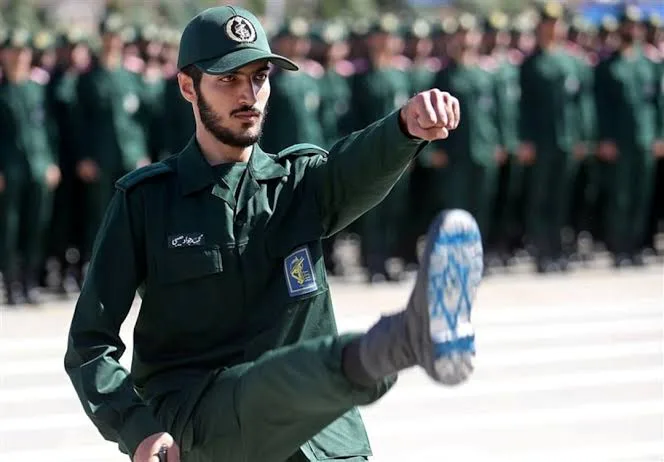
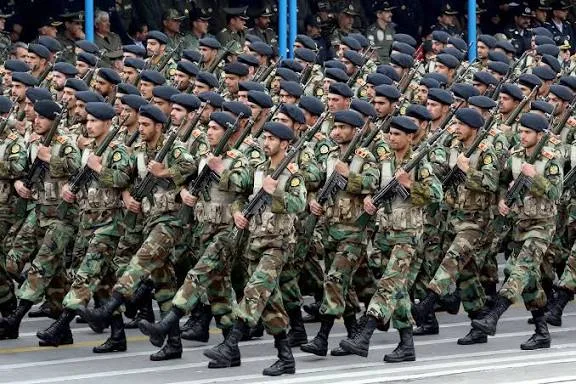
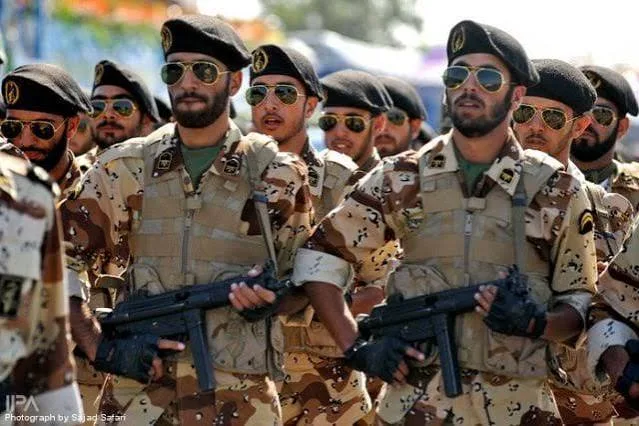
    Iran has activated what is being described as its highest military alert, known as “Code 100.” It has added another layer of uncertainty to an already tense situation in West Asia. The reported move comes after Houthi attacks targeting Saudi Arabia, fresh warnings from Tehran about possible US military action and increased American military activity in the region. However, the specific “Code 100” designation has not been publicly confirmed by Iranian state media, making it important to distinguish the reported alert from independently verified developments.

    Iran has activated what is being described as its highest military alert, known as “Code 100”, have added another layer of uncertainty to an already tense situation in West Asia. (Reuters)
    Iran has activated what is being described as its highest military alert, known as “Code 100”, adding another layer of uncertainty to an already tense situation in West Asia. (Reuters)

    Iran Code 100 report emerges amid rising military tensions

    According to reports citing Iranian news agency Fars and other sources, Iran placed its armed forces on Code 100 on Thursday night. The reported alert covers the Islamic Revolutionary Guard Corps, the regular Army and security forces and is described as the country’s highest level of military preparedness.

    If the reported alert is accurate, it would indicate a major increase in military readiness at a time when Tehran is preparing for the possibility of further US action. Iran has also reportedly moved substantial Army units towards border areas, including the Makran coast along the Gulf of Oman, according to Fars. The reports do not establish that a US ground operation is imminent.

    The significance of the Iran Code 100 report therefore lies less in the name of the alert and more in the wider pattern of military preparations and warnings emerging from the region.

    Also Read | Why India wants a permanent seat at the UN Security Council

    If the reported alert is accurate, it would indicate a major increase in military readiness at a time when Tehran is preparing for the possibility of further US action. (ANI)
    If the reported alert is accurate, it would indicate a major increase in military readiness at a time when Tehran is preparing for the possibility of further US action. (Reuters)

    Houthi attack raises pressure on Iran and Gulf states

    The latest escalation follows attacks by Iran-aligned Houthi forces in Yemen targeting Saudi Arabia. Reuters reported that the attacks intensified an already volatile confrontation involving Iran, the United States, and regional powers. Tehran’s military has warned that any new attack could trigger severe retaliation against US forces and interests in the region.

    The United States has also issued security warnings for the region, reflecting concerns over possible attacks, flight disruptions and airspace restrictions. Reports of additional US military movements have further contributed to speculation about the possibility of renewed military action.

    For Gulf states, any escalation involving Iran, the US, or Iran-aligned groups could create risks for airports, shipping routes, and energy infrastructure. The Strait of Hormuz is particularly important because of its role in global energy transportation.

    Also Read | Wars, Trump and Guterres’ exit set the tone for UN General Assembly 2026

    The latest escalation follows attacks by Iran-aligned Houthi forces in Yemen targeting Saudi Arabia. (ANI)
    The latest escalation follows attacks by Iran-aligned Houthi forces in Yemen targeting Saudi Arabia. (Reuters)

    Has Iran officially confirmed Code 100?

    This remains the central uncertainty surrounding the Iran Code 100 story. Iranian official media have not publicly confirmed the specific designation, even though reports citing Fars and other sources have described the country’s forces as being placed on the highest alert.

    That distinction matters because military alert designations can carry specific operational meanings that cannot be independently established from social media posts or open-source reports alone.

    What is clearer is that military tensions have intensified. Reuters reported that Iran has warned of severe retaliation against any new US attack, while the US has increased security warnings amid the deteriorating regional situation.

    The reported Iran Code 100 activation should therefore be treated as an unconfirmed indication of heightened readiness rather than proof that Tehran has authorised an immediate military offensive. The coming days will depend on whether diplomatic efforts prevent further escalation or whether additional attacks and military deployments push the region towards a broader confrontation.

    FAQs

    What is Iran Code 100?

    Iran Code 100 has been described in current reports as the highest level of military alert, but its specific designation and operational meaning have not been publicly confirmed by Iranian state authorities.

    Has Iran officially confirmed Code 100?

    No. Reports have cited Iranian sources and open-source monitoring, but Iranian state media have not publicly confirmed the specific Code 100 designation.

  • Who is Suryanarayana Doolla? IIT Bombay professor suspended after student’s death

    Who is Suryanarayana Doolla? IIT Bombay professor suspended after student’s death

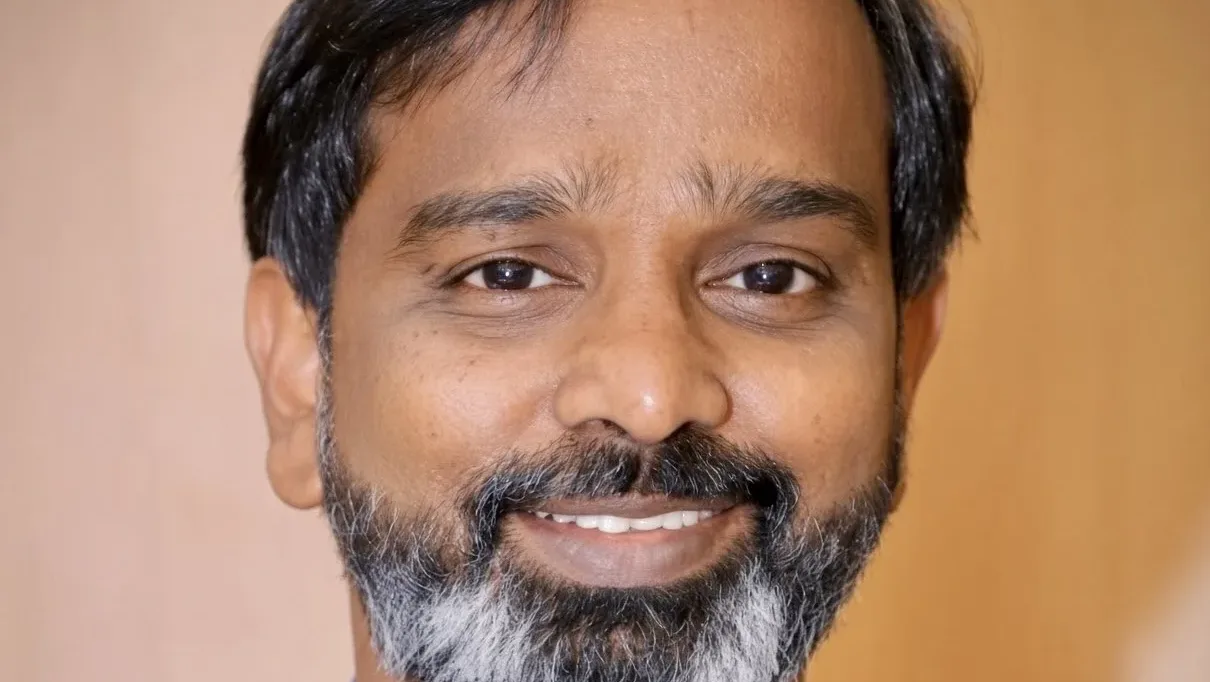
    Suryanarayana Doolla, a professor at the Indian Institute of Technology Bombay, was suspended as Dean (Student Affairs) on Monday amid an investigation into the death of a 20-year-old student. The Mumbai Police have registered an FIR naming Doolla and other officials following the student’s death on September 18.

    The professor came under scrutiny after he was invigilating a mid-semester examination held from 11 AM to 1 PM that day. During the examination, Doolla allegedly found the student using a mobile phone and uploading the question paper to an artificial intelligence platform to seek answers. The student, who was from IIT Bombay’s Department of Energy Science and Engineering, died by suicide later that day.

    Who is Suryanarayana Doolla?

    Suryanarayana Doolla is a professor in the Department of Energy Science and Engineering at IIT Bombay. He has also served as the institute’s Dean (Student Affairs), a position he took up in March 2023, according to information available on IIT Bombay’s official website.

    Doolla’s academic work focuses on power electronics and power systems. His work includes teaching and research in the field of energy systems.

    Before joining IIT Bombay, Doolla worked at Machine 2 Machine in Hyderabad from 2006 to 2008. He later joined Power Research and Development Consultants in Bengaluru in 2009.

    Doolla completed his B.Tech in Electrical Engineering from Nagarjuna University in 2000. He then earned an MTech in Energy Systems Engineering from IIT Bombay. He completed his PhD in Power Systems from IIT Delhi in 2007.

    Also Read | Sangrur man consumes poison over alleged drug inaction, political row follows

    Suryanarayana Doolla’s roles and awards at IIT Bombay

    Doolla has held several administrative positions at IIT Bombay during his academic career. His responsibilities have included student affairs, hostel management and national-level entrance examinations.

    He served as the organising chairman for JEE Advanced, CEED and UCEED in 2022. He was also the warden of Hostel 6 from 2012 to 2021 and had earlier served as its associate warden in 2011.

    Doolla has also received recognition for his teaching and research. His awards include the Prof S P Sukhatme Excellence in Teaching Award from IIT Bombay in September 2021 and the Excellence in Teaching Award from the Department of Energy Science and Engineering in 2017.

    He received the Young Faculty Award from IIT Bombay in 2009 and the Bhaskara Advanced Solar Energy Fellowship in 2017.

    Also Read | India’s semiconductor push faces sabotage risk, Union Minister Ashwini Vaishnaw warns

    FAQs

    Q: Who is Suryanarayana Doolla?
    Suryanarayana Doolla is a professor in IIT Bombay’s Department of Energy Science and Engineering. His academic work focuses on power electronics and power systems.

    Q: Why was Suryanarayana Doolla suspended?
    IIT Bombay suspended Doolla from his deanship amid an investigation into the death of a student who died by suicide on September 18.