Blog

  • India Space Force: Why India may need a separate space command? 

    India Space Force: Why India may need a separate space command? 

    Space has been part of military planning since the early years of the Space Age, but its role in warfare is changing rapidly. India could eventually need a dedicated Space Force as space-based intelligence, communication and navigation become increasingly important to military operations.

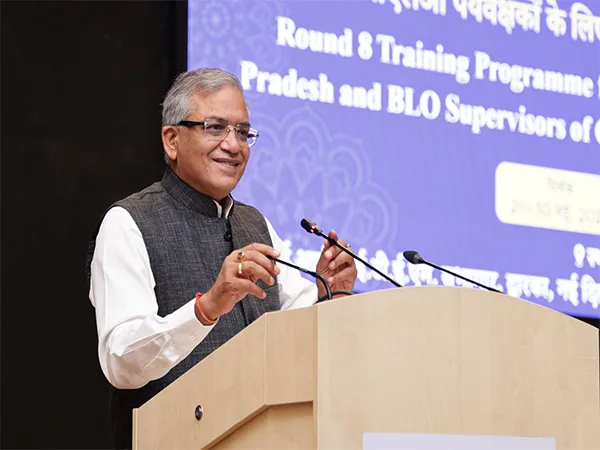
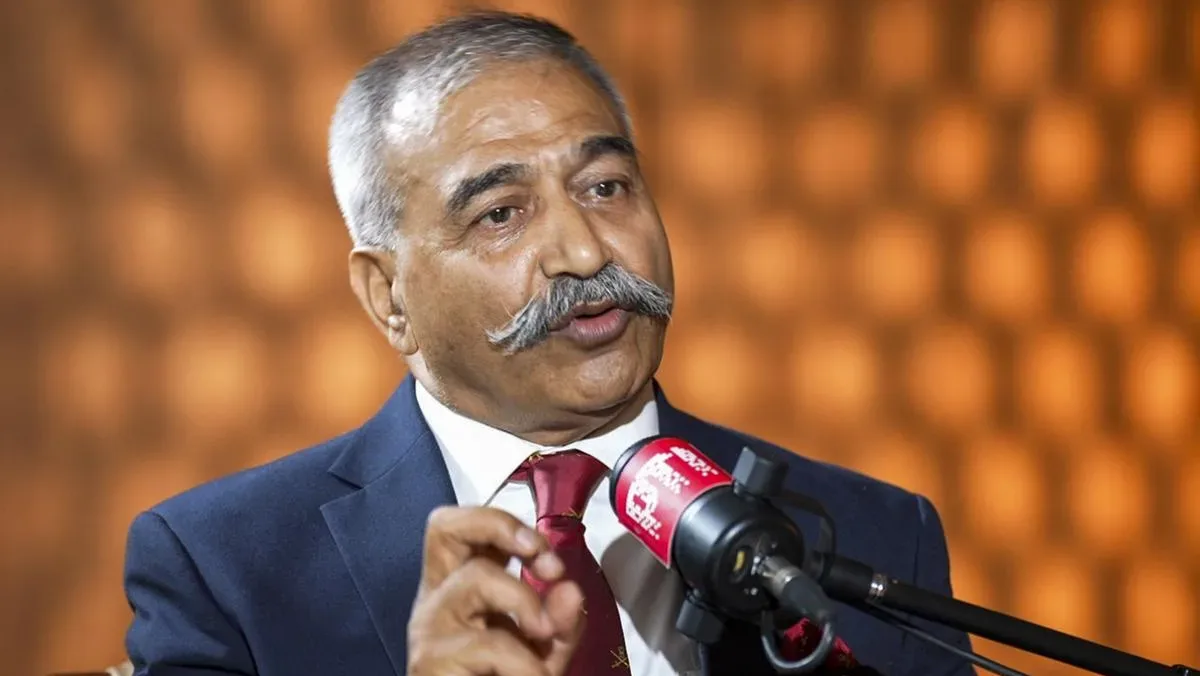
    Lieutenant General (Retired) Anil Kumar Bhatt, Director General of the Indian Space Association, said the growing importance of space means India will eventually have to strengthen its military structure beyond the existing Defence Space Agency (DSA). However, Bhatt cautioned against the idea that large-scale space warfare, as often portrayed in popular culture, is already around the corner.

    “Combat has slowly started creeping in, but the kind of space wars people often imagine, such as satellites attacking one another or humans fighting on the Moon or Mars, remain some distance away,” Bhatt said.

    From Spy Satellites to Modern Space Warfare

    The military use of space predates the launch of Sputnik. American researchers were examining the use of space for reconnaissance as early as 1946. That work eventually contributed to the Corona programme, with the US launching its first spy satellite in 1960.

    The satellite generated more imagery of the Soviet Union during a single mission than previous spy-plane operations had produced collectively. Within a decade, satellites had become America’s primary surveillance tools from orbit.
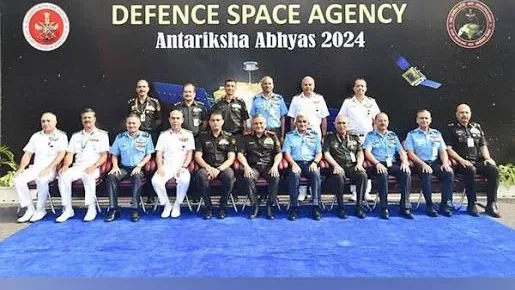
    India's Defence Space Agency
    India’s Defence Space Agency. Credit: X/ANI

    Space has since supported intelligence, surveillance and reconnaissance, communications and navigation. The emerging shift, however, is towards the weaponisation of the domain. Bhatt believes India’s DSA should eventually evolve into a Space Command and, later, a Space Force.

    “Setting up the DSA was the starting point. The way things are developing, it will have to evolve into a Space Command and eventually into a Space Force. But it must remain a triservices agency. The Air Force has pushed for one ‘Aerospace Force’ that absorbs the Space Force’s or DSA’s role but it is my personal belief that things are very different on the two sides of the Karman Line, and the domain above that line must be with a separate triservices organisation,” said Bhatt.

    India’s Defence Space Approach Has Changed

    India’s approach to military space capabilities has undergone a significant change in recent years. The Defence Space Agency was established in 2019, marking an important step towards coordinating the country’s space-related defence capabilities. Bhatt said the relationship between India’s armed forces and the private space and defence industry has also changed.

    Also Read | India asks Pakistan to back anti-terror claims with action as tensions rise

    “Five years back, the armed forces would never talk to anybody —any civilian, a startup or a private company— about anything to do with space. But today? Seventy-five defence challenges have been defined for start-ups to know and build what the armed forces require for the future,” said Bhatt.

    Frequent discussions between the military and industry have helped narrow the gap between what companies develop and what the armed forces require.
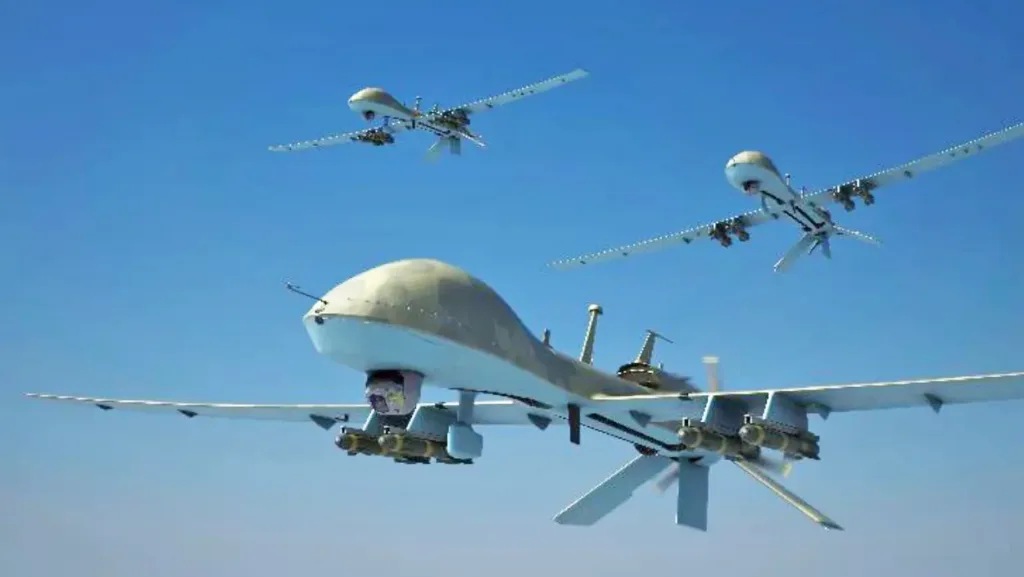
    Drones in Indian Defence Space Agency
    Drones in Indian Defence Space Agency. Credit: X/Ministry of Defence, Govt of India

    Minimum Orders for Defence Start-Ups

    Despite closer cooperation, defence start-ups continue to face challenges when developing products specifically for military use. Without assured orders, companies can find it difficult to sustain projects after developing prototypes. The Indian Space Association has therefore pushed for a minimum-order mechanism under defence challenges.

    “In defence challenges, the MoD has introduced something called a ‘minimum order quantity’. The idea is this: if a prototype is being made, money is being given by the government or the start-up is putting in the money, the exercise does not make sense if the prototype is not bought by anybody. It is a loss. So, we have pushed for a process where the government must buy at least a minimum number of units developed under a challenge, so as to keep the manufacturing feasible,” said Bhatt.

    Also Read | What is ERONET? The ECI software at the centre of the SIR row

    Space Could Become a Future Theatre of Conflict

    Recent conflicts have highlighted how important space-based capabilities can be on the battlefield. Operation Sindoor provided India with a direct experience of the role played by space-based intelligence, while the Russia-Ukraine war demonstrated the military value of commercial space assets.

    Bhatt believes future conflicts could involve attacks against space infrastructure itself, rather than space simply supporting operations on Earth.

    “Conflict in space could not be just about satellites shooting each other. It could begin in the form of cyberattacks on satellites and jamming of sensors by electronic means or destruction by laser/DEW. It is a matter of time.”

    Why India Needs a Triservices Space Structure? 

    According to Bhatt, space capabilities would have to be integrated into military planning at every level if India moves towards a more integrated theatre command structure.

    A future Space Force, he said, would provide intelligence, surveillance and reconnaissance, communications and navigation support across different theatres rather than serving one individual service.

    “A theatre will not only have the Army, Navy, or the Air Force, but will also have space. That means the same assets can be shared by many theatres. That would mean that DSA personnel would be critical for every theatre as they would be running the ISR, communication, navigation, etc, and advising the commanders. And that is why it must remain a triservices organisation instead of being led by any one service,” said Bhatt.

    India’s Defence Space Agency is therefore likely to remain central to the country’s evolving military space strategy as the role of space expands from support for operations on Earth towards becoming a potential theatre of conflict itself.
  • ECI dissent report sparks Opposition attack as poll panel rejects formal dissent claim

    ECI dissent report sparks Opposition attack as poll panel rejects formal dissent claim

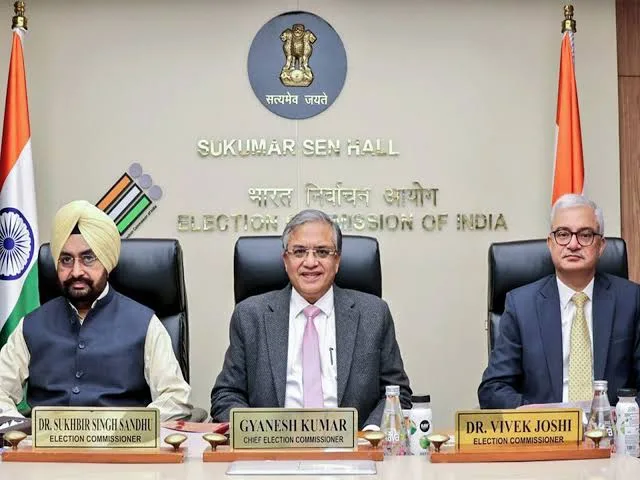
    An ECI dissent report has triggered a fresh political confrontation between the Opposition and the Election Commission of India after an Indian Express investigation reported that Election Commissioners Sukhbir Singh Sandhu and Vivek Joshi had raised formal objections to decisions taken by the poll panel. The report said the two commissioners recorded at least 14 objections over 10 months on issues linked to voter registration, deletion and restoration of names, changes to electoral forms and the management of voter data. The ECI, however, has rejected the description of these objections as formal dissent, saying differences and observations are part of institutional deliberations and that decisions of the full Commission were unanimous.

    An ECI dissent report has triggered a fresh political confrontation between the Opposition and the Election Commission of India after an Indian Express investigation reported that Election Commissioners Sukhbir Singh Sandhu and Vivek Joshi had raised formal objections to decisions taken by the poll panel. (ANI)
    An ECI dissent report has triggered a fresh political confrontation between the Opposition and the Election Commission of India after an Indian Express investigation reported that Election Commissioners Sukhbir Singh Sandhu and Vivek Joshi had raised formal objections to decisions taken by the poll panel. (ANI)

    ECI dissent report puts internal decision-making under scrutiny

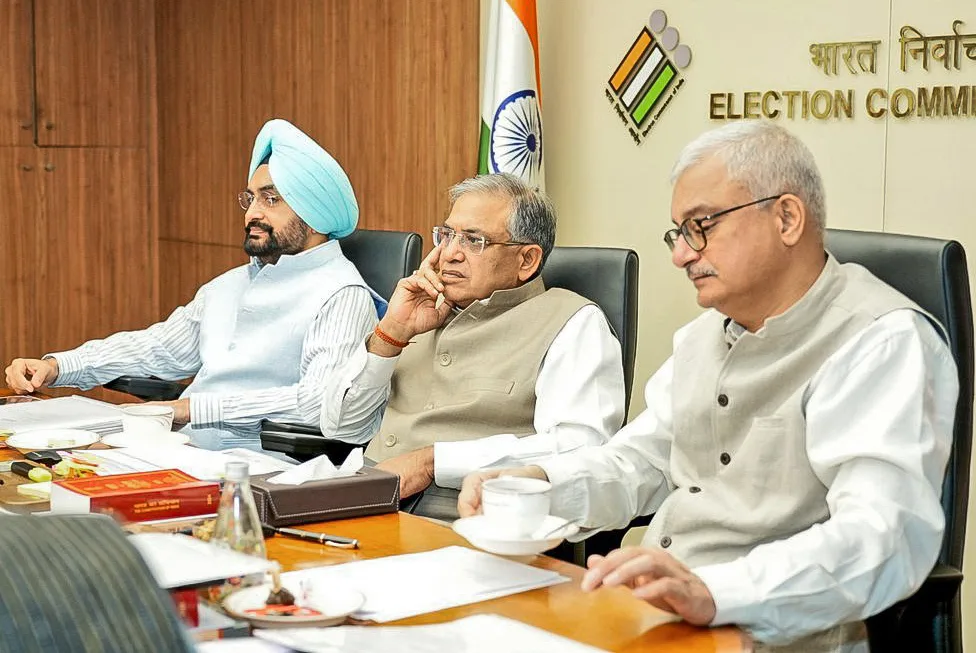
    The ECI dissent report centres on objections reportedly raised by Sandhu and Joshi, who are members of the three-person Election Commission headed by Chief Election Commissioner Gyanesh Kumar. According to the Indian Express investigation, the two commissioners objected on record at least 14 times, including four instances on a single day, over decisions and orders they said had been taken without their knowledge.

    The reported objections covered matters directly connected with electoral rolls, including the addition of new voters, deletion and restoration of names and the handling of the voter database. The investigation also reported concerns over the centralisation of access to electoral-roll systems in Delhi and changes to Form 6, which is used by citizens seeking registration as voters.

    The ECI has disputed the interpretation of the exchanges. Its position is that commissioners may raise observations or suggestions during deliberations without those necessarily amounting to dissent on a final decision. The poll panel said all decisions taken by the full Commission during the period were unanimous.

    Also Read | What is ERONET? The ECI software at the centre of the SIR row

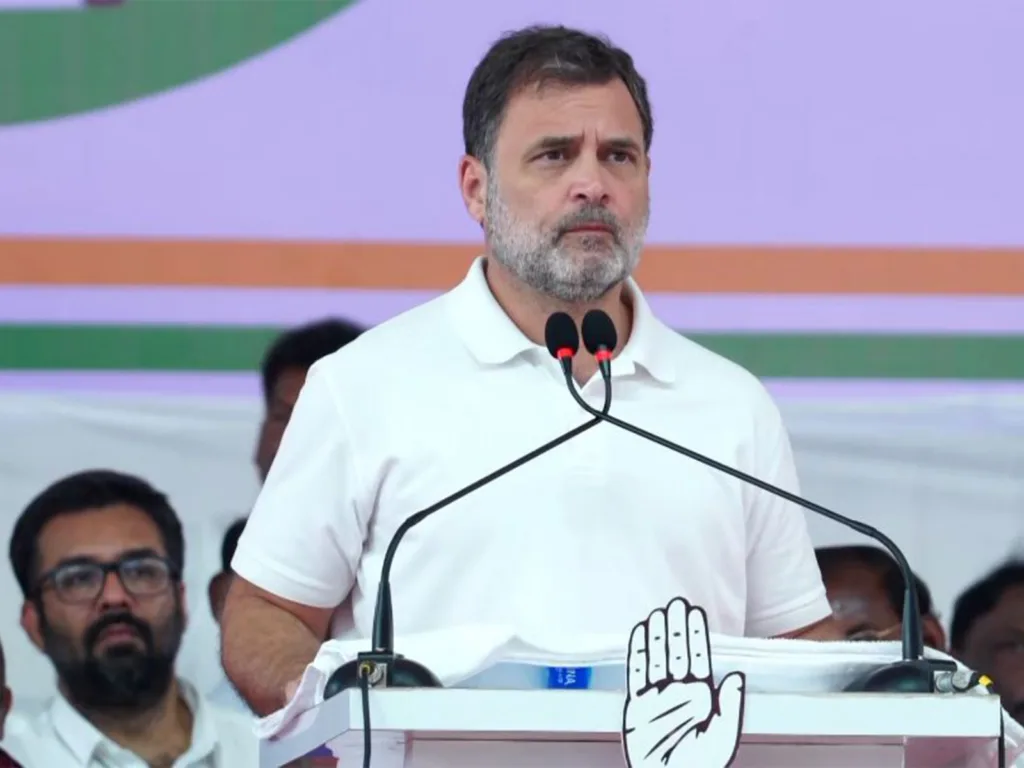
    The ECI dissent report quickly became a political issue, with Congress leaders using the findings to renew their criticism of the poll panel and its handling of the Special Intensive Revision, or SIR, of electoral rolls. (ANI)
    The ECI dissent report quickly became a political issue, with Congress leaders using the findings to renew their criticism of the poll panel and its handling of the Special Intensive Revision, or SIR, of electoral rolls. (ANI)

    Rahul Gandhi, Congress step up attack after ECI dissent report

    The ECI dissent report quickly became a political issue, with Congress leaders using the findings to renew their criticism of the poll panel and its handling of the Special Intensive Revision, or SIR, of electoral rolls.

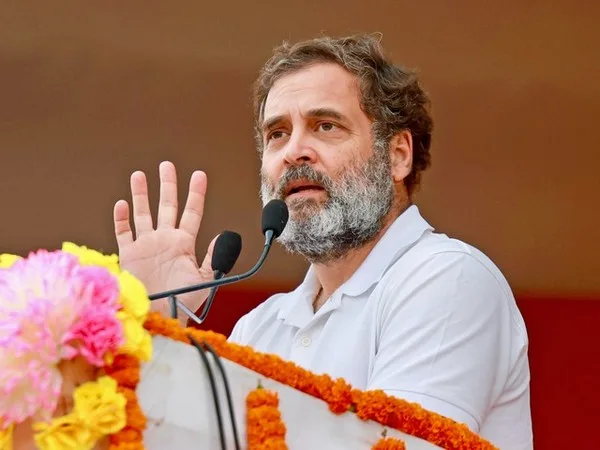
    Congress leader Rahul Gandhi accused the Election Commission, BJP and RSS of being involved in what he described as “vote chori” and said the issue amounted to an attack on the Constitution. These are political allegations and have not been independently established.

    Congress MP Manish Tewari also referred to the ECI dissent report while questioning whether the Election Commission was being influenced by an “invisible hand”. Tewari argued that if the reported objections reflected decisions being taken without following established procedures, the legality and credibility of those decisions would need examination. He also raised the possibility of proceedings against the Chief Election Commissioner. These were his political and legal arguments, rather than findings by a court.

    Trinamool Congress MP Derek O’Brien separately renewed a call for a Rajya Sabha motion seeking the removal of CEC Gyanesh Kumar. The Opposition’s response has therefore extended beyond the reported internal objections to broader questions about the functioning and accountability of the poll panel.

    Also Read | India asks Pakistan to back anti-terror claims with action as tensions rise

    The ECI dissent report has emerged at a time when the Election Commission's SIR exercise is already facing intense political and legal scrutiny. (ANI)
    The ECI dissent report has emerged at a time when the Election Commission’s SIR exercise is already facing intense political and legal scrutiny. (ANI)

    ECI dissent report comes amid wider SIR controversy

    The ECI dissent report has emerged at a time when the Election Commission’s SIR exercise is already facing intense political and legal scrutiny. The Indian Express investigation said the objections raised by Sandhu and Joshi concerned issues at the heart of electoral-roll management, including new voter registration and deletion of names.

    One reported dispute involved changes to Form 6, with the two commissioners objecting to the addition of questions related to voters’ or their relatives’ presence in earlier electoral rolls. The investigation reported that they described the change as unauthorised and illegal.

    At the same time, the ECI has maintained that the reported exchanges do not establish a formal split in the Commission. It has said that individual views, observations and suggestions are normal during deliberations and that final decisions remained unanimous.

    The ECI dissent report has consequently opened a debate over how a constitutional body should record and understand internal disagreements. While Opposition parties have treated the reported objections as evidence of serious concerns, the poll panel has characterised them as part of its normal decision-making process. The significance of the controversy will depend on how the coming weeks examine the underlying objections, procedures, and decisions.

  • Jaishankar meets Rubio in New York, raising India’s concerns over Russia sanctions

    Jaishankar meets Rubio in New York, raising India’s concerns over Russia sanctions

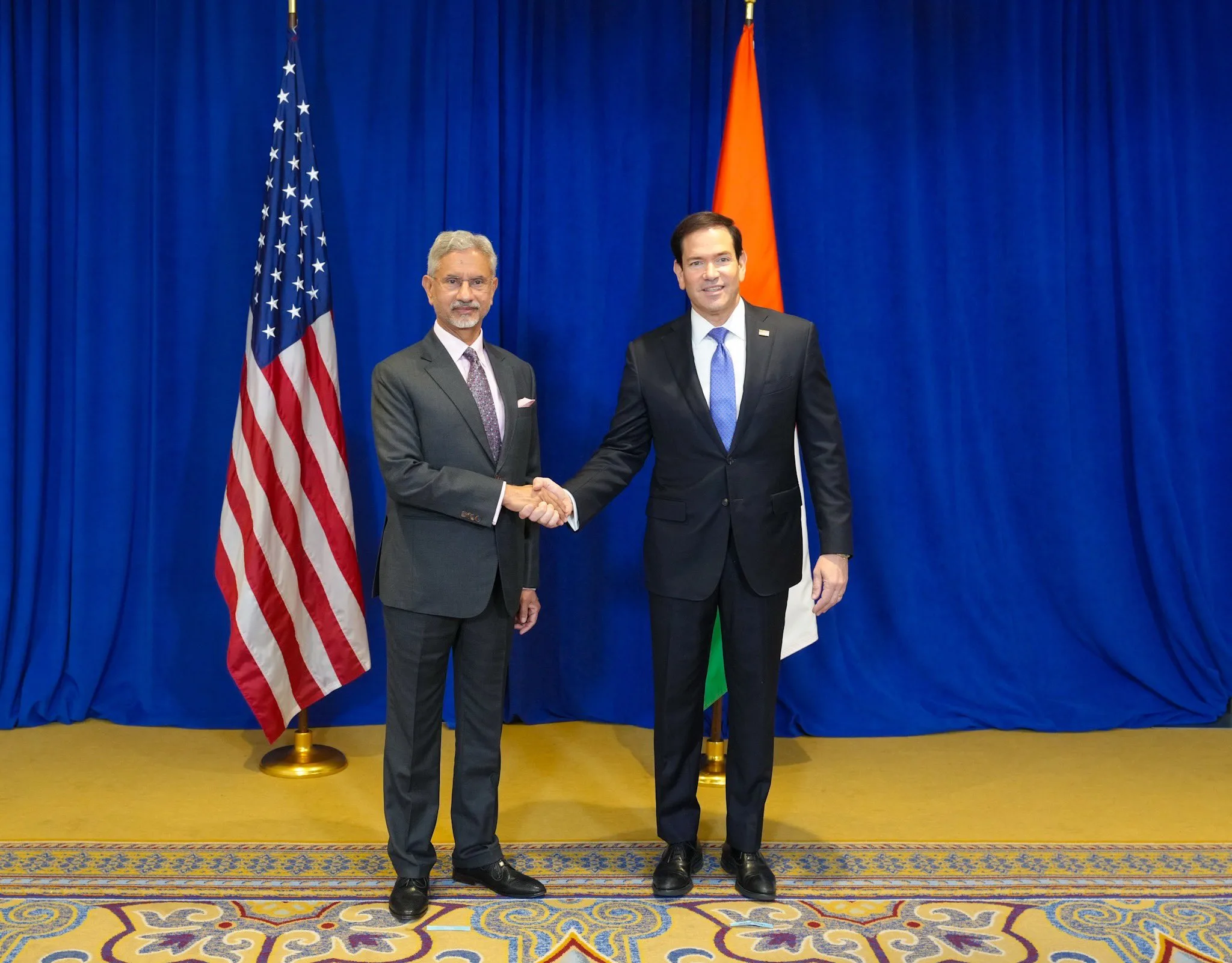
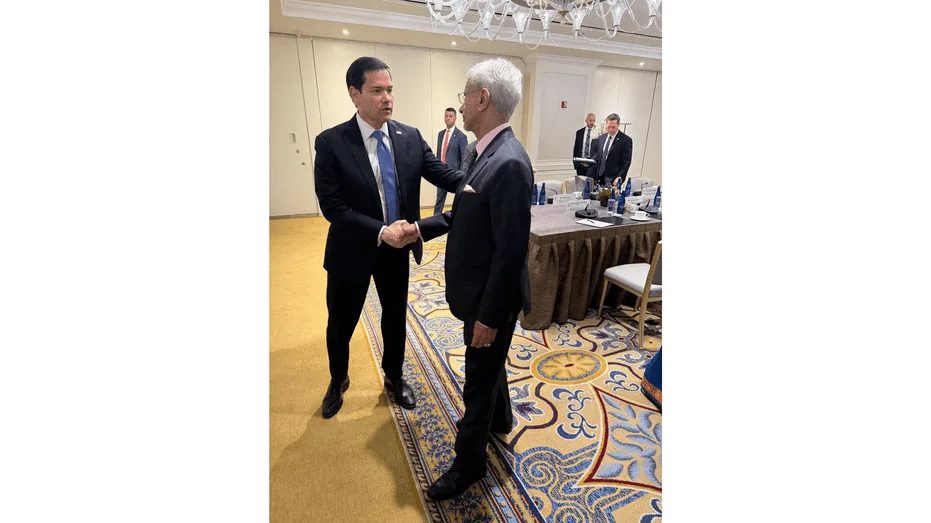
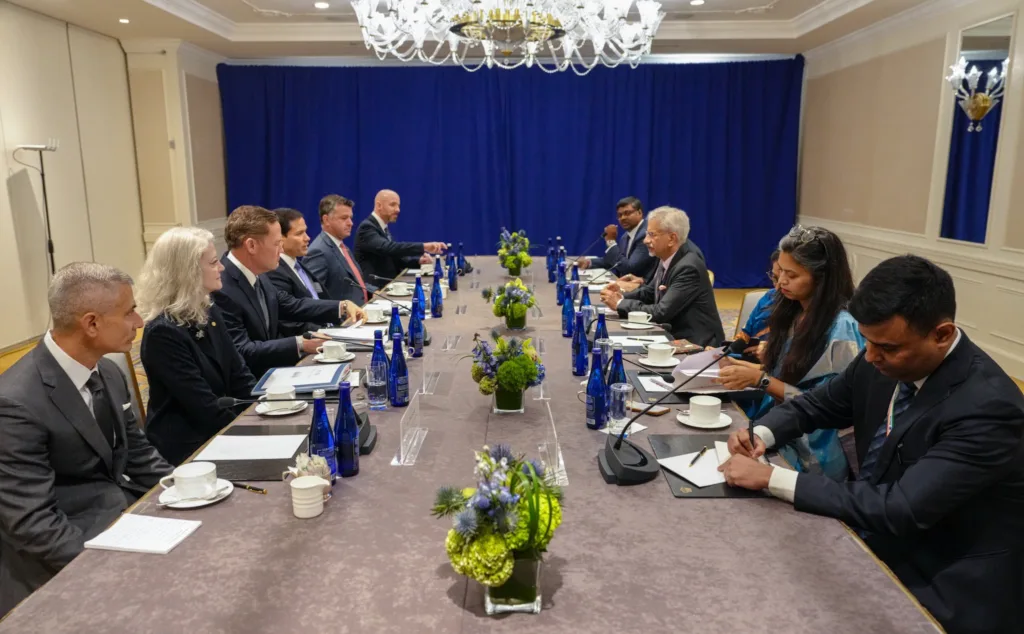
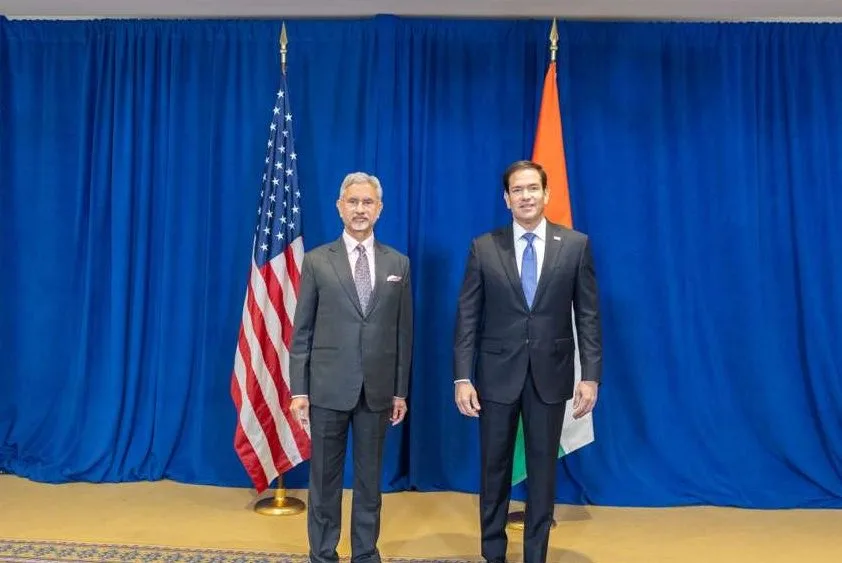
    External Affairs Minister S Jaishankar met US Secretary of State Marco Rubio in New York on Wednesday as the two sides discussed the India-US strategic partnership and a range of regional and global issues. Jaishankar said he reiterated India’s interests and concerns regarding the Lindsey O. Graham Sanctioning Russia and Iran Act of 2026, while the two ministers also discussed developments in the Gulf and Ukraine. The meeting took place on the sidelines of the United Nations General Assembly’s high-level week, where Jaishankar is scheduled to address the General Assembly on Saturday.

    External Affairs Minister S Jaishankar met US Secretary of State Marco Rubio in New York on Wednesday as the two sides discussed the India-US strategic partnership and a range of regional and global issues. (X/@DrSJaishankar)
    External Affairs Minister S Jaishankar met US Secretary of State Marco Rubio in New York on Wednesday as the two sides discussed the India-US strategic partnership and a range of regional and global issues. (X/@DrSJaishankar)

    The Jaishankar-Rubio meeting focuses on strategic partnership

    The meeting comes as India and the US continue discussions on trade, security and regional cooperation despite differences over proposed measures targeting countries and entities linked to Russia and Iran.

    Rubio said the two countries were working to strengthen their strategic partnership and coordinate on regional priorities and upcoming multilateral engagements. Jaishankar, meanwhile, said India had reiterated its interests and concerns regarding the proposed sanctions legislation.

    The legislation, referred to as SRIA, has implications for countries continuing significant economic engagement with Russia and Iran. India has maintained energy and trade ties with Russia, making any potential sanctions affecting Russian oil purchases an important issue for New Delhi.

    The meeting therefore comes at a time when broader India-US economic discussions are also continuing. Trade negotiations between the two countries have remained an important part of the bilateral agenda.

    Also Read | What is ERONET? The ECI software at the centre of the SIR row

    India has maintained energy and trade ties with Russia, making any potential sanctions affecting Russian oil purchases an important issue for New Delhi. (X/@DrSJaishankar)
    India has maintained energy and trade ties with Russia, making any potential sanctions affecting Russian oil purchases an important issue for New Delhi. (X/@DrSJaishankar)

    Jaishankar-Rubio meeting covers Gulf and Ukraine

    The meeting also covered the situations in the Gulf and Ukraine, according to Jaishankar’s account of the discussions.

    The Gulf remains strategically important for India because of its energy supplies, trade routes and large Indian-origin population across the region. Developments affecting shipping and energy security therefore remain a significant concern for New Delhi.

    The Ukraine conflict was another key issue. India has maintained diplomatic engagement with both Russia and Western countries while calling for dialogue and diplomacy to resolve the conflict. Prime Minister Narendra Modi had also publicly urged Russian President Vladimir Putin last month to end the war.

    Jaishankar’s discussions in New York come against this wider diplomatic backdrop, with the UN General Assembly bringing together heads of government, foreign ministers and senior diplomats from across the world.

    Also Read | India asks Pakistan to back anti-terror claims with action as tensions rise

    The Jaishankar-Rubio meeting also takes place within the broader framework of India-US cooperation through the Quad, which includes India, the United States, Japan and Australia. (X/@DrSJaishankar)
    The Jaishankar-Rubio meeting also takes place within the broader framework of India-US cooperation through the Quad, which includes India, the United States, Japan and Australia. (X/@DrSJaishankar)

    Jaishankar-Rubio meeting comes amid wider Quad coordination

    The meeting also takes place within the broader framework of India-US cooperation through the Quad, which includes India, the United States, Japan and Australia.

    The four countries have continued coordination on issues including maritime security, infrastructure and energy in the Indo-Pacific. At the Quad Foreign Ministers’ meeting in New Delhi in May, the members reiterated cooperation on maritime security, port infrastructure and energy.

    For India and the US, the strategic relationship therefore extends beyond their differences over trade and sanctions. Cooperation continues across the Indo-Pacific even as both sides navigate disagreements on economic and geopolitical issues.

    Jaishankar is scheduled to address the UN General Assembly on Saturday during the afternoon session beginning at 3 pm local time, which will be 12.30 am in India on Sunday. His meetings on the sidelines of the General Assembly are expected to form part of India’s wider diplomatic engagement during the high-level week.

    The Jaishankar-Rubio meeting adds to that diplomatic push, with India seeking to articulate its position on sanctions while continuing engagement with Washington on regional and multilateral priorities.

  • Trump’s Board of Peace plans $2.45 billion Gaza recovery plan

    Trump’s Board of Peace plans $2.45 billion Gaza recovery plan

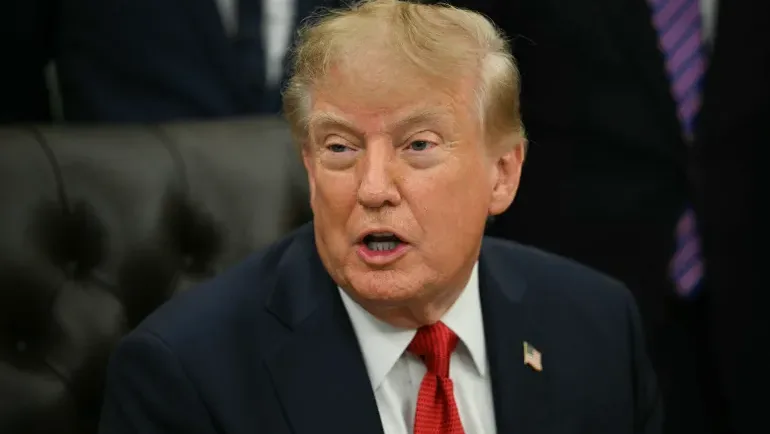
    US President Donald Trump’s Board of Peace is set to present a six-month, $2.45 billion recovery plan for Gaza at a meeting of its members on Wednesday, according to a report by Axios. The proposal covers emergency housing, debris removal, hospital repairs, economic recovery and security arrangements.

    The plan contains 66 projects and is being presented as a framework for the initial phase of Gaza’s post-war recovery and governance. It has reportedly been prepared over the past year by members of the Board of Peace and a Palestinian technocratic government. The board has 28 member countries.

    Gaza Reconstruction Plan: What Does It Include?

    According to the reported plan, infrastructure would receive about $1 billion. The proposed spending includes around $400 million for temporary shelters, $275 million for clearing rubble and unexploded ordnance, $50 million for hospital rehabilitation and $30 million for road repairs.

    The proposal also covers electricity and water infrastructure, border crossings and solar power. Around $400 million is reportedly earmarked for insulated caravans to provide temporary accommodation for displaced Palestinians currently living in tents.

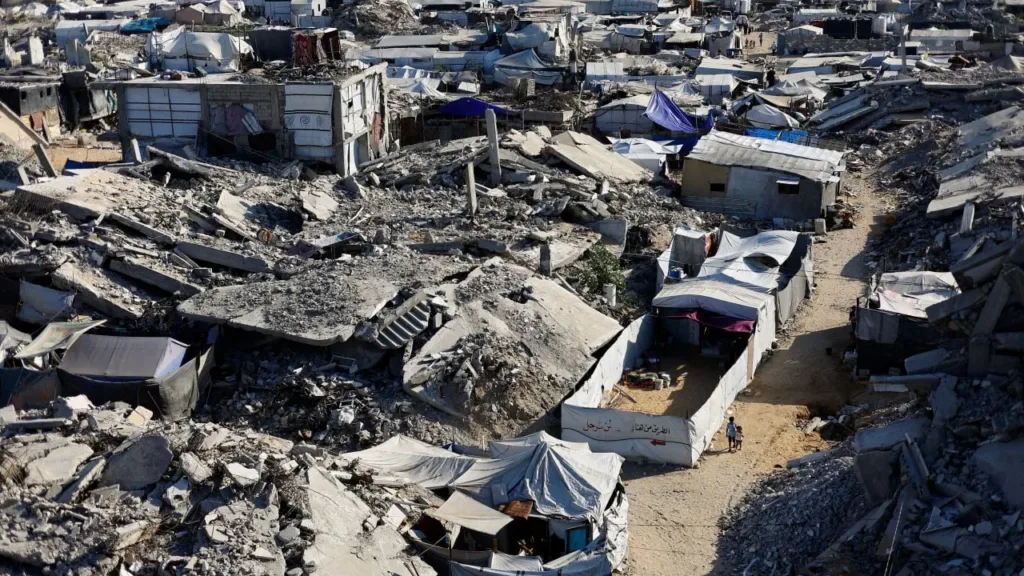
    An aerial view shows widespread destruction in Gaza, with sprawling camps of makeshift tents set up among collapsed concrete buildings and rubble.
    An aerial view shows widespread destruction in Gaza, with sprawling camps of makeshift tents set up among collapsed concrete buildings and rubble. Credit: X/ANI

    Security-related projects account for another major portion of the proposed budget. The plan reportedly sets aside about $885 million for security projects, including facilities and deployment related to a multinational security force. It also includes funding for Palestinian police and a weapons buy-back programme.

    A Board of Peace official was quoted as saying: “The plan shows how to stand up a government from nothing, an economy from shambles and a territory from disaster.”

    Gaza Recovery Could Cost $71.4 Billion

    The proposed six-month programme is only an initial step compared with the estimated cost of rebuilding Gaza.

    The plan puts the physical damage in Gaza at about $35.2 billion and estimates that full recovery and reconstruction could require approximately $71.4 billion over the next 10 years.

    Also Read | From Trump TV to Truth Social: Inside the US president’s media multiverse

    Beyond immediate relief, the proposal reportedly includes plans for digital services, economic support, healthcare and education. The broader objective is to establish the foundations of a functioning Palestinian administration and restart private-sector activity.

    Israel, Hamas Cooperation Key to Gaza Plan

    Implementation remains dependent on political and security conditions involving Israel and Hamas.

    According to Axios, Israel’s government has agreed in principle to parts of the proposal previously discussed but has not begun implementation, citing domestic political considerations ahead of its October 27 election. Hamas has also agreed in principle to disarm, although that commitment has yet to be tested.

    Funding is another challenge as the Board officials said the entire $2.45 billion does not have to be available immediately, while donor countries would be expected to support individual projects once political obstacles are addressed.

    Also Read | Iran offers to reopen Strait of Hormuz in 7 days if US eases pressure

    The proposal therefore combines short-term humanitarian needs with longer-term reconstruction and governance plans, but its implementation will depend on funding and cooperation among the parties involved.

  • Autumn Travel Guide: 10 stunning places to visit in India this festive season

    Autumn Travel Guide: 10 stunning places to visit in India this festive season

    As the monsoon season finally bids goodbye, autumn season enters with clear blue skies, cool breezes and lush landscapes across India. Autumn season is known for the festive seasons, making September and October one of the most popular times for travel. Whether you want to experience colourful festivals, peaceful hill stations, heritage cities or nature at its finest, autumn offers something for every traveller.

    Here are 10 destinations that deserve a spot on your travel list this season.

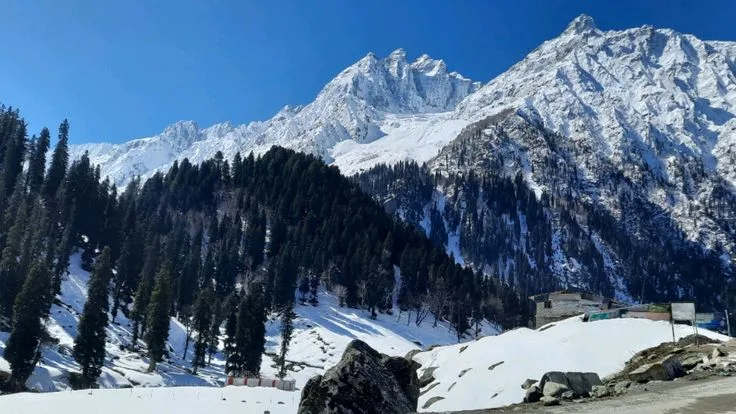
    Kashmir

    Autumn transforms Kashmir into a canvas of red, orange and golden hues as the chinar trees change colour. The weather remains cool and comfortable, making it the perfect time to visit Srinagar in autumn, Dal Lake, Gulmarg and Pahalgam.

    Also Read | Tiger safari season is back: 8 national parks to visit as safari gates reopen in October

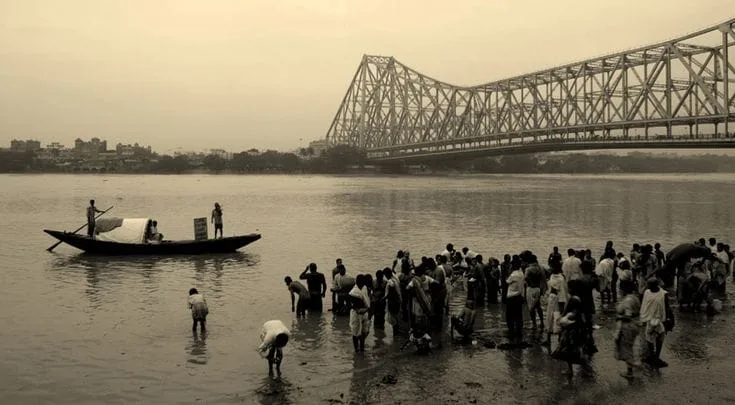
    Kolkata, West Bengal

    Durga Puja is the biggest reason to visit Kolkata in autumn. The city comes alive with beautifully designed pandals, dazzling lights, cultural performances and delicious street food. Visiting Kumartuli before the festival adds another unique experience, where artisans create Maa Durga idols by hand.

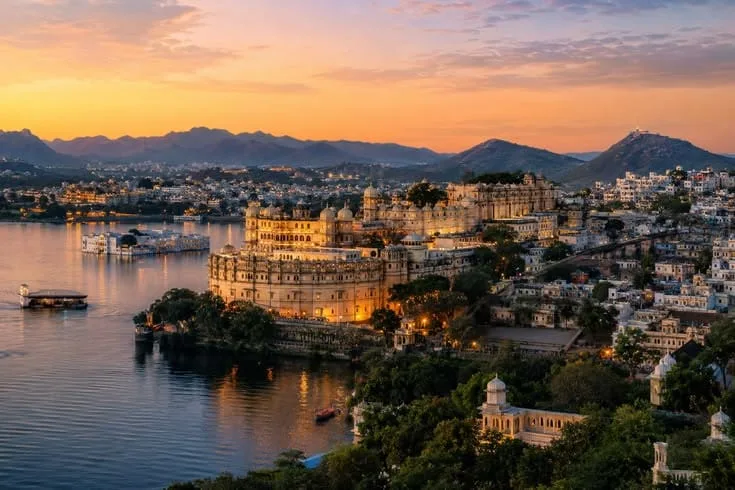
    Udaipur, Rajasthan

    After the monsoon, Udaipur’s lakes are full and the city’s gardens look fresh and green. Pleasant evenings make sightseeing enjoyable, while boat rides on Lake Pichola and visits to City Palace become even more memorable.

    Also Read | Digi Yatra international trial may begin at Delhi, Mumbai, Bengaluru, Hyderabad and Cochin airports

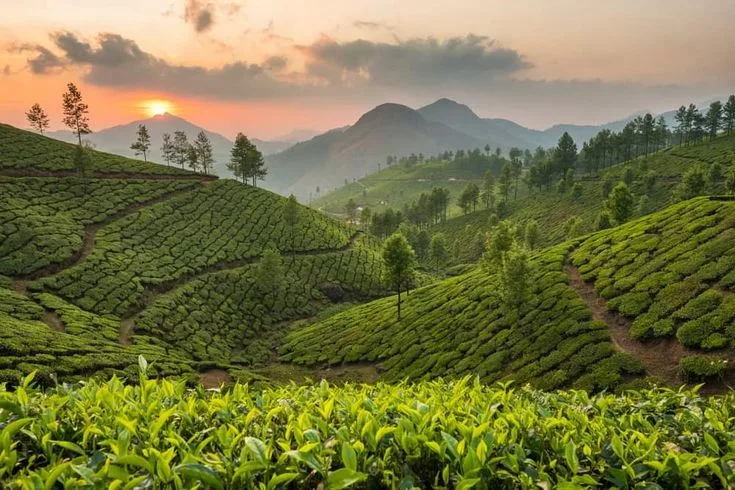
    Munnar, Kerala

    The tea plantations of Munnar look especially vibrant after the rains. Mist-covered hills, waterfalls and cool weather make it one of the most refreshing destinations in South India during autumn.

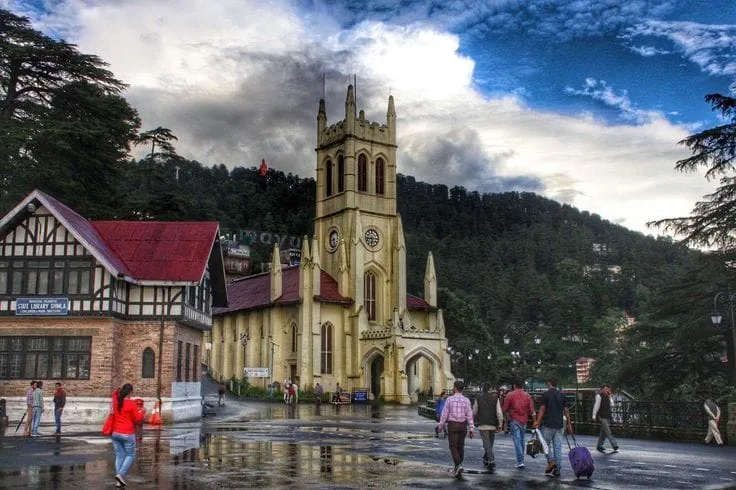
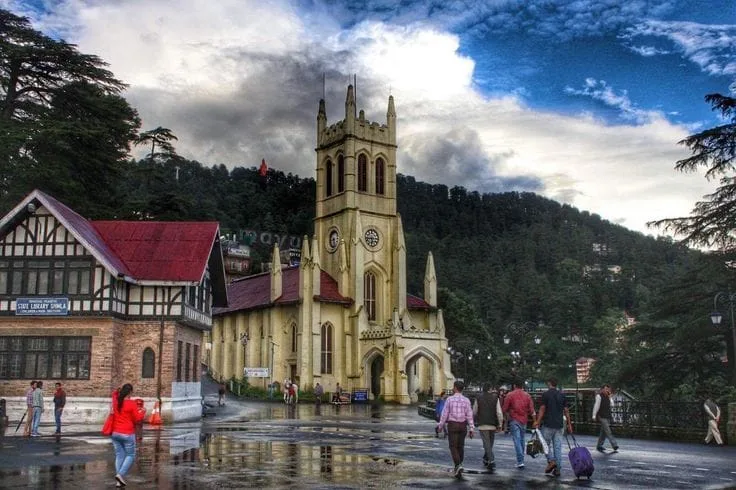
    Shimla, Himachal Pradesh

    Shimla enjoys crisp weather and clear mountain views during autumn. It’s a great time to stroll along the Mall Road, visit colonial-era landmarks and enjoy the peaceful atmosphere before the winter tourist rush begins.

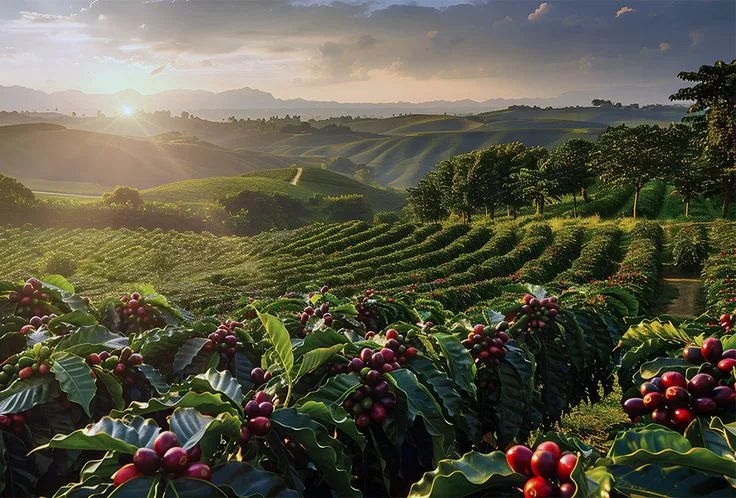
    Coorg, Karnataka

    Known as the “Scotland of India”, Coorg is lush and beautiful during autumn. Coffee plantations, forests and waterfalls are at their greenest, making it ideal for nature lovers and weekend travellers.

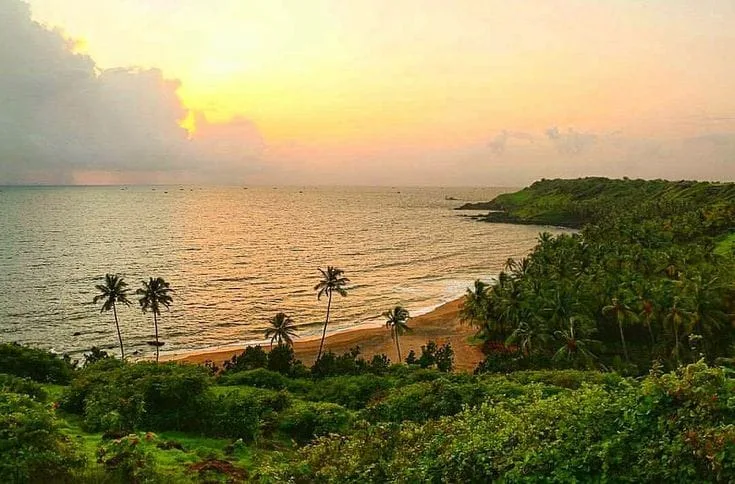
    Goa

    Autumn is one of the best times to visit Goa if you want to avoid peak-season crowds. The beaches are cleaner after the monsoon, the weather is pleasant and the landscape remains beautifully green.

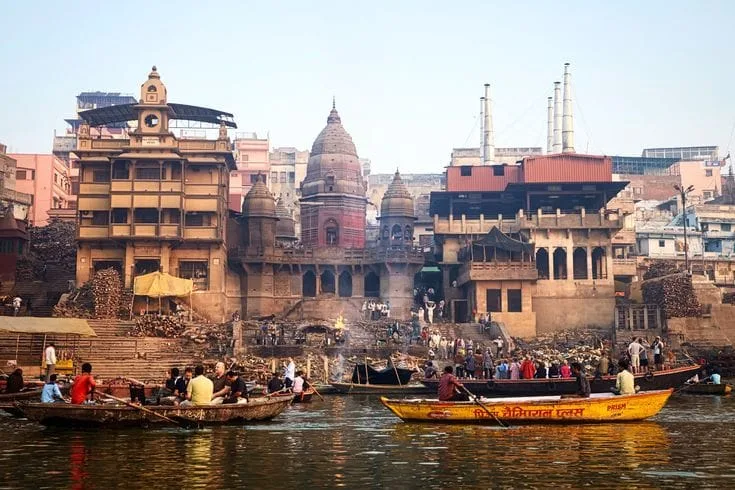
    Varanasi, Uttar Pradesh

    The cooler weather makes exploring Varanasi much easier. Witness the evening Ganga Aarti, take a sunrise boat ride on the Ganges and experience the city’s spiritual atmosphere during the festive season.

    Manali, Himachal Pradesh

    Manali offers fresh mountain air, colourful landscapes and comfortable weather in autumn. It’s also a good season for trekking, camping and visiting nearby valleys before snowfall begins.

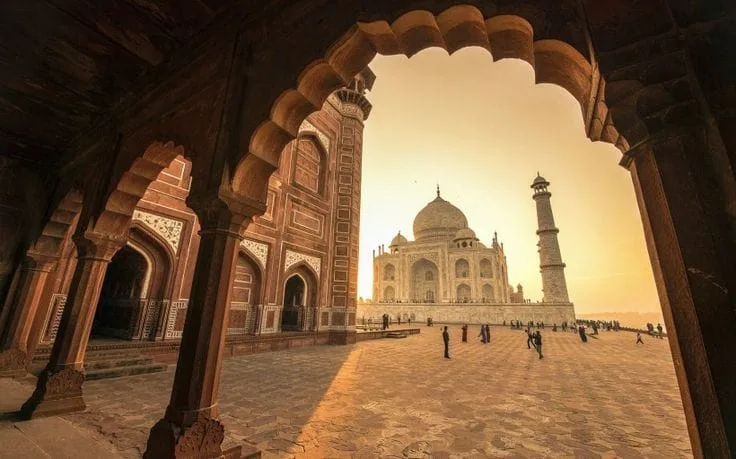
    Agra, Uttar Pradesh

    Autumn is considered one of the best seasons to visit the Taj Mahal. The skies are usually clear after the monsoon, making the iconic monument look even more beautiful during sunrise and sunset.

  • Planning a Malaysia Trip? Indians can go visa-free, but jobs are different

    Planning a Malaysia Trip? Indians can go visa-free, but jobs are different

    Indian passport holders can currently travel to Malaysia without a visa for short visits, but the facility comes with specific conditions.

    The visa waiver has been extended until December 31, 2026, and permits stays of up to 30 days for purposes including tourism, social visits, business and transit.

    However, visa-free entry should not be confused with permission to work in Malaysia.

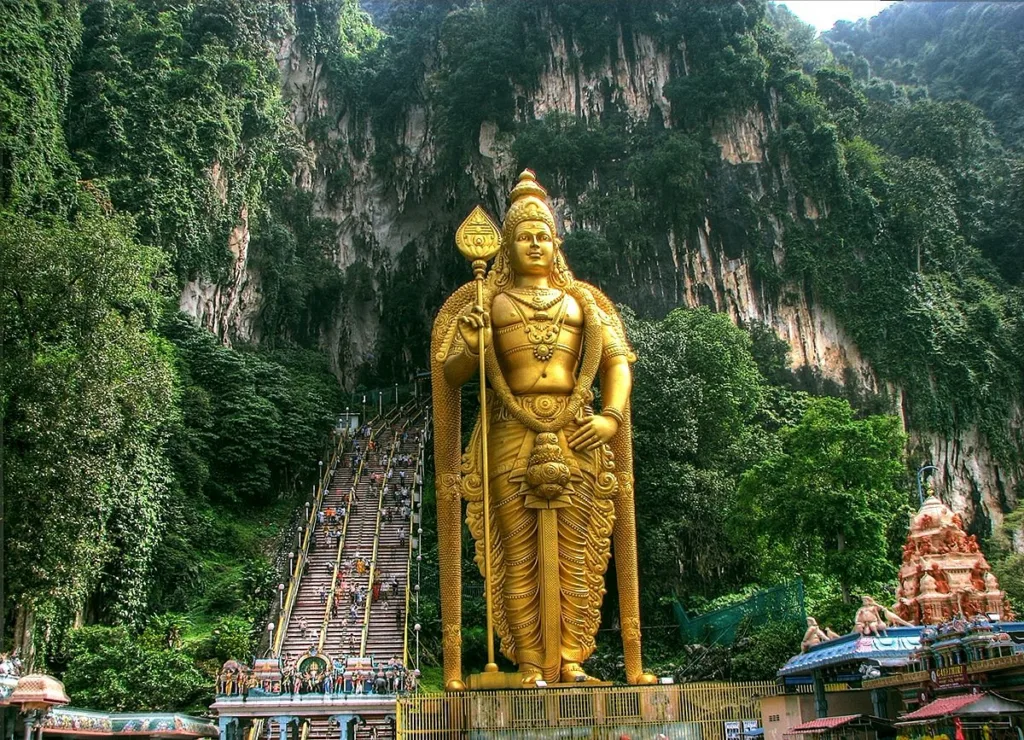
    Malaysia is visa-free for Indians, but that does not mean you can work there without a permit.
    Malaysia is visa-free for Indians, but that does not mean you can work there without a permit. (ANI)

    The Indian High Commission in Kuala Lumpur has now cautioned Indian nationals against using the 30-day facility to travel to Malaysia in search of employment. The warning comes after the mission noticed an increase in Indians arriving in the country after being allegedly misled by agents promising jobs.

    Also Read | Iran offers to reopen Strait of Hormuz in 7 days if US eases pressure

    The High Commission said:

    “There is a noticeable increase in Indian nationals arriving in Malaysia using the 30-day visa-free facility, to seek employment.

    “The High Commission of India in Kuala Lumpur alerts Indian nationals travelling to Malaysia on tourist visas against taking up employment. Many Indian nationals are misled by unscrupulous agents with false job promises, leading to overstay, illegal status, exploitation, detention, and legal action.”

    Can Indians work in Malaysia on a tourist visa?

    No. The visa-free facility does not give an Indian traveller the right to take up employment in Malaysia.

    Malaysia’s Immigration Department separately states that foreign nationals entering the country for employment must follow the relevant immigration procedure. For Indian workers, permitted sectors include certain areas of services, plantation, agriculture, manufacturing and construction.

    Also Read | Sohar Port offers India another trade route as Hormuz risks persist

    The distinction is important because entering Malaysia for a holiday and entering the country as a foreign worker are governed by different requirements.

    Malaysia’s Expatriate Services Division has also clarified that the visa exemption for Indian nationals applies to tourist visits and does not extend to employment-related passes. These include Employment Passes, Professional Visit Passes and Residence Pass-Talent.

    Tourist visa vs work permit: What is the difference?

    For a tourist, the visa-free arrangement is designed for a temporary visit. It does not automatically create a route to employment.

    Those travelling to Malaysia for work need the appropriate approval and documentation before entering the country. Malaysian immigration rules state that foreign workers generally require a Visa With Reference, or VDR, and an entry visa before arrival. A Visit Pass Temporary Employment is issued after the relevant procedures are completed.

    Indians can visit Malaysia visa-free, but jobs require the right work permit and approvals.
    Indians can visit Malaysia visa-free, but jobs require the right work permit and approvals.(X/Malysiatourism)

    The Malaysian Immigration Department also lists a VDR or Visa Approval Letter route for foreign nationals travelling for purposes such as employment or study.

    This means an Indian traveller should not assume that a visa-free tourist entry can later be converted into permission to work.

    High Commission warns against fake job offers

    The latest warning also highlights the risks faced by people who rely on unofficial agents or unverified job offers.

    According to the High Commission, some Indian nationals have reportedly been attracted to Malaysia by false employment promises. Such situations can result in overstaying, illegal immigration status, exploitation, detention and legal action.

    The warning is particularly relevant for travellers who are planning to visit Malaysia specifically to look for employment after entering the country as tourists.

    Documents tourists should carry

    For genuine tourists, the High Commission has advised travellers to keep valid and verifiable travel documents ready.

    The advisory says:

    “Genuine tourists must carry valid and verifiable documentation such as a confirmed return ticket, hotel booking, online submission of the Malaysia Digital Arrival Card (MDAC) three days before the arrival date, and a passport with minimum 6-month validity, to avoid any immigration-related issues on arrival in Malaysia.”

    Malaysia’s Foreign Ministry also lists a passport validity of at least six months, a confirmed return ticket, hotel booking and submission of the Malaysia Digital Arrival Card among the requirements for Indian passport holders using the visa waiver.

    Malaysia travel rules for Indians: What to remember?

    The key point for Indian travellers is simple: visa-free travel does not mean visa-free employment.

    Indians can use the current waiver for eligible short visits, subject to Malaysian immigration requirements. But anyone planning to work in Malaysia must obtain the appropriate employment approval, work permit and related entry documentation before travelling.

    Travellers should also be cautious about agents offering jobs in Malaysia on the promise that they can enter first on a tourist visa and complete the paperwork later. The Indian High Commission has specifically warned against this practice.

    The visa waiver is currently scheduled to remain in place for Indian nationals until December 31, 2026.

  • Kumartuli: The 300-year-old Kolkata neighbourhood where Maa Durga comes to life before Puja

    Kumartuli: The 300-year-old Kolkata neighbourhood where Maa Durga comes to life before Puja

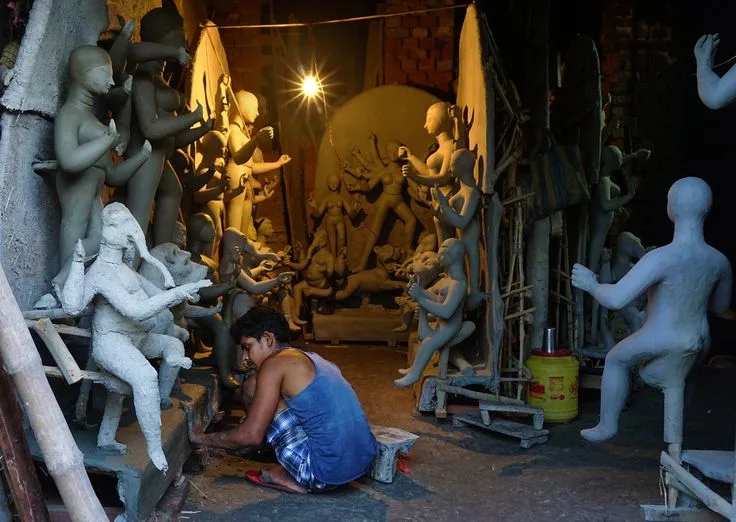
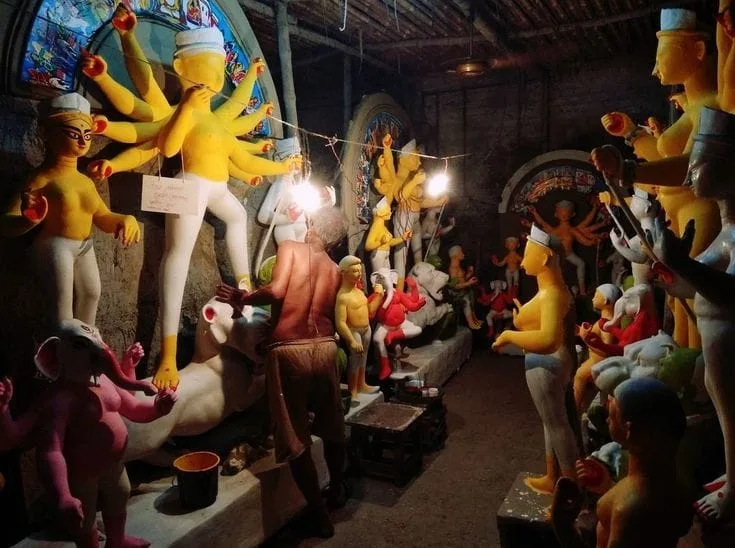
    For most Bengalis, Durga Puja begins with Mahalaya, the sound of Mahishasuramardini on the radio. But in Kolkata, the festival starts much earlier in the winding lanes of Kumartuli, where artisans spend months giving shape to Maa Durga. Long before the goddess reaches pandals across the city, she is born here through clay, straw, bamboo and generations of craftsmanship.

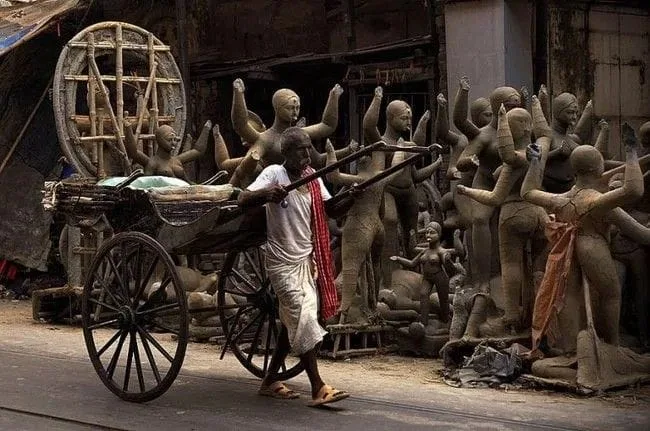
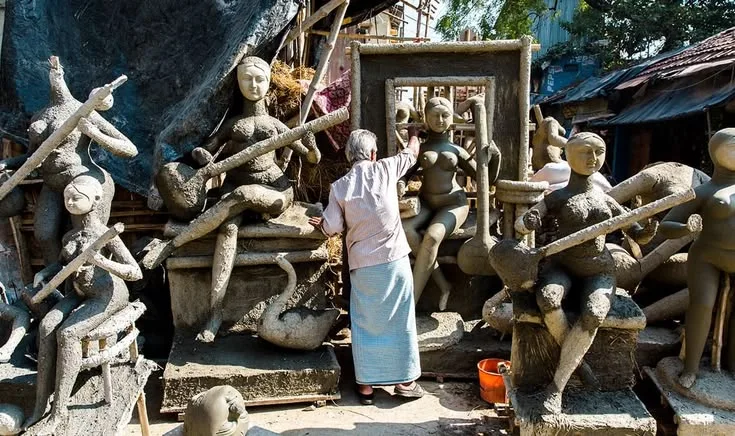
    Located in North Kolkata, Kumartuli is nearly 300 years old and is considered the heart of Bengal’s idol-making tradition. Every year, hundreds of sculptors work in small workshops to create thousands of idols of Maa Durga, Lakshmi, Saraswati, Kartik and Ganesha for Pujas across India and in many countries abroad.

    A tradition that has survived for centuries

    The name Kumartuli comes from the Bengali words Kumar (potter) and Tuli (locality). The neighbourhood was established in the early 18th century when potter families settled in the area and began making clay idols. Over time, the place grew into Kolkata’s most famous artisan hub, with skills passed down from one generation to other generations.

    Also Read | Is Arsalan’s food safe to eat? Restaurant clarifies Achari Kebab aroma after West Bengal food safety inspection

    Today, idols of Devi Durga made in Kumartuli are transported not only across West Bengal but also to cities like Delhi, Mumbai and Bengaluru, as well as countries including the US, UK, Canada and Australia, wherever Bengali communities celebrate Durga Puja.

    How Maa Durga takes shape

    The making of a Durga idol still follows a traditional gateway that has been followed over the decades. It begins with a bamboo framework that forms the structure of the idol. Straw is tied around it to create the body, followed by layers of clay collected from riverbanks. Once the clay dries, artisans sculpt the face, hands and finer details with remarkable precision.

    Also Read | Who is Sumit Roy? Abhishek Banerjee’s PA arrested in Shalbani land scam case

    After the sculpture is complete, the idol is painted and decorated with clothes, ornaments and weapons. One of the most significant tradition of all is Chokkhu Daan, the ritual of painting Maa Durga’s eyes, which traditionally takes place around Mahalaya and is seen as giving life to the idol.

    The busiest weeks before Durga Puja

    The weeks before Durga Puja are the busiest time in Kumartuli. Workshops remain open from early morning until late at night as artisans rush to complete orders before the festival begins. Despite challenges such as heavy rainfall, rising raw material costs and labour shortages this year, work continues at full pace to ensure idols reach pandals on time.

    Kumartuli is more than a place where idols are made. It is a living reminder of Kolkata’s artistic heritage and one of the first places where the spirit of Durga Puja comes alive each year.

    This is the place where Ma Durga comes alive first and later into tha pandals.

  • What is ERONET? The ECI software at the centre of the SIR row

    What is ERONET? The ECI software at the centre of the SIR row

    The Election Commission of India (ECI)’s Special Intensive Revision (SIR) of electoral rolls has brought its voter-matching software, ERONET, under scrutiny. Around 17.6 million voters across Telangana, Karnataka, Maharashtra and Delhi have received notices under the “logical discrepancy” category during the third phase of SIR. 

    What is ERONET?

    ERONET, short for Electoral Roll Officers’ Network, processes enumeration forms and matches present voter records with entries in older electoral rolls. The software now operates within ECINET, the ECI’s unified technology platform launched in January 2026. 

    Why are voters being flagged? 

    A major issue involves differences between old and current voter records. The base rolls used for comparison were maintained in regional languages, including Telugu, Kannada and Marathi. Converting these records into English has resulted in spelling and transcription differences. 

    Also Read | India asks Pakistan to back anti-terror claims with action as tensions rise

    As per a Hindustan Times report, in Hyderabad, Qamer Fatima was served a notice because her name appeared as “Qemar Fatima” in the older roll. She said, “All my current documents have the same spelling of my name as my voter ID. I don’t know how to prove that the person on the 2002 rolls is me.” 

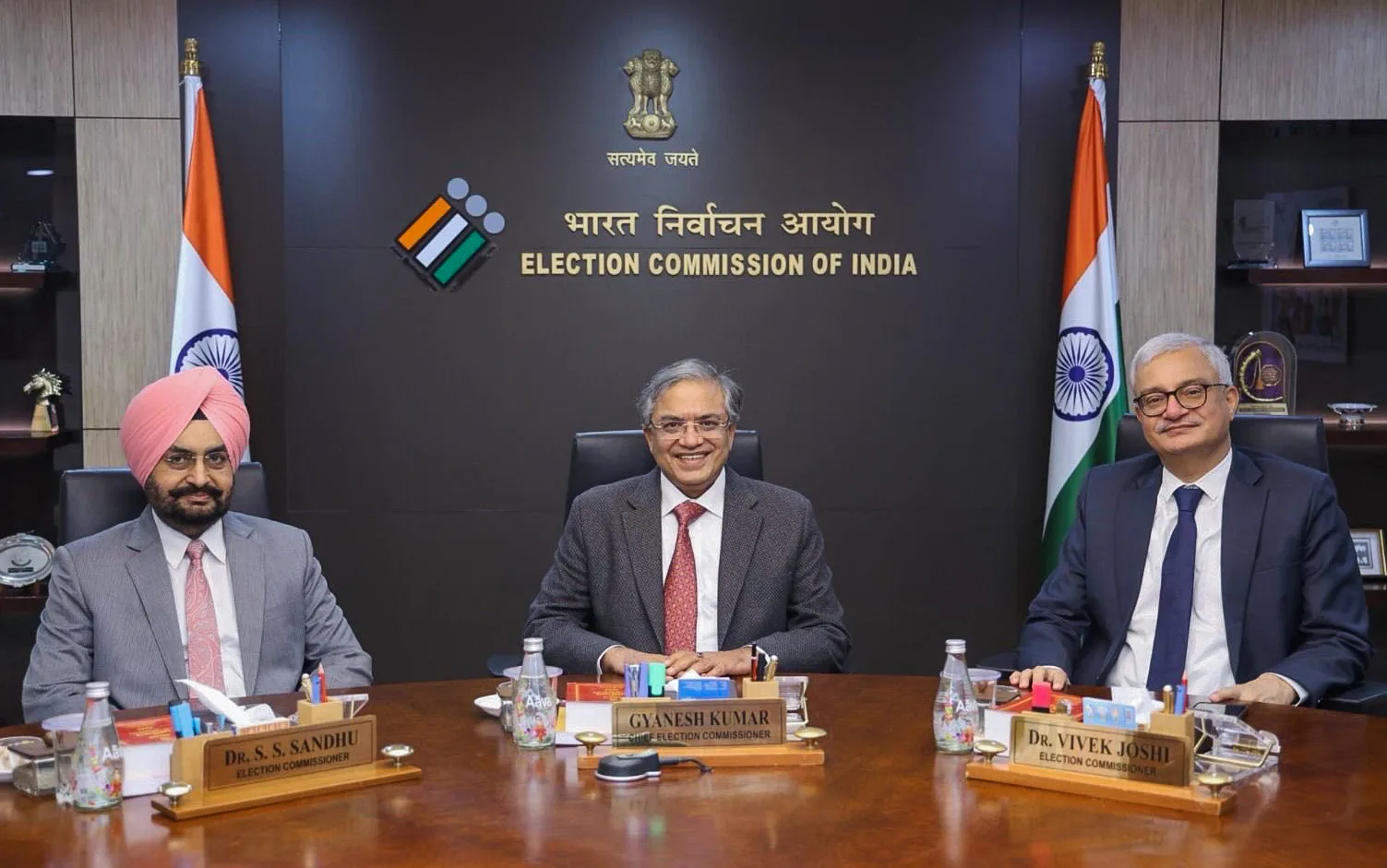
    Chief Election Commissioner Gyanesh Kumar and Election Commissioners Sukhbir Singh Sandhu and Vivek Joshi
    Chief Election Commissioner Gyanesh Kumar and Election Commissioners Sukhbir Singh Sandhu and Vivek Joshi | ANI

    An official at the Telangana CEO office said, “The 2002 base roll was a mess. Names and surnames were inconsistent. When they were translated to English and matched with the current list, several errors came up.” 

    Age-related mismatches have also triggered notices. In Bengaluru, Joan Fathima was flagged over an alleged gap of less than 15 years between her and her father’s ages in 2002, despite her saying the actual gap was 27 years. 

    What is the controversy over ERONET?

    This is not only an error in software, as Election Commissioners Vivek Joshi and Sukhbir Sandhu are quoted as being worried about access to the electoral roll database. “It is a gradual centralisation of the electoral roll database,” states Joshi, whereas Sandhu says that state officials “don’t have proper and complete access” to ERONET.

    ERONET? The ECI software at the centre of the SIR row
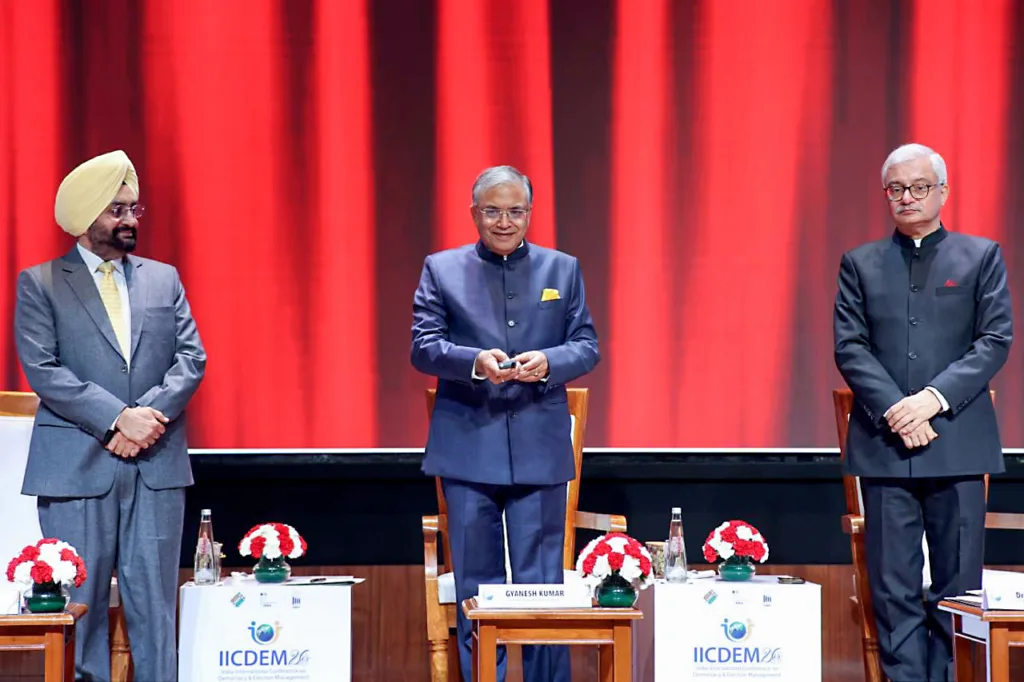
    Chief Election Commissioner Gyanesh Kumar, along with Election Commissioners Vivek Joshi and Sukhbir Singh Sandhu | ANI

    The problem also appeared in Goa, where EROs approved 97 voters but were unable to update the database due to the absence of rollback feature.

    Is software capable of determining who qualifies to vote? 

    According to the Representation of the People Act and electoral law, Electoral Registration Officers are tasked with maintaining registers and determining applications and appeals. ERONET is a technology used for that purpose. 

    Also Read | President Droupadi Murmu urges film stars to avoid harmful products; calls for more women on award juries

    Reportedly, an ECI official defended its use, saying, “It is impossible to carry out an exercise of this scale manually without technology. Checking duplication and mapping progeny manually will take years. We fix all problems with the software in real time.” 

    This is, however, a question about how ERONET detects problems, how corrections can be made, and who decides legally during SIR.

  • Iran offers to reopen Strait of Hormuz in 7 days if US eases pressure

    Iran offers to reopen Strait of Hormuz in 7 days if US eases pressure

    Iran has offered to reopen the strategically important Strait of Hormuz within seven days if the United States eases military pressure and lifts its blockade on Iranian ports, a senior Iranian official told Reuters on Tuesday.

    The proposal came as US President Donald Trump and Iranian President Masoud Pezeshkian arrived in New York for the United Nations General Assembly, creating a fresh opening for diplomacy amid months of conflict.

    Iranian officials said Tehran had already sent its latest proposal to Washington through mediators on September 16.

    There are no plans for a direct meeting between Trump and Pezeshkian, but Iran’s delegation in New York has been given authority to pursue negotiations.

    Also Read | From Trump TV to Truth Social: Inside the US president’s media multiverse

    A small stretch of water

    The Strait of Hormuz is at the center of the dispute because it is one of the world’s most important energy chokepoints.

    The narrow waterway connects the Persian Gulf with the Gulf of Oman and provides a major route for oil and liquefied natural gas shipments from the Gulf states.

    Before the war, about a fifth of global oil and gas shipments passed through the strait. Its disruption has therefore had consequences well beyond Iran and the United States, affecting Gulf producers, shipping companies, and energy markets.

    The proposal from Tehran is conditional. Iran says it would restore maritime traffic after Washington takes initial steps to reduce military pressure and lift the blockade on Iranian ports.

    A little diplomacy

    Tehran is also trying to connect the Hormuz issue with a broader diplomatic process. The senior Iranian official said the US must formally show that it wants to resolve the dispute through diplomacy and agree on a timetable for negotiations.

    “The UN General Assembly is a golden opportunity for the US to return to diplomacy,” the official said.

    Washington, meanwhile, has signalled that dialogue remains possible, though its position on Iran’s nuclear program remains central.

    Secretary of State Marco Rubio said the US was open to speaking with Iranian representatives, particularly if discussions could lead to a positive outcome. Trump separately said the two sides had been communicating and that Washington would not accept Iran obtaining a nuclear weapon.

    Plenty of caution

    The difficulty is that both sides are still maintaining hard positions. Iran’s parliament speaker Mohammad Baqer Qalibaf said Tehran would not surrender, while Iranian military officials have warned of a stronger response if the US launches fresh attacks.

    At the same time, Gulf states are pressing for the restoration of shipping through Hormuz while managing their own security concerns.

    A Qatari proposal for a regional security framework involving Iran and the Arab Gulf states was also under discussion.

    The key question is whether the conditional offer on Hormuz can become the starting point for wider negotiations, or whether military pressure and conflicting demands will keep diplomacy stalled.

    Also Read | Iran Code 100 alert: What the reported military escalation means

  • Sohar Port offers India another trade route as Hormuz risks persist

    Sohar Port offers India another trade route as Hormuz risks persist

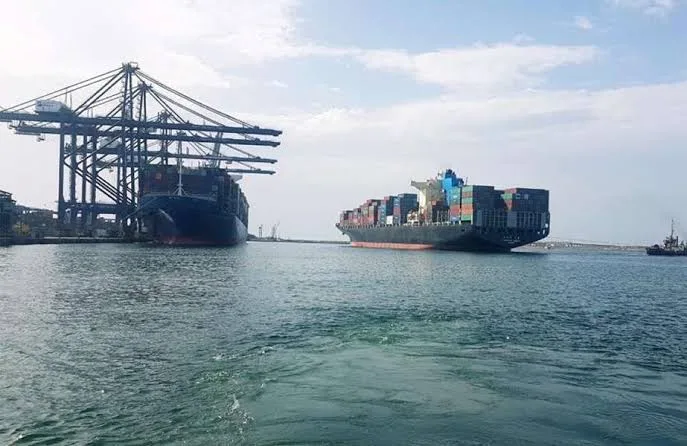
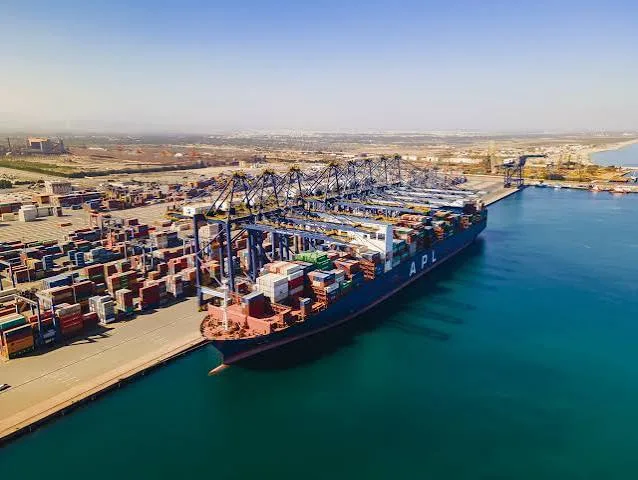
    The Strait of Hormuz remains a major concern for countries dependent on Gulf energy and trade flows, prompting India to explore alternative logistics routes that can reduce exposure to disruptions in the narrow maritime passage. In this context, Sohar Port in Oman has emerged as an important option. Located on the Gulf of Oman, outside the Strait of Hormuz, Sohar Port combines deep-water infrastructure with road connectivity to Gulf markets and an industrial free zone. It cannot replace the entire network of Persian Gulf ports, but it could provide Indian businesses with an additional gateway during periods of heightened maritime risk.

    The Strait of Hormuz remains a major concern for countries dependent on Gulf energy and trade flows, prompting India to explore alternative logistics routes that can reduce exposure to disruptions in the narrow maritime passage. (ANI)
    The Strait of Hormuz remains a major concern for countries dependent on Gulf energy and trade flows, prompting India to explore alternative logistics routes that can reduce exposure to disruptions in the narrow maritime passage. (Reuters)

    Sohar Port sits outside the Hormuz chokepoint

    The strategic importance of Sohar Port comes primarily from its location. Ships travelling from India’s western coast to Sohar can reach the Omani port without entering the Strait of Hormuz. This can reduce exposure to risks associated with shipping through the narrow passage when regional tensions affect maritime traffic.

    The Strait of Hormuz is a critical route for global energy supplies, connecting the Persian Gulf with the Gulf of Oman and the Arabian Sea. Major Gulf ports serving markets in the UAE, Saudi Arabia, Kuwait and Qatar are located inside the Persian Gulf and therefore depend on access through the strait.

    Sohar Port offers a different logistics model. Cargo arriving at its deep-water terminals can be moved by road towards the UAE and other Gulf markets. This means some goods can reach destinations without a vessel having to enter the Persian Gulf.

    The port also has facilities designed to handle large commercial vessels and is integrated with the wider Sohar Freezone industrial ecosystem.

    Also Read | From Trump TV to Truth Social: Inside the US president’s media multiverse

    The strategic importance of Sohar Port comes primarily from its location. Ships travelling from India's western coast to Sohar can reach the Omani port without entering the Strait of Hormuz. (ANI)
    The strategic importance of Sohar Port comes primarily from its location. Ships travelling from India’s western coast to Sohar can reach the Omani port without entering the Strait of Hormuz. (Reuters)

    Sohar Port gains importance with India-Oman trade ties

    The potential role of Sohar Port extends beyond serving as an emergency alternative. Its industrial free zone provides space for manufacturing, warehousing, processing and distribution, creating opportunities for Indian companies seeking access to Gulf and international markets.

    The India-Oman Comprehensive Economic Partnership Agreement has added another dimension to this relationship. The agreement, which came into force in June 2026, provides expanded market access and tariff concessions for Indian exports to Oman.

    For Indian companies, combining the trade benefits of the agreement with Sohar Port’s logistics infrastructure could make Oman a regional distribution base. Engineering products, pharmaceuticals, textiles, food products and machinery are among the sectors that could benefit from easier market access and regional distribution.

    The Sohar ecosystem is also built around several industrial clusters, including logistics, metals, petrochemicals and food processing. This allows companies to establish operations closer to shipping infrastructure rather than relying entirely on facilities in India.

    The port’s existing industrial base is significant. Sohar Port and Freezone has attracted billions of dollars in investment and handles substantial cargo volumes, giving it an established role in Oman’s trade network.

    Also Read | Iran Code 100 alert: What the reported military escalation means

    The potential role of Sohar Port extends beyond serving as an emergency alternative. Its industrial free zone provides space for manufacturing, warehousing, processing and distribution, creating opportunities for Indian companies seeking access to Gulf and international markets. (Reuters)
    The potential role of Sohar Port extends beyond serving as an emergency alternative. Its industrial free zone provides space for manufacturing, warehousing, processing and distribution, creating opportunities for Indian companies seeking access to Gulf and international markets. (Reuters)

    Sohar Port cannot replace Hormuz but can diversify routes

    Sohar Port’s biggest limitation is scale. The Persian Gulf’s major ports collectively handle enormous volumes of energy and container traffic, meaning Sohar does not have the capacity to absorb all cargo if the Strait of Hormuz were completely closed.

    Its role is therefore better understood as diversification rather than replacement.

    During periods of heightened risk, Sohar could discharge containerised cargo and transport it onwards by road or feeder services. This could allow some trade between India and Gulf markets to continue while reducing the need for vessels to enter the Persian Gulf.

    The same logic applies to India’s broader maritime strategy. Oman has ports beyond Sohar, including Duqm and Salalah, allowing India to develop a network of logistics points along the Omani coastline rather than relying on a single gateway.

    For India, the significance of Sohar Port therefore lies in resilience. A port outside the Strait of Hormuz cannot eliminate the country’s dependence on Gulf energy supplies or replace the region’s largest maritime hubs. However, it can provide an additional commercial route, support Indian investment in Oman and create more options for moving goods towards GCC markets.

    As India-Oman economic ties deepen, Sohar Port could consequently become an increasingly important component of India’s wider effort to diversify supply chains and reduce vulnerability to individual maritime chokepoints.