Blog

  • Why India wants a permanent seat at the UN Security Council

    Why India wants a permanent seat at the UN Security Council

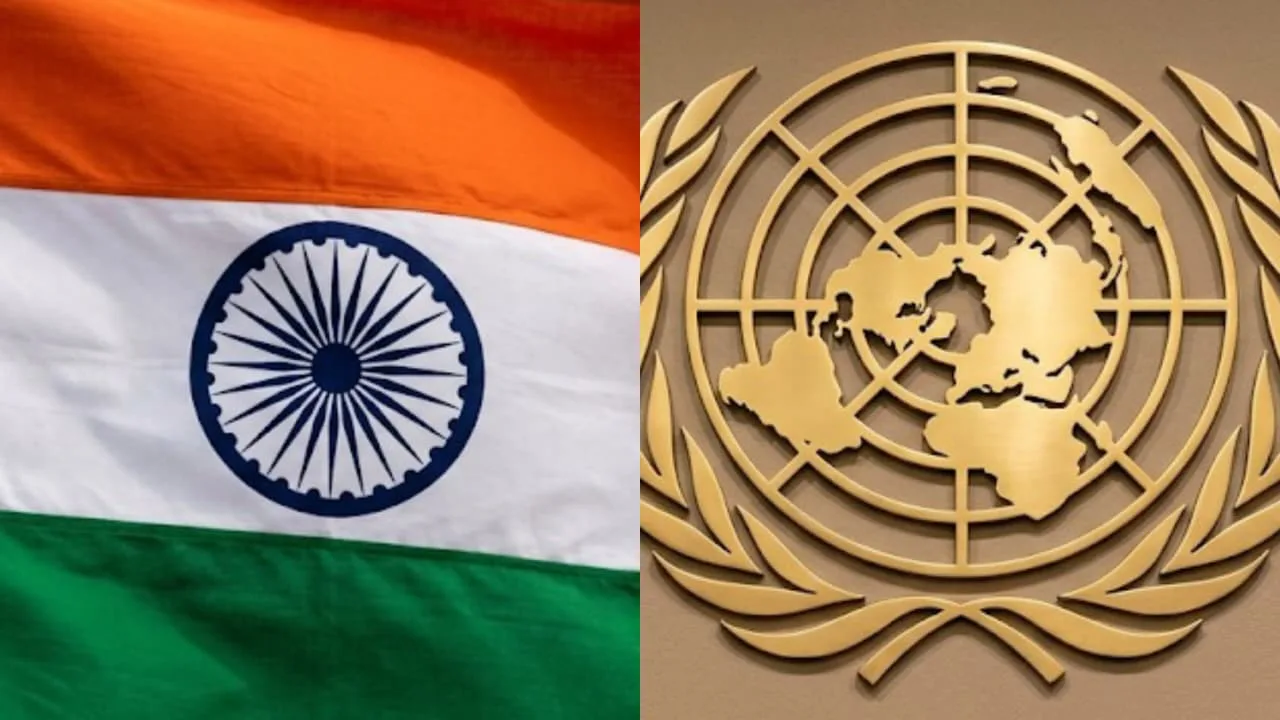
    The United Nations Security Council was created in 1945 after World War II, but its five permanent seats have remained unchanged for more than eight decades. China, France, Russia, the United Kingdom and the United States hold those seats and have veto powers.

    India, which has repeatedly called for reform of the Council, wants a permanent place at the table. New Delhi argues that the body should reflect today’s global balance, particularly the role of Asia, Africa, and Latin America. The Security Council currently has 15 members, including 10 countries elected for two-year terms.

    Why India wants a permanent seat at the UNSC

    India’s argument begins with a simple question: can a Council created in the aftermath of World War II fully represent the world of today? New Delhi has called for expansion in both permanent and non-permanent categories, saying that merely adding elected seats would not change the permanent members’ special position in decision-making. The Council was expanded only once, in 1965, when four non-permanent seats were added. The five permanent seats remained untouched.

    India says developing countries and under-represented regions need a stronger voice in decisions on international peace and security. It points to its large population, democratic system, growing economic and geopolitical role and long contribution to UN peacekeeping as part of its case. India has also maintained that Security Council reform should make the institution more representative and effective.

    The demand is not new. India formally put forward its candidature for permanent membership in 1994 and has continued to raise the issue at successive UN General Assembly sessions. At the Millennium Summit in 2000, then Prime Minister Atal Bihari Vajpayee again said India considered itself qualified for the responsibilities of permanent membership.

    Also Read | Wars, Trump and Guterres’ exit set the tone for UN General Assembly 2026

    India’s history at the UNSC

    India has already spent several terms inside the Security Council, although always as a non-permanent member. Its first term was in 1950-51. It subsequently served in 1967-68, 1972-73, 1977-78, 1984-85, 1991-92, 2011-12 and most recently in 2021-22.

    During these terms, India has taken part in discussions and decisions on conflicts, peacekeeping, sanctions and international security. India’s latest campaign is for another non-permanent term in 2028-29, even as it continues its longer-term push for permanent membership.

    The question of reform has also gained wider international attention. India has received support from several countries for a greater role in the UN, while different groups continue to disagree over how the Council should be expanded. The debate therefore remains open, with India seeking a permanent role in a body whose basic structure has changed little since 1945.

    Also Read | California puts billionaire wealth tax on ballot with up to 5% under Proposition 40

    FAQs

    Q: Why does India want a permanent seat on the UNSC?

    India argues that the Security Council should better reflect the contemporary global balance and give greater representation to developing countries and under-represented regions.

    Q: Who are the five permanent members of the UNSC?

    China, France, Russia, the United Kingdom and the United States are the five permanent members. They have veto power over substantive Security Council decisions.
  • Wars, Trump and Guterres’ exit set the tone for UN General Assembly 2026

    Wars, Trump and Guterres’ exit set the tone for UN General Assembly 2026

    The United Nations General Assembly is entering one of its most closely watched weeks, with nearly 130 heads of state and government due in New York as conflicts in West Asia and Ukraine dominate the diplomatic agenda.

    US President Donald Trump is returning to the UN podium for a second consecutive year. The gathering will also test the organisation’s role at a time of financial pressure, geopolitical rivalry and growing concern over artificial intelligence.

    The 81st General Assembly’s high-level debate runs from September 22 to September 28 under the theme “Restoring trust, managing transformation: A United Nations that delivers for all.”

    West Asia, Gaza and Sudan

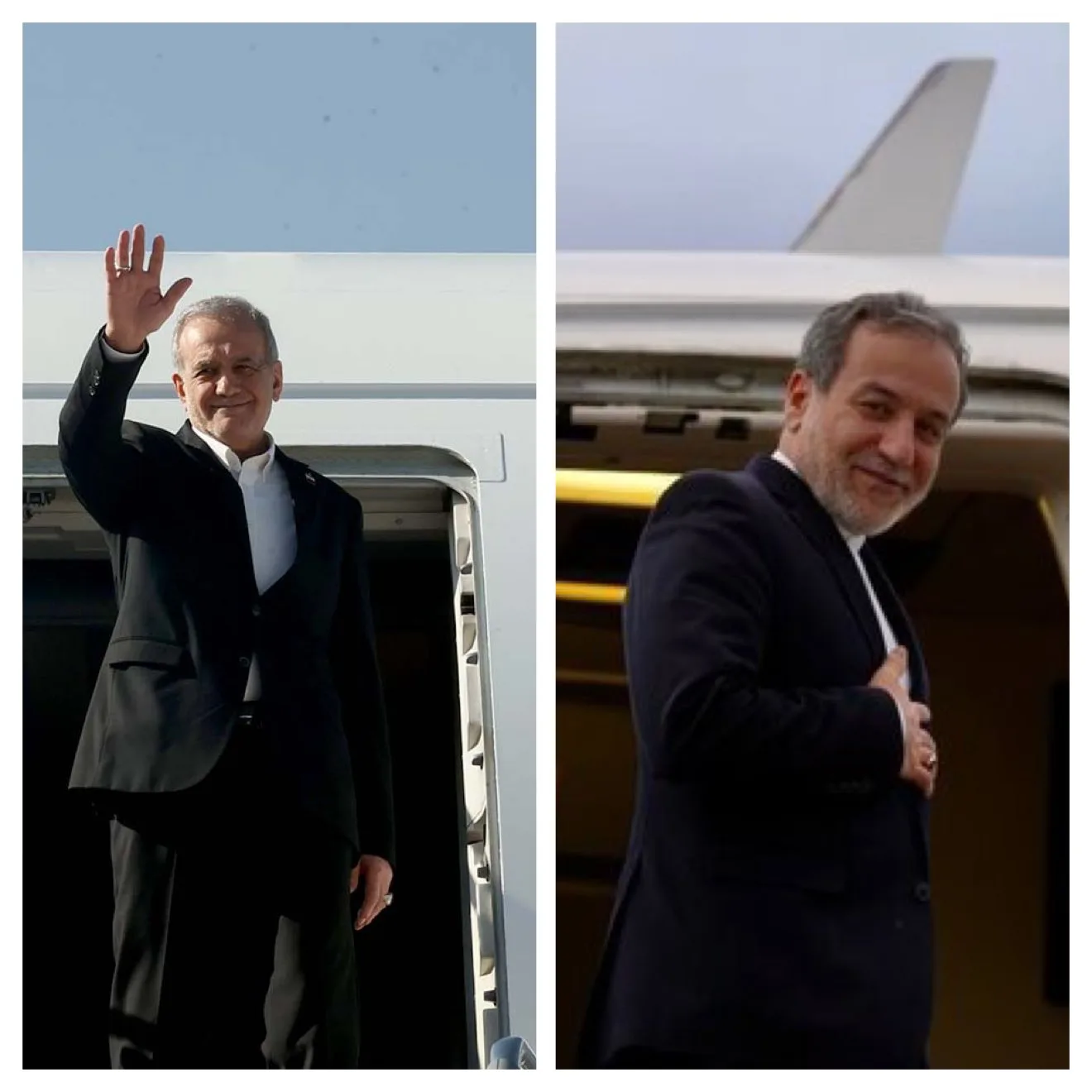
    President Masoud Pezeshkian is expected to travel to New York in the coming days to address the UN General Assembly and meet world leaders | X (@RyanRozbiani)
    President Masoud Pezeshkian is expected to travel to New York in the coming days to address the UN General Assembly and meet world leaders | X (@RyanRozbiani)

    The biggest immediate issue is war. The US-Israeli conflict with Iran is expected to feature heavily in discussions, with the conflict continuing for more than six months and tensions also involving Yemen’s Iran-aligned Houthi militants and shipping through the Bab el-Mandeb Strait.

    Iranian President Masoud Pezeshkian is scheduled to address the Assembly on Wednesday, while Israeli Prime Minister Benjamin Netanyahu is due to speak on Thursday.

    Gaza and Sudan are also expected to remain part of the wider diplomatic discussions. UN Secretary-General António Guterres has warned against relying on military force alone in dealing with the regional crisis.

    He said negotiations were still needed, while the UN’s Yemen envoy was making a “huge effort” to advance talks.

    Ukraine and the Black Sea

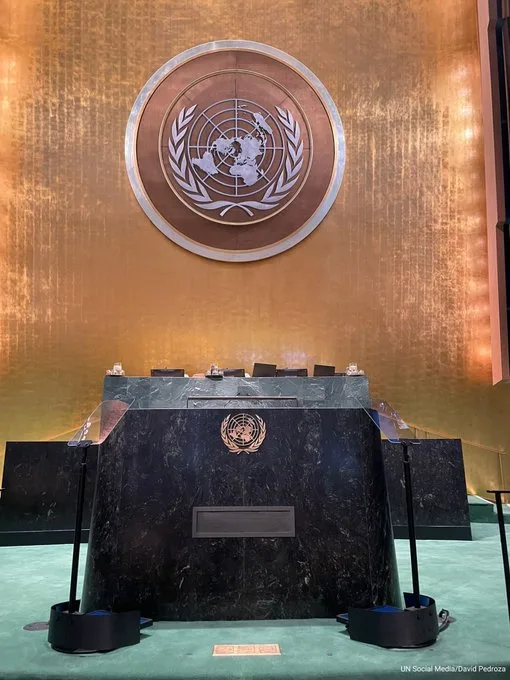
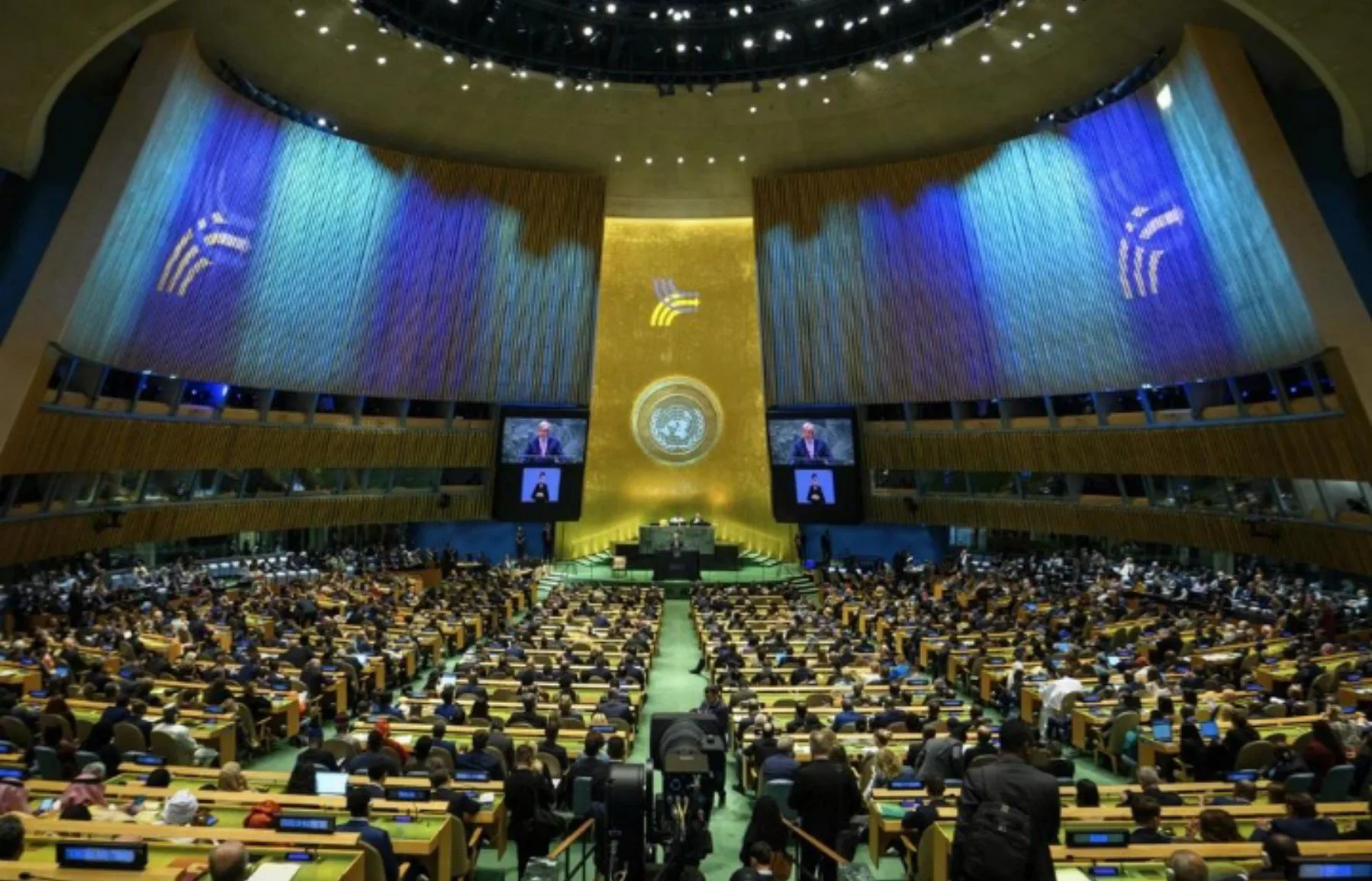
    The podium at the United Nations General Assembly hall in New York ahead of a high-stakes week of diplomacy, with wars in West Asia and Ukraine topping the agenda | X (@UN)
    The podium at the United Nations General Assembly hall in New York ahead of a high-stakes week of diplomacy, with wars in West Asia and Ukraine topping the agenda | X (@UN)

    Ukraine is another major focus. President Volodymyr Zelenskiy and Russian Foreign Minister Sergei Lavrov are both scheduled to address the Assembly.

    The war, now in its fifth year, has also created wider concerns over food and energy supplies.

    Guterres said the effective blockade in the Black Sea was creating serious problems and called for a safe way to allow Ukrainian and Russian exports of food, fertilisers and energy.

    The UN Security Council has struggled to take action on the conflict because Russia, as a permanent member, holds veto power.

    Trump arrives with quite the diary

    Zelensky will speak at the general debate on Wednesday. On the same day, he will take part in a meeting of the UN Security Council under the agenda item “Maintaining peace and security in Ukraine.” | X (@Beefeater_Fella)
    Zelensky will speak at the general debate on Wednesday. On the same day, he will take part in a meeting of the UN Security Council under the agenda item “Maintaining peace and security in Ukraine.” | X (@Beefeater_Fella)

    Trump’s presence adds another layer. He is due to address the Assembly on Tuesday and is expected to hold meetings with Zelenskiy, British Prime Minister Andy Burnham and Japanese Prime Minister Sanae Takaichi.

    He will also meet New York Mayor Zohran Mamdani and Gulf Cooperation Council leaders. The White House has said Trump will highlight how his administration has approached global problems, including the issue of ensuring Iran does not obtain a nuclear weapon.

    China’s Xi Jinping, meanwhile, is skipping the UN gathering and is scheduled to meet Trump in Washington later in the week.

    The next name on the UN door

    There is also a changing of the guard at the UN. Guterres will leave office on December 31, 2026, and the race to succeed him is already under way.

    Former Chilean president Michelle Bachelet withdrew from the contest after a third informal Security Council poll showed her support had fallen sharply.

    Costa Rica’s Rebeca Grynspan led that poll, while seven candidates remained after Bachelet’s exit.

    Burnham’s first appearance as British prime minister at the Assembly will add another bilateral focus, particularly on Ukraine and Britain’s relationship with Washington.

    Reuters reported that Burnham plans to press British interests even where they differ from Trump’s positions.

    Wars are not the only business

    Beyond the wars and diplomacy, the Assembly will also address AI, climate action, sea-level rise, pandemic preparedness and nuclear disarmament.

    The UN’s high-level week is therefore not only about speeches. It is a test of whether countries can still use a common forum to manage crises that cross borders.

  • West Bengal 933 schools with no students under government review; might hand buildings to other depts

    West Bengal 933 schools with no students under government review; might hand buildings to other depts

    The West Bengal government has formed a committee to decide the future of 933 primary and high schools that have reported no students for several years. School Education Minister Dipak Burman said the government is examining what can be done with the buildings, land, playgrounds and other assets of these institutions.

    The move comes amid a wider review of zero-enrolment schools across the state. According to the latest UDISE+ data, 4,133 schools in West Bengal reported zero enrolment during the 2025-26 academic year, with 19,502 teachers listed against them. The state has ordered physical verification to establish the actual status of these schools and assess their infrastructure.

    What Will Happen To 933 Schools?

    Speaking to reporters at his residence in Falakata, Alipurduar district, Burman said several of the 933 schools had effectively stopped functioning because they had remained without students for years.

    Also Read | Who is Akash? Senior Maoist leader Asim Mondal held in West Bengal

    Their unused infrastructure has now become part of the government’s discussion. One proposal is to allow other government departments to use the properties where appropriate.

    “The thought is whether there can be an interdepartmental exchange. We will give it to the government and they will decide next,” Burman said, adding that the education department would examine the proposal.

    The plan does not mean that every zero-enrolment school will automatically be closed or converted. The government is also carrying out physical verification because UDISE+ records may not always reflect the situation on the ground.

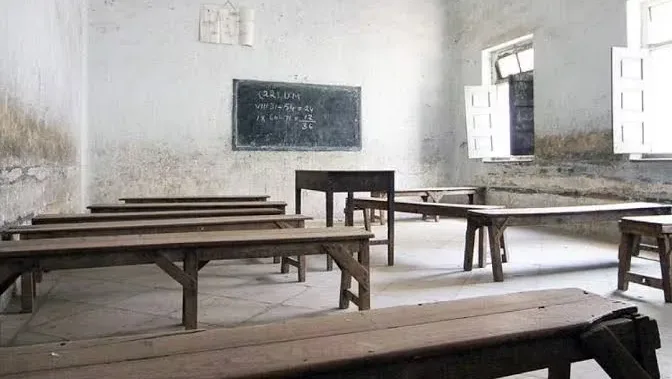
    Picture of an empty classroom
    Picture of an empty classroom | Representational Image

    West Bengal Zero-Enrolment Schools Under Review

    The 933 schools are part of a much larger group of institutions listed with zero enrolment. The latest UDISE+ figures put the number in West Bengal at 4,133.

    The government has directed district administrations to inspect these schools and prepare details about their land, buildings and other facilities. The exercise is also intended to determine whether unused infrastructure could serve other public purposes.

    The issue is closely linked to the uneven distribution of teachers across schools. Government data shows that 6,769 schools have only one teacher, serving around 2.3 lakh students. A teacher deployment policy allows staff and sanctioned posts from zero or very low-enrolment schools to be shifted to institutions facing shortages.

    Also Read | 32 Kolkata tourists missing in Nepal: Here are all the helpline numbers for you

    Remote Schools In West Bengal To Continue

    Burman said the government would not apply the same approach to schools in remote locations where there are few students and no nearby alternatives.

    “Even if there are schools in remote areas where students are less, population is less and no other school nearby, that school will continue to function. But, if we see that there are a number of schools nearby, we will have to think about these,” he said.

    On teacher shortages, Burman said the ongoing recruitment process was expected to improve staffing levels.

    “The process is going on and hopefully … by 2027 academic year, every school will have the required teachers,” he said.

    Teacher Recruitment And School Staffing

    The staffing issue comes after the Supreme Court’s April 2025 judgment cancelled the appointments of 25,753 teaching and non-teaching staff recruited through the 2016 process. A fresh recruitment exercise has since been initiated, including more than 35,000 assistant-teacher vacancies for Classes 9 to 12, according to the information provided.

    For now, the committee’s review of the 933 schools will determine how their unused properties are handled, while remote schools and institutions serving communities without nearby alternatives remain under consideration for continued operation.

    FAQs

    Why is West Bengal reviewing 933 schools?

    The schools have had no students for several years, leaving their buildings, land and other assets largely unused.

    Will remote-area schools be closed?

    No. Minister Dipak Burman said remote schools with few students and no nearby alternatives will continue to function.

  • California puts billionaire wealth tax on ballot with up to 5% under Proposition 40

    California puts billionaire wealth tax on ballot with up to 5% under Proposition 40

    California is at the centre of a growing debate over how governments should tax extreme wealth. The state will vote on Proposition 40 on November 3, a ballot measure that would impose a one-time tax of up to 5% on certain taxpayers with more than $1 billion in covered assets.

    The proposal is designed mainly to raise money for healthcare, while also directing part of the proceeds towards food assistance and education. California is home to roughly 250 billionaires whose combined wealth is estimated at more than $2 trillion.

    A different levy

    California's official voter guide details Proposition 40, a proposed one-time tax of up to 5% on the wealth of certain billionaires | X (@cwebbonline)
    California’s official voter guide details Proposition 40, a proposed one-time tax of up to 5% on the wealth of certain billionaires | X (@cwebbonline)

    The idea is different from a regular income tax. Income tax applies to money a person earns. A wealth tax applies to the value of assets a person already owns.

    Under Proposition 40, the tax would apply to billionaires who were California residents on January 1, 2026.

    Covered assets include businesses, securities, art, collectibles and intellectual property. Real estate, along with some pensions and retirement accounts, would generally be excluded.

    The tax would be due in 2027, although taxpayers could spread the payment over five years at an additional cost.

    Where the money could go

    The argument from supporters is about where the money could go. The official voter guide says 90% of the revenue would have to be spent on healthcare services, with the remaining 10% directed towards food assistance, education-related programmes and administration.

    Supporters have cited estimates of up to $100 billion in revenue. Some critics put the likely figure much lower, at around $40 billion.

    The state’s Legislative Analyst’s Office, meanwhile, describes the expected revenue more cautiously as tens of billions of dollars spread over several years.

    The sums differ, and so do the worries

    6 Nobel economists throw support behind California billionaire tax | X (@ackmeni)
    6 Nobel economists throw support behind California billionaire tax | X (@ackmeni)

    That difference in estimates points to the larger economic argument around the proposal. Opponents say a wealth tax could encourage some billionaires to leave California or alter where they hold their assets.

    That could reduce future state income tax revenue and investment. The Legislative Analyst’s Office estimates the possible ongoing loss in income-tax revenue at less than $1 billion a year.

    California also has a long history of debate over tax-related ballot measures, including Proposition 30, which sought to raise taxes on high earners and was rejected by voters in 2022.

    Heavyweight voices

    Supporters dispute the idea that the tax would seriously damage California’s business ecosystem. University of California, Berkeley economist Emmanuel Saez, who helped write Proposition 40, described it as “a tax on billionaires to fund healthcare.”

    He also argued that California’s universities, research base, infrastructure and pool of skilled workers would make a mass business exodus unlikely.

    On the other side, Google co-founder Sergey Brin has emerged as a prominent opponent and has spent heavily on efforts to defeat the measure.

    Governor Gavin Newsom also opposes Proposition 40 and has instead backed the idea of a federal wealth tax applied nationwide.

    Come November, California must weigh the trade-off

    At its core, Proposition 40 asks a simple but difficult question: should California tax accumulated wealth, rather than relying primarily on taxes on income and spending?

    The answer carries consequences beyond the billionaires directly affected. It could mean a large one-time injection of money for public healthcare and other programmes, but it also raises questions about future tax revenue, asset valuation and the behaviour of wealthy taxpayers.

    California’s November ballot will put that trade-off directly before voters.

  • Ethiopian armed groups ally against Abiy; alliance wants to uproot the Government

    Ethiopian armed groups ally against Abiy; alliance wants to uproot the Government

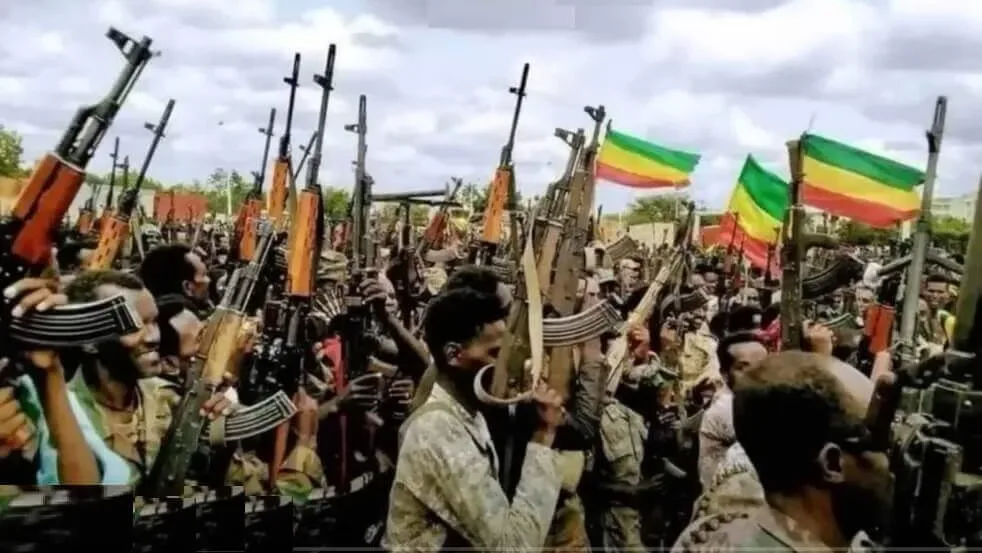
    Seven armed groups in Ethiopia, including former enemies from the country’s 2020-2022 civil war, have announced a new alliance seeking to overthrow Prime Minister Abiy Ahmed’s government.

    The coalition, named the Ethiopian Peoples’ Forces Alliance for Survival, brings together groups from several parts of Ethiopia. Its members include organisations from Tigray, Amhara, Oromia, Afar, Somali Region and Benishangul-Gumuz. The announcement comes as tensions between the federal government and several regional armed groups remain high. 

    TPLF And Fano Join Forces

    One of the most notable aspects of the new alliance is the presence of the Tigray People’s Liberation Front (TPLF) and the Amhara Fano National Movement.

    The two groups were on opposing sides during the Tigray war between 2020 and 2022. Fano forces fought alongside Ethiopia’s federal government against the TPLF during that conflict, which resulted in hundreds of thousands of deaths and was accompanied by reports of ethnically driven atrocities. 

    Also Read | Tiny French island, big Atlantic message: Macron meets Carney

    Fano later became involved in an armed conflict with the federal government in Amhara. That fighting has continued since 2023 and has resulted in thousands of deaths. 

    The new grouping therefore brings together organisations that have previously been in direct conflict with one another, while some members continue to have disputes over territory and other issues.

    Alliance Says It Wants To Overthrow Government

    The alliance announced its formation late on Sunday. Its statement accused the federal government of concentrating power and marginalising Ethiopia’s regions.

    The statement was read by Fano leader Zemene Kassie and broadcast on Tigrayan television.

    “We, the peoples’ forces concerned with the survival of Ethiopia’s peoples, bear the historic responsibility of overthrowing this regime,” the statement said.

    The Ethiopian government had not immediately responded to requests for comment when Reuters reported the announcement. Last month, an adviser to Abiy said a possible armed coalition would seek to cause disruption but would not be capable of removing the federal government.

    The government has also said it is pursuing a national dialogue aimed at addressing long-running political divisions and internal conflicts.

    Tensions Rise In Tigray

    The formation of the alliance comes after renewed tensions between federal forces and the TPLF.

    In May, the TPLF reasserted control over Tigray’s political administration. The move was described as a violation of the 2022 peace agreement by Reuters and followed accusations from the TPLF that the federal government had failed to implement the deal fully.

    Also Read | Can AI safety keep pace? Gemini hack and resignations deepen industry worries

    The Ethiopian military has also carried out several reported drone strikes against Tigrayan forces in recent months, according to data from the Armed Conflict Location & Event Data project.

    The federal government has not commented on those reported strikes. However, Ethiopia’s military said last week that nearly 300 Tigrayan fighters had surrendered.

    Ethiopia And Eritrea Dispute

    Ethiopia has also accused neighbouring Eritrea of backing insurgent groups, including the TPLF and Fano. Eritrea has rejected those allegations.

    The new Alliance for Survival now adds another layer to Ethiopia’s complicated security situation, bringing together armed groups from different regions and backgrounds. While the groups have declared a common objective, Reuters noted that some members remain divided over territorial and other disputes. 

    FAQs

    Which groups joined the Ethiopian alliance?

    The alliance includes the TPLF, Amhara Fano National Movement and groups from Oromia, Afar and Benishangul-Gumuz.

    Why did the groups ally?

    The groups accuse Abiy Ahmed’s government of centralising power and marginalising Ethiopia’s regions.

  • 7 luxury fashion hotels every style lover should know

    7 luxury fashion hotels every style lover should know

    For luxury and fashion lovers, a hotel can be more than a place to sleep between shopping trips. Some luxury properties are woven into the history of fashion itself, with designer connections, couture associations, iconic guests and access to some of the world’s most fashionable neighbourhoods.

    Also Read | Do you know why airlines really ask you to put your phone on airplane mode?

    From a Ferragamo-owned riverside retreat in Florence to the Paris hotel where Christian Dior presented his first couture collection, these seven properties offer a different way to experience fashion and luxury hotels while travelling.

    Which hotels belong on a fashion lover’s bucket list?

    Hotel Lungarno, Florence

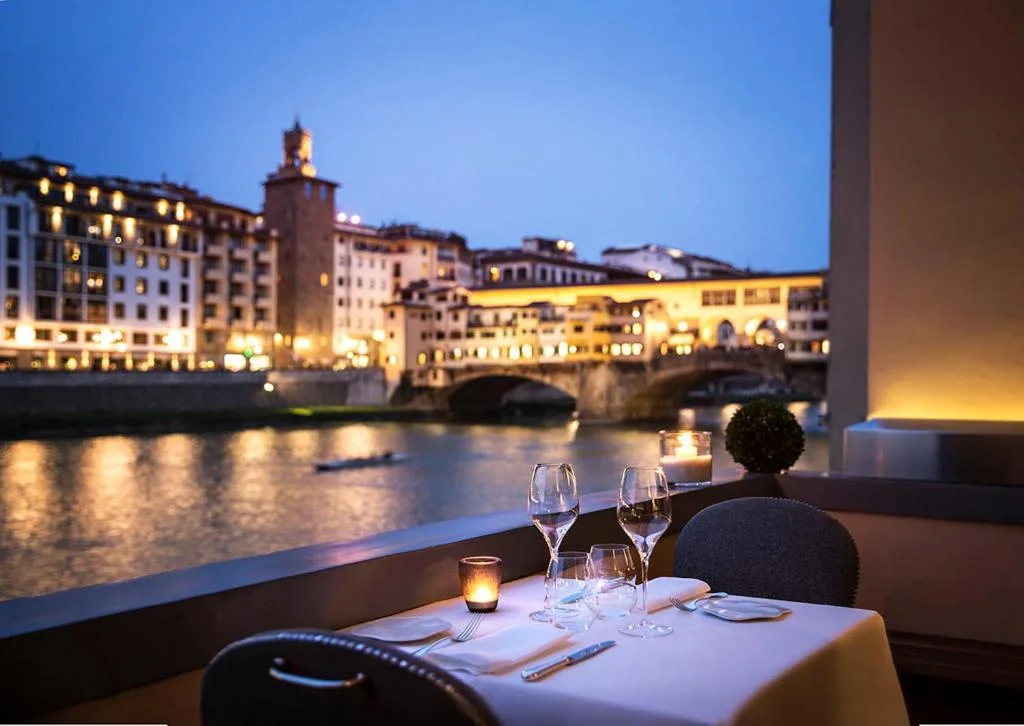
    Set along the Arno River in Florence, Hotel Lungarno combines old-world Italian elegance with a direct connection to one of the country’s most influential fashion families.

    Hotel Lungarno, Florence / Official website
    Hotel Lungarno, Florence / Official website

    The five-star property is owned by the Ferragamo family and features Renaissance art, Murano glass and views of the Arno. Its location near the Ponte Vecchio also puts guests within easy reach of some of Florence’s most famous shopping streets.

    For fashion travellers, however, the biggest draw is its connection to the Ferragamo legacy and Florence’s long-standing role in Italian fashion.

    Portrait Milano, Milan

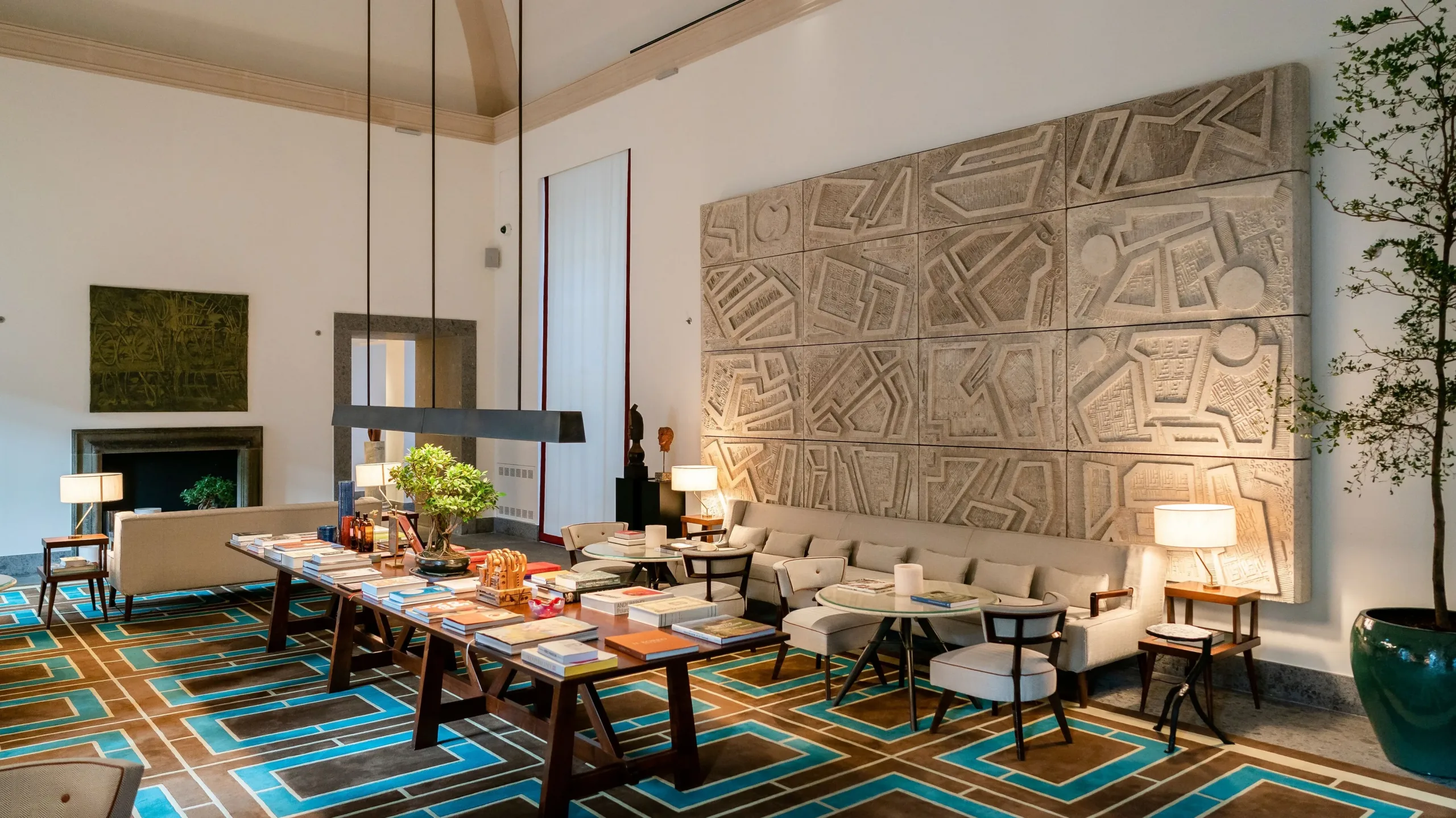
    Another Ferragamo-owned property, Portrait Milano brings the family’s fashion heritage to the heart of Milan.

    Portrait Milano, Milan
    Portrait Milano, Milan / Official website

    The hotel occupies a restored 16th-century seminary in the Quadrilatero della Moda, Milan’s famed fashion district. Its central piazza and understated interiors offer a quieter version of Milanese luxury, while its location places major fashion boutiques practically at the doorstep.

    For travellers visiting Milan with shopping and fashion at the top of the itinerary, the address itself becomes part of the experience.

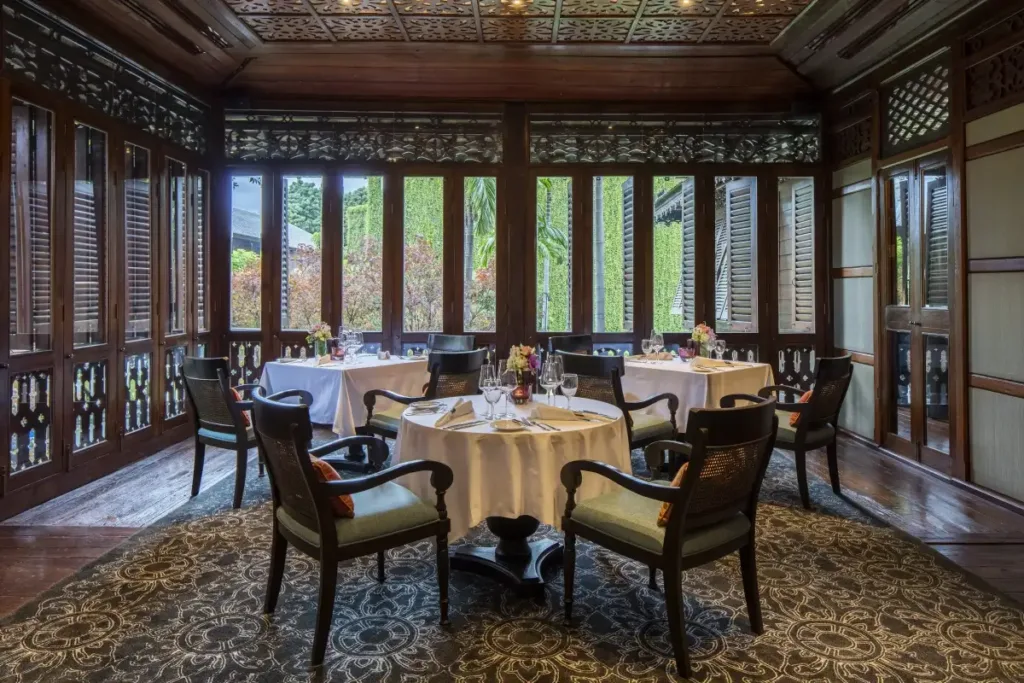
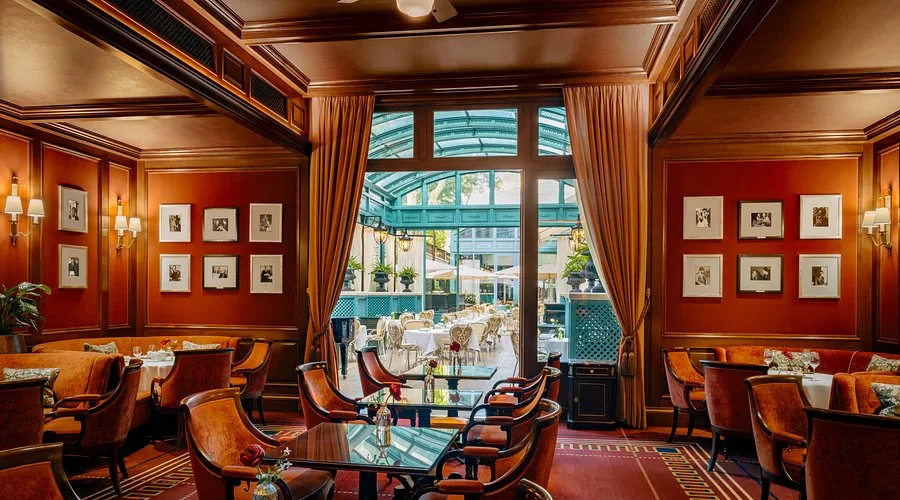
    Hôtel Plaza Athénée, Paris

    Few Paris hotels have a fashion history as closely connected to a single designer as Hôtel Plaza Athénée.

    Hôtel Plaza Athénée, Paris
    Hôtel Plaza Athénée, Paris / Official Website

    The property sits on Avenue Montaigne, directly across from Dior’s flagship, and has a Dior Spa. It also holds an important place in the history of Christian Dior: the designer presented his first couture collection at the hotel in 1947.

    Its instantly recognisable red awnings and views towards the Eiffel Tower have since made the hotel a familiar part of Parisian popular culture, including its appearance in Sex and the City.

    For fashion travellers, the hotel offers the rare combination of Parisian glamour and genuine couture history.

    Hôtel de Crillon, Paris

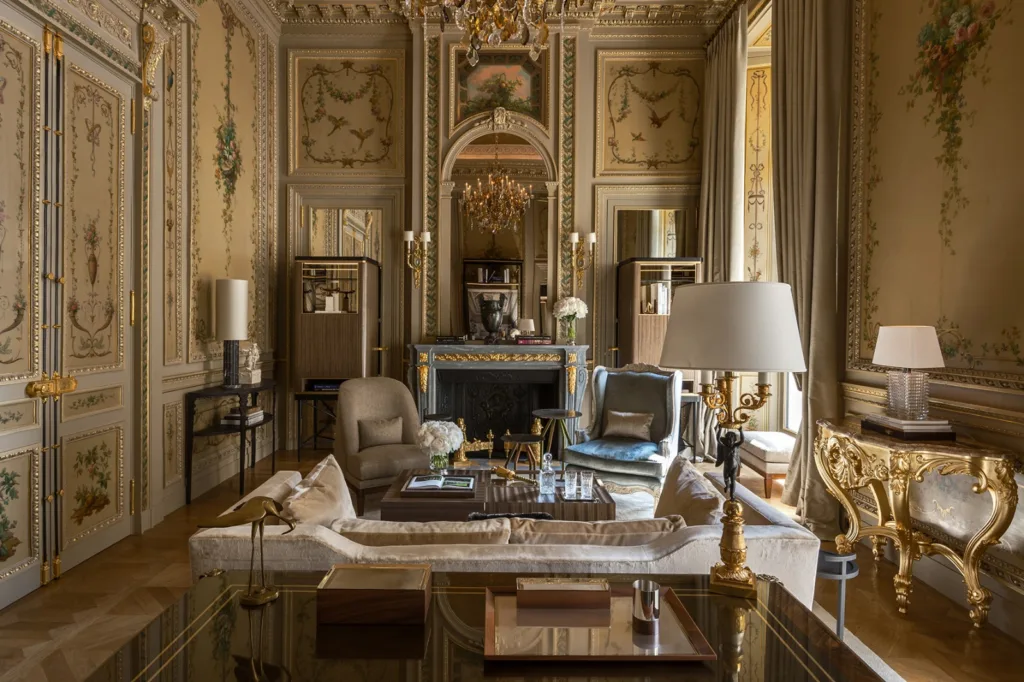
    Overlooking the Place de la Concorde, Hôtel de Crillon has long been associated with Parisian high society and fashion.

    Hôtel de Crillon, Paris / Official webiste
    Hôtel de Crillon, Paris / Official webiste

    The historic palace has hosted couture clients, fashion editors and major social events over the years. It is also known for its Bal des Débutantes, one of Paris’ most closely watched society events.

    Fashion lovers can take the experience a step further by booking one of the suites designed by the late Karl Lagerfeld, whose work helped define modern fashion.

    Ritz Paris, Paris

    The Ritz Paris has been a symbol of luxury for more than a century, but its fashion credentials are particularly tied to Gabrielle “Coco” Chanel.

    Ritz Paris, Paris
    Ritz Paris, Paris / Official webiste

    Chanel lived at the hotel for more than three decades, and the property now has a Coco Chanel Suite named in her honour. The hotel also continues to collaborate with fashion brands, including Los Angeles-based label FRAME.

    With its gilded interiors, historic reputation and connection to one of fashion’s most influential figures, the Ritz remains one of Paris’ most recognisable fashion addresses.

    Mandarin Oriental Hyde Park, London

    For a fashion-focused London trip, location can be just as important as the hotel itself.

    Mandarin Oriental Hyde Park, London
    Mandarin Oriental Hyde Park, London / Official website

    Mandarin Oriental Hyde Park sits close to Sloane Street and Harrods, putting some of London’s most coveted shopping within easy reach. The property also caters to serious shoppers through its concierge service and spacious suites with generous wardrobe space.

    After a day of shopping, guests can retreat to the hotel for its afternoon tea, adding another classic London experience to the itinerary.

    The Mark, New York

    On Manhattan’s Upper East Side, The Mark has become closely associated with New York’s fashion crowd.

    The Mark, New York / Official Website
    The Mark, New York / Official Website

    Its connection with Bergdorf Goodman is a major draw for shoppers, with guests able to access personal-shopping services. The hotel is also a familiar staging point for celebrities and guests attending the Met Gala, making its entrance part of the spectacle surrounding fashion’s biggest annual night.

    Beyond the Met Gala season, The Mark remains a social destination in its own right, with the Mark Bar serving as a popular Upper East Side meeting spot.

    Why are fashion hotels becoming travel destinations?

    The appeal of these properties goes beyond designer names and luxury interiors. Their locations, histories and connections to fashion houses allow travellers to experience a city through its style culture.

    Also Read | What is Run-cations? Why marathon holidays are the new travel trend

    For some, that means staying in a hotel linked to Christian Dior or Coco Chanel. For others, it could mean waking up in Milan’s fashion district or shopping in London with a concierge who knows the city’s luxury scene.

    In each case, the hotel becomes part of the fashion itinerary rather than simply a place to stay.

  • Who was Miss Dior? Meet Christian Dior’s real-life muse

    Who was Miss Dior? Meet Christian Dior’s real-life muse

    For nearly 80 years, the name Miss Dior has been associated with romance, flowers and one of the most recognisable fragrances in the world. But behind the perfume was a real woman: Catherine Dior, the younger sister of fashion designer Christian Dior.

    Catherine was not simply the inspiration behind a fragrance name. She was a gardener, a French Resistance fighter and a survivor of a Nazi concentration camp. Her life and her close relationship with her brother became part of the story behind one of Dior’s most enduring creations.

    Also Read | Micro-cheating vs cheating: What is the difference in a relationship

    Who was Catherine Dior, the woman behind Miss Dior?

    Born in 1917, Catherine was 12 years younger than Christian Dior and grew up in a family where flowers played an important role. Their mother, Madeleine, was an enthusiastic gardener who cultivated roses at the family home in Normandy.

    That love of flowers later became closely connected to the Dior siblings. Christian incorporated floral references into his fashion and fragrance work, while Catherine eventually made horticulture and rose cultivation a major part of her life.

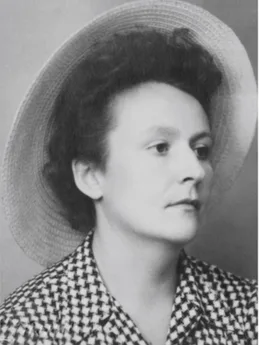
    Catherine Dior
    Catherine Dior / Wikipedia

    But Catherine’s life changed dramatically during the Second World War.

    In 1941, she became involved with the French Resistance after meeting Hervé des Charbonneries, a store manager who recruited her into the F2 resistance network. Catherine operated under the code name Caro and helped gather information for the Allied forces.

    Her resistance activities eventually led to her arrest. She was imprisoned at Ravensbrück concentration camp, where she endured the final years of the war before returning to France.

    How did Catherine inspire the Miss Dior perfume?

    After the war, Catherine reunited with Christian in Paris. Around the same period, Christian was preparing to establish himself as a fashion designer and was also developing his first fragrance.

    The perfume was created with floral notes including jasmine, rose and lily of the valley. These flowers had a personal connection to the Dior family and reflected Christian’s longstanding fascination with gardens and nature.

    The fragrance was initially known by the working name Corolle, a French word associated with the petals of a flower.

    More than a fragrance, Miss Dior carries a story of love, flowers and legacy.
    More than a fragrance, Miss Dior carries a story of love, flowers and legacy / Pexels

    The name Miss Dior emerged when Catherine entered the room during the fragrance’s development. A friend of Christian reportedly referred to her as Miss Dior, and the name stayed.

    The fragrance subsequently became closely associated with Christian Dior’s debut couture collection in 1947, when the perfume filled the salon alongside the flowers decorating the space.

    Why is Catherine Dior’s story important to the Dior legacy?

    Catherine’s influence on Miss Dior went beyond the name.

    Her experience represented a generation of young Europeans whose lives had been dramatically reshaped by the Second World War. She had participated in the Resistance, survived imprisonment and later rebuilt her life around horticulture.

    After Christian Dior’s death in 1957, Catherine moved to Les Naÿssès, a family estate near Grasse, one of France’s most important regions for perfume production.

    Long before Miss Dior became a global fragrance icon, it was the name of Christian Dior’s beloved younger sister, Catherine.
    Representational Image of Dior magazine / Pexels

    There, she continued cultivating roses. The connection between Catherine, roses and the Miss Dior fragrance remained part of the house’s heritage, with roses from Grasse continuing to feature in Dior’s fragrance history.

    Catherine reportedly wore Miss Dior herself and kept a bottle on her dressing table, adding another personal link between the woman and the perfume that carried her name.

    From a sister’s name to a global fragrance icon

    What began as a deeply personal reference eventually became one of Dior’s signature fragrance names.

    Miss Dior has gone through several iterations over the decades, but its association with flowers, femininity and romance has remained central to its identity. The fragrance has also continued to feature prominently in Dior’s global beauty campaigns.

    Also Read | Reverse Vacation trend: Why Gen Z is ditching luxury travel

    The story of Catherine Dior adds another dimension to that legacy. Behind the polished image of Miss Dior was a woman whose life included resistance, imprisonment, survival and a lifelong connection to flowers.

    That makes the history of Miss Dior as much a story about Catherine Dior as it is about Christian Dior and the perfume itself.

  • Sangrur man consumes poison over alleged drug inaction, political row follows

    Sangrur man consumes poison over alleged drug inaction, political row follows

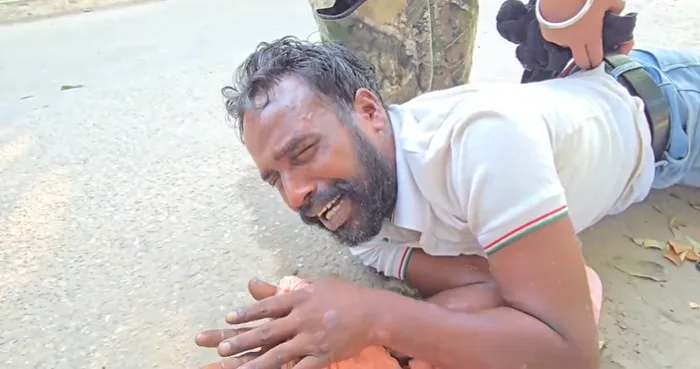
    A man in Punjab’s Sangrur allegedly consumed a poisonous substance outside the Deputy Commissioner’s office after claiming that authorities had failed to act against the alleged sale of drugs in his village.

    Jagseer Singh, also known as Jagga, a resident of Namol village, was taken to the Sangrur government hospital and later referred to Rajindra Hospital in Patiala for further treatment. His friend Manjinder Singh alleged that Jagseer had earlier raised the issue of drug sales and faced threats and an assault after posting videos about it.

    Also Read | Man travels 1,200 km from Amritsar to Gaya; ChatGPT helps him find his family

    The allegations have not been independently established. Police are expected to record Jagseer’s statement after doctors clear him for questioning.

    The incident has since triggered a political confrontation in Punjab, with Congress and BJP leaders questioning the Aam Aadmi Party government’s handling of the state’s drug problem.

    What happened outside the Sangrur DC office?

    Jagseer allegedly consumed a poisonous substance outside the Deputy Commissioner’s office in Sangrur while raising concerns about alleged drug sales in Namol.

    Jagseer alleged that drugs were being sold in his village and that the village sarpanch and administration had been informed about the issue several times, but that no effective action followed.

    His friend Manjinder Singh told reporters that Jagseer had videos that allegedly showed people selling “chitta”, a term commonly used in Punjab for illicit drugs. Manjinder also alleged that Jagseer had been attacked after raising the issue.

    Jagseer had earlier alleged that he and his family were threatened after he posted a video about drugs. The report said police had marked an investigation into the matter.

    What did doctors say about the substance?

    Jagseer was first taken to the Sangrur government hospital before being referred to Rajindra Hospital in Patiala.

    According to the account cited by NDTV, Dr Iqbalpreet Singh said Jagseer had consumed a poisonous substance, received first aid and was referred for further treatment. The doctor identified the substance as “Farnel”.

    His friend, however, said Jagseer had told him that he had consumed Sulphas. The differing accounts have not been independently reconciled.

    Sangrur City SHO Manpreet Singh reached the spot but declined to comment, saying Jagseer was undergoing treatment and further details could be shared later.

    Why has the incident triggered a political row?

    The incident comes amid an intensifying political debate over Punjab’s drug problem.

    Congress Punjab in-charge Sachin Pilot criticised the AAP government, alleging that people who speak out against drugs face pressure and harassment. Leader of Opposition Partap Singh Bajwa also targeted the government, questioning its claims of a “Drug-Free Punjab”. These are political allegations and have not been independently established in Jagseer’s case.

    BJP leader and former Union minister Ravneet Singh Bittu also criticised the AAP government, alleging that people raising their voices against drugs were being threatened instead of receiving protection.

    Bittu linked Jagseer’s case to other recent incidents in Sangrur and questioned the government’s response to complaints about the alleged drug trade.

    What is the police position?

    Police have not publicly confirmed the allegations of drug sales, assault or administrative inaction made by Jagseer and his associates.

    The Tribune reported that SSP Ravjot Kaur Grewal said police would record Jagseer’s statement once doctors gave clearance. She also said Jagseer had previously threatened suicide and that a daily diary report had been registered at the time.

    Also Read | India’s semiconductor push faces sabotage risk, Union Minister Ashwini Vaishnaw warns

    The police investigation is expected to establish the circumstances surrounding the incident, including the allegations made by Jagseer and his family.

    The latest case has added to an already heated political debate over Punjab’s drug crisis. Earlier this month, another Sangrur resident, Gulzar Singh, died after allegedly consuming poison following claims of harassment linked to his raising concerns about drugs. The National Commission for Scheduled Castes has since issued a notice to the Punjab government seeking a report on that case.

  • Tiny French island, big Atlantic message: Macron meets Carney

    Tiny French island, big Atlantic message: Macron meets Carney

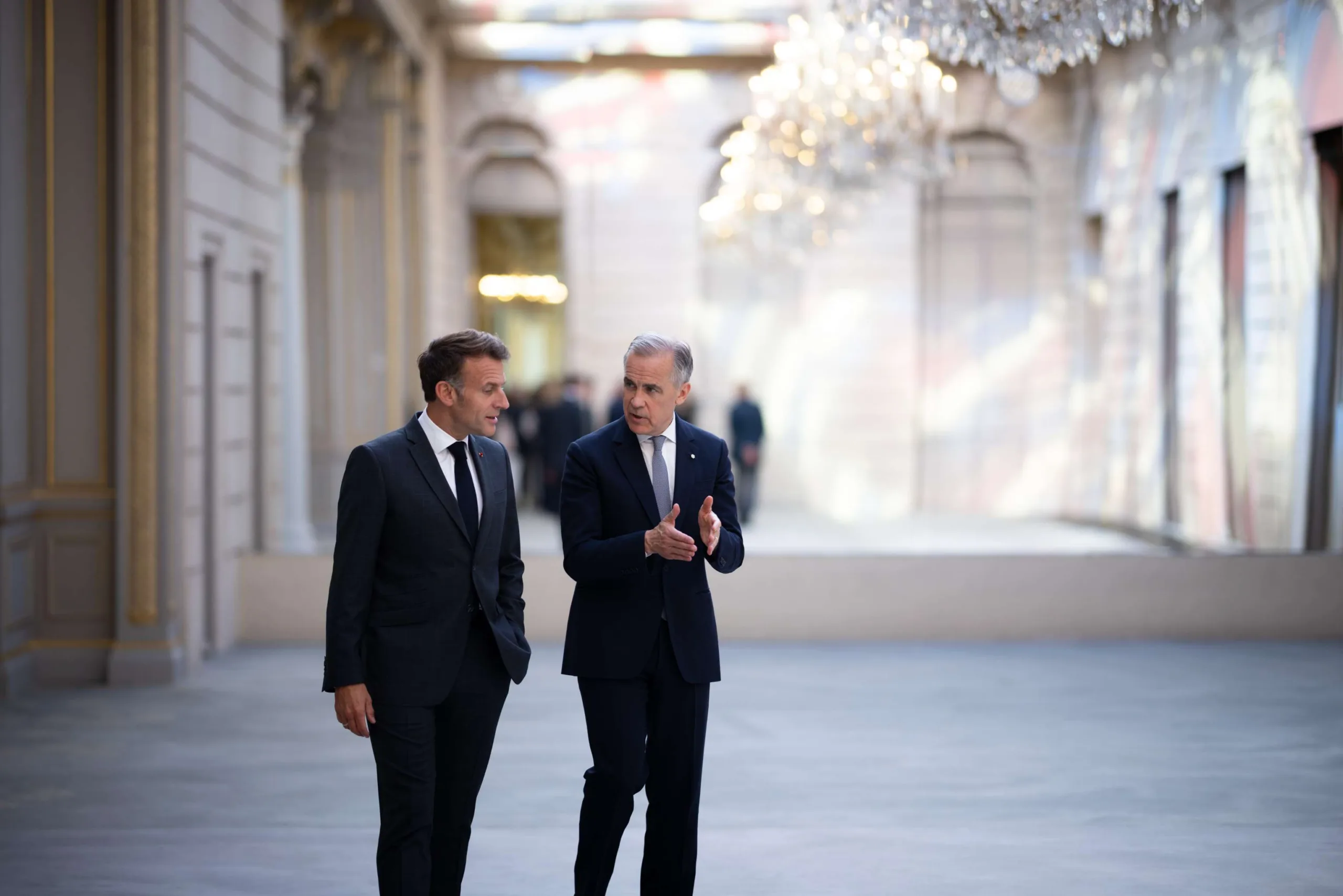
    French President Emmanuel Macron and Canadian Prime Minister Mark Carney met on Sunday in Saint-Pierre-et-Miquelon, a small French territory off Canada’s Atlantic coast, and announced plans to deepen cooperation across defence, energy, space, technology and trade.

    The meeting came at a sensitive moment for Canada, as Ottawa seeks stronger economic and strategic links with Europe while its relationship with the United States remains strained.

    Also Read | Can AI safety keep pace? Gemini hack and resignations deepen industry worries

    A remote French possession

    The location was significant. Saint-Pierre-et-Miquelon sits about 25 km from Newfoundland and is France’s last remaining territory in North America.

    The two countries also share a maritime border there. Macron’s visit was the first by a French president to the territory since 2014, while Carney became the first Canadian prime minister to make an official visit there.

    In the geopolitical thick of it

    The islands sit close to Canada, but they are also French territory. Their location gives the meeting a clear Atlantic and sovereignty dimension.

    That became more relevant after US President Donald Trump recently shared a map depicting Canada, Greenland and other parts of North America under a US flag.

    Diplomats viewed Macron’s visit as carrying symbolic weight following that post. Macron said France did not need to repeatedly reaffirm the islands’ status because of what he described as “strange ideas or strange things”.

    Half the story

    The practical agenda, however, went well beyond symbolism. Carney said Canada and France would ask their space agencies and defence ministries to work together on infrastructure, including space launch systems and ground-based reception facilities.

    The two countries also agreed to expand cooperation in energy, telecommunications, climate resilience and economic development.

    Energy is a major piece of the discussion. Europe is dealing with renewed pressure on energy supplies as the conflict involving Iran disrupts global markets.

    Macron said Canada could play a larger role in supplying liquefied natural gas to Europe. “Canadian liquefied natural gas projects can help. They are important for Europe,” he said.

    Macron also said the talks could lead to more concrete bilateral agreements on energy.

    A keen Canadian suitor

    Macron Hosts Carney on French Islands Off Canada With Sovereignty and Energy on the Table | X (@Global1Newz)
    Macron Hosts Carney on French Islands Off Canada With Sovereignty and Energy on the Table | X (@Global1Newz)

    The bigger shift is economic and strategic. Carney has been pushing for a much closer relationship between Canada and the European Union.

    During his European visit last week, he backed the idea of a new partnership that would go beyond the existing Canada-EU trade framework.

    European Commission President Ursula von der Leyen has proposed opening the door for Canada to become the bloc’s first “associate member”.

    The proposed status is not full EU membership, and its terms are yet to be worked out.

    Some paperwork

    Macron has backed that direction. At the Saint-Pierre meeting, he said France and Canada shared commitments to democracy, the rule of law, international law and free and fair trade.

    Carney framed the effort in terms of resilience, arguing that sovereignty now also depends on secure access to areas such as AI, semiconductors, critical minerals, clean energy and space-based communications.

    Canada’s strategy is about creating more options. For France and Europe, it offers a closer relationship with a major G7 economy rich in energy, critical minerals and advanced technology.

    The meeting is only an early step. Any deeper Canada-EU integration will face political and practical hurdles, while existing trade arrangements such as CETA still have unresolved ratification issues in some EU countries.

    Also Read | Love books? This country is rewarding people for reading every day

  • India’s semiconductor push faces sabotage risk, Union Minister Ashwini Vaishnaw warns

    India’s semiconductor push faces sabotage risk, Union Minister Ashwini Vaishnaw warns

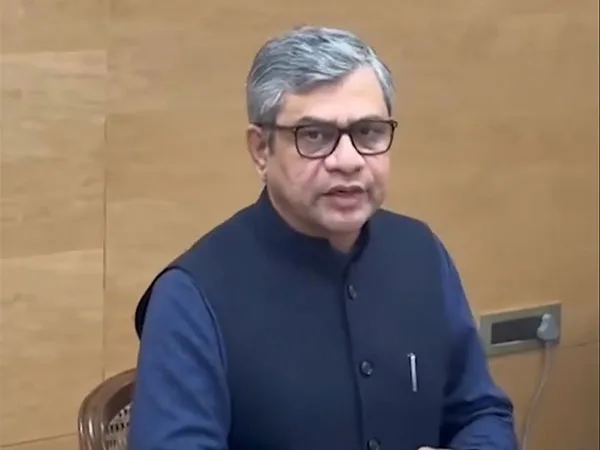
    Union Electronics and Information Technology Minister Ashwini Vaishnaw has warned that India’s growing semiconductor industry could face attempts at disruption as the country establishes itself as a new player in the global chip ecosystem. Speaking to NDTV, Vaishnaw said the industry should be prepared for cyberattacks, misinformation and physical disruptions, arguing that semiconductors have become a strategic sector.

    Union Electronics and Information Technology Minister Ashwini Vaishnaw has warned that India’s growing semiconductor industry could face attempts at disruption as the country establishes itself as a new player in the global chip ecosystem. (ANI)
    Union Electronics and Information Technology Minister Ashwini Vaishnaw has warned that India’s growing semiconductor industry could face attempts at disruption as the country establishes itself as a new player in the global chip ecosystem. (ANI)

    India semiconductor industry must prepare for disruption

    Union Electronics and Information Technology Minister Ashwini Vaishnaw referred to alleged incidents during the early phase of Apple’s manufacturing expansion in India to illustrate the kinds of challenges he believes the country could encounter as its manufacturing capabilities grow.

    He alleged that there had been attempts to disrupt operations through incidents including food poisoning, the cutting of electricity wires and misinformation. He also referred to a Reuters report about claims that married women were not being allowed to work at an Apple supplier, describing it as fake news.

    These claims were made by Vaishnaw during the interview and have not been independently established in the report.

    The minister said similar challenges could emerge as India expands its semiconductor capabilities and attracts greater international attention.

    Also Read | Man travels 1,200 km from Amritsar to Gaya; ChatGPT helps him find his family

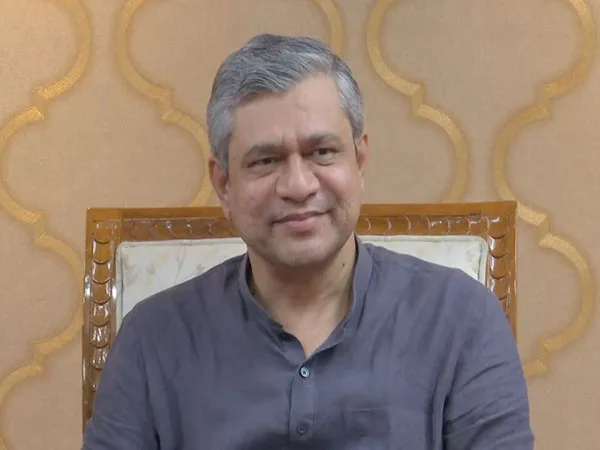
    The minister said the government and industry would need to remain prepared because semiconductor manufacturing is strategically important for modern economies and technology supply chains. (ANI)
    The minister said the government and industry would need to remain prepared because semiconductor manufacturing is strategically important for modern economies and technology supply chains. (ANI)

    Cyberattacks and fake news among concerns

    Union Electronics and Information Technology Minister Ashwini Vaishnaw said the Indian semiconductor industry should be prepared for multiple forms of disruption rather than treating the challenge purely as a manufacturing issue.

    He warned that cyberattacks could target companies and infrastructure, while misinformation could be used to create uncertainty around the sector. He also raised the possibility of physical attacks and other disruptions.

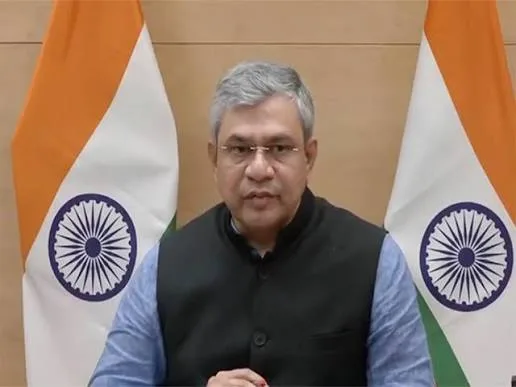
    The minister said the government and industry would need to remain prepared because semiconductor manufacturing is strategically important for modern economies and technology supply chains.

    Semiconductors are used in a wide range of products, from smartphones and computers to automobiles, industrial equipment and defence systems. Their strategic importance has increased with the expansion of artificial intelligence and the global race to secure resilient chip supply chains.

    Also Read | Once visited by Christopher Nolan, Matt Damon, and Tom Holland, now facing regulatory action: The story of Olympia Cafe, Mumbai

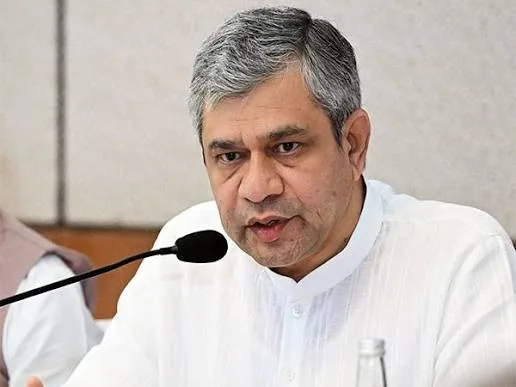
    Vaishnaw’s warning came as SEMICON India 2026 concluded in New Delhi. (ANI)
    Vaishnaw’s warning came as SEMICON India 2026 concluded in New Delhi. (ANI)

    SEMICON India highlights growing semiconductor ambitions

    Union Electronics and Information Technology Minister Ashwini Vaishnaw’s warning came as SEMICON India 2026 concluded in New Delhi. The three-day event at Yashobhoomi brought together more than 600 exhibitors, including around 300 international companies, with representatives from 52 countries. The event also recorded 56 MoUs, announcements, and strategic initiatives across chip design, manufacturing, advanced packaging, equipment, materials, research, and talent development.

    The government has also outlined Semicon 2.0, which aims to expand India’s capabilities across the wider semiconductor value chain, including design, equipment, fabrication, advanced packaging, research and talent.

    For India, the next phase will therefore involve not only building semiconductor facilities but also protecting the ecosystem from technological, operational and geopolitical risks. Vaishnaw’s warning reflects the government’s stated view that preparedness will be key to establishing India as a semiconductor manufacturing and technology hub.

    FAQs

    Why did Ashwini Vaishnaw warn about sabotage attempts?

    Vaishnaw said India’s growing semiconductor capabilities could attract opposition and potential attempts at disruption.

    What threats did Vaishnaw identify?

    He cited possible cyberattacks, fake news, physical attacks and other forms of disruption.

    What is SEMICON India 2026?

    SEMICON India 2026 was a three-day semiconductor industry event in New Delhi featuring global companies, industry announcements and initiatives aimed at expanding India’s chip ecosystem.