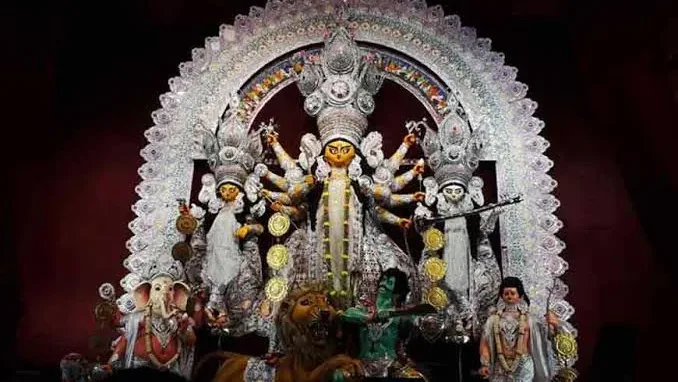
Blog

  • West Bengal Durga puja 2026: What is changing this year with Bengal’s regime change?

    West Bengal Durga puja 2026: What is changing this year with Bengal’s regime change?

    Durga Puja in West Bengal is entering a new political chapter in 2026. With a new government in office, several familiar features of Kolkata’s biggest annual festival are changing, from the Red Road carnival and puja patronage to government grants, food practices and the way pandals are inaugurated.

    The biggest change is perhaps the end of the Durga Puja carnival on Red Road, a much-remembered feature of the Mamata Banerjee years. Instead, the new government is preparing a major Mahalaya programme at Eden Gardens on October 10, which Prime Minister Narendra Modi is expected to attend.

    But the changes go beyond the calendar. Several well-known pujas have seen changes in their organising committees, while questions around food, themes, political stalls and the religious character of the festival have also emerged.

    At the same time, the number of Durga Pujas across Bengal continues to rise. As of September 24, 2,318 pujas had registered on Kolkata’s Sahaj single-window permission portal. The figure included 270 new applicants. In 2025, the final number of applications reached 2,936, the highest recorded till then.

    Across West Bengal, the state power department expects the number of community pujas to cross 65,000 this year, based partly on demand for temporary electricity connections.

    Durga Puja’s long tradition of change

    The community Durga Puja, or barowari puja, is generally associated with late-18th-century Guptipara. Historians, however, differ over the exact year and even over whether the earliest community festival there was Durga Puja or Jagaddhatri Puja.

    The term barowari is commonly linked to baro yaar, meaning “twelve friends”.

    Bengal’s Puja traditions have evolved repeatedly. Zamindars once played a major role in patronage, while political leaders later became closely associated with prominent community celebrations.

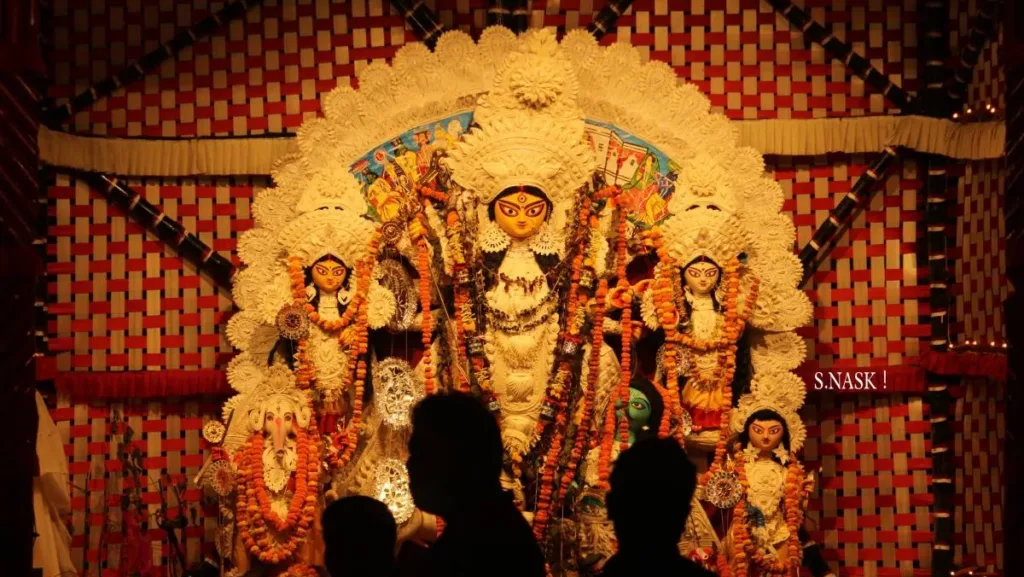
    The visual language of Puja has changed too. Traditional ek-chalar thakur, where Durga and her family are presented together within one frame, now exists alongside elaborate multi-part installations. Sabeki pratima, or traditional idols, stand alongside theme-based creations made with unusual materials.
    A look at traditional Durga puja in Bengal
    A look at traditional Durga puja in Bengal. Credit: X/asutoshhalder

    Kumartuli remains at the centre of Kolkata’s idol-making tradition. As Mahalaya approaches, its narrow lanes become increasingly busy with visitors, photographers and people looking for a glimpse of the idols before they leave for the city’s pandals.

    The nearby Kumartuli Ghat is also being developed. A Rs 10-crore project covers a 300-metre stretch of the Hooghly riverfront and includes viewing areas, walkways and improved public facilities.

    Political patronage of Kolkata’s big pujas changes

    One of the most noticeable developments in Durga Puja 2026 is the change in leadership at several prominent pujas.

    During the Trinamool Congress years, several major celebrations became closely identified with influential party leaders. Sreebhumi was associated with Sujit Bose, Suruchi Sangha with Arup Biswas and his brother Swarup, Chetla Agrani with Firhad Hakim, and Naktala Udayan Sangha with Partha Chatterjee. That pattern is now changing.

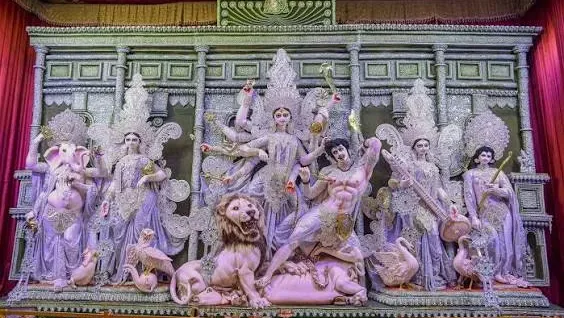
    At Sreebhumi Sporting Club, a new committee is overseeing this year’s Puja. BJP leader Kanak Debnath is its president. Organisers have said the scale of the celebration will remain while efforts will be made to reduce prolonged road blockades.
    A look at Sreebhumi Durga Puja
    A look at Sreebhumi Durga Puja. IG/sreebhumisportingclub

    Suruchi Sangha has also undergone a leadership change. BJP MLA Sourav Sikdar is now secretary, with the new committee replacing the earlier arrangement associated with the Biswas brothers. The transition, however, was met with protests from some residents.

    At Tala Prattoy, known in recent years for its striking themes, much of the previous organising structure has changed. Sushanta Shibani Pal is handling this year’s theme.

    The changes are not limited to individual puja committees. A new statewide organisation called the Paschim Banga Durga Puja Samannay Samiti, or West Bengal Durga Puja Coordination Committee, is taking shape. Kartik Maharaj is its chairman, while BJP MLA Rudranil Ghosh is chief adviser.

    The organisation could provide another coordination platform alongside the established Forum for Durgotsab, which represents hundreds of Puja committees.

    New pujas and disputes add to the churn

    Some familiar Kolkata locations are also entering new territory. Allen Park on Park Street, better known for its Christmas and New Year celebrations, will host a Durga Puja for the first time. The celebration is being organised by Kolkata Sanatani Sangha, fronted by BJP leader Shankudeb Panda.

    Mohammad Ali Park has also seen a dispute, with competing committees putting up banners under different names after BJP councillor Meena Devi Purohit proposed changing the venue’s name to Mahabali Park.

    Bagbazar’s historic Puja faced a separate problem after a committee election became deadlocked. The matter eventually went to court.

    Durga Puja grants and free electricity

    The financial system supporting community Durga Puja is also being altered. The Mamata Banerjee government began providing annual assistance of Rs 10,000 to Puja committees in 2018. The amount was gradually increased and stood at Rs 1.1 lakh in 2025.

    For 2026, the new BJP government has announced Rs 1 lakh per committee. Chief minister Suvendu Adhikari has also appealed to larger pujas to leave the assistance for smaller celebrations that require financial support. Several prominent committees have agreed to forgo the grant.

    The government has also asked electricity suppliers to provide free power to Puja organisers. In 2025, the electricity waiver under the previous government stood at 80%.

    There was also a controversy in Birbhum after BJP district president Uday Shankar Banerjee reportedly told committees that those accepting the 2026 government grant would have to display the chief minister’s photograph or face action. Minister Dilip Ghosh rejected the claim.

    Will Bengal’s Durga Puja food traditions change?

    Food has emerged as another important point of discussion ahead of Durga Puja.

    In August, VHP central advisory council member Swami Nirgunananda suggested that non-vegetarian food should be kept away from the immediate Puja area. He also acknowledged that Bengal’s Durga Puja has never been entirely vegetarian.

    VHP leaders later clarified that no official or binding instruction was prohibiting non-vegetarian food during Durga Puja.

    Religious preacher Dhirendra Krishna Shastri, popularly known as Bageshwar Baba, subsequently criticised the consumption of non-vegetarian food during Puja and described those who did so as “pakhandis”, or hypocrites.

    The remarks drew criticism, including from within the BJP. State party president Samik Bhattacharya defended Bengal’s food traditions. Adhikari later visited Kalighat temple and ate traditional prasad that included fried fish, fish head and basanti pulao.

    At Suruchi Sangha, organisers have said mutton and hilsa will continue to be served during the Maha Navami feast.

    Some housing societies have similarly said their Puja feasts will retain their existing traditions and remain largely non-vegetarian, except on Maha Ashtami.

    However, some organisers are creating clearer boundaries around the sacred space. Thakurpukur SB Park and Chaltabagan have restricted visitors from entering while eating. The new Allen Park Puja will not have food stalls inside the park.

    Theme pujas continue, but with a different emphasis

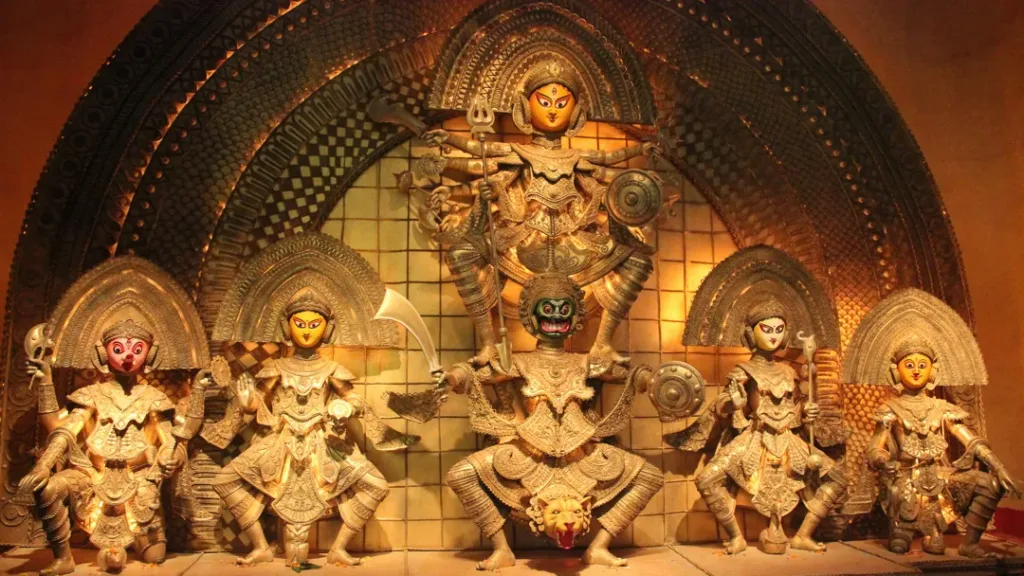
    Theme-based Durga Puja remains part of Kolkata’s festival landscape in 2026. There is no official census dividing theme pujas from traditional celebrations.

    Organisers have been asked to ensure that idols and themes do not hurt religious sentiments or undermine what the new government describes as Sanatani traditions.
    A theme-based Durga puja in Kolkata in 2025
    Idols conceptualised as Purulia ‘Chhau’ dancers, Ajeya Sanghati club, Kolkata, 2025.

    Yet experimental themes have not disappeared. Subjects linked to care workers, gender identity and ecology continue to feature in this year’s celebrations.

    Alongside them, some major pujas are placing greater emphasis on patriotism, nationalism and Hindu cultural identity.

    Santosh Mitra Square, headed by BJP MLA Sajal Ghosh, has selected Vande Mataram as its theme. New Town Sanatani Durga Puja is exploring what its organisers describe as the connection between ancient Indian traditions and modern science.

    The association between Durga and political or nationalist ideas, however, has a much longer history.

    Bankimchandra Chattopadhyay used the image of Durga as a symbol of Bengal in Amar Durgotsav, included in Kamalakanter Daptar. Later, Kazi Nazrul Islam invoked Durga as Shakti in his poems and Agomani compositions. His 1922 poem Anandamoyeer Agamane used the Goddess’s arrival as an anti-colonial metaphor, leading to his prosecution for sedition by the British.

    Why ‘Sharadotsav’ has become a political issue

    Another debate concerns the word “Sharadotsav”, a term widely associated with Bengal’s autumn festivities and Durga Puja.

    Suvendu Adhikari has asked Puja committees not to accommodate CPI(M) bookstalls using the term “Sharadotsav” instead of “Durga Puja”. The argument is that the terminology dilutes the festival’s religious identity.

    The Left has pointed out that Rabindranath Tagore wrote Sharadotsav, a play celebrating autumn, in 1908.

    A Puja committee at Kamardanga in Tangra has gone further, announcing that CPI(M), DYFI, SUCI and other Left-wing organisations would not be allowed to operate stalls at its celebration. The committee has urged other organisers to take a similar position, while the CPI(M) has criticised the move.

    Mahalaya replaces the Red Road carnival

    The Red Road immersion carnival, introduced in 2016 during the Mamata Banerjee government’s tenure, has been discontinued.
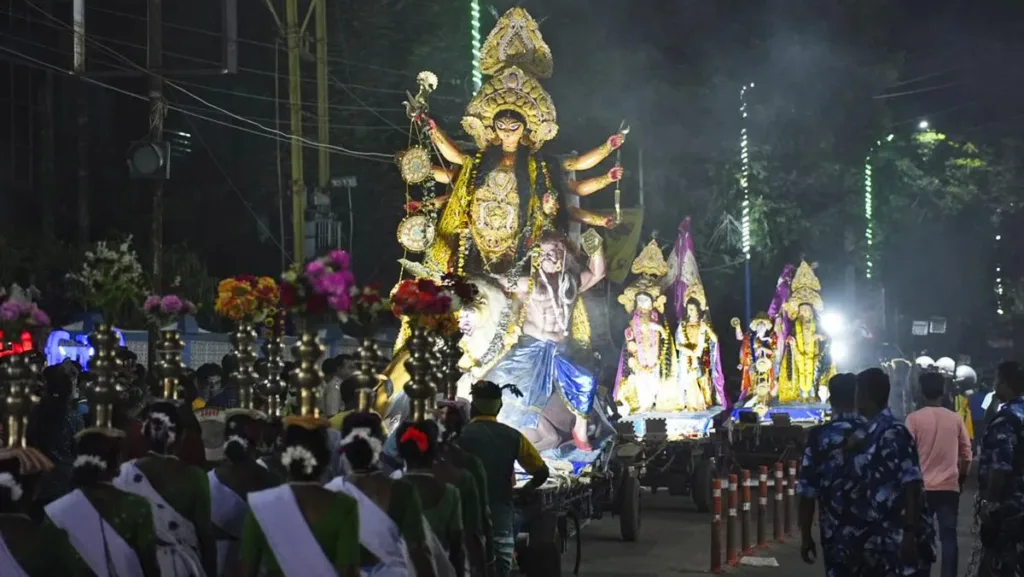
    Durga puja carnival in Red Road in 2024
    Durga puja carnival in Red Road in 2024. Credit: X/ANI

    Its replacement is a large Mahalaya programme at Eden Gardens on October 10, 2026. Maha Shashthi falls on October 17 this year.

    The event is expected to feature traditional performers, thousands of dhakis, fireworks and a drone show. Narendra Modi is expected to attend and virtually inaugurate prominent Kolkata pujas associated with the programme.

    Also Read | Kumartuli: The 300-year-old Kolkata neighbourhood where Maa Durga comes to life before Puja

    Mahalaya carries a special place in Bengal’s cultural calendar. Along with the tradition of tarpan, the day is strongly associated with Birendra Krishna Bhadra’s recitation of Mahishasuramardini, which has been linked with Mahalaya since the 1930s.
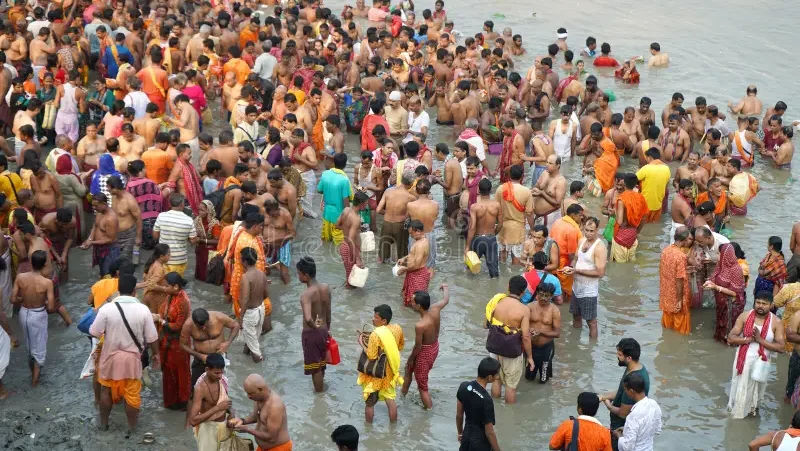
    People performing Tarpan at Babughaat in Kolkata in 2025
    People performing Tarpan at Babughaat in Kolkata in 2025. Credit: X/ANI

    The Eden Gardens event therefore places the new government at the centre of the ceremonial beginning of the Puja season.

    More changes for Kolkata pandal-hoppers

    The rules for Puja celebrations are changing in several other ways. Puja pandals will not be allowed to hold inaugurations before Mahalaya, according to the new government.

    Maha Ashtami will be observed as a dry day, with liquor sales prohibited. DJs have also been banned during Puja celebrations and immersion processions.

    Organisers have been asked to prevent prolonged road blockades and complete immersions within the prescribed period.

    Even the look of Kolkata Police’s crowd-management volunteers is expected to change. A police tender has proposed orange T-shirts and caps in place of the familiar white-and-blue attire.

    Bengal’s Durga Puja has never had one fixed identity

    Despite the changes around politics, patronage, food and presentation, Bengal’s Durga Puja tradition has always contained considerable variation.

    Historical accounts show that there was never a single rule governing the appearance of idols or the food served during Puja.

    Mahendranath Datta, Swami Vivekananda’s younger brother, recorded differences between Shakta and Vaishnava households. He noted that the lion accompanying Durga could have a conventional lion’s face in Shakta homes, while Gosain or Vaishnava households sometimes depicted it with a horse-like face.

    Food customs differed as well. Brahmin households could serve rice, vegetables, curd and payesh, while Shakta Brahmin homes permitted fish. Kayastha households served luchi.

    Old family pujas continue to reflect that diversity. The Sabarna Roy Chowdhury family offers katla as Nabami bhog, while fish is offered during Puja at Chorbagan Chatterjee Bari. At the Janbazar home of Rani Rashmoni’s descendants, the Goddess receives vegetarian bhog even though non-vegetarian food is served to guests.

    That history makes Bengal’s Durga Puja difficult to fit into a single cultural or dietary template.

    Also Read | Calm restored at SRFTI campus after clash between students and ABGP

    The committees may change, political associations may shift and new rules may shape the festival’s public face. But the traditions of Durga Puja in Bengal have developed over centuries through different communities, families, artists and organisers.

    For 2026, the most visible changes are already clear. The Red Road carnival is gone, Eden Gardens will host the Mahalaya celebration, several prominent pujas have new leadership, and debates over food, themes and political participation have entered the festival conversation.

  • Foral de Goa 1526, the charter behind Goa’s land legacy: Know all about 500 years of history

    Foral de Goa 1526, the charter behind Goa’s land legacy: Know all about 500 years of history

    Five centuries after it was promulgated, the Foral de Goa of 1526 remains at the centre of discussions about Goa’s land, village institutions and relationship with political power.

    On September 16, 1526, Portuguese King João III issued the Foral de Goa, a collection of 49 laws that recorded the rights, duties and customs of Goa’s village communities. Historians regard it as one of the earliest surviving paper documents of its kind in South Asia and often describe it as Goa’s first constitution, although the comparison does not refer to a modern constitutional system.

    The 500th anniversary is being marked in both Goa and Portugal. In Goa, Bombay High Court judge Valmiki Menezes is scheduled to release a commemorative edition later this month. Portugal is also hosting a year-long programme through the Centre of the History of Society and Culture at the University of Coimbra and other cultural institutions.

    What Is the Foral de Goa of 1526?

    The document’s official name is Foral dos Usos e Costumes dos Gancares e Lavradores desta Ilha de Goa e outras Anexas a Ella. In English, this refers to the charter concerning the customs and practices of the Gaunkars, or village landholders, and farmers of Goa and its adjoining islands.

    It is also known as the Foral of Afonso Mexia, after Afonso de Mexia, the Vedor da Fazenda, or chief comptroller of the treasury in Portuguese India, who signed it.

    The Foral was created 16 years after the Portuguese captured Goa from the Adil Shah of Bijapur in 1510. It emerged from negotiations between the Portuguese administration and Gaunkars representing 31 villages in Tiswadi.

    According to Goa Archives director Balaji Shenoy, it was the first formal attempt to put the existing indigenous village administration and revenue arrangements in Portuguese-controlled Goa into writing.

    How Did The Foral Protect Gaunkar Rights?

    A central feature of the Foral was its recognition of the Gaunkars and their role in managing village common lands through the Gaunkaria system, now commonly associated with the Comunidade system.

    The document acknowledged the system as an existing institution and recognised the land-related rights of the Gaunkars. Its preamble says the rules were prepared “after ordering careful inquiries and investigations to determine and clarify what they were obliged to pay us, and used to pay to the kings and lords of this land before it became ours…as well as the rights, uses and customs, under which they lived and which we ought to preserve for them…”

    Under the system, Gaunkars paid a fixed tribute, known as foro, to the state. Revenue from village lands was then used for different village responsibilities, while cultivation rights could be auctioned and part of the resulting income distributed among the Gaunkars.

    The Foral also referred to the work of earlier generations who had developed coastal areas and turned them into productive settlements.

    What Did The 49 Clauses Cover?

    The Foral went beyond simply fixing agricultural taxes. Its 49 clauses dealt with several aspects of village life and administration.
    They covered tax collection and the distribution of annual surplus, different assessments depending on the type of land, treatment of villages facing financial difficulties, hereditary rights and the leasing of uncultivated land.

    Rules also addressed leasing land to outsiders, disputes, absent or defaulting Gaunkars and succession. The document included provisions concerning the rights of children from multiple marriages.

    Independent scholar Rochelle Pinto describes the Foral as much broader than a revenue document.

    “It was one of the initial documents issued by the Portuguese Crown to indigenous land administrators, sixteen years after the conquest of Goa… the Foral recognised the political significance of a local legend that legitimised the primacy of the gaunkars over the land in Ilhas by incorporating it into the document. The most minimal description of the Foral would see it as a revenue-fixing document, but in fact it addressed ritual practices, inheritance laws, and a range of other aspects through its forty-nine clauses,” she said.

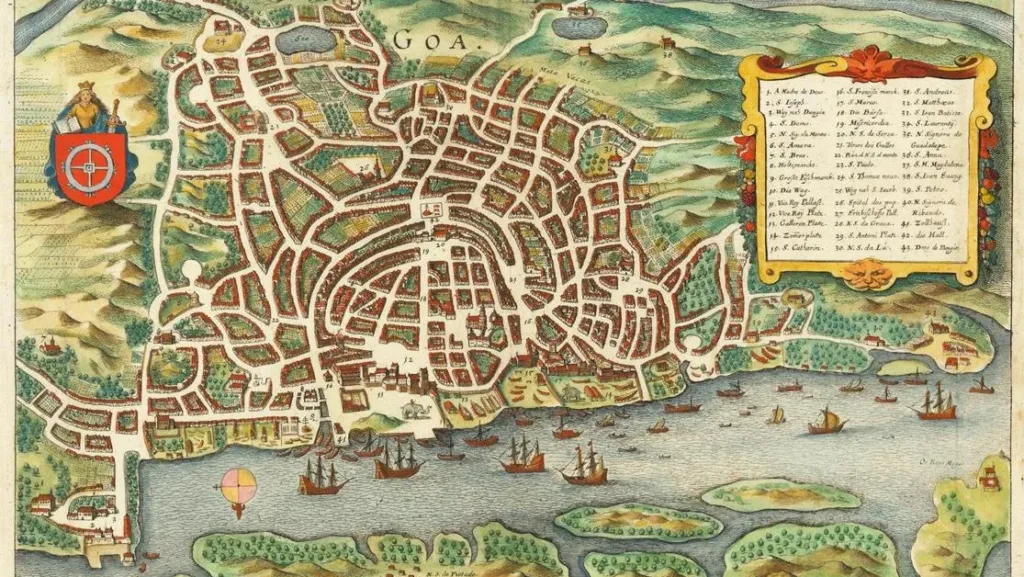
    The image appears to show an antique bird's-eye view map of Goa in 1650
    The image appears to show an antique bird’s-eye view map of Goa in 1650 | AI generated

    Was The Foral Goa’s First Constitution?

    The description of the Foral as Goa’s first constitution remains part of an ongoing historical debate.

    Historian Dale Menezes, who is co-authoring a commentary for the commemorative edition, argues that the document can be understood as a constitution in the broader sense of establishing the terms of a new political community.

    The Foral was issued after the Portuguese conquest, at a time when the new administration was seeking to establish its authority while dealing with existing local institutions.

    “The Foral of 1526 represents a peculiar governmental instrument of the early modern times, that is to say 1500s onwards. There were certainly customs in earlier epochs, but kings, monarchs, and empires in India did not function by writing down these customs. At best we have land grants on stone or copper. Even the Bahamani and Bijapuri Sultanates that ruled parts of present-day Goa ruled according to localized custom but never set it down on paper for the use of all people across all villages in a given territory. Besides, the Foral of 1526 does not just codify land laws, it is much broader than that,” Menezes said.

    Jocel de Souza, who works to preserve and revive the Gaunkari, or Comunidade, system, sees the document as an example of negotiation between rulers and local communities.

    Also Read | 5 things to know about the Congress’s Rs 81.45 lakh payment to The Indian Express during the Bengal polls

    “It is a brilliant and path breaking set of laws compared to what rulers both in India and Europe were used to at the time. The usual practice was to impose sovereign diktats without any kind of collaboration. However, in the case of Goa, it was a collective charter and the people (who were being ruled) were involved in its drafting. This document laid the foundation for subsequent negotiations between the rulers and the ruled,” he said.

    De Souza also links the community land system to Goa’s historical patterns of wealth distribution.

    “All this ultimately boils down to the fact that community land rights were recognised, safeguarded and codified by the Police as early as the 16th century, when legislation of this nature was practically unheard of in any other part of this side of the world,” he said.

    “It was this document that eventually was amended and expanded upon over the following centuries, that evolved and matured into the Portuguese Civil Code and the Code of Comunidades that we have today,” he added.

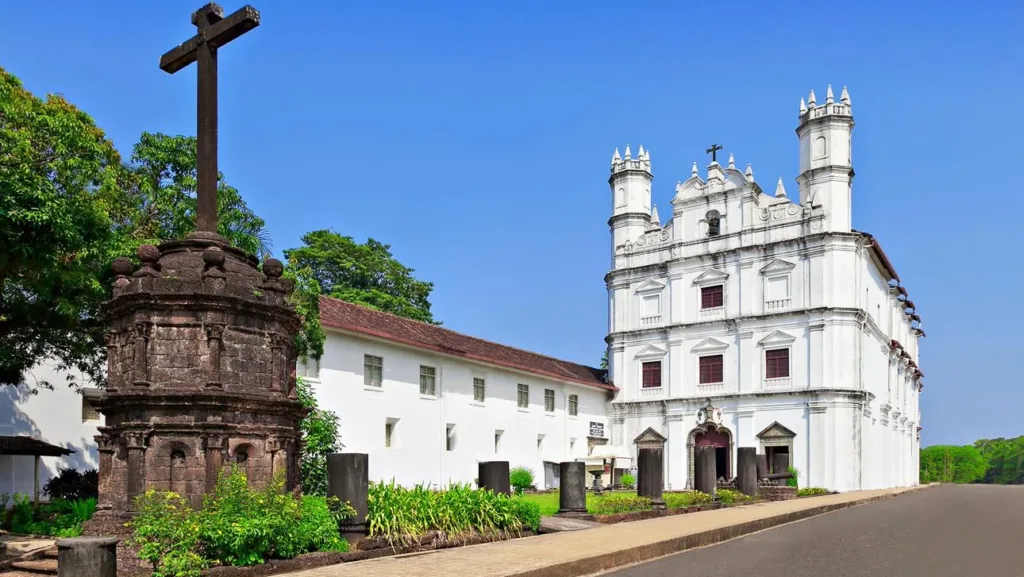
    The historic Church of Saint Francis of Assisi and its adjoining convent in Old Goa, India.
    The historic Church of Saint Francis of Assisi and its adjoining convent in Old Goa, India. Credit: X/Pramod Sawant

    Why Is The Foral Also Seen As A Colonial Document?

    The interpretation of the Foral is not uniform. Shenoy places greater emphasis on the interests of the Portuguese administration and its need to secure revenue.

    “The primary motivation of the Portuguese administration was to guarantee and stabilise tax collections for the Crown. It established a fixed, collective rent system for the villages. It was less a foundational gift of civil liberties and more a shrewd legal pact designed to anchor imperial tax extraction to pre-existing Hindu jurisprudence and agrarian frameworks,” he said.

    He also cautioned against describing it as Goa’s first constitution. “The Foral of 1526 represents one of the earliest Western attempts at colonial mapping and administrative ordering of an Asian territory. Foral should not be viewed as Goa’s ‘first constitution,’ as doing so reframes a colonial instrument of conquest into a democratic gift,” Shenoy said.

    How The Foral Influenced Goa’s Land System

    The Foral initially applied to the 31 villages around the city of Goa, now Old Goa, which were under Portuguese control. When Portuguese rule expanded in 1543 to Bardez in the north and Salcete in the south, similar arrangements were offered to the landed elites of those territories.

    Also Read | 3-day bank strike deferred as panel takes up 5-day week demand

    Over the centuries, the original framework was amended and expanded. Its legacy can be traced through the development of the Code of Comunidades and the Portuguese Civil Code.

    For Menezes, the document provides an unusual record of interaction between a foreign administration and existing Goan institutions.

    “The Foral was not simply a record of Portuguese rule, nor merely a technical document concerning the old village communities.”

    “Its pages preserve an extraordinary encounter between an incoming power and Goan institutions, practices and people. They reveal that Goans were not merely subjects upon whom a new order was imposed but Goans negotiated, defended inherited practices, accepted new obligations and helped shape the political arrangements under which they would live. The document therefore offers a rare window into the making of Goan society at a crucial moment in its history,” he said.

    “Five centuries later, the questions contained in the Foral—about community, land, government, rights, obligations and the relationship between people and power—remain remarkably resonant,” he added.

    Why The Foral Still Matters In Goa Today

    The debate surrounding the Foral is not limited to historians. Its legacy remains connected to questions over community land and the future of the Comunidade system.

    Advocate Kripa Pilarnekar, who has approached the Bombay High Court in Goa over the restoration of certain alienated Comunidade lands, argues that these institutions remain part of Goa’s historical inheritance.

    “The Comunidades are not merely remnants of Goa’s past. They form part of the State’s shared historical inheritance. These village institutions have survived changes in rulers, legal systems, religion, politics and economic structures over several centuries. The larger question is whether a centuries-old system governing village lands, community rights and customary institutions can be protected in an era of rapidly increasing commercial pressure on land,” she said.

    Pilarnekar said the present discussion should not be about returning to Goa’s past but about understanding what has survived from it.

    “The Foral of 1526 tells us what Goa inherited. The challenge of 2026 is to decide, within the framework of law, what Goa will preserve,” she adds.

    Five hundred years after João III promulgated the Foral, the document therefore remains more than an archival record. Its clauses continue to inform discussions about Goa’s village communities, land rights, taxation and the relationship between government and the people it governs.

  • Was Ravana evil? The Ramayana’s complicated story of power and consent

    Was Ravana evil? The Ramayana’s complicated story of power and consent

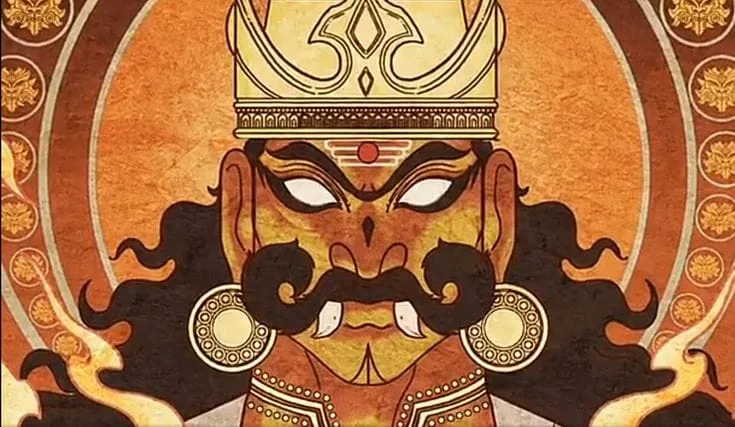
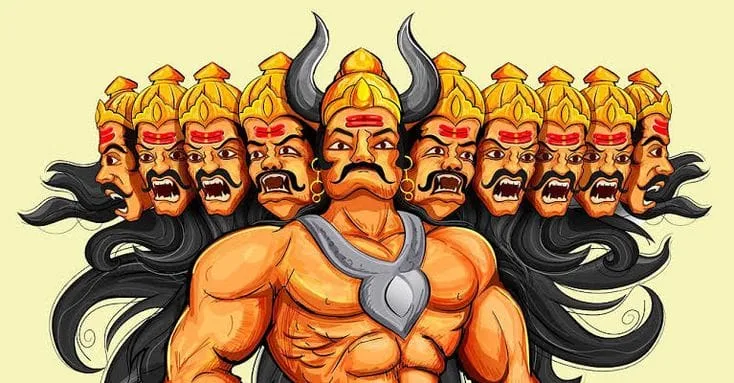
    Ravana is one of the most known figures when it comes to Indian mythology. Every year, his idol is burnt during Dussehra to mark Rama’s victory over the king of Lanka. He is generally described as the villain of the Ramayana, the ruler who abducted Sita and eventually brought about his own destruction.

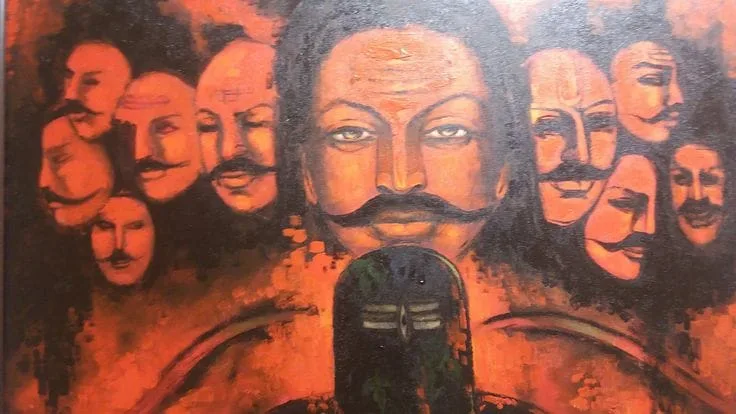
    Yet Ravana’s character has never been entirely one-dimensional. He is also described in various traditions as a learned man, a powerful ruler, a musician and a devotee of Shiva. This has led to continuing debates about whether Ravana should simply be understood as evil.

    But there is another part of his story that becomes important when his conduct towards women is discussed.

    Ravana and the abduction of Sita

    Ravana’s most well-known act is the abduction of Sita. He takes her away from the forest and brings her to Lanka, where she is kept at the Ashoka Vatika.

    Ravana repeatedly tries to persuade Sita to accept him, but Sita refuses. He does not physically force himself on her. This aspect of the story in Ramyana has sometimes been used to argue that, despite abducting her, Ravana respected her decision not to be with him.

    Also Read | 3 Hindu mythology stories that go beyond good vs evil

    However, the story becomes more complicated when another episode involving the apsara Rambha is considered.

    What happened between Ravana and Rambha?

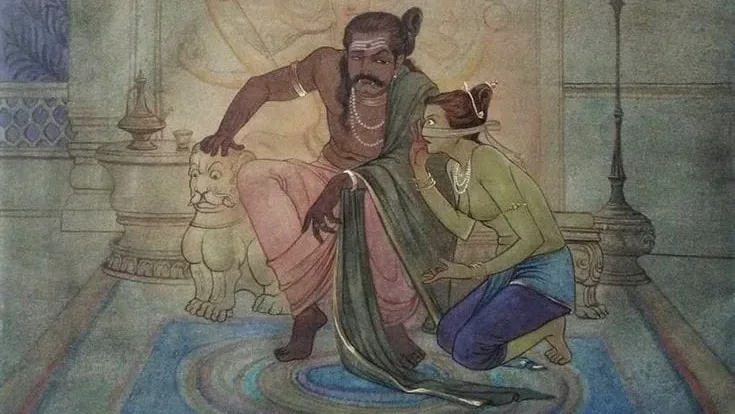
    In the Uttara Kanda of Ramayana, Ravana encounters Rambha and desires to be with her. Rambha tells him that she is connected to his family through Nalakuvera, Ravana’s nephew, and asks him not to approach her.

    Ravana ignores her refusal and sexually assaults her.

    When Nalakuvera learns what happened, he curses Ravana. According to the account, if Ravana ever tries to force himself upon another woman against her wishes, his head will split apart.

    The curse becomes significant when the story of Sita is considered. It provides one explanation for why Ravana, despite keeping Sita captive, never physically violates her.

    This makes it difficult to describe his behaviour towards Sita simply as an example of his respect for consent. His actions towards Rambha show that he had previously ignored a woman’s refusal. His restraint with Sita can therefore also be read in the context of the curse placed on him.

    The Uttara Kanda question

    There is also a textual question surrounding this episode. The Uttara Kanda has long been the subject of debate among scholars, with questions about whether all of its material formed part of the earliest version of the Valmiki Ramayana.

    That does not make the Rambha story irrelevant. It is still an important part of the wider Ramayana tradition, but it is useful to distinguish between different layers and versions of the epic rather than treating every episode as belonging to one fixed text.

    Also Read | Why should Hindus read Islamic mythology and what it reveals about shared traditions?

    The Ramayana has been retold across languages, regions and centuries, and its characters have taken on different meanings in different traditions.

    A complicated character does not mean an innocent one

    Ravana’s positive qualities are often brought up when his character is reassessed. He is portrayed as highly educated and is associated with music, scholarship and devotion to Shiva. Some traditions also remember him as a capable ruler.

    But these qualities do not erase his actions.

    A person can possess admirable qualities and still commit serious wrongdoing. In Ravana’s case, his scholarship or devotion does not change the fact that Sita was taken against her will and kept in Lanka.

    The same distinction is important when discussing the Rambha episode. Whether Ravana’s actions are viewed through a modern understanding of consent or through the moral framework of the epic, Rambha’s refusal is clear within the story, and Ravana ignores it.

    Why the debate around Ravana continues

    Ravana remains an interesting figure precisely because the Ramayana does not leave readers with a character who can be understood through one quality alone. He is a powerful king, a scholar and a devotee, but he is also responsible for the abduction of Sita and, in the Rambha episode, an assault committed despite her refusal.

    There are also communities and traditions in India where Ravana is viewed differently from the conventional Dussehra narrative. These variations are part of the larger history of how the Ramayana has been interpreted and retold.

    The question, then, is not simply whether Ravana was entirely good or entirely evil. His character can be examined through all of these contradictions. But complexity should not be confused with absolution.

    The story of Sita, particularly when read alongside the account of Rambha and Nalakuvera’s curse, brings the question of consent into sharp focus. Ravana may be remembered for his learning and power, but those qualities do not make his violations of another person’s freedom any less significant.If you want, I can also make this

  • 3 places in India where you can enjoy a submarine experience

    3 places in India where you can enjoy a submarine experience

    For travellers who are particularly fascinated by the underwater world, a submarine ride can sound like the kind of experience that requires an international trip. But you do not necessarily need to leave India to get the esence of life beneath the sea.

    Although submarine tourism is still limited in India, but a few destinations offer experiences that come close to the thrill. From walking through a real decommissioned Indian Navy submarine in Visakhapatnam to sitting inside an underwater viewing cabin in the Andaman Islands, one can experience the underwater thrill sitting in India.

    Here are three places in India where travellers can experience submarines or semi-submarines without needing a passport.

    INS Kursura Submarine Museum in Visakhapatnam

    For those who want to understand what life inside an actual submarine feels like, the INS Kursura Submarine Museum in Visakhapatnam offers a different kind of experience.

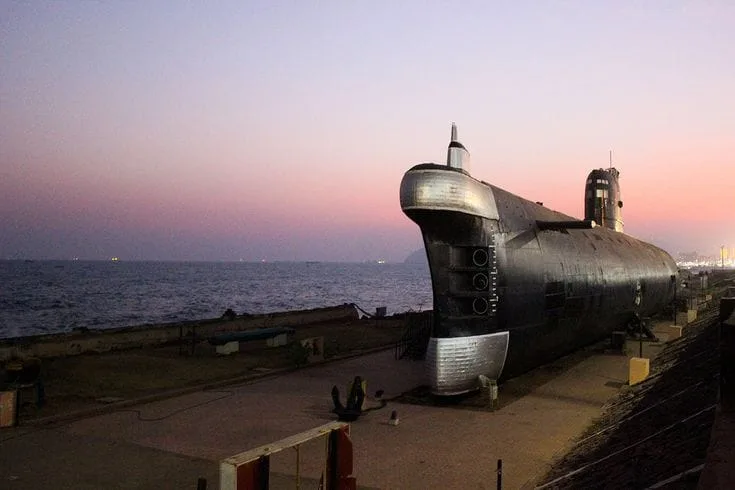
    Located near RK Beach, the museum is located inside INS Kursura, a decommissioned Indian Navy Foxtrot-class submarine. Unlike an underwater tourist ride, the submarine is permanently stationed on land, allowing visitors to walk through its original interiors and see how the vessel was designed and operated.

    Visitors enter the submarine through its hatches and make their way through its narrow passageways. The tour includes many consecutive sections of the vessel, including the control room, torpedo section, sonar and radar areas and crew compartments.

    The cramped interiors offer a sense of how naval personnel lived and worked inside a submarine, where space was limited and different parts of the vessel had specific operational purposes.

    Also Read | 5 travel-friendly snacks to eat on a flight without the mess

    The ticket price is Rs 70 for adults and Rs 40 for children below 12 years. Visitors carrying cameras also need to pay separately, with still cameras priced at Rs 50 and video cameras at Rs 200.

    One important distinction is that INS Kursura does not take visitors underwater. It is an opportunity to step inside a genuine naval submarine and explore its interiors while it remains docked on land.

    North Bay in the Andaman Islands

    If the idea is to actually look beneath the water, North Bay in the Andaman Islands offers a different experience through semi-submarine rides.

    Unlike a conventional submarine, a semi-submarine remains partly above the surface. The vessel has an underwater observation section where passengers can sit behind large glass windows while experiencing the underwater thrills and can easily witness the underwater creatures.

    Also Read | Chile Travel Guide: Why the world’s driest desert feels like another planet

    At North Bay, passengers can look through the glass panels at coral reefs and marine life. The viewing windows are positioned at an angle, which allows tourists to observe the underwater surroundings while remaining seated inside the cabin.

    Havelock Island or Swaraj Dweep

    Another option in the Andaman Islands is Swaraj Dweep, popularly known as Havelock Island.

    Like North Bay, the destination offers a semi-submarine experience for visitors who want to see the underwater world without getting into the water themselves.

    Passengers can sit inside a submerged viewing cabin and look through large windows as the vessel moves through the water. The viewers can see the Coral reefs and fish in the underwater section, offering a different perspective from a regular boat ride.

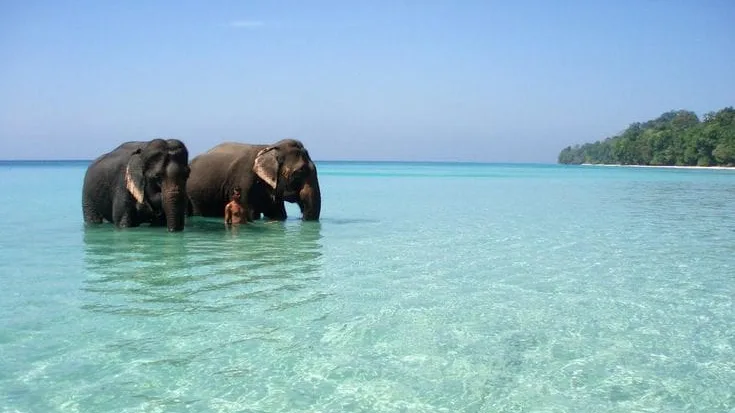
    Some semi-submarine trips operate around Elephant Beach, although the exact route and schedule can differ. Travellers should therefore confirm the day’s itinerary and operating conditions before booking.

    It is also worth remembering that this is a semi-submarine experience rather than a conventional submarine journey. The main vessel remains on the surface while the passenger viewing section is positioned below the waterline.

  • Is your heart on the left or centre? 7 facts that may surprise you

    Is your heart on the left or centre? 7 facts that may surprise you

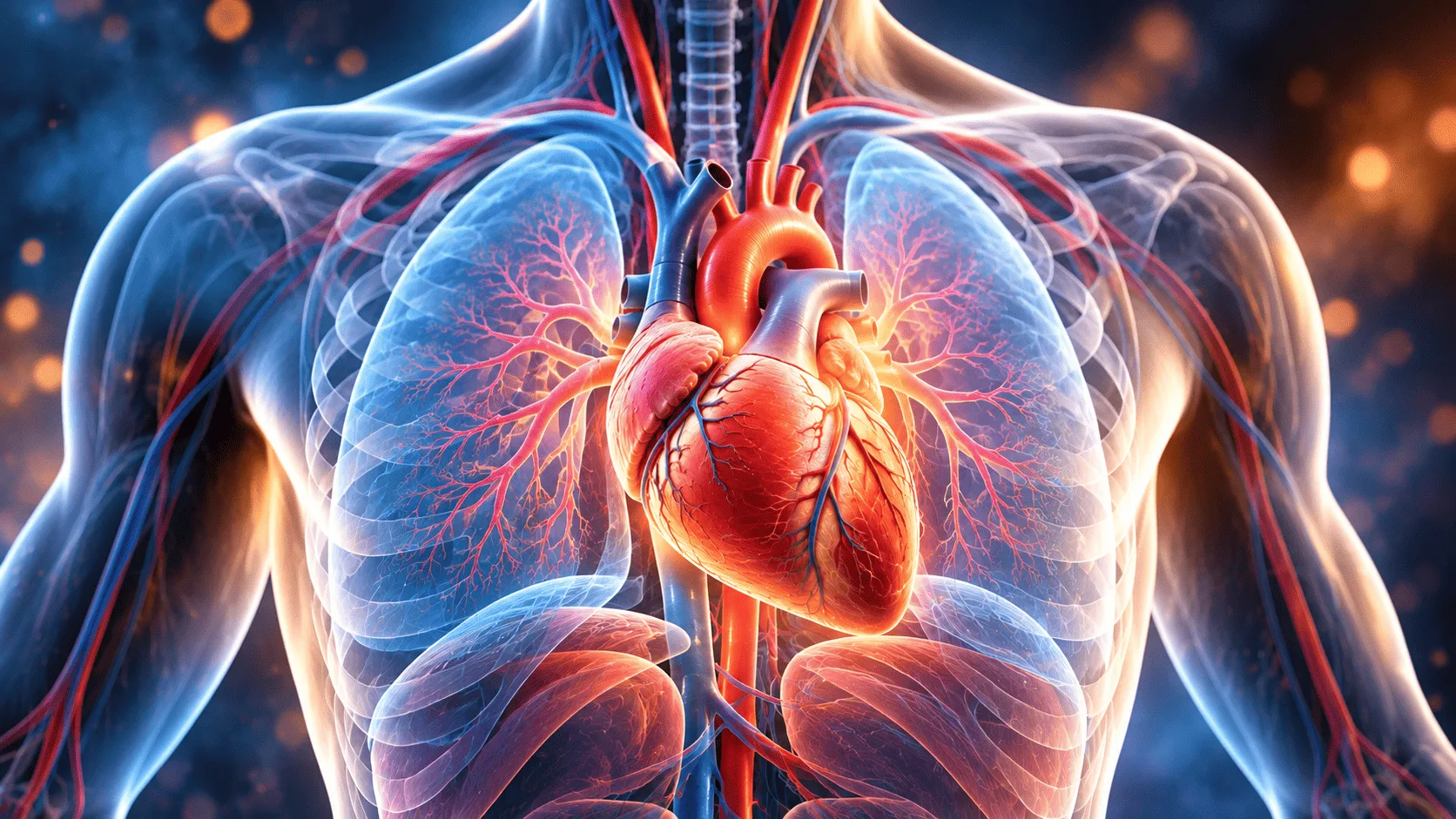
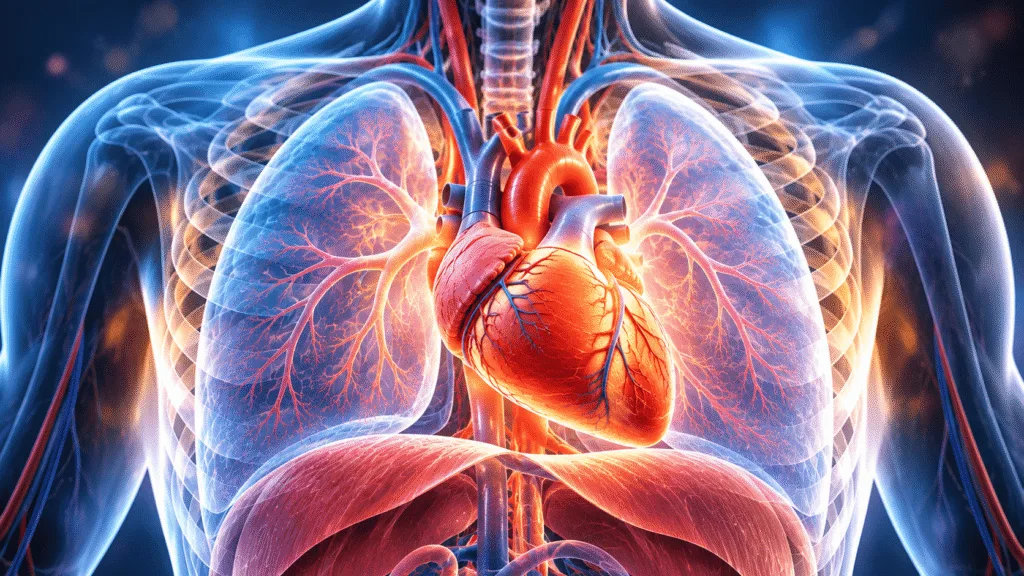
    Put your hand over the left side of your chest and you can probably feel your heartbeat. But does that mean your heart is actually located there? Not quite. The heart sits between the lungs, close to the centre of the chest, with its lower end angled towards the left.

    As World Heart Day is observed on September 29, here are seven simple facts that explain the heart’s position, structure and functioning.

    The heart is between the lungs

    The heart is located in the mediastinum, the space between the right and left lungs. It sits behind the sternum, or breastbone, and above the diaphragm. While a larger portion of the heart lies towards the left of the body’s midline, some of it extends towards the right as well.

    Is your heart on the left or centre? 7 facts
    (Representational Image) The heart’s position explains why its heartbeat is often felt on the left side | AI Generated

    Its pointed end faces left

    The heart is not completely upright. It has a slight tilt, with its pointed lower end, known as the apex, directed downward and towards the left. This positioning helps explain why the heartbeat can often be felt more distinctly on the left side of the chest.

    Also Read | Want a protein-rich chicken recipe? Try dahi tadka chicken at home

    It is roughly the size of a clenched fist

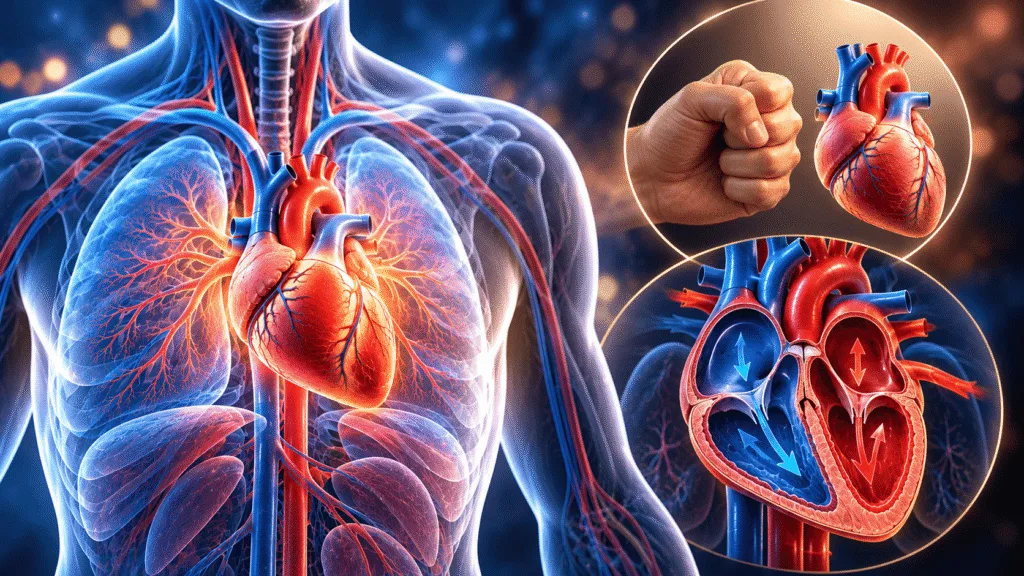
    An adult heart is generally around the size of the person’s clenched fist. Its actual size can differ depending on factors including age and body size. Despite being relatively small, it continuously pumps blood throughout the body.

    Is your heart on the left or centre? 7 facts
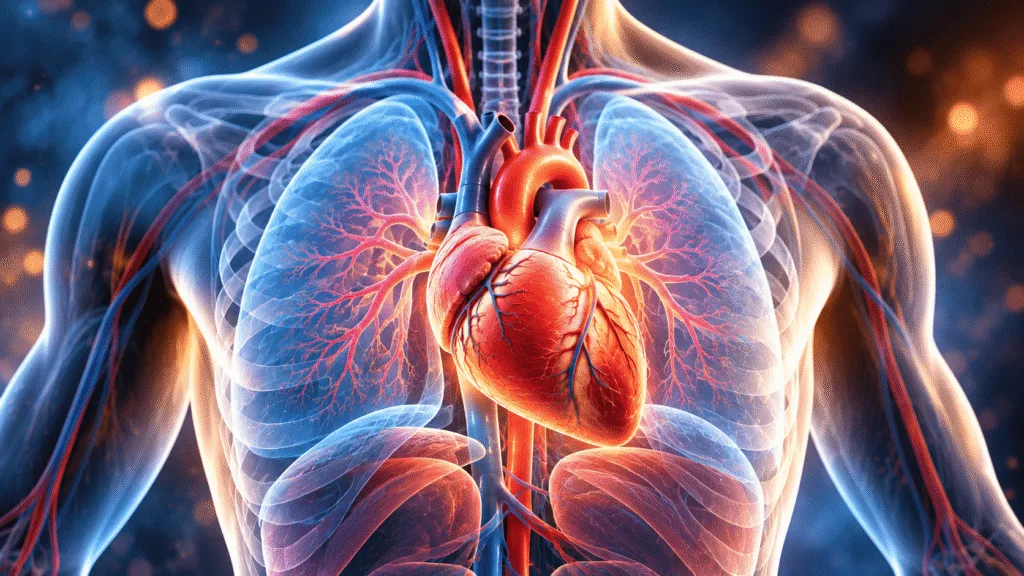
    (Representational Image) The four-chambered heart works continuously to keep blood circulating through the body | AI Generated

    The heart has four chambers

    The human heart consists of four chambers: the right atrium, right ventricle, left atrium and left ventricle. The right side deals mainly with blood returning from the body and sends it to the lungs, while the left side receives oxygen-rich blood from the lungs and pumps it throughout the body.

    A wall separates its two sides

    The right and left sides of the heart are divided by a muscular wall called the septum. This separation helps keep oxygen-rich and oxygen-poor blood from mixing under normal conditions.

    Is your heart on the left or centre? 7 facts
    (Representational Image) World Heart Day highlights key facts about the heart’s location and structure | AI Generated

    Your heartbeat can be felt on the left

    Because the apex points towards the left, the heartbeat may be felt in an area called the apical impulse. In adults, this is usually around the left fifth intercostal space, although the precise point where someone feels their heartbeat can vary.

    Also Read | Healthy office snacks: 8 foods to eat when hunger hits at 4pm

    The heart has its own electrical system

    Unlike muscles that we consciously control, the heart beats automatically. Its normal rhythm begins with electrical activity from the sinoatrial, or SA, node, commonly known as the heart’s natural pacemaker. This system coordinates contractions and enables the heart to keep pumping blood continuously, day and night.

  • 5 travel-friendly snacks to eat on a flight without the mess

    5 travel-friendly snacks to eat on a flight without the mess

    Nobody wants to be that passenger whose food fills the entire cabin with its aroma. While carrying your own food can be useful during a long journey, choosing something mild-smelling, easy to pack and relatively mess-free can make the experience more comfortable for everyone.

    If you are wondering what to pack in your cabin bag, here are five simple flight snacks that travel well.

    Also Read | World Tourism Day 2026: Planning a trip? 5 ways AI can help build a smarter travel plan

    What snacks can you carry on a flight without worrying about the smell?

    Roasted makhana

    Roasted makhana
    Roasted makhana / Pexels

    Light, crunchy and easy to pack, roasted makhana is a convenient option for flights. You can season it with a little salt and pepper or your preferred mild seasoning, then store it in a zip-lock bag or airtight container. It is also relatively mess-free to eat.

    Dry fruits and nuts

    Dry fruits and nuts
    Dry fruits and nuts / Pexels

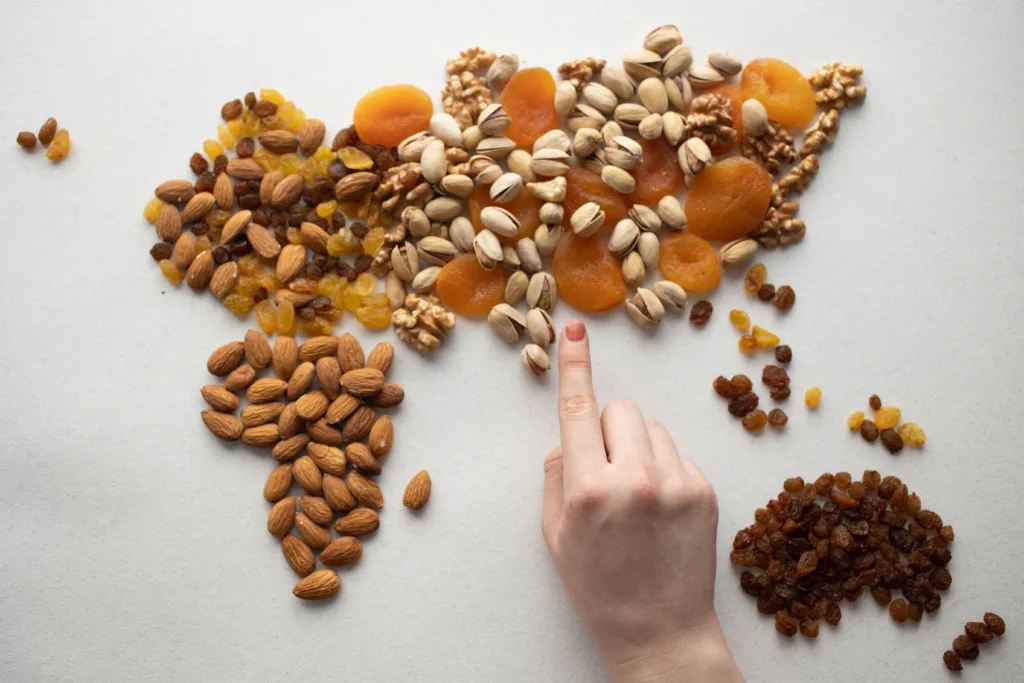
    Almonds, cashews, walnuts, pistachios and raisins are easy travel staples. They do not need refrigeration and can be packed in small portions. You can also make a simple trail mix by combining a few of your favourites.

    Sandwiches

    Sandwiches
    Sandwiches / Pexels

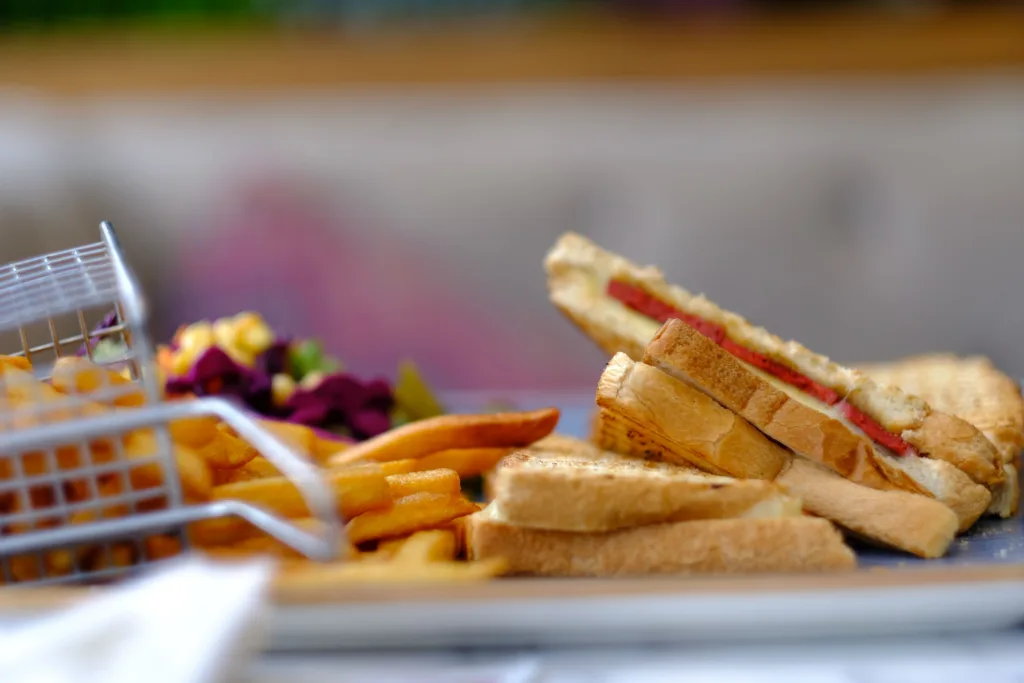
    A basic sandwich can be a filling option for a flight, provided you choose mild-smelling fillings. Cucumber and cheese, peanut butter and banana or a simple vegetable sandwich can work well. Wrapping sandwiches individually also makes them easier to carry and eat.

    Which Indian snacks are best for a long flight?

    Granola or energy bars

    Granola or energy bars
    Granola or energy bars / Pexels

    For something quick and convenient, granola and energy bars can easily fit into a handbag or cabin bag. Since they are individually packed, they require little preparation and can be eaten between meals. Choose varieties without strong-smelling ingredients or messy fillings.

    Also Read | Chile Travel Guide: Why the world’s driest desert feels like another planet

    Khakhra, chana and dry snacks

    Khakhra, chana and dry snacks
    Khakhra, chana and dry snacks / Pexels

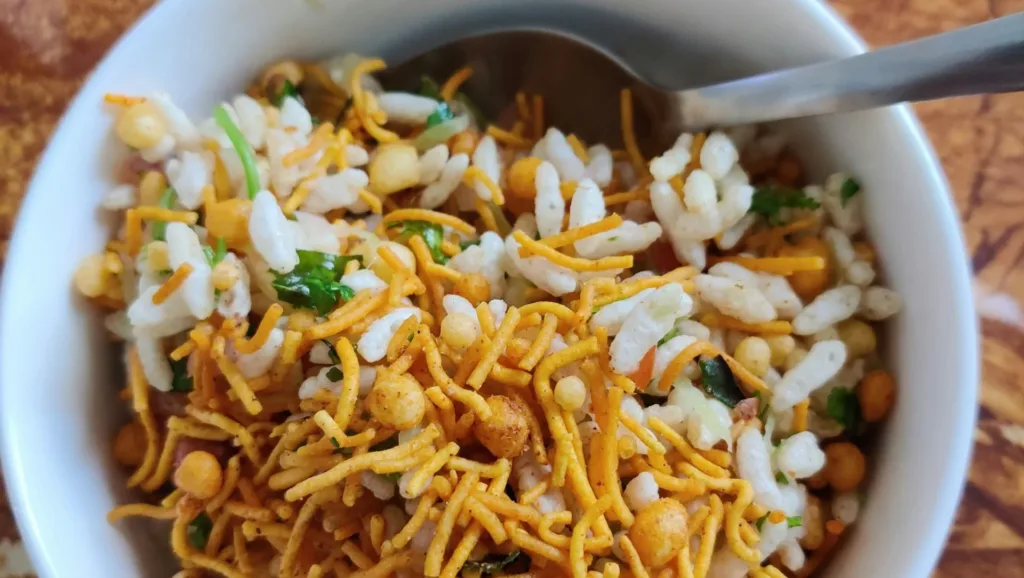
    Several Indian snacks are particularly convenient for travel. Khakhra, mathri, roasted chana, murmura and baked chakli can be packed in small airtight portions. For a flight, choose relatively dry varieties without heavy oil or strong masalas to minimise crumbs, mess and lingering smells.

    The next time you pack your cabin bag, consider choosing snacks that are dry, easy to handle and mildly scented. They can help keep hunger away without turning your row into an impromptu dining area.

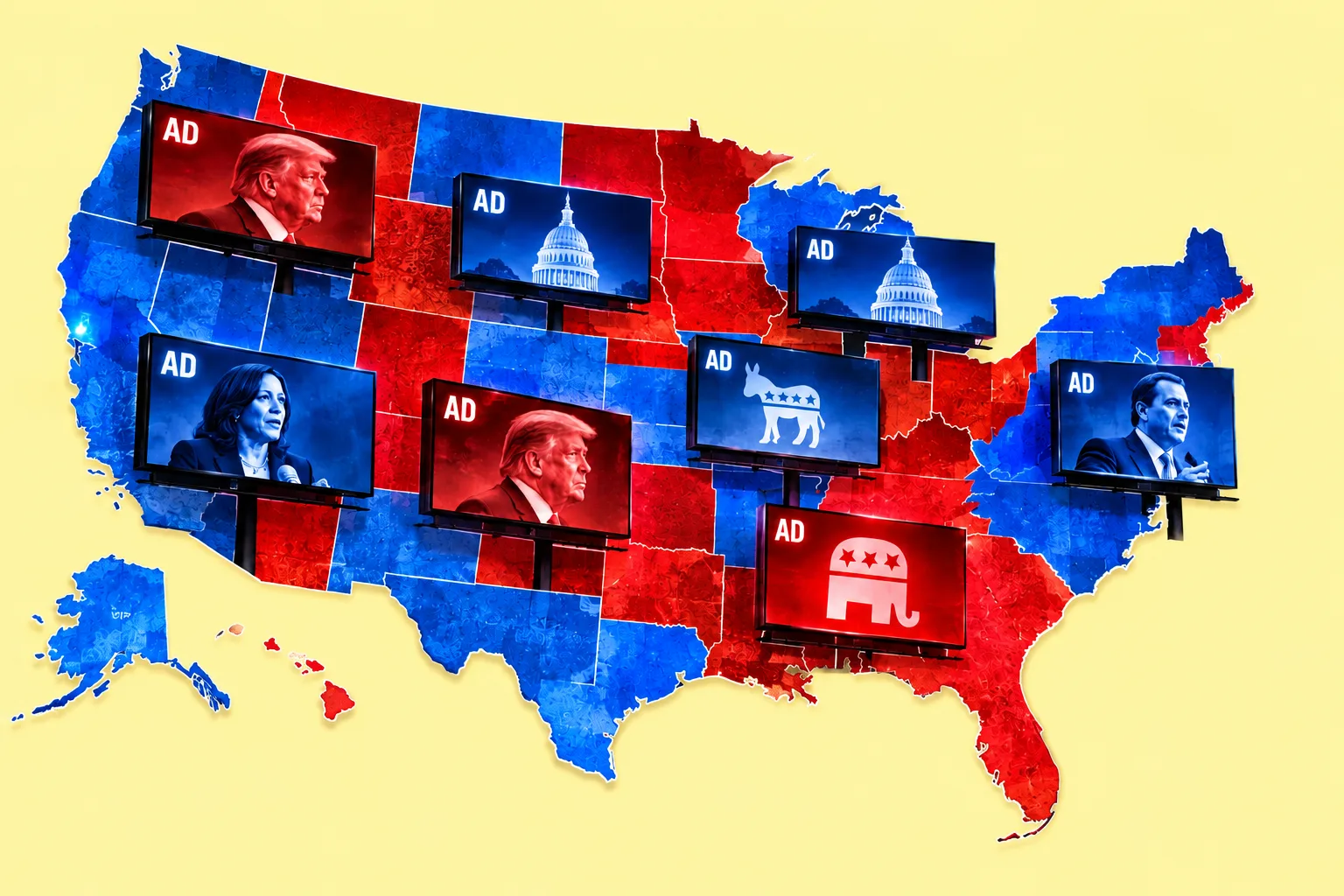
  • US midterms 2026: Republicans unleash $888 million ad blitz; Kennedy says ‘I think we’re going to have enough money’

    US midterms 2026: Republicans unleash $888 million ad blitz; Kennedy says ‘I think we’re going to have enough money’

    The 2026 US midterm elections are entering a crucial final stretch, and one number is drawing attention, money.

    Republicans and their allies have booked about $888 million in advertising through Election Day on November 3, compared with roughly $666 million for Democrats and their allies, according to AdImpact.

    The Republican side therefore has about a $221 million advertising advantage in the closing weeks. Yet the picture is not as simple as one party simply having more money.

    Democratic candidates have, in many important races, raised more directly from donors. Republicans are instead relying heavily on super PACs, party committees and wealthy backers to expand their advertising push.

    Also Read | Starship is finally in orbit. Can it make Starlink cheaper too?

    Campaign cash finds its way

    US campaign finance is spread across several kinds of political organisations. Candidates raise and spend money through their own campaigns.

    Party committees can also spend on races, while super PACs can raise and spend large sums independently.

    In this election cycle, Republican-aligned outside groups have built a major financial reserve. Donald Trump’s MAGA Inc. entered September with about $416 million in cash, while other Republican-linked groups have booked additional advertising.

    The Wall Street Journal reported that Republican-aligned advertisers spent more than $204 million across 10 key Senate races during the first 18 days of September alone.

    That was $83 million more than Democratic-aligned advertisers during the same period.

    The safe seats suddenly look less cosy

    The spending is increasingly defensive as well as offensive. Reuters reported on September 27 that Republican groups and major donors had begun spending in at least 39 House races where they had not previously invested heavily this cycle.

    Several of those districts were traditionally regarded as safe Republican seats. Party leaders have also warned campaigns not to assume those seats are secure, according to people familiar with the strategy.

    At the same time, Democrats have been trying to use their fundraising strength at the candidate level to remain competitive and force Republicans to spend resources across a wider map.

    Democratic Senator Elizabeth Warren said that Republican advertising cannot by itself erase voter concerns over the economy and other issues.

    Republican Senator John Kennedy, meanwhile, offered a different view, saying, “I think we’re going to have enough money.”

    Also Read | ‘Possibly [be] needed in 90-120 days’: Why is the US checking Cuba readiness?

    Congress comes down to where the money lands

    The spending race shows where both parties believe the electoral battlefield is widening. Republicans currently hold a narrow House majority, with 218 Republicans, 214 Democrats, one independent caucusing with Republicans and two vacancies; Democrats would need a net gain of four seats to control the chamber next year.

    The financial push is therefore aimed not only at winning Democratic-held seats but also at protecting Republican districts that may be facing stronger-than-expected competition.

    In the Senate, advertising has also surged in races such as Texas, where Republican Ken Paxton has received far more outside advertising support than Democrat James Talarico this month.

    With Election Day approaching, the central question is no longer simply who has raised more from donors. It is how effectively each side can turn its money into voter contact, advertising and support in the races that will decide control of Congress.

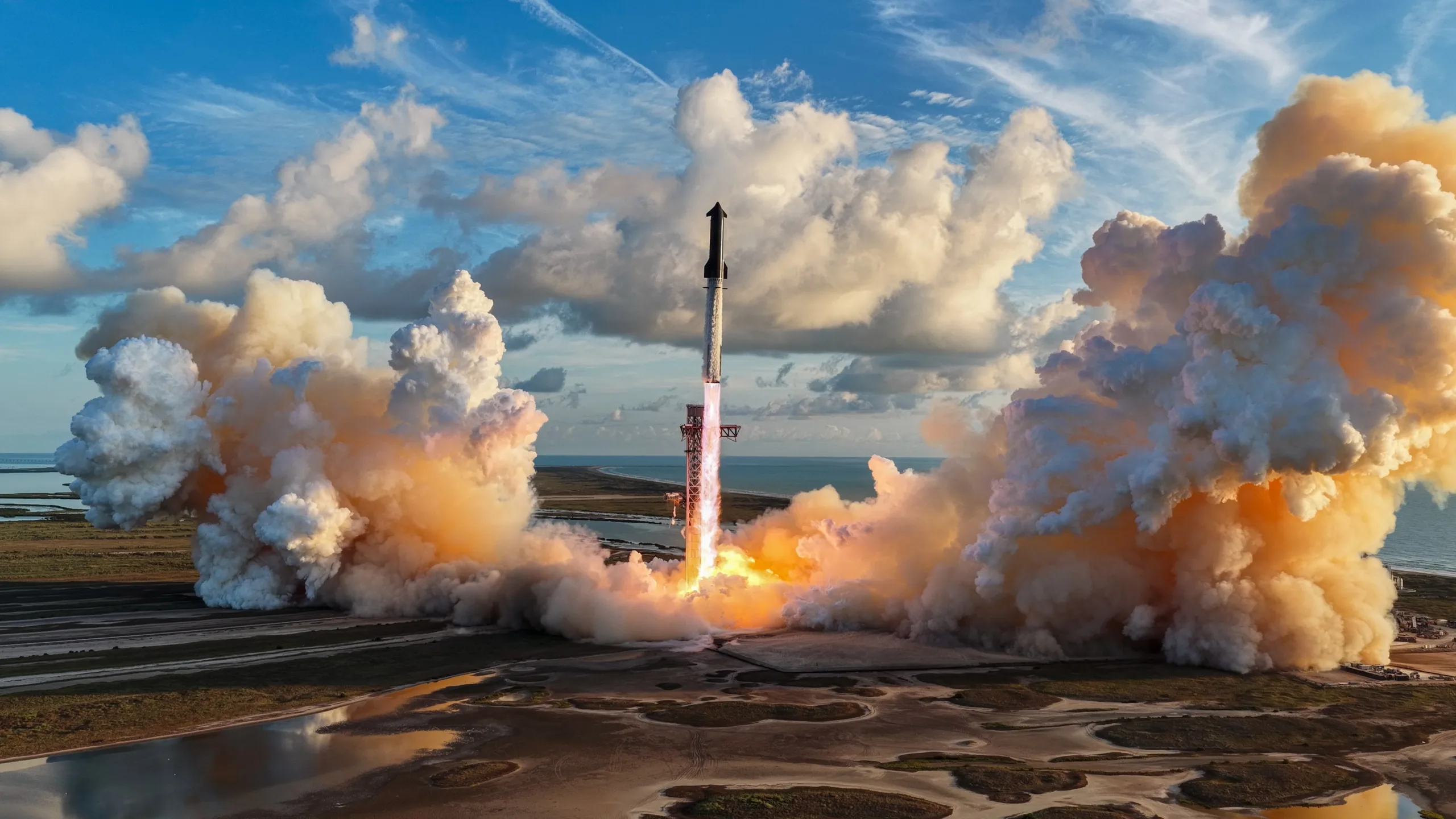
  • Starship is finally in orbit. Can it make Starlink cheaper too?

    Starship is finally in orbit. Can it make Starlink cheaper too?

    SpaceX has cleared a major hurdle. Starship reached Earth orbit for the first time on September 28 and deployed 26 Starlink V3 satellites, turning a long-running rocket test into a mission with a direct commercial purpose.

    The result was important for Starlink because SpaceX wants Starship to become the main vehicle for putting larger, higher-capacity satellites into orbit.

    Yet the market reaction remained muted. SpaceX shares were up 0.3% in overnight trading ahead of the launch, while Reuters reported that the stock was down about 1% on Monday after the mission.

    Also Read | At 18, Christa Pike took a life; now age and trauma shape her appeal

    Starship opens the door to a roomier Starlink network

    SpaceX has the orbital milestone, but Starlink's next challenge is economic | X (@SpaceX)
    SpaceX has the orbital milestone, but Starlink’s next challenge is economic | X (@SpaceX)

    The reason Starship matters to Starlink is simple. Bigger satellites mean more network capacity in each launch.

    SpaceX says a Starlink V3 satellite is designed for 1 Tbps of downlink capacity and 160 Gbps of uplink capacity. Its downlink figure is about 10 times that of the previous V2 generation.

    SpaceX’s own IPO documents also say Starship is expected to carry as many as 60 V3 satellites in a single launch, potentially putting more than 20 times the downlink capacity into orbit compared with a Falcon 9 launch.

    In practical terms, that could let Starlink add capacity faster as its customer base grows.

    The cost equation

    SpaceX called Flight 14 its first 'revenue-generating flight' | X (@SpaceX)
    SpaceX called Flight 14 its first ‘revenue-generating flight’ | X (@SpaceX)

    That is where the cost argument comes in. Before Flight 14, Aaron Burnett, founder and CEO of space-focused research firm Mach33, estimated that the 26-satellite payload represented roughly 26 Tbps of network capacity.

    Using his assumed Starship launch cost, he put the cost at about $9.8 million per Tbps for the mission, close to his estimate for Falcon 9.

    Burnett expects that number to fall sharply as Starship begins carrying fuller payloads, achieves faster reuse, and benefits from manufacturing improvements.

    His forecast is that the cost of launching each unit of Starlink capacity could fall 16-fold by 2028. That is a projection based on future improvements, not a demonstrated cost reduction today.

    A triumph

    Starship's first orbital flight gave Starlink 26 V3 satellites | X (@SawyerMerritt)
    Starship’s first orbital flight gave Starlink 26 V3 satellites | X (@SawyerMerritt)

    Flight 14 also showed why investors are watching the rocket beyond the headline achievement.

    One of Starship’s three main engines shut down early after reaching space, briefly putting the planned orbital mission in doubt.

    SpaceX later confirmed that the vehicle could continue, and it successfully reached orbit and deployed all 26 satellites.

    The mission was then cut short by seven hours, ending after about three hours instead of the planned 10. SpaceX said the satellites were operating nominally.

    CFO Bret Johnsen had described Flight 14 as Starship’s first “revenue-generating flight” and called the rocket “core to the rest of our business.”

    Also Read | ‘Possibly [be] needed in 90-120 days’: Why is the US checking Cuba readiness?

    Orbital success is one thing; repeatability is another

    The significance of Flight 14 goes beyond one successful launch. Starship has now demonstrated orbital flight and its first operational satellite deployment, but SpaceX still needs to prove that the system can fly frequently, reuse hardware quickly, and reduce launch costs at scale.

    Musk has said Starship is “2 to 3 years away from hourly flights.”

    Timetable matters for Starlink because the economics of adding large amounts of new capacity will depend not only on how much each V3 satellite can deliver but also on how cheaply and regularly Starship can put them into orbit.

  • Keep your friends close, but your enemies closer? The implications of TMC-CPI(M) dialogue amid EC row

    Keep your friends close, but your enemies closer? The implications of TMC-CPI(M) dialogue amid EC row

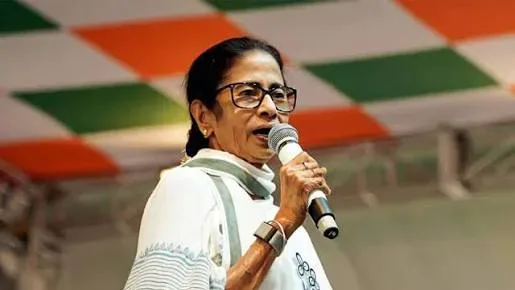
    Mamata Banerjee’s reported outreach to the CPI(M) has opened an unusual political channel in West Bengal, where the Trinamool Congress and the Left party have remained bitter rivals for decades. The Mamata CPI(M) outreach comes amid an escalating Opposition campaign over the Election Commission’s Special Intensive Revision (SIR) of electoral rolls and reports of disagreements within the poll panel.

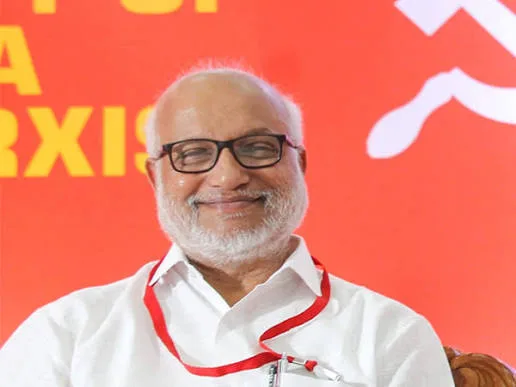
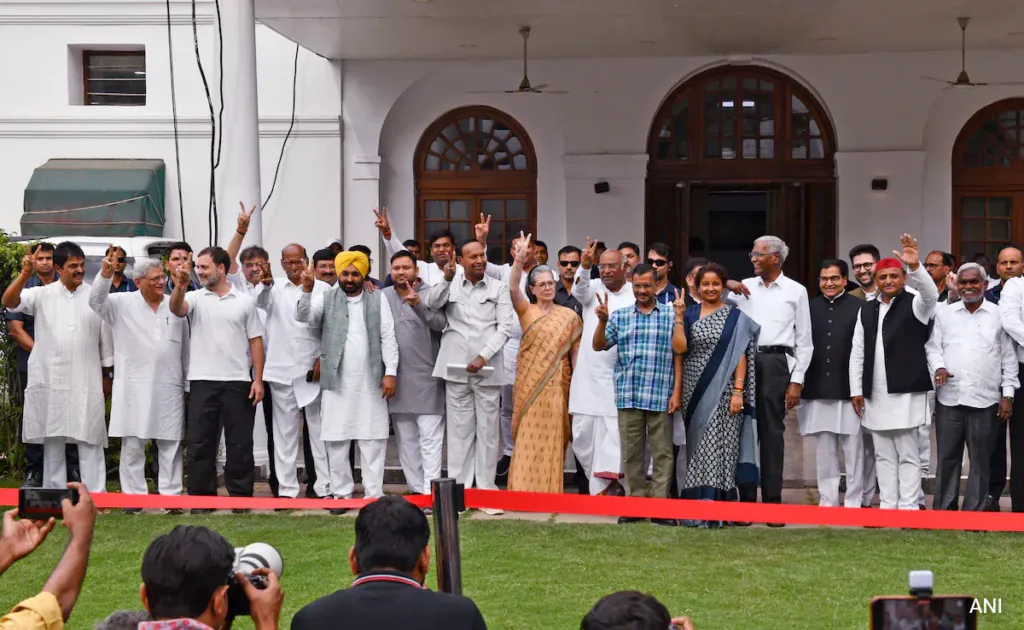
    Banerjee and CPI(M) general secretary MA Baby spoke over the phone on September 25 after the Left leader wrote to Opposition parties seeking a joint response to developments concerning the Election Commission. According to reports, the two leaders discussed the need for Opposition parties to work together on the issue. Banerjee also spoke to Congress leader Rahul Gandhi and urged an early meeting of INDIA bloc parties.

    The development has attracted attention because TMC and CPI(M) have historically been fierce opponents in Bengal. However, CPI(M) leader MA Baby has described the current initiative as issue-based and said it was too early to say whether it would lead to any wider political understanding.

    Mamata Banerjee and CPI(M) General Secretary MA Baby spoke over the phone on September 25 after the Left leader wrote to Opposition parties seeking a joint response to developments concerning the Election Commission. (ANI)
    Mamata Banerjee and CPI(M) General Secretary MA Baby spoke over the phone on September 25 after the Left leader wrote to Opposition parties seeking a joint response to developments concerning the Election Commission. (ANI)

    Mamata CPI(M) outreach begins with the Election Commission row

    The immediate reason for the Mamata CPI(M) outreach is the controversy surrounding the SIR exercise and concerns raised by Opposition parties about the functioning of the Election Commission.

    The Indian Express reported that Election Commissioners Sukhbir Singh Sandhu and Vivek Joshi had recorded objections on multiple occasions over decisions related to the SIR process. The Election Commission acknowledged the existence of the written notes but described them as part of its decision-making process.

    Against this backdrop, Baby wrote to Banerjee and other Opposition leaders, calling for a meeting. Banerjee subsequently responded positively and spoke to Baby by phone.

    The CPI(M) has sought broader Opposition participation rather than limiting the initiative to its own party or the INDIA bloc. Baby told The Federal that the Left was looking for the widest possible cooperation among non-NDA parties on the issue.

    This explains why the present Mamata CPI(M) outreach is being viewed primarily through the lens of the Election Commission dispute rather than as a formal alliance announcement.

    Also Read | TMC rebel MLAs: Supreme Court sets October 8 timeline from Bengal Speaker

    The outreach between CPI(M) and the TMC is creating the fuss because the TMC took the help of the BJP to counter the very same Left Front government led by the CPI(M). (ANI)
    The outreach between CPI(M) and the TMC is creating the fuss because the TMC took the help of the BJP to counter the very same Left Front government led by the CPI(M). (ANI)

    Mamata-CPI(M) outreach revives an old political contradiction

    The latest contact between the two parties is notable because TMC and CPI(M) have spent years attacking each other in Bengal politics. Mamata Banerjee built the TMC as the principal political force challenging the Left’s long rule in the state, eventually defeating the CPM-led Left Front in 2011.

    The outreach between CPI(M) and the TMC is creating the fuss because the TMC took the help of the BJP to counter the very same Left Front government led by the CPI(M). The TMC-BJP alliance began shortly after Mamata Banerjee founded the Trinamool Congress (TMC) in 1998. Seeking to challenge West Bengal’s dominant Left Front, the TMC joined the BJP-led National Democratic Alliance (NDA).

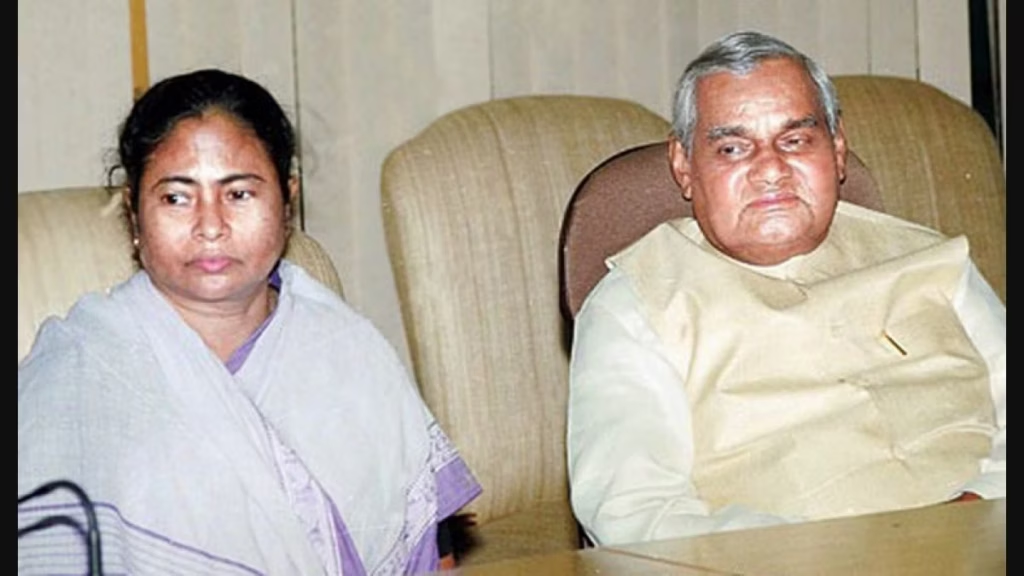
    Between 1999 and 2006, the TMC remained a key NDA partner. Banerjee served as the Union Railway Minister and later the Coal and Mines Minister under Prime Minister Atal Bihari Vajpayee.

    The parties TMC and BJP jointly contested the 1998, 1999, and 2004 Lok Sabha elections, alongside the 2006 state assembly polls. Following electoral setbacks, the TMC exited the NDA in 2006. The former allies later became fierce regional rivals

    The political relationship remained adversarial with the CPI(M) after the TMC came to power. Even though both parties are part of the broader INDIA bloc at the national level, they have maintained separate political strategies in West Bengal.

    The present Mamata CPI(M) outreach therefore represents a tactical convergence on a specific issue rather than confirmation of a new electoral alliance.

    Political analyst Sumantra Bose, speaking to Open Magazine, argued that the SIR controversy and state-level electoral politics should be treated as separate questions. He said the developments concerning the Election Commission could provide grounds for cooperation between the two parties, while their interests in West Bengal remained substantially different.

    Bose also described both the CPM and Congress as parties that have been trying to rebuild their organisational presence in Bengal. His comments are an assessment of the state’s political situation, rather than evidence of a formal arrangement between the parties.

    Also Read | Mamata Banerjee sharpens attack on SIR, backs key Opposition moves

    The immediate political test for the Mamata CPI(M) outreach is likely to be the wider Opposition meeting scheduled in Delhi on September 30. (ANI)
    The immediate political test for the Mamata CPI(M) outreach is likely to be the wider Opposition meeting scheduled in Delhi on September 30. (ANI)

    What the Mamata CPI(M) outreach means for the INDIA bloc

    The immediate political test for the Mamata CPI(M) outreach is likely to be the wider Opposition meeting scheduled in Delhi on September 30. Banerjee and TMC MP Abhishek Banerjee are expected to attend the meeting, which is set to discuss the Election Commission and SIR.

    The CPI(M) has also reached out beyond the INDIA bloc. Baby said the Left had contacted several non-NDA parties as part of its effort to build a broader response to the Election Commission issue.

    For Banerjee, the immediate focus remains opposition to the Election Commission’s actions and the SIR process. She has publicly criticised Chief Election Commissioner Gyanesh Kumar and alleged large-scale deletions from electoral rolls, claims that remain part of the ongoing political dispute.

    The BJP, meanwhile, has criticised Banerjee’s engagement with the CPI(M). West Bengal minister Dilip Ghosh said the political circumstances had changed and accused Banerjee of seeking a larger role within the Opposition camp. Those remarks represent the BJP’s political interpretation of the development.

    It is not yet clear whether the Mamata-CPI(M) outreach remains confined to the Election Commission issue or develops into broader coordination in Bengal. For now, the evidence points to communication and issue-based cooperation, rather than a declared electoral alliance.

    The September 30 INDIA bloc meeting and subsequent protests are likely to provide a clearer indication of whether the current contact produces sustained coordination between the two long-time rivals.

  • 5 things to know about the Congress’s Rs 81.45 lakh payment to The Indian Express during the Bengal polls

    5 things to know about the Congress’s Rs 81.45 lakh payment to The Indian Express during the Bengal polls

    A Rs 81.45 lakh expenditure entry involving The Indian Express has triggered a political controversy over Congress’s election spending and its relationship with media organisations during the West Bengal Assembly elections. The payment, cited from Congress expenditure records, has been highlighted by critics amid a separate dispute over the newspaper’s recent reports concerning the Election Commission, electoral-roll revision and changes related to Form 6.

    The controversy gained momentum after Supreme Court senior advocate Mahesh Jethmalani claimed on social media that the payment was evidence of a connection between Congress and The Indian Express. His allegation has been reported by the Navbharat Times. However, the existence of an expenditure entry and an allegation of editorial influence are two different things. The available expenditure record establishes a payment but does not by itself establish that Congress influenced the newspaper’s editorial decisions.

    A Rs 81.45 lakh expenditure entry involving The Indian Express has triggered a political controversy over Congress's election spending and its relationship with media organisations during the West Bengal Assembly elections. (ANI)
    A Rs 81.45 lakh expenditure entry involving The Indian Express has triggered a political controversy over Congress’s election spending and its relationship with media organisations during the West Bengal Assembly elections. (ANI)

    Congress’s payment to The Indian Express recorded during Bengal polls

    The central figure in the controversy is Rs 81,45,780, which the cited Congress expenditure material records as a payment to The Indian Express during the West Bengal election period.

    The timing has attracted particular attention because The Indian Express has recently been involved in a political dispute over its reporting on the Election Commission’s handling of the Special Intensive Revision of electoral rolls. Critics of the newspaper have questioned its coverage, while the Election Commission has rejected several interpretations surrounding its internal decision-making and Form 6.

    The Congress’s payment to The Indian Express therefore became a talking point in the wider political debate. The organiser reported that the expenditure document establishes the payment but does not establish an editorial quid pro quo.

    Congress, like other political parties, incurs substantial election expenditure on advertising, publicity and campaign-related activities. Recent expenditure reporting has also shown the scale of spending by other parties. For instance, The Indian Express reported that the BJP spent Rs 529.38 crore across the latest round of Assembly elections, including Rs 286 crore in West Bengal.

    Also Read | LPU violence: Rape claim, student death and hostel demands explained

    The central figure in the controversy is Rs 81,45,780, which the cited Congress expenditure material records as a payment to The Indian Express during the West Bengal election period. (ANI)
    The central figure in the controversy is Rs 81,45,780, which the cited Congress expenditure material records as a payment to The Indian Express during the West Bengal election period. (ANI)

    Congress’s payment to The Indian Express is part of wider media spending

    The Bengal payment was not the only media-related expenditure cited in the material under discussion. The records also contain substantial payments involving other media organisations.

    For Kerala, the entries cited include Rs 76.47 lakh to Veekshanam, Rs 42.48 lakh to Jaihind TV and Rs 28.37 lakh to The New Indian Express. The cited material puts these payments together at more than Rs 1.47 crore.

    The records also point to expenditure involving Udayavani and India Express during the 2023 Karnataka Assembly election. The entries cited in the controversy amount to more than Rs 2.32 crore.

    These figures provide context for the Congress’s payment to The Indian Express in Bengal. Political parties routinely use newspapers, television channels and digital platforms for election publicity. Consequently, a payment to a media organisation cannot automatically be treated as proof that its editorial coverage was purchased or directed.

    That distinction is particularly important in the present controversy because the allegation of editorial influence goes beyond what the expenditure record itself demonstrates.

    Also Read | What actually is the ‘virtue of higher seeding’? Here is how it helped India reach the semis of Asian Games

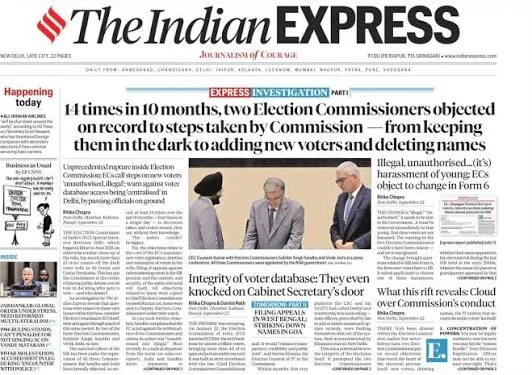
    The political controversy has intensified because of the timing of the payment and The Indian Express's recent reporting on the Election Commission. (The Indian Express Newspaper)
    The political controversy has intensified because of the timing of the payment and The Indian Express’s recent reporting on the Election Commission. (The Indian Express Newspaper)

    What the Rs 81 lakh record proves and does not prove

    The political controversy has intensified because of the timing of the payment and The Indian Express’s recent reporting on the Election Commission.

    The newspaper has published reports concerning disagreements or concerns raised during discussions within the poll panel over aspects of the Special Intensive Revision and Form 6. The Election Commission, however, has maintained that its final decisions were unanimous and has rejected suggestions that its internal discussions represented a breakdown in institutional functioning.

    The BJP has also challenged aspects of the newspaper’s reporting, particularly claims concerning the authority of Electoral Registration Officers and the SIR-related material accompanying Form 6.

    Against this backdrop, the Congress’s payment to The Indian Express has been cited by critics as a reason to question the newspaper’s relationship with the Congress party. Mahesh Jethmalani has gone further, describing the payment as evidence of a deeper connection. His claim is an allegation, rather than an established finding.

    The available expenditure record establishes that money was paid. It does not establish that the payment was made in return for favourable coverage, that Congress dictated editorial decisions, or that a particular report was commissioned by the party.

    Establishing such a link would require additional evidence beyond an election expenditure entry.

    The episode nevertheless highlights a broader question about transparency in political advertising. Readers can reasonably distinguish between paid election publicity and independent editorial content, particularly when a media organisation is reporting on institutions and political issues that directly affect the parties funding election campaigns.

    For now, the Rs 81.45 lakh figure remains a documented expenditure entry at the centre of a political dispute, while claims about its impact on editorial coverage remain allegations that require separate evidence.