Blog

  • 4 injured as chutney dispute sparks street brawl in Hapur market

    4 injured as chutney dispute sparks street brawl in Hapur market

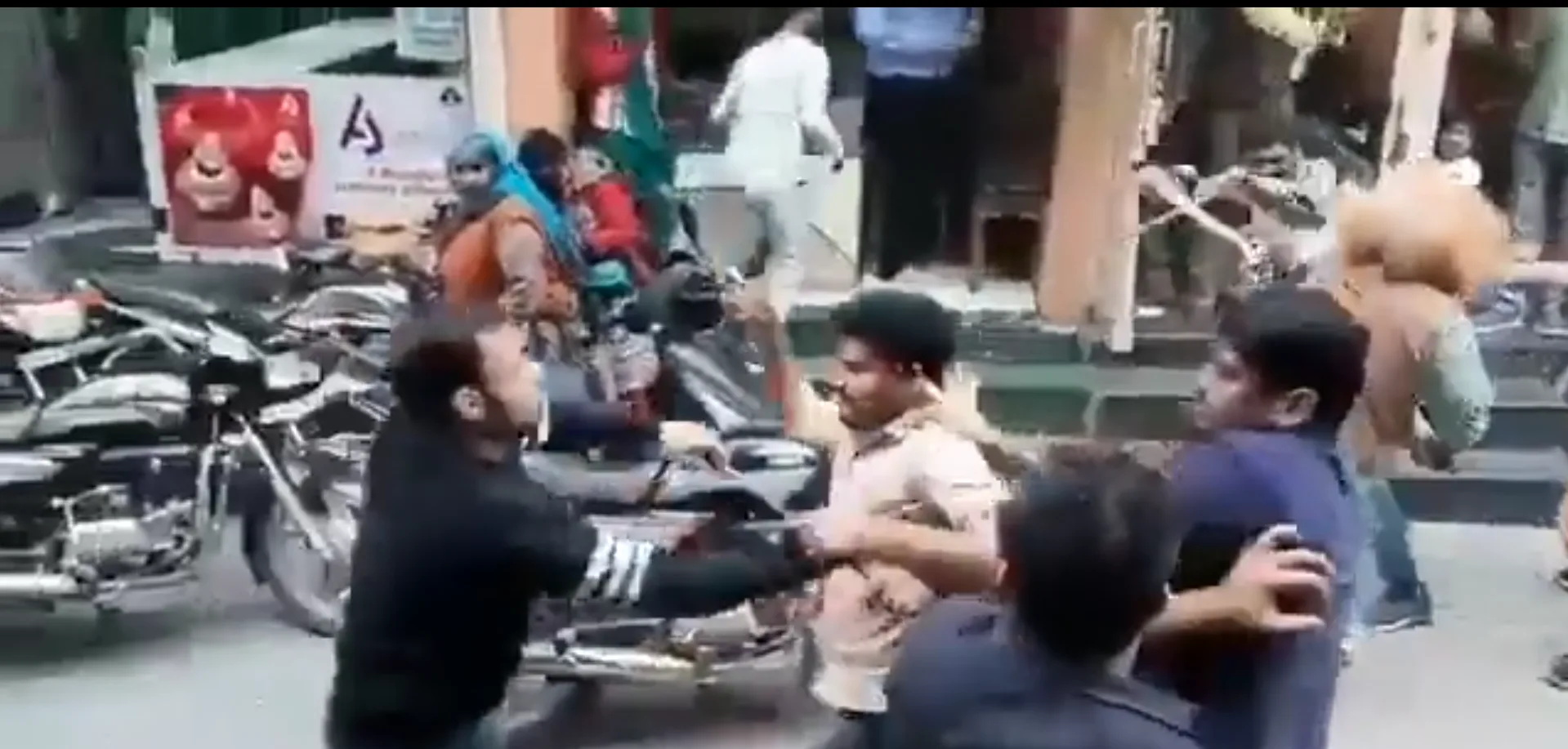
    A dispute over chutney served with bread pakodas escalated into a violent Hapur brawl in Uttar Pradesh, with four people injured after two groups clashed in a busy market. The incident took place in Dehra and was captured on video, with footage showing people attacking each other using stones, a cricket bat, belts and a large iron strainer.

    According to officials, the confrontation began after a group became angry when they were served tamarind chutney instead of green chutney with their bread pakodas. The disagreement quickly turned physical, with the shopkeeper being attacked and others stepping in to defend him.

    The Hapur brawl has since drawn attention online because of the unusual trigger and the chaotic scenes captured in the videos. Police have started an investigation and are identifying those involved using the footage.
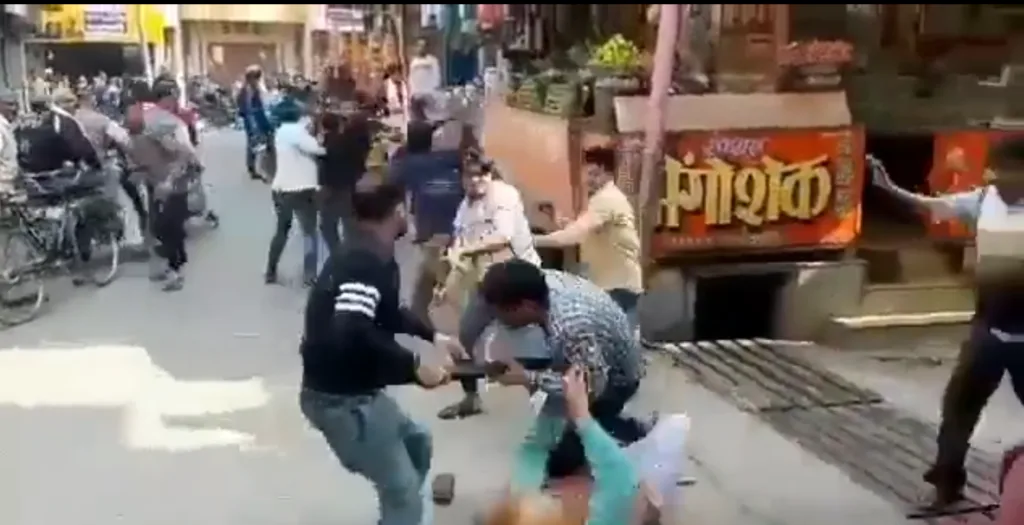
    A dispute over chutney served with bread pakodas escalated into a violent Hapur brawl in Uttar Pradesh, with four people injured after two groups clashed in a busy market. (ANI)
    A dispute over chutney served with bread pakodas escalated into a violent Hapur brawl in Uttar Pradesh, with four people injured after two groups clashed in a busy market. (ANI)

    Hapur brawl begins after chutney dispute

    The Hapur brawl reportedly started when a group objected to being served tamarind chutney with their bread pakodas instead of the green chutney they expected. The argument escalated when the group allegedly attacked the shopkeeper.

    Officials said several people gathered after the shopkeeper came under attack, leading to a confrontation between the two sides. What began as a disagreement at a food stall soon spilt into the market, with multiple people joining the fight.

    Videos from the incident show one man being pushed and pulled by several people until his T-shirt was almost torn apart. Another man then intervened and struck one of the attackers with a large iron strainer.

    The person who was hit appears to become dazed briefly before later bending down to assist another man who was lying on the road. The Hapur brawl continued around them as several others became involved.

    A man wearing a blue T-shirt is seen throwing a stone, while others struggle over a cricket bat. Another person carrying a belt is pulled forward by his shirt during the clash.

    A woman can also be seen attempting to intervene and stop the violence, but the fight continues despite her efforts.

    Also Read | What happens if Gyanesh Kumar resigns as Chief Election Commissioner?
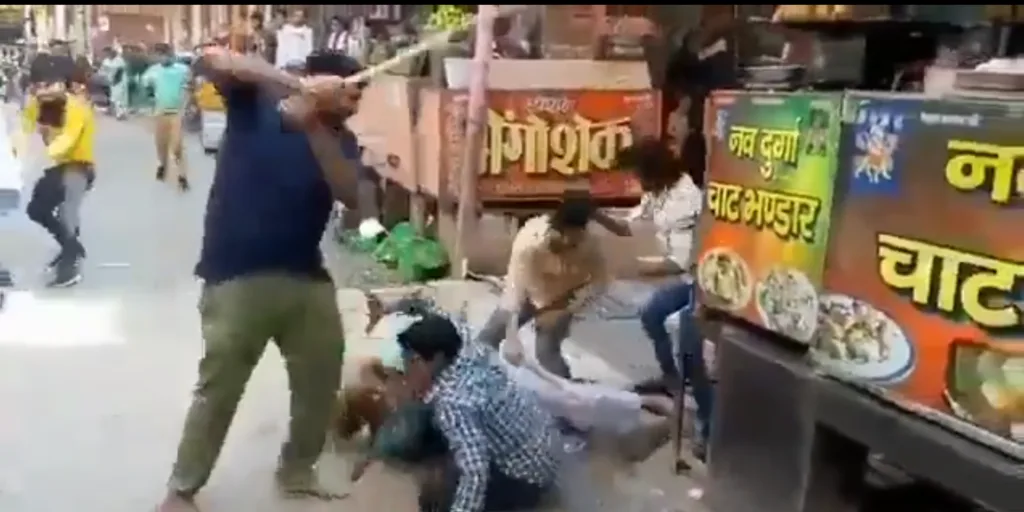
    The Hapur brawl reportedly started when a group objected to being served tamarind chutney with their bread pakodas instead of the green chutney they expected. (ANI)
    The Hapur brawl reportedly started when a group objected to being served tamarind chutney with their bread pakodas instead of the green chutney they expected. (ANI)

    Police investigate Hapur brawl, four injured

    Four people were injured in the Hapur brawl, according to officials. Police have begun examining the video footage to identify the people involved and determine how the confrontation unfolded.

    Circle Officer Munish Chandra said information had been received about a clash between two groups in Dehra and confirmed that a video of the incident had surfaced.

    “An investigation is on, and medical examinations of the injured are being conducted,” Chandra said, adding that those involved were being identified on the basis of the video.

    The officer said necessary legal action would follow once the individuals involved had been identified and the circumstances of the incident established.

    The police investigation is expected to focus on the sequence of events that led from the initial disagreement over chutney to the wider street fight. The available footage is likely to form an important part of the process as officers identify those involved.

    The Hapur brawl has also attracted attention because several everyday objects were reportedly used during the confrontation, including a cricket bat and an iron strainer.

    Also Read | Election Commission announces 9 key decisions amid internal concerns: What changes?
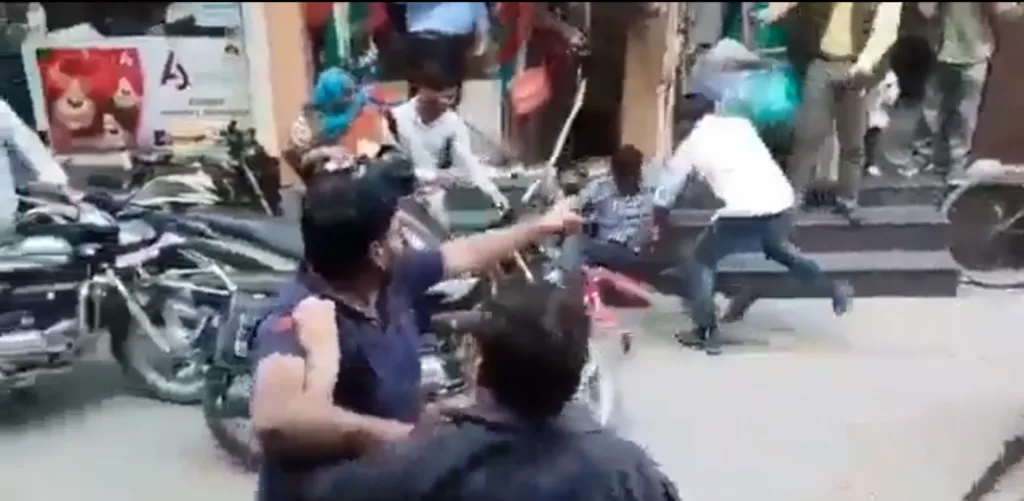
    Four people were injured in the Hapur brawl, according to officials. (ANI)
    Four people were injured in the Hapur brawl, according to officials. (ANI)

    Hapur brawl recalls Baghpat chaat fight

    The latest incident has inevitably drawn comparisons with another food-related street fight in Uttar Pradesh that became a viral internet sensation five years ago.

    In 2021, two groups of chaat sellers clashed in Baghpat over allegations that they were competing to attract customers to their respective stalls. The fight took place in the middle of the road and was captured on video.

    Footage of the Baghpat clash spread rapidly online, largely because of a man wearing a kurta and long, henna-coloured hair who became known on social media as “Einstein Chacha”. His appearance and role in the fight turned him into a widely shared internet meme.

    The Baghpat incident remained a notable example of how a local dispute could quickly become a national social media talking point.

    The Hapur brawl has now attracted similar online attention, though the circumstances differ. While the Baghpat fight involved competing chaat sellers, the latest confrontation reportedly began over the type of chutney served with a bread pakoda.

    For now, police are investigating the Hapur incident, while the four injured people are undergoing medical examination. Authorities are also working to identify everyone who took part in the clash before deciding on further legal action.
  • 3 Hindu mythology stories that go beyond good vs evil

    3 Hindu mythology stories that go beyond good vs evil

    Most of us grow up in an Indian household hearing mythological stories like Ramayana, Mahabharata as tales where good ultimately defeats evil.

    While the theme of Good vs Evil remains an important theme in the Ramayana, Mahabharata and Puranas. Many stories in the mythology also carry lessons that go far beyond a simple moral victory. They explore power, ethics, difficult choices and the consequences of human actions.

    Here are three stories that offer a different perspective.

    Bhasmasura teaches that power without wisdom is dangerous

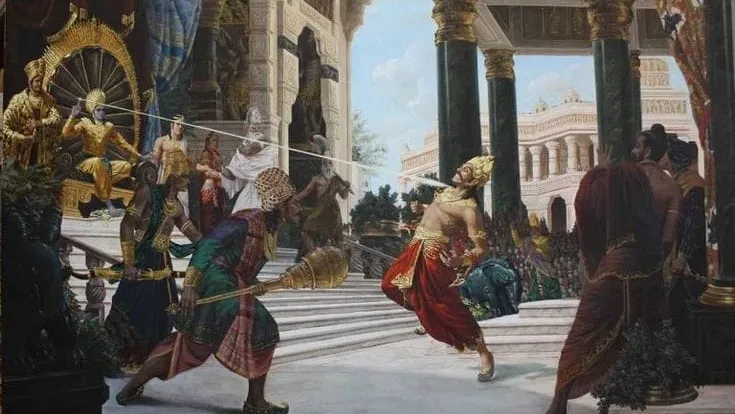
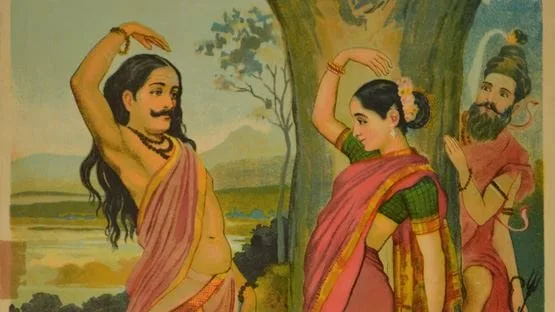
    Bhasmasura earned a powerful boon from Lord Shiva after intense penance. He gained the ability to reduce anyone to ashes by touching their head. Instead of using that power wisely, he tried to use it against Shiva himself. Lord Vishnu, in the form of Mohini, tricked Bhasmasura into placing his own hand on his head, leading to his destruction.

    The story is often seen as the defeat of evil, but it also warns that power without empathy or responsibility can become self-destructive. It reminds us that strength and authority require wisdom and restraint.

    Jaya and Vijaya show that challenges can become a path to growth

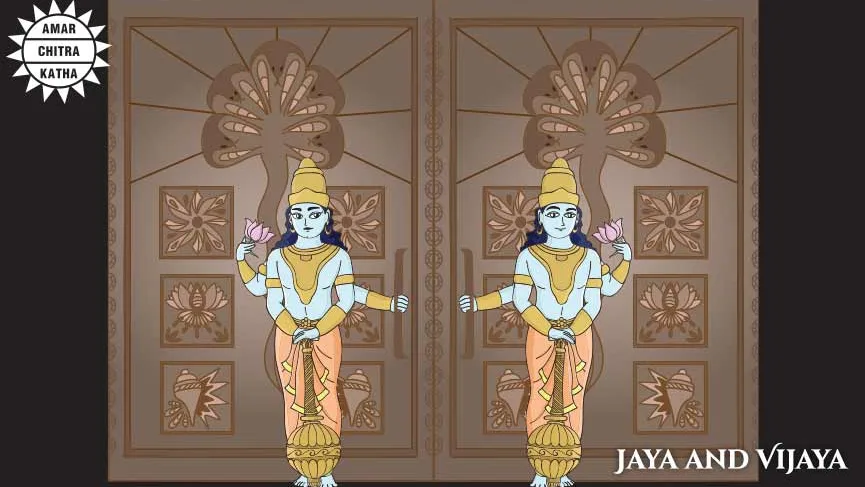
    Jaya and Vijaya were the gatekeepers of Vishnu’s abode, Vaikuntha. After being cursed by the four Kumaras, they had to choose between seven births as devotees or three births as Vishnu’s enemies. They chose the shorter but harder path and were born as Hiranyaksha and Hiranyakashipu, Ravana and Kumbhakarna, and finally Shishupala and Dantavakra before returning to Vaikuntha.

    Also Read | Why Hindus Should Read Islamic Mythology and What It Reveals About Shared Traditions

    The lesson is that hardships and setbacks are not always punishments. Sometimes difficult journeys become the fastest route to learning, transformation and spiritual growth.

    Also Read | Narad Muni the first cosmic journalist of Hindu mythology with 11 lesser-known facts

    Ashwatthama’s story explores the complexity of truth

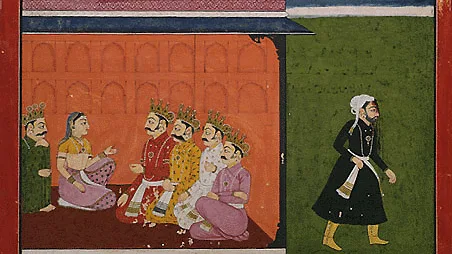
    During the Kurukshetra war, Krishna knew Dronacharya could not be defeated. Bhima killed an elephant named Ashwatthama, and Yudhishthira said, “Ashwatthama is dead,” while the rest of his sentence, “the elephant, not your son”, was drowned out by loud conches. Believing his son had died, Dronacharya laid down his weapons.

    This episode raises difficult ethical questions. It suggests that truth is not always simple and that moral decisions can involve painful dilemmas, especially when protecting a larger cause.

    Why these stories still matter today

    These three stories highlight that Hindu mythology is not only about heroes defeating villains. They encourage readers to think about responsible use of power, resilience during challenges and the moral complexity of truth. That is why these ancient stories continue to remain relevant in everyday life.

  • Instagram’s AI feature makes soft launching your relationship easier

    Instagram’s AI feature makes soft launching your relationship easier

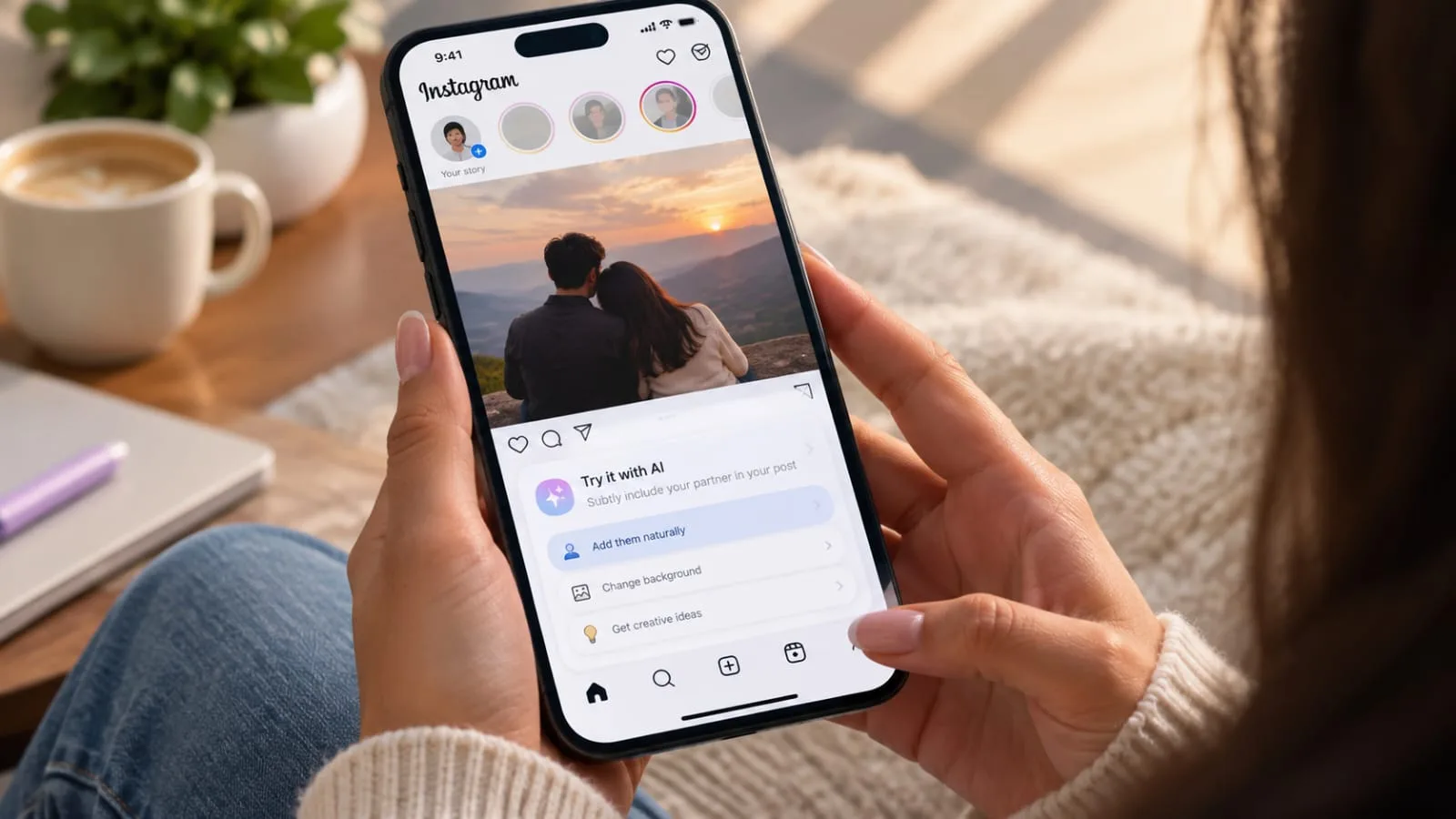
    Instagram is now testing a new AI-powered feature that helps users “soft launch” their relationship through personalised Story collages, making it easier to hint at a romance without officially confirming it.

    The feature is aimed for the users who want to share moments with their partner while keeping things subtle. Instead of uploading a single photo, Instagram’s AI creates a collage using pictures, videos and memories already available in your gallery or Instagram archive.

    What is a soft launch on Instagram?

    A “soft launch” is a social media trend where people quietly reveal they are dating someone without showing their partner’s face or making a public announcement. It could be a photo of two coffee cups, intertwined hands, matching shoes or a blurred silhouette.

    The trend has become popular among celebrities and creators who want to maintain some privacy while still sharing parts of their personal lives online.

    How the new AI feature works

    Instagram’s AI suggests Story layouts and collages based on recent memories and shared moments. Users can customise the collage, choose which photos to include and add music, stickers or captions before posting it. The idea is to make creating a subtle relationship reveal quicker and more creative.

    Also Read | Depression Is Not Just a Lifestyle Problem. Here’s Why

    The feature is currently being tested and may roll out to more users in phases.

    Why soft launches are becoming popular

    Many users now prefer keeping relationships more private online. A soft launch allows couples to acknowledge their relationship without inviting too much public attention or scrutiny. It also avoids the pressure of making a “hard launch” post that clearly announces a relationship.

    As Instagram continues to add AI-powered creative tools, this feature reflects how the platform is adapting to changing social media habits, where users want more personalised and less public ways to share important moments.

    Also Read | Did you know eating with a loved one may lower blood sugar?

  • Depression is not just a lifestyle problem. Here’s why

    Depression is not just a lifestyle problem. Here’s why

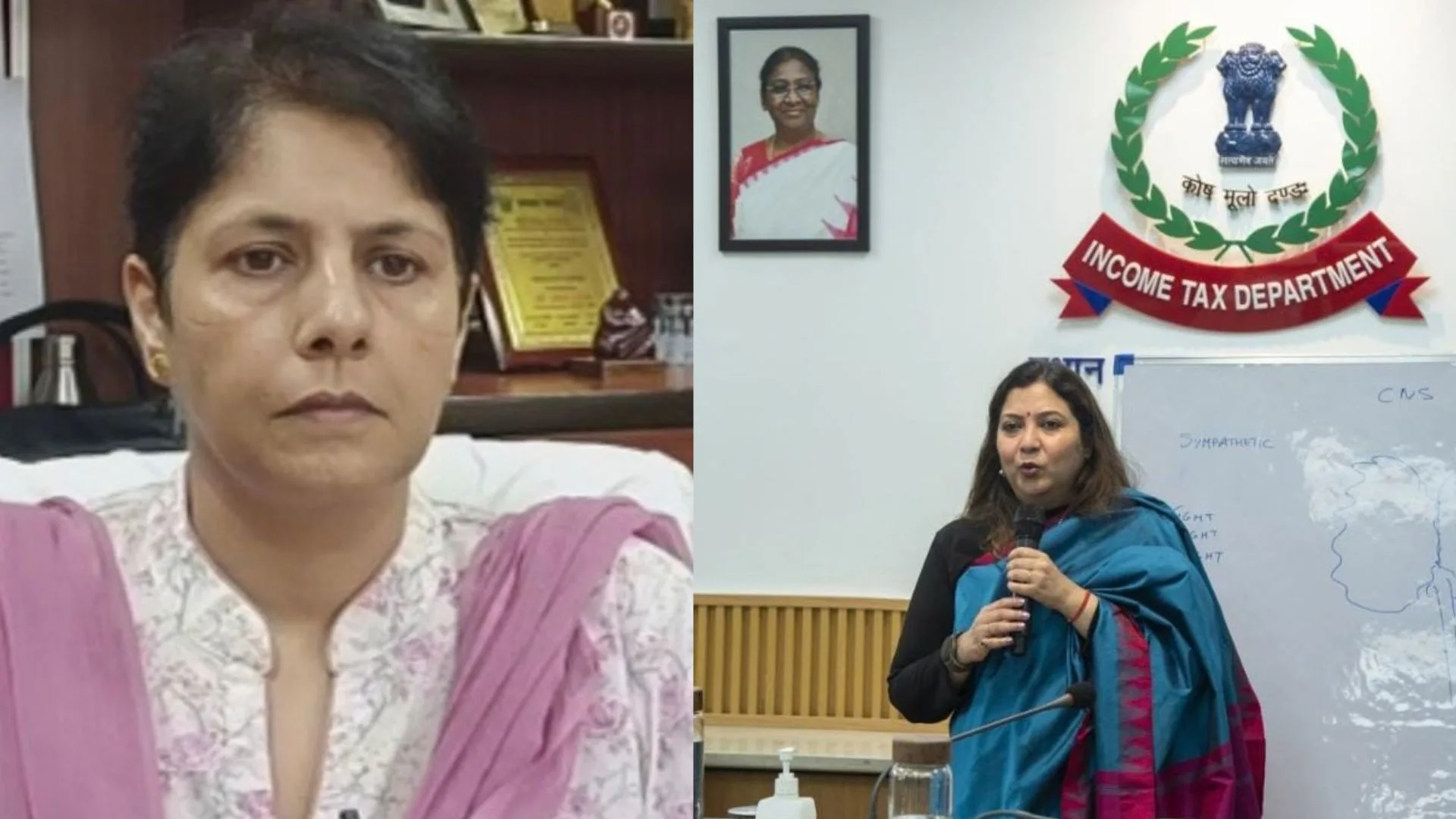
    A social media debate between an Indian Revenue Service (IRS) officer, Subhrata Prakash and an AIIMS professor, Rima Dada has reignited over a question

    The question goes like: Is depression simply the result of an unhealthy lifestyle? The discussion has drawn attention because it highlights two very different ways of understanding ones mental health.

    While healthy habits can improve mental wellbeing, psychiatrists exclaims that a clinical depression is a medical condition with biological, psychological and social causes.However, Lifestyle changes may help recovery, but they are not a cure for everyone.

    What started the debate?

    The debate began after Professor Rima dada of the Department of Anatomy at AIIMS Delhi spoke about polycystic ovary syndrome(PCOS) which is one of the main lifestyle led syndrome.

    “Whether it is PCOS, obesity, diabetes, depression, or any other lifestyle disease, there are only three or four primary causes. One is a sedentary lifestyle: sitting in front of the TV or screens all day, not playing, not going for walks, and staying confined indoors. Secondly, we observe that our diets today are very rich in carbohydrates. We are consuming highly processed foods, which we classify as a highly inflammatory diet,” Dada told news agency ANI.

    Also Read | Did you know eating with a loved one may lower blood sugar?

    On the other end IRS officer Shubhrata Prakash, who has spoken publicly about her own experience with depression for years, argued that calling depression a “lifestyle problem” oversimplifies a serious illness.

    She has also shared that she lived with severe depression for several years, underwent treatment and therapy, and believes people should not feel ashamed of seeking help.

    On the other side of the debate, AIIMS psychiatry professor Dr Nand Kumar has often said that many patients visiting his OPD suffer from burnout, anxiety, insomnia and stress linked to modern lifestyles.

    According to him, reducing digital addiction, improving sleep, exercising regularly, eating a balanced diet and strengthening social connections can significantly help many people experiencing emotional distress.

    Burnout, stress and depression are not the same

    Mental health experts stresses upon the fact that burnout and clinical depression are different conditions.

    Burnout is usually linked to stressful days at workplace or academic stress, problems reelated to personal life. People often feel emotionally exhausted, detached from work and less productive because of the stress management capacity of their body.

    Depression, however, affects mood, sleep, appetite, energy and the ability to enjoy daily life, putting hurdles over day to day life chores.

    Doctors say someone with depression may struggle to get out of bed, lose interest in relationships or hobbies, and experience persistent sadness or hopelessness for weeks or months.

    Can lifestyle changes help?

    Experts agree that lifestyle changes matter. Regular physical activity, enough sleep, nutritious food, yoga, mindfulness and spending time with supportive friends or family can reduce symptoms of anxiety and improve overall mental health.

    But they also warn against presenting these measures as the only solution. For moderate or severe depression. Mental Health experts advices that the cure to depression may include psychotherapy, medication or a combination of both, depending on the individual’s condition.

    Why this conversation matters

    In recent days mental health awareness has grown in India, and more people are seeking help for anxiety, depression and burnout before symptoms become severe. Doctors say this is a positive change because early treatment often leads to better outcomes.

    The debate ultimately underlines one important message: lifestyle influences mental health, but depression cannot be dismissed as merely a lifestyle problem.

    Also Read | How does Chuando Tan look so young at 60? His routine explained

  • What happens if Gyanesh Kumar resigns as Chief Election Commissioner?

    What happens if Gyanesh Kumar resigns as Chief Election Commissioner?

    Calls for the resignation of Chief Election Commissioner (CEC) Gyanesh Kumar have intensified after an investigation by The Indian Express reported repeated objections by Election Commissioners Sukhbir Singh Sandhu and Vivek Joshi over decisions linked to the Election Commission of India (ECI) and the Special Intensive Revision (SIR) of electoral rolls.

    The report said that the two Election Commissioners recorded dissent on at least 14 occasions over 10 months. They raised concerns over decisions involving voter registration, deletion of names and the centralisation of voter database-related processes. Some of the steps were described in their notes as “unauthorised” and “illegal”.

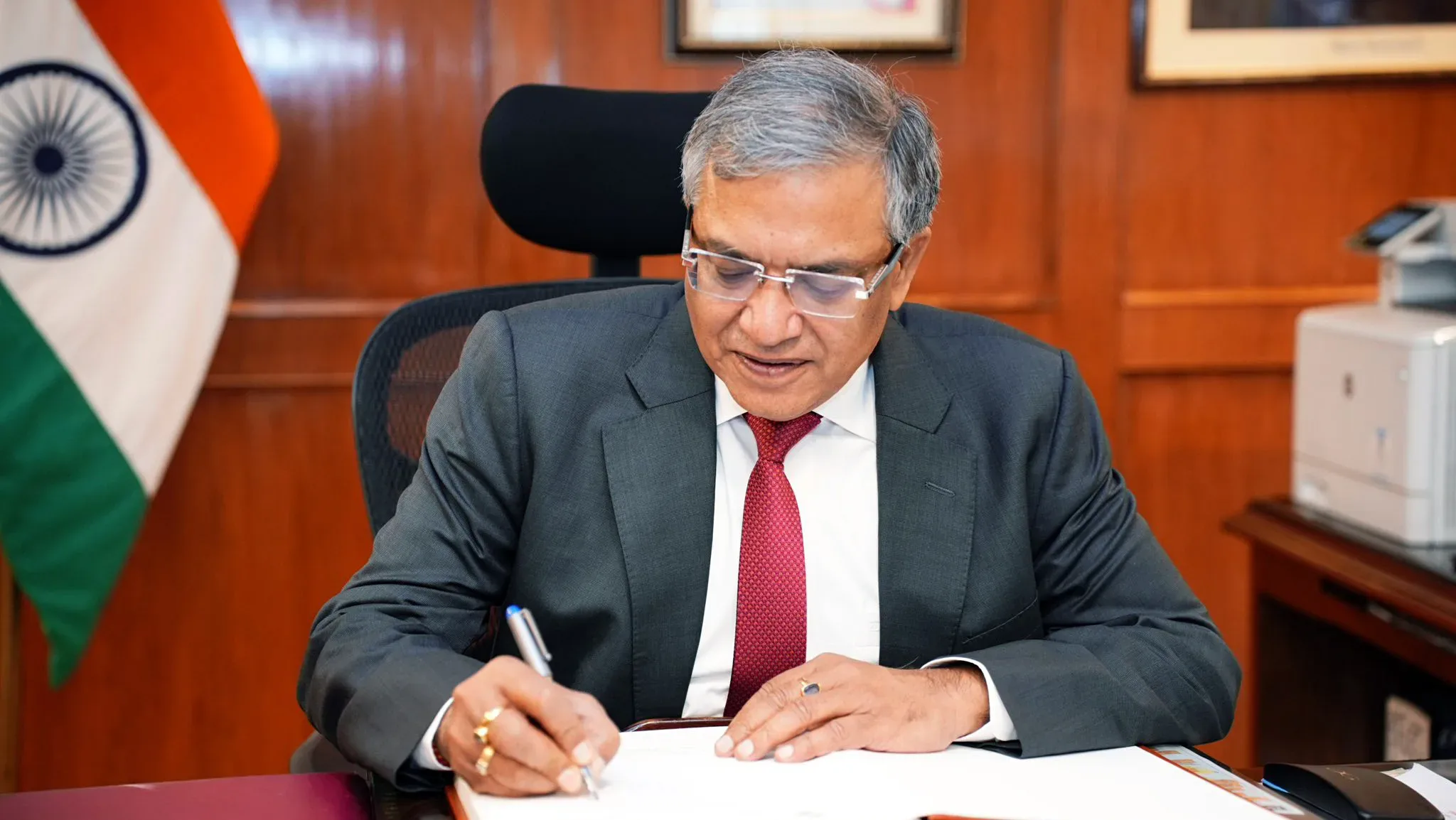
    Gyanesh Kumar
    CEC resignation rules explained amid Gyanesh Kumar controversy | ANI

    The controversy has prompted opposition leaders, including Rahul Gandhi, to demand Gyanesh Kumar’s resignation. Gandhi said elections were “fundamentally broken” and called for the CEC to step down.

    Also Read | Election Commission announces 9 key decisions amid internal concerns: What changes?

    The Election Commission, however, has rejected the suggestion that the reported differences undermine its functioning. The poll body said, “All these decisions are an outcome of the unanimous decisions of the full Commission in the past one year.” It also said differing views are a normal part of institutional deliberations.

    How does a CEC resign in India?

    The resignation process is set out in Section 11 of the Chief Election Commissioner and Other Election Commissioners (Appointment, Conditions of Service and Term of Office) Act, 2023. A CEC can resign at any time by submitting a written resignation addressed to the President of India.

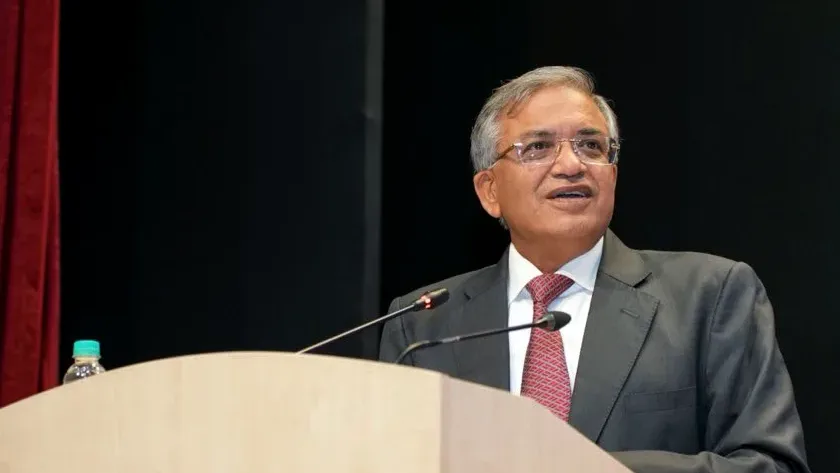
    Election Commission
    CEC resignation rules explained amid Gyanesh Kumar controversy | ANI

    The law does not create a separate deputy CEC who automatically steps into the post when the office becomes vacant.

    Who takes over after the CEC resigns?

    A new CEC is appointed by the President. Under the 2023 Act, the appointment is made on the recommendation of a three-member Selection Committee comprising the Prime Minister, the Leader of Opposition in the Lok Sabha and a Union Cabinet Minister nominated by the Prime Minister.

    Also Read | CEC vs 2 Election Commissioners: What happens when ECI members disagree?

    The Act also provides for a Search Committee headed by the Cabinet Secretary to prepare a panel of five names for consideration by the Selection Committee.

    Election Commission announces 9 key decisions
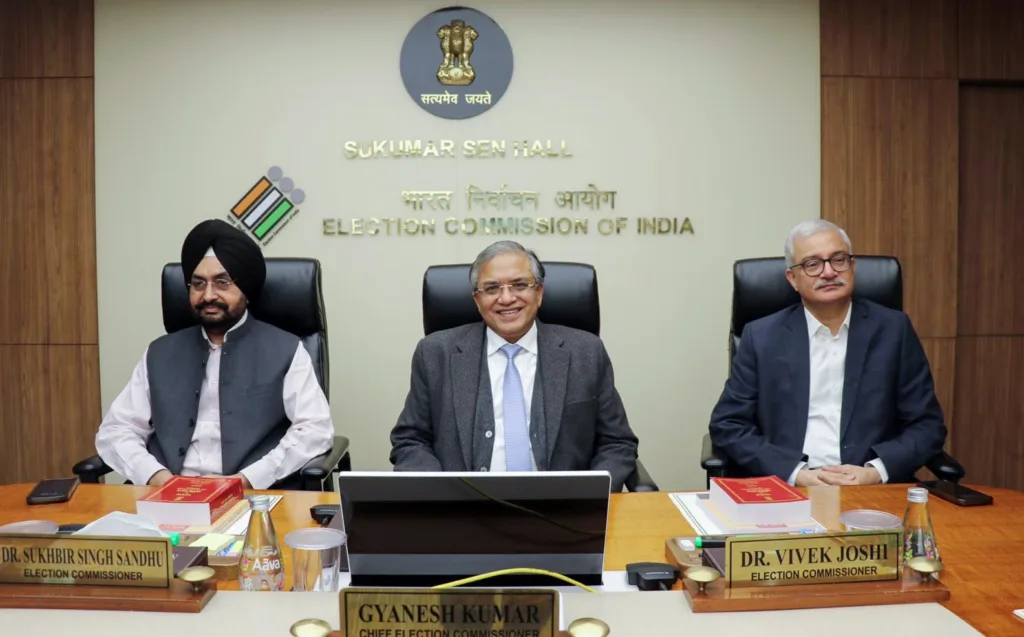
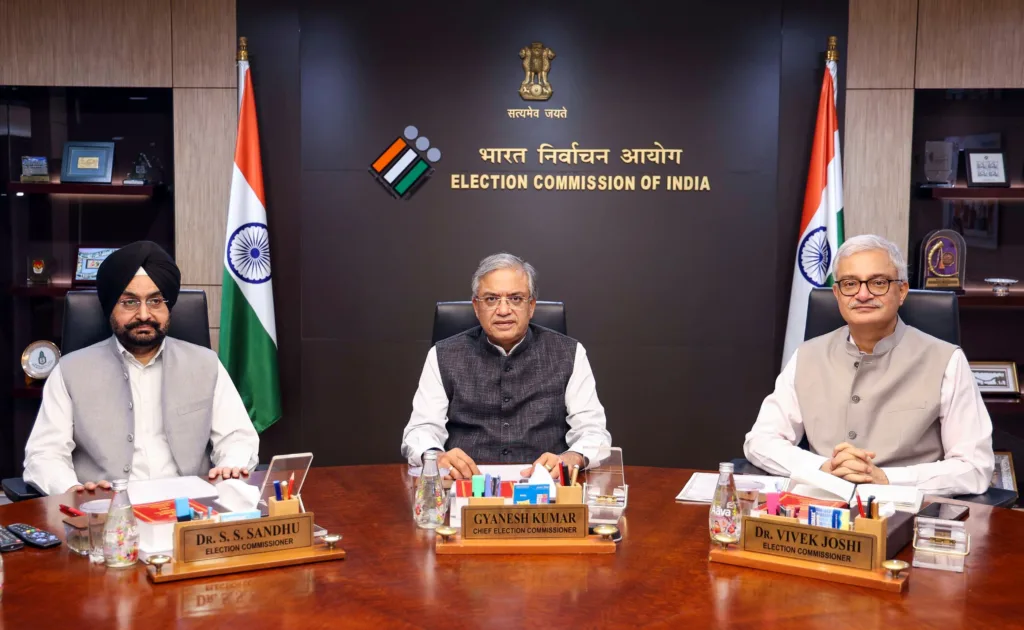
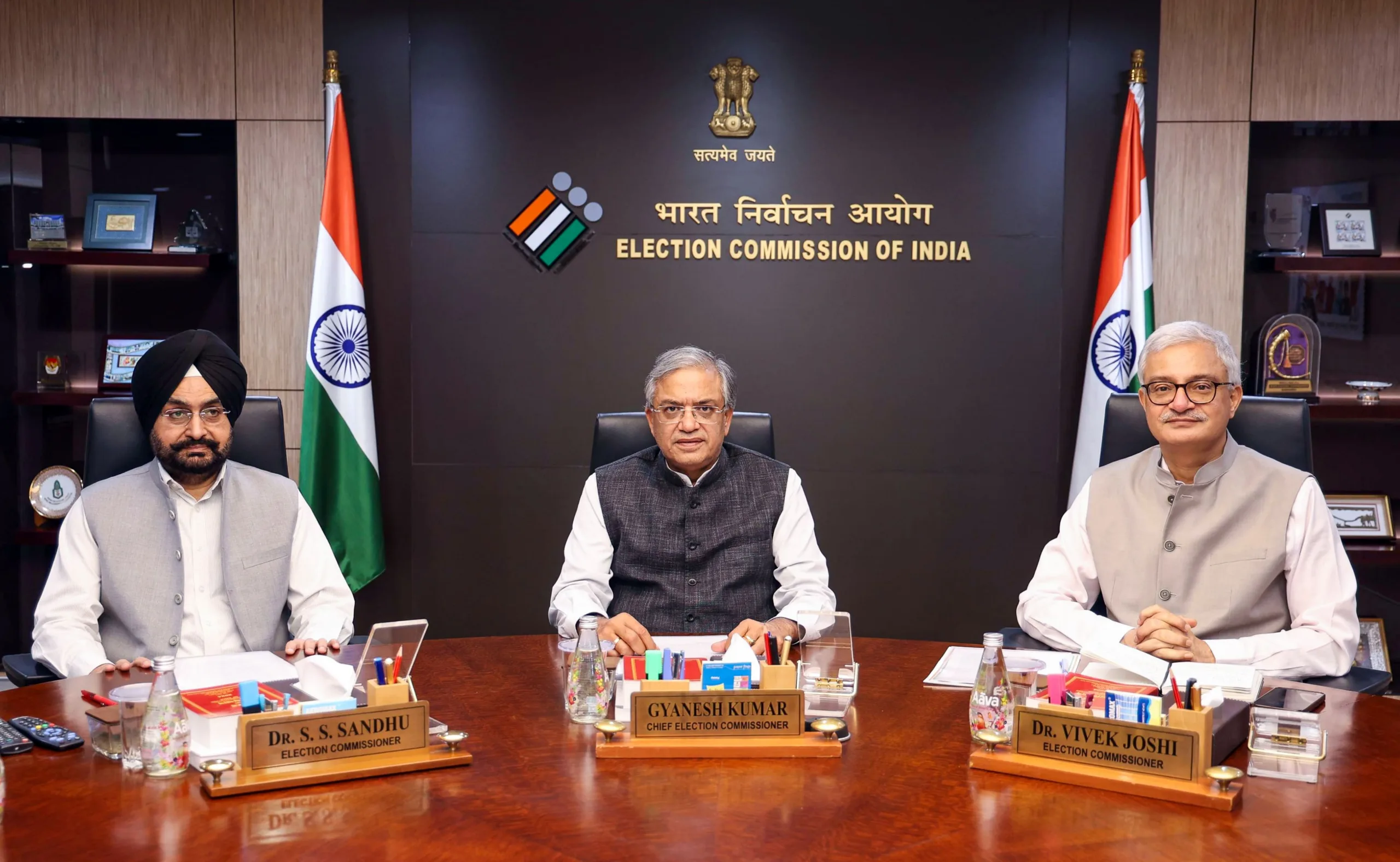
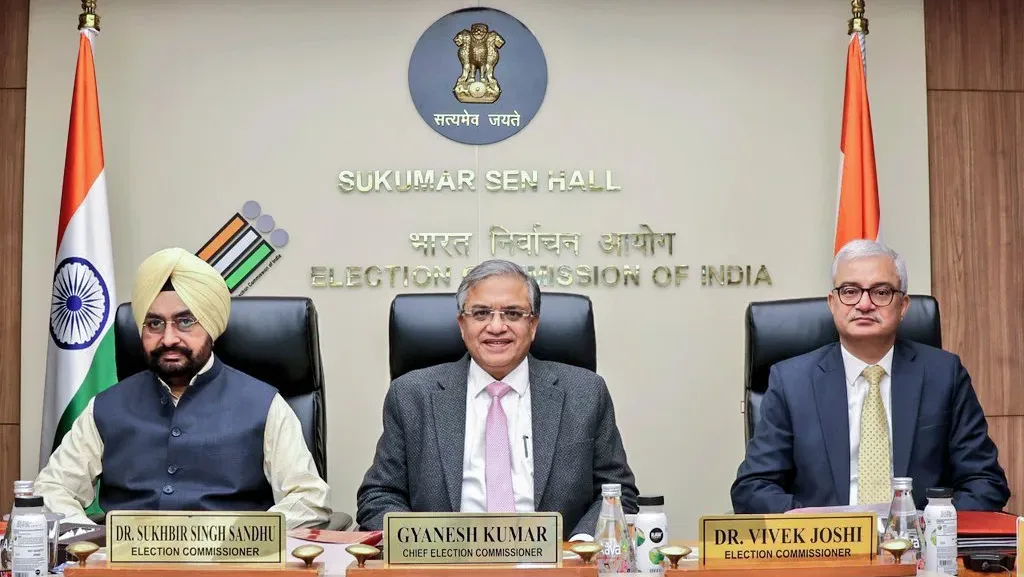
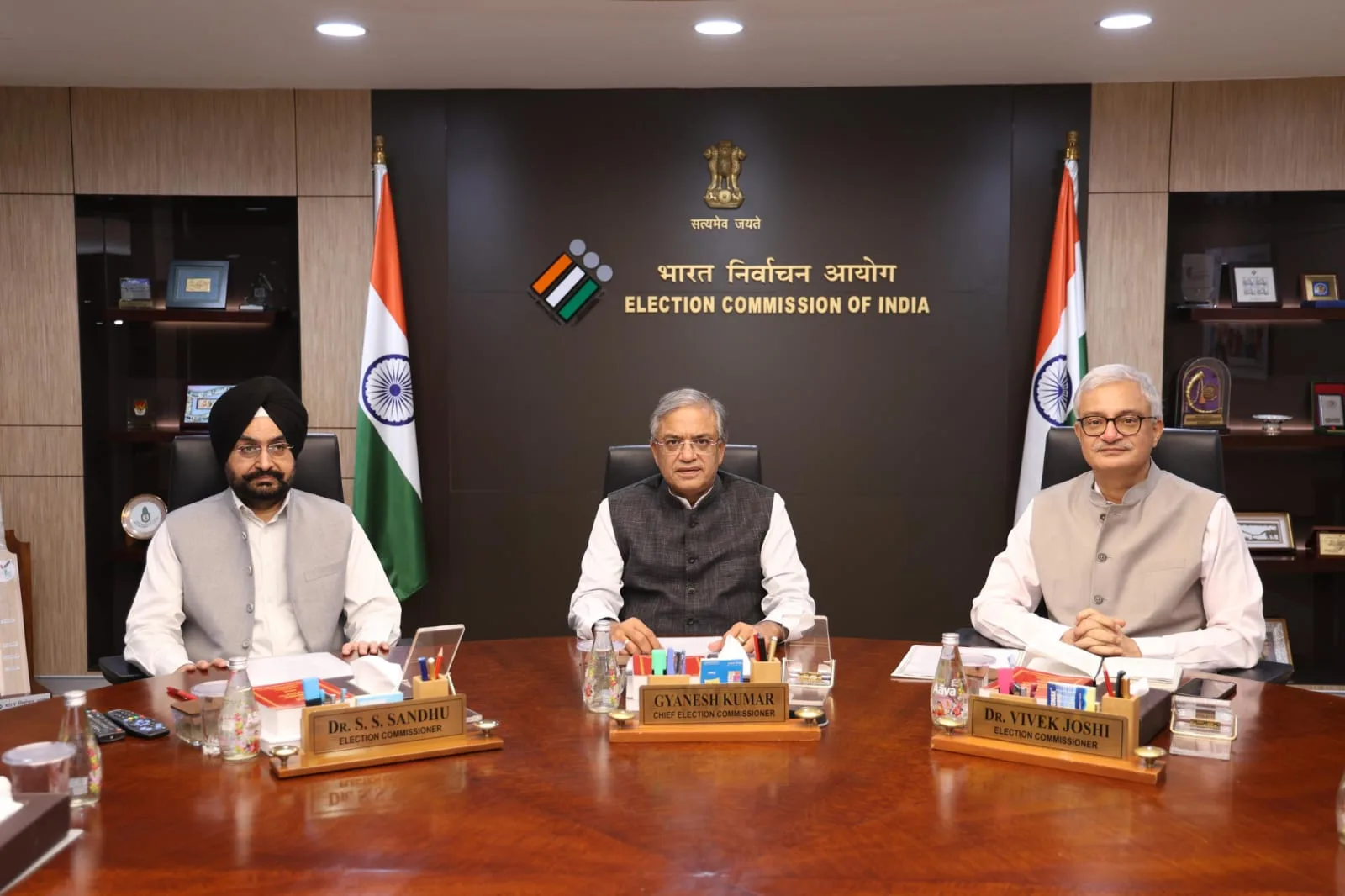
    Chief Election Commissioner Gyanesh Kumar with Election Commissioners Sukhbir Singh Sandhu, and Vivek Joshi | ANI

    Meanwhile, the Election Commission remains a multi-member constitutional body under Article 324. A vacancy in the CEC’s office does not by itself mean that the other Election Commissioners leave office. The exact arrangements for conducting the Commission’s business during any gap before a new CEC is appointed would depend on the applicable constitutional and statutory framework and directions issued by the competent authorities.

    So, if Gyanesh Kumar were to resign, there would not be an automatic appointment of another individual as CEC. The next CEC would have to be formally appointed by the President through the process laid down under the 2023 law.

  • Election Commission announces 9 key decisions amid internal concerns: What changes?

    Election Commission announces 9 key decisions amid internal concerns: What changes?

    The Election Commission of India (ECI) has announced nine decisions aimed at addressing concerns over the functioning of the three-member poll panel, including the management of electoral rolls, internal procedures and technology systems.

    The decisions came days after an investigation by The Indian Express reported that Election Commissioners Sukhbir Singh Sandhu and Vivek Joshi had recorded objections at least 14 times on issues linked to voter registration, deletion and restoration of names, appeals and electoral-roll systems.

    The ECI had earlier described these objections as “suggestions” and “inputs” arising during normal deliberations, while maintaining that key decisions over the past year had received the “unanimous” approval of the full Commission.

    What are the nine new ECI decisions?

    Following its latest meeting, the Commission issued a four-page note outlining several changes.

    Also Read | CEC vs 2 Election Commissioners: What happens when ECI members disagree?

    Agendas will now be circulated before Commission meetings, with minutes to be issued afterwards. Foreign travel by officers will require approval from the Commission. New IT modules and portals will first be examined by a committee of officers before being presented to the poll panel.

    Election Commission
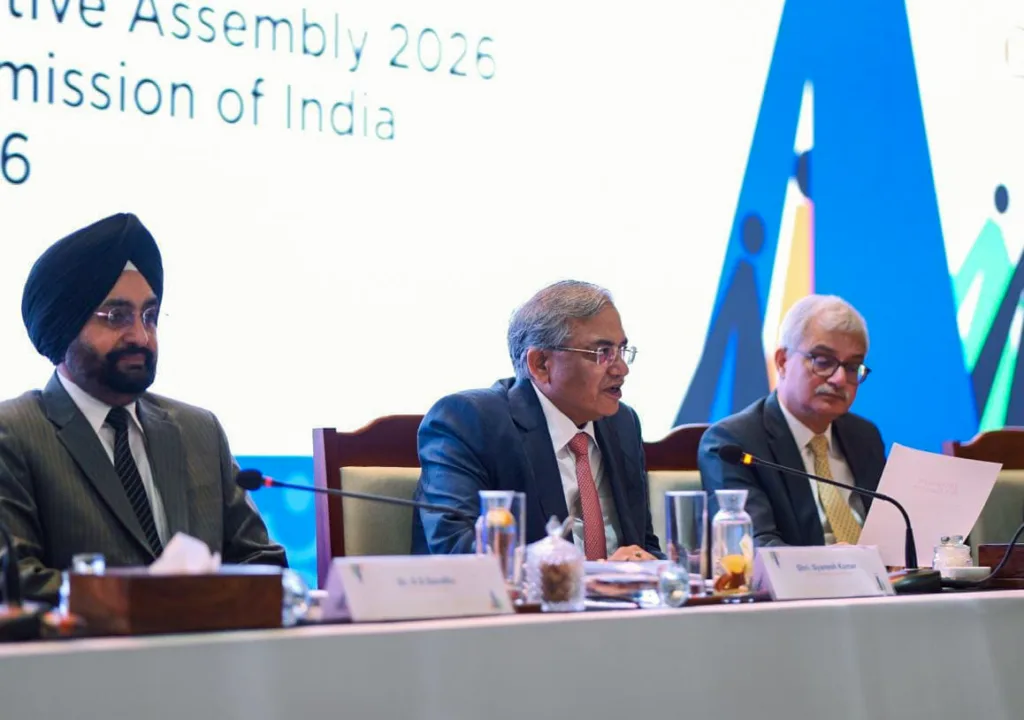
    EC unveils changes to meetings, ECINet and electoral roll management | ANI

    The Commission also ordered a review of ECINet by a committee headed by a senior Deputy Election Commissioner. An independent expert from an IIT or IIIT will be part of the review.

    Field officers will receive additional flexibility where required, while directions issued by Commissioners to officers will be “meticulously complied with”.

    These measures correspond closely with concerns earlier recorded by Sandhu and Joshi regarding meeting procedures, foreign travel, IT systems and access to electoral-roll databases.

    Goa voter issue

    The Commission also addressed the case of 97 voters in Goa who, according to The Indian Express investigation, had been cleared by local officials but were missing from the final electoral roll.

    Election Commission
    Chief Election Commissioner Gyanesh Kumar with Election Commissioners Sukhbir Singh Sandhu, and Vivek Joshi | ANI

    The ECI said 81 of these voters have since submitted Form 6 and directed the Chief Electoral Officer (CEC) to facilitate their inclusion.

    What happens to Form 6?

    The changes around Form 6 remain less clear.

    The ECI said the form prescribed under the Registration of Electors Rules would apply outside the SIR period, reflecting the substance of Joshi’s May objection. However, his objection had specifically concerned the online ECINet form, where an additional question about an applicant’s parents appeared between sections J and K and prevented applicants from proceeding without answering it.

    Election Commission
    Election Commission decisions leave key Form 6 questions unresolved | ANI

    The latest note does not clarify whether that online question has been removed.

    Also Read | What is ERONET? The ECI software at the centre of the SIR row

    Questions that remain unanswered

    Several issues remain unresolved. The Commission has not explained who authorised appeals against voters whose inclusion had been ordered by judicial officers in West Bengal.

    It has also not clarified why Goa’s requested software facility for restoring voter names was not enabled, or addressed questions surrounding the roles of DG (IT) Seema Khanna and Senior Deputy Election Commissioner Maneesh Garg.

    The larger issue is how these decisions will change the Commission’s internal functioning. Whether the three Commissioners will now be involved more closely in decisions remains to be seen.

  • Election Commission’s 9 new decisions explained: What’s new and what isn’t

    Election Commission’s 9 new decisions explained: What’s new and what isn’t

    The Election Commission of India ECI has announced nine decisions aimed towards making electoral roll management and election administration more transparent and reliable. The announcements come days after reports revealed differences within the three-member Commission over decisions related to voter registration, deletion and restoration of names in electoral rolls.

    The Commission says these measures are designed to improve accountability and reduce confusion during voter list revisions. However, several existing procedures remain unchanged.

    Why did the Election Commission announce these decisions?

    The decisions follow scrutiny over the Commission’s functioning during the Special Intensive Revision (SIR) of electoral rolls. According to reports, two Election Commissioners had recorded objections multiple times over issues linked to voter verification and electoral roll management.

    The Commission has now introduced procedural changes while maintaining that its constitutional framework remains the same for maintaining transparency in the whole process.

    Electoral roll revision will become more transparent

    The ECI has decided that draft and final electoral rolls, along with reasons for additions, deletions and corrections, will be made available in a clearer and more accessible manner. This is meant to help voters understand why changes have been made to the rolls.

    Booth Level Officers will have stricter verification rules

    Booth Level Officers (BLOs) will follow a more structured verification process while checking voter details. The Commission says this is intended to ensure greater uniformity across states during voter verification exercises.

    Digital records of voter changes will be strengthened

    Every addition, substraction or any type of correction in the electoral roll will have a stronger digital trail. The move is aimed towards improving record and making future audits easier.

    Appeals process gets more clarity

    The Commission has clarified how voters can appeal if their names are deleted or restored. The process remains available under existing legal provisions. The electoral Commission has also said that the documentation and timelines will be communicated more clearly.

    Electoral Registration Officers get clearer responsibilities

    Further the Electoral Commision has also declared that the Electoral Registration Officers (EROs) will have defined responsibilities for handling claims, objections and corrections during electoral roll revisionsas a result which will help reducing ambiguity in decision-making.

    Better communication with political parties

    The ECI says recognised political parties will receive more regular information during electoral roll revision exercises so that they can raise objections or provide feedback within the prescribed timelines.

    Technology systems will have additional oversight

    The Commission plans for greater oversight of the digital systems used for maintaining the electoral rolls, with more improved monitoring of changes made through the software.

    Training for election officials will be expanded

    Officials who will be responsible for the voter registration and electoral roll revision will receive improvised training to ensure consistent implementation of rules across the country.

    Also Read | Mamata Banerjee sharpens attack on SIR, backs key Opposition moves

    Public disclosure of procedures will improve

    The ECI has said, it will publish clearer standard operating procedures and explanatory material so the voters could understand the electoral roll revision process.

    What has not changed?

    Despite the nine announcements, several key aspects remain unchanged:

    The constitutional powers of the Election Commission remain the same.

    The legal process for voter registration, subtrraction, addition and correction continues under the Representation of the People Act andover the existing election rules.

    Electoral roll revisions will still be carried out by Electoral Registration Officers. The Booth Level Officers will be responsible for conducting field verification.

    Why these decisions matter

    The announcements come at a time when the Election Commission is facing questions over the handling of electoral roll revisions in recent months. The Commission says the new measures are designed to increase transparency, improve record-keeping and make the voter verification process easier to understand for both common people and political parties as well.

    Also Read | Mobile retailers plan ‘No UPI Day’ on October 2; raise concern over UPI MDR

  • BJP Bengal poll spend: Influencers named in ECI filings

    BJP Bengal poll spend: Influencers named in ECI filings

    The Bharatiya Janata Party’s expenditure statements filed with the Election Commission for the 2026 West Bengal Assembly elections have brought payments to several YouTubers and social media personalities into focus.

    According to an analysis of the filings, the BJP spent ₹286.99 crore during the West Bengal polls. The documents show that ₹55.76 crore was paid to 36 social media personalities by the party’s central unit in New Delhi between March 15 and May 6.

    The payments were made for content and advertising-related activities during the election period. The Election Commission had required political parties to submit details of expenditure on internet and social media campaigning, including content development and related operational costs.

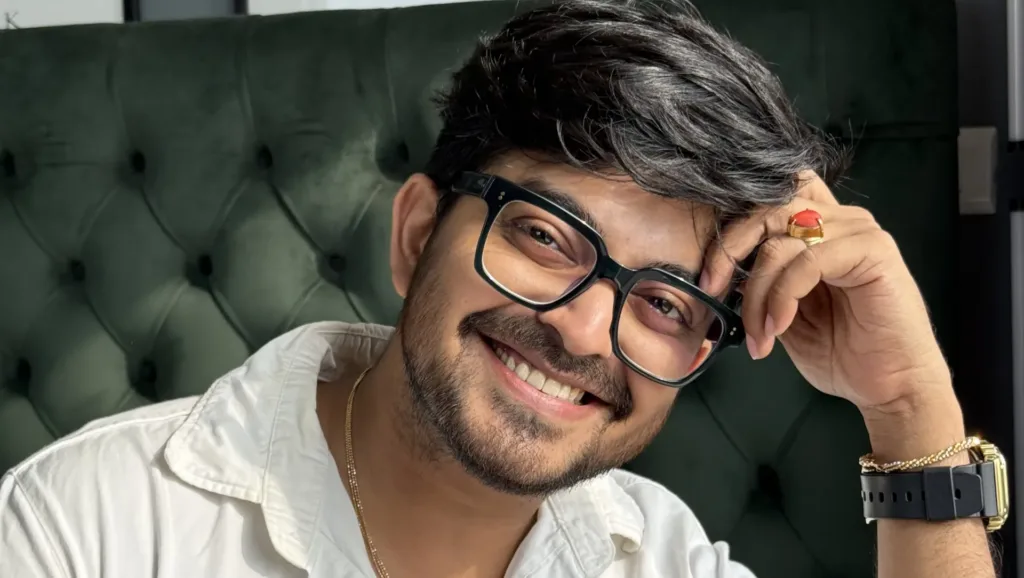
    Sayak Chakraborty Received ₹2.5 Lakh

    Actor and YouTuber Sayak Chakraborty was listed as receiving ₹2.5 lakh from the BJP for content linked to “general party propaganda”.

    Chakraborty had made headlines in January after an altercation at a restaurant in Kolkata’s Park Street. He alleged that a Muslim waiter had served him a beef preparation instead of the mutton dish he had ordered. The incident was recorded on video and the waiter was subsequently arrested on allegations of hurting religious sentiments.

    Sayak Chakraborty
    Sayak Chakraborty. IG/withlovesayak

    The 31-year-old actor runs the YouTube channel @withlovesayak, which has more than 88,000 subscribers. Chakraborty said he agreed to create content for the BJP because the party had supported him following the restaurant incident.

    “The incident at the restaurant was on January 30 and was an instant reaction. There was no politics. Many parties approached me to make content after the incident, but I only agreed to BJP as they supported me during the incident,” he said in a social media post.

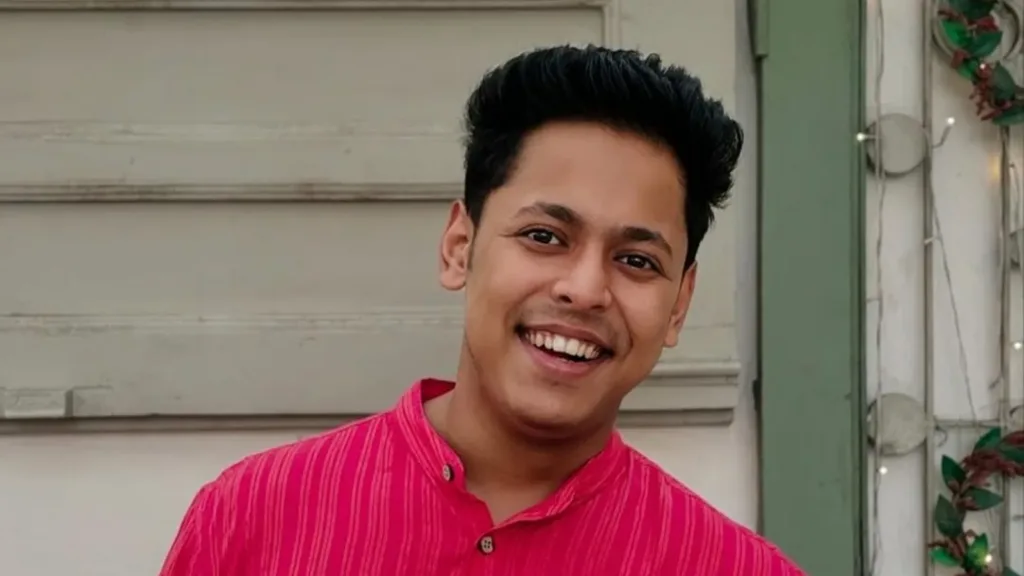
    Shamik Adhikary Paid ₹13 Lakh

    Popular vlogger Shamik Adhikary, known online as @Nonsane, received ₹13 lakh, according to the expenditure details. His YouTube channel has more than 3.5 lakh subscribers. Before the election, Adhikary posted a series titled ‘Button’, which criticised the Trinamool Congress government over issues including the RG Kar rape and murder case and unemployment.

    Shamik Adhikary
    Shamik Adhikary. IG/yournonsanee

    The series was widely circulated on social media, including by BJP leaders. Adhikary was also arrested over allegations of sexual assault, an incident that prompted allegations of political retribution from the TMC.

    Other Influencers in BJP’s Payee List

    Bangladeshi singer Sangit Sarkar received ₹2 lakh, according to the filings. Known for protest music and socio-political commentary, Sarkar had also released songs concerning issues in West Bengal, including the teachers’ recruitment controversy and alleged corruption.

    Also Read | Kolkata Police cracks down on civic volunteers with new SOP

    Former journalist Pinakpani Ghosh, who runs the YouTube channel Pinak Ki Bolche, received ₹5.25 lakh. His channel has more than 2.4 lakh subscribers and frequently discusses Bengal politics and social issues.

    Former radio jockey Priyanka Sarkar, also known as RJ Priyanka, received ₹15 lakh. She has more than 10.4 lakh Instagram followers.

    Sarkar said she had produced two pieces of content for the BJP, one concerning the launch of a sleeper Vande Bharat train and another about initiatives announced in the Union Budget.

    “It was a normal promotion. Neither have I harmed anyone’s sentiment nor reputation. I am not a supporter of any party. I have made videos during the RG Kar incident. But I have also made videos on the NEET paper leak case,” Ms. Sarkar said.

    Political Reactions to Influencer Payments

    The payments have drawn competing responses from the BJP and Trinamool Congress.

    TMC MLA Kunal Ghosh accused the BJP of using payments to YouTubers and influencers to shape a narrative around religious polarisation during the election campaign.

    BJP state spokesperson Debjit Sarkar defended the payments and said the party had followed the rules. “Yes. We have paid influencers. So what? We will do it again. We have absolutely played by the book.” he said.

    Also Read | Who is Sumit Roy? Abhishek Banerjee’s PA arrested in Shalbani land scam case

    The Election Commission’s 2026 election guidelines stated that political parties were required to report campaign expenditure on internet platforms and social media, including spending on content development.

  • Mobile retailers plan ‘No UPI Day’ on October 2; raise concern over UPI MDR

    Mobile retailers plan ‘No UPI Day’ on October 2; raise concern over UPI MDR

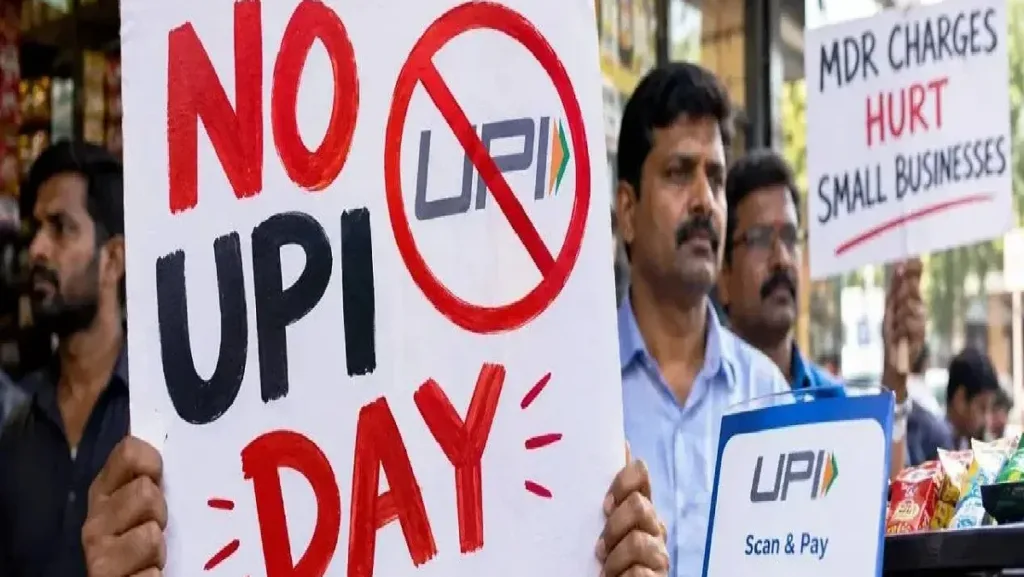
    Mobile phone retailers across India are set to observe October 2 as “No UPI Day” to protest the proposed 0.4 per cent Merchant Discount Rate (MDR) on eligible UPI merchant transactions. The campaign has been called by the All India Mobile Retailers Association (AIMRA), which says the additional cost could put pressure on small retailers.

    The 0.4 per cent MDR on person-to-merchant UPI payments above ₹2,000 is scheduled to take effect from October 15, 2026. Person-to-person payments and eligible transactions up to ₹2,000 will remain outside the charge.

    What Is ‘No UPI Day’ on October 2?

    AIMRA Vice President and Delhi NCR President Tarvinder Singh said the association has called for the nationwide observance to draw attention to retailers’ concerns over the proposed UPI MDR.

    “The All India Mobile Retailers Association (AIMRA) has called for a ‘NO UPI DAY’ on October 2, 2026, to highlight the concerns of mobile retailers regarding the 0.4 per cent Merchant Discount Rate (MDR) applicable to eligible merchant UPI transactions,” AIMRA Vice President and President for Delhi NCR region, Tarvinder Singh, said in a statement.

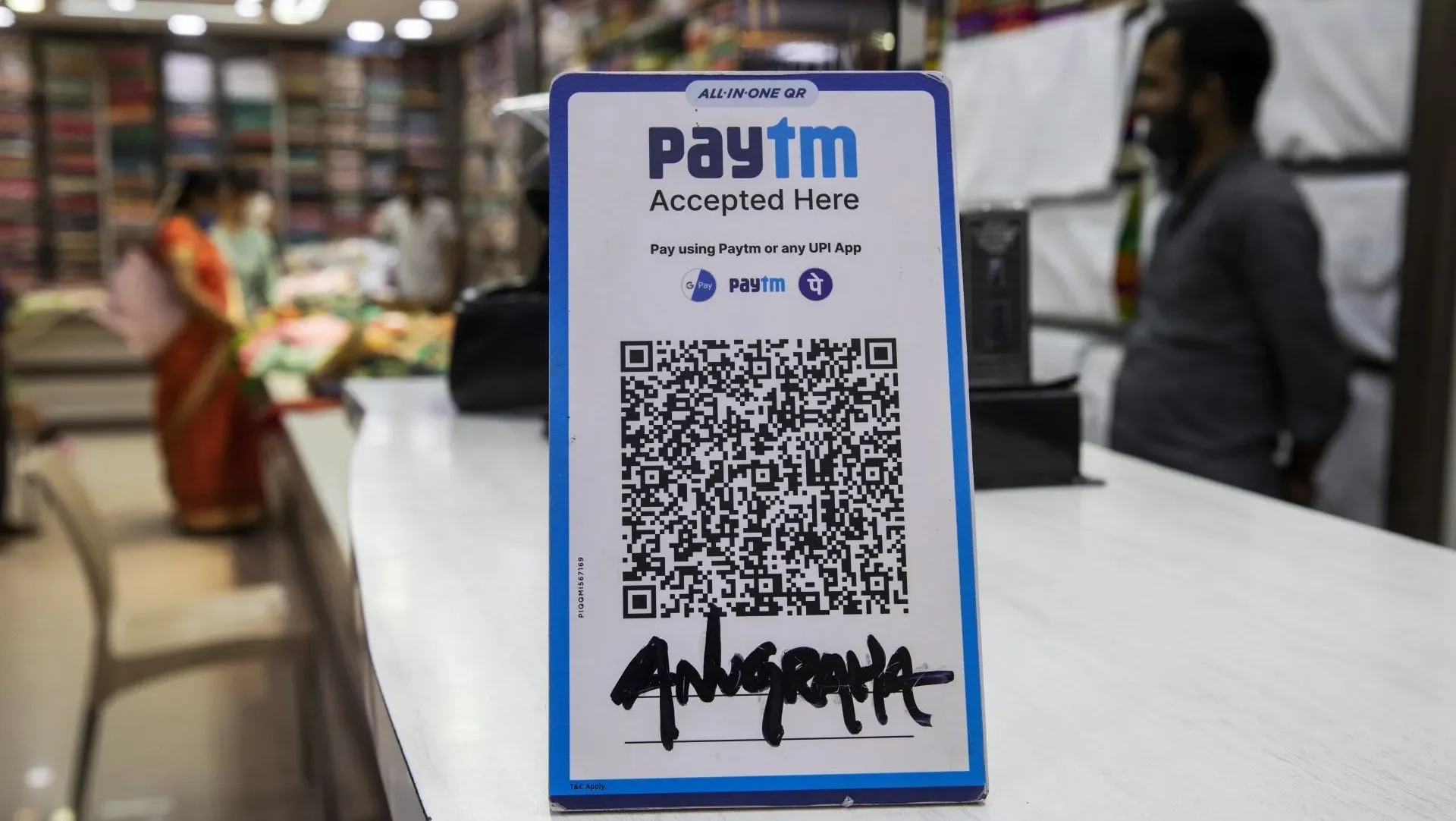
    As part of the campaign, participating retailers plan to cover their UPI QR codes with black cloth and stop accepting UPI payments for the day. October 2 also marks Gandhi Jayanti.

    The protest comes as several trade bodies have announced plans to participate in the “No UPI Day” campaign against the new MDR framework.

    Mobile Retailers Raise Concerns Over UPI MDR

    According to AIMRA’s representation to Finance Minister Nirmala Sitharaman, the proposed MDR could affect the earnings of small mobile retailers that rely heavily on digital payments.

    Also Read | CJP demands CEC Gyanesh Kumar’s resignation, announces nationwide protest from Oct 2

    The association estimates that a retailer processing between ₹5 lakh and ₹30 lakh in monthly UPI transactions could face a monthly loss of ₹2,000 to ₹12,000. AIMRA has argued that this could reduce a significant portion of the net income of smaller businesses.

    The retailers’ body has also estimated the overall financial impact at around ₹40 crore every month, or nearly ₹500 crore annually, for small mobile retailers across India.

    Retailers hold a placard of "No UPI Day" to protest the proposed 0.4 per cent MDR on eligible UPI merchant transactions
    Retailers hold a placard of “No UPI Day” to protest the proposed 0.4 per cent MDR on eligible UPI merchant transactions. Credit: X/ANI

    AIMRA Demands Zero MDR for UPI

    AIMRA has stressed that its campaign is not against UPI or digital payments. Instead, the association wants merchant UPI payments to continue under a zero-MDR system.

    “If We Want Digital India, UPI Must Remain Zero MDR. This is not a protest against UPI or Digital India. Our concern is the additional financial burden being placed on merchants who accept digital payments. If we want Digital India to grow further, digital payments should remain affordable for the entire retail ecosystem. Our clear demand is that UPI merchant payments should continue under a Zero MDR structure,” Singh said.

    Also Read | Prashant Kishor’s Jan Suraaj eyes Delhi after Bankipur bypoll win

    Under the new framework, the 0.4 per cent MDR will apply to specified merchant transactions above ₹2,000, with the charge capped at ₹300 for transactions of ₹75,000 or more.

    The October 2 campaign is therefore expected to put the concerns of mobile retailers over UPI MDR at the centre of attention ahead of the October 15 implementation date.

  • Delhi PWD begins 4-step survey for Press Enclave Marg link road

    Delhi PWD begins 4-step survey for Press Enclave Marg link road

    The long-pending Press Enclave Marg link road project has moved another step forward, with the Delhi Public Works Department (PWD) beginning a detailed physical survey of the proposed alignment in Sheikh Sarai. The proposed road is intended to provide an additional route between Press Enclave Marg and the Outer Ring Road and reduce pressure on one of South Delhi’s heavily congested corridors.

    The survey is being carried out using GPS-enabled total station equipment, which combines conventional optical surveying with satellite-based mapping. Officials said the exercise will provide the technical information required before the Press Enclave Marg link road can move towards construction.

    The survey will cover approximately 100,000 square metres and map existing roads, structures, drainage and sewerage networks, water pipelines, electrical and telephone lines, road levels, roundabouts, trees and other permanent and temporary features.

    The long-pending Press Enclave Marg link road project has moved another step forward, with the Delhi Public Works Department (PWD) beginning a detailed physical survey of the proposed alignment in Sheikh Sarai. (ANI)
    The long-pending Press Enclave Marg link road project has moved another step forward, with the Delhi Public Works Department (PWD) beginning a detailed physical survey of the proposed alignment in Sheikh Sarai. (ANI)

    Press Enclave Marg link road gets detailed ground survey

    The current survey is expected to establish the precise physical conditions along the proposed alignment. Officials will also examine properties belonging to the Delhi Metro and railways and record detailed coordinates and levels that can be used while preparing the road’s design.

    The Press Enclave Marg link road is not a new proposal. The project was approved in principle by the governing body of the Unified Traffic and Transportation Infrastructure Planning and Engineering Centre (UTTIPEC) in November 2008. In 2012, UTTIPEC directed that the project be implemented and that encroachments on land required for the road be removed and handed over to the concerned road-owning agencies.

    However, the project subsequently faced delays. In 2024, the Delhi government informed the Delhi High Court that a modified proposal had been approved in principle. The Delhi Integrated Multi-Modal Transit System (DIMTS) had indicated that the work could be taken up alongside the proposed Ambedkar Nagar-Moolchand bus rapid transit corridor, but the project remained stalled.

    The latest survey is therefore significant because it will help officials establish the present ground conditions before finalising the alignment and other technical details.

    Also Read | Prashant Kishor’s Jan Suraaj eyes Delhi after Bankipur bypoll win

    The need for the Press Enclave Marg link road is linked to persistent congestion on the existing corridor. (ANI)
    The need for the Press Enclave Marg link road is linked to persistent congestion on the existing corridor. (ANI)

    Press Enclave Marg link road targets major congestion points

    The need for the Press Enclave Marg link road is linked to persistent congestion on the existing corridor. Press Enclave Marg is around 3.7 kilometres long and connects Sri Aurobindo Marg with Lal Bahadur Shastri Marg. The two-lane stretch passes several major commercial and public establishments, including shopping malls, hospitals and the Saket district court area.

    A PWD traffic survey conducted in 2025 recorded peak-hour traffic of approximately 9,000 passenger car units (PCUs) during the morning and around 10,000 PCUs in the evening.

    According to PWD, unauthorised parking, encroachments, narrow sections of the carriageway and congestion at junctions are among the factors affecting traffic movement on the corridor. The department had also considered changes around the Mandir Marg intersection in 2024, including shifting the central verge and making the stretch signal-free, but the proposal did not progress.

    The Press Enclave Marg link road is expected to offer an alternative route for vehicles and could reduce dependence on the existing congested stretch. However, its eventual impact will depend on the final alignment, road design and how effectively traffic is distributed between the existing and proposed routes.

    Also Read | Cyclone Arnab explained: Why it’s actually a deep depression

    While the survey marks progress for the Press Enclave Marg link road, officials have not yet announced a construction schedule. (ANI)
    While the survey marks progress for the Press Enclave Marg link road, officials have not yet announced a construction schedule. (ANI)

    Press Enclave Marg link road timeline remains unclear

    While the survey marks progress for the Press Enclave Marg link road, officials have not yet announced a construction schedule. The final alignment, total length, estimated construction cost and completion timeline will be determined after the ongoing survey is completed.

    The technical exercise will also help identify potential constraints arising from existing infrastructure and properties along the proposed route. Mapping drainage, sewerage, utility lines, trees, roads and other structures at this stage is intended to help planners account for these features before construction begins.

    The project’s long history also underlines the challenges involved in developing a new road connection in a densely built-up part of south Delhi. Although the link was approved in principle years ago, subsequent changes to the proposal and coordination with other transport projects contributed to delays.

    The Press Enclave Marg link road is now being examined against the current traffic and infrastructure conditions of the area. Once the survey is completed, PWD will be in a position to determine the project’s detailed technical requirements and prepare the next stage of planning.