India is home to one of the world’s oldest and most diverse religious traditions, But here’s the surprising fact about Indians that they know little about Islamic stories, prophets and mythology.
What does “Islamic mythology” mean?
Experts explains that the word “mythology” is often misunderstood. In modern academic studies, mythology does not mean a false story. Instead, it refers to the collection of sacred stories,traditions, symbols and beliefs that creates a community’s worldview and identity. By that definition, Hinduism, Islam, Christianity, Judaism, Greek religion and Norse traditions all have mythologies.
The older idea that mythology means fiction comes largely from 19th-century European thinking, where some religions were considered “true” while others were labelled myths. Contemporary religious studies use the term differently.
Why should Hindus learn Islamic stories?
Indians grow up hearing the Ramayana, Mahabharata and many Puranic tales. Many also become familiar with Biblical stories through schools, literature and films. However, stories from the Quran, Hadith and the lives of Islamic prophets remain unfamiliar to a large section of Indians.
He believes reading Islamic mythology helps people understand a worldview that has existed in India for nearly 1,400 years and has influenced the country’s culture, language, art and law.
Similarities between Hindu and Islamic mythology
Stories of rivalry between brothers, conflicts over inheritance and moral choices appear in Hindu mythology through characters described in the ancient mythology texts such as Ramayana and Mahabharata. Islamic traditions similarly include stories of Qabil and Habil (Cain and Abel), Ishmael and Isaac, and Jacob and Esau.
Expert argues that these parallels show that while religions differ in theology, many myths reflect common human experiences such as family conflict, justice, loyalty and faith.
A broader message about understanding religions
The myths act as the “social glue” that helps communities make sense of the world and build shared identities.
Reading Islamic mythology, is not about accepting another religion’s beliefs but about understanding how another community thinks, remembers its past and imagines its relationship with the divine.
The term ‘Cyclone Arnab’ has been widely used on social media and in reports about the latest weather system over the Bay of Bengal. But according to the India Meteorological Department (IMD), there is no officially classified cyclone by that name.
The system that made landfall over Andhra Pradesh late on Wednesday night has been classified by the IMD as a deep depression, bringing heavy rain and strong winds to parts of Andhra Pradesh and Odisha.
The confusion largely stems from the fact that ‘Arnab’ is an assigned name on the regional list of names for tropical cyclones. The name can be used when a system meets the criteria for a cyclone, but its appearance on the list does not itself mean that every weather system associated with the name has reached cyclone intensity.
Why is ‘Cyclone Arnab’ not officially a cyclone?
According to the IMD, the distinction between a depression, deep depression and cyclone is primarily based on the system’s maximum sustained surface wind speed.
The IMD classifies a depression when maximum sustained surface winds are between 31 and 50 kmph. A deep depression has winds between 52 and 61 kmph, or 28 to 33 knots.
Strong winds and high tides triggered by Cyclone Arnab, in Puri on Thursday. (ANI Video Grab)
For a system to be classified as a cyclonic storm, sustained surface winds need to cross the 63 kmph threshold.
The weather system over the Bay of Bengal was therefore classified as a deep depression rather than a cyclone.
So, where did the name Arnab come from?
The name Arnab is part of a predetermined list maintained under the World Meteorological Organization (WMO) and United Nations Economic and Social Commission for Asia and the Pacific (UN-ESCAP) panel.
The regional naming system involves 13 countries including Bangladesh, India, the Maldives, Myanmar, Oman, Pakistan, Sri Lanka, Thailand, Iran, Qatar, Saudi Arabia, the United Arab Emirates and Yemen.
‘Cyclone Arnab’ is actually a deep depression, according to the IMD. Here’s why the name is circulating / ANI
Each country contributes 13 names, creating a list of 169 names for tropical storms.
The names are used sequentially when qualifying cyclonic systems develop. Arnab, which means “ocean” in Bengali, was among the names in the queue. Its presence on the list does not mean the current deep depression has officially been named Cyclone Arnab.
What impact has the deep depression had?
Although the system is not classified as a cyclone, it has brought significant rainfall to parts of eastern India.
Odisha has witnessed heavy rain, with authorities preparing for possible flooding and waterlogging. Schools and Anganwadi centres were shut in several districts, including Khurda, Jagatsinghpur, Ganjam, Gajapati and Malkangiri.
A view of Chilika Lake as high tidal waves hit the coast under the influence of Cyclone Arnab, in Puri on Thursday. (ANI Video Grab)
The state government placed collectors of 11 districts on high alert and kept cyclone and flood shelters ready.
Andhra Pradesh has also experienced intense rainfall. According to the Andhra Pradesh State Disaster Management Authority (APSDMA), heavy showers were recorded across multiple districts between 8.30 am on Wednesday and 7 am on Thursday, with more than 80 locations recording over 100 mm of rain.
What is the difference between a depression and a cyclone?
A depression is a low-pressure weather system accompanied by thunderstorms and organised circulation. As wind speeds increase, the system can strengthen into a deep depression and eventually into a cyclonic storm if it crosses the required threshold.
In the current case, the IMD’s classification remains deep depression, despite the widespread use of the term ‘Cyclone Arnab’ online.
Today, QR codes have become part of everyday life. A quick scan can open a restaurant menu, complete a digital payment, access a ticket or provide product information. But the technology behind those familiar black-and-white squares was originally developed for a very different reason.
QR codes were created in Japan in 1994 by Denso Wave, a company associated with Toyota. Their first major purpose was to help automobile factories keep track of the large number of parts used during vehicle production.
Why were QR codes invented?
Before QR codes came along, factories relied on traditional barcodes to identify and track components. The problem was that conventional barcodes could hold only a limited amount of information.
As the number of parts increased, workers sometimes had to place several barcodes on a single component. Each code had to be scanned separately, making the process slower and less convenient.
(Representational Image) The little-known story behind the QR codes we use every day | AI Generated
Masahiro Hara and his team at Denso Wave worked on a way to overcome this limitation. Their solution was a two-dimensional code that could contain considerably more information while also being read quickly.
The result was the QR code, short for Quick Response code. Its design made it possible to scan information rapidly, which was particularly useful in the fast-moving environment of automobile manufacturing.
What do the three squares mean?
The three prominent squares placed at the corners of a QR code have an important function. They help scanning devices recognise the code and determine its orientation.
This allows a QR code to be read from different angles, making scanning easier in situations where the code may not be perfectly positioned.
How QR Codes became popular
Another factor helped QR technology move beyond automobile factories. Denso Wave decided not to enforce its patent rights, allowing businesses and developers to use the technology without paying licensing fees.
(Representational Image) QR codes began with a purpose far different from digital payments | AI Generated
Over time, QR codes found applications far beyond manufacturing. They are now used for digital payments, restaurant menus, tickets, product labels and quick access to information.
A QR code can store more than 7,000 characters and can be scanned quickly using a smartphone. What began as a factory solution for tracking car parts has therefore become a familiar part of everyday digital life.
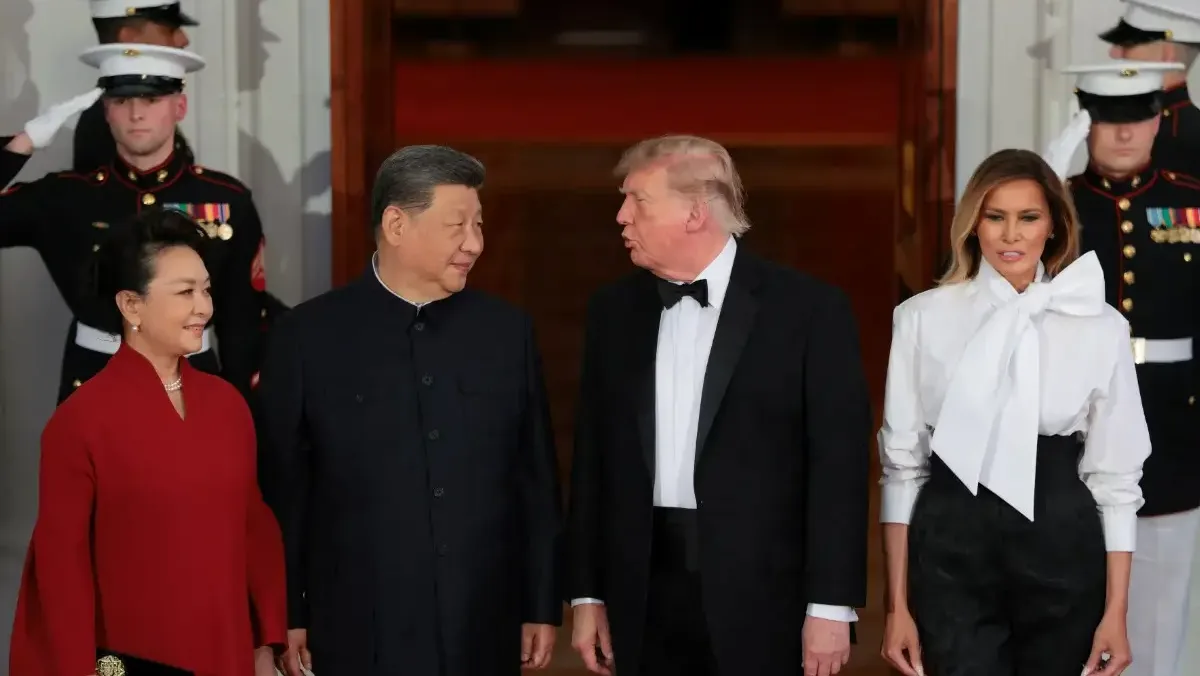
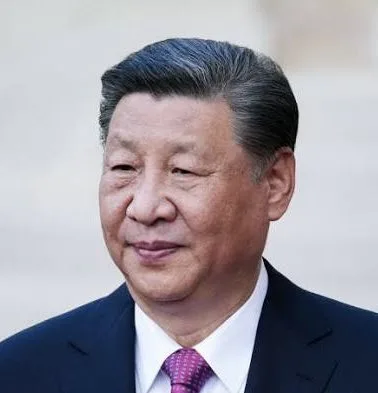
US President Donald Trump hosted Chinese President Xi Jinping for a White House state dinner on Thursday, bringing together senior political figures, business leaders and some of the biggest names in the global technology industry.
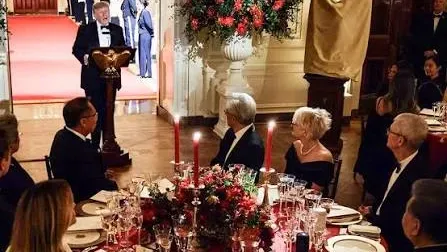
Tesla and SpaceX chief Elon Musk, Apple’s Tim Cook, Nvidia CEO Jensen Huang and OpenAI chief Sam Altman were among the prominent tech executives at the dinner.
Their presence put technology and artificial intelligence in focus alongside the wider discussions surrounding US-China relations, trade and other areas of disagreement between Washington and Beijing.
The dinner came after a day filled with ceremonial events at the White House as Trump welcomed Xi for his state visit to the United States. While the formal proceedings projected close engagement between the two leaders, tensions between the world’s two largest economies remained visible.
Elon Musk, Tim Cook and Sam Altman join Trump’s state dinner for Xi Jinping. (ANI)
Trump hosts Xi Jinping at White House state dinner
Trump and first lady Melania Trump welcomed Xi and his wife, Peng Liyuan, at the White House before the state dinner. The visit featured a formal welcome ceremony, a military parade, a flyover and a tour of the new White House helipad.
Trump later described the discussions with Xi positively. During the dinner, he said, “President Xi and I both understand that we represent different systems, but the ties between our people endure.”
Earlier in the day, Trump said he and Xi had made “tremendous strides”. Later, after their talks, he described the discussions as a “Great meeting”.
The event also drew protesters outside the White House. Demonstrators chanted “Xi Jinping is not welcome” and “Free Hong Kong,” according to AFP reporters at the scene.
Elon Musk, Tim Cook, Sam Altman attend dinner
The attendance of Musk, Cook, Huang and Altman brought some of the world’s most influential technology executives into a diplomatic setting dominated by discussions over US-China relations.
Artificial intelligence was one of the important subjects during Xi’s visit. The technology sector has become increasingly important to the relationship between Washington and Beijing, particularly as both countries compete over AI development and related technologies.
Tech titans meet diplomacy as Trump hosts Xi Jinping at the White House. (ANI)
Xi addressed the issue directly during his remarks. Calling for the United States and China to “coexist in peace”, he said, “China and the United States must act as responsible major countries.”
The Chinese president also stressed that there should be “no conflict and no confrontation” between the two countries. On artificial intelligence, Xi said the technology must remain “always under human control.”
Xi also urged Trump to exercise “prudence” over Taiwan and oppose independence for the self-governing island, which Beijing claims as its territory. He also called for an end to the Iran war “through negotiation as soon as possible.”
Trump gifts Xi a bald eagle statue
The formal dinner included a symbolic gift from Trump to Xi. The US president presented the Chinese leader with a custom-made statue of a bald eagle, the national symbol of the United States.
The menu for the evening included yellow squash velouté, sesame-crusted sea bass and vanilla cremeux served with White House honey ice cream.
After the meal, Trump invited the guests to visit the construction site of the White House’s new ballroom, which is expected to cost $400 million.
“In honor of you, you’ll be the first people to step foot on that,” Trump told the guests while referring to the building site.
US-China trade truce extended by two months
Despite the high-profile meeting and the presence of several major business leaders, the visit did not produce a major breakthrough on the broader US-China relationship.
One outcome was an extension of the existing trade truce between Washington and Beijing by two months, taking it through January. The report noted that this was shorter than the two-year extension Chinese officials had reportedly hoped for.
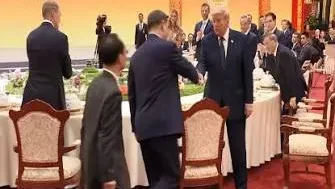
Trump shakes hands with Xi Jinping At White House state dinner.(ANI)
The trade relationship remains one of the central issues between the two countries, with tariffs and restrictions continuing to affect businesses and supply chains.
The state dinner therefore came against the backdrop of both economic negotiations and wider strategic disagreements involving artificial intelligence, Taiwan and Iran.
Military display and White House events
Xi’s visit began with a formal welcome on the White House South Lawn. Trump and Xi later watched a military parade held on the newly paved-over Rose Garden.
US military aircraft also took part in a flyover. Among them was a B-2 bomber, the same type of aircraft used in last year’s US strikes on Iranian nuclear facilities.
The two leaders then moved to the Oval Office for talks. Trump made a light-hearted remark about the Chinese press corps while discussing the meeting.
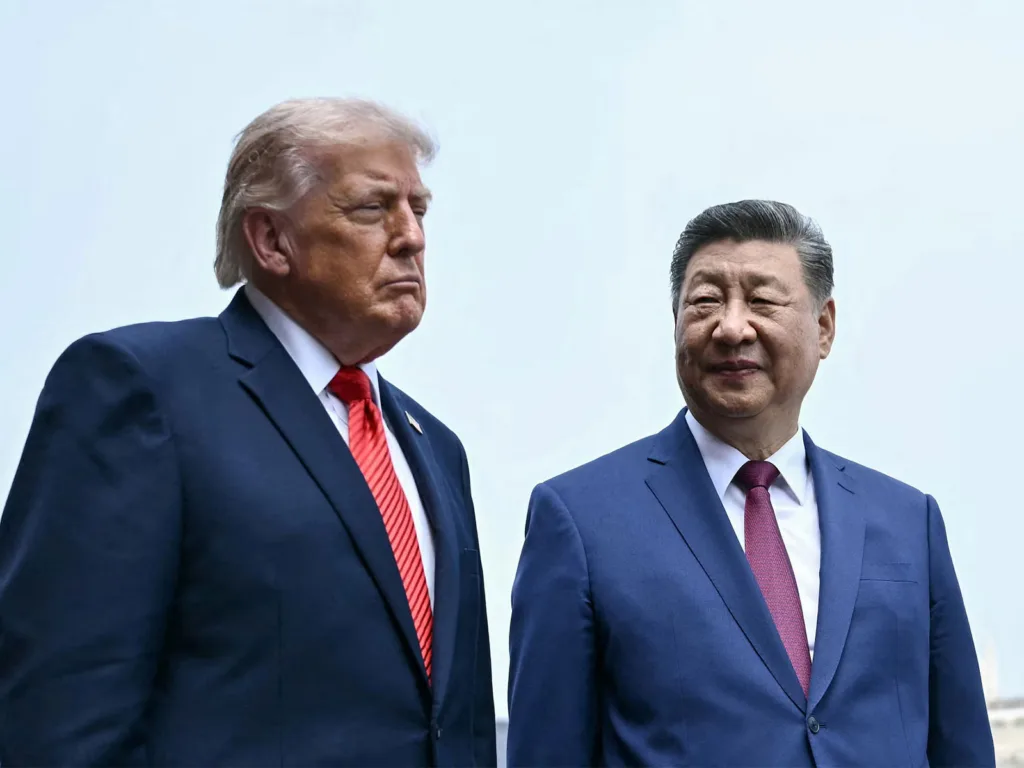
US-China relations among key discussions at state dinner.(ANI)
Later, Trump showed Xi the new White House helipad and took the Chinese president aboard Marine One. Their public appearances highlighted the ceremonial side of the state visit even as major disagreements remained unresolved.
What happens next?
Xi’s US visit is scheduled to conclude on Friday. Before leaving, Xi and Peng Liyuan are expected to visit the US National Archives with Trump and Melania Trump.
The National Archives houses important founding documents of the United States, including the Declaration of Independence. The visit comes as the country marks its 250th anniversary this year.
The White House dinner, meanwhile, brought diplomacy and the technology industry together at a time when AI, trade and US-China relations remain closely connected. The presence of Musk, Cook, Huang and Altman reflected the growing importance of technology in the relationship between Washington and Beijing.
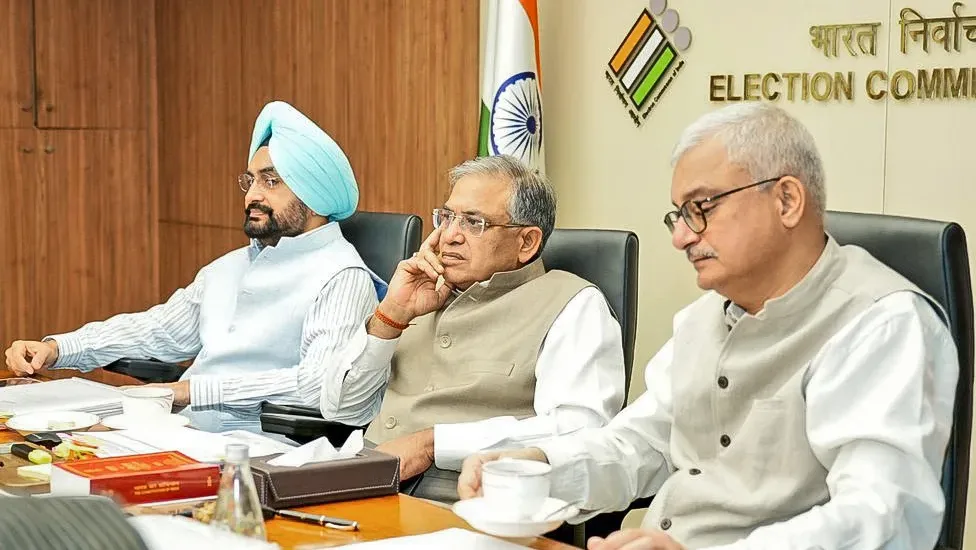
The Election Commission of India (ECI) is again facing questions over how decisions are taken when its three members do not agree. The issue has come into focus after Election Commissioners Sukhbir Singh Sandhu and Vivek Joshi reportedly recorded formal objections at least 14 times in 10 months over decisions linked to the Special Intensive Revision (SIR) of electoral rolls.
The ECI later said the objections were “part of decision-making process”.
But what happens when the Chief Election Commissioner (CEC) and the two Election Commissioners disagree? The answer lies in the Constitution and laws governing the poll panel.
What does Article 324 say?
Article 324(1) gives the Election Commission “the superintendence, direction and control of the preparation of the electoral rolls for, and the conduct of, all elections” to Parliament, state legislatures, and the offices of President and Vice-President.
The Supreme Court, in the 1977 Mohinder Singh Gill case, held that the ECI has broad powers under Article 324 and can act where there is no specific parliamentary law, provided its action does not conflict with existing legislation.
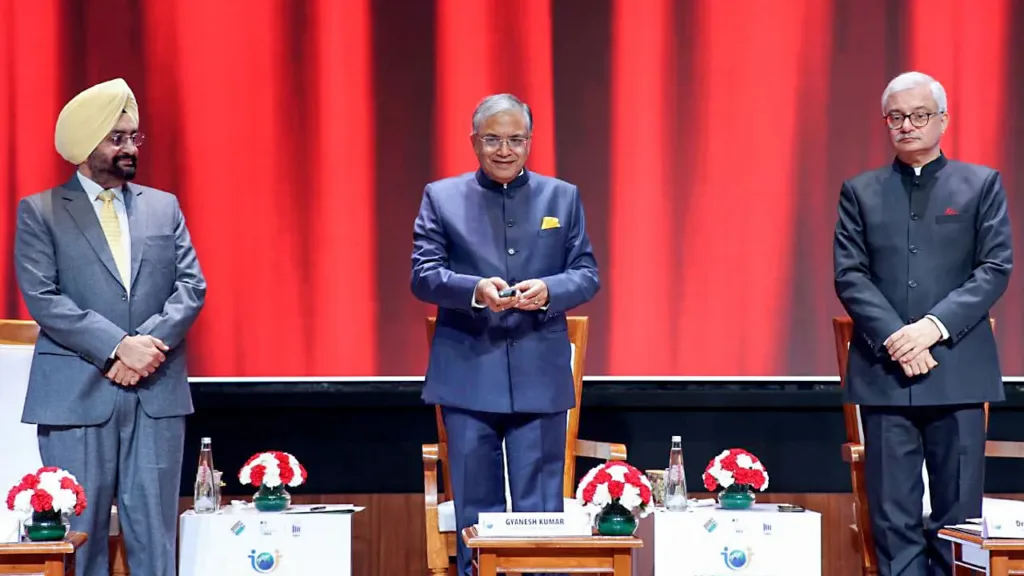
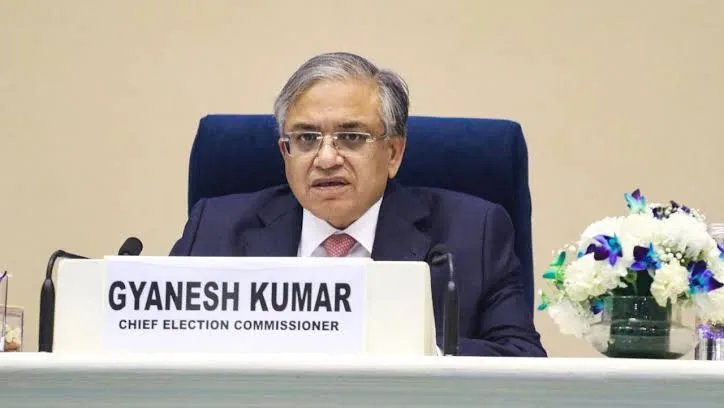
New Delhi, Apr 08 (ANI): Chief Election Commissioner Gyanesh Kumar, along with Election Commissioners Vivek Joshi and Sukhbir Singh Sandhu | ANI
Article 324(2) allows the President to decide how many Election Commissioners the ECI will have. The commission functioned with only a CEC from 1950 to 1989. It has had one CEC and two Election Commissioners since October 1993.
Does the CEC have a veto?
No. The Supreme Court settled this question in the 1995 TN Seshan v Union of India case.
The court held that once additional Election Commissioners are appointed, the ECI operates as a multi-member body. The CEC does not have primacy or a veto over the other commissioners.
Under the decision-making framework, the commission seeks unanimity where possible. If its members disagree, the matter is decided by majority.
The 2023 Chief Election Commissioner and Other Election Commissioners Act repealed the earlier 1991 law but retained this majority-based system.
How are the commissioners appointed?
The appointment system changed after the Supreme Court’s 2023 Anoop Baranwal judgment. The court had directed a selection panel comprising the Prime Minister, Leader of the Opposition and Chief Justice of India until Parliament enacted a law.
SIR objections bring Election Commission’s decision-making process into focus | ANI
Parliament subsequently passed the 2023 Act. Its selection committee comprises the Prime Minister, the Lok Sabha Leader of the Opposition and a Union Cabinet minister nominated by the Prime Minister.
Can Election Commissioners be removed?
The CEC has protection similar to that of a Supreme Court judge and can be removed only through the prescribed parliamentary process.
Election Commissioners have a different safeguard. Under Article 324(5), they can be removed only on the recommendation of the CEC.
Student suicides in India continue to raise serious questions about academic pressure, mental health and the expectations placed on young people. A recent death by suicide at IIT Bombay has once again brought attention to a problem that extends well beyond a single institution or an individual case.
The circumstances surrounding the IIT Bombay student’s death remain under investigation, and conclusions should not be drawn from incomplete accounts of the student’s final hours. However, the incident has also highlighted the wider concern surrounding youth suicides and the pressures faced by students in high-achieving academic environments.
Student suicides are a wider concern
Student suicides are not unique to India. Universities in the United States and other countries have also faced similar tragedies. Among full-time US college students aged 18 to 22, around 11% to 15% have reported serious thoughts of suicide during the previous year, depending on the survey.
Research from the US has also found higher levels of anxiety, depression and other mental health problems among students in high-achieving environments compared with national norms. While much of the available research comes from the US, the underlying pressures faced by young people can also be relevant to students in India.
Data from India’s National Crime Records Bureau showed 14,488 suicides among people categorised as students in 2024. Students accounted for 8.5% of all reported suicides that year. A nationally representative mortality study covering the period from 2001 to 2019 found that 44% of all suicides occurred among people aged 15 to 29. Among women, the proportion was 56%.
Academic pressure can affect mental health
The reasons behind suicide are often complicated and cannot always be understood through a single factor. Family conflict, relationships, social isolation, mental illness, academic stress and financial uncertainty can overlap in ways that are difficult to identify after a death.
Academic pressure and stress affect mental health of students | Representational Image
Examination results can become particularly difficult for young people when marks are treated as a measure of intelligence, personal worth or future prospects.
A review combining findings from 52 studies across several countries found that most of the studies reported a relationship between academic pressure or the timing of the school year and at least one negative mental health outcome. These included anxiety, depression and suicidal ideation.
The pressure can be especially intense in institutions where students are expected to maintain exceptionally high academic standards. A poor examination result may then feel less like a temporary setback and more like a threat to a student’s entire future.
Building resilience before failure
The discussion around student suicides also raises questions about how young people are prepared to deal with failure. Resilience can be developed before students encounter their first major academic setback. When children grow up believing that a very high mark represents success while anything lower amounts to failure, their understanding of achievement can become narrowly tied to examination performance.
Effective parenting can help build resilience | Representational Image
Parents can play an important role in changing that approach. Instead of repeatedly asking, “What rank did you get?”, greater emphasis can be placed on the question, “What did you learn?”
Academic performance early in life does not necessarily determine eventual professional success. Changing direction, repeating a year, moving to another college, failing an examination or choosing a different career can all become part of a person’s longer journey.
Why does connectedness matter?
Counselling services at universities can provide support, but they cannot address every problem on their own. Students may hesitate to seek help if they believe that asking for support is a sign of weakness.
Another important factor is connectedness. Research has found that students who feel they belong to their school or university, believe that adults care about them and have people they can approach for help face a lower risk of suicidal thoughts and behaviour. Creating a stronger sense of belonging can therefore form an important part of efforts to support students.
Education must prepare students for life
The death of a student should not be reduced to a statistic or used simply as an example in debates over examinations, caste or technology such as ChatGPT. The wider issue of youth suicides is far larger than any one case.
The purpose of education extends beyond helping young people perform well in examinations. It also involves preparing them for setbacks, failures and unexpected changes. For students, learning how to cope when plans go wrong can be as important as learning how to succeed when everything goes right.
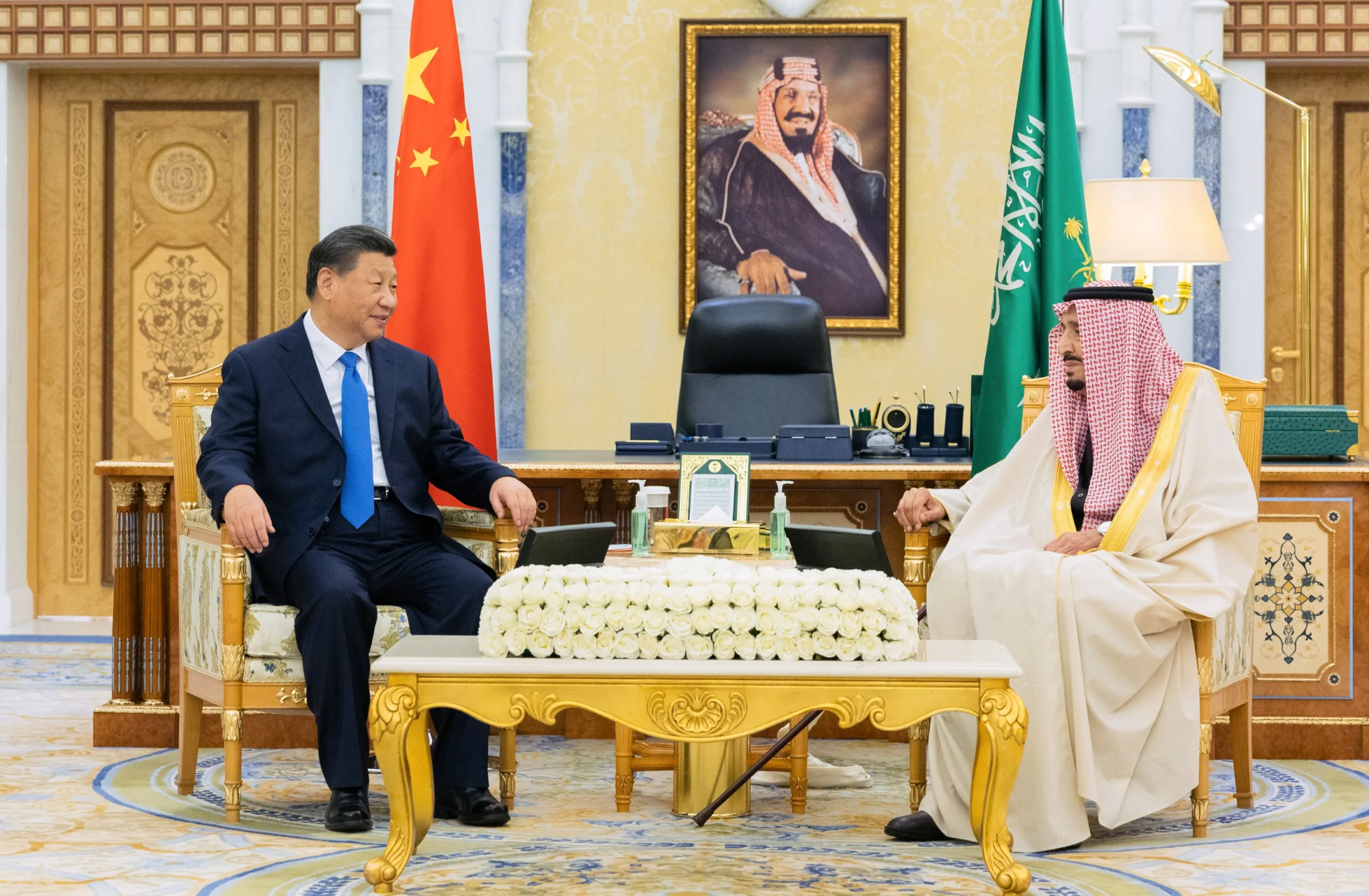
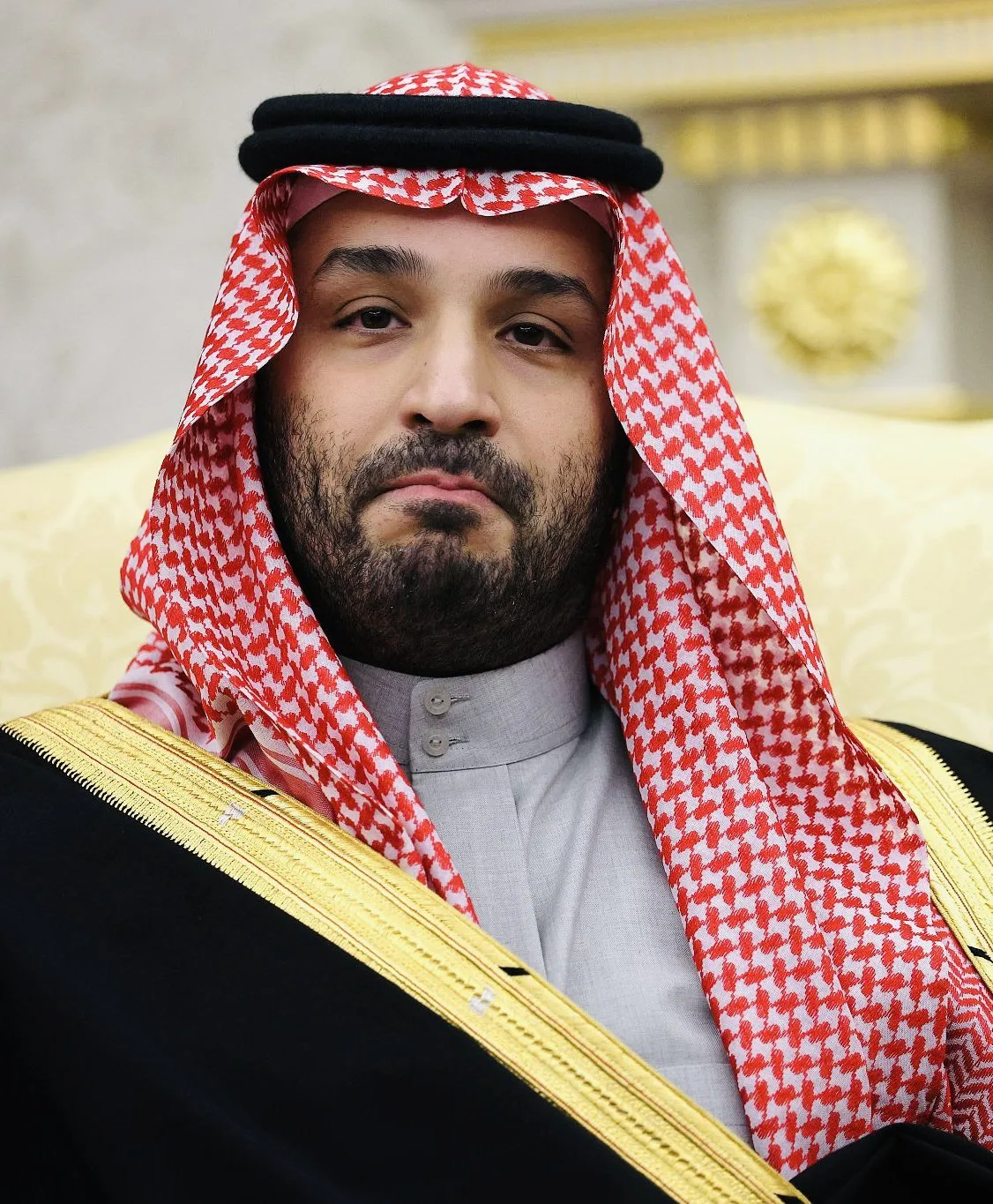
Saudi Arabia’s growing outreach to China is drawing attention as the kingdom faces renewed attacks from Yemen’s Iran-aligned Houthis and uncertainty over how far the United States is prepared to intervene.
The immediate concern is security. But the broader story is about how Riyadh has been steadily widening its options beyond Washington. The latest crisis has brought that strategy into sharper focus.
Riyadh’s China outreach gains attention amid shifting US security ties | X (@Megatron_ron)
The pressure has increased because Saudi Arabia’s usual energy-export routes have come under strain. The Strait of Hormuz has been disrupted, while attacks have also threatened the kingdom’s East-West Petroline, which carries crude towards the Red Sea.
Washington refused to militarily intervene against the Houthis. On September 12, US President Donald Trump described the Houthi seizure of Yemen’s Red Sea coast as an issue that “only affects one country.”
The episode has added to concerns in Riyadh over the reliability of its traditional security relationship with the US.
Beijing has useful connections
China’s leadership remains central to Beijing’s expanding ties with Saudi Arabia, from diplomacy and trade to Vision 2030 | X (@Megatron_ron)
This is where China becomes important. Beijing has relationships with both Saudi Arabia and Iran, which gives it a channel that Washington does not have with Tehran.
In 2023, China hosted and sponsored talks that led Saudi Arabia and Iran to agree to restore diplomatic relations after years of hostility. That agreement reopened embassies and helped establish Beijing as a diplomatic player in a region where it has major economic interests.
Saudi Arabia has been using Ras Tanura → Oman/Sohar ship-to-ship transfers to maintain exports toward Asia while the East-West pipeline/Red Sea route has been disrupted. Reuters reports that the key buyers of these Saudi barrels include China, South Korea, India and Japan. pic.twitter.com/kBwV90tRIZ
China’s influence in Saudi Arabia, meanwhile, is not new. The two countries have spent years expanding cooperation in energy, infrastructure, technology, and investment.
Carnegie Endowment research shows that the relationship accelerated after Saudi Arabia launched Vision 2030 in 2016, with Beijing aligning parts of its Belt and Road Initiative with Riyadh’s economic diversification plans.
Between 2005 and June 2024, Chinese infrastructure projects in Saudi Arabia were valued at about $53.85 billion, according to the Carnegie analysis.
Official Chinese data also puts bilateral trade at $107.53 billion in 2024.
Saudi Arabia never bets entirely on either the US dollar or RMB.Its strategy is to keep multiple cards in hand. The Houthi issue pushes Saudi to lean closer to the US for security. Simply put,maintaining good ties with China while not alienating the US serves Saudi interests best https://t.co/Du6XUgBBcK
With $107.53 billion in bilateral trade in 2024, Saudi Arabia’s China relationship has an economic weight that extends well beyond security ties | X
There is also a strategic calculation behind the economic relationship. China is a major buyer of Saudi crude and has interests in the kingdom’s infrastructure and energy projects.
Saudi Arabia, in turn, wants investment, technology, and markets as it tries to reduce its dependence on oil.
Chinese companies have participated in projects ranging from renewable energy to manufacturing and digital infrastructure under the Vision 2030 framework.
That gives the relationship a practical foundation beyond diplomatic symbolism.
Influence without boots
The current Red Sea crisis adds another layer. Saudi Arabia wants the Houthis contained, but China is unlikely to respond with direct military intervention.
Its possible leverage lies instead in its relationship with Iran.
A Chinese Foreign Ministry statement said, “China does not wish to see regional tensions further spill over into Yemen and the Red Sea.”
Beijing has pressed Tehran to restrain the Houthis, although such efforts should not be confused with a Chinese security guarantee for Saudi Arabia.
NEW: Yemeni government-aligned forces repelled a Houthi advance on September 23 that sought to sever the primary ground line of communication (GLOC) that connects Taiz City and Aden City. Houthi control over the Taiz-Aden GLOC would effectively represent an encirclement of Yemeni… pic.twitter.com/vNN8ayxffu
Saudi Arabia’s “China turn” is less about choosing Beijing over Washington and more about reducing dependence on a single power.
The kingdom is expanding economic, diplomatic, and defense relationships with China while continuing to maintain deep ties with the US.
The latest crisis has simply exposed why that diversification matters to Riyadh. When security threats spread across the Gulf and Red Sea, having several powerful partners gives Saudi Arabia more diplomatic channels and strategic options.
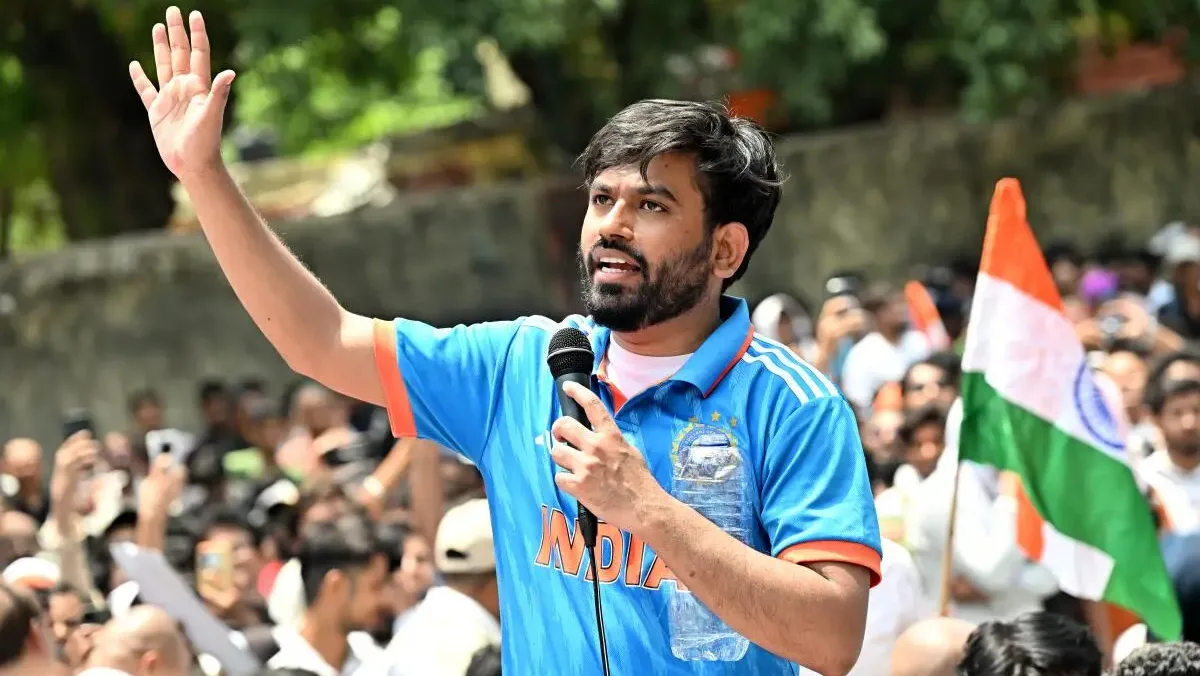
The Cockroach Janta Party (CJP) has stepped up its criticism of the Election Commission of India amid a controversy over reported differences within the poll panel. The party has demanded the resignation of Chief Election Commissioner Gyanesh Kumar and announced plans for nationwide protests if he does not step down.
CJP founder Abhijeet Dipke, along with spokespersons Saurav Das and Ashutosh Ranka, outlined the party’s demands at a press conference. The development came after a report by The Indian Express detailed objections reportedly raised by Election Commissioners Sukhbir Singh Sandhu and Vivek Joshi over several decisions concerning electoral rolls and the Special Intensive Revision (SIR).
The Election Commission, however, has rejected the suggestion of an internal breakdown and said that all decisions, including those related to SIR, had the approval of all three commissioners.
If Gyanesh Kumar does not resign by tomorrow, CJP will begin its nationwide protest from Mumbai on 2 October, and take it to cities across India.
This Gandhi Jayanti let’s pledge to save democracy.
The CJP listed three key demands during its press conference.
First, the party called for Gyanesh Kumar to resign and demanded criminal proceedings against him.
Second, it sought an immediate halt to the Special Intensive Revision (SIR) and called for the restoration of the January 2025 voter list.
Third, the party demanded that the 2023 law governing the appointment and functioning of the Election Commission be repealed, along with reforms to the poll panel.
Dipke also issued a 48-hour ultimatum to the Chief Election Commissioner and warned of a protest that he referred to as “Jantar Mantar 2.0” if Kumar failed to resign within the deadline.
The controversy follows an Indian Express report that said Sandhu and Joshi had formally objected to several decisions taken within the Election Commission over the past 10 months.
According to the report, the objections covered issues including voter registration, deletion of names from electoral rolls, access to voter databases and aspects of the SIR exercise. The two commissioners reportedly raised objections on 14 occasions.
One point of contention involved Form 6, which is used by Indian citizens to apply for inclusion in the electoral roll for the first time. The report said changes were made to the form in connection with SIR, despite concerns raised by the commissioners.
CJP demands to government :
– CEC Gyanesh Kumar should resign. It should be revealed on whose orders Gyanesh Kumar worked.
The reported disagreements have also brought renewed attention to the way electoral databases are managed and the role of statutory election officials in maintaining voter lists.
CJP alleges voting rights are under threat
Speaking about the controversy, Dipke said: “We are in a difficult phase; the right to vote is being snatched… If you know elections are being rigged you cannot participate. You will have to take a stand.”
He also alleged that CEC Kumar was the “biggest threat to Indian democracy” and accused the Election Commission of deciding who would be allowed to vote.
These are allegations made by the CJP and are not established findings. The Election Commission has maintained that its decisions, including the SIR exercise, were unanimous and approved by all three commissioners.
Gyanesh Kumar must resign within the next 24 hours.
If he doesn’t, we will launch a nationwide agitation from 2nd October, starting in Mumbai.
Let’s celebrate Gandhi Jayanti by reclaiming India 🇮🇳
On Friday, Dipke announced that the CJP would begin nationwide protests from October 2, Gandhi Jayanti, if Kumar did not resign. The agitation is set to begin in Mumbai before spreading to other cities, according to the party.
“This Gandhi Jayanti let’s pledge to save democracy,” Dipke said.
CJP co-convener Ashutosh Ranka added: “There cannot be a better date than Oct 2 to reclaim our Republic.”
Dipke also questioned why Opposition parties continue to contest elections while alleging irregularities in the electoral process.
In an earlier statement, he said: “When you continue to participate in rigged elections, you legitimise these elections and help maintain the illusion that they are free and fair.”
The CJP’s announcement adds another layer to the ongoing debate surrounding the Election Commission, SIR and the management of electoral rolls, with the poll panel’s response and the reported objections from two commissioners remaining central to the controversy.
For highly sensitive people, relationships can sometimes feel particularly intense. Small changes in tone, behaviour or communication may be noticed quickly, making emotional safety and consistency especially important.
Relationship therapist and content creator Kasturi Mahanta recently shared six guidelines for sensitive individuals looking to build calmer and more secure relationships.
Choose emotional safety over intensity
Intense feelings may be thrilling, particularly when the relationship is in its early stages; however, intense feelings are not synonymous with having emotional security.
According to Mahanta, emotionally sensitive people prefer emotional security to emotional intensity. A relationship which seems stable and predictable might be better than a relationship where there is a lot of emotional ups and downs all the time.
Look for clear and honest communication
It is usually the case that the highly sensitive individuals are good at detecting the tone of the conversation, body language and other subtleties.
Given that fact, honest and open communication is essential in building up trust, and your partner should always be willing to communicate honestly and clearly.
Understand your partner’s family background
Family experiences can shape how people understand and express emotions later in life.
Mahanta suggests looking into a partner’s family background, particularly how emotions were treated while they were growing up. Someone raised in an environment where feelings were dismissed or handled harshly may find it difficult to understand the emotional needs of a highly sensitive partner.
Understanding these patterns can offer insight into how someone approaches emotions and relationships.
Consider lifestyle compatibility
Compatibility is not just about shared interests or chemistry. Everyday lifestyle can matter just as much.
Highly sensitive people may need quiet routines, slower transitions and regular downtime. Being with someone who prefers a constantly busy, loud or high-energy lifestyle can eventually feel exhausting.
A relationship can feel more comfortable when both people respect each other’s need for space, rest and different rhythms.
Learn the difference between growth and danger
Not every uncomfortable feeling is a warning sign, but not every uncomfortable situation should be pushed through either.
Mahanta suggests learning to distinguish between discomfort that can come with personal growth and discomfort that signals a potentially unhealthy situation.
Learn the difference between growth and danger in relationship / Pexels
Tools such as therapy, journaling and mindfulness can help sensitive individuals understand their emotional responses instead of immediately reacting to them.
Stop chasing emotionally unavailable partners
Mahanta further cautions us against falling for the temptation to repair or heal an unattainable relationship.
An attempt to fill up the emotional voids of someone else may make the relationship a one-sided venture. High sensitives must understand if their relationship is reciprocated to avoid being emotionally exhausted.
The objective is not to stop feeling. It is to create relationships where there is emotional intelligence and safety.
Ultimately, being highly sensitive does not mean feeling less or changing who you are. It means understanding what helps you feel secure, communicating those needs clearly and choosing relationships where emotional safety, consistency and mutual effort are valued.
Remember when family holidays required months of planning, multiple spreadsheets and at least one argument over train tickets? Gen Z is taking a very different approach.
New travel trends show young Indian travellers increasingly moving away from the traditional annual holiday and embracing anti-itinerary travel, a style built around less planning, flexible schedules and leaving room for spontaneous experiences.
For a generation increasingly drawn to flexibility and experiences that feel personal, travel is beginning to follow the same pattern.
Goodbye annual vacation, hello random weekend escape
For years, holidays followed a familiar formula: save throughout the year, book months ahead and pack as many attractions as possible into one big trip.
Gen Z is increasingly choosing a different model.
Gen Z is moving away from heavily planned annual vacations and embracing shorter getaways / Pexels
Rather than taking one long annual holiday, young travellers are opting for multiple shorter escapes throughout the year. These trips may be booked only days before departure and often come without an elaborate schedule.
The focus is less on ticking destinations off a list and more on taking a break from everyday routines.
What is anti-itinerary travel?
Anti-itinerary travel is essentially the rejection of rigid holiday planning. Instead of filling every hour with sightseeing, travellers deliberately leave gaps in their schedules.
That could mean spending an afternoon at a local café, walking through a neighbourhood, discovering an unexpected spot or simply deciding what to do after reaching the destination.
Gen Z is ditching rigid holidays for spontaneous escapes. / Pexels
In this style of travel, getting lost can become part of the plan.
Young travellers are also increasingly looking beyond destinations that dominate social media. Places that feel quieter, less crowded or less overexposed can offer the sense of discovery they are seeking.
When travel becomes part of your identity
For Gen Z, travel is increasingly about more than the destination itself. The way they travel can also reflect their personality and interests.
A mountain cabin, artistic homestay or secluded beach house may become as important as the location. Accommodation itself becomes part of the experience, and often part of the memories travellers want to take home.
Less planning, more exploring: Gen Z’s new travel style. / Pexels
The perfect trip does not necessarily have to be luxurious. It simply needs to feel personal, distinctive and memorable.
Why are shared homes becoming popular?
Group travel is another part of this changing approach.
Young travellers are increasingly choosing large shared homes where friends can stay together rather than booking separate hotel rooms. The focus shifts from simply visiting attractions to spending uninterrupted time together.