Blog

  • Mobile retailers plan ‘No UPI Day’ on October 2; raise concern over UPI MDR

    Mobile retailers plan ‘No UPI Day’ on October 2; raise concern over UPI MDR

    Mobile phone retailers across India are set to observe October 2 as “No UPI Day” to protest the proposed 0.4 per cent Merchant Discount Rate (MDR) on eligible UPI merchant transactions. The campaign has been called by the All India Mobile Retailers Association (AIMRA), which says the additional cost could put pressure on small retailers.

    The 0.4 per cent MDR on person-to-merchant UPI payments above ₹2,000 is scheduled to take effect from October 15, 2026. Person-to-person payments and eligible transactions up to ₹2,000 will remain outside the charge.

    What Is ‘No UPI Day’ on October 2?

    AIMRA Vice President and Delhi NCR President Tarvinder Singh said the association has called for the nationwide observance to draw attention to retailers’ concerns over the proposed UPI MDR.

    “The All India Mobile Retailers Association (AIMRA) has called for a ‘NO UPI DAY’ on October 2, 2026, to highlight the concerns of mobile retailers regarding the 0.4 per cent Merchant Discount Rate (MDR) applicable to eligible merchant UPI transactions,” AIMRA Vice President and President for Delhi NCR region, Tarvinder Singh, said in a statement.

    As part of the campaign, participating retailers plan to cover their UPI QR codes with black cloth and stop accepting UPI payments for the day. October 2 also marks Gandhi Jayanti.

    The protest comes as several trade bodies have announced plans to participate in the “No UPI Day” campaign against the new MDR framework.

    Mobile Retailers Raise Concerns Over UPI MDR

    According to AIMRA’s representation to Finance Minister Nirmala Sitharaman, the proposed MDR could affect the earnings of small mobile retailers that rely heavily on digital payments.

    Also Read | CJP demands CEC Gyanesh Kumar’s resignation, announces nationwide protest from Oct 2

    The association estimates that a retailer processing between ₹5 lakh and ₹30 lakh in monthly UPI transactions could face a monthly loss of ₹2,000 to ₹12,000. AIMRA has argued that this could reduce a significant portion of the net income of smaller businesses.

    The retailers’ body has also estimated the overall financial impact at around ₹40 crore every month, or nearly ₹500 crore annually, for small mobile retailers across India.

    Retailers hold a placard of "No UPI Day" to protest the proposed 0.4 per cent MDR on eligible UPI merchant transactions
    Retailers hold a placard of “No UPI Day” to protest the proposed 0.4 per cent MDR on eligible UPI merchant transactions. Credit: X/ANI

    AIMRA Demands Zero MDR for UPI

    AIMRA has stressed that its campaign is not against UPI or digital payments. Instead, the association wants merchant UPI payments to continue under a zero-MDR system.

    “If We Want Digital India, UPI Must Remain Zero MDR. This is not a protest against UPI or Digital India. Our concern is the additional financial burden being placed on merchants who accept digital payments. If we want Digital India to grow further, digital payments should remain affordable for the entire retail ecosystem. Our clear demand is that UPI merchant payments should continue under a Zero MDR structure,” Singh said.

    Also Read | Prashant Kishor’s Jan Suraaj eyes Delhi after Bankipur bypoll win

    Under the new framework, the 0.4 per cent MDR will apply to specified merchant transactions above ₹2,000, with the charge capped at ₹300 for transactions of ₹75,000 or more.

    The October 2 campaign is therefore expected to put the concerns of mobile retailers over UPI MDR at the centre of attention ahead of the October 15 implementation date.
  • Delhi PWD begins 4-step survey for Press Enclave Marg link road

    Delhi PWD begins 4-step survey for Press Enclave Marg link road

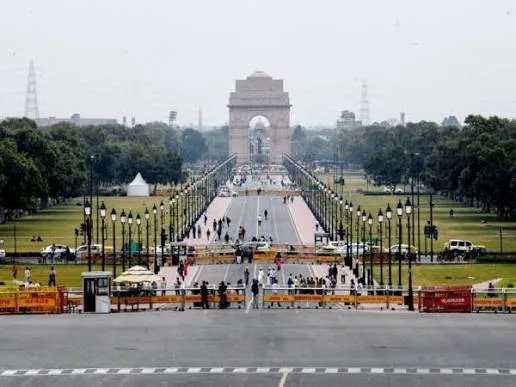
    The long-pending Press Enclave Marg link road project has moved another step forward, with the Delhi Public Works Department (PWD) beginning a detailed physical survey of the proposed alignment in Sheikh Sarai. The proposed road is intended to provide an additional route between Press Enclave Marg and the Outer Ring Road and reduce pressure on one of South Delhi’s heavily congested corridors.

    The survey is being carried out using GPS-enabled total station equipment, which combines conventional optical surveying with satellite-based mapping. Officials said the exercise will provide the technical information required before the Press Enclave Marg link road can move towards construction.

    The survey will cover approximately 100,000 square metres and map existing roads, structures, drainage and sewerage networks, water pipelines, electrical and telephone lines, road levels, roundabouts, trees and other permanent and temporary features.

    The long-pending Press Enclave Marg link road project has moved another step forward, with the Delhi Public Works Department (PWD) beginning a detailed physical survey of the proposed alignment in Sheikh Sarai. (ANI)
    The long-pending Press Enclave Marg link road project has moved another step forward, with the Delhi Public Works Department (PWD) beginning a detailed physical survey of the proposed alignment in Sheikh Sarai. (ANI)

    Press Enclave Marg link road gets detailed ground survey

    The current survey is expected to establish the precise physical conditions along the proposed alignment. Officials will also examine properties belonging to the Delhi Metro and railways and record detailed coordinates and levels that can be used while preparing the road’s design.

    The Press Enclave Marg link road is not a new proposal. The project was approved in principle by the governing body of the Unified Traffic and Transportation Infrastructure Planning and Engineering Centre (UTTIPEC) in November 2008. In 2012, UTTIPEC directed that the project be implemented and that encroachments on land required for the road be removed and handed over to the concerned road-owning agencies.

    However, the project subsequently faced delays. In 2024, the Delhi government informed the Delhi High Court that a modified proposal had been approved in principle. The Delhi Integrated Multi-Modal Transit System (DIMTS) had indicated that the work could be taken up alongside the proposed Ambedkar Nagar-Moolchand bus rapid transit corridor, but the project remained stalled.

    The latest survey is therefore significant because it will help officials establish the present ground conditions before finalising the alignment and other technical details.

    Also Read | Prashant Kishor’s Jan Suraaj eyes Delhi after Bankipur bypoll win

    The need for the Press Enclave Marg link road is linked to persistent congestion on the existing corridor. (ANI)
    The need for the Press Enclave Marg link road is linked to persistent congestion on the existing corridor. (ANI)

    Press Enclave Marg link road targets major congestion points

    The need for the Press Enclave Marg link road is linked to persistent congestion on the existing corridor. Press Enclave Marg is around 3.7 kilometres long and connects Sri Aurobindo Marg with Lal Bahadur Shastri Marg. The two-lane stretch passes several major commercial and public establishments, including shopping malls, hospitals and the Saket district court area.

    A PWD traffic survey conducted in 2025 recorded peak-hour traffic of approximately 9,000 passenger car units (PCUs) during the morning and around 10,000 PCUs in the evening.

    According to PWD, unauthorised parking, encroachments, narrow sections of the carriageway and congestion at junctions are among the factors affecting traffic movement on the corridor. The department had also considered changes around the Mandir Marg intersection in 2024, including shifting the central verge and making the stretch signal-free, but the proposal did not progress.

    The Press Enclave Marg link road is expected to offer an alternative route for vehicles and could reduce dependence on the existing congested stretch. However, its eventual impact will depend on the final alignment, road design and how effectively traffic is distributed between the existing and proposed routes.

    Also Read | Cyclone Arnab explained: Why it’s actually a deep depression

    While the survey marks progress for the Press Enclave Marg link road, officials have not yet announced a construction schedule. (ANI)
    While the survey marks progress for the Press Enclave Marg link road, officials have not yet announced a construction schedule. (ANI)

    Press Enclave Marg link road timeline remains unclear

    While the survey marks progress for the Press Enclave Marg link road, officials have not yet announced a construction schedule. The final alignment, total length, estimated construction cost and completion timeline will be determined after the ongoing survey is completed.

    The technical exercise will also help identify potential constraints arising from existing infrastructure and properties along the proposed route. Mapping drainage, sewerage, utility lines, trees, roads and other structures at this stage is intended to help planners account for these features before construction begins.

    The project’s long history also underlines the challenges involved in developing a new road connection in a densely built-up part of south Delhi. Although the link was approved in principle years ago, subsequent changes to the proposal and coordination with other transport projects contributed to delays.

    The Press Enclave Marg link road is now being examined against the current traffic and infrastructure conditions of the area. Once the survey is completed, PWD will be in a position to determine the project’s detailed technical requirements and prepare the next stage of planning.

  • Mamata Banerjee sharpens attack on SIR, backs key Opposition moves

    Mamata Banerjee sharpens attack on SIR, backs key Opposition moves

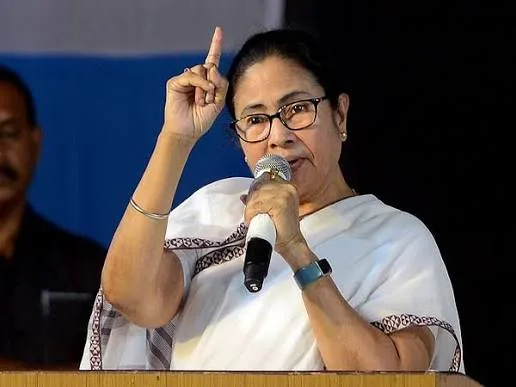
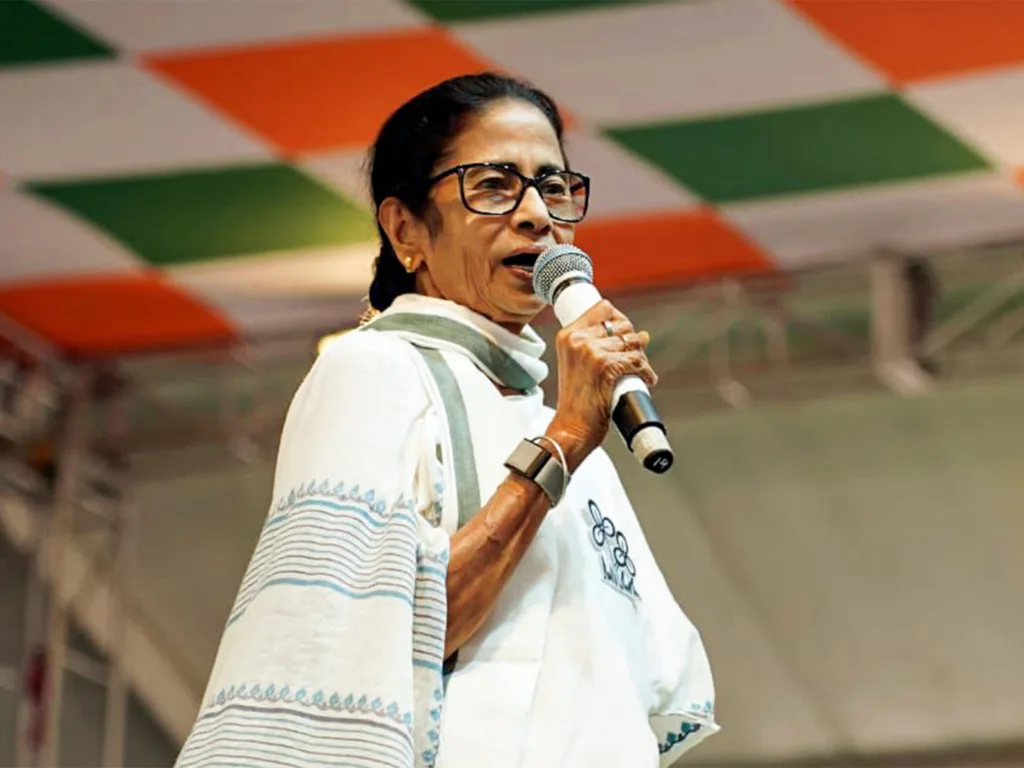
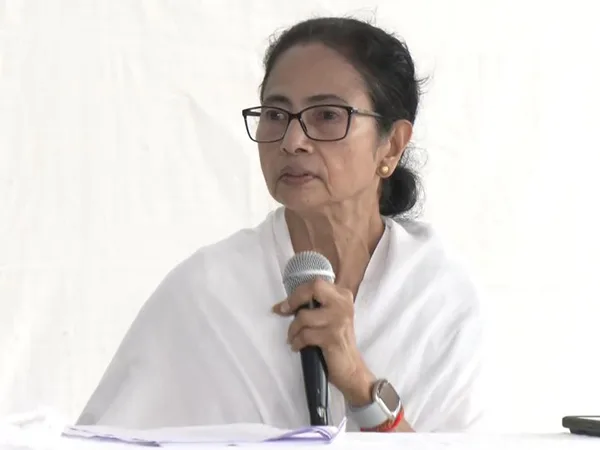
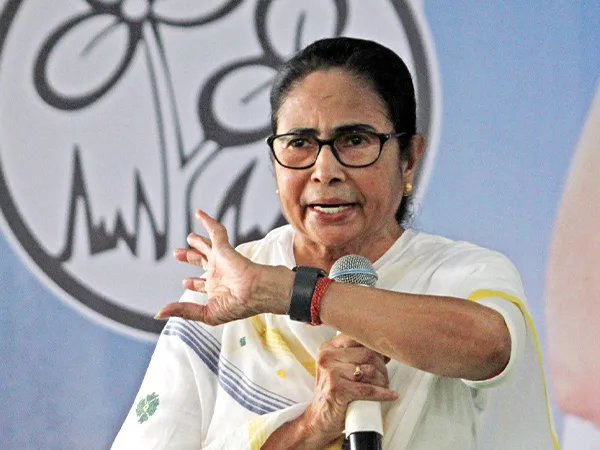
    Trinamool Congress chief Mamata Banerjee has stepped up her criticism of the Election Commission and called for greater coordination among Opposition parties amid the ongoing Special Intensive Revision (SIR) controversy. Addressing a rally at Serampore in West Bengal’s Hooghly district on Saturday, Banerjee said an INDIA bloc meeting could be held in Delhi on September 30 to discuss the issue and decide the Opposition’s next course of action.

    The Mamata Banerjee SIR row has also brought the TMC closer to the CPI(M) on the specific issue of the Election Commission, despite the parties’ long-standing political rivalry in West Bengal. Banerjee said she had reached out to Congress leader Rahul Gandhi and argued that Opposition parties should come together over what she described as a common public issue.

    Trinamool Congress chief Mamata Banerjee has stepped up her criticism of the Election Commission and called for greater coordination among Opposition parties amid the ongoing Special Intensive Revision (SIR) controversy. (ANI)
    Trinamool Congress chief Mamata Banerjee has stepped up her criticism of the Election Commission and called for greater coordination among Opposition parties amid the ongoing Special Intensive Revision (SIR) controversy. (ANI)

    Mamata Banerjee SIR row brings TMC and Left into talks

    The Mamata Banerjee SIR row has led to an unusual channel of communication between the TMC and CPI(M), two parties that have been major political opponents in West Bengal. CPI(M) general secretary M A Baby had written to Opposition leaders seeking discussions on concerns surrounding the Election Commission and the electoral process.

    According to reports, Banerjee and Baby also spoke over the phone on Friday. The discussions centred on the need for Opposition parties to coordinate their response to the controversy surrounding the poll panel and the SIR exercise.

    The proposed INDIA bloc meeting is expected to take place at the Constitution Club of India in New Delhi on September 30. India Today reported that senior Opposition leaders are expected to attend, although the final list of participants had not been confirmed as of September 26.

    The discussions come after reports of differences within the Election Commission over aspects of the SIR process. An Indian Express report said Election Commissioners Sukhbir Singh Sandhu and Vivek Joshi had raised objections on several occasions concerning decisions and orders linked to the exercise.

    Also Read | Prashant Kishor’s Jan Suraaj eyes Delhi after Bankipur bypoll win

    The Mamata Banerjee SIR row has led to an unusual channel of communication between the TMC and CPI(M), two parties that have been major political opponents in West Bengal. (ANI)
    The Mamata Banerjee SIR row has led to an unusual channel of communication between the TMC and CPI(M), two parties that have been major political opponents in West Bengal. (ANI)

    Mamata Banerjee SIR row puts Opposition unity in focus

    The Mamata Banerjee SIR row has given the Opposition an issue around which parties with otherwise different political positions are attempting to coordinate. At the Serampore rally, Banerjee said ideological differences should not prevent parties from joining hands when they are addressing what they consider common public concerns.

    “There is no need to see who is red, who is blue or who is yellow,” Banerjee said, referring to the different political identities within the Opposition. She said her focus would be on the issue rather than which party had raised it.

    The proposed September 30 meeting would come a day after the Congress Working Committee is scheduled to discuss the Election Commission issue. Opposition parties have also been discussing their response to Chief Election Commissioner Gyanesh Kumar and the SIR process.

    Banerjee has previously made stronger demands over the matter. On September 23, she sought fresh Assembly elections in West Bengal using the pre-SIR electoral rolls and called for action against Kumar, alleging irregularities in the electoral process. The Election Commission has disputed those claims in its position on the revision exercise.

    Also Read | Cyclone Arnab explained: Why it’s actually a deep depression

    The Mamata Banerjee SIR row has given the Opposition an issue around which parties with otherwise different political positions are attempting to coordinate. (ANI)
    The Mamata Banerjee SIR row has given the Opposition an issue around which parties with otherwise different political positions are attempting to coordinate. (ANI)

    Mamata Banerjee SIR row adds a new Bengal political equation

    The Mamata Banerjee SIR row has also opened a fresh line of communication between parties that have spent decades contesting each other in Bengal. The TMC ended the Left Front’s 34-year rule in 2011, while the BJP subsequently emerged as the principal challenger to the TMC in the state.

    The TMC and CPI(M), along with other Opposition parties, have separately maintained differences over electoral strategies and political priorities. The INDIA bloc itself was formed in 2023 ahead of the 2024 Lok Sabha elections, bringing together parties with varying ideological positions and competing regional interests.

    Against that background, coordination over the Election Commission represents a specific issue on which these parties are seeking common ground. Moneycontrol reported that Opposition parties were discussing a coordinated response and that the September 30 meeting could form part of wider efforts concerning the CEC and SIR.

    Banerjee also raised allegations concerning an attack on TMC leader Kunal Ghosh and claimed that leaders associated with her faction had faced restrictions while travelling to the Serampore rally. These allegations were made by Banerjee during her address and remain part of the broader political confrontation in Bengal.

    The immediate focus, however, remains the Election Commission and the SIR exercise. The proposed INDIA bloc meeting on September 30 is expected to allow Opposition parties to discuss their respective concerns and decide whether they can pursue a coordinated course of action. The Election Commission has maintained that differing views and observations can form part of institutional deliberations and has defended the legal basis of its orders.

    The Mamata Banerjee SIR row therefore continues to develop on two fronts, with the electoral-roll controversy driving Opposition coordination nationally while also creating a temporary point of engagement between long-time political rivals in West Bengal.

  • 800,000 gather for Pope Leo XIV in Paris as France confronts its Catholic roots

    800,000 gather for Pope Leo XIV in Paris as France confronts its Catholic roots

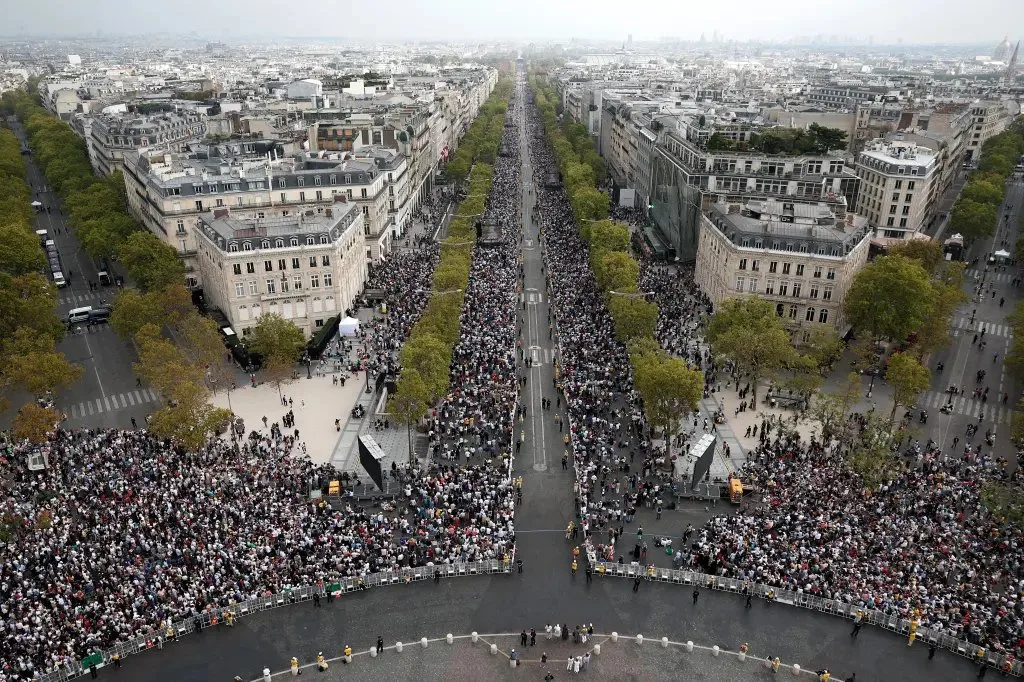
    Pope Leo XIV drew 800,000 attendees to central Paris on Saturday, September 26, for the biggest public event of his four-day visit to France.

    An open-air Mass was held at the Place de la Concorde after the pope travelled through the Champs-Élysées in the popemobile.

    Also Read | Did you know QR codes were not made for digital payments? Here’s the real reason

    New France

    Leo was looking out over this enormous crowd in one of Europe’s most secular countries and directing his message specifically toward the young people standing among them: “You are today’s church.” | X (@MarioNawfal)
    Leo was looking out over this enormous crowd in one of Europe’s most secular countries and directing his message specifically toward the young people standing among them: “You are today’s church.” | X (@MarioNawfal)

    The scale of the gathering is significant because France is one of Europe’s most secular societies.

    The separation of church and state is enshrined in the country’s 1905 law, while Catholic affiliation has declined for decades.

    France’s official statistics agency, INSEE, showed that 25% of French people aged 18 to 49 identified as Catholic, down from 43% a decade earlier.

    At the same time, the French Bishops’ Conference has pointed to a rise in adult baptisms, including a reported record 21,000 last Easter.

    Leo, speaking to newly baptised Catholics before the Mass, cautioned the Church against being “naively optimistic” about the increase.

    A little flame

    Europe’s relationship with Christianity is more complicated than the story being told about its disappearance | X (@MarioNawfal)
    Europe’s relationship with Christianity is more complicated than the story being told about its disappearance | X (@MarioNawfal)

    France’s tension between a historic Catholic identity and a more secular present ran through the pope’s visit. At the Mass, Leo told Catholics not to keep their faith to themselves.

    “Only God can fill the emptiness within us,” he said, presenting faith as an answer to what he described as the limits of material life.

    He also called on believers to recognise and protect what he described as a small but growing “flame” of faith in France.

    More than Mass

    Pope Leo XIV pauses to pray at the site of the brutal massacre at the Carmes monastery during the French Revolution, which is marked by the Latin expression "Hic ceciderunt" (Here they fell) | X (@VaticanNews)
    Pope Leo XIV pauses to pray at the site of the brutal massacre at the Carmes monastery during the French Revolution, which is marked by the Latin expression “Hic ceciderunt” (Here they fell) | X (@VaticanNews)

    The visit has also gone beyond religion. Earlier on Saturday, Leo visited Maison Bakhita, a Paris centre that supports migrants and refugees.

    There, he spoke about welcome, dignity and social integration.

    The Vatican said he thanked staff and volunteers for offering “welcome, a listening ear, formation, and friendship”. He also said, “No one is so poor as to have nothing to give; no one is so rich as to have nothing to receive.”

    The visit came ahead of the World Day of Migrants and Refugees on September 27.

    Old wounds

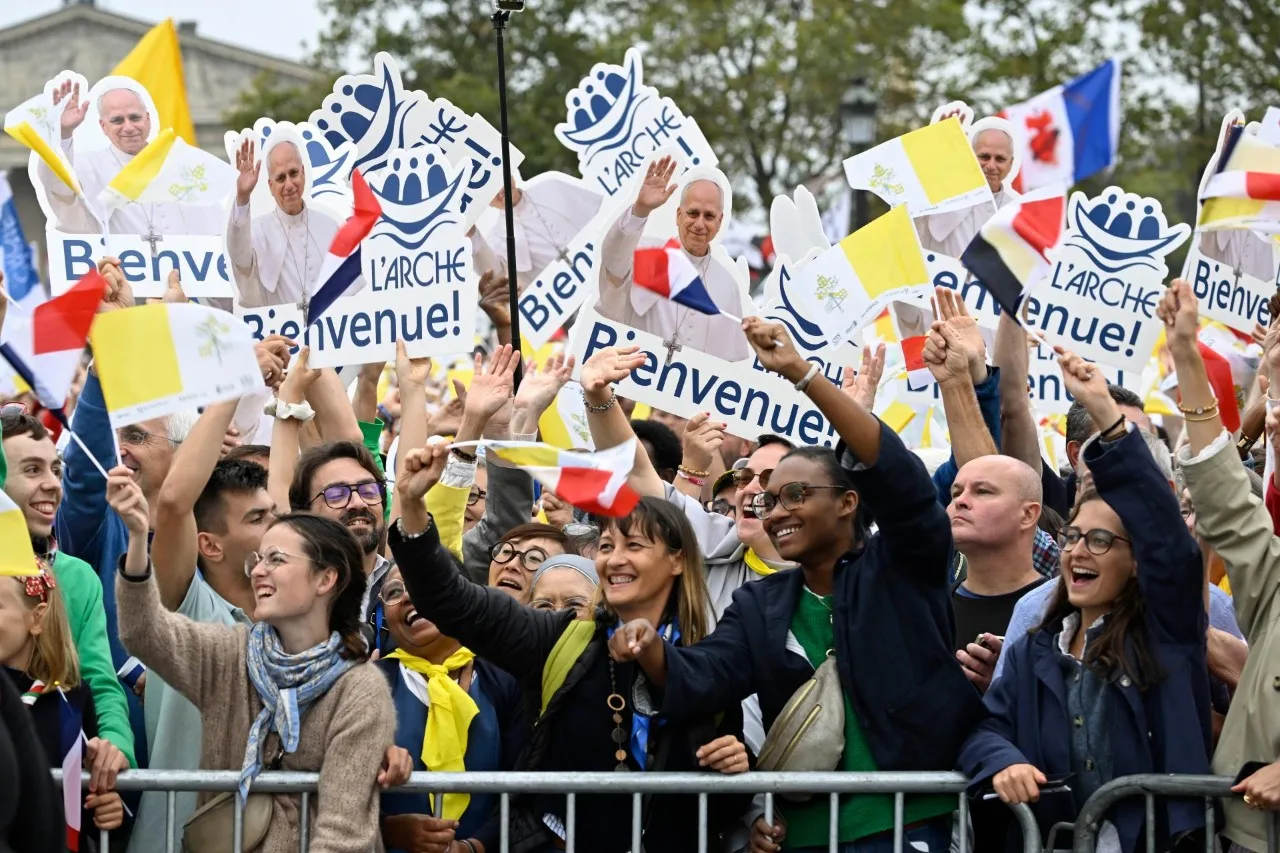
    Pope Leo XIV's Mass on Place de la Concorde | X (@vaticannews_fr)
    Pope Leo XIV’s Mass on Place de la Concorde | X (@vaticannews_fr)

    The trip also carries a difficult institutional backdrop.

    A landmark 2021 inquiry into sexual abuse within the French Catholic Church estimated that about 330,000 children had been abused by clergy and lay members connected to Church institutions over seven decades.

    Leo is due to meet seven French survivors in Lourdes on Sunday.

    The meeting is part of a wider effort to address the damage caused by the scandal, though survivors and advocacy groups continue to call for deeper accountability and systemic reform.

    Faith, dignity and an unfinished reckoning

    Leo’s France tour, his first official papal visit to the country in 18 years, therefore carries several strands at once.

    A message of faith to a secular society, an emphasis on migrants and human dignity, and an attempt to engage with a Church still dealing with the consequences of abuse.

    After Paris, the pope travelled to Lourdes, with the trip scheduled to continue to Metz before his return to the Vatican on Monday.

    Also Read | Europe’s seas are getting warmer. Its fishermen are seeing the consequences

  • Europe’s seas are getting warmer. Its fishermen are seeing the consequences

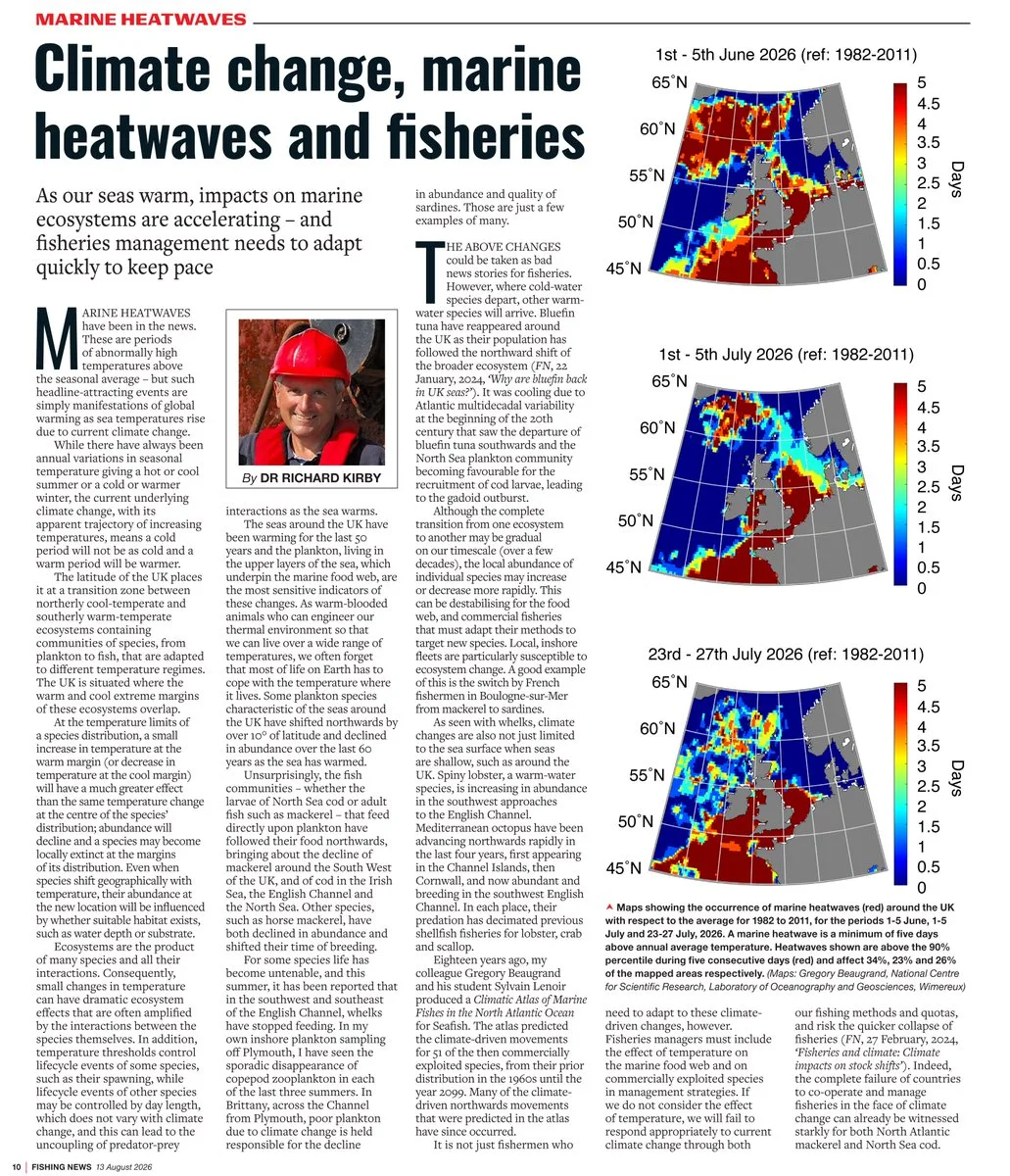
    Europe’s seas are getting warmer. Its fishermen are seeing the consequences

    European waters have just had their hottest June-to-August period in 45 years of available data.

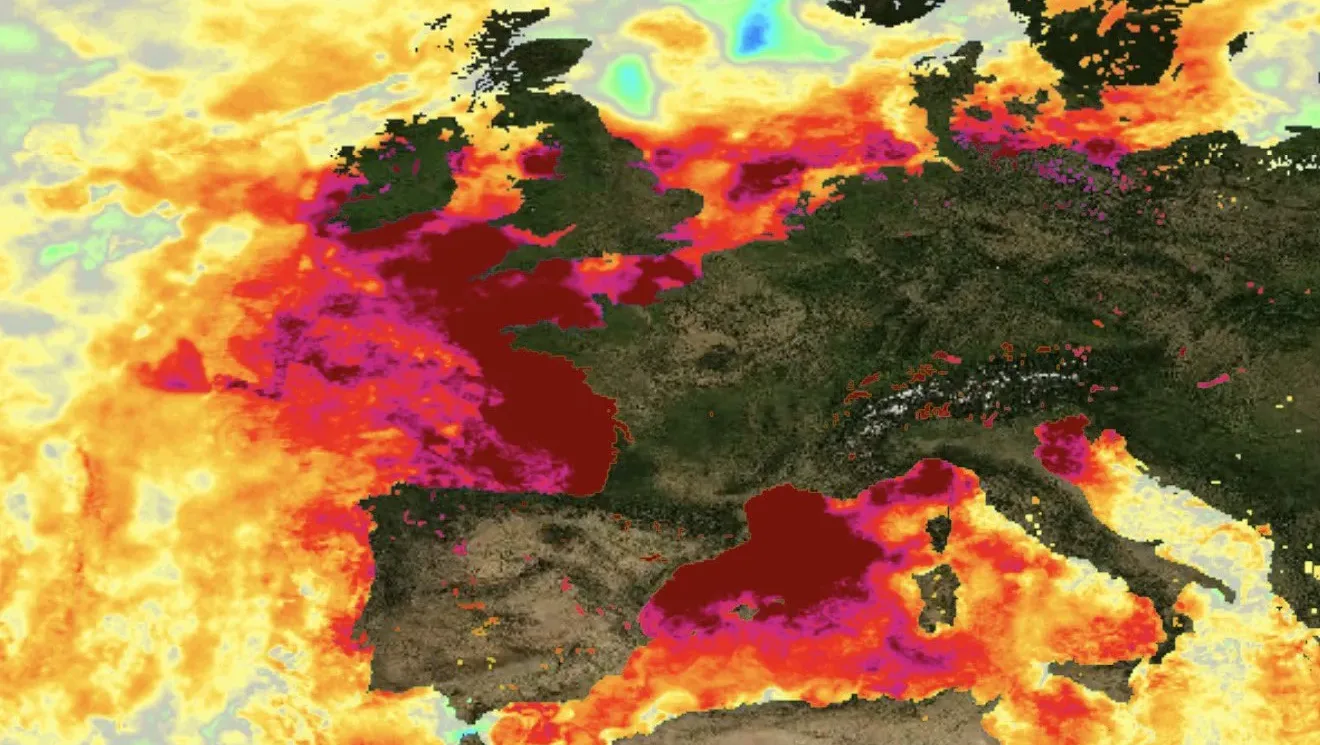
    An analysis of sea-surface temperatures found that average temperatures across European seas reached 21.6°C this summer. The heat was especially pronounced in the Bay of Biscay, where waters averaged 21.4°C, which is more than 2.4°C above the 1991-2020 average.

    An offshore buoy near Mallorca also recorded 33.02°C on August 5, the highest temperature ever registered in the Spanish port authority’s buoy network.

    The concern is not simply about warmer water. Marine heatwaves can change where species live, reproduce, and feed. This change can quickly affect fishermen whose livelihoods depend on relatively stable marine ecosystems.

    Also Read | Elon Musk, Tim Cook, Sam Altman join Trump’s Dinner for Xi Jinping

    Too toasty

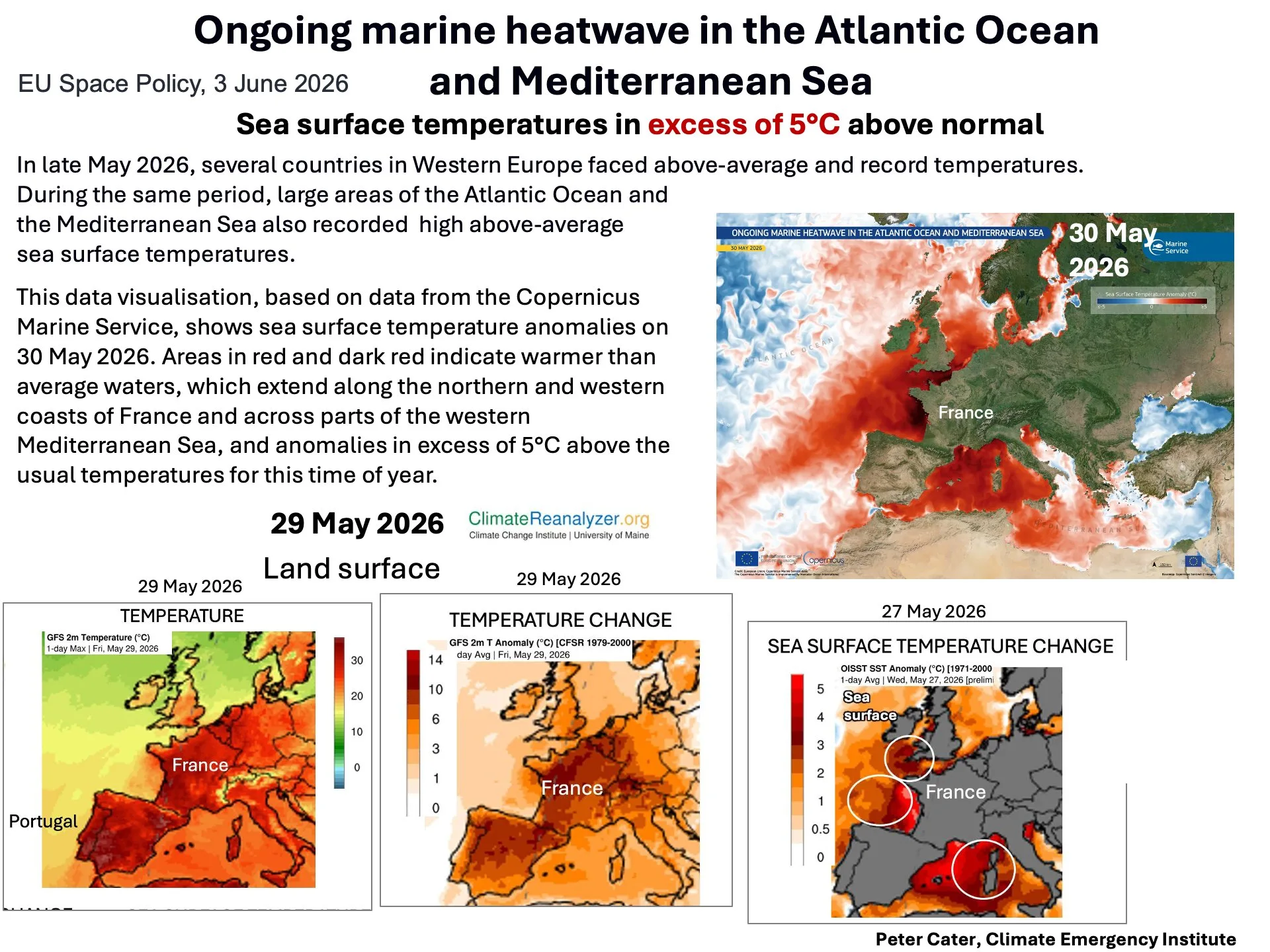
    Sea surface temperatures were in excess of 5°C above normal. The extreme sea surface heat around western Europe boosted the land heat to record highs | X (@PCarterClimate)
    Sea surface temperatures were in excess of 5°C above normal. The extreme sea surface heat around western Europe boosted the land heat to record highs | X (@PCarterClimate)

    A marine heatwave is generally defined as at least five days when sea temperatures remain unusually high for that location and time of year.

    In the Bay of Biscay, such events were once relatively limited. By the end of August this year, the bay had recorded 186 heatwave days, Reuters found.

    Scientists say the warming seas are becoming more frequent, intense, and widespread as greenhouse gas emissions raise global temperatures. The oceans absorb most of the planet’s excess heat and retain it for longer than land and the atmosphere.

    Jean-Pierre Gattuso, a senior research scientist at France’s National Centre for Scientific Research, described the speed of change as particularly striking.

    “What is surprising is the speed at which this occurs,” he said. “Records are broken almost every day in many places.”

    A changing rhythm

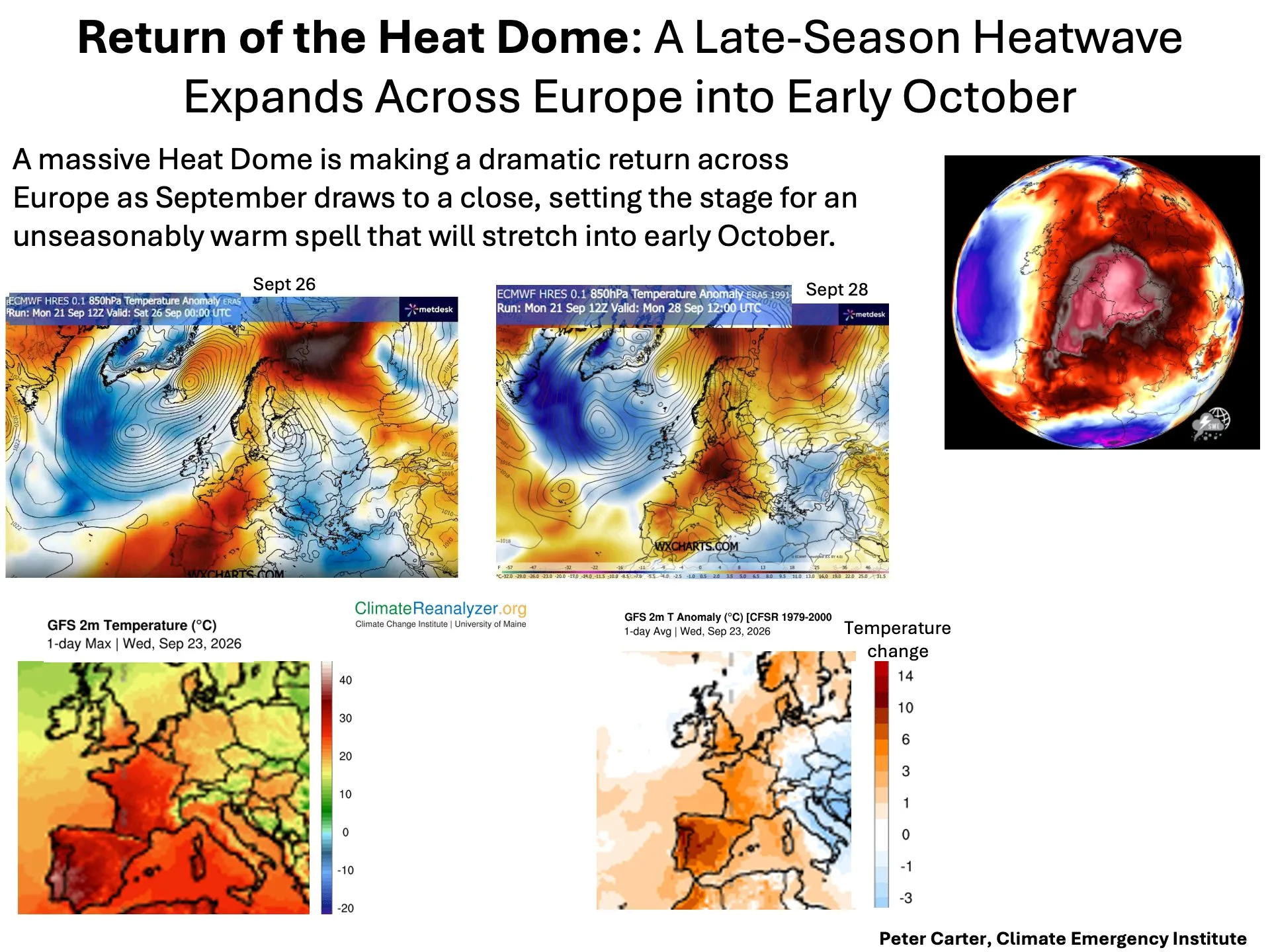
    A massive heat dome is making a dramatic return across Europe | X (@PCarterClimate)
    A massive heat dome is making a dramatic return across Europe | X (@PCarterClimate)

    The Bay of Biscay shows what that change can mean on the ground.

    Northern Spain once had extensive kelp forests that provided food, shelter, and nursery grounds for many marine species. Jose Manuel Rico Ordas, a marine ecology professor at the University of Oviedo, estimates that roughly 95% of the large brown kelp stands along parts of the Asturias coast have disappeared since 2010.

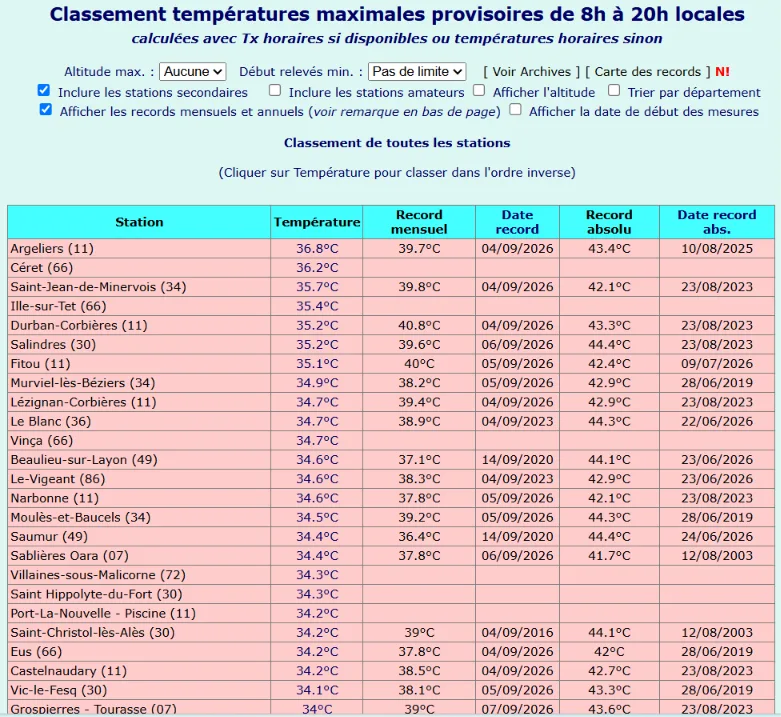
    Thousands of records will be smashed in Spain, France, Germany, Switzerland, Scandinavia etc. Europe is completely rewriting its climatic history | X (@extremetemps)
    Thousands of records will be smashed in Spain, France, Germany, Switzerland, Scandinavia etc. Europe is completely rewriting its climatic history | X (@extremetemps)

    He attributes the decline primarily to climate change and says kelp generally needs water below about 20°C to survive.

    With the habitat disappearing, species associated with it are also becoming harder to find.

    “We are finding no more lobster, no more crayfish, no more sea urchins, and many other species that are associated with the good status of kelp forests,” Rico Ordas said.

    Fishermen and scientists are now trying to restore kelp by planting laboratory-grown seedlings.

    New arrivals, fishermen’s worries

    Life in hot water | X (@PlanktonPundit)
    Life in hot water | X (@PlanktonPundit)

    At the same time, warmer waters are allowing other species to expand into places where they were once uncommon.

    In the Mediterranean, researchers say more than 1,000 non-indigenous species have been recorded, many arriving from warmer regions through the Suez Canal.

    Britain offers another example. Fishermen along the south coast of England reported about 2,600 metric tons of common octopus landings in 2025 and more than 3,000 tons so far this year, compared with annual landings of less than 30 tons before 2025.

    One thing to remember is that an increase in one species does not necessarily mean better fishing conditions overall.

    Octopuses prey on crabs, lobsters, and scallops, and some shellfishermen say their traditional catches have suffered.

    The South Devon and Channel Shellfishermen’s cooperative described 2026 as an “octopus apocalypse.”

    The shift is becoming harder to ignore. As some familiar species decline and others move into new waters, fishermen are being forced to adapt to a sea that is changing faster than before.

    Also Read | Did you know QR codes were not made for digital payments? Here’s the real reason

  • Chile Travel Guide: Why the world’s driest desert feels like another planet

    Chile Travel Guide: Why the world’s driest desert feels like another planet

    Chile is often described as one of the most unusual countries in the world, and for good reason. Stretching over 4,000 kilometres along South America’s Pacific coast, it offers an incredible mix of landscapes , from the world’s driest desert and snow-covered mountains to colourful coastal cities and volcanic terrain. For travellers looking for something beyond the usual beach or city holiday, Chile feels like stepping into another world.

    Atacama Desert is unlike anywhere else on Earth

    The biggest highlight of Chile is the Atacama Desert, widely recognised as the driest non-polar desert on Earth. Some parts of this vast desert receive almost no rainfall for years, creating dramatic landscapes of rocky valleys, giant sand dunes and salt-covered plains. Scientists have even compared parts of the Atacama to the surface of Mars because of its extreme conditions.

    The desert is also one of the best places in the world for stargazing. With almost no light pollution and exceptionally clear skies, visitors can enjoy breathtaking views of the Milky Way and countless stars throughout the year.

    Also Read | World Tourism Day 2026: Planning a trip? 5 ways AI can help build a smarter travel plan

    Salt lakes, geysers and flamingos add to the magic

    The Atacama is much more than a dry landscape. The region is filled with natural wonders, including vast salt flats, colourful lagoons and bubbling geothermal fields. Salar de Atacama, the country’s largest salt flat, is home to lagoons where pink flamingos gather in large numbers.

    Travellers can also visit the El Tatio Geysers, one of the world’s highest geyser fields, where steam rises dramatically at sunrise. Nearby hot springs and mineral-rich lakes offer a completely different side of the desert’s beauty.

    Valparaíso brings colour to Chile’s coastline

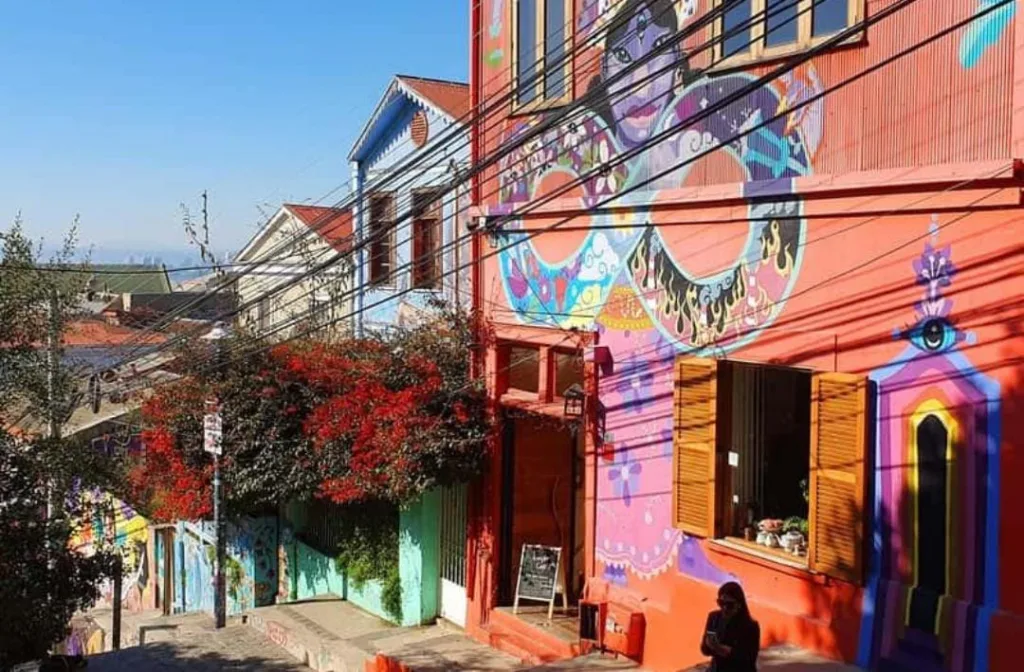
    After exploring the desert, the coastal city of Valparaíso offers a striking contrast. Built across steep hills overlooking the Pacific Ocean, the city is known for its colourful houses, vibrant street art, historic funiculars and creative neighbourhoods. Every corner feels artistic, making it one of Chile’s most photographed destinations.

    Santiago combines city life with mountain views

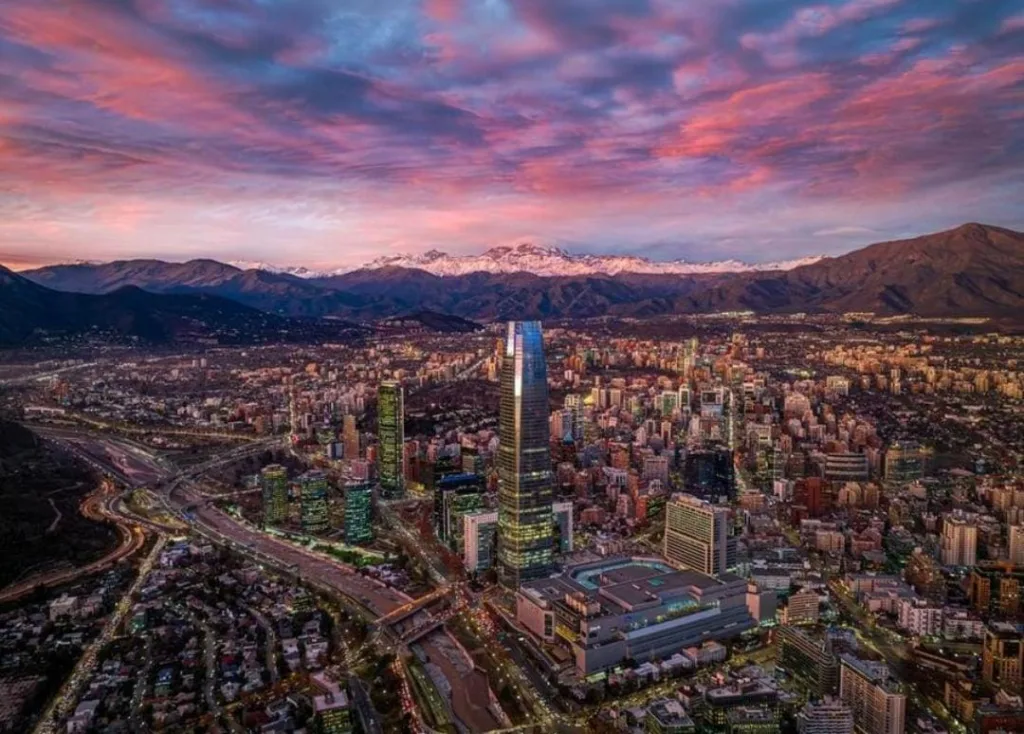
    Chile’s capital, Santiago, blends modern architecture with spectacular views of the Andes Mountains. The city serves as a gateway for hiking, skiing and vineyard tours, while museums, markets and food streets showcase Chile’s rich culture and cuisine.

    Also Read | Anti-itinerary travel: Why Gen Z is changing holiday plans

    Why Chile deserves a place on your travel bucket list

    Few countries pack so much natural diversity into a single destination. Whether it’s watching flamingos in a salt lake, exploring one of the driest places on Earth, wandering through colourful hillside streets or gazing at a sky full of stars, Chile offers experiences that are both dramatic and unforgettable. Its unique landscapes and cultural charm make it one of South America’s most rewarding travel destinations.

  • Prashant Kishor’s Jan Suraaj eyes Delhi after Bankipur bypoll win

    Prashant Kishor’s Jan Suraaj eyes Delhi after Bankipur bypoll win

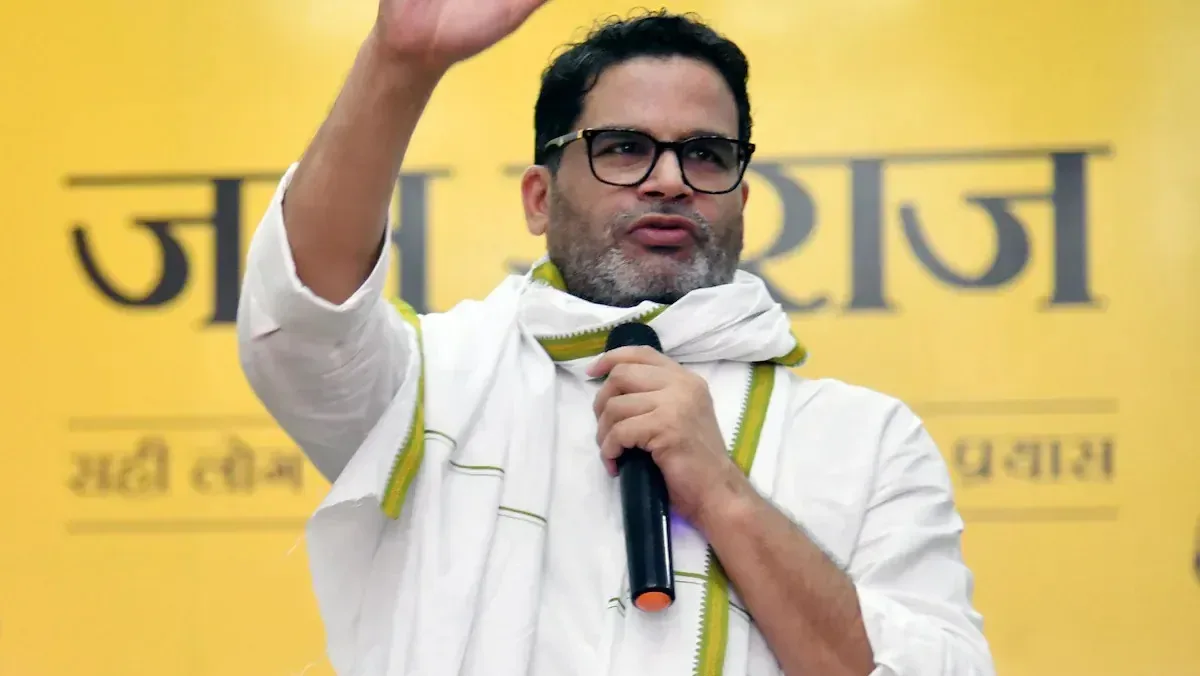
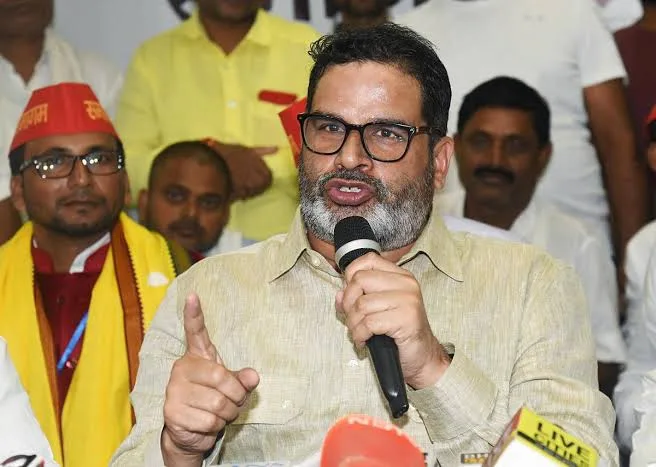
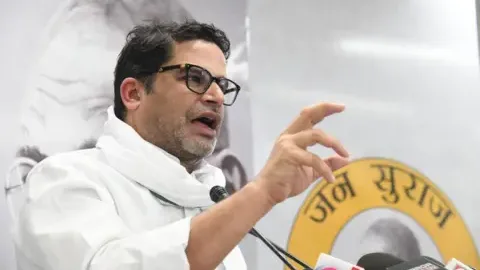
    Kishor-led Jan Suraaj Party may venture out of Bihar and take its politics beyond the state. Some supporters of the party based in the national capital are lobbying for the party to create a unit in Delhi.

    The matter is expected to come up in talks with Kishor at an event on Sunday, wherein he will receive felicitations for winning the Bankipur by-poll.

    After Bankipur victory, Jan Suraaj supporters push for Delhi entry.
    After Bankipur victory, Jan Suraaj supporters push for Delhi entry. (ANI)

    Jan Suraaj seeks Delhi entry

    “People connected with Jan Suraaj in Delhi want the party to have a presence here, but tomorrow’s event is all about felicitating Kishor for his victory in Bankipur,” said Kumar Shantanu, member of the Jan Suraaj core committee and a professor at Delhi University, as quoted by PTI.

    Also Read | Cyclone Arnab explained: Why it’s actually a deep depression

    According to him, it will be decided later whether the party should contest elections in Delhi or not, depending on the chances of the party in the city. Creation of a Delhi unit would be the first major expansion of the Jan Suraaj party outside Bihar.

    What is the Bankipur link?

    The talk of an expansion move to Delhi follows Kishor’s election victory in Bihar. In the Bankipur bypoll conducted in August, Kishor got elected for the first time as a candidate and helped his Jan Suraaj get its first seat in the Bihar Assembly.

    Kishor beat BJP’s Neeraj Kumar by 19,324 votes in the Patna constituency. He got 64,151 votes compared to Kumar’s 44,827 votes, the report said.

    This happened after Jan Suraaj’s first serious electoral test in the upcoming 2025 Bihar Assembly elections. The party fought for 238 seats but failed to win any, although Kishor did not contest that particular election.

    Jan Suraaj’s possible Delhi cell

    Thus far, all the political campaigns carried out by Jan Suraaj have taken place in Bihar, where the movement was built up by Kishor on the basis of problems like education, employment, and governance.

    However, a new Delhi cell would mean a new political scenario for the party, since there has been no announcement that it would contest the elections in Delhi.

    Also Read | CEC vs 2 Election Commissioners: What happens when ECI members disagree?

    The event planned for Sunday has been organised by Biharis settled in Delhi under Jan Suraaj. According to Shantanu, there will not be any representatives of other political parties at this closed-door meeting, but those who want to join Jan Suraaj are welcome.

    It is up to Kishor and Jan Suraaj’s leadership to make the final decision about opening a Delhi cell.

    Prashant Kishor's Jan Suraaj weighs Delhi expansion after Bankipur win.
    Prashant Kishor’s Jan Suraaj weighs Delhi expansion after Bankipur win. (ANI)

    For the time being, the issue of expanding into Delhi remains in the hands of Prashant Kishor and the party leadership.

    The supporters in the city are demanding a proper organizational structure from the party, while taking any decision for contesting elections in Delhi will come after an assessment of its potential in the region.

  • Did you know eating with a loved one may lower blood sugar?

    Did you know eating with a loved one may lower blood sugar?

    Eating a meal with someone close to you may do more than make dinner feel less lonely. A new study has found that eating with a romantic partner is associated with lower post-meal blood glucose levels compared with eating the same meal alone.

    Researchers from the Hebrew University of Jerusalem and Sheba Medical Center examined how social closeness may influence basic processes involved in the body’s regulation. Their findings were published in Science Advances on September 23.

    Eating with a partner linked to lower glucose levels

    The researchers studied 108 people, including 54 romantic couples, for the glucose experiment. Each participant ate the same standardised carbohydrate meal on two occasions. On one occasion, they ate alone, while on the other, they ate alongside their partner.

    Also Read | Micro-cheating vs cheating: What is the difference in a relationship

    The meal contained 102 grams of white-wheat bread. Researchers then monitored the participants’ blood glucose levels following the meal.

    Eating with a loved one
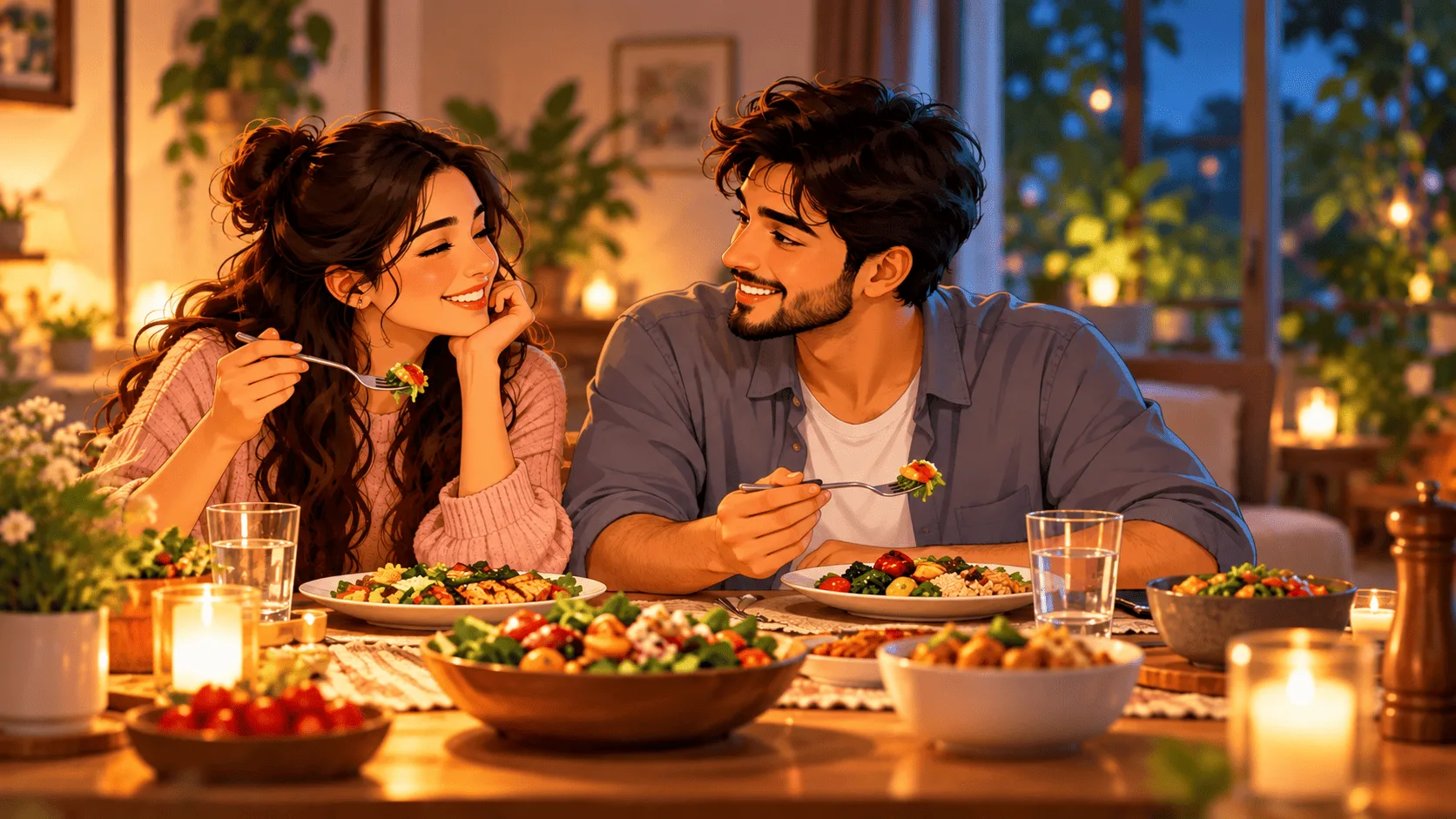
    (Representational Image) Shared meals with a partner may reduce blood sugar spikes, study finds | AI Generated

    Two hours after eating, blood glucose levels were about 15 per cent lower when participants had eaten with their partner. The researchers also recorded smaller increases in glucose and a faster return towards baseline levels in the social setting.

    Factors such as eating time, body mass index and stress were taken into account, and the association remained.

    The role of social physiology

    The glucose experiment formed part of a broader study into what researchers describe as “social physiology”. The concept examines whether close social relationships can affect the way the body regulates basic physiological functions.

    Eating with a loved one
    (Representational Image) Eating together may help the body manage blood sugar after meals | AI Generated

    The team also investigated temperature regulation and physiological stress. Their experiments indicated that being close to a familiar social partner could help people regulate body temperature during cold exposure and reduce physiological stress responses.

    Comparable effects were also seen in experiments involving mother-infant pairs. The researchers noted that the effects occurred even without physical contact, suggesting that simply being near a close person could influence these processes.

    Why might companionship affect blood sugar?

    The biological explanation is not yet established. Researchers suggest that the brain systems involved in regulating energy and other basic functions develop within close social environments, beginning with relationships between infants and caregivers.

    They hypothesise that close social partners may eventually become part of these regulatory systems, potentially affecting processes involved in glucose metabolism. Further research will examine insulin secretion and sensitivity, hormones, autonomic regulation and other metabolic pathways.

    Eating with a loved one
    (Representational Image) Dining with your partner may influence post-meal glucose levels | AI Generated

    The findings do not mean companionship can offset the effects of carbohydrates. Instead, they raise the possibility that the social environment surrounding a meal may influence the body’s response to food.

    Also Read | Healthy office snacks: 8 foods to eat when hunger hits at 4pm

    Findings also seen in Singapore study

    The results are also consistent with observations from a separate study in Singapore involving 20,629 meals and around 1,200 adults. That research found lower post-meal blood glucose among people who ate with friends compared with those who ate alone.

    However, the two studies used different approaches. The Israeli research compared the same participants under controlled conditions with a standardised meal, while the Singapore study examined people’s regular eating patterns in everyday settings.

    Eating with a loved one
    (Representational Image) A romantic partner’s presence may be linked to lower blood sugar after eating | AI Generated

    The researchers emphasise that social closeness is not a replacement for medical care, a balanced diet or exercise. Instead, the findings suggest that relationships and the social setting around meals may be another factor worth examining when studying how the body responds to everyday physiological demands.

  • World Tourism Day 2026: Planning a trip? 5 ways AI can help build a smarter travel plan

    World Tourism Day 2026: Planning a trip? 5 ways AI can help build a smarter travel plan

    World Tourism Day 2026: Your holiday may be a few weeks away, but the endless tabs, saved maps and hotel comparisons can start much earlier. Choosing where to stay, what places to visit, where to dine and how to incorporate it into a small timeframe could be quite confusing. That is where AI could help you create a more organised travel plan out of those scattered thoughts.

    Such an approach is consistent with the theme of World Tourism Day 2026 celebrated on September 27. This year’s theme is “Digital Agenda and Artificial Intelligence to Redesign Tourism”. Whether you’re creating a day-by-day itinerary, choosing the right hotels based on your requirements, or suggesting local dining and other experiences, AI can really be a valuable friend during your holiday planning process.

    It is important to know what questions to ask. Just adding a couple of points in your prompt could make it more specific.

    Give AI details about your trip 

    An open-ended question such as “Plan a Trip to Jaipur” will never bring you any helpful answer. Instead, give more information on your visiting dates, budget, time frame, and who you will be traveling with in your prompt.

    World Tourism Day 2026: 5 AI tips for smarter travel planning
    (Representational Image) World Tourism Day 2026 spotlights AI-powered tools for easier travel planning | AI Generated

    The information about your interests will help to limit the suggestions. Say what you want to taste from local cuisine, visit local attractions, go shopping, or avoid visiting the crowded places.

    Also Read | Anti-itinerary travel: Why Gen Z is changing holiday plans

    For example, a three-day family vacation is likely to demand a low-paced itinerary involving fewer trips between various sights. Providing these additional details will be helpful for the AI.

    Build a practical day-wise itinerary 

    AI can also be used for organizing attractions according to their location. Mention the area where you stay in the hotel and have the program organize those sites together on one day. This may assist you to minimize moving from one part of the town to another.

    World Tourism Day 2026: 5 AI tips for smarter travel planning
    (Representational Image) Smart travel planning with AI can help organise hotels, attractions, food and routes | AI Generated

    You can also request for other plans, including having a day less busy than others during the holiday period.

    Find hotels that match your requirements 

    Instead of just asking the AI to recommend a “best hoetel,” tell it what is important to you, like the price, location, room, near the transportation, parking, or breakfast.

    World Tourism Day 2026: 5 AI tips for smarter travel planning
    (Representational Image) AI travel tools can simplify holiday planning with personalised itineraries and hotel options | AI Generated

    The AI will assist you in coming up with a list of options and comparing them. Nevertheless, after that, you should look at the final price, availability, cancellation policy, and the reviews on the website where the booking is being made.

    Discover food and local experiences 

    The use of AI allows it to suggest restaurants and local dishes based on an existing travel itinerary. AI will provide the option for choosing alternatives to the planned itinerary in case there will be crowds at a landmark, including alternative nearby locations.

    Also Read | Autumn Travel Guide: 10 stunning places to visit in India this festive season

    Check important details before travelling 

    AI is not the sole source of up-to-date travel planning tips, as the opening hours and other data can be changed and some of the data suggested by AI may be out-of-date.

    World Tourism Day 2026: 5 AI tips for smarter travel planning
    (Representational Image) From itineraries to local food, AI can help make travel planning more organised | AI Generated

    It is recommended to check the information from official tourism websites, hotels’ websites, and transport providers’ websites prior to departure. AI will help with organizing the information search process.

  • How does Chuando Tan look so young at 60? His routine explained

    How does Chuando Tan look so young at 60? His routine explained

    Singaporean model and photographer Chuando Tan, 60, continues to attract attention for his youthful appearance. He first became a global internet sensation in 2017, when photographs of him went viral and people were surprised to learn that he was 51 at the time.

    Tan’s routine, as described in interviews and profiles, revolves around diet, exercise, sleep and consistency rather than a single anti-ageing treatment.

    Who is Chuando Tan and how did he become famous?

    Tan began his modelling career in the 1980s and 1990s, becoming one of Singapore and Asia’s recognisable male models. He later moved behind the camera and built a career as a fashion photographer.

    Vogue Singapore has documented his transition from modelling to photography. Tan began photography in his late 20s after spending more than a decade in front of the camera, and became an early adopter of digital imaging and high-level retouching in Singapore’s fashion industry.

    His second wave of global attention came in 2017, when his Instagram photographs spread widely online. At the time, he was 51. Tan told Vogue Singapore that he had never felt insecure about his age and continued enjoying life as he always had.

    What does Chuando Tan eat?

    Tan has spoken about diet as an important part of his lifestyle. In an interview with FIFTIERS, he described his approach as 70% diet and 30% exercise.

    His breakfast typically includes six eggs, although he eats only two yolks, along with a glass of milk. Depending on the day, he may also have avocado, berries, oatmeal or a protein shake.

    Lunch is generally simple, with meals including grilled or steamed chicken or fish, rice and vegetables. Fish soup or broth may also feature in his meals.

    Also Read | Student suicides in India: The growing impact of academic pressure

    Tan avoids ultra-processed foods and drinks plenty of water. He also avoids coffee and alcohol and does not smoke. The FIFTIERS profile also mentions vitamin C supplements as part of his routine.

    How does Chuando Tan stay fit?

    Exercise has been a consistent part of Tan’s routine for decades. He does around 30 minutes of strength training three to five times a week, incorporating compound movements such as squats, lunges, push-ups and pull-ups.

    He also includes low-intensity cardio, such as brisk walking on a treadmill and swimming.

    His fitness routine predates his 2017 viral fame, rather than being something he adopted after gaining attention online. Chuando Tan- This Singaporean man looks 30 but is actually 60 years old! Inside .pdf

    What is Chuando Tan’s sleep routine?

    Tan also pays attention to sleep and meal timing. He aims to go to bed around 11 pm and finishes his final meal at least five hours before bedtime.

    Also Read | Highly sensitive in relationships? 6 ways to feel safer and more secure

    He prefers spending time without screens before sleeping and uses the evening to relax.

    Does Chuando Tan follow an elaborate skincare routine?

    His skincare routine is relatively basic. He uses a gentle cleanser and moisturiser rather than describing a lengthy list of products or procedures.

    The source material also notes that Tan has said he does not rely on cosmetic surgery. Chuando Tan- This Singaporean man looks 30 but is actually 60 years old! Inside .pdf

    His approach to ageing is similarly centred on maintaining his lifestyle and attitude. In a 2025 interview with Vogue Singapore, Tan spoke about keeping a sense of confidence and attraction for himself rather than for others.