Blog

  • World Letter Writing day: The stories behind 8 famous letters of love, war, ambition and loss

    World Letter Writing day: The stories behind 8 famous letters of love, war, ambition and loss

    In an age of emails, instant messages and social media, the handwritten letter has become a rare sight. But letters have a way of preserving something digital messages often cannot: the voice, emotions and personality of the person who wrote them. Across history, famous figures have put their thoughts on paper to express love, confront loss, appeal for peace, pursue ambition and bid farewell.

    On World Letter Writing Day, observed on September 1, we look back at eight remarkable letters written by well-known personalities. Spanning centuries and vastly different circumstances, these letters offer intimate glimpses into the lives, relationships, hopes and fears of the people behind some of history’s most recognisable names.

    Elvis Presley writes to his fans from Germany

    While serving as a US soldier in Germany, Elvis Presley found himself receiving an overwhelming amount of mail from fans around the world. In 1959, during his stay in Friedberg, Hesse, the rock ‘n’ roll star acknowledged that he could not respond to every letter personally.

    “I am sorry that I can’t answer every letter personally,” Presley wrote.
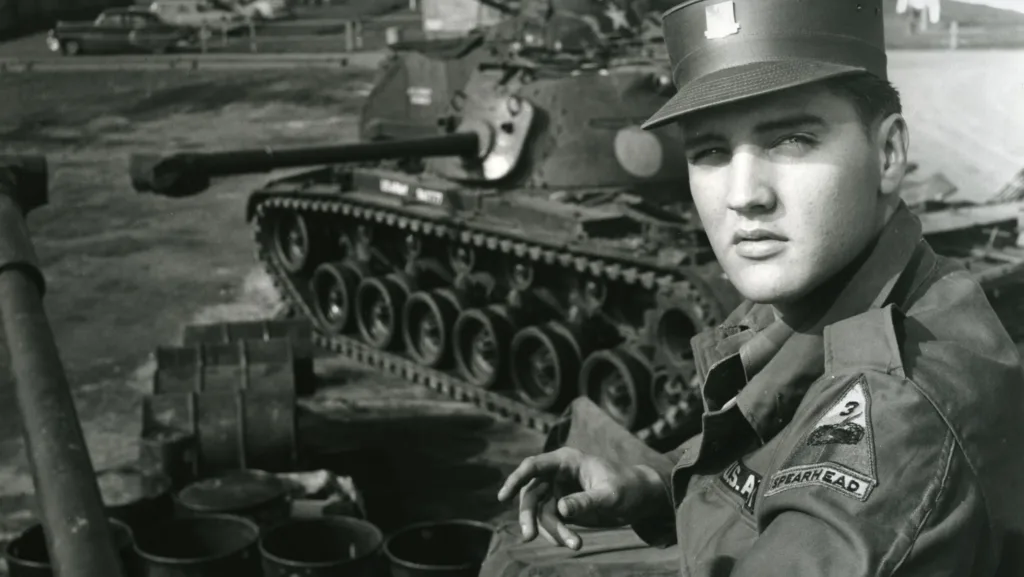
    Elvis_Presley_in_Germany
    Presley at Ray Barracks, West Germany, 1958 | Wikipedia

    He went on to explain how much the messages meant to him while he was away from home. “My mind is constantly thinking of all my friends and fans that I had to leave behind,” he wrote. “But I appreciate each and every one of you as friends, fans, and every letter that I receive helps me so much to carry on.”

    Presley had been drafted into the US Army in 1958 and remained stationed in Friedberg until 1960.

    Also Read | Nepal flood: Why unidentified bodies are being buried and how families can identify them later

    Frida Kahlo writes a painful farewell to Diego Rivera

    In 1953, a year before her death, Mexican artist Frida Kahlo faced the amputation of one of her legs because of gangrene. While waiting for the operation, she wrote a deeply personal letter to her husband, fellow artist Diego Rivera.

    Kahlo’s words reflected years of emotional pain in their relationship. She accused Rivera of repeatedly cheating on her, including with her sister, and connected the coming loss of her leg to the earlier wounds she had endured in their marriage.

    Frieda and Diego Rivera
    Frieda and Diego Rivera | Wikipedia

    “When they told me it would be necessary to amputate, the news didn’t affect me the way everybody expected. No, I was already a maimed woman when I lost you, again, for the umpteenth time maybe, and still I survived.”

    She ended the letter with a striking declaration: “I’m writing to let you know I’m releasing you, I’m amputating you.”

    Albert Einstein writes to Mahatma Gandhi

    In 1931, Albert Einstein wrote to Mahatma Gandhi expressing his admiration for the Indian leader’s commitment to non-violence.

    “You have shown through your works, that it is possible to succeed without violence even with those who have not discarded the method of violence.”

    Einstein also expressed hope that Gandhi’s example would reach beyond India and contribute to a world less dependent on war.
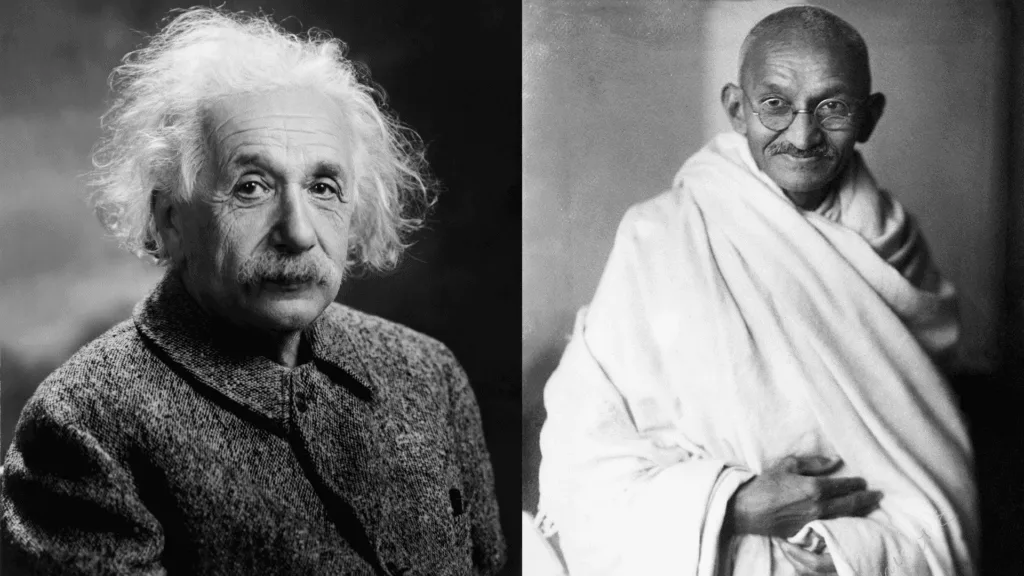
    Albert Einstein writes to Mahatma Gandhi
    Albert Einstein writes to Mahatma Gandhi | Wikipedia

    “We may hope that your example will spread beyond the borders of your country, and will help to establish an international authority, respected by all, that will take decisions and replace war conflicts.”

    Gandhi responded to Einstein and invited him to visit his ashram in India. However, the two never met in person.

    Mahatma Gandhi appeals to Adolf Hitler

    Eight years later, Gandhi wrote another striking letter, this time to Adolf Hitler, as the threat of another major war grew in Europe.

    Beginning with the words “Dear friend,” Gandhi appealed directly to Hitler to prevent a conflict that he feared could devastate humanity.

    “It is quite clear that you are today the one person in the world who can prevent a war which may reduce humanity to a savage state.”
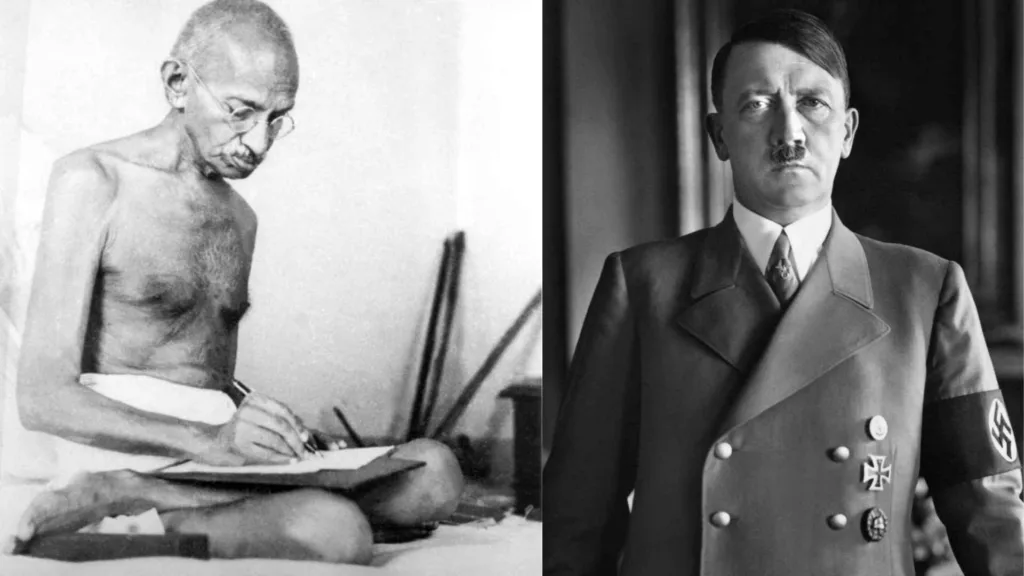
    Mahatma Gandhi appeals to Adolf Hitler
    Mahatma Gandhi appeals to Adolf Hitler | Wikipedia

    He then asked: “Will you listen to the appeal of one who has deliberately shunned the method of war not without considerable success?”

    Gandhi’s appeal did not change the course of events. A few weeks later, the German Wehrmacht invaded Poland, setting the Second World War in motion.

    Virginia Woolf’s heartbreaking farewell

    In 1941, British writer Virginia Woolf wrote a farewell letter to her husband, Leonard Woolf. Her words expressed both her affection for him and her belief that she would not recover from the severe depression she was experiencing.

    “You have given me the greatest possible happiness. You have been in every way all that anyone could be.”
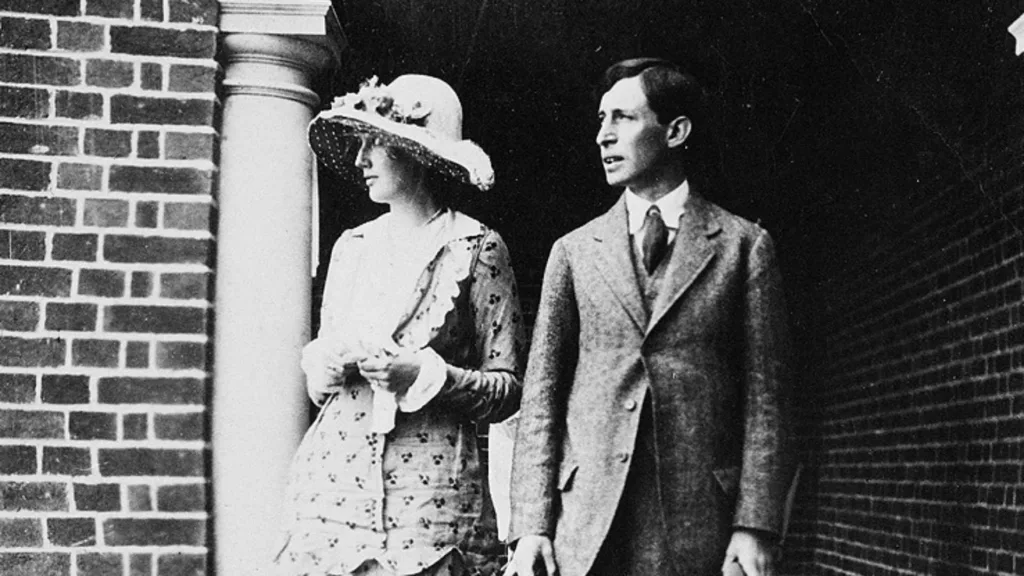
     Virginia and Leonard Woolf
    Virginia and Leonard Woolf | Wikipedia

    She continued: “I don’t think two people could have been happier till this terrible disease came.”

    Woolf also acknowledged the support she had received from her husband, writing, “I shan’t recover this time … If anybody could have saved me it would have been you. Everything has gone from me but the certainty of your goodness.”

    Shortly afterwards, Woolf drowned herself in a river.

    Leonardo da Vinci makes his case for a job

    Centuries before modern CVs and job applications, Leonardo da Vinci had his own way of presenting his abilities. In the early 1480s, he wrote to Ludovico Sforza, the future Duke of Milan, seeking employment as a military engineer.

    Da Vinci’s letter listed 10 areas in which he claimed expertise, confidently presenting himself as someone capable of designing and building military equipment and structures.

    Also Read | Waukee High School and Prairieview lockdown: What we know about ‘armed person threat’

    He concluded with an offer to prove his abilities himself: “And should any of the above seem impossible or impracticable to anyone, I am happy to demonstrate them in your park or any other place as Your Excellency pleases, to whom I humbly recommend myself.”

    Sforza hired the young da Vinci. Years later, he commissioned the artist to paint The Last Supper.

    Queen Elizabeth II shares her drop scone recipe

    Not every historic letter dealt with politics, conflict or personal heartbreak. In 1960, Queen Elizabeth II sent a handwritten recipe to US President Dwight D. Eisenhower.

    Eisenhower had enjoyed the drop scones, also known as Scotch pancakes, served during a visit to the United Kingdom. Several months later, the Queen sent him the recipe.

    Queen Elizabeth II
    Queen Elizabeth II | Wikipedia

    “Though the quantities are for 16 people, when there are fewer, I generally put in less flour and milk, but use the other ingredients as stated

    Goethe pours his heart out in a letter

    In 1776, German poet Johann Wolfgang Goethe wrote a deeply affectionate letter to Charlotte von Stein, expressing the intensity of his feelings for her.

    “Your presence has had a wonderful choking effect on my heart, I cannot say what I feel,” Goethe wrote, revealing the longing and emotion that ran through their relationship.
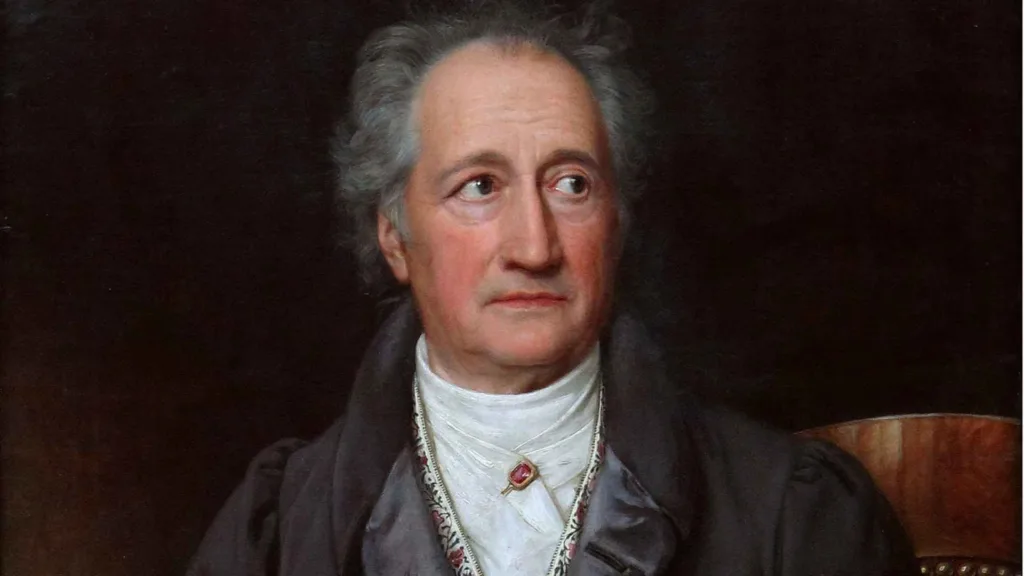
     Johann Wolfgang Goeth
    Johann Wolfgang Goeth | Wikipedia

    Goethe, who was younger than von Stein by seven years, went on to write more than 1,500 letters to her. She is said to have remained faithful to her husband despite Goethe’s affection.

    His unrequited love eventually took him away from Weimar for several years as he travelled in Italy. He returned to Weimar in 1788, where he later met Christiane Vulpius, who became his wife.


  • Bandel cheese found a place on global tables, but not a secure future for its makers

    Bandel cheese found a place on global tables, but not a secure future for its makers

    Bandel cheese has gone places its makers could hardly have imagined. From a village in Bankura, the sharp, smoky cheese has found its way to London and New York, earning attention from chefs, food writers and curious diners. Back home, however, the story is far less glamorous. Here, one of Bengal’s last traditional cheesemakers is still working over fire and smoke, unsure of what the next generation will do with the craft.

    In Chak Chand village, Palash Ghosh carries on a family tradition that has passed from one generation to the next. He can make hundreds of pieces at a time, but producing more does not necessarily mean earning more. The traders who take the cheese to the market, he says, make the money while the makers remain on uncertain incomes.

    Years of work, hours over the fire

    Bandel cheese is not something that can simply be rushed into production. Preparing it takes about three hours, after which the cheese is smoked over a fire for another four to five hours. Ghosh says he and his father could earn around Rs 600 a day doing other work. Yet they continue to make the cheese, even as milk and sugar prices rise and the returns from traders remain low.

    Also Read | Can you buy a gun for self-defence in West Bengal? Know the rules

    Ghosh also says access to the Kolkata market remains tightly controlled. Traders in New Market, where Bandel cheese is sold, do not share the source details with potential buyers, while the prices offered to makers have not kept pace with rising costs.

    Bandel cheese
    (Representational Image) From Bankura to global tables, Bandel cheese carries a tradition now at risk | AI Generated

    Ghosh travels from his village to Kolkata with consignments of around 10,000 pieces at a time. The cheese is available through a handful of New Market shops and via home delivery from The Whole Hog Deli.

    When appreciation does not pay the bills

    Bandel cheese has attracted celebrity chefs, documentaries and articles, and has even reached international tables. But fame has not translated into the infrastructure needed to produce and sell it on a larger scale. Regulatory requirements and the absence of standardisation have also stood in the way of large-scale exports.

    That is where research could offer a way forward. At FTSI TCG CREST, researchers are studying how the cheese can be produced at scale without losing the qualities that make it distinctive. The work also focuses on standardising the product, potentially making it easier to meet export requirements.

    Bandel Cheese
    (Representational Image) Bengal’s Bandel cheese has global fans, but its last traditional makers need support | AI Generated

    There has been a parallel push for a Geographical Indication tag. The National University of Juridical Sciences applied for the GI tag, but the process has remained stuck over procedural hurdles.

    Also Read | Is the magic of Bengal’s music now lost, or is another story waiting to unfold?

    For Ghosh, though, recognition on paper is only one piece of the puzzle. He is looking for better production facilities, packaging, market access and practical support. What weighs on him most is not whether Bandel cheese will remain famous, but whether anyone will remain to make it.

    He has a son. And despite spending years preserving his family’s craft, Ghosh says he does not want his son to follow him into it. If the cheese can travel across the world but cannot provide a secure future for the hands that make it, he asks, what is left for the tradition to offer the next generation?

  • Pheromone maxxing: Why the internet wants you to skip showers

    Pheromone maxxing: Why the internet wants you to skip showers

    First, we optimised dating profiles. Then came flirting techniques, “types” and endless advice about finding the perfect meet-cute. Now the internet has apparently decided that the next thing to optimise is body odour.

    Enter pheromone maxxing, the latest addition to the internet’s ever-expanding “maxxing” vocabulary. The idea is simple, if somewhat questionable: humans supposedly emit pheromones that can influence attraction, so why cover up your natural scent with deodorant? Just let the musk do the work.

    Also Read | What is tolyamory? The dating term sparking debate over cheating and consent

    The trend, however, has gone beyond simply embracing your natural smell. Posts and videos circulating online claim that some people are deliberately showering less, rewearing sweaty clothes and avoiding deodorant in an attempt to make their natural scent stronger before dates.

    At some point, dating advice has crossed over into what can only be described as a very questionable hygiene experiment.

    What exactly is pheromone maxxing?

    Pheromone maxxing refers to the idea of deliberately amplifying one’s natural body scent in the hope of becoming more attractive.

    There is a kernel of logic behind the trend: smell does play a role in human attraction. Our sense of smell can influence emotions, memories and social perceptions, and someone’s natural scent can sometimes be appealing.

    But that does not automatically mean that stronger body odour equals stronger attraction.

    There is a considerable difference between finding someone’s natural scent attractive and intentionally allowing sweat and body odour to accumulate because you think it will make you irresistible.

    The internet, naturally, has decided to skip that distinction.

    Can skipping showers really make you more attractive?

    There is no magic “sweat setting” that transforms someone from attractive to irresistible.

    The pheromone maxxing trend appears to take the idea of natural scent and stretch it into a much more literal and considerably smellier direction. Avoiding showers or deodorant does not guarantee that another person will interpret your scent as attractive.

    Pheromone maxxing has the internet debating whether smelling natural can make you more attractive.
    Pheromone maxxing has the internet debating whether smelling natural can make you more attractive / Pexels

    In fact, deliberately turning up to a date smelling strongly of sweat could have precisely the opposite effect.

    Natural scent is one thing. Deliberately marinating in body odour is another.

    And perhaps that is where this particular dating hack loses the plot. Attraction is complicated, influenced by everything from personality and chemistry to appearance, familiarity and individual preferences. It is unlikely to be solved by simply making yourself smell more intensely human.

    From looksmaxxing to pheromone maxxing

    The trend fits neatly into the internet’s broader obsession with “maxxing” which is the idea that different aspects of your life can be optimised to become a supposedly better version of yourself.

    Looksmaxxing involved the enhancement of physical appearance. However, other internet fads have turned activities such as sleep, productivity, and even social presence into items which need optimising.

    The internet has found yet another way to optimise dating
    The internet has found yet another way to optimise dating / Pexels

    Pheromone maxxing now seems to have added smells to the list.

    The trouble with the maximisation of optimisation is that it turns normal acts into hacks that need an additional effort.

    Also Read | Summer hydration tips: 7 simple food habits to stay cool and energised

    However, if one’s approach to getting a girl’s attention means that she would have to smell you before seeing you, it is quite likely that she would form an impression which one did not intend her to form.

    Therefore, one may go ahead and use his/her own smell if he/she likes. However, one should leave the three-day-old T-shirt in the laundry basket and not try out pheromone maxxing.

  • Summer hydration tips: 7 simple food habits to stay cool and energised

    Summer hydration tips: 7 simple food habits to stay cool and energised

    Hot temperatures and monsoon humidity can leave the body feeling drained, particularly for people who spend long hours outdoors, travel frequently or exercise regularly. While drinking enough fluids remains important, everyday food choices can also support hydration and help maintain energy levels.

    From adding water-rich fruits and vegetables to choosing lighter meals and replenishing electrolytes, small dietary changes can make staying hydrated easier through the warmer months.

    Also Read | Darjeeling to Bhutan: The autumn escape that became my favourite journey

    Drink fluids before you feel thirsty

    Thirst can be an early sign of mild dehydration. Instead of waiting until you feel thirsty and then drinking large amounts at once, make regular fluid intake a habit throughout the day.

      Drink fluids before you feel thirsty
      Drink fluids before you feel thirsty / Pexels

      Buttermilk, lemon water with a pinch of rock salt, mint-infused water and traditional khus water are some options that can help replenish fluids. Excessive consumption of caffeinated and sugary drinks, however, should be limited.

      Add water-rich foods to your meals

      Hydration does not come only from beverages. Foods with high water content can also contribute to daily fluid intake.

      Add water-rich foods to your meals
      Add water-rich foods to your meals / Pexels

      Watermelon, muskmelon, cucumber, bottle gourd, ash gourd, lettuce and zucchini are among the water-rich foods that can be incorporated into everyday meals. They can also support digestion while helping keep meals lighter.

      Opt for lighter, home-cooked meals

      Heavy, oily and spicy meals can feel particularly uncomfortable in hot weather. They may leave you feeling sluggish, bloated or fatigued.

      Opt for lighter, home-cooked meals
      Opt for lighter, home-cooked meals / Pexels

      Lighter options such as khichdi, curd rice, millet rotis, lightly cooked vegetables, fresh salads and yoghurt-based dishes can provide nourishment without making meals feel excessively heavy.

      Replenish electrolytes naturally

      Sweating causes the body to lose minerals, including sodium and potassium. Replenishing electrolytes can therefore be particularly important during periods of heat and increased physical activity.

      Replenish electrolytes naturally
      Replenish electrolytes naturally / Pexels

      Lemon water with rock salt, yoghurt, watermelon, pomegranate and cucumber are among the foods and drinks highlighted as natural sources that can support electrolyte replenishment.

      Include traditional cooling ingredients

      Several familiar Indian kitchen ingredients can be incorporated into summer meals and drinks. Mint, coriander, fennel seeds and sabja seeds can support hydration and digestion.

      Include traditional cooling ingredients
      Include traditional cooling ingredients / Pexels

      Aloe vera juice may also contribute to internal cooling when consumed appropriately.

      Be mindful of when you eat

      Meal timing can also affect how comfortable you feel in hot weather. Digestion generates heat, and heavy meals can feel more uncomfortable when temperatures are high.

      Be mindful of when you eat
      Be mindful of when you eat/ Pexels

      Eating lunch a little earlier and avoiding very late dinners can help. It is also useful to carry water while travelling and avoid direct sun exposure immediately after meals.

      Also Read | Want to transform your body in 12 months? Fitness coach suggests these 4 basics

      Hydration for kids and elders

      Kids may not necessarily feel the need for liquids when they are engaged in playing. Elders may also feel a lesser sense of thirst.

      Keep children and older adults hydrated
      Hydration for kids and elders / Pexels

      Hydration by giving water from time to time and seasonal fruits, curd and other beverages prepared at home will keep them hydrated.

      Hydration does not mean that you have to make any drastic changes in your diet. Drinking enough amount of fluids, eating seasonal vegetables and fruits, maintaining electrolyte balance and eating light food can be done in your everyday life.

      In hot and humid climate, these simple practices can help you stay hydrated, energetic and healthy.

    1. Nepal flood: Why unidentified bodies are being buried and how families can identify them later

      Nepal flood: Why unidentified bodies are being buried and how families can identify them later

      Nepal has begun burying unidentified flood victims as mortuaries and temporary holding centres run out of space and bodies recovered from the disaster begin to decompose. Authorities are preserving DNA samples, photographs and detailed forensic records before burial in an effort to ensure families can still identify their missing relatives later.

      Only 20 of the 768 bodies recovered had been identified by relatives by Saturday evening. The wider death toll from the devastating flash floods had reached 734 by Sunday, with around 2,500 people still missing.

      Also Read | What makes Mount Kailash so sacred? A detailed guide for the Himalayan pilgrimage

      Chitwan recorded the highest number of recovered bodies at 259, followed by Nawalparasi East with 184, Nawalparasi West with 82, Gorkha with 58, Nuwakot with 52, Dhading with 50, Tanahun with 36 and Rasuwa with 13.

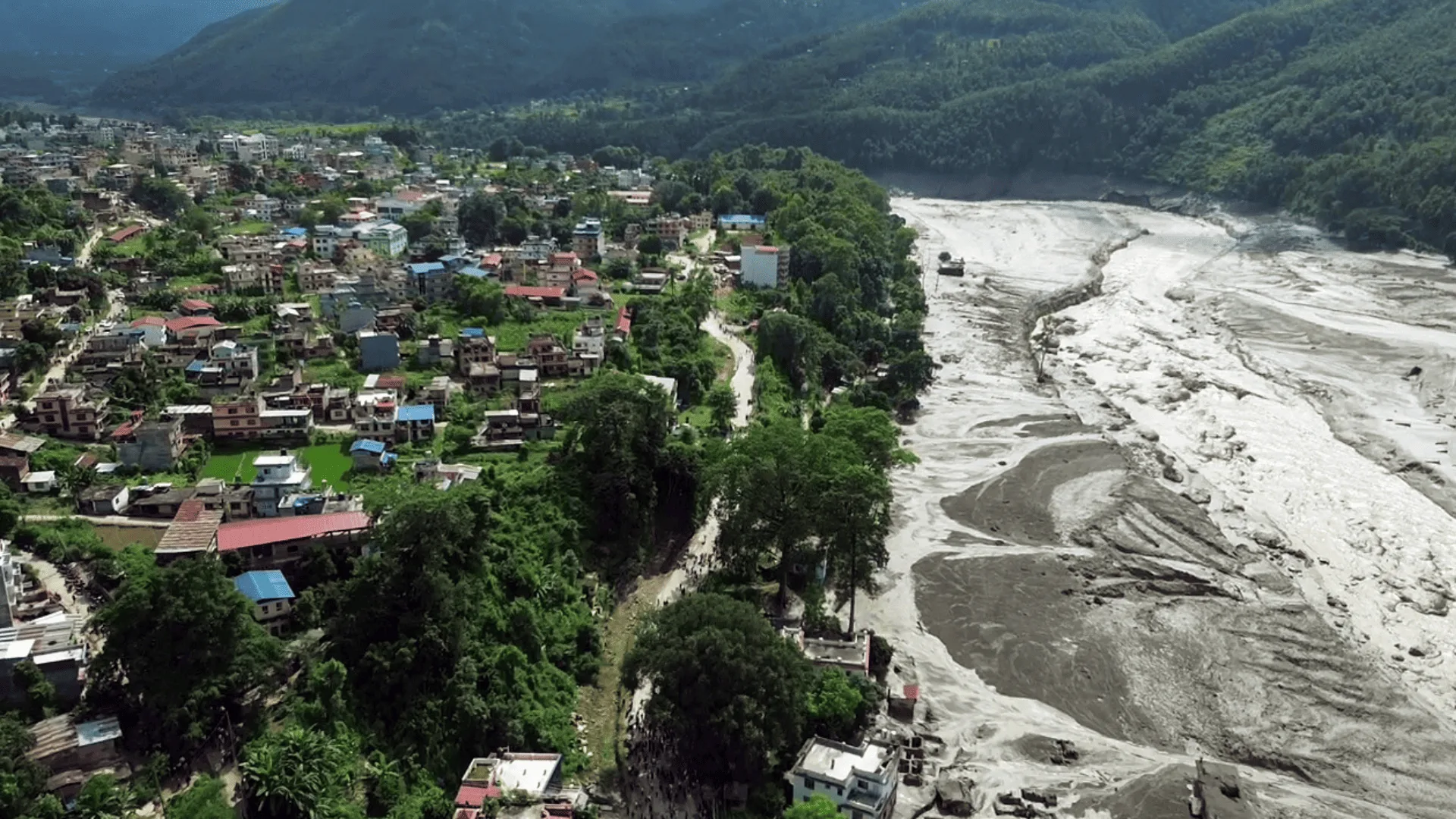
      Flash flood ravages Nepal’s Rasuwa
      An area devastated by mud-laden floodwaters following a flash flood caused by an outburst in the Bhotekoshi River, in Rasuwa /ANI

      The disaster followed a glacier collapse near the Nepal-Tibet border on Wednesday, sending water, mud, rocks and debris through the Bhote Koshi and Trishuli river systems. The floods swept away homes, roads, bridges and infrastructure, with some bodies reportedly carried as far as Bihar and Uttar Pradesh.

      Why is Nepal burying unidentified flood victims?

      The immediate problem is space. In Chitwan, authorities had recovered more than 200 bodies, but only four had been identified, yet. Hospitals and temporary holding facilities were struggling to accommodate the remains as decomposition progressed.

      Health experts also warned that prolonged storage of decomposing bodies and the resulting foul odour could create sanitation concerns and increase the risk of infections. With existing mortuary capacity overwhelmed, officials began looking for emergency burial sites.

      The Chitwan District Security Committee subsequently decided to bury unidentified and unclaimed bodies at an open site in Devghat, Bharatpur Metropolitan City, under Nepal’s Unidentified and Unclaimed Bodies Management (First Amendment) Directive, 2026.

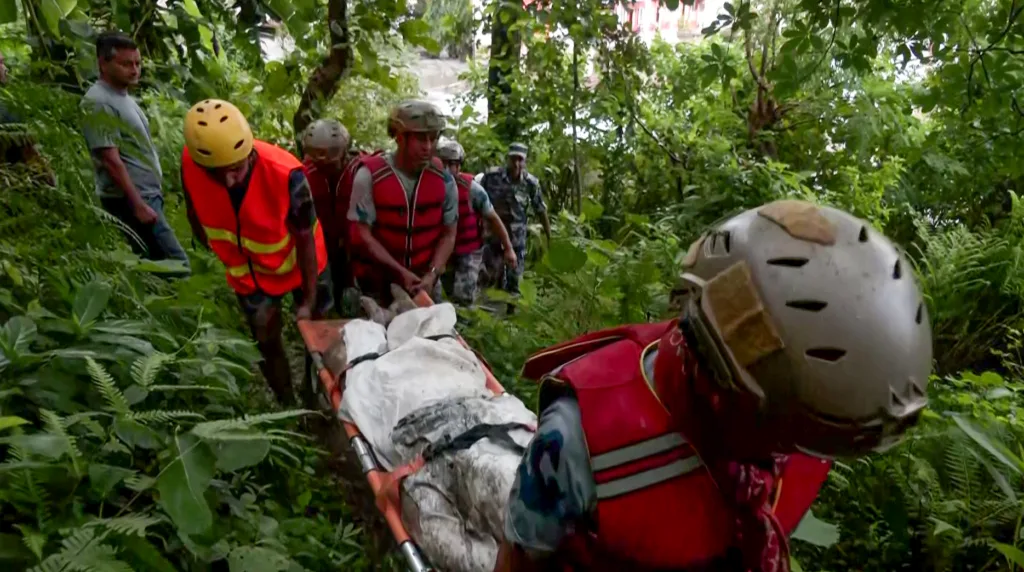
      Security forces and disaster management teams retrieve bodies from the flash-flood-affected Battar Bazar area, in Nuwakot on Thursday / ANI
      Security forces and disaster management teams retrieve bodies from the flash-flood-affected Battar Bazar area, in Nuwakot on Thursday / ANI

      Prime Minister Balendra Shah said bodies that could not be identified would be managed by the government, while those identified by relatives would be handed over to their families.

      How will families identify victims after burial?

      The burial does not mean authorities are abandoning efforts to establish the victims’ identities.

      Before burial, forensic teams collect DNA samples and assign each body a permanent identification or reference number. Investigators also preserve photographs, physical descriptions, clothing, jewellery, identity documents and other belongings linked to that number.

      Authorities are maintaining records of inquests, autopsies, DNA profiles, burial dates and the precise location of each grave. These records can subsequently be compared with missing-person reports and DNA samples provided by relatives, The Kathmandu Post reported.

      Nepal Police has also published information on unidentified and unclaimed flood victims online. According to a post by Nepal Police on X, people can scan a QR code or access its official database to view details of bodies recovered in Rasuwa district.

      A 40-member medical team, including seven forensic pathologists and seven dental surgeons, has been involved in the identification effort. DNA samples have already been collected from bodies held at temporary facilities.

      The challenge is spreading beyond Chitwan

      The crisis is not confined to a single district. Authorities in Nawalparasi East have transferred bodies to facilities outside Chitwan, including Pokhara and Palpa. Other remains have been moved to hospitals in Rupandehi and Kapilvastu.

      Officials in Kathmandu have also started identifying possible burial sites as authorities prepare for the possibility of recovering more unidentified remains.

      Also Read | Waukee High School and Prairieview lockdown: What we know about ‘armed person threat’

      For Nepal, the challenge now involves two urgent priorities: managing the immediate health and logistical crisis created by hundreds of recovered bodies while preserving enough forensic evidence for families to establish their identities later.

      By linking every buried victim to DNA evidence, photographs and detailed records, authorities are attempting to ensure that burial is not the end of the identification process.

    2. What is tolyamory? The dating term sparking debate over cheating and consent

      What is tolyamory? The dating term sparking debate over cheating and consent

      A new term is being thrown around in relation to modern relationships that is causing quite a stir. The term is “Tolyamory,” coined by relationship columnist Dan Savage. It is being thrown around quite heavily online for what many people are deeming to be a worrying change in how people are approaching relationship boundaries.

      Unlike other non-monogamous practices such as polyamory, tolyamory is the practice of accepting infidelity without mutual agreement.

      Also Read | Are you sacrificing too much for love? 3 signs you’re losing yourself in a relationship

      A term rooted in ‘tolerance’, not consent

      The term combines “tolerate” and “polyamory,” but the comparison ends there. While ethical non-monogamy is built on communication and consent, tolyamory describes a situation where one partner continues the relationship despite repeated betrayal.

      Relationship experts have pointed out that the difference is significant. While in consensual relationships all parties are aware and agree to the relationship structure, in tolyamory there is one-sided compromise.

      Tolyamory Explained
      Tolyamory explained / Pexels

      The term has also sparked debate on whether these relationships represent a shift in relationship norms or simply redefine unhealthy relationships.

      Why the term is trending

      The popularity of terms such as tolyamory can also be seen as a result of a general shift in the way relationships are discussed on the internet. Social media has also played a significant role in the popularisation of relationship terms.

      Relationships between high-profile individuals, in which cases of infidelity are forgiven time and again, have also led to the popularity of the term. While these cases represent acts of courage and strength on the woman’s part, they also raise the question of whether she is forgiving the man out of strength or tolerance.

      Tolyamory is a new relationship term describing the acceptance of infidelity without mutual agreement.
      Representational Image / Pexels

      The need to appear “unbothered” or “chill” in relationships may also be a reason why people are accepting such behavior in relationships.

      Blurred lines in modern relationships

      The rising prevalence of such terminology highlights the general problem which is relationship boundary issues.

      New labels may come and go, yet the underlying problems seem to stay the same: trust, respect, communication. Without these, relationships may become unbalanced and stressful.

      At the heart of the tolyamory debate is not so much terminology; it is how one chooses to define their own emotional well-being.

      Also Read | The ‘Sober Gen Z’ paradox: How less drinking is driving premium alcohol sales

      Ultimately, the debate around tolyamory is less about creating another category of relationships and more about examining what people are willing to accept in order to remain in one.

      A new dating label may help describe a pattern, but it does not by itself determine whether that arrangement is healthy. That comes down to the boundaries, expectations and emotional well-being of the people involved.

    3. Kolkata parking rules change from Sept 1: Here’s what drivers need to know

      Kolkata parking rules change from Sept 1: Here’s what drivers need to know

      Kolkata’s parking system is set for a major change from September 1, with the civic authorities introducing a new parking management system and an app that will provide real-time information on available parking spaces.

      The new arrangement will initially cover Kolkata, Howrah and Bidhannagar. Municipal authorities have also decided to introduce night parking charges in Howrah and Bidhannagar, similar to the existing system in Kolkata.

      New parking app to provide real-time updates

      Urban Development and Municipal Affairs Minister Agnimitra Paul said a dedicated app will soon be launched to make parking in the city more organised.

      Also Read | Why Kolkata Police filed an FIR against Mamata Banerjee? Exploring

      According to Paul, the app will be launched by Chief Minister Suvendu Adhikari. It will allow motorists to check parking availability in real time before reaching busy areas.

      New Kolkata parking app to show vacant spaces in real time from Sept 1.
      New Kolkata parking app to show vacant spaces in real time from Sept 1 | ANI

      Agnimitra said, “Our side will quickly launch an app through the Chief Minister. Real-time information will be available there. You may be going to the Park Street or Esplanade area, and you will be able to know in advance how many parking spaces are vacant or unavailable. Accordingly, you can plan ahead. No one will be allowed to park a car or motorcycle outside designated parking areas.”

      Parking outside designated areas to attract hefty fines

      The authorities have identified and finalised the areas where official parking facilities will be provided across the three municipal regions.

      Officials also discussed how many parking spaces should be available during peak hours and which locations face greater demand for parking.

      Kolkata drivers face new parking rules, app updates and hefty fines.
      Kolkata drivers face new parking rules, app updates and hefty fines | ANI

      Parking a car or motorcycle outside the designated areas will invite strict action. The meeting also decided that motorists could face heavy fines for violating the parking rules.

      The exact fine amount and the number of vehicles that can be accommodated at each parking facility will be announced soon.

      Howrah and Bidhannagar to introduce night parking charges

      The new system will not be limited to daytime parking. Howrah and Bidhannagar municipalities will also collect night parking charges from people who leave their vehicles on roads at night.

      Paul specifically warned motorists in Salt Lake against parking on roads despite having designated parking facilities.

      Roadside parking gets stricter in Kolkata, Howrah and Bidhannagar.
      Roadside parking gets stricter in Kolkata, Howrah and Bidhannagar | ANI

      She also said, “In Salt Lake, many people park their cars on the roads even when they have their own parking facilities. I want to say, do not do this. Do not block the roads. If anyone parks a car or motorcycle on the road, the municipality will collect night parking charges.”

      Nabanna meeting finalises parking arrangements

      A meeting on the new parking system was held at Nabanna on Saturday, chaired by Agnimitra Paul.

      Also Read | Bidhan Market eviction: What Calcutta High Court ordered

      The administrators and commissioners of the three municipal bodies attended the meeting, along with officials from the three police commissionerates.

      Night parking charges to begin in Howrah and Bidhannagar from Sept 1.
      Night parking charges to begin in Howrah and Bidhannagar from Sept 1 | ANI

      The discussions focused on finalising the locations for government-designated parking, the number of spaces required during busy periods and areas where parking demand is particularly high.

      The new measures are scheduled to take effect from Tuesday, September 1, marking a fresh attempt to bring parking in Kolkata, Howrah and Bidhannagar under a more structured system.

    4. The ‘Sober Gen Z’ paradox: How less drinking is driving premium alcohol sales

      The ‘Sober Gen Z’ paradox: How less drinking is driving premium alcohol sales

      Gen Z is drinking less alcohol, but that does not mean the generation has walked away from the liquor market. In India, a growing preference for premium spirits, flavoured drinks and more experience-led consumption is creating a different kind of opportunity for alcohol companies.

      The shift helps explain why liquor stocks such as Radico Khaitan, United Spirits and United Breweries continue to attract attention despite changing drinking habits among younger consumers.

      Gen Z is drinking less, but not quitting alcohol

      As per a NDTV report, George F Koob of the National Institute on Alcohol Abuse and Alcoholism says younger generations increasingly view alcohol as a health risk and are more likely to take breaks from drinking.

      Gen Z drinking
      (Representational Image) Less drinking, bigger spending: Gen Z is choosing premium alcohol | AI Generated

      Social habits have changed too. Time spent with friends in person fell from 30 hours a month in 2003 to just 10 hours in 2020.

      Also Read | What is the Sweatpants Theory? Uncovering one ‘Weird’ modern Gen-Z dating term

      A similar pattern is visible among young urban consumers in India. Surveys in Mumbai and Pune found health concerns, mental health awareness, financial pressures and social media influence among the factors encouraging more mindful drinking. Nearly half had tried a dry month, while most said they combine alcoholic and non-alcoholic drinks during an evening.

      Premium alcohol is driving growth

      The bigger change is in what Gen Z chooses when it does drink.

      Radico Khaitan reported a 73 per cent rise in quarterly profit, helped by demand for premium brands such as Rampur whisky. Its “Prestige & Above” segment grew 40.8 per cent.

      United Spirits also reported stronger premium sales. Its premium portfolio, including Johnnie Walker and Tanqueray, recorded 9 per cent year-on-year growth in net sales value.

      Gen Z drinking
      (Representational Image) India’s Gen Z is reshaping the liquor market with premium choices | AI Generated

      India’s alcohol market recorded 7 per cent volume growth in the first half of 2025, crossing 440 million cases. The premium-and-above category grew 8 per cent in both volume and value.

      Gen Z wants more than just a drink

      According to a NDTV report, Anant S Iyer, Director General of the Confederation of Indian Alcoholic Beverage Companies (CIABC), said, “Premiumisation continues to be one of the key growth drivers for India’s alcobev industry.”

      He also said that Indian single malts grew “by around 22 per cent in 2025 to nearly five lakh cases,” with homegrown labels accounting for roughly 92 per cent of the segment. Gen Z, he added, is “moving across categories, exploring new flavours, formats and cocktails and choosing drinks according to the occasion rather than habit.”

      Gen Z drinking
      (Representational Image) Premium spirits are thriving as Gen Z changes its drinking habits | AI Generated

      Varun Jain, Founder & CEO of Smoke Lab, said that Gen Z’s “purchase journey” is increasingly influenced by “digital discovery, social influence and curiosity around a product’s provenance, flavours and overall experience.”

      Also Read | What is digital jealousy? Online habit affecting modern couples

      Rupi Chinoy of South Seas Distilleries explained NDTV that younger consumers seek spirits with “a strong sense of originality and place.” He added, “The new definition of luxury in spirits lies not merely in price or prestige, but in provenance, originality and the richness of the story behind every pour.”

      The real Gen Z alcohol trend

      The picture is therefore more nuanced. Gen Z may be drinking less frequently, but a section of younger Indian consumers is willing to spend more when they do drink.

      Gen Z drinking
      (Representational Image) From flavoured vodka to single malts, Gen Z wants more from alcohol | AI Generated

      For liquor companies, that means fewer occasions can still translate into higher-value purchases. Premium spirits, flavoured vodka, craft cocktails and products with a distinctive story are increasingly becoming part of that shift.

    5. What makes Mount Kailash so sacred? A detailed guide for the Himalayan pilgrimage

      What makes Mount Kailash so sacred? A detailed guide for the Himalayan pilgrimage

      The devastating floods and landslides near the Nepal-Tibet border have brought the Kailash Mansarovar Yatra into sharp focus. Indian pilgrims travelling to or from the sacred site have been among those affected, with hundreds reported missing or unaccounted for and several others stranded on the Tibetan side after roads and border crossings were disrupted.

      The disaster has also drawn attention to one of the most demanding religious journeys in the Himalayas, centred on Mount Kailash and Mansarovar Lake.

      Why is Mount Kailash sacred?

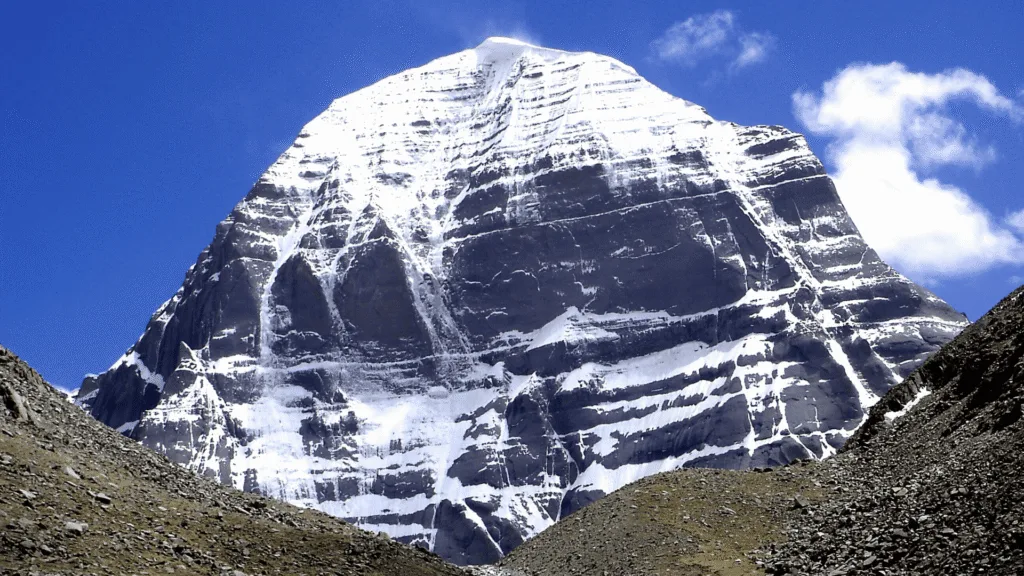
      For Hindus, Mount Kailash is believed to be the abode of Lord Shiva and Goddess Parvati. The mountain is closely linked with Shiva’s meditation and spiritual transcendence, while the pilgrimage is traditionally associated with the pursuit of moksha, or salvation. Hindu tradition also holds that Ravan sang the Shiva Tandav Stotram here to please Lord Shiva.

      Also Read | Did you know there’s a secret trail between Kedarnath and Badrinath? Discover the lost Himalayan path of the gods

      Mount Kailash remains sacred across Hindu, Buddhist and Jain traditions.
      Mount Kailash remains sacred across Hindu, Buddhist and Jain traditions | Wikipedia

      Kailash is revered beyond Hinduism too. In Buddhism, it is associated with Mount Meru, the cosmic mountain. Jain traditions connect the region with Rishabhadeva, the first Tirthankara, and his liberation. The Tibetan Bon tradition, which predates Buddhism in Tibet, also considers Mount Kailash and its surrounding landscape sacred.

      Mansarovar lake and its spiritual importance

      Located at around 4,557 metres above sea level, Mansarovar is among the world’s highest freshwater lakes. Its Sanskrit name, Manas-sarovar, is traditionally linked to manas, meaning mind, and sarovar, meaning lake.

      Mansarovar Lake holds deep spiritual significance for pilgrims.
      Mansarovar Lake holds deep spiritual significance for pilgrims | Wikipedia

      In Hindu belief, the lake is associated with Brahma. For pilgrims, bathing in or drinking its water carries deep religious significance. The region also lies near the headwaters of the Indus, Sutlej, Brahmaputra and Karnali river systems.

      What is the Kailash Parikrama?

      The traditional journey through Tibet includes places such as Saga and Darchen, the settlement from where pilgrims begin the 52-km Kailash parikrama, or kora. Depending on the route and arrangements, about 10 km may be covered by vehicle, leaving roughly 42 km on foot.

      Also Read | Darjeeling to Bhutan: The autumn escape that became my favourite journey

      The trek is generally completed over three days. The most difficult section is the Dolma La Pass, at about 5,630 metres. From there, pilgrims descend towards Zuthulphuk before returning to Darchen.

      Mansarovar lake
      The 52-km Kailash parikrama tests pilgrims at extreme altitude | Wikipedia

      For millions, the Kailash Mansarovar Yatra remains a journey shaped by faith, difficult terrain and centuries-old religious traditions.

    6. Why Kolkata Police filed an FIR against Mamata Banerjee? Exploring

      Why Kolkata Police filed an FIR against Mamata Banerjee? Exploring

      Kolkata Police has registered a suo motu FIR against former West Bengal Chief Minister Mamata Banerjee over allegations that a Trinamool Chhatra Parishad meeting near Birla Planetarium on Cathedral Road was held in violation of a Calcutta High Court order.

      The case was registered at Hastings Police Station and also names the organisers of the Trinamool Chhatra Parishad event. The meeting was held on Friday near Birla Planetarium.

      What is the FIR against Mamata Banerjee about?

      According to police sources, Sub-Inspector Apu Baidya submitted a written complaint on August 28. The complaint alleges that Mamata Banerjee and the event organisers violated the High Court’s directions and allegedly provoked supporters during the gathering.

      Former West Bengal Chief Minister Mamata Banerjee
      Cathedral Road meeting lands Mamata Banerjee in police FIR | ANI

      Police have also alleged that the situation became disorderly during the meeting. Some supporters reportedly moved police barricades and were involved in scuffles with personnel deployed to maintain law and order.

      Also Read | The Camac Street Citadel: Why Abhishek Banerjee’s Kolkata office has become Bengal’s most contested political address

      Police allege High Court directions were not followed

      The Calcutta High Court had directed that the meeting could be held on one lane of Cathedral Road, while the other lane was to remain open for vehicles.

      Police have alleged that the arrangement was not followed during Friday’s meeting. According to the complaint, the lane beside the meeting venue was eventually blocked, leading to significant traffic congestion in the area.

      Kolkata Police books Mamata Banerjee over Cathedral Road meeting.
      Kolkata Police books Mamata Banerjee over Cathedral Road meeting | File Image

      The police have also alleged that the meeting continued beyond the time permitted by the High Court. The court had fixed the meeting period from 12 pm to 3 pm.

      What charges are in the FIR against Mamata Banerjee?

      Police sources said the FIR invokes provisions of the Bharatiya Nyaya Sanhita (BNS) relating to criminal conspiracy, disobedience of an order issued by a public servant, acts endangering the life or personal safety of others, obstructing and using force against a public servant while on duty, and causing obstruction on public roads.

      Also Read | Bidhan Market eviction: What Calcutta High Court ordered

      The case has been filed against Mamata Banerjee as well as the organisers of the student body’s meeting.

      What did Chief Minister say?

      The FIR follows a statement by Chief Minister Suvendu Adhikary, who had said after Friday’s meeting that police had been instructed to register a case against Mamata Banerjee.

      CM Suvendu Adhikari says police were told to file FIR against Mamata Banerjee
      CM Suvendu Adhikari says police were told to file FIR against Mamata Banerjee | File Image

      Speaking after a Rakhi Bandhan celebration in Jadavpur, Suvendu said, “Did you see how the former chief minister violated the High Court order? She was asked to hold the meeting leaving one flank of the road. What did she do by calling people who were under the trees and getting the road blocked? I have told the police to register an FIR and move the High Court against her. She will not be spared.”

      The police case now places the alleged violation of the High Court’s directions and the events surrounding the Cathedral Road meeting at the centre of the matter.