Blog

  • Waukee High School and Prairieview lockdown: What we know about ‘armed person threat’

    Waukee High School and Prairieview lockdown: What we know about ‘armed person threat’

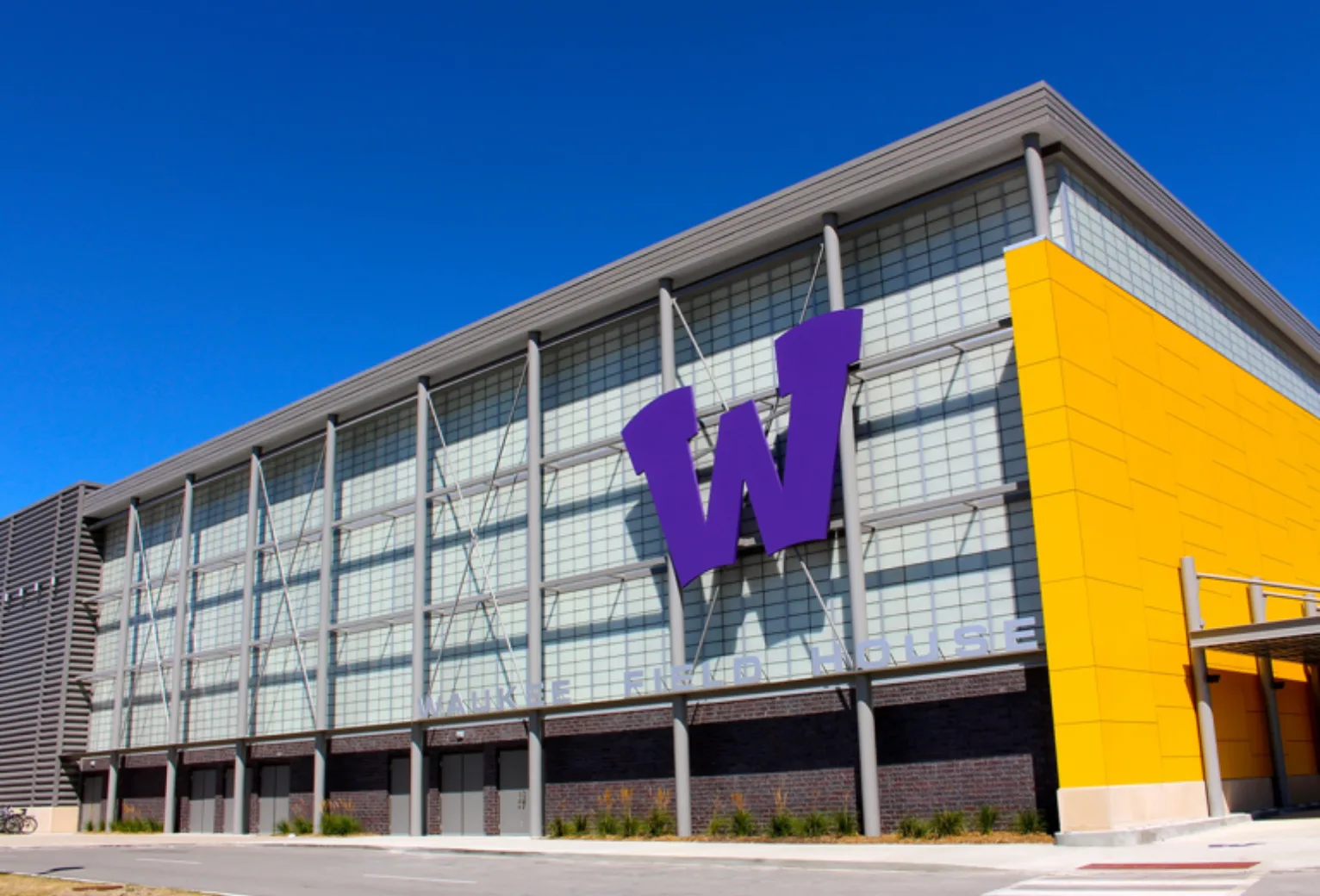
    Waukee High School and the nearby Prairieview School in Iowa were placed under an external lockdown on Friday morning after authorities received a report of a person carrying a weapon outside the high school.

    However, officials later confirmed that there was no active threat to students or staff, and no injuries were reported.

    The Waukee Police Department said officers and additional emergency responders were sent to the area to investigate the report and check the surroundings.

    ALSO READ| AK-203 Sher: India’s fully indigenous assault rifle clears first test; what’s next?

    “THERE IS NO ACTIVE THREAT AT THIS TIME,” stated the Waukee Police Department in a Facebook update.

    The Waukee Community School District informed families at around 8:35 a.m. that Waukee High School and Prairieview had been placed under lockdown “as a precaution” following a “potential threat off-property near Waukee High School.”

    The lockdown was not initiated because of an active attack inside either school

    Waukee Police Chief Chad McCluskey said that the police “thoroughly investigated” the situation and “This response went exactly as we planned.”

    “Waukee Community School District personnel and Waukee Police Department personnel worked seamlessly to ensure the safety of our kids, the safety of our community, and to support timely information sharing to help reduce anxiety associated with this incident.”

    What happened during the Waukee lockdown?

    Under the district’s external lockdown procedures, normal classes continued inside the buildings. However, students and staff were not permitted to enter or leave the affected schools, while visitors were also barred from entering.

    Families were asked not to travel to the schools while police were investigating the reported weapon sighting.

    Meanwhile, the district said all other schools continued to operate normally.

    Notably, the lockdown remained in place for roughly 90 minutes as police conducted their investigation. At 9:15 a.m., the lockdown was lifted after officers completed checks of the area.

    ALSO READ| 32 Kolkata tourists missing in Nepal: Here are all the helpline numbers for you

    Waukee police sent a message to parents around 9:20 a.m, noting, “The Waukee Police Department thoroughly investigated the situation, including areas inside and outside our buildings, and determined there is no threat to student safety,” authorities stated in a message to parents sent around 9:20 a.m. “All schools will operate as normal today.”

    “We appreciate the quick response of our local law enforcement. Thank you to our families, staff, and students for your patience and understanding. If you have any questions, please contact us at [info@waukeeschools.org](mailto:info@waukeeschools.org),” the school thanked in their later post.

  • The Camac Street Citadel: Why Abhishek Banerjee’s Kolkata office has become Bengal’s most contested political address

    The Camac Street Citadel: Why Abhishek Banerjee’s Kolkata office has become Bengal’s most contested political address

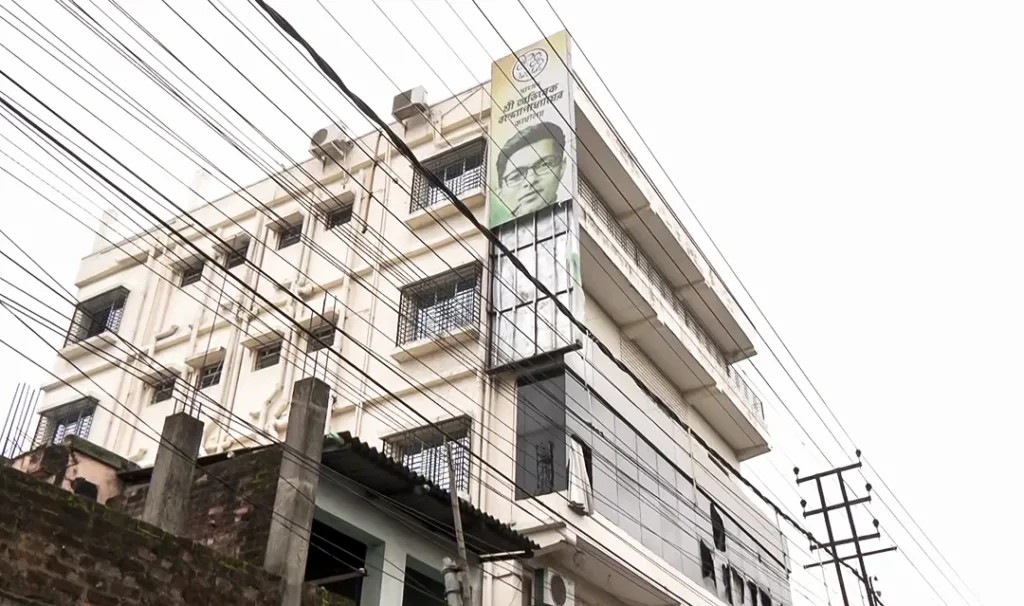
    What appeared on Thursday as a routine attempt by Kolkata Police and KMC officials to remove an allegedly unauthorised billboard from Abhishek Banerjee’s Camac Street office rapidly transformed into a political flashpoint.

    But the real story lies beyond the scuffle. This address is no ordinary party office—it is the nerve centre of Abhishek Banerjee’s political empire, the war room of Trinamool Congress’s new generation, and perhaps the most symbolically charged building in Bengal’s post-2024 politics.

    Also Read | Why do the survivors describe the Kolkata hotel fire as ‘a scene from a horror movie’?

    Why does Camac Street matter so much in Bengal politics?

    On Camac Street, amid the polished façades of corporate towers and luxury boutiques, stands a building that has quietly rewritten the grammar of Bengal politics. It bears no overt grandeur, no monumental architecture, and yet it has acquired the aura of a fortress. This is Abhishek Banerjee’s office—less an office than the command headquarters of Trinamool Congress’s most influential strategist after Mamata Banerjee.

    Thursday’s confrontation was ostensibly about a billboard. Kolkata Police, accompanied by officials from the Kolkata Municipal Corporation, arrived to remove a Trinamool hoarding that authorities described as unauthorised. Within minutes, the routine municipal exercise spiralled into a dramatic face-off, with Abhishek demanding written orders and accusing officials of attempting an illegal entry. The officials eventually withdrew, and the episode instantly became the day’s defining political spectacle.

    A view of TMC MP Abhishek Banerjee's closed office in Camac Street
    A view of TMC MP Abhishek Banerjee’s office in Camac Street / ANI

    Yet, to understand why a billboard became a battle, one must understand what Camac Street represents.

    For nearly a decade, this office has evolved into Abhishek Banerjee’s independent political ecosystem. Candidate selection, campaign planning, organisational restructuring, digital outreach, grievance redressal and welfare initiatives have all flowed through this address. It is here that the Diamond Harbour MP cultivated an image distinct from the traditional Kalighat establishment—modern, data-driven and relentlessly organisational.

    If Kalighat is the emotional capital of Trinamool Congress, Camac Street is its operational capital.

    The symbolism has only intensified since the political upheavals following the 2026 Assembly election. The Trinamool Congress entered one of the most turbulent chapters in its history, confronting electoral setbacks, internal dissension and a series of criminal investigations. The alleged signature-forgery controversy brought investigators repeatedly to Abhishek Banerjee’s doorstep, making Camac Street a recurring destination for CID teams and police officers.

    This was not even the first search operation at the premises. In June, CID officials entered the Camac Street office as part of the investigation into the alleged forgery of legislators’ signatures on Assembly documents, even as simultaneous searches were conducted at the Kalighat party headquarters adjoining Mamata Banerjee’s residence.

    That parallelism was politically telling.

    For decades, Harish Chatterjee Street in Kalighat symbolised unquestioned authority within Trinamool Congress. Camac Street’s emergence reflects a generational transition—an institutional shift from charisma to machinery. It is the space where Abhishek Banerjee built his own network of political managers, researchers, lawyers, social media professionals and constituency coordinators.

    This is precisely why every visit by investigators acquires disproportionate significance.

    What makes Thursday’s confrontation politically significant?

    Thursday’s episode also unfolded against a sensitive legal backdrop. Only days earlier, the Calcutta High Court granted Abhishek Banerjee interim protection from coercive action in three criminal cases, restraining police from arresting or subjecting him to custodial interrogation while the matters remain under judicial consideration.

    That judicial shield has inevitably heightened the political optics surrounding every police action involving him.

    A billboard dispute at Abhishek Banerjee’s Camac Street office has revived attention on the address’s growing political significance.
    Abhishek Banerjee / ANI

    The Trinamool Congress has framed Thursday’s development as selective targeting, arguing that numerous commercial establishments in the vicinity display similar billboards without municipal intervention. Abhishek himself alleged political vendetta and announced plans to challenge the action before the High Court.

    Also Read | Who was Asish Banerjee? Close Mamata Banerjee aide found dead at TMC party office in Birbhum

    The administration, meanwhile, maintains that the exercise concerned an allegedly illegal advertisement structure rather than the office itself. That distinction may be administrative, but in Bengal’s charged political climate, symbolism often overwhelms procedure.

    Camac Street is no longer merely an address on Kolkata’s map. It has become a metaphor for the contest over Trinamool’s future—between state power and political resistance, between institutional investigation and allegations of vendetta, between an inherited legacy and an emerging leadership.

    In Bengal, political geography has always mattered. Writers had College Street, revolutionaries had Alipore, the Left had Alimuddin Street, and Mamata Banerjee had Kalighat. Today, Abhishek Banerjee has Camac Street.

    And that is why when police knock on its doors, Bengal does not see a municipal inspection. It sees a struggle over the state’s evolving political centre of gravity.

  • What is a flash flood? Unfolding Nepal’s Himalayan tragedy

    What is a flash flood? Unfolding Nepal’s Himalayan tragedy

    In the Himalayas, calamity seldom announces its arrival. It gathers silently behind clouds, glaciers and mountain ridges before descending with astonishing ferocity. Nepal’s latest flash flood is a grim reminder that in the world’s youngest mountain range, nature’s violence often unfolds in minutes rather than hours.

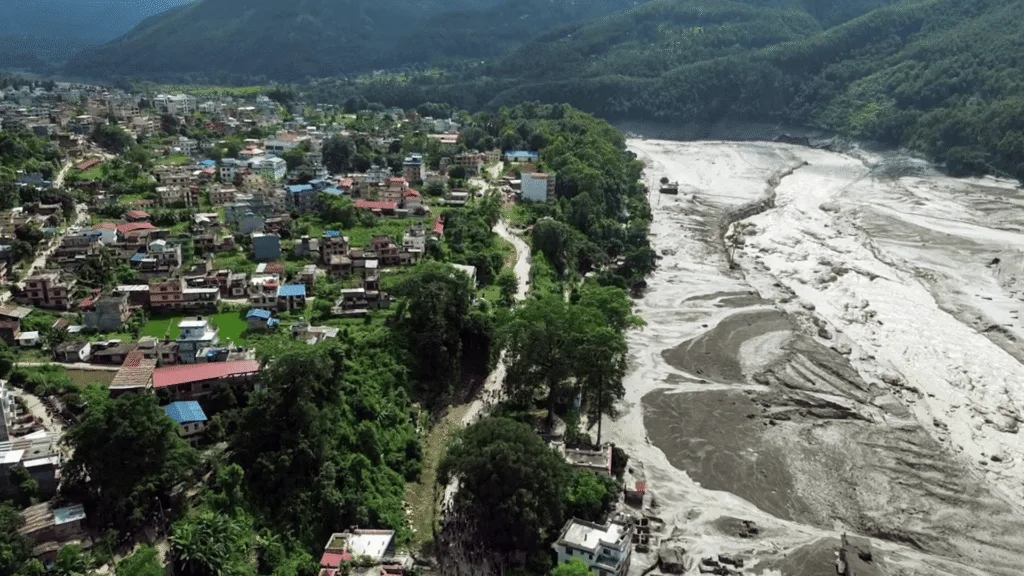
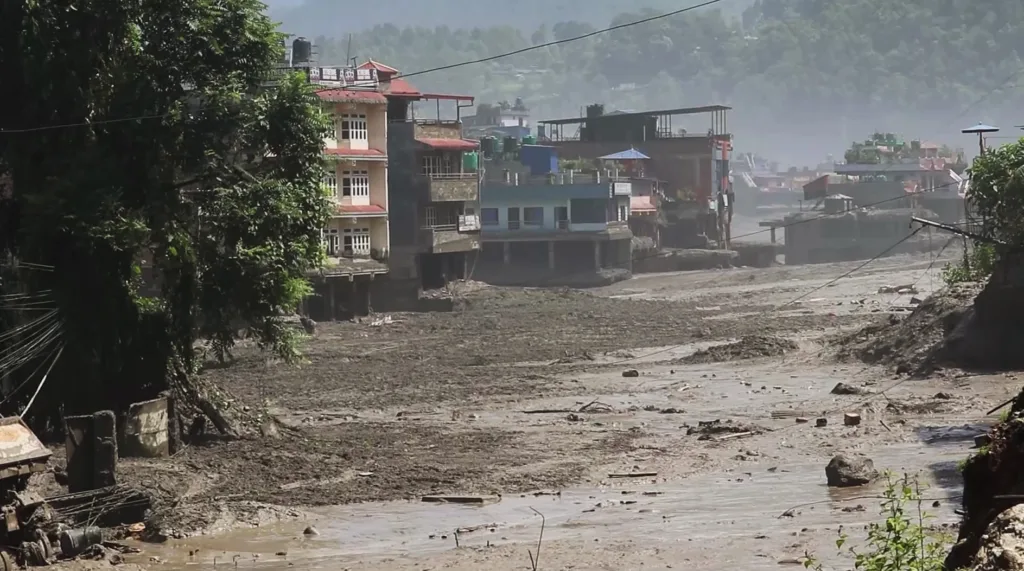
    A flash flood is among the deadliest natural disasters because of its defining characteristic: speed. Unlike river floods that build gradually over days, flash floods develop within minutes or a few hours of intense rainfall, glacial lake outbursts, cloudbursts or sudden dam failures. Water rushes downhill with extraordinary momentum, carrying boulders, trees, vehicles and entire homes in its path. In Nepal’s steep valleys, where settlements cling to riverbanks and mountainsides, this speed transforms a torrent into a catastrophe.

    The recent tragedy unfolded after exceptionally intense rainfall lashed Nepal’s central and western Himalayan regions. Saturated slopes, swollen rivers and collapsing mountain streams combined into a devastating cascade. Tributaries feeding major rivers overflowed almost simultaneously, creating walls of water that engulfed villages, highways and bridges before many residents could escape.

    Nepal's flash flood tragedy exposes the growing dangers of a warming Himalayas.
    Nepal’s flash flood tragedy exposes the growing dangers of a warming Himalayas | ANI

    Meteorologists describe such events as high-intensity, short-duration rainfall episodes. The Himalayas amplify these systems through orographic lifting: moisture-laden monsoon winds rise rapidly over mountain slopes, cool abruptly and unleash enormous quantities of rain over confined catchments. When this deluge falls on already saturated terrain, the landscape loses its capacity to absorb water, forcing torrents downhill.

    Also Read | 32 Kolkata tourists missing in Nepal: Here are all the helpline numbers for you

    Yet rainfall tells only part of the story. Climate scientists increasingly warn that a warming Himalaya is making these disasters more frequent and more destructive. Nepal has witnessed accelerated glacier melt over recent decades, expanding fragile glacial lakes dammed only by loose rock and ice. When these natural barriers fail, they release millions of cubic metres of water downstream in what is known as a Glacial Lake Outburst Flood (GLOF), a phenomenon unique to high mountain environments.

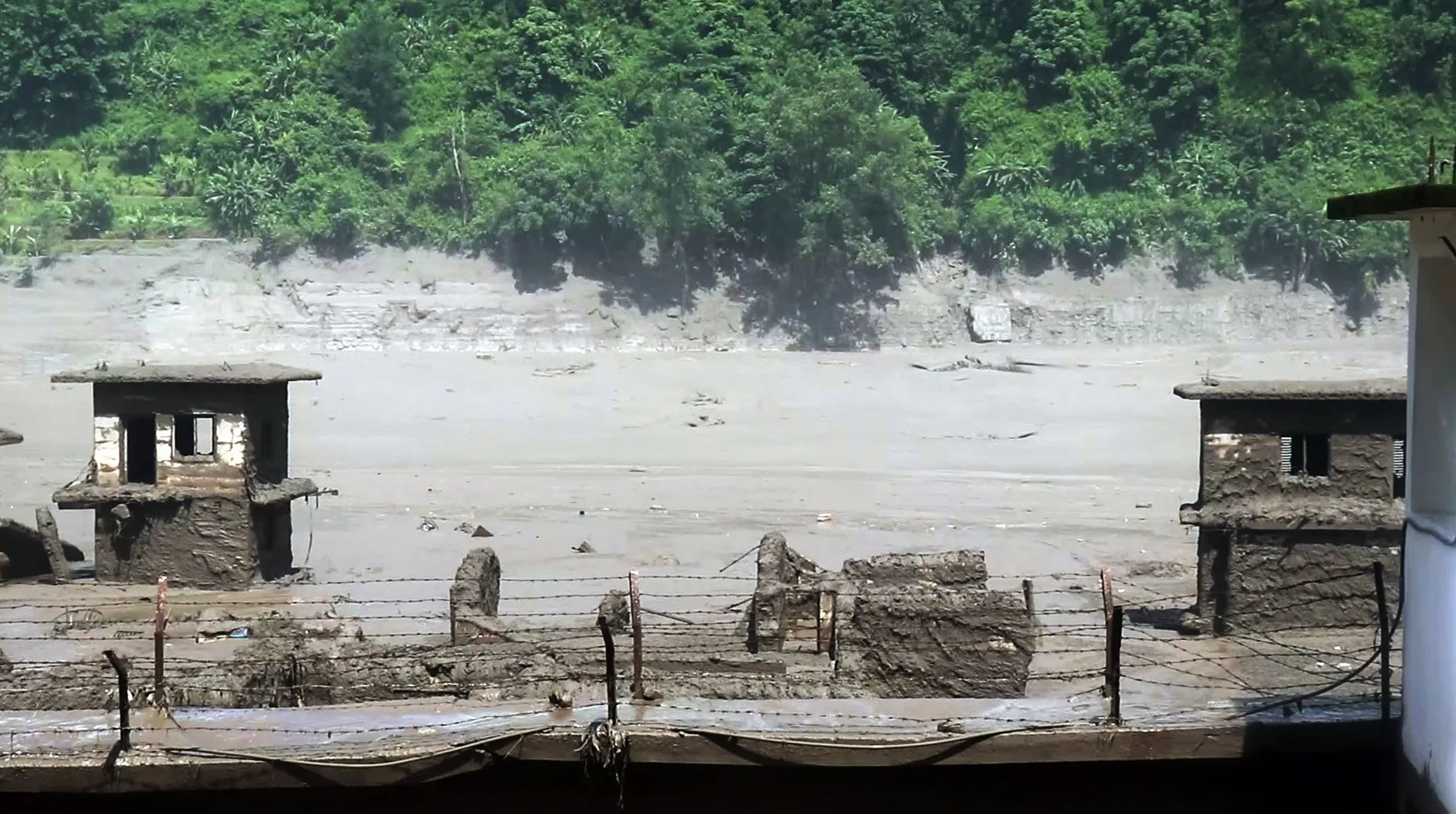
    The human cost is staggering. Families are displaced overnight. Roads connecting remote mountain districts disappear beneath landslides. Hydropower stations suffer extensive damage, disrupting electricity supplies and local economies. Search-and-rescue teams often struggle to reach affected communities because bridges and highways themselves become casualties of the flood.

    Raging waters, collapsing bridges and landslides reveal the deadly force of Himalayan floods.
    Raging waters, collapsing bridges and landslides reveal the deadly force of Himalayan floods | X

    Flash floods are particularly lethal because they offer almost no reaction time. A shallow mountain stream can transform into a roaring river within thirty minutes. Water travelling at several metres per second exerts immense force, enough to sweep away concrete structures. Even thirty centimetres of fast-moving water can knock an adult off balance, while sixty centimetres can carry away a vehicle.

    Nepal’s vulnerability is deeply geographical. Nearly eighty percent of the country is mountainous, intersected by thousands of rivers descending from Himalayan glaciers toward the Gangetic plains. Rapid urbanisation, deforestation and construction along river corridors have further narrowed natural flood channels, increasing exposure whenever rivers burst their banks.

    The tragedy also carries implications for India. Rivers originating in Nepal—including the Koshi, Gandak and Karnali—flow into Bihar and Uttar Pradesh. Extreme rainfall upstream frequently translates into flooding downstream, making Himalayan hydrology a shared regional challenge rather than a national one.

    Flash flood ravages Nepal’s Rasuwa
    Flash flood ravages Nepal’s Rasuwa | ANI

    Scientists argue that adaptation can reduce the devastation. Early warning systems using rainfall radar, satellite monitoring and river gauges have improved significantly. Community sirens, mobile alerts and evacuation protocols have already saved lives in several Himalayan districts. However, forecasting the precise location and intensity of cloudbursts remains one of meteorology’s greatest challenges.

    Also Read | Kolkata rain alert: Will thunderstorms continue despite low pressure moving west?

    Nepal’s latest disaster is therefore more than an isolated monsoon tragedy. It is an unsettling illustration of how climate change, fragile mountain ecosystems and expanding human settlements are colliding in the Himalayas. The mountains continue to nourish South Asia with rivers, biodiversity and livelihoods, yet they are becoming increasingly volatile under rising global temperatures.

    A flash flood is not simply excess water. It is compressed time, unleashed gravity and accumulated climate risk converging into a single devastating moment. Nepal’s sorrow is a warning echoing across the Himalayas: in an era of intensifying extremes, resilience must travel faster than the flood itself.

  • 32 Kolkata tourists missing in Nepal: Here are all the helpline numbers for you

    32 Kolkata tourists missing in Nepal: Here are all the helpline numbers for you

    32 people from Kolkata are missing while travelling in Nepal. They had gone to visit Manasarovar in a group with a travel agency. The group was to cross over the border with Tibet on Wednesday morning. But since the Harappa Ban disaster, they have not been contacted. No one has been found yet.

    The missing group included 30 tourists and two employees of the travel agency that had arranged the journey. One of the tourists had travelled all the way from the United States for the Manasarovar pilgrimage, although he is an Indian citizen.

    The group left Kolkata on August 21 and reached Nepal the following day. Until Tuesday, the tourists were in Kathmandu and had sent photographs and videos to the travel agency from there. 

    ALSO READ| Will West Bengal’s new land reforms make it easier to set up businesses? Exploring

    They were scheduled to cross the Nepal-Tibet border on Wednesday morning. By around 8.30 am, the group had reportedly reached the immigration office. After that, neither the tourists nor the group members contacted the travel agency again. 

    The travel agency said an international organisation was handling arrangements for the Manasarovar expedition. After news of the disaster emerged, efforts were made to reach the affected area by helicopter.

    However, the helicopter could not land at the site. The agency has since contacted Nepal Tourism authorities as well as the Indian embassy in Nepal.

    How can you contact the authorities following the Nepal disaster?

    On Wednesday morning, a sudden flash flood hit the Bhote Koshi River area of Nepal’s Rasuwa district, ravaging settlements, roads and bridges near the Nepal-Tibet border.

    Following the massive Nepal disaster, helplines were opened to help families in West Bengal seeking information. A helpline has been launched at the state police headquarters, Bhawani Bhavan, on the instructions of Chief Minister Subhendu Adhikari.

    Affected people or their family members can contact the state government’s helpline numbers: 033-24793311 and 9147890181.

    Kolkata Police has also opened a helpline; seekers can call on 18003455678 or contact WhatsApp at 9874902880.

    The Indian Embassy in Nepal can be contacted at +977-9851316807 and +977-9709107500.

    ALSO READ| Bidhan Market eviction: What Calcutta High Court ordered

    They had gone to visit Manasarovar in a group with a travel agency. The group was to cross over the border with Tibet on Wednesday morning. But since the Harappa Ban disaster, they have not been contacted. No one has been found yet. The DG Control number is 9174890145, while the Bhawani Bhavan control room can be reached at 033-24794044 and 9147890146.

    Notably, another tourist group from Hooghly is stuck in Nepal. A bus carrying 65 tourists from Arambagh is currently at Chetan Park, around 120 kilometres from the main disaster-hit area.

    The group had left for Nepal on August 24. The tourists could not be contacted since Wednesday morning. They were later contacted, and all 65 tourists are reportedly safe.

    How serious is the Nepal disaster?

    The Nepal Tourism Board has reported hundreds of travellers missing from the affected area. A preliminary list put the number of missing travellers at 384, including 291 foreign nationals and 93 Nepali nationals. Indian nationals form the largest group among the foreign travellers on that list.

    ALSO READ| Why do the survivors describe the Kolkata hotel fire as ‘a scene from a horror movie’?

    Damaged infrastructure and challenging conditions in the affected area have also posed a challenge to search and rescue efforts.

    India has also stepped up efforts to assist Nepal and track Indian nationals who may have been affected.

    The Indian Embassy in Kathmandu has been coordinating with the Nepalese authorities over rescue and relief operations.

  • Bidhan Market eviction: What Calcutta High Court ordered

    Bidhan Market eviction: What Calcutta High Court ordered

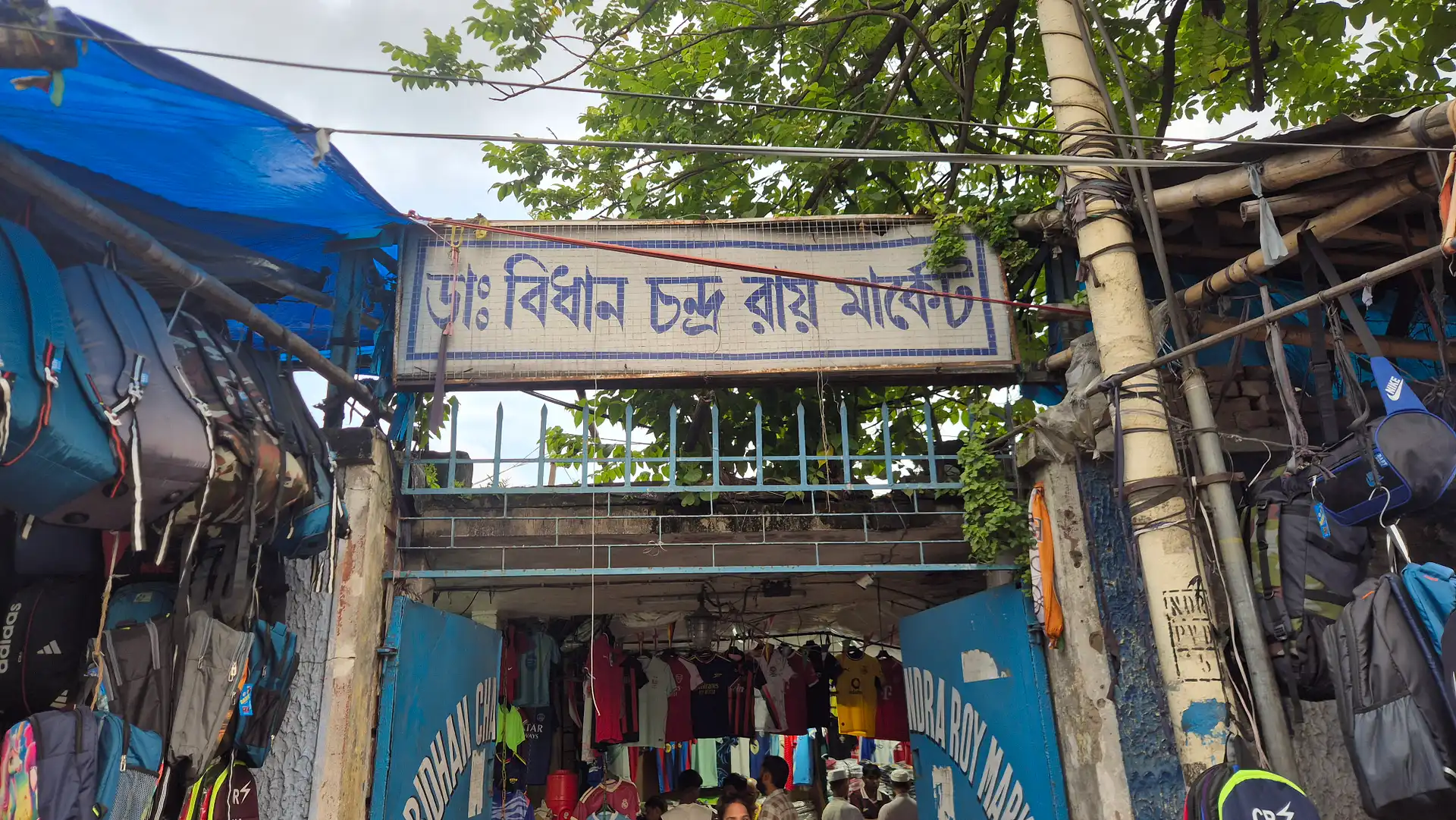
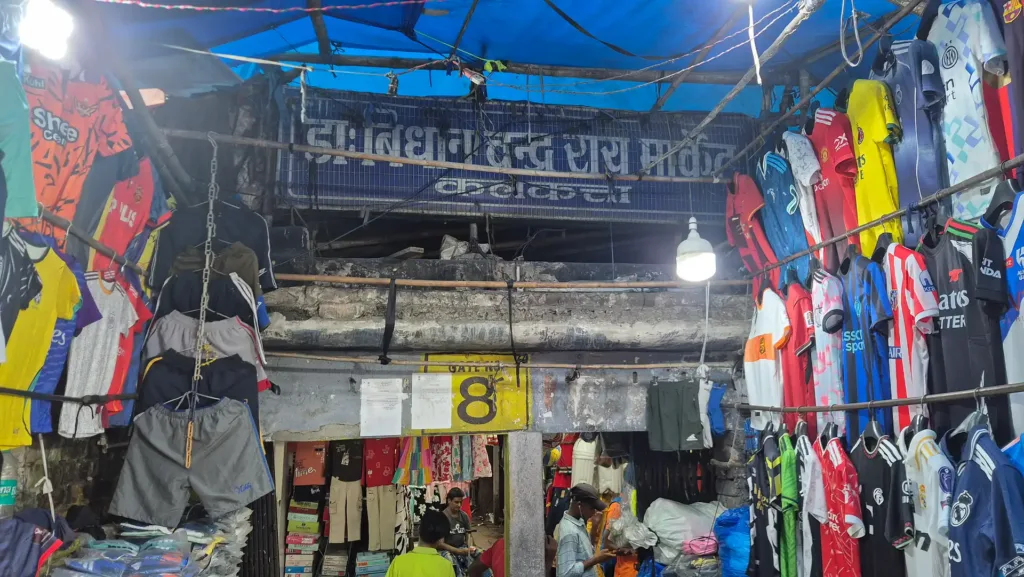
    On Monday, the Calcutta High Court directed the authorities to begin work on the Joka-B.B.D. Bagh Metro project in the Dharmatala’s Bidhan Market area within seven days. To make that possible, the shopkeepers of Bidhan Market will have to be temporarily relocated.

    However, the court has made one thing clear: the traders cannot simply be asked to leave without proper arrangements being made at the alternative site.

    ALSO READ| Kolkata rain alert: Will thunderstorms continue despite low pressure moving west?

    A bench headed by Justice Partha Sarathi Chatterjee passed the directions on Monday while hearing a plea related to the proposed relocation of the market’s traders.

    Why does Bidhan Market have to be cleared?

    The iconic Bidhan Chandra Roy Market area stands in the way of a major part of the Joka-B.B.D. Bagh Metro project.

    The planned Esplanade Metro station is to be constructed underneath the market. As a result, the area needs to be cleared before construction can move forward.

    Calcutta High Court gives 7 days to start Joka-B.B.D. Bagh Metro work, and vacate Bidhan Market.

    The High Court has now directed that work in the market area should begin within seven days. But before the traders are moved, the authorities have also been asked to make adequate security arrangements.

    Where will the traders go?

    Reports noted that the shopkeepers could be temporarily relocated to the Mounted Police Parade Ground area.

    The traders had earlier moved the Calcutta High Court after alleging that they were being asked to vacate Bidhan Market without receiving sufficient assurances about their temporary relocation and future rehabilitation.

    ALSO READ| Can you buy a gun for self-defence in West Bengal? Know the rules

    The court directed the authorities to ensure that the temporary relocation is carried out only after the alternative site has adequate water, electricity and other essential civic facilities.

    The court has also directed the agency responsible for the project to ensure that the traders are allowed to return to their original location once the construction work is over.

    The project authority has also been asked to provide the traders with a written assurance regarding their return.

  • AK-203 Sher: India’s fully indigenous assault rifle clears first test; what’s next?

    AK-203 Sher: India’s fully indigenous assault rifle clears first test; what’s next?

    Recently, the first AK-203 Sher assault rifle made entirely with Indian components and input materials has been successfully test-fired at the Korwa Ordnance Factory in Amethi.

    This is a huge step forward for the country’s self-reliant defence manufacturing ecosystem. According to Indo-Russian Rifles Private Limited (IRRPL), this is the first AK-203 to be manufactured with 100 per cent Indian components and input materials.

    ALSO READ| Kolkata rain alert: Will thunderstorms continue despite low pressure moving west?

    What makes the development important?

    The AK-203 programme did not begin as a completely indigenous project. It was originally launched as a Russia-India manufacturing programme, with production in India initially relying heavily on imported components. Over the years, however, the share of Indian-made parts and materials steadily increased. The latest rifle represents the point at which that process has reached full indigenisation.

    The prototype was test-fired at the Korwa Ordnance Factory in Amethi on August 23. The rifle successfully went through firing trials, including burst firing, marking a crucial step before it is handed over to the Indian Army for detailed evaluation.

    Major General SK Sharma, CEO and MD of IRRPL, lauded, “A moment of immense pride for all of us at IRRPL. We have successfully produced and fired the first AK-203 (Sher) rifle made with 100% Indian components and input materials.”

    “What makes this achievement truly special is that every single component and every input material going into this rifle has been sourced from Indian industry. This is not merely localisation of selected components; it is true, end-to-end “100% genuine indigenisation” of the rifle. This is Atmanirbhar Bharat in action.”

    ALSO READ| Can you buy a gun for self-defence in West Bengal? Know the rules

    The company is now preparing the required number of fully indigenous prototypes for the next stage of the programme.

    “We are now working towards making the requisite number of 100 per cent indigenised prototypes for handing over to the Army for trials during September 2026,” Major General Sharma added.

    Now, the indigenous version of the rifle will have to demonstrate that it meets the operational and technical requirements of the Indian military before any decision is taken on wider induction and large-scale production.

    What makes the AK-203 Sher different?

    The AK-203 belongs to the globally recognised Kalashnikov family of assault rifles and is being manufactured in India through the Indo-Russian joint venture.

    The rifle weighs approximately 3.6 kg and fires the 7.62×39 mm cartridge. It comes with a 415 mm barrel, a cyclic firing rate of around 700 rounds per minute and a 30-round magazine. Its sighting range is around 800 metres, while the battle sight range is approximately 350 metres.

    One key characteristic of the AK-203 is its 7.62×39 mm ammunition. Compared with the 5.56×45 mm cartridge used by rifles such as the American M4 family and Germany’s HK416, the 7.62 mm round uses a heavier projectile. The AK-203, therefore, continues with the established 7.62 mm intermediate cartridge associated with several Kalashnikov platforms.

    Why India is replacing the Insas

    For Indian soldiers, the AK-203 means the gradual move away from the Indian Small Arms System, or Insas, which entered military service during the 1990s.

    The Insas uses the 5.56×45 mm cartridge, has a 20-round magazine, weighs around 4.15 kg and has an effective range of approximately 400 metres.

    ALSO READ| Will West Bengal’s new land reforms make it easier to set up businesses? Exploring

    The AK-203, however, is lighter, has a larger 30-round magazine and offers a longer sighting range. More importantly, it introduces a newer assault rifle platform while retaining the 7.62×39 mm ammunition standard familiar across the Kalashnikov family.

    The September 2026 Army trials will therefore be closely watched. If the indigenous AK-203 meets the Army’s requirements, the Sher programme could move into a much larger production phase.

  • Kolkata rain alert: Will thunderstorms continue despite low pressure moving west?

    Kolkata rain alert: Will thunderstorms continue despite low pressure moving west?

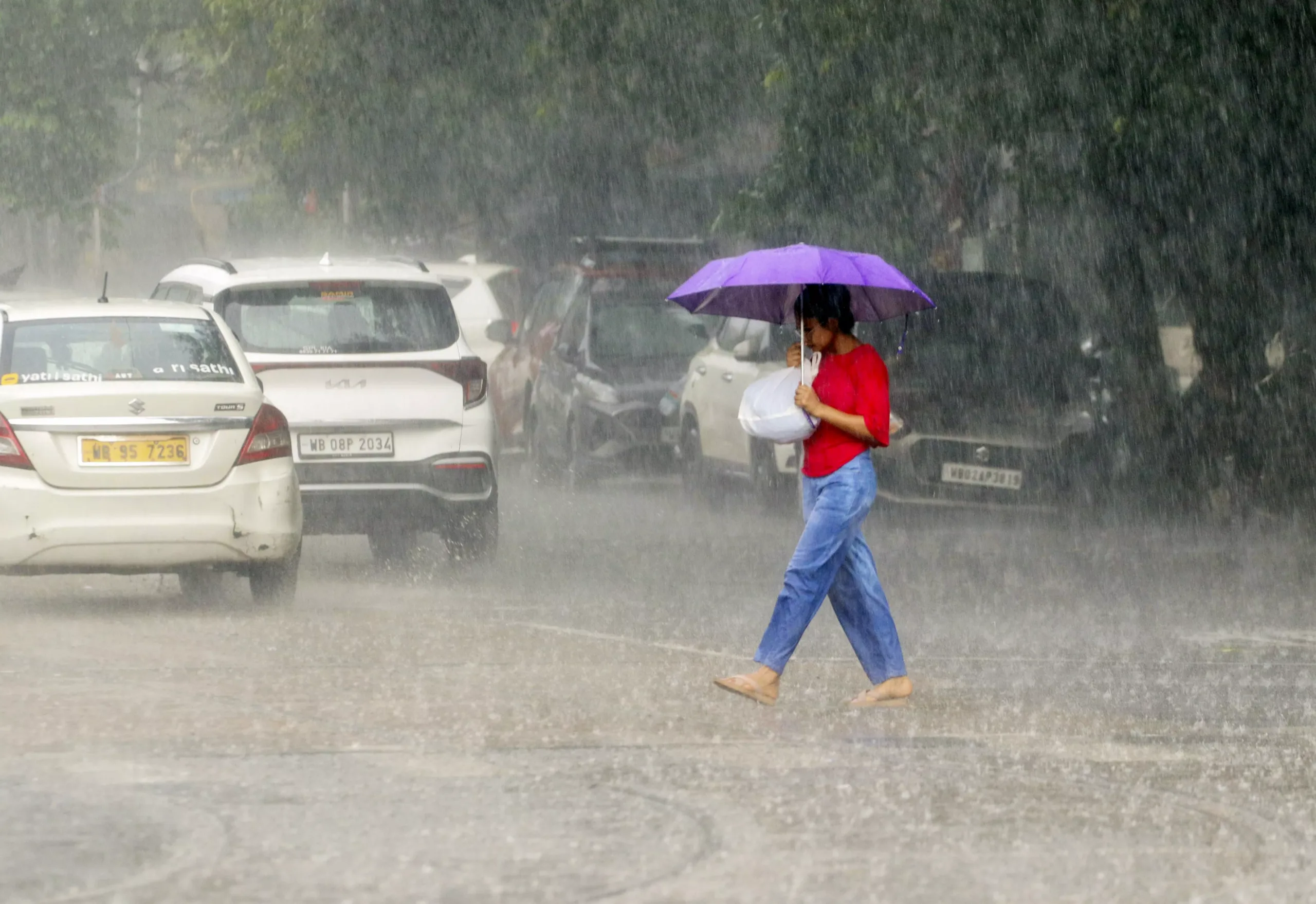
    The low-pressure system over Bengal has now shifted westward. But its exit hasn’t ended the rain overnight. However, a few areas in the state, like in Kolkata, are expected to see continued rain in the coming days, as the Alipore Meteorological Department has predicted heavy showers at isolated places in North and South Bengal.

    No new area of low pressure or cyclone is forming over the sea at present. Despite this, the dry spells are not expected to become more severe anytime soon. The remaining moisture along with an active monsoon axis will help to keep building rain clouds over other parts of the state.

    Kolkata, Howrah and Hooghly may see thunderstorms

    Kolkata and neighbouring districts are likely to experience a mix of cloudy weather, rain and thunderstorms. Scattered showers accompanied by thundershowers are expected in Kolkata, Howrah and Hooghly on Monday and Tuesday.

    ALSO READ| Why do the survivors describe the Kolkata hotel fire as ‘a scene from a horror movie’?

    North 24 Parganas, South 24 Parganas and Purulia may also receive scattered rain from Saturday.

    From Monday, Bankura, Jhargram, West Midnapore, East Midnapore and South 24 Parganas may receive heavy rainfall. Gusty winds with speeds of around 20 to 40 kmph could accompany the showers in some places.

    However, the current forecast does not indicate any weather warning after Tuesday.

    North Bengal remains under the rain cloud

    Jalpaiguri and Alipurduar are likely to experience heavy rain from Saturday through Wednesday. Cooch Behar and Darjeeling may see scattered heavy showers on Monday, while Kalimpong could receive heavy rain on Saturday.

    North Dinajpur, South Dinajpur and Malda are not currently expected to witness heavy rainfall. However, scattered showers are likely in these districts between Saturday and Tuesday.

    ALSO READ| Will West Bengal’s new land reforms make it easier to set up businesses? Exploring

    So, while the main weather system has moved away, Bengal is certainly not out of the rain zone yet.

    Why is rain continuing despite the low pressure moving away?

    Although the monsoon has passed its official peak and autumn has already begun, the seasonal wind system has not completely withdrawn. The monsoon axis remains active, allowing local thunderclouds to develop and trigger rain in different pockets.

    This means the next few days could bring the familiar late-monsoon pattern: rain in one neighbourhood while another remains relatively dry, followed by sudden thunderstorms and showers.

    For now, the sea is relatively calm. So, the weather department has not issued any warning for fishermen.

    Rain decreases, but Kolkata heat begins to return

    Compared with the heavier spells seen earlier, the overall amount of rain has already declined in the city. And as the showers become less persistent, the heat is beginning to make its presence felt again.

    ALSO READ| Who was Asish Banerjee? Close Mamata Banerjee aide found dead at TMC party office in Birbhum

    Kolkata’s temperatures are already running above normal.
    On Saturday, the city recorded a minimum temperature of 28.2 degrees Celsius, which was 1.8 degrees above normal. On Friday, the maximum temperature reached 33.1 degrees Celsius, around 1.1 degrees above the normal level.

  • Will West Bengal’s new land reforms make it easier to set up businesses? Exploring

    Will West Bengal’s new land reforms make it easier to set up businesses? Exploring

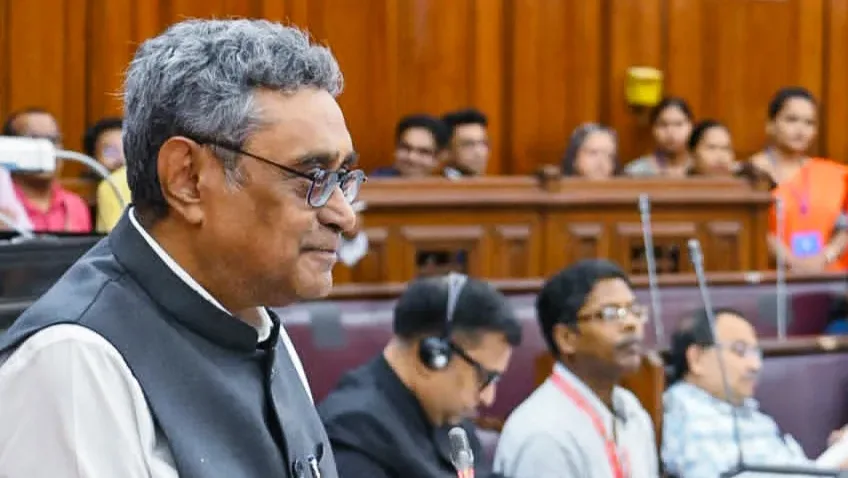
    On Thursday, Finance Minister Swapan Dasgupta said the West Bengal government is exploring legislative changes, land pooling, and other reforms to address long-standing difficulties around land use.

    Land remains Bengal’s knotty question

    Speaking at Business Today’s India at 100 event, Dasgupta described land as one of West Bengal’s most difficult issues. He said the challenge comes from both limited land availability and the fragmented nature of land holdings in the state.

    “Land is always a ticklish issue in West Bengal because of two reasons. One, it is in short supply due to sheer population pressure, and secondly, land holdings tend to be of handkerchief size,” Dasgupta said.

    ALSO READ| Can you buy a gun for self-defence in West Bengal? Know the rules

    The minister said some of the existing land tenures are highly complicated. In some cases, he argued, the rules make it difficult to sell or use land for new purposes. His immediate focus, he said, would be to simplify the legal framework governing land use.

    “We have to first get a large amount of legislation done to simplify land use,” Dasgupta said.

    Simplifying the rules, parcel by parcel

    The proposed approach is not limited to changing land laws. The state is also experimenting with land pooling arrangements, a model that brings together fragmented parcels of land for planned development.

    Dasgupta pointed to Gujarat and Haryana as states where such arrangements have been used successfully.

    At the same time, he cautioned against expecting West Bengal to offer unlimited land for industrial or commercial projects. The state has high population density and limited availability of large parcels, making land a structural constraint.

    “But land is always going to be an issue in Bengal. I am not going to minimise its importance,” he said.

    West Bengal wants to shed ‘difficult for business’ tag

    The government’s larger goal is to change the perception that West Bengal is difficult for businesses.

    Dasgupta said investment decisions are not determined only by financial incentives. Other states may offer more attractive incentives, he noted, but West Bengal wants to compete by highlighting its broader economic ecosystem.

    ALSO READ| Why do the survivors describe the Kolkata hotel fire as ‘a scene from a horror movie’?

    “We have a tradition. We have a skilled workforce. We have a reasonably livable city. We have all these things,” Dasgupta said, adding that the state’s infrastructure has also improved and needs further strengthening.

    The land reforms are part of a wider push for deregulation. Dasgupta said the government is also examining ways to use existing assets to improve state finances.

    He described public debt as a major challenge and said the government would have to consider measures including deregulation, privatisation, and the better use of underutilised assets.

    More than sweeteners for investors

    The minister also spoke about simplifying the Goods and Services Tax (GST) system. He said he had yet to attend his first GST Council meeting but stressed that reducing complexity and discretionary powers would be important for businesses.

    Dasgupta said the state wants to create conditions where investment can move more easily once regulatory hurdles are reduced.

    ALSO READ| Who was Asish Banerjee? Close Mamata Banerjee aide found dead at TMC party office in Birbhum

    His broader ambition is for West Bengal to regain its position as a major growth centre.

    “If, in the next four years, we can register the highest growth rate in India, I think that pride will return,” he said.

  • Want to transform your body in 12 months? Fitness coach suggests these 4 basics

    Want to transform your body in 12 months? Fitness coach suggests these 4 basics

    We are already deep into 2026, and the fitness industry has a curious way of making simple things look complicated. One week, it is a new diet. The next, it is a different workout split, a new supplement or a supposedly fat-burning trick. Before long, getting fitter can start to feel like a full-time research project.

    But if the real goal is to lose fat, build muscle and improve body composition, fitness coach Kevin Heintz says the answer may be considerably less complicated.

    ALSO READ| Are you sacrificing too much for love? 3 signs you’re losing yourself in a relationship

    He laid out a simple checklist built around four things in his post on X: nutrition, resistance training, sleep and everyday movement.

    Understand the calorie deficit

    Fat loss ultimately requires the body to use more energy than it consumes over time. Heintz recommends beginning with a 500–750 calorie deficit, alongside a protein intake of around 0.8 grams per pound of body weight.

    “These are the two most important numbers when it comes to fat loss, so only focus on these to start,” Kevin suggests.

    If you want to overhaul your body composition and love what you see in the mirror…

    Here’s what your checklist to make it happen as quickly as possible:

    • 500-750 calorie deficit
    • 0.8g of protein per lb of body weight (floor)

    These are the two most important numbers when…— Kevin Heintz (@AskCoachKev) August 19, 2026

    He also suggests ensuring a routine that makes calorie and protein targets achievable consistently may be a more useful first step.

    Kevin specifically notes that if the aim is to lose fat while working on muscle, resistance training is your go-to.

    ALSO READ| Onam Sadya: Why is the traditional feast served on a banana leaf?

    “Initially focus on executing each lift with good form and showing up consistently. Once you’re comfortable with that, you need to start applying progressive overload, which is the stimulus your body needs to build muscle,” he says.

    “Progressive Overload is increasing the amount of weight or reps you do over time. So tracking your lifts makes this process easier to track. I’d recommend following an Upper/Lower or Full Body split to start.”

    How much sleep do you need to make a difference?

    Heintz recommends getting at least seven hours a night. “You can make progress with less, but it is way harder to do. Good sleep makes everything easier,” he noted.

    His suggestions for improving sleep include keeping the bedroom cool and dark, avoiding going to bed excessively full and reducing screen exposure during the final hour before bedtime.

    He also mentions magnesium and L-theanine supplements as possible options.

    Then comes the most ignored part: daily movement. Ten thousand steps has become almost synonymous with being active, but Heintz argues, “It doesn’t have to be 10k steps, but you do need to move more throughout the day.”

    ALSO READ| What is the Sweatpants Theory? Uncovering one ‘Weird’ modern Gen-Z dating term

    That could mean taking a 30-minute walk in the morning and another in the evening. Someone working at a desk could use a walking pad while working, while others might add Zone 2 cardio on rest days.

    “There are hundreds of little things you can add to this list like no alcohol, supplements like creatine, water intake, etc. But the above is responsible for 90% of the results you’re looking for,” he added.

    Heintz finally advised, “Commitment for the next 12 months to consistency, and I promise you will come out on the other side completely unrecognisable,” he says.

  • Why do the survivors describe the Kolkata hotel fire as ‘a scene from a horror movie’?

    Why do the survivors describe the Kolkata hotel fire as ‘a scene from a horror movie’?

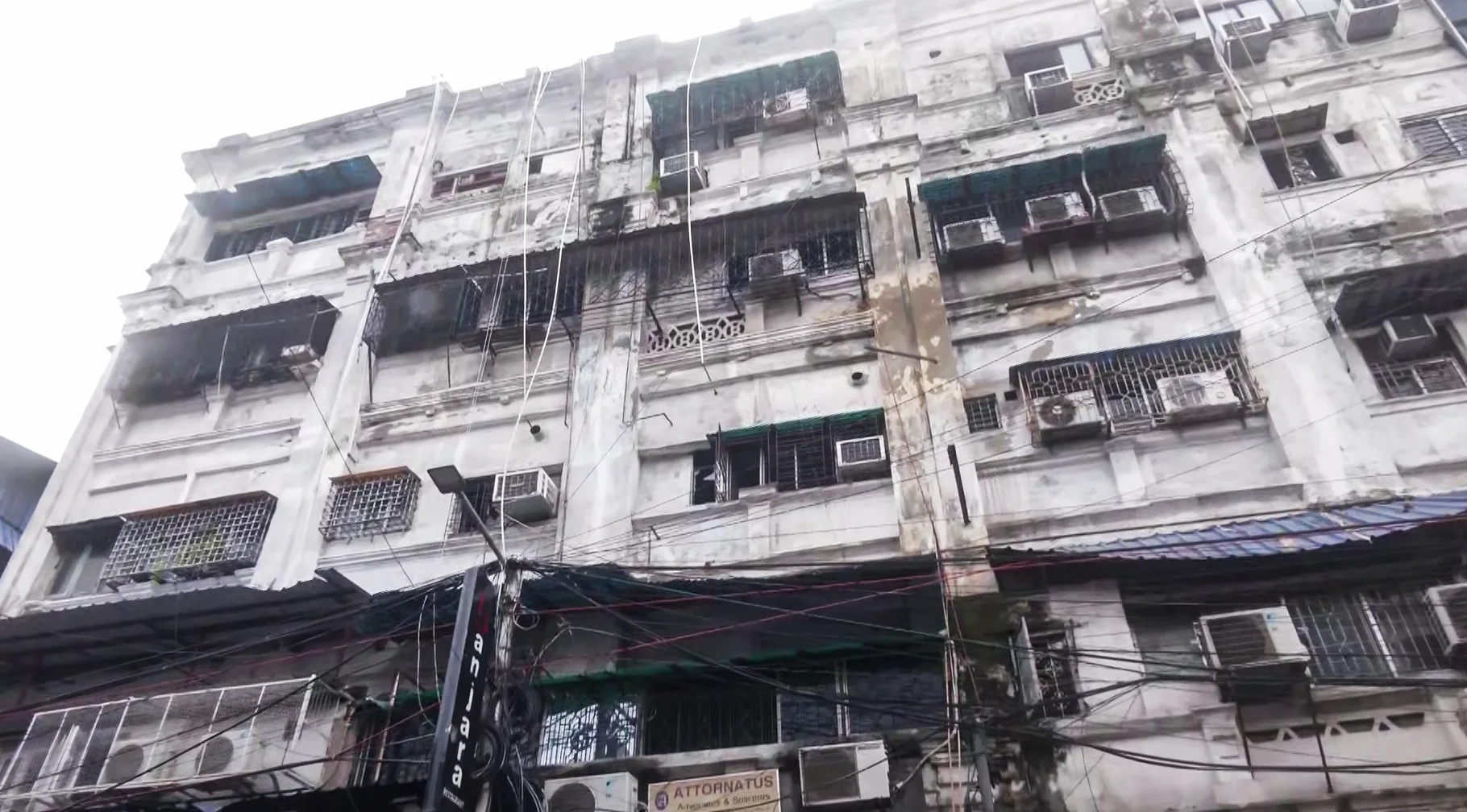
    The guests on Mirza Ghalib Street, Kolkata, witnessed a horror movie in front of their eyes. The devastating Kolkata hotel fire, which broke out at the hotel, claimed nine lives before seeing the light of day. Fumes of dark smoke engulfed the second and third floors of the building, which came under the perimeter of the fire.

    Survivors describe their experience with hell

    The survivors told PTI that there were no fire alarms in the establishment, nor was there any sign of adequate safety equipment in place. The fire claimed the lives of nine people, which included a four-year-old child and two women.

    “The fire brigade arrived hastily, which helped save the lives of 80 people,” says the West Bengal fire and emergency services department minister Kaushik Chowdhury.

    ALSO READ| Who was Asish Banerjee? Close Mamata Banerjee aide found dead at TMC party office in Birbhum

    The PTI noted a resident of Bangladesh who was residing in the hotel that came under fire mentioned approaching the staff, who were fast asleep when the fire broke out around 2 am. The man from Bangladesh had to give up all his belongings to get to a safer place.

    Survivors thank the fire brigade for their prompt arrival

    Ejaj Ahmed, a resident of Birbhum, thanked the fire brigade for arriving without any haste. He checked in at the hotel on Tuesday; it was with the help of the fire brigade personnel that he got his life saved, per The Times of India.

    “I was helped by two fire brigade personnel when I was coming down from the upper floors and ran out of the building to safety, in the midst of the darkness,” Ahmed said. A resident described the situation as horrific, mentioning people caught inside the building pleading for help.

    “It was like a scene from a horror movie,” he said.
    He mentioned only one entrance to the hotel, which leads to the staircase, making the situation worse.

    What are the key takeaways from the incident?

    While the flames themselves were not highly intense, the fire produced thick black smoke that caused severe breathing difficulties. Fire officials highlighted severe ventilation failures as a major concern. Each floor housed a hotel or guest house featuring small rooms, narrow passages, and difficult escape routes.

    ALSO READ| Can you buy a gun for self-defence in West Bengal? Know the rules

    The fire began on the third floor, and dense smoke quickly filled the building’s staircase. This not only trapped the occupants but also made it extremely difficult for firefighters to reach and rescue people on the upper floors. The building management allegedly failed to comply with fundamental safety and construction norms.