Author: Sarwesh Sribardhan

  • Tesla changes FSD name in Europe, but is it really self-driving?

    Tesla changes FSD name in Europe, but is it really self-driving?

    Tesla has dropped the “Full Self-Driving” name from its European websites, replacing it with “Tesla Assisted Driving” as it seeks broader approval for its driver-assistance technology.

    The move comes amid growing scrutiny of the company’s safety claims and its efforts to persuade European regulators to approve the system across the European Union (EU).

    However, the rebranding does not mean the software has become fully autonomous. Drivers must still remain alert and be ready to take control.

    Also Read | What is the International Criminal Court?

    What is Tesla’s Full Self-Driving system?

    Tesla's FSD study tracked braking, horn use and cornering rather than relying on crash rates | X (@kursorslv)
    Tesla’s FSD study tracked braking, horn use and cornering rather than relying on crash rates | X (@kursorslv)

    Tesla’s Full Self-Driving (FSD) is a driver-assistance system designed to handle several driving tasks, including steering, acceleration, braking, and navigation.

    Despite its name, it does not allow drivers to stop paying attention to the road. They must monitor the vehicle and intervene when necessary.

    This distinction lies at the center of the European regulatory debate. Several authorities have raised concerns that the original name could give buyers the impression that the vehicle can drive without human supervision.

    Regulators in Sweden and Italy have also questioned whether Tesla’s marketing could mislead customers about the system’s capabilities.

    The Dutch vehicle regulator made its position clear when it approved a version of the technology in April. “A vehicle with FSD Supervised is not self-driving,” it said.

    Tesla has now begun using the new name on its European websites, including those for Germany, Spain, and the Netherlands.

    Its US website continues to use “Full Self-Driving (Supervised).” The change addresses the concerns surrounding the branding, but it does not settle the separate question of whether the technology meets the EU’s safety requirements.

    Researchers question the evidence behind FSD

    Ditching the controversial "FSD" name in favor of "Tesla Assisted Driving" shows Tesla is ready to play ball with European regulators to finally secure a green light | X (@tslaming)
    Ditching the controversial “FSD” name in favor of “Tesla Assisted Driving” shows Tesla is ready to play ball with European regulators to finally secure a green light | X (@tslaming)

    A Reuters investigation published on October 7 examined Tesla’s efforts to secure European approval. It found that the company had pressed regulators to reduce the intensity of certain safety reviews, submitted research claiming safety benefits, and encouraged supporters to lobby for faster approvals.

    The investigation also examined the evidence behind Tesla’s claims that FSD could reduce crashes.

    Seven traffic-safety researchers who reviewed the company’s European research questioned its methodology. They said the number of miles driven using FSD was too small to support a meaningful comparison with the much larger volume of manually driven miles.

    Instead of relying on actual crash rates, Tesla’s study tracked driving behaviors such as horn use, indicator use, hard braking, rapid acceleration, and hard cornering.

    Researchers said some of these indicators have limitations and do not necessarily establish whether a system prevents crashes.

    They concluded that the study did not prove Tesla’s central claim that FSD prevents fatal crashes. The researchers also questioned the use of professional engineering drivers, who may be more familiar with the software and better equipped to intervene when necessary.

    The Dutch vehicle regulator, RDW, defended its process. It said it assesses driver-assistance systems “objectively and independently” and that engagement with manufacturers does not compromise the thoroughness of its reviews.

    Also Read | Navi Pillay wins 2026 Nobel Peace Prize for championing international law

    What happens next?

    Tesla's rebrand changes what buyers see on European websites; the unresolved issue is whether its driver-assistance technology is safe enough | X (@MarioNawfal)
    Tesla’s rebrand changes what buyers see on European websites; the unresolved issue is whether its driver-assistance technology is safe enough | X (@MarioNawfal)

    The Netherlands approved a version of Tesla’s system in April and subsequently supported wider European adoption. Eight EU countries now allow the technology, while Slovakia is expected to become the ninth.

    However, national approvals do not amount to permission for an EU-wide rollout.

    A wider vote, initially expected in October, has been pushed back until at least December. France is among the countries conducting additional assessments.

    For EU-wide approval, Tesla needs support from regulators representing at least 55% of member states and 65% of the bloc’s population.

    The outcome matters to Tesla as it seeks to expand its software business and strengthen its position in an increasingly competitive electric-vehicle market.

    Regulators face a different responsibility. Determining whether the technology meets safety requirements and whether the evidence justifies wider use.

    Tesla’s new branding may help address concerns over how the product is presented to consumers.

    The larger test remains whether regulators can establish that its capabilities and safety benefits are supported by reliable evidence.
  • Dhruv Rathee, Pinarayi Vijayan, Arvind Kejriwal: Who were detained ahead of CJP protest?

    Dhruv Rathee, Pinarayi Vijayan, Arvind Kejriwal: Who were detained ahead of CJP protest?

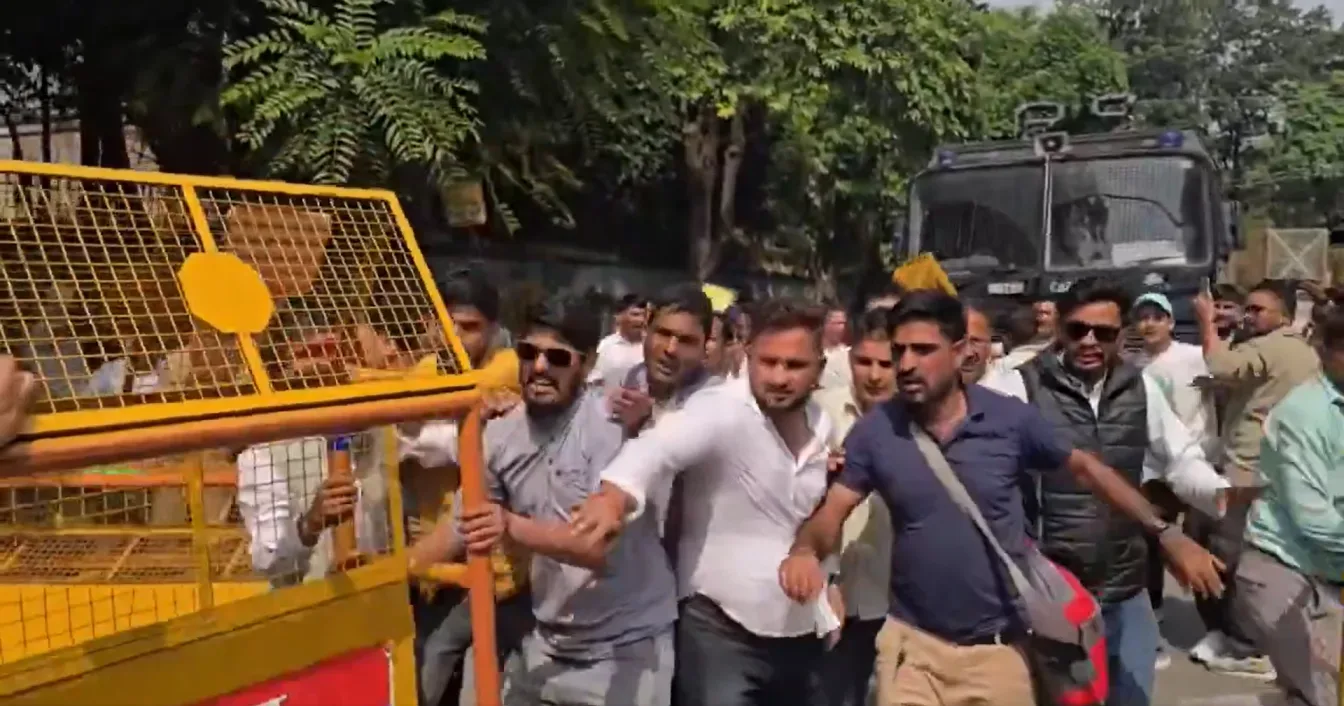
    Delhi witnessed a major political confrontation on Saturday, October 10, after police detained protest organisers, Opposition leaders, activists and journalists ahead of a planned demonstration at Jantar Mantar.

    The protest was called by the Cockroach Janta Party (CJP), which demanded the resignation of Chief Election Commissioner Gyanesh Kumar over alleged irregularities in the revision of electoral rolls.

    The crackdown affected several parts of the capital and extended to other cities. It also brought the debate over voter registration, the Election Commission’s accountability and the right to peaceful protest into particular focus.

    Also Read | Delhi High Court backs visa denial to US sex offender

    From viral quip to political force

    Despite its name, the CJP is primarily a youth-led political pressure movement rather than a conventional political party. It emerged in May after a social media post by its founder, Abhijeet Dipke, went viral.

    His post, “What if all cockroaches come together?”, responded to remarks by Supreme Court judge Surya Kant that compared unemployed youth to cockroaches.

    The satirical identity soon became a rallying point for young people frustrated with unemployment, examination paper leaks and demands for greater government accountability.

    The movement gained national attention during protests that culminated in the resignation of then Union education minister Dharmendra Pradhan in July. Its latest campaign has turned its attention to the Election Commission.

    The SIR controversy and voter-roll allegations

    The central issue is the Special Intensive Revision (SIR) of electoral rolls. This is an exercise to verify and update voter lists.

    The CJP and its supporters have alleged irregularities in this process and in the handling of Form 6, which eligible citizens use to apply for inclusion in the electoral roll.

    They argue that problems with voter registration and the revision process raise questions about whether eligible citizens can exercise their right to vote.

    The controversy has also grown over claims that large numbers of names could be excluded from voter lists.

    About 13.39 cr voters allegedly dropped from a draft roll. The Election Commission, however, said the figure referred to entries flagged during the draft revision and that voters wrongly removed could enrol again.

    These competing positions are central to the dispute. The allegations of manipulation remain contested, while the CJP is demanding Kumar’s resignation.

    No permission, plenty of barricades

    Delhi Police denied permission for the demonstration, citing security concerns and the timing of the application. The request was submitted on October 7, despite a prescribed 10-day notice period.

    Police subsequently set up barricades and checkpoints and imposed prohibitory orders in parts of the capital.

    The scale of the operation was significant. Around 1,200 people had been detained overnight, followed by approximately 500 more during the morning.

    By around 3 pm, the reported figure had crossed 2,000. The detentions took place at multiple locations, including routes leading to the protest site and locations outside Delhi.

    Who was detained

    CJP founder Abhijeet Dipke and co-organisers Saurav Das and Ashutosh Ranka were detained after their aircraft landed in Delhi.

    YouTuber Dhruv Rathee was also detained in Gurugram. Former Kerala chief minister Pinarayi Vijayan, Trinamool Congress chief Mamata Banerjee, Aam Aadmi Party leader Arvind Kejriwal, activist Yogendra Yadav and lawyer Prashant Bhushan were among those reported detained.

    Journalists covering the protest were also picked up.

    Opposition leaders condemned the police action and accused the authorities of restricting democratic rights.

    Mamata Banerjee called the situation a “super emergency” after she and fellow TMC leaders were detained following a sit-in near South Avenue.

    The BJP offered a sharply different political assessment. Its president, Nitin Nabin, accused the Opposition and the CJP of attempting to destabilise the country at the behest of “foreign powers and alliances”.

    Also Read | Dhruv Rathee detained in Gurugram ahead of CJP protest

    One protest, several uncomfortable questions

    The episode has widened the confrontation beyond the original demand for Kumar’s resignation. It now involves questions about electoral transparency, the authorities’ handling of demonstrations and the limits placed on peaceful dissent.

    The Election Commission has defended its voter-verification exercise, while the CJP and Opposition leaders continue to demand accountability.

    The underlying allegations about electoral-roll irregularities remain disputed, leaving the credibility of the revision process at the centre of the political row.

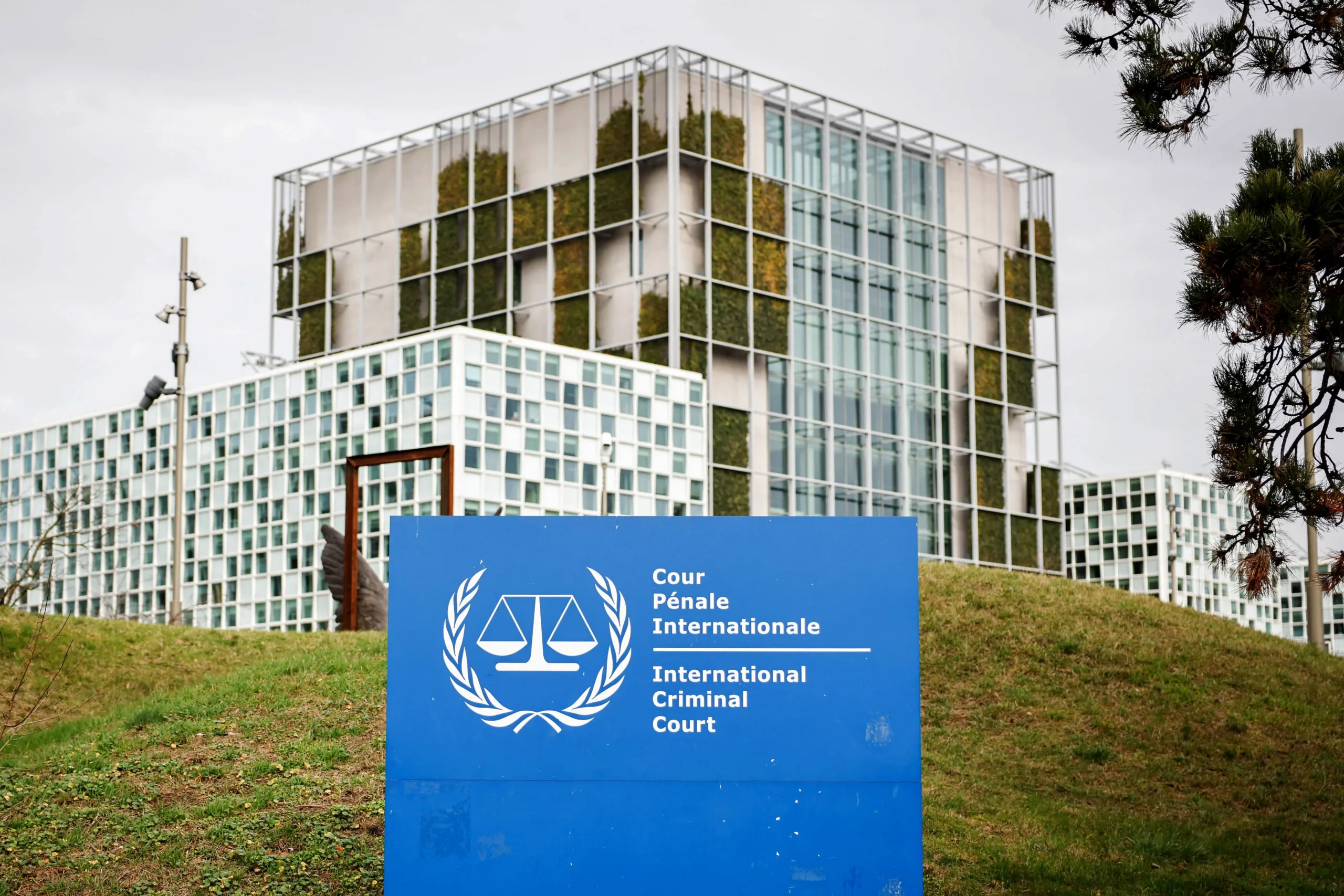
  • What is the International Criminal Court?

    What is the International Criminal Court?

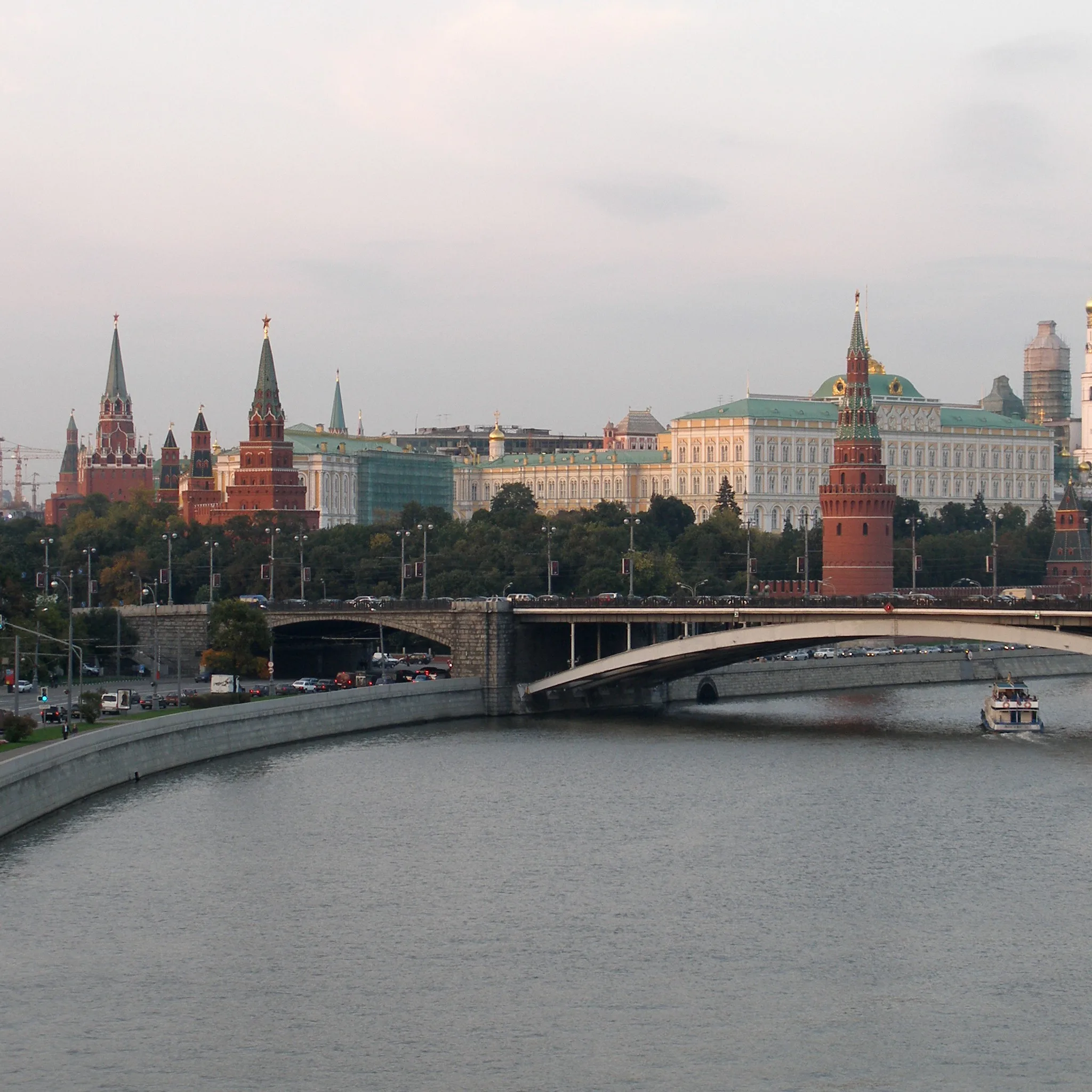
    The International Criminal Court (ICC) is a permanent international court based in The Hague, the Netherlands. It investigates and tries individuals accused of some of the gravest crimes under international law.

    These include genocide, war crimes, crimes against humanity, and the crime of aggression. The court was established under the Rome Statute, a treaty adopted on July 17, 1998, which entered into force on July 1, 2002.

    Its central purpose is to ensure that individuals responsible for such crimes can be held accountable, even when national justice systems fail to act.

    However, the ICC is not designed to replace domestic courts. It functions as a court of last resort, stepping in when national authorities are genuinely unwilling or unable to investigate and prosecute a case. The court has 125 member states and a budget of approximately €196 million for 2026.

    Also Read | Navi Pillay wins 2026 Nobel Peace Prize for championing international law

    The four crimes under the ICC’s jurisdiction

    The four crimes under the ICC’s jurisdiction have distinct legal meanings. Genocide involves the specific intent to destroy, in whole or in part, a national, ethnic, racial, or religious group.

    Crimes against humanity include offenses such as murder, torture, rape, imprisonment, and persecution when committed as part of a widespread or systematic attack against a civilian population.

    War crimes involve serious violations of the laws governing armed conflict, including certain attacks on civilians and the mistreatment of prisoners.

    The crime of aggression concerns the unlawful use of armed force by one state against another, subject to the legal conditions set out in the Rome Statute.

    These cases are criminal proceedings against individuals, not trials of entire countries. Prosecutors must establish the accused person’s guilt beyond reasonable doubt.

    Judges assess the evidence and determine whether the charges have been proved. An arrest warrant or a formal accusation does not, by itself, establish guilt.

    Who falls within the court’s reach?

    The ICC’s jurisdiction is one of the most important, and frequently misunderstood, aspects of its work. It can generally hear cases involving alleged crimes committed on the territory of a member state or by a national of a member state.

    It may also exercise jurisdiction when a non-member country accepts its authority in a particular situation or when the United Nations Security Council refers a situation to it.

    This explains why the court can pursue allegations involving nationals of countries that have not joined the Rome Statute.

    ICC has asserted jurisdiction over alleged crimes involving Israelis in the Palestinian territories and Russian nationals in connection with alleged crimes in Ukraine. Israel and Russia are not members of the court and have challenged its jurisdiction; both have denied committing the alleged atrocities.

    The ICC must also be distinguished from the International Court of Justice (ICJ), which deals primarily with legal disputes between states and provides advisory opinions on legal questions.

    The ICC, by contrast, prosecutes individuals for alleged crimes.

    Also Read | 7 things to know about US PERM crackdown on Infosys, Tata, Wipro and Microsoft

    The court has a gavel, not a police force

    A typical ICC case can begin with a preliminary examination, followed by a formal investigation if the legal requirements are met. Prosecutors gather evidence and may ask judges to issue arrest warrants or summonses.

    At the pre-trial stage, judges assess whether there is sufficient evidence for the case to proceed to trial. The court can impose prison sentences, but its enforcement powers have a major limitation; it has no independent police force.

    It relies on countries to arrest suspects, transfer them to The Hague, and assist with enforcing sentences. This can make it difficult to bring accused individuals before judges, particularly when governments refuse to cooperate.

    The court had issued 68 arrest warrants across 34 cases, while 34 wanted suspects remained at large. The ICC has also returned convictions and acquittals, demonstrating that its proceedings do not automatically result in a guilty verdict.

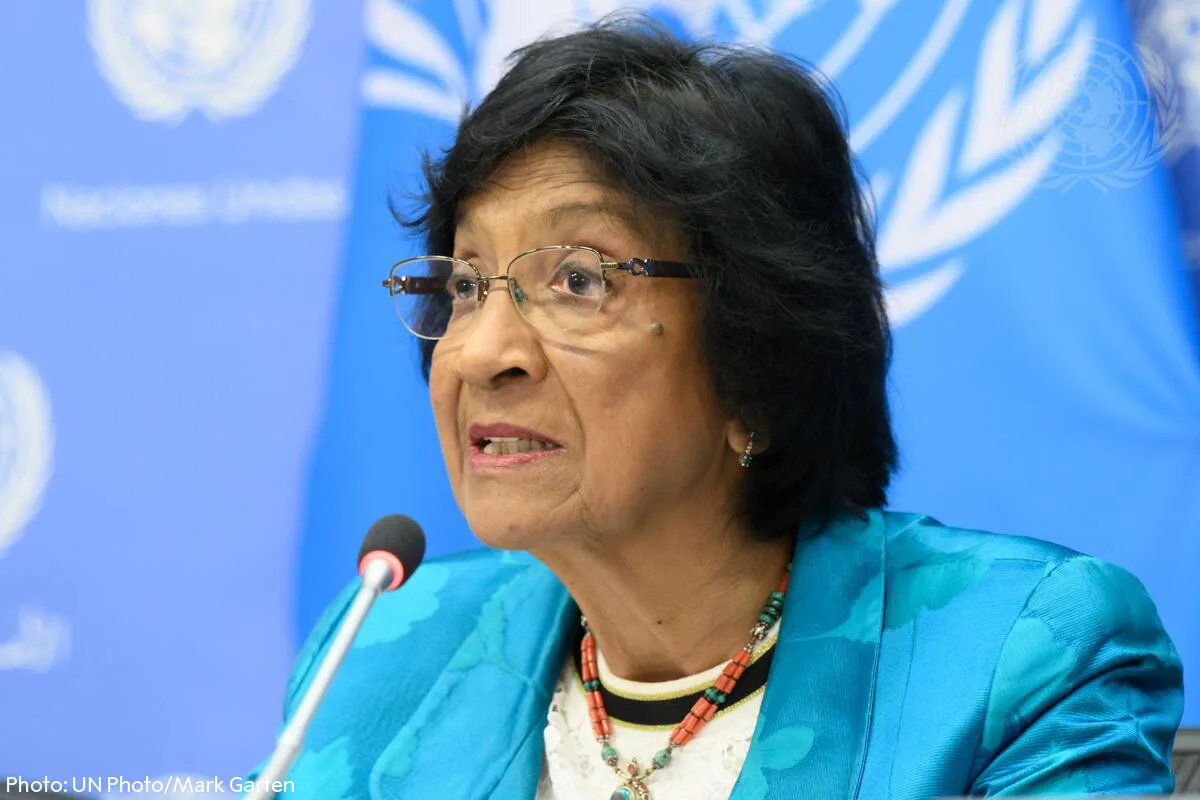
    The court has returned to the spotlight following former ICC judge Navi Pillay’s Nobel Peace Prize win on October 9.

    UN human rights chief Volker Türk described the award as a “collective win” for human rights and those seeking justice, adding that “we need international criminal accountability mechanisms, including the International Criminal Court.”

    His remarks highlight the institution’s continuing role in international justice, even as its ability to act depends heavily on cooperation from states.

  • Navi Pillay wins 2026 Nobel Peace Prize for championing international law

    Navi Pillay wins 2026 Nobel Peace Prize for championing international law

    Navanethem “Navi” Pillay, an 85-year-old South African jurist of Indian Tamil origin, has won the 2026 Nobel Peace Prize for her efforts to promote peace and international law. Norwegian Nobel Committee announced the award on Friday, October 9.

    The award recognizes Pillay’s dedication to protecting human rights and holding powerful individuals and institutions accountable.

    She is a former United Nations High Commissioner for Human Rights and has served as a judge at several international courts. Presently, she serves as an ad hoc judge at the International Court of Justice (ICJ).

    Also Read | US states turn to ‘public nuisance’ law in fresh bid to curb abortion pills

    International law under pressure

    The award comes at a time when international legal institutions face growing political pressure. The Nobel Committee has highlighted the importance of protecting the rules and institutions that help prevent conflicts from escalating into violence.

    “The system of international law is under tremendous pressure, and its institutions are under attack,” the committee said in its statement.

    It also warned against a shift towards power politics at the expense of legal frameworks.

    The broader issue is how countries and their leaders are held accountable when serious abuses take place. International law sets out rules governing how states and individuals must act.

    International courts can investigate certain crimes, prosecute individuals, or decide disputes between states, depending on their jurisdiction. These institutions do not automatically stop wars or guarantee justice.

    However, they provide legal mechanisms to challenge abuses and establish responsibility.

    Pillay’s career has focused on strengthening these mechanisms and ensuring that victims are not excluded from the pursuit of justice.

    Pillay’s early life and fight against apartheid

    Born in Durban in 1941, Pillay grew up during South Africa’s apartheid system, which enforced racial segregation and discrimination.

    Her experiences helped shape her commitment to equality and justice. In 1967, she became the first woman to establish a law practice in Natal, now part of KwaZulu-Natal.

    She later became the first non-white woman to serve as a judge on South Africa’s High Court. Her early legal work included defending Nelson Mandela and others who opposed apartheid.

    Her career subsequently took her beyond South Africa. In 1995, she joined the International Criminal Tribunal for Rwanda, established to prosecute those responsible for genocide and other serious crimes committed during the 1994 Rwandan genocide.

    She later served as the tribunal’s president for two terms, from 1999 to 2003.

    The Rwanda tribunal and a landmark judgment

    One of the tribunal’s landmark cases was the prosecution of Jean-Paul Akayesu, a former Rwandan mayor convicted of genocide and crimes against humanity in 1998.

    The judgment recognized that rape and other forms of sexual violence could constitute acts of genocide when committed with the required intent to destroy a protected group, in whole or in part.

    The ruling became an important development in international criminal law. It also helped establish that sexual violence during conflict must be taken seriously in the prosecution of grave crimes.

    Also Read | 7 things to know about US PERM crackdown on Infosys, Tata, Wipro and Microsoft

    Pillay’s international career and the Gaza controversy

    In 2003, Pillay was elected a judge of the International Criminal Court (ICC), which prosecutes individuals accused of crimes such as genocide, war crimes, and crimes against humanity within its jurisdiction.

    Five years later, she became the UN High Commissioner for Human Rights, serving from 2008 to 2014. In that role, she worked to promote human rights and accountability worldwide.

    The ICC and the ICJ are separate institutions, the former deals with individual criminal responsibility, while the latter primarily settles legal disputes between states and issues advisory opinions.

    Pillay’s recent work has also drawn international scrutiny. She chaired a UN-backed Commission of Inquiry on the Occupied Palestinian Territory and Israel, which concluded in 2025 that Israel had committed genocide in Gaza.

    Israel rejected the commission’s findings. The report and its conclusions remain politically contentious.

    However, the Nobel Committee’s stated rationale for Pillay’s award centers on her broader record and her efforts to promote peace and international law.

    The Nobel Peace Prize carries an award of 12 million Swedish kronor. The ceremony is scheduled to take place in Oslo on December 10, the anniversary of Alfred Nobel’s death.

  • US states turn to ‘public nuisance’ law in fresh bid to curb abortion pills

    US states turn to ‘public nuisance’ law in fresh bid to curb abortion pills

    The fight over abortion access in the United States is moving into a new legal arena. Louisiana, Alabama and Arkansas have filed two lawsuits seeking to stop abortion pills from reaching residents in their states through providers based elsewhere.

    Their argument is unusual; they say the cross-border distribution of the drugs amounts to a “public nuisance”.

    Also Read | Messi farewell: ‘The whole world is grateful to you’ — Neymar’s tribute

    The pills cross state lines

    Can a state restrict abortion pills prescribed elsewhere? The answer could redraw the line between state bans, federal drug rules and telehealth care | X (@toot5000)
    Can a state restrict abortion pills prescribed elsewhere? The answer could redraw the line between state bans, federal drug rules and telehealth care | X (@toot5000)

    The three Republican-led states have strict abortion restrictions. But patients can still obtain medication through telehealth consultations with providers in states where abortion remains legal. Those providers can prescribe and mail the drugs across state lines.

    The states argue that this effectively weakens their abortion bans. They are now asking courts to intervene.

    What public nuisance law means

    The legal theory matters because “public nuisance” law has traditionally dealt with activities that interfere with public health, safety or rights.

    Examples include blocking roads, polluting waterways or releasing dangerous fumes.

    In more recent cases, governments have also used the doctrine in disputes involving tobacco, opioids, climate change, vaping and other alleged public harms.

    How states are using the doctrine

    The new lawsuits take that principle into the abortion debate. The states argue that providers are deliberately frustrating laws passed by their legislatures by sending abortion medication into states where abortion is restricted.

    They are seeking court orders that could stop the alleged conduct and, in the Louisiana federal case, are also seeking damages, civil penalties and other remedies.

    Federal approval meets state power

    The FDA, which approved mifepristone in 2000, is now central to the legal clash over abortion pills, telehealth access and state restrictions in the US | X (@wolfbrief_)
    The FDA, which approved mifepristone in 2000, is now central to the legal clash over abortion pills, telehealth access and state restrictions in the US | X (@wolfbrief_)

    This is where the legal dispute becomes complicated.

    Mifepristone, one of the two drugs commonly used for medication abortion, was approved by the US Food and Drug Administration in 2000.

    The FDA has also expanded access to the drug over time, including allowing qualifying prescriptions through telehealth and dispensing by mail.

    The FDA and major medical organisations have repeatedly said mifepristone is safe and effective when used as directed, with serious adverse events considered rare.

    That creates a central question for the courts. Can a state use public nuisance law to challenge medical services that are federally authorised and legally provided in another state?

    Legal scholar Linda Mullenix, whose analysis was cited by Law360, has distinguished the Louisiana case from earlier nuisance litigation because of its reliance on federal common law rather than a conventional state-law nuisance claim.

    The lawsuits also target so-called “shield laws”.

    New York, California and Massachusetts have adopted laws designed to protect reproductive-health providers from certain out-of-state investigations, legal proceedings and enforcement actions involving services that are lawful where they are provided.

    Louisiana, Alabama and Arkansas argue that these laws interfere with their ability to enforce abortion restrictions inside their own borders.

    The two lawsuits and their legal routes

    One case was filed directly with the US Supreme Court, asking it to take up the dispute between the states.

    The other was filed in federal court in Louisiana against about 30 medical practitioners and organisations accused of prescribing, dispensing or shipping abortion medication across state lines.

    The Supreme Court has not accepted the states’ case, and the claims remain allegations rather than established findings.

    The issue has gained urgency as telehealth abortion access has expanded since the Supreme Court overturned Roe v. Wade in 2022.

    According to the Guttmacher Institute, about 91,000 abortions were provided through telehealth to patients in states with total abortion bans in 2025, up from about 74,000 in 2024.

    Also Read | Did plague kill Russia lab worker? WHO says risk assessment remains unclear

    Advocates see a reach beyond state borders

    Abortion pills have become the latest test of interstate power | X (@jordanboydtx)
    Abortion pills have become the latest test of interstate power | X (@jordanboydtx)

    For abortion-rights advocates, the lawsuits represent an attempt by restrictive states to reach providers beyond their borders.

    Linda Goldstein, senior counsel at the Centre for Reproductive Rights, said, “That is not protecting their residents from harm, nor is it in line with typical public nuisance claims.”

    The cases could ultimately test how far a state’s authority extends when its residents receive medical services from providers operating legally in another state.

    They may also force courts to draw a clearer line between state abortion laws, federal drug regulation and interstate medical practice.

  • Did plague kill Russia lab worker? WHO says risk assessment remains unclear

    Did plague kill Russia lab worker? WHO says risk assessment remains unclear

    A 28-year-old worker at an anti-plague research institute in Siberia has died after developing severe pneumonia, prompting authorities to quarantine about 200 people and triggering international concern.

    Russia has not confirmed that she had the plague. The worker, identified by Russian media as Darya Shipilova, died on October 2. Russia’s health regulator, Rospotrebnadzor, said she died from pneumonia of unknown origin.

    It also said no microorganisms linked to her professional duties were found in samples taken from her. The case has nevertheless drawn scrutiny because she worked at the Irkutsk Anti-Plague Research Institute of Siberia and the Far East, where plague and other infectious diseases are studied.

    Also Read | Nobel Prize in Medicine 2026: How 3 scientists unlocked the brain with light

    Rumours abound, but the evidence remains coy

    The 28-year-old worked at a Siberian anti-plague research institute and died after developing what authorities call “pneumonia of unknown etiology.” | X (@MarioNawfal)
    The 28-year-old worked at a Siberian anti-plague research institute and died after developing what authorities call “pneumonia of unknown etiology.” | X (@MarioNawfal)

    Questions began after conflicting accounts of how Shipilova became ill. One claim circulating online said she had broken a test tube containing live plague bacteria at work.

    Russian authorities rejected that theory.

    Other versions linked her illness to travel or a visit to an area near the Mongolian border. There is no public evidence supporting those explanations.

    A regional official had earlier said Shipilova “may” have died from plague, but that was not a confirmation. The Russian response has instead focused on precaution.

    Around 200 contacts were placed under medical observation, while hospitals and other facilities introduced containment measures.

    By October 7, Rospotrebnadzor said around 90% of those quarantined had been released after nearly 5,000 laboratory tests failed to find dangerous pathogens among the contacts.

    It also said Shipilova had been vaccinated against the infections she worked with.

    What plague is

    The Siberian case has all the makings of a health scare | X (@digijordan)
    The Siberian case has all the makings of a health scare | X (@digijordan)

    Plague is caused by the bacterium Yersinia pestis. It circulates naturally among some small mammals and their fleas.

    Humans can become infected through infected flea bites, contact with contaminated material, or, in the pneumonic form, through respiratory particles from an infected person.

    Pneumonic plague is the most severe form because it affects the lungs and can spread between people through respiratory particles. Without prompt treatment, it can become fatal very quickly.

    Plague is treatable with antibiotics when it is diagnosed early. That combination explains the cautious response in Siberia. A suspected case involving a person working with dangerous pathogens can require rapid quarantine even when the diagnosis remains uncertain.

    Also Read | Messi farewell: ‘The whole world is grateful to you’ — Neymar’s tribute

    WHO seeks answers, Russia plays down risk

    Russia's response was cautious, while WHO says key details are still missing | X (@Technopolitik_)
    Russia’s response was cautious, while WHO says key details are still missing | X (@Technopolitik_)

    The World Health Organization is now pressing Russia for more information rather than declaring an outbreak.

    WHO said Russia had reported no recent plague cases in the Irkutsk region and had quarantined about 200 contacts. But the agency wants details of the tests conducted on Shipilova and those contacts, an explanation of what prompted the public-health measures, and updates on the health of the people monitored.

    WHO has also sought verification of reports about a second employee with pneumonia of undetermined cause.

    “We don’t yet have the full picture,” WHO Director-General Tedros Adhanom Ghebreyesus said on October 7. Russia, meanwhile, says there is no epidemic risk.

    For now, the available evidence does not establish a plague outbreak in Siberia. The unresolved issue is the exact cause of Shipilova’s pneumonia and the reason for the unusually broad precautionary response.

  • Messi farewell: ‘The whole world is grateful to you’ — Neymar’s tribute

    Messi farewell: ‘The whole world is grateful to you’ — Neymar’s tribute

    Lionel Messi’s final appearance for Argentina is far more than another football match. When the 39-year-old walks out against Benin at Buenos Aires’ Monumental Stadium, he will close a more-than-two-decade international career that began with doubts and ends with Argentina saying a simple word, thank you.

    Around 85,000 tickets were sold in under two hours, underlining the scale of the farewell.

    Also Read | Nobel Prize in Medicine 2026: How 3 scientists unlocked the brain with light

    The complicated Argentina-Messi relationship

    The emotion around the occasion comes from the unusual relationship Messi has had with his own country.

    For years, his achievements at Barcelona did not translate into the same level of affection in Argentina. He had left Rosario for Barcelona as a teenager and spent much of his development in Spain.

    That created a sense among some Argentine fans that he was distant from the national team. Critics also questioned whether he could deliver Argentina the major international trophy they wanted.

    The period was a difficult beginning to what eventually became one of football’s most enduring player-country relationships.

    It changed sharply after Messi briefly retired from international football following Argentina’s defeat by Chile in the 2016 Copa América final. Instead of turning on him, many Argentines wanted him back.

    His return under Lionel Scaloni coincided with the most successful period of his international career. Argentina won the Copa América, then the 2022 World Cup, and reached another World Cup final in 2026.

    The victories changed the old argument about Messi’s commitment. He was no longer simply a superstar who played for Argentina. He had become the leader who finally delivered its biggest prizes.

    The farewell as a national event

    Lionel Messi was overcome with emotion on the team bus to the Estadio Monumental, wiping away tears as supporters lined the route from Ezeiza for his farewell with the Argentina national team against Benin | X (@CulersPro)
    Lionel Messi was overcome with emotion on the team bus to the Estadio Monumental, wiping away tears as supporters lined the route from Ezeiza for his farewell with the Argentina national team against Benin | X (@CulersPro)

    That is why the farewell has taken on the feel of a national event. Messi enters his final Argentina game as the country’s most-capped player and leading scorer, with 125 goals in 207 appearances and a record 68 assists.

    Buenos Aires has also prepared tributes around the occasion, while Messi was awarded an honorary doctorate by the University of Buenos Aires before the match.

    Coach Scaloni said it would be “an unforgettable day for everyone.”

    The wider football world react

    The reaction has also extended well beyond Argentina. Former Barcelona and Paris Saint-Germain teammate Neymar paid tribute to Messi before the farewell, stressing that the occasion belongs to football as much as it does to Argentina.

    “It is not only Argentina who thanks you, but the whole world is grateful to you for everything you have done for football,” Neymar said, adding that it had been an honor to play against Messi and, even more, to make history alongside him.

    The two played together at Barcelona from 2013 to 2017 and later reunited at Paris Saint-Germain from 2021 to 2023.

    Also Read | Trump says US ‘looking at it very strongly’ after plague researcher dies in Russia

    And so, the curtain finally falls

    Messi’s farewell is also the closing of a complicated chapter. The player once compared unfavorably with Diego Maradona is now being celebrated on his own terms.

    He has left the national team with the trophies that once seemed beyond reach and with a bond that took years to build.

    His club career with Inter Miami can continue, but the ritual of watching Messi carry Argentina’s hopes and pressure is coming to an end.

  • Lula vs Flávio Bolsonaro, round two: Brazil votes again on October 25

    Lula vs Flávio Bolsonaro, round two: Brazil votes again on October 25

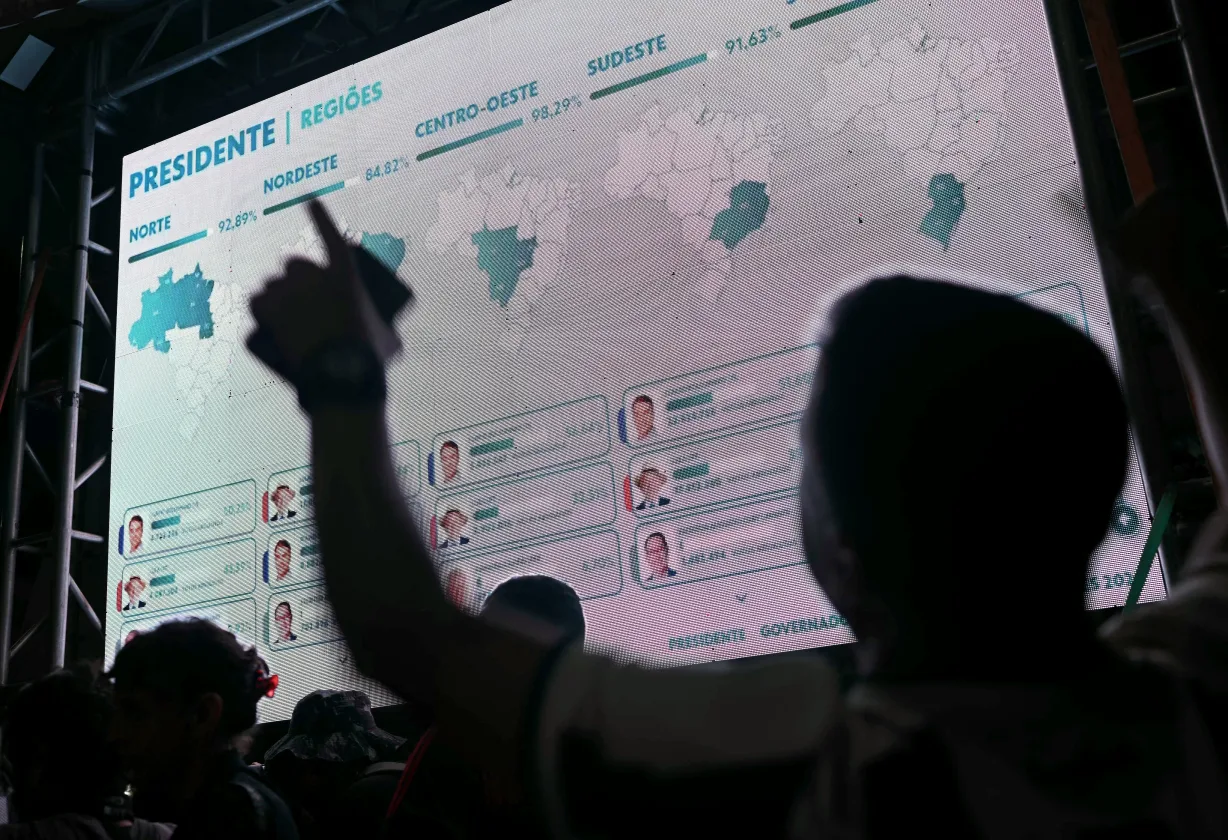
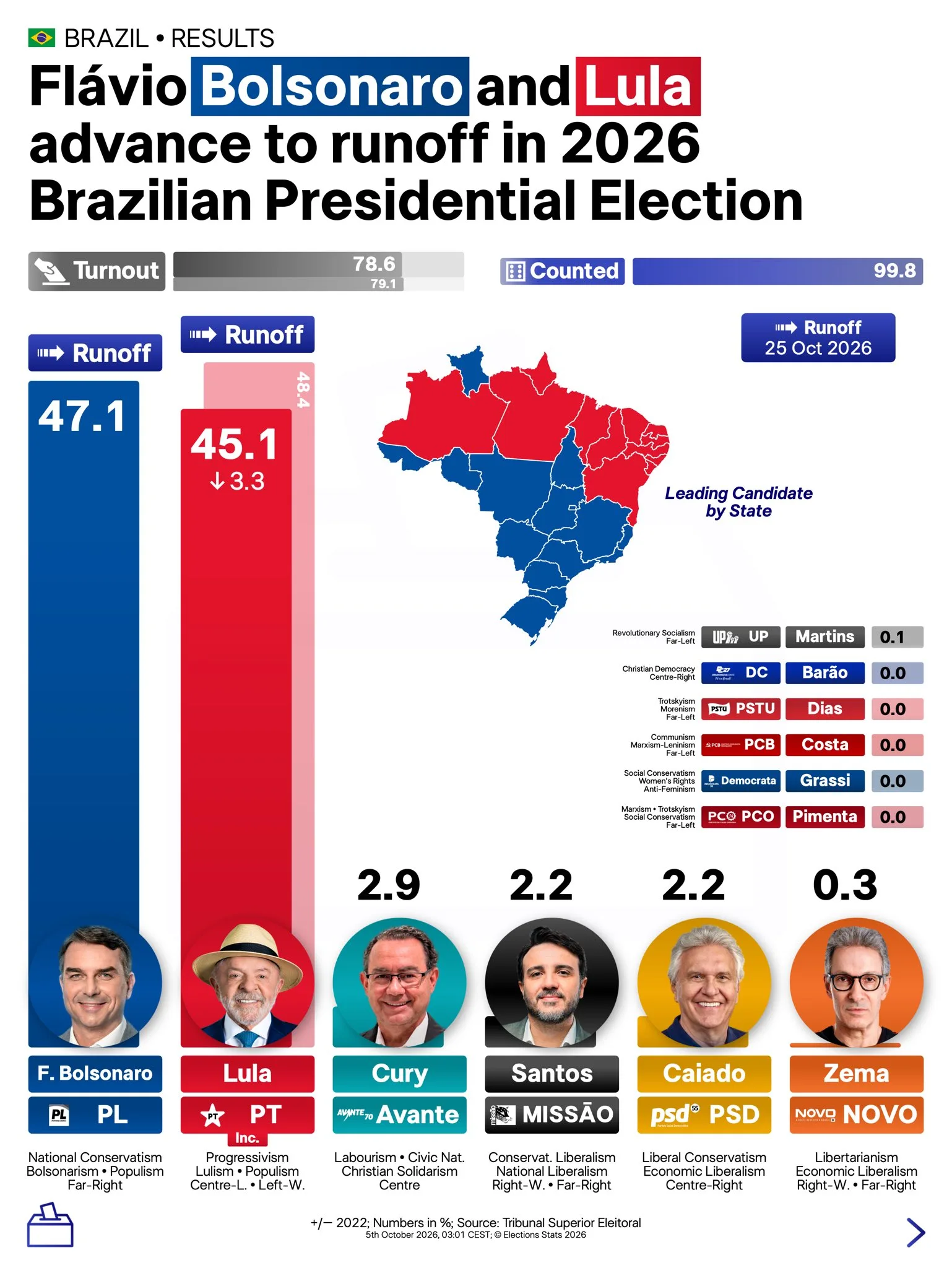
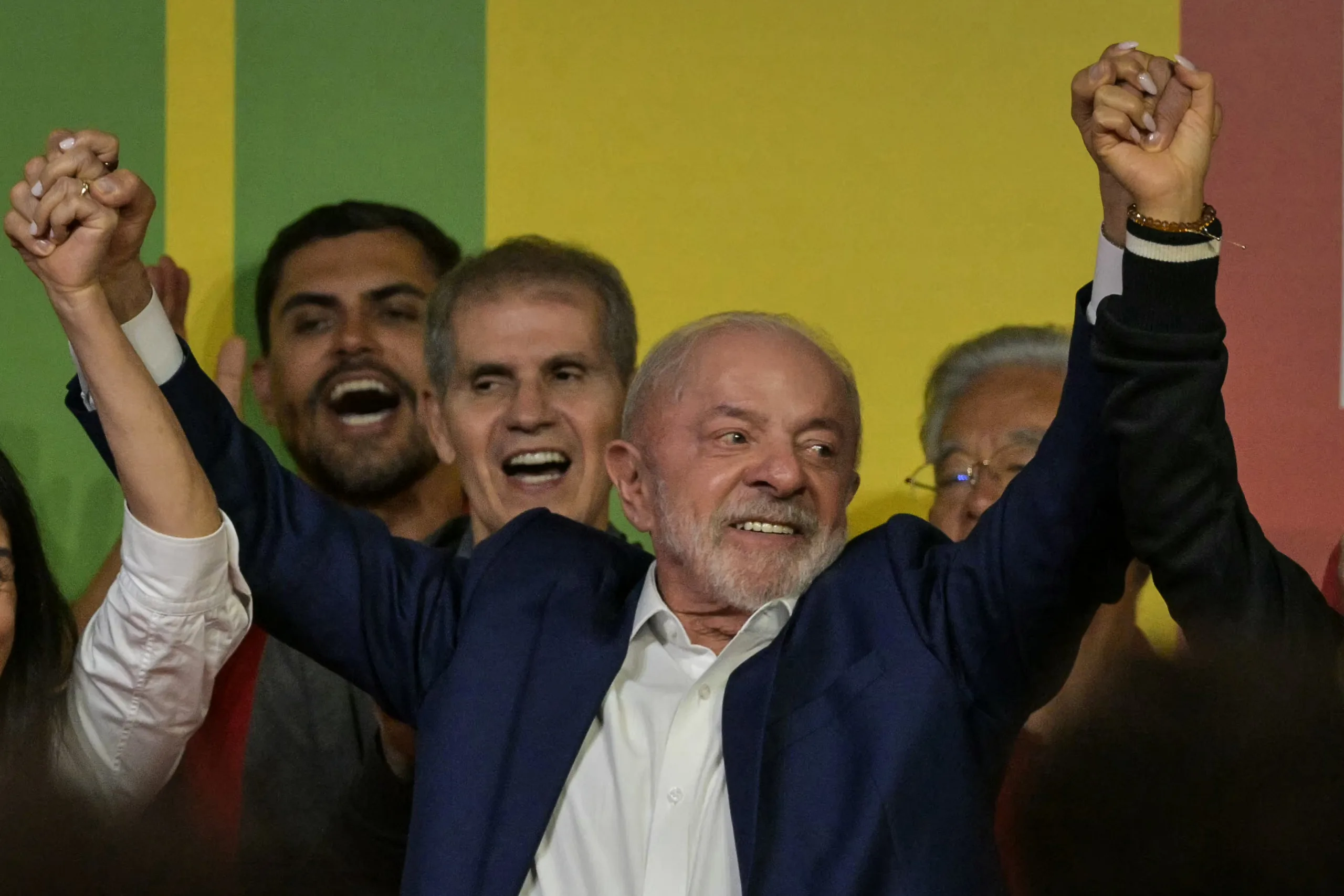
    Brazil’s presidential election is heading for a runoff on October 25 after neither President Luiz Inácio Lula da Silva nor Senator Flávio Bolsonaro secured the majority needed for an outright first-round victory.

    With nearly all votes counted, Bolsonaro finished narrowly ahead of Lula, taking about 47% of the valid vote against roughly 45% for the incumbent.

    The result sets up a closely fought second round in Latin America’s largest economy. Brazil’s electoral system requires a candidate to win more than half of the valid votes to avoid a runoff, leaving the two leading candidates to compete again after failing to cross that threshold.

    The next presidential term is due to begin on January 5, 2027.

    Also Read | Ethiopia strikes back in Tigray, retakes Mekelle as rebels withdraw

    A runoff awaits

    2026 Brazilian Presidential Election | X (@ElectionsStats)
    2026 Brazilian Presidential Election | X (@ElectionsStats)

    The contest is more than a straight choice between two politicians. It has become a vote on the direction of Brazil’s politics.

    Lula, 80, is seeking a fourth non-consecutive term and is defending his record on social welfare while facing voter concerns over affordability and corruption.

    Flávio Bolsonaro, 45, is the son of former president Jair Bolsonaro and has presented himself as the candidate for political change, tougher action against criminal groups, and closer ties with US President Donald Trump.

    “Brazil wants change; that’s the reading of what happened today,” Bolsonaro said after the result.

    Lula, acknowledging that the outcome was unexpected, said, “Tomorrow we start a new campaign.” Both now have three weeks to win over voters who backed other candidates in the first round.

    Institutional stakes

    After an unexpected first-round result, Lula and Flávio Bolsonaro have three weeks to turn the Brazil election into a decisive second act | X (@Real_Politik101)
    After an unexpected first-round result, Lula and Flávio Bolsonaro have three weeks to turn the Brazil election into a decisive second act | X (@Real_Politik101)

    That second-round fight also has a wider institutional dimension.

    Brazil’s next president would inherit an unusually large backlog of appointments to powerful institutions, including the Supreme Court, central bank, and economic regulators.

    Two central bank board seats have been vacant since January, while a Supreme Court vacancy has lasted nearly a year after senators rejected Lula’s nominee Jorge Messias.

    The securities regulator CVM has also faced vacancies since late 2024, while the antitrust watchdog Cade is operating close to its minimum quorum.

    The delays reflect the growing political influence of Congress, where nominee confirmations have increasingly become a tool of negotiation.

    The next president could have a significant opportunity to shape institutions responsible for monetary policy, financial oversight, and constitutional interpretation, although appointments still depend on the Senate confirmation process.

    Also Read | As US Supreme Court term begins, Thomas-Alito factor gets fresh chances to wield power

    Power in Brazil no longer sits in one place

    The next president of Brazil will need to work with a stronger Congress | X (@g_s_world)
    The next president of Brazil will need to work with a stronger Congress | X (@g_s_world)

    The institutional question is tied to a broader shift in Brazil’s balance of power. Congress has gained greater control over public spending and the legislative agenda, reducing the room traditionally enjoyed by the presidency.

    Congressional earmarks rose from 7.5% of effective federal discretionary spending in 2018 to 21% in 2025, according to Planning Ministry data.

    The contrast is also visible in lawmaking. In 2025, Congress approved far more bills introduced by legislators than by the executive branch, reversing the pattern seen during Lula’s second term in 2007.

    The October 25 runoff will therefore decide not only who occupies the Planalto Palace. It will also determine how the next president works with Congress and how much influence the administration may have over Brazil’s key institutions.

  • As US Supreme Court term begins, Thomas-Alito factor gets fresh chances to wield power

    As US Supreme Court term begins, Thomas-Alito factor gets fresh chances to wield power

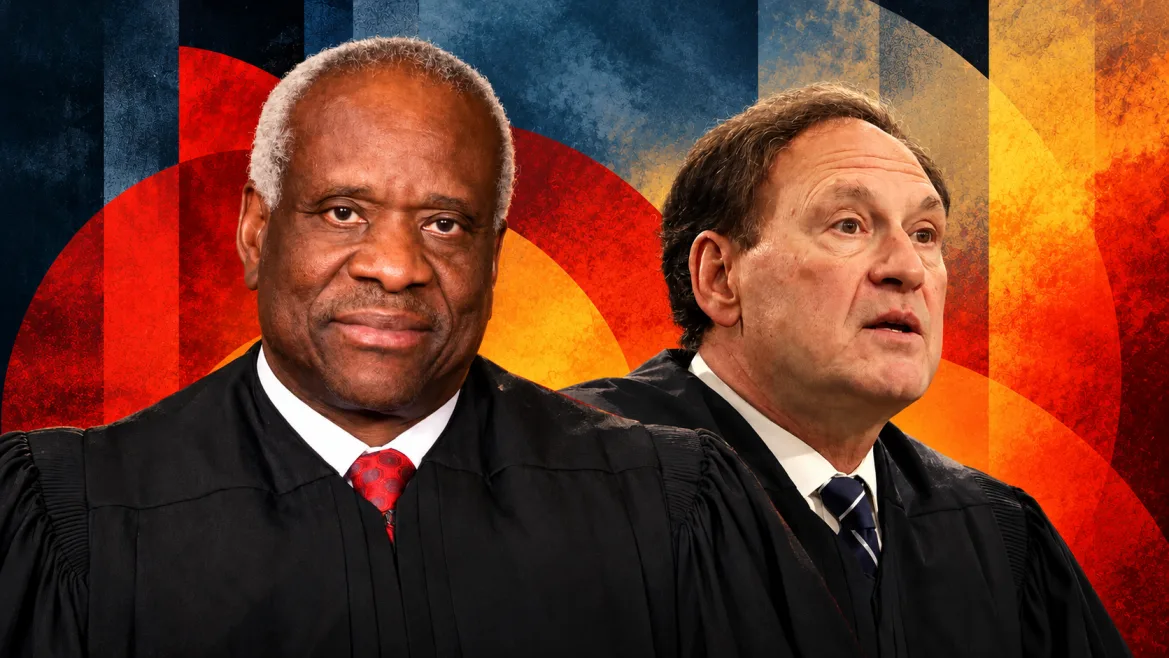
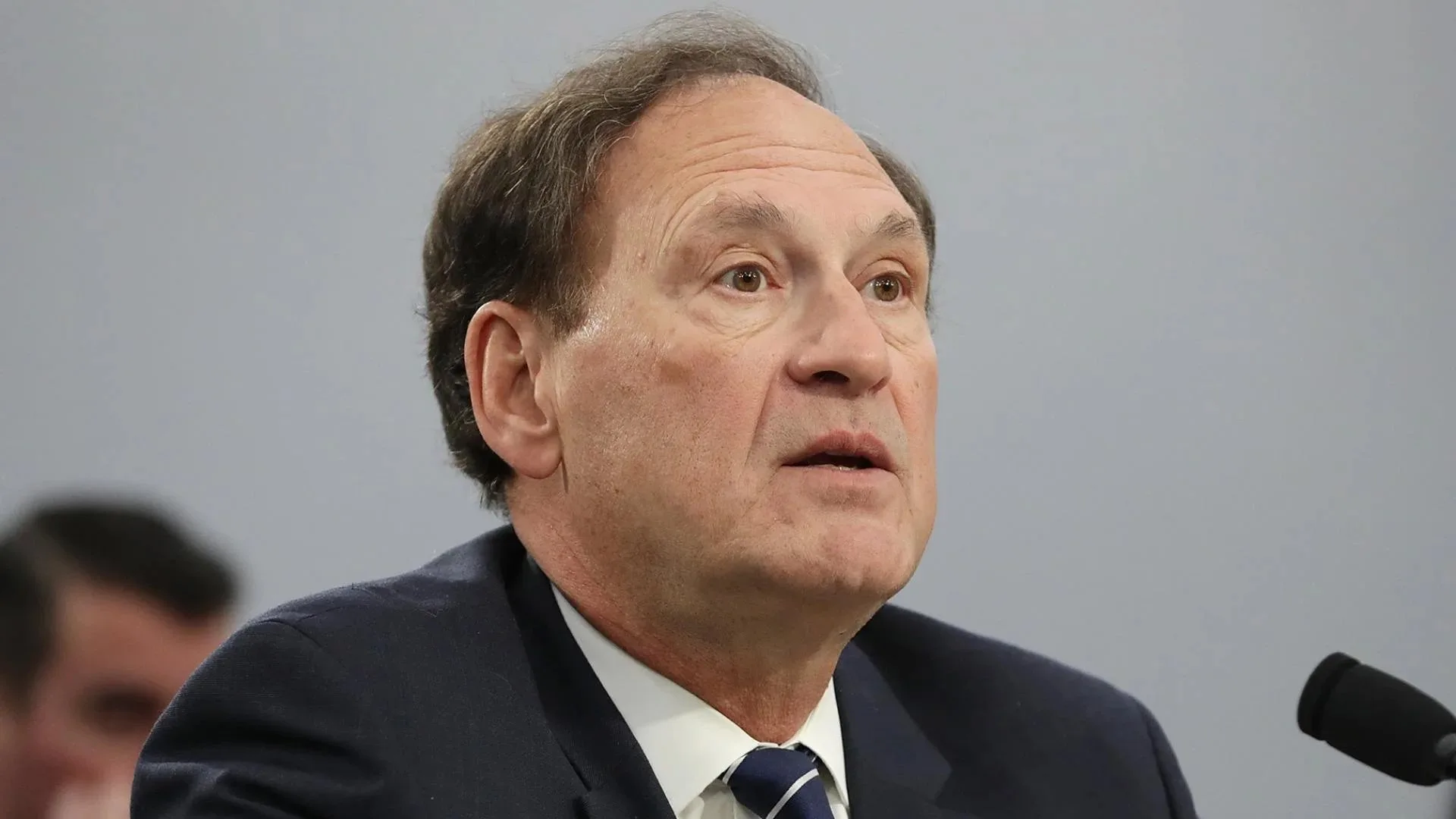
    The US Supreme Court begins its new term on Monday, October 5, with two of its most conservative members, Justices Clarence Thomas and Samuel Alito, entering the spotlight again.

    Thomas and Alito are among the court’s oldest and longest-serving members. With the court holding a 6-3 conservative majority, their views can carry significant weight on some of the biggest legal disputes in the country.

    Also Read | Flydubai FZ1073 mystery pilots: Who were the two heroes who stepped in to save the plane?

    Two old hands, still pivotal

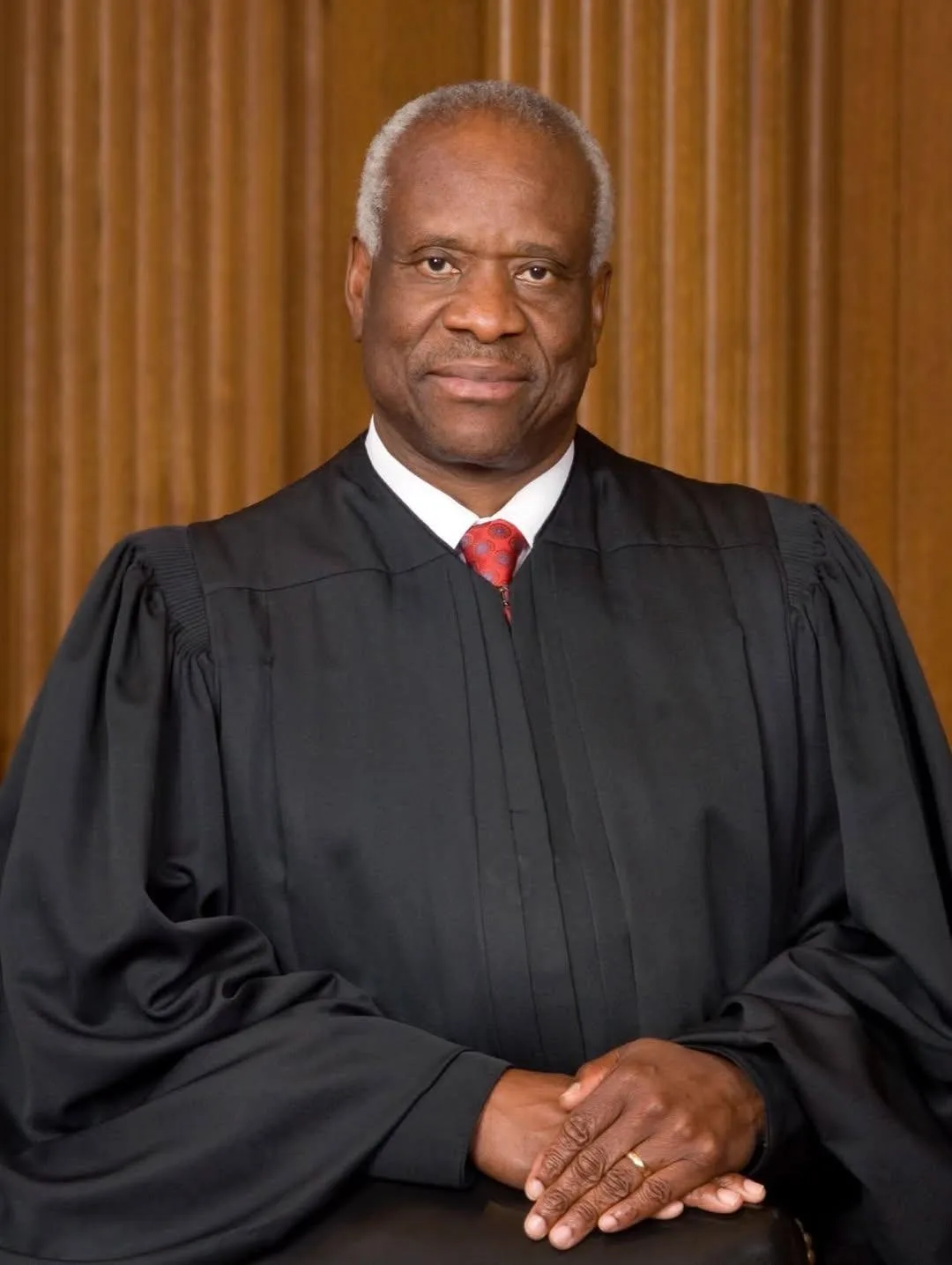
    Justice Clarence Thomas, one of the US Supreme Court’s longest-serving justices, returns for a new term | X (@LillianVikingDK)
    Justice Clarence Thomas, one of the US Supreme Court’s longest-serving justices, returns for a new term | X (@LillianVikingDK)

    Thomas, 78, has served on the court since 1991. Alito, 76, joined in 2006.

    The two have moved from being frequent dissenters earlier in their careers to being at the height of their influence as the court has shifted to the right.

    Their record already includes major conservative victories.

    Those include limits on the Voting Rights Act and a 2022 ruling that overturned Roe v. Wade, the landmark decision that had recognized a constitutional right to abortion.

    Major tests

    The new term brings several cases that touch issues central to the conservative legal movement.

    In November, the court is due to hear a challenge involving a Colorado law requiring taxpayer-funded preschools to enroll children of same-sex couples.

    The case puts religious freedom and LGBT protections directly before the justices.

    Another potential case involves a Texas law requiring public schools to display the biblical Ten Commandments. The issue is whether such a requirement conflicts with the Constitution’s ban on government establishing or endorsing religion.

    The Second Amendment gets another turn

    Gun rights will also be a major test. On December 2, the court is scheduled to hear arguments over state bans on AR-15s and other semiautomatic rifles.

    Thomas has already played a major role in shaping the court’s approach to gun regulation through the 2022 New York State Rifle & Pistol Association v. Bruen ruling.

    That decision said gun restrictions must fit with the nation’s historical tradition of firearm regulation.

    The upcoming cases could give Thomas an opportunity to clarify how that standard should apply to assault-style weapons.

    Ballot question

    Voting is another key battlefield. On December 8, the court will consider whether Arizona can require people registering to vote to provide proof of citizenship.

    Critics argue such rules could make registration harder for groups that tend to support Democrats, while supporters frame them as election safeguards.

    A little presidential friction?

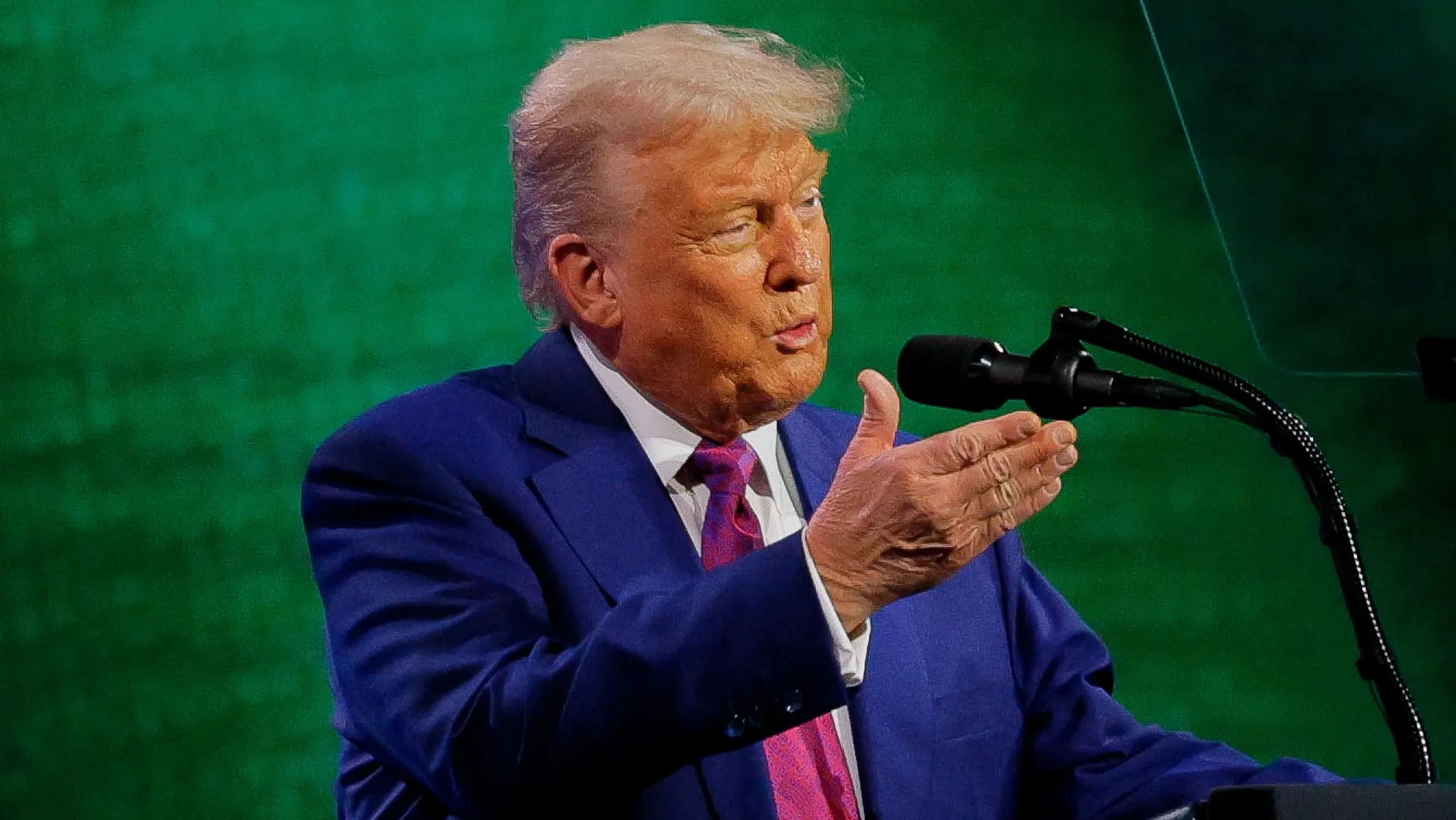
    POTUS Donald Trump | ANI
    POTUS Donald Trump | ANI

    The politics around the court add another layer. Thomas and Alito were the most reliable votes for the Trump administration’s major policies that reached the court last term.

    Trump has publicly praised both men while criticizing other conservative justices he appointed for ruling against him in some cases.

    Alito has rejected the idea that he simply votes in line with Trump. Speaking to The Wall Street Journal in August, he said, “I vote in every case the way I think the case should be decided.”

    At the same time, Alito has spoken about pressure on the judiciary.

    A Fox News clip published on October 3 showed him discussing what he described as a “concerted effort” by political actors to intimidate the Supreme Court.

    Who stays

    Samuel Alito told CBS News that he lost friends over his decision to overturn Roe v Wade | X (@PollTracker2024)
    Samuel Alito told CBS News that he lost friends over his decision to overturn Roe v Wade | X (@PollTracker2024)

    That question is hanging over the term. A retirement by either justice would give President Donald Trump an opportunity to nominate a younger conservative who could remain on the bench for decades.

    Alito has said he considered retirement this year but decided he could still make “a valuable contribution.”

    He also said, “Obviously, I’m here for another term.”

    Thomas has not addressed the retirement speculation.

    One legal expert cited by Reuters suggested he may want to become the longest-serving justice in Supreme Court history, a milestone he could reach in May 2028.

    Also Read | Ethiopia strikes back in Tigray, retakes Mekelle as rebels withdraw

    No departure, just yet

    For now, both justices remain on the bench.

    The cases arriving this term could give them more chances to shape American law on guns, religion, voting rights, and presidential power.

  • Ethiopia strikes back in Tigray, retakes Mekelle as rebels withdraw

    Ethiopia strikes back in Tigray, retakes Mekelle as rebels withdraw

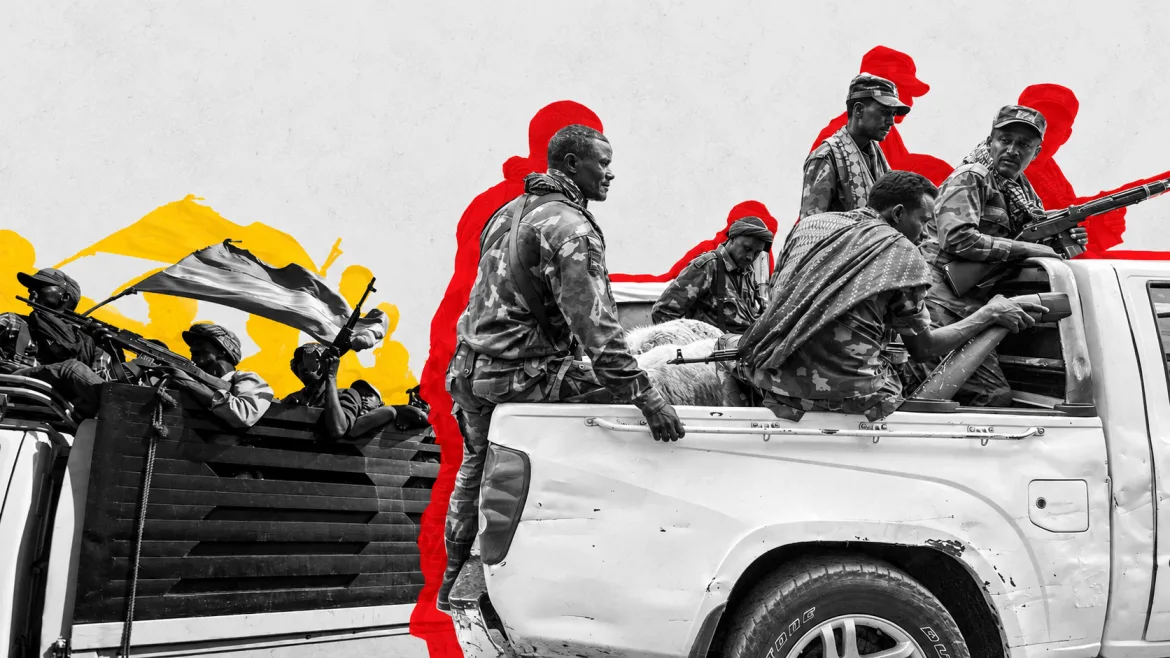
    Ethiopian government forces and allied militias have regained control of Mekelle, the capital of the northern Tigray region, in a major setback for the Tigray People’s Liberation Front (TPLF)-led opposition alliance.

    Reuters reported that three sources confirmed government forces had taken control of the city after the TPLF withdrew.

    The group said its regional government would be “temporarily moved out of Mekelle and operate from somewhere else.”

    Also Read | 74% of households in Yemen unable to meet basic food needs

    The tide turns in Tigray

    Ethiopian federal forces have seized Tigray's capital, Mekelle, after just over a week of intense fighting, first retaking the city's Alula Aba Nega Airport, then, per government claims, the city itself | X (@GlobalGeoWorld1)
    Ethiopian federal forces have seized Tigray’s capital, Mekelle, after just over a week of intense fighting, first retaking the city’s Alula Aba Nega Airport, then, per government claims, the city itself | X (@GlobalGeoWorld1)

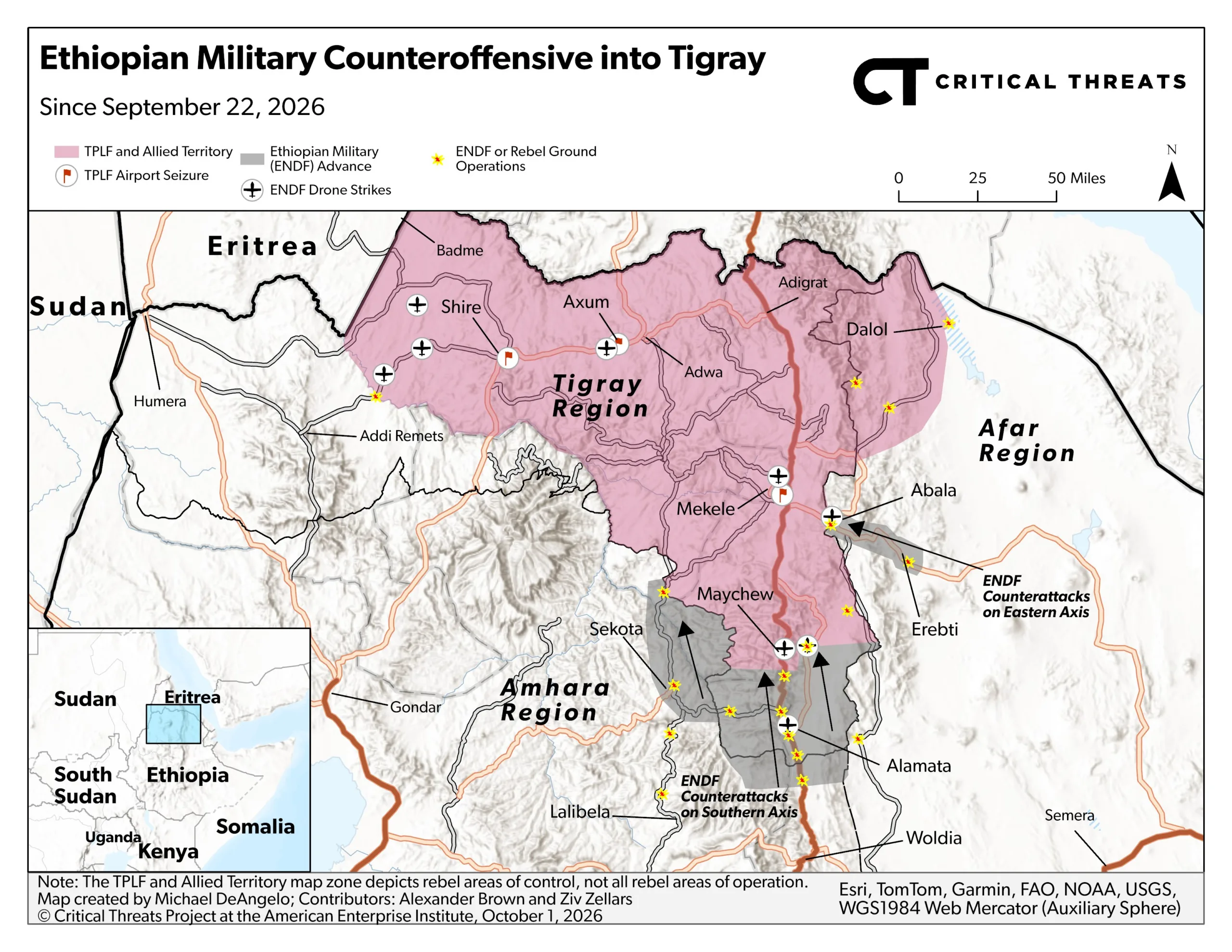
    The development marks a sharp reversal in a conflict that escalated less than two weeks ago. The TPLF and six other Ethiopian armed and political groups announced a new alliance on September 20, saying they wanted to remove Prime Minister Abiy Ahmed’s government and establish a transitional administration.

    Three days later, on September 23, Tigrayan forces launched a major offensive, seizing airports in Mekelle, Axum, and Shire and pushing into neighboring Amhara and Afar regions.

    The government described the move as an “all-out offensive,” while the TPLF said it was fighting a “defensive war.”

    A capital, and quite the prize

    The Ethiopian military then moved quickly to push the rebels back. By October 2, pro-government fighters said they had captured Milazat, about 20 km from Mekelle.

    Banks and shops had shut in the city as residents prepared for possible fighting. On October 3, federal forces were reported to have retaken Alula Aba Nega Airport, roughly 10 km from central Mekelle.

    Local residents and journalists also reported seeing TPLF fighters and leaders leaving the city.

    Mekelle matters because it is not simply another battlefield. It is the political center of Tigray and the seat of its regional government.

    Its capture therefore gives federal forces a significant symbolic and strategic advantage.

    The takeover proves to be a major loss for the TPLF, which had launched the latest offensive against the Ethiopian military.

    The roots of the crisis

    To understand why this is happening again, it is necessary to look back at the previous Tigray war.

    Fighting between the TPLF and Ethiopia’s federal government began in 2020 and continued until a peace agreement was reached in November 2022 through African Union mediation.

    That war caused hundreds of thousands of deaths and displaced millions. The Pretoria Agreement ended the large-scale conflict, but major political and territorial disputes were left unresolved.

    Those tensions gradually returned. Tigray faced internal political divisions, economic hardship, displacement, and tensions over the post-war settlement.

    The TPLF’s new coalition has expanded its list of opponents to Abiy’s government, but the alliance is not necessarily united on every issue.

    Some members have competing territorial interests, including over areas contested between Tigray and Amhara.

    Also Read | Flydubai FZ1073 mystery pilots: Who were the two heroes who stepped in to save the plane?

    The neighbours are involved?

    The 2022 peace deal ended the last Tigray war, but unresolved political and territorial disputes have now pushed Ethiopia back towards conflict | X (@criticalthreats)
    The 2022 peace deal ended the last Tigray war, but unresolved political and territorial disputes have now pushed Ethiopia back towards conflict | X (@criticalthreats)

    The crisis is also becoming a regional concern. Ethiopia has accused Eritrea, Sudan, and Egypt of supporting the opposition alliance. Those countries have denied the accusations.

    Relations between Ethiopia and Eritrea have deteriorated rapidly, with Ethiopia closing its embassy in Asmara and Eritrea severing diplomatic ties.

    The African Union has urged the countries involved to exercise restraint.

    The immediate military picture has shifted in favor of Addis Ababa, with federal forces and allied fighters controlling Mekelle. But the wider conflict remains unresolved.

    Information from the ground is also difficult to verify because media access is restricted and communications blackouts have affected Tigray.