Author: Sarwesh Sribardhan

  • Lula has the first-round edge, but Brazil runoff is too close to call

    Lula has the first-round edge, but Brazil runoff is too close to call

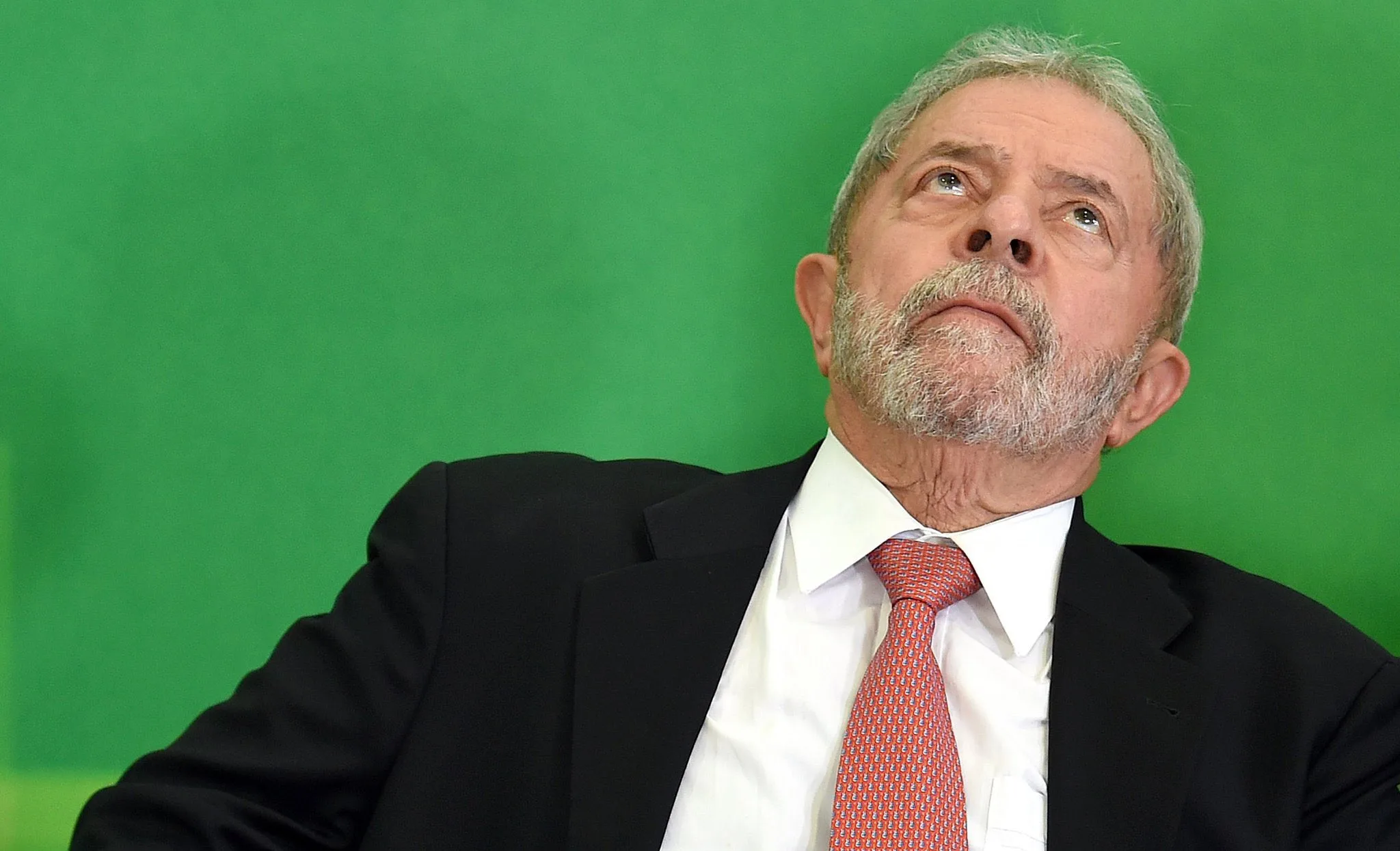
    Brazil’s presidential race is entering its final stretch with President Luiz Inacio Lula da Silva and Senator Flavio Bolsonaro separated by just a fraction of a percentage point in a possible second-round contest.

    An AtlasIntel/Bloomberg poll released on September 29 showed Bolsonaro at 47.7% and Lula at 47.6% in a simulated runoff. The 0.1-point gap is well within the survey’s margin of error.

    Also Read | US midterms 2026: Republicans unleash $888 million ad blitz; Kennedy says ‘I think we’re going to have enough money’

    Not enough

    The latest Brazil election numbers leave little room for comfort, with Lula ahead in round one but virtually tied with Flavio Bolsonaro in round two | X (@Hotspotorlando)
    The latest Brazil election numbers leave little room for comfort, with Lula ahead in round one but virtually tied with Flavio Bolsonaro in round two | X (@Hotspotorlando)

    The same poll gives Lula a clearer lead in the first round, but still not enough to cross the threshold needed to win outright.

    Lula was on 45.3% and Bolsonaro on 42.2%, with Renan Santos at 5.2% and Augusto Cury at 2%.

    Brazil’s first-round vote is scheduled for October 4. Under the country’s electoral system, a presidential candidate must secure more than half of the valid votes to avoid a runoff.

    If that does not happen, the top two candidates face each other again on October 25.

    A tie by decimals

    The numbers also show how little distance there is between the two leading campaigns. In the previous AtlasIntel poll, released on September 23, Lula had 45.8% in the first round and Bolsonaro 43.4%.

    In the simulated runoff, Lula led 47.7% to Bolsonaro’s 47.4%. The latest survey therefore shows a small movement in both scenarios, but not a decisive break in the overall contest.

    AtlasIntel surveyed 5,005 people between September 23 and 28. The reported margin of error is one percentage point.

    Campaign mood and voter uncertainty

    Brazil's president and US senator Bernie Sanders share a warm moment during a meeting | X (@SenSanders)
    Brazil’s president and US senator Bernie Sanders share a warm moment during a meeting | X (@SenSanders)

    That closeness comes as the campaign remains relatively subdued on the ground. A recent analysis by political scientist Sergio Abranches, published by Scroll, described the campaign as “lackluster” and pointed to the growing importance of digital platforms.

    Abranches cited a September 21 Quaest poll in which 21% of respondents said their first-round choice could still change. He also noted that independent voters remained divided between the two main candidates.

    These polls showing a near dead heat should be read as a snapshot of the race, rather than a prediction of the final result.

    Also Read | China’s cuddly diplomats are back in Atlanta to revive panda diplomacy

    The final stretch

    The campaign is also being shaped by economic concerns. Lula’s team has been discussing a gradual fiscal adjustment, while advisers to Bolsonaro were proposing a faster reduction in the fiscal deficit.

    Both camps face questions over mandatory spending, including pensions and social benefits. Yet fiscal policy has not been the dominant theme of the campaign.

    With the first round only days away, the latest polling leaves the race open and puts greater attention on how voters respond in the final days before October 4.

  • China’s cuddly diplomats are back in Atlanta to revive panda diplomacy

    China’s cuddly diplomats are back in Atlanta to revive panda diplomacy

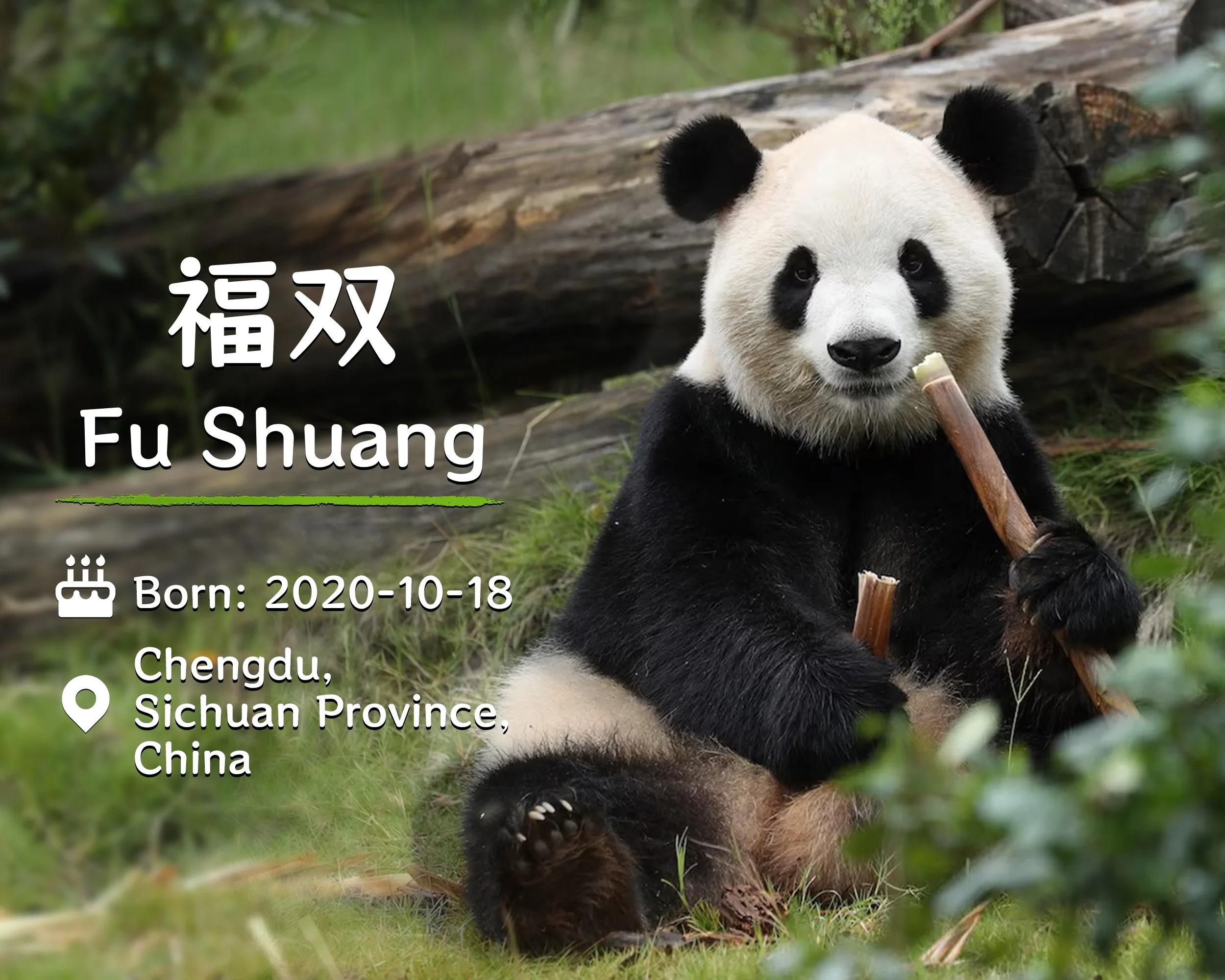
    China’s giant pandas are back in Atlanta. Male Ping Ping and female Fu Shuang arrived at Hartsfield-Jackson International Airport on September 27, ending a two-year gap after Zoo Atlanta’s previous pandas returned to China.

    The pair are in the US under a new 10-year agreement between Zoo Atlanta and the China Wildlife Conservation Association. They will remain in quarantine for about a month before they can be seen by the public.

    Also Read | Starship is finally in orbit. Can it make Starlink cheaper too?

    Panda-shaped footnote

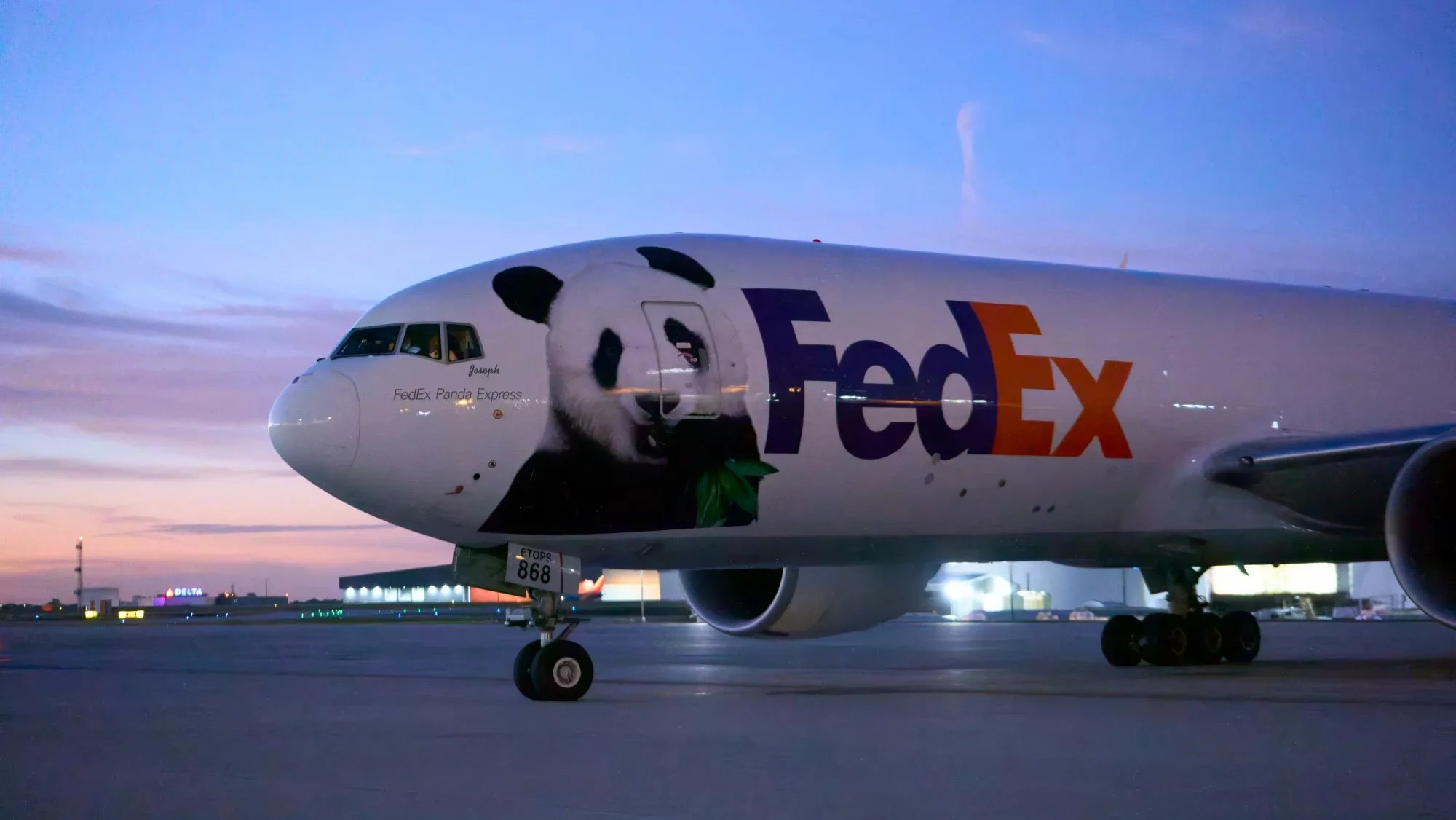
    The FedEx plane and trucks carrying Ping Ping and Fu Shuang to Zoo Atlanta have pictures of Ying Ying, Fu Shuang’s great-grandma | X (@likingpanda)
    The FedEx plane and trucks carrying Ping Ping and Fu Shuang to Zoo Atlanta have pictures of Ying Ying, Fu Shuang’s great-grandma | X (@likingpanda)

    Their arrival was announced by Chinese President Xi Jinping during his September 24 meeting with US President Donald Trump at the White House.

    Xi described the giant panda as an “envoy of friendship” between Chinese and American people and said Ping Ping and Fu Shuang would soon come to their new home in Atlanta.

    The announcement came during a high-profile US-China summit that covered broader economic and strategic issues, making the pandas one of the clearest symbolic gestures of goodwill during the visit.

    Pandas found their place in diplomacy

    Ping Ping, one of China’s giant pandas returning to Atlanta, is at the centre of the latest chapter in panda diplomacy | X (@SpoxCHN_MaoNing)
    Ping Ping, one of China’s giant pandas returning to Atlanta, is at the centre of the latest chapter in panda diplomacy | X (@SpoxCHN_MaoNing)

    This is what “panda diplomacy” means.

    China has used the giant panda, an animal native to the country, as a diplomatic symbol for decades.

    The modern US connection dates to 1972, when China gave two pandas, Ling-Ling and Hsing-Hsing, to the American people after President Richard Nixon’s historic visit to China.

    They arrived at the Smithsonian’s National Zoo in Washington, where they quickly became symbols of the emerging relationship between the two countries.

    The system later changed. From the 1980s, China moved away from permanently gifting pandas and increasingly used long-term loan agreements.

    Under this model, pandas remain under Chinese ownership, while overseas zoos host them under formal cooperation arrangements.

    Such agreements have generally involved long-term leases, annual fees, and the return of cubs born abroad to China.

    The program also has a conservation dimension, with Chinese and foreign institutions collaborating on research, breeding, and panda management.

    Atlanta’s pandas return

    Atlanta’s new pair fits into the established diplomatic system, but the symbolism has become more noticeable because of recent US-China tensions.

    Zoo Atlanta returned four pandas to China in 2024 after a 25-year partnership. The new agreement, announced in April 2026, restores pandas to the zoo while continuing the research and conservation relationship with Chinese authorities.

    The new loan was one of the outcomes of Xi’s latest US visit. Wider differences between Washington and Beijing remain unresolved.

    Also Read | US midterms 2026: Republicans unleash $888 million ad blitz; Kennedy says ‘I think we’re going to have enough money’

    Soft power

    Fu Shuang is among the giant pandas strengthening the long-standing link between China, Atlanta and panda diplomacy | X (@SpoxCHN_MaoNing)
    Fu Shuang is among the giant pandas strengthening the long-standing link between China, Atlanta and panda diplomacy | X (@SpoxCHN_MaoNing)

    Panda diplomacy works partly because the animals carry a powerful public appeal that conventional diplomatic language often lacks.

    Their arrival can create positive attention, encourage cultural contact, and give governments a highly visible symbol of cooperation. At the same time, the practice can become politically sensitive.

    Panda diplomacy can expose Beijing to public backlash when the animals become caught up in geopolitical disputes or welfare controversies.

    In Atlanta, Ping Ping and Fu Shuang are once again serving as living symbols of a relationship that extends far beyond the zoo gates.

  • US midterms 2026: Republicans unleash $888 million ad blitz; Kennedy says ‘I think we’re going to have enough money’

    US midterms 2026: Republicans unleash $888 million ad blitz; Kennedy says ‘I think we’re going to have enough money’

    The 2026 US midterm elections are entering a crucial final stretch, and one number is drawing attention, money.

    Republicans and their allies have booked about $888 million in advertising through Election Day on November 3, compared with roughly $666 million for Democrats and their allies, according to AdImpact.

    The Republican side therefore has about a $221 million advertising advantage in the closing weeks. Yet the picture is not as simple as one party simply having more money.

    Democratic candidates have, in many important races, raised more directly from donors. Republicans are instead relying heavily on super PACs, party committees and wealthy backers to expand their advertising push.

    Also Read | Starship is finally in orbit. Can it make Starlink cheaper too?

    Campaign cash finds its way

    US campaign finance is spread across several kinds of political organisations. Candidates raise and spend money through their own campaigns.

    Party committees can also spend on races, while super PACs can raise and spend large sums independently.

    In this election cycle, Republican-aligned outside groups have built a major financial reserve. Donald Trump’s MAGA Inc. entered September with about $416 million in cash, while other Republican-linked groups have booked additional advertising.

    The Wall Street Journal reported that Republican-aligned advertisers spent more than $204 million across 10 key Senate races during the first 18 days of September alone.

    That was $83 million more than Democratic-aligned advertisers during the same period.

    The safe seats suddenly look less cosy

    The spending is increasingly defensive as well as offensive. Reuters reported on September 27 that Republican groups and major donors had begun spending in at least 39 House races where they had not previously invested heavily this cycle.

    Several of those districts were traditionally regarded as safe Republican seats. Party leaders have also warned campaigns not to assume those seats are secure, according to people familiar with the strategy.

    At the same time, Democrats have been trying to use their fundraising strength at the candidate level to remain competitive and force Republicans to spend resources across a wider map.

    Democratic Senator Elizabeth Warren said that Republican advertising cannot by itself erase voter concerns over the economy and other issues.

    Republican Senator John Kennedy, meanwhile, offered a different view, saying, “I think we’re going to have enough money.”

    Also Read | ‘Possibly [be] needed in 90-120 days’: Why is the US checking Cuba readiness?

    Congress comes down to where the money lands

    The spending race shows where both parties believe the electoral battlefield is widening. Republicans currently hold a narrow House majority, with 218 Republicans, 214 Democrats, one independent caucusing with Republicans and two vacancies; Democrats would need a net gain of four seats to control the chamber next year.

    The financial push is therefore aimed not only at winning Democratic-held seats but also at protecting Republican districts that may be facing stronger-than-expected competition.

    In the Senate, advertising has also surged in races such as Texas, where Republican Ken Paxton has received far more outside advertising support than Democrat James Talarico this month.

    With Election Day approaching, the central question is no longer simply who has raised more from donors. It is how effectively each side can turn its money into voter contact, advertising and support in the races that will decide control of Congress.

  • Starship is finally in orbit. Can it make Starlink cheaper too?

    Starship is finally in orbit. Can it make Starlink cheaper too?

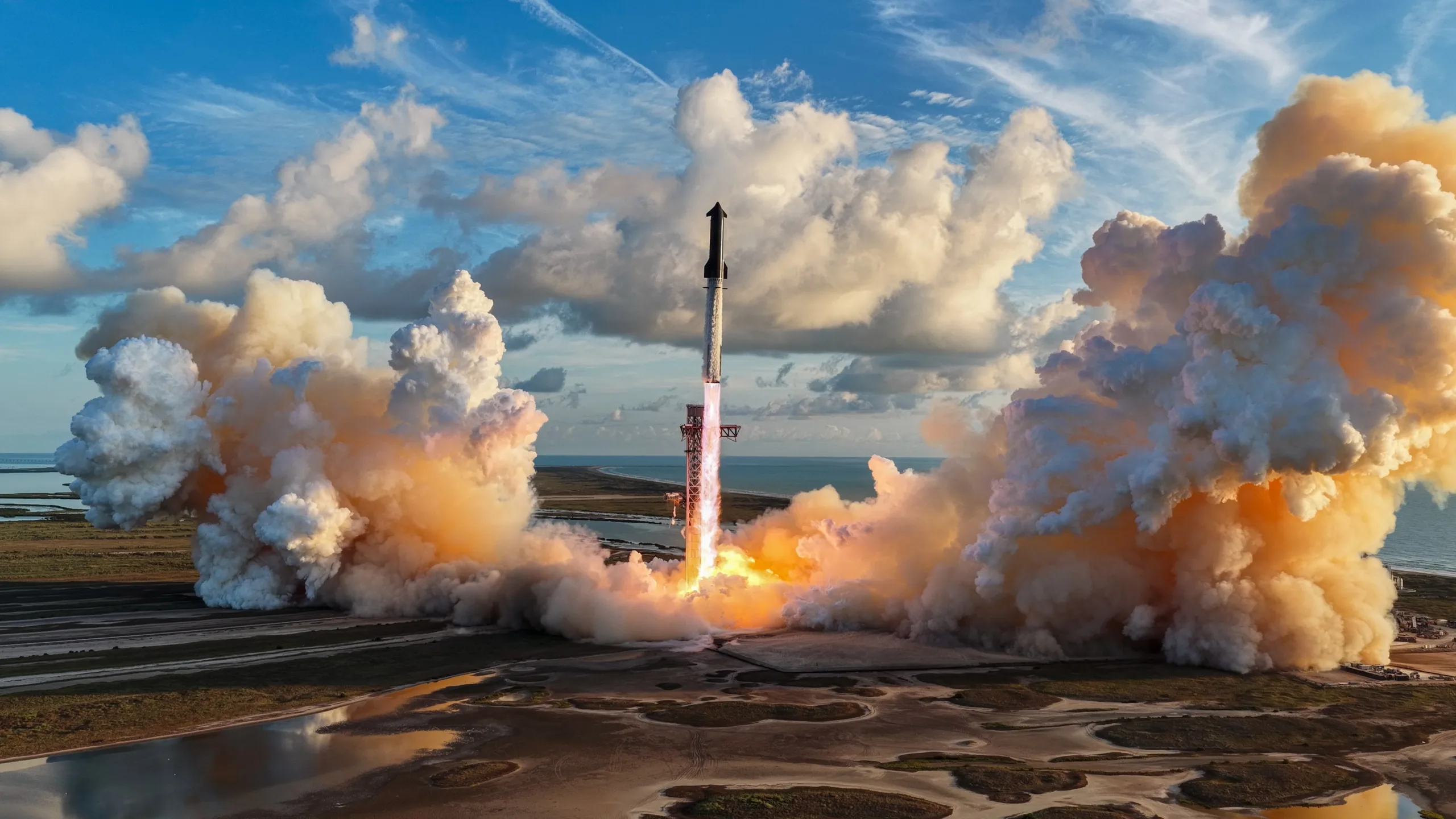
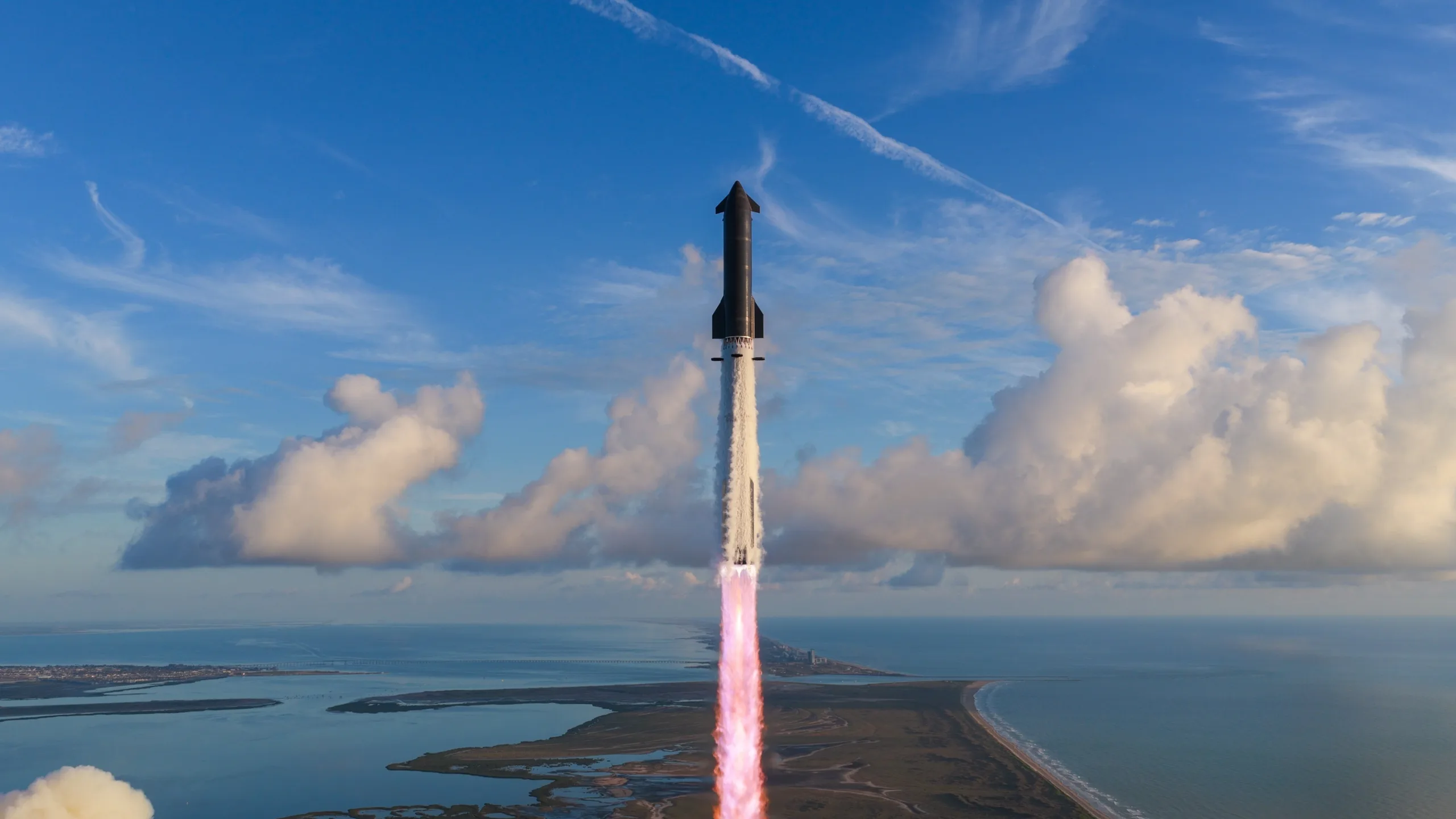
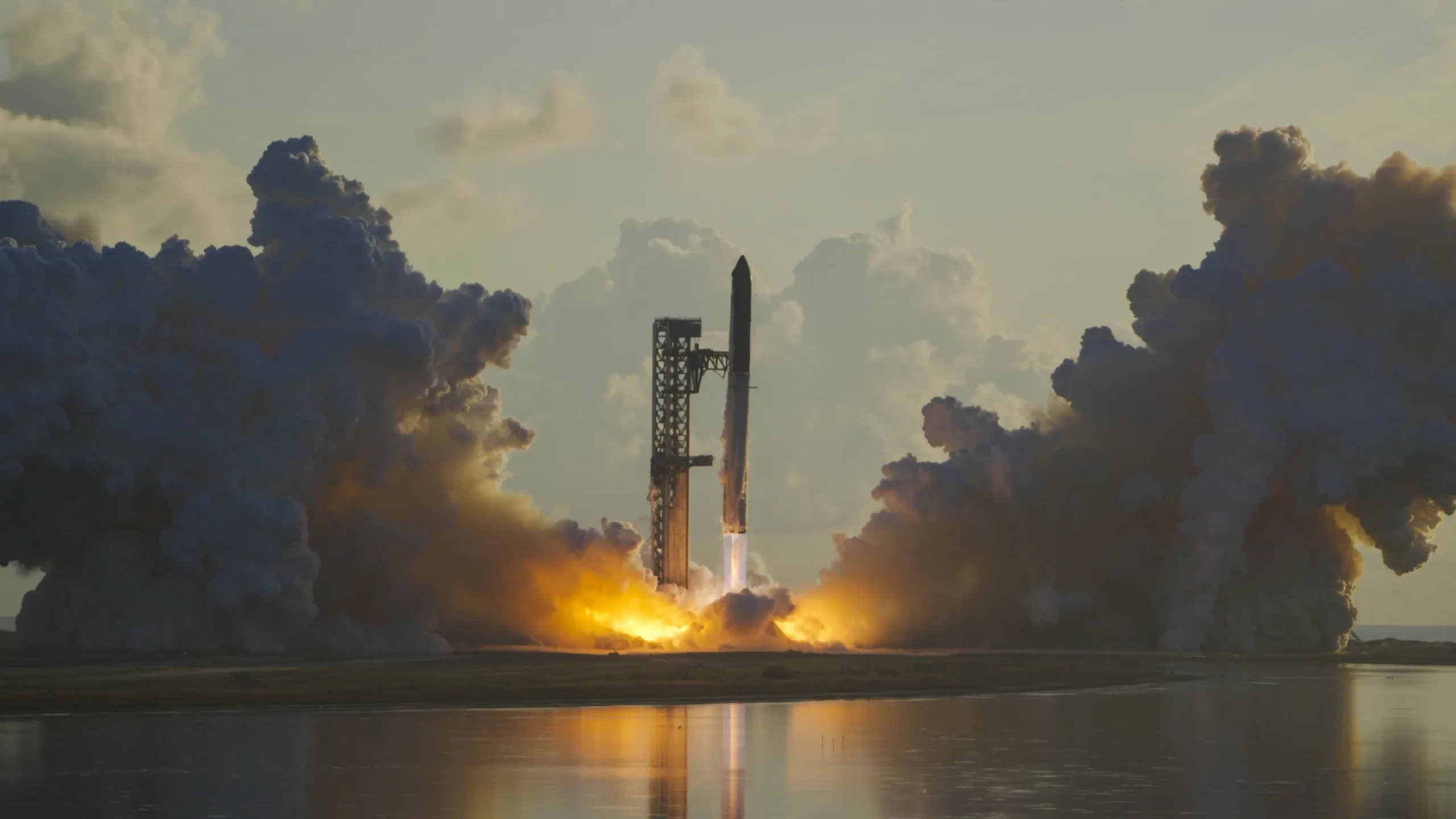
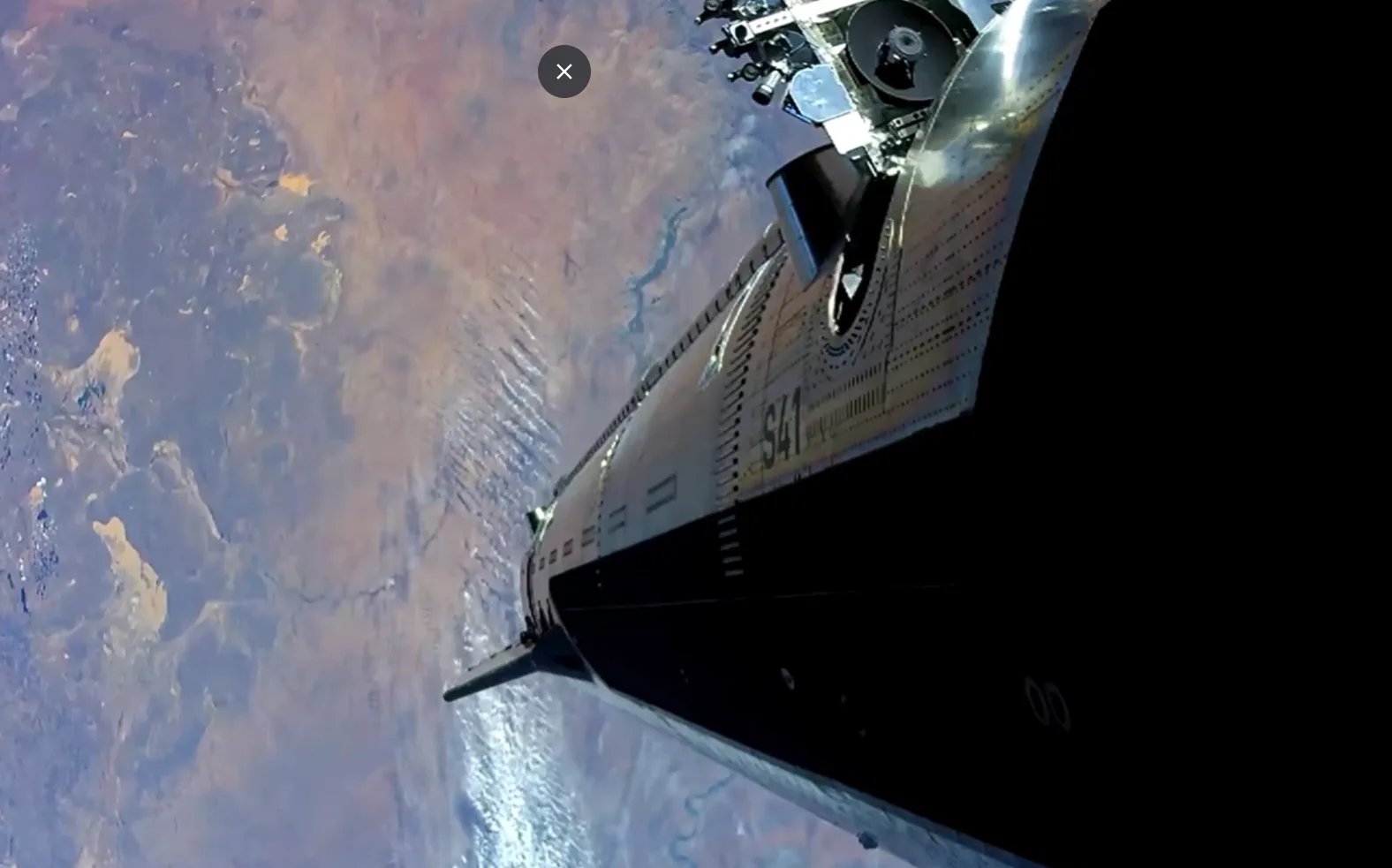
    SpaceX has cleared a major hurdle. Starship reached Earth orbit for the first time on September 28 and deployed 26 Starlink V3 satellites, turning a long-running rocket test into a mission with a direct commercial purpose.

    The result was important for Starlink because SpaceX wants Starship to become the main vehicle for putting larger, higher-capacity satellites into orbit.

    Yet the market reaction remained muted. SpaceX shares were up 0.3% in overnight trading ahead of the launch, while Reuters reported that the stock was down about 1% on Monday after the mission.

    Also Read | At 18, Christa Pike took a life; now age and trauma shape her appeal

    Starship opens the door to a roomier Starlink network

    SpaceX has the orbital milestone, but Starlink's next challenge is economic | X (@SpaceX)
    SpaceX has the orbital milestone, but Starlink’s next challenge is economic | X (@SpaceX)

    The reason Starship matters to Starlink is simple. Bigger satellites mean more network capacity in each launch.

    SpaceX says a Starlink V3 satellite is designed for 1 Tbps of downlink capacity and 160 Gbps of uplink capacity. Its downlink figure is about 10 times that of the previous V2 generation.

    SpaceX’s own IPO documents also say Starship is expected to carry as many as 60 V3 satellites in a single launch, potentially putting more than 20 times the downlink capacity into orbit compared with a Falcon 9 launch.

    In practical terms, that could let Starlink add capacity faster as its customer base grows.

    The cost equation

    SpaceX called Flight 14 its first 'revenue-generating flight' | X (@SpaceX)
    SpaceX called Flight 14 its first ‘revenue-generating flight’ | X (@SpaceX)

    That is where the cost argument comes in. Before Flight 14, Aaron Burnett, founder and CEO of space-focused research firm Mach33, estimated that the 26-satellite payload represented roughly 26 Tbps of network capacity.

    Using his assumed Starship launch cost, he put the cost at about $9.8 million per Tbps for the mission, close to his estimate for Falcon 9.

    Burnett expects that number to fall sharply as Starship begins carrying fuller payloads, achieves faster reuse, and benefits from manufacturing improvements.

    His forecast is that the cost of launching each unit of Starlink capacity could fall 16-fold by 2028. That is a projection based on future improvements, not a demonstrated cost reduction today.

    A triumph

    Starship's first orbital flight gave Starlink 26 V3 satellites | X (@SawyerMerritt)
    Starship’s first orbital flight gave Starlink 26 V3 satellites | X (@SawyerMerritt)

    Flight 14 also showed why investors are watching the rocket beyond the headline achievement.

    One of Starship’s three main engines shut down early after reaching space, briefly putting the planned orbital mission in doubt.

    SpaceX later confirmed that the vehicle could continue, and it successfully reached orbit and deployed all 26 satellites.

    The mission was then cut short by seven hours, ending after about three hours instead of the planned 10. SpaceX said the satellites were operating nominally.

    CFO Bret Johnsen had described Flight 14 as Starship’s first “revenue-generating flight” and called the rocket “core to the rest of our business.”

    Also Read | ‘Possibly [be] needed in 90-120 days’: Why is the US checking Cuba readiness?

    Orbital success is one thing; repeatability is another

    The significance of Flight 14 goes beyond one successful launch. Starship has now demonstrated orbital flight and its first operational satellite deployment, but SpaceX still needs to prove that the system can fly frequently, reuse hardware quickly, and reduce launch costs at scale.

    Musk has said Starship is “2 to 3 years away from hourly flights.”

    Timetable matters for Starlink because the economics of adding large amounts of new capacity will depend not only on how much each V3 satellite can deliver but also on how cheaply and regularly Starship can put them into orbit.

  • ‘Possibly [be] needed in 90-120 days’: Why is the US checking Cuba readiness?

    ‘Possibly [be] needed in 90-120 days’: Why is the US checking Cuba readiness?

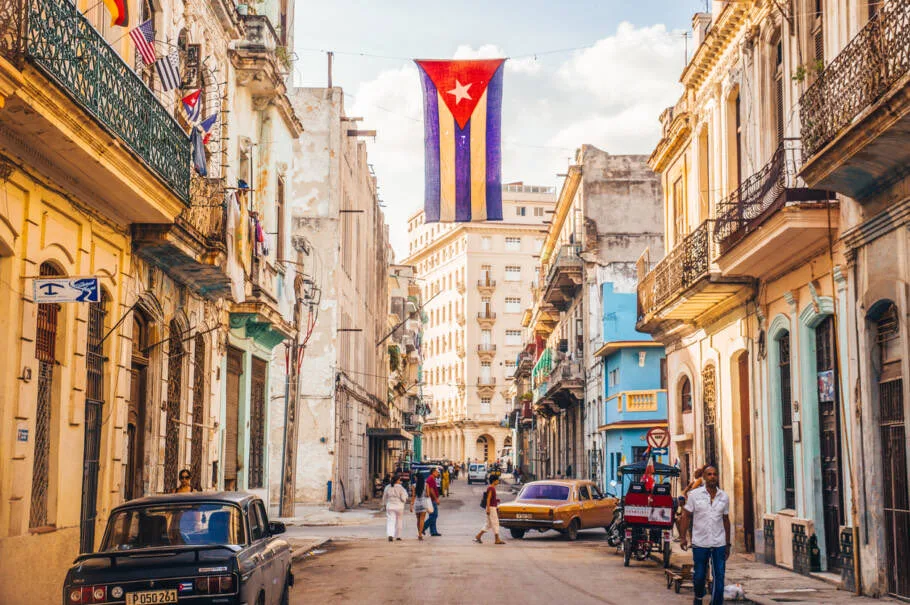
    The United States is assessing whether key Army Reserve units could be made available for missions under US Southern Command within the next four months.

    The message itself does not mention Cuba. Multiple US officials, however, told CBS that the request is part of continued military planning focused on the island.

    There is no indication that any unit has been ordered to deploy. The document also does not say how many troops could be involved, where they might go, or what operation they would support.

    Also Read | 800,000 gather for Pope Leo XIV in Paris as France confronts its Catholic roots

    Military preparedness

    The Army Reserve is checking the possible availability of six types of formations. They include logistics and sustainment units, an engineer battalion, a medical brigade, a forward surgical and resuscitative detachment, and a military police brigade.

    Their roles are largely about keeping a military operation supplied, treating casualties, providing engineering support, and maintaining security.

    The message says these units could be “possibly [be] needed in 90-120 days.” Commands were asked to report their availability to Army Reserve headquarters by September 25.

    A diplomatic squeeze

    From logistics and engineers to medics and military police, the readiness check covers the support structure needed for a possible military mission | X (@TheCalvinCooli1)
    From logistics and engineers to medics and military police, the readiness check covers the support structure needed for a possible military mission | X (@TheCalvinCooli1)

    The timing matters because Washington and Havana have been under growing pressure for months. The Trump administration has increased economic pressure on Cuba and has pushed for political changes on the island.

    Earlier this year, US forces carried out reconnaissance operations around Cuba’s seabed and maritime approaches.

    Some US airpower components were also placed on heightened readiness, and personnel were prepared for possible deployment, although those plans did not move forward.

    At the same time, US Southern Command has refused to discuss specific operational movements, citing security concerns.

    A spokesperson said the command “continuously coordinates with the Joint Force” to assess military requirements across its area.

    Door ajar

    Army Reserve units are being assessed for possible logistical, medical, and security support as the Trump administration weighs military options involving Cuba | X (@RealTruth)
    Army Reserve units are being assessed for possible logistical, medical, and security support as the Trump administration weighs military options involving Cuba | X (@RealTruth)

    There is also an important second signal from Washington. On September 26, President Donald Trump said he did not believe the US would need military force and that “Cuba and we will make a deal.”

    Trump made the remarks at the White House after months of escalating pressure on Havana.

    Cuban Foreign Minister Bruno Rodriguez, speaking at the United Nations, said Cuba remained open to dialogue and to business relations with US companies while condemning the US trade embargo.

    The latest Army Reserve message therefore points to contingency planning, not a confirmed military operation.

    What happens next will depend on how the broader US-Cuba confrontation develops and whether the two sides move towards an agreement.

    Also Read | At 18, Christa Pike took a life; now age and trauma shape her appeal

  • At 18, Christa Pike took a life; now age and trauma shape her appeal

    At 18, Christa Pike took a life; now age and trauma shape her appeal

    Christa Pike, the only woman on Tennessee’s death row, is scheduled to be executed by lethal injection on September 30 at Riverbend Maximum Security Institution in Nashville.

    Pike, now 50, was sentenced to death for the 1995 murder of 19-year-old Colleen Slemmer, whom prosecutors said she and two other teenagers lured to a secluded area and attacked.

    Pike was 18 when the crime took place. If the execution goes ahead, she would be the first woman executed in Tennessee since 1819 and the first person in the state’s modern death penalty era to be executed for a crime committed at exactly age 18.

    Also Read | Europe’s seas are getting warmer. Its fishermen are seeing the consequences

    A firm verdict

    Pike’s execution remains scheduled for September 30 after the court denied her latest request for a stay | X (@TheLinzerShow)
    Pike’s execution remains scheduled for September 30 after the court denied her latest request for a stay | X (@TheLinzerShow)

    The central issue now is not whether Pike was convicted. She was convicted in 1996 of murder and conspiracy to commit murder and sentenced to death.

    The dispute is about whether factors surrounding her life and the execution itself should change that outcome.

    Her lawyers have presented evidence of severe childhood abuse, sexual violence and neglect. Court records say Pike was sexually assaulted as a child and later diagnosed with PTSD and bipolar disorder.

    Her defence also argues that important mitigating evidence was not properly presented to the original jury. Pike has since expressed remorse for Slemmer’s death.

    “I feel remarkably remorseful for what I did,” she said in a documentary about her case.

    The line at 18

    Age adds another layer to the case. In 2005, the US Supreme Court ruled in Roper v. Simmons that the death penalty cannot be imposed for crimes committed by people who were under 18.

    The court pointed to differences in maturity, judgment and vulnerability between juveniles and adults.

    Pike cannot invoke the Supreme Court's juvenile death penalty ban because she was 18 | X (@XAmericanValues)
    Pike cannot invoke the Supreme Court’s juvenile death penalty ban because she was 18 | X (@XAmericanValues)

    Pike, however, was 18 at the time of Slemmer’s murder, so that categorical constitutional protection does not apply to her. Her lawyers instead argue that modern understanding of adolescent brain development and the long-term effects of childhood trauma should be considered as mitigating factors.

    That argument has also featured in recent expert and legal appeals seeking to prevent her execution.

    Trauma

    Could the circumstances of an 18-year-old still matter decades later? | X (@901Lulu)
    Could the circumstances of an 18-year-old still matter decades later? | X (@901Lulu)

    There is also a separate challenge over how the execution could affect Pike. Her lawyers argued that being restrained, observed by male staff and undergoing IV procedures could trigger memories of the sexual assaults she experienced as a child.

    Experts and advocates have raised concerns about possible re-traumatisation.

    Pike has asked for an all-female execution team. Tennessee officials have agreed to several accommodations, including female officers for her transfer where possible, privacy protections and access to her spiritual adviser before the execution.

    The Tennessee Supreme Court rejected her request for a stay on September 23, finding that she had not shown the lethal-injection procedure would cause unconstitutional suffering.

    Her lawyers subsequently filed an emergency application with the US Supreme Court on September 25.

    The execution date remains set for September 30, subject to any further court or executive action.

    Also Read | 800,000 gather for Pope Leo XIV in Paris as France confronts its Catholic roots

  • 800,000 gather for Pope Leo XIV in Paris as France confronts its Catholic roots

    800,000 gather for Pope Leo XIV in Paris as France confronts its Catholic roots

    Pope Leo XIV drew 800,000 attendees to central Paris on Saturday, September 26, for the biggest public event of his four-day visit to France.

    An open-air Mass was held at the Place de la Concorde after the pope travelled through the Champs-Élysées in the popemobile.

    Also Read | Did you know QR codes were not made for digital payments? Here’s the real reason

    New France

    Leo was looking out over this enormous crowd in one of Europe’s most secular countries and directing his message specifically toward the young people standing among them: “You are today’s church.” | X (@MarioNawfal)
    Leo was looking out over this enormous crowd in one of Europe’s most secular countries and directing his message specifically toward the young people standing among them: “You are today’s church.” | X (@MarioNawfal)

    The scale of the gathering is significant because France is one of Europe’s most secular societies.

    The separation of church and state is enshrined in the country’s 1905 law, while Catholic affiliation has declined for decades.

    France’s official statistics agency, INSEE, showed that 25% of French people aged 18 to 49 identified as Catholic, down from 43% a decade earlier.

    At the same time, the French Bishops’ Conference has pointed to a rise in adult baptisms, including a reported record 21,000 last Easter.

    Leo, speaking to newly baptised Catholics before the Mass, cautioned the Church against being “naively optimistic” about the increase.

    A little flame

    Europe’s relationship with Christianity is more complicated than the story being told about its disappearance | X (@MarioNawfal)
    Europe’s relationship with Christianity is more complicated than the story being told about its disappearance | X (@MarioNawfal)

    France’s tension between a historic Catholic identity and a more secular present ran through the pope’s visit. At the Mass, Leo told Catholics not to keep their faith to themselves.

    “Only God can fill the emptiness within us,” he said, presenting faith as an answer to what he described as the limits of material life.

    He also called on believers to recognise and protect what he described as a small but growing “flame” of faith in France.

    More than Mass

    Pope Leo XIV pauses to pray at the site of the brutal massacre at the Carmes monastery during the French Revolution, which is marked by the Latin expression "Hic ceciderunt" (Here they fell) | X (@VaticanNews)
    Pope Leo XIV pauses to pray at the site of the brutal massacre at the Carmes monastery during the French Revolution, which is marked by the Latin expression “Hic ceciderunt” (Here they fell) | X (@VaticanNews)

    The visit has also gone beyond religion. Earlier on Saturday, Leo visited Maison Bakhita, a Paris centre that supports migrants and refugees.

    There, he spoke about welcome, dignity and social integration.

    The Vatican said he thanked staff and volunteers for offering “welcome, a listening ear, formation, and friendship”. He also said, “No one is so poor as to have nothing to give; no one is so rich as to have nothing to receive.”

    The visit came ahead of the World Day of Migrants and Refugees on September 27.

    Old wounds

    Pope Leo XIV's Mass on Place de la Concorde | X (@vaticannews_fr)
    Pope Leo XIV’s Mass on Place de la Concorde | X (@vaticannews_fr)

    The trip also carries a difficult institutional backdrop.

    A landmark 2021 inquiry into sexual abuse within the French Catholic Church estimated that about 330,000 children had been abused by clergy and lay members connected to Church institutions over seven decades.

    Leo is due to meet seven French survivors in Lourdes on Sunday.

    The meeting is part of a wider effort to address the damage caused by the scandal, though survivors and advocacy groups continue to call for deeper accountability and systemic reform.

    Faith, dignity and an unfinished reckoning

    Leo’s France tour, his first official papal visit to the country in 18 years, therefore carries several strands at once.

    A message of faith to a secular society, an emphasis on migrants and human dignity, and an attempt to engage with a Church still dealing with the consequences of abuse.

    After Paris, the pope travelled to Lourdes, with the trip scheduled to continue to Metz before his return to the Vatican on Monday.

    Also Read | Europe’s seas are getting warmer. Its fishermen are seeing the consequences

  • Europe’s seas are getting warmer. Its fishermen are seeing the consequences

    Europe’s seas are getting warmer. Its fishermen are seeing the consequences

    European waters have just had their hottest June-to-August period in 45 years of available data.

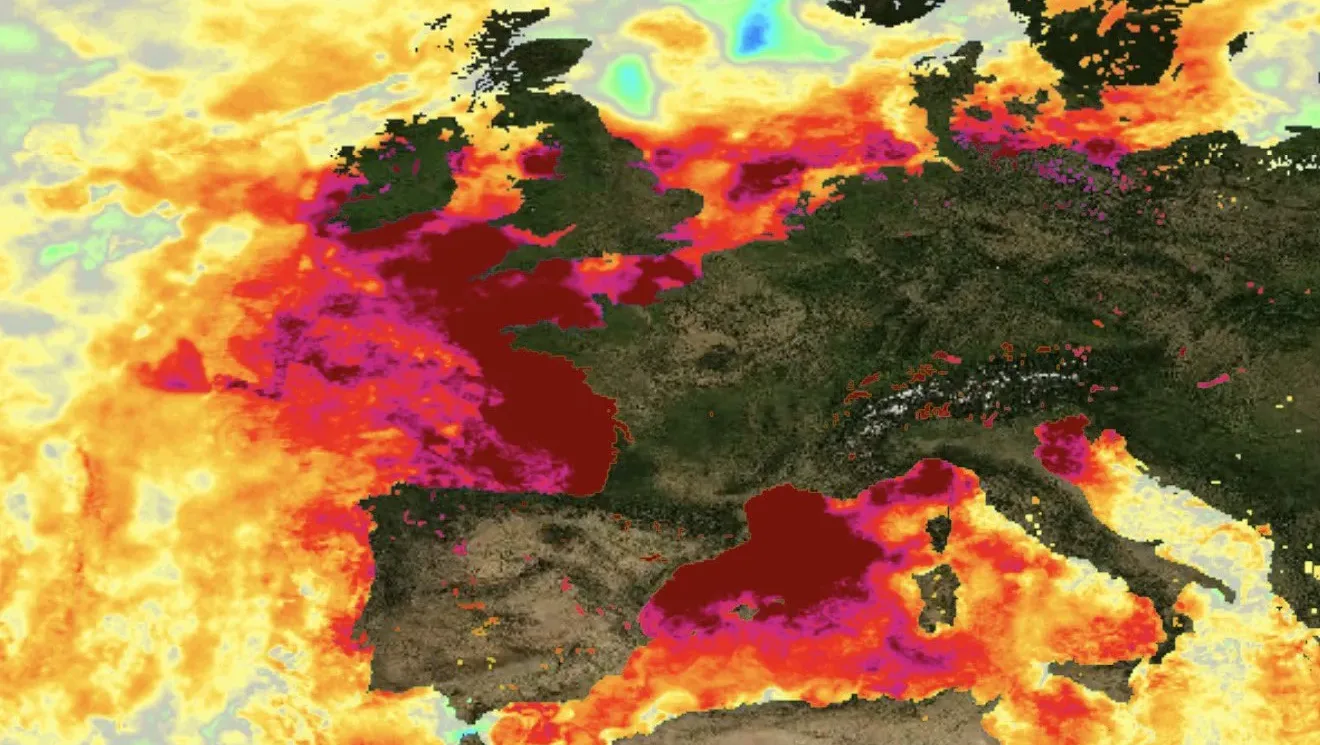
    An analysis of sea-surface temperatures found that average temperatures across European seas reached 21.6°C this summer. The heat was especially pronounced in the Bay of Biscay, where waters averaged 21.4°C, which is more than 2.4°C above the 1991-2020 average.

    An offshore buoy near Mallorca also recorded 33.02°C on August 5, the highest temperature ever registered in the Spanish port authority’s buoy network.

    The concern is not simply about warmer water. Marine heatwaves can change where species live, reproduce, and feed. This change can quickly affect fishermen whose livelihoods depend on relatively stable marine ecosystems.

    Also Read | Elon Musk, Tim Cook, Sam Altman join Trump’s Dinner for Xi Jinping

    Too toasty

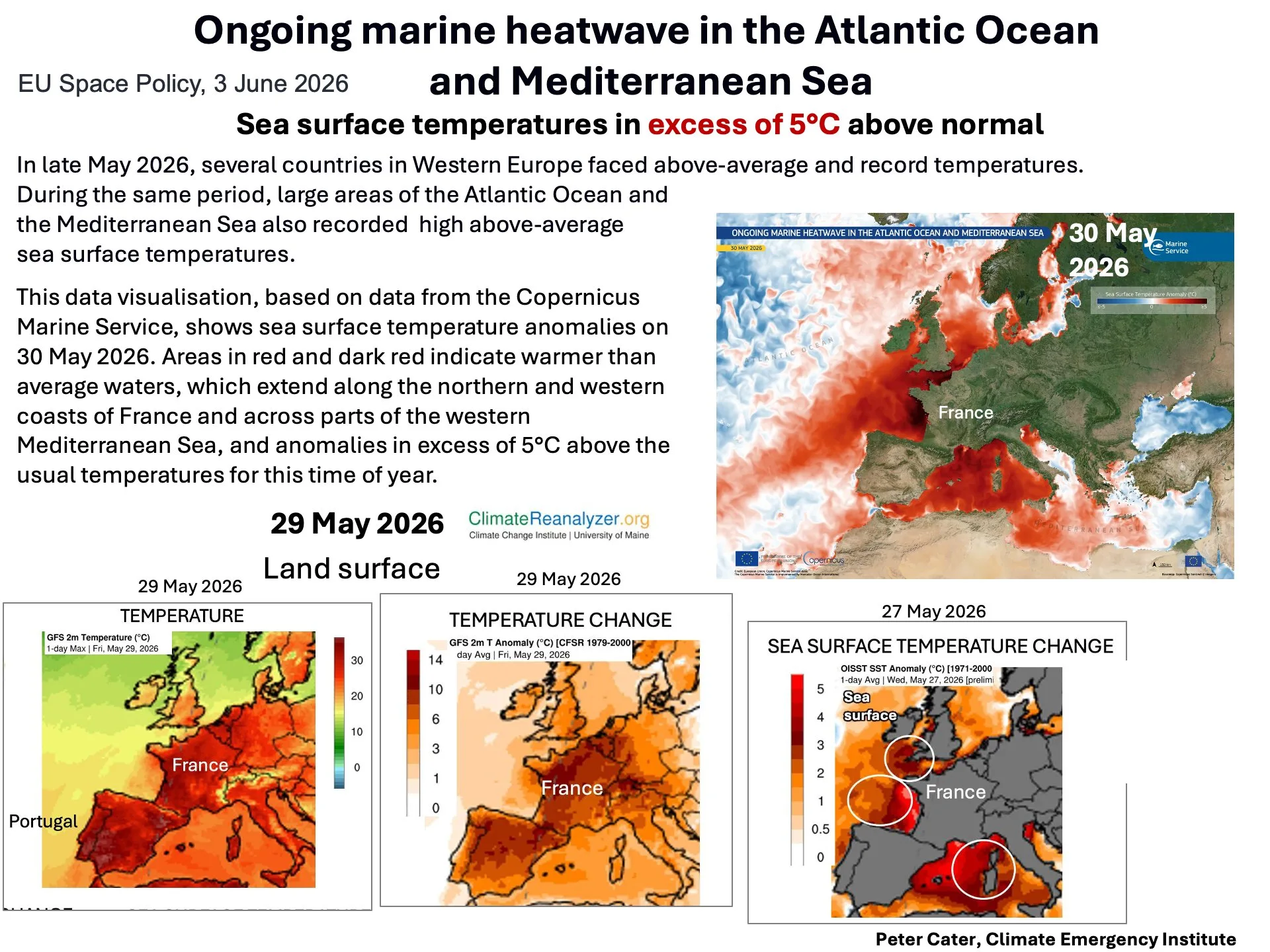
    Sea surface temperatures were in excess of 5°C above normal. The extreme sea surface heat around western Europe boosted the land heat to record highs | X (@PCarterClimate)
    Sea surface temperatures were in excess of 5°C above normal. The extreme sea surface heat around western Europe boosted the land heat to record highs | X (@PCarterClimate)

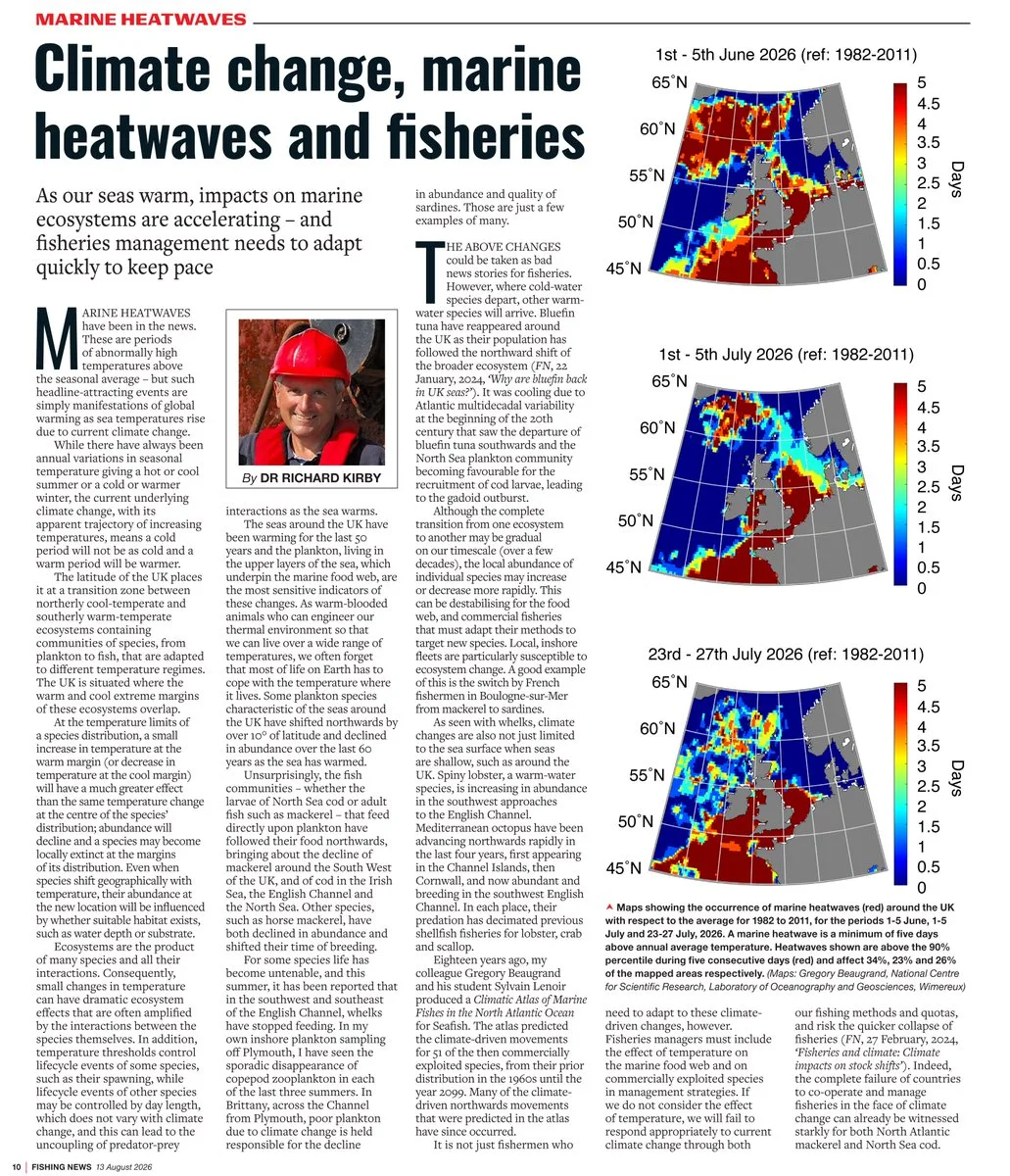
    A marine heatwave is generally defined as at least five days when sea temperatures remain unusually high for that location and time of year.

    In the Bay of Biscay, such events were once relatively limited. By the end of August this year, the bay had recorded 186 heatwave days, Reuters found.

    Scientists say the warming seas are becoming more frequent, intense, and widespread as greenhouse gas emissions raise global temperatures. The oceans absorb most of the planet’s excess heat and retain it for longer than land and the atmosphere.

    Jean-Pierre Gattuso, a senior research scientist at France’s National Centre for Scientific Research, described the speed of change as particularly striking.

    “What is surprising is the speed at which this occurs,” he said. “Records are broken almost every day in many places.”

    A changing rhythm

    A massive heat dome is making a dramatic return across Europe | X (@PCarterClimate)
    A massive heat dome is making a dramatic return across Europe | X (@PCarterClimate)

    The Bay of Biscay shows what that change can mean on the ground.

    Northern Spain once had extensive kelp forests that provided food, shelter, and nursery grounds for many marine species. Jose Manuel Rico Ordas, a marine ecology professor at the University of Oviedo, estimates that roughly 95% of the large brown kelp stands along parts of the Asturias coast have disappeared since 2010.

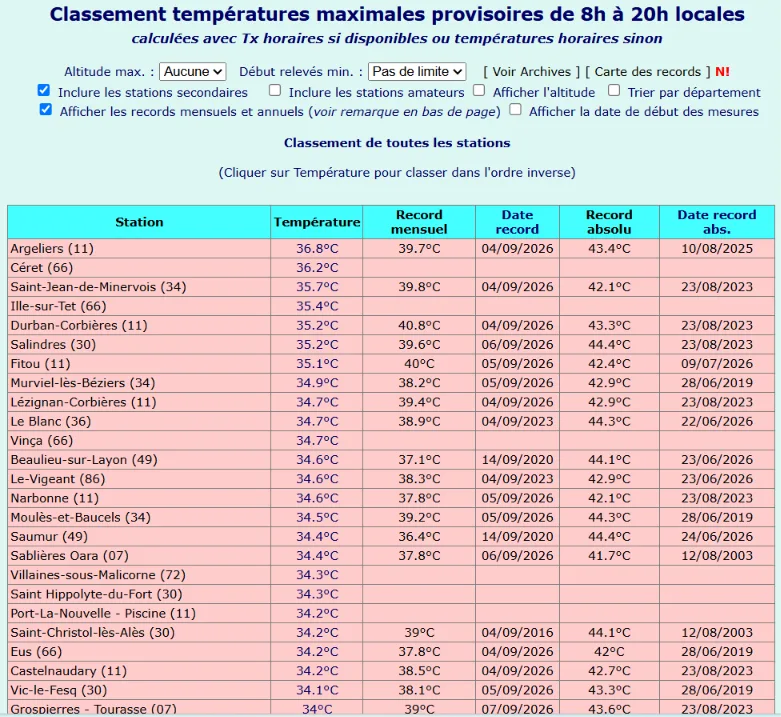
    Thousands of records will be smashed in Spain, France, Germany, Switzerland, Scandinavia etc. Europe is completely rewriting its climatic history | X (@extremetemps)
    Thousands of records will be smashed in Spain, France, Germany, Switzerland, Scandinavia etc. Europe is completely rewriting its climatic history | X (@extremetemps)

    He attributes the decline primarily to climate change and says kelp generally needs water below about 20°C to survive.

    With the habitat disappearing, species associated with it are also becoming harder to find.

    “We are finding no more lobster, no more crayfish, no more sea urchins, and many other species that are associated with the good status of kelp forests,” Rico Ordas said.

    Fishermen and scientists are now trying to restore kelp by planting laboratory-grown seedlings.

    New arrivals, fishermen’s worries

    Life in hot water | X (@PlanktonPundit)
    Life in hot water | X (@PlanktonPundit)

    At the same time, warmer waters are allowing other species to expand into places where they were once uncommon.

    In the Mediterranean, researchers say more than 1,000 non-indigenous species have been recorded, many arriving from warmer regions through the Suez Canal.

    Britain offers another example. Fishermen along the south coast of England reported about 2,600 metric tons of common octopus landings in 2025 and more than 3,000 tons so far this year, compared with annual landings of less than 30 tons before 2025.

    One thing to remember is that an increase in one species does not necessarily mean better fishing conditions overall.

    Octopuses prey on crabs, lobsters, and scallops, and some shellfishermen say their traditional catches have suffered.

    The South Devon and Channel Shellfishermen’s cooperative described 2026 as an “octopus apocalypse.”

    The shift is becoming harder to ignore. As some familiar species decline and others move into new waters, fishermen are being forced to adapt to a sea that is changing faster than before.

    Also Read | Did you know QR codes were not made for digital payments? Here’s the real reason

  • Saudi Arabia wants more than one powerful partner. China is stepping in

    Saudi Arabia wants more than one powerful partner. China is stepping in

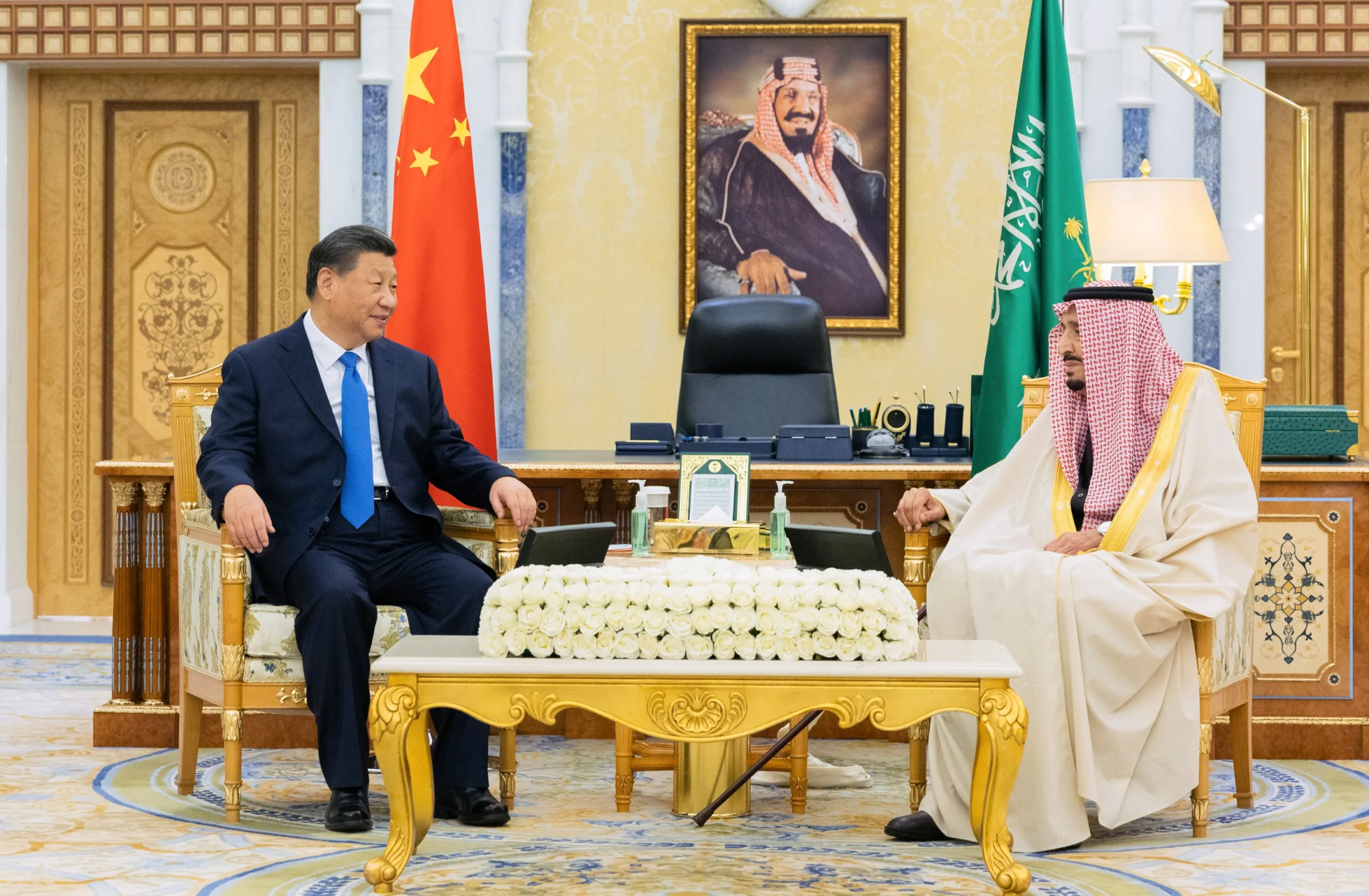
    Saudi Arabia’s growing outreach to China is drawing attention as the kingdom faces renewed attacks from Yemen’s Iran-aligned Houthis and uncertainty over how far the United States is prepared to intervene.

    The immediate concern is security. But the broader story is about how Riyadh has been steadily widening its options beyond Washington. The latest crisis has brought that strategy into sharper focus.

    Also Read | Jaishankar meets Rubio in New York, raising India’s concerns over Russia sanctions

    Squeeze for Riyadh

    Riyadh’s China outreach gains attention amid shifting US security ties | X (@Megatron_ron)
    Riyadh’s China outreach gains attention amid shifting US security ties | X (@Megatron_ron)

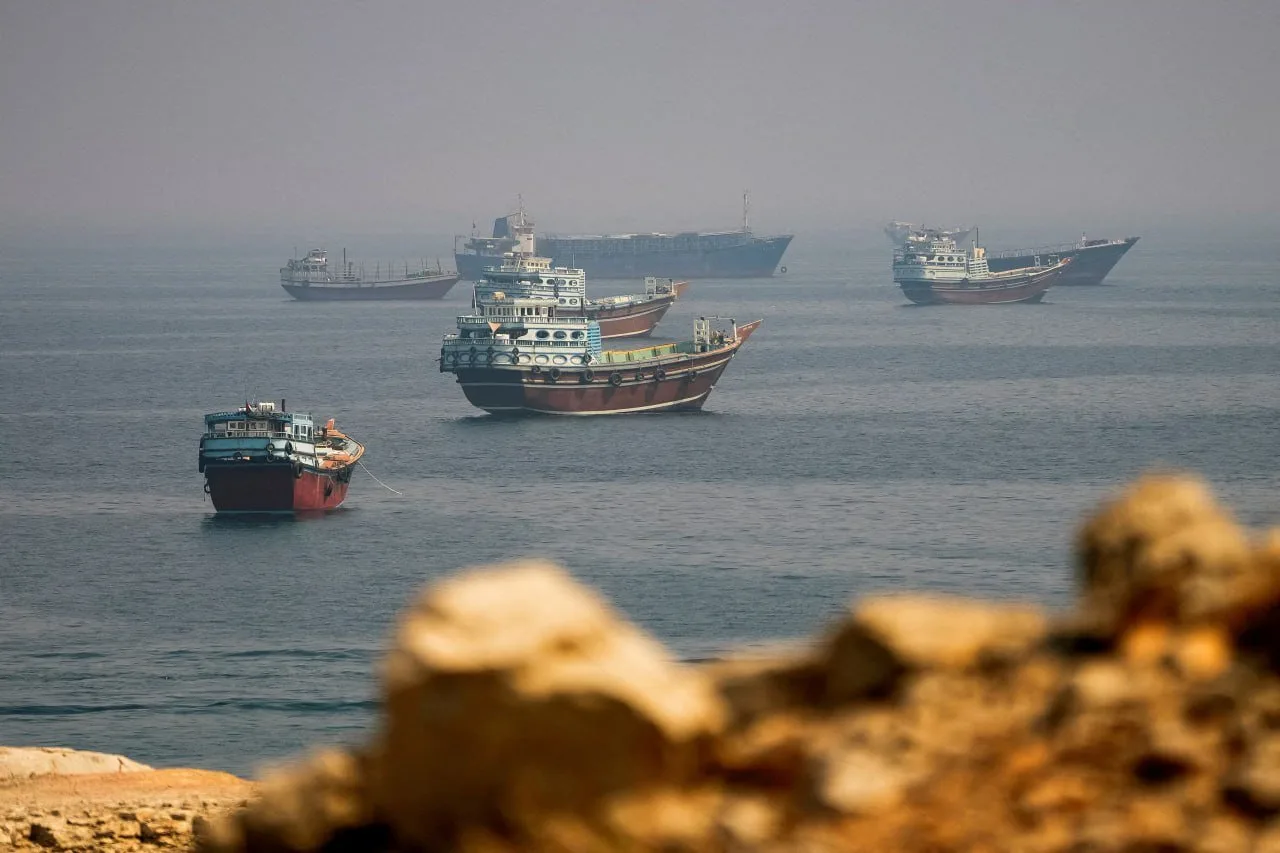
    The pressure has increased because Saudi Arabia’s usual energy-export routes have come under strain. The Strait of Hormuz has been disrupted, while attacks have also threatened the kingdom’s East-West Petroline, which carries crude towards the Red Sea.

    Washington refused to militarily intervene against the Houthis. On September 12, US President Donald Trump described the Houthi seizure of Yemen’s Red Sea coast as an issue that “only affects one country.”

    The episode has added to concerns in Riyadh over the reliability of its traditional security relationship with the US.

    Beijing has useful connections

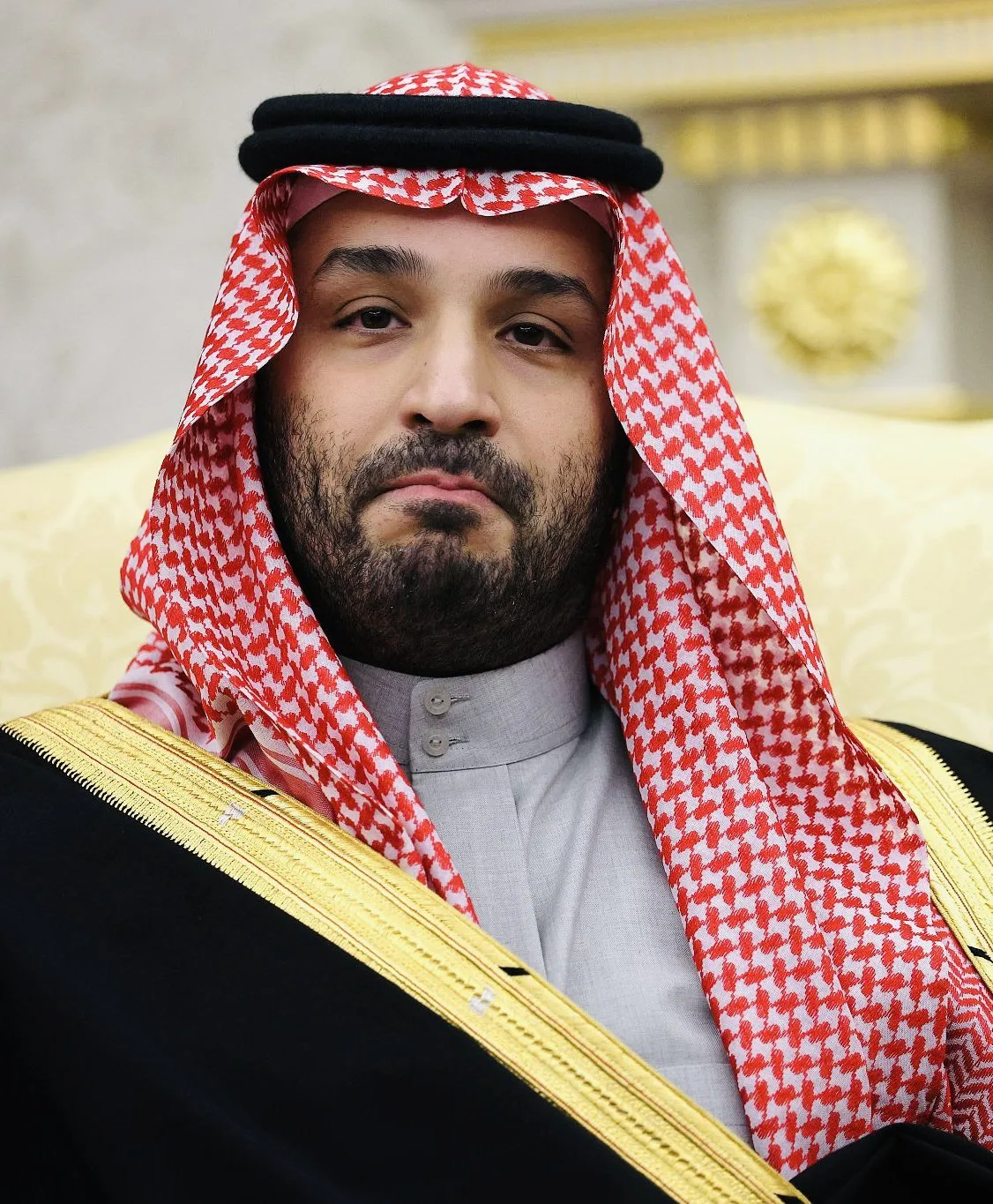
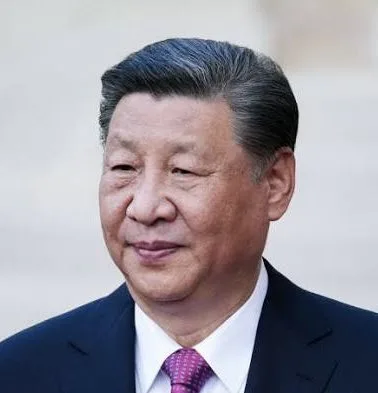
    China’s leadership remains central to Beijing’s expanding ties with Saudi Arabia, from diplomacy and trade to Vision 2030 | X (@Megatron_ron)
    China’s leadership remains central to Beijing’s expanding ties with Saudi Arabia, from diplomacy and trade to Vision 2030 | X (@Megatron_ron)

    This is where China becomes important. Beijing has relationships with both Saudi Arabia and Iran, which gives it a channel that Washington does not have with Tehran.

    In 2023, China hosted and sponsored talks that led Saudi Arabia and Iran to agree to restore diplomatic relations after years of hostility. That agreement reopened embassies and helped establish Beijing as a diplomatic player in a region where it has major economic interests.

    A relationship built over years

    China’s influence in Saudi Arabia, meanwhile, is not new. The two countries have spent years expanding cooperation in energy, infrastructure, technology, and investment.

    Carnegie Endowment research shows that the relationship accelerated after Saudi Arabia launched Vision 2030 in 2016, with Beijing aligning parts of its Belt and Road Initiative with Riyadh’s economic diversification plans.

    Between 2005 and June 2024, Chinese infrastructure projects in Saudi Arabia were valued at about $53.85 billion, according to the Carnegie analysis.

    Official Chinese data also puts bilateral trade at $107.53 billion in 2024.

    More than oil at stake

    With $107.53 billion in bilateral trade in 2024, Saudi Arabia’s China relationship has an economic weight that extends well beyond security ties | X
    With $107.53 billion in bilateral trade in 2024, Saudi Arabia’s China relationship has an economic weight that extends well beyond security ties | X

    There is also a strategic calculation behind the economic relationship. China is a major buyer of Saudi crude and has interests in the kingdom’s infrastructure and energy projects.

    Saudi Arabia, in turn, wants investment, technology, and markets as it tries to reduce its dependence on oil.

    Chinese companies have participated in projects ranging from renewable energy to manufacturing and digital infrastructure under the Vision 2030 framework.

    That gives the relationship a practical foundation beyond diplomatic symbolism.

    Influence without boots

    The current Red Sea crisis adds another layer. Saudi Arabia wants the Houthis contained, but China is unlikely to respond with direct military intervention.

    Its possible leverage lies instead in its relationship with Iran.

    A Chinese Foreign Ministry statement said, “China does not wish to see regional tensions further spill over into Yemen and the Red Sea.”

    Beijing has pressed Tehran to restrain the Houthis, although such efforts should not be confused with a Chinese security guarantee for Saudi Arabia.

    Saudi’s room

    Saudi Arabia’s “China turn” is less about choosing Beijing over Washington and more about reducing dependence on a single power.

    The kingdom is expanding economic, diplomatic, and defense relationships with China while continuing to maintain deep ties with the US.

    The latest crisis has simply exposed why that diversification matters to Riyadh. When security threats spread across the Gulf and Red Sea, having several powerful partners gives Saudi Arabia more diplomatic channels and strategic options.

    Also Read | No rain, no flowers — until El Niño: Why Atacama is suddenly blooming

  • No rain, no flowers — until El Niño: Why Atacama is suddenly blooming

    No rain, no flowers — until El Niño: Why Atacama is suddenly blooming

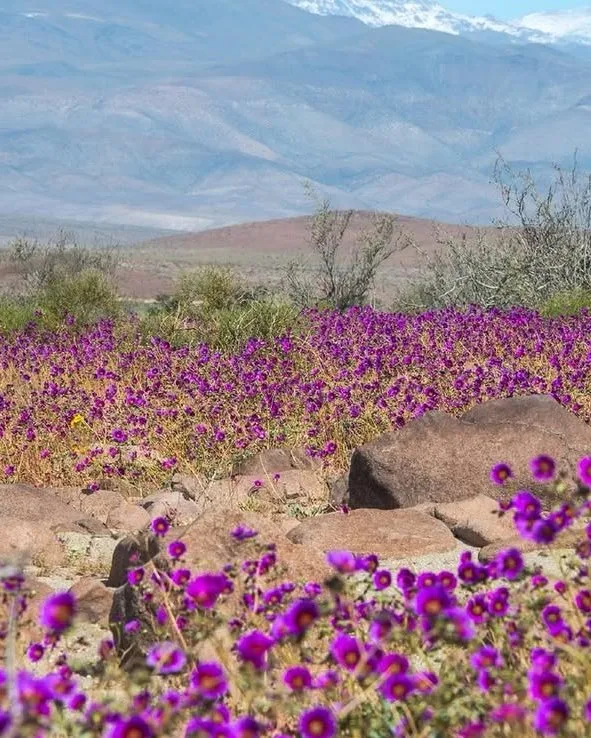
    For much of the year, Chile’s Atacama Desert is defined by cracked ground, bare slopes, and an almost complete absence of rain. This month, parts of that landscape look very different.

    Vast patches of violet and white flowers have appeared after unusually heavy rainfall linked to El Niño, reviving a natural phenomenon known as the “Desierto Florido,” or flowering desert.

    The bloom is already visible in parts of the Atacama region, while Chilean authorities expect the display to reach its peak in October.

    Also Read | Trump’s Board of Peace plans $2.45 billion Gaza recovery plan

    The secret beneath the sand

    Atacama rainfall crossed 180 millimetres in some areas | X (@fascinatingonX)
    Atacama rainfall crossed 180 millimetres in some areas | X (@fascinatingonX)

    The reason lies beneath the desert floor. Seeds and bulbs from roughly 200 plant species can remain dormant for long periods, waiting for enough moisture to return.

    When significant rain finally reaches the soil, some of these plants germinate almost at once.

    This creates the sudden carpets of color that have made the Atacama bloom famous. The Chilean government says more than 200 plant species may emerge during the 2026 season, along with an ecosystem of insects and vertebrates that becomes active around the flowering plants.

    Quite a lot of rain for a desert

    More than 200 plant species can lie dormant beneath the Atacama Desert, waiting for the rare combination of moisture, heat and light | X (@cirosalla)
    More than 200 plant species can lie dormant beneath the Atacama Desert, waiting for the rare combination of moisture, heat and light | X (@cirosalla)

    This year’s trigger has been the extraordinary amount of water reaching northern Chile. In some parts of the region, seasonal rainfall has exceeded 180 millimeters.

    César Pizarro, head of biodiversity in Atacama at Chile’s National Forestry Corporation (CONAF), told AFP that such levels “had never been recorded before.”

    The rain also penetrated deeper into the sand than usual, allowing more vegetation to emerge.

    According to CONAF forecasts cited by Chile’s tourism agency Sernatur, the phenomenon could manifest across an area of up to 15,000 square kilometers, although that is a projection for the potential extent of the phenomenon rather than a claim that the entire area will be covered with flowers at the same time.

    El Niño conundrum

    El Niño is known for reshaping weather far beyond the Pacific | X (@theinformant_x)
    El Niño is known for reshaping weather far beyond the Pacific | X (@theinformant_x)

    This phenomenon raises a question. Why did El Niño bring so much rain to a desert famous for its extreme dryness?

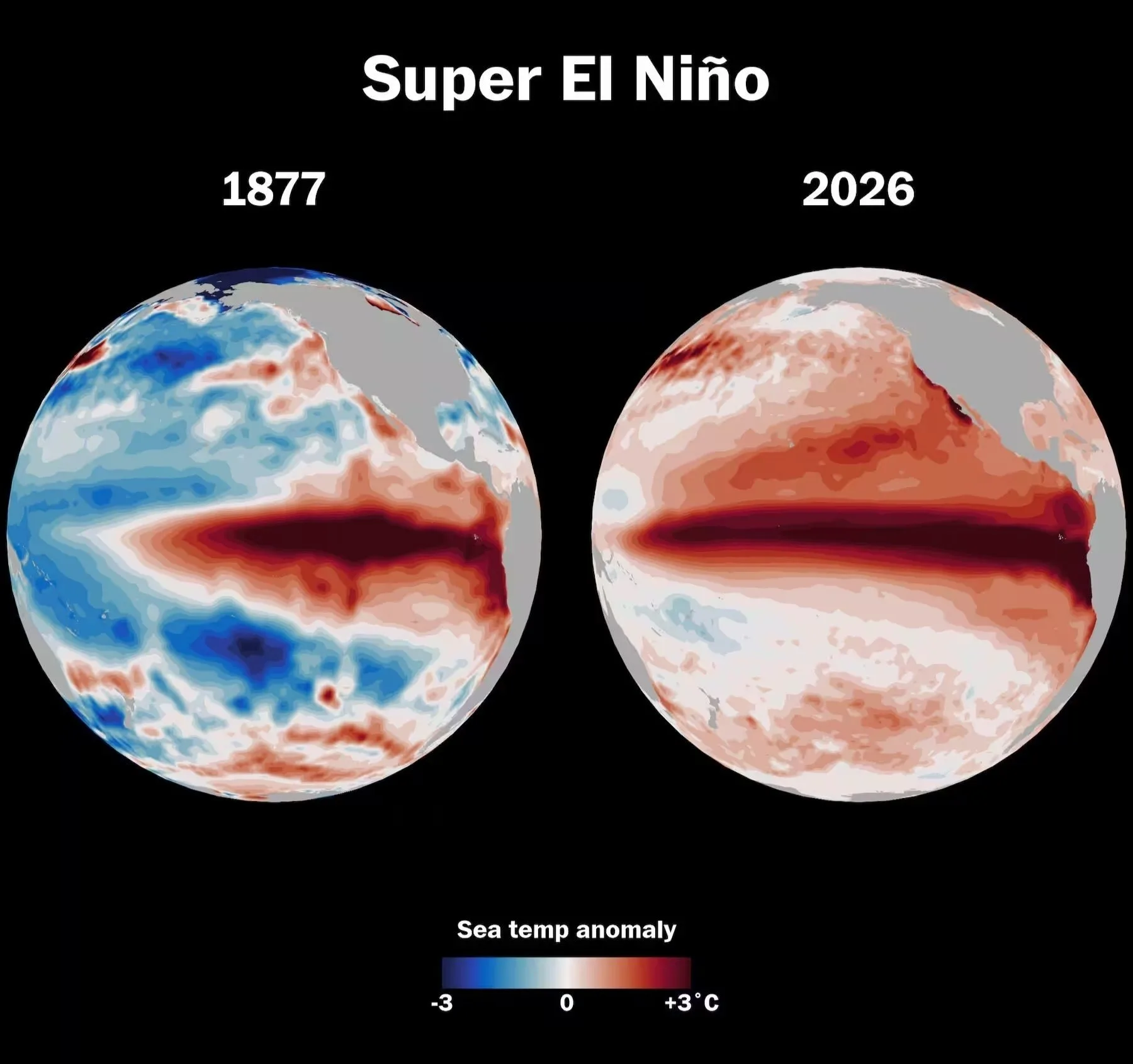
    El Niño is a climate pattern associated with unusually warm surface waters in the central and eastern equatorial Pacific. That warming can alter atmospheric circulation, shifting rainfall and temperature patterns across distant regions.

    The World Meteorological Organization said in September that the 2026 El Niño was strengthening and was expected to become a very strong event. NOAA’s Climate Prediction Center also put the chance of a very strong event above 90% for the Northern Hemisphere autumn and winter.

    Beauty and the beast

    The striking bloom, however, is only one side of this unusual weather.

    The heavy July rains also caused deadly disruption elsewhere in Chile, with at least 13 people killed and around 4,000 homes destroyed or badly damaged.

    In Atacama, the same unusual burst of moisture has instead activated dormant plant life and drawn visitors hoping to see the short-lived spectacle.

    CONAF officials have urged tourists to remain on established paths, avoid stepping on plants, and not remove flowers or seeds.

    This spectacular flowering relies on a combination of factors beyond just rainfall. As Gabriela López of CONAF put it, the flowering desert depends not just on rainfall but also on soil absorption, temperature, and solar exposure.

    Also Read | Jaishankar meets Rubio in New York, raising India’s concerns over Russia sanctions