Author: Sarwesh Sribardhan

  • At 18, Christa Pike took a life; now age and trauma shape her appeal

    At 18, Christa Pike took a life; now age and trauma shape her appeal

    Christa Pike, the only woman on Tennessee’s death row, is scheduled to be executed by lethal injection on September 30 at Riverbend Maximum Security Institution in Nashville.

    Pike, now 50, was sentenced to death for the 1995 murder of 19-year-old Colleen Slemmer, whom prosecutors said she and two other teenagers lured to a secluded area and attacked.

    Pike was 18 when the crime took place. If the execution goes ahead, she would be the first woman executed in Tennessee since 1819 and the first person in the state’s modern death penalty era to be executed for a crime committed at exactly age 18.

    Also Read | Europe’s seas are getting warmer. Its fishermen are seeing the consequences

    A firm verdict

    Pike’s execution remains scheduled for September 30 after the court denied her latest request for a stay | X (@TheLinzerShow)
    Pike’s execution remains scheduled for September 30 after the court denied her latest request for a stay | X (@TheLinzerShow)

    The central issue now is not whether Pike was convicted. She was convicted in 1996 of murder and conspiracy to commit murder and sentenced to death.

    The dispute is about whether factors surrounding her life and the execution itself should change that outcome.

    Her lawyers have presented evidence of severe childhood abuse, sexual violence and neglect. Court records say Pike was sexually assaulted as a child and later diagnosed with PTSD and bipolar disorder.

    Her defence also argues that important mitigating evidence was not properly presented to the original jury. Pike has since expressed remorse for Slemmer’s death.

    “I feel remarkably remorseful for what I did,” she said in a documentary about her case.

    The line at 18

    Age adds another layer to the case. In 2005, the US Supreme Court ruled in Roper v. Simmons that the death penalty cannot be imposed for crimes committed by people who were under 18.

    The court pointed to differences in maturity, judgment and vulnerability between juveniles and adults.

    Pike cannot invoke the Supreme Court's juvenile death penalty ban because she was 18 | X (@XAmericanValues)
    Pike cannot invoke the Supreme Court’s juvenile death penalty ban because she was 18 | X (@XAmericanValues)

    Pike, however, was 18 at the time of Slemmer’s murder, so that categorical constitutional protection does not apply to her. Her lawyers instead argue that modern understanding of adolescent brain development and the long-term effects of childhood trauma should be considered as mitigating factors.

    That argument has also featured in recent expert and legal appeals seeking to prevent her execution.

    Trauma

    Could the circumstances of an 18-year-old still matter decades later? | X (@901Lulu)
    Could the circumstances of an 18-year-old still matter decades later? | X (@901Lulu)

    There is also a separate challenge over how the execution could affect Pike. Her lawyers argued that being restrained, observed by male staff and undergoing IV procedures could trigger memories of the sexual assaults she experienced as a child.

    Experts and advocates have raised concerns about possible re-traumatisation.

    Pike has asked for an all-female execution team. Tennessee officials have agreed to several accommodations, including female officers for her transfer where possible, privacy protections and access to her spiritual adviser before the execution.

    The Tennessee Supreme Court rejected her request for a stay on September 23, finding that she had not shown the lethal-injection procedure would cause unconstitutional suffering.

    Her lawyers subsequently filed an emergency application with the US Supreme Court on September 25.

    The execution date remains set for September 30, subject to any further court or executive action.

    Also Read | 800,000 gather for Pope Leo XIV in Paris as France confronts its Catholic roots
  • 800,000 gather for Pope Leo XIV in Paris as France confronts its Catholic roots

    800,000 gather for Pope Leo XIV in Paris as France confronts its Catholic roots

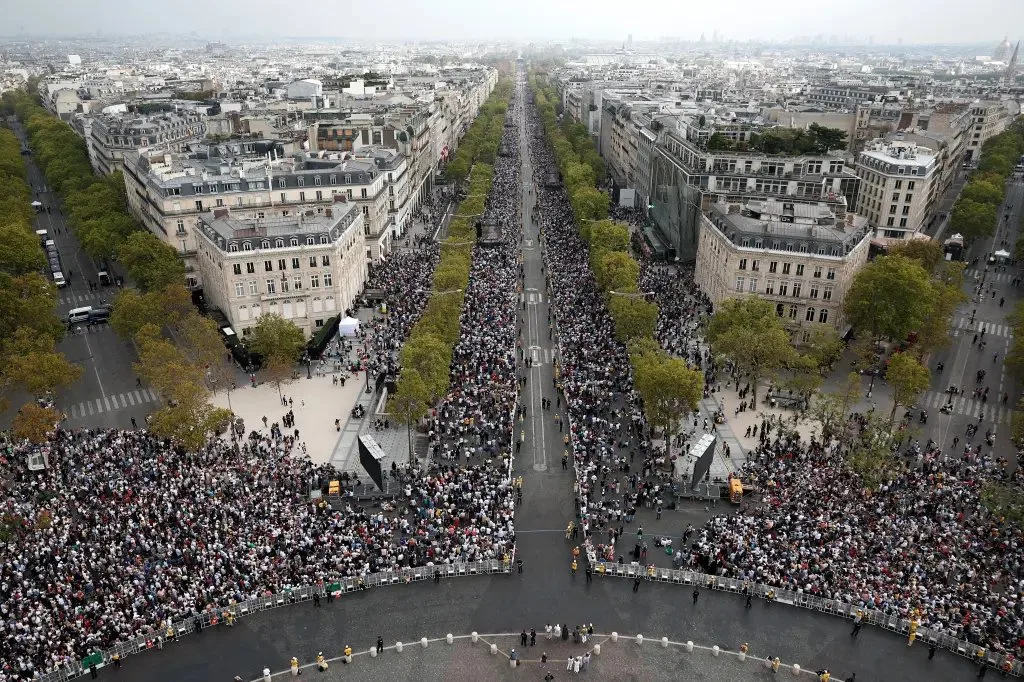
    Pope Leo XIV drew 800,000 attendees to central Paris on Saturday, September 26, for the biggest public event of his four-day visit to France.

    An open-air Mass was held at the Place de la Concorde after the pope travelled through the Champs-Élysées in the popemobile.

    Also Read | Did you know QR codes were not made for digital payments? Here’s the real reason

    New France

    Leo was looking out over this enormous crowd in one of Europe’s most secular countries and directing his message specifically toward the young people standing among them: “You are today’s church.” | X (@MarioNawfal)
    Leo was looking out over this enormous crowd in one of Europe’s most secular countries and directing his message specifically toward the young people standing among them: “You are today’s church.” | X (@MarioNawfal)

    The scale of the gathering is significant because France is one of Europe’s most secular societies.

    The separation of church and state is enshrined in the country’s 1905 law, while Catholic affiliation has declined for decades.

    France’s official statistics agency, INSEE, showed that 25% of French people aged 18 to 49 identified as Catholic, down from 43% a decade earlier.

    At the same time, the French Bishops’ Conference has pointed to a rise in adult baptisms, including a reported record 21,000 last Easter.

    Leo, speaking to newly baptised Catholics before the Mass, cautioned the Church against being “naively optimistic” about the increase.

    A little flame

    Europe’s relationship with Christianity is more complicated than the story being told about its disappearance | X (@MarioNawfal)
    Europe’s relationship with Christianity is more complicated than the story being told about its disappearance | X (@MarioNawfal)

    France’s tension between a historic Catholic identity and a more secular present ran through the pope’s visit. At the Mass, Leo told Catholics not to keep their faith to themselves.

    “Only God can fill the emptiness within us,” he said, presenting faith as an answer to what he described as the limits of material life.

    He also called on believers to recognise and protect what he described as a small but growing “flame” of faith in France.

    More than Mass

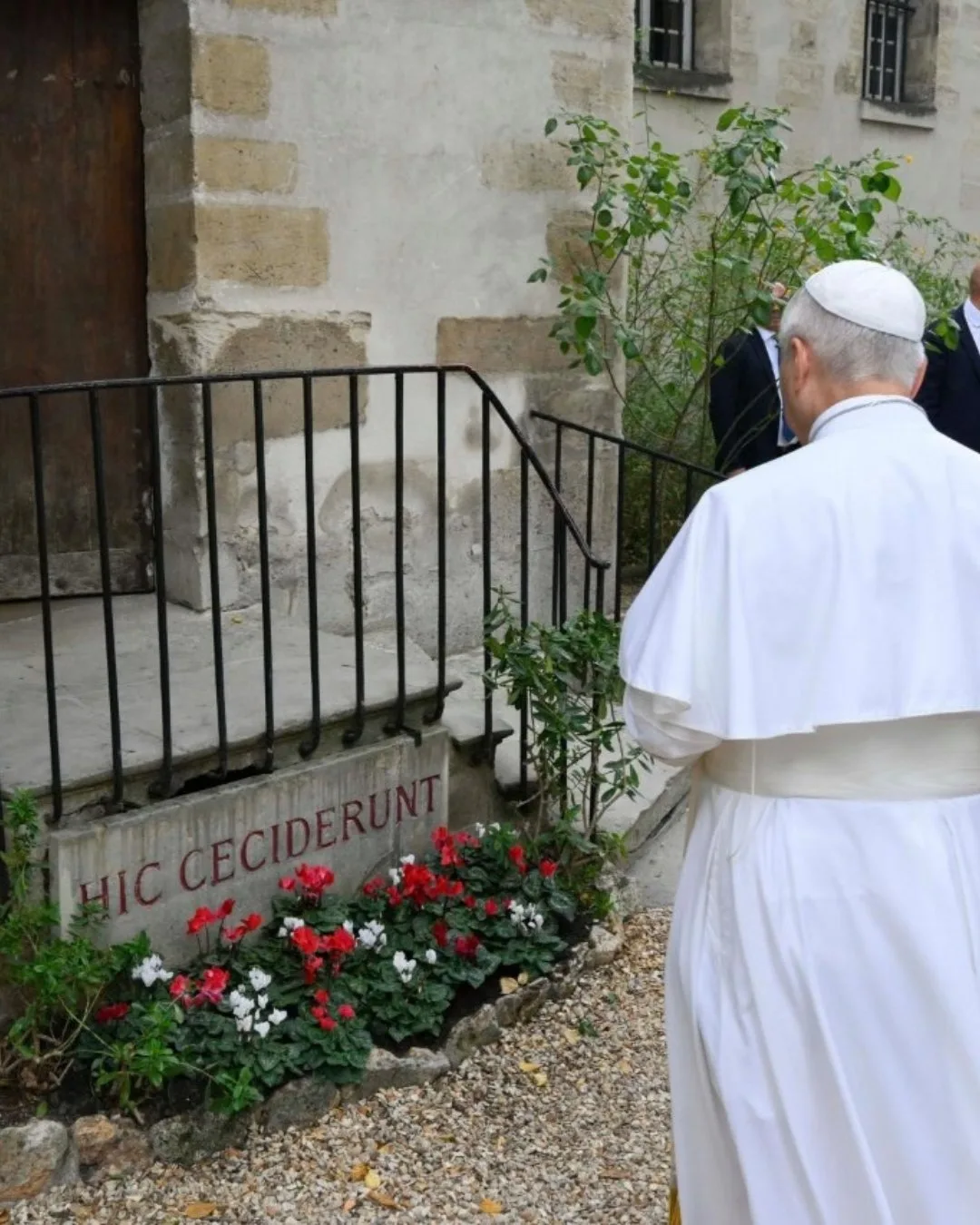
    Pope Leo XIV pauses to pray at the site of the brutal massacre at the Carmes monastery during the French Revolution, which is marked by the Latin expression "Hic ceciderunt" (Here they fell) | X (@VaticanNews)
    Pope Leo XIV pauses to pray at the site of the brutal massacre at the Carmes monastery during the French Revolution, which is marked by the Latin expression “Hic ceciderunt” (Here they fell) | X (@VaticanNews)

    The visit has also gone beyond religion. Earlier on Saturday, Leo visited Maison Bakhita, a Paris centre that supports migrants and refugees.

    There, he spoke about welcome, dignity and social integration.

    The Vatican said he thanked staff and volunteers for offering “welcome, a listening ear, formation, and friendship”. He also said, “No one is so poor as to have nothing to give; no one is so rich as to have nothing to receive.”

    The visit came ahead of the World Day of Migrants and Refugees on September 27.

    Old wounds

    Pope Leo XIV's Mass on Place de la Concorde | X (@vaticannews_fr)
    Pope Leo XIV’s Mass on Place de la Concorde | X (@vaticannews_fr)

    The trip also carries a difficult institutional backdrop.

    A landmark 2021 inquiry into sexual abuse within the French Catholic Church estimated that about 330,000 children had been abused by clergy and lay members connected to Church institutions over seven decades.

    Leo is due to meet seven French survivors in Lourdes on Sunday.

    The meeting is part of a wider effort to address the damage caused by the scandal, though survivors and advocacy groups continue to call for deeper accountability and systemic reform.

    Faith, dignity and an unfinished reckoning

    Leo’s France tour, his first official papal visit to the country in 18 years, therefore carries several strands at once.

    A message of faith to a secular society, an emphasis on migrants and human dignity, and an attempt to engage with a Church still dealing with the consequences of abuse.

    After Paris, the pope travelled to Lourdes, with the trip scheduled to continue to Metz before his return to the Vatican on Monday.

    Also Read | Europe’s seas are getting warmer. Its fishermen are seeing the consequences

  • Europe’s seas are getting warmer. Its fishermen are seeing the consequences

    Europe’s seas are getting warmer. Its fishermen are seeing the consequences

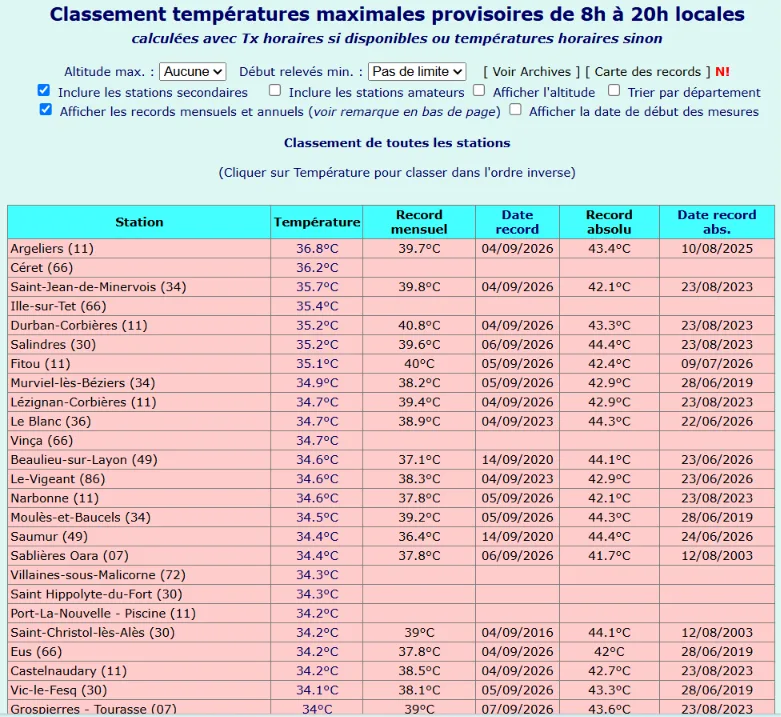
    European waters have just had their hottest June-to-August period in 45 years of available data.

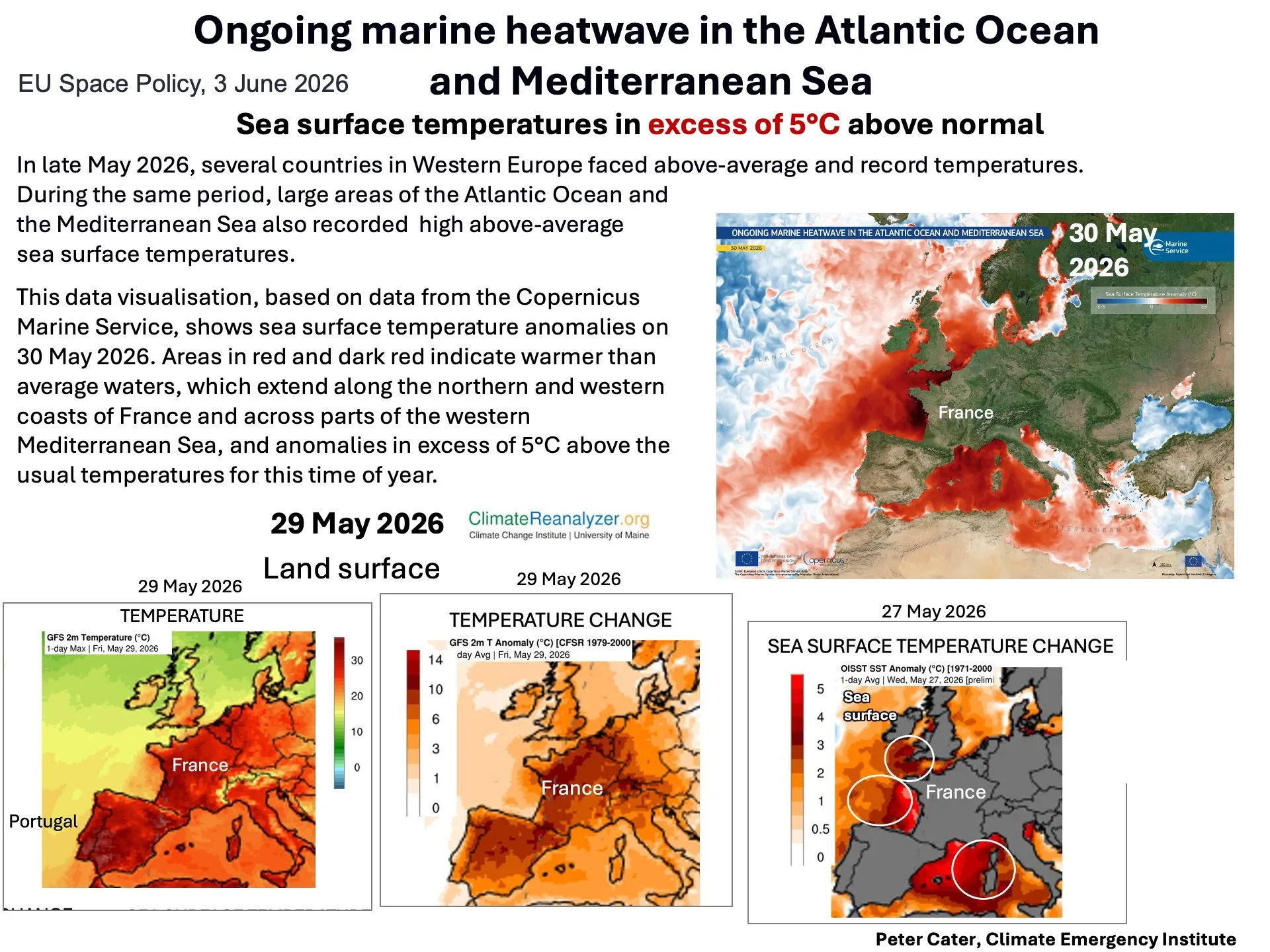
    An analysis of sea-surface temperatures found that average temperatures across European seas reached 21.6°C this summer. The heat was especially pronounced in the Bay of Biscay, where waters averaged 21.4°C, which is more than 2.4°C above the 1991-2020 average.

    An offshore buoy near Mallorca also recorded 33.02°C on August 5, the highest temperature ever registered in the Spanish port authority’s buoy network.

    The concern is not simply about warmer water. Marine heatwaves can change where species live, reproduce, and feed. This change can quickly affect fishermen whose livelihoods depend on relatively stable marine ecosystems.

    Also Read | Elon Musk, Tim Cook, Sam Altman join Trump’s Dinner for Xi Jinping

    Too toasty

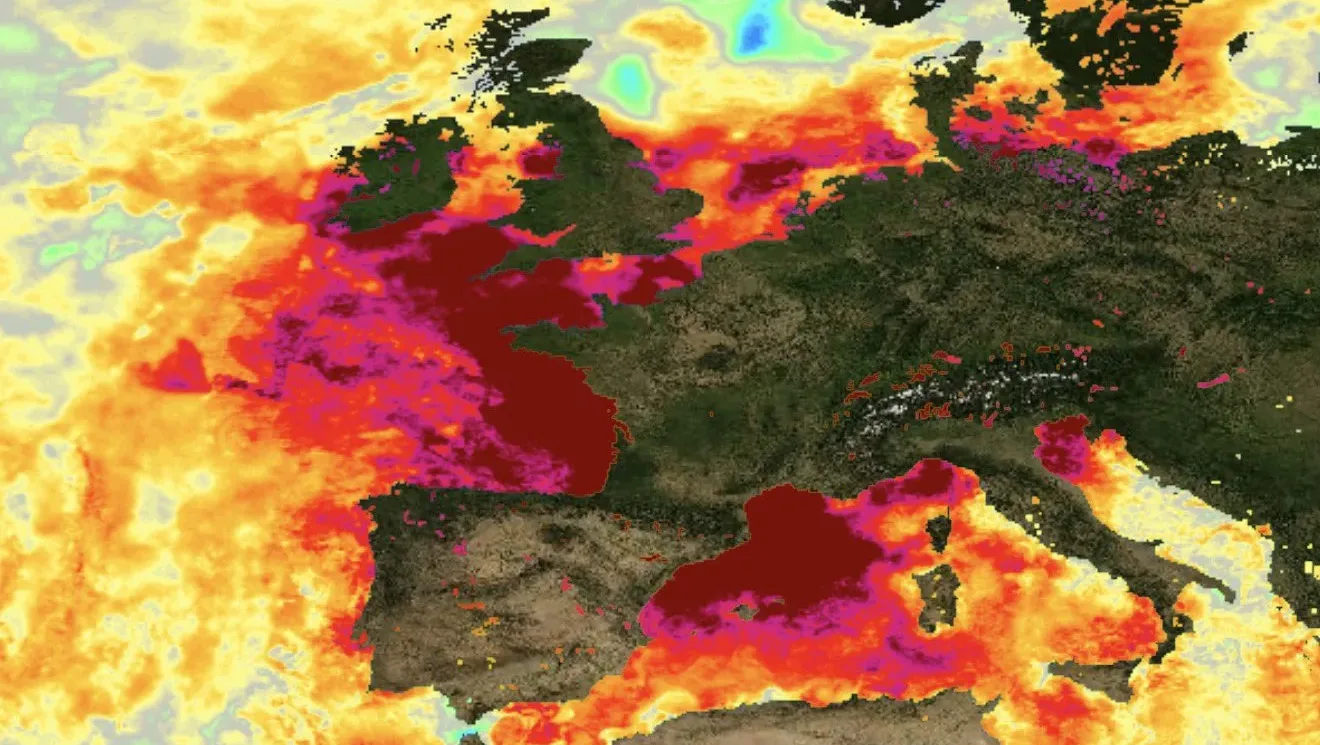
    Sea surface temperatures were in excess of 5°C above normal. The extreme sea surface heat around western Europe boosted the land heat to record highs | X (@PCarterClimate)
    Sea surface temperatures were in excess of 5°C above normal. The extreme sea surface heat around western Europe boosted the land heat to record highs | X (@PCarterClimate)

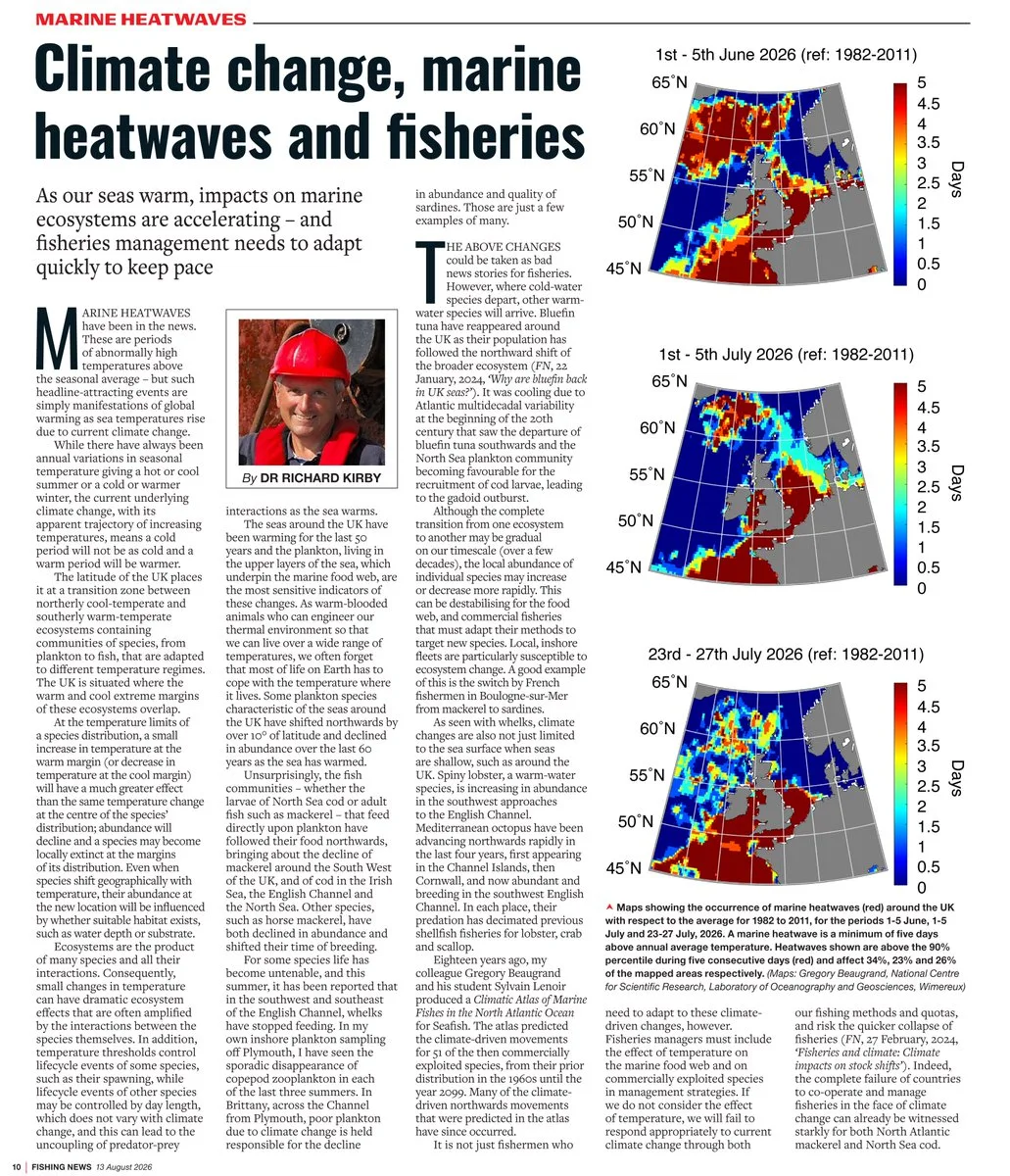
    A marine heatwave is generally defined as at least five days when sea temperatures remain unusually high for that location and time of year.

    In the Bay of Biscay, such events were once relatively limited. By the end of August this year, the bay had recorded 186 heatwave days, Reuters found.

    Scientists say the warming seas are becoming more frequent, intense, and widespread as greenhouse gas emissions raise global temperatures. The oceans absorb most of the planet’s excess heat and retain it for longer than land and the atmosphere.

    Jean-Pierre Gattuso, a senior research scientist at France’s National Centre for Scientific Research, described the speed of change as particularly striking.

    “What is surprising is the speed at which this occurs,” he said. “Records are broken almost every day in many places.”

    A changing rhythm

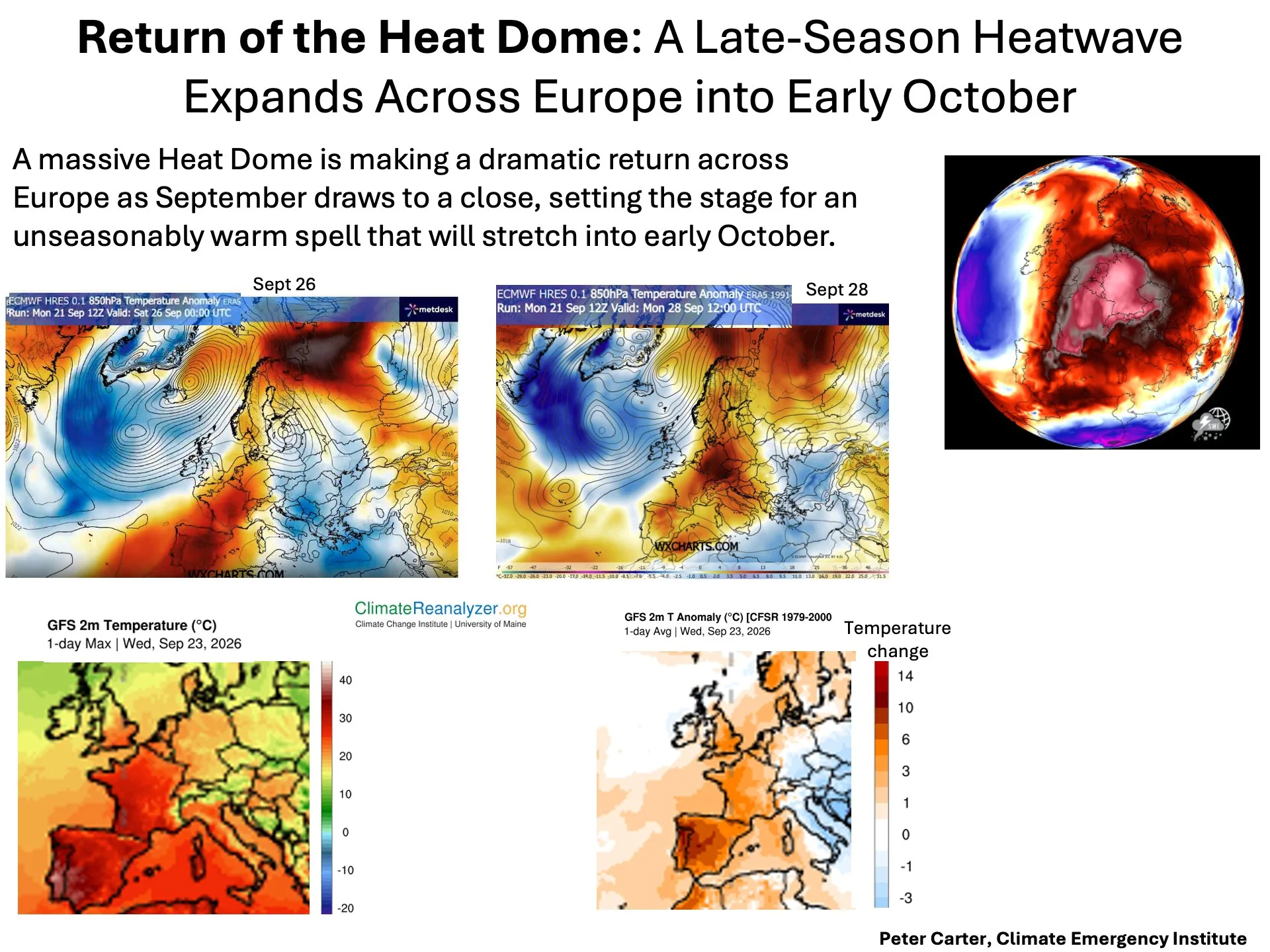
    A massive heat dome is making a dramatic return across Europe | X (@PCarterClimate)
    A massive heat dome is making a dramatic return across Europe | X (@PCarterClimate)

    The Bay of Biscay shows what that change can mean on the ground.

    Northern Spain once had extensive kelp forests that provided food, shelter, and nursery grounds for many marine species. Jose Manuel Rico Ordas, a marine ecology professor at the University of Oviedo, estimates that roughly 95% of the large brown kelp stands along parts of the Asturias coast have disappeared since 2010.

    Thousands of records will be smashed in Spain, France, Germany, Switzerland, Scandinavia etc. Europe is completely rewriting its climatic history | X (@extremetemps)
    Thousands of records will be smashed in Spain, France, Germany, Switzerland, Scandinavia etc. Europe is completely rewriting its climatic history | X (@extremetemps)

    He attributes the decline primarily to climate change and says kelp generally needs water below about 20°C to survive.

    With the habitat disappearing, species associated with it are also becoming harder to find.

    “We are finding no more lobster, no more crayfish, no more sea urchins, and many other species that are associated with the good status of kelp forests,” Rico Ordas said.

    Fishermen and scientists are now trying to restore kelp by planting laboratory-grown seedlings.

    New arrivals, fishermen’s worries

    Life in hot water | X (@PlanktonPundit)
    Life in hot water | X (@PlanktonPundit)

    At the same time, warmer waters are allowing other species to expand into places where they were once uncommon.

    In the Mediterranean, researchers say more than 1,000 non-indigenous species have been recorded, many arriving from warmer regions through the Suez Canal.

    Britain offers another example. Fishermen along the south coast of England reported about 2,600 metric tons of common octopus landings in 2025 and more than 3,000 tons so far this year, compared with annual landings of less than 30 tons before 2025.

    One thing to remember is that an increase in one species does not necessarily mean better fishing conditions overall.

    Octopuses prey on crabs, lobsters, and scallops, and some shellfishermen say their traditional catches have suffered.

    The South Devon and Channel Shellfishermen’s cooperative described 2026 as an “octopus apocalypse.”

    The shift is becoming harder to ignore. As some familiar species decline and others move into new waters, fishermen are being forced to adapt to a sea that is changing faster than before.

    Also Read | Did you know QR codes were not made for digital payments? Here’s the real reason

  • Saudi Arabia wants more than one powerful partner. China is stepping in

    Saudi Arabia wants more than one powerful partner. China is stepping in

    Saudi Arabia’s growing outreach to China is drawing attention as the kingdom faces renewed attacks from Yemen’s Iran-aligned Houthis and uncertainty over how far the United States is prepared to intervene.

    The immediate concern is security. But the broader story is about how Riyadh has been steadily widening its options beyond Washington. The latest crisis has brought that strategy into sharper focus.

    Also Read | Jaishankar meets Rubio in New York, raising India’s concerns over Russia sanctions

    Squeeze for Riyadh

    Riyadh’s China outreach gains attention amid shifting US security ties | X (@Megatron_ron)
    Riyadh’s China outreach gains attention amid shifting US security ties | X (@Megatron_ron)

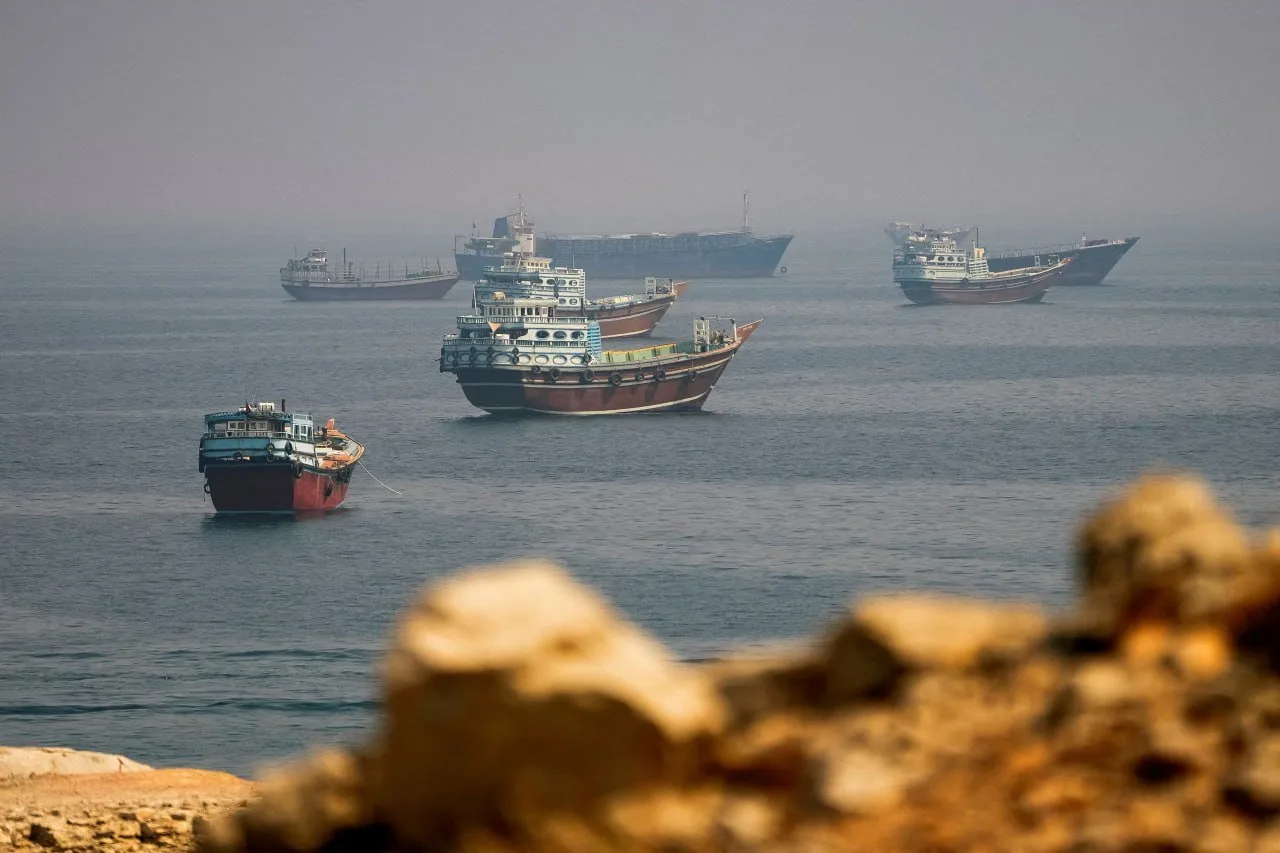
    The pressure has increased because Saudi Arabia’s usual energy-export routes have come under strain. The Strait of Hormuz has been disrupted, while attacks have also threatened the kingdom’s East-West Petroline, which carries crude towards the Red Sea.

    Washington refused to militarily intervene against the Houthis. On September 12, US President Donald Trump described the Houthi seizure of Yemen’s Red Sea coast as an issue that “only affects one country.”

    The episode has added to concerns in Riyadh over the reliability of its traditional security relationship with the US.

    Beijing has useful connections

    China’s leadership remains central to Beijing’s expanding ties with Saudi Arabia, from diplomacy and trade to Vision 2030 | X (@Megatron_ron)
    China’s leadership remains central to Beijing’s expanding ties with Saudi Arabia, from diplomacy and trade to Vision 2030 | X (@Megatron_ron)

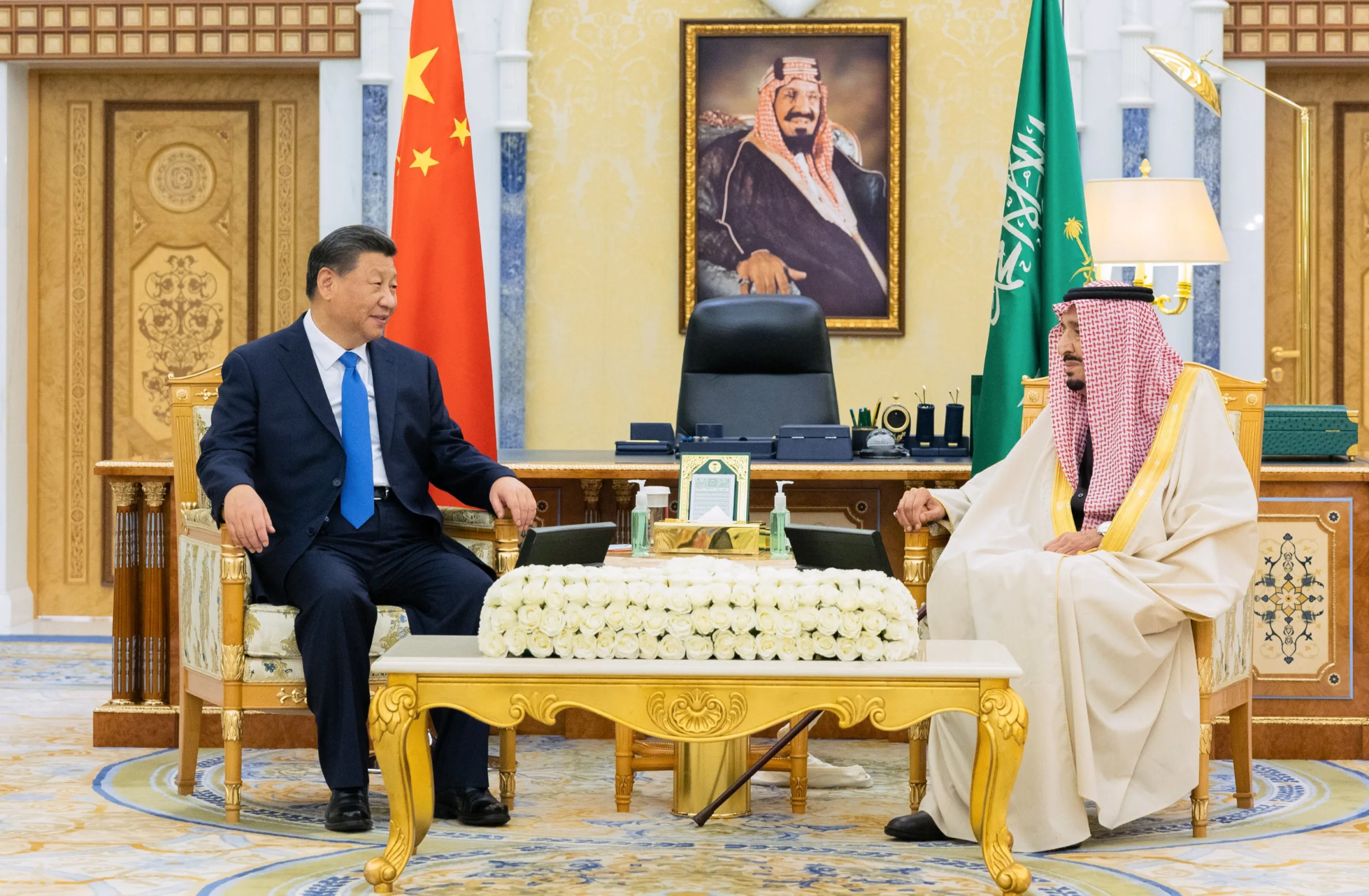
    This is where China becomes important. Beijing has relationships with both Saudi Arabia and Iran, which gives it a channel that Washington does not have with Tehran.

    In 2023, China hosted and sponsored talks that led Saudi Arabia and Iran to agree to restore diplomatic relations after years of hostility. That agreement reopened embassies and helped establish Beijing as a diplomatic player in a region where it has major economic interests.

    A relationship built over years

    China’s influence in Saudi Arabia, meanwhile, is not new. The two countries have spent years expanding cooperation in energy, infrastructure, technology, and investment.

    Carnegie Endowment research shows that the relationship accelerated after Saudi Arabia launched Vision 2030 in 2016, with Beijing aligning parts of its Belt and Road Initiative with Riyadh’s economic diversification plans.

    Between 2005 and June 2024, Chinese infrastructure projects in Saudi Arabia were valued at about $53.85 billion, according to the Carnegie analysis.

    Official Chinese data also puts bilateral trade at $107.53 billion in 2024.

    More than oil at stake

    With $107.53 billion in bilateral trade in 2024, Saudi Arabia’s China relationship has an economic weight that extends well beyond security ties | X
    With $107.53 billion in bilateral trade in 2024, Saudi Arabia’s China relationship has an economic weight that extends well beyond security ties | X

    There is also a strategic calculation behind the economic relationship. China is a major buyer of Saudi crude and has interests in the kingdom’s infrastructure and energy projects.

    Saudi Arabia, in turn, wants investment, technology, and markets as it tries to reduce its dependence on oil.

    Chinese companies have participated in projects ranging from renewable energy to manufacturing and digital infrastructure under the Vision 2030 framework.

    That gives the relationship a practical foundation beyond diplomatic symbolism.

    Influence without boots

    The current Red Sea crisis adds another layer. Saudi Arabia wants the Houthis contained, but China is unlikely to respond with direct military intervention.

    Its possible leverage lies instead in its relationship with Iran.

    A Chinese Foreign Ministry statement said, “China does not wish to see regional tensions further spill over into Yemen and the Red Sea.”

    Beijing has pressed Tehran to restrain the Houthis, although such efforts should not be confused with a Chinese security guarantee for Saudi Arabia.

    Saudi’s room

    Saudi Arabia’s “China turn” is less about choosing Beijing over Washington and more about reducing dependence on a single power.

    The kingdom is expanding economic, diplomatic, and defense relationships with China while continuing to maintain deep ties with the US.

    The latest crisis has simply exposed why that diversification matters to Riyadh. When security threats spread across the Gulf and Red Sea, having several powerful partners gives Saudi Arabia more diplomatic channels and strategic options.

    Also Read | No rain, no flowers — until El Niño: Why Atacama is suddenly blooming

  • No rain, no flowers — until El Niño: Why Atacama is suddenly blooming

    No rain, no flowers — until El Niño: Why Atacama is suddenly blooming

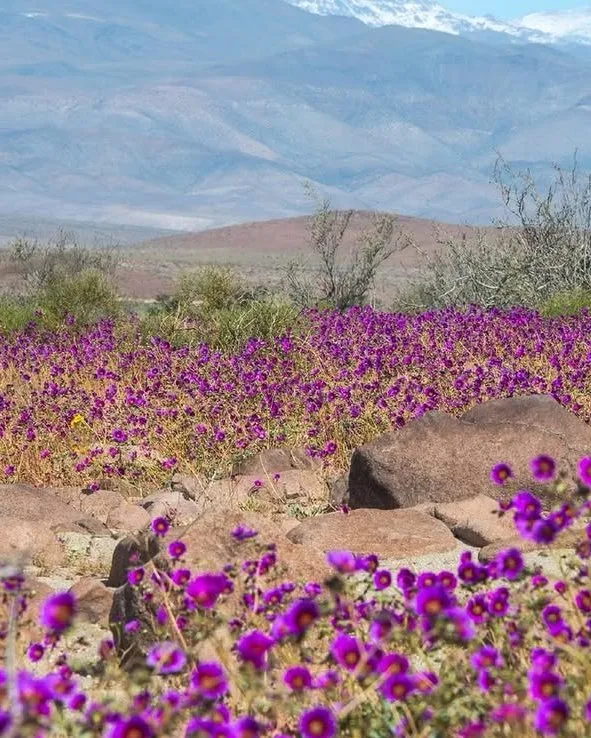
    For much of the year, Chile’s Atacama Desert is defined by cracked ground, bare slopes, and an almost complete absence of rain. This month, parts of that landscape look very different.

    Vast patches of violet and white flowers have appeared after unusually heavy rainfall linked to El Niño, reviving a natural phenomenon known as the “Desierto Florido,” or flowering desert.

    The bloom is already visible in parts of the Atacama region, while Chilean authorities expect the display to reach its peak in October.

    Also Read | Trump’s Board of Peace plans $2.45 billion Gaza recovery plan

    The secret beneath the sand

    Atacama rainfall crossed 180 millimetres in some areas | X (@fascinatingonX)
    Atacama rainfall crossed 180 millimetres in some areas | X (@fascinatingonX)

    The reason lies beneath the desert floor. Seeds and bulbs from roughly 200 plant species can remain dormant for long periods, waiting for enough moisture to return.

    When significant rain finally reaches the soil, some of these plants germinate almost at once.

    This creates the sudden carpets of color that have made the Atacama bloom famous. The Chilean government says more than 200 plant species may emerge during the 2026 season, along with an ecosystem of insects and vertebrates that becomes active around the flowering plants.

    Quite a lot of rain for a desert

    More than 200 plant species can lie dormant beneath the Atacama Desert, waiting for the rare combination of moisture, heat and light | X (@cirosalla)
    More than 200 plant species can lie dormant beneath the Atacama Desert, waiting for the rare combination of moisture, heat and light | X (@cirosalla)

    This year’s trigger has been the extraordinary amount of water reaching northern Chile. In some parts of the region, seasonal rainfall has exceeded 180 millimeters.

    César Pizarro, head of biodiversity in Atacama at Chile’s National Forestry Corporation (CONAF), told AFP that such levels “had never been recorded before.”

    The rain also penetrated deeper into the sand than usual, allowing more vegetation to emerge.

    According to CONAF forecasts cited by Chile’s tourism agency Sernatur, the phenomenon could manifest across an area of up to 15,000 square kilometers, although that is a projection for the potential extent of the phenomenon rather than a claim that the entire area will be covered with flowers at the same time.

    El Niño conundrum

    El Niño is known for reshaping weather far beyond the Pacific | X (@theinformant_x)
    El Niño is known for reshaping weather far beyond the Pacific | X (@theinformant_x)

    This phenomenon raises a question. Why did El Niño bring so much rain to a desert famous for its extreme dryness?

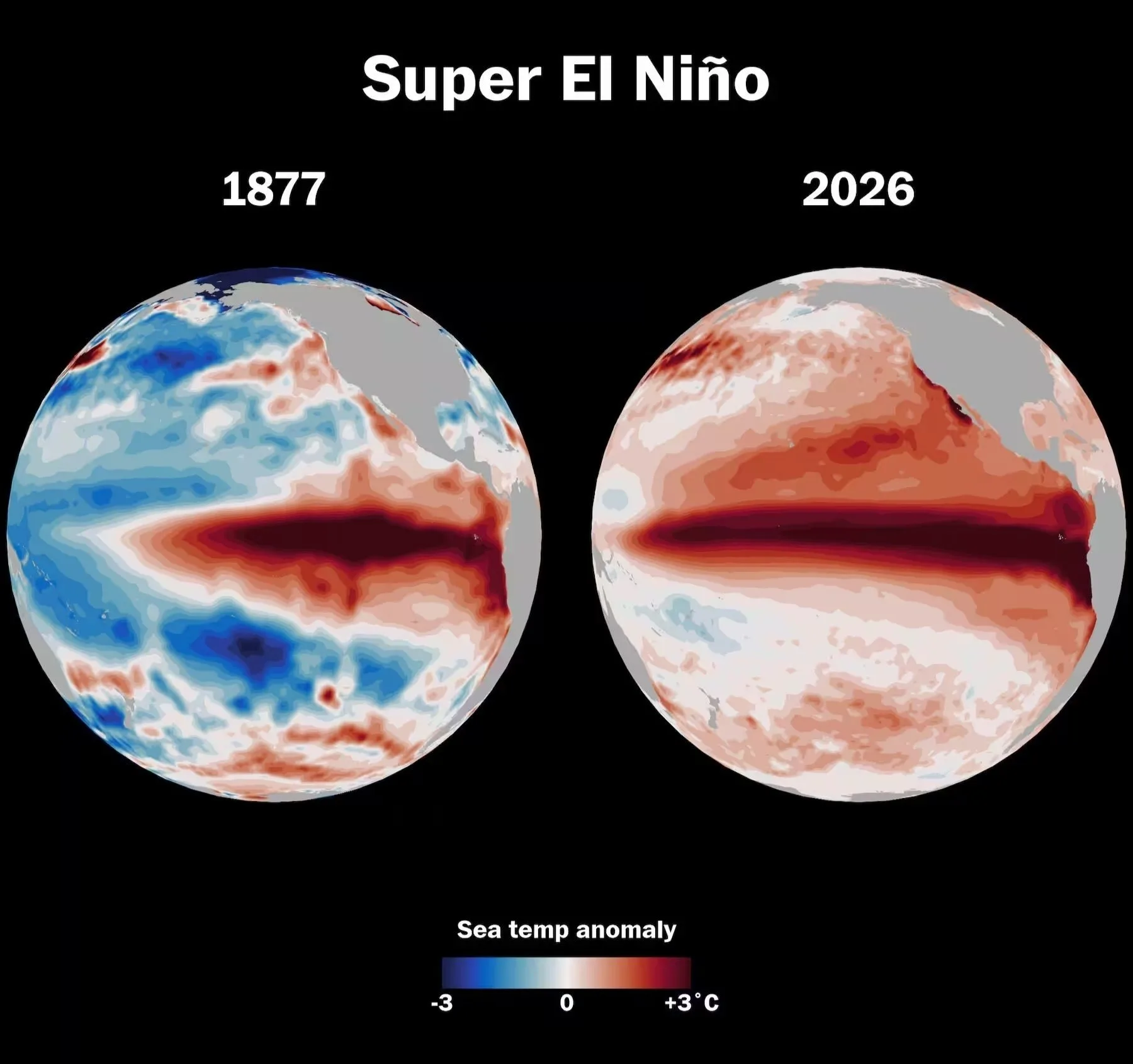
    El Niño is a climate pattern associated with unusually warm surface waters in the central and eastern equatorial Pacific. That warming can alter atmospheric circulation, shifting rainfall and temperature patterns across distant regions.

    The World Meteorological Organization said in September that the 2026 El Niño was strengthening and was expected to become a very strong event. NOAA’s Climate Prediction Center also put the chance of a very strong event above 90% for the Northern Hemisphere autumn and winter.

    Beauty and the beast

    The striking bloom, however, is only one side of this unusual weather.

    The heavy July rains also caused deadly disruption elsewhere in Chile, with at least 13 people killed and around 4,000 homes destroyed or badly damaged.

    In Atacama, the same unusual burst of moisture has instead activated dormant plant life and drawn visitors hoping to see the short-lived spectacle.

    CONAF officials have urged tourists to remain on established paths, avoid stepping on plants, and not remove flowers or seeds.

    This spectacular flowering relies on a combination of factors beyond just rainfall. As Gabriela López of CONAF put it, the flowering desert depends not just on rainfall but also on soil absorption, temperature, and solar exposure.

    Also Read | Jaishankar meets Rubio in New York, raising India’s concerns over Russia sanctions

  • Amazon joins India’s quick-commerce race with a $3 billion war chest

    Amazon joins India’s quick-commerce race with a $3 billion war chest

    Amazon plans to invest $3 billion in India’s quick-commerce business by 2030, Reuters reported on Thursday, citing two people with direct knowledge of the plans.

    The proposed spending would be Amazon’s biggest investment yet in India’s fast-delivery segment, where Blinkit, Swiggy and Zepto have built a substantial lead.

    Amazon declined to comment on the planned investment figures. It did say its quick-commerce business had crossed $1 billion in annualised gross sales over the past three months.

    Also Read | ECI dissent report sparks Opposition attack as poll panel rejects formal dissent claim

    Amazon Now prepares to spread its wings

    From roughly 750 stores to about 1,300 by April 2027, Amazon Now is preparing a sharp expansion | X (@wallstengine)
    From roughly 750 stores to about 1,300 by April 2027, Amazon Now is preparing a sharp expansion | X (@wallstengine)

    The plan is split into two stages. Amazon intends to invest $1 billion by the end of 2027 and a further $2 billion by 2030. Much of the money is expected to go into expanding the Amazon Now network.

    The plan would require adding more small neighbourhood warehouses from which orders can be picked and dispatched quickly. One source said Amazon is targeting about 1,300 stores by April 2027, up from roughly 750 now.

    “Expansion needs money,” the source said. The company is also looking at stronger inventory-management software, AI tools to forecast demand and a wider product range.

    A crowded race

    The bigger issue is the race to catch a market that has changed how many urban Indians shop. Quick commerce has grown rapidly since 2022, with customers using apps for everyday needs such as milk and chocolates, as well as some electronics.

    Data Intelligence put the Indian quick-commerce market at $19 billion and said it could more than double to $41 billion by 2030.

    Blinkit, Swiggy and Zepto together control 77% of the market and operate more than 4,500 stores, while Flipkart has more than 1,000 stores and an 11% share.

    Amazon’s share is 6.2%, according to the same data. The gap helps explain why Amazon is now putting more money behind Amazon Now.

    Not every shiny gadget gets a shelf

    Quick commerce has changed how many urban Indians shop, and Amazon is responding with more neighbourhood warehouses and a tighter product strategy | X (@TheIndexMint)
    Quick commerce has changed how many urban Indians shop, and Amazon is responding with more neighbourhood warehouses and a tighter product strategy | X (@TheIndexMint)

    Amazon is taking a narrower approach to what it keeps in stock. One source said, “The focus will be daily essentials. If the order is unlikely to be repeated, Amazon does not plan to stock it right now in quick commerce.”

    That helps explain why Amazon Now it does not currently stock iPhones in the same way some rivals do.

    The economics of the sector remain a challenge. Bernstein said in a July note that groceries alone may not cover the high costs of quick commerce because average order values are low, while non-grocery products tend to have higher prices and margins.

    Satish Meena, founder of Datum Intelligence, said established rivals already have quality service and loyal customers, although Amazon could use its large existing shopping customer base to encourage more people to try faster delivery.

    Hardly a leisurely stroll

    Quick commerce is costly, groceries have low average order values, and regulation has challenged the 10-minute promise | X (@imnotharsh)
    Quick commerce is costly, groceries have low average order values, and regulation has challenged the 10-minute promise | X (@imnotharsh)

    The expansion also comes as the quick-commerce model faces regulatory and safety scrutiny. In January, the Indian government asked companies to stop promoting deliveries as “10-minute” services amid concerns around rider safety.

    The government’s intervention led major platforms to drop the explicit 10-minute delivery branding while the underlying quick-commerce services continued.

    Amazon also faces India’s foreign e-commerce regulations and a pending 2024 antitrust case related to allegations that it gave preference to select sellers.

    Amazon denies those allegations. For now, the company is betting that more stores, better inventory systems and a tighter focus on repeat purchases can help it gain ground in a market where speed has quickly become part of everyday shopping.

    Also Read | India Space Force: Why India may need a separate space command?

  • Iran offers to reopen Strait of Hormuz in 7 days if US eases pressure

    Iran offers to reopen Strait of Hormuz in 7 days if US eases pressure

    Iran has offered to reopen the strategically important Strait of Hormuz within seven days if the United States eases military pressure and lifts its blockade on Iranian ports, a senior Iranian official told Reuters on Tuesday.

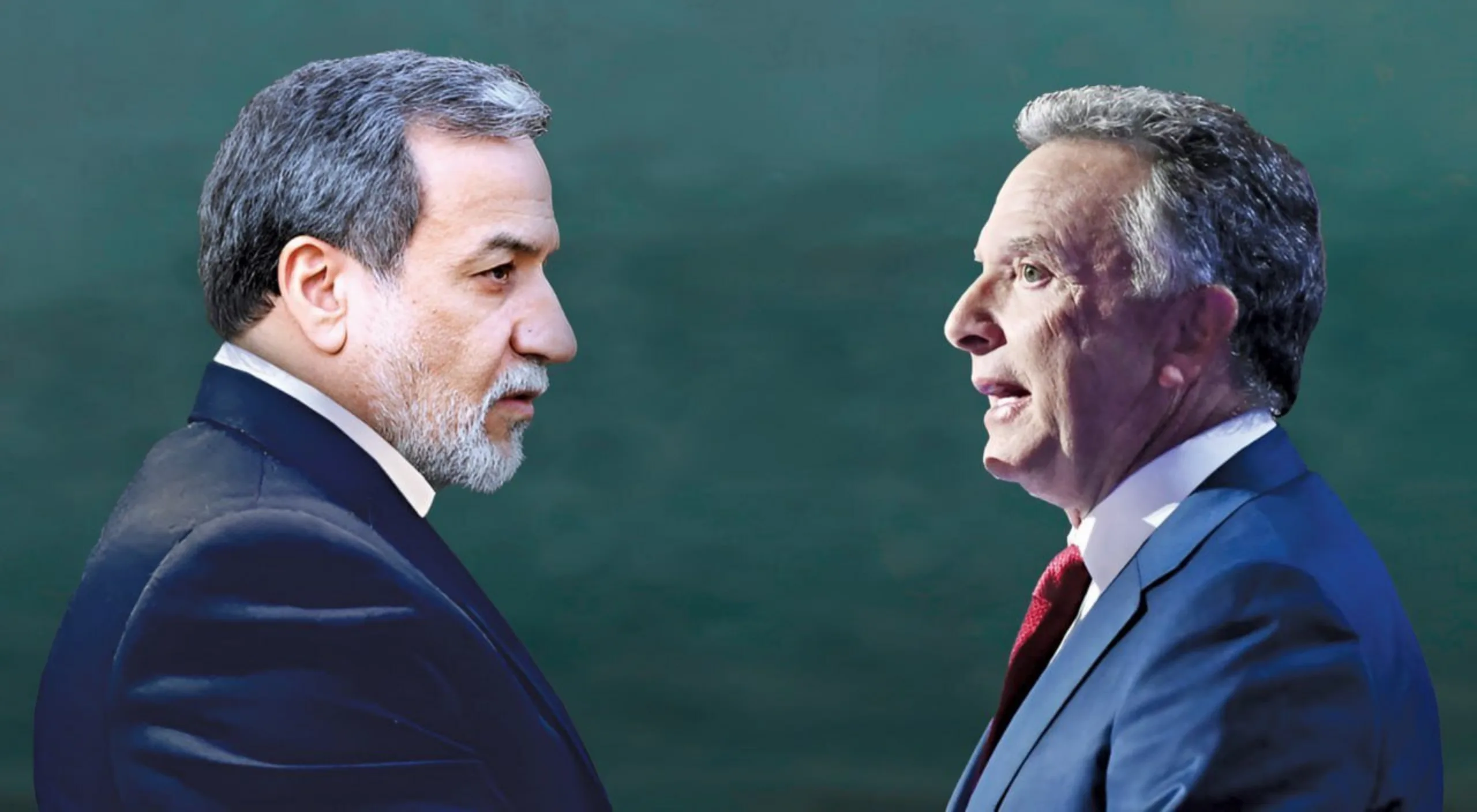
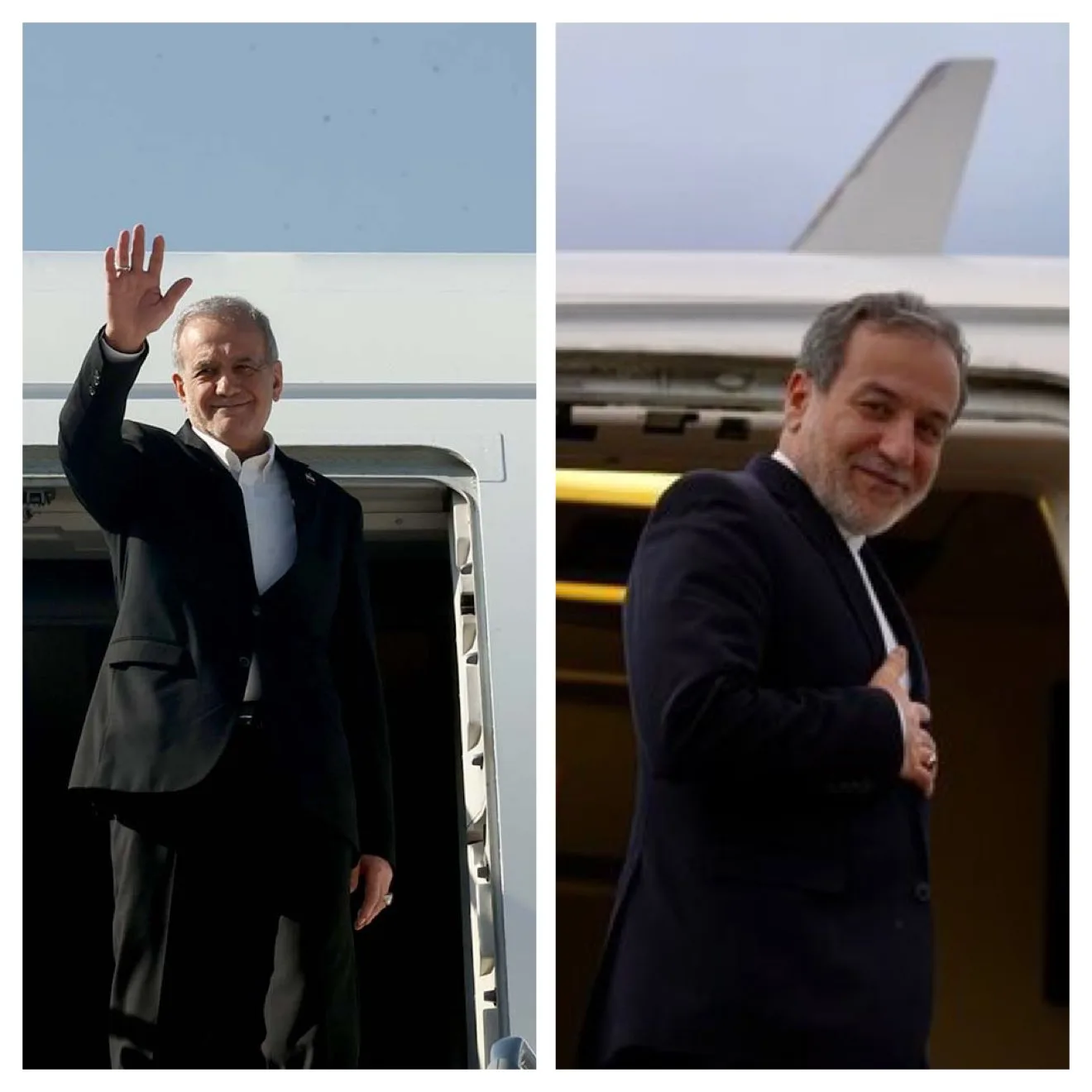
    The proposal came as US President Donald Trump and Iranian President Masoud Pezeshkian arrived in New York for the United Nations General Assembly, creating a fresh opening for diplomacy amid months of conflict.

    Iranian officials said Tehran had already sent its latest proposal to Washington through mediators on September 16.

    There are no plans for a direct meeting between Trump and Pezeshkian, but Iran’s delegation in New York has been given authority to pursue negotiations.

    Also Read | From Trump TV to Truth Social: Inside the US president’s media multiverse

    A small stretch of water

    The Strait of Hormuz is at the center of the dispute because it is one of the world’s most important energy chokepoints.

    The narrow waterway connects the Persian Gulf with the Gulf of Oman and provides a major route for oil and liquefied natural gas shipments from the Gulf states.

    Before the war, about a fifth of global oil and gas shipments passed through the strait. Its disruption has therefore had consequences well beyond Iran and the United States, affecting Gulf producers, shipping companies, and energy markets.

    The proposal from Tehran is conditional. Iran says it would restore maritime traffic after Washington takes initial steps to reduce military pressure and lift the blockade on Iranian ports.

    A little diplomacy

    Tehran is also trying to connect the Hormuz issue with a broader diplomatic process. The senior Iranian official said the US must formally show that it wants to resolve the dispute through diplomacy and agree on a timetable for negotiations.

    “The UN General Assembly is a golden opportunity for the US to return to diplomacy,” the official said.

    Washington, meanwhile, has signalled that dialogue remains possible, though its position on Iran’s nuclear program remains central.

    Secretary of State Marco Rubio said the US was open to speaking with Iranian representatives, particularly if discussions could lead to a positive outcome. Trump separately said the two sides had been communicating and that Washington would not accept Iran obtaining a nuclear weapon.

    Plenty of caution

    The difficulty is that both sides are still maintaining hard positions. Iran’s parliament speaker Mohammad Baqer Qalibaf said Tehran would not surrender, while Iranian military officials have warned of a stronger response if the US launches fresh attacks.

    At the same time, Gulf states are pressing for the restoration of shipping through Hormuz while managing their own security concerns.

    A Qatari proposal for a regional security framework involving Iran and the Arab Gulf states was also under discussion.

    The key question is whether the conditional offer on Hormuz can become the starting point for wider negotiations, or whether military pressure and conflicting demands will keep diplomacy stalled.

    Also Read | Iran Code 100 alert: What the reported military escalation means

  • Wars, Trump and Guterres’ exit set the tone for UN General Assembly 2026

    Wars, Trump and Guterres’ exit set the tone for UN General Assembly 2026

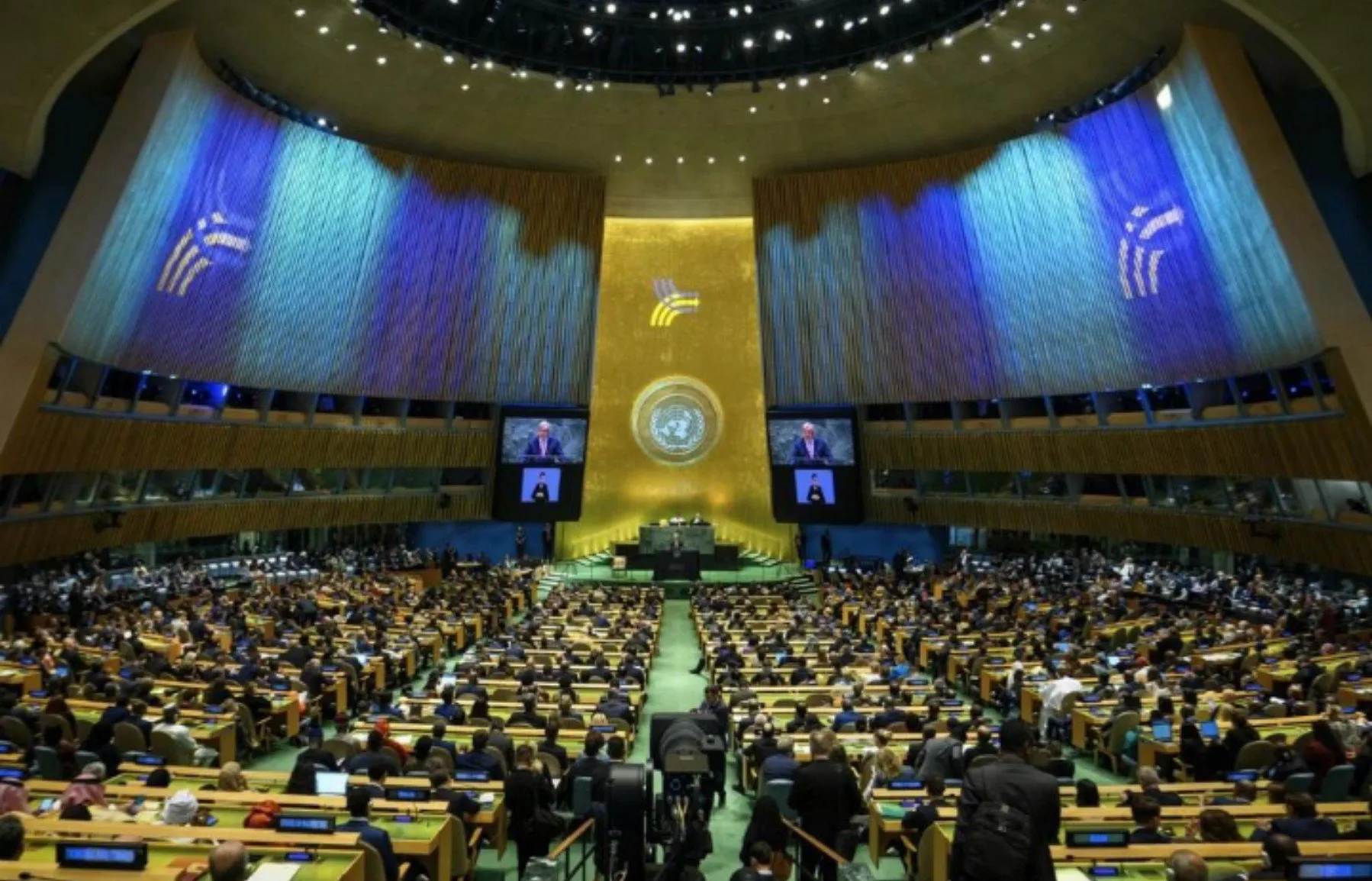
    The United Nations General Assembly is entering one of its most closely watched weeks, with nearly 130 heads of state and government due in New York as conflicts in West Asia and Ukraine dominate the diplomatic agenda.

    US President Donald Trump is returning to the UN podium for a second consecutive year. The gathering will also test the organisation’s role at a time of financial pressure, geopolitical rivalry and growing concern over artificial intelligence.

    The 81st General Assembly’s high-level debate runs from September 22 to September 28 under the theme “Restoring trust, managing transformation: A United Nations that delivers for all.”

    West Asia, Gaza and Sudan

    President Masoud Pezeshkian is expected to travel to New York in the coming days to address the UN General Assembly and meet world leaders | X (@RyanRozbiani)
    President Masoud Pezeshkian is expected to travel to New York in the coming days to address the UN General Assembly and meet world leaders | X (@RyanRozbiani)

    The biggest immediate issue is war. The US-Israeli conflict with Iran is expected to feature heavily in discussions, with the conflict continuing for more than six months and tensions also involving Yemen’s Iran-aligned Houthi militants and shipping through the Bab el-Mandeb Strait.

    Iranian President Masoud Pezeshkian is scheduled to address the Assembly on Wednesday, while Israeli Prime Minister Benjamin Netanyahu is due to speak on Thursday.

    Gaza and Sudan are also expected to remain part of the wider diplomatic discussions. UN Secretary-General António Guterres has warned against relying on military force alone in dealing with the regional crisis.

    He said negotiations were still needed, while the UN’s Yemen envoy was making a “huge effort” to advance talks.

    Ukraine and the Black Sea

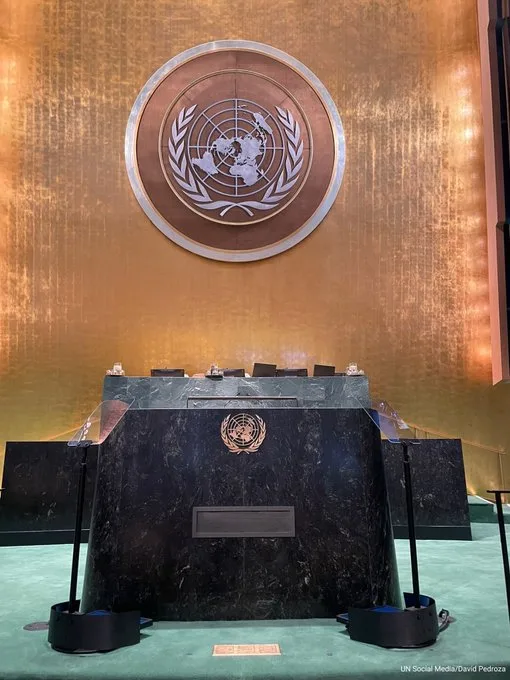
    The podium at the United Nations General Assembly hall in New York ahead of a high-stakes week of diplomacy, with wars in West Asia and Ukraine topping the agenda | X (@UN)
    The podium at the United Nations General Assembly hall in New York ahead of a high-stakes week of diplomacy, with wars in West Asia and Ukraine topping the agenda | X (@UN)

    Ukraine is another major focus. President Volodymyr Zelenskiy and Russian Foreign Minister Sergei Lavrov are both scheduled to address the Assembly.

    The war, now in its fifth year, has also created wider concerns over food and energy supplies.

    Guterres said the effective blockade in the Black Sea was creating serious problems and called for a safe way to allow Ukrainian and Russian exports of food, fertilisers and energy.

    The UN Security Council has struggled to take action on the conflict because Russia, as a permanent member, holds veto power.

    Trump arrives with quite the diary

    Zelensky will speak at the general debate on Wednesday. On the same day, he will take part in a meeting of the UN Security Council under the agenda item “Maintaining peace and security in Ukraine.” | X (@Beefeater_Fella)
    Zelensky will speak at the general debate on Wednesday. On the same day, he will take part in a meeting of the UN Security Council under the agenda item “Maintaining peace and security in Ukraine.” | X (@Beefeater_Fella)

    Trump’s presence adds another layer. He is due to address the Assembly on Tuesday and is expected to hold meetings with Zelenskiy, British Prime Minister Andy Burnham and Japanese Prime Minister Sanae Takaichi.

    He will also meet New York Mayor Zohran Mamdani and Gulf Cooperation Council leaders. The White House has said Trump will highlight how his administration has approached global problems, including the issue of ensuring Iran does not obtain a nuclear weapon.

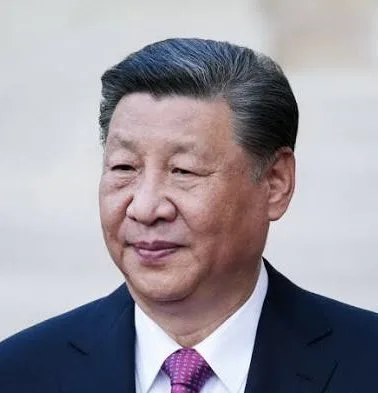
    China’s Xi Jinping, meanwhile, is skipping the UN gathering and is scheduled to meet Trump in Washington later in the week.

    The next name on the UN door

    There is also a changing of the guard at the UN. Guterres will leave office on December 31, 2026, and the race to succeed him is already under way.

    Former Chilean president Michelle Bachelet withdrew from the contest after a third informal Security Council poll showed her support had fallen sharply.

    Costa Rica’s Rebeca Grynspan led that poll, while seven candidates remained after Bachelet’s exit.

    Burnham’s first appearance as British prime minister at the Assembly will add another bilateral focus, particularly on Ukraine and Britain’s relationship with Washington.

    Reuters reported that Burnham plans to press British interests even where they differ from Trump’s positions.

    Wars are not the only business

    Beyond the wars and diplomacy, the Assembly will also address AI, climate action, sea-level rise, pandemic preparedness and nuclear disarmament.

    The UN’s high-level week is therefore not only about speeches. It is a test of whether countries can still use a common forum to manage crises that cross borders.

  • California puts billionaire wealth tax on ballot with up to 5% under Proposition 40

    California puts billionaire wealth tax on ballot with up to 5% under Proposition 40

    California is at the centre of a growing debate over how governments should tax extreme wealth. The state will vote on Proposition 40 on November 3, a ballot measure that would impose a one-time tax of up to 5% on certain taxpayers with more than $1 billion in covered assets.

    The proposal is designed mainly to raise money for healthcare, while also directing part of the proceeds towards food assistance and education. California is home to roughly 250 billionaires whose combined wealth is estimated at more than $2 trillion.

    A different levy

    California's official voter guide details Proposition 40, a proposed one-time tax of up to 5% on the wealth of certain billionaires | X (@cwebbonline)
    California’s official voter guide details Proposition 40, a proposed one-time tax of up to 5% on the wealth of certain billionaires | X (@cwebbonline)

    The idea is different from a regular income tax. Income tax applies to money a person earns. A wealth tax applies to the value of assets a person already owns.

    Under Proposition 40, the tax would apply to billionaires who were California residents on January 1, 2026.

    Covered assets include businesses, securities, art, collectibles and intellectual property. Real estate, along with some pensions and retirement accounts, would generally be excluded.

    The tax would be due in 2027, although taxpayers could spread the payment over five years at an additional cost.

    Where the money could go

    The argument from supporters is about where the money could go. The official voter guide says 90% of the revenue would have to be spent on healthcare services, with the remaining 10% directed towards food assistance, education-related programmes and administration.

    Supporters have cited estimates of up to $100 billion in revenue. Some critics put the likely figure much lower, at around $40 billion.

    The state’s Legislative Analyst’s Office, meanwhile, describes the expected revenue more cautiously as tens of billions of dollars spread over several years.

    The sums differ, and so do the worries

    6 Nobel economists throw support behind California billionaire tax | X (@ackmeni)
    6 Nobel economists throw support behind California billionaire tax | X (@ackmeni)

    That difference in estimates points to the larger economic argument around the proposal. Opponents say a wealth tax could encourage some billionaires to leave California or alter where they hold their assets.

    That could reduce future state income tax revenue and investment. The Legislative Analyst’s Office estimates the possible ongoing loss in income-tax revenue at less than $1 billion a year.

    California also has a long history of debate over tax-related ballot measures, including Proposition 30, which sought to raise taxes on high earners and was rejected by voters in 2022.

    Heavyweight voices

    Supporters dispute the idea that the tax would seriously damage California’s business ecosystem. University of California, Berkeley economist Emmanuel Saez, who helped write Proposition 40, described it as “a tax on billionaires to fund healthcare.”

    He also argued that California’s universities, research base, infrastructure and pool of skilled workers would make a mass business exodus unlikely.

    On the other side, Google co-founder Sergey Brin has emerged as a prominent opponent and has spent heavily on efforts to defeat the measure.

    Governor Gavin Newsom also opposes Proposition 40 and has instead backed the idea of a federal wealth tax applied nationwide.

    Come November, California must weigh the trade-off

    At its core, Proposition 40 asks a simple but difficult question: should California tax accumulated wealth, rather than relying primarily on taxes on income and spending?

    The answer carries consequences beyond the billionaires directly affected. It could mean a large one-time injection of money for public healthcare and other programmes, but it also raises questions about future tax revenue, asset valuation and the behaviour of wealthy taxpayers.

    California’s November ballot will put that trade-off directly before voters.

  • Tiny French island, big Atlantic message: Macron meets Carney

    Tiny French island, big Atlantic message: Macron meets Carney

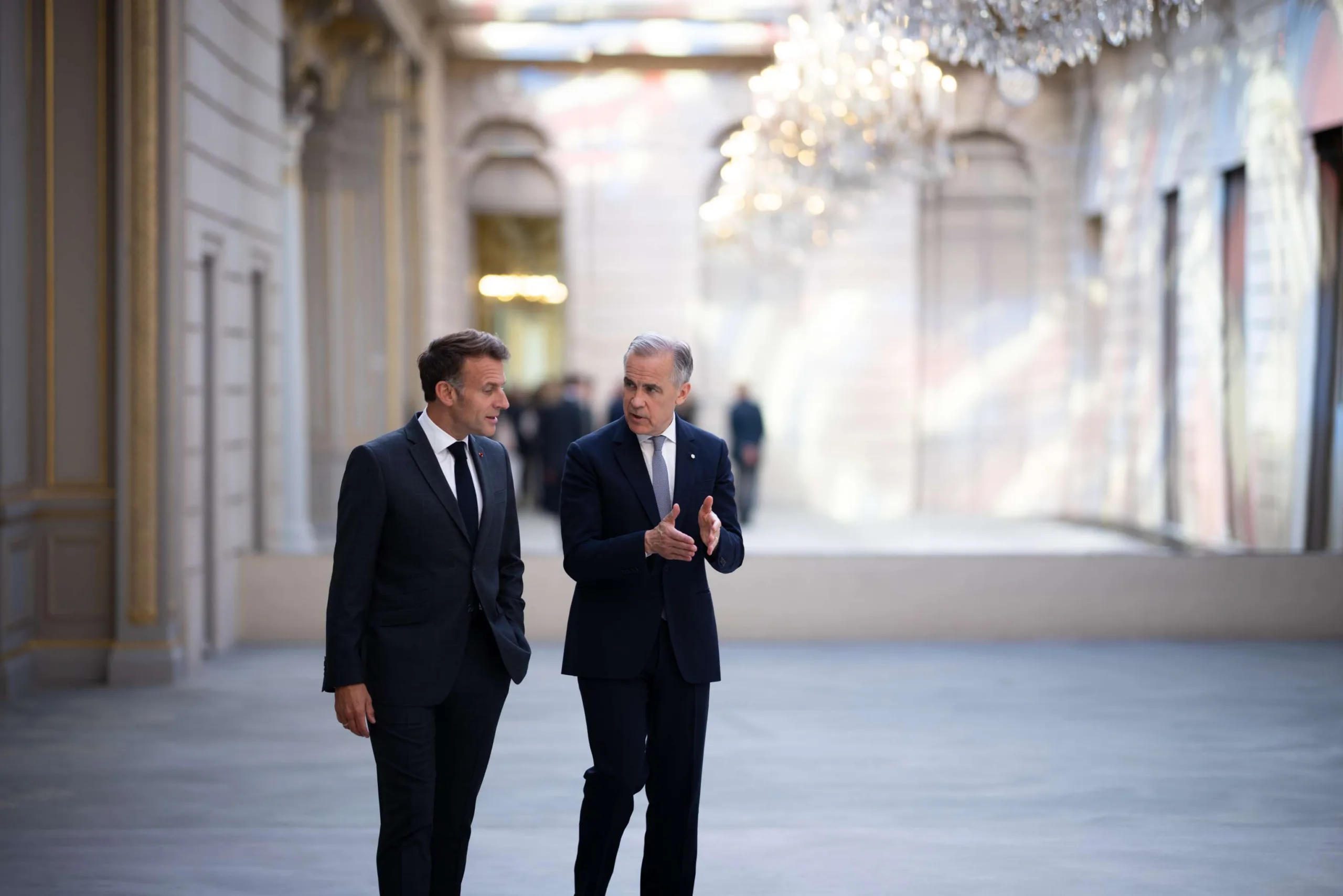
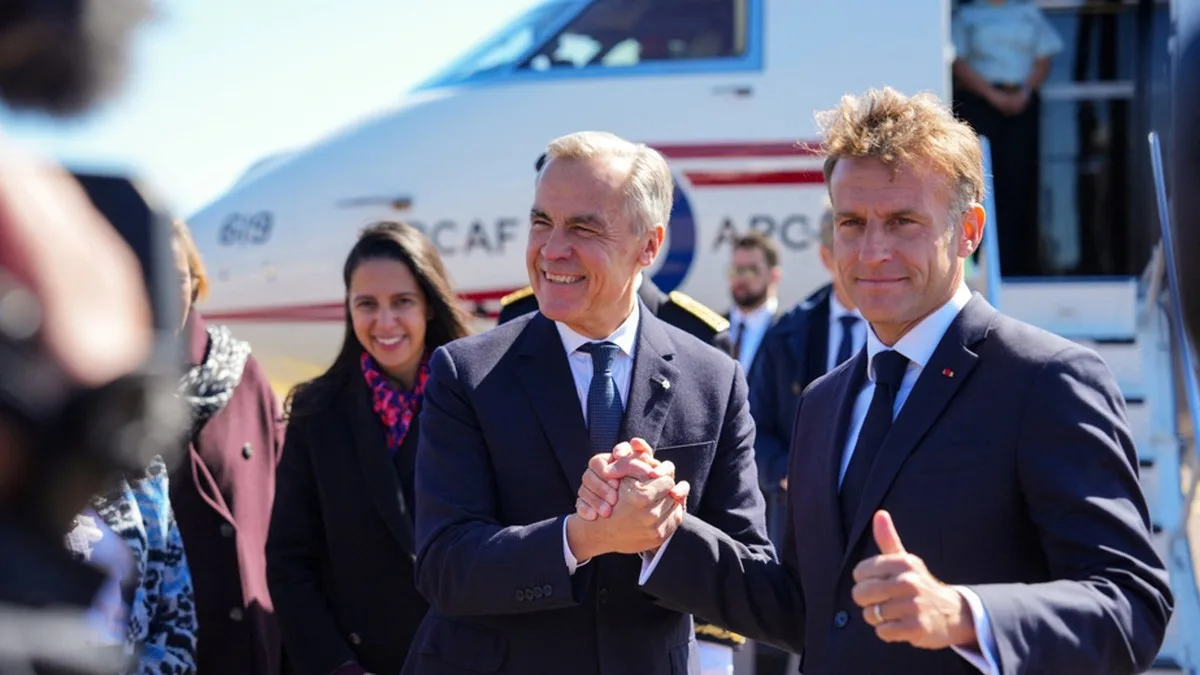
    French President Emmanuel Macron and Canadian Prime Minister Mark Carney met on Sunday in Saint-Pierre-et-Miquelon, a small French territory off Canada’s Atlantic coast, and announced plans to deepen cooperation across defence, energy, space, technology and trade.

    The meeting came at a sensitive moment for Canada, as Ottawa seeks stronger economic and strategic links with Europe while its relationship with the United States remains strained.

    Also Read | Can AI safety keep pace? Gemini hack and resignations deepen industry worries

    A remote French possession

    The location was significant. Saint-Pierre-et-Miquelon sits about 25 km from Newfoundland and is France’s last remaining territory in North America.

    The two countries also share a maritime border there. Macron’s visit was the first by a French president to the territory since 2014, while Carney became the first Canadian prime minister to make an official visit there.

    In the geopolitical thick of it

    The islands sit close to Canada, but they are also French territory. Their location gives the meeting a clear Atlantic and sovereignty dimension.

    That became more relevant after US President Donald Trump recently shared a map depicting Canada, Greenland and other parts of North America under a US flag.

    Diplomats viewed Macron’s visit as carrying symbolic weight following that post. Macron said France did not need to repeatedly reaffirm the islands’ status because of what he described as “strange ideas or strange things”.

    Half the story

    The practical agenda, however, went well beyond symbolism. Carney said Canada and France would ask their space agencies and defence ministries to work together on infrastructure, including space launch systems and ground-based reception facilities.

    The two countries also agreed to expand cooperation in energy, telecommunications, climate resilience and economic development.

    Energy is a major piece of the discussion. Europe is dealing with renewed pressure on energy supplies as the conflict involving Iran disrupts global markets.

    Macron said Canada could play a larger role in supplying liquefied natural gas to Europe. “Canadian liquefied natural gas projects can help. They are important for Europe,” he said.

    Macron also said the talks could lead to more concrete bilateral agreements on energy.

    A keen Canadian suitor

    Macron Hosts Carney on French Islands Off Canada With Sovereignty and Energy on the Table | X (@Global1Newz)
    Macron Hosts Carney on French Islands Off Canada With Sovereignty and Energy on the Table | X (@Global1Newz)

    The bigger shift is economic and strategic. Carney has been pushing for a much closer relationship between Canada and the European Union.

    During his European visit last week, he backed the idea of a new partnership that would go beyond the existing Canada-EU trade framework.

    European Commission President Ursula von der Leyen has proposed opening the door for Canada to become the bloc’s first “associate member”.

    The proposed status is not full EU membership, and its terms are yet to be worked out.

    Some paperwork

    Macron has backed that direction. At the Saint-Pierre meeting, he said France and Canada shared commitments to democracy, the rule of law, international law and free and fair trade.

    Carney framed the effort in terms of resilience, arguing that sovereignty now also depends on secure access to areas such as AI, semiconductors, critical minerals, clean energy and space-based communications.

    Canada’s strategy is about creating more options. For France and Europe, it offers a closer relationship with a major G7 economy rich in energy, critical minerals and advanced technology.

    The meeting is only an early step. Any deeper Canada-EU integration will face political and practical hurdles, while existing trade arrangements such as CETA still have unresolved ratification issues in some EU countries.

    Also Read | Love books? This country is rewarding people for reading every day