Author: Sarwesh Sribardhan

  • A fourth term for Lula, a mountain of debt and a Congress pushing back

    A fourth term for Lula, a mountain of debt and a Congress pushing back

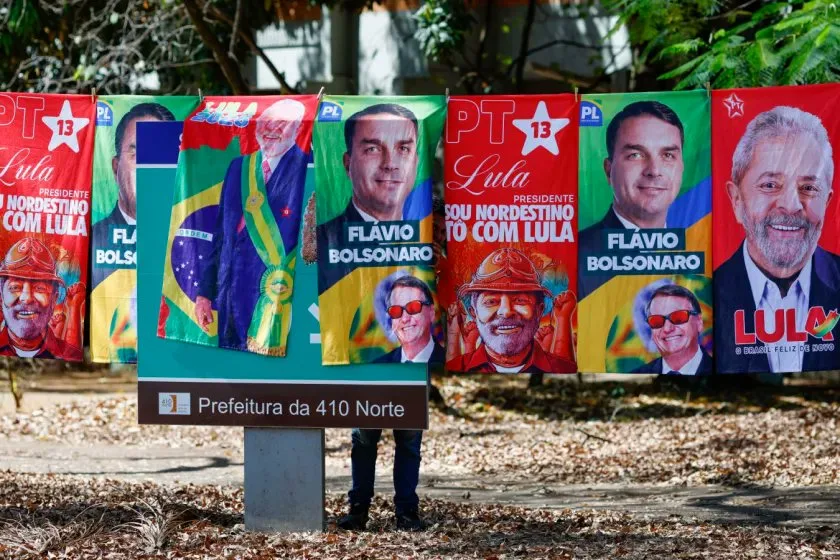
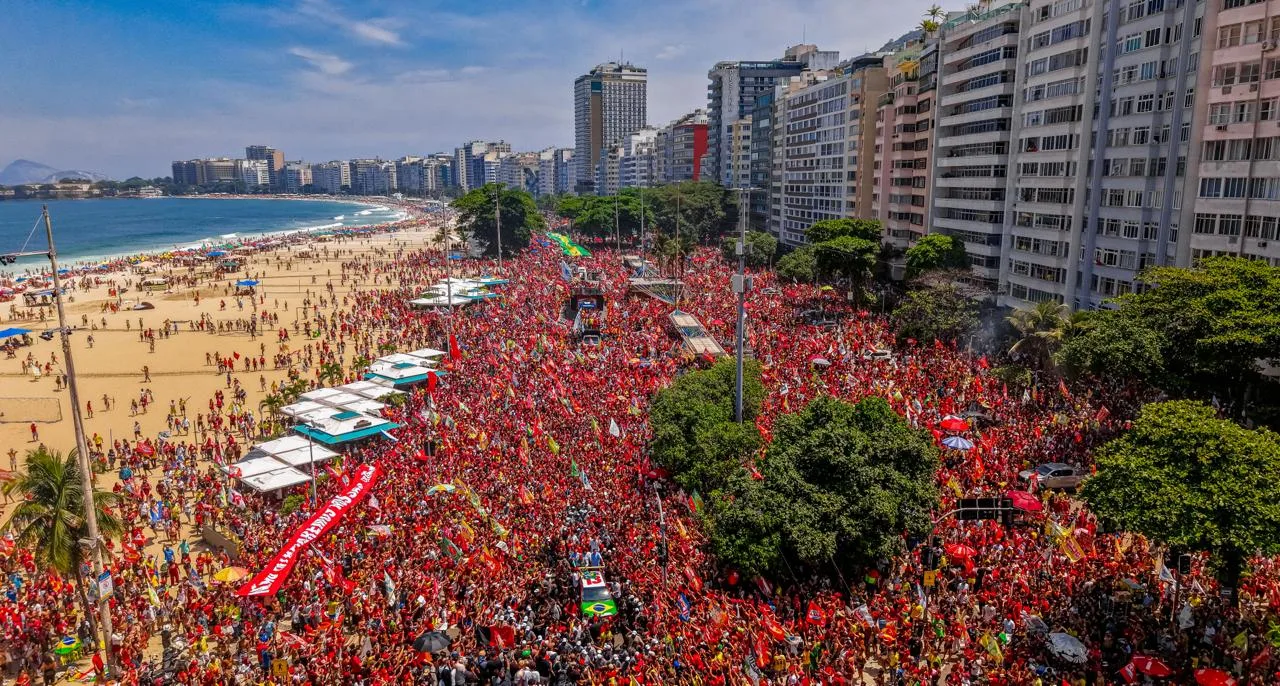
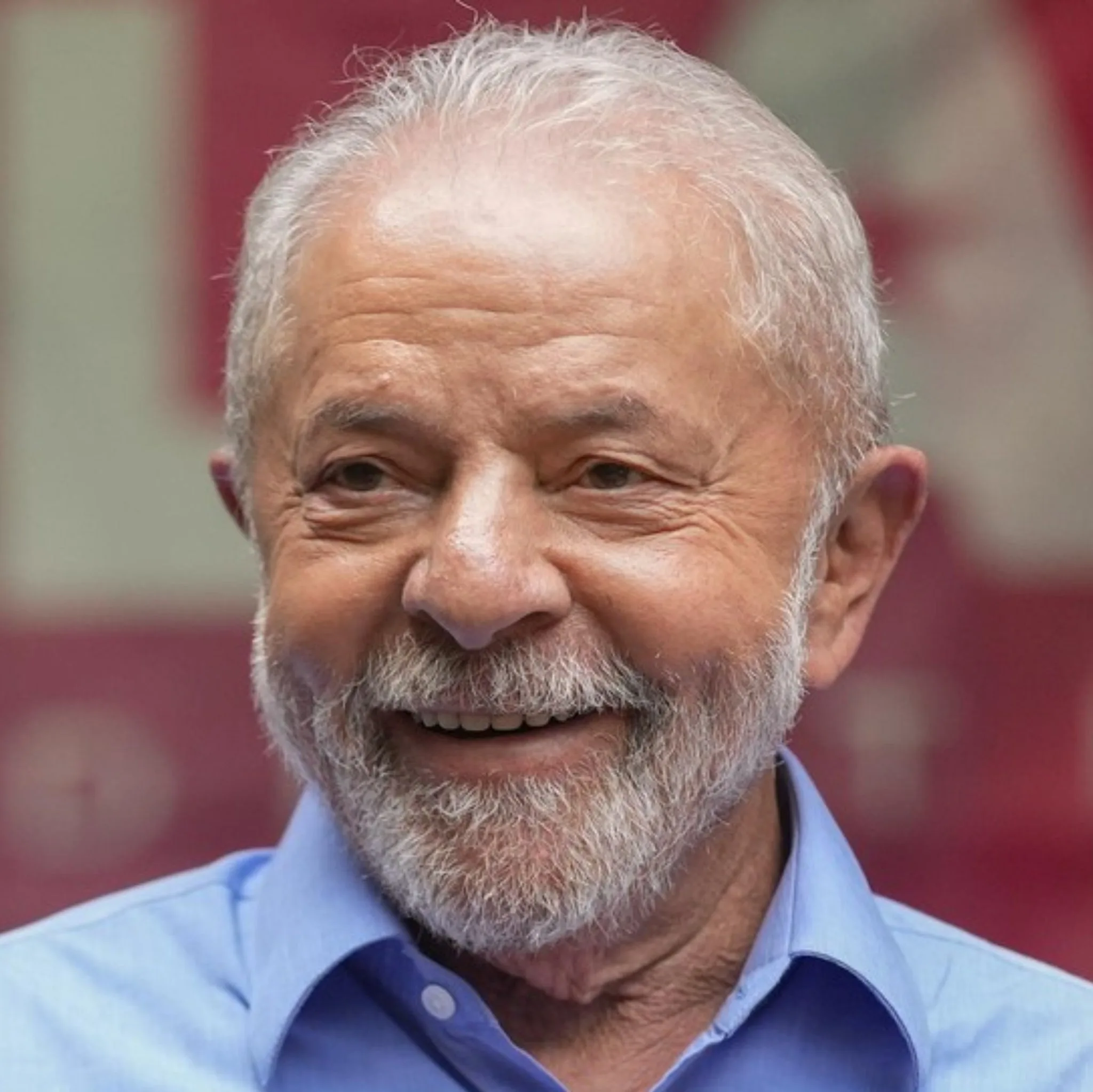
    Brazilian President Luiz Inácio Lula da Silva has won a historic fourth presidential term, but the victory has left him facing a difficult political and economic landscape.

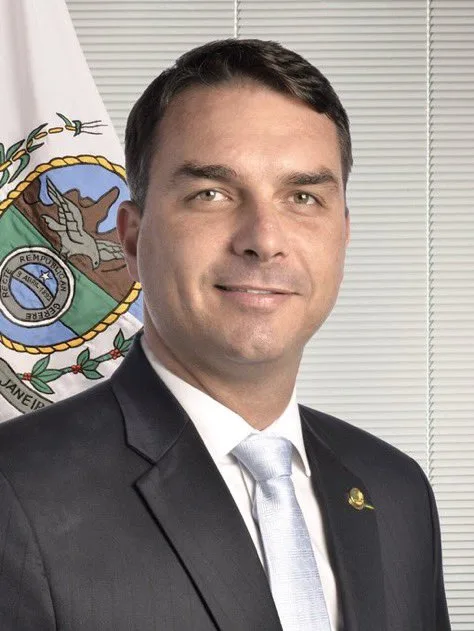
    The 80-year-old left-wing leader defeated right-wing Senator Flávio Bolsonaro in the October 25, 2026, presidential runoff. However, a narrow electoral margin, mounting public debt and a Congress dominated by conservative forces could limit his ability to deliver on key promises.

    Investors are also questioning whether his government can maintain social welfare programmes while bringing public finances under control.

    Lula is due to begin his new term in January 2027. According to Brazil’s Superior Electoral Court, he received 51.79% of valid votes, against 48.21% for Bolsonaro.

    Also Read | PHP’s security crisis raises questions over funding and AI-driven threats

    The arithmetic in Brasília

    The biggest challenge may come from Congress. Lula’s Workers’ Party and its allies do not control the legislature, while Bolsonaro’s Liberal Party and its conservative partners are set to hold majorities in both chambers.

    This could make it harder for the president to pass legislation, negotiate tax changes and secure support for his economic agenda.

    Lula has pledged to protect social programmes and ensure that minimum wages rise faster than inflation. These commitments are central to his political appeal. But they also come at a time when the government faces pressure to reduce borrowing and control spending.

    Analysts warned that Lula would struggle to build the political coalitions needed to push through major reforms. His ability to work with lawmakers who oppose much of his agenda will therefore be crucial to the success of his final term.

    Debt leaves little room to manoeuvre

    Brazil’s public debt has climbed above 82% of gross domestic product (GDP), an increase of more than 10 percentage points during Lula’s current term.

    GDP measures the total value of goods and services produced by an economy. Higher debt increases the government’s interest burden and leaves less room for other spending.

    Brazil’s interest rate stands at 13.75%, while annual inflation is 4.6%, marginally above the central bank’s tolerance range.

    The government has also forecast economic growth of 2.3% in 2027. Lula must now find a balance between reducing the deficit, supporting growth and protecting welfare benefits.

    A further concern is household debt. According to credit bureau Serasa, nearly 84 million Brazilians and 9.3 million businesses are behind on debt payments.

    Lula’s proposed debt-relief measures could offer some breathing room, but such initiatives may provide only temporary relief.

    A cool reception from the trading floor

    The election result has also unsettled financial markets. Before the runoff, investors had positioned themselves for a possible Bolsonaro victory, anticipating spending restraint, deregulation and closer ties with US President Donald Trump’s administration.

    Brazilian stocks had risen almost 7% from their level before the first round of voting, while the real had strengthened nearly 5% against the US dollar.

    Lula’s victory has prompted investors to reconsider those expectations. Markets now want a credible fiscal plan that explains how the government will stabilise debt without abandoning its social commitments.

    Reuters reported that analysts expect market sentiment to remain weak until Lula’s team provides greater clarity on spending and public finances. The appointment of the next finance minister and the details of the 2027 budget are likely to be closely watched.

    The government’s longer-term target is to achieve a primary budget surplus of around 1.3% of GDP by 2030.

    A primary surplus means government revenue exceeds expenditure before interest payments on debt are counted.

    Flávio Bolsonaro’s challenge to the result

    Political uncertainty has added another layer to the transition. Flávio Bolsonaro has refused to concede defeat and said he would seek to annul the result, citing a decision to extend voting by two hours over alleged public transport irregularities.

    “It is impossible to recognize the election results, given the circumstances under which things unfolded,” he told journalists.

    An analysis by Insper professor Pedro Burgos found that fewer than 35,000 votes were cast during the extended period, amounting to about 0.03% of the total.

    Bolsonaro’s campaign had also sought an extension because of heavy rain in the country’s conservative-leaning south.

    The margin of more than four million votes made a successful challenge unlikely.

    Also Read | Brazil election: 33.4 million first-round abstainers could shape Lula-Bolsonaro runoff

    Lula’s priorities for his final term

    Lula’s immediate task is to establish a workable relationship with Congress and reassure markets that his government has a credible plan for managing public debt.

    His victory gives him another mandate, but translating it into policy will require political negotiation and difficult economic choices.

    The direction of his final term will depend on whether he can reconcile his social commitments with the pressure to restore confidence in Brazil’s finances.

  • IRCTC’s 365-day booking window is not for everyone: Who qualifies?

    IRCTC’s 365-day booking window is not for everyone: Who qualifies?

    Indian Railways allows eligible foreign tourists and Non-Resident Indians (NRIs) to book train tickets up to 365 days before their journey under a special reservation facility.

    The provision is an exception to the standard advance reservation period of 60 days that applies to most passengers. However, the longer booking window comes with specific eligibility requirements, a separate booking process and restrictions on seat availability.

    The facility is available through the Foreign Tourist Quota on the Indian Railway Catering and Tourism Corporation (IRCTC) e-ticketing website.

    It is not a general booking option that every passenger can use to reserve a seat a year before travelling.

    Also Read | 18 of the world’s best metro systems and what makes them stand out

    Less lead time, fewer empty seats?

    Indian Railways reduced the Advance Reservation Period (ARP) for most Mail and Express trains from 120 days to 60 days, excluding the date of travel, with effect from November 1, 2024. The change was announced by the Ministry of Railways in October 2024.

    The ministry cited booking patterns and the need to reduce cancellations and no-shows as reasons for the decision. According to the Railway Ministry, around 21% of reservations made between 61 and 120 days before travel were being cancelled.

    Another 5% of passengers neither cancelled their reservations nor undertook their journeys.

    The shorter booking window was intended to improve visibility of genuine passenger demand and help the Railways plan additional trains during busy periods.

    The 60-day limit remains the standard for most passengers. Certain daytime express trains, including the Taj Express and Gomti Express, continue to follow their existing, shorter reservation periods.

    The separate 365-day facility for foreign tourists remains unchanged.

    One year ahead, but not for everyone

    The extended booking facility is designed for foreign tourists and NRIs who qualify to use the Foreign Tourist Quota. According to IRCTC’s official booking guide, eligible users must hold a valid passport and provide the required passenger details when booking.

    The scheme was introduced in July 2017 to make advance planning easier for international visitors travelling across India. It allows eligible passengers to make reservations up to one year ahead rather than waiting for the standard 60-day booking window.

    The facility is not restricted only to premium classes. IRCTC’s current guide lists Executive Class, First AC, Second AC, Third AC, AC Chair Car, Sleeper Class and Second Sitting among the eligible classes.

    Nonetheless, the availability of seats under the special quota depends on the applicable allocation and the train.

    How to book tickets through IRCTC

    Eligible passengers must register on the IRCTC e-ticketing website or update their existing profiles. They must verify an international mobile number through a one-time password (OTP).

    After logging in, users can select the Foreign Tourist Ticket Booking option under the Services section.

    A valid passport number must be provided for every passenger. IRCTC also lists international debit and credit cards as payment options for these bookings.

    Also Read | Greenland has no roads connecting its towns: 5 facts about the icy island

    Booked early does not mean berthed early

    There is an important distinction between booking a ticket a year ahead and receiving a confirmed berth immediately.

    IRCTC states that when a reservation is made beyond the regular 60-day Advance Reservation Period, berth allocation takes place later, when the normal reservation window opens and the railway reservation system allots accommodation.

    This means that the 365-day facility does not guarantee an immediately allocated berth for every booking. If the railway reservation system does not allot a berth, IRCTC’s guide states that the ticket will be automatically cancelled, with a cancellation message sent to the registered contact details.

    For most domestic travellers, the regular 60-day window continues to apply. The 365-day provision is a separate facility for eligible users booking through the Foreign Tourist Quota, with its own requirements and availability conditions.

    Checking the applicable quota and booking status on IRCTC is therefore essential before making travel plans.

  • Brazil election: 33.4 million first-round abstainers could shape Lula-Bolsonaro runoff

    Brazil election: 33.4 million first-round abstainers could shape Lula-Bolsonaro runoff

    Brazil is heading into a closely contested presidential runoff on Sunday, October 25, with incumbent Luiz Inácio Lula da Silva facing right-wing Senator Flavio Bolsonaro.

    The election will decide whether Lula secures an unprecedented fourth, non-consecutive presidential term or Bolsonaro takes power by building on the political legacy of his father, former president Jair Bolsonaro.

    The result could also influence Brazil’s economic priorities, approach to public security, and international relations.

    The contest has tightened since the first round on October 4. Flavio Bolsonaro secured around 47% of the vote, while Lula received just over 45%. Neither candidate won the majority needed to avoid a runoff.

    A CNT/MDA poll released on October 24 put Bolsonaro at 46.3% and Lula at 45%. The survey interviewed 2,032 people between October 21 and 23, with a margin of error of 2.2 percentage points. The figures indicate a competitive race.

    Also Read | PHP’s security crisis raises questions over funding and AI-driven threats

    Who are the candidates?

    Lula is leaning on welfare and social protection, while Flavio Bolsonaro promises a tougher response to organised crime | X (@DavidUllrich202)
    Lula is leaning on welfare and social protection, while Flavio Bolsonaro promises a tougher response to organised crime | X (@DavidUllrich202)

    Lula, 80, represents the left-wing Workers’ Party. A former factory worker and trade union leader, he returned to the presidency in 2023 after defeating Jair Bolsonaro in 2022.

    His political appeal rests partly on social welfare programs, measures to reduce poverty, and efforts to improve living standards. His government has also pointed to falling unemployment and efforts to curb deforestation.

    Be that as it may, household debt and concerns about the cost of living remain challenges for his administration.

    Flavio Bolsonaro, 45, is a senator from the right-wing Liberal Party and the eldest son of Jair Bolsonaro. He has positioned himself as the main challenger to Lula, promising a tougher response to organized crime, tax relief, and tighter control over government spending.

    He has also pledged to pursue his father’s release from prison. Jair Bolsonaro is serving a 27-year sentence following his conviction over a plot to remain in power after losing the 2022 election.

    Cost of living, crime and policy differences

    Flavio Bolsonaro's pledge to pursue his father's release adds a deeply personal issue to a race already shaped by crime, corruption and economic anxieties | X (@OpenSourceZone)
    Flavio Bolsonaro’s pledge to pursue his father’s release adds a deeply personal issue to a race already shaped by crime, corruption and economic anxieties | X (@OpenSourceZone)

    For voters, the contest is about more than political ideology.

    It is also about everyday concerns—food prices, jobs, household finances, and personal safety.

    During their final televised debate on Friday, the candidates clashed over the cost of living, welfare, and corruption allegations. Lula defended his administration’s increases in the minimum wage, arguing that his government had helped millions of Brazilians escape hunger.

    Bolsonaro countered that food prices had risen under Lula and questioned the potential effect of the government’s tax reforms on consumers.

    Public security is another dividing line. Bolsonaro has promised a militarized approach to tackling organized criminal gangs while also pledging to rein in inflation and public spending.

    Lula, meanwhile, is seeking support by highlighting social programs and proposals aimed at easing pressure on working households.

    The role of abstaining voters

    Some 33.4 million Brazilians skipped the first round. With abstention at 21%, voters who stayed home could shape the Lula-Bolsonaro contest | X (@LulaOficial)
    Some 33.4 million Brazilians skipped the first round. With abstention at 21%, voters who stayed home could shape the Lula-Bolsonaro contest | X (@LulaOficial)

    One of the biggest uncertainties is turnout.

    Around 33.4 million people did not vote in the first round, equivalent to an abstention rate of 21%—the highest for a Brazilian general election since 1998.

    Not all these voters are politically disengaged. Some face practical barriers, including work commitments, family responsibilities, registration issues, or long journeys to polling stations.

    Others are disillusioned with both candidates.

    Lula has made increasing turnout a priority. His campaign has promoted proposals including free public transport on weekends and debt relief for small-scale entrepreneurs.

    Bolsonaro is seeking to consolidate support among conservative voters who backed candidates eliminated in the first round. With polling showing only a narrow gap, even a modest shift in participation could matter.

    Also Read | UK urges households to keep 3 days of food, water and emergency supplies

    Digital hustings grow contentious

    Lula's first smartphone signals a campaign push to reach digitally connected voters | X (@thepopwrld)
    Lula’s first smartphone signals a campaign push to reach digitally connected voters | X (@thepopwrld)

    The campaign is also playing out online. Lula recently acquired his first smartphone as he tries to connect with voters who increasingly consume political content through digital platforms.

    Bolsonaro has built a direct audience through YouTube, reflecting the growing importance of online campaigning.

    The role of social media companies has prompted controversy. United Nations human rights experts have urged Meta, which owns Facebook, Instagram, and WhatsApp, to protect political expression after reports of suspended accounts and reduced visibility for campaign-related content.

    Lula’s campaign has accused Meta of restricting its reach, while Bolsonaro’s team has filed its own complaint against Lula over government postings on WhatsApp.

    Meta has denied favoring either side and said it has complied with a Brazilian court order requiring equal treatment of the campaigns. The allegations remain disputed.

    The decisive question is whether Lula can turn his record on welfare and social protection into enough votes for another term, or whether Bolsonaro can convert the right’s first-round momentum into a presidential victory.

    With the polls close and turnout uncertain, Brazil’s October 25 runoff remains wide open.

  • PHP’s security crisis raises questions over funding and AI-driven threats

    PHP’s security crisis raises questions over funding and AI-driven threats

    The internet runs on software that most people never see. When a weakness appears in one widely used component, the effects can spread far beyond a single website.

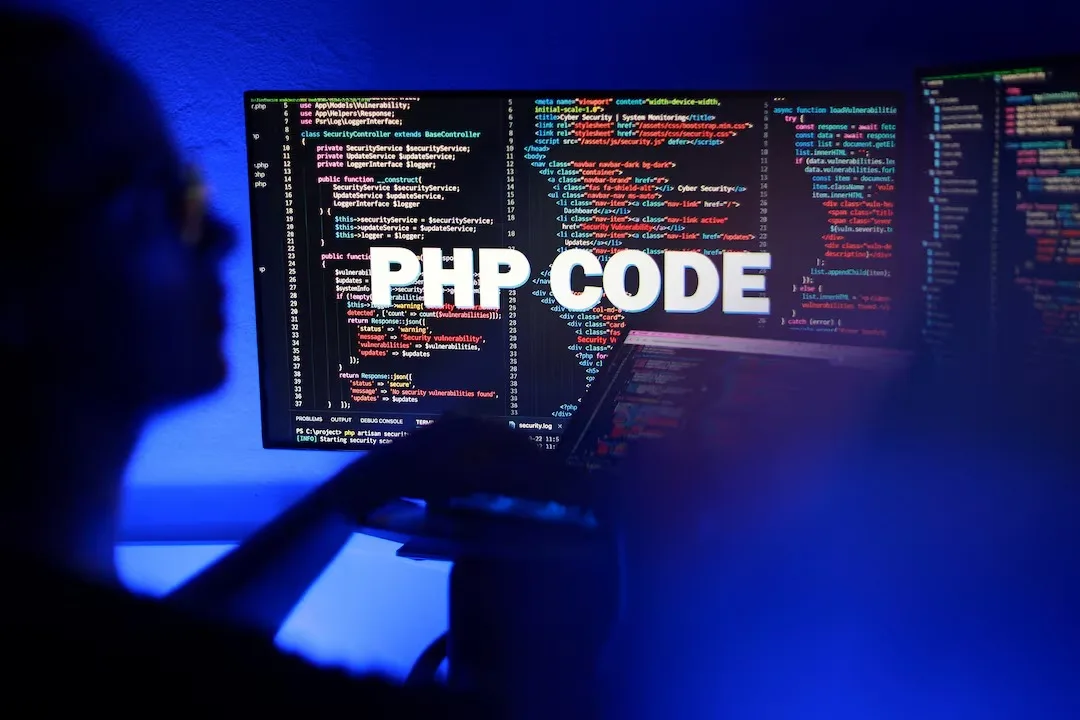
    That risk came into focus this week after two serious vulnerabilities in PHP triggered a global cybersecurity scramble. Some government websites in Europe went offline as operators rushed to secure their systems.

    The incident has also raised a broader concern: artificial intelligence (AI) is making it easier to discover hidden software flaws, but the teams responsible for fixing them may struggle to keep pace.

    Also Read | A Ukrainian soldier amputated his own foot to survive. Then came a dramatic drone rescue

    The internet’s workhorse has a staffing dilemma

    Two serious PHP vulnerabilities sent some European government websites offline
    Two serious PHP vulnerabilities sent some European government websites offline | AI

    PHP is an open-source programming language used to build and run websites. It has been around for nearly three decades and remains a major part of the internet’s infrastructure. It may underpin as many as 70% of websites worldwide.

    That widespread use makes security problems particularly serious. A vulnerability in a widely deployed technology can expose organizations across different sectors to risk.

    Website operators may need to identify whether their systems use the affected software, install security updates, and check that the fixes have worked.

    The recent vulnerabilities also exposed a funding problem. The PHP Foundation, the nonprofit organization supporting the language, has just one full-time employee—executive director Elizabeth Barron.

    It also has 14 mostly part-time contractors, while its board members work as unpaid volunteers. Its operations depend on donations and grants.

    Barron told Reuters that the foundation works with external researchers and companies, including OpenAI and cybersecurity firms Wiz and Calif, to investigate vulnerabilities and coordinate fixes.

    Yet the scale of PHP’s use contrasts sharply with the resources available to maintain it.

    How AI is changing cybersecurity

    A software vulnerability is a weakness that could allow someone to access a system or make it behave in an unintended way. An exploit is a method or piece of code that takes advantage of that weakness.

    Finding such flaws has traditionally required technical expertise and considerable time. Turning a discovery into a working exploit could take weeks or months.

    That gap gave developers an opportunity to investigate the problem, prepare a patch, and distribute an update before attackers could take advantage of it.

    AI is changing that timeline. Models can examine large codebases repeatedly and identify weaknesses that may have gone unnoticed for years. The PHP flaws had existed for about a decade before researchers discovered them. The same tools can also help attackers develop ways to exploit vulnerabilities more quickly.

    Research from cybersecurity firm VulnCheck indicated that the number of digital flaws discovered had doubled year on year, with AI helping drive the increase.

    Cloudflare chief executive Matthew Prince also warned that more serious vulnerabilities were being found in other critical software.

    The result is a shrinking window for defenders. A flaw can be identified, reported, and potentially weaponized much faster than before. Security teams must then assess its severity, develop or apply a fix, and ensure affected systems are updated.

    A discovered flaw is not proof of a breach

    The PHP flaws reportedly sat undetected for about a decade | X (@MarioNawfal)
    The PHP flaws reportedly sat undetected for about a decade | X (@MarioNawfal)

    The discovery of a vulnerability does not prove that hackers have exploited it successfully.

    Cloudflare reported millions of hacking attempts around the PHP incident. Barron, however, said that the foundation had no evidence the vulnerabilities were exploited before disclosure or on systems that had been patched.

    Separately, Cloudflare’s chief executive said he had anecdotal evidence of compromises linked to a PHP vulnerability.

    Cybersecurity specialists also disagree on how much the increase in AI-assisted discoveries will translate into successful breaches. Some vulnerabilities are complex and difficult to exploit, even after they become public. Others may create a much more immediate risk.

    Also Read | Literary prize for AI-written fiction? France has an interesting offer

    AI can flag the flaw, but it cannot fund the fix

    VulnCheck says discovered digital flaws doubled year on year, with AI helping drive the rise | X (@TheHackersNews)
    VulnCheck says discovered digital flaws doubled year on year, with AI helping drive the rise | X (@TheHackersNews)

    AI can help developers identify problems and write code more efficiently. But it also creates more work for the people maintaining software. Barron said PHP was receiving nearly twice as many proposed code changes as a year earlier, while the number of contributors had not doubled.

    Reviewing those changes and assessing bug reports still requires substantial human expertise.

    Finding vulnerabilities faster does not automatically make systems safer. Organizations need enough skilled people, funding, and coordination to verify discoveries, release reliable patches, and help users apply them.

    The PHP episode is therefore about more than two software flaws. It highlights a growing mismatch between the speed of AI-assisted discovery and the capacity of the people responsible for keeping essential internet infrastructure secure.

  • UK urges households to keep 3 days of food, water and emergency supplies

    UK urges households to keep 3 days of food, water and emergency supplies

    The UK government has urged households to keep enough food, water, and other essentials at home to manage for three days during an emergency.

    The advice is part of a new national campaign called ‘Be Ready,’ launched on October 22.

    The UK aims to help people cope when everyday services are disrupted by severe weather, cyber incidents, or other emergencies. The government says the goal is simple. Prepare in advance rather than struggle to find essential supplies after a crisis begins.

    Also Read | A Ukrainian soldier amputated his own foot to survive. Then came a dramatic drone rescue

    Emergency supplies checklist

    The real test is whether households can manage when everyday services fail | X (@NewsNew97351204)
    The real test is whether households can manage when everyday services fail | X (@NewsNew97351204)

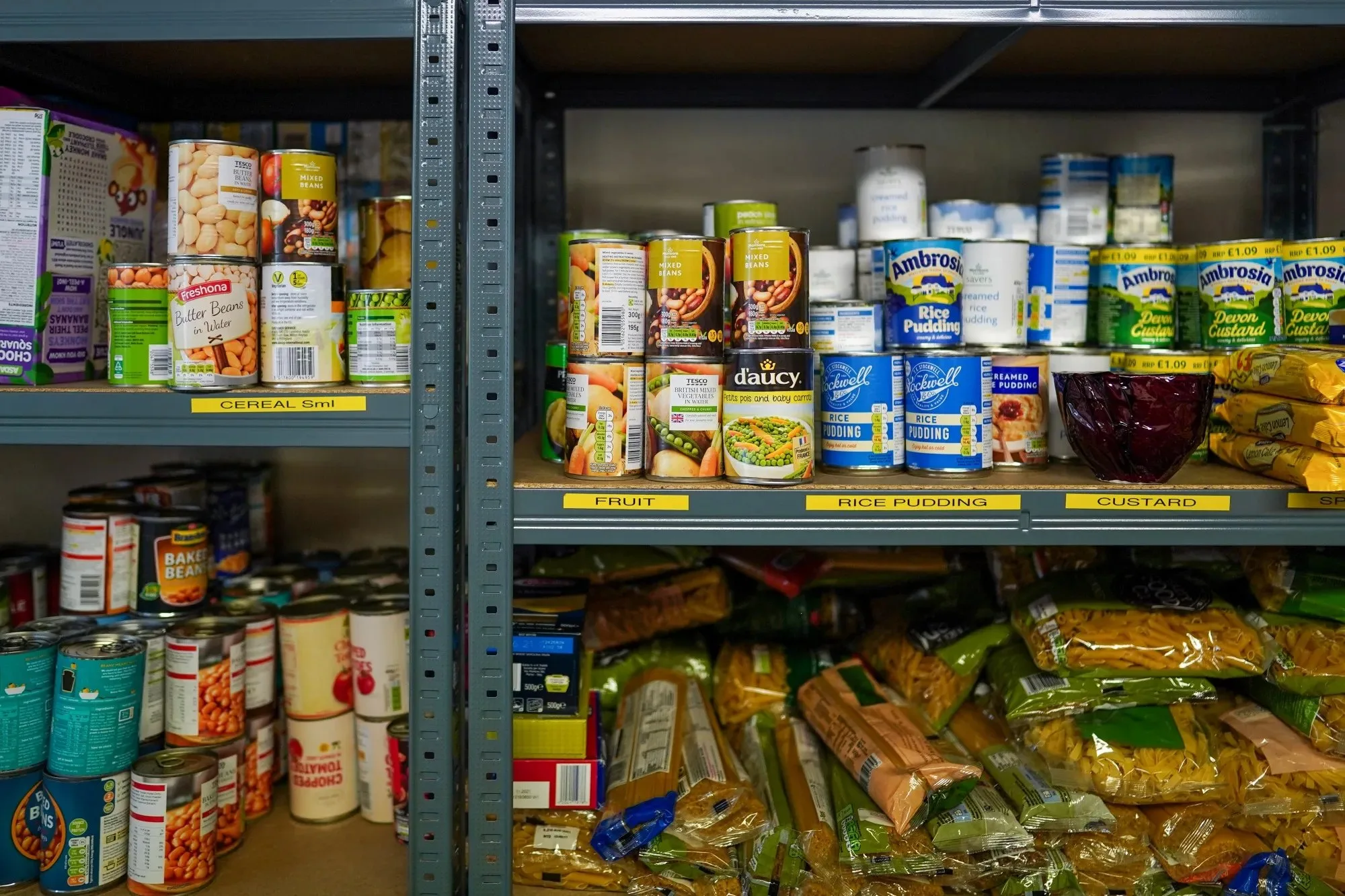
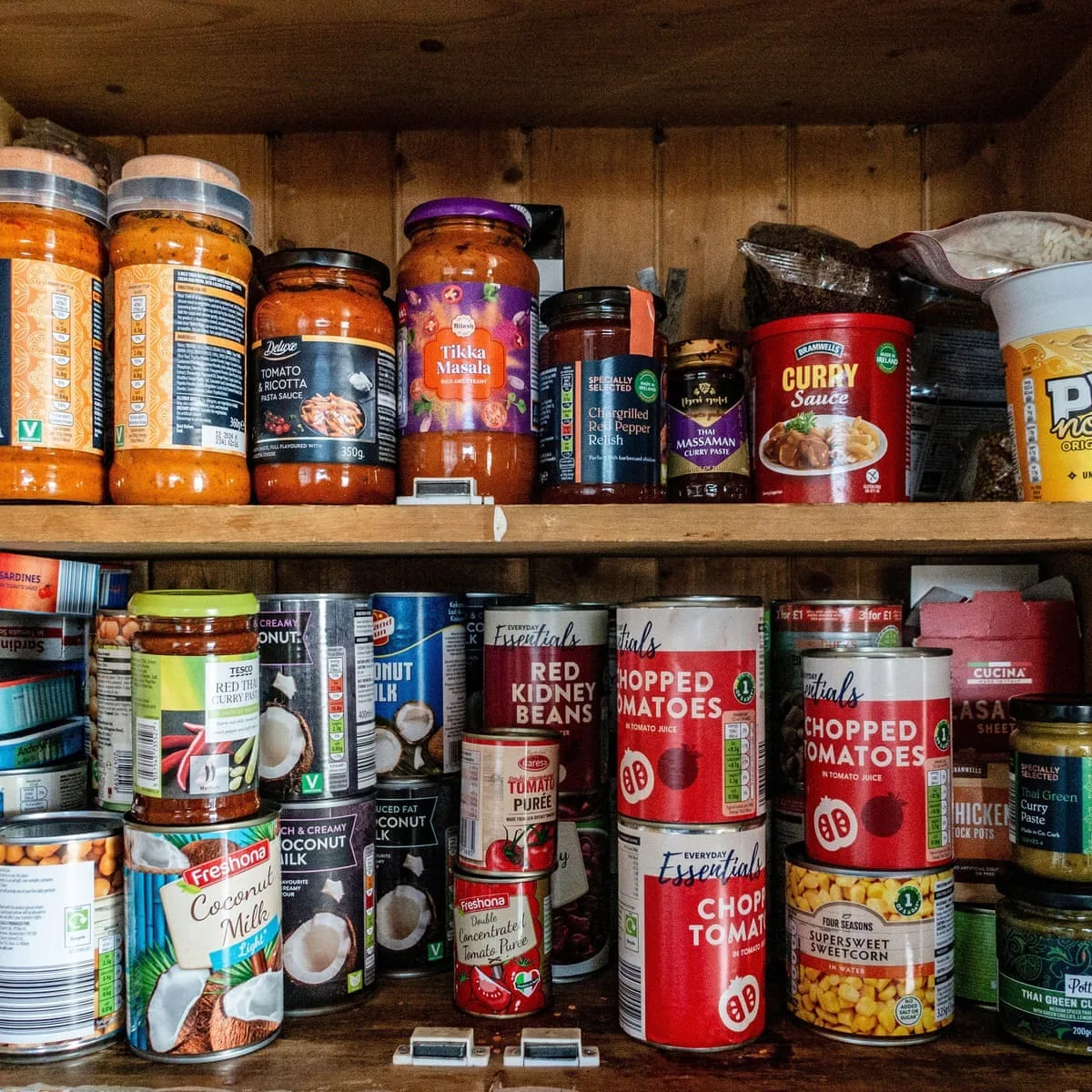
    The guidance recommends keeping three days’ worth of non-perishable food and bottled water at home. The suggested water supply is three liters per person per day for drinking. Households may need additional water for cooking and washing.

    The checklist goes beyond food and water. It includes a torch with spare batteries, blankets, warm clothing, a battery-powered or wind-up FM radio, a charged power bank, and some cash.

    A first-aid kit, essential medicines, and copies of important documents are also recommended.

    Families should consider their own needs while preparing. Homes with babies may need formula and nappies. Households with pets should account for their food and water requirements, too.

    The advice also encourages people to keep important phone numbers and medical information written down. These could prove useful if phones or internet services stop working.

    Why readiness is back on the agenda?

    PHP, a programming language used by websites and online services, came under scrutiny after newly disclosed security flaws prompted organisations to secure vulnerable systems | AI
    PHP, a programming language used by websites and online services, came under scrutiny after newly disclosed security flaws prompted organisations to secure vulnerable systems | AI

    The campaign comes amid concerns about extreme weather and the disruption it can cause. The government pointed to storms during the previous winter and wildfires during the summer as examples of emergencies that can affect essential services.

    A severe event can leave households without electricity, water, phone signals, or internet access.

    The government also wants people to be better prepared for digital disruptions. This week’s PHP software security incident has added urgency to that message.

    PHP is a programming language used by websites and online services. On October 23, security flaws disclosed earlier in the week prompted organizations worldwide to secure their systems.

    Some services were taken offline, while millions of hacking attempts were reported.

    Modern life depends heavily on digital infrastructure. When systems fail, the effects can extend beyond computers and websites. People may struggle to access online services, make electronic payments, or obtain timely information.

    Keeping basic supplies at home offers some protection against the immediate effects of such interruptions.

    Does the UK expect an imminent attack?

    The campaign follows concerns over storms, wildfires and digital disruption. The UK government wants people prepared before vital services are interrupted | X (@dana916)
    The campaign follows concerns over storms, wildfires and digital disruption. The UK government wants people prepared before vital services are interrupted | X (@dana916)

    Not necessarily. The campaign sets out general precautions for a range of emergencies. Its launch does not, by itself, indicate that a specific attack or disaster is imminent.

    However, ministers have raised concerns about the wider security environment. Defense Secretary Wes Streeting has pointed to risks from hostile states, organized criminals, and climate change. He has also warned about threats to everyday infrastructure.

    The wider concern is that the country must be able to withstand disruptions, whether they come from extreme weather or malicious activity.

    Security Minister Dan Jarvis said, “Those who can follow this advice should follow this advice.”

    He added that simple preparations could reduce pressure on emergency services and help them prioritize people who need greater support.

    Also Read | What are heat storms? Why global heatwaves are becoming bigger and longer

    No need to fill the pantry in one spree

    The message is practical: small steps at home can help when essential services are disrupted | X (@MartiniGuyYT)
    The message is practical: small steps at home can help when essential services are disrupted | X (@MartiniGuyYT)

    The emphasis is on practical preparation, not panic buying. The official campaign advises households to check what they already have, identify what is missing, and build their supplies gradually during regular shopping trips. It also recommends checking expiry dates every six months.

    The UK is not alone in promoting this approach. The government says similar three-day preparedness guidance is used in France, Ireland and the Netherlands.

    The ‘Be Ready’ campaign will develop over three years, with advice shared through government channels, social media, and radio.

    The message is that emergency planning need not involve expensive equipment or major changes to daily life.

    A modest supply of essentials, a way to receive information, and a plan to contact family members can help households manage while services recover and emergency teams assist those most in need.

  • Petrol and diesel cheaper in India than Dubai? Here’s what city prices show

    Petrol and diesel cheaper in India than Dubai? Here’s what city prices show

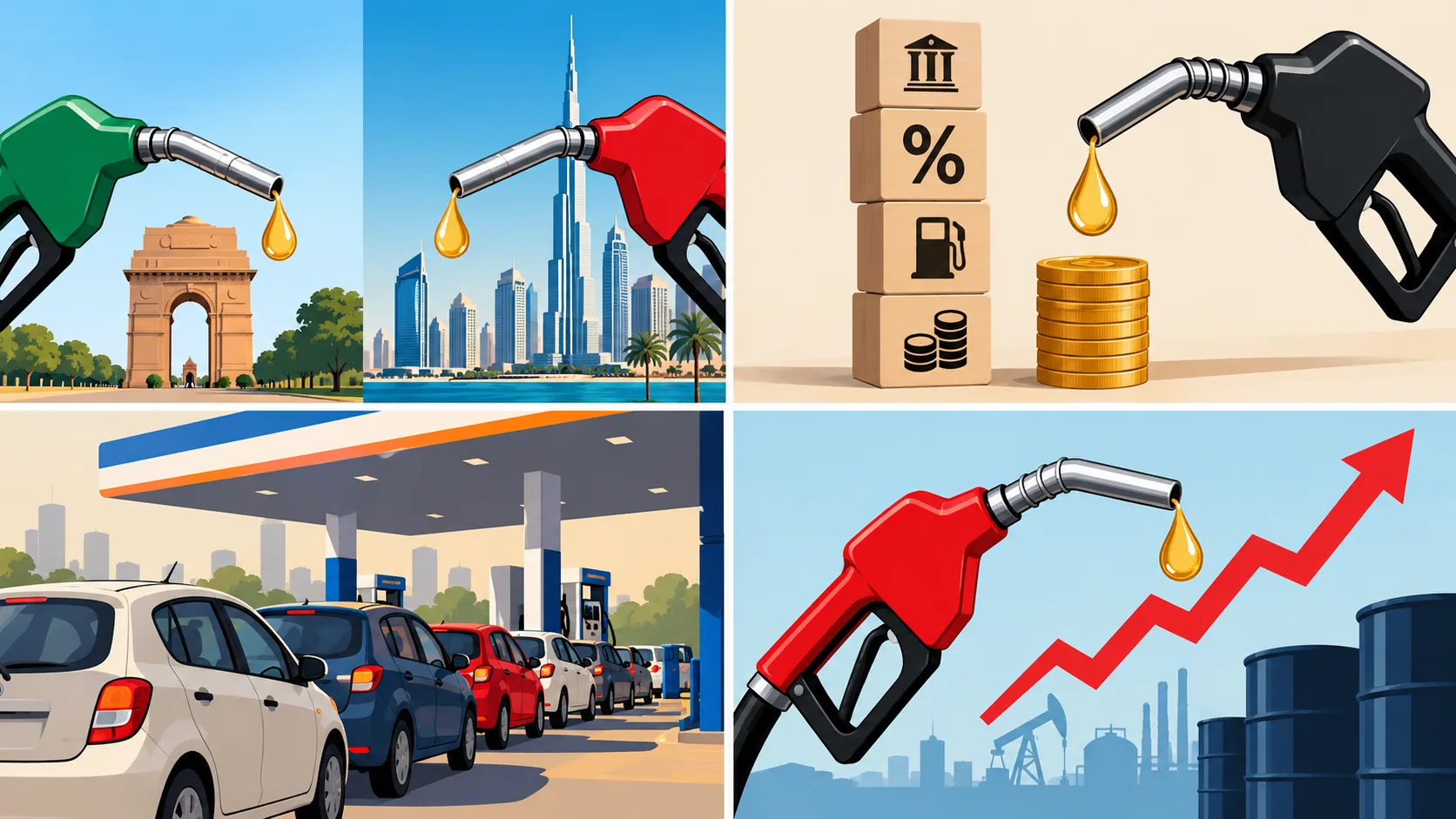
    Petrol and diesel are now cheaper in several Indian cities than in Dubai, following a sharp increase in fuel prices across the United Arab Emirates (UAE) in October.

    The difference is particularly clear for diesel. On October 22, diesel cost around Rs 123.31 per litre in the UAE, compared with Rs 95.20 in Delhi. That is a gap of more than Rs 28 per litre.

    Petrol, however, tells a different story. It is cheaper in cities such as Delhi, Noida, Lucknow and Chandigarh than the UAE’s Special 95 grade. In Mumbai, Kolkata and Hyderabad, motorists pay more.

    Also Read | Undersea cable threats rise: Here’s why India needs a stronger repair network

    A monthly adjustment with a hefty sting

    The UAE's monthly fuel revision reshuffled the comparison, but 'cheaper in India' is no blanket verdict when petrol prices vary from city to city | AI
    The UAE’s monthly fuel revision reshuffled the comparison, but ‘cheaper in India’ is no blanket verdict when petrol prices vary from city to city | AI

    The UAE’s latest price increase came into effect on October 1. The country’s fuel price committee raised petrol and diesel rates for the month.

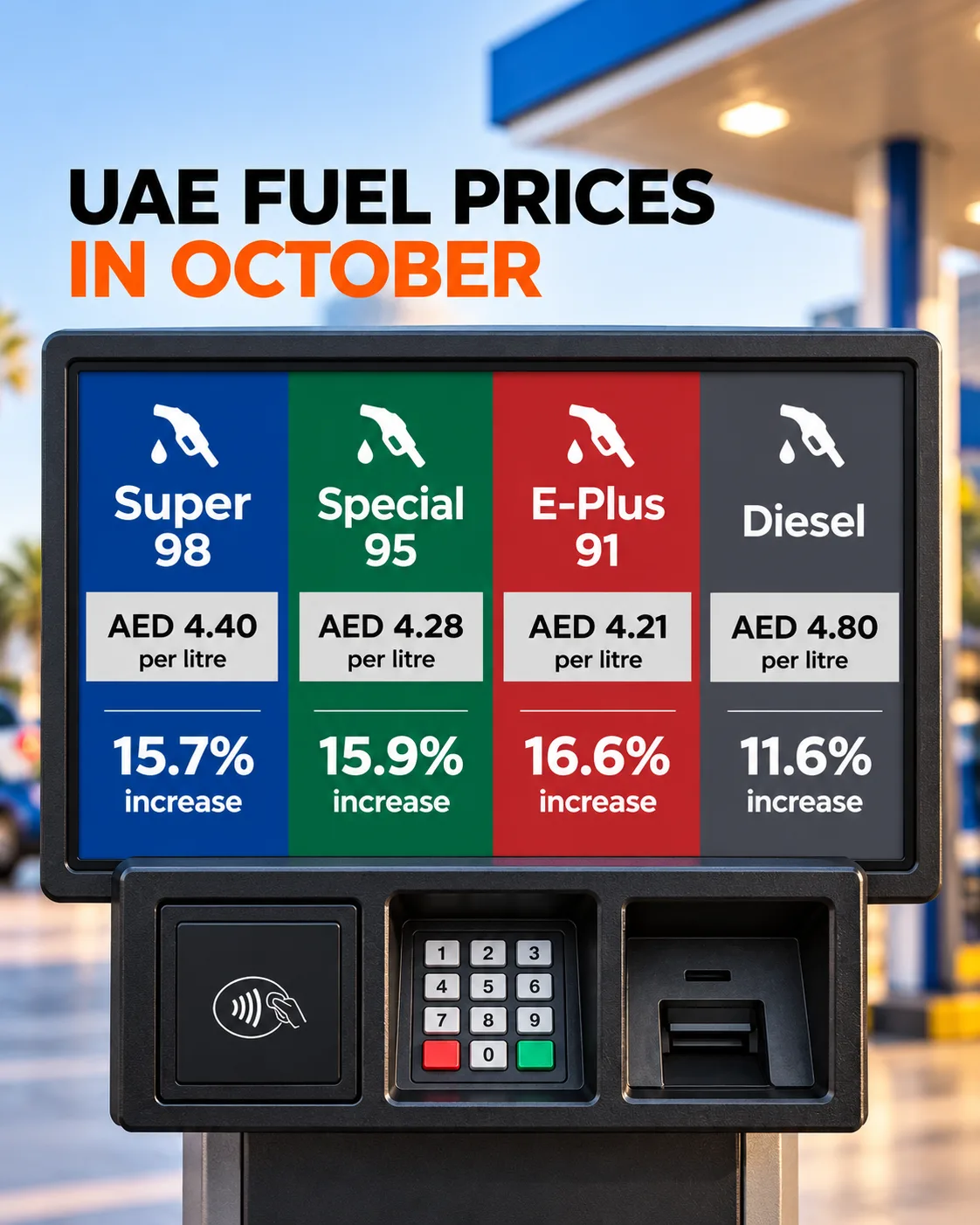
    E-Plus 91 petrol rose to 4.21 dirhams per litre, while Special 95 reached 4.28 dirhams. Super 98 was priced at 4.40 dirhams per litre.

    Diesel climbed to 4.80 dirhams. At an exchange rate of around Rs 25.69 to the dirham on October 22, these prices worked out to approximately Rs 108.17, Rs 109.95, Rs 113.03 and Rs 123.31 per litre, respectively.

    The increase ranged from around 11.6% for diesel to 16.6% for E-Plus 91 petrol.

    The UAE follows a monthly pricing mechanism that takes international energy market movements into account. The country’s official news agency, WAM, confirmed the revised October rates.

    City-wise fuel prices in India and Dubai

    October's numbers capture a moment, not a permanent ranking: the UAE's next fuel revision could change how its petrol and diesel compare with India | AI
    October’s numbers capture a moment, not a permanent ranking: the UAE’s next fuel revision could change how its petrol and diesel compare with India | AI

    In India, the price at the pump varies considerably from one city to another. On October 22, petrol cost Rs 101.54 per litre in Chandigarh, Rs 102.12 in Delhi and Rs 101.96 in Noida.

    In comparison, the UAE’s Special 95 petrol worked out to around Rs 109.95 per litre.

    Delhi motorists therefore paid nearly Rs 8 less per litre than the equivalent UAE grade. But the situation changes further south and west.

    Petrol cost Rs 111.21 per litre in Mumbai, Rs 113.51 in Kolkata and Rs 116.15 in Hyderabad. These prices were higher than the UAE’s Special 95 rate.

    Diesel showed a more consistent pattern. It cost Rs 95.20 per litre in Delhi, Rs 97.83 in Mumbai and Rs 104.23 in Hyderabad, all below the UAE rate of approximately Rs 123.31.

    Still, this is an indicative comparison. Petrol grades differ in octane rating, so the products are not perfectly equivalent.

    The state’s cut changes the calculation

    The main reason for India’s city-wise price differences is taxation. The final retail price includes central excise duty, state-level value-added tax (VAT), dealer commissions and other costs.

    State taxes vary, which means motorists can pay different prices for the same fuel even within the same country.

    The Petroleum Planning and Analysis Cell (PPAC), under the Union Petroleum Ministry, publishes state-wise tax rates. Its data shows that the tax structure in West Bengal differs from those in Delhi, Chandigarh and other states and Union territories.

    India also uses a market-linked fuel pricing framework under which oil marketing companies determine retail prices.

    The UAE, meanwhile, reviews fuel prices every month against international market conditions and domestic requirements. The two systems therefore respond to the same global energy environment through different pricing structures.

    Also Read | From anti-Hindi protests to CJP: 9 Indian protest movements that reshaped India’s political landscape

    An October snapshot, not a settled score

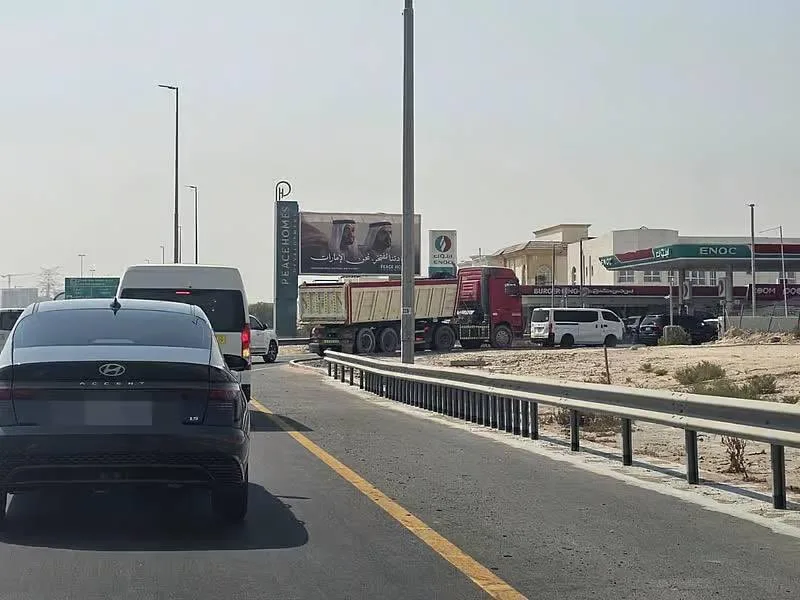
    In Dubai, there were massive traffic jams at gas stations due to rising gasoline prices. Motorists were rushing to fill up tanks because the price of gasoline was about to rise | X (@Beefeater_Fella)
    In Dubai, there were massive traffic jams at gas stations due to rising gasoline prices. Motorists were rushing to fill up tanks because the price of gasoline was about to rise | X (@Beefeater_Fella)

    The latest comparison does not mean petrol is universally cheaper in India than in the UAE. It shows that the relationship has changed after the UAE’s October price hike.

    International oil prices, supply concerns and geopolitical tensions have added pressure to fuel markets, while local taxes continue to shape what consumers pay in India.

    The next UAE price revision was expected towards the end of October, with revised rates due to take effect in November.

    Until those prices are announced, the October figures provide a snapshot of the gap, rather than a permanent ranking of which country offers cheaper fuel.

  • A Ukrainian soldier amputated his own foot to survive. Then came a dramatic drone rescue

    A Ukrainian soldier amputated his own foot to survive. Then came a dramatic drone rescue

    A Ukrainian soldier who spent 491 days on the frontline has been rescued by a heavy-lift drone after months of being trapped in a damaged school building.

    Kostiantyn Vlasenko, 49, had lost both feet after a Russian drone attack left him severely injured. Unable to move safely through the battlefield, he survived on supplies delivered by drones until Ukrainian forces devised an aerial evacuation plan. The rescue took place on October 4.

    The operation called attention to a growing challenge in the Russia-Ukraine war. Drones have made it increasingly dangerous for soldiers to move across exposed ground. They can monitor positions, track movement and attack troops attempting to escape.

    Areas where surveillance and attack drones operate in large numbers have become known as “kill zones”. In such conditions, even rescuing a wounded soldier can put an entire team at risk.

    Also Read | What are heat storms? Why global heatwaves are becoming bigger and longer

    The soldier’s ordeal and months in hiding

    Vlasenko served with Ukraine’s 30th Mechanised Brigade in the Kharkiv region. He was deployed to a frontline position in May 2025, where he joined another soldier identified by the call sign Basky. The two men remained at their position for months.

    Their situation deteriorated in February 2026. After their original shelter flooded, they moved into a damaged school building. A Russian drone then attacked them, killing Basky and severely injuring Vlasenko’s legs.

    Vlasenko took refuge in a small pit beneath the school’s former boiler. His injuries left him unable to move without assistance. His left foot was badly damaged in the attack, while his other leg was also severely injured.

    With the injury worsening, he eventually amputated his right foot himself using a knife.

    For months, he remained dependent on supplies dropped by Ukrainian drones. These deliveries brought food and other essentials. But delivering supplies was different from extracting a wounded man. Earlier attempts to reach his position failed, and unmanned ground vehicles sent to help were destroyed by Russian drones.

    A rather ingenious exit strategy

    Commanders called it the first known aerial drone rescue of a soldier, though not every detail could be independently verified | AI
    Commanders called it the first known aerial drone rescue of a soldier, though not every detail could be independently verified | AI

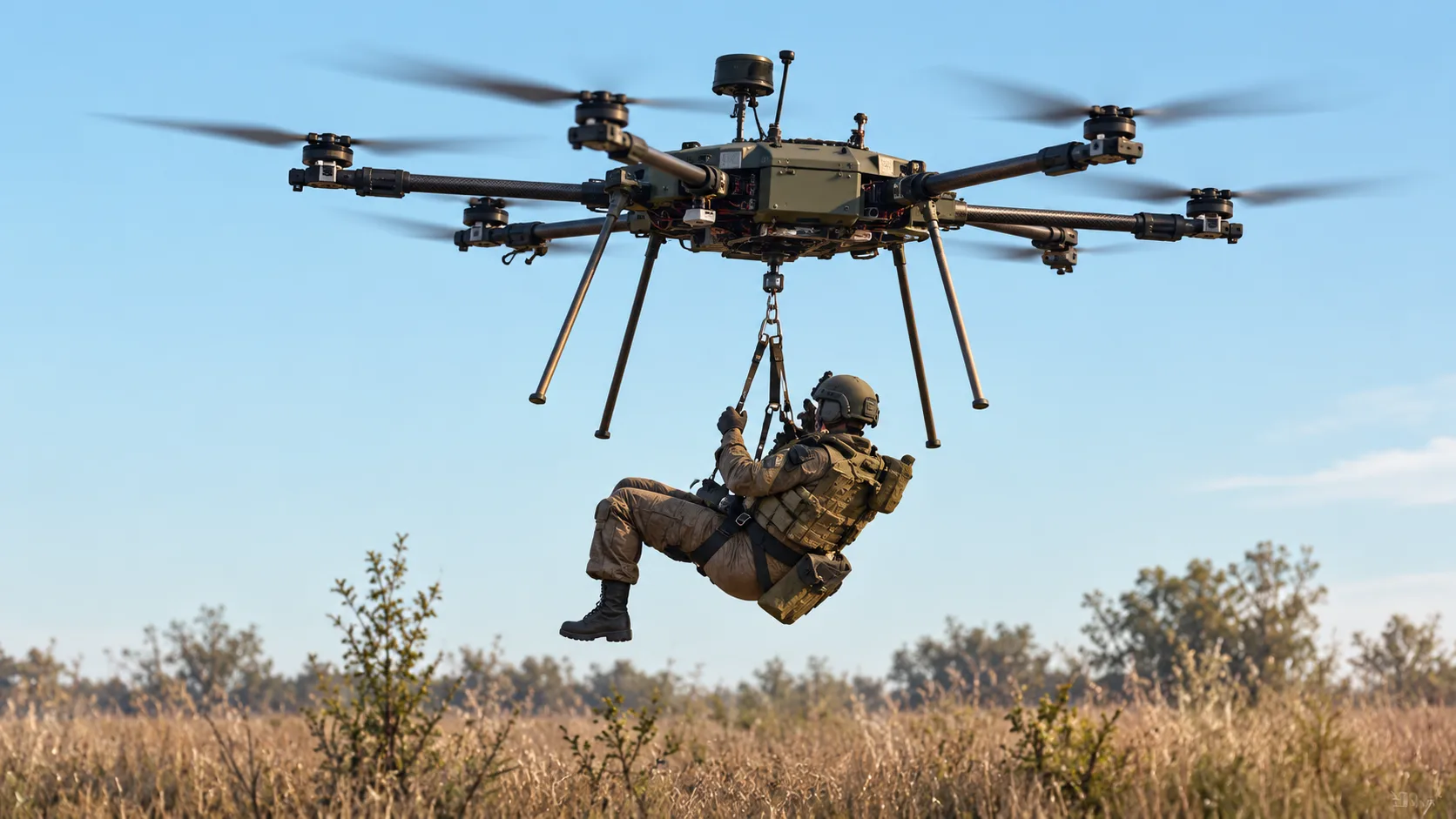
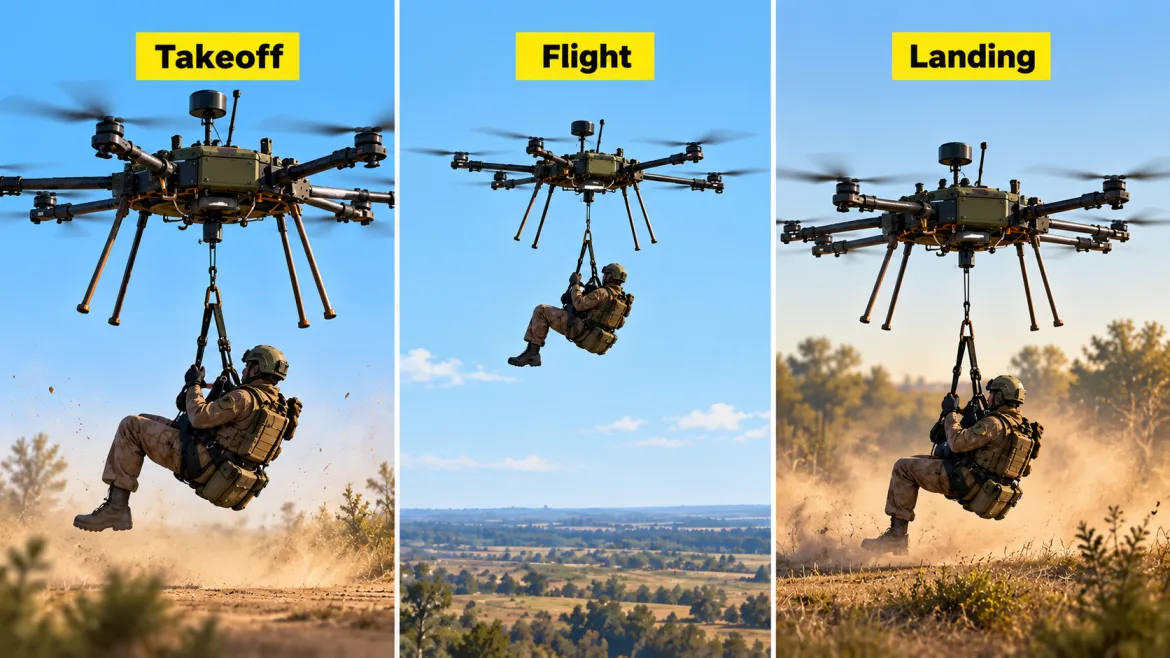
    The solution was to use a heavy-lift aerial drone, the Ayudag-6, adapted for human evacuation.

    Developed by Ukrainian manufacturer Gurzuf Defence, the six-rotor aircraft was designed to carry heavy loads. For this mission, it was equipped with an electric winch and a special harness.

    The rescue required careful preparation. A day before the operation, another drone delivered the harness and a phone containing video instructions.

    Vlasenko had to secure himself in the harness and attach it to a cable beneath the aircraft. The drone would then lift him into the air and carry him to a safer location.

    On October 4, the plan was put into action. The aircraft lifted Vlasenko to a height of around 70 metres and flew approximately 15 kilometres away from the frontline. The journey took about 15 minutes.

    The rescue team also used a diversion strategy. Three Ukrainian vampire drones accompanied the evacuation aircraft to distract Russian drones.

    Other Ukrainian drone crews and artillery units targeted known Russian drone positions to reduce the threat during the operation. The rescue drone eventually reached its destination, where Vlasenko could receive medical care.

    No easy road out, so the rescue takes flight

    The operation shows how drones are being used for purposes beyond surveillance, reconnaissance and combat. They can also deliver supplies to isolated troops and, when suitably equipped, evacuate people from places that conventional vehicles cannot safely reach.

    A ground evacuation usually requires personnel or vehicles to approach the wounded soldier. In a heavily monitored battlefield, that movement can expose rescuers to enemy fire.

    A drone can potentially bypass some of these threats by travelling directly through the air. Nonetheless, aerial evacuation also carries risks. The aircraft can be intercepted, and transporting a person securely requires careful planning, sufficient lifting capacity and suitable equipment.

    Also Read | Brazil election: Can Lula stop Flávio Bolsonaro’s march towards power?

    An impressive manoeuvre, not a universal fix

    Ukrainian commanders described Vlasenko’s extraction as the first known aerial drone rescue of a soldier. His account was corroborated by the Ukrainian military and footage recorded by a camera mounted on the rescue drone, although not every element of the rescue could be independently verified.

    The claim of a first-of-its-kind operation should therefore be understood with that qualification.

    For Vlasenko, the mission meant escaping a position where survival had become increasingly uncertain. For the military, it demonstrated a possible way to retrieve wounded personnel when traditional rescue routes are too dangerous.

    Whether such methods can be used more widely will depend on the aircraft, battlefield conditions and the ability to protect the evacuation route.

  • What are heat storms? Why global heatwaves are becoming bigger and longer

    What are heat storms? Why global heatwaves are becoming bigger and longer

    Extreme heat is no longer just about a city experiencing a few unusually hot days. It is becoming a much larger problem. Heatwaves can now stretch across vast areas, last for months and overlap with other extreme heat events.

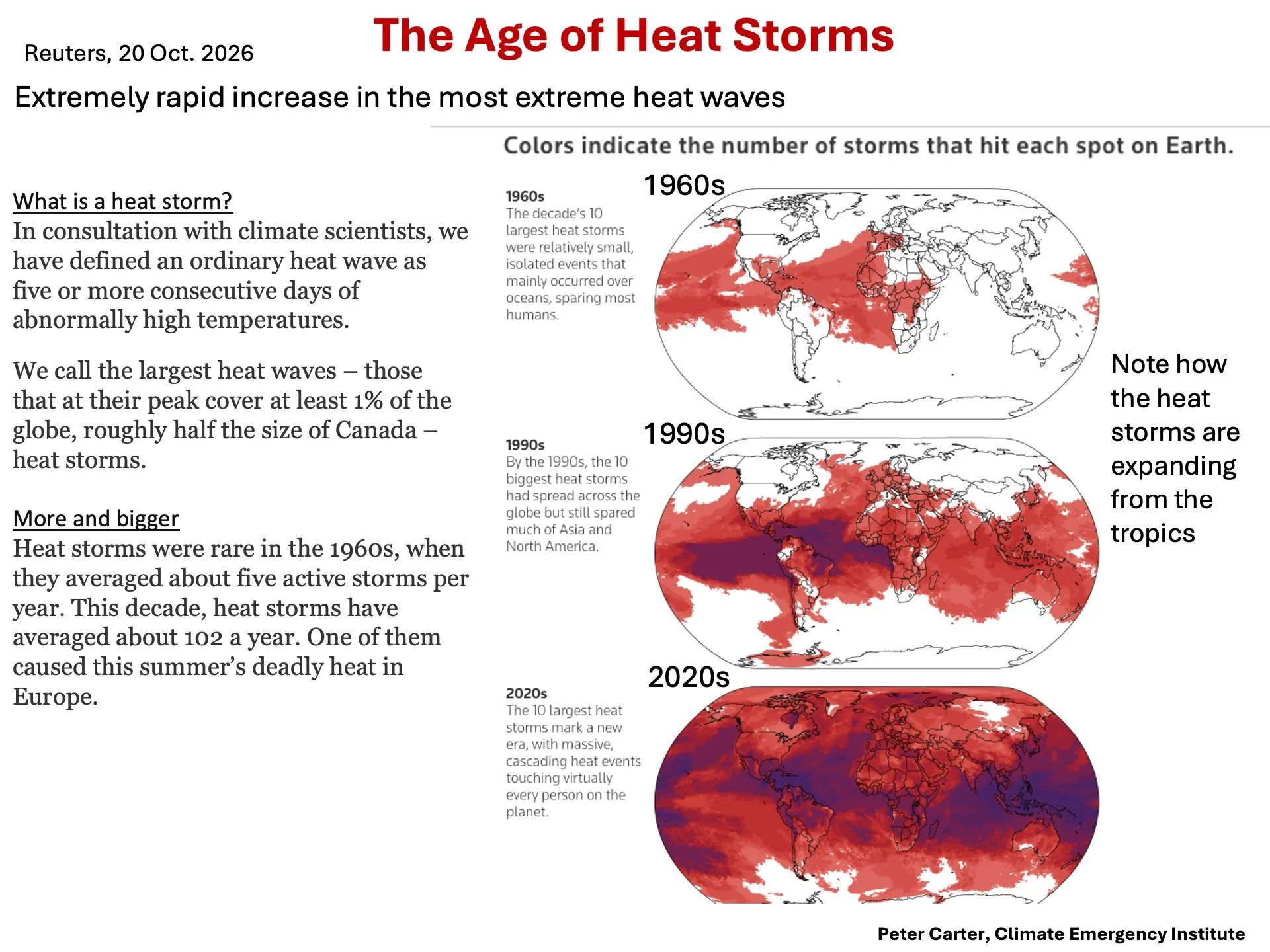
    A Reuters investigation describes these sprawling episodes as “heat storms”. The investigation analysed global temperature data dating back to 1960 and consulted two dozen meteorologists and climate researchers. It found that these events have become far more frequent and widespread over the decades.

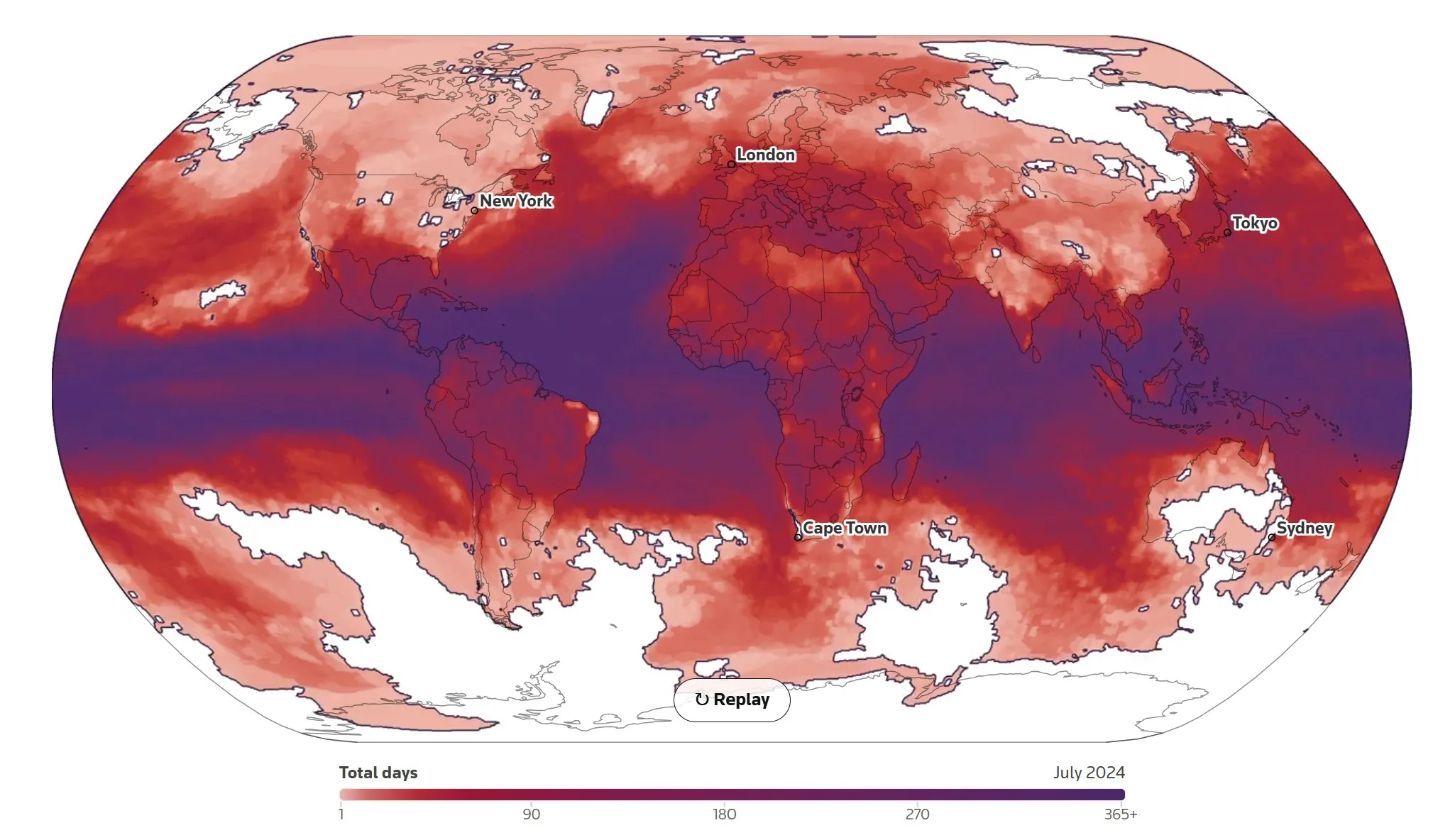
    The largest heatwave recorded in the 1960s covered about 6% of the planet for 46 days. In comparison, the largest event identified in the current decade covered nearly 85% of Earth’s surface at some point during its 367-day lifetime.

    The findings offer a way to understand climate change through something people experience directly; the heat around them.

    Also Read | Brazil election: Can Lula stop Flávio Bolsonaro’s march towards power?

    What exactly is a heat storm?

    Extreme heat storm threatens health, outdoor work, water supplies and agriculture | X (@PCarterClimate)
    Extreme heat storm threatens health, outdoor work, water supplies and agriculture | X (@PCarterClimate)

    A heat storm is not a new type of weather system officially recognised by meteorological agencies. It is a category developed by Reuters to describe unusually large heatwaves.

    The investigation defines a heatwave as five or more consecutive days of abnormally high temperatures. When one of these events covers at least 1% of Earth’s surface at its peak, we can classify it as a heat storm. That area is roughly half the size of Canada.

    The distinction is about scale, not just how high the temperature rises in one location. A city might experience extreme heat while other regions experience similar conditions at the same time. When these events spread across continents or reach distant parts of the world, they can become part of a much larger pattern.

    The category helps explain how extreme heat has changed and makes these vast events easier to track.

    An atmospheric recipe for trouble

    The investigation found a sharp rise in the frequency of these events. Heat storms averaged around five a year in the 1960s. In the current decade, the number has climbed to about 102 a year.

    The change has occurred alongside rising greenhouse gas emissions. Atmospheric carbon dioxide levels have increased by more than 30% since the 1960s. Over the same period, the average area of the planet covered by heatwaves and heat storms has increased more than twelvefold.

    Greenhouse gases trap heat in the atmosphere, pushing temperatures higher. Natural climate patterns also play a role.

    El Niño, a periodic warming of the Pacific Ocean, can intensify heatwaves and make already hot conditions worse. The investigation does not suggest that every heatwave has the same cause.

    Instead, it highlights how long-term global warming is creating conditions in which large-scale extreme heat events are more likely and more intense.

    India finds itself in rather hot water

    For India, the findings matter because extreme heat affects more than daily comfort. Severe heat can threaten human health, disrupt outdoor work and increase pressure on water supplies and agriculture.

    The risk also depends on how long high temperatures persist and whether people have access to cooling, safe drinking water and other essential services.

    The largest recorded heat storm, Vera, lasted 367 days between July 29, 2023, and July 29, 2024. It affected nearly 85% of the planet during its lifetime. The investigation linked this event to a range of impacts, including the deaths of Hajj pilgrims and damage to livelihoods in Ivory Coast.

    Overlapping heat storms have formed a continuous global sequence since July 6, 2008, with at least one event active somewhere on Earth throughout that period.

    These findings show the growing reach of extreme heat. However, the heat storm category measures the geographical scale of an event. It does not replace the India Meteorological Department’s local heatwave criteria or provide a standalone forecast for any Indian city.

    Also Read | Tesla changes FSD name in Europe, but is it really self-driving?

    One hot mess, on a planetary scale

    The term “heat storm” is Reuters’ analytical framework, rather than an official weather classification. Its purpose is to make an increasingly complex climate pattern easier to recognise.

    As Anthony Leiserowitz, director of the Yale Program on Climate Change Communication, said, naming events is “a powerful way for people to understand that something is happening”.

    The central finding is clear: extreme heat is no longer only a series of isolated local emergencies. It is part of a wider, connected pattern that can affect people, ecosystems and economies across large parts of the world.

    Understanding that pattern is an important step towards recognising the scale of the risk.

  • Marxist books at Durga Puja pandals? Attacks on Left bookstalls draw BJP, RSS criticism

    Marxist books at Durga Puja pandals? Attacks on Left bookstalls draw BJP, RSS criticism

    West Bengal’s Durga Puja celebrations have become the centre of a political controversy after Left parties alleged that their temporary bookstalls near puja pandals were vandalised at several locations.

    The allegations have drawn criticism from unexpected quarters, including West Bengal Finance Minister Swapan Dasgupta, a senior BJP leader, and Rashtriya Swayamsevak Sangh (RSS) leader Jishnu Basu.

    Both have defended the Left’s right to display and sell books, arguing that political and ideological differences cannot justify attacks on freedom of expression.

    Meanwhile, Chief Minister Suvendu Adhikari has continued to criticise the Communists, exposing a difference in approach within the broader BJP camp.

    Also Read | Who is Birendra Krishna Bhadra? The voice that awakens an entire civilization on Mahalaya every year

    Claims of damage

    The CPI(M), the Socialist Unity Centre of India (SUCI) and other Left parties have alleged that their bookstalls were damaged at several places across West Bengal.

    The locations reported include Jadavpur, Haridevpur, Rashbehari, Nagerbazar and Dhakuria in and around Kolkata, as well as Dinhata in Cooch Behar district and Shibpur in Howrah.

    There have been allegations that some stalls were demolished or set on fire.

    The Left has accused people allegedly aligned with the BJP and the saffron camp of targeting the stalls. However, these allegations should not be treated as proof of responsibility.

    BJP state president Samik Bhattacharya has denied that the party was involved, saying he did not believe a genuine BJP worker would destroy bookstalls. He also said the government would take necessary steps.

    The tradition of Left bookstalls

    For decades, left parties have set up temporary bookstalls near Durga Puja pandals. These stalls sell political publications, Marxist literature, progressive writing and other books.

    They also give party workers an opportunity to interact with visitors during Bengal’s biggest annual festival.

    Their presence reflects a distinctive part of the state’s political and cultural life. Durga Puja is primarily a religious and community celebration, but it is also a major public gathering.

    Political groups have used that space to share their ideas and publications. The Left argues that its bookstalls are part of this longstanding tradition and should not be excluded simply because its ideology differs from that of the ruling party.

    A war of words over the words for Puja

    The controversy predates the latest vandalism allegations. On September 10, Adhikari had urged Durga Puja committees not to allow CPI(M) bookstalls outside pandals if the party used the term Sharodotsav, meaning autumn festival, instead of Durga Puja.

    He argued that the alternative term diluted the festival’s religious significance and accused sections of the Left of selectively targeting Hindu traditions.

    The dispute has become a clash over how Durga Puja should be described, who should be allowed to participate in its public spaces, and whether political or religious differences should influence access to those spaces.

    Disagree with the book, not its right to exist

    Swapan Dasgupta has said that his ideological opposition to the Left does not mean its members should be prevented from selling books.

    “Yes, they are atheists, ideologically. But so what? I cannot support hooliganism on that excuse,” he said.

    He also expressed shame over the incidents while stating that he did not know who was responsible or what their political affiliations were.

    Jishnu Basu took a similar position. He said the CPI(M), CPI and SUCI had the right to set up bookstalls, provided their activities did not endanger anyone’s life.

    He also argued that vandalism undermined the principles of tolerance and freedom of expression associated with the broader Hindutva ideology.

    Also Read | West Bengal government plans Madrasah Service Commission merger with WBSSC

    Dispute heads to court

    The dispute has reached the courts. The CPI(M) has moved the Calcutta High Court over an alleged attempt by the Kolkata Municipal Corporation and police to remove its temporary bookstall in Jadavpur.

    The party has claimed that its application for permission had not been considered.

    Its lawyer said the matter was scheduled to be mentioned before the court’s vacation bench on October 22, seeking an urgent hearing.

  • Brazil election: Can Lula stop Flávio Bolsonaro’s march towards power?

    Brazil election: Can Lula stop Flávio Bolsonaro’s march towards power?

    Brazil is heading towards a closely contested presidential runoff, with incumbent Luiz Inácio Lula da Silva facing a serious challenge from conservative Senator Flávio Bolsonaro.

    The October 25 vote will determine whether Lula secures another term or former president Jair Bolsonaro’s political movement returns to power through his son.

    The first round on October 4 delivered an early advantage to Flávio, who secured 47% of the vote against Lula’s 45%. Neither candidate crossed the majority threshold needed to avoid a runoff.

    The result has intensified an already polarised contest, with crime, economic concerns and Brazil’s international relations emerging as key issues.

    Also Read | What is the International Criminal Court?

    Why is Lula facing a difficult election?

    Brazilian President Luiz Inácio Lula da Silva held a rally in support of his re-election campaign on Avenida Paulista in São Paulo on October 11, ahead of Brazil’s October 25 presidential runoff | X (@LulaOficial)
    Brazilian President Luiz Inácio Lula da Silva held a rally in support of his re-election campaign on Avenida Paulista in São Paulo on October 11, ahead of Brazil’s October 25 presidential runoff | X (@LulaOficial)

    Lula is confronting dissatisfaction among sections of the electorate, including lower-middle-class voters who might once have been expected to support his Workers’ Party.

    Lula performed better among the poorest voters than among the lower middle class.

    This group includes people living on the outskirts of major cities, evangelical voters and workers in the gig economy. Many depend on flexible jobs, including app-based driving and motorcycle deliveries.

    Some are concerned that tighter labour regulations could reduce their earnings or limit their independence.

    Flávio Bolsonaro has capitalised on this frustration. His campaign has presented him as a candidate for change, business growth and tougher action against crime.

    The message has gained traction even though analysts have questioned how specific his proposals are.

    The first-round result also points to the continued strength of the conservative movement associated with his father.

    Crime and jobs are central to the contest.

    Public safety has become one of the campaign’s most important battlegrounds. Bolsonaro has promised greater federal funding for municipalities to help tackle crime.

    On October 11, he met São Paulo Governor Tarcísio de Freitas and sought the backing of mayors and city councillors.

    Lula, meanwhile, speaking ahead of a rally on São Paulo’s Avenida Paulista, said, “For the working people, for the community, for the territory, protection; for criminals, prison.”

    The statement reflected an effort to challenge the right’s advantage on law-and-order messaging.

    Employment conditions are another major point of disagreement. Lula is making improved working conditions a key part of his campaign. A proposal under consideration in Brazil’s Congress would reduce the maximum standard working week from 44 hours to 40 hours and increase weekly paid days off from one to two.

    Flávio has criticised the proposal as opportunistic.

    The economy and US relations add to the stakes

    The election could also reshape Brazil’s relationship with Washington. The next president will need to manage trade ties with both the United States and China, Brazil’s leading trading partners.

    Tariffs, industrial development and access to critical minerals and rare earths are important parts of the debate for Brazilians.

    Lula has emphasised national sovereignty, multilateral cooperation and closer relations with the Global South, including the BRICS grouping.

    Flávio is expected to pursue closer ties with US President Donald Trump, whose political outlook is more closely aligned with the Bolsonaro family. That approach could improve cooperation with Washington, but it could also raise concerns about Brazil’s control over its strategic resources.

    The election has also spilt into the digital arena. Lula’s campaign accused Meta, the parent company of Facebook and Instagram, of restricting the reach of his content.

    Brazil’s Superior Electoral Court gave the company 48 hours to explain whether it had limited the distribution of Lula’s posts.

    Meta acknowledged technical problems but rejected the allegation of selective treatment, saying it complied with electoral rules and was committed to equal treatment across its platforms.

    Also Read | Tesla changes FSD name in Europe, but is it really self-driving?

    The last word belongs to the voters

    The final stretch will test how effectively both candidates can turn their political support into votes.

    Flávio enters the runoff with a first-round lead, while Lula is seeking to strengthen his appeal on jobs, public safety and social policy.

    On October 25, Brazilian voters will decide which vision should guide the country into the future.