Author: Poulomee Mangal

  • Kainchi Dham may limit daily visitors to 20,000-25,000 amid rising crowds

    Kainchi Dham may limit daily visitors to 20,000-25,000 amid rising crowds

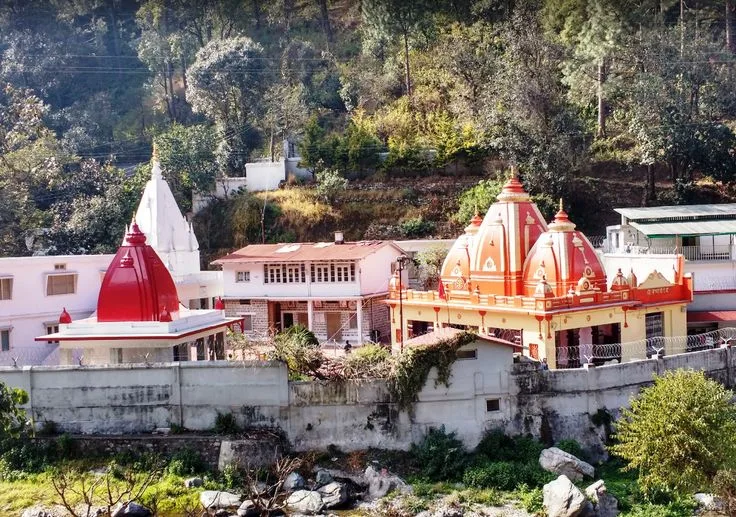
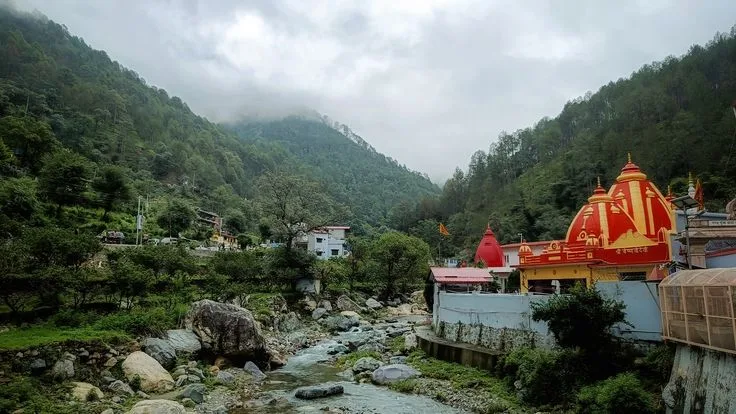
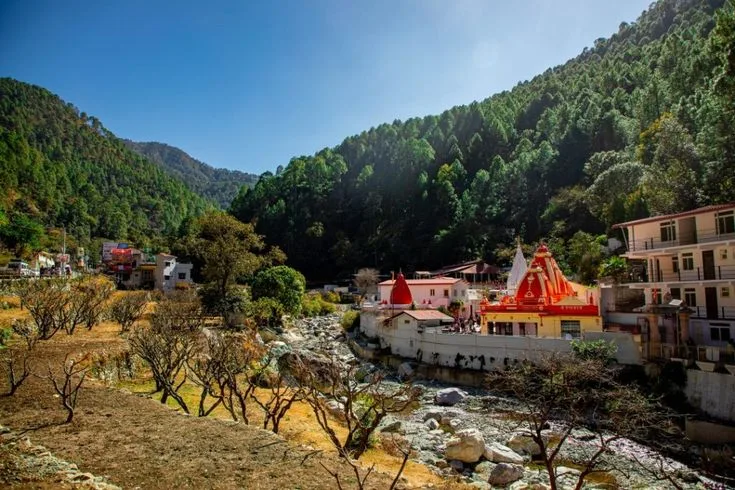
    Kainchi Dham, the Uttarakhand shrine associated with spiritual leader Neem Karoli Baba, may soon introduce a daily limit on the number of pilgrims allowed to visit. The Nainital district administration has proposed registering around 20,000 to 25,000 devotees a day as it looks for ways to manage the sharp rise in footfall and ease traffic congestion around the shrine.

    The proposal is expected to follow a system similar to the registration mechanism used for Uttarakhand’s Char Dham pilgrimage. Under the plan, devotees would have to register in advance before visiting Kainchi Dham. Once the daily registration target is reached, the portal could be closed for that particular day.

    The proposed figure is not a final cap yet. Officials are considering 20,000 to 25,000 visitors as a manageable number, but this could be revised depending on crowd conditions and the administration’s experience with the system.

    Why Kainchi Dham is facing a crowd surge

    The move comes after a dramatic increase in the number of people visiting the shrine. According to figures accessed by The Indian Express, Kainchi Dham received 24.34 lakh visitors during the first six months of 2026. In comparison, the shrine had received around eight lakh visitors during the entire previous year.

    The recent long weekend brought an even bigger rush. The administration normally expects around 25,000 visitors a day, but the daily footfall crossed 35,000 during the long weekend beginning October 2. Other reports put the crowd at more than 50,000 at its peak, highlighting the scale of the pressure on the small hill destination.

    The sudden rise in visitors has also affected roads connecting Kainchi with Bhowali, Bhimtal and Mukteshwar. Pilgrims travelling to the shrine share these roads with local residents and people heading towards other parts of Kumaon. As the number of vehicles increased, traffic remained stuck for hours.
    kainchi dham | X

    The surge has been linked partly to the end of the monsoon season, when more visitors begin travelling to the hills. Officials have also pointed to the popularity of Hanuman Ansh, a film based on the life and teachings of Neem Karoli Baba, as one factor behind the shrine’s growing popularity among younger visitors.

    Registration may help manage pilgrims and traffic

    At present, devotees can visit Kainchi Dham without registering beforehand. The proposed system would give the administration an estimate of how many people are expected to arrive on a particular day. This would allow officials to plan traffic movement, parking, shuttle services and security arrangements accordingly.

    Also Read | Kolkata Durga Puja 2026 traffic guide: Which roads to avoid

    The administration is also considering alternative routes to reduce the pressure on the road leading to the shrine. One important project is the 18-km Ratighat bypass, which could divert through traffic travelling towards Almora, Ranikhet and Kausani away from the Kainchi stretch.
    kainchi dham | X

    Around 8 km of the bypass has already been surfaced, while work remains on another 10 km. The state government is considering an estimate of Rs 21 crore for surfacing the remaining portion. If the proposal is approved, officials expect the road could become operational within four to six months.

    The administration is also examining whether the temple’s opening hours can be changed. One proposal is to open the shrine at 4 am instead of the current 6 am, although any change would need to be discussed with the temple committee because it is involved in decisions concerning the shrine’s timings and rituals.

    The registration portal itself could take about a month to develop once the government approves the proposal. Officials are expected to first test the system during weekends before considering its use during other periods of heavy footfall.

    Also Read | Yellowstone removes 20,000 items from hot springs: See the bizarre finds

    For now, the proposed visitor cap is part of a larger crowd-management plan aimed at balancing the growing popularity of Kainchi Dham with the needs of pilgrims, local residents and travellers using the roads through the Kumaon hills.
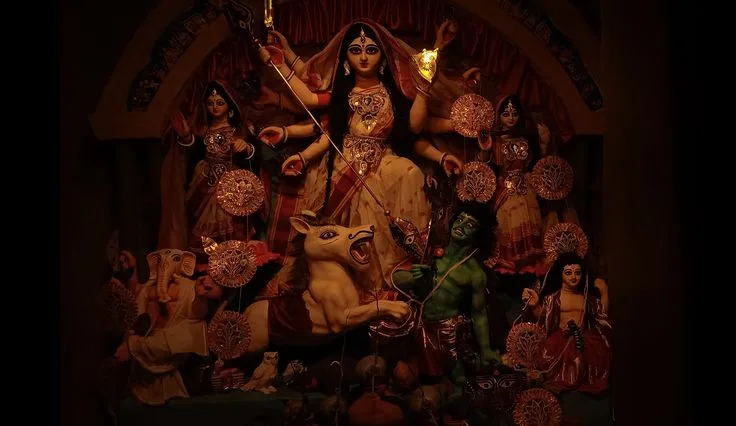
  • Kolkata Durga Puja 2026 traffic guide: Which roads to avoid

    Kolkata Durga Puja 2026 traffic guide: Which roads to avoid

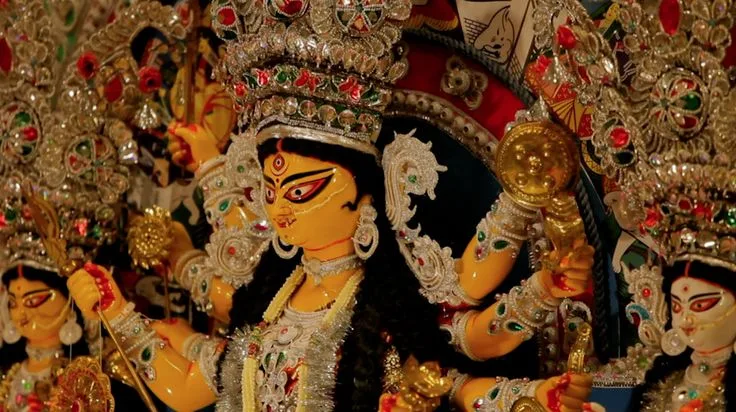
    Durga Puja means late-night pandal hopping for millions of people in Kolkata, but the festive rush also brings some of the city’s toughest traffic restrictions of the year. With crowds expected across north, central and south Kolkata, the police have prepared an extensive traffic plan covering road closures, diversions, one-way routes and restrictions on goods vehicles.

    The arrangements begin around Mahalaya and continue through the Puja days and immersion period. Several roads will become pedestrian-only zones during peak hours, while bus and auto routes will also change in parts of the city.

    Mahalaya brings the first major restrictions

    Special traffic arrangements will be in place on Mahalaya, October 10, particularly around the Ganga ghats as large numbers of people are expected to arrive for bathing and tarpan.

    Heavy goods vehicles will not be allowed within the Kolkata Police jurisdiction from 3am to 10pm. Vehicles carrying essential supplies such as LPG, oxygen, medicines, milk, vegetables, fruits and fish will be exempt from the restriction.

    There will also be restrictions around Strand Road and St George’s Gate Road. Auckland Road will be closed during the specified period, while traffic at several northern crossings will be regulated.

    Commuters heading towards central Kolkata should therefore expect diversions, especially around the riverfront and roads connecting the major ghats.

    Also Read | Yellowstone removes 20,000 items from hot springs: See the bizarre finds

    Puja days bring pedestrian zones and one-way roads

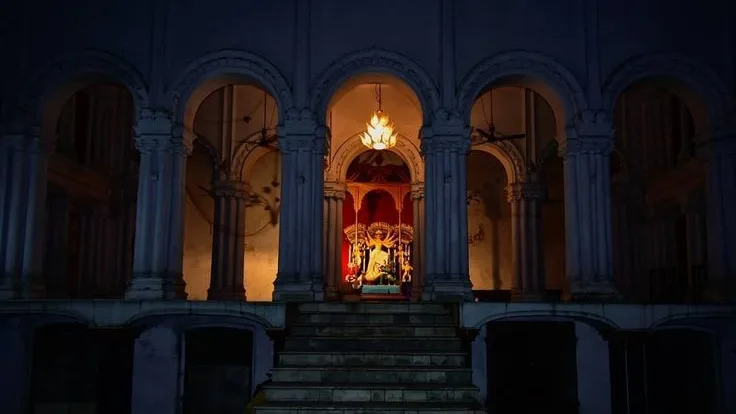
    Durga idol | IG

    From Tritiya on October 13 to Navami on October 19, traffic restrictions will become more extensive. Goods vehicles will face restrictions during different time windows on each Puja day, with the curbs extending into the early hours of the following morning. Essential-service vehicles will continue to receive exemptions.

    The biggest change for pandal hoppers will be the creation of pedestrian zones. From the afternoon onwards, several roads near major Puja destinations will be closed to regular vehicular traffic, allowing people to move on foot.

    In north Kolkata, restrictions will affect roads including B.K. Paul Avenue, Arvind Sarani, Garpar Road, Kailash Bose Street and North Sealdah Road. Central Kolkata will see restrictions around areas such as Akhuru Dutta Lane, Kalutola Street, Dixon Lane and Muktaram Babu Street.

    Also Read | This remote archipelago has 4,000 people and millions of wild neighbours

    Several roads in south and south-east Kolkata will also be affected, including stretches around Dover Lane, Ekdalia, Kalighat, Lake Road, Deshapriya Park and Tilak Road.

    One-way systems will also be introduced on several important roads. Rabindra Sarani, Bidhan Sarani and Raja Rammohan Roy Sarani are among the routes where traffic movement will be regulated in specific directions. Tram services on some stretches will also be curtailed.

    South Kolkata traffic and public transport changes

    Durga idol | IG

    Those planning to visit popular Puja destinations in south Kolkata will need to be particularly careful about route changes. Park Street and Shakespeare Sarani will have one-way arrangements during specified hours, while restrictions will also affect areas around Gariahat, Rashbehari and Kalighat.

    Traffic approaching Gariahat from Rashbehari Avenue will face restrictions, with vehicles directed towards the Gariahat flyover instead. Auto-rickshaw movement will also be restricted on parts of Rashbehari Avenue and connecting roads.

    The police have additionally planned diversions for several bus routes to keep vehicles away from the busiest pandal zones. Routes including 37, 47, 47A, 240, 13C, 234, 33 and 204/1 will be affected by changes.

    For those planning to spend the night pandal hopping, the safest option will be to check the route restrictions before leaving home and avoid taking a car into the busiest Puja neighbourhoods.

  • Why Goddess Lakshmi entered the ocean after Durvasa’s curse

    Why Goddess Lakshmi entered the ocean after Durvasa’s curse

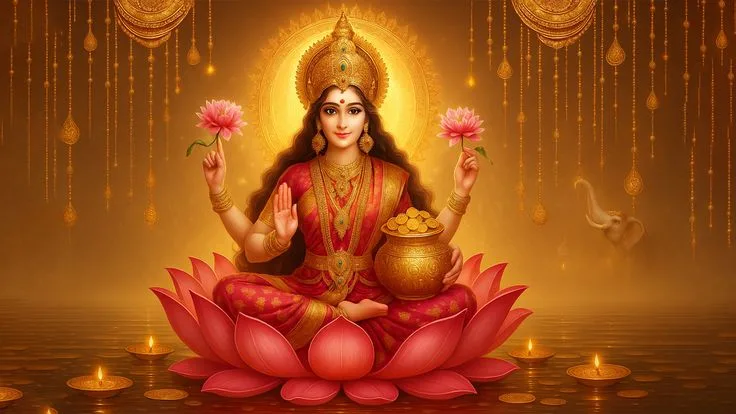
    Goddess Lakshmi is widely worshipped as the deity of wealth, prosperity and good fortune. She is traditionally associated with Lord Vishnu and is often depicted seated on a lotus. But Hindu mythology also contains stories of a time when Lakshmi left the heavenly realm and took refuge beneath the ocean.

    One such story connects her departure to the anger of Sage Durvasa. According to this account, an incident involving a divine garland, Lord Indra and his elephant Airavata eventually led to Lakshmi leaving the celestial world. Her absence had a dramatic effect on heaven, which was said to lose its prosperity and splendour.

    How Durvasa’s curse changed the fate of Lakshmi

    The story begins when Sage Durvasa presented Indra with a garland of Parijata flowers. The garland was not an ordinary gift. It carried divine significance and was meant to be treated with respect.

    However, according to the Anandabazar account, Indra threw the garland towards his elephant Airavata. The elephant then trampled the garland under its feet. Durvasa was deeply offended by what he saw as an insult to the sacred gift.

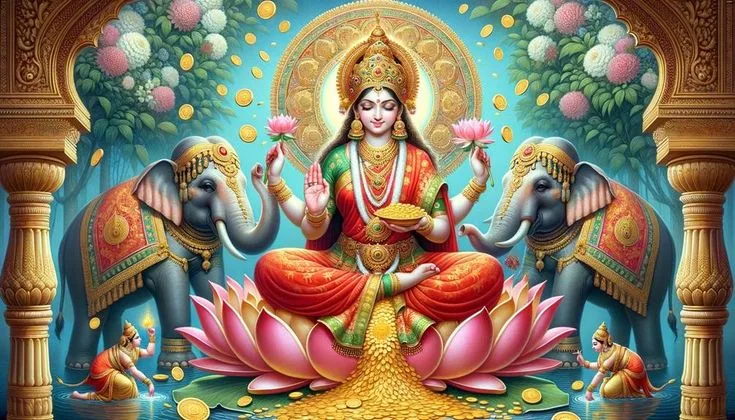
    Representational image of Ma lakshmi | Ai generated

    The sage became furious and pronounced a curse. Interestingly, in this version, the curse was directed at Goddess Lakshmi rather than simply at Indra. Durvasa declared that heaven would become deprived of Lakshmi.

    With Lakshmi’s departure, the prosperity and brilliance of the celestial world disappeared. Heaven, which had once been associated with wealth, abundance and splendour, was suddenly described as being without the goddess of fortune. Lakshmi’s presence was said to have moved into the depths of the ocean.

    The episode is also linked to the larger story of the Samudra Manthan, or churning of the cosmic ocean. The churning brought several extraordinary objects and beings into existence, including the deadly poison and the nectar of immortality. It was during this episode that Lakshmi returned and was reunited with Vishnu.

    Another story says Lakshmi entered the sea for Vishnu

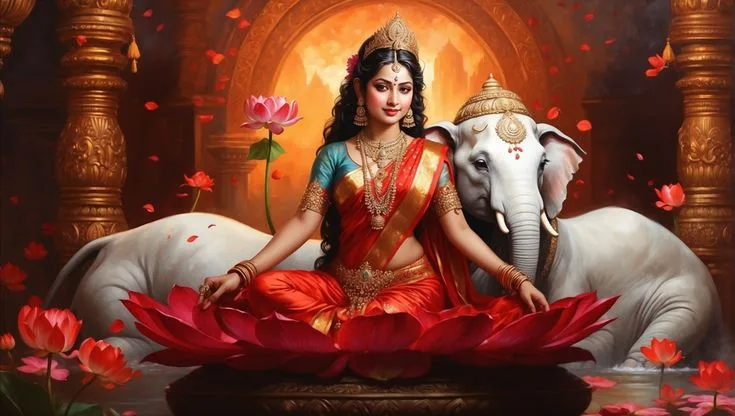
    Representational image of Ma lakshmi | Ai generated

    Also Read | Kalevala how one epic bridged Finland and Karelia

    There is, however, another account that gives Lakshmi’s time beneath the ocean a very different meaning.

    The Skanda Purana describes Lakshmi entering the ocean to perform intense penance because she wanted Narayana, or Vishnu, as her husband. Rather than being simply a consequence of a curse, her stay in the ocean is presented as part of her spiritual quest. She is said to have remained there for years, undertaking severe penance while waiting for Narayana.

    During this period, several gods are said to have approached Lakshmi in disguise. They wished to win her over, but Lakshmi asked them to reveal their universal form. According to the story, this was something only Vishnu could do.

    Eventually, Narayana appeared before Lakshmi and revealed his true form. The other gods were unable to meet her condition and had to leave. Lakshmi ultimately married Narayana, establishing the divine union between Lakshmi and Vishnu that is central to Hindu tradition.

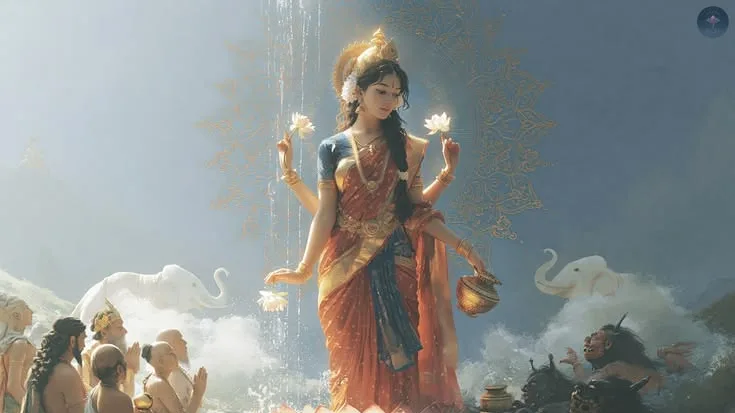
    Representational image of Ma lakshmi | Ai generated

    Also Read | Ravana and Surpanakha: The unusual Raksha Bandhan bond

    The Hindu mythology

    These different versions show how Hindu mythology can preserve more than one explanation for the same divine figure or event. In one account, Lakshmi’s disappearance from heaven is tied to Durvasa’s anger and Indra’s disrespect towards a sacred gift. In another, her presence inside the ocean is connected to her penance and desire to marry Vishnu.

    Together, the stories explain the recurring association between Lakshmi, the ocean, prosperity and the divine union with Vishnu, while also showing how different Puranic traditions can offer distinct versions of the same myth.

  • Dhruv Rathee detained in Gurugram ahead of CJP protest

    Dhruv Rathee detained in Gurugram ahead of CJP protest

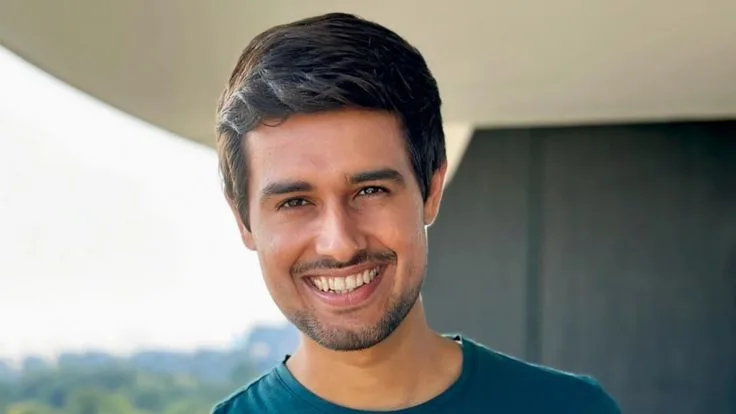
    Dhruv Rathee a Germany-based Indian YouTube was detained by Delhi Police from his Gurugram residence , ahead of the Cockroach Janta Party’s planned protest at Jantar Mantar against Chief Election Commissioner Gyanesh Kumar.

    Rathee had returned to India to take part in the CJP-led demonstration. His detention came as police stepped up action against several leaders and supporters ahead of the protest in the national capital. The development has brought the YouTuber, who is known for his political commentary, back into the centre of a political controversy.

    Rathee has built a sizeable following through videos on politics, current affairs and social issues. His political content drew particular attention during the 2024 Lok Sabha election, when several of his videos received millions of views and generated considerable discussion online.

    Rathee detained ahead of Jantar Mantar protest

    Rathee was among the prominent faces associated with the CJP’s planned protest against Gyanesh Kumar. According to Hindustan Times, he was detained from his Gurugram home on Saturday morning as police action intensified ahead of the demonstration.

    The protest was organised by the Cockroach Janta Party, with the party targeting the Chief Election Commissioner. Rathee’s decision to return to India and join the demonstration added another high-profile name to the protest.

    The detention also comes amid a wider series of developments surrounding the CJP protest, with several of the party’s leaders and supporters being detained by police before they could reach the planned protest venue.

    Also Read | Delhi High Court backs visa denial to US sex offender

    Rathee’s presence at the demonstration was significant because of his large digital audience and his long-running involvement in political commentary. His videos have frequently focused on government policies, political claims and issues that generate public debate.

    From travel videos to political commentary

    Rathee did not begin his YouTube career as a political commentator. Born in Rohtak, Haryana, on October 8, 1994, he pursued higher education in mechanical engineering and renewable energy at Germany’s Karlsruhe Institute of Technology.

    He began creating YouTube content in 2014, initially concentrating mainly on travel videos. His channel gradually moved towards fact-checking, current affairs and political subjects. His approach of using visuals, research and relatively simple explanations helped him build an audience beyond the usual followers of political commentary.

    His political videos became particularly prominent around the 2024 Lok Sabha election. Several election-related videos received millions of views, turning Rathee into one of the more recognisable political voices on India’s digital platforms.

    His work has also attracted criticism, with his political positions and interpretation of public issues regularly debated online. Supporters view his videos as an accessible way of understanding complicated political subjects, while critics have questioned his conclusions and approach.

    Also Read | India bullet train delayed again: Why the Mumbai-Ahmedabad project is stuck

    Despite the controversies surrounding his content, Rathee’s reach has continued to grow. In 2023, TIME magazine included him in its Next Generation Leaders list. He currently has more than 30 million YouTube subscribers, around 19.4 million Instagram followers and about 3.3 million followers on X, according to Hindustan Times.

    His detention ahead of the CJP protest therefore comes at a time when online creators have become increasingly involved in India’s political conversations. Rathee’s return to India for the demonstration, followed by his detention in Gurugram, has added another prominent episode to his increasingly political public profile.

  • Ravana and Surpanakha: The unusual Raksha Bandhan bond

    Ravana and Surpanakha: The unusual Raksha Bandhan bond

    Raksha Bandhan is usually associated with stories of affection, protection and the enduring bond between brothers and sisters. Indian mythology has several famous sibling pairs whose relationships are remembered for loyalty and love. But not every story of brotherhood and sisterhood is built around goodness or virtue.

    The Ramayana gives us one of the most unusual examples in Ravana and Surpanakha. Both are remembered as antagonists, yet their relationship is marked by deep loyalty and a strong sense of attachment. Their story offers a darker interpretation of the bond that Raksha Bandhan celebrates.

    Ravana, the powerful king of Lanka, and his younger sister Surpanakha are often presented as two sides of the same personality. Unlike mythological sibling pairs where one character represents good and the other evil, both Ravana and Surpanakha are associated with violence, anger, desire and revenge. Their similarities make their relationship particularly striking.

    Ravana and Surpanakha were more than just siblings

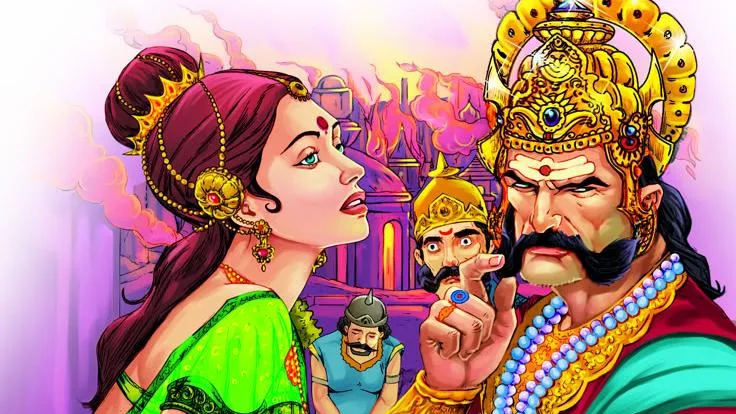
    Representational image of Ravana and Surpanakha | Ai generated

    According to the Ramayana tradition discussed in the original article, Ravana and Surpanakha shared a bond that was different from their relationships with their other siblings, including Kumbhakarna and Vibhishana. They were both strong-willed and fiercely ambitious, with personalities driven by powerful emotions.

    Ravana was known not only as the king of Lanka but also as a great scholar and a figure who had received extraordinary powers. Surpanakha, meanwhile, is described in the tradition as possessing magical abilities, including the power to change her form.

    Their similarities went beyond their powers. Both were driven by ego and had little hesitation in pursuing what they wanted. Their relationship could therefore be seen as that of two people who understood each other’s temperament because they shared many of the same qualities.

    Yet their bond was not free from complications. Their affection for each other existed alongside anger, rivalry and revenge. That combination makes their story very different from the idealised image of sibling relationships often associated with Raksha Bandhan.

    Representational image of Ravana | Ai generated

    Also Read | Kalevala how one epic bridged Finland and Karelia

    How Surpanakha’s humiliation led to war

    The turning point came when Surpanakha encountered Rama and Lakshmana. After her advances were rejected, Lakshmana cut off her nose. Humiliated and furious, Surpanakha returned to Ravana and told him what had happened.

    Her expectation was clear: she wanted her brother to act against those who had humiliated her.

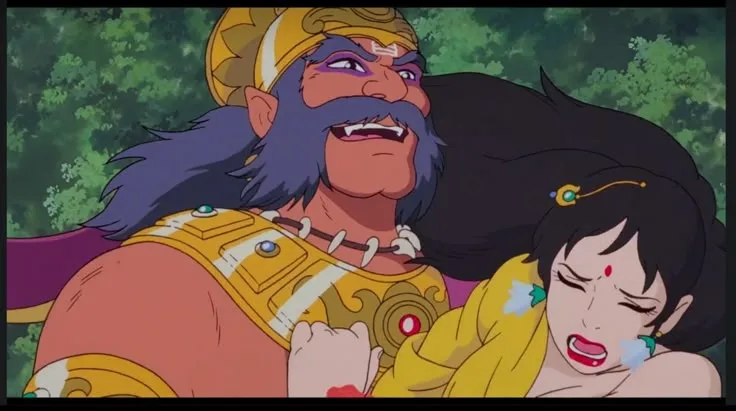
    Ravana’s response was shaped by his affection for his sister as well as his own anger. He eventually decided to take revenge on Rama and Lakshmana. This set in motion the events that led to the abduction of Sita and, ultimately, the war between Rama and Ravana.

    In this sense, the relationship between Ravana and Surpanakha becomes part of the larger chain of events that drives the Ramayana towards its central conflict.

    There is also another strand of folklore that offers a very different explanation. One version suggests that Ravana had killed Surpanakha’s husband, leading her to secretly seek revenge against her own brother. She allegedly used Rama and Lakshmana as instruments in that plan because she believed Rama was capable of defeating Ravana.

    Representational image of Ravana and Surpanakha | Ai generated

    Also Read | Why is NASA’s Moon mission named Artemis? The story behind it

    This version is not the dominant account of their relationship, but it adds another layer to the story and shows how mythology can contain different traditions and interpretations.

    The bond of brother and sister

    At its heart, the Ravana-Surpanakha story is about a complicated form of sibling loyalty. They may represent the darker side of mythology, but their attachment to each other remains strong. Ravana’s decision to act after Surpanakha’s humiliation shows how family loyalty can become powerful enough to influence even the course of a larger conflict.

    For Raksha Bandhan, the story offers an unusual reminder that sibling bonds in mythology are not always simple stories of heroes and villains. Love, loyalty, anger, revenge and protection can exist together, making Ravana and Surpanakha one of the most striking brother-sister pairs in the Ramayana tradition.

  • Kalevala how one epic bridged Finland and Karelia

    Kalevala how one epic bridged Finland and Karelia

    The epic Kalevala, is much more than a collection of ancient myths and heroic tales. Nearly 200 years after its first publication, the national epic of Finland Kalevala continues to tell the story of a cultural world shared by two closely related peoples, the Finns and Karelians.

    The work, which runs to nearly 23,000 lines, was first published in 1835 by Finnish physician and folklore collector Elias Lönnrot. It was not an entirely original literary creation. Lönnrot travelled through Finland and Karelia, collecting traditional songs and poems that had been passed down orally for generations. He then shaped this material into a connected epic.

    That history makes the Kalevala unusual. It is celebrated as a symbol of Finnish national culture, but many of the songs and stories that form its foundation came from Karelia, a region now divided between Finland and Russia.

    Representational image of Kalevala | Ai generated

    A shared culture divided by history

    Finland and Karelia have long been home to communities with closely related languages, traditions and folklore. Their geographical landscape of forests, lakes, marshes and farmland helped shape a distinctive oral culture in which stories were preserved through singing.

    However, the two communities developed under different political powers. Finland came under Swedish rule and was influenced first by Roman Catholicism and later Lutheranism. Karelia came under Russian rule and developed stronger connections with Orthodox Christianity.

    Wars between Sweden and Russia repeatedly turned the region into a battlefield. Yet political divisions did not erase the cultural similarities between Finns and Karelians. Folk singers continued to preserve stories about mythical heroes, supernatural powers and a distant legendary past.

    These oral traditions eventually became the raw material for Lönnrot’s Kalevala.

    One of the epic’s most famous stories revolves around the Sampo, a mysterious magical object capable of producing whatever its owner desires. The heroes Väinämöinen, Ilmarinen and Lemminkäinen become involved in an attempt to take the Sampo from Pohjola, the northern land ruled by Louhi. The struggle ultimately destroys the magical object and its promise of prosperity.

    The epic also contains stories of creation, magic, death, resurrection and heroic journeys. Its distinctive poetic rhythm later influenced writers beyond Scandinavia, including American poet Henry Wadsworth Longfellow.

    Representational image of Kalevala | Ai generated

    How the Kalevala became a symbol of Finnish identity

    Lönnrot’s work appeared at a crucial moment in Finnish history. In 1809, Russia acquired Finland after another conflict with Sweden, turning Finland into an autonomous grand duchy under the Russian Empire. This political situation gave Lönnrot an opportunity to travel through areas where Finnish and Karelian oral traditions survived.

    The Kalevala eventually became important to a growing Finnish sense of national identity. At a time when Finland was caught between larger political powers, the epic offered stories, characters and traditions that could be presented as distinctly Finnish and Karelian rather than Swedish or Russian.

    History behind Kalevala

    During the 19th century, Russian authorities increasingly pursued policies aimed at Russifying Finland and other parts of the empire. Finnish artists and intellectuals responded by drawing on their own cultural traditions. The Kalevala became an important source of inspiration.

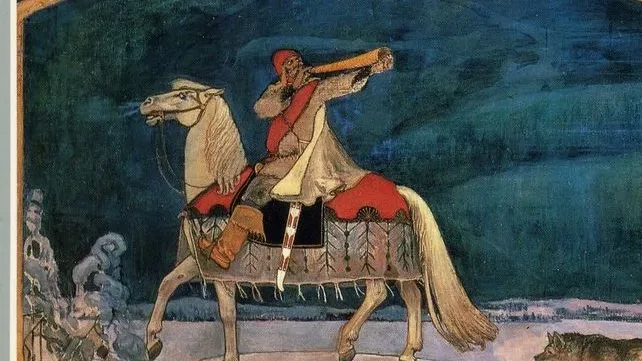
    Painter Akseli Gallen-Kallela used its stories and characters in several major works, while composer Jean Sibelius drew on the epic for his 1896 Lemminkäinen Suite, also known as Four Legends from the Kalevala. These artistic adaptations helped carry the epic beyond folklore and literature into painting, music and the wider cultural imagination.

    Finland eventually declared independence in 1917 following the Russian Revolution. But the history of the region remained turbulent. Conflicts, shifting borders and population movements continued to affect both Finns and Karelians.

    Also Read | Why is NASA’s Moon mission named Artemis? The story behind it

    Representational image of Kalevala | Ai generated

    Under Soviet rule, many Karelian communities experienced Russification, assimilation and migration. Karelian speakers became a small minority in the Republic of Karelia, while another Karelian population remained in Finland.

    For a period after the collapse of the Soviet Union in 1991, the Finnish-Karelian border again became a place of cultural exchange. Organisations worked to preserve the heritage associated with the Kalevala, while musicians and artists continued to find inspiration in its mythology.

    That period of openness has since changed. Finland joined NATO in 2023, and following Russia’s invasion of Ukraine, tensions along the Finnish-Russian border increased. Finland closed its land border with Russia indefinitely in December 2023 and began strengthening parts of the frontier.

    The Kalevala therefore carries a meaning that goes beyond its myths. It is a literary monument shaped by oral traditions from two closely connected cultures, but also a reminder of how political borders can divide communities whose cultural histories remain intertwined.

    Representational image of Kalevala | Ai generated

    Also Read | 5 Indian animals steeped in mythology, folklore and tradition

    The Kalevala day

    Every year on February 28, Finland observes Kalevala Day, also known as the Day of Finnish Culture. The date marks the completion of the first edition of Lönnrot’s epic. Nearly two centuries after its publication, the Kalevala remains both a cornerstone of Finnish identity and a record of a cultural heritage that stretches across the modern Finnish-Karelian border.

  • Craving rolls this Puja? 7 Kolkata spots for their authentic chicken and mutton rolls

    Craving rolls this Puja? 7 Kolkata spots for their authentic chicken and mutton rolls

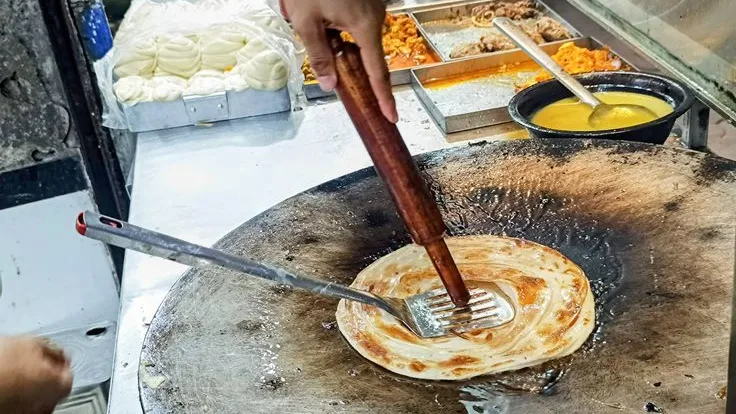
    Durga Puja in Kolkata, is as much about food as it is about pandal hopping. After walking through crowded streets, standing in queues and visiting one puja mandap after another, a filling roll can be an easy way to take a break.

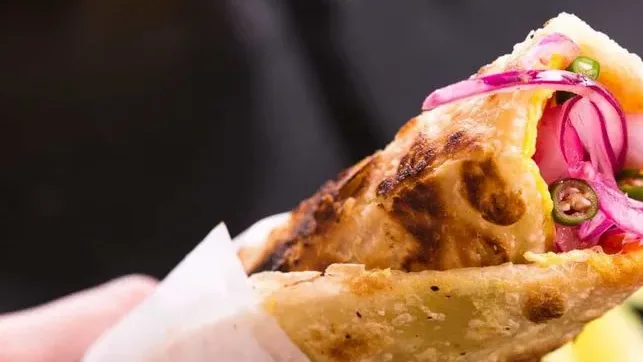
    The appeal of Kolkata’s roll is simple. A crisp paratha, often coated with egg, is packed with kebab or meat, sliced onions, lemon, green chilli and sauces. It is filling, easy to eat while walking and available in countless combinations.

    If chicken and mutton are your preferred fillings, these seven addresses are worth keeping in mind while planning your Puja food trail.

    Nizam’s and Badshah remain New Market favourites

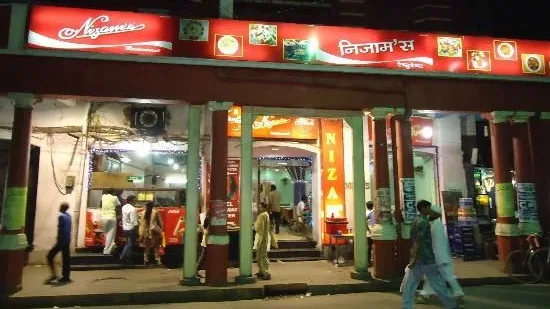
    Nizam’s, Kolkata, X

    Nizam’s, New Market

    Few names are as closely associated with Kolkata’s kathi roll as Nizam’s. The New Market institution has been serving rolls since 1932 and is widely associated with the early history of the kathi roll. The restaurant is known for wrapping kebabs inside paratha, with the later use of skewered kebabs giving the roll its familiar name.

    The egg-chicken kathi roll is a good place to start. Those with a bigger appetite can try the double egg-chicken or egg-mutton roll. An egg-aloo roll is another option. Rolls start at around Rs 100, and during Puja, Nizam’s remains open until late at night.

    Badshah, New Market

    A short walk from Nizam’s is Badshah, another long-standing name in the New Market food circuit. The restaurant is particularly known for its mutton kathi roll, with the Badshahi mutton kebab roll being one of its popular choices.

    Roll making in Kolkata, X

    There are plenty of alternatives for chicken lovers too, including double chicken cheese, chicken tikka and chicken reshmi rolls. Prices start from around Rs 70, while the Badshahi mutton kathi kebab roll costs Rs 265, according to the source.

    Kusum Rolls, Park Street

    For many Kolkata food lovers, Park Street’s Kusum Rolls is almost synonymous with kathi rolls. The shop has been serving rolls for around 55 years and offers a wide selection.

    Chicken, mutton, paneer, mushroom, cheese and even liver can be used as fillings. The menu has roughly 20 to 22 varieties, with prices ranging from around Rs 50 to Rs 250. During Puja, the shop stays open till midnight, making it a convenient stop after evening pandal hopping.

    Also Read | How costly is Rashmika Mandanna’s ‘MS Blue’ sari? Check the price

    From Bagbazar to Park Circus, these rolls are worth a stop

    Nilachal, Bagbazar

    North Kolkata has its own roll favourite in Nilachal. While the restaurant is known for dishes such as fish kachuri, its rolls have a following too.

    The mutton shami kebab roll and Afghani roll are among the options worth trying. Nilachal also serves a fish roll made with vetki filling. Chicken-egg, chilli chicken, butter chicken and hot garlic chicken rolls are available as well. The mutton shami kebab roll costs around Rs 240, while the vetki fish roll is priced at Rs 199.

    Bedouin, Gariahat

    For those exploring South Kolkata, Bedouin is another familiar name. The Gariahat outlet is known for its egg rolls and offers around 10 to 12 varieties.

    kusum rolls
    kusum rolls, kolkata, X

    The mutton galouti kebab roll is one of the choices, while the egg-fish tikia roll is a more unusual option. It is particularly suited to those who want something different from the usual chicken or mutton filling. The shop remains open from morning until past midnight during Puja.

    Aminia, Jessore Road

    Aminia may be better known for biryani, but its rolls also attract food lovers. Among its different outlets, the Jessore Road branch is particularly noted for its roll selection.

    The mutton roll is a popular pick, while the menu also includes egg-mutton kathi, egg-chicken kathi, double mutton and paneer rolls. Prices range roughly between Rs 50 and Rs 200.

    Also Read | Khushbu Sundar’s weight loss journey: Why portion size matters

    Zeeshan, Park Circus

    End your roll trail at Park Circus with Zeeshan’s egg-mutton boti roll. The restaurant is also known for options such as egg-mutton brain fry, brain roll and double egg-mutton tikia roll.

    The egg roll starts at around Rs 40, while most other varieties remain within Rs 150. The Park Circus outlet stays open until around 2 am, making it an option for those returning late after Puja pandal hopping.

    So, whether the Puja plan takes you through New Market, Park Street, Bagbazar, Gariahat or Park Circus, there is likely to be a roll waiting somewhere along the route. Just remember to leave some room in your food trail for one more bite.

  • 5 Indian animals steeped in mythology, folklore and tradition

    5 Indian animals steeped in mythology, folklore and tradition

    In India, animals have long occupied a place beyond the natural world. They appear in stories about gods and goddesses, are associated with particular festivals and rituals, and often represent qualities such as strength, wisdom, fertility and protection.

    Indian mythology has created a close connection between wildlife and the sacred. Some animals are described as divine companions or vehicles of gods, while others appear as powerful beings in their own right. These stories have also influenced the way generations of people have viewed animals in everyday life.

    Here are five animals that have particularly strong links with Indian mythology.

    Elephants are associated with Ganesha and Airavata

    The elephant has one of the strongest mythological identities in India. The most familiar association is with Lord Ganesha, the elephant-headed deity worshipped as the remover of obstacles and the god of wisdom, beginnings and prosperity.

    According to the popular story, Ganesha was beheaded by Shiva after a confrontation. Shiva later restored his life by replacing his head with that of an elephant. The story has made the elephant an enduring symbol of intelligence, strength and renewal.

    Illustration of animals | X

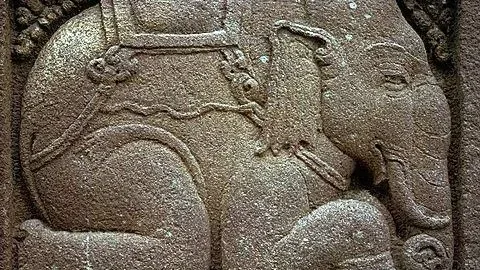
    Elephants also appear in the mythology surrounding Indra, the king of the gods. His celestial mount, Airavata, is described as a magnificent white elephant that emerged during the churning of the cosmic ocean.

    Because of these associations, elephants have traditionally been linked with royalty, power, rain and prosperity. Their presence in temple processions and religious festivals continues to reflect this cultural importance.

    The tiger represents Durga’s power

    The tiger is another animal closely connected with Hindu religious imagery. Goddess Durga is commonly depicted riding a tiger as she battles evil forces.

    The animal represents physical strength, courage and uncontrolled power, while Durga’s command over it suggests that strength can be guided by wisdom and purpose.

    The association has also contributed to the tiger’s special place in Indian culture. The animal may be feared as a predator, but it has simultaneously been treated with a degree of reverence because of its connection with the goddess.

    This mixture of fear, respect and religious symbolism has helped make the tiger one of the most recognisable animals in Indian cultural traditions.

    Illustration of animals | X

    Snakes are linked with Shiva and Vishnu

    Few animals have a more complicated place in Indian mythology than the snake. While snakes can inspire fear, Hindu traditions also associate them with divine power, protection and the forces of nature.

    The Nagas, often described as serpent-like or semi-divine beings, appear throughout Indian mythology. They are associated with water, fertility, protection and subterranean realms.

    One of the best-known images is that of Lord Vishnu reclining upon Shesha, the cosmic serpent. Shiva is also frequently depicted wearing snakes around his neck and body.

    Snakes are especially prominent during Nag Panchami, when they are worshipped in several parts of India. The festival reflects a broader cultural idea of respecting creatures that people may otherwise regard as dangerous.

    The cow represents abundance and motherhood

    Illustration of animals | X

    The cow has a particularly important place in Indian religious and cultural traditions. In mythology, it is often associated with nourishment, motherhood, abundance and generosity.

    One of the best-known divine cows is Kamadhenu, described in Hindu mythology as a wish-fulfilling cow capable of providing what is needed. She is therefore associated with prosperity and abundance.

    Lord Krishna’s childhood and youth also strengthened the cultural connection between cows and pastoral life. Krishna is traditionally portrayed as a cowherd, with cows forming an important part of stories surrounding his life in Vrindavan.

    Also Read | Dragon Ball and the ancient Chinese mythology that inspired Akira Toriyama

    These associations have contributed to the cow’s revered status in many Hindu communities and have also influenced customs and debates surrounding the treatment of the animal in modern India.

    The peacock carries several divine associations

    India’s national bird, the peacock, also appears prominently in Hindu mythology.

    The bird is associated with Lord Kartikeya, also known as Murugan, whose mount is traditionally depicted as a peacock. In this context, the bird is connected with victory and the overcoming of negative qualities such as pride and desire.

    Peacock feathers have another famous association with Lord Krishna. He is frequently shown wearing a peacock feather in his crown, linking the bird with beauty, playfulness and divine love.

    Illustration of animals | X

    The peacock’s striking appearance has made it a natural subject for symbolism and religious art. Its presence in mythology gives the bird a significance that goes beyond its distinctive plumage, turning it into an enduring symbol of beauty and transformation.

    When mythology and wildlife meet

    These five animals show how closely India’s ideas about nature have been tied to mythology for centuries. Elephants, tigers, snakes, cows and peacocks are not simply recurring figures in old stories. Their associations with gods, festivals and religious traditions have helped shape the cultural identities attached to them.

    Also Read | Mythology of white Hindus and the Western gaze on Hinduism

    Mythology does not replace the biological reality of these animals, but it adds another layer to the way they are understood. A tiger becomes more than a predator when it is seen beside Durga; an elephant becomes more than a large mammal when its image is connected with Ganesha and Airavata.

    That relationship between belief, storytelling and the natural world continues to influence how these animals are represented and remembered in India today.

  • Dragon Ball and the ancient Chinese mythology that inspired Akira Toriyama

    Dragon Ball and the ancient Chinese mythology that inspired Akira Toriyama

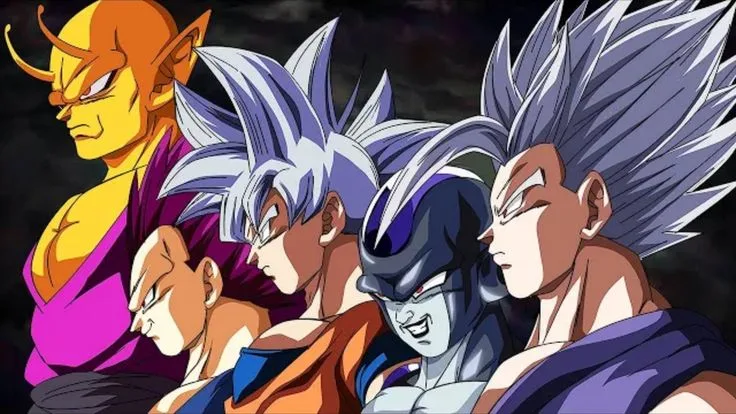
    Long before Dragon Ball became one of the world’s most recognisable anime franchises, its basic idea was connected to a centuries-old Chinese literary tradition. Akira Toriyama did not simply create a martial arts adventure from scratch. He borrowed characters, themes and ideas from Journey to the West, the famous Chinese novel traditionally attributed to Wu Cheng’en, and reworked them into a fast-moving manga filled with martial arts, comedy and fantasy.

    The connection is especially visible in the original Dragon Ball manga. However, it is important to describe the relationship as an inspiration rather than a direct retelling. Toriyama took the framework of the older story and transformed it into something distinctly his own. He once described his intention as creating a kind of “modern Saiyuuki”, with Saiyuuki being the Japanese name for Journey to the West.

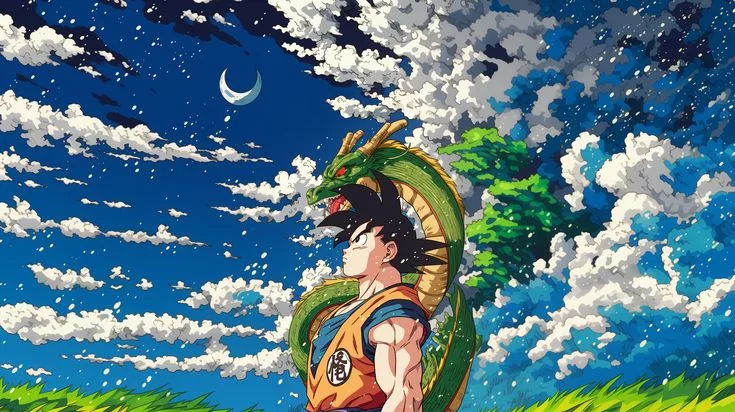
    Illustration of Dragon ball

    Goku is Toriyama’s version of the Monkey King

    The strongest connection is between Son Goku and Sun Wukong, the legendary Monkey King.

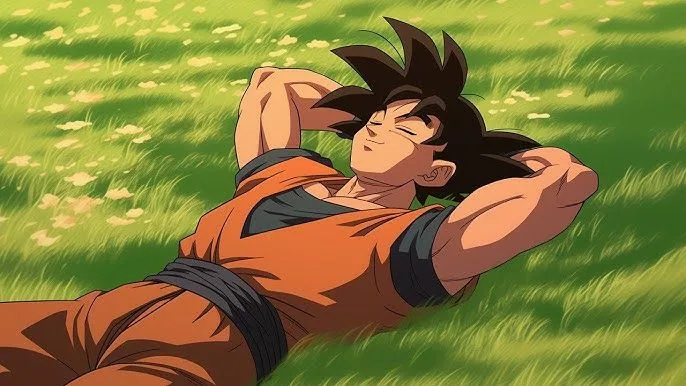
    Even Goku’s Japanese name, Son Goku, is derived from Sun Wukong. Both characters are extraordinary fighters with supernatural abilities, a mischievous personality and a strong appetite for adventure. Early Dragon Ball also gave Goku several features that immediately recalled the Monkey King, including a magical staff and a flying cloud.

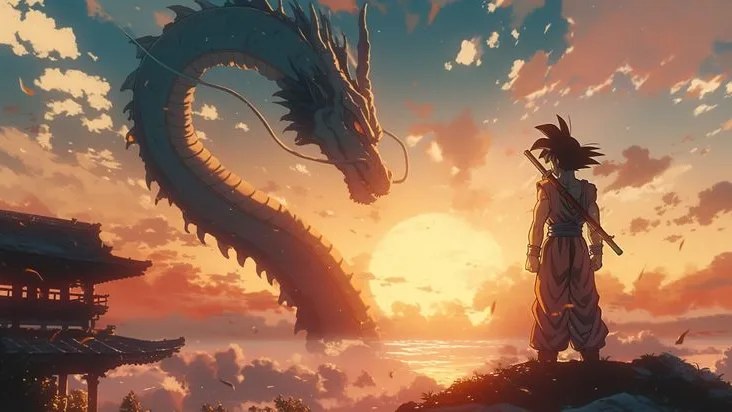
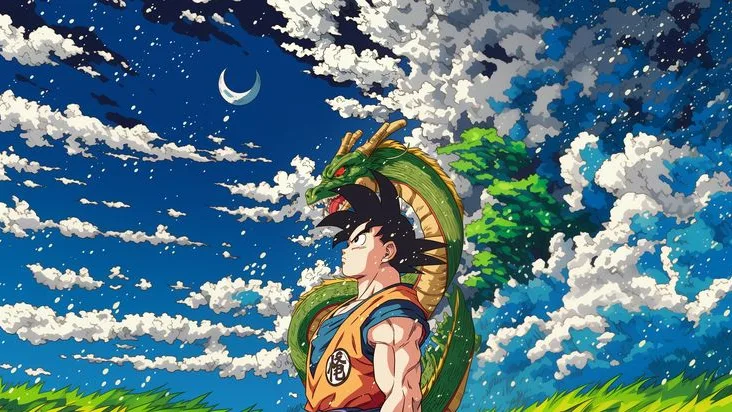
    Sun Wukong’s famous weapon is the Ruyi Jingu Bang, a staff capable of changing its size. Goku’s Power Pole serves a similar purpose. The Monkey King also travels on a magical cloud, while Goku rides the Flying Nimbus.

    There is another striking parallel in their ability to transform. Sun Wukong possesses numerous transformations, while young Goku can turn into a gigantic ape under the full moon. These similarities helped establish Goku as a modern reinterpretation of one of Chinese mythology’s most famous heroes.

    Illustration of Dragon Ball

    Bulma, Oolong and Yamcha have roots in the ancient journey

    Goku is not the only early Dragon Ball character connected to Journey to the West.

    Bulma is loosely based on Tang Sanzang, also known as Tripitaka, the Buddhist monk at the centre of the original pilgrimage. The gender and personality are radically different, but Bulma occupies a similar structural position as Goku’s companion during the early search for the Dragon Balls.

    Also Read | Mythology of white Hindus and the Western gaze on Hinduism

    Oolong has a much clearer connection. The shape-shifting pig is inspired by Zhu Bajie, one of Tang Sanzang’s companions. Zhu Bajie is known as a comic, flawed character, and Oolong similarly provides much of the humour in the early story.

    Yamcha, meanwhile, draws from Sha Wujing, another member of the pilgrimage party. Yamcha begins Dragon Ball as a desert bandit before gradually becoming one of Goku’s allies.

    The early Dragon Ball adventure itself also echoes Journey to the West. Instead of travelling across Asia to obtain Buddhist scriptures, Goku and his companions travel in search of seven magical Dragon Balls.

    Illustration of Dragon Ball

    The influence goes beyond the main characters

    Other parallels can be found throughout the franchise, although they should not all be treated as confirmed one-to-one adaptations.

    Tien Shinhan is often associated with Erlang Shen, a powerful deity who battles Sun Wukong in Journey to the West. Master Roshi has also been linked to the sage Subodhi, who teaches Sun Wukong supernatural abilities in the Chinese classic. The Ox-King and Chi-Chi similarly have parallels with the Bull Demon King and Princess Iron Fan.

    At the same time, Dragon Ball draws from a much wider range of Asian cultural influences. Toriyama was heavily influenced by Hong Kong martial arts cinema, particularly films starring Jackie Chan. He wanted to combine the adventurous structure of Journey to the West with kung fu and a more contemporary manga style.

    Illustration of Dragon Ball

    How Toriyama transformed an ancient epic

    What makes Dragon Ball interesting is not simply that Toriyama borrowed from an old story. It is the way he changed it.

    The religious pilgrimage became a treasure hunt. A Buddhist monk became a teenage inventor. A legendary Monkey King became a cheerful martial artist. Ancient supernatural adventures were mixed with capsules, spaceships, tournaments and science fiction.

    Also Read | Why does Mahalaya mark Goddess Durga’s arrival? The myth and meaning behind the ritual

    The result was not a reproduction of Journey to the West. It was a new work built from an old cultural foundation.

    That is why the mythology behind Dragon Ball remains so fascinating. Millions of viewers may have first encountered Goku as a young martial artist, but beneath his story lies one of China’s most influential literary traditions. Toriyama took that centuries-old material, reshaped it for a modern audience and helped carry elements of Asian mythology into global pop culture.

  • This remote hotel in Spain requires a handwritten letter to make a booking

    This remote hotel in Spain requires a handwritten letter to make a booking

    Booking a hotel usually takes only a few minutes. Pick the dates, enter your details, make the payment and wait for the confirmation email. But at El Elevador, a secluded retreat on Spain’s Canary Islands, guests have to put their phones and laptops aside even before their stay begins.

    The unusual property does not have an online booking calendar or a conventional reservation process. Anyone hoping to stay there must first write a handwritten letter to the hotel.

    Located on the volcanic island of El Hierro, El Elevador is designed for travellers looking for a break from the constant pace of digital life. The property has no WiFi, television or mobile phone service, making the slow booking process part of the experience itself.

    Hotel El Elevador in spain | IG

    Guests have to write before they can book

    At El Elevador, sending an email or filling out an online form is not enough. Prospective guests have to write a physical letter explaining why they want to visit the property and what they hope to find during their time on El Hierro.

    The hotel considers each enquiry individually, and every letter receives a handwritten response. The process can take several weeks, with no instant confirmation or regular online updates to tell applicants how their request is progressing.

    For travellers used to receiving a booking confirmation within seconds, the wait can feel unusual. But that is precisely the point. The hotel has deliberately kept the reservation process slow and personal.

    If the request is accepted, the handwritten reply contains a private booking link. This is the only digital part of the reservation process. Guests can then select their dates and complete the booking.

    Hotel El Elevador in spain | IG

    A remote stay on Spain’s El Hierro island

    El Elevador is situated on El Hierro, the westernmost of Spain’s Canary Islands. The island lies in the Atlantic Ocean, off the coast of Africa, and is known for its volcanic landscape.

    The hotel itself sits on the edge of a volcanic cliff overlooking the Atlantic. It was created from a 70-year-old water pumping station and retains much of the stark character of the original structure.

    Inside, the accommodation follows a similarly simple design. The space uses concrete, stone and earthy tones, while high-quality linens and locally sourced provisions add comfort without taking away from its minimalist character.

    No WiFi, television or mobile service

    The absence of technology is one of the defining features of the stay. El Elevador does not offer WiFi, television or cellular service.

    Instead, guests are surrounded by the island’s landscape and the sound of the Atlantic. The property also includes vintage pieces of technology, including a Remington typewriter and a Hasselblad camera.

    Hotel El Elevador in spain | IG

    Also Read | Why does Japan have a ‘Tomb of Christ’? Inside Shingo’s mystery

    The setting is equally striking. El Elevador overlooks a barren, reddish landscape shaped by an ancient pāhoehoe basalt flow. The volcanic terrain and open ocean give the property a distinctly isolated feel.

    The accommodation is intentionally small and can host only two people at a time.

    The booking process matches the hotel’s philosophy

    For most hotels, convenience is a major part of the booking experience. El Elevador takes the opposite approach.

    The handwritten letter means guests have to slow down before they even reach the island. There is no instant availability check, no automatic email confirmation and no quick way to reserve a room at the last minute.

    Hotel El Elevador in spain | IG

    Also Read | Work from forest? Keralam’s SHOLA workation brings WFH to nature

    That may seem inconvenient, but for a property built around disconnecting from digital life, the process fits the concept. The journey to El Elevador begins with putting pen to paper and waiting.

    For travellers seeking a quiet escape rather than a conventional hotel holiday, the unusual reservation system may be part of the attraction. By the time guests finally arrive on El Hierro, they have already experienced the slower pace that defines the property.