Author: Poulomee Mangal

  • Mythology of white Hindus and the Western gaze on Hinduism

    Mythology of white Hindus and the Western gaze on Hinduism

    Hinduism has been studied, interpreted and debated by scholars across the world for centuries. Yet the way Hindu traditions are understood in the West has often been shaped by a particular set of ideas about India, religion and society.

    In his essay on the “mythology of white Hindus”, Devdutt Pattanaik looks at the complicated relationship between Hinduism and Western scholars, academics and converts. His argument is not simply about whether Western interpretations of Hinduism are correct or incorrect. Instead, it raises questions about who gets to explain a religion, which parts of it are given importance and how those interpretations influence the way Hinduism is understood today.

    The subject also touches upon India’s long relationship with colonialism. Even after political independence, the intellectual influence of the West has remained significant. There can be a tendency to consider an outsider’s interpretation more objective, while an Indian believer may be seen as too close to the tradition to study it critically.
    Two contrasting Western views of Hinduism

    Pattanaik discusses two broad ways in which Hinduism has been approached by Western writers.

    The first is the academic approach. Scholars study Hindu texts and traditions through subjects such as caste, gender, politics, social hierarchy and power. Thinkers such as Wendy Doniger, Sheldon Pollock and Richard Eaton have examined different aspects of Indian religious and cultural history.

    Such scholarship often questions familiar interpretations of Hindu stories. Myths and religious traditions may be examined through the experiences of women, lower-caste communities or other groups whose voices have traditionally received less attention.

    This approach can offer a different way of looking at well-known stories and historical developments. At the same time, Pattanaik questions whether a framework based heavily on conflict, oppression and power can capture the full complexity of Hindu traditions.
    Also Read | Why does Mahalaya mark Goddess Durga’s arrival? The myth and meaning behind the ritual

    The second approach is almost the opposite. It comes from Westerners who have embraced Hinduism and often present ancient India in highly positive terms.

    Some writers have portrayed India as an ancient centre of wisdom and civilisation and have argued that many important ideas originated in India. These interpretations can become part of a larger attempt to reclaim India’s ancient past and challenge Western accounts of Indian history.

    For Pattanaik, both approaches are shaped by the assumptions of the people interpreting Hinduism. One may look at the tradition primarily through social conflict, while another may present an idealised picture of ancient India.

    The influence of Western converts

    The relationship becomes even more interesting when Westerners do not merely study Hinduism but become part of its religious and cultural institutions.

    Over the years, several Western seekers were drawn towards Indian gurus, yoga, Vedanta, theosophy and other spiritual traditions. Some rejected the organised religions they had grown up with and found in Indian philosophies an alternative way of understanding spirituality.

    Figures such as Helena Blavatsky and Sister Nivedita became part of the wider history through which Indian spiritual ideas travelled beyond the country. Their work also shows that Western engagement with Indian traditions was not limited to academic books. It could involve education, religious organisations, social work and the creation of new institutions.

    This interaction also changed how some Hindu organisations presented themselves. Ideas of structure, organisation and clearly defined missions became more prominent in certain modern religious movements.
    Also Read | Before Greek myths became Hollywood blockbusters, they were weapons of political parody

    But Hinduism has never been one neatly organised system. It contains numerous philosophies, rituals, gods, regional traditions and competing interpretations. A practice that is central in one part of India may be unfamiliar elsewhere.

    That diversity is important to Pattanaik’s argument. When Hinduism is explained through a single framework, whether it is entirely critical or entirely celebratory, something of that complexity can get lost.

    The larger question, therefore, is not whether Westerners should study or embrace Hinduism. It is about recognising that every interpretation comes with its own cultural background and assumptions.

    The debate over the “mythology of white Hindus” ultimately points towards a broader question about authority. Who has the right to define Hinduism, and whose interpretation is treated as authentic? For a tradition as diverse as Hinduism, the answer may be more complicated than any single scholarly or religious interpretation suggests.
  • Before Greek myths became Hollywood blockbusters, they were weapons of political parody

    Before Greek myths became Hollywood blockbusters, they were weapons of political parody

    Greek mythology has travelled a remarkably long distance. Stories that began as ancient tales of gods, monsters and heroes have been retold in books, television shows and films for generations.

    Christopher Nolan’s film The Odyssey is the latest example of Hollywood returning to one of the best-known epics of the ancient world.

    But long before Greek mythology reached modern cinema, its characters were being used for another purpose: making fun of politicians.

    In 18th-century Britain, political caricaturists turned familiar figures from Greek mythology into tools of satire. Artists used heroes such as Hercules and mythological characters such as King Midas to portray contemporary politicians as powerful, foolish, greedy or inexperienced.

    The practice was part of a much longer tradition of adapting ancient stories for new audiences. Greek myths never had a single, fixed version. Their stories existed in different forms and could be reshaped depending on the storyteller and the audience. That flexibility made them particularly useful to artists looking to comment on contemporary events.

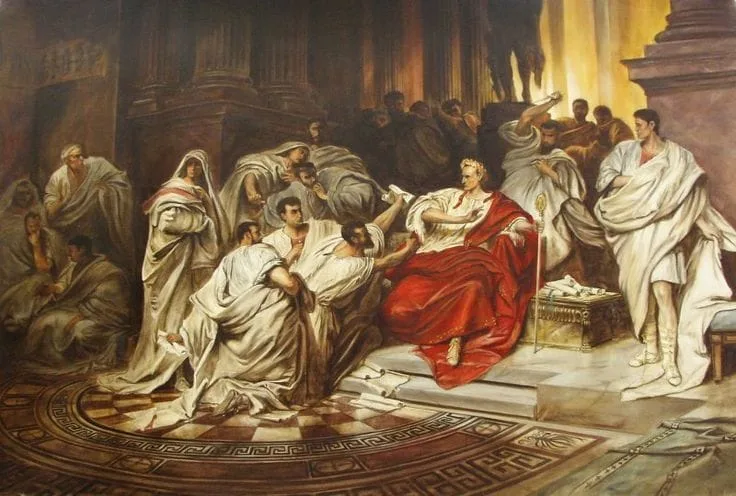
    representational image of ancient Greek courts| Ai generated
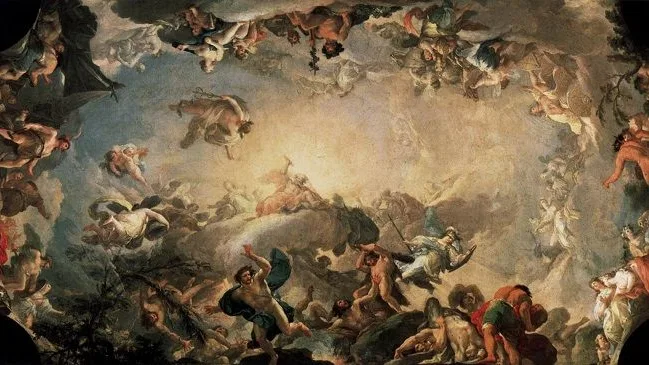
    representational image of ancient Greek courts| Ai generated

    When Greek mythology became political satire

    The 18th century saw a renewed interest in ancient Greek and Roman culture through the movement known as Neoclassicism. Knowledge of classical mythology was particularly associated with education and the cultural elite.

    Political caricaturists, however, helped take those references beyond the classroom.

    Artists such as James Gillray and Thomas Rowlandson became well known for their political caricatures. Others, including William Dent, produced more direct and sometimes cruder political jokes.

    Their work was not simply created for private amusement. Satirical prints were commercial products. Single-sheet illustrations, often hand-coloured, were sold to the public, displayed and discussed. They functioned as entertainment while also commenting on the political personalities and controversies of the time.

    Also Read | Sita, Draupadi and the forgotten voices being reclaimed through mythology

    Greek mythology gave these artists a ready-made visual language.

    A politician could be represented as Hercules to suggest strength. King Midas could represent greed because of his famous ability to turn everything he touched into gold. A Hydra could represent a problem that seemed difficult to defeat.

    The audience did not necessarily need a lengthy explanation. The myths already carried meanings that many people recognised.

    Pitt, Fox and Sheridan became characters in a visual political drama

    Among the politicians repeatedly featured in these caricatures were Charles James Fox, William Pitt and Richard Brinsley Sheridan.

    Their public personalities became familiar through repeated depictions. Fox was portrayed as a fashionable socialite and gambler, while Pitt was often represented as serious, reserved and somewhat stiff. Sheridan was caricatured through references to his financial troubles and drinking.

    representational image of ancient Greek courts| Ai generated
    representational image of ancient Greek courts| Ai generated

    Once their personalities were established in the public imagination, artists could place them inside well-known mythological stories.

    One example was Thomas Rowlandson’s The Infant Hercules. The caricature presents the young William Pitt as Hercules, fighting two serpents representing Fox and Lord North.

    At first glance, Pitt appears to be the heroic figure. But there was another joke hidden in the image.

    Pitt was shown not as a fully grown Hercules but as an infant. This allowed Rowlandson to comment on Pitt’s age and political inexperience. Pitt became prime minister in 1783 when he was only 24.

    The image also alluded to Pitt’s political family background. His father, William Pitt the Elder, had also served as prime minister. The symbolism therefore worked on several levels: Pitt was presented as a young political force while the image also hinted at the influence of his father’s legacy.

    Also Read | Was Ravana evil? The Ramayana’s complicated story of power and consent

    Representational image of ancient Greek courts
    Representational image of ancient Greek courts | Ai generated

    King Midas became a symbol of political greed

    James Gillray used another famous Greek myth to make a political point about Pitt.

    In the ancient story, King Midas is granted the ability to turn everything he touches into gold. What initially appears to be a gift soon becomes a curse.

    In the image, Pitt is presented as Midas, turning what he touches into paper money. The caricature was connected to criticism of Pitt’s taxation policies and portrayed him through the familiar association of Midas with greed.

    Gillray also gave Pitt the donkey’s ears traditionally associated with Midas. The addition made the political joke more pointed by linking Pitt to foolishness as well as greed.

    The myth therefore allowed the artist to communicate a political argument without spelling it out in words. The audience already knew the story of Midas, so the transformation of a politician into the mythological king immediately carried a particular meaning.

    The Odyssey also became material for political jokes

    Greek mythology was not limited to depictions of power and greed. Characters from Homer’s Odyssey were also adapted for political caricature.

    In Homer’s epic, the nymph Calypso keeps Odysseus on her island. The story was later reworked by caricaturist Charles Williams in The Modern Calypso.

    representational image of ancient Greek courts| Ai generated
    representational image of ancient Greek courts| Ai generated

    The caricature places Richard Brinsley Sheridan in the role of Mentor, the friend of Odysseus, alongside Calypso. Sheridan is shown surrounded by wine, creating a political joke based on contemporary perceptions of his drinking.

    Here, the mythological story was not the real subject. It was the framework through which the artist could make a contemporary political comment.

    Why did these jokes work?

    The biggest advantage of mythology was that it allowed caricaturists to communicate complicated ideas quickly.

    A political print could work at different levels.

    Someone unfamiliar with the details of Greek mythology could still understand the basic visual joke. A young politician appearing as an infant, for instance, could immediately suggest inexperience. A politician with donkey ears could be understood as an insult even without knowing the complete story of Midas.

    For viewers familiar with classical mythology, however, the same image offered another layer of meaning.

    That made mythological caricatures particularly effective. The artist could rely on stories that already existed in the cultural imagination instead of explaining every political argument from scratch.

    The prints could also function as entertainment. They were sold in shops, displayed publicly and discussed in places such as streets and coffee houses. Political satire could therefore travel alongside popular culture.

    representational image of ancient Greek courts| Ai generated
    representational image of ancient Greek courts| Ai generated

    From hand-coloured prints to Hollywood screens

    The connection between ancient mythology and modern entertainment is therefore older than cinema.

    Today, Greek myths continue to be adapted for contemporary audiences through films, television, novels and popular retellings. Stephen Fry’s modern retellings and Disney’s Hercules are examples of how ancient stories have been reshaped for newer generations. Nolan’s The Odyssey continues that tradition on a much larger cinematic scale.

    The medium may have changed, but the basic idea remains similar.

    An ancient story can be taken out of its original context and given a new meaning. The same myth can speak differently to different generations because its characters and conflicts are flexible enough to accommodate contemporary concerns.

    That may be one reason Greek mythology has survived for thousands of years. These stories have never been completely fixed. They have always been retold, reinterpreted and adapted. up

    The 18th-century caricaturists understood that power. They took heroes, villains and monsters from ancient Greece and placed them into the political world of their own time.

    Centuries later, filmmakers are doing something remarkably similar. The technology has changed from hand-coloured prints to giant cinema screens, but the appeal of Greek mythology remains the same: old stories can acquire new meanings when each generation tells them again

  • Want glowing skin before festive season? Try Ananya Panday’s three-ingredient homemade face pack

    Want glowing skin before festive season? Try Ananya Panday’s three-ingredient homemade face pack

    The festive season is almost around the corner, and with the festive season comes the usual rush to get glowing, fresh-looking skin. While facials, clean-ups and salon treatments are popular choices before the celebrations, Bollywood actor Ananya Panday reportedly prefers keeping her skincare routine simple.

    Instead of frequently relying on facials or treatments at a skin clinic, actor Ananya Pandey uses homemade face pack made with just three ingredients commonly found in the kitchen: yogurt, honey and turmeric.

    For an actor who often has to wear makeup for shoots and public appearances, skincare can be an important part of maintaining healthy-looking skin. But her homemade remedy is far simpler than an elaborate beauty routine or any clinical apppointment. The three ingredients are mixed together to make a quick face pack that can be applied at home.

    The combination is used for its potential skin benefits, particularly hydration, gentle exfoliation and the soothing properties associated with turmeric.

    Ananya Pandey | IG
    Ananya Pandey | IG

    Why are yogurt, honey and turmeric used together?

    Each ingredient in the face pack has a different role.

    Honey is a natural moisturizing element, which means it can help attract and retain moisture on the skin. This can leave the skin feeling softer and less dry. Honey is also known for its antimicrobial properties and has been studied for its potential role in supporting skin affected by inflammation and acne.

    The second ingredient, yogurt, contains lactic acid. Lactic acid is an alpha hydroxy acid (AHA) and can work as a gentle exfoliant, helping loosen dead skin cells from the surface. This can make the skin feel smoother and look fresher. Yogurt also has moisturising properties, making it a common ingredient in homemade skincare remedies.

    Then comes turmeric, a traditional ingredient in Indian beauty and skincare practices. Turmeric contains curcumin and other compounds with antioxidant and anti-inflammatory properties. It is often used in homemade packs to help give the skin a fresher appearance.

    The turmeric can help with acne, pigmentation and uneven skin tone. However, these claims should not be treated as a guaranteed result from a homemade face pack. Skin concerns such as persistent acne, pigmentation or dermatitis may require appropriate dermatological treatment.

    Ananya Pandey uses homemade face pack
    Ananya Pandey uses homemade face pack| IG

    How to make Ananya Panday’s homemade face pack

    The recipe is fairly simple and requires only three ingredients.

    Take 2 tablespoons of yogurt in a clean bowl. Add half a tablespoon of honey and a pinch of turmeric powder. The turmeric can also be replaced with a small amount of freshly ground raw turmeric, as mentioned in the source report.

    Mix everything thoroughly until you get a smooth paste.

    Before applying the pack, cleanse your face properly and pat it dry. Apply a thin, even layer of the mixture to the face and leave it on for around 15 to 20 minutes. Once it has dried or settled on the skin, wash it off gently with water.

    Also Read | Is your heart on the left or centre? 7 facts that may surprise you

    The source recommends using the pack twice a week.

    What can this face pack do for your skin?

    The appeal of this homemade remedy lies in the combination of three different types of ingredients. Yogurt provides lactic acid for gentle exfoliation, honey can help retain moisture, while turmeric is traditionally associated with soothing and antioxidant properties.

    Ananya Pandey | IG
    Ananya Pandey | IG

    Together, these ingredients may leave the skin feeling softer and looking fresher after use. For someone looking for a quick homemade skincare ritual before a festive occasion, it can be an easy option.

    However, it is important not to expect an instant transformation. A homemade face pack cannot replace sunscreen, moisturiser, proper cleansing or treatment prescribed for a specific skin condition. Similarly, using it more frequently than recommended will not necessarily produce better results.

    Also Read | Want a protein-rich chicken recipe? Try dahi tadka chicken at home

    Who should avoid this face pack?

    Natural ingredients are not automatically suitable for every skin type. People with a history of skin allergies or dermatitis should avoid using this face pack, according to the source report.

    Even if you do not have a known skin condition, doing a small patch test before applying a new DIY mixture to your face is a sensible precaution. Stop using it if you experience burning, itching, redness or irritation.

    So, if you are looking for a simple pre-Puja skincare ritual, Ananya Panday’s yogurt, honey and turmeric face pack is certainly easy to prepare.

    But the key is to keep expectations realistic and choose skincare according to your own skin type rather than simply following a celebrity routine.SEO headline: Ananya Panday’s turmeric, honey face pack for glowing skin

  • Four Madhya Pradesh sites added to UNESCO tentative list

    Four Madhya Pradesh sites added to UNESCO tentative list

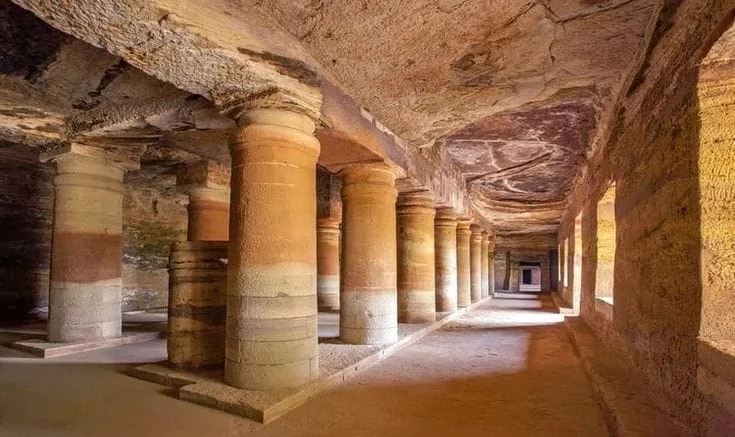
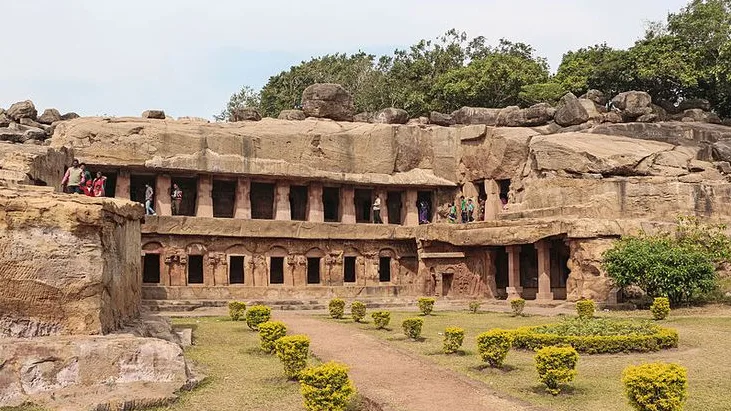
    Four significant heritage sites in Madhya Pradesh have been added to UNESCO’s Tentative List, bringing the number of sites from the state on the list to 19. The newly included sites are the Udayagiri Cave Temples, Bagh Caves, Ginnorgarh Fort and the Bateshwar-Padavali-Kakramath temple group.

    The inclusion highlights the range of Madhya Pradesh’s architectural, religious and artistic heritage, spanning ancient rock-cut monuments, Buddhist art, forts and temple complexes.

    Udayagiri Caves and the Varaha sculpture

    udaygiri caves
    udaygiri caves, X

    Located near Vidisha, the Udayagiri Cave Temples date largely to the Gupta period and contain some of the earliest surviving Hindu rock-cut architecture in India. One of their best-known features is the massive Varaha relief, depicting Lord Vishnu’s boar incarnation rescuing the Earth.

    Also Read | 3 places in India where you can enjoy a submarine experience

    The caves also contain sculptures and inscriptions that provide insights into the religious and artistic traditions of the Gupta era.

    Bagh Caves and Buddhist murals

    Bagh caves, X
    Bagh caves, X

    The Bagh Caves in Dhar district are a group of rock-cut Buddhist caves believed to date from around the fourth to sixth centuries. They are particularly known for their murals, which depict people, music, dance, processions and other aspects of life.

    The paintings are considered important examples of ancient Indian mural traditions and are often discussed alongside the better-known paintings of Ajanta.

    Ginnorgarh and the temple group

    Ginnorgarh temple, X
    Ginnorgarh temple, X

    The Ginnorgarh Fort in Sehore district reflects the region’s historic fort architecture and its association with the Gond rulers.

    Also Read | 5 travel-friendly snacks to eat on a flight without the mess

    The Bateshwar-Padavali-Kakramath group, meanwhile, brings together temple sites known for their architectural and sculptural features. The complex represents the evolution of temple-building traditions in central India.

    What UNESCO Tentative List means

    Being added to UNESCO’s Tentative List does not mean that these sites have received World Heritage status. The list is an initial stage in the World Heritage nomination process. Countries identify sites with potential outstanding universal value before potentially submitting them for a formal nomination.

    For Madhya Pradesh, the latest additions underline the state’s wide-ranging heritage, from Gupta-era sculptures and Buddhist murals to medieval forts and temple architecture.

  • Sita, Draupadi and the forgotten voices being reclaimed through mythology

    Sita, Draupadi and the forgotten voices being reclaimed through mythology

    Indian mythology texts like Ramayana, Mahabharata always have had powerful women at their centre of attraction. But the most interesting part lies here that most of their stories have traditionally been told from a male perspective. A new generation of women writers has been revisiting these familiar narratives, giving greater attention to the choices, struggles and agency of women who were often pushed to the margins.

    The trend can be seen in retellings of Sita, Draupadi, Urmila, Surpanakha, Satyavati, Amba and several historical figures. These books do not simply repeat old stories or tradition. They ask what these women might have thought, felt and wanted.

    Sita beyond the idea of the ideal wife

    ram and sita
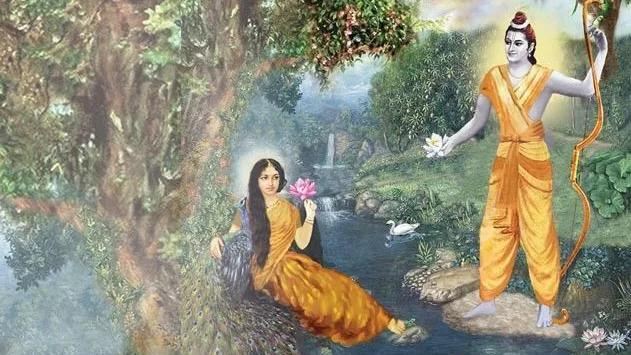
    (representational image) ram and sita | Ai image

    Indian mythology texts like Ramayana, Mahabharata always have had powerful women at their centre of attraction. But the most interesting part lies here that most of their stories have traditionally been told from a male perspective. A new generation of women writers has been revisiting these familiar narratives, giving greater attention to the choices, struggles and agency of women who were often pushed to the margins.

    The trend can be seen in retellings of Sita, Draupadi, Urmila, Surpanakha, Satyavati, Amba and several historical figures. These books do not simply repeat old stories or tradition. They ask what these women might have thought, felt and wanted.

    Sita beyond the idea of the ideal wife

    In the ancient ages where most of the mythical stories were filed up by men, from a very manly perspective, prioritising Ram over sita, showing the heroism led by him. Chandrabati Bhattacharya’s ‘Chandrabati Ramayana’ was as utter exception showcasing the whole Ramayana from Sita’s perspective. The text also brings women such as Kaikeyi, Ahalya, Surpanakha, Mandodari and Urmila into the narrative.

    Sita’s story, in this interpretation, is not limited to her identity as Ram’s wife. Here in her text Sita has been described as a strong woman who was courageous enough to give the ‘agniparikhsha’ to prove her loyalty towards Ram. Though it has been always a point of controversy.

    The shift is significant because women in mythology have often been presented as ideals rather than complete human beings.

    Ira Mukhoty a scholar from the modern age, who has written about women in Indian history and mythology, has argued that these figures are frequently either turned into goddesses or forgotten altogether.

    Draupadi finds her voice

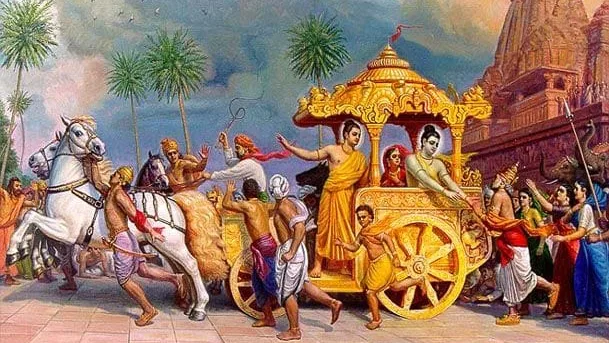
    ram leaving ayodhya for exile
    (representational image) ram leaving ayodhya for exile| Ai image

    Draupadi has also become one of the most frequently reinterpreted women of the Mahabharata.

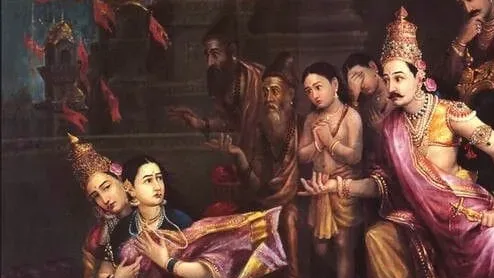
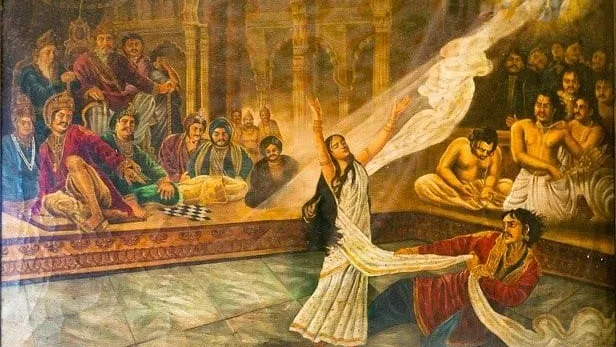
    Divakaruni’s The Palace of Illusions, published in 2008, was an important example of the Mahabharata being retold through Draupadi’s eyes. In these retellings, Draupadi’s humiliation in the Kuru court is not treated merely as another episode leading to war. Her refusal to remain silent becomes central to her character.

    Also Read | Was Ravana evil? The Ramayana’s complicated story of power and consent

    The forgotten women of the epics

    Kavita Kane has similarly focused on women whose stories received less attention. Her books include Sita’s Sister, which explores Urmila, and Lanka’s Princess, which looks at Surpanakha beyond the conventional image of a villain.

    Her work on Satyavati in The Fisher Queen’s Dynasty also presents her as a politically powerful woman whose decisions shaped the events that followed in the Mahabharata.

    Meenakshi Reddy Madhavan’s Girls from the Mahabharata series takes another route, examining women whose lives remain underwritten in the epic. Her work on Amba and Shikhandi explores questions around identity, rebirth and the circumstances that turned Amba into a warrior figure.

    draupadi in the court of kuru
    (representational image) draupadi in the court of kuru | Ai image

    Why these retellings matter

    These texts show how an old story can change when the narrator changes. Sita can be viewed through motherhood and exile, Draupadi through anger and resistance, while figures such as Urmila, Surpanakha, Satyavati and Amba receive space beyond the roles assigned to them in traditional accounts.

    Also Read | 3 Hindu mythology stories that go beyond good vs evil

    The larger shift is about seeing these women as people rather than simply as symbols or as any spiritual power, these exercised stories show that how these female characters build themselves through resistance power and motherhood .

    Their stories contain power, grief, ambition, conflict and difficult choices. Contemporary retellings are bringing those elements back into focus and, in doing so, changing how younger readers encounter women from India’s mythology and history.

  • Was Ravana evil? The Ramayana’s complicated story of power and consent

    Was Ravana evil? The Ramayana’s complicated story of power and consent

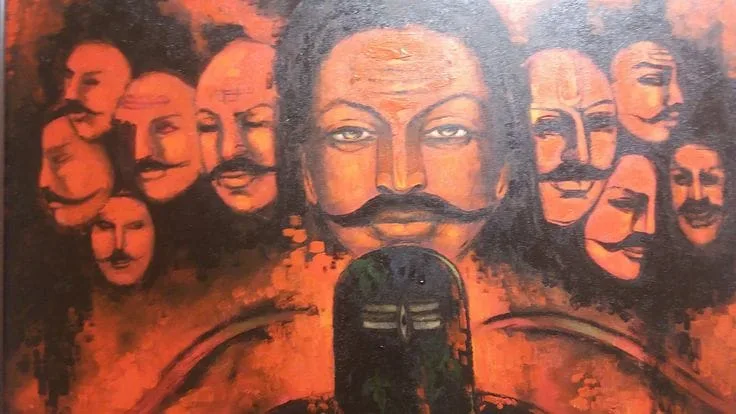
    Ravana is one of the most known figures when it comes to Indian mythology. Every year, his idol is burnt during Dussehra to mark Rama’s victory over the king of Lanka. He is generally described as the villain of the Ramayana, the ruler who abducted Sita and eventually brought about his own destruction.

    Yet Ravana’s character has never been entirely one-dimensional. He is also described in various traditions as a learned man, a powerful ruler, a musician and a devotee of Shiva. This has led to continuing debates about whether Ravana should simply be understood as evil.

    But there is another part of his story that becomes important when his conduct towards women is discussed.

    Ravana and the abduction of Sita

    Ravana’s most well-known act is the abduction of Sita. He takes her away from the forest and brings her to Lanka, where she is kept at the Ashoka Vatika.

    Ravana repeatedly tries to persuade Sita to accept him, but Sita refuses. He does not physically force himself on her. This aspect of the story in Ramyana has sometimes been used to argue that, despite abducting her, Ravana respected her decision not to be with him.

    Also Read | 3 Hindu mythology stories that go beyond good vs evil

    However, the story becomes more complicated when another episode involving the apsara Rambha is considered.

    What happened between Ravana and Rambha?

    In the Uttara Kanda of Ramayana, Ravana encounters Rambha and desires to be with her. Rambha tells him that she is connected to his family through Nalakuvera, Ravana’s nephew, and asks him not to approach her.

    Ravana ignores her refusal and sexually assaults her.

    When Nalakuvera learns what happened, he curses Ravana. According to the account, if Ravana ever tries to force himself upon another woman against her wishes, his head will split apart.

    The curse becomes significant when the story of Sita is considered. It provides one explanation for why Ravana, despite keeping Sita captive, never physically violates her.

    This makes it difficult to describe his behaviour towards Sita simply as an example of his respect for consent. His actions towards Rambha show that he had previously ignored a woman’s refusal. His restraint with Sita can therefore also be read in the context of the curse placed on him.

    The Uttara Kanda question

    There is also a textual question surrounding this episode. The Uttara Kanda has long been the subject of debate among scholars, with questions about whether all of its material formed part of the earliest version of the Valmiki Ramayana.

    That does not make the Rambha story irrelevant. It is still an important part of the wider Ramayana tradition, but it is useful to distinguish between different layers and versions of the epic rather than treating every episode as belonging to one fixed text.

    Also Read | Why should Hindus read Islamic mythology and what it reveals about shared traditions?

    The Ramayana has been retold across languages, regions and centuries, and its characters have taken on different meanings in different traditions.

    A complicated character does not mean an innocent one

    Ravana’s positive qualities are often brought up when his character is reassessed. He is portrayed as highly educated and is associated with music, scholarship and devotion to Shiva. Some traditions also remember him as a capable ruler.

    But these qualities do not erase his actions.

    A person can possess admirable qualities and still commit serious wrongdoing. In Ravana’s case, his scholarship or devotion does not change the fact that Sita was taken against her will and kept in Lanka.

    The same distinction is important when discussing the Rambha episode. Whether Ravana’s actions are viewed through a modern understanding of consent or through the moral framework of the epic, Rambha’s refusal is clear within the story, and Ravana ignores it.

    Why the debate around Ravana continues

    Ravana remains an interesting figure precisely because the Ramayana does not leave readers with a character who can be understood through one quality alone. He is a powerful king, a scholar and a devotee, but he is also responsible for the abduction of Sita and, in the Rambha episode, an assault committed despite her refusal.

    There are also communities and traditions in India where Ravana is viewed differently from the conventional Dussehra narrative. These variations are part of the larger history of how the Ramayana has been interpreted and retold.

    The question, then, is not simply whether Ravana was entirely good or entirely evil. His character can be examined through all of these contradictions. But complexity should not be confused with absolution.

    The story of Sita, particularly when read alongside the account of Rambha and Nalakuvera’s curse, brings the question of consent into sharp focus. Ravana may be remembered for his learning and power, but those qualities do not make his violations of another person’s freedom any less significant.If you want, I can also make this

  • 3 places in India where you can enjoy a submarine experience

    3 places in India where you can enjoy a submarine experience

    For travellers who are particularly fascinated by the underwater world, a submarine ride can sound like the kind of experience that requires an international trip. But you do not necessarily need to leave India to get the esence of life beneath the sea.

    Although submarine tourism is still limited in India, but a few destinations offer experiences that come close to the thrill. From walking through a real decommissioned Indian Navy submarine in Visakhapatnam to sitting inside an underwater viewing cabin in the Andaman Islands, one can experience the underwater thrill sitting in India.

    Here are three places in India where travellers can experience submarines or semi-submarines without needing a passport.

    INS Kursura Submarine Museum in Visakhapatnam

    For those who want to understand what life inside an actual submarine feels like, the INS Kursura Submarine Museum in Visakhapatnam offers a different kind of experience.

    Located near RK Beach, the museum is located inside INS Kursura, a decommissioned Indian Navy Foxtrot-class submarine. Unlike an underwater tourist ride, the submarine is permanently stationed on land, allowing visitors to walk through its original interiors and see how the vessel was designed and operated.

    Visitors enter the submarine through its hatches and make their way through its narrow passageways. The tour includes many consecutive sections of the vessel, including the control room, torpedo section, sonar and radar areas and crew compartments.

    The cramped interiors offer a sense of how naval personnel lived and worked inside a submarine, where space was limited and different parts of the vessel had specific operational purposes.

    Also Read | 5 travel-friendly snacks to eat on a flight without the mess

    The ticket price is Rs 70 for adults and Rs 40 for children below 12 years. Visitors carrying cameras also need to pay separately, with still cameras priced at Rs 50 and video cameras at Rs 200.

    One important distinction is that INS Kursura does not take visitors underwater. It is an opportunity to step inside a genuine naval submarine and explore its interiors while it remains docked on land.

    North Bay in the Andaman Islands

    If the idea is to actually look beneath the water, North Bay in the Andaman Islands offers a different experience through semi-submarine rides.

    Unlike a conventional submarine, a semi-submarine remains partly above the surface. The vessel has an underwater observation section where passengers can sit behind large glass windows while experiencing the underwater thrills and can easily witness the underwater creatures.

    Also Read | Chile Travel Guide: Why the world’s driest desert feels like another planet

    At North Bay, passengers can look through the glass panels at coral reefs and marine life. The viewing windows are positioned at an angle, which allows tourists to observe the underwater surroundings while remaining seated inside the cabin.

    Havelock Island or Swaraj Dweep

    Another option in the Andaman Islands is Swaraj Dweep, popularly known as Havelock Island.

    Like North Bay, the destination offers a semi-submarine experience for visitors who want to see the underwater world without getting into the water themselves.

    Passengers can sit inside a submerged viewing cabin and look through large windows as the vessel moves through the water. The viewers can see the Coral reefs and fish in the underwater section, offering a different perspective from a regular boat ride.

    Some semi-submarine trips operate around Elephant Beach, although the exact route and schedule can differ. Travellers should therefore confirm the day’s itinerary and operating conditions before booking.

    It is also worth remembering that this is a semi-submarine experience rather than a conventional submarine journey. The main vessel remains on the surface while the passenger viewing section is positioned below the waterline.

  • 3 Hindu mythology stories that go beyond good vs evil

    3 Hindu mythology stories that go beyond good vs evil

    Most of us grow up in an Indian household hearing mythological stories like Ramayana, Mahabharata as tales where good ultimately defeats evil.

    While the theme of Good vs Evil remains an important theme in the Ramayana, Mahabharata and Puranas. Many stories in the mythology also carry lessons that go far beyond a simple moral victory. They explore power, ethics, difficult choices and the consequences of human actions.

    Here are three stories that offer a different perspective.

    Bhasmasura teaches that power without wisdom is dangerous

    Bhasmasura earned a powerful boon from Lord Shiva after intense penance. He gained the ability to reduce anyone to ashes by touching their head. Instead of using that power wisely, he tried to use it against Shiva himself. Lord Vishnu, in the form of Mohini, tricked Bhasmasura into placing his own hand on his head, leading to his destruction.

    The story is often seen as the defeat of evil, but it also warns that power without empathy or responsibility can become self-destructive. It reminds us that strength and authority require wisdom and restraint.

    Jaya and Vijaya show that challenges can become a path to growth

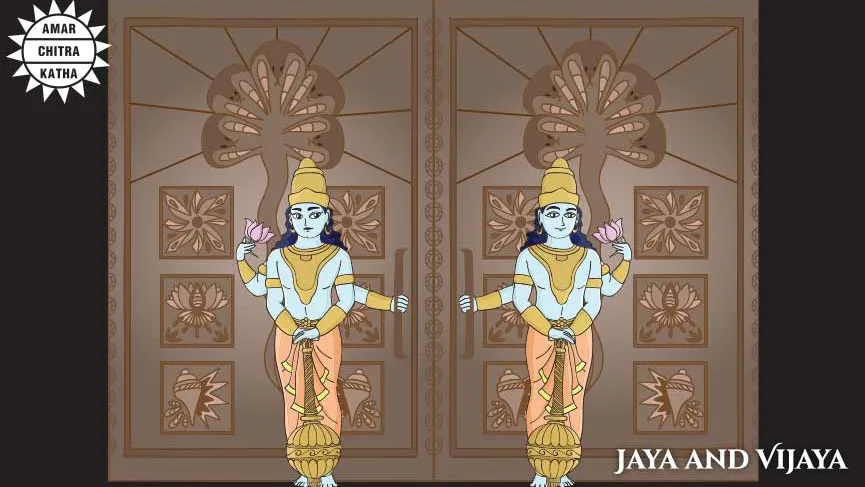
    Jaya and Vijaya were the gatekeepers of Vishnu’s abode, Vaikuntha. After being cursed by the four Kumaras, they had to choose between seven births as devotees or three births as Vishnu’s enemies. They chose the shorter but harder path and were born as Hiranyaksha and Hiranyakashipu, Ravana and Kumbhakarna, and finally Shishupala and Dantavakra before returning to Vaikuntha.

    Also Read | Why Hindus Should Read Islamic Mythology and What It Reveals About Shared Traditions

    The lesson is that hardships and setbacks are not always punishments. Sometimes difficult journeys become the fastest route to learning, transformation and spiritual growth.

    Also Read | Narad Muni the first cosmic journalist of Hindu mythology with 11 lesser-known facts

    Ashwatthama’s story explores the complexity of truth

    During the Kurukshetra war, Krishna knew Dronacharya could not be defeated. Bhima killed an elephant named Ashwatthama, and Yudhishthira said, “Ashwatthama is dead,” while the rest of his sentence, “the elephant, not your son”, was drowned out by loud conches. Believing his son had died, Dronacharya laid down his weapons.

    This episode raises difficult ethical questions. It suggests that truth is not always simple and that moral decisions can involve painful dilemmas, especially when protecting a larger cause.

    Why these stories still matter today

    These three stories highlight that Hindu mythology is not only about heroes defeating villains. They encourage readers to think about responsible use of power, resilience during challenges and the moral complexity of truth. That is why these ancient stories continue to remain relevant in everyday life.

  • Instagram’s AI feature makes soft launching your relationship easier

    Instagram’s AI feature makes soft launching your relationship easier

    Instagram is now testing a new AI-powered feature that helps users “soft launch” their relationship through personalised Story collages, making it easier to hint at a romance without officially confirming it.

    The feature is aimed for the users who want to share moments with their partner while keeping things subtle. Instead of uploading a single photo, Instagram’s AI creates a collage using pictures, videos and memories already available in your gallery or Instagram archive.

    What is a soft launch on Instagram?

    A “soft launch” is a social media trend where people quietly reveal they are dating someone without showing their partner’s face or making a public announcement. It could be a photo of two coffee cups, intertwined hands, matching shoes or a blurred silhouette.

    The trend has become popular among celebrities and creators who want to maintain some privacy while still sharing parts of their personal lives online.

    How the new AI feature works

    Instagram’s AI suggests Story layouts and collages based on recent memories and shared moments. Users can customise the collage, choose which photos to include and add music, stickers or captions before posting it. The idea is to make creating a subtle relationship reveal quicker and more creative.

    Also Read | Depression Is Not Just a Lifestyle Problem. Here’s Why

    The feature is currently being tested and may roll out to more users in phases.

    Why soft launches are becoming popular

    Many users now prefer keeping relationships more private online. A soft launch allows couples to acknowledge their relationship without inviting too much public attention or scrutiny. It also avoids the pressure of making a “hard launch” post that clearly announces a relationship.

    As Instagram continues to add AI-powered creative tools, this feature reflects how the platform is adapting to changing social media habits, where users want more personalised and less public ways to share important moments.

    Also Read | Did you know eating with a loved one may lower blood sugar?

  • Depression is not just a lifestyle problem. Here’s why

    Depression is not just a lifestyle problem. Here’s why

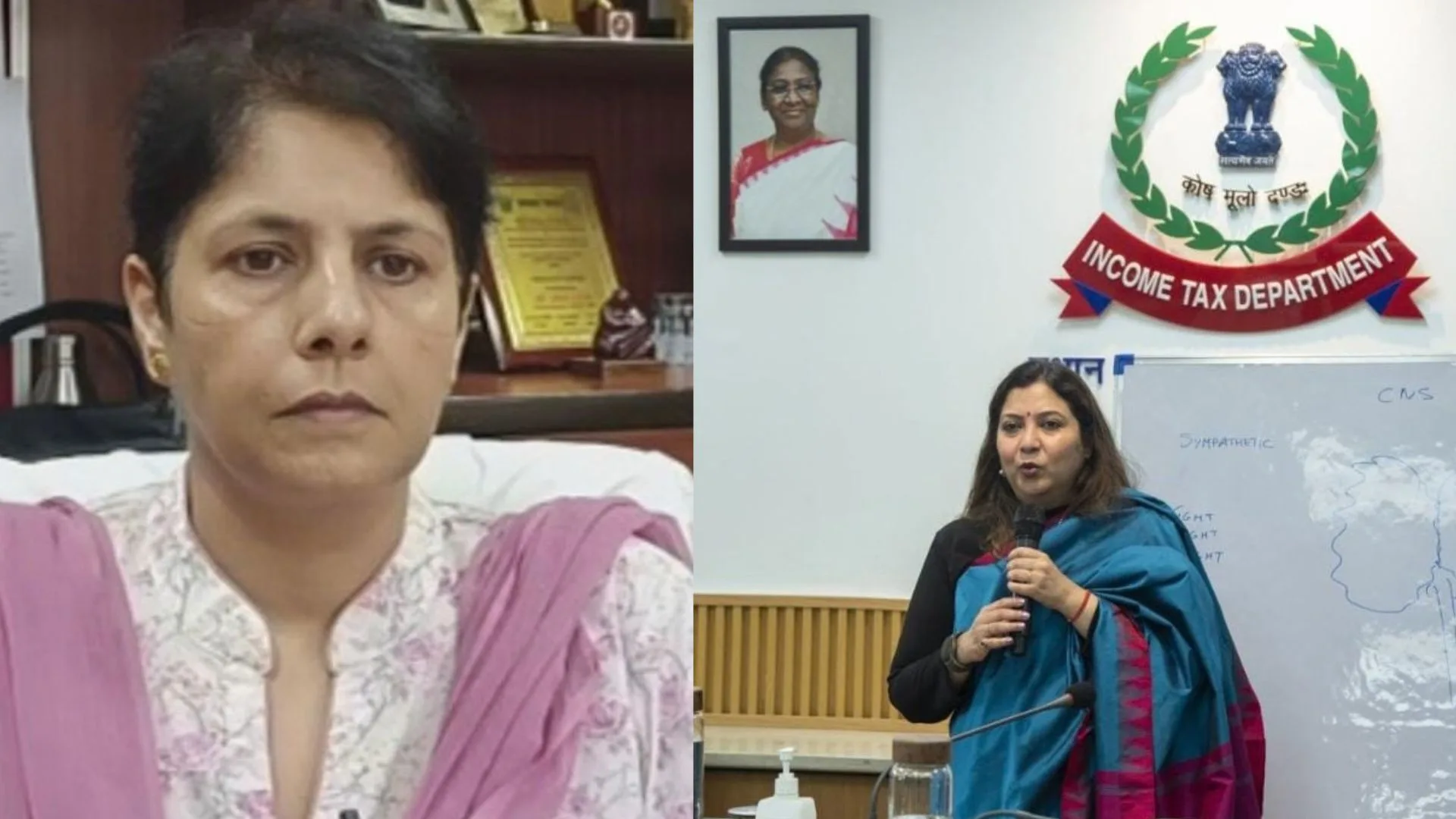
    A social media debate between an Indian Revenue Service (IRS) officer, Subhrata Prakash and an AIIMS professor, Rima Dada has reignited over a question

    The question goes like: Is depression simply the result of an unhealthy lifestyle? The discussion has drawn attention because it highlights two very different ways of understanding ones mental health.

    While healthy habits can improve mental wellbeing, psychiatrists exclaims that a clinical depression is a medical condition with biological, psychological and social causes.However, Lifestyle changes may help recovery, but they are not a cure for everyone.

    What started the debate?

    The debate began after Professor Rima dada of the Department of Anatomy at AIIMS Delhi spoke about polycystic ovary syndrome(PCOS) which is one of the main lifestyle led syndrome.

    “Whether it is PCOS, obesity, diabetes, depression, or any other lifestyle disease, there are only three or four primary causes. One is a sedentary lifestyle: sitting in front of the TV or screens all day, not playing, not going for walks, and staying confined indoors. Secondly, we observe that our diets today are very rich in carbohydrates. We are consuming highly processed foods, which we classify as a highly inflammatory diet,” Dada told news agency ANI.

    Also Read | Did you know eating with a loved one may lower blood sugar?

    On the other end IRS officer Shubhrata Prakash, who has spoken publicly about her own experience with depression for years, argued that calling depression a “lifestyle problem” oversimplifies a serious illness.

    She has also shared that she lived with severe depression for several years, underwent treatment and therapy, and believes people should not feel ashamed of seeking help.

    On the other side of the debate, AIIMS psychiatry professor Dr Nand Kumar has often said that many patients visiting his OPD suffer from burnout, anxiety, insomnia and stress linked to modern lifestyles.

    According to him, reducing digital addiction, improving sleep, exercising regularly, eating a balanced diet and strengthening social connections can significantly help many people experiencing emotional distress.

    Burnout, stress and depression are not the same

    Mental health experts stresses upon the fact that burnout and clinical depression are different conditions.

    Burnout is usually linked to stressful days at workplace or academic stress, problems reelated to personal life. People often feel emotionally exhausted, detached from work and less productive because of the stress management capacity of their body.

    Depression, however, affects mood, sleep, appetite, energy and the ability to enjoy daily life, putting hurdles over day to day life chores.

    Doctors say someone with depression may struggle to get out of bed, lose interest in relationships or hobbies, and experience persistent sadness or hopelessness for weeks or months.

    Can lifestyle changes help?

    Experts agree that lifestyle changes matter. Regular physical activity, enough sleep, nutritious food, yoga, mindfulness and spending time with supportive friends or family can reduce symptoms of anxiety and improve overall mental health.

    But they also warn against presenting these measures as the only solution. For moderate or severe depression. Mental Health experts advices that the cure to depression may include psychotherapy, medication or a combination of both, depending on the individual’s condition.

    Why this conversation matters

    In recent days mental health awareness has grown in India, and more people are seeking help for anxiety, depression and burnout before symptoms become severe. Doctors say this is a positive change because early treatment often leads to better outcomes.

    The debate ultimately underlines one important message: lifestyle influences mental health, but depression cannot be dismissed as merely a lifestyle problem.

    Also Read | How does Chuando Tan look so young at 60? His routine explained