Author: Poulomee Mangal

  • Can rabies spread through dairy products? What experts say after Gorakhpur scare

    Can rabies spread through dairy products? What experts say after Gorakhpur scare

    Around 450 people in Uttar Pradesh’s Gorakhpur district received anti-rabies vaccines after consuming charanamrit prepared from the milk of a cow suspected of having rabies. The incident during Durga Puja raised concerns among residents about whether rabies can spread through milk, curd, buttermilk or other dairy products.

    The cow, which belonged to a resident of Dadi Khas village, reportedly became unwell and later started behaving abnormally before dying on October 20. Veterinarians suspected that the animal may have been bitten by a stray dog, although rabies was not confirmed. The cow’s milk had also reportedly been supplied to local shops and households.

    Can rabies spread through milk or curd?

    According to India’s National Rabies Control Programme, there are no evidence-based reports of human rabies resulting from the consumption of milk or milk products. Its guidelines state that post-exposure prophylaxis is not required solely because someone has consumed milk or milk products from an animal infected with rabies.

    (Representational image ), Rabies outbreak | Ai generated

    The World Health Organization also says there is no laboratory or epidemiological evidence that rabies is transmitted through consuming milk or milk products. However, it advises against consuming milk from a rabid animal as a general precaution.

    This means that eating curd, buttermilk, paneer or other products made from milk is not considered an established route of rabies transmission.

    How does rabies actually spread?

    Rabies is primarily transmitted through the saliva of an infected mammal. The most common route is a bite, when infected saliva enters broken skin.

    The virus can also enter the body if saliva from an infected animal comes into contact with an open wound or mucous membranes such as the eyes, nose or mouth. Dogs account for up to 99% of human rabies cases globally.

    Simply touching an animal does not normally constitute a rabies exposure. The important concern is direct contact with potentially infected saliva or nervous tissue.

    What about boiled milk and dairy products?

    The Gorakhpur case also prompted questions about whether boiling milk makes a difference. The local health authorities advised residents to boil milk thoroughly before consumption. A senior health official said the milk used to prepare the charanamrit was likely boiled before being converted into curd.

    Also Read | Chanakya International: How Indian artisans are shaping global luxury fashion

    However, the bigger point is that rabies transmission through consumption of milk itself has not been established. The National Rabies Control Programme specifically states that there are no evidence-based reports of human rabies arising from consuming milk or milk products.

    (Representational image ), Rabies outbreak | Ai generated

    Raw milk from a sick or potentially infected animal should nevertheless be avoided because it can carry other disease-causing organisms.

    Why were 450 people given anti-rabies vaccines?

    The vaccinations in Gorakhpur were administered as a precaution after residents became concerned about the cow’s death and possible rabies exposure. Around 50 people initially received vaccines at a community health centre, while another 400 were vaccinated during a camp organised in the village.

    Also Read | Can hormonal contraceptives trigger depression? Here’s what women should know

    Officials also clarified that the cow’s symptoms alone could not confirm rabies. Veterinary assessment and appropriate testing would be required to establish whether the animal actually had the disease.

    The National Rabies Control Programme says post-exposure treatment is intended for people who have had a genuine exposure, such as a bite, scratch or contact between infected saliva and broken skin or mucous membranes.

    Anyone who has actually been bitten or scratched by a suspected rabid animal should wash the wound thoroughly with soap and running water for at least 15 minutes and seek medical care immediately. Rabies is almost always fatal once symptoms develop, but timely post-exposure treatment can prevent the disease.

  • Slovenia’s underground train ride takes visitors past ‘baby dragons’

    Slovenia’s underground train ride takes visitors past ‘baby dragons’

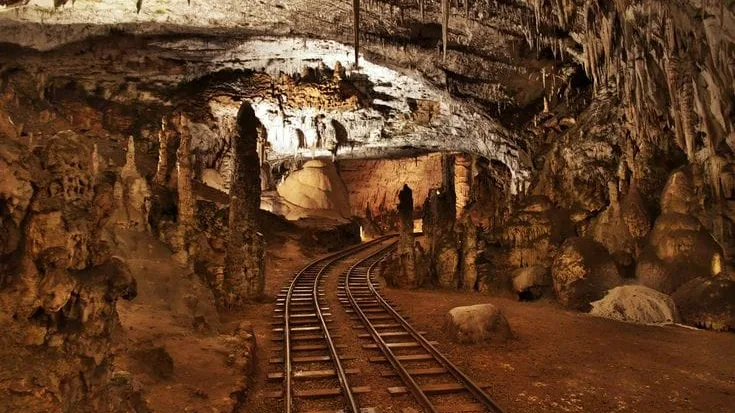
    Imagine boarding a train that takes you deep beneath the ground, through enormous halls, rock formations and dark underground passages. At Slovenia’s Postojna Cave, this unusual journey is part of the experience, with visitors travelling by a cave railway before exploring the subterranean world on foot.

    The train ride covers around 3.7 km and takes roughly 20 minutes each way. Once the ride ends, visitors continue their journey with a guide, discovering the cave’s formations and its rare inhabitants.

    A railway beneath the surface

    Postojna Cave has been attracting visitors since 1819 and has a long history of underground railway travel. The first cave railway began operating in 1872, when guides manually pulled two small carriages along the tracks. Each carriage could accommodate four visitors.

    As visitor numbers increased, the railway was extended. A petrol-powered train was introduced in 1923 and could carry 20 passengers, while larger trains were later introduced with capacities of up to 150 people.

    Slovenia’s Postojna Cave | IG

    The petrol trains, however, created noise and fumes inside the cave. In 1956, battery-powered electric trains were introduced, offering a quieter and cleaner way to travel through the underground passages.

    Rock formations and the famous Dance Hall

    The train takes visitors through a network of underground corridors and large halls before the walking portion of the tour begins. Some of the formations inside the cave have developed over millions of years.

    Among the highlights is the Brilliant, a five-metre-tall, bright-white rock formation that has become one of Postojna Cave’s best-known sights. Visitors can also see the Dance Hall, a huge underground chamber decorated with chandeliers hanging from its ceiling.

    Slovenia’s tourism authorities describe Postojna as one of the country’s most important cave attractions. The cave railway takes visitors through karst corridors, galleries and halls, while guided tours introduce them to the geological and biological features of the underground environment.

    Meet the cave’s ‘baby dragons’

    The most unusual residents of Postojna Cave are the olm, also known as the human fish. These pale-skinned amphibians live in underground water and are specially adapted to life in complete darkness.

    Their strange appearance and subterranean habitat have earned them the nickname “baby dragons”. According to Slovenian folklore, people once believed that the creatures were the offspring of a dragon living inside the cave.

    Also Read | National Geographic’s 2027 travel list is out: Here’s 25 places worth exploring

    The olm is also remarkable for its ability to survive in harsh underground conditions. It can live for decades and withstand extremely long periods without food. Postojna Cave is home to these animals as well as numerous other cave species.

    In 2016, visitors and researchers witnessed olm hatchlings emerging from eggs inside the cave for the first time. The event attracted international attention and helped turn the so-called “baby dragons” into one of Postojna’s most famous attractions.

    How to visit Postojna Cave

    Slovenia’s Postojna Cave | IG

    Visitors can book a timed entry online, with the cave experience combining the underground train journey and a guided walk. An audio guide is also available for those who want additional information about the cave’s history and wildlife.

    A standard Postojna Cave ticket currently costs €34.90, approximately Rs 3,700. Combination tickets covering attractions such as Predjama Castle and the Vivarium are also available, although prices can change and visitors are advised to check the official booking website before travelling.

    Also Read | Kerala in October is all about green hills, full backwaters and quieter escapes

    Predjama Castle, built into a dramatic cliff near the cave, can also be included in a wider visit to the area.

  • Kerala in October is all about green hills, full backwaters and quieter escapes

    Kerala in October is all about green hills, full backwaters and quieter escapes

    Kerala has something to offer in almost every season, but October brings together several of the experiences travellers look for in a holiday. As the monsoon begins to retreat, the state is left covered in fresh greenery, its waterfalls and waterways remain full, and the weather becomes more comfortable for exploring the outdoors.

    October also comes just before the peak winter travel season. This means travellers can explore popular destinations without encountering the crowds that typically arrive later in December and January. From misty hill stations and wildlife reserves to beaches and backwaters, the month offers plenty of options for a relaxed Kerala getaway.

    Lush landscapes and comfortable weather

    The post-monsoon landscape is one of the biggest reasons to consider Kerala in October. The tea gardens of Munnar, forests of Wayanad and countryside around Alleppey appear particularly green after months of rain. For photographers and nature lovers, the fresh landscape offers plenty of opportunities to explore and capture Kerala at its most vibrant.

    Also Read | Beyond the beaches: Why Cabo Verde is becoming an adventure hotspot

    The weather is another advantage. Compared with the wetter monsoon months, October generally brings lower humidity and more comfortable conditions for sightseeing. Travellers can spend longer hours exploring markets, beaches, historical attractions and hill stations without having to deal with constant rain.

    The timing is also useful for outdoor activities. Trekking through the Western Ghats, wildlife experiences and village walks can be more enjoyable when the weather is less challenging and the surroundings still retain their post-monsoon freshness.

    A good time for Kerala’s famous backwaters

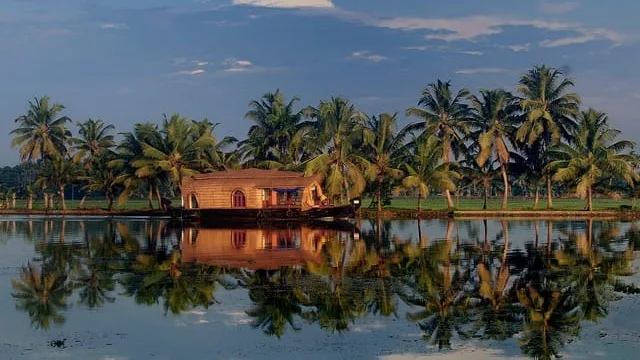
    (Representational image), kerala offside, Ai generated

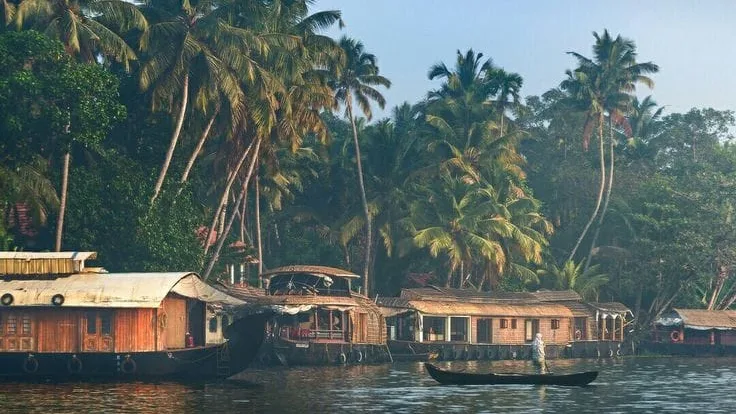
    October is also a particularly appealing month for a houseboat holiday. Kerala’s backwaters remain full after the monsoon, while the surrounding landscape is lush and green.

    Alleppey, widely known for its network of canals and waterways, remains one of the most popular choices for a traditional houseboat experience. Travellers can spend hours moving through coconut-lined waterways and watching everyday life along the banks.

    Those looking for a quieter backwater experience can consider Kumarakom, situated near Vembanad Lake. Kollam’s Ashtamudi Lake is another option, offering boat journeys through villages and natural surroundings.

    Five places to add to an October itinerary

    Munnar: The hill station is known for its rolling tea plantations, cool climate and mountain views. The greenery left behind by the monsoon makes October a good time for sightseeing and nature walks.

    Alleppey: The backwater destination is ideal for travellers who want to experience Kerala from a houseboat and take in its canals, lakes and village scenery.

    Thekkady: Home to the Periyar Wildlife Sanctuary, Thekkady offers opportunities for boat rides, nature walks and wildlife spotting, including elephants and birds.

    Varkala: With its golden beach and dramatic cliffs overlooking the Arabian Sea, Varkala offers a different side of Kerala. Its relaxed atmosphere, cafés and sunsets add to its appeal.

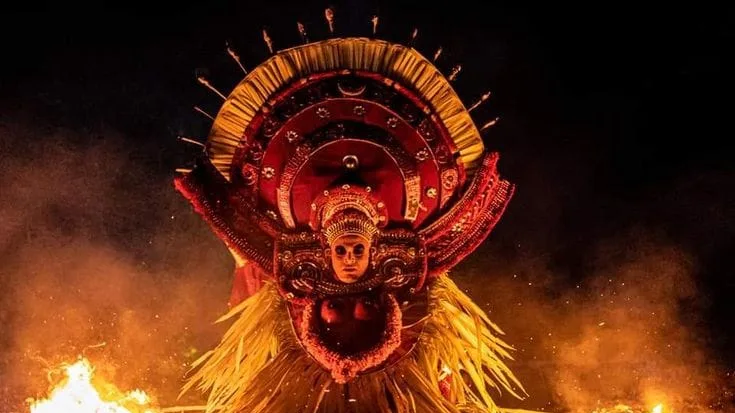
    (Representational image), Theyaam art, Ai generated

    Also Read | Kainchi Dham may limit daily visitors to 20,000-25,000 amid rising crowds

    Wayanad: Forests, waterfalls, spice plantations and viewpoints make Wayanad an attractive choice for those looking for a nature-focused trip. October’s conditions are also suitable for trekking and exploring the region.

    Why October can work for first-time visitors

    For someone visiting Kerala for the first time, October makes it possible to combine several types of experiences in one trip. Instead of staying in one destination, travellers can divide their itinerary between the hills, backwaters and coast.

    A few days in Munnar or Wayanad can be followed by a houseboat stay in Alleppey or Kumarakom and some time at a beach destination such as Varkala. This gives visitors a taste of Kerala’s varied landscapes and travel experiences.

    (Representational image), kerala offside, Ai generated

    Kerala is also well connected by air, rail and road. The state has four major international airports in Kochi, Thiruvananthapuram, Kozhikode and Kannur, while its railway network connects several major cities and tourist destinations. Road links with neighbouring Karnataka and Tamil Nadu also make multi-destination trips possible.

    With the monsoon’s freshness still visible across the landscape, more comfortable weather and relatively fewer tourists than the peak winter months, October offers a good balance for travellers planning a Kerala holiday.

  • How Muslims became part of South India’s Hindu traditions

    How Muslims became part of South India’s Hindu traditions

    The religious history of medieval South India does not always fit neatly into the Hindu-Muslim divisions that are often used to describe the past. Across the Deccan and southern parts of the subcontinent, stories, rituals and local traditions developed through interactions between communities, with Muslim figures sometimes becoming part of the worship surrounding Hindu gods.

    One of the clearest examples is found at Sabarimala in Kerala. Before beginning their pilgrimage to the Ayyappa temple, devotees traditionally visit the mosque of Vavar Swami at Erumely. Vavar is believed to have been a Muslim companion or devotee of Ayyappa. Pilgrims offer coconuts, pepper and rice at the mosque before continuing their journey to Sabarimala. A shrine dedicated to Vavar also stands near the Ayyappa temple.

    The tradition is not simply an isolated example. Similar stories involving Muslim companions, wives and protectors appear in the worship of several important South Indian deities.

    Muslim figures in the stories of major Hindu gods

    At the temples of Srirangam and Tirumala, Muslim women have been incorporated into the mythology and ritual traditions surrounding the presiding deities.

    Ranganatha of Srirangam is associated with Thulukka Nachiyar, described in temple tradition as a Muslim princess devoted to the deity. At Tirumala, Venkateswara is similarly associated with Bibi Nancharamma. The worship of both figures continues as part of the respective temple traditions.

    The Deccan god Khandoba provides an even more striking example of this cultural mixing. Worshipped in different regions under names including Mallanna in Telangana and Mailar in Karnataka, Khandoba is identified by elite devotees with Shiva. His worship, however, has historically extended across caste and community boundaries.

    Representational image of hindu tradition | Ai generated

    At Jejuri in Maharashtra, Khandoba is traditionally said to have five wives from different social backgrounds. One of them, Candai Bhagvani, is identified as a Muslim woman. The stories surrounding these wives reflect the diverse communities that became connected to the deity’s worship.

    Muslims have also traditionally taken part in Khandoba’s rituals. During certain processions, a Muslim participant attends to the god’s horse, while Muslims themselves have referred to the deity by names such as Mallu Khan and Ajmat Khan. An inscription dating to 1703 even uses several traditional epithets of Shiva alongside the name Maluskhan.

    When religious boundaries were not so rigid

    The examples do not stop with Hindu deities incorporating Muslim figures. There are also traditions in which communities regarded today as Hindu participate in the veneration of Muslim saints.

    In Telangana, Peerla Panduga is a Muharram tradition in which members of different local communities take part in processions and visit dargahs. Another example is Muttal Ravuttan, a Muslim figure who appears in traditions surrounding Draupadi, a major goddess in parts of rural Tamil Nadu.

    Representational image of hindu tradition | Ai generated

    Also Read | Sharad Navratri Day 7: Why Maa Kalaratri is worshipped as the destroyer of fear

    Historian Dominique-Sila Khan has described such traditions as evidence of religious boundaries that were more porous than modern categories might suggest. These practices could also reflect social and occupational relationships within local communities, rather than simply representing an abstract idea of religious tolerance.

    The stories attached to these deities often allowed different groups to establish a place within a shared religious landscape. Muslim communities could participate through legends involving a companion, protector or devotee, while members of different castes could find their own place within a deity’s mythology and rituals.

    Why modern ideas can complicate the medieval past

    The author argues that modern attempts to view medieval Indian history entirely through religious conflict can obscure these everyday interactions.

    Accounts of temple attacks by Muslim rulers are often used to construct a broad narrative of Hindu-Muslim hostility. But such episodes existed alongside local traditions in which Muslim communities participated in Hindu religious practices and economies.

    Political and military conflict certainly existed in medieval India. Yet rulers and ordinary communities did not necessarily behave according to the same religious boundaries. Local relationships could continue across political conflicts, while traditions evolved through trade, occupation, marriage, patronage and shared cultural spaces.

    Representational image of hindu tradition | Ai generated

    Also Read | How Kolkata’s Durga Puja became a celebration of public history

    This is why figures such as Vavar, Thulukka Nachiyar, Bibi Nancharamma and Candai Bhagvani are significant. Their presence in South Indian religious traditions points to a past in which identities and relationships could overlap in ways that are difficult to fit into today’s rigid categories.

    The history of South Indian worship, therefore, is not only a story of separate religious communities. It is also a history of communities borrowing from, participating in and reshaping one another’s traditions over centuries.

  • Sharad Navratri Day 7: Why Maa Kalaratri is worshipped as the destroyer of fear

    Sharad Navratri Day 7: Why Maa Kalaratri is worshipped as the destroyer of fear

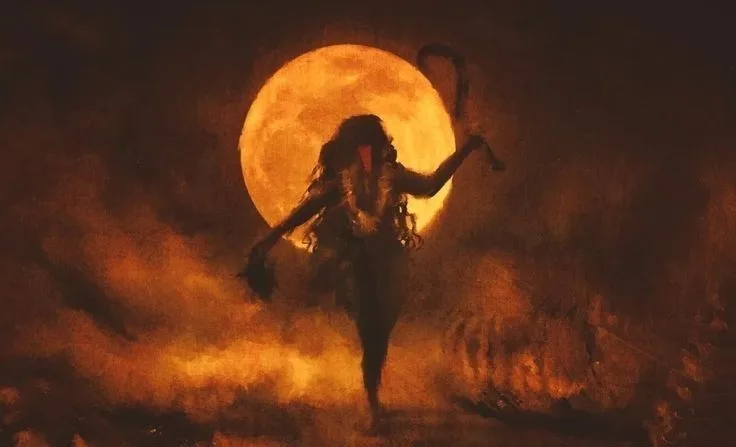
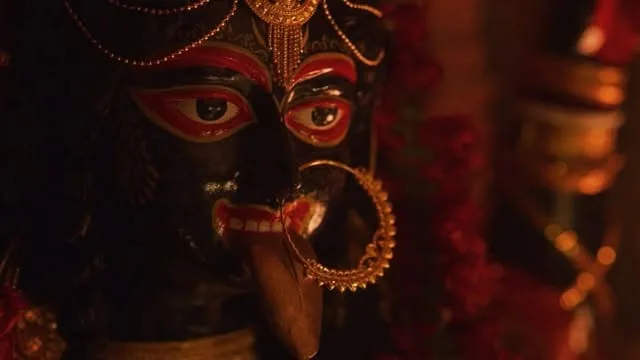
    Sharad Navratri enters its seventh day on October 17, with devotees worshipping Maa Kalaratri, the seventh form of Goddess Durga. Unlike the gentler forms of the goddess, Maa Kalaratri is depicted in a fierce form, representing the strength required to confront darkness, fear and difficult truths.

    Her appearance may seem intimidating, but her symbolism is closely associated with protection, courage and the destruction of negativity. For spiritual seekers, the seventh day can also be seen as an opportunity to reflect on the things they fear losing and the identities they may have built around their careers, relationships and social roles.

    According to Vedic astrologer Poonam Dutta of BV Astro, Maa Kalaratri’s significance goes beyond confronting everyday fears. She connects the day with deep-rooted fears, endings and the difficult process of letting go of identities that no longer fit.

    Maa Kalaratri and the courage to face fear

    Maa Kalaratri is the seventh form of Durga worshipped during Navratri. Her fierce appearance is traditionally associated with the power to overcome fear and confront darkness.

    The spiritual significance of the goddess can also be viewed through the changes people experience in their own lives. A person’s sense of identity can become closely tied to a job title, relationship, appearance or social reputation. When one of these things changes, it can leave people questioning who they are without it.

    (Representational image), Maa Kalratri | Ai generated

    The seventh day of Navratri, according to Dutta, offers an opportunity to sit with that uncertainty rather than immediately trying to replace what has been lost.

    The fears people carry may not always be visible. They can include growing older, losing someone, facing an uncertain future or having to rebuild life after a major setback. Retirement, a career change or the end of a long-term relationship can all force a person to reconsider an identity that once seemed permanent.

    Dutta also connects this stage with Saturn, which she interprets as a symbol of reality, delays, responsibility and learning through change.

    What Maa Kalaratri’s message of letting go means

    The idea of letting go does not necessarily mean making a sudden or dramatic decision. Instead, the seventh day can be used for quiet reflection and understanding what lies behind one’s fears.

    Also Read | How Kolkata’s Durga Puja became a celebration of public history

    Some useful questions for reflection are: What am I most afraid of losing? Why does this particular part of my life define me so strongly? And if my circumstances changed, which values would still remain?

    (Representational image), Maa Kalratri | Ai generated

    These questions can help shift the focus from what is ending to what remains.

    Maa Kalaratri is also associated, in some spiritual traditions, with ancestral fears and patterns passed down through families. Reflecting on recurring family struggles or beliefs can therefore become another part of the day’s spiritual practice.

    Also Read | Why Goddess Lakshmi entered the ocean after Durvasa’s curse

    How to observe Navratri Day 7

    Devotees can mark the seventh day according to their own family traditions and beliefs. Prayer, meditation and quiet reflection are among the practices associated with spiritual observance.

    For those who prefer a more personal form of reflection, writing down a fear that has been avoided and identifying one small step towards facing it can also be a way to observe the day.

    The central message associated with Maa Kalaratri is not simply about darkness. Her fierce form is traditionally understood as a reminder that confronting difficult phases can also create space for change. An ending, therefore, does not always have to mean defeat. It can also mark the beginning of a different chapter.

    As Navratri moves towards its final days, Maa Kalaratri’s worship brings attention to a part of spiritual life that can be difficult to embrace: accepting that some things have to end before something new can begin.

  • How Kolkata’s Durga Puja became a celebration of public history

    How Kolkata’s Durga Puja became a celebration of public history

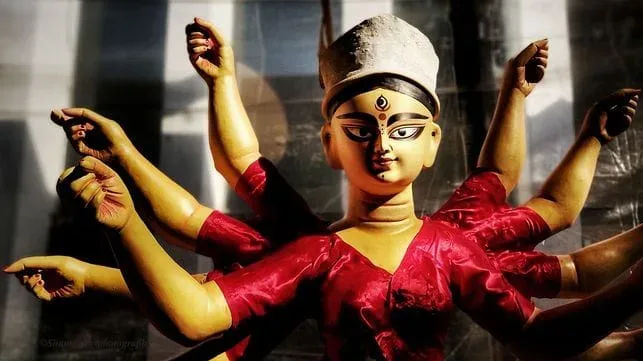
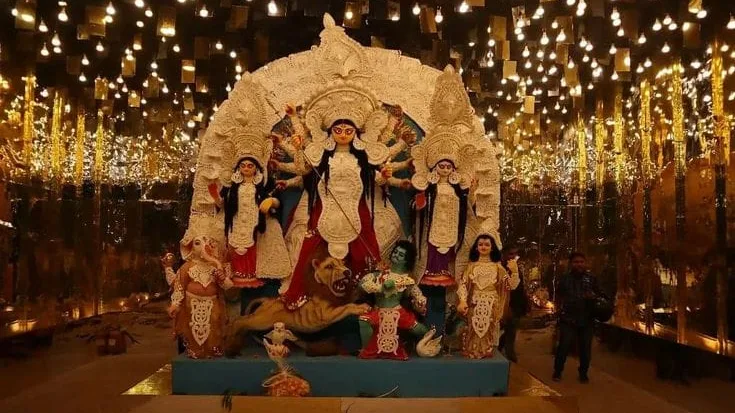
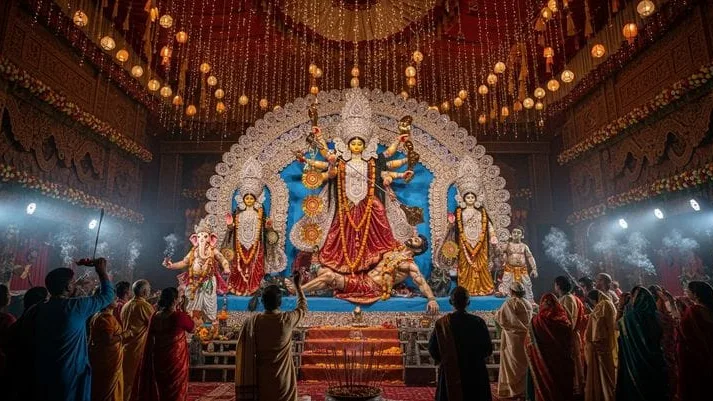
    For Kolkata, Durga Puja is much more than a five-day religious festival. Every autumn, the city transforms into a vast cultural space where neighbourhoods, streets and public squares become places of worship, art and storytelling. Behind the lights, elaborate pandals and crowds of visitors lies a history that stretches across centuries.

    The festival has changed considerably over time. What was once largely associated with the homes of wealthy families gradually moved into public spaces, allowing communities to participate in celebrations that were once largely private affairs. Today, Kolkata’s Durga Puja reflects not only religious traditions but also the city’s social history, artistic imagination and collective memory.

    From aristocratic homes to public celebrations

    For a long period, grand Durga Puja celebrations in Bengal were associated with zamindar and aristocratic households. These family pujas were closely connected with wealth, social status and tradition, with elaborate rituals taking place within the boundaries of private residences.

    The emergence of community-based celebrations changed that structure. The Barowari and later Sarbojanin formats brought the festival into public spaces and opened participation to a much wider section of society.

    The origins of the Barowari tradition are commonly associated with Guptipara in Hooghly, where a group of twelve friends is believed to have organised a community Puja in the 18th century. The idea gradually spread, eventually influencing the way Durga Puja was celebrated across Bengal.

    The shift was significant because it transformed Durga Puja from a largely household-centred celebration into a collective public event.

    Kolkata turns Puja into a cultural canvas

    As community Pujas became increasingly popular, the pandal itself evolved. It was no longer simply a temporary structure created to house the idol. It became a space for artistic expression.

    Kolkata’s puja committees began experimenting with architecture, sculpture, painting, craft and design. Traditional materials were combined with modern artistic techniques, while themes began drawing inspiration from Bengal’s history, literature, cinema, folk culture and social life.

    This transformation has made pandal-hopping an important part of the city’s festive culture. Visitors do not simply move from one shrine to another; they travel through different stories and visual interpretations of Bengal and the wider world.

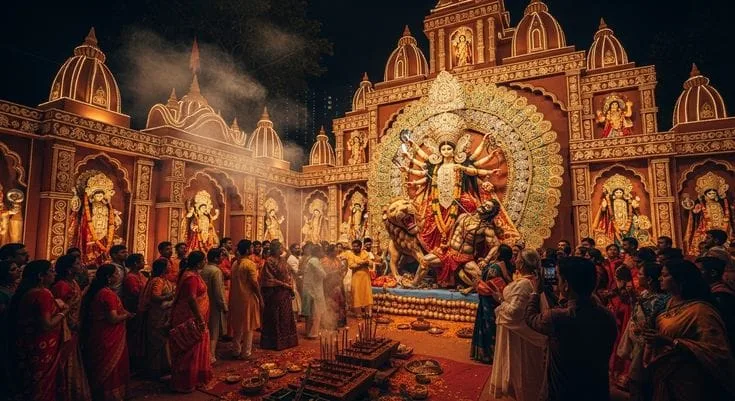
    (Representational image), Durga puja | Ai generated

    Also Read | Why Goddess Lakshmi entered the ocean after Durvasa’s curse

    The city’s history lives inside its Puja

    One of the most interesting aspects of Kolkata’s Durga Puja is the way historical memory appears within contemporary celebrations.

    Themes often bring forgotten people, artistic traditions, old neighbourhoods and historical events back into public attention. A pandal can recreate an architectural tradition, showcase an old craft or use an installation to tell visitors about a chapter of Bengal’s past.

    Recent exhibitions and cultural projects have similarly traced the evolution of Durga Puja through manuscripts, old printed material, artwork and archival records. The Asiatic Society’s 2026 exhibition, for instance, explores the festival’s development from early religious traditions and household celebrations to Barowari and Sarbojanin Pujas.

    Pandal-making becomes public storytelling

    The contemporary pandal has therefore become a form of public storytelling. Unlike a museum, it does not require visitors to enter a formal cultural institution to encounter history or art. The stories appear in the middle of neighbourhoods, alongside roads and within spaces that people pass through every day.

    This accessibility is an important part of Kolkata’s Puja culture. A visitor who comes to see an idol may also encounter a story about a forgotten community, an artist, a historical tradition or an environmental concern.

    In this sense, Durga Puja allows history to be experienced rather than simply read.

    A festival that continues to evolve

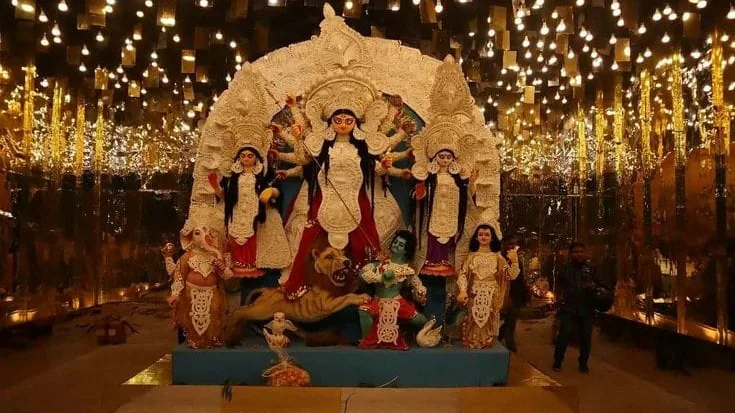
    (Representational image), Durga puja | Ai generated

    Kolkata’s Durga Puja has continued to change with the city itself. The festival has retained its religious core while becoming increasingly connected with art, design, heritage and public participation.

    The journey from private household celebrations to large community Pujas also explains why the festival occupies such a distinctive place in Kolkata’s cultural life. It belongs to the city as much as it belongs to individual neighbourhoods and families.

    Every year, new themes and new artistic interpretations add another layer to that history. The pandals may disappear after the festival, but the stories they tell become part of Kolkata’s collective memory.

    That is perhaps what makes Durga Puja in Kolkata so distinctive: the festival does not simply preserve history. It continually creates new ways for the public to encounter, interpret and remember it.

  • Kolkata Durga Puja: Meet the invisible heroes who build the pandals

    Kolkata Durga Puja: Meet the invisible heroes who build the pandals

    Every year, as Kolkata lights up for Durga Puja, millions of visitors stop to admire the city’s spectacular pandals. Cameras capture their intricate structures, dramatic lighting and elaborate artwork, while crowds gather to experience the themes that have been months in the making.

    But behind every striking pandal are artists and artisans whose names often remain unknown to the visitors admiring their work.

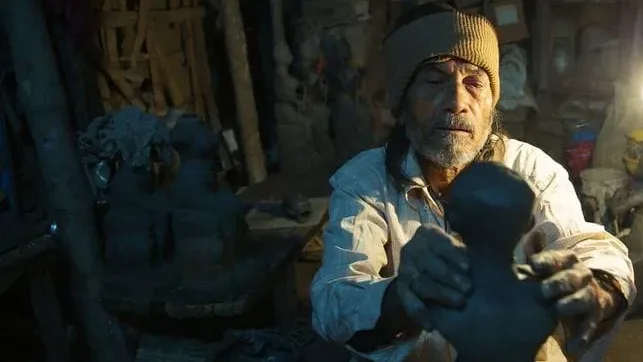
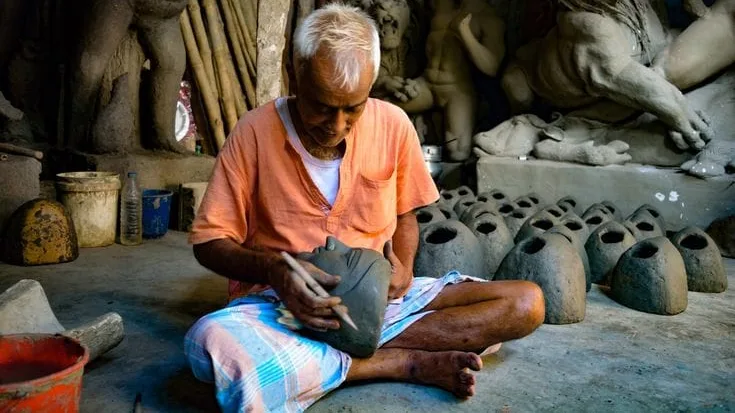
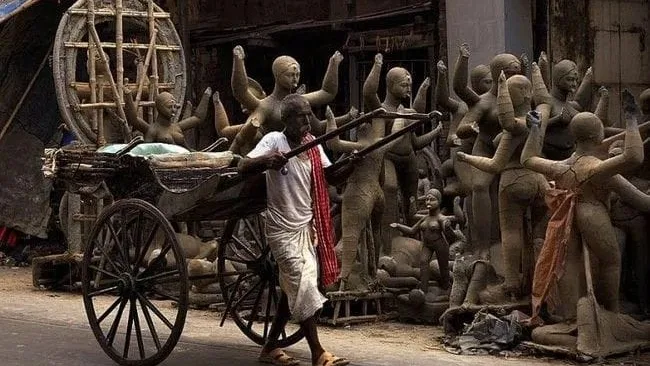
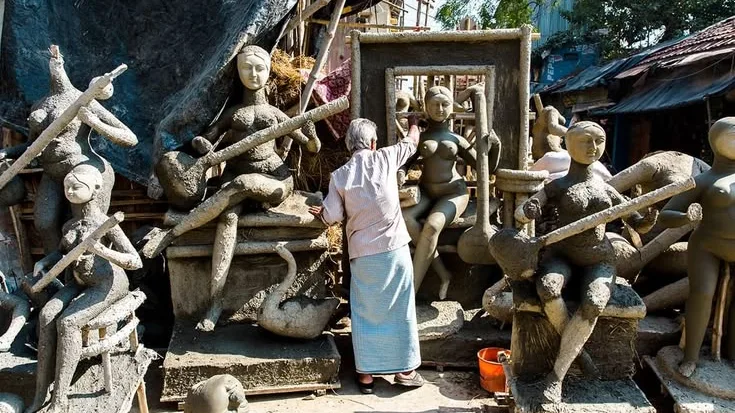
    For them, Durga Puja is not simply a five-day celebration. It is the culmination of months of physical labour, creativity and dedication. Artists travel from different parts of Bengal, temporarily moving into pandal sites and working for nearly three months to turn an idea on paper into a full-scale installation.

    The hands behind Kolkata’s biggest attractions

    The work begins long before the first visitor enters a pandal. Once a Puja committee finalises its theme and budget, artists begin translating the concept into a physical structure.

    At Rajdanga Naba Uday Sangha, artist Debashish Barui created a pandal around the theme Sodhon, which explores ecological balance between humans and nature. The installation brings together natural elements, handmade structures, light and sound projections.

    For artists such as Barui, the creative process also involves working within financial limitations. A fixed budget can sometimes mean abandoning certain design ideas. Additional support this year allowed him to realise more of the structure he had originally envisioned.

    Artisans work for months to create the elaborate pandals that define Kolkata’s Durga Puja.| ig

    Three months of work for a few days of glory

    The spectacular installations visitors see during Puja are temporary. Artists and workers may spend close to three months living and working at the pandal site, often through long hours, to complete structures that will remain standing only for the duration of the festival.

    Much of the work is done by hand, from creating individual elements to painting, assembling and finishing the installation.

    For these artists, the temporary nature of their work is part of the profession. Once the festival ends, the elaborate structures are dismantled and disappear, even though they may have taken weeks or months to create.

    Artist Dipankar Das, who has worked behind Durga Puja pandals for nearly 13 years, described the joy of seeing people appreciate his creations as one of the biggest rewards of the profession.

    From everyday painters to Puja artists

    Artisans work for months to create the elaborate pandals that define Kolkata’s Durga Puja.|ig

    For some artisans, pandal-making is an extension of the artistic skills they use throughout the year.

    Artist Somnath Chakraborty, who comes from Burdwan district, paints houses when he is not working on Puja installations. During Durga Puja, however, the pandal becomes a different kind of artistic space for him.

    The process is deeply personal. Artists create the structures with their own hands, knowing that they will eventually have to dismantle what they have built.

    That fleeting nature can make the experience emotional. The structure may survive for only a few days, but the memory it creates among visitors can last much longer.

    Also Read | Kolkata Durga Puja pandals 2026: Stunning Puja themes to explore this year

    Making Puja more accessible

    The effort behind this year’s Puja experience has also extended to making the pandals more accessible. At eight shortlisted pandals, QR codes have been placed at the entrances so visitors can listen to audio descriptions of the themes in eight Indian and international languages.

    Videos in sign language have also been made available for visitors who are deaf or hard of hearing, while the initiative aims to make the pandal experience more inclusive for people with visual and hearing disabilities.

    Artisans | IG

    Their work may be temporary, but their art remains

    When the lights come on and the crowds arrive, the artists who spent months building the pandals often disappear into the background. Their names may not be as familiar as the Puja committees or the themes they create, but their work is impossible to miss.

    Every handmade structure, painted surface and carefully constructed installation carries their labour.

    Also Read | Why jack-o-lanterns were once made from turnips, not pumpkins

    Kolkata’s Durga Puja may last only a few days, but the creativity behind it takes months. The pandals eventually come down, yet the artists leave behind something more lasting: a piece of their imagination that becomes part of the city’s festive memories.

  • Kolkata Durga Puja pandals 2026: Stunning Puja themes to explore this year

    Kolkata Durga Puja pandals 2026: Stunning Puja themes to explore this year

    Kolkata’s Durga Puja is no longer limited to traditional worship and decoration. Every year, the city’s puja committees turn their neighbourhoods into large public art spaces, using pandals to tell stories about Bengal’s culture, history, cinema, environment and everyday life.

    In 2026, the variety of themes is particularly striking. Some pujas have chosen to celebrate familiar cultural icons, while others have turned to Bengal’s history, folk traditions and relationship with nature. There are also pandals that experiment with architecture, recycled materials and immersive installations.

    From Dum Dum Park Tarun Sangha and Samaj Sebi Sangha to Kumartuli Park and Hindustan Park, here are some of the Kolkata pandals worth exploring this Puja.

    Samaj Sebi Sangha celebrates Uttam Kumar

    At Samaj Sebi Sangha, the life and legacy of Uttam Kumar take centre stage. The theme looks at the Bengali superstar and his lasting contribution to the world of cinema.

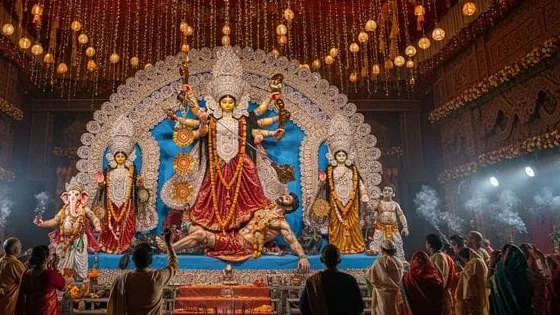
    (Representational image), Durga puja | Ai generated

    Uttam Kumar remains one of the most recognisable cultural figures in Bengal, and his films continue to hold a special place in the public imagination. Bringing his story into a Durga Puja pandal creates a nostalgic journey through an important chapter of Bengali popular culture.

    Dum Dum Park Tarun Sangha looks at Kolkata’s merchant history

    Dum Dum Park Tarun Sangha has turned to the history of Kolkata’s merchant communities for its 2026 theme. The pandal explores the lives of merchant-class settlers and their contribution to the development of the city.

    The concept offers visitors an opportunity to look beyond the familiar landmarks of Kolkata and understand how different communities and occupations helped shape the city over the years.

    Kumartuli Park brings the Ganga into focus

    Kumartuli Park has chosen a theme centred on the Ganga and the relationship between the river and Bengal. The installation explores the cultural and historical importance of the river while drawing attention to the need for its preservation.

    For a city whose identity has long been connected with the Hooghly and the Ganga, the theme adds an environmental dimension to the festivities.

    (Representational image), Durga puja | Ai generated

    Hindustan Park tells an unusual story through matchsticks

    Hindustan Park has taken inspiration from the 1888 Matchgirls’ Strike in London. The pandal uses matchsticks as a central visual element while bringing attention to the struggles of child workers in the match industry.

    The theme, titled ‘Sphulinga’, uses the idea of a spark as a metaphor for resistance and change. The unusual choice of material also makes the installation visually distinctive.

    Chetla Agrani explores the cosmic form

    Chetla Agrani Club has chosen an expansive spiritual and artistic theme, bringing together the cosmic form of Goddess Durga with the Vishwaroop of Lord Krishna.

    The concept explores the idea of the universe, creation and infinite energy through an elaborate visual presentation. It offers visitors an experience that moves beyond conventional pandal decoration and into the realm of mythology and cosmic imagination.

    Ekdalia Evergreen recreates Somnath’s architectural grandeur

    Ekdalia Evergreen has taken inspiration from the Somnath Temple in Gujarat for its 2026 pandal. The structure incorporates elements of the temple’s architecture, while representations of Shiva surround the space.

    At the centre is Goddess Durga, creating a visual combination of temple architecture and traditional devotional imagery.

    Rajdanga Naba Uday Sangha focuses on nature

    Rajdanga Naba Uday Sangha has chosen an environmental theme titled ‘Shodhon’. The pandal uses its artistic presentation to draw attention to the consequences of environmental degradation.

    The theme gives the Puja a contemporary relevance while retaining the visual spectacle associated with Kolkata’s famous community celebrations.

    Also Read | World Mental Health Day 2026: ‘I’m so OCD’, ‘Are you bipolar’, ‘I’m depressed’ – are we turning mental health disorders into punchlines?

    Santoshpur Trikon Park celebrates nature

    Santoshpur Trikon Park has also turned to nature for inspiration. Its 2026 theme, ‘Prakriti’, explores the relationship between human beings and the natural world.

    The installation uses natural elements to create its visual language and reflects on how seemingly ordinary materials can have wider social and economic significance.

    New Town Sarbojanin brings Bengali culture into a modern setting

    New Town Sarbojanin has chosen the theme ‘Padma-Bhushan’, drawing on the cultural symbolism of the lotus in Bengal. The pandal combines contemporary presentation with references to the region’s artistic and cultural heritage.

    The relatively new Puja has been steadily establishing itself on Kolkata’s festive map, and its 2026 installation adds another modern stop to the city’s pandal-hopping circuit.

    Thakurpukur SB Park turns to the world of coal mines

    Thakurpukur SB Park Sarbojanin has chosen ‘Colliery’ as its 2026 theme. The pandal explores the harsh realities of life inside coal mines, including the difficult working conditions faced by miners.

    (Representational image), Durga puja | Ai generated

    The installation also touches upon the darker aspects surrounding coal mining, making it both a visual attraction and a reflection on the lives of people working in difficult environments.

    Also Read | Why jack-o-lanterns were once made from turnips, not pumpkins

    Kolkata’s Puja becomes a canvas for storytelling

    The range of themes across Kolkata this year shows how dramatically the city’s Durga Puja has evolved. A visitor can move from the golden era of Bengali cinema to the history of Kolkata’s merchant communities, from the Ganga and environmental concerns to global history, mythology and architecture.

    This variety is what makes pandal-hopping such an integral part of the Puja experience. The goddess remains at the heart of the festival, but the pandals around her have become spaces where artists and organisers can preserve memories, explore history and present new ideas.

    For those planning their Durga Puja itinerary in 2026, these pandals offer a glimpse of the many sides of Kolkata and Bengal, making the festival as much a journey through culture and art as it is a celebration.

  • Dhruv Rathee to take legal action after Delhi detention, calls situation ‘Emergency-like’

    Dhruv Rathee to take legal action after Delhi detention, calls situation ‘Emergency-like’

    YouTuber Dhruv Rathee has said he will take legal action against those responsible for his detention ahead of a planned protest in Delhi demanding the resignation of Chief Election Commissioner Gyanesh Kumar.

    Rathee made the announcement at a press conference in the national capital after meeting senior advocate Kapil Sibal. He was released after being held for nearly 24 hours in connection with the planned demonstration.

    The protest was organised by the Cockroach Janta Party (CJP), which had planned to gather at Jantar Mantar over the demand for Kumar’s resignation. Delhi Police had denied permission for the demonstration and detained several people ahead of the proposed protest. Rathee was picked up from his residence in Gurugram’s Sector 56 on Saturday morning.

    Rathee says he was ‘kidnapped’, plans legal action

    After his release, Rathee disputed the description of his removal as a detention. In a video posted on social media, he alleged that people in plain clothes came to his residence and took him away without showing a warrant. He also claimed that he was denied access to his lawyer and was not told where he was being taken.

    Rathee described the incident as a “kidnapping” and said he intended to pursue legal action against those he held responsible. His account of the incident remains his allegation, while the circumstances and legality of the detention are matters for official records and any subsequent legal proceedings.

    Also Read | Dhruv Rathee, Pinarayi Vijayan, Arvind Kejriwal: Who were detained ahead of CJP protest?

    Speaking at Sunday’s press conference aired on Youtube, Rathee also criticised the police action during the protests and the restrictions imposed across Delhi. He described the situation as an “undeclared emergency” and questioned the restrictions on peaceful political expression.

    YouTuber attacks BJP over Delhi protest crackdown

    Rathee also levelled criticism at the BJP while speaking about the events surrounding the protest. According to reports, he accused BJP workers of attempting to create a situation in Delhi similar to the unrest witnessed in Nepal and Bangladesh.

    He also alleged that major institutions, including the Election Commission, courts and police, had been captured by “two people”. These were Rathee’s political claims made during the press conference and have not been independently established.

    The controversy comes amid a wider crackdown on protests in Delhi over demands for the resignation of Chief Election Commissioner Gyanesh Kumar. Thousands of people were detained during the weekend, including protesters, activists, journalists and political figures.

    Also Read | Dhruv Rathee, Pinarayi Vijayan, Arvind Kejriwal: Who were detained ahead of CJP protest?

    Rathee’s detention has since become another point of contention in the debate over protest rights and police powers. The Delhi High Court Bar Association also criticised the detention of lawyers and alleged excessive use of force during the October 10 demonstrations.

    The legal action announced by Rathee is now likely to put the circumstances surrounding his detention under further scrutiny, particularly his claims regarding how he was taken from his home and the restrictions he says were placed on him while in custody.

  • Why jack-o-lanterns were once made from turnips, not pumpkins

    Why jack-o-lanterns were once made from turnips, not pumpkins

    Every Halloween, carved pumpkins with glowing eyes and crooked smiles appear outside homes, shops and parties. The jack-o-lantern has become one of the most recognisable symbols of the festival. But the tradition did not begin with pumpkins.

    The earliest versions were made from turnips and other root vegetables in Ireland. The change from turnip to pumpkin happened much later, after Irish immigrants carried their Halloween customs to the United States. Behind that transformation lies a story involving Irish folklore, the ancient Celtic festival of Samhain, the devastating Great Famine and even a crop-destroying microorganism.

    The legend of Stingy Jack

    (Representational image) Jack-o lanterns | Ai generated

    The story of the jack-o-lantern is closely linked to an Irish folklore character known as Stingy Jack. According to the legend, Jack repeatedly tricked the devil. When he eventually died, however, he was accepted neither into heaven nor hell.

    Instead, Jack was condemned to wander the earth in darkness. The devil gave him a burning ember, which Jack placed inside a hollowed-out turnip to create a makeshift lantern. This gave rise to the name Jack of the Lantern, which eventually became jack-o-lantern.

    The story became connected with Halloween traditions in Ireland and Scotland, where people carved frightening faces into turnips and other vegetables. These lanterns were placed near homes or entrances, partly to frighten away wandering spirits.

    The custom also had links with Samhain, the Celtic festival marking the end of the harvest and the beginning of the Celtic new year. During the autumn celebrations, people used candles or burning coal inside hollowed vegetables as simple sources of light. The belief that the boundary between the living and the dead became weaker around this time also helped give the practice its supernatural character.

    How Ireland’s famine helped take the tradition to America

    The modern pumpkin jack-o-lantern has an unexpected connection with Ireland’s Great Famine of the 1840s.

    Between 1845 and 1849, Ireland was devastated by potato blight caused by Phytophthora infestans. Potatoes were a staple food for a large section of the population, and repeated crop failures contributed to widespread starvation, disease and mass migration. More than a million people died, while another million or more left Ireland.

    A large number of Irish migrants settled in the United States. They brought their customs and Halloween traditions with them, including the practice of carving vegetables into lanterns.

    (Representational image) Jack-o lanterns | Ai generated

    But there was a practical problem. Turnips, which had traditionally been used in Ireland, were not as suitable or readily available in the United States. American pumpkins, on the other hand, were larger, plentiful during autumn and much easier to hollow out and carve.

    Also Read | World Mental Health Day 2026: ‘I’m so OCD’, ‘Are you bipolar’, ‘I’m depressed’ – are we turning mental health disorders into punchlines?

    The pumpkin therefore gradually replaced the turnip as the preferred material for jack-o-lanterns. What began as an Irish tradition involving root vegetables became one of the defining images of American Halloween. The National Museum of Ireland also describes the pumpkin as an American development of the Irish turnip-lantern tradition.

    The microbial story does not end there

    (Representational image) Jack-o lanterns | Ai generated

    There is another twist to the story. Pumpkins themselves can become vulnerable to microorganisms after they are carved and left outside for extended periods.

    A 2006 study examining Halloween pumpkins in Northern Ireland found significant fungal deterioration. Researchers identified several types of fungi, including Penicillium, Gibberella, Mucor, Nectria and Fusarium. Some of these fungi can cause infections in people with weakened immune systems.

    That does not mean people need to abandon the Halloween tradition. But mouldy or visibly decomposing pumpkins should be discarded, particularly in places such as healthcare settings where vulnerable people may be exposed to fungal spores.

    Also Read | Craving rolls this Puja? 7 Kolkata spots for their authentic chicken and mutton rolls

    So, the glowing pumpkin sitting outside a home today carries a much longer history than it might appear to. Its story stretches from Irish folklore and Samhain to the Great Famine, migration and American Halloween culture. The pumpkin may now be the face of Halloween, but its roots can be traced back to a much humbler vegetable: the Irish turnip.