Author: Poulomee Mangal

  • Autumn Travel Guide: 10 stunning places to visit in India this festive season

    Autumn Travel Guide: 10 stunning places to visit in India this festive season

    As the monsoon season finally bids goodbye, autumn season enters with clear blue skies, cool breezes and lush landscapes across India. Autumn season is known for the festive seasons, making September and October one of the most popular times for travel. Whether you want to experience colourful festivals, peaceful hill stations, heritage cities or nature at its finest, autumn offers something for every traveller.

    Here are 10 destinations that deserve a spot on your travel list this season.

    Kashmir
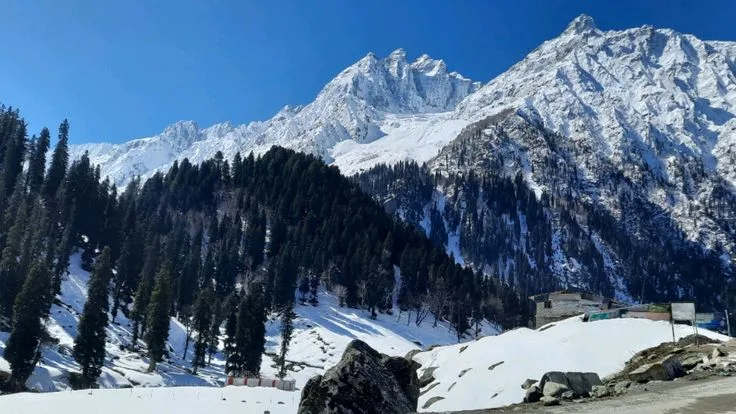
    Autumn transforms Kashmir into a canvas of red, orange and golden hues as the chinar trees change colour. The weather remains cool and comfortable, making it the perfect time to visit Srinagar in autumn, Dal Lake, Gulmarg and Pahalgam.

    Also Read | Tiger safari season is back: 8 national parks to visit as safari gates reopen in October

    Kolkata, West Bengal

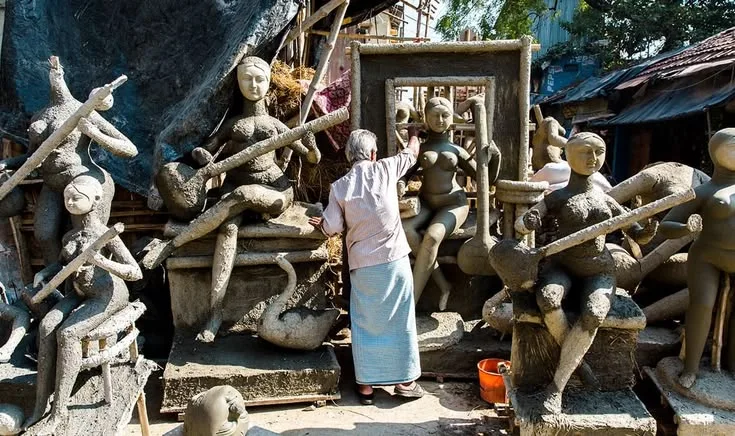
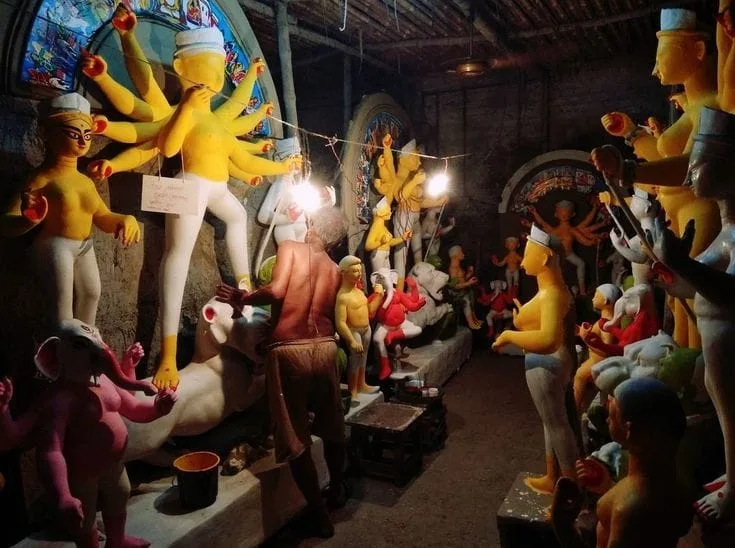
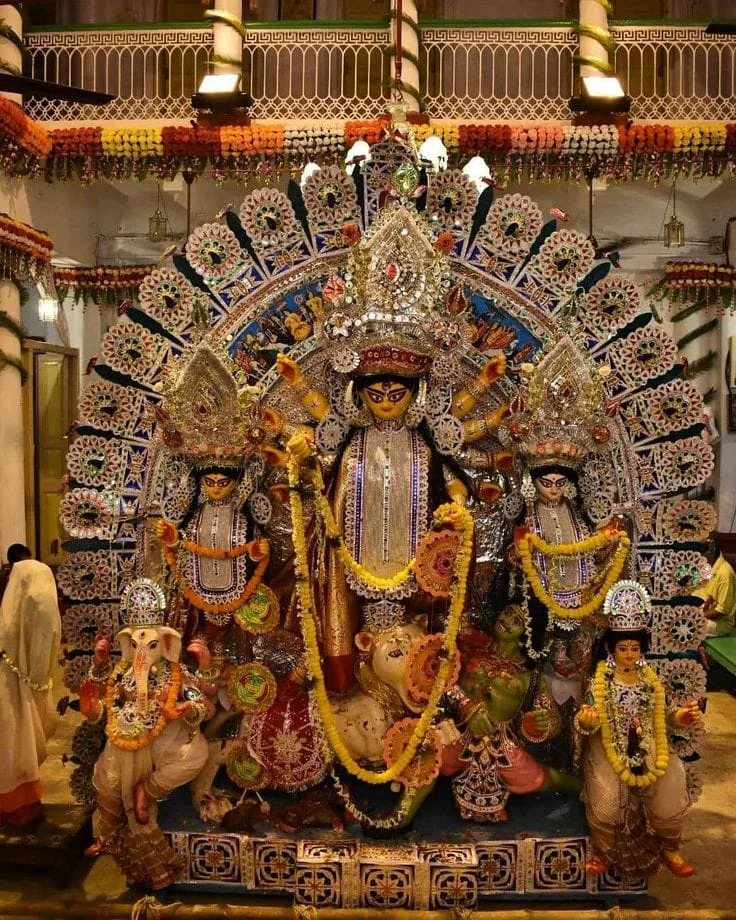
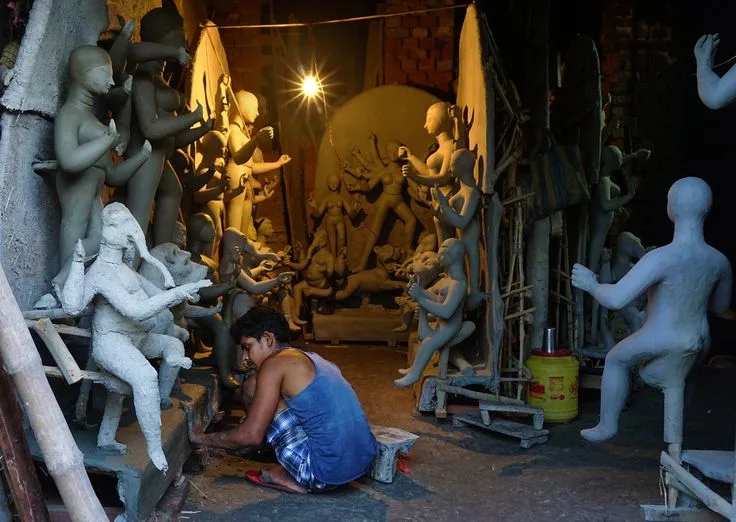
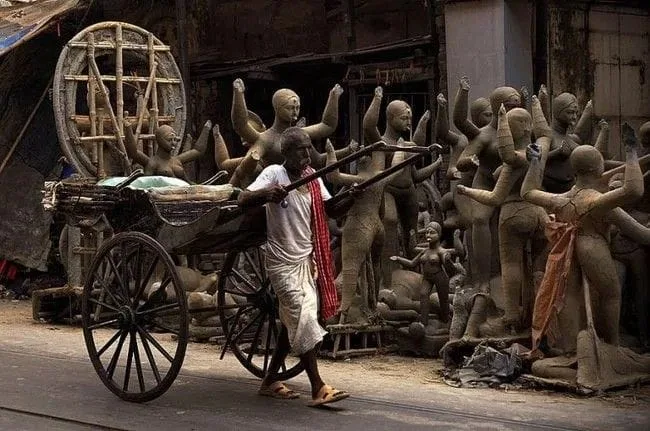
    Durga Puja is the biggest reason to visit Kolkata in autumn. The city comes alive with beautifully designed pandals, dazzling lights, cultural performances and delicious street food. Visiting Kumartuli before the festival adds another unique experience, where artisans create Maa Durga idols by hand.

    Udaipur, Rajasthan
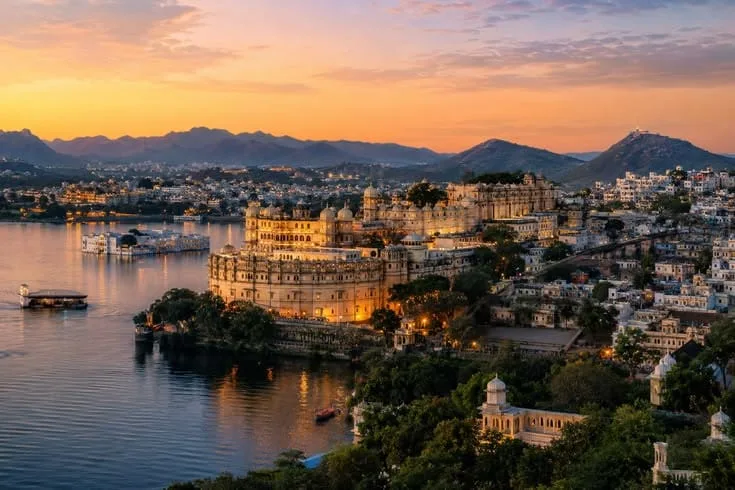
    After the monsoon, Udaipur’s lakes are full and the city’s gardens look fresh and green. Pleasant evenings make sightseeing enjoyable, while boat rides on Lake Pichola and visits to City Palace become even more memorable.

    Also Read | Digi Yatra international trial may begin at Delhi, Mumbai, Bengaluru, Hyderabad and Cochin airports

    Munnar, Kerala
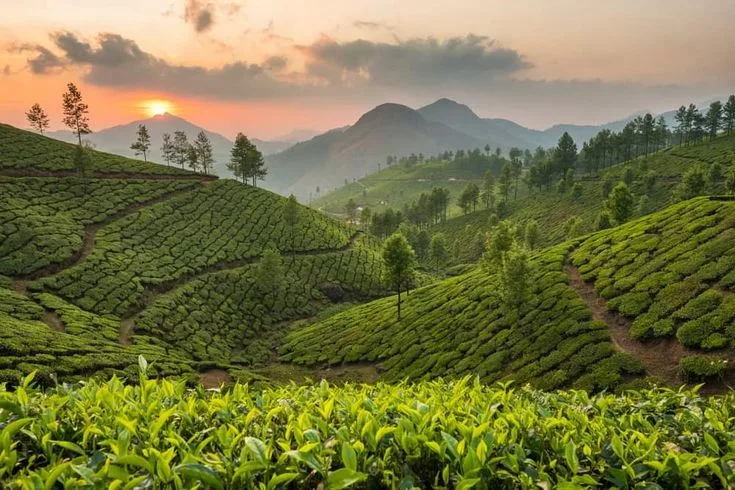
    The tea plantations of Munnar look especially vibrant after the rains. Mist-covered hills, waterfalls and cool weather make it one of the most refreshing destinations in South India during autumn.

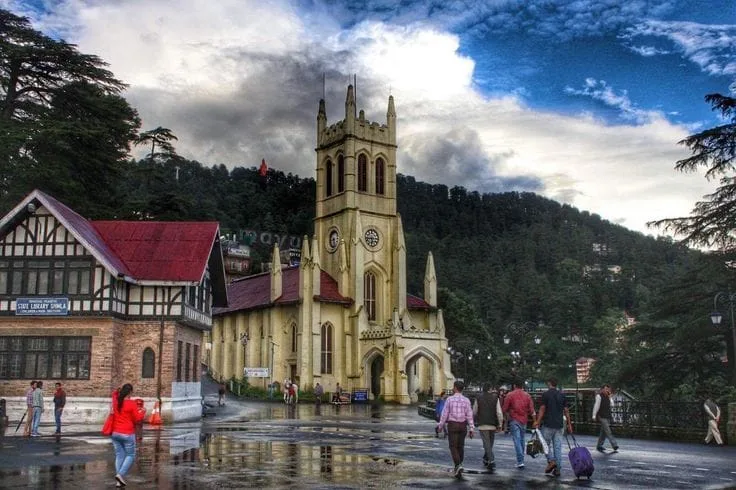
    Shimla, Himachal Pradesh
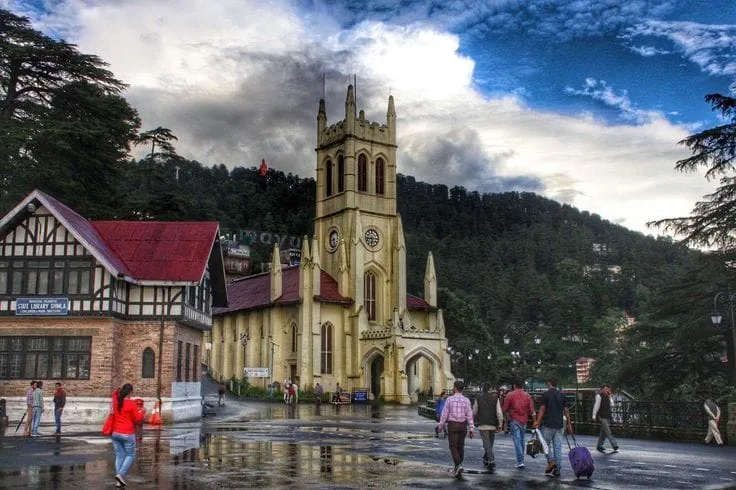
    Shimla enjoys crisp weather and clear mountain views during autumn. It’s a great time to stroll along the Mall Road, visit colonial-era landmarks and enjoy the peaceful atmosphere before the winter tourist rush begins.

    Coorg, Karnataka
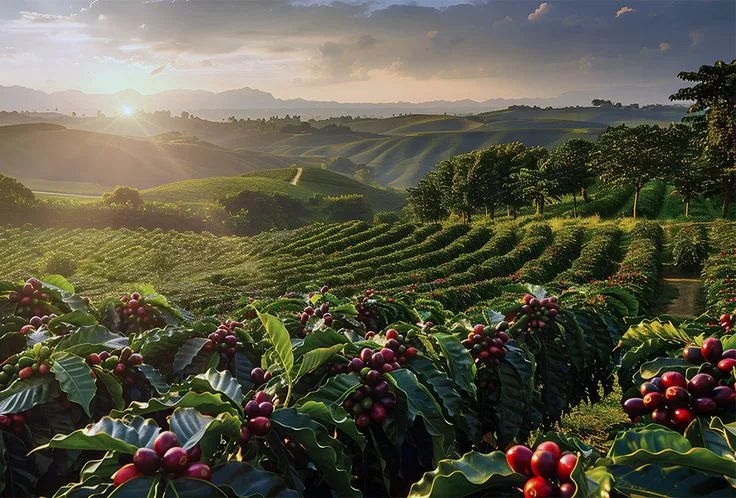
    Known as the “Scotland of India”, Coorg is lush and beautiful during autumn. Coffee plantations, forests and waterfalls are at their greenest, making it ideal for nature lovers and weekend travellers.

    Goa
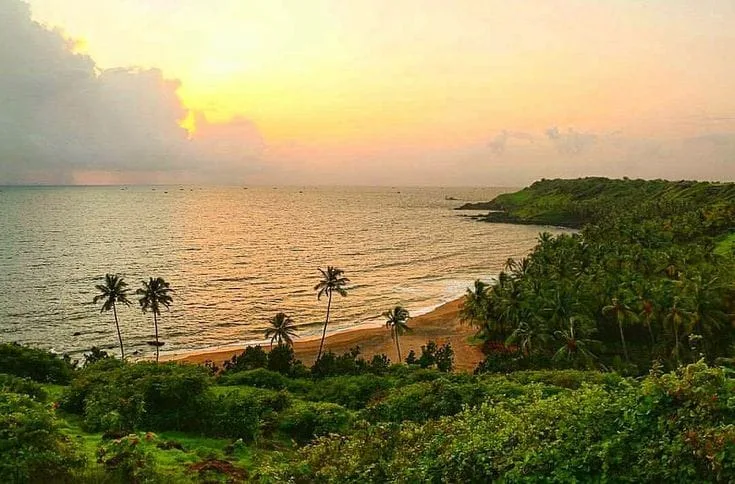
    Autumn is one of the best times to visit Goa if you want to avoid peak-season crowds. The beaches are cleaner after the monsoon, the weather is pleasant and the landscape remains beautifully green.

    Varanasi, Uttar Pradesh
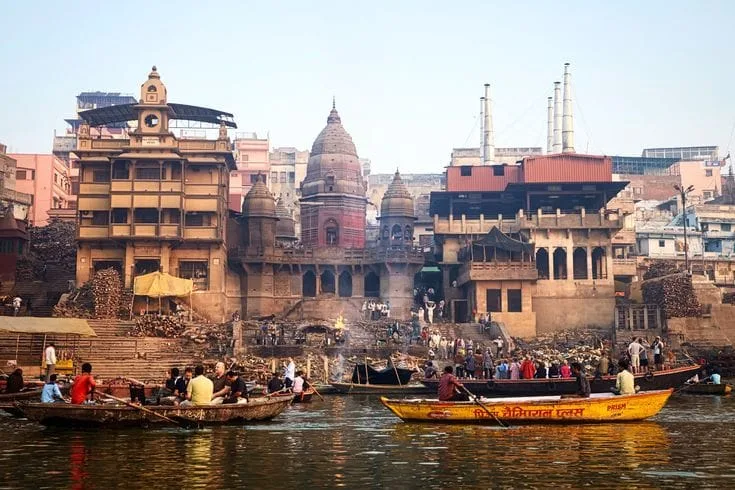
    The cooler weather makes exploring Varanasi much easier. Witness the evening Ganga Aarti, take a sunrise boat ride on the Ganges and experience the city’s spiritual atmosphere during the festive season.

    Manali, Himachal Pradesh
    Manali offers fresh mountain air, colourful landscapes and comfortable weather in autumn. It’s also a good season for trekking, camping and visiting nearby valleys before snowfall begins.

    Agra, Uttar Pradesh
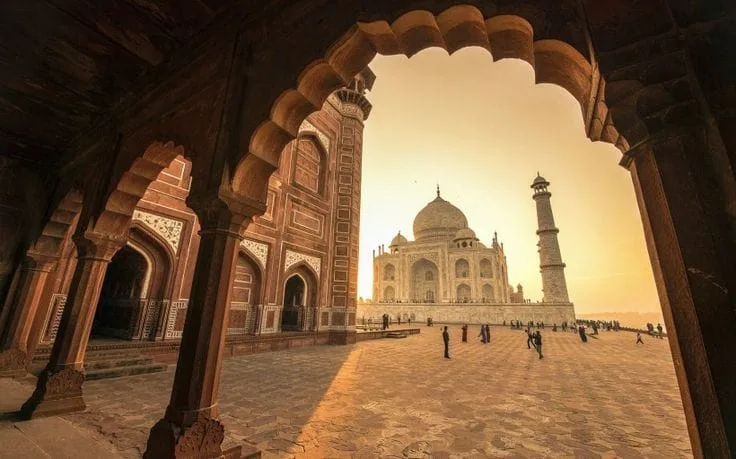
    Autumn is considered one of the best seasons to visit the Taj Mahal. The skies are usually clear after the monsoon, making the iconic monument look even more beautiful during sunrise and sunset.
  • Kumartuli: The 300-year-old Kolkata neighbourhood where Maa Durga comes to life before Puja

    Kumartuli: The 300-year-old Kolkata neighbourhood where Maa Durga comes to life before Puja

    For most Bengalis, Durga Puja begins with Mahalaya, the sound of Mahishasuramardini on the radio. But in Kolkata, the festival starts much earlier in the winding lanes of Kumartuli, where artisans spend months giving shape to Maa Durga. Long before the goddess reaches pandals across the city, she is born here through clay, straw, bamboo and generations of craftsmanship.

    Located in North Kolkata, Kumartuli is nearly 300 years old and is considered the heart of Bengal’s idol-making tradition. Every year, hundreds of sculptors work in small workshops to create thousands of idols of Maa Durga, Lakshmi, Saraswati, Kartik and Ganesha for Pujas across India and in many countries abroad.

    A tradition that has survived for centuries

    The name Kumartuli comes from the Bengali words Kumar (potter) and Tuli (locality). The neighbourhood was established in the early 18th century when potter families settled in the area and began making clay idols. Over time, the place grew into Kolkata’s most famous artisan hub, with skills passed down from one generation to other generations.

    Also Read | Is Arsalan’s food safe to eat? Restaurant clarifies Achari Kebab aroma after West Bengal food safety inspection

    Today, idols of Devi Durga made in Kumartuli are transported not only across West Bengal but also to cities like Delhi, Mumbai and Bengaluru, as well as countries including the US, UK, Canada and Australia, wherever Bengali communities celebrate Durga Puja.

    How Maa Durga takes shape

    The making of a Durga idol still follows a traditional gateway that has been followed over the decades. It begins with a bamboo framework that forms the structure of the idol. Straw is tied around it to create the body, followed by layers of clay collected from riverbanks. Once the clay dries, artisans sculpt the face, hands and finer details with remarkable precision.

    Also Read | Who is Sumit Roy? Abhishek Banerjee’s PA arrested in Shalbani land scam case

    After the sculpture is complete, the idol is painted and decorated with clothes, ornaments and weapons. One of the most significant tradition of all is Chokkhu Daan, the ritual of painting Maa Durga’s eyes, which traditionally takes place around Mahalaya and is seen as giving life to the idol.

    The busiest weeks before Durga Puja

    The weeks before Durga Puja are the busiest time in Kumartuli. Workshops remain open from early morning until late at night as artisans rush to complete orders before the festival begins. Despite challenges such as heavy rainfall, rising raw material costs and labour shortages this year, work continues at full pace to ensure idols reach pandals on time.

    Kumartuli is more than a place where idols are made. It is a living reminder of Kolkata’s artistic heritage and one of the first places where the spirit of Durga Puja comes alive each year.

    This is the place where Ma Durga comes alive first and later into tha pandals.

  • Tiger safari season is back: 8 national parks to visit as safari gates reopen in October

    Tiger safari season is back: 8 national parks to visit as safari gates reopen in October

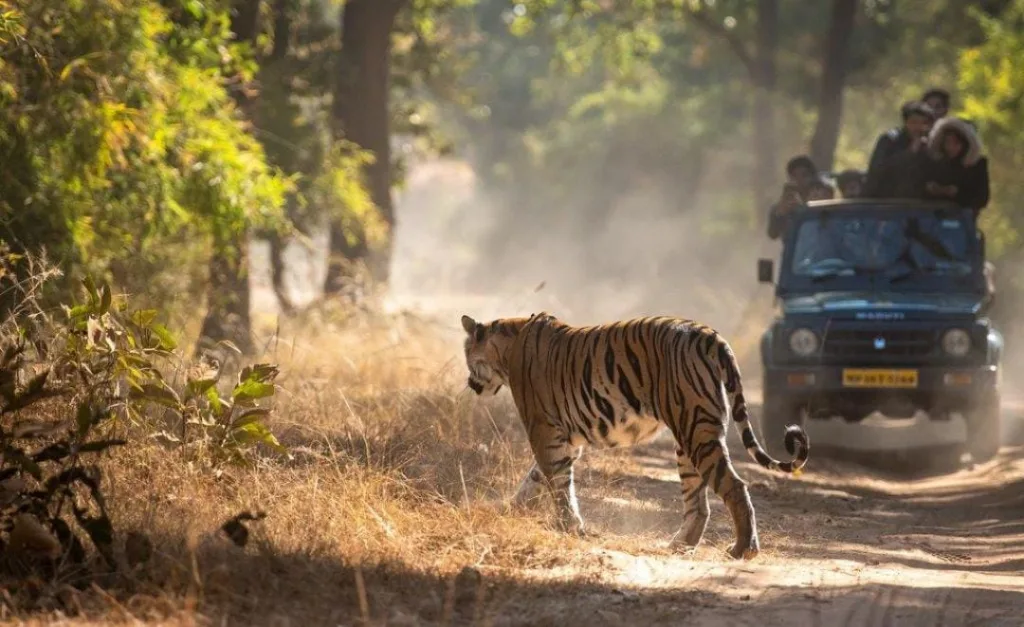
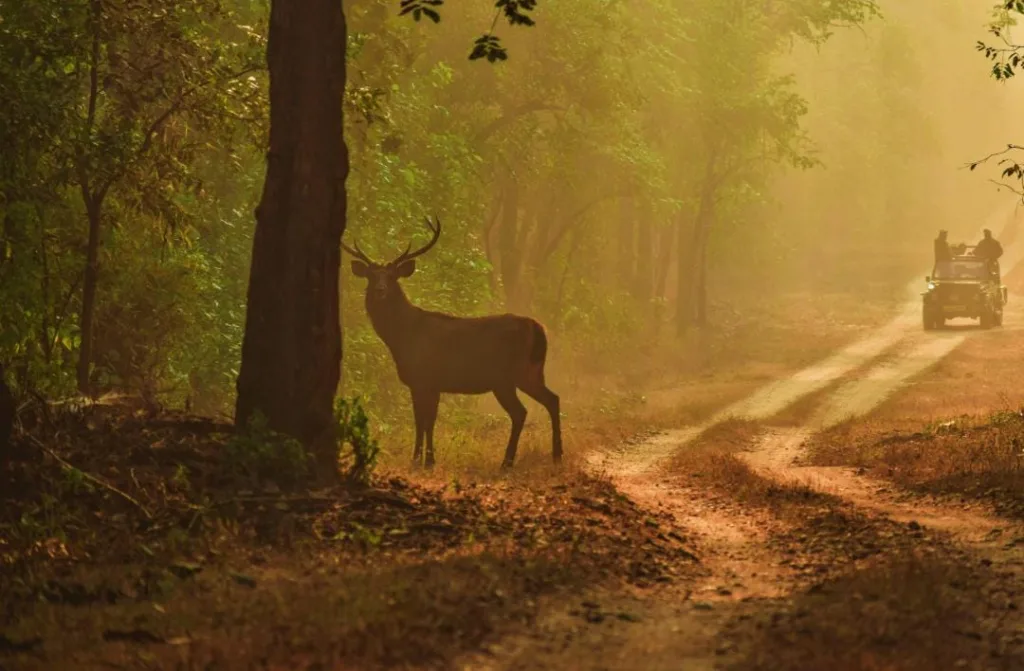
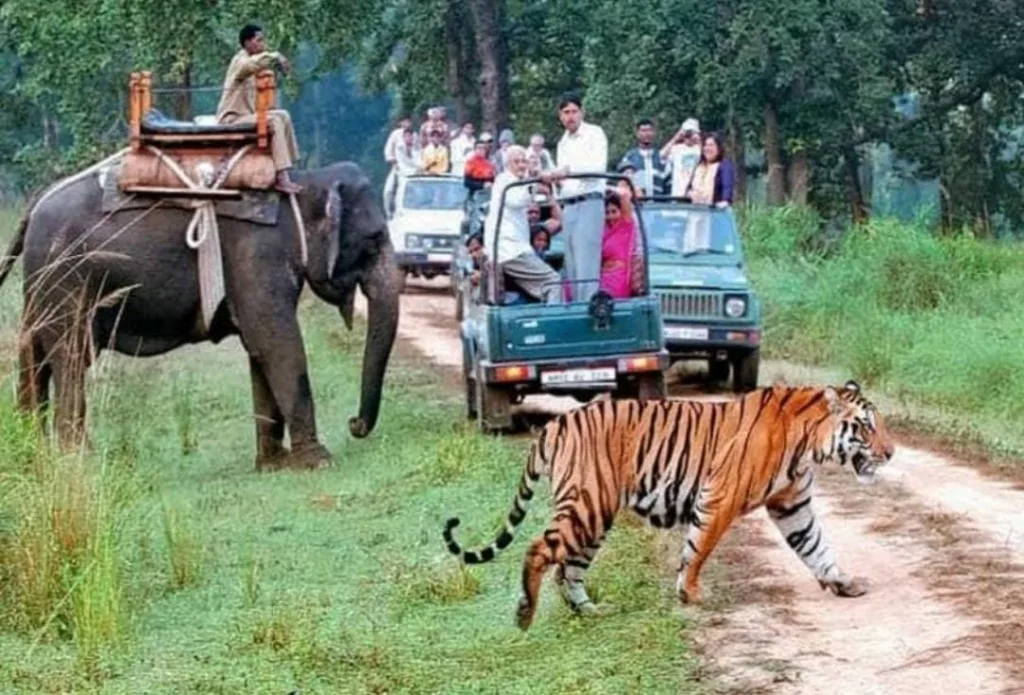
    As the monsoon comes to an end, India’s forests are ready to welcome wildlife lovers once again. Every year, most tiger reserves remain closed during the rainy season to protect breeding habitats, allow forests to recover, and repair safari tracks damaged by heavy rainfall. With October marking the beginning of the new safari season, travellers can once again enter the country’s iconic national parks.

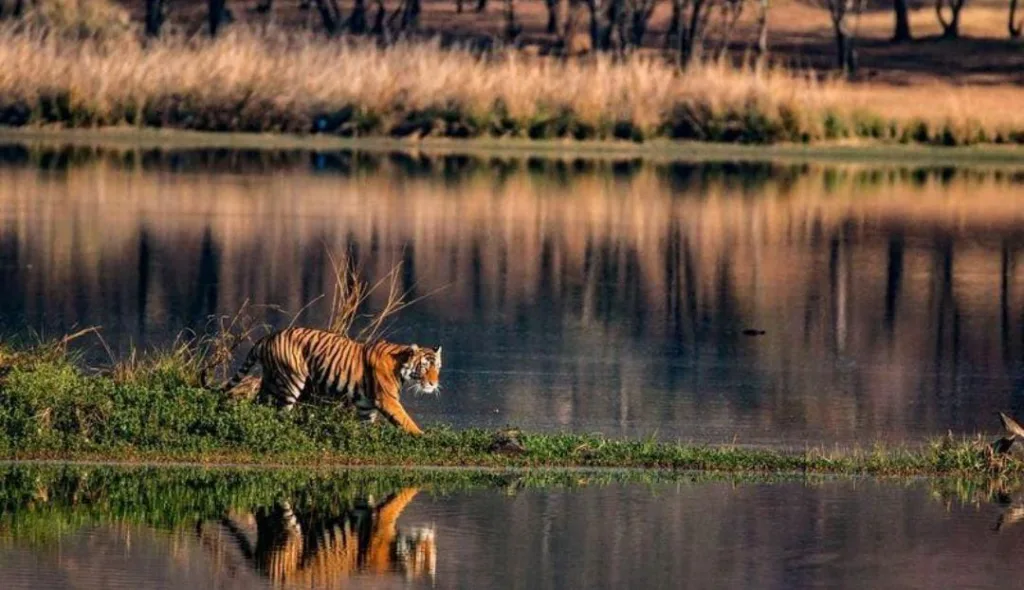
    The post-monsoon months bring lush green landscapes, flowing rivers, pleasant temperatures and a fresh burst of wildlife activity. While dense vegetation can make tiger sightings slightly more challenging than summer, October offers one of the most beautiful times to experience India’s forests.

    Why October is a great time for a tiger safari

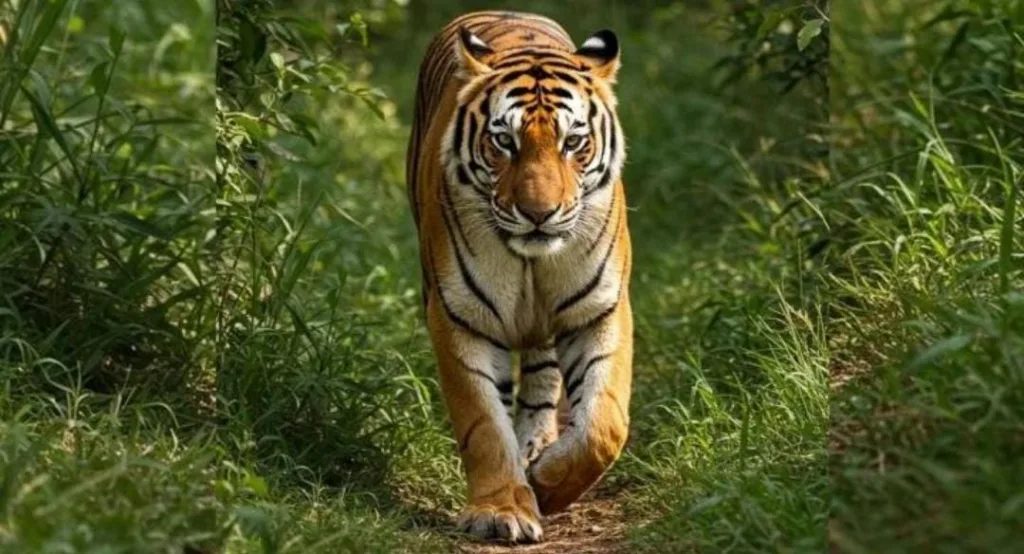
    October offers a different side of India’s forests. The rains leave behind vibrant greenery, water bodies are full, and animals become more active in the cooler weather. Apart from tigers, visitors have a chance to spot leopards, elephants, sloth bears, deer, wild dogs and a wide variety of birds.

    Many parks also reopen their core safari zones from October 1, while a few gradually open additional zones later in the month depending on weather conditions.

    8 tiger reserves reopening this October

    Ranthambore National Park, Rajasthan

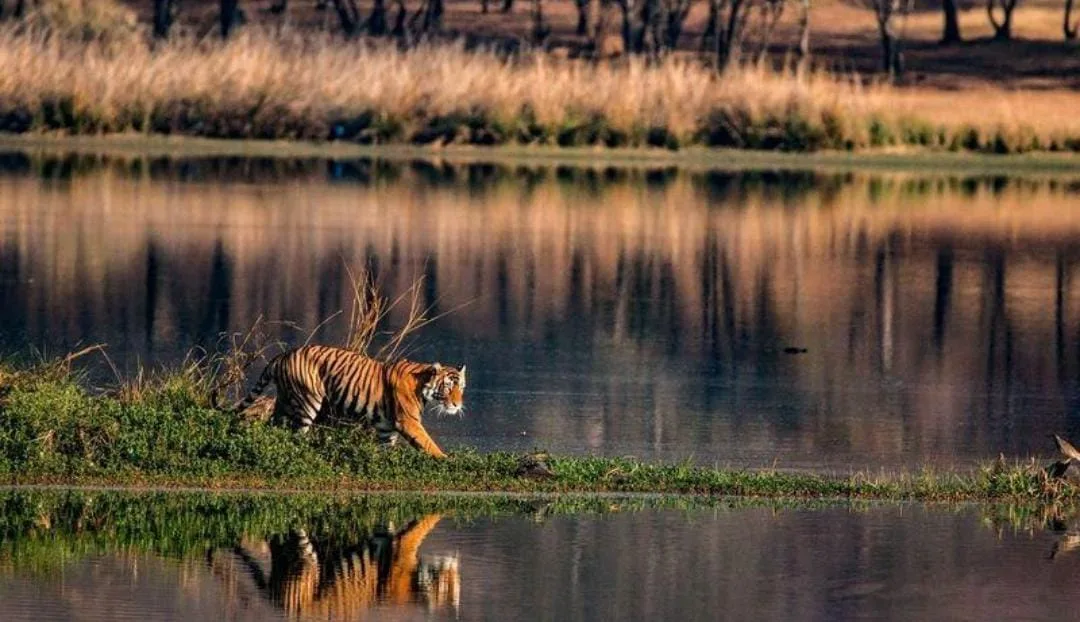
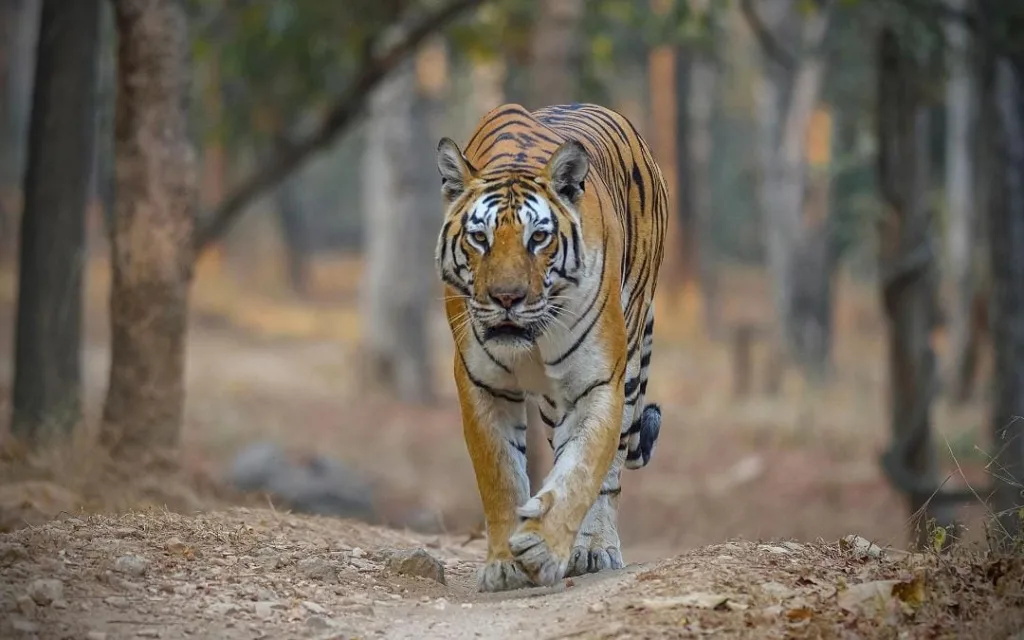
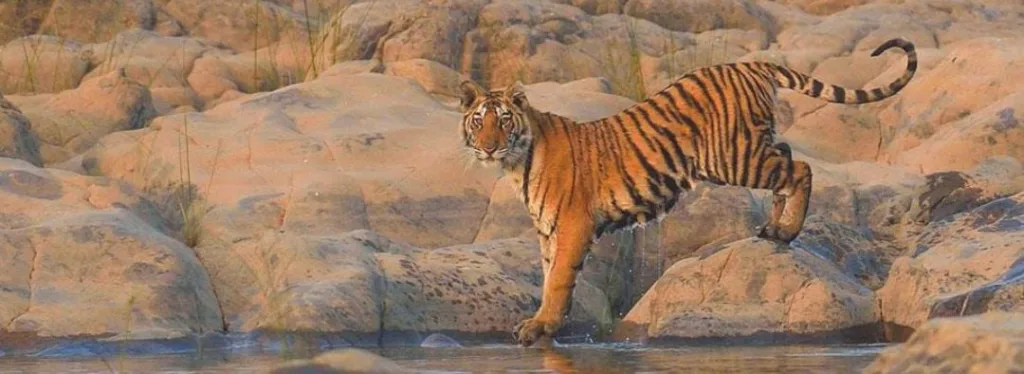
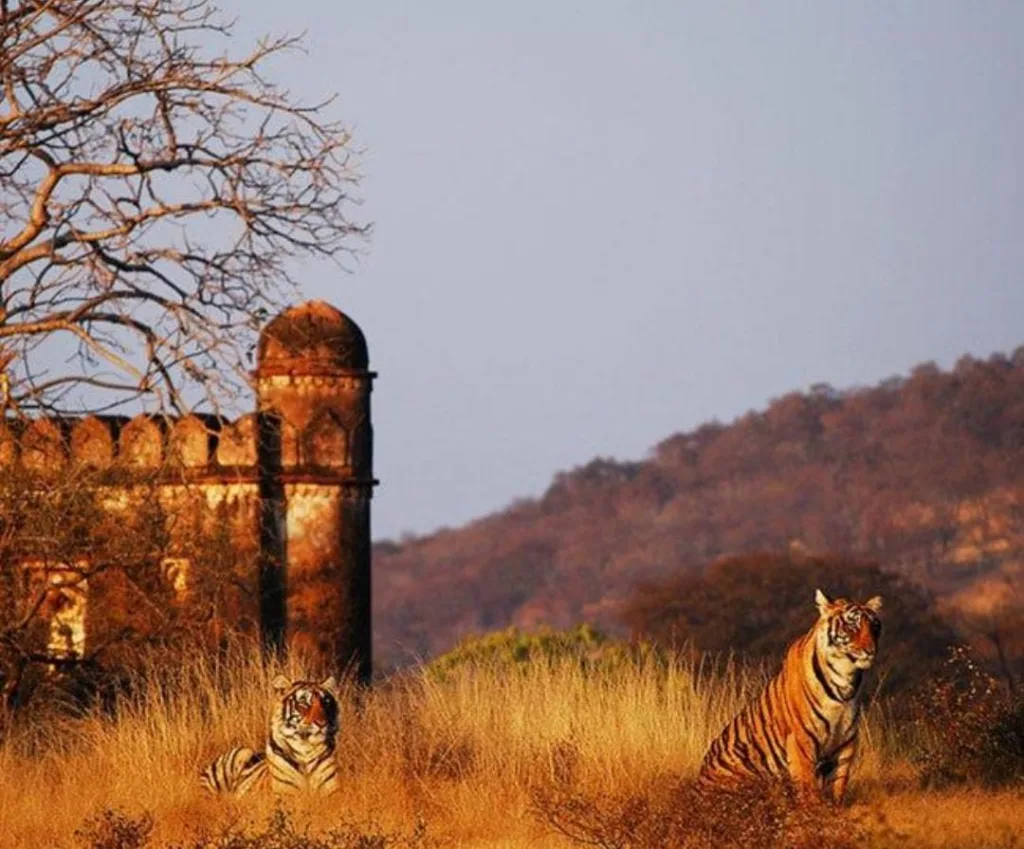
    One of India’s most famous tiger reserves, Ranthambore is known for its tigers roaming near lakes, ancient ruins and the historic Ranthambore Fort. The park reopens on October 1 after the monsoon closure.

    Bandhavgarh Tiger Reserve, Madhya Pradesh

    Bandhavgarh has one of the highest tiger populations in India. Its dense forests, rocky hills and grasslands also shelter leopards, sloth bears and more than 300 species of birds.

    Also Read | Digi Yatra international trial may begin at Delhi, Mumbai, Bengaluru, Hyderabad and Cochin airports

    Kanha Tiger Reserve, Madhya Pradesh

    Known for inspiring The Jungle Book, Kanha is famous for its sprawling sal forests and the rare hard-ground barasingha. It is one of the country’s largest and most scenic tiger reserves.

    Pench Tiger Reserve, Madhya Pradesh-Maharashtra

    Spread across two states, Pench is home to tigers, leopards, wild dogs and rich birdlife. The reserve’s teak forests and open meadows make it a favourite among wildlife photographers.

    Also Read | 7 luxury fashion hotels every style lover should know

    Tadoba-Andhari Tiger Reserve, Maharashtra

    Tadoba is among Maharashtra’s top wildlife destinations and is well known for frequent tiger sightings. Visitors can also spot sloth bears, leopards and marsh crocodiles here.

    Panna Tiger Reserve, Madhya Pradesh

    Located near Khajuraho, Panna is recognised for its successful tiger conservation programme. The Ken River flowing through the reserve adds to its scenic beauty.

    Jim Corbett National Park, Uttarakhand

    India’s oldest national park begins reopening several safari zones in October, with some remaining zones opening later. Besides tigers, Corbett is famous for elephants, gharials and hundreds of bird species.

    Sariska Tiger Reserve, Rajasthan

    Nestled in the Aravalli hills, Sariska offers a mix of wildlife, forests, lakes and historic temples. It is an excellent destination for travellers looking for both nature and heritage.

    Things to know before planning your trip

    Safari permits for popular parks such as Ranthambore, Bandhavgarh and Kanha are often booked well in advance. Visitors should check the official forest department booking portals for opening dates, safari timings and zone availability before making travel plans, as not all zones reopen on the same day.

  • What is a Myth? The deeper meaning behind ancient stories explained

    What is a Myth? The deeper meaning behind ancient stories explained

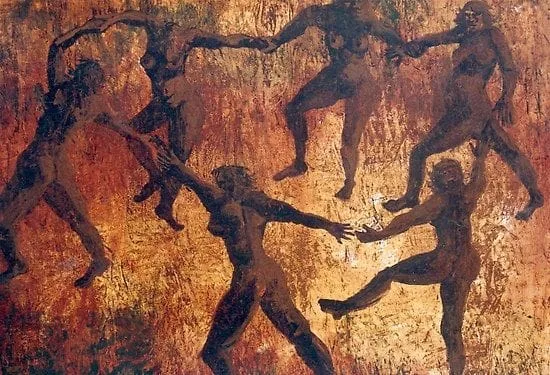
    The word “myth” is often used to describe something false or imaginary. But in mythology and history, it has a very different meaning. Myths are something that communities have carried from one generation to the next generation to explain the world, human life, nature and the divine. The myths are part of a culture’s memory and identity, whether they are written down or passed on through oral tradition.

    Every civilisation has myths. From the stories of the Ramayana and Mahabharata in India to the tales of Zeus and Athena in Greece, myths have helped people make sense of questions that had no simple answers.

    Looking at myths through archaeomythology

    Archaeomythology studies myths alongside archaeology, history, language and folklore. Instead of reading an ancient story on its own, it asks what that story can tell us about the people who created it.

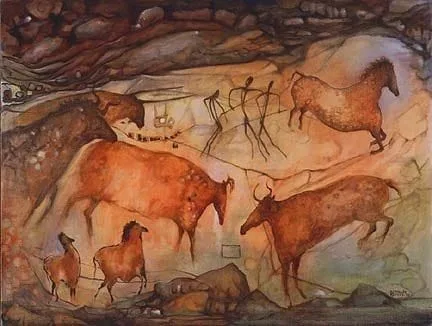
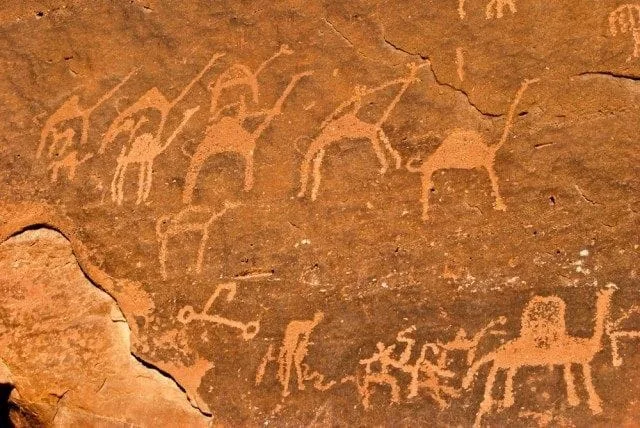
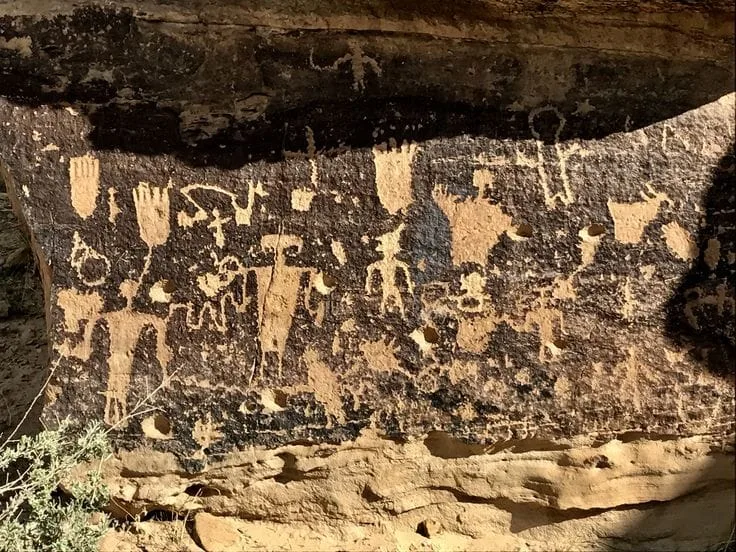
    The field was developed by archaeologist Marija Gimbutas, who believed ancient symbols, temples, artefacts and myths should be studied together. Pottery, cave paintings, burial sites and religious symbols can all add context to stories that have survived for centuries.

    Do myths contain history?

    Not every myth is a historical account. At the same time, many researchers believe myths can serve as the preserved memories of real events, places and traditions.

    As stories travel across generations to generations, details often change. Gods, heroes and magical elements may become part of the oral tradition and the older customs, rituals and social beliefs can remain hidden within those stories. Archaeomythology tries to identify those traces without treating every myth as literal history.

    Also Read | How is Goddess Jagadhatri different from Goddess Durga? The similarities, symbolism and story behind the festival

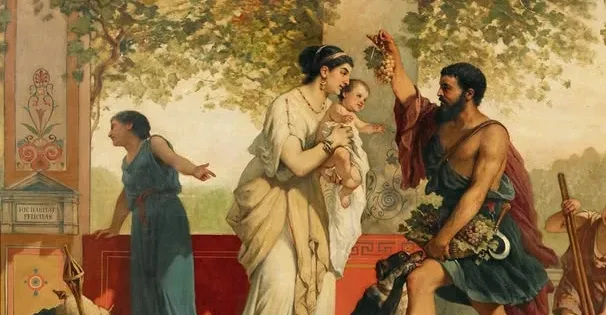
    A well-known example is Ariadne from Greek mythology. She is usually remembered for helping Theseus escape the Labyrinth. Some archaeomythologists argue that older traditions point to Ariadne as an important Minoan goddess connected with fertility and renewal before her story changed over time.

    Why myths still matter today

    Myths continue to influence festivals, literature, art and everyday traditions. They tell us how ancient civilisations understood life, death, nature and the relationship between humans and the sacred. Even today, many rituals and cultural practices draw from the ancient stories that have existed for hundreds or even thousands of years.

    Also Read | Greek and Roman nymphs: The forgotten guardians of nature in ancient mythology

    Reading myths this way is less about asking whether every event happened exactly as described and more about understanding what those stories meant to the people who narrated them.

  • How is Goddess Jagadhatri different from Goddess Durga? The similarities, symbolism and story behind the festival

    How is Goddess Jagadhatri different from Goddess Durga? The similarities, symbolism and story behind the festival

    From the beautifully lit streets of Chandannagar to the traditional celebrations in Krishnanagar, Jagadhatri puja has become an important part of Bengal’s festive calendar.

    Many people often wonder whether Goddess Jagadhatri is another form of Goddess Durga. The answer is yes, but the two are not worshipped in exactly the same way.

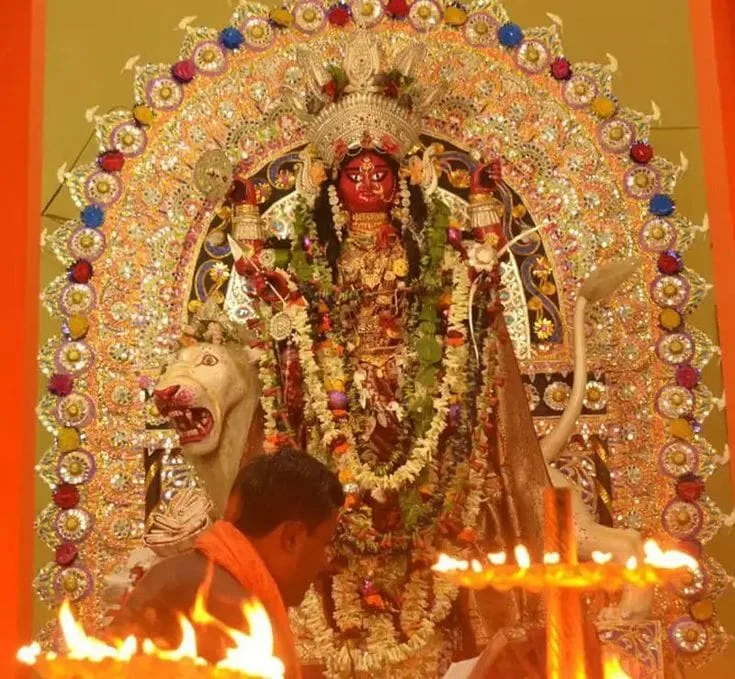
    In the Hindu scriptures the people used to believe that Ma Jagadhatri as a form of Adi Shakti, the divine feminine power who protects and sustains the world. As per the scriptures ma Jagadhatri shares several characteristics with devi Durga, her appearance, symbolism and the story behind her worship are different.

    The similarities between Goddess Jagadhatri and Goddess Durga

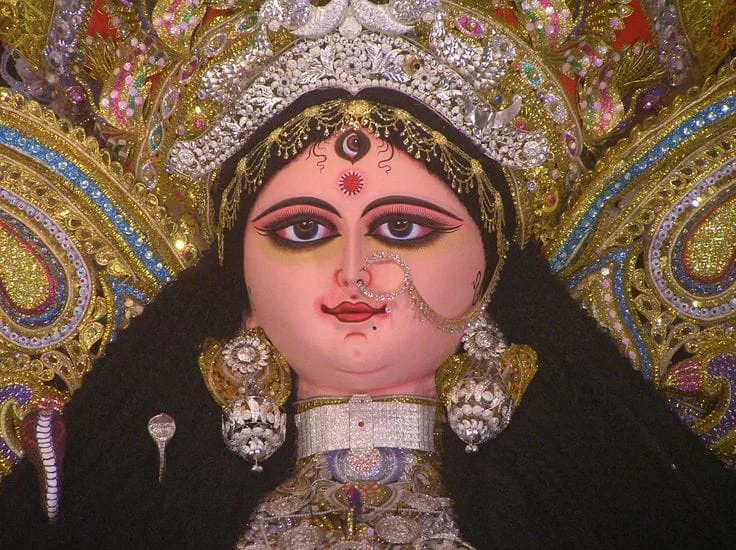
    Goddess Jagadhatri and Goddess Durga are both worshipped as powerful forms of Shakti. Both of the mighty Godesses are Trinayani which means three-eyed goddesses. The three nayan represents wisdom, strength and divine vision. The two goddesses are usually shown riding a lion, a symbol of courage and fearlessness.

    Also Read | Greek and Roman nymphs: The forgotten guardians of nature in ancient mythology

    Like Devi Durga, Ma Jagadhatri is believed to protect devotees from evil and restore balance whenever arrogance and injustice grow over peace. This is one of the reasons devotees see her as another manifestation of the same divine power.

    What makes Goddess Jagadhatri different?

    People usually differentiates the two goddesses with the idols. Goddess Durga is depicted with ten arms, each carrying a weapon gifted by different gods. Goddess Jagadhatri, however, has four arms. She holds a conch, the Sharanga bow, a chakra and five arrows.

    Another major difference is the demon beneath the lion. Durga’s lion is shown defeating Mahishasura, while Jagadhatri’s lion stands over an elephant demon called Karindrasura. Because of this victory, Jagadhatri is also known as Karindrasuranisudini.

    Also Read | Ganesh Chaturthi was once a private festival: Here’s how it become a mass movement

    Her complexion is also traditionally described as radiant like the rising sun, and she is dressed in red, symbolising energy and divine power.

    Why is Jagadhatri worshipped?

    According to mythology, after Mahishasura was defeated by Devi Durga, the gods became proud of their victory. To remove their arrogance, the Goddess appeared as Jagadhatri and reminded them that all strength comes from the supreme divine power.This is the reason why Ma Jagadhatri is associated with humility, self-control and the power that sustains the universe.

    For devotees, Jagadhatri Puja is not only a celebration of victory over evil but also a reminder to let go of pride and remain grounded.

  • Greek and Roman nymphs: The forgotten guardians of nature in ancient mythology

    Greek and Roman nymphs: The forgotten guardians of nature in ancient mythology

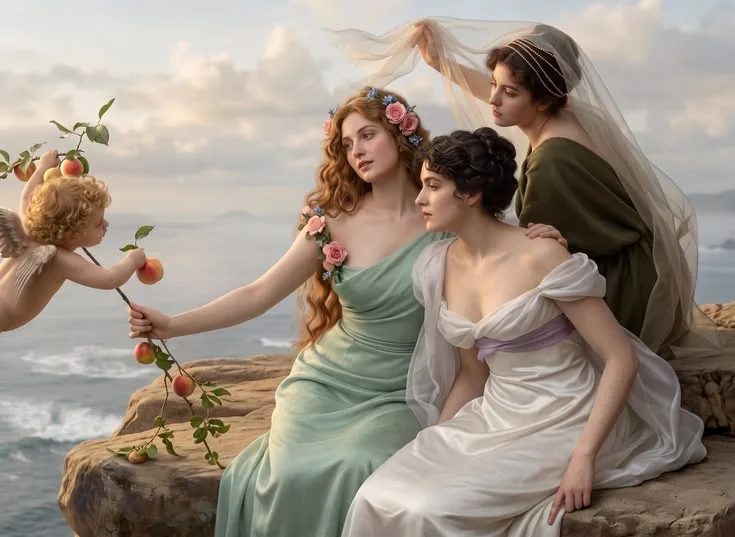
    Most people picture Greek and Roman nymphs as beautiful women wandering through forests or sitting beside waterfalls. That image isn’t entirely wrong, but it leaves out almost everything that made nymphs important in the ancient world.

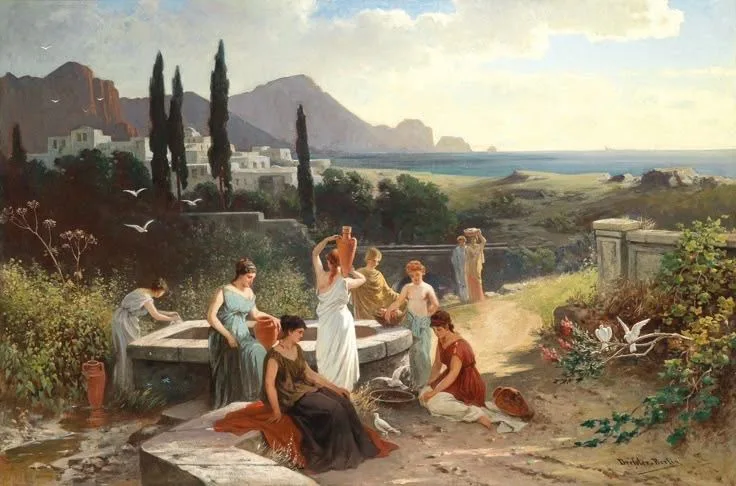
    For the Greeks and Romans, nymphs belonged to the land itself. A river had its own nymph. So did a mountain, a cave, a spring and even a grove of trees. They were not distant gods ruling from the heavens; they were believed to live in the places people crossed, drank from and prayed in every day.

    Every landscape had its own guardian

    Nymphs were described as divine female beings, but each group had a different home and responsibility. Naiads were linked to freshwater rivers and springs. Dryads lived in trees and forests. Oreads were originally connected to mountains and caves, whereas the Nereids were connected to the sea. Oceanids were strongly belonged to the larger water bodies which includes rivers and oceans.

    As they were tied to a particular place, the people believed that harming that place also meant disturbing its guardian spirit.

    Why were nymphs so important?

    In the ancient age the communities depended on forests and freshwater for survival. Springs provided drinking water, rivers helped farming and forests supplied food and shelter. The places became scared from the myths of the Nymphs

    Also Read | Ganesh Chaturthi was once a private festival: Here’s how it become a mass movement

    Nymphs also appear in stories about music, poetry and prophecy. Writers and philosophers believed that a person could only receive inspiration after spending time with the Nymphs or visiting the sacred places.

    Daphne’s story is one of mythology’s best-known tales

    The story of Daphne is remembered across Greek mythology. Apollo fell in love with her, but Daphne always wanted to escape him. She asked her father who was, the river god Peneus, for help and was transformed into a laurel tree. From that day, the laurel became one of the sacreds to Apollo and appeared as a symbol in many Greek traditions.

    More than mythical figures

    Nymphs were never just decorative characters in ancient Greek mythology. They explained why certain places were sacred. Why particular trees or springs were protected, and how people imagined their relationship with nature. Their stories survive because they are directly connected to the rivers, mountains and forests that shaped everyday life in the ancient Mediterranean world.

    Also Read | Pancha Kedar–Part 4: Rudranath, where Lord Shiva revealed his face to the world