Author: Poulomee Mangal

  • Was Ravana evil? The Ramayana’s complicated story of power and consent

    Was Ravana evil? The Ramayana’s complicated story of power and consent

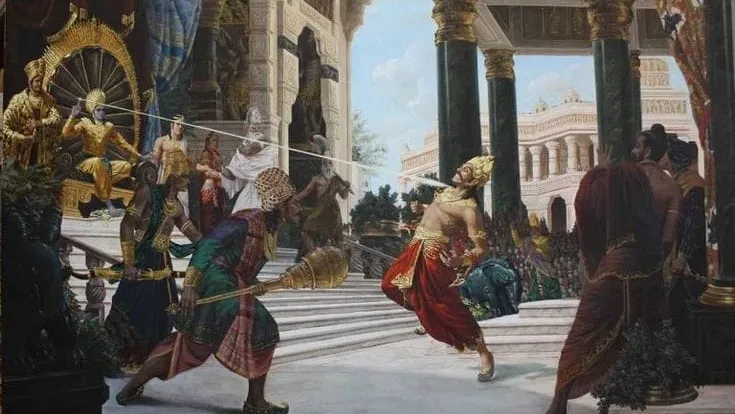
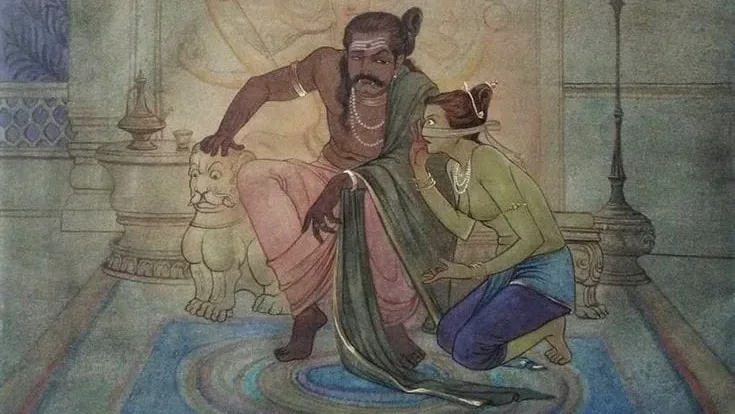
    Ravana is one of the most known figures when it comes to Indian mythology. Every year, his idol is burnt during Dussehra to mark Rama’s victory over the king of Lanka. He is generally described as the villain of the Ramayana, the ruler who abducted Sita and eventually brought about his own destruction.

    Yet Ravana’s character has never been entirely one-dimensional. He is also described in various traditions as a learned man, a powerful ruler, a musician and a devotee of Shiva. This has led to continuing debates about whether Ravana should simply be understood as evil.

    But there is another part of his story that becomes important when his conduct towards women is discussed.

    Ravana and the abduction of Sita

    Ravana’s most well-known act is the abduction of Sita. He takes her away from the forest and brings her to Lanka, where she is kept at the Ashoka Vatika.

    Ravana repeatedly tries to persuade Sita to accept him, but Sita refuses. He does not physically force himself on her. This aspect of the story in Ramyana has sometimes been used to argue that, despite abducting her, Ravana respected her decision not to be with him.

    Also Read | 3 Hindu mythology stories that go beyond good vs evil

    However, the story becomes more complicated when another episode involving the apsara Rambha is considered.

    What happened between Ravana and Rambha?

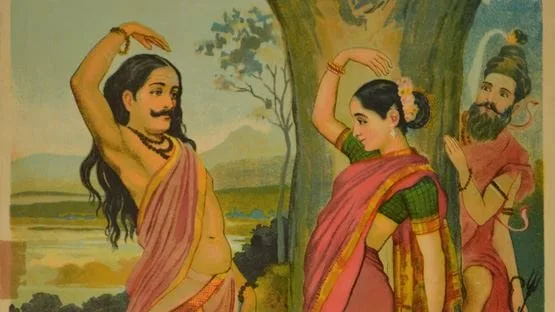
    In the Uttara Kanda of Ramayana, Ravana encounters Rambha and desires to be with her. Rambha tells him that she is connected to his family through Nalakuvera, Ravana’s nephew, and asks him not to approach her.

    Ravana ignores her refusal and sexually assaults her.

    When Nalakuvera learns what happened, he curses Ravana. According to the account, if Ravana ever tries to force himself upon another woman against her wishes, his head will split apart.
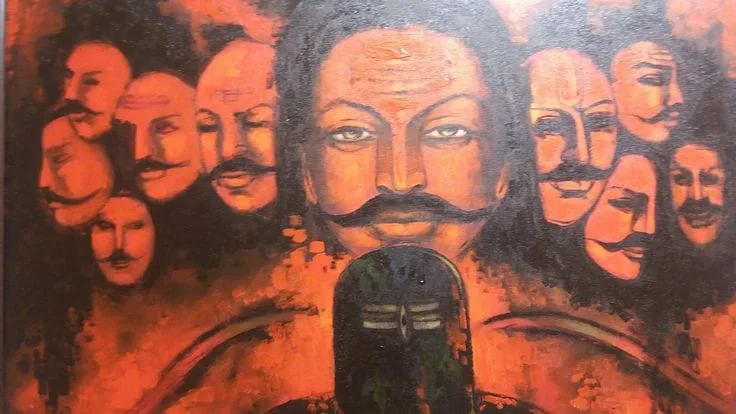
    The curse becomes significant when the story of Sita is considered. It provides one explanation for why Ravana, despite keeping Sita captive, never physically violates her.

    This makes it difficult to describe his behaviour towards Sita simply as an example of his respect for consent. His actions towards Rambha show that he had previously ignored a woman’s refusal. His restraint with Sita can therefore also be read in the context of the curse placed on him.

    The Uttara Kanda question

    There is also a textual question surrounding this episode. The Uttara Kanda has long been the subject of debate among scholars, with questions about whether all of its material formed part of the earliest version of the Valmiki Ramayana.

    That does not make the Rambha story irrelevant. It is still an important part of the wider Ramayana tradition, but it is useful to distinguish between different layers and versions of the epic rather than treating every episode as belonging to one fixed text.

    Also Read | Why should Hindus read Islamic mythology and what it reveals about shared traditions?
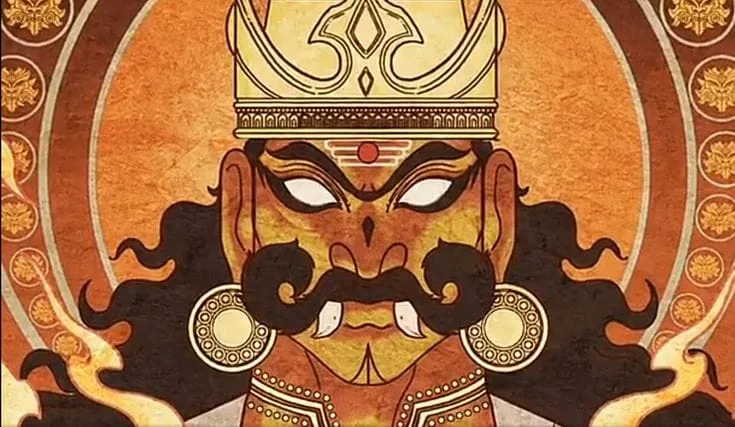
    The Ramayana has been retold across languages, regions and centuries, and its characters have taken on different meanings in different traditions.

    A complicated character does not mean an innocent one

    Ravana’s positive qualities are often brought up when his character is reassessed. He is portrayed as highly educated and is associated with music, scholarship and devotion to Shiva. Some traditions also remember him as a capable ruler.

    But these qualities do not erase his actions.

    A person can possess admirable qualities and still commit serious wrongdoing. In Ravana’s case, his scholarship or devotion does not change the fact that Sita was taken against her will and kept in Lanka.

    The same distinction is important when discussing the Rambha episode. Whether Ravana’s actions are viewed through a modern understanding of consent or through the moral framework of the epic, Rambha’s refusal is clear within the story, and Ravana ignores it.
    Why the debate around Ravana continues

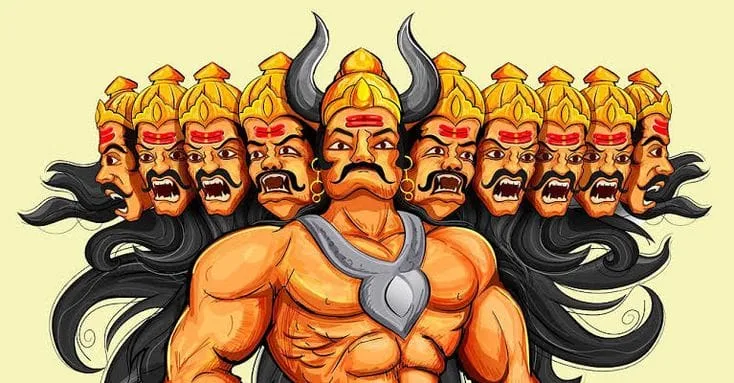
    Ravana remains an interesting figure precisely because the Ramayana does not leave readers with a character who can be understood through one quality alone. He is a powerful king, a scholar and a devotee, but he is also responsible for the abduction of Sita and, in the Rambha episode, an assault committed despite her refusal.

    There are also communities and traditions in India where Ravana is viewed differently from the conventional Dussehra narrative. These variations are part of the larger history of how the Ramayana has been interpreted and retold.

    The question, then, is not simply whether Ravana was entirely good or entirely evil. His character can be examined through all of these contradictions. But complexity should not be confused with absolution.

    The story of Sita, particularly when read alongside the account of Rambha and Nalakuvera’s curse, brings the question of consent into sharp focus. Ravana may be remembered for his learning and power, but those qualities do not make his violations of another person’s freedom any less significant.If you want, I can also make this


  • 3 places in India where you can enjoy a submarine experience

    3 places in India where you can enjoy a submarine experience

    For travellers who are particularly fascinated by the underwater world, a submarine ride can sound like the kind of experience that requires an international trip. But you do not necessarily need to leave India to get the esence of life beneath the sea.

    Although submarine tourism is still limited in India, but a few destinations offer experiences that come close to the thrill. From walking through a real decommissioned Indian Navy submarine in Visakhapatnam to sitting inside an underwater viewing cabin in the Andaman Islands, one can experience the underwater thrill sitting in India.

    Here are three places in India where travellers can experience submarines or semi-submarines without needing a passport.

    INS Kursura Submarine Museum in Visakhapatnam

    For those who want to understand what life inside an actual submarine feels like, the INS Kursura Submarine Museum in Visakhapatnam offers a different kind of experience.

    Located near RK Beach, the museum is located inside INS Kursura, a decommissioned Indian Navy Foxtrot-class submarine. Unlike an underwater tourist ride, the submarine is permanently stationed on land, allowing visitors to walk through its original interiors and see how the vessel was designed and operated.

    Visitors enter the submarine through its hatches and make their way through its narrow passageways. The tour includes many consecutive sections of the vessel, including the control room, torpedo section, sonar and radar areas and crew compartments.

    The cramped interiors offer a sense of how naval personnel lived and worked inside a submarine, where space was limited and different parts of the vessel had specific operational purposes.

    Also Read | 5 travel-friendly snacks to eat on a flight without the mess

    The ticket price is Rs 70 for adults and Rs 40 for children below 12 years. Visitors carrying cameras also need to pay separately, with still cameras priced at Rs 50 and video cameras at Rs 200.

    One important distinction is that INS Kursura does not take visitors underwater. It is an opportunity to step inside a genuine naval submarine and explore its interiors while it remains docked on land.

    North Bay in the Andaman Islands

    If the idea is to actually look beneath the water, North Bay in the Andaman Islands offers a different experience through semi-submarine rides.

    Unlike a conventional submarine, a semi-submarine remains partly above the surface. The vessel has an underwater observation section where passengers can sit behind large glass windows while experiencing the underwater thrills and can easily witness the underwater creatures.

    Also Read | Chile Travel Guide: Why the world’s driest desert feels like another planet

    At North Bay, passengers can look through the glass panels at coral reefs and marine life. The viewing windows are positioned at an angle, which allows tourists to observe the underwater surroundings while remaining seated inside the cabin.

    Havelock Island or Swaraj Dweep

    Another option in the Andaman Islands is Swaraj Dweep, popularly known as Havelock Island.

    Like North Bay, the destination offers a semi-submarine experience for visitors who want to see the underwater world without getting into the water themselves.

    Passengers can sit inside a submerged viewing cabin and look through large windows as the vessel moves through the water. The viewers can see the Coral reefs and fish in the underwater section, offering a different perspective from a regular boat ride.

    Some semi-submarine trips operate around Elephant Beach, although the exact route and schedule can differ. Travellers should therefore confirm the day’s itinerary and operating conditions before booking.

    It is also worth remembering that this is a semi-submarine experience rather than a conventional submarine journey. The main vessel remains on the surface while the passenger viewing section is positioned below the waterline.

  • 3 Hindu mythology stories that go beyond good vs evil

    3 Hindu mythology stories that go beyond good vs evil

    Most of us grow up in an Indian household hearing mythological stories like Ramayana, Mahabharata as tales where good ultimately defeats evil.

    While the theme of Good vs Evil remains an important theme in the Ramayana, Mahabharata and Puranas. Many stories in the mythology also carry lessons that go far beyond a simple moral victory. They explore power, ethics, difficult choices and the consequences of human actions.

    Here are three stories that offer a different perspective.

    Bhasmasura teaches that power without wisdom is dangerous

    Bhasmasura earned a powerful boon from Lord Shiva after intense penance. He gained the ability to reduce anyone to ashes by touching their head. Instead of using that power wisely, he tried to use it against Shiva himself. Lord Vishnu, in the form of Mohini, tricked Bhasmasura into placing his own hand on his head, leading to his destruction.

    The story is often seen as the defeat of evil, but it also warns that power without empathy or responsibility can become self-destructive. It reminds us that strength and authority require wisdom and restraint.

    Jaya and Vijaya show that challenges can become a path to growth

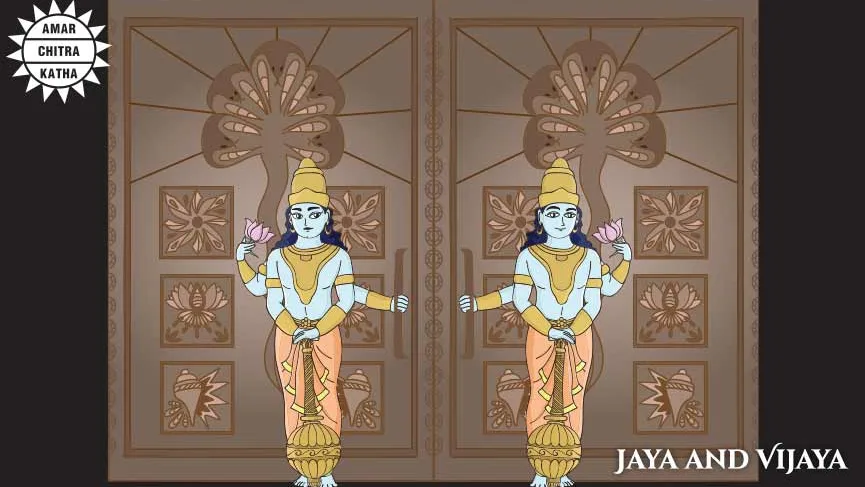
    Jaya and Vijaya were the gatekeepers of Vishnu’s abode, Vaikuntha. After being cursed by the four Kumaras, they had to choose between seven births as devotees or three births as Vishnu’s enemies. They chose the shorter but harder path and were born as Hiranyaksha and Hiranyakashipu, Ravana and Kumbhakarna, and finally Shishupala and Dantavakra before returning to Vaikuntha.

    Also Read | Why Hindus Should Read Islamic Mythology and What It Reveals About Shared Traditions

    The lesson is that hardships and setbacks are not always punishments. Sometimes difficult journeys become the fastest route to learning, transformation and spiritual growth.

    Also Read | Narad Muni the first cosmic journalist of Hindu mythology with 11 lesser-known facts

    Ashwatthama’s story explores the complexity of truth

    During the Kurukshetra war, Krishna knew Dronacharya could not be defeated. Bhima killed an elephant named Ashwatthama, and Yudhishthira said, “Ashwatthama is dead,” while the rest of his sentence, “the elephant, not your son”, was drowned out by loud conches. Believing his son had died, Dronacharya laid down his weapons.

    This episode raises difficult ethical questions. It suggests that truth is not always simple and that moral decisions can involve painful dilemmas, especially when protecting a larger cause.

    Why these stories still matter today

    These three stories highlight that Hindu mythology is not only about heroes defeating villains. They encourage readers to think about responsible use of power, resilience during challenges and the moral complexity of truth. That is why these ancient stories continue to remain relevant in everyday life.

  • Instagram’s AI feature makes soft launching your relationship easier

    Instagram’s AI feature makes soft launching your relationship easier

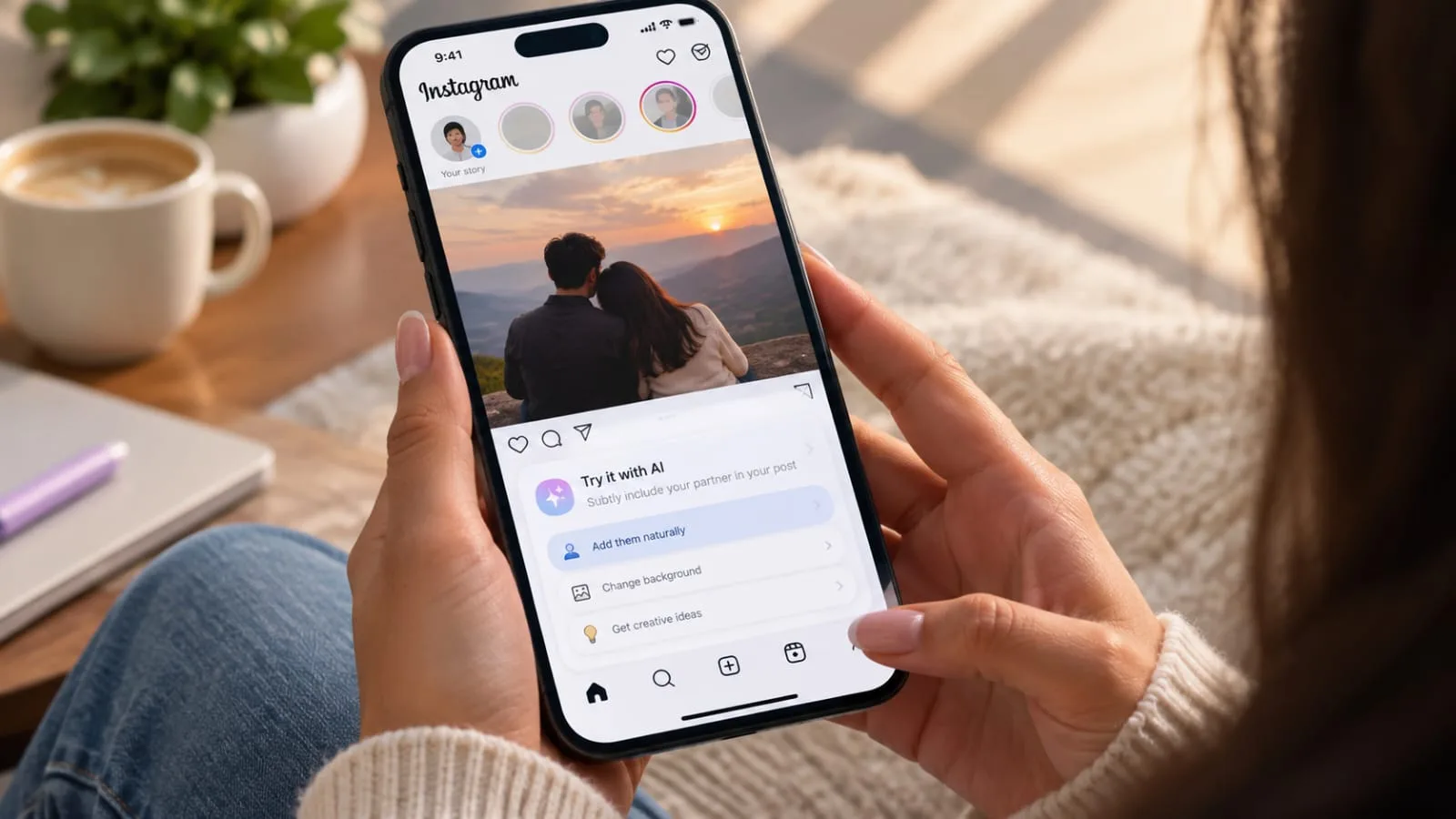
    Instagram is now testing a new AI-powered feature that helps users “soft launch” their relationship through personalised Story collages, making it easier to hint at a romance without officially confirming it.

    The feature is aimed for the users who want to share moments with their partner while keeping things subtle. Instead of uploading a single photo, Instagram’s AI creates a collage using pictures, videos and memories already available in your gallery or Instagram archive.

    What is a soft launch on Instagram?

    A “soft launch” is a social media trend where people quietly reveal they are dating someone without showing their partner’s face or making a public announcement. It could be a photo of two coffee cups, intertwined hands, matching shoes or a blurred silhouette.

    The trend has become popular among celebrities and creators who want to maintain some privacy while still sharing parts of their personal lives online.

    How the new AI feature works

    Instagram’s AI suggests Story layouts and collages based on recent memories and shared moments. Users can customise the collage, choose which photos to include and add music, stickers or captions before posting it. The idea is to make creating a subtle relationship reveal quicker and more creative.

    Also Read | Depression Is Not Just a Lifestyle Problem. Here’s Why

    The feature is currently being tested and may roll out to more users in phases.

    Why soft launches are becoming popular

    Many users now prefer keeping relationships more private online. A soft launch allows couples to acknowledge their relationship without inviting too much public attention or scrutiny. It also avoids the pressure of making a “hard launch” post that clearly announces a relationship.

    As Instagram continues to add AI-powered creative tools, this feature reflects how the platform is adapting to changing social media habits, where users want more personalised and less public ways to share important moments.

    Also Read | Did you know eating with a loved one may lower blood sugar?

  • Depression is not just a lifestyle problem. Here’s why

    Depression is not just a lifestyle problem. Here’s why

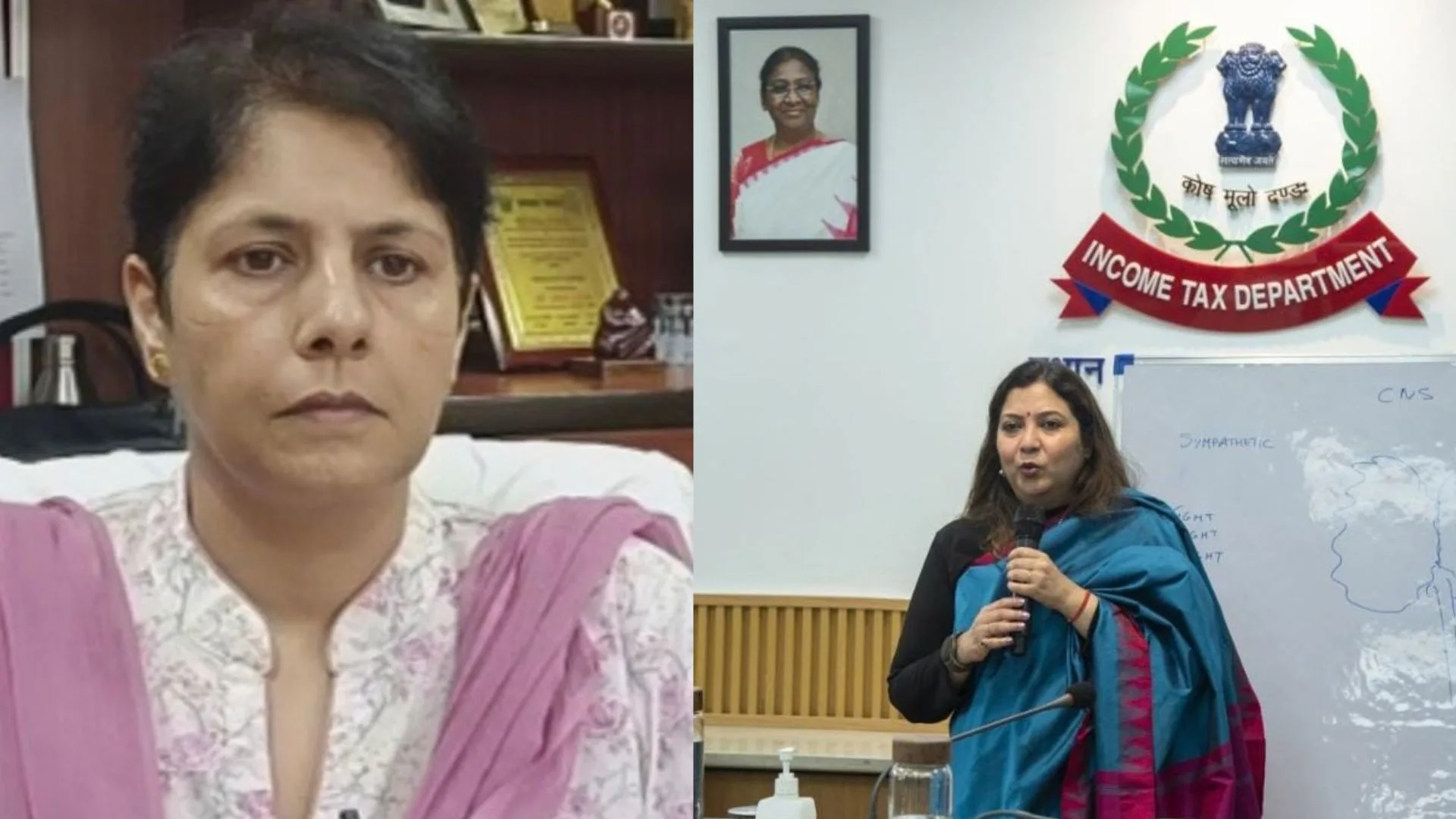
    A social media debate between an Indian Revenue Service (IRS) officer, Subhrata Prakash and an AIIMS professor, Rima Dada has reignited over a question

    The question goes like: Is depression simply the result of an unhealthy lifestyle? The discussion has drawn attention because it highlights two very different ways of understanding ones mental health.

    While healthy habits can improve mental wellbeing, psychiatrists exclaims that a clinical depression is a medical condition with biological, psychological and social causes.However, Lifestyle changes may help recovery, but they are not a cure for everyone.

    What started the debate?

    The debate began after Professor Rima dada of the Department of Anatomy at AIIMS Delhi spoke about polycystic ovary syndrome(PCOS) which is one of the main lifestyle led syndrome.

    “Whether it is PCOS, obesity, diabetes, depression, or any other lifestyle disease, there are only three or four primary causes. One is a sedentary lifestyle: sitting in front of the TV or screens all day, not playing, not going for walks, and staying confined indoors. Secondly, we observe that our diets today are very rich in carbohydrates. We are consuming highly processed foods, which we classify as a highly inflammatory diet,” Dada told news agency ANI.

    Also Read | Did you know eating with a loved one may lower blood sugar?

    On the other end IRS officer Shubhrata Prakash, who has spoken publicly about her own experience with depression for years, argued that calling depression a “lifestyle problem” oversimplifies a serious illness.

    She has also shared that she lived with severe depression for several years, underwent treatment and therapy, and believes people should not feel ashamed of seeking help.

    On the other side of the debate, AIIMS psychiatry professor Dr Nand Kumar has often said that many patients visiting his OPD suffer from burnout, anxiety, insomnia and stress linked to modern lifestyles.

    According to him, reducing digital addiction, improving sleep, exercising regularly, eating a balanced diet and strengthening social connections can significantly help many people experiencing emotional distress.

    Burnout, stress and depression are not the same

    Mental health experts stresses upon the fact that burnout and clinical depression are different conditions.

    Burnout is usually linked to stressful days at workplace or academic stress, problems reelated to personal life. People often feel emotionally exhausted, detached from work and less productive because of the stress management capacity of their body.

    Depression, however, affects mood, sleep, appetite, energy and the ability to enjoy daily life, putting hurdles over day to day life chores.

    Doctors say someone with depression may struggle to get out of bed, lose interest in relationships or hobbies, and experience persistent sadness or hopelessness for weeks or months.

    Can lifestyle changes help?

    Experts agree that lifestyle changes matter. Regular physical activity, enough sleep, nutritious food, yoga, mindfulness and spending time with supportive friends or family can reduce symptoms of anxiety and improve overall mental health.

    But they also warn against presenting these measures as the only solution. For moderate or severe depression. Mental Health experts advices that the cure to depression may include psychotherapy, medication or a combination of both, depending on the individual’s condition.

    Why this conversation matters

    In recent days mental health awareness has grown in India, and more people are seeking help for anxiety, depression and burnout before symptoms become severe. Doctors say this is a positive change because early treatment often leads to better outcomes.

    The debate ultimately underlines one important message: lifestyle influences mental health, but depression cannot be dismissed as merely a lifestyle problem.

    Also Read | How does Chuando Tan look so young at 60? His routine explained

  • Election Commission’s 9 new decisions explained: What’s new and what isn’t

    Election Commission’s 9 new decisions explained: What’s new and what isn’t

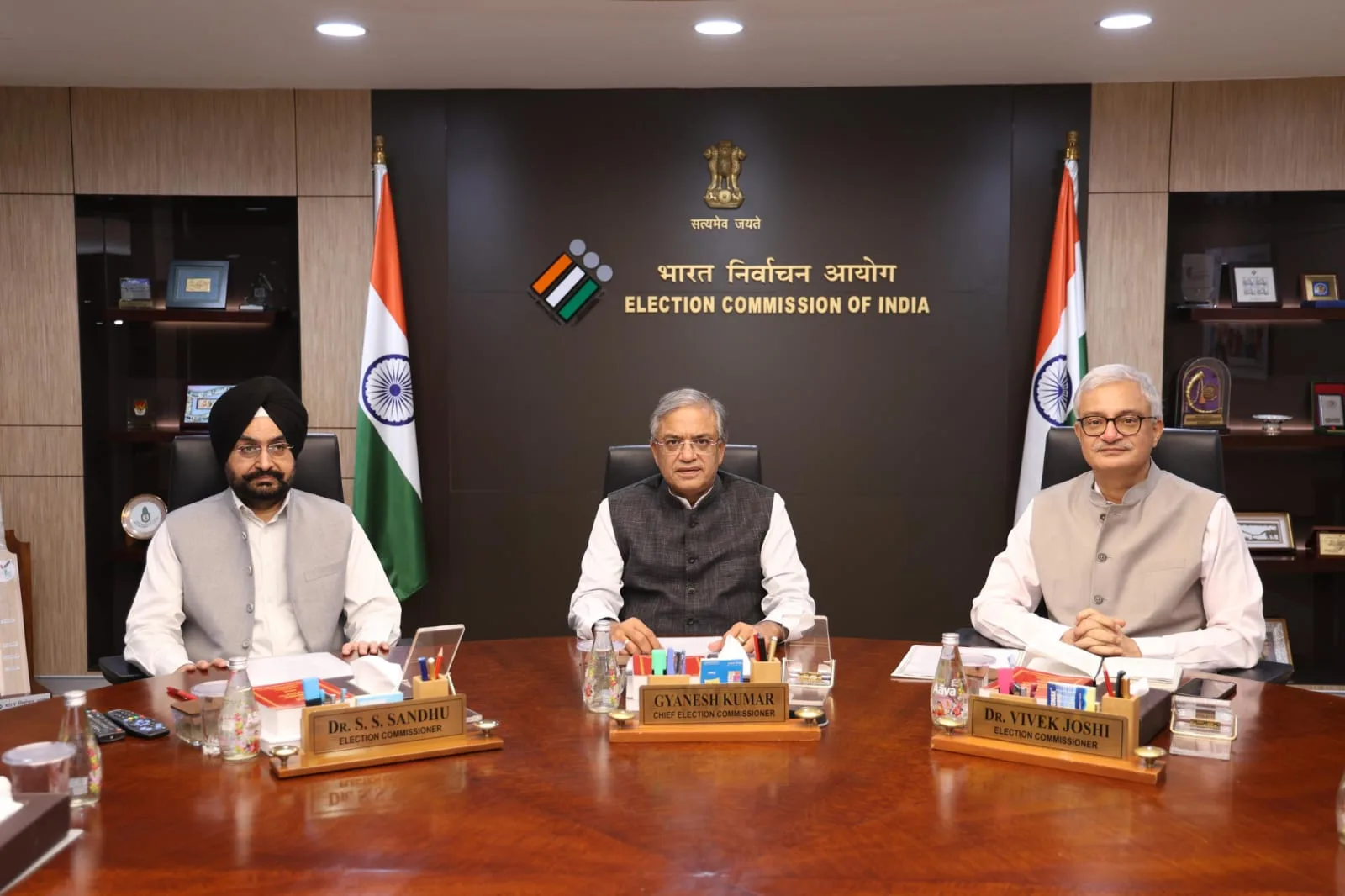
    The Election Commission of India ECI has announced nine decisions aimed towards making electoral roll management and election administration more transparent and reliable. The announcements come days after reports revealed differences within the three-member Commission over decisions related to voter registration, deletion and restoration of names in electoral rolls.

    The Commission says these measures are designed to improve accountability and reduce confusion during voter list revisions. However, several existing procedures remain unchanged.

    Why did the Election Commission announce these decisions?

    The decisions follow scrutiny over the Commission’s functioning during the Special Intensive Revision (SIR) of electoral rolls. According to reports, two Election Commissioners had recorded objections multiple times over issues linked to voter verification and electoral roll management.

    The Commission has now introduced procedural changes while maintaining that its constitutional framework remains the same for maintaining transparency in the whole process.

    Electoral roll revision will become more transparent

    The ECI has decided that draft and final electoral rolls, along with reasons for additions, deletions and corrections, will be made available in a clearer and more accessible manner. This is meant to help voters understand why changes have been made to the rolls.

    Booth Level Officers will have stricter verification rules

    Booth Level Officers (BLOs) will follow a more structured verification process while checking voter details. The Commission says this is intended to ensure greater uniformity across states during voter verification exercises.

    Digital records of voter changes will be strengthened

    Every addition, substraction or any type of correction in the electoral roll will have a stronger digital trail. The move is aimed towards improving record and making future audits easier.

    Appeals process gets more clarity

    The Commission has clarified how voters can appeal if their names are deleted or restored. The process remains available under existing legal provisions. The electoral Commission has also said that the documentation and timelines will be communicated more clearly.

    Electoral Registration Officers get clearer responsibilities

    Further the Electoral Commision has also declared that the Electoral Registration Officers (EROs) will have defined responsibilities for handling claims, objections and corrections during electoral roll revisionsas a result which will help reducing ambiguity in decision-making.

    Better communication with political parties

    The ECI says recognised political parties will receive more regular information during electoral roll revision exercises so that they can raise objections or provide feedback within the prescribed timelines.

    Technology systems will have additional oversight

    The Commission plans for greater oversight of the digital systems used for maintaining the electoral rolls, with more improved monitoring of changes made through the software.

    Training for election officials will be expanded

    Officials who will be responsible for the voter registration and electoral roll revision will receive improvised training to ensure consistent implementation of rules across the country.

    Also Read | Mamata Banerjee sharpens attack on SIR, backs key Opposition moves

    Public disclosure of procedures will improve

    The ECI has said, it will publish clearer standard operating procedures and explanatory material so the voters could understand the electoral roll revision process.

    What has not changed?

    Despite the nine announcements, several key aspects remain unchanged:

    The constitutional powers of the Election Commission remain the same.

    The legal process for voter registration, subtrraction, addition and correction continues under the Representation of the People Act andover the existing election rules.

    Electoral roll revisions will still be carried out by Electoral Registration Officers. The Booth Level Officers will be responsible for conducting field verification.

    Why these decisions matter

    The announcements come at a time when the Election Commission is facing questions over the handling of electoral roll revisions in recent months. The Commission says the new measures are designed to increase transparency, improve record-keeping and make the voter verification process easier to understand for both common people and political parties as well.

    Also Read | Mobile retailers plan ‘No UPI Day’ on October 2; raise concern over UPI MDR

  • Chile Travel Guide: Why the world’s driest desert feels like another planet

    Chile Travel Guide: Why the world’s driest desert feels like another planet

    Chile is often described as one of the most unusual countries in the world, and for good reason. Stretching over 4,000 kilometres along South America’s Pacific coast, it offers an incredible mix of landscapes , from the world’s driest desert and snow-covered mountains to colourful coastal cities and volcanic terrain. For travellers looking for something beyond the usual beach or city holiday, Chile feels like stepping into another world.

    Atacama Desert is unlike anywhere else on Earth

    The biggest highlight of Chile is the Atacama Desert, widely recognised as the driest non-polar desert on Earth. Some parts of this vast desert receive almost no rainfall for years, creating dramatic landscapes of rocky valleys, giant sand dunes and salt-covered plains. Scientists have even compared parts of the Atacama to the surface of Mars because of its extreme conditions.

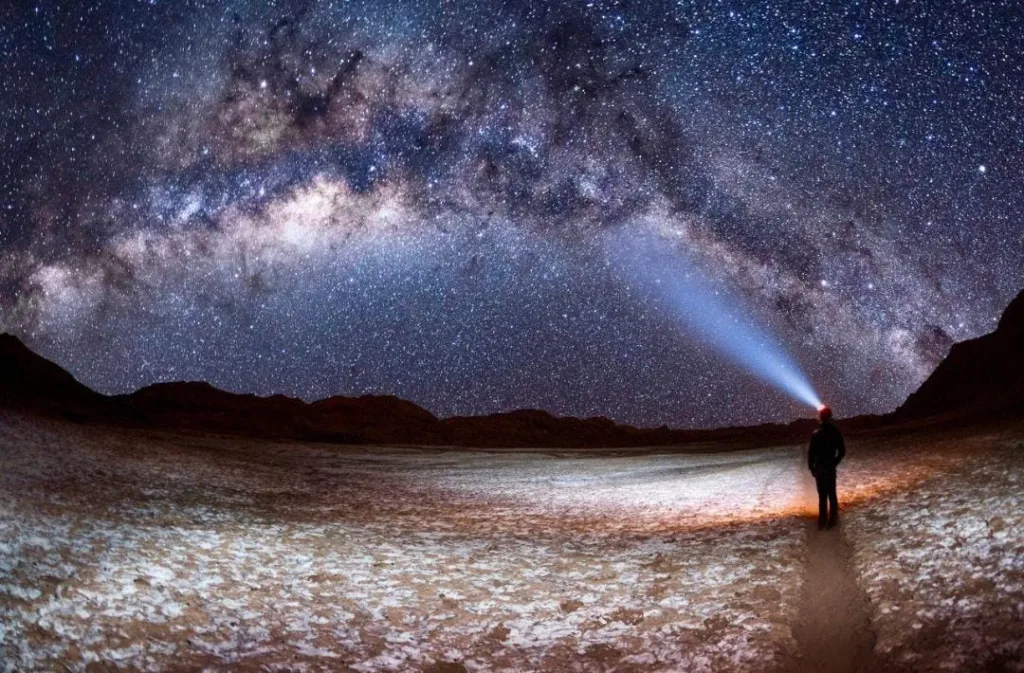
    The desert is also one of the best places in the world for stargazing. With almost no light pollution and exceptionally clear skies, visitors can enjoy breathtaking views of the Milky Way and countless stars throughout the year.

    Also Read | World Tourism Day 2026: Planning a trip? 5 ways AI can help build a smarter travel plan

    Salt lakes, geysers and flamingos add to the magic

    The Atacama is much more than a dry landscape. The region is filled with natural wonders, including vast salt flats, colourful lagoons and bubbling geothermal fields. Salar de Atacama, the country’s largest salt flat, is home to lagoons where pink flamingos gather in large numbers.

    Travellers can also visit the El Tatio Geysers, one of the world’s highest geyser fields, where steam rises dramatically at sunrise. Nearby hot springs and mineral-rich lakes offer a completely different side of the desert’s beauty.

    Valparaíso brings colour to Chile’s coastline

    After exploring the desert, the coastal city of Valparaíso offers a striking contrast. Built across steep hills overlooking the Pacific Ocean, the city is known for its colourful houses, vibrant street art, historic funiculars and creative neighbourhoods. Every corner feels artistic, making it one of Chile’s most photographed destinations.

    Santiago combines city life with mountain views

    Chile’s capital, Santiago, blends modern architecture with spectacular views of the Andes Mountains. The city serves as a gateway for hiking, skiing and vineyard tours, while museums, markets and food streets showcase Chile’s rich culture and cuisine.

    Also Read | Anti-itinerary travel: Why Gen Z is changing holiday plans

    Why Chile deserves a place on your travel bucket list

    Few countries pack so much natural diversity into a single destination. Whether it’s watching flamingos in a salt lake, exploring one of the driest places on Earth, wandering through colourful hillside streets or gazing at a sky full of stars, Chile offers experiences that are both dramatic and unforgettable. Its unique landscapes and cultural charm make it one of South America’s most rewarding travel destinations.

  • Why should Hindus read Islamic mythology and what it reveals about shared traditions?

    Why should Hindus read Islamic mythology and what it reveals about shared traditions?

    India is home to one of the world’s oldest and most diverse religious traditions, But here’s the surprising fact about Indians that they know little about Islamic stories, prophets and mythology.

    What does “Islamic mythology” mean?

    Experts explains that the word “mythology” is often misunderstood. In modern academic studies, mythology does not mean a false story. Instead, it refers to the collection of sacred stories,traditions, symbols and beliefs that creates a community’s worldview and identity. By that definition, Hinduism, Islam, Christianity, Judaism, Greek religion and Norse traditions all have mythologies.

    The older idea that mythology means fiction comes largely from 19th-century European thinking, where some religions were considered “true” while others were labelled myths. Contemporary religious studies use the term differently.

    Why should Hindus learn Islamic stories?

    Indians grow up hearing the Ramayana, Mahabharata and many Puranic tales. Many also become familiar with Biblical stories through schools, literature and films. However, stories from the Quran, Hadith and the lives of Islamic prophets remain unfamiliar to a large section of Indians.

    Also Read | Narad Muni the first cosmic journalist of Hindu mythology with 11 lesser-known facts

    He believes reading Islamic mythology helps people understand a worldview that has existed in India for nearly 1,400 years and has influenced the country’s culture, language, art and law.

    Similarities between Hindu and Islamic mythology

    Stories of rivalry between brothers, conflicts over inheritance and moral choices appear in Hindu mythology through characters described in the ancient mythology texts such as Ramayana and Mahabharata. Islamic traditions similarly include stories of Qabil and Habil (Cain and Abel), Ishmael and Isaac, and Jacob and Esau.

    Expert argues that these parallels show that while religions differ in theology, many myths reflect common human experiences such as family conflict, justice, loyalty and faith.

    A broader message about understanding religions

    The myths act as the “social glue” that helps communities make sense of the world and build shared identities.

    Also Read | Who was Mata Karma? The forgotten Krishna devotee

    Reading Islamic mythology, is not about accepting another religion’s beliefs but about understanding how another community thinks, remembers its past and imagines its relationship with the divine.

  • Narad Muni the first cosmic journalist of Hindu mythology with 11 lesser-known facts

    Narad Muni the first cosmic journalist of Hindu mythology with 11 lesser-known facts

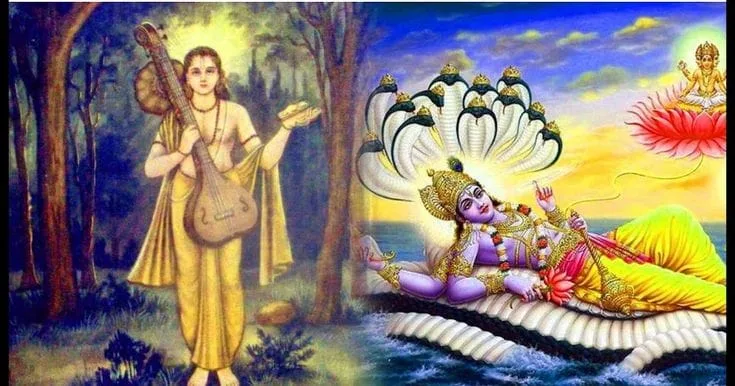
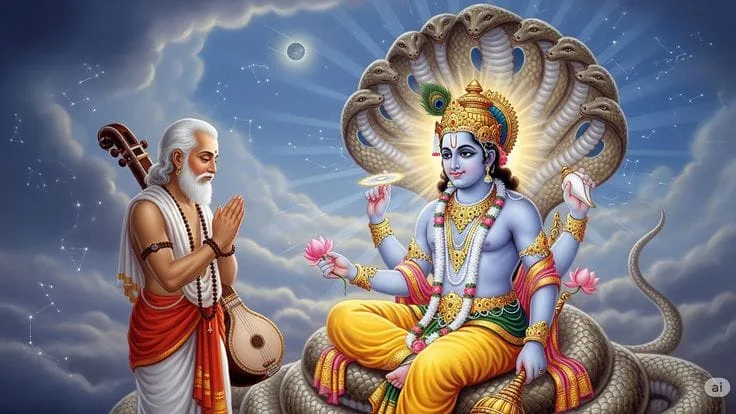
    Narad Muni is one of the most familiar figures in Hindu mythology. The moment people hear “Narayan, Narayan,” they instantly think of a being carrying a veena and travelling freely across the universe. While he is often portrayed as someone who carries news between gods, sages and humans. Beside being a messanger Narad Muni is a scholar, musician, teacher and one of Lord Vishnu’s greatest devotees. Narad Muni appears in the Ramayana, Mahabharata and several Puranas, where his presence often changes the course of important events.

    11 fascinating facts about Narad Muni

    Narad Muni is celebrated on Narad Jayanti His birth anniversary, known as Narad Jayanti, is observed every year and honours his contribution as a divine sage and messenger.

    He is considered the son of Lord Brahma According to Hindu traditions, Narad Muni is the mind-born son of Lord Brahma, symbolising wisdom and spiritual knowledge. Some traditions also associate him with Goddess Saraswati because of his deep connection with learning and music.

    He was Lord Vishnu’s greatest devotee Narad spent his life chanting Lord Vishnu’s name and spreading the message of devotion across the three worlds.

    Also Read | Who was Mata Karma? The forgotten Krishna devotee

    He travelled across heaven, earth and the netherworld Narad could move freely between Swarga, Prithvi and Patal, carrying messages and divine wisdom wherever needed.

    He is often called the first cosmic journalist Because he constantly gathered and shared information across different realms, many modern writers describe Narad Muni as Hindu mythology’s first “cosmic journalist.” This is a symbolic comparison rather than a historical title.

    Narad received Bhuma Vidya Sage Sanatkumara taught Narad the spiritual knowledge known as Bhuma Vidya, which is explained in the Chandogya Upanishad as the path to understanding the Infinite.

    He guided the Pandavas in the Mahabharata Narad advised Yudhishthira on dharma during the Pandavas’ exile and played the role of a spiritual guide in several episodes.

    Also Read | What is a Myth? The deeper meaning behind ancient stories explained

    He is believed to be one of the Chiranjeevis Many Hindu traditions regard Narad Muni as one of the immortal beings who continue to exist for the welfare of the world.

    He mastered 64 forms of knowledge Scriptures describe Narad as a master of 64 vidyas, including music, grammar, philosophy, astrology and the Vedas.

    Narad Bhakti Sutra is linked to his teachings The Narad Bhakti Sutra is one of the most respected texts on devotion and explains the essence of bhakti in simple yet profound terms.

    His words often changed the course of mythology Although Narad is sometimes shown creating conflict, scriptures say his actions ultimately helped restore dharma. One famous example is his role in the story of the demon king Jalandhar, which eventually led to Jalandhar’s downfall.

    Why Narad Muni remains relevant today

    Narad Muni’s stories continue to inspire devotees because they emphasise devotion, wisdom and the importance of speaking truth at the right time. Rather than being a mere messenger, he is remembered as a guide whose actions ultimately served the greater good and upheld dharma.

  • Who was Mata Karma? The forgotten Krishna devotee

    Who was Mata Karma? The forgotten Krishna devotee

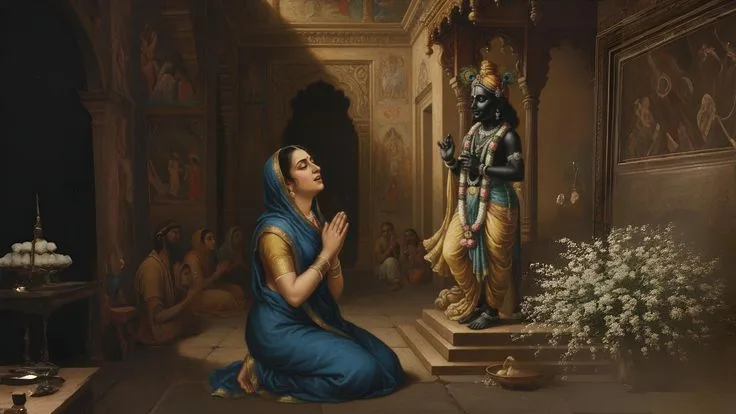
    Mata Karma is one of the lesser-known yet deeply revered figures who remembered as a faithful devotee of Lord Krishna and a champion of equality, she is celebrated for her unwavering faith and selfless service towards lord Krishna.

    According to the traditions, her simple offering of khichdi(a masala rice hotchpotch) to Lord Jagannath became part of the temple’s sacred food tradition in Puri. Her legacy was recently recognised by the department of post, which released a commemorative postage stamp on her 1009th birth anniversary.

    Mata Karma’s early life and spiritual journey

    Traditional accounts say Mata Karma was born in 1016 CE in present-day Uttar Pradesh to Ramshah and Leelavati, a family devoted to Lord Krishna. From an early age, she was drawn to prayer, compassion and helping those in need. Even while fulfilling her family responsibilities, her devotion to Krishna remained at the centre of her priorities which proves her faith of service towards Lord Krishna over the decades.

    Also Read | What is a Myth? The deeper meaning behind ancient stories explained

    After her parents passed away, Mata Karma chose a life of pilgrimage and spiritual service. She travelled across the regions, including present-day Chhattisgarh, before reaching the holy city of Jagannath Puri, one of most sacred pilgrimage sites of the Hindus.

    The legend of Mata Karma’s khichdi offering

    The most famous story associated with Mata Karma comes from Jagannath Puri. It is believed that one day, she prepared a meal of khichdi and offered it to Lord Jagannath with her heart full of faith and loyalty. Legend says the deity accepted her offering, proving that a heart full of faith is more important than the traditional elaborate rituals.

    Also Read | How is Goddess Jagadhatri different from Goddess Durga? The similarities, symbolism and story behind the festival

    Over time, this story became closely linked with the Jagannath Temple’s traditions, and khichdi came to be regarded as one of the offerings associated with her devotion. The commemorative postage stamp issued in her honour also depicts Mata Karma presenting khichdi before the Jagannath Temple.

    More than a devotee: A symbol of social reform

    Mata Karma’s legacy extends beyond religious devotion. She is remembered for being not ardent towards social discriminations and dignity. Many communities also regard her as a symbol of women’s strength and spiritual leadership.

    Today, Mata Karma is worshipped and remembered in several parts of India, especially in Chhattisgarh, Odisha and neighbouring regions, because of her stories of faith, loyalty and service towards Lord Krishna.