Author: Poulomee Mangal

  • Election Commission’s 9 new decisions explained: What’s new and what isn’t

    Election Commission’s 9 new decisions explained: What’s new and what isn’t

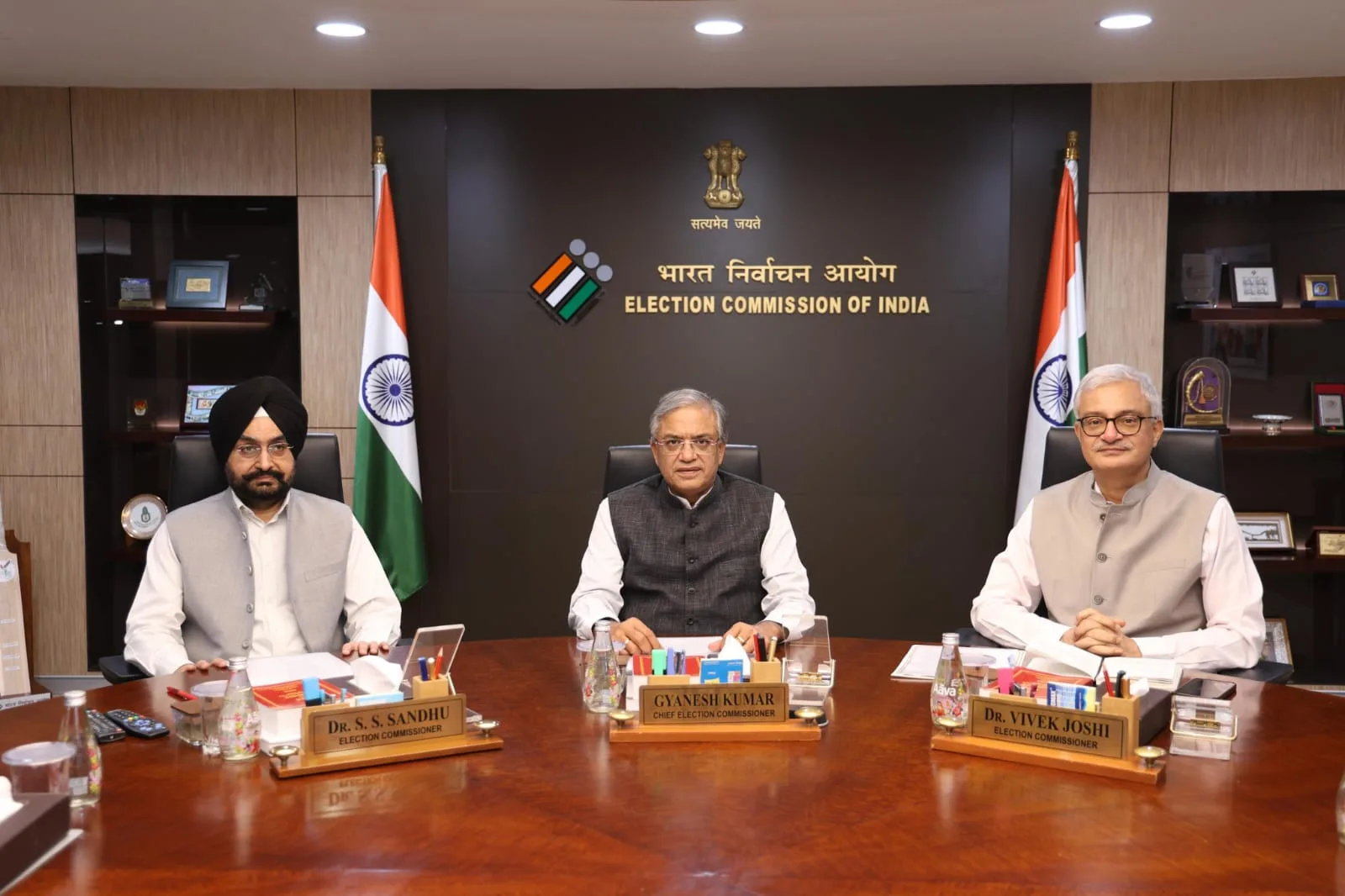
    The Election Commission of India ECI has announced nine decisions aimed towards making electoral roll management and election administration more transparent and reliable. The announcements come days after reports revealed differences within the three-member Commission over decisions related to voter registration, deletion and restoration of names in electoral rolls.

    The Commission says these measures are designed to improve accountability and reduce confusion during voter list revisions. However, several existing procedures remain unchanged.

    Why did the Election Commission announce these decisions?

    The decisions follow scrutiny over the Commission’s functioning during the Special Intensive Revision (SIR) of electoral rolls. According to reports, two Election Commissioners had recorded objections multiple times over issues linked to voter verification and electoral roll management.

    The Commission has now introduced procedural changes while maintaining that its constitutional framework remains the same for maintaining transparency in the whole process.

    Electoral roll revision will become more transparent

    The ECI has decided that draft and final electoral rolls, along with reasons for additions, deletions and corrections, will be made available in a clearer and more accessible manner. This is meant to help voters understand why changes have been made to the rolls.

    Booth Level Officers will have stricter verification rules

    Booth Level Officers (BLOs) will follow a more structured verification process while checking voter details. The Commission says this is intended to ensure greater uniformity across states during voter verification exercises.

    Digital records of voter changes will be strengthened

    Every addition, substraction or any type of correction in the electoral roll will have a stronger digital trail. The move is aimed towards improving record and making future audits easier.

    Appeals process gets more clarity

    The Commission has clarified how voters can appeal if their names are deleted or restored. The process remains available under existing legal provisions. The electoral Commission has also said that the documentation and timelines will be communicated more clearly.

    Electoral Registration Officers get clearer responsibilities

    Further the Electoral Commision has also declared that the Electoral Registration Officers (EROs) will have defined responsibilities for handling claims, objections and corrections during electoral roll revisionsas a result which will help reducing ambiguity in decision-making.

    Better communication with political parties

    The ECI says recognised political parties will receive more regular information during electoral roll revision exercises so that they can raise objections or provide feedback within the prescribed timelines.

    Technology systems will have additional oversight

    The Commission plans for greater oversight of the digital systems used for maintaining the electoral rolls, with more improved monitoring of changes made through the software.

    Training for election officials will be expanded

    Officials who will be responsible for the voter registration and electoral roll revision will receive improvised training to ensure consistent implementation of rules across the country.

    Also Read | Mamata Banerjee sharpens attack on SIR, backs key Opposition moves

    Public disclosure of procedures will improve

    The ECI has said, it will publish clearer standard operating procedures and explanatory material so the voters could understand the electoral roll revision process.

    What has not changed?

    Despite the nine announcements, several key aspects remain unchanged:

    The constitutional powers of the Election Commission remain the same.

    The legal process for voter registration, subtrraction, addition and correction continues under the Representation of the People Act andover the existing election rules.

    Electoral roll revisions will still be carried out by Electoral Registration Officers. The Booth Level Officers will be responsible for conducting field verification.

    Why these decisions matter

    The announcements come at a time when the Election Commission is facing questions over the handling of electoral roll revisions in recent months. The Commission says the new measures are designed to increase transparency, improve record-keeping and make the voter verification process easier to understand for both common people and political parties as well.

    Also Read | Mobile retailers plan ‘No UPI Day’ on October 2; raise concern over UPI MDR
  • Chile Travel Guide: Why the world’s driest desert feels like another planet

    Chile Travel Guide: Why the world’s driest desert feels like another planet

    Chile is often described as one of the most unusual countries in the world, and for good reason. Stretching over 4,000 kilometres along South America’s Pacific coast, it offers an incredible mix of landscapes , from the world’s driest desert and snow-covered mountains to colourful coastal cities and volcanic terrain. For travellers looking for something beyond the usual beach or city holiday, Chile feels like stepping into another world.

    Atacama Desert is unlike anywhere else on Earth

    The biggest highlight of Chile is the Atacama Desert, widely recognised as the driest non-polar desert on Earth. Some parts of this vast desert receive almost no rainfall for years, creating dramatic landscapes of rocky valleys, giant sand dunes and salt-covered plains. Scientists have even compared parts of the Atacama to the surface of Mars because of its extreme conditions.

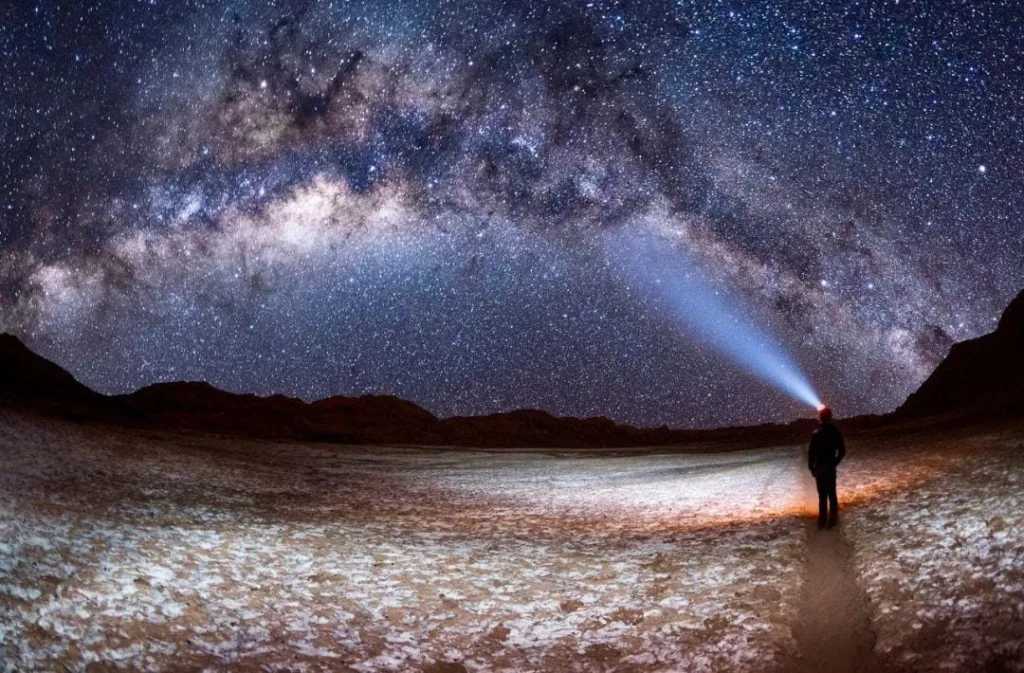
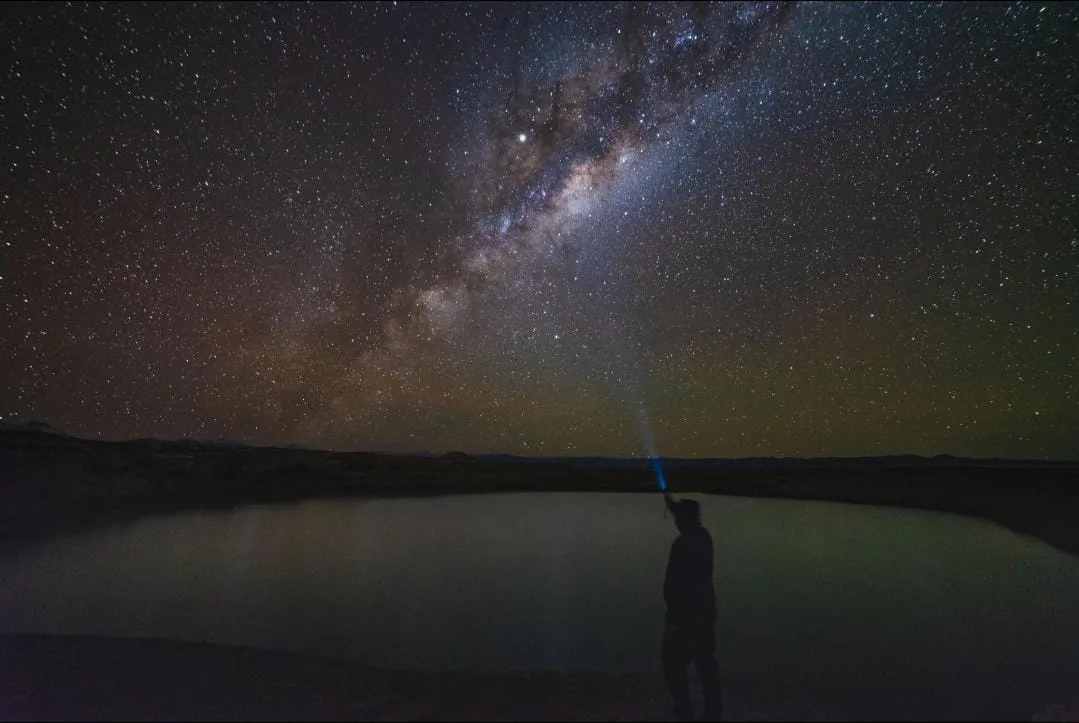
    The desert is also one of the best places in the world for stargazing. With almost no light pollution and exceptionally clear skies, visitors can enjoy breathtaking views of the Milky Way and countless stars throughout the year.

    Also Read | World Tourism Day 2026: Planning a trip? 5 ways AI can help build a smarter travel plan

    Salt lakes, geysers and flamingos add to the magic

    The Atacama is much more than a dry landscape. The region is filled with natural wonders, including vast salt flats, colourful lagoons and bubbling geothermal fields. Salar de Atacama, the country’s largest salt flat, is home to lagoons where pink flamingos gather in large numbers.

    Travellers can also visit the El Tatio Geysers, one of the world’s highest geyser fields, where steam rises dramatically at sunrise. Nearby hot springs and mineral-rich lakes offer a completely different side of the desert’s beauty.

    Valparaíso brings colour to Chile’s coastline

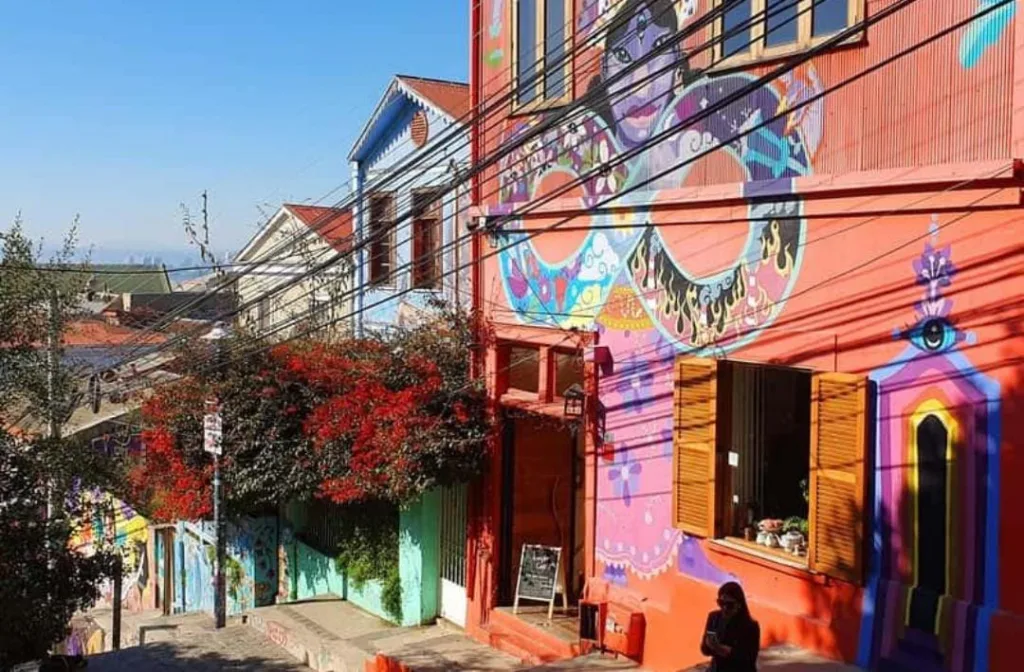
    After exploring the desert, the coastal city of Valparaíso offers a striking contrast. Built across steep hills overlooking the Pacific Ocean, the city is known for its colourful houses, vibrant street art, historic funiculars and creative neighbourhoods. Every corner feels artistic, making it one of Chile’s most photographed destinations.

    Santiago combines city life with mountain views

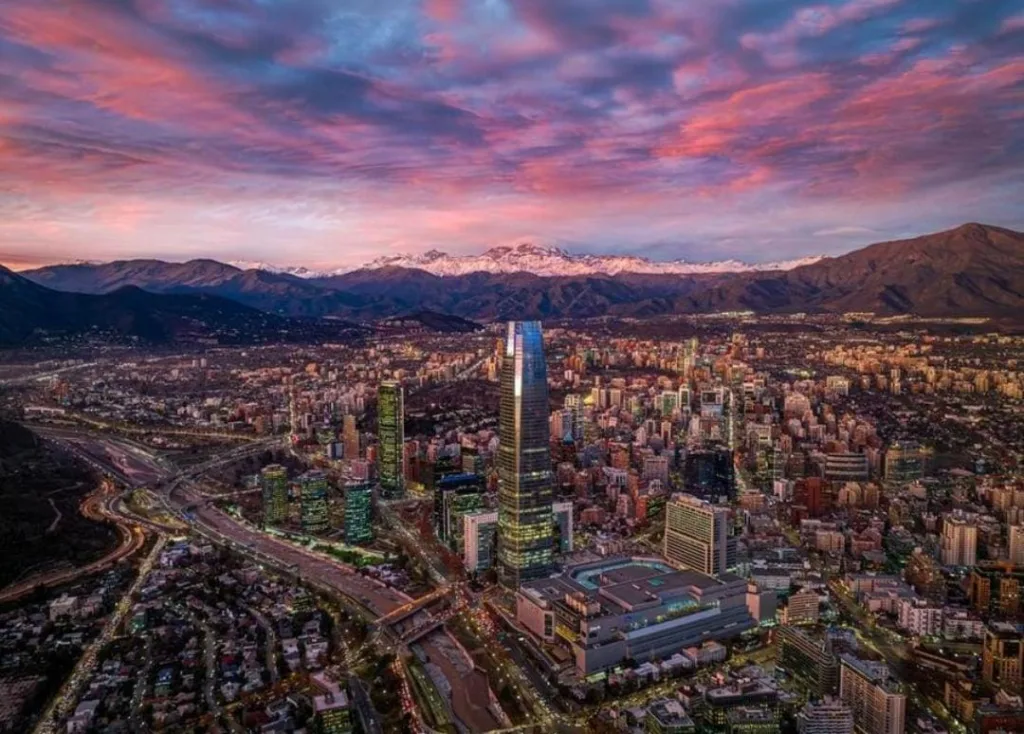
    Chile’s capital, Santiago, blends modern architecture with spectacular views of the Andes Mountains. The city serves as a gateway for hiking, skiing and vineyard tours, while museums, markets and food streets showcase Chile’s rich culture and cuisine.

    Also Read | Anti-itinerary travel: Why Gen Z is changing holiday plans

    Why Chile deserves a place on your travel bucket list

    Few countries pack so much natural diversity into a single destination. Whether it’s watching flamingos in a salt lake, exploring one of the driest places on Earth, wandering through colourful hillside streets or gazing at a sky full of stars, Chile offers experiences that are both dramatic and unforgettable. Its unique landscapes and cultural charm make it one of South America’s most rewarding travel destinations.

  • Why should Hindus read Islamic mythology and what it reveals about shared traditions?

    Why should Hindus read Islamic mythology and what it reveals about shared traditions?

    India is home to one of the world’s oldest and most diverse religious traditions, But here’s the surprising fact about Indians that they know little about Islamic stories, prophets and mythology.

    What does “Islamic mythology” mean?

    Experts explains that the word “mythology” is often misunderstood. In modern academic studies, mythology does not mean a false story. Instead, it refers to the collection of sacred stories,traditions, symbols and beliefs that creates a community’s worldview and identity. By that definition, Hinduism, Islam, Christianity, Judaism, Greek religion and Norse traditions all have mythologies.

    The older idea that mythology means fiction comes largely from 19th-century European thinking, where some religions were considered “true” while others were labelled myths. Contemporary religious studies use the term differently.

    Why should Hindus learn Islamic stories?

    Indians grow up hearing the Ramayana, Mahabharata and many Puranic tales. Many also become familiar with Biblical stories through schools, literature and films. However, stories from the Quran, Hadith and the lives of Islamic prophets remain unfamiliar to a large section of Indians.

    Also Read | Narad Muni the first cosmic journalist of Hindu mythology with 11 lesser-known facts

    He believes reading Islamic mythology helps people understand a worldview that has existed in India for nearly 1,400 years and has influenced the country’s culture, language, art and law.

    Similarities between Hindu and Islamic mythology

    Stories of rivalry between brothers, conflicts over inheritance and moral choices appear in Hindu mythology through characters described in the ancient mythology texts such as Ramayana and Mahabharata. Islamic traditions similarly include stories of Qabil and Habil (Cain and Abel), Ishmael and Isaac, and Jacob and Esau.

    Expert argues that these parallels show that while religions differ in theology, many myths reflect common human experiences such as family conflict, justice, loyalty and faith.

    A broader message about understanding religions

    The myths act as the “social glue” that helps communities make sense of the world and build shared identities.

    Also Read | Who was Mata Karma? The forgotten Krishna devotee

    Reading Islamic mythology, is not about accepting another religion’s beliefs but about understanding how another community thinks, remembers its past and imagines its relationship with the divine.

  • Narad Muni the first cosmic journalist of Hindu mythology with 11 lesser-known facts

    Narad Muni the first cosmic journalist of Hindu mythology with 11 lesser-known facts

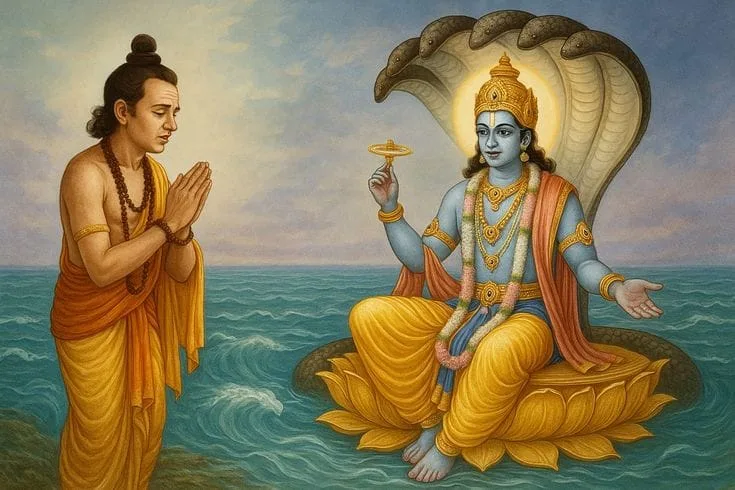
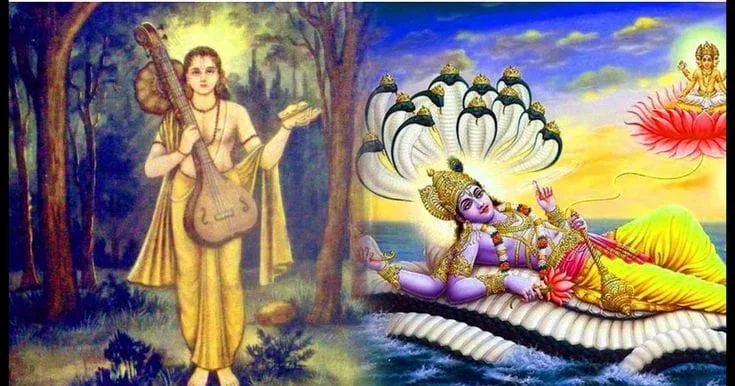
    Narad Muni is one of the most familiar figures in Hindu mythology. The moment people hear “Narayan, Narayan,” they instantly think of a being carrying a veena and travelling freely across the universe. While he is often portrayed as someone who carries news between gods, sages and humans. Beside being a messanger Narad Muni is a scholar, musician, teacher and one of Lord Vishnu’s greatest devotees. Narad Muni appears in the Ramayana, Mahabharata and several Puranas, where his presence often changes the course of important events.

    11 fascinating facts about Narad Muni

    Narad Muni is celebrated on Narad Jayanti His birth anniversary, known as Narad Jayanti, is observed every year and honours his contribution as a divine sage and messenger.

    He is considered the son of Lord Brahma According to Hindu traditions, Narad Muni is the mind-born son of Lord Brahma, symbolising wisdom and spiritual knowledge. Some traditions also associate him with Goddess Saraswati because of his deep connection with learning and music.

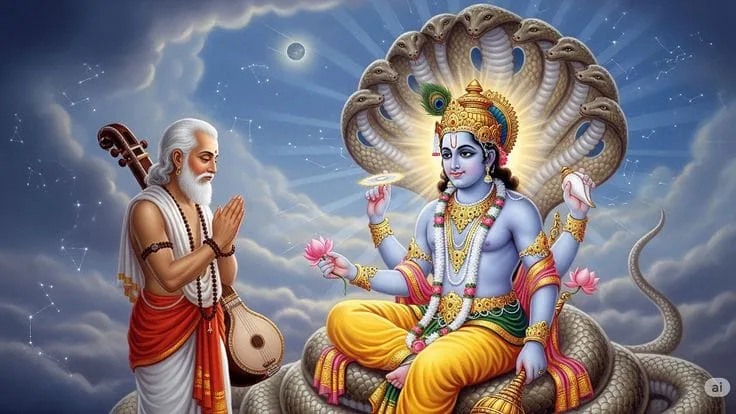
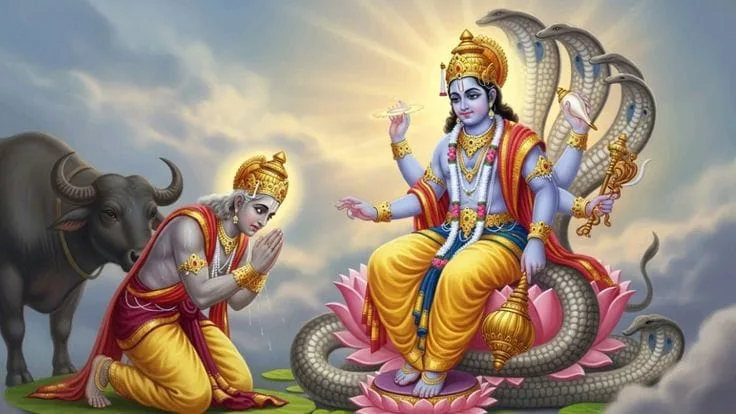
    He was Lord Vishnu’s greatest devotee Narad spent his life chanting Lord Vishnu’s name and spreading the message of devotion across the three worlds.

    Also Read | Who was Mata Karma? The forgotten Krishna devotee

    He travelled across heaven, earth and the netherworld Narad could move freely between Swarga, Prithvi and Patal, carrying messages and divine wisdom wherever needed.

    He is often called the first cosmic journalist Because he constantly gathered and shared information across different realms, many modern writers describe Narad Muni as Hindu mythology’s first “cosmic journalist.” This is a symbolic comparison rather than a historical title.

    Narad received Bhuma Vidya Sage Sanatkumara taught Narad the spiritual knowledge known as Bhuma Vidya, which is explained in the Chandogya Upanishad as the path to understanding the Infinite.

    He guided the Pandavas in the Mahabharata Narad advised Yudhishthira on dharma during the Pandavas’ exile and played the role of a spiritual guide in several episodes.

    Also Read | What is a Myth? The deeper meaning behind ancient stories explained

    He is believed to be one of the Chiranjeevis Many Hindu traditions regard Narad Muni as one of the immortal beings who continue to exist for the welfare of the world.

    He mastered 64 forms of knowledge Scriptures describe Narad as a master of 64 vidyas, including music, grammar, philosophy, astrology and the Vedas.

    Narad Bhakti Sutra is linked to his teachings The Narad Bhakti Sutra is one of the most respected texts on devotion and explains the essence of bhakti in simple yet profound terms.

    His words often changed the course of mythology Although Narad is sometimes shown creating conflict, scriptures say his actions ultimately helped restore dharma. One famous example is his role in the story of the demon king Jalandhar, which eventually led to Jalandhar’s downfall.

    Why Narad Muni remains relevant today

    Narad Muni’s stories continue to inspire devotees because they emphasise devotion, wisdom and the importance of speaking truth at the right time. Rather than being a mere messenger, he is remembered as a guide whose actions ultimately served the greater good and upheld dharma.

  • Who was Mata Karma? The forgotten Krishna devotee

    Who was Mata Karma? The forgotten Krishna devotee

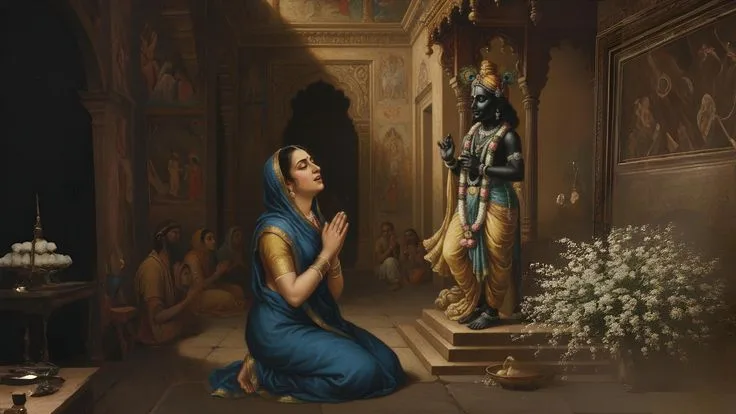
    Mata Karma is one of the lesser-known yet deeply revered figures who remembered as a faithful devotee of Lord Krishna and a champion of equality, she is celebrated for her unwavering faith and selfless service towards lord Krishna.

    According to the traditions, her simple offering of khichdi(a masala rice hotchpotch) to Lord Jagannath became part of the temple’s sacred food tradition in Puri. Her legacy was recently recognised by the department of post, which released a commemorative postage stamp on her 1009th birth anniversary.

    Mata Karma’s early life and spiritual journey

    Traditional accounts say Mata Karma was born in 1016 CE in present-day Uttar Pradesh to Ramshah and Leelavati, a family devoted to Lord Krishna. From an early age, she was drawn to prayer, compassion and helping those in need. Even while fulfilling her family responsibilities, her devotion to Krishna remained at the centre of her priorities which proves her faith of service towards Lord Krishna over the decades.

    Also Read | What is a Myth? The deeper meaning behind ancient stories explained

    After her parents passed away, Mata Karma chose a life of pilgrimage and spiritual service. She travelled across the regions, including present-day Chhattisgarh, before reaching the holy city of Jagannath Puri, one of most sacred pilgrimage sites of the Hindus.

    The legend of Mata Karma’s khichdi offering

    The most famous story associated with Mata Karma comes from Jagannath Puri. It is believed that one day, she prepared a meal of khichdi and offered it to Lord Jagannath with her heart full of faith and loyalty. Legend says the deity accepted her offering, proving that a heart full of faith is more important than the traditional elaborate rituals.

    Also Read | How is Goddess Jagadhatri different from Goddess Durga? The similarities, symbolism and story behind the festival

    Over time, this story became closely linked with the Jagannath Temple’s traditions, and khichdi came to be regarded as one of the offerings associated with her devotion. The commemorative postage stamp issued in her honour also depicts Mata Karma presenting khichdi before the Jagannath Temple.

    More than a devotee: A symbol of social reform

    Mata Karma’s legacy extends beyond religious devotion. She is remembered for being not ardent towards social discriminations and dignity. Many communities also regard her as a symbol of women’s strength and spiritual leadership.

    Today, Mata Karma is worshipped and remembered in several parts of India, especially in Chhattisgarh, Odisha and neighbouring regions, because of her stories of faith, loyalty and service towards Lord Krishna.

  • Autumn Travel Guide: 10 stunning places to visit in India this festive season

    Autumn Travel Guide: 10 stunning places to visit in India this festive season

    As the monsoon season finally bids goodbye, autumn season enters with clear blue skies, cool breezes and lush landscapes across India. Autumn season is known for the festive seasons, making September and October one of the most popular times for travel. Whether you want to experience colourful festivals, peaceful hill stations, heritage cities or nature at its finest, autumn offers something for every traveller.

    Here are 10 destinations that deserve a spot on your travel list this season.

    Kashmir

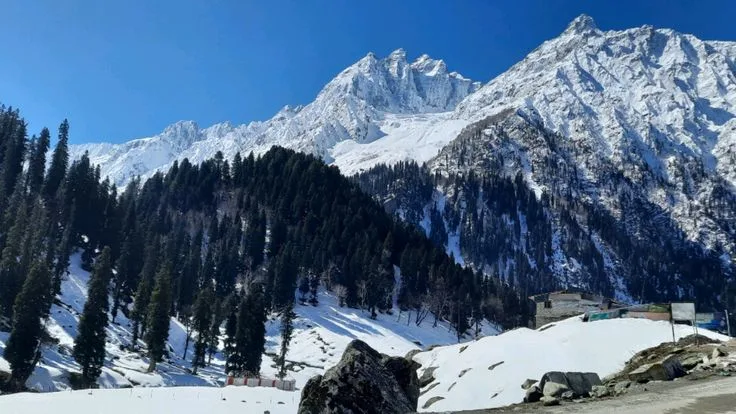
    Autumn transforms Kashmir into a canvas of red, orange and golden hues as the chinar trees change colour. The weather remains cool and comfortable, making it the perfect time to visit Srinagar in autumn, Dal Lake, Gulmarg and Pahalgam.

    Also Read | Tiger safari season is back: 8 national parks to visit as safari gates reopen in October

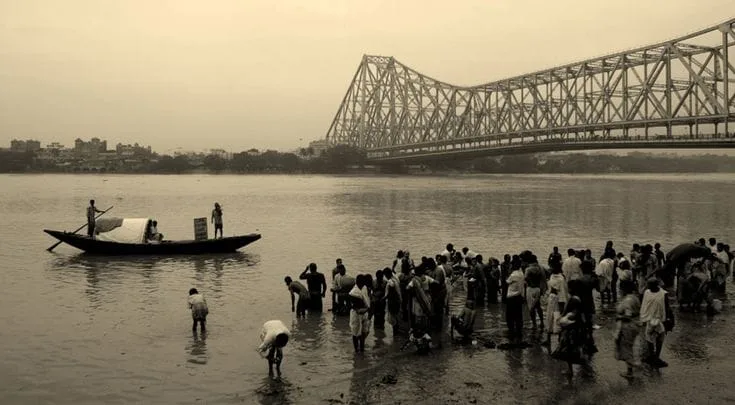
    Kolkata, West Bengal

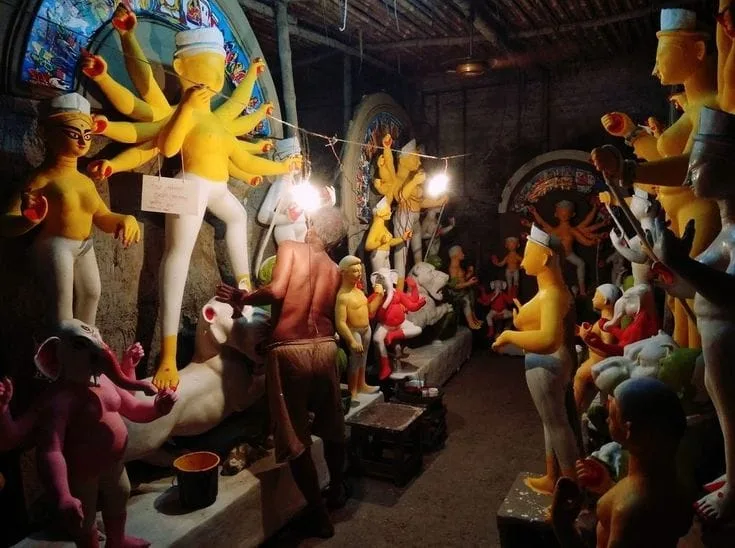
    Durga Puja is the biggest reason to visit Kolkata in autumn. The city comes alive with beautifully designed pandals, dazzling lights, cultural performances and delicious street food. Visiting Kumartuli before the festival adds another unique experience, where artisans create Maa Durga idols by hand.

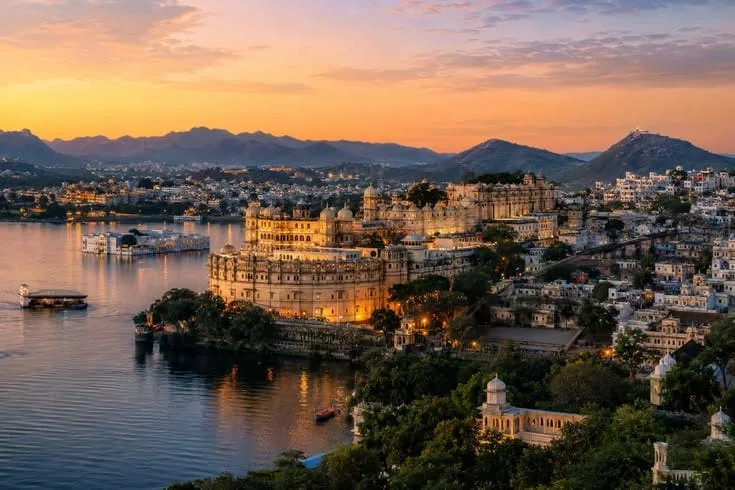
    Udaipur, Rajasthan

    After the monsoon, Udaipur’s lakes are full and the city’s gardens look fresh and green. Pleasant evenings make sightseeing enjoyable, while boat rides on Lake Pichola and visits to City Palace become even more memorable.

    Also Read | Digi Yatra international trial may begin at Delhi, Mumbai, Bengaluru, Hyderabad and Cochin airports

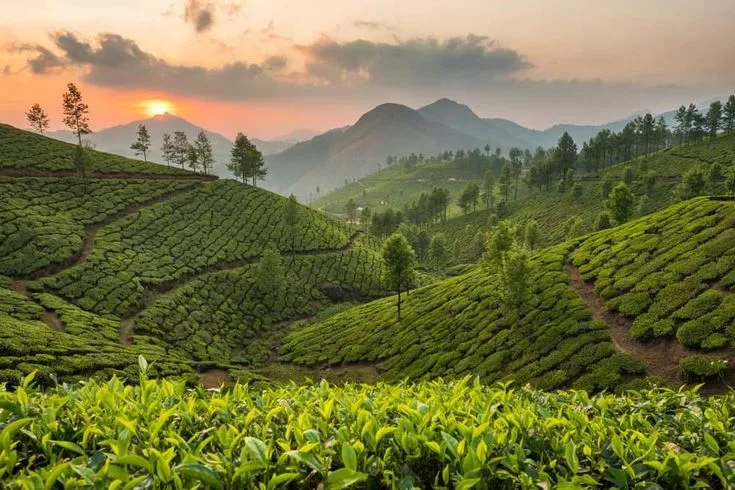
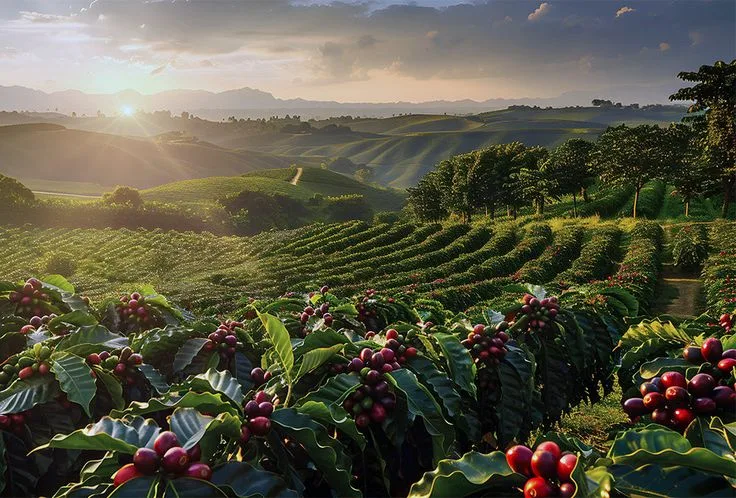
    Munnar, Kerala

    The tea plantations of Munnar look especially vibrant after the rains. Mist-covered hills, waterfalls and cool weather make it one of the most refreshing destinations in South India during autumn.

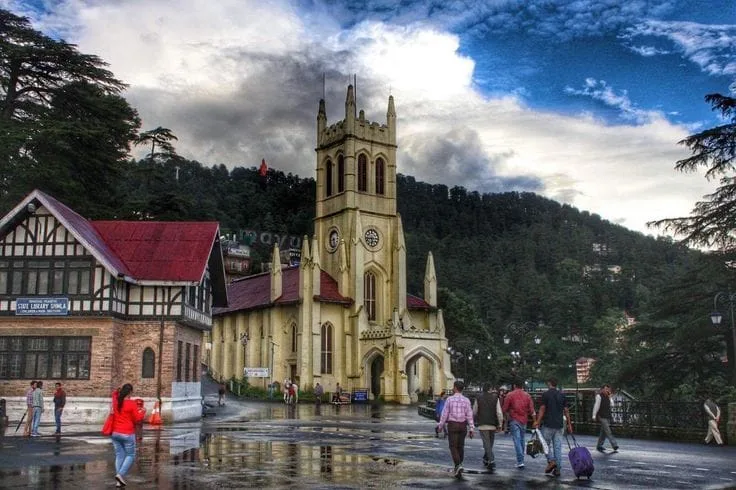
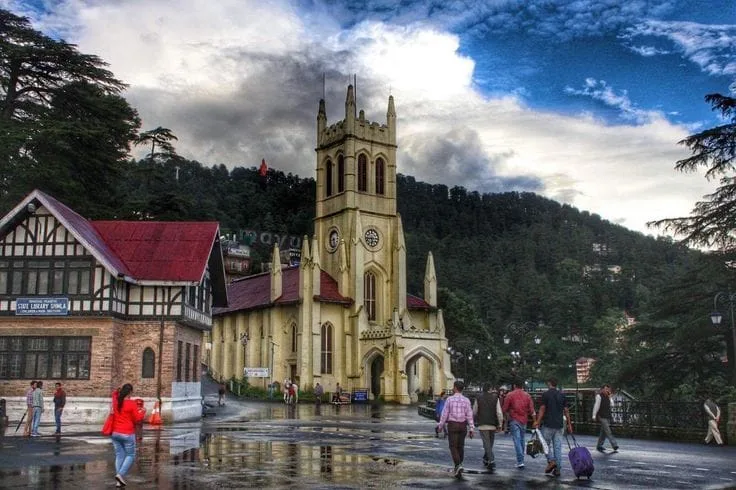
    Shimla, Himachal Pradesh

    Shimla enjoys crisp weather and clear mountain views during autumn. It’s a great time to stroll along the Mall Road, visit colonial-era landmarks and enjoy the peaceful atmosphere before the winter tourist rush begins.

    Coorg, Karnataka

    Known as the “Scotland of India”, Coorg is lush and beautiful during autumn. Coffee plantations, forests and waterfalls are at their greenest, making it ideal for nature lovers and weekend travellers.

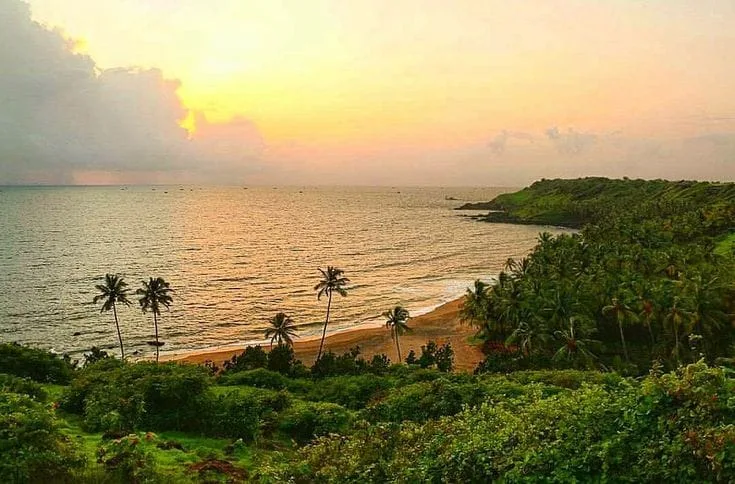
    Goa

    Autumn is one of the best times to visit Goa if you want to avoid peak-season crowds. The beaches are cleaner after the monsoon, the weather is pleasant and the landscape remains beautifully green.

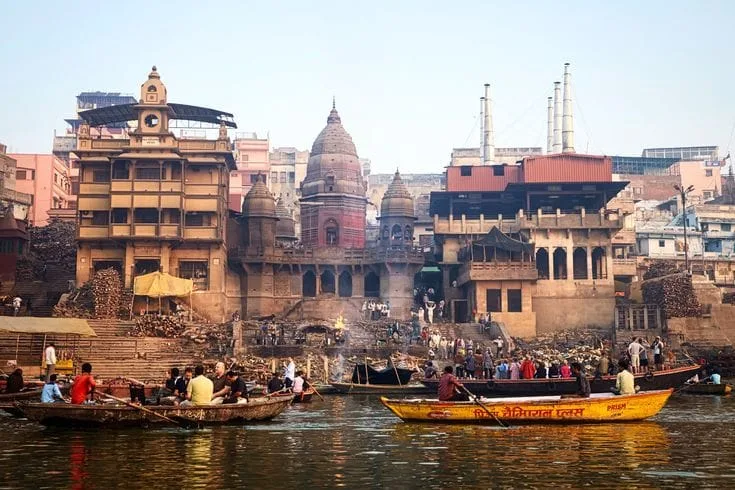
    Varanasi, Uttar Pradesh

    The cooler weather makes exploring Varanasi much easier. Witness the evening Ganga Aarti, take a sunrise boat ride on the Ganges and experience the city’s spiritual atmosphere during the festive season.

    Manali, Himachal Pradesh

    Manali offers fresh mountain air, colourful landscapes and comfortable weather in autumn. It’s also a good season for trekking, camping and visiting nearby valleys before snowfall begins.

    Agra, Uttar Pradesh

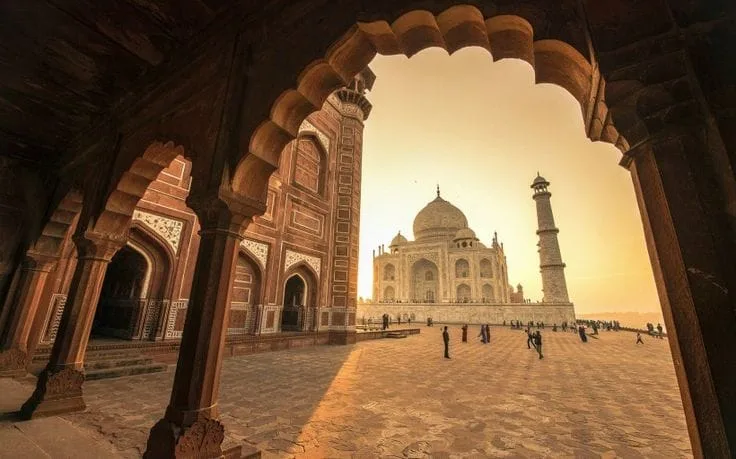
    Autumn is considered one of the best seasons to visit the Taj Mahal. The skies are usually clear after the monsoon, making the iconic monument look even more beautiful during sunrise and sunset.

  • Kumartuli: The 300-year-old Kolkata neighbourhood where Maa Durga comes to life before Puja

    Kumartuli: The 300-year-old Kolkata neighbourhood where Maa Durga comes to life before Puja

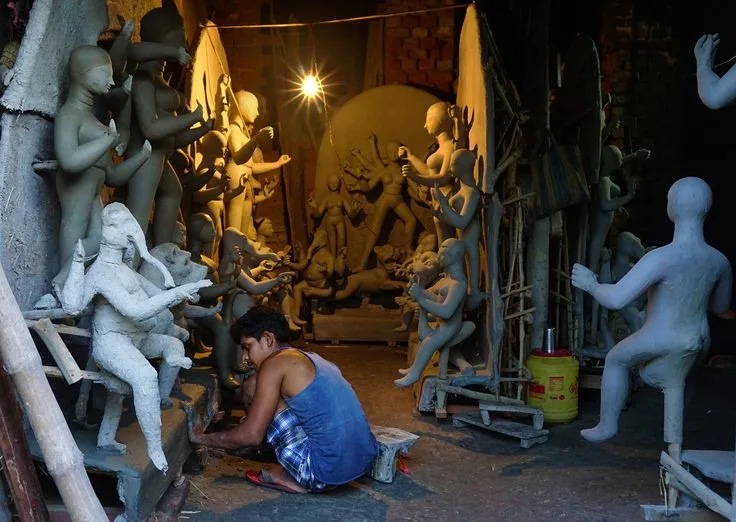
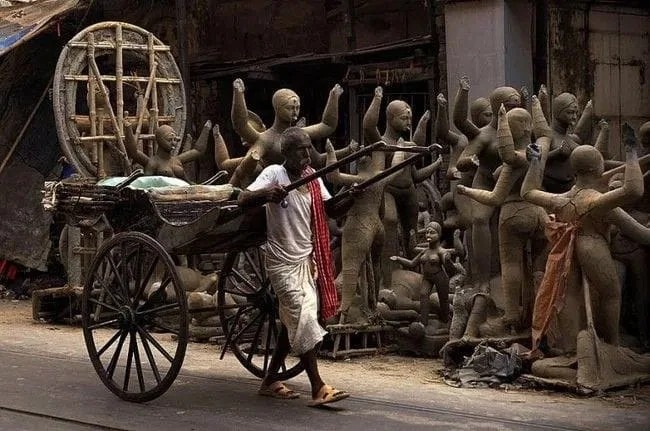
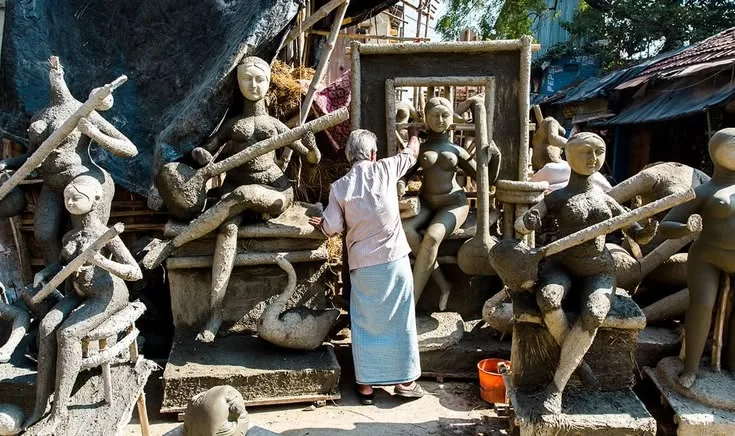
    For most Bengalis, Durga Puja begins with Mahalaya, the sound of Mahishasuramardini on the radio. But in Kolkata, the festival starts much earlier in the winding lanes of Kumartuli, where artisans spend months giving shape to Maa Durga. Long before the goddess reaches pandals across the city, she is born here through clay, straw, bamboo and generations of craftsmanship.

    Located in North Kolkata, Kumartuli is nearly 300 years old and is considered the heart of Bengal’s idol-making tradition. Every year, hundreds of sculptors work in small workshops to create thousands of idols of Maa Durga, Lakshmi, Saraswati, Kartik and Ganesha for Pujas across India and in many countries abroad.

    A tradition that has survived for centuries

    The name Kumartuli comes from the Bengali words Kumar (potter) and Tuli (locality). The neighbourhood was established in the early 18th century when potter families settled in the area and began making clay idols. Over time, the place grew into Kolkata’s most famous artisan hub, with skills passed down from one generation to other generations.

    Also Read | Is Arsalan’s food safe to eat? Restaurant clarifies Achari Kebab aroma after West Bengal food safety inspection

    Today, idols of Devi Durga made in Kumartuli are transported not only across West Bengal but also to cities like Delhi, Mumbai and Bengaluru, as well as countries including the US, UK, Canada and Australia, wherever Bengali communities celebrate Durga Puja.

    How Maa Durga takes shape

    The making of a Durga idol still follows a traditional gateway that has been followed over the decades. It begins with a bamboo framework that forms the structure of the idol. Straw is tied around it to create the body, followed by layers of clay collected from riverbanks. Once the clay dries, artisans sculpt the face, hands and finer details with remarkable precision.

    Also Read | Who is Sumit Roy? Abhishek Banerjee’s PA arrested in Shalbani land scam case

    After the sculpture is complete, the idol is painted and decorated with clothes, ornaments and weapons. One of the most significant tradition of all is Chokkhu Daan, the ritual of painting Maa Durga’s eyes, which traditionally takes place around Mahalaya and is seen as giving life to the idol.

    The busiest weeks before Durga Puja

    The weeks before Durga Puja are the busiest time in Kumartuli. Workshops remain open from early morning until late at night as artisans rush to complete orders before the festival begins. Despite challenges such as heavy rainfall, rising raw material costs and labour shortages this year, work continues at full pace to ensure idols reach pandals on time.

    Kumartuli is more than a place where idols are made. It is a living reminder of Kolkata’s artistic heritage and one of the first places where the spirit of Durga Puja comes alive each year.

    This is the place where Ma Durga comes alive first and later into tha pandals.

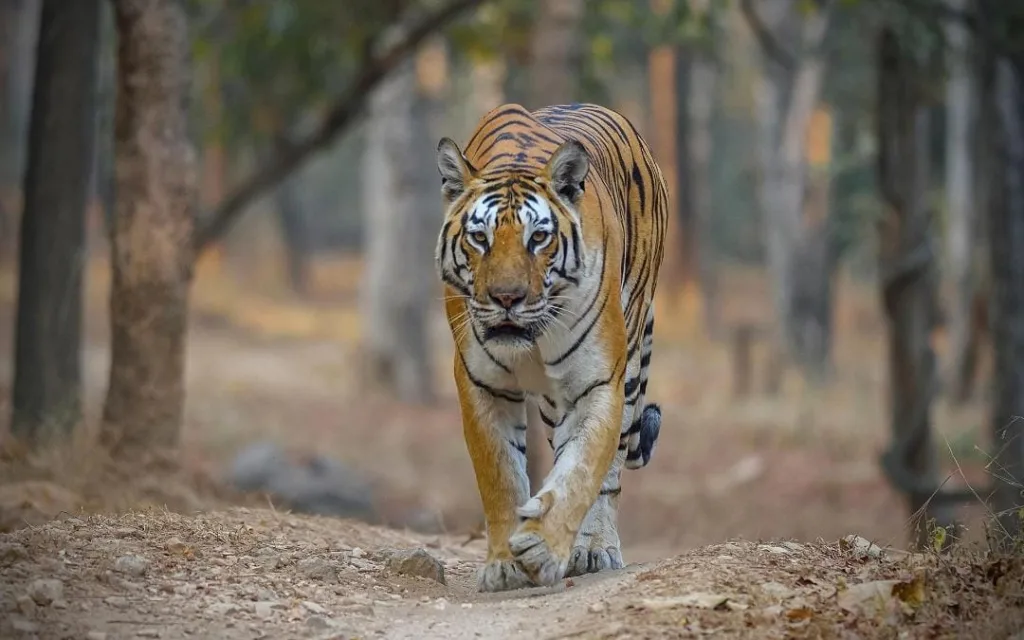
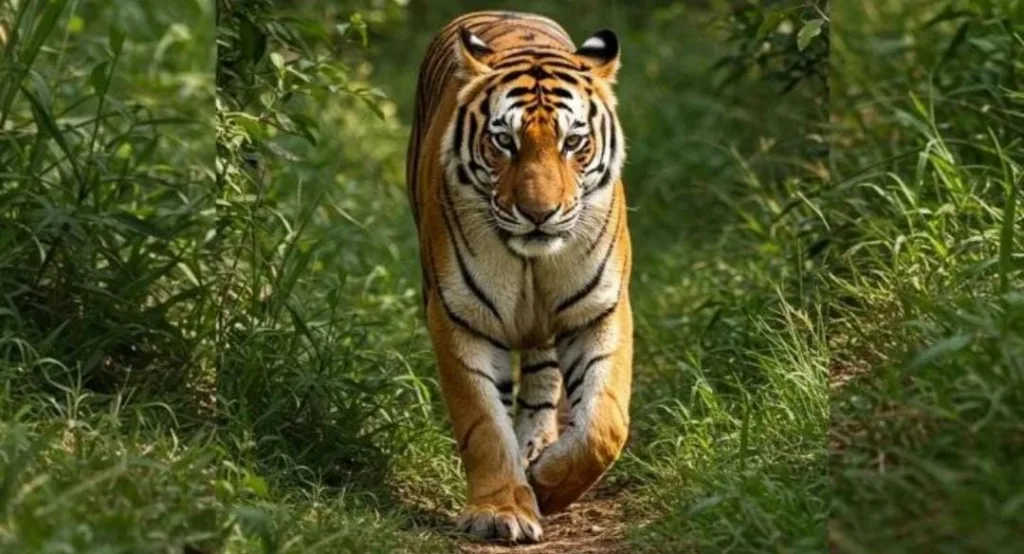
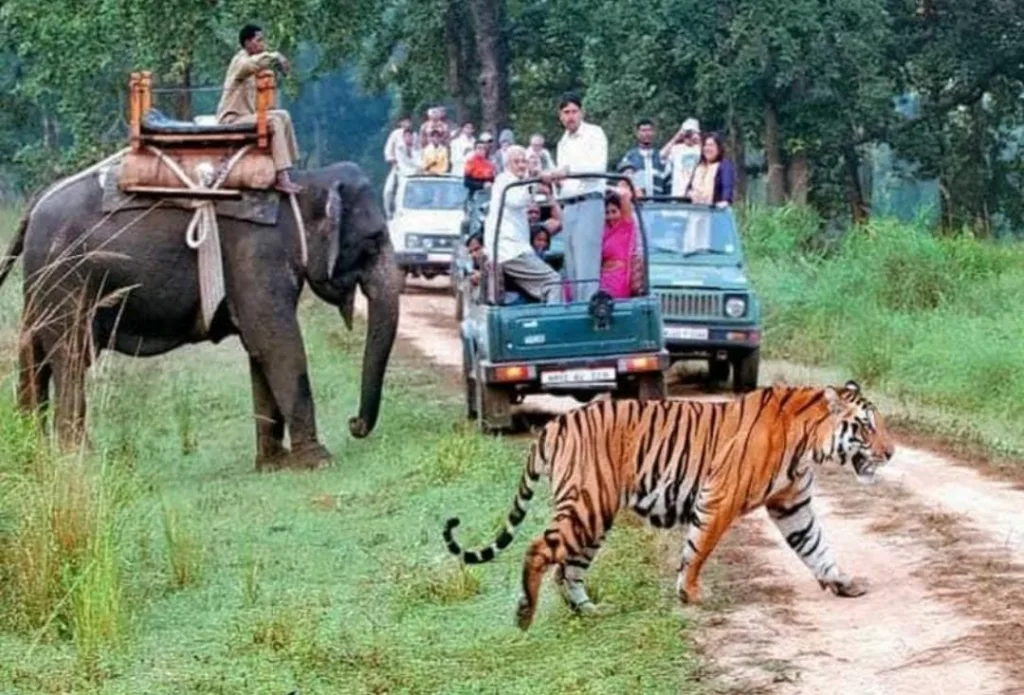
  • Tiger safari season is back: 8 national parks to visit as safari gates reopen in October

    Tiger safari season is back: 8 national parks to visit as safari gates reopen in October

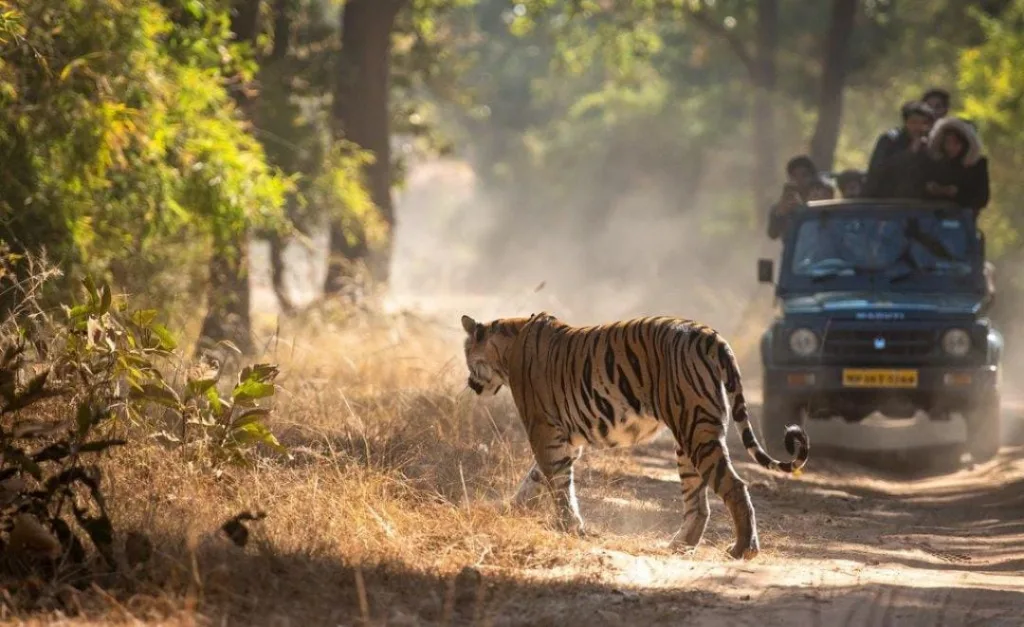
    As the monsoon comes to an end, India’s forests are ready to welcome wildlife lovers once again. Every year, most tiger reserves remain closed during the rainy season to protect breeding habitats, allow forests to recover, and repair safari tracks damaged by heavy rainfall. With October marking the beginning of the new safari season, travellers can once again enter the country’s iconic national parks.

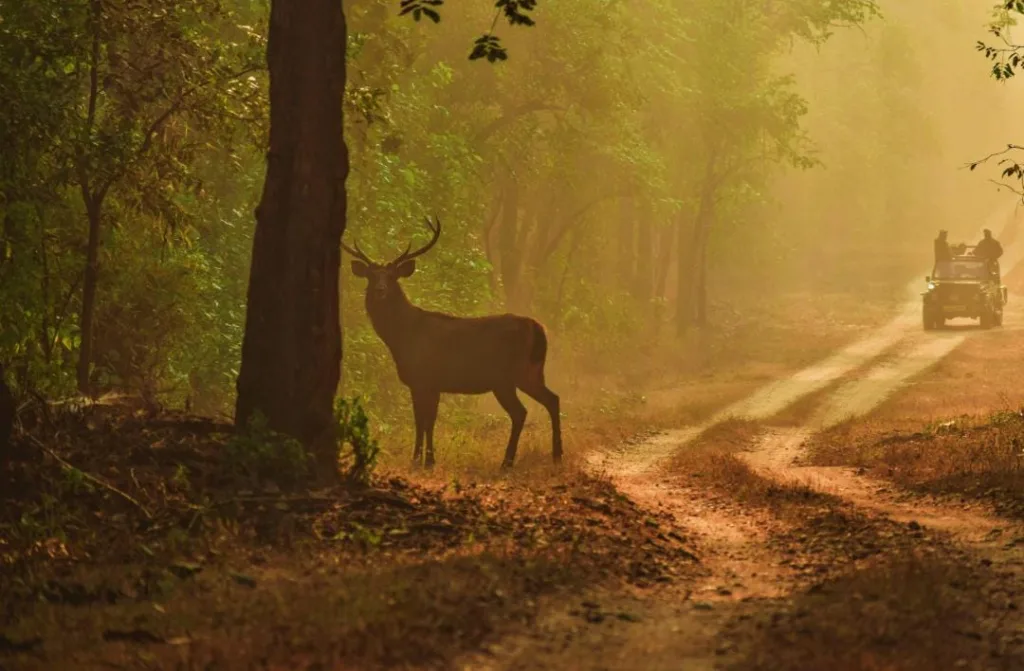
    The post-monsoon months bring lush green landscapes, flowing rivers, pleasant temperatures and a fresh burst of wildlife activity. While dense vegetation can make tiger sightings slightly more challenging than summer, October offers one of the most beautiful times to experience India’s forests.

    Why October is a great time for a tiger safari

    October offers a different side of India’s forests. The rains leave behind vibrant greenery, water bodies are full, and animals become more active in the cooler weather. Apart from tigers, visitors have a chance to spot leopards, elephants, sloth bears, deer, wild dogs and a wide variety of birds.

    Many parks also reopen their core safari zones from October 1, while a few gradually open additional zones later in the month depending on weather conditions.

    8 tiger reserves reopening this October

    Ranthambore National Park, Rajasthan

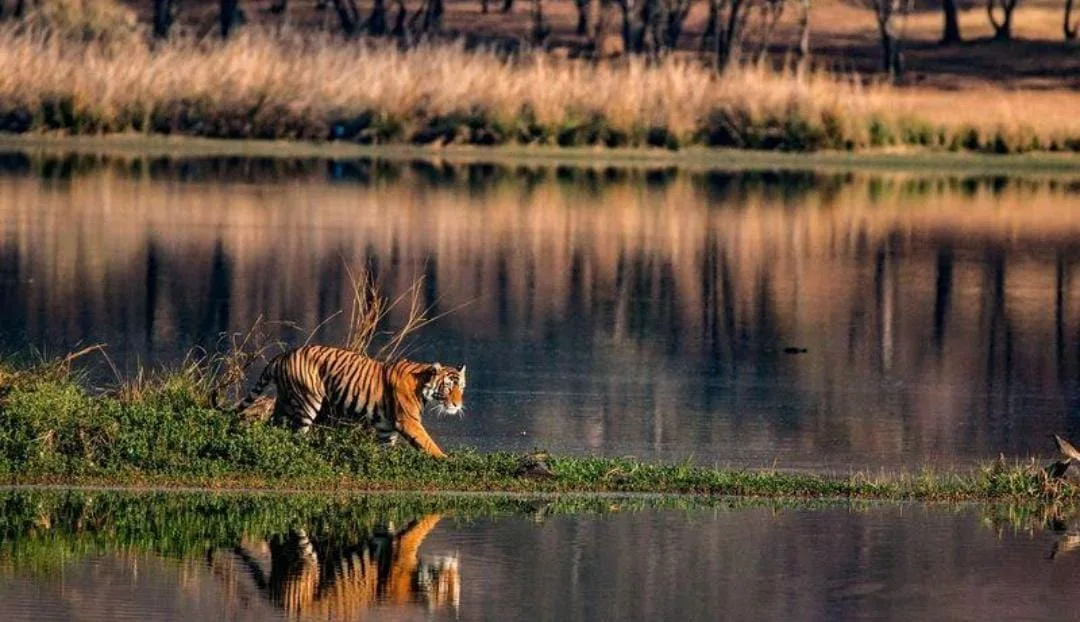
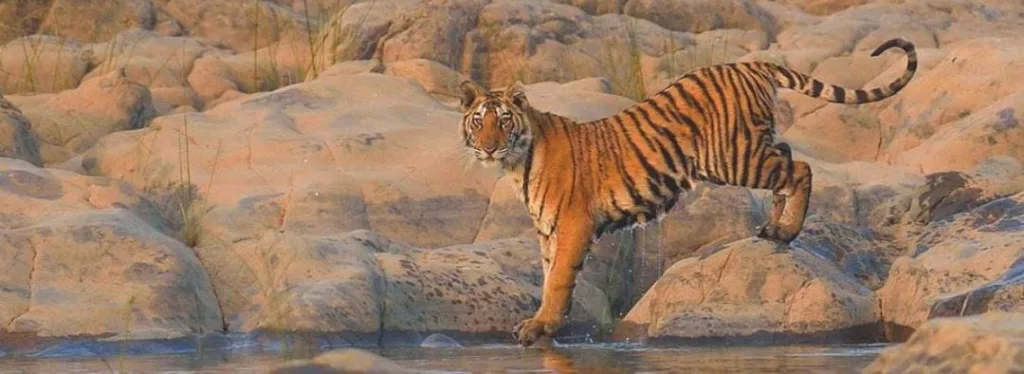
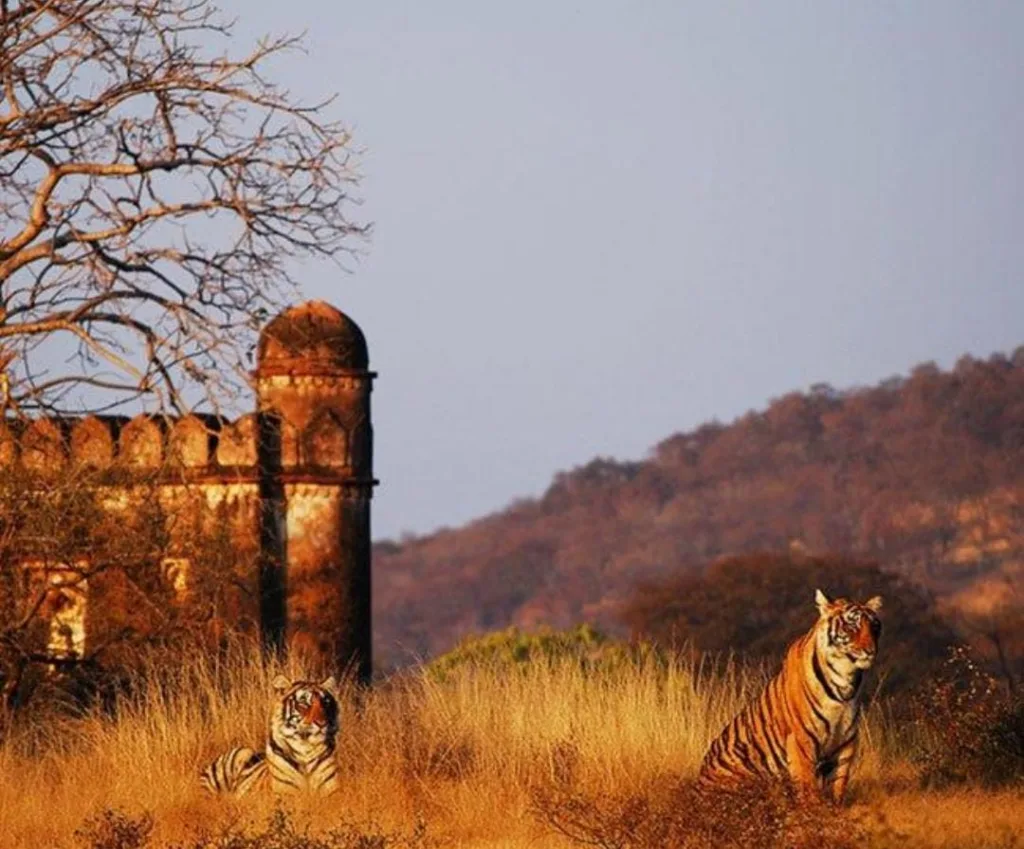
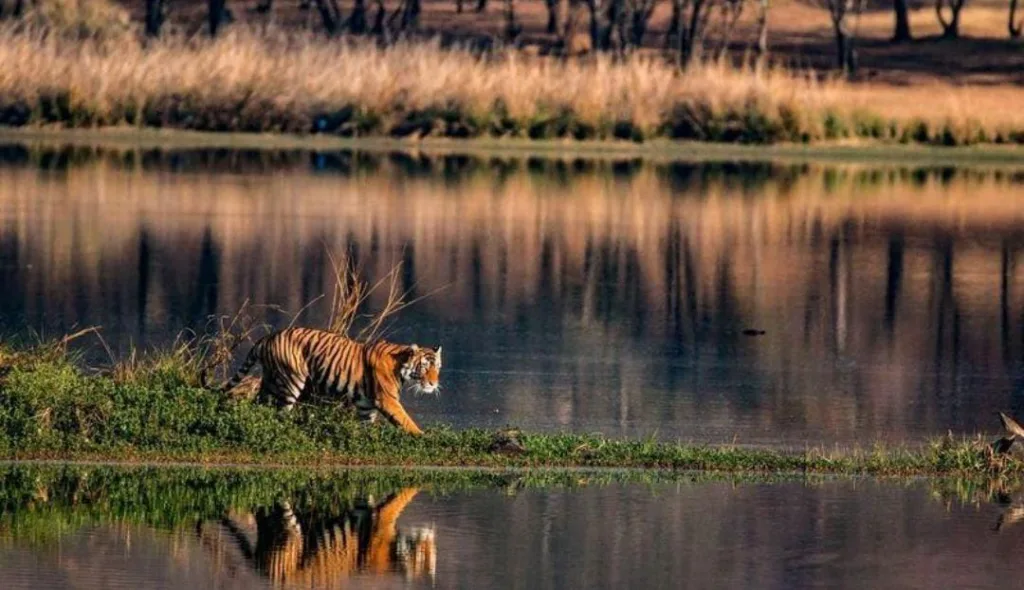
    One of India’s most famous tiger reserves, Ranthambore is known for its tigers roaming near lakes, ancient ruins and the historic Ranthambore Fort. The park reopens on October 1 after the monsoon closure.

    Bandhavgarh Tiger Reserve, Madhya Pradesh

    Bandhavgarh has one of the highest tiger populations in India. Its dense forests, rocky hills and grasslands also shelter leopards, sloth bears and more than 300 species of birds.

    Also Read | Digi Yatra international trial may begin at Delhi, Mumbai, Bengaluru, Hyderabad and Cochin airports

    Kanha Tiger Reserve, Madhya Pradesh

    Known for inspiring The Jungle Book, Kanha is famous for its sprawling sal forests and the rare hard-ground barasingha. It is one of the country’s largest and most scenic tiger reserves.

    Pench Tiger Reserve, Madhya Pradesh-Maharashtra

    Spread across two states, Pench is home to tigers, leopards, wild dogs and rich birdlife. The reserve’s teak forests and open meadows make it a favourite among wildlife photographers.

    Also Read | 7 luxury fashion hotels every style lover should know

    Tadoba-Andhari Tiger Reserve, Maharashtra

    Tadoba is among Maharashtra’s top wildlife destinations and is well known for frequent tiger sightings. Visitors can also spot sloth bears, leopards and marsh crocodiles here.

    Panna Tiger Reserve, Madhya Pradesh

    Located near Khajuraho, Panna is recognised for its successful tiger conservation programme. The Ken River flowing through the reserve adds to its scenic beauty.

    Jim Corbett National Park, Uttarakhand

    India’s oldest national park begins reopening several safari zones in October, with some remaining zones opening later. Besides tigers, Corbett is famous for elephants, gharials and hundreds of bird species.

    Sariska Tiger Reserve, Rajasthan

    Nestled in the Aravalli hills, Sariska offers a mix of wildlife, forests, lakes and historic temples. It is an excellent destination for travellers looking for both nature and heritage.

    Things to know before planning your trip

    Safari permits for popular parks such as Ranthambore, Bandhavgarh and Kanha are often booked well in advance. Visitors should check the official forest department booking portals for opening dates, safari timings and zone availability before making travel plans, as not all zones reopen on the same day.

  • What is a Myth? The deeper meaning behind ancient stories explained

    What is a Myth? The deeper meaning behind ancient stories explained

    The word “myth” is often used to describe something false or imaginary. But in mythology and history, it has a very different meaning. Myths are something that communities have carried from one generation to the next generation to explain the world, human life, nature and the divine. The myths are part of a culture’s memory and identity, whether they are written down or passed on through oral tradition.

    Every civilisation has myths. From the stories of the Ramayana and Mahabharata in India to the tales of Zeus and Athena in Greece, myths have helped people make sense of questions that had no simple answers.

    Looking at myths through archaeomythology

    Archaeomythology studies myths alongside archaeology, history, language and folklore. Instead of reading an ancient story on its own, it asks what that story can tell us about the people who created it.

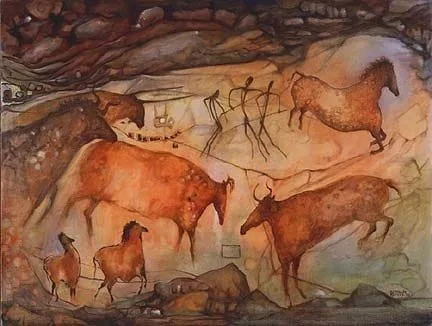
    The field was developed by archaeologist Marija Gimbutas, who believed ancient symbols, temples, artefacts and myths should be studied together. Pottery, cave paintings, burial sites and religious symbols can all add context to stories that have survived for centuries.

    Do myths contain history?

    Not every myth is a historical account. At the same time, many researchers believe myths can serve as the preserved memories of real events, places and traditions.

    As stories travel across generations to generations, details often change. Gods, heroes and magical elements may become part of the oral tradition and the older customs, rituals and social beliefs can remain hidden within those stories. Archaeomythology tries to identify those traces without treating every myth as literal history.

    Also Read | How is Goddess Jagadhatri different from Goddess Durga? The similarities, symbolism and story behind the festival

    A well-known example is Ariadne from Greek mythology. She is usually remembered for helping Theseus escape the Labyrinth. Some archaeomythologists argue that older traditions point to Ariadne as an important Minoan goddess connected with fertility and renewal before her story changed over time.

    Why myths still matter today

    Myths continue to influence festivals, literature, art and everyday traditions. They tell us how ancient civilisations understood life, death, nature and the relationship between humans and the sacred. Even today, many rituals and cultural practices draw from the ancient stories that have existed for hundreds or even thousands of years.

    Also Read | Greek and Roman nymphs: The forgotten guardians of nature in ancient mythology

    Reading myths this way is less about asking whether every event happened exactly as described and more about understanding what those stories meant to the people who narrated them.

  • How is Goddess Jagadhatri different from Goddess Durga? The similarities, symbolism and story behind the festival

    How is Goddess Jagadhatri different from Goddess Durga? The similarities, symbolism and story behind the festival

    From the beautifully lit streets of Chandannagar to the traditional celebrations in Krishnanagar, Jagadhatri puja has become an important part of Bengal’s festive calendar.

    Many people often wonder whether Goddess Jagadhatri is another form of Goddess Durga. The answer is yes, but the two are not worshipped in exactly the same way.

    In the Hindu scriptures the people used to believe that Ma Jagadhatri as a form of Adi Shakti, the divine feminine power who protects and sustains the world. As per the scriptures ma Jagadhatri shares several characteristics with devi Durga, her appearance, symbolism and the story behind her worship are different.

    The similarities between Goddess Jagadhatri and Goddess Durga

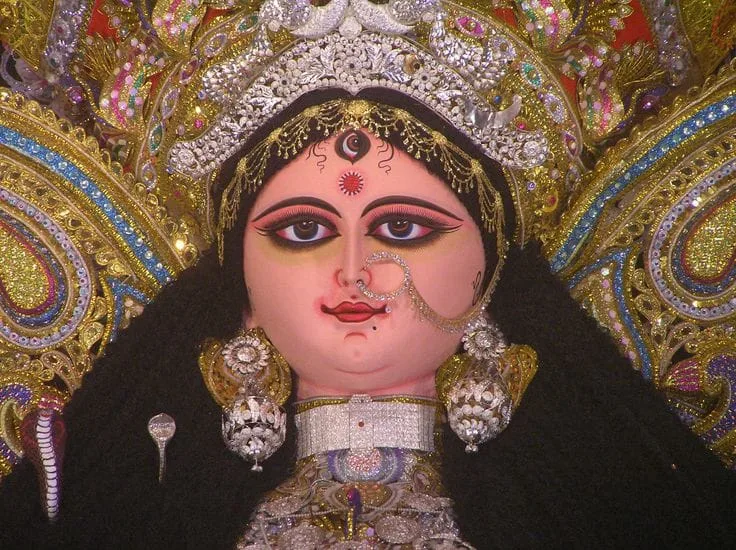
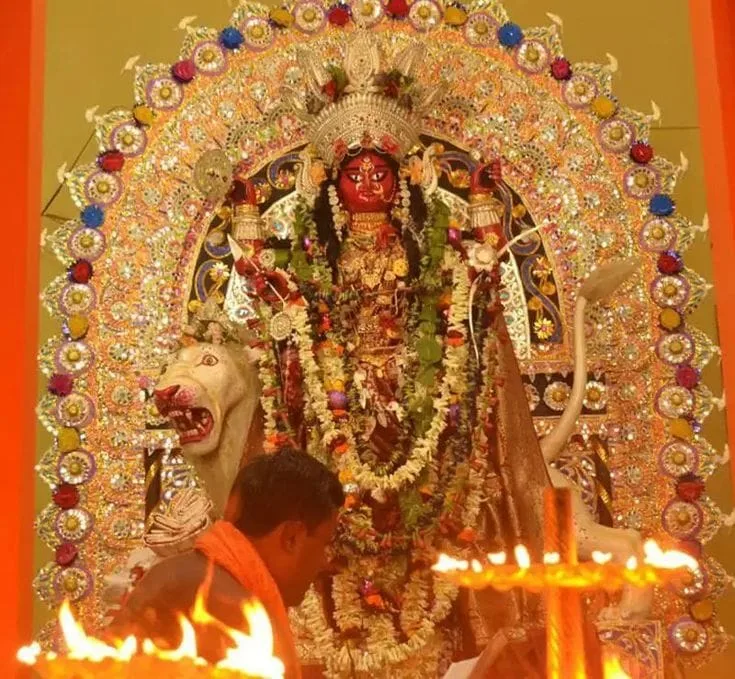
    Goddess Jagadhatri and Goddess Durga are both worshipped as powerful forms of Shakti. Both of the mighty Godesses are Trinayani which means three-eyed goddesses. The three nayan represents wisdom, strength and divine vision. The two goddesses are usually shown riding a lion, a symbol of courage and fearlessness.

    Also Read | Greek and Roman nymphs: The forgotten guardians of nature in ancient mythology

    Like Devi Durga, Ma Jagadhatri is believed to protect devotees from evil and restore balance whenever arrogance and injustice grow over peace. This is one of the reasons devotees see her as another manifestation of the same divine power.

    What makes Goddess Jagadhatri different?

    People usually differentiates the two goddesses with the idols. Goddess Durga is depicted with ten arms, each carrying a weapon gifted by different gods. Goddess Jagadhatri, however, has four arms. She holds a conch, the Sharanga bow, a chakra and five arrows.

    Another major difference is the demon beneath the lion. Durga’s lion is shown defeating Mahishasura, while Jagadhatri’s lion stands over an elephant demon called Karindrasura. Because of this victory, Jagadhatri is also known as Karindrasuranisudini.

    Also Read | Ganesh Chaturthi was once a private festival: Here’s how it become a mass movement

    Her complexion is also traditionally described as radiant like the rising sun, and she is dressed in red, symbolising energy and divine power.

    Why is Jagadhatri worshipped?

    According to mythology, after Mahishasura was defeated by Devi Durga, the gods became proud of their victory. To remove their arrogance, the Goddess appeared as Jagadhatri and reminded them that all strength comes from the supreme divine power.This is the reason why Ma Jagadhatri is associated with humility, self-control and the power that sustains the universe.

    For devotees, Jagadhatri Puja is not only a celebration of victory over evil but also a reminder to let go of pride and remain grounded.