Blog

  • Zip coding: Smart dating hack or a recipe for relationship drama?

    Zip coding: Smart dating hack or a recipe for relationship drama?

    The zip coding dating trend is the latest relationship idea making its way from TikTok into conversations about modern dating and unlike some viral dating rules, it is not necessarily a hard no.

    The term has two distinct meanings. One refers to keeping your dating-app location range very small and prioritising people who live nearby. The other describes a relationship where a couple considers themselves together only when they are in the same location, while treating themselves as single when they are apart.

    Also Read | Busy life taking a toll on your relationship? 5 habits to stay close

    The distinction matters because one is essentially about convenience and dating preferences, while the other can directly affect relationship boundaries.

    What exactly is the zip coding dating trend?

    In its first form, “zip coding” means restricting your dating pool geographically. Someone might set a very small radius on a dating app or decide they only want to date people who live close enough to see regularly.

    There is a practical argument for it. Dating apps can create an overwhelming number of choices, leading to swipe fatigue and decision paralysis. Limiting matches by location can make it easier to focus on people you can realistically meet and build a relationship with.

    Readme puts books, reading tastes and shared interests at the centre of dating.
    Representational image of dating / Pexels

    Living nearby can also make maintaining a relationship easier. Regular dates, spontaneous plans and everyday time together are generally more achievable when partners do not have to travel long distances.

    However, the trend can become less about convenience and more about status. Someone who only wants to date people from wealthy, fashionable or supposedly desirable neighbourhoods may be using location as a social filter rather than a practical one.

    That is where “zip coding” can start looking less like a sensible dating preference and more like unnecessary pickiness.

    Is location-based dating actually a bad thing?

    Not necessarily.

    Prioritising someone who lives within a reasonable distance can be a perfectly practical dating preference. It can reduce the logistical pressure that comes with trying to build a relationship across cities or long commutes.

    The problem comes when the postcode becomes a proxy for social status or compatibility.

    Micro-weddings are becoming increasingly popular as couples rethink traditional big-day expectations.
    Couple / Pexels

    A neighbourhood can reflect someone’s lifestyle and community, but assuming that everyone from a particular area will share the same values or personality can quickly become limiting.

    So, when it comes to restricting your dating pool by location, zip coding is not inherently toxic. It depends on why you are doing it and how rigid the rule becomes.

    When does zip coding become a relationship problem?

    The second version is considerably more complicated.

    Here, “zip coding” describes a relationship whose rules change depending on where the partners are. For example, a couple may consider themselves monogamous while living on the same college campus but treat themselves as single when they return to their respective hometowns during a break.

    On its own, that arrangement is not necessarily cheating.

    It can resemble forms of ethical non-monogamy in which partners agree that they can date or sleep with other people while they are apart but remain committed to each other when they are together.

    The crucial word is agreement.

    If both partners understand the arrangement and genuinely consent to it, they can decide what their relationship looks like when they are together and apart. It could even offer some couples an alternative to navigating a conventional long-distance relationship.

    But that arrangement can become complicated very quickly if the boundaries are unclear.

    What is the biggest red flag with zip coding?

    The biggest problem is when the two partners have different definitions of the relationship.

    If one person believes they are in a committed relationship regardless of distance while the other considers themselves single whenever they are apart, there is no shared agreement.

    In that situation, the issue is no longer simply a quirky TikTok dating trend. It becomes a question of trust, communication and consent.

    Also Read | The ‘Hot Fox Agenda’: Why Hollywood keeps turning foxes into heartthrobs

    The distinction between an open relationship and cheating is particularly important here. Ethical non-monogamy requires informed agreement between the people involved. Secretly changing the rules when your partner is away does not meet that standard.

    So, the verdict on zip coding is complicated: the location-based dating version can be practical, while the relationship version requires exceptionally clear boundaries.

    Without mutual understanding, what looks like a modern dating arrangement can quickly become a relationship conflict.

  • From ‘Dil to Pagal hai’ to ‘Chale Chalo’: Malaysian PM Anwar Ibrahim’s Bollywood playlist for BRICS posts wins the internet

    From ‘Dil to Pagal hai’ to ‘Chale Chalo’: Malaysian PM Anwar Ibrahim’s Bollywood playlist for BRICS posts wins the internet

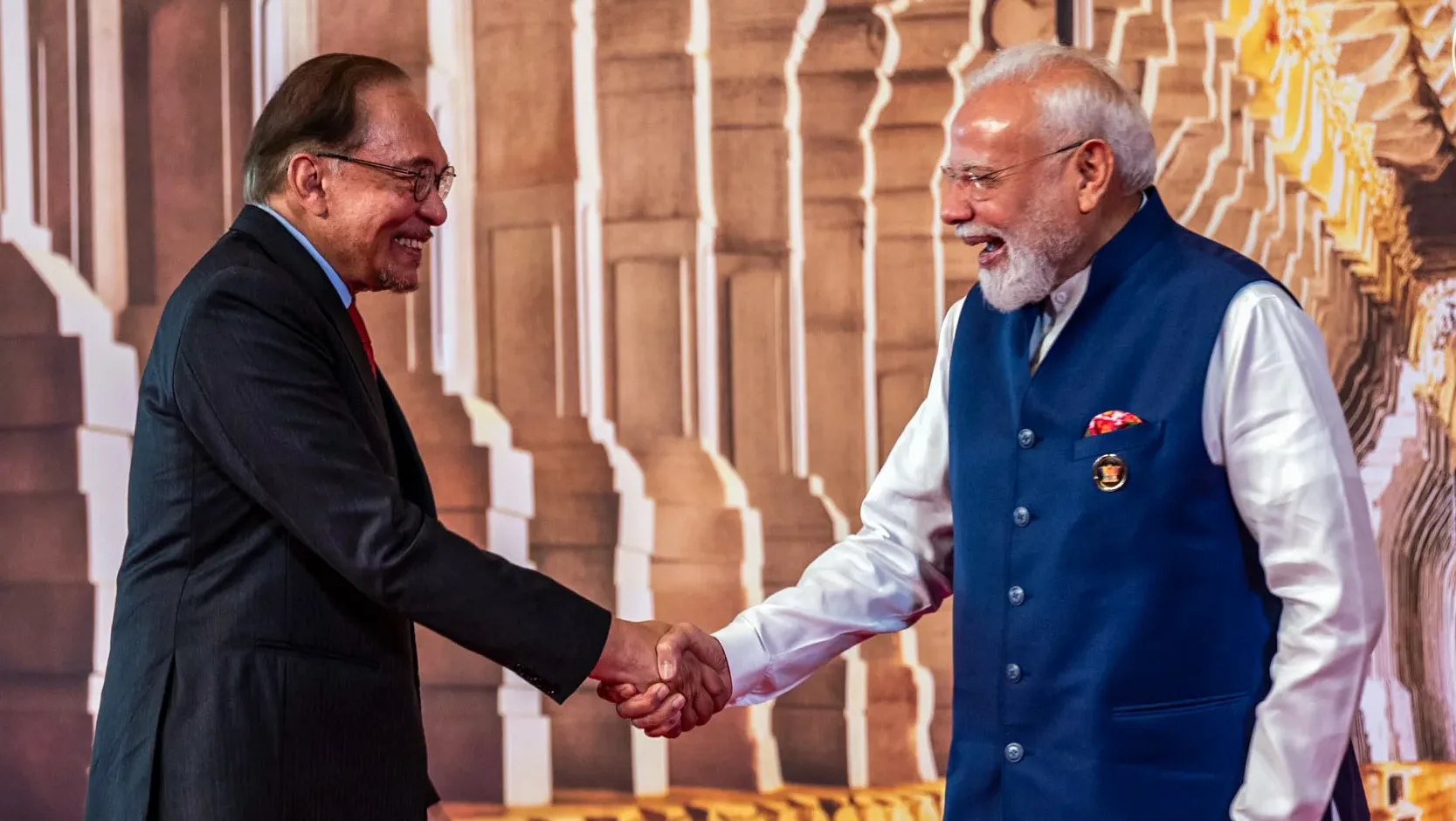
    The 18th BRICS Summit in New Delhi may have ended, but Malaysian Prime Minister Anwar Ibrahim’s Bollywood-inspired social media posts are still drawing attention online. During and after his India visit, Ibrahim paired photographs and videos from his meetings with Indian film songs, with several of his choices carrying themes of friendship, unity and togetherness.

    Anwar Ibrahim picks Shah Rukh Khan, Salman Khan songs

    In a video showing Prime Minister Narendra Modi welcoming him at Bharat Mandapam, Ibrahim used ‘Tujhe Dekha To Ye Jana Sanam’ from Shah Rukh Khan and Kajol’s Dilwale Dulhania Le Jayenge.

    For photographs from his BRICS Summit engagements, he chose ‘Har Dil Jo Pyar Karega’, the title track from the 2000 Salman Khan, Rani Mukerji and Preity Zinta film Har Dil Jo Pyar Karega. For his departure from India, Ibrahim selected ‘Kandhon Se Milte Hain Kandhe’ from Lakshya, another song associated with unity and collective spirit.

    Also Read | 25 years after 9/11: Has the world really become safer?

    ‘Veer-Zaara’ song for Rahul Gandhi, Priyanka Gandhi meet

    Ibrahim also met Congress leaders Rahul Gandhi and Priyanka Gandhi during his India tour. While sharing pictures from their meal together, the Malaysian Prime Minister used ‘Aisa Des Hai Mera’ from Veer-Zaara. The song highlights India’s cultural diversity.

    One of the more notable musical choices came with Ibrahim’s meeting with Iranian President Masoud Pezeshkian. For that post, he selected ‘Saathi Haath Badhana’ from the 1957 film Naya Daur. The song’s message of joining hands and progressing together matched the theme of the meeting.

    Anwar Ibrahim’s Putin post features ‘Chale Chalo’

    Ibrahim also used Bollywood music for his photograph with Russian President Vladimir Putin. The post featured ‘Chale Chalo’ from Aamir Khan’s 2001 film Lagaan, another track centred on moving forward together.

    Ibrahim was not the only foreign leader or official to bring Bollywood music into posts linked to the India visit. Indonesia’s Foreign Minister Sugiono also used music from Dil Dhadakne Do around President Prabowo Subianto’s visit.

    Also Read | What is dark matter? Everything to know about the universe’s biggest mystery scientists are trying to solve

    S Jaishankar on BRICS Summit consensus

    India said the BRICS Summit was successful despite the “very polarised world” in which it was held. External Affairs Minister S Jaishankar said, “The BRICS Summit was taking place in a very polarised world – there were two major conflicts, big divides and very strong opinions and interests. Even in the midst of this polarisation, we actually forged a consensus. If you look at it, the toughest issue of the day was the West Asia conflict. But we were able to get out a statement to which everybody agreed.”

    Jaishankar added that 32 delegations attended the summit, including 11 from BRICS member states, 10 partners, four regional bodies and seven international organisations.

  • The ‘Hot Fox Agenda’: Why Hollywood keeps turning foxes into heartthrobs

    The ‘Hot Fox Agenda’: Why Hollywood keeps turning foxes into heartthrobs

    If you have ever found yourself inexplicably charmed by an animated fox, you are far from alone. From Robin Hood and Nick Wilde to Fantastic Mr Fox and even Foxy the Pirate, fictional foxes have developed a surprising reputation as pop culture heartthrobs.

    The phenomenon has become especially noticeable around Nick Wilde from Zootopia. His sarcastic charm, confidence and complicated relationship with Judy Hopps have inspired countless fan edits and discussions online.

    And perhaps Hollywood deserves some of the credit or the blame.

    The idea of a “Hot Fox Agenda” may sound ridiculous, but look at the evidence. Animated films and shows have repeatedly given fox characters clever personalities, mischievous streaks, confidence and, often, a softer romantic side.

    What makes animated foxes so appealing?

    Foxes already have a built-in reputation for being sly, independent and adaptable. Pop culture has taken those traits and turned them into character archetypes that audiences recognise immediately.

    Give a fox character a sharp sense of humour, a little swagger and a softer side beneath the attitude, and suddenly the character becomes much more than the comic relief or villain.

    That formula is particularly obvious with Nick Wilde.

    In Zootopia, Nick initially comes across as a smooth-talking hustler who enjoys getting under Judy’s skin. Their early interactions have the familiar push-and-pull dynamic of an enemies-to-lovers romance, making his eventual vulnerability and emotional openness even more appealing.

    Nick isn’t the first animated fox to receive this treatment.

    Did Hollywood start the ‘Hot Fox Agenda’ decades ago?

    Long before Nick Wilde arrived in 2016, Disney had already discovered the appeal of a charming fox.

    In the 1973 animated film Robin Hood, the legendary outlaw became a fox. The character retained his clever, rebellious personality while also developing a romantic storyline with Maid Marian.

    For some viewers, Robin Hood became a childhood crush long before anyone had coined the term “Hot Fox Agenda”. Online discussions have continued to revisit the character’s combination of confidence, gentleness and romantic charm.

    Then came Swiper the Fox from Dora the Explorer.

    Swiper is hardly a conventional romantic hero. He is, after all, constantly trying to steal things. But the mysterious mask, mischievous personality and occasional glimpses of redemption give him a very different kind of appeal.

    And apparently, a fictional villain with a redemption arc is enough to keep the agenda going.

    How did Fantastic Mr Fox take things even further?

    Wes Anderson’s Fantastic Mr Fox arguably doubled down on the formula.

    The stop-motion character already had plenty of confidence, intelligence and style. Then Hollywood added George Clooney’s voice to the mix.

    Mr Fox’s distinctive personality, his marigold corduroy suit and his complicated attempts to balance family life with his adventurous instincts turned him into one of the most memorable animated foxes on screen.

    The result? Another fox character who somehow managed to be charming despite being, objectively, a fox.

    What about video games and TV shows?

    The fox phenomenon isn’t restricted to animated movies.

    In Five Nights at Freddy’s, Foxy the Pirate transformed the fox archetype into something considerably stranger: a battered animatronic pirate with a hook.

    Five Nights at Freddy's, Foxy the Pirate

    Yet even that character has developed a devoted fan following, proving just how flexible the fictional fox formula has become.

    Television has also acknowledged the phenomenon.

    In Bob’s Burgers, Tina Belcher famously admits to being attracted to a cartoon fox, asking whether it is bad to develop a crush on a fictional character she barely knows.

    Apparently, the answer from pop culture is a resounding no.

    Why does Nick Wilde remain the ultimate animated fox crush?

    Nick Wilde may be the clearest example of the formula working perfectly.

    His appeal isn’t simply about appearance or attitude. His relationship with Judy gradually reveals a more vulnerable side of his personality.

    The character starts out as a hustler who keeps people at a distance. As his relationship with Judy develops, he becomes more emotionally open, showing that the confidence and sarcasm are only part of his personality.

    Nick Wilde isn’t alone: The rise of the hot animated fox

    That combination, sarcastic exterior, emotional vulnerability and undeniable charm, is precisely what makes the character so compelling to fans.

    With Zootopia returning for a third film, audiences may be getting even more of Nick and Judy’s dynamic.

    And if Hollywood continues its decades-long fascination with clever, charming foxes, the Hot Fox Agenda shows no sign of ending.

  • Busy life taking a toll on your relationship? 5 habits to stay close

    Busy life taking a toll on your relationship? 5 habits to stay close

    Some days, couples barely get past “What time will you be home?” before another meeting, message or household task gets in the way. Busy schedules can quietly turn meaningful conversations into quick updates and shared time into something that keeps getting postponed. But a relationship does not always need a free weekend to feel close. Small, consistent habits can help couples stay connected even when life refuses to slow down.

    A busy routine, however, does not have to create emotional distance. Couples can stay connected by making a few simple relationship habits part of their everyday lives. Here are five ways to nurture a relationship even when free time is limited.

    Make time for a daily check-in

    A long conversation is not necessary every day. Even 10 minutes can provide an opportunity to reconnect after a hectic day. Instead of discussing only household tasks, ask your partner about something that was important to them.

    Busy schedules? 5 relationship
    (Representational Image) Busy schedules do not have to come between couples and quality time | AI Generated

    Listen to the answer without checking your phone or rushing to the next task. A short but genuine conversation can help both partners feel heard and involved in each other’s lives.

    Also Read | Are you being used as a ‘placeholder partner’? 7 signs your partner may not see a future

    Schedule quality time together

    When calendars are full, couple time can easily get pushed aside. Setting aside a specific day or evening can prevent that from happening. Treat the time as something worth keeping, rather than an appointment that can be cancelled whenever another task appears.

    Busy schedules? 5 relationship
    (Representational Image) Simple relationship habits can make busy days feel more connected | AI Generated

    Quality time could mean going out for dinner, watching a film at home or taking a simple walk around the neighbourhood.

    Build small relationship rituals

    Shared routines can help couples maintain a sense of closeness when their schedules rarely match. Having morning coffee together, making a goodnight call or sending each other a funny reel during a hectic workday can become meaningful habits.

    Busy schedules? 5 relationship habits
    (Representational Image) Daily check-ins and shared rituals can strengthen a couple’s bond | AI Generated

    These rituals do not need to take much time. Their value comes from creating regular moments that both partners associate with their relationship.

    Clearly ask for what you need

    Partners cannot always know what the other person is thinking or feeling. One person might want company after a long day, while the other assumes they need some quiet time.

    GenZ relationships
    (Representational Image) Busy schedules? 5 relationship habits to keep couples close | AI Generated

    Rather than waiting for your partner to figure it out, communicate directly. Saying, “Can we spend 20 minutes together tonight?” makes your need clear and gives your partner something specific to respond to.

    Give your shared time your full attention

    When couples finally find time together, distractions can reduce the quality of that time. Work messages, social media and separate screen time can easily take over an evening.

    Also Read | From ‘you complete me’ to ‘I need my space’: How Gen Z is redefining love and commitment

    When possible, put those distractions aside and focus on each other. Even a short meal or conversation can become valuable when both partners are genuinely present.

    Busy schedules? 5 relationship habits
    (Representational Image) Quality time matters even when life leaves couples with little time | AI Generated

    Making a busy relationship work

    A demanding schedule does not automatically mean a relationship has to be neglected. Instead of trying to create more hours in the day, couples can focus on using their existing time in ways that support connection, communication and togetherness.

  • Book lovers, there’s finally a dating app built around your reading taste

    Book lovers, there’s finally a dating app built around your reading taste

    For people who consider a love of books a dating prerequisite, Readme could be the app worth checking out. The new dating platform puts reading habits and book preferences at the centre of matchmaking, connecting people who read, or those who specifically want to date someone who does.

    Created by the team behind astrology app Co-Star, Readme takes a different approach from conventional dating profiles, where carefully crafted bios and prompts often become the starting point for a match.

    Instead, the app looks to books and reading tastes as a way to reveal shared interests, personality and values.

    What is the Readme dating app?

    The concept behind Readme is straightforward: connect people who read, or people who want to date someone who reads.

    Users can discover matches based on similarities in their book tastes, giving them an immediate conversation starter beyond the usual dating-app prompts. For book lovers, that could mean moving from “What do you do?” to discussing favourite authors, genres or the book currently sitting on the nightstand.

    Readme is a new dating app designed around books and reading preferences.
    Readme is a new dating app designed around books and reading preferences / Pexels

    According to Readme’s head of brand Emily Segal, the idea comes from the belief that someone’s taste in books can reveal more about them than a carefully rehearsed dating-app line.

    That makes reading preference the app’s central compatibility tool, at least for now.

    Why did the Co-Star team create Readme?

    Readme comes from the same team behind Co-Star, the popular astrology app founded by Banu Guler.

    Guler announced Readme on X this week, sharing a statement from Segal about the new platform.

    The move also builds on something the Co-Star team had already observed among its users: an appetite for compatibility-based dating.

    Segal said people have long wanted Co-Star to create a dating app, but the team took time to find an approach that felt authentic. Astrology, she noted, is only one part of compatibility — and Readme instead explores another potential window into someone’s personality: their relationship with books.

    Will astrology be part of Readme?

    That’s still unclear.

    The role astrology may eventually play in Readme has not been confirmed. For now, the app’s identity appears firmly centred on books, reading preferences and connecting people through shared literary interests.

    Users can download Readme and explore the matchmaking concept themselves.

  • India’s 4am diplomatic push: How BRICS overcame Iran-Saudi-UAE differences

    India’s 4am diplomatic push: How BRICS overcame Iran-Saudi-UAE differences

    India pulled off a significant diplomatic feat at the 18th BRICS Summit in New Delhi, securing consensus on the group’s joint statement after negotiations continued until around 4 am on Saturday, according to government sources.

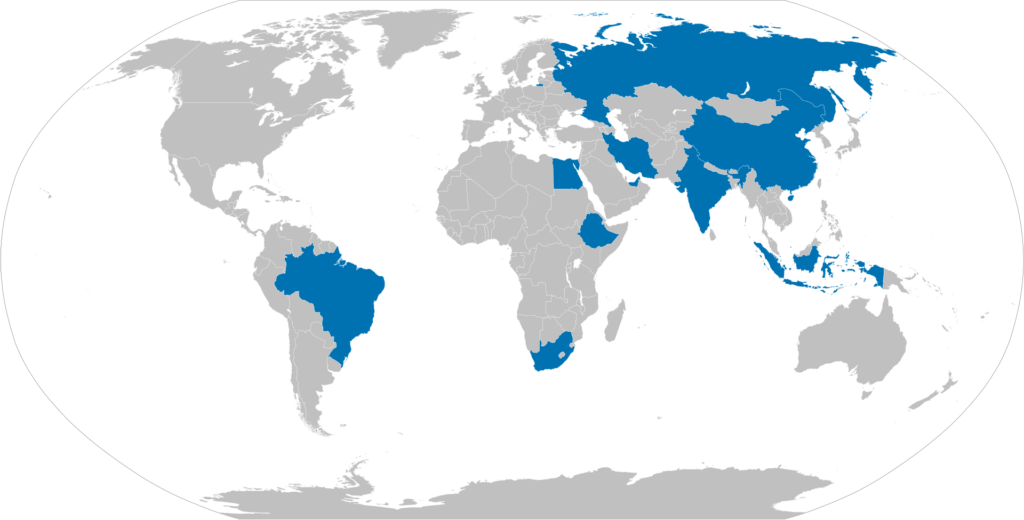
    The challenge was particularly significant because the expanded grouping includes Iran, Saudi Arabia and the UAE which are the countries with competing positions and deep differences on several regional and geopolitical issues.

    Also Read | Kolkata’s Bagbazar Sarbojanin Durga Puja hits legal hurdle after poll ends in tie, HC to decide next

    Against the backdrop of continuing conflicts and heightened tensions in West Asia, India led sustained consultations aimed at preventing those differences from derailing the joint declaration.

    How did India bridge the differences?

    According to government sources, the negotiations involved disagreements over “several contentious issues”. India worked to reconcile the competing positions and find language that could be accepted by all members.

    The talks continued for hours, with the eventual agreement coming only after sustained consultations. The late-night negotiations highlight the increasingly complicated diplomacy required to maintain consensus within a BRICS that now brings together countries with widely different geopolitical interests.

    BRICS member countries
    BRICS member countries / Wikipedia

    Rather than allowing contentious regional issues to dominate the summit, India sought to keep the discussions centred on areas where members could find common ground.

    The successful conclusion of the talks allowed the grouping to issue its joint statement despite the competing positions of its members.

    Why is the BRICS consensus significant?

    The episode illustrates the challenge facing BRICS as the grouping becomes more diverse. Its members do not share identical positions on major geopolitical questions, particularly in regions marked by active conflicts and rivalries.

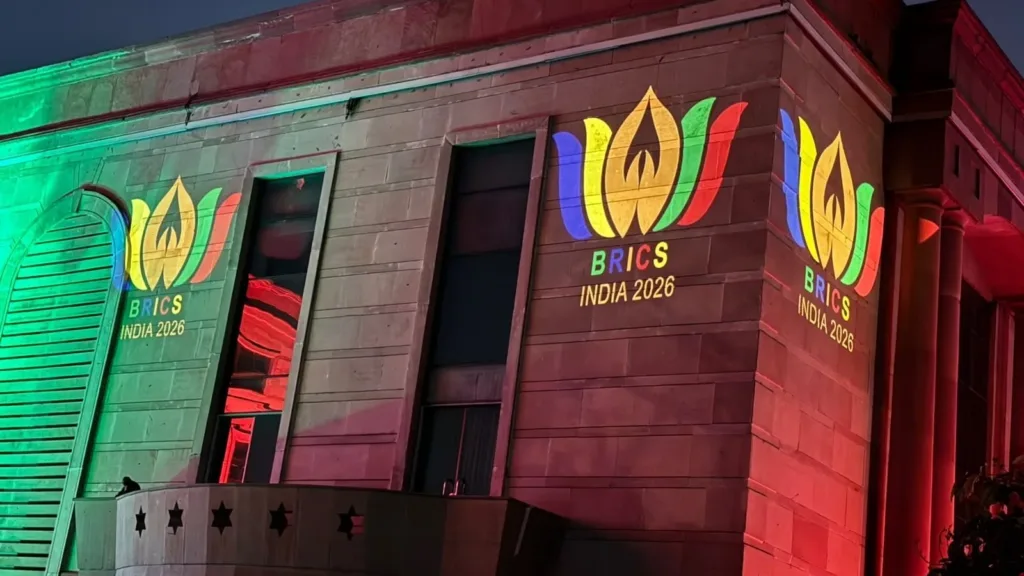
    Ministry of External Affairs lights up ahead of the 18th BRICS Summit.
    Ministry of External Affairs lights up ahead of the 18th BRICS Summit /
    BRICS 2026

    For India, the negotiations also offered an opportunity to use its BRICS presidency to push for greater cooperation while demonstrating its ability to bring divergent positions towards a common outcome.

    The consensus came as leaders gathered in New Delhi for the 18th BRICS Summit.

    Xi Jinping arrives in Delhi

    Chinese President Xi Jinping arrived in New Delhi on Saturday to attend the summit, marking his first visit to India in seven years.

    Union Minister of State for Commerce and Industry Jitin Prasada received Xi at the airport, where cultural artistes performed traditional dances to welcome the Chinese president.

    Also Read | Delhi faces some of India’s worst pollution, but ranks above Srinagar and Bengaluru in clean-air survey: Here’s why

    External Affairs Ministry spokesperson Randhir Jaiswal said on social media that India looked forward to “constructive discussions” as it works towards greater cooperation and a “more balanced, representative and multipolar world.”

    The late-night consensus therefore comes at a crucial moment for India’s BRICS presidency, with the grouping attempting to maintain unity despite increasingly complex geopolitical fault lines.

  • 25 years after 9/11: Has the world really become safer?

    25 years after 9/11: Has the world really become safer?

    25 years have elapsed since the world has seen a terrorist attack so destructive that it reconfigured geopolitics, national security, and the consciousness of people. On September 11, 2001, 19 terrorists hijacked four passenger aircraft and conducted attacks in New York and Washington, resulting in the deaths of 2,977 people, apart from the hijackers. Two planes were flown into the World Trade Centre’s Twin Towers, another hit the Pentagon, and the fourth plane was forced to land in Pennsylvania after passengers tried to take back control of the plane.

    25 years later, one fundamental question remains: Is the world any safer?

    The ongoing prevalence of terrorism poses yet another challenge to the question. On April 22, 2025, terrorists attacked and killed 26 people including civilians in Baisaran Valley in Jammu and Kashmir. This is one of the worst terrorist attacks on civilians in India after the attacks in Mumbai in 2008 which are referred to as 26/11. Although the scale of this attack was nothing compared to 9/11 attacks, the message was clear: terrorism is still able to take advantage of vulnerabilities.

    Also Read | What is dark matter? Everything to know about the universe’s biggest mystery scientists are trying to solve

    View of the valley where the 2025 Pahalgam attack occurred | Wikipedia
    View of the valley where the 2025 Pahalgam attack occurred | Wikipedia

    Governments all around the world have been investing billions of dollars since 2001 in improving their capacities in the fight against terrorism. The US invasion of Afghanistan and international efforts to combat ISIS, improved homegrown security in the West and India’s war on terrorism are just a few examples of the way the world of security has transformed.

    Technology has played an important part in the struggle too. Satellite technology, artificial intelligence, biometrics, financial surveillance and intelligence sharing have helped governments to detect, interrupt and prevent any terrorist plans. Across the world, governments increasingly combine intelligence, precision military operations, deterrence and diplomatic pressure in their efforts to counter terrorist threats.

    So, has the world become safer since 9/11?

    In some respects, yes. The global security architecture is stronger, intelligence cooperation is deeper and governments are better equipped to detect and disrupt large-scale terrorist plots. The world has, so far, avoided another attack on the same scale as 9/11.

    25 years of 9/11
    The North Tower (right) shortly after impact from American Airlines Flight 11 (the day’s first attack) | Wikipedia

    But “safe” is a relative term.

    From Paris to Kabul, Nairobi to Pahalgam, terrorism has repeatedly demonstrated its ability to adapt to changing security environments. The methods have changed, the targets have evolved, and the networks have become more fragmented. However, the goal is still the same: to instil fear and gain political leverage using violence.

    Also Read | Nepal flood: Why unidentified bodies are being buried and how families can identify them later

    As such, 25 years after 9/11, the situation is complex. While the world might have learned how to manage terrorism, it has not succeeded in eradicating it. These last 25 years prove that the war on terrorism is not a war that can ever be decisively won, but a constant fight against an ever-present menace.

    The question that began after 9/11 remains: Have we made the world safer, or have we simply learned to confront a different kind of terror?

  • Bare nails trend: Why natural nails are back in fashion

    Bare nails trend: Why natural nails are back in fashion

    Bare nails are the latest beauty obsession, with natural, polish-free nails emerging as one of 2026’s defining manicure trends. Once considered low-maintenance or even unkempt, bare nails are now being embraced as a symbol of understated elegance and quiet luxury.

    Once associated with neglect or simply skipping the salon, polish-free nails are now being embraced as a deliberate beauty choice.

    Also Read | Y2K makeup trends return: How to give retro looks a modern update

    Celebrities including Zendaya, Hailey Bieber, Billie Eilish, Victoria Beckham and Selena Gomez have been seen sporting natural-looking nails, helping turn the understated look into a symbol of effortless elegance.

    Bare nails are replacing elaborate manicures in 2026
    Bare nails are replacing elaborate manicures /IG, billieeilish

    The shift also reflects a broader movement towards quieter, lower-maintenance beauty, where looking polished no longer necessarily means spending hours achieving it.

    Why are bare nails suddenly so fashionable?

    For years, elaborate nail art, extensions, crystals and intricate designs were closely associated with luxury. A detailed manicure could function as an accessible way of displaying beauty and status.

    But as long nails, extensions and increasingly elaborate manicures have become more widely available, that association has begun to change. The emphasis is now shifting towards clean, healthy-looking nails without visible polish or elaborate decoration.

    From chrome finishes and nail charms to bold colours, elaborate manicures are taking a back seat as natural, polish-free nails become one of 2026’s biggest beauty trends.
    From chrome finishes and nail charms to bold colours, elaborate manicures are taking a back seat as natural, polish-free nails become one of 2026’s biggest beauty trends / Pexels

    The result is a beauty aesthetic that looks effortless while still requiring attention to grooming and nail health.

    The rise of the no-manicure manicure

    The bare nails movement fits neatly into the continuing popularity of the “clean girl” aesthetic, which favours a more pared-back approach to beauty.

    There is also a practical reason behind its appeal. Traditional manicures, particularly those involving gel, acrylics or extensions, can require regular appointments, maintenance and removal. A natural nail look eliminates much of that upkeep while retaining a neat, polished appearance.

    For people who increasingly value convenience, the no-manicure manicure offers an alternative to spending hours maintaining elaborate designs.

    Are natural or bare nails becoming the new luxury?

    There is also a wellness element to the trend. Some professions, including medicine and culinary work, discourage or prohibit nail polish because of workplace concerns around contamination and practicality.

    Bare nails are having a major beauty moment, turning natural nails into the ultimate symbol of understated elegance.
    Representational Image / Pexels

    Dermatologists have warned that using gel polish, acrylics and nail extensions too often would make one’s nails weak. Amidst all this, nails which look healthy in their natural state have come to represent grooming.

    2026 has brought about a change in the hierarchy of beauty. Not anymore are elaborate nails the only signifier of being polished and well-groomed. It takes sometimes a lot less to make a statement.

    Also Read | Dating a narcissist? 11 subtle signs that may reveal the pattern

    Bare nails are a part of the current trend of subtle beauty where rather than being flashy or overly done, emphasis is laid on healthy skin, natural eyebrows, basic hair, and barely there makeup.

    This results in a form of luxury which is silent in its nature. Bare nails blend well with this kind of aesthetic.

  • Are you being used as a ‘placeholder partner’? 7 signs your partner may not see a future

    Are you being used as a ‘placeholder partner’? 7 signs your partner may not see a future

    A relationship may feel serious, yet the future can tell a very different story. In situations where your partner appreciates your presence but continuously avoids discussing anything related to commitment and the future of the relationship, you may begin to question where you stand with him/her.

    The concept of a “placeholder partner” will become apparent at that point. It refers to a situation where one person gives company and comfort to another who may not actually plan on staying in the relationship for the long run.

    What is a placeholder partner?

    Placeholder partner refers to a temporary romance choice and not an enduring one. The relationship might be quite serious, yet one partner does not take efforts to invest emotions in order to build a future together.

    Also Read | Dating a narcissist? 11 subtle signs that may reveal the pattern

    Couple
    (Representational Image) Avoiding future plans can be a sign of limited relationship commitment | AI Generated

    The term “placeholder partner” is widely used on social media and defines relationships where one person appreciates the company but secretly treats the relationship as temporary and not a permanent one.

    Indicators of being a placeholder partner

    One of the potential signs is frequent communication with mixed messages. Your partner may occasionally speak of the relationship with seriousness, yet becomes distant and avoids the conversation about the future.

    Couple
    (Representational Image) Promises without action may signal that the relationship is temporary | AI Generated

    Lack of discussion about future may serve as another indicator. If the discussions of marriage, cohabitation and having kids do not become more detailed with time, it is hard to say whether these plans are real.

    Finally, promises that are not accompanied with any actions should not be considered seriously. There are people who promise a future together yet make no moves towards it, leaving the other partner emotionally invested.

    Why do people stay in temporary relationships?

    Every relationship that fails is not necessarily a placeholder relationship. Some people end up in a relationship due to loneliness, after experiencing heartbreak or being uncomfortable with being alone.

    Couple
    (Representational Image) A lack of shared goals can raise questions about long-term commitment | AI Generated

    Some relationships can also help people heal, learn and grow, even when they do not ultimately become permanent. The key issue is whether both people understand what they want from the relationship.

    Also Read | From ‘you complete me’ to ‘I need my space’: How Gen Z is redefining love and commitment

    When is it time to move on?

    The relationship will be healthy if there is honesty, efforts by both individuals and common goals. However, if an individual continues putting off making commitments, avoids discussions about the future or makes empty promises, then it might be good to consider if the relationship is living up to each individual’s needs.

    Couple
    (Representational Image) Honesty and mutual effort are key signs of a healthy lasting relationship | AI Generated

    When two people have entirely different needs, it might be better if each individual moves ahead independently.

  • Who is Sumit Roy? Abhishek Banerjee’s PA arrested in Shalbani land scam case

    Who is Sumit Roy? Abhishek Banerjee’s PA arrested in Shalbani land scam case

    Sumit Roy, the personal assistant (PA) to Trinamool Congress MP Abhishek Banerjee, was arrested from Banerjee’s Kalighat residence on Thursday, shortly after the Supreme Court cancelled the protection granted to him. The arrest is linked to the Shalbani land scam case.

    CID and STF teams reached Abhishek Banerjee’s residence after receiving information that Roy was inside. A large team of officials, along with a videographer as part of the arrest procedure, arrived at the house. Roy was subsequently taken to Bhabani Bhavan for questioning.

    Who is Sumit Roy?

    Sumit Roy has been described by TMC insiders as one of Abhishek Banerjee’s closest aides. For years, party insiders have referred to him as Abhishek’s “shadow”, highlighting his presence around the TMC leader since his early political years.

    Also Read | The Camac Street Citadel: Why Abhishek Banerjee’s Kolkata office has become Bengal’s most contested political address

    Abhishek Banerjee’s PA Sumit Roy arrested in Shalbani land scam case
    Abhishek Banerjee’s PA Sumit Roy arrested in Shalbani land scam case | X

    According to several TMC insiders, Roy and Abhishek Banerjee have known each other since their school days. As Banerjee’s influence within the party grew, Roy continued to remain part of his inner circle and became an important figure in the organisation.

    Why was Sumit Roy considered influential?

    TMC leaders claim Roy’s role extended beyond organisational work and reached administrative circles. Although he did not hold an elected position, party members viewed him as an important link to Abhishek Banerjee.

    According to multiple TMC insiders, party workers and local leaders seeking an audience with Banerjee often had to contact Roy first. Some leaders claimed that getting an appointment with Roy could itself be difficult. Sources also alleged that senior administrative officials and high-ranking officers sometimes had to wait for hours to meet him.

    Seen as the ‘second-in-command’

    Party insiders say Roy held considerable influence within parts of the organisation. Leaders familiar with the functioning of Abhishek Banerjee’s political office claimed that instructions from the TMC leader were often communicated through Roy.

    Sumit Roy
    Sumit Roy taken to Bhabani Bhavan for questioning after arrest | File Image

    Within sections of the party, he was informally described as the “second-in-command” to the “boss”. Leaders said that communication about meetings with Banerjee frequently passed through Roy.

    Also Read | Why is Suvendu Adhikari pushing the Saffron Samman Yatra now?

    Role in Diamond Harbour affairs

    TMC sources also said Roy was involved in organisational and constituency-related matters in Diamond Harbour, Abhishek Banerjee’s parliamentary constituency.

    Local leaders claimed that political matters, administrative requests and constituency-related issues were often routed through him, placing Roy at an important point of contact for those seeking access to Banerjee’s decision-making channels.