Category: India

  • What are the flashpoints behind India’s growing debate over political legitimacy?

    What are the flashpoints behind India’s growing debate over political legitimacy?

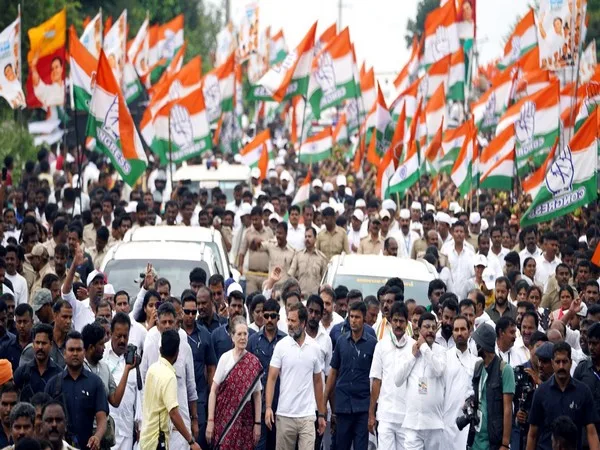
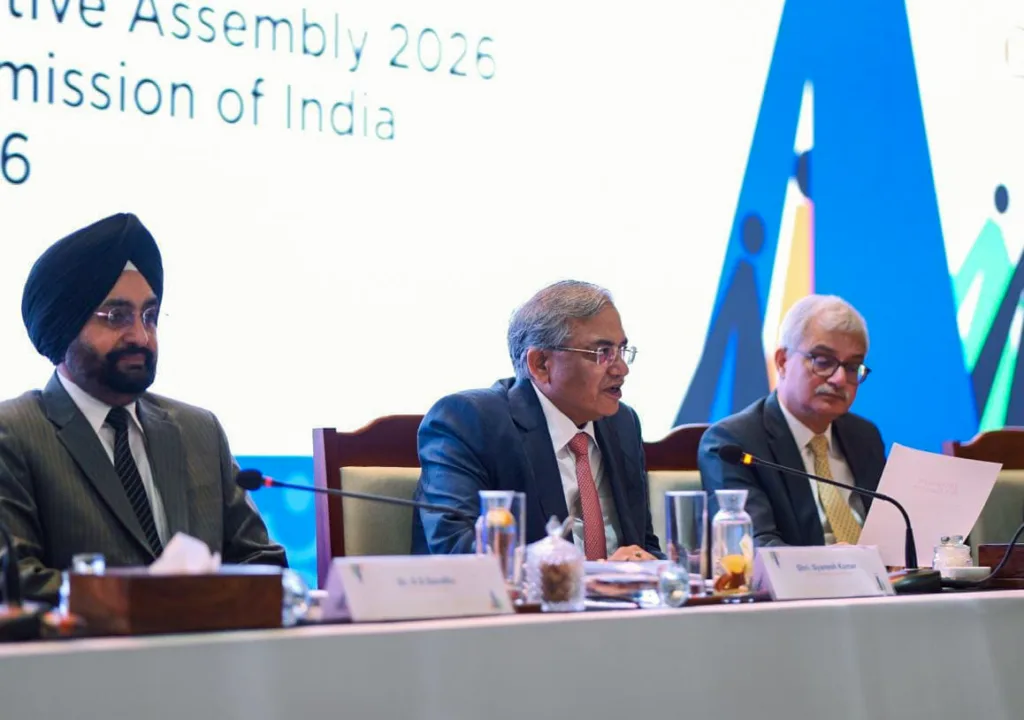
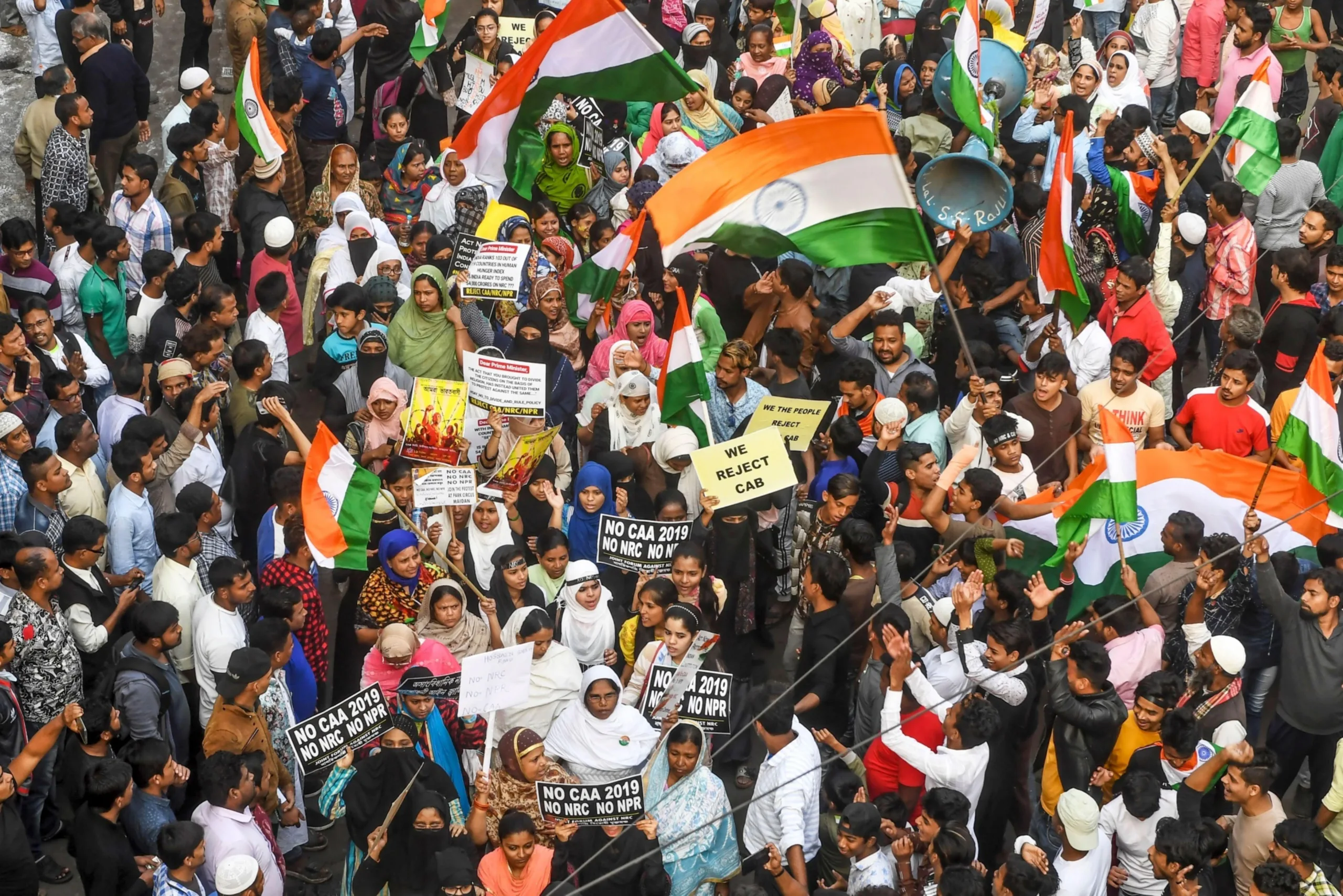
    India’s political debate has increasingly centred on a question that goes beyond individual controversies: how much confidence do citizens place in the institutions responsible for elections, examinations, public administration and economic crisis?

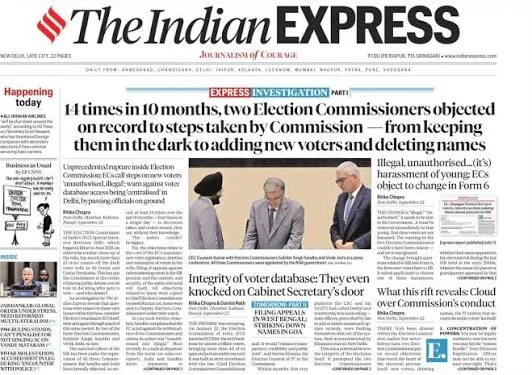
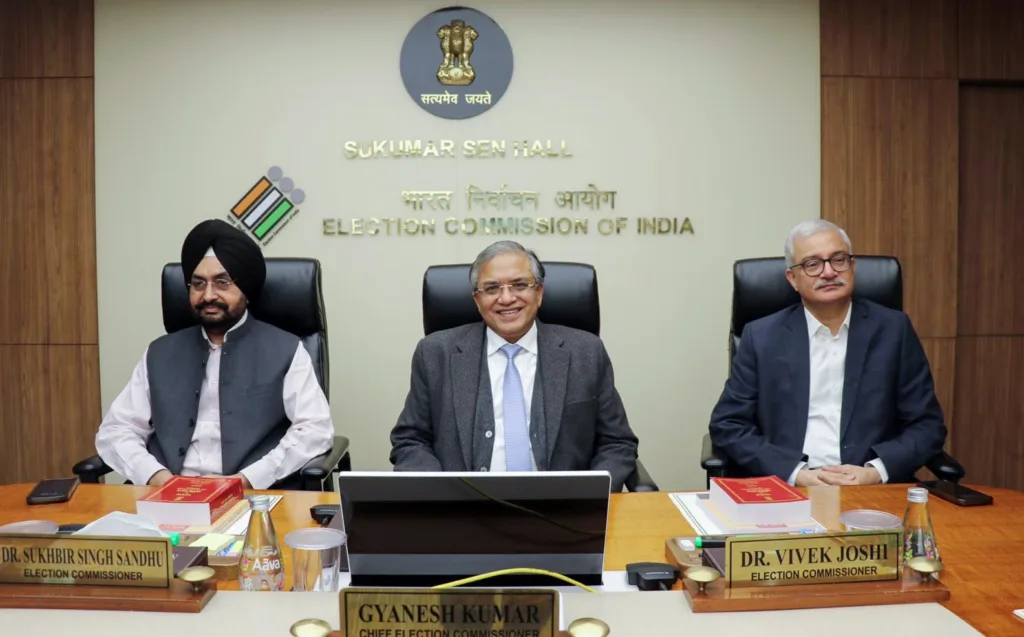
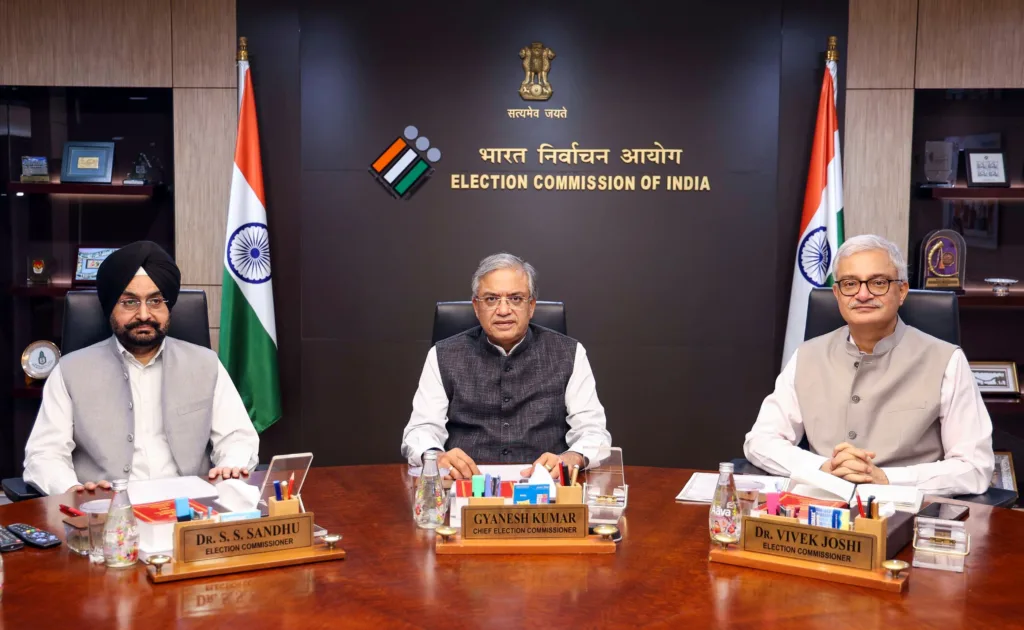
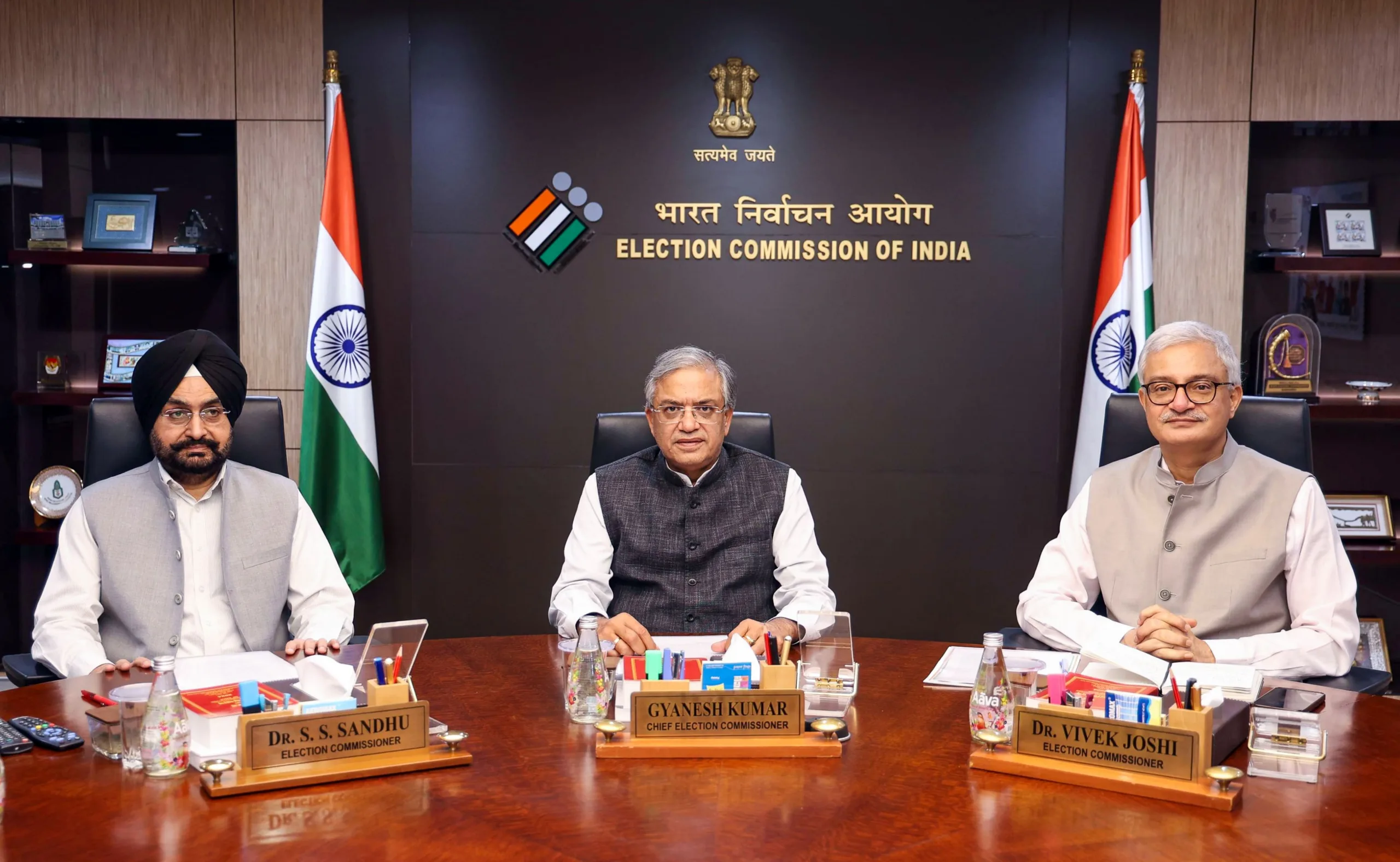
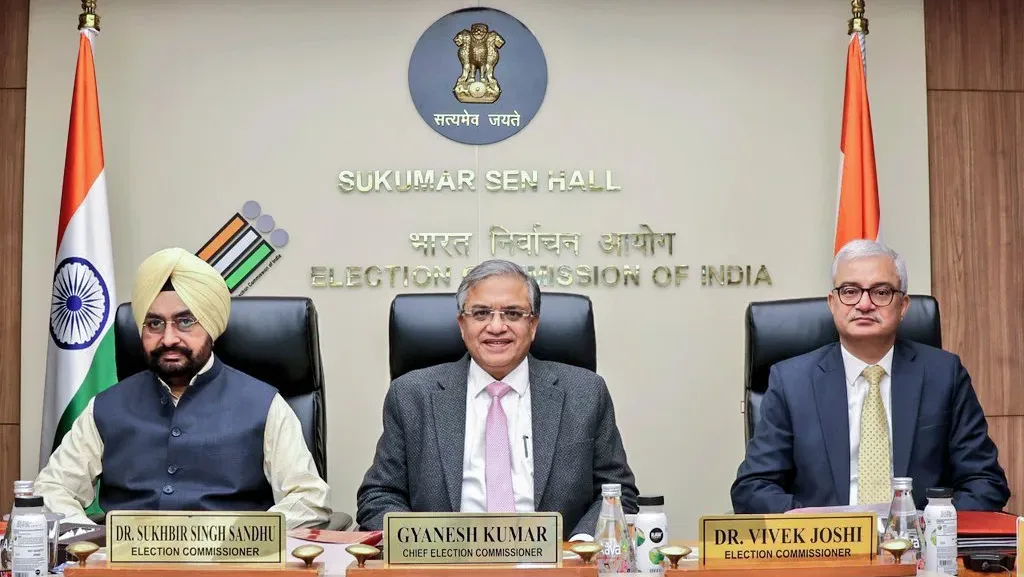
    The latest flashpoint is the Election Commission of India’s Special Intensive Revision (SIR) of electoral rolls. An investigation by The Indian Express reported that Election Commissioners Sukhbir Singh Sandhu and Vivek Joshi recorded objections at least 14 times over 10 months on matters including voter registration, deletions, Form 6 and access to electoral-roll systems. The ECI has maintained that SIR and other decisions were approved unanimously.

    These competing accounts have fuelled a wider debate about institutional credibility. Political commentator Muqtedar Khan, writing in Frontline, describes this as a crisis of legitimacy. That is an analytical interpretation rather than an established institutional finding, but it reflects concerns that have become increasingly visible across several public controversies.
    India's political debate has increasingly centred on a question that goes beyond individual controversies: how much confidence do citizens place in the institutions responsible for elections, examinations, public administration and economic reporting? (ANI)
    India’s political debate has increasingly centred on a question that goes beyond individual controversies: how much confidence do citizens place in the institutions responsible for elections, examinations, public administration and economic reporting? (ANI)

    Crisis of legitimacy grows around electoral-roll questions

    The dispute over the Election Commission predates the current SIR exercise. Opposition parties have for years raised allegations about electoral roll changes and voting data, while the ECI has rejected claims of systematic manipulation.

    The latest controversy acquired greater significance after reports of internal objections within the Commission. The reported disagreements concerned issues including changes to voter-registration procedures, deletion and restoration of names and the centralisation of access to electoral-roll databases.

    The scale of SIR has added another dimension. The Indian Express reported that more than 13 crore names had been removed from draft rolls across 30 States and Union Territories during the exercise. These are draft-roll exclusions and do not necessarily represent permanent disenfranchisement, since claims, objections and restoration procedures remain available.

    The ECI has also announced measures including an ECINET review, easier hearings and extensions to certain deadlines, while reiterating that its decisions were unanimous.

    The Supreme Court has now agreed to hear a petition challenging aspects of the ECI’s functioning and the SIR process, adding a judicial dimension to the dispute.

    Also Read | Foral de Goa 1526, the charter behind Goa’s land legacy: Know all about 500 years of history
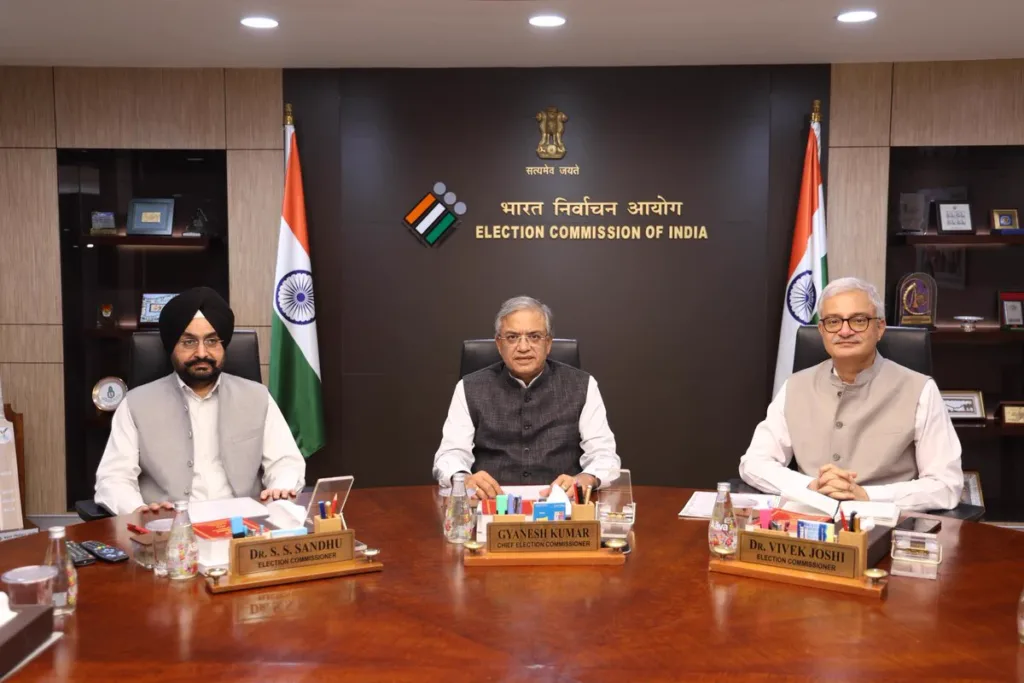
    The argument that India's crisis of legitimacy is broader than the ECI controversy draws on several recent episodes. (ANI)
    The argument that India’s crisis of legitimacy is broader than the ECI controversy draws on several recent episodes. (ANI)

    Crisis of legitimacy extends beyond the Election Commission

    The argument that India’s crisis of legitimacy is broader than the ECI controversy draws on several recent episodes. One is the NEET-UG 2026 paper-leak controversy, which triggered weeks of student protests and eventually culminated in Education Minister Dharmendra Pradhan’s resignation on July 25.

    The episode placed examination security and accountability under intense scrutiny. More recently, the National Testing Agency withheld the result of the son of a coaching-centre owner accused in the leak and barred him from the 2027 examination.

    Another contentious crisis concerns donations at the Ram Mandir in Ayodhya. An SIT investigation into alleged theft and misappropriation found lapses involving cash handling, CCTV monitoring, and recruitment, while eight people were arrested in June.

    By July, the SIT’s report had pointed to administrative and supervisory lapses while indicating that the alleged siphoning was linked to lower-level staff. The latest chargesheet has further detailed alleged diversion during the counting process, with investigators citing CCTV evidence and other material.

    These cases are different in nature and cannot automatically be treated as evidence of a single systemic failure. However, they have each generated questions about institutional oversight, accountability and the speed with which authorities respond to allegations.

    Also Read | 5 things to know about the Congress’s Rs 81.45 lakh payment to The Indian Express during the Bengal polls
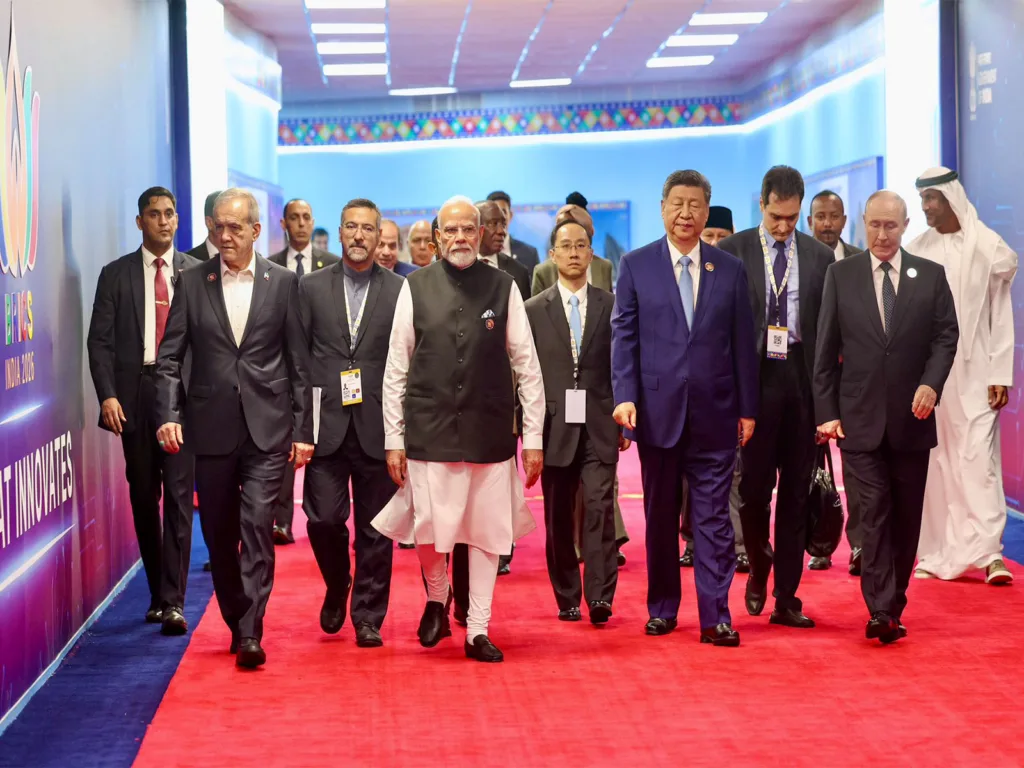
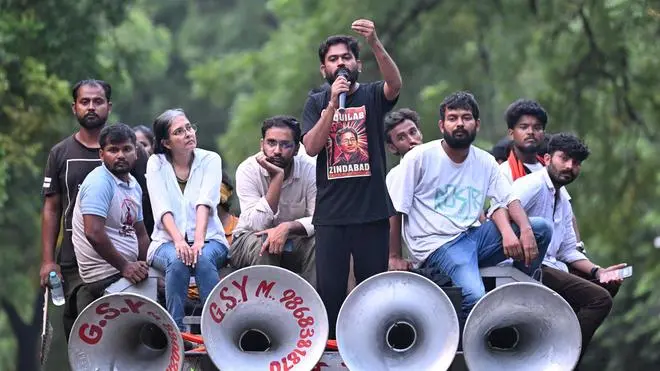
    Foreign policy has similarly become an arena for competing interpretations of India's international position. (ANI)
    Foreign policy has similarly become an arena for competing interpretations of India’s international position. (ANI)

    Economic claims and foreign policy add to public debate

    The crisis of legitimacy argument also extends into the economic sphere, although here the evidence is more contested. India’s economy grew 7.8 percent in the April-June quarter of 2026, according to official data reported by Reuters, exceeding both the Reserve Bank of India’s projection and market expectations.

    That strong headline growth has nevertheless been accompanied by debates over employment, inflation, household pressures, and the reliability of economic measurements. These disagreements do not establish that official GDP data are false, but they show how economic statistics have become part of a larger argument over whether government narratives adequately reflect citizens’ lived experiences.

    Foreign policy has similarly become an arena for competing interpretations of India’s international position. The author’s analysis in Frontline argues that recent developments involving the United States, China and Pakistan have exposed limits to the government’s narrative of India’s expanding geopolitical influence. Such judgments remain matters of political and foreign-policy interpretation rather than settled facts.

    The broader question is therefore less about whether every controversy proves a crisis of legitimacy and more about how repeated disputes affect institutional trust. Electoral rolls, examination systems, religious institutions, and economic data operate differently, but confidence in each depends partly on transparency, accountability and credible mechanisms for correcting errors.

    For the government, opposition parties, and independent institutions alike, restoring confidence requires more than rebutting individual allegations. It requires processes through which disputed decisions can be examined, evidence can be independently assessed, and legitimate grievances can be addressed.

    The current debate over a crisis of legitimacy ultimately reflects that larger challenge. In a democracy, public trust cannot be assumed indefinitely. It is strengthened when institutions explain decisions clearly, acknowledge errors where they occur, and provide citizens with meaningful avenues for review and redress.

  • Foral de Goa 1526, the charter behind Goa’s land legacy: Know all about 500 years of history

    Foral de Goa 1526, the charter behind Goa’s land legacy: Know all about 500 years of history

    Five centuries after it was promulgated, the Foral de Goa of 1526 remains at the centre of discussions about Goa’s land, village institutions and relationship with political power.

    On September 16, 1526, Portuguese King João III issued the Foral de Goa, a collection of 49 laws that recorded the rights, duties and customs of Goa’s village communities. Historians regard it as one of the earliest surviving paper documents of its kind in South Asia and often describe it as Goa’s first constitution, although the comparison does not refer to a modern constitutional system.

    The 500th anniversary is being marked in both Goa and Portugal. In Goa, Bombay High Court judge Valmiki Menezes is scheduled to release a commemorative edition later this month. Portugal is also hosting a year-long programme through the Centre of the History of Society and Culture at the University of Coimbra and other cultural institutions.

    What Is the Foral de Goa of 1526?

    The document’s official name is Foral dos Usos e Costumes dos Gancares e Lavradores desta Ilha de Goa e outras Anexas a Ella. In English, this refers to the charter concerning the customs and practices of the Gaunkars, or village landholders, and farmers of Goa and its adjoining islands.

    It is also known as the Foral of Afonso Mexia, after Afonso de Mexia, the Vedor da Fazenda, or chief comptroller of the treasury in Portuguese India, who signed it.

    The Foral was created 16 years after the Portuguese captured Goa from the Adil Shah of Bijapur in 1510. It emerged from negotiations between the Portuguese administration and Gaunkars representing 31 villages in Tiswadi.

    According to Goa Archives director Balaji Shenoy, it was the first formal attempt to put the existing indigenous village administration and revenue arrangements in Portuguese-controlled Goa into writing.

    How Did The Foral Protect Gaunkar Rights?

    A central feature of the Foral was its recognition of the Gaunkars and their role in managing village common lands through the Gaunkaria system, now commonly associated with the Comunidade system.

    The document acknowledged the system as an existing institution and recognised the land-related rights of the Gaunkars. Its preamble says the rules were prepared “after ordering careful inquiries and investigations to determine and clarify what they were obliged to pay us, and used to pay to the kings and lords of this land before it became ours…as well as the rights, uses and customs, under which they lived and which we ought to preserve for them…”

    Under the system, Gaunkars paid a fixed tribute, known as foro, to the state. Revenue from village lands was then used for different village responsibilities, while cultivation rights could be auctioned and part of the resulting income distributed among the Gaunkars.

    The Foral also referred to the work of earlier generations who had developed coastal areas and turned them into productive settlements.

    What Did The 49 Clauses Cover?

    The Foral went beyond simply fixing agricultural taxes. Its 49 clauses dealt with several aspects of village life and administration.

    They covered tax collection and the distribution of annual surplus, different assessments depending on the type of land, treatment of villages facing financial difficulties, hereditary rights and the leasing of uncultivated land.

    Rules also addressed leasing land to outsiders, disputes, absent or defaulting Gaunkars and succession. The document included provisions concerning the rights of children from multiple marriages.

    Independent scholar Rochelle Pinto describes the Foral as much broader than a revenue document.

    “It was one of the initial documents issued by the Portuguese Crown to indigenous land administrators, sixteen years after the conquest of Goa… the Foral recognised the political significance of a local legend that legitimised the primacy of the gaunkars over the land in Ilhas by incorporating it into the document. The most minimal description of the Foral would see it as a revenue-fixing document, but in fact it addressed ritual practices, inheritance laws, and a range of other aspects through its forty-nine clauses,” she said.

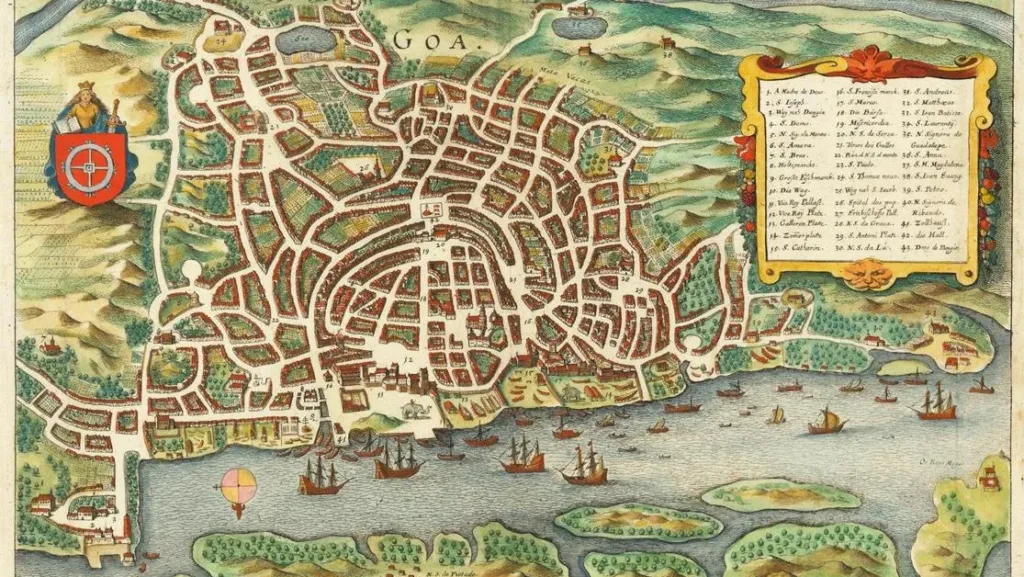
    The image appears to show an antique bird's-eye view map of Goa in 1650
    The image appears to show an antique bird’s-eye view map of Goa in 1650 | AI generated

    Was The Foral Goa’s First Constitution?

    The description of the Foral as Goa’s first constitution remains part of an ongoing historical debate.

    Historian Dale Menezes, who is co-authoring a commentary for the commemorative edition, argues that the document can be understood as a constitution in the broader sense of establishing the terms of a new political community.

    The Foral was issued after the Portuguese conquest, at a time when the new administration was seeking to establish its authority while dealing with existing local institutions.

    “The Foral of 1526 represents a peculiar governmental instrument of the early modern times, that is to say 1500s onwards. There were certainly customs in earlier epochs, but kings, monarchs, and empires in India did not function by writing down these customs. At best we have land grants on stone or copper. Even the Bahamani and Bijapuri Sultanates that ruled parts of present-day Goa ruled according to localized custom but never set it down on paper for the use of all people across all villages in a given territory. Besides, the Foral of 1526 does not just codify land laws, it is much broader than that,” Menezes said.

    Jocel de Souza, who works to preserve and revive the Gaunkari, or Comunidade, system, sees the document as an example of negotiation between rulers and local communities.

    Also Read | 5 things to know about the Congress’s Rs 81.45 lakh payment to The Indian Express during the Bengal polls

    “It is a brilliant and path breaking set of laws compared to what rulers both in India and Europe were used to at the time. The usual practice was to impose sovereign diktats without any kind of collaboration. However, in the case of Goa, it was a collective charter and the people (who were being ruled) were involved in its drafting. This document laid the foundation for subsequent negotiations between the rulers and the ruled,” he said.

    De Souza also links the community land system to Goa’s historical patterns of wealth distribution.

    “All this ultimately boils down to the fact that community land rights were recognised, safeguarded and codified by the Police as early as the 16th century, when legislation of this nature was practically unheard of in any other part of this side of the world,” he said.

    “It was this document that eventually was amended and expanded upon over the following centuries, that evolved and matured into the Portuguese Civil Code and the Code of Comunidades that we have today,” he added.

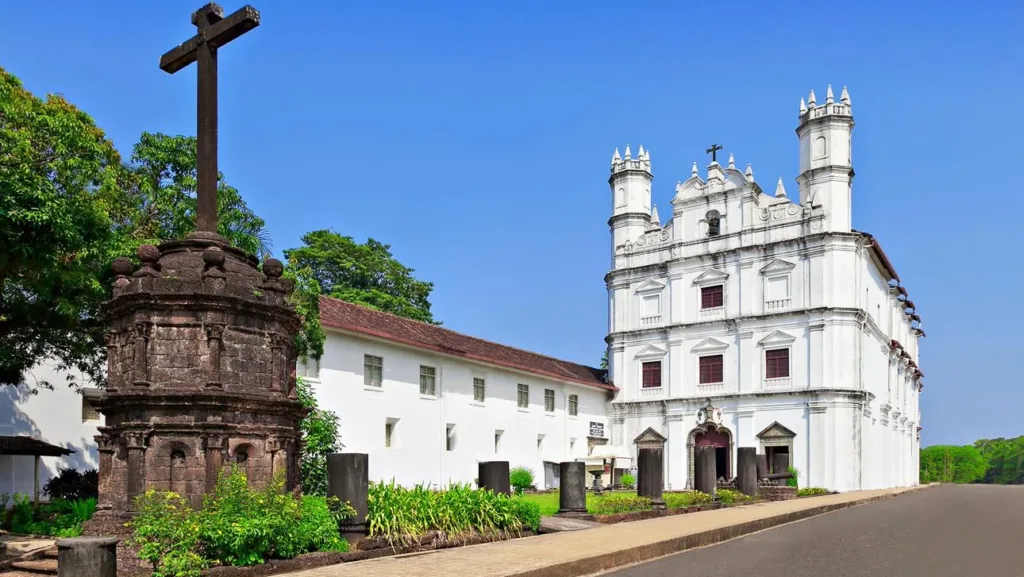
    The historic Church of Saint Francis of Assisi and its adjoining convent in Old Goa, India.
    The historic Church of Saint Francis of Assisi and its adjoining convent in Old Goa, India. Credit: X/Pramod Sawant

    Why Is The Foral Also Seen As A Colonial Document?

    The interpretation of the Foral is not uniform. Shenoy places greater emphasis on the interests of the Portuguese administration and its need to secure revenue.

    “The primary motivation of the Portuguese administration was to guarantee and stabilise tax collections for the Crown. It established a fixed, collective rent system for the villages. It was less a foundational gift of civil liberties and more a shrewd legal pact designed to anchor imperial tax extraction to pre-existing Hindu jurisprudence and agrarian frameworks,” he said.

    He also cautioned against describing it as Goa’s first constitution. “The Foral of 1526 represents one of the earliest Western attempts at colonial mapping and administrative ordering of an Asian territory. Foral should not be viewed as Goa’s ‘first constitution,’ as doing so reframes a colonial instrument of conquest into a democratic gift,” Shenoy said.

    How The Foral Influenced Goa’s Land System

    The Foral initially applied to the 31 villages around the city of Goa, now Old Goa, which were under Portuguese control. When Portuguese rule expanded in 1543 to Bardez in the north and Salcete in the south, similar arrangements were offered to the landed elites of those territories.

    Also Read | 3-day bank strike deferred as panel takes up 5-day week demand

    Over the centuries, the original framework was amended and expanded. Its legacy can be traced through the development of the Code of Comunidades and the Portuguese Civil Code.

    For Menezes, the document provides an unusual record of interaction between a foreign administration and existing Goan institutions.

    “The Foral was not simply a record of Portuguese rule, nor merely a technical document concerning the old village communities.”

    “Its pages preserve an extraordinary encounter between an incoming power and Goan institutions, practices and people. They reveal that Goans were not merely subjects upon whom a new order was imposed but Goans negotiated, defended inherited practices, accepted new obligations and helped shape the political arrangements under which they would live. The document therefore offers a rare window into the making of Goan society at a crucial moment in its history,” he said.

    “Five centuries later, the questions contained in the Foral—about community, land, government, rights, obligations and the relationship between people and power—remain remarkably resonant,” he added.

    Why The Foral Still Matters In Goa Today

    The debate surrounding the Foral is not limited to historians. Its legacy remains connected to questions over community land and the future of the Comunidade system.

    Advocate Kripa Pilarnekar, who has approached the Bombay High Court in Goa over the restoration of certain alienated Comunidade lands, argues that these institutions remain part of Goa’s historical inheritance.

    “The Comunidades are not merely remnants of Goa’s past. They form part of the State’s shared historical inheritance. These village institutions have survived changes in rulers, legal systems, religion, politics and economic structures over several centuries. The larger question is whether a centuries-old system governing village lands, community rights and customary institutions can be protected in an era of rapidly increasing commercial pressure on land,” she said.

    Pilarnekar said the present discussion should not be about returning to Goa’s past but about understanding what has survived from it.

    “The Foral of 1526 tells us what Goa inherited. The challenge of 2026 is to decide, within the framework of law, what Goa will preserve,” she adds.

    Five hundred years after João III promulgated the Foral, the document therefore remains more than an archival record. Its clauses continue to inform discussions about Goa’s village communities, land rights, taxation and the relationship between government and the people it governs.

  • 5 things to know about the Congress’s Rs 81.45 lakh payment to The Indian Express during the Bengal polls

    5 things to know about the Congress’s Rs 81.45 lakh payment to The Indian Express during the Bengal polls

    A Rs 81.45 lakh expenditure entry involving The Indian Express has triggered a political controversy over Congress’s election spending and its relationship with media organisations during the West Bengal Assembly elections. The payment, cited from Congress expenditure records, has been highlighted by critics amid a separate dispute over the newspaper’s recent reports concerning the Election Commission, electoral-roll revision and changes related to Form 6.

    The controversy gained momentum after Supreme Court senior advocate Mahesh Jethmalani claimed on social media that the payment was evidence of a connection between Congress and The Indian Express. His allegation has been reported by the Navbharat Times. However, the existence of an expenditure entry and an allegation of editorial influence are two different things. The available expenditure record establishes a payment but does not by itself establish that Congress influenced the newspaper’s editorial decisions.

    A Rs 81.45 lakh expenditure entry involving The Indian Express has triggered a political controversy over Congress's election spending and its relationship with media organisations during the West Bengal Assembly elections. (ANI)
    A Rs 81.45 lakh expenditure entry involving The Indian Express has triggered a political controversy over Congress’s election spending and its relationship with media organisations during the West Bengal Assembly elections. (ANI)

    Congress’s payment to The Indian Express recorded during Bengal polls

    The central figure in the controversy is Rs 81,45,780, which the cited Congress expenditure material records as a payment to The Indian Express during the West Bengal election period.

    The timing has attracted particular attention because The Indian Express has recently been involved in a political dispute over its reporting on the Election Commission’s handling of the Special Intensive Revision of electoral rolls. Critics of the newspaper have questioned its coverage, while the Election Commission has rejected several interpretations surrounding its internal decision-making and Form 6.

    The Congress’s payment to The Indian Express therefore became a talking point in the wider political debate. The organiser reported that the expenditure document establishes the payment but does not establish an editorial quid pro quo.

    Congress, like other political parties, incurs substantial election expenditure on advertising, publicity and campaign-related activities. Recent expenditure reporting has also shown the scale of spending by other parties. For instance, The Indian Express reported that the BJP spent Rs 529.38 crore across the latest round of Assembly elections, including Rs 286 crore in West Bengal.

    Also Read | LPU violence: Rape claim, student death and hostel demands explained

    The central figure in the controversy is Rs 81,45,780, which the cited Congress expenditure material records as a payment to The Indian Express during the West Bengal election period. (ANI)
    The central figure in the controversy is Rs 81,45,780, which the cited Congress expenditure material records as a payment to The Indian Express during the West Bengal election period. (ANI)

    Congress’s payment to The Indian Express is part of wider media spending

    The Bengal payment was not the only media-related expenditure cited in the material under discussion. The records also contain substantial payments involving other media organisations.

    For Kerala, the entries cited include Rs 76.47 lakh to Veekshanam, Rs 42.48 lakh to Jaihind TV and Rs 28.37 lakh to The New Indian Express. The cited material puts these payments together at more than Rs 1.47 crore.

    The records also point to expenditure involving Udayavani and India Express during the 2023 Karnataka Assembly election. The entries cited in the controversy amount to more than Rs 2.32 crore.

    These figures provide context for the Congress’s payment to The Indian Express in Bengal. Political parties routinely use newspapers, television channels and digital platforms for election publicity. Consequently, a payment to a media organisation cannot automatically be treated as proof that its editorial coverage was purchased or directed.

    That distinction is particularly important in the present controversy because the allegation of editorial influence goes beyond what the expenditure record itself demonstrates.

    Also Read | What actually is the ‘virtue of higher seeding’? Here is how it helped India reach the semis of Asian Games

    The political controversy has intensified because of the timing of the payment and The Indian Express's recent reporting on the Election Commission. (The Indian Express Newspaper)
    The political controversy has intensified because of the timing of the payment and The Indian Express’s recent reporting on the Election Commission. (The Indian Express Newspaper)

    What the Rs 81 lakh record proves and does not prove

    The political controversy has intensified because of the timing of the payment and The Indian Express’s recent reporting on the Election Commission.

    The newspaper has published reports concerning disagreements or concerns raised during discussions within the poll panel over aspects of the Special Intensive Revision and Form 6. The Election Commission, however, has maintained that its final decisions were unanimous and has rejected suggestions that its internal discussions represented a breakdown in institutional functioning.

    The BJP has also challenged aspects of the newspaper’s reporting, particularly claims concerning the authority of Electoral Registration Officers and the SIR-related material accompanying Form 6.

    Against this backdrop, the Congress’s payment to The Indian Express has been cited by critics as a reason to question the newspaper’s relationship with the Congress party. Mahesh Jethmalani has gone further, describing the payment as evidence of a deeper connection. His claim is an allegation, rather than an established finding.

    The available expenditure record establishes that money was paid. It does not establish that the payment was made in return for favourable coverage, that Congress dictated editorial decisions, or that a particular report was commissioned by the party.

    Establishing such a link would require additional evidence beyond an election expenditure entry.

    The episode nevertheless highlights a broader question about transparency in political advertising. Readers can reasonably distinguish between paid election publicity and independent editorial content, particularly when a media organisation is reporting on institutions and political issues that directly affect the parties funding election campaigns.

    For now, the Rs 81.45 lakh figure remains a documented expenditure entry at the centre of a political dispute, while claims about its impact on editorial coverage remain allegations that require separate evidence.

  • LPU violence: Rape claim, student death and hostel demands explained

    LPU violence: Rape claim, student death and hostel demands explained

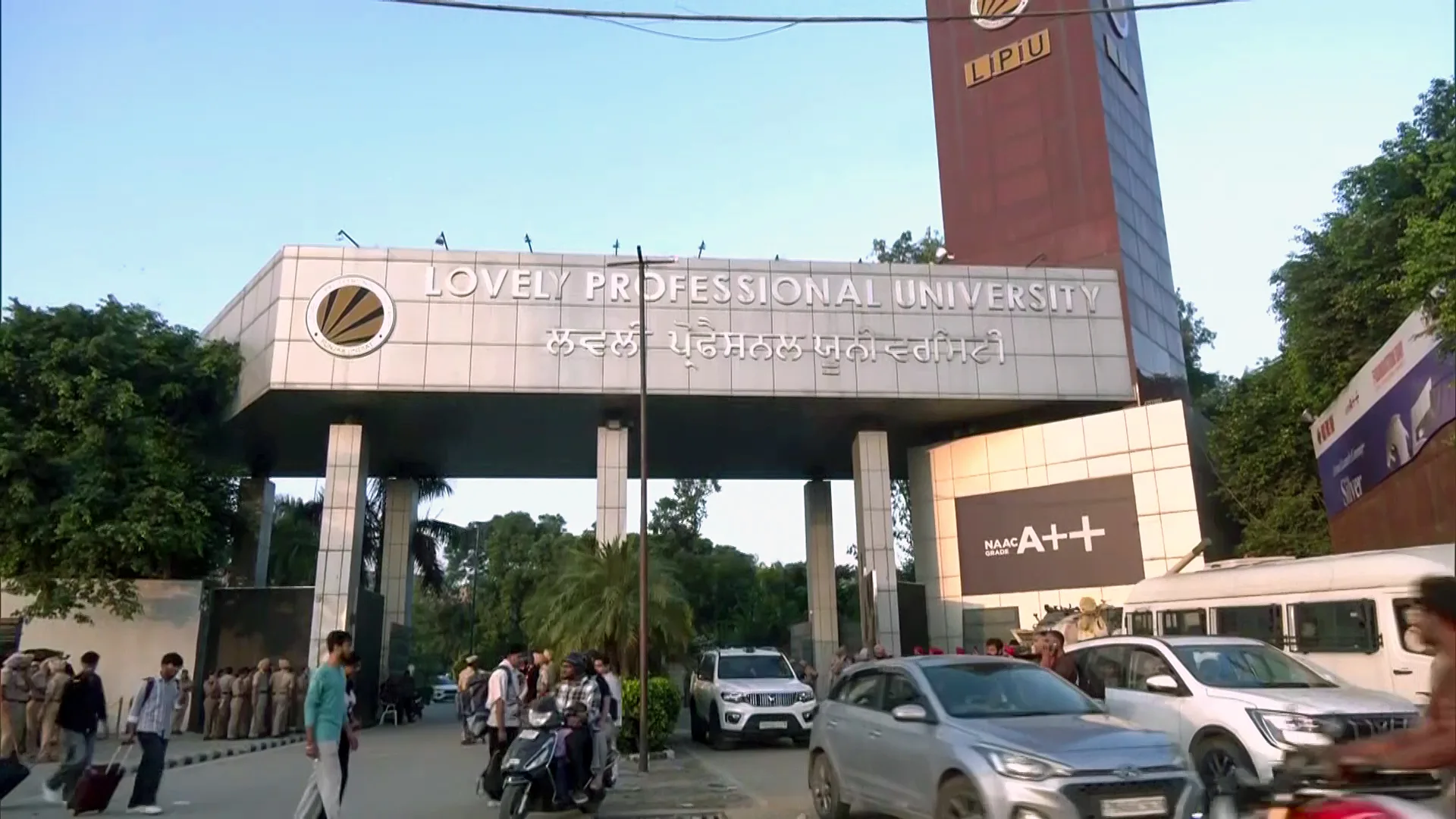
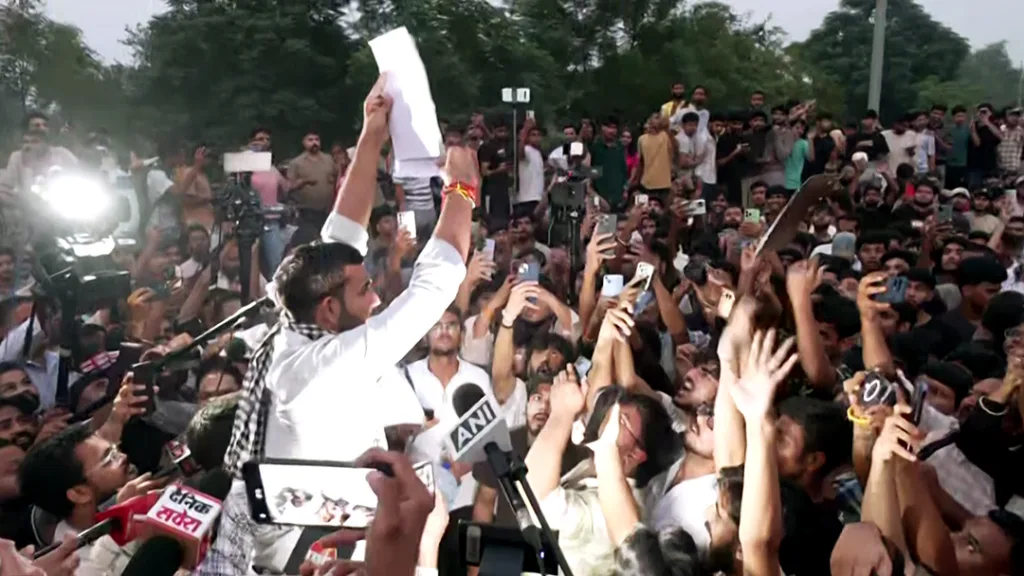
    Violent protests at Lovely Professional University (LPU) in Phagwara, Punjab, escalated into vandalism, arson, clashes with police and a blockade of NH-44 after students raised allegations of sexual assault involving a female student and questions over the death of another student.

    The allegations surrounding the reported sexual assault have not been established. Police have registered a rape case against an unidentified person and formed a seven-member Special Investigation Team (SIT) to investigate the matter. LPU, meanwhile, has denied that a rape took place on campus and described the reports as false and fabricated.

    Also Read | 4 injured as chutney dispute sparks street brawl in Hapur market

    The unrest began around the girls’ hostel early Sunday and later spread across the campus and the adjoining highway. Police said the situation returned to normal by Monday, while NH-44, which had remained blocked for more than 15 hours, was restored.

    What triggered the LPU protest?

    The immediate trigger was a series of claims circulating among students and on social media that a female student had allegedly been sexually assaulted by a construction worker or plumber at a girls’ hostel.

    Students also alleged that the hostel warden had been informed but had not taken the matter to the police. These claims formed the basis of a complaint by protesting students, according to police.

    Violence erupted at Lovely Professional University in Punjab’s Phagwara
    Students block the national highway, followed by a protest outside Lovely Professional University (LPU), in Phagwara on Sunday. (ANI Video Grab)

    Jalandhar Range DIG Naveen Singla said investigators would examine forensic evidence, CCTV footage and call records before reaching a conclusion. Police subsequently registered a case against an unknown person and constituted a seven-member SIT. Five representatives of the protesting students were also included in the probe, according to Singla.

    The police investigation is therefore still ongoing, and the allegation should not be treated as established fact.

    How did the Telangana student’s death become part of the protests?

    Students also raised the case of 21-year-old Laxmi Chandra, a BTech Agriculture student from Telangana, who died after allegedly jumping from the seventh floor of a girls’ hostel on September 10.

    Police said the circumstances surrounding her death were being investigated. Singla said Laxmi’s parents had visited the university and that her mobile phone had been sent for forensic examination.

    Police have said that if evidence suggests foul play, appropriate action will follow. The available material does not establish a connection between her death and the separate sexual assault allegation.

    What did LPU say about the rape allegation?

    LPU has denied that a rape occurred on its campus and described the reports circulating on social media as “false”, “baseless” and “fabricated”.

    Registrar Monica Gulati said certain people were spreading allegations through social media and creating confusion among students. Vice-Chancellor Jaspal Singh Sandhu said the university would cooperate with the investigation.

    LPU protests turn violent over an unverified rape allegation.
    Students hold a protest at Lovely Professional University (LPU), in Phagwara on Sunday. (ANI Video Grab)

    LPU also released a video featuring three female students who said they were staying in the hostel room identified in the allegations and denied that a rape had taken place there.

    How did the LPU protest turn violent?

    The protest began near the girls’ hostel around 1 am on Sunday before escalating as the number of protesters grew.

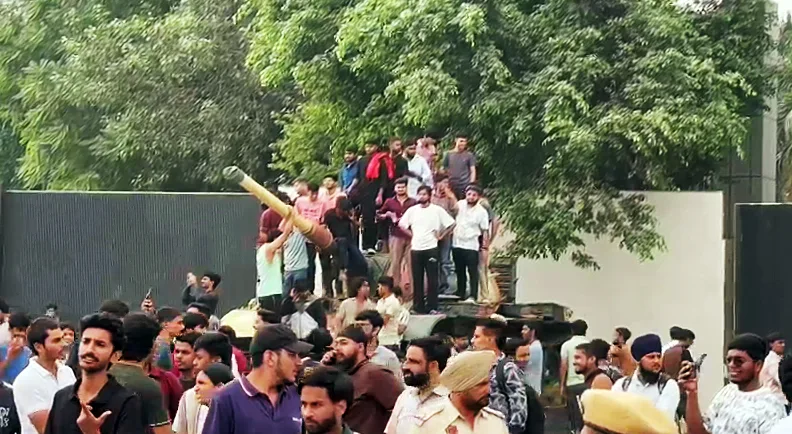
    Protesters damaged administrative buildings and other campus property, while videos showed broken windows, burning objects and damage to shops. Some protesters also climbed onto a decommissioned MiG-23 aircraft and a military tank installed on the campus.

    The protesters later blocked NH-44, disrupting traffic between Jalandhar and Phagwara for more than 15 hours.

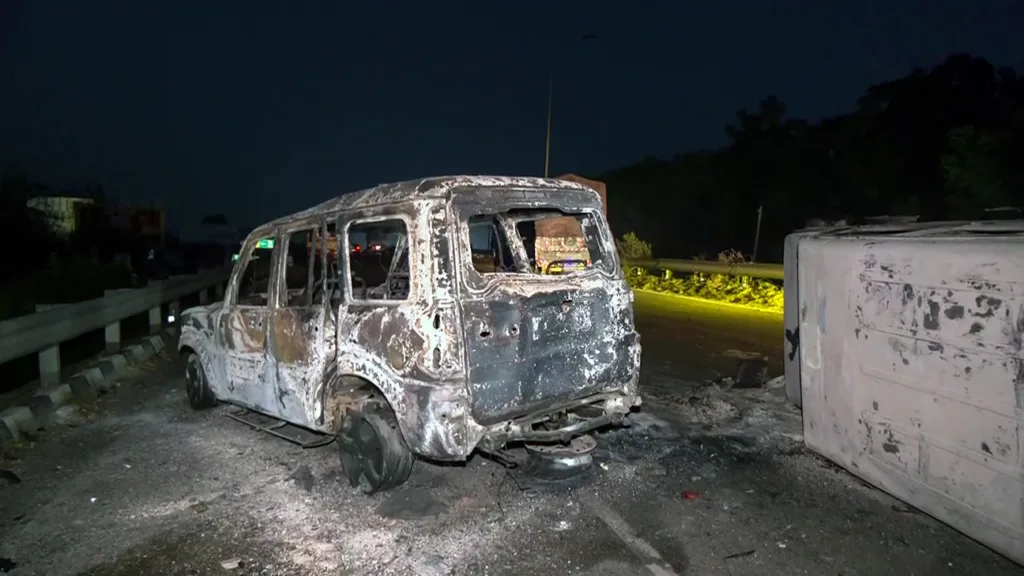
    The confrontation with police intensified on Sunday evening. Police said protesters threw stones at personnel and attacked police vehicles, after which a lathi charge was carried out. Several police personnel were injured, while vehicles were damaged and some were set on fire.

    A view of the completely gutted vehicle(s) following the protests by the students of Lovely Professional University (LPU) that turned violent over the alleged rape of a female student and inaction by the authorities in Phagwara, Kapurthala, on Monday. (ANI Video Grab)
    A view of the completely gutted vehicle(s) following the protests by the students of Lovely Professional University (LPU) in Phagwara, Kapurthala, on Monday. (ANI Video Grab)

    Punjab Police subsequently deployed more than 2,000 personnel and conducted a flag march on the campus, according to officials cited in the source material.

    What were students demanding?

    Apart from the sexual assault allegation, students raised concerns about hostel safety and security.

    Punjab DGP Gaurav Yadav said one of the demands was that only women staff should be present in girls’ hostels. DIG Singla also said female students had sought an all-women hostel staff.

    Authorities said discussions were held with students and the university administration to address these concerns.

    Police have also said they found indications that outsiders may have entered the campus during the unrest. Kapurthala SSP Gaurav Toora said four or five people were detained late Saturday night, including one person carrying a walkie-talkie. Police said they were investigating the circumstances of their presence.

    What is the situation at LPU now?

    By Monday, police said the situation on campus had returned to normal, with heavy deployment at the university gates. NH-44 was also reopened.

    Also Read | 3-day bank strike deferred as panel takes up 5-day week demand

    LPU has suspended regular classes for 10 days from September 28 and postponed its mid-term examinations until further notice. Students have been allowed to travel home in consultation with their parents or guardians, while those staying on campus have been advised to remain inside their hostels or residences and avoid unnecessary movement.

    Police said the investigation into the sexual assault allegation remains underway. The SIT is expected to examine CCTV footage, forensic material, call records and other evidence before drawing conclusions.

  • What actually is the ‘virtue of higher seeding’? Here is how it helped India reach the semis of Asian Games

    What actually is the ‘virtue of higher seeding’? Here is how it helped India reach the semis of Asian Games

    India secured a place in the men’s cricket semi-finals at the 2026 Asian Games after their quarter-final against Afghanistan was abandoned due to rain in Nisshin, Japan. No ball was bowled in the match, but the washout did not prevent India from progressing to the next stage.

    The Asian Games cricket rules provide an advantage to the higher-seeded team when a knockout fixture cannot produce a result. Since India entered the quarter-finals as a higher seed, they advanced to the semi-finals after the match was called off.

    What Is The ‘Virtue Of Higher Seeding’?

    The phrase “virtue of higher seeding” refers to the advantage given to a team that has been placed higher in the tournament’s seeding system.

    Also Read | 4 injured as chutney dispute sparks street brawl in Hapur market

    In a knockout match, both teams normally need a result to determine who moves forward. However, when weather conditions make a game impossible, the competition regulations can provide a route for the higher-seeded side to progress.

    That is what happened in the India vs Afghanistan quarter-final. Persistent rain meant the fixture could not begin, with no toss or delivery taking place. As there was no result on the field, India’s higher seeding became decisive.

    The progression was therefore not based on runs scored, wickets taken or a Duckworth-Lewis-Stern calculation. Instead, the tournament’s no-result provision allowed the higher-seeded team to move into the semi-finals.

    Why Did India Have Higher Seeding?

    India’s position in the knockout stage was linked to the format of the Asian Games men’s cricket competition. As the defending champions, India were among the four teams that received direct entry into the quarter-finals.

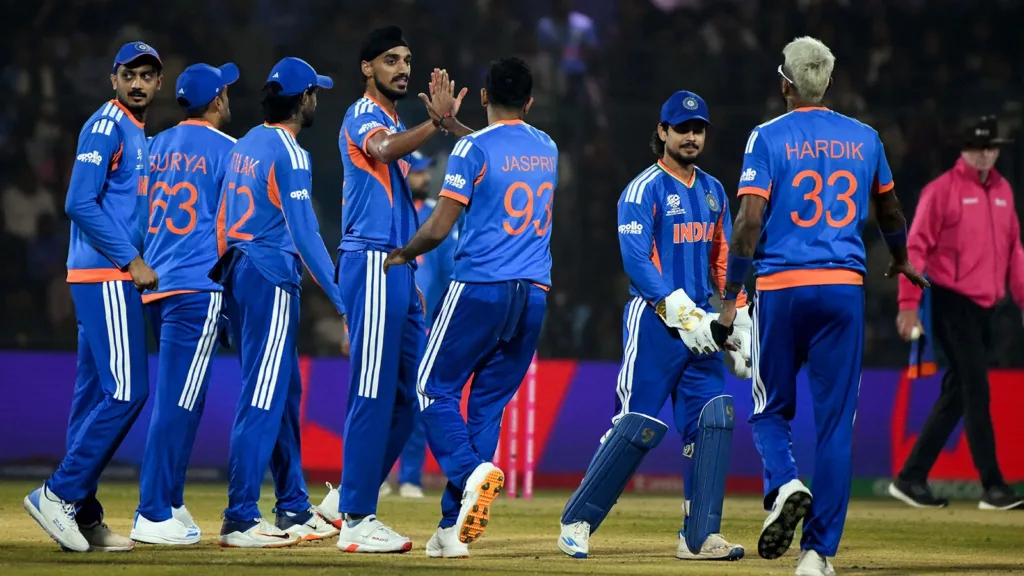
    India men cricket team
    India men cricket team. Credit: X/ANI

    India, Pakistan, Sri Lanka and Bangladesh were given byes into the last eight. Afghanistan, Japan and Nepal, meanwhile, had to compete in the preliminary stage for their places in the quarter-finals. This meant Afghanistan had to play their way into the knockout round, while India entered directly at the quarter-final stage.

    Also Read | 3-day bank strike deferred as panel takes up 5-day week demand

    India vs Afghanistan T20 Rankings

    India’s position at the top of the ICC Men’s T20I rankings also underlines the difference in the teams’ international standing.

    India are ranked No. 1 in men’s T20Is with a rating of 269, while Afghanistan are ranked No. 10 with a rating of 218.

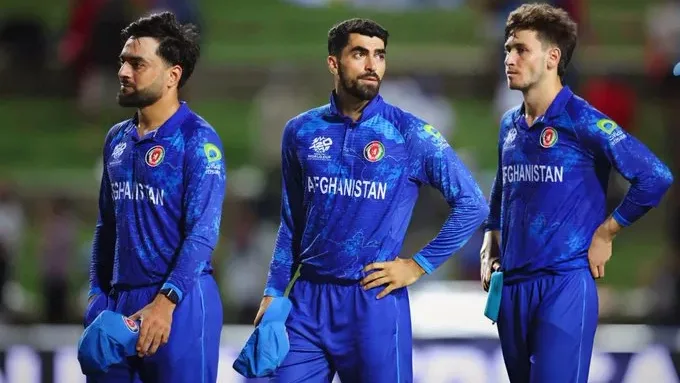
    Afghanistan T20I players
    Afghanistan T20I players. Credit: X/ANI

    However, the quarter-final was decided by the Asian Games’ competition regulations rather than simply by the ICC rankings. The tournament’s seeding and format determined India’s advantage when the match was washed out.

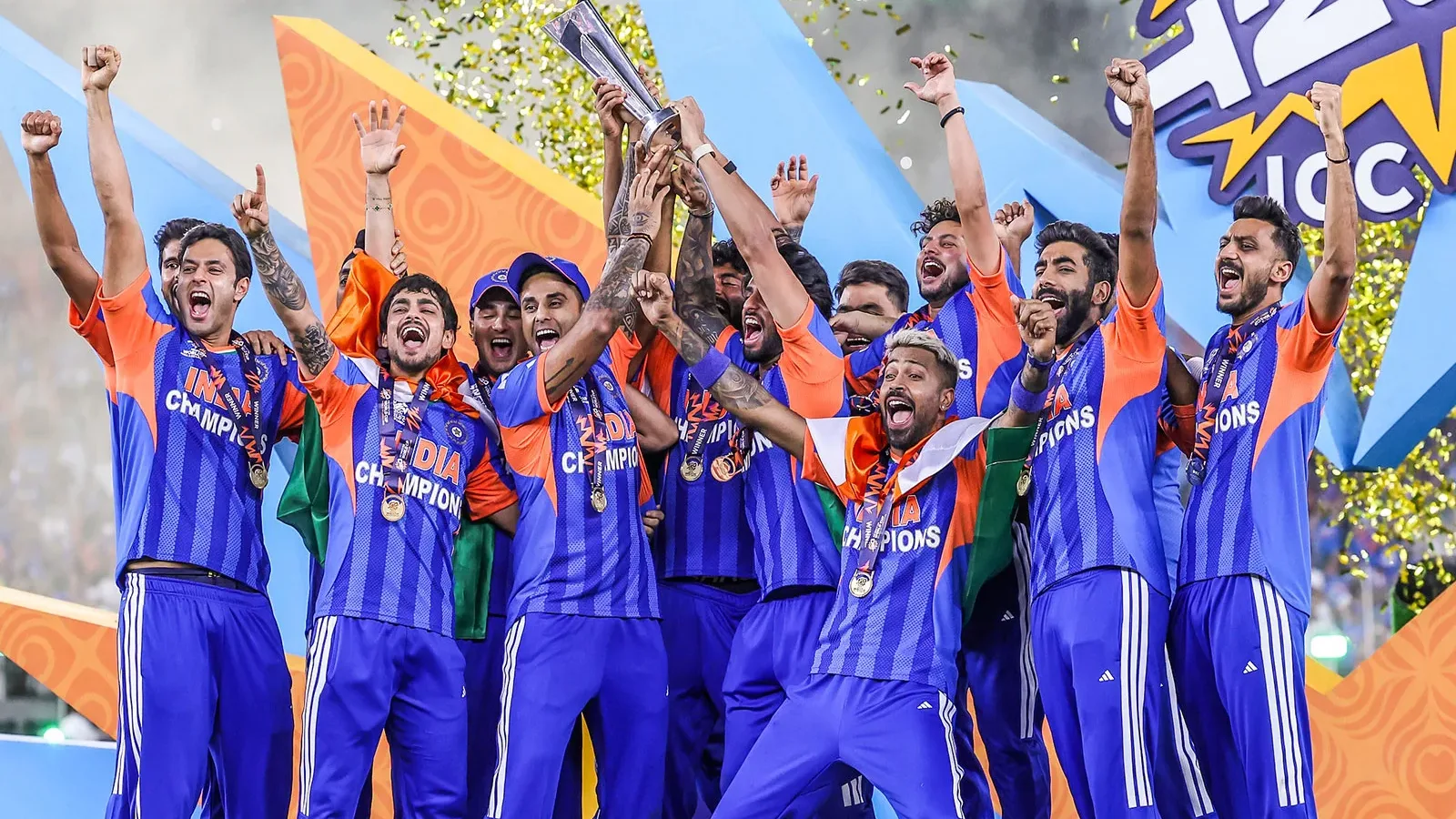
    India also arrived at the Asian Games as the reigning T20 World Cup champions and defending Asian Games men’s cricket champions.

    Rain Ends Afghanistan’s Campaign

    The India-Afghanistan quarter-final was eventually abandoned without a ball being bowled after rain made play impossible.

    The outcome allowed India to continue their campaign without taking the field, while Afghanistan’s hopes of winning the men’s cricket gold medal came to an end.

    The situation also echoed the previous Asian Games. India’s gold-medal match against Afghanistan at the 2022 Asian Games was affected by rain, with India winning the title by virtue of their higher seeding.

    This time, the same tournament principle again came into play, sending India into the semi-finals despite the quarter-final never getting underway.

  • UPI MDR charges: Supreme Court questions Centre over ₹2,000 payments

    UPI MDR charges: Supreme Court questions Centre over ₹2,000 payments

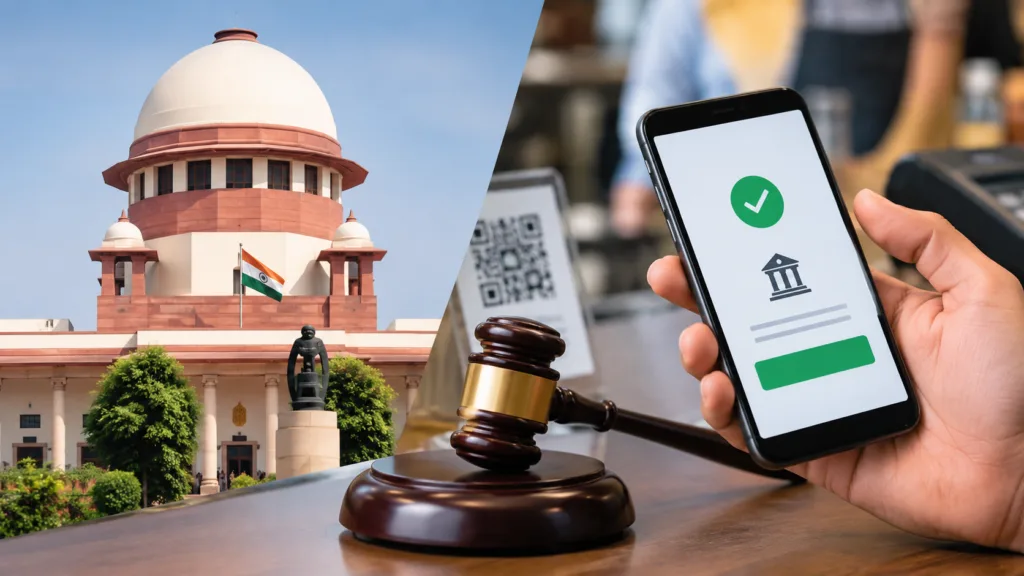
    On Monday, the apex court asked the government to file its reply to a petition against the imposition of the Merchant Discount Rate (MDR) for certain UPI transactions above ₹2,000.

    The arguments centered around the legality of the newly imposed fee, which is set to be effective from October 15.

    Justice Surya Kant, sitting in a three-judge bench with Justices Joymalya Bagchi and V Mohana, heard a public interest litigation case filed by advocate Anjan Datta, seeking quashing of the decision of the Centre to impose MDR on certain UPI transactions.

    SC raises doubts over legality of UPI MDR

    The bench said that during the hearing, it wanted the Centre to clarify the source of law behind this charge.

    The bench headed by Chief Justice Surya Kant said, “It is more of a technical matter and less of a legal one. You need to give us the facts through a brief affidavit.”

    Also Read | 3-day bank strike deferred as panel takes up 5-day week demand

    Bagchi, Justice asked, “What is the executive power to impose this charge? If it is a fee, then it cannot be imposed as per executive fiat. Then what does it become?”

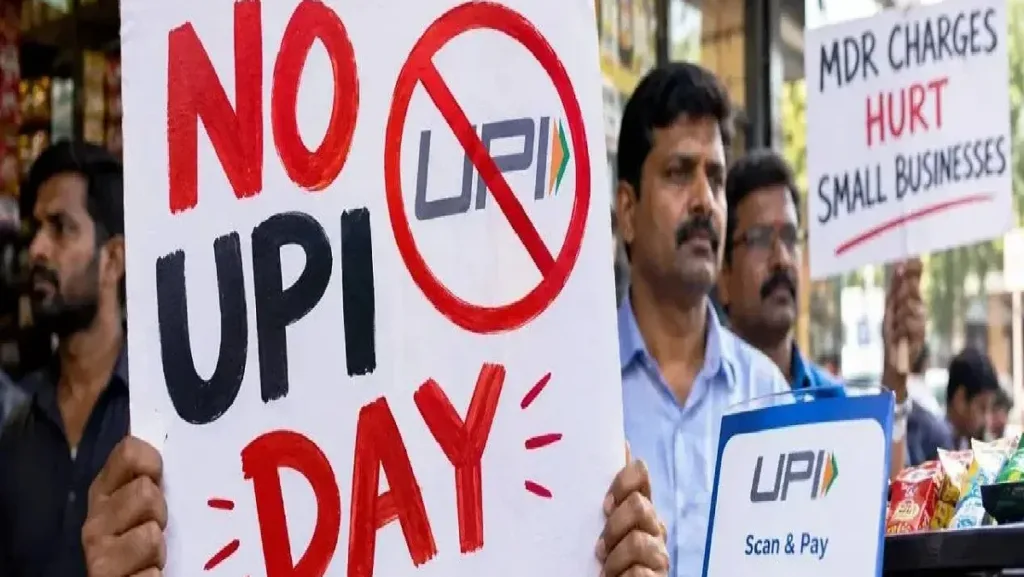
    All India Mobile Retailers Association have announced a protest against UPI MDR charges on October 2.
    All India Mobile Retailers Association has announced a protest against UPI MDR charges on October 2. Credit: X/ANI

    The questions were raised as part of the hearing into the petition filed against the notification issued on September 14 by the Ministry of Finance. The notification is related to the new MDR structure that will come into effect from October 15.

    What is the new UPI MDR framework?

    As per the new framework, an MDR of 0.4 per cent will be levied on the specified UPI payments exceeding ₹2,000 for merchants. However, for transactions that exceed ₹75,000, the maximum cap for the MDR will remain ₹300.

    The new framework does not affect all UPI users in the same way. The Central Government informed the Supreme Court that 96 per cent of the individuals who use payment gateways will be exempted from the MDR of UPI payments exceeding ₹2,000.

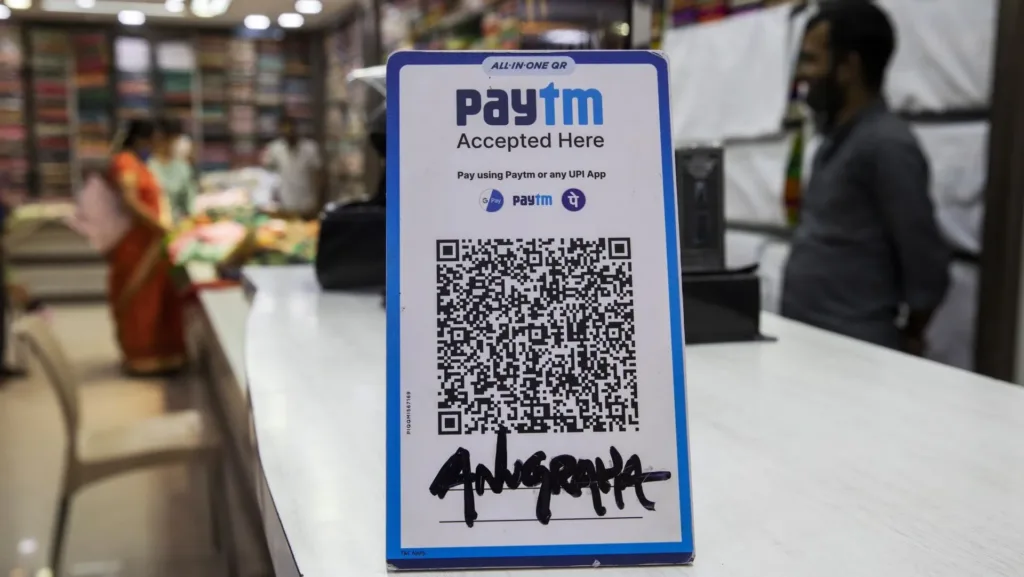
    (Representational Image) Supreme Court seeks Centre’s response on new MDR
    (Representational Image) Supreme Court seeks Centre’s response on new MDR

    Additional Solicitor General N Venkataraman, representing the Centre, stated, “The decision is yet to come into effect on October 15. To begin with, I would like to say that 96 per cent of persons using the UPI payment gateway are exempted. Even for the remaining four per cent, essential services are capped.”

    Centre tells the court how it will use MDR money

    In addition to this, the Supreme Court inquired about the nature of the proposed charge and where exactly the money collected via MDR would be used.

    To this, Venkataraman responded, “Not even a single rupee will go to the government. It is a settlement fee between the two parties, the bank and the service.

    Also Read | 4 injured as chutney dispute sparks street brawl in Hapur market

    It is said that the Supreme Court will use the Centre’s reply in order to find out which party the amount would form an “income” in the end.

    Supreme Court does not stay UPI MDR decision

    Though the Supreme Court sought replies from the Centre and others regarding the matter, it has not stayed the decision for imposing the MDR on specified UPI transactions above ₹2,000. The charges will continue to be imposed from October 15.

    The case was filed against the Union of India, Reserve Bank of India, NPCI and the UPI & Services Steering Committee.

    Retailers hold a placard of "No UPI Day" to protest the proposed 0.4 per cent MDR on eligible UPI merchant transactions
    Retailers hold a placard of “No UPI Day” to protest the proposed 0.4 per cent MDR on eligible UPI merchant transactions. Credit: X/ANI

    This legal challenge arises in advance of the scheduled implementation date of October 15. This petition has brought the new charges of the UPI to the Supreme Court, where the court is now seeking the response of the Centre on the legal and technical issues relating to the system.

  • 3-day bank strike deferred as panel takes up 5-day week demand

    3-day bank strike deferred as panel takes up 5-day week demand

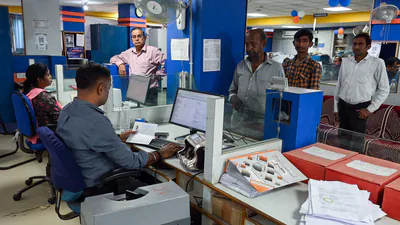
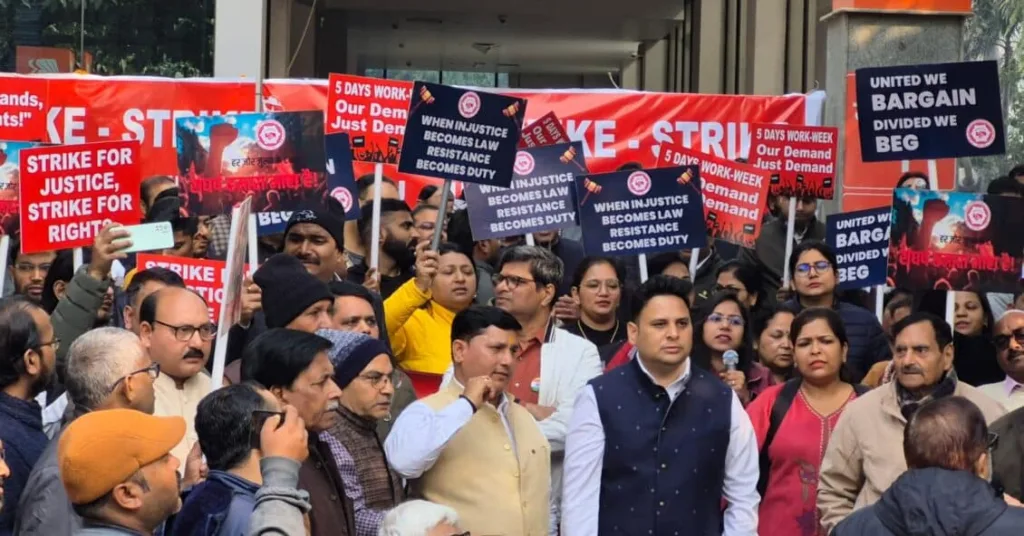
    The proposed three-day bank strike from September 28 to 30 has been deferred after the United Forum of Bank Unions (UFBU) reached an agreement with the Indian Banks’ Association (IBA) following talks on Sunday night. As a result, bank branches are expected to function normally on Monday, avoiding a disruption that could have coincided with the half-yearly closing of accounts.

    The bank strike was called by unions primarily over their demand for a five-day banking week, with all Saturdays declared holidays. The IBA has now agreed to set up a high-level joint committee to examine the demand and consider possible alternatives. The committee will also consult stakeholders, including customers, before arriving at its recommendations.

    The development means customers will not face the widespread branch closures that had been expected during the three-day bank strike. However, the broader dispute over working days and Saturday holidays remains unresolved.

    The proposed three-day bank strike from September 28 to 30 has been deferred after the United Forum of Bank Unions (UFBU) reached an agreement with the Indian Banks’ Association (IBA) following talks on Sunday night. (ANI)
    The proposed three-day bank strike from September 28 to 30 has been deferred after the United Forum of Bank Unions (UFBU) reached an agreement with the Indian Banks’ Association (IBA) following talks on Sunday night. (ANI)

    Bank strike deferred after agreement with IBA

    The bank strike was withdrawn after the IBA agreed to immediately constitute a high-level committee to examine the unions’ demand. The UFBU subsequently announced that its other planned agitation would also be deferred.

    At present, banks remain closed on the second and fourth Saturdays of every month, while branches operate on the remaining Saturdays. The unions have been seeking a change to this arrangement as part of their demand for a five-day banking week.

    The committee will examine the possibility of declaring the remaining Saturdays as holidays and will also look at alternative arrangements. Its discussions are expected to include consultations with customers and other stakeholders who could be affected by any change in banking schedules.

    However, the agreement does not mean that banks will immediately move to a five-day working week. No deadline has been set for the committee to complete its examination or make a recommendation.

    The decision to defer the bank strike therefore provides temporary relief for customers while leaving the central demand open for further negotiations between the unions and the banking industry.

    Also Read | 4 injured as chutney dispute sparks street brawl in Hapur market

    The bank strike was withdrawn after the IBA agreed to immediately constitute a high-level committee to examine the unions’ demand. (ANI)
    The bank strike was withdrawn after the IBA agreed to immediately constitute a high-level committee to examine the unions’ demand. (ANI)

    Why was the bank strike called by the unions?

    The UFBU had announced the bank strike after previous rounds of discussions failed to resolve the issue of working Saturdays. The unions have argued that employees face long working hours and that a five-day banking week would bring banking schedules in line with those followed by several other sectors.

    The demand for five-day banking has been under discussion for more than two years, according to the unions. Their proposed agitation had included the September 28 to 30 bank strike, followed by a possible indefinite strike from October 26 if their demands remained unresolved.

    Government sources, however, have maintained that a five-day banking week was neither agreed upon nor included in earlier wage negotiations. This has been one of the key points of disagreement between the government and bank employee organisations.

    Sunday’s agreement does not set a fresh date for the deferred bank strike. Instead, both sides will continue discussions through the newly proposed committee.

    The two sides have also agreed to discuss a performance-linked incentive scheme for officers in Scale IV and above. The IBA will propose changes to the existing government scheme in an attempt to address objections raised by the unions.

    Also Read | What happens if Gyanesh Kumar resigns as Chief Election Commissioner?

    The demand for five-day banking has been under discussion for more than two years, according to the unions. (ANI)
    The demand for five-day banking has been under discussion for more than two years, according to the unions. (ANI)

    What does a bank strike deferment mean for customers?

    For bank customers, the immediate impact of the decision is that branches are expected to remain open as usual on Monday, September 28. The proposed bank strike would otherwise have affected services for three consecutive days.

    The timing had raised particular concerns because September marks the half-yearly closing period for banks. The Finance Ministry had warned that a three-day bank strike could affect several customer services and financial transactions.

    Public sector banks and Regional Rural Banks were also asked to open on Sunday, September 27, providing customers with an additional opportunity to complete branch-related transactions before the planned strike.

    With the bank strike now deferred, customers are not expected to face the disruption that had been anticipated for September 28 to 30. However, digital banking services, ATMs and other electronic facilities would have continued to operate subject to normal technical availability even during a branch strike.

    The immediate disruption has therefore been avoided, but the question of whether all Saturdays should become bank holidays remains open. The committee will examine the proposal and possible alternatives before further decisions are taken.

    For now, the deferred bank strike marks a pause in the unions’ agitation rather than a final settlement. The five-day banking week demand, Saturday holidays and the proposed changes to performance-linked incentives will remain part of the discussions between the UFBU and the IBA.

  • 4 injured as chutney dispute sparks street brawl in Hapur market

    4 injured as chutney dispute sparks street brawl in Hapur market

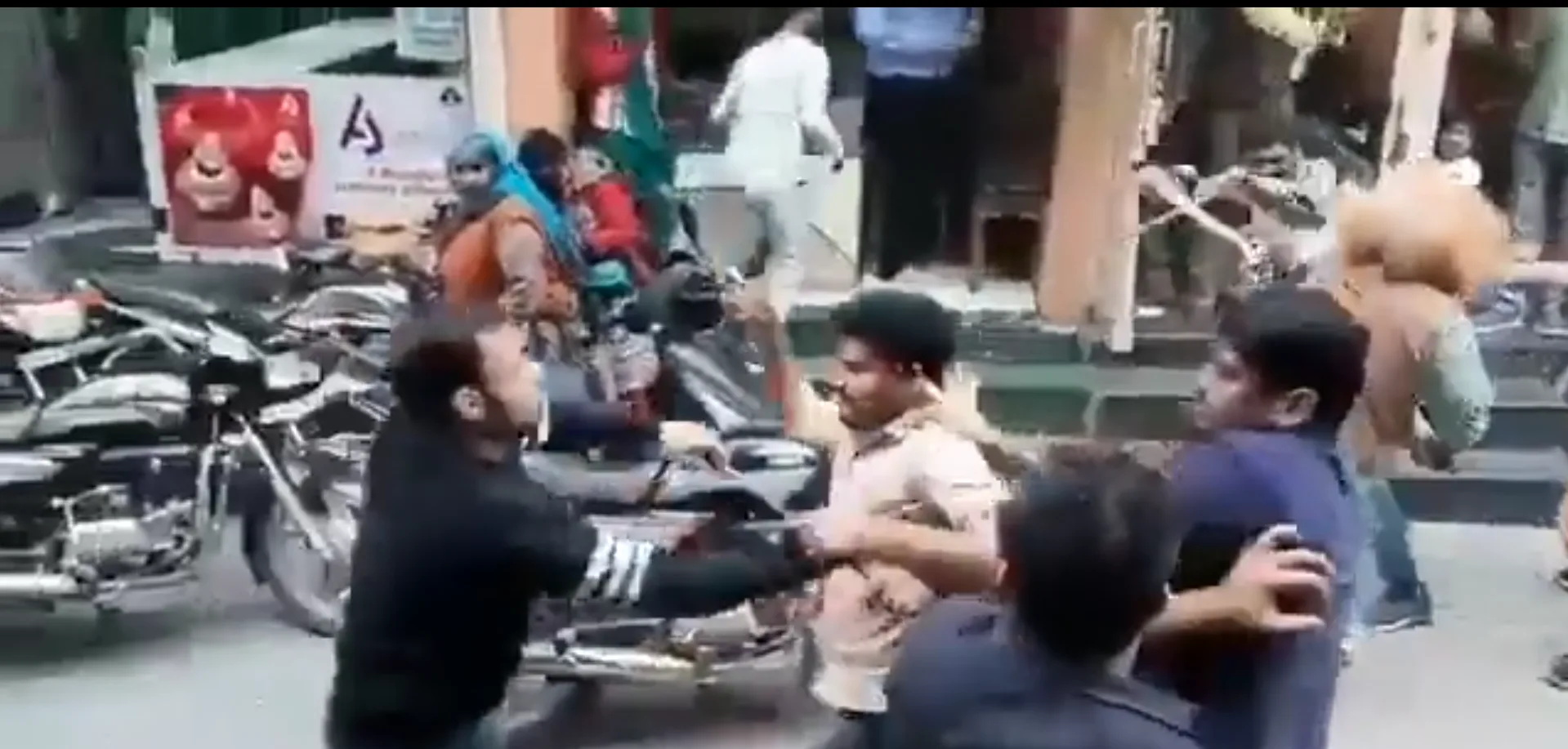
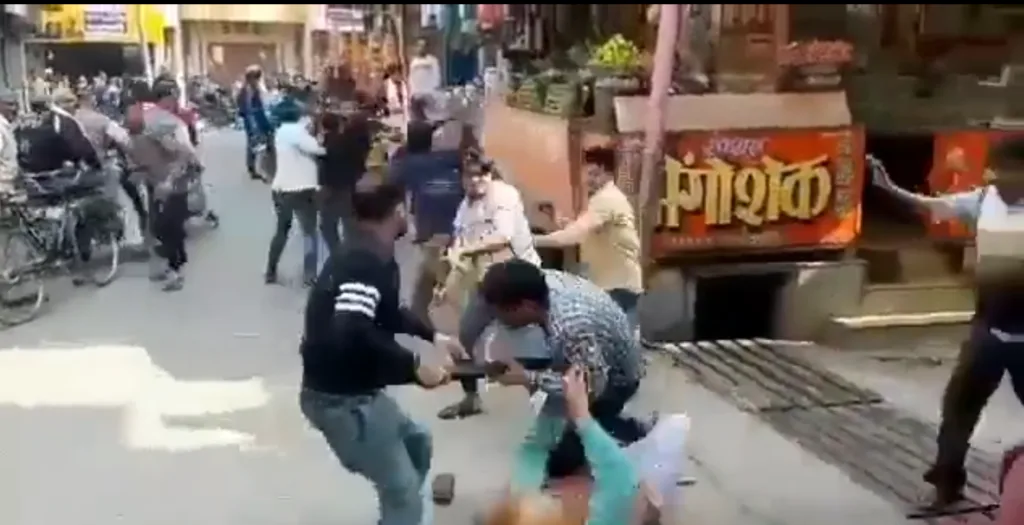
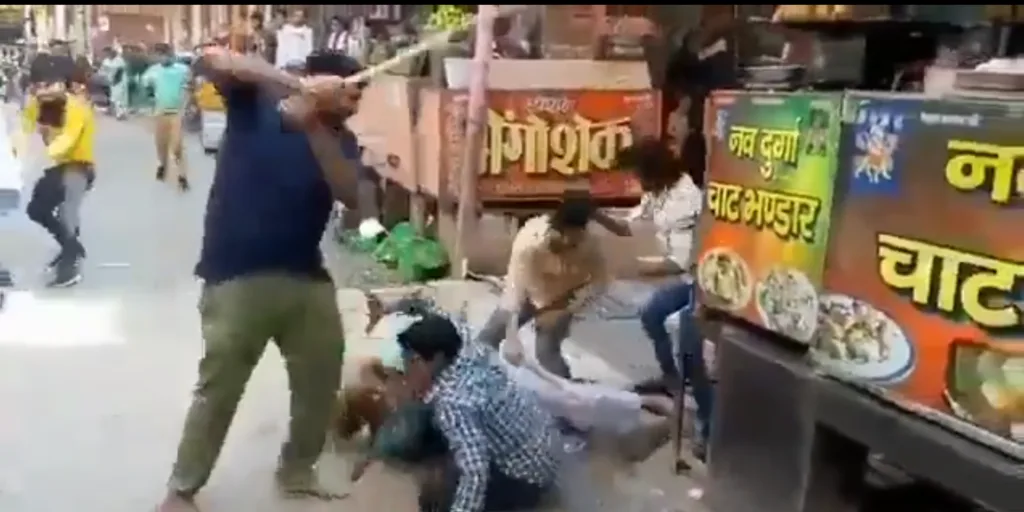
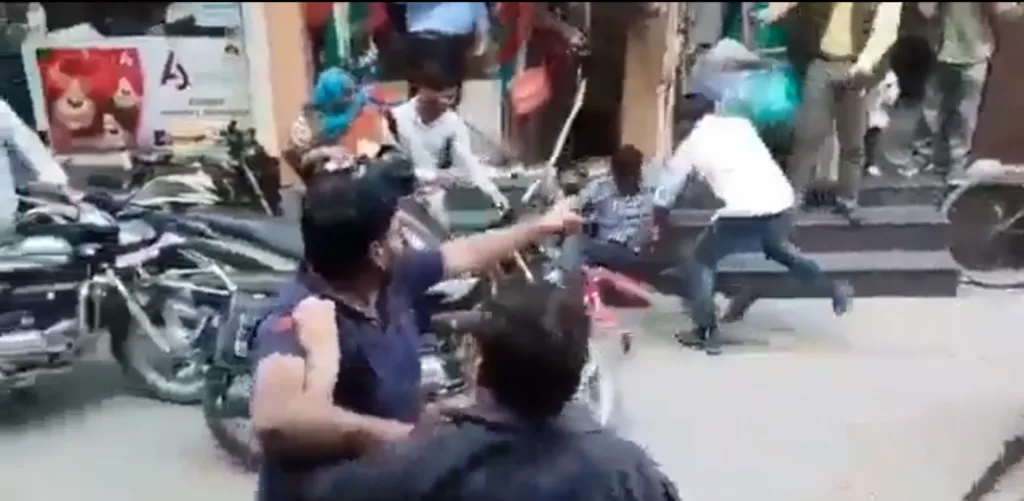
    A dispute over chutney served with bread pakodas escalated into a violent Hapur brawl in Uttar Pradesh, with four people injured after two groups clashed in a busy market. The incident took place in Dehra and was captured on video, with footage showing people attacking each other using stones, a cricket bat, belts and a large iron strainer.

    According to officials, the confrontation began after a group became angry when they were served tamarind chutney instead of green chutney with their bread pakodas. The disagreement quickly turned physical, with the shopkeeper being attacked and others stepping in to defend him.

    The Hapur brawl has since drawn attention online because of the unusual trigger and the chaotic scenes captured in the videos. Police have started an investigation and are identifying those involved using the footage.

    A dispute over chutney served with bread pakodas escalated into a violent Hapur brawl in Uttar Pradesh, with four people injured after two groups clashed in a busy market. (ANI)
    A dispute over chutney served with bread pakodas escalated into a violent Hapur brawl in Uttar Pradesh, with four people injured after two groups clashed in a busy market. (ANI)

    Hapur brawl begins after chutney dispute

    The Hapur brawl reportedly started when a group objected to being served tamarind chutney with their bread pakodas instead of the green chutney they expected. The argument escalated when the group allegedly attacked the shopkeeper.

    Officials said several people gathered after the shopkeeper came under attack, leading to a confrontation between the two sides. What began as a disagreement at a food stall soon spilt into the market, with multiple people joining the fight.

    Videos from the incident show one man being pushed and pulled by several people until his T-shirt was almost torn apart. Another man then intervened and struck one of the attackers with a large iron strainer.

    The person who was hit appears to become dazed briefly before later bending down to assist another man who was lying on the road. The Hapur brawl continued around them as several others became involved.

    A man wearing a blue T-shirt is seen throwing a stone, while others struggle over a cricket bat. Another person carrying a belt is pulled forward by his shirt during the clash.

    A woman can also be seen attempting to intervene and stop the violence, but the fight continues despite her efforts.

    Also Read | What happens if Gyanesh Kumar resigns as Chief Election Commissioner?

    The Hapur brawl reportedly started when a group objected to being served tamarind chutney with their bread pakodas instead of the green chutney they expected. (ANI)
    The Hapur brawl reportedly started when a group objected to being served tamarind chutney with their bread pakodas instead of the green chutney they expected. (ANI)

    Police investigate Hapur brawl, four injured

    Four people were injured in the Hapur brawl, according to officials. Police have begun examining the video footage to identify the people involved and determine how the confrontation unfolded.

    Circle Officer Munish Chandra said information had been received about a clash between two groups in Dehra and confirmed that a video of the incident had surfaced.

    “An investigation is on, and medical examinations of the injured are being conducted,” Chandra said, adding that those involved were being identified on the basis of the video.

    The officer said necessary legal action would follow once the individuals involved had been identified and the circumstances of the incident established.

    The police investigation is expected to focus on the sequence of events that led from the initial disagreement over chutney to the wider street fight. The available footage is likely to form an important part of the process as officers identify those involved.

    The Hapur brawl has also attracted attention because several everyday objects were reportedly used during the confrontation, including a cricket bat and an iron strainer.

    Also Read | Election Commission announces 9 key decisions amid internal concerns: What changes?

    Four people were injured in the Hapur brawl, according to officials. (ANI)
    Four people were injured in the Hapur brawl, according to officials. (ANI)

    Hapur brawl recalls Baghpat chaat fight

    The latest incident has inevitably drawn comparisons with another food-related street fight in Uttar Pradesh that became a viral internet sensation five years ago.

    In 2021, two groups of chaat sellers clashed in Baghpat over allegations that they were competing to attract customers to their respective stalls. The fight took place in the middle of the road and was captured on video.

    Footage of the Baghpat clash spread rapidly online, largely because of a man wearing a kurta and long, henna-coloured hair who became known on social media as “Einstein Chacha”. His appearance and role in the fight turned him into a widely shared internet meme.

    The Baghpat incident remained a notable example of how a local dispute could quickly become a national social media talking point.

    The Hapur brawl has now attracted similar online attention, though the circumstances differ. While the Baghpat fight involved competing chaat sellers, the latest confrontation reportedly began over the type of chutney served with a bread pakoda.

    For now, police are investigating the Hapur incident, while the four injured people are undergoing medical examination. Authorities are also working to identify everyone who took part in the clash before deciding on further legal action.

  • What happens if Gyanesh Kumar resigns as Chief Election Commissioner?

    What happens if Gyanesh Kumar resigns as Chief Election Commissioner?

    Calls for the resignation of Chief Election Commissioner (CEC) Gyanesh Kumar have intensified after an investigation by The Indian Express reported repeated objections by Election Commissioners Sukhbir Singh Sandhu and Vivek Joshi over decisions linked to the Election Commission of India (ECI) and the Special Intensive Revision (SIR) of electoral rolls.

    The report said that the two Election Commissioners recorded dissent on at least 14 occasions over 10 months. They raised concerns over decisions involving voter registration, deletion of names and the centralisation of voter database-related processes. Some of the steps were described in their notes as “unauthorised” and “illegal”.

    Gyanesh Kumar
    CEC resignation rules explained amid Gyanesh Kumar controversy | ANI

    The controversy has prompted opposition leaders, including Rahul Gandhi, to demand Gyanesh Kumar’s resignation. Gandhi said elections were “fundamentally broken” and called for the CEC to step down.

    Also Read | Election Commission announces 9 key decisions amid internal concerns: What changes?

    The Election Commission, however, has rejected the suggestion that the reported differences undermine its functioning. The poll body said, “All these decisions are an outcome of the unanimous decisions of the full Commission in the past one year.” It also said differing views are a normal part of institutional deliberations.

    How does a CEC resign in India?

    The resignation process is set out in Section 11 of the Chief Election Commissioner and Other Election Commissioners (Appointment, Conditions of Service and Term of Office) Act, 2023. A CEC can resign at any time by submitting a written resignation addressed to the President of India.

    Election Commission
    CEC resignation rules explained amid Gyanesh Kumar controversy | ANI

    The law does not create a separate deputy CEC who automatically steps into the post when the office becomes vacant.

    Who takes over after the CEC resigns?

    A new CEC is appointed by the President. Under the 2023 Act, the appointment is made on the recommendation of a three-member Selection Committee comprising the Prime Minister, the Leader of Opposition in the Lok Sabha and a Union Cabinet Minister nominated by the Prime Minister.

    Also Read | CEC vs 2 Election Commissioners: What happens when ECI members disagree?

    The Act also provides for a Search Committee headed by the Cabinet Secretary to prepare a panel of five names for consideration by the Selection Committee.

    Election Commission announces 9 key decisions
    Chief Election Commissioner Gyanesh Kumar with Election Commissioners Sukhbir Singh Sandhu, and Vivek Joshi | ANI

    Meanwhile, the Election Commission remains a multi-member constitutional body under Article 324. A vacancy in the CEC’s office does not by itself mean that the other Election Commissioners leave office. The exact arrangements for conducting the Commission’s business during any gap before a new CEC is appointed would depend on the applicable constitutional and statutory framework and directions issued by the competent authorities.

    So, if Gyanesh Kumar were to resign, there would not be an automatic appointment of another individual as CEC. The next CEC would have to be formally appointed by the President through the process laid down under the 2023 law.

  • Election Commission announces 9 key decisions amid internal concerns: What changes?

    Election Commission announces 9 key decisions amid internal concerns: What changes?

    The Election Commission of India (ECI) has announced nine decisions aimed at addressing concerns over the functioning of the three-member poll panel, including the management of electoral rolls, internal procedures and technology systems.

    The decisions came days after an investigation by The Indian Express reported that Election Commissioners Sukhbir Singh Sandhu and Vivek Joshi had recorded objections at least 14 times on issues linked to voter registration, deletion and restoration of names, appeals and electoral-roll systems.

    The ECI had earlier described these objections as “suggestions” and “inputs” arising during normal deliberations, while maintaining that key decisions over the past year had received the “unanimous” approval of the full Commission.

    What are the nine new ECI decisions?

    Following its latest meeting, the Commission issued a four-page note outlining several changes.

    Also Read | CEC vs 2 Election Commissioners: What happens when ECI members disagree?

    Agendas will now be circulated before Commission meetings, with minutes to be issued afterwards. Foreign travel by officers will require approval from the Commission. New IT modules and portals will first be examined by a committee of officers before being presented to the poll panel.

    Election Commission
    EC unveils changes to meetings, ECINet and electoral roll management | ANI

    The Commission also ordered a review of ECINet by a committee headed by a senior Deputy Election Commissioner. An independent expert from an IIT or IIIT will be part of the review.

    Field officers will receive additional flexibility where required, while directions issued by Commissioners to officers will be “meticulously complied with”.

    These measures correspond closely with concerns earlier recorded by Sandhu and Joshi regarding meeting procedures, foreign travel, IT systems and access to electoral-roll databases.

    Goa voter issue

    The Commission also addressed the case of 97 voters in Goa who, according to The Indian Express investigation, had been cleared by local officials but were missing from the final electoral roll.

    Election Commission
    Chief Election Commissioner Gyanesh Kumar with Election Commissioners Sukhbir Singh Sandhu, and Vivek Joshi | ANI

    The ECI said 81 of these voters have since submitted Form 6 and directed the Chief Electoral Officer (CEC) to facilitate their inclusion.

    What happens to Form 6?

    The changes around Form 6 remain less clear.

    The ECI said the form prescribed under the Registration of Electors Rules would apply outside the SIR period, reflecting the substance of Joshi’s May objection. However, his objection had specifically concerned the online ECINet form, where an additional question about an applicant’s parents appeared between sections J and K and prevented applicants from proceeding without answering it.

    Election Commission
    Election Commission decisions leave key Form 6 questions unresolved | ANI

    The latest note does not clarify whether that online question has been removed.

    Also Read | What is ERONET? The ECI software at the centre of the SIR row

    Questions that remain unanswered

    Several issues remain unresolved. The Commission has not explained who authorised appeals against voters whose inclusion had been ordered by judicial officers in West Bengal.

    It has also not clarified why Goa’s requested software facility for restoring voter names was not enabled, or addressed questions surrounding the roles of DG (IT) Seema Khanna and Senior Deputy Election Commissioner Maneesh Garg.

    The larger issue is how these decisions will change the Commission’s internal functioning. Whether the three Commissioners will now be involved more closely in decisions remains to be seen.