Category: India

  • India Space Force: Why India may need a separate space command? 

    India Space Force: Why India may need a separate space command? 

    Space has been part of military planning since the early years of the Space Age, but its role in warfare is changing rapidly. India could eventually need a dedicated Space Force as space-based intelligence, communication and navigation become increasingly important to military operations.

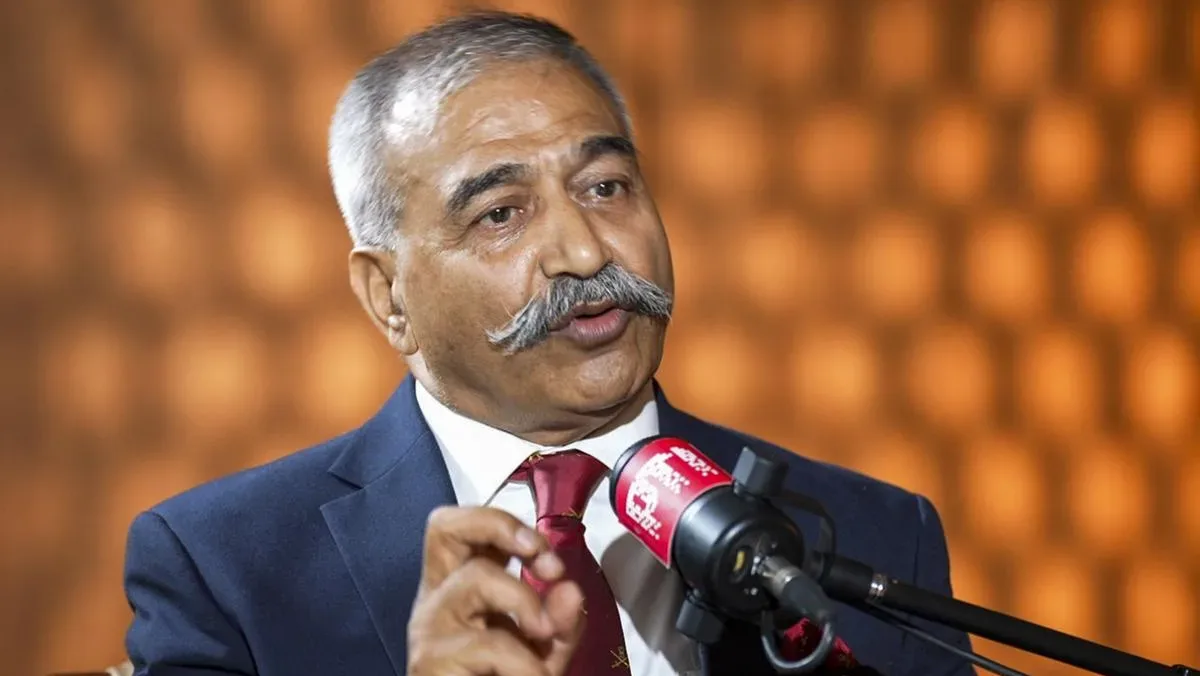
    Lieutenant General (Retired) Anil Kumar Bhatt, Director General of the Indian Space Association, said the growing importance of space means India will eventually have to strengthen its military structure beyond the existing Defence Space Agency (DSA). However, Bhatt cautioned against the idea that large-scale space warfare, as often portrayed in popular culture, is already around the corner.

    “Combat has slowly started creeping in, but the kind of space wars people often imagine, such as satellites attacking one another or humans fighting on the Moon or Mars, remain some distance away,” Bhatt said.

    From Spy Satellites to Modern Space Warfare

    The military use of space predates the launch of Sputnik. American researchers were examining the use of space for reconnaissance as early as 1946. That work eventually contributed to the Corona programme, with the US launching its first spy satellite in 1960.

    The satellite generated more imagery of the Soviet Union during a single mission than previous spy-plane operations had produced collectively. Within a decade, satellites had become America’s primary surveillance tools from orbit.
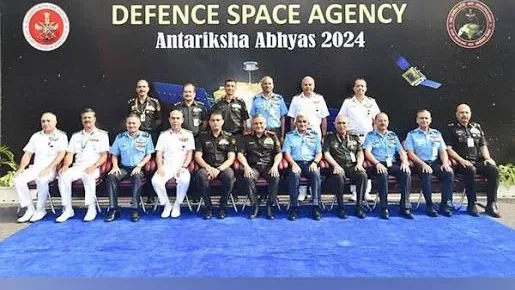
    India's Defence Space Agency
    India’s Defence Space Agency. Credit: X/ANI

    Space has since supported intelligence, surveillance and reconnaissance, communications and navigation. The emerging shift, however, is towards the weaponisation of the domain. Bhatt believes India’s DSA should eventually evolve into a Space Command and, later, a Space Force.

    “Setting up the DSA was the starting point. The way things are developing, it will have to evolve into a Space Command and eventually into a Space Force. But it must remain a triservices agency. The Air Force has pushed for one ‘Aerospace Force’ that absorbs the Space Force’s or DSA’s role but it is my personal belief that things are very different on the two sides of the Karman Line, and the domain above that line must be with a separate triservices organisation,” said Bhatt.

    India’s Defence Space Approach Has Changed

    India’s approach to military space capabilities has undergone a significant change in recent years. The Defence Space Agency was established in 2019, marking an important step towards coordinating the country’s space-related defence capabilities. Bhatt said the relationship between India’s armed forces and the private space and defence industry has also changed.

    Also Read | India asks Pakistan to back anti-terror claims with action as tensions rise

    “Five years back, the armed forces would never talk to anybody —any civilian, a startup or a private company— about anything to do with space. But today? Seventy-five defence challenges have been defined for start-ups to know and build what the armed forces require for the future,” said Bhatt.

    Frequent discussions between the military and industry have helped narrow the gap between what companies develop and what the armed forces require.

    Drones in Indian Defence Space Agency
    Drones in Indian Defence Space Agency. Credit: X/Ministry of Defence, Govt of India

    Minimum Orders for Defence Start-Ups

    Despite closer cooperation, defence start-ups continue to face challenges when developing products specifically for military use. Without assured orders, companies can find it difficult to sustain projects after developing prototypes. The Indian Space Association has therefore pushed for a minimum-order mechanism under defence challenges.

    “In defence challenges, the MoD has introduced something called a ‘minimum order quantity’. The idea is this: if a prototype is being made, money is being given by the government or the start-up is putting in the money, the exercise does not make sense if the prototype is not bought by anybody. It is a loss. So, we have pushed for a process where the government must buy at least a minimum number of units developed under a challenge, so as to keep the manufacturing feasible,” said Bhatt.

    Also Read | What is ERONET? The ECI software at the centre of the SIR row

    Space Could Become a Future Theatre of Conflict

    Recent conflicts have highlighted how important space-based capabilities can be on the battlefield. Operation Sindoor provided India with a direct experience of the role played by space-based intelligence, while the Russia-Ukraine war demonstrated the military value of commercial space assets.

    Bhatt believes future conflicts could involve attacks against space infrastructure itself, rather than space simply supporting operations on Earth.

    “Conflict in space could not be just about satellites shooting each other. It could begin in the form of cyberattacks on satellites and jamming of sensors by electronic means or destruction by laser/DEW. It is a matter of time.”

    Why India Needs a Triservices Space Structure? 

    According to Bhatt, space capabilities would have to be integrated into military planning at every level if India moves towards a more integrated theatre command structure.

    A future Space Force, he said, would provide intelligence, surveillance and reconnaissance, communications and navigation support across different theatres rather than serving one individual service.

    “A theatre will not only have the Army, Navy, or the Air Force, but will also have space. That means the same assets can be shared by many theatres. That would mean that DSA personnel would be critical for every theatre as they would be running the ISR, communication, navigation, etc, and advising the commanders. And that is why it must remain a triservices organisation instead of being led by any one service,” said Bhatt.

    India’s Defence Space Agency is therefore likely to remain central to the country’s evolving military space strategy as the role of space expands from support for operations on Earth towards becoming a potential theatre of conflict itself.
  • ECI dissent report sparks Opposition attack as poll panel rejects formal dissent claim

    ECI dissent report sparks Opposition attack as poll panel rejects formal dissent claim

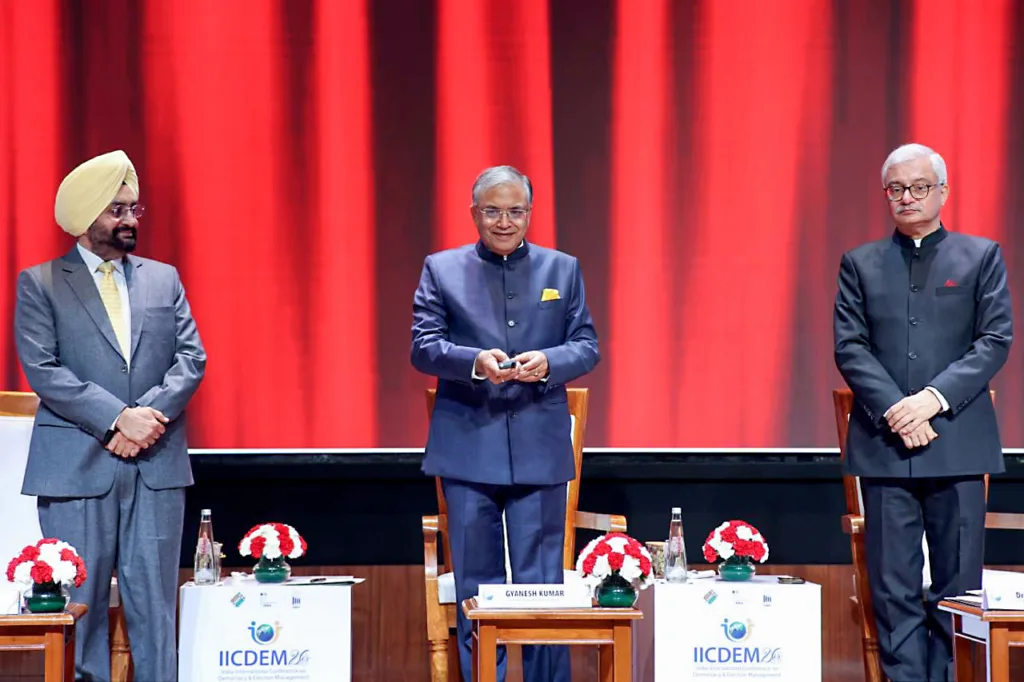
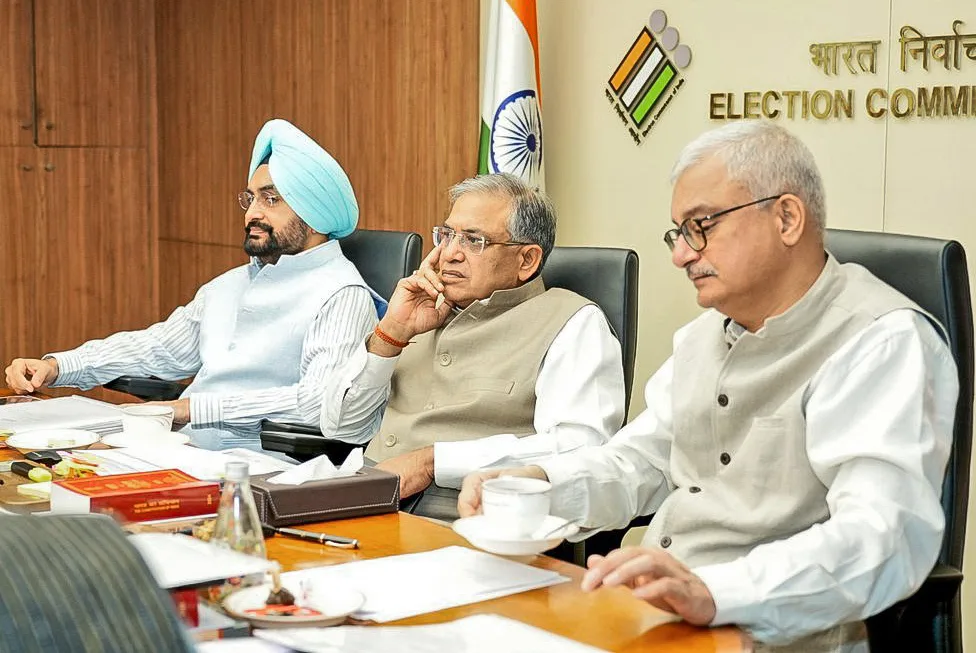
    An ECI dissent report has triggered a fresh political confrontation between the Opposition and the Election Commission of India after an Indian Express investigation reported that Election Commissioners Sukhbir Singh Sandhu and Vivek Joshi had raised formal objections to decisions taken by the poll panel. The report said the two commissioners recorded at least 14 objections over 10 months on issues linked to voter registration, deletion and restoration of names, changes to electoral forms and the management of voter data. The ECI, however, has rejected the description of these objections as formal dissent, saying differences and observations are part of institutional deliberations and that decisions of the full Commission were unanimous.

    An ECI dissent report has triggered a fresh political confrontation between the Opposition and the Election Commission of India after an Indian Express investigation reported that Election Commissioners Sukhbir Singh Sandhu and Vivek Joshi had raised formal objections to decisions taken by the poll panel. (ANI)
    An ECI dissent report has triggered a fresh political confrontation between the Opposition and the Election Commission of India after an Indian Express investigation reported that Election Commissioners Sukhbir Singh Sandhu and Vivek Joshi had raised formal objections to decisions taken by the poll panel. (ANI)

    ECI dissent report puts internal decision-making under scrutiny

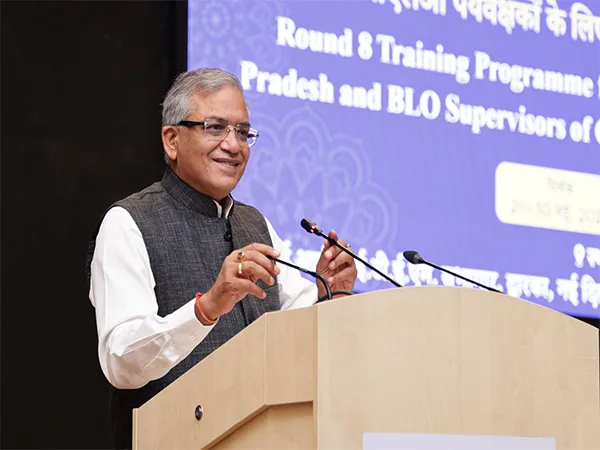
    The ECI dissent report centres on objections reportedly raised by Sandhu and Joshi, who are members of the three-person Election Commission headed by Chief Election Commissioner Gyanesh Kumar. According to the Indian Express investigation, the two commissioners objected on record at least 14 times, including four instances on a single day, over decisions and orders they said had been taken without their knowledge.

    The reported objections covered matters directly connected with electoral rolls, including the addition of new voters, deletion and restoration of names and the handling of the voter database. The investigation also reported concerns over the centralisation of access to electoral-roll systems in Delhi and changes to Form 6, which is used by citizens seeking registration as voters.

    The ECI has disputed the interpretation of the exchanges. Its position is that commissioners may raise observations or suggestions during deliberations without those necessarily amounting to dissent on a final decision. The poll panel said all decisions taken by the full Commission during the period were unanimous.

    Also Read | What is ERONET? The ECI software at the centre of the SIR row

    The ECI dissent report quickly became a political issue, with Congress leaders using the findings to renew their criticism of the poll panel and its handling of the Special Intensive Revision, or SIR, of electoral rolls. (ANI)
    The ECI dissent report quickly became a political issue, with Congress leaders using the findings to renew their criticism of the poll panel and its handling of the Special Intensive Revision, or SIR, of electoral rolls. (ANI)

    Rahul Gandhi, Congress step up attack after ECI dissent report

    The ECI dissent report quickly became a political issue, with Congress leaders using the findings to renew their criticism of the poll panel and its handling of the Special Intensive Revision, or SIR, of electoral rolls.

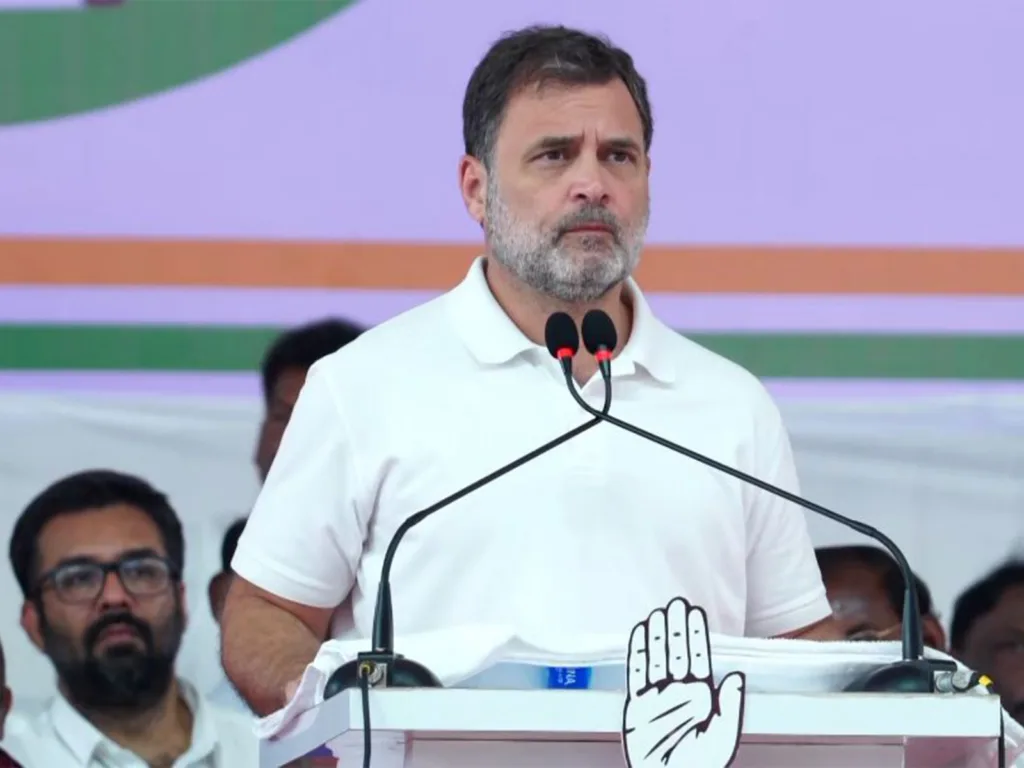
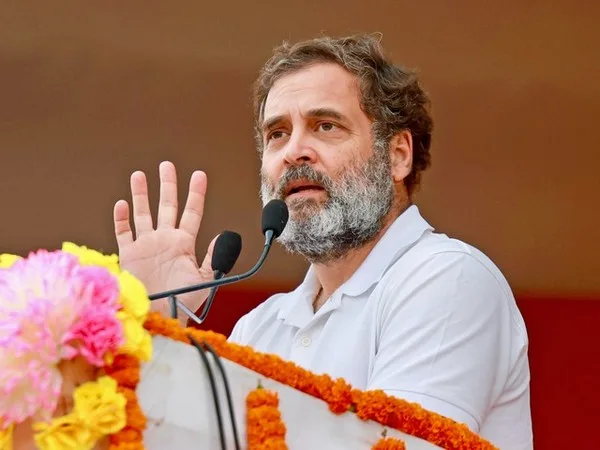
    Congress leader Rahul Gandhi accused the Election Commission, BJP and RSS of being involved in what he described as “vote chori” and said the issue amounted to an attack on the Constitution. These are political allegations and have not been independently established.

    Congress MP Manish Tewari also referred to the ECI dissent report while questioning whether the Election Commission was being influenced by an “invisible hand”. Tewari argued that if the reported objections reflected decisions being taken without following established procedures, the legality and credibility of those decisions would need examination. He also raised the possibility of proceedings against the Chief Election Commissioner. These were his political and legal arguments, rather than findings by a court.

    Trinamool Congress MP Derek O’Brien separately renewed a call for a Rajya Sabha motion seeking the removal of CEC Gyanesh Kumar. The Opposition’s response has therefore extended beyond the reported internal objections to broader questions about the functioning and accountability of the poll panel.

    Also Read | India asks Pakistan to back anti-terror claims with action as tensions rise

    The ECI dissent report has emerged at a time when the Election Commission's SIR exercise is already facing intense political and legal scrutiny. (ANI)
    The ECI dissent report has emerged at a time when the Election Commission’s SIR exercise is already facing intense political and legal scrutiny. (ANI)

    ECI dissent report comes amid wider SIR controversy

    The ECI dissent report has emerged at a time when the Election Commission’s SIR exercise is already facing intense political and legal scrutiny. The Indian Express investigation said the objections raised by Sandhu and Joshi concerned issues at the heart of electoral-roll management, including new voter registration and deletion of names.

    One reported dispute involved changes to Form 6, with the two commissioners objecting to the addition of questions related to voters’ or their relatives’ presence in earlier electoral rolls. The investigation reported that they described the change as unauthorised and illegal.

    At the same time, the ECI has maintained that the reported exchanges do not establish a formal split in the Commission. It has said that individual views, observations and suggestions are normal during deliberations and that final decisions remained unanimous.

    The ECI dissent report has consequently opened a debate over how a constitutional body should record and understand internal disagreements. While Opposition parties have treated the reported objections as evidence of serious concerns, the poll panel has characterised them as part of its normal decision-making process. The significance of the controversy will depend on how the coming weeks examine the underlying objections, procedures, and decisions.

  • What is ERONET? The ECI software at the centre of the SIR row

    What is ERONET? The ECI software at the centre of the SIR row

    The Election Commission of India (ECI)’s Special Intensive Revision (SIR) of electoral rolls has brought its voter-matching software, ERONET, under scrutiny. Around 17.6 million voters across Telangana, Karnataka, Maharashtra and Delhi have received notices under the “logical discrepancy” category during the third phase of SIR. 

    What is ERONET?

    ERONET, short for Electoral Roll Officers’ Network, processes enumeration forms and matches present voter records with entries in older electoral rolls. The software now operates within ECINET, the ECI’s unified technology platform launched in January 2026. 

    Why are voters being flagged? 

    A major issue involves differences between old and current voter records. The base rolls used for comparison were maintained in regional languages, including Telugu, Kannada and Marathi. Converting these records into English has resulted in spelling and transcription differences. 

    Also Read | India asks Pakistan to back anti-terror claims with action as tensions rise

    As per a Hindustan Times report, in Hyderabad, Qamer Fatima was served a notice because her name appeared as “Qemar Fatima” in the older roll. She said, “All my current documents have the same spelling of my name as my voter ID. I don’t know how to prove that the person on the 2002 rolls is me.” 

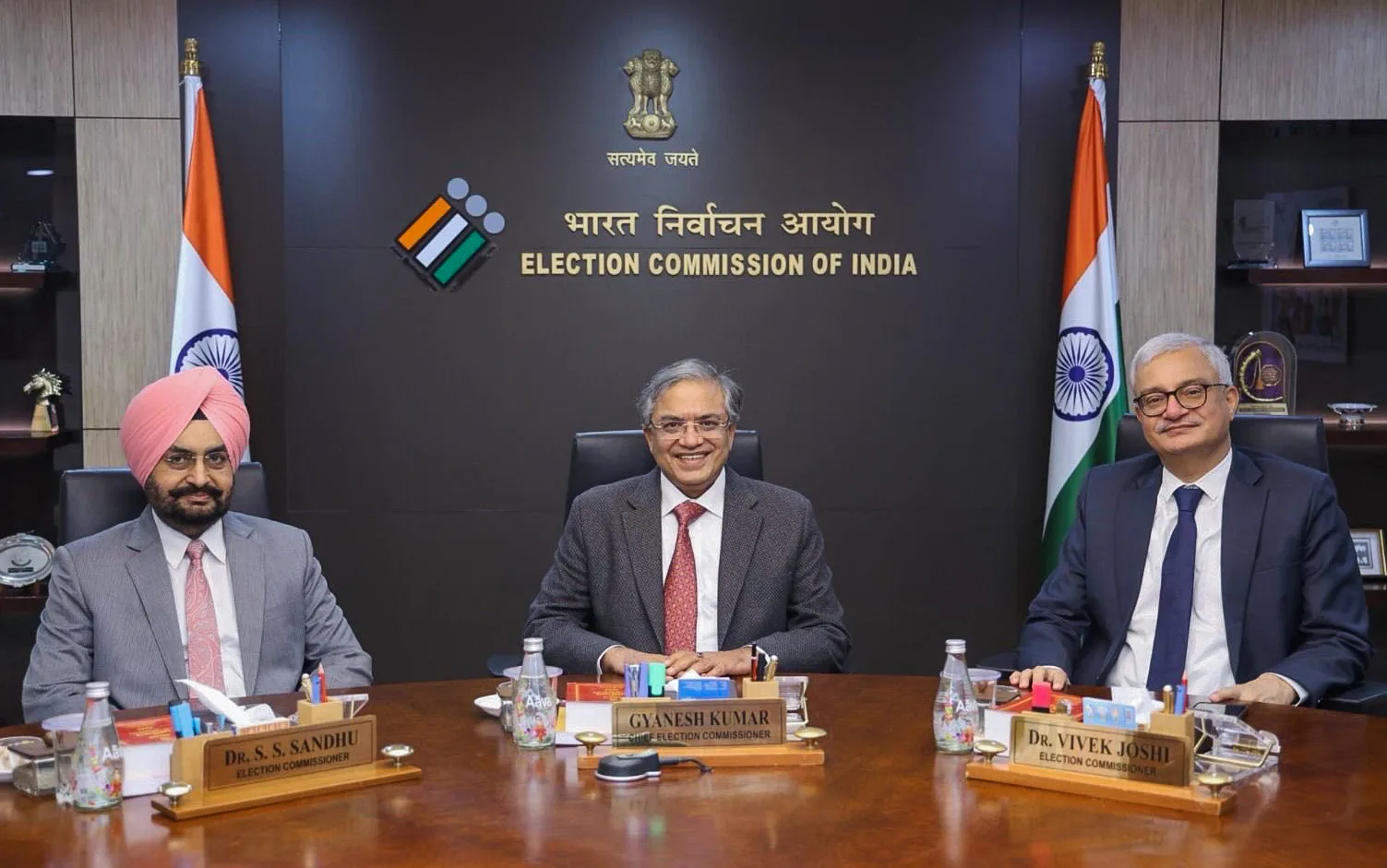
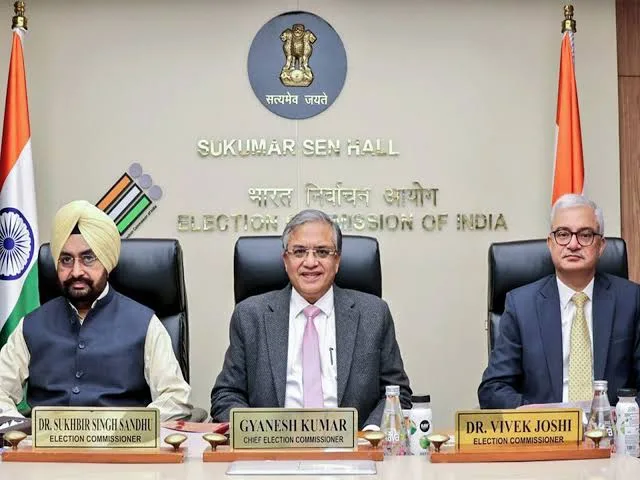
    Chief Election Commissioner Gyanesh Kumar and Election Commissioners Sukhbir Singh Sandhu and Vivek Joshi
    Chief Election Commissioner Gyanesh Kumar and Election Commissioners Sukhbir Singh Sandhu and Vivek Joshi | ANI

    An official at the Telangana CEO office said, “The 2002 base roll was a mess. Names and surnames were inconsistent. When they were translated to English and matched with the current list, several errors came up.” 

    Age-related mismatches have also triggered notices. In Bengaluru, Joan Fathima was flagged over an alleged gap of less than 15 years between her and her father’s ages in 2002, despite her saying the actual gap was 27 years. 

    What is the controversy over ERONET?

    This is not only an error in software, as Election Commissioners Vivek Joshi and Sukhbir Sandhu are quoted as being worried about access to the electoral roll database. “It is a gradual centralisation of the electoral roll database,” states Joshi, whereas Sandhu says that state officials “don’t have proper and complete access” to ERONET.

    ERONET? The ECI software at the centre of the SIR row
    Chief Election Commissioner Gyanesh Kumar, along with Election Commissioners Vivek Joshi and Sukhbir Singh Sandhu | ANI

    The problem also appeared in Goa, where EROs approved 97 voters but were unable to update the database due to the absence of rollback feature.

    Is software capable of determining who qualifies to vote? 

    According to the Representation of the People Act and electoral law, Electoral Registration Officers are tasked with maintaining registers and determining applications and appeals. ERONET is a technology used for that purpose. 

    Also Read | President Droupadi Murmu urges film stars to avoid harmful products; calls for more women on award juries

    Reportedly, an ECI official defended its use, saying, “It is impossible to carry out an exercise of this scale manually without technology. Checking duplication and mapping progeny manually will take years. We fix all problems with the software in real time.” 

    This is, however, a question about how ERONET detects problems, how corrections can be made, and who decides legally during SIR.

  • India asks Pakistan to back anti-terror claims with action as tensions rise

    India asks Pakistan to back anti-terror claims with action as tensions rise

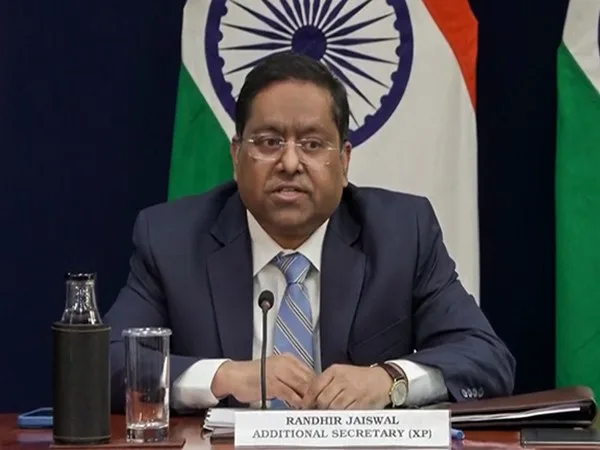
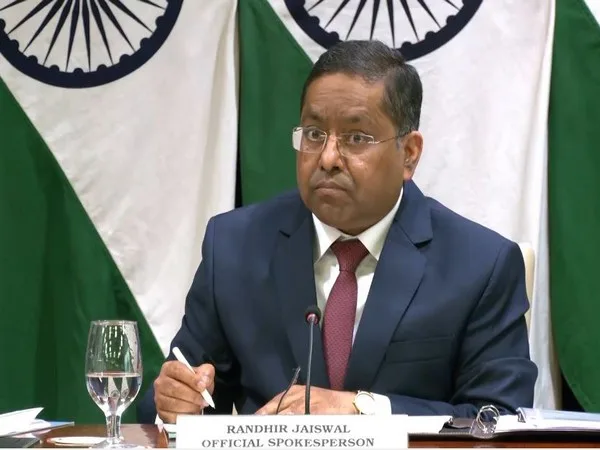
    India has called on Pakistan to demonstrate concrete action against cross-border terrorism, hours after Pakistan Army chief and Chief of Defence Forces Field Marshal Asim Munir reiterated his military’s commitment to defeating terrorism. Ministry of External Affairs spokesperson Randhir Jaiswal said on Tuesday that Pakistan would need to show a firm commitment through action before its assurances could gain greater credibility internationally. The remarks came amid renewed tensions between Pakistan and Afghanistan following Pakistani airstrikes in Afghanistan’s Kunar and Paktika provinces.

    India has called on Pakistan to demonstrate concrete action against cross-border terrorism, hours after Pakistan Army chief and Chief of Defence Forces Field Marshal Asim Munir reiterated his military’s commitment to defeating terrorism. (ANI)
    India has called on Pakistan to demonstrate concrete action against cross-border terrorism, hours after Pakistan Army chief and Chief of Defence Forces Field Marshal Asim Munir reiterated his military’s commitment to defeating terrorism. (ANI)

    Pakistan’s cross-border terrorism remarks draw response from India

    Jaiswal was responding to Munir’s remarks during a visit to Corps Headquarters in Peshawar. According to Pakistan’s military media wing, Munir was briefed on the security situation in the province, ongoing counter-terrorism operations, border management measures and the operational preparedness of formations deployed there.

    The Pakistani military said Munir emphasised the armed forces’ determination to defeat terrorism and ensure lasting peace and stability in the country.

    Responding to the statement, Jaiswal said Pakistan needs to demonstrate both action and a firm commitment against terrorism. He specifically called for credible action on Pakistan’s cross-border terrorism before the international community accepts Islamabad’s stated intentions.

    India has repeatedly raised concerns about cross-border terrorism emanating from Pakistan. The issue has remained a central point of disagreement between the two countries, with New Delhi maintaining that Pakistan must take verifiable steps against terrorist networks operating from territory under its control.

    Also Read | President Droupadi Murmu urges film stars to avoid harmful products; calls for more women on award juries

    Jaiswal was responding to Munir’s remarks during a visit to Corps Headquarters in Peshawar. (ANI)
    Jaiswal was responding to Munir’s remarks during a visit to Corps Headquarters in Peshawar. (ANI)

    Pakistan’s cross-border terrorism issue comes amid Afghanistan strikes

    The latest exchange between New Delhi and Islamabad came against the backdrop of escalating tensions between Pakistan and Afghanistan.

    Pakistan carried out airstrikes in Afghanistan’s Kunar and Paktika provinces on September 21. Islamabad said the operation targeted militant groups and reported that 28 militants had been killed. Afghan authorities, however, reported civilian casualties, while the United Nations Assistance Mission in Afghanistan confirmed that three civilians, including a man, a woman and a girl, were killed.

    India separately condemned the Pakistani strikes. Jaiswal said attacks against a sovereign neighbour were contrary to regional peace and security and reaffirmed India’s support for Afghanistan’s independence, sovereignty, and territorial integrity.

    Pakistan has maintained that militant groups operating from Afghan territory pose a security threat to the country. Afghan authorities have rejected accusations that they are allowing their territory to be used for attacks against Pakistan.

    The dispute has added another layer to the wider regional security situation, even as India continues to raise its own concerns over Pakistan’s cross-border terrorism.

    Also Read | Broken idol at home? Delhi introduces dedicated collection centres

    The latest exchange between New Delhi and Islamabad came against the backdrop of escalating tensions between Pakistan and Afghanistan. (ANI)
    The latest exchange between New Delhi and Islamabad came against the backdrop of escalating tensions between Pakistan and Afghanistan. (ANI)

    Pakistan’s cross-border terrorism remains a key Indian concern

    India’s latest statement reflects a longstanding position that declarations against terrorism need to be accompanied by demonstrable measures. The MEA has previously said that Pakistan must take credible, irreversible, and verifiable action against cross-border terrorism.

    The issue has repeatedly affected India-Pakistan relations, including efforts to improve bilateral ties. New Delhi has maintained that progress on normal relations is linked to the security environment and the absence of terrorism and violence directed against India.

    At the same time, the immediate diplomatic exchange does not establish whether Pakistan’s current counter-terrorism operations will result in any change in the security situation along its borders. Pakistan has publicly maintained that its armed forces are conducting operations against militant groups and has pointed to attacks inside the country as the reason for its security measures.

    For now, Pakistan’s cross-border terrorism remains a central issue in India’s public diplomatic messaging towards Islamabad. The latest remarks also come as Pakistan faces a separate security challenge along its western border, where tensions with Afghanistan have intensified following the recent airstrikes and competing allegations over militant activity.

  • President Droupadi Murmu urges film stars to avoid harmful products; calls for more women on award juries

    President Droupadi Murmu urges film stars to avoid harmful products; calls for more women on award juries

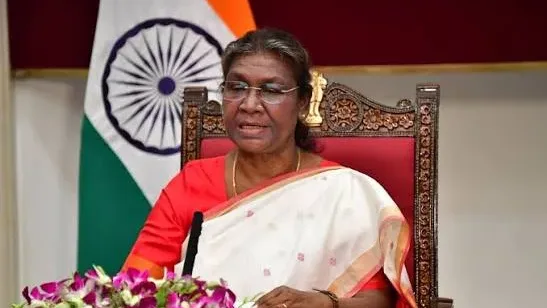
    President Droupadi Murmu has urged popular film personalities to be careful about the products they promote, particularly those that could harm public health. Speaking at the 72nd National Film Awards ceremony, Murmu said celebrities have a strong influence on children and young people and should use that reach responsibly.

    The President presented the National Film Awards for 2024 across various categories at a ceremony held at Ekta Nagar, near the Statue of Unity. Several prominent names from the Indian film industry attended the event.

    Droupadi Murmu’s message to film stars

    Addressing the gathering, Murmu highlighted how the public often follows the lifestyle choices of successful actors and other popular artists.

    “When successful artists speak about the benefits of a disciplined lifestyle, millions of children and young people emulate them. I urge popular artists not to endorse products that are harmful to people’s health. A true star is the one who spreads light, not darkness,” Murmu said.

    Her remarks focused on the wider influence of film personalities beyond their work on screen. She pointed out that the words and actions of well-known artists can have a strong effect on younger audiences.

    President calls for more women on award juries

    Murmu also spoke about the representation of women in the committees responsible for selecting films for the National Film Awards.

    Also Read | Passport rules changed: What children and parents need to know

    She called for greater participation of women in the regional juries and said their perspectives could contribute to a broader approach to decision-making.

    “I would like to see women’s participation ensured in every regional jury,” she said. The President noted that several women were among the award recipients at the ceremony. She also stressed the importance of including women’s viewpoints across different fields.

    “incorporating the female perspective in any field makes it possible to form a holistic human outlook”.

    Murmu highlights welfare of film workers

    The President also appealed to the film industry to pay greater attention to the people working behind the scenes.

    She called for respect and social security for workers, small-scale artists, assistants and others who contribute to India’s creative economy.

    Many of these professionals work to establish themselves in the industry, making their contribution an important part of the larger film ecosystem.

    Also Read | India’s semiconductor push faces sabotage risk, Union Minister Ashwini Vaishnaw warns

    The 72nd National Film Awards ceremony brought together leading figures from Indian cinema, with Murmu using the occasion to highlight responsible endorsements, wider representation of women and better support for workers across the creative sector.

  • Broken idol at home? Delhi introduces dedicated collection centres

    Broken idol at home? Delhi introduces dedicated collection centres

    Delhi is introducing dedicated collection centres for damaged or broken idols, offering devotees an alternative to leaving them in public spaces or disposing of them in water bodies.

    For many devotees, idols remain closely connected to faith even after they become damaged or unsuitable for worship. To address the disposal of such khandit murtis, the Delhi government has announced plans for dedicated collection centres where people can deposit damaged idols and other religious material.

    Also Read | Who is Suryanarayana Doolla? IIT Bombay professor suspended after student’s death

    Delhi Chief Minister Rekha Gupta recently announced the initiative, saying special centres would be created where devotees could bring damaged idols for respectful disposal. The collected material will be handled through scientific and environmentally responsible methods, according to the government.

    What will happen to damaged idols in Delhi?

    The initiative aims to provide an organised alternative to a practice seen in several cities, where damaged idols are sometimes left under trees, beside roads, in parks or near water bodies.

    Under the proposed system, devotees will be able to deposit damaged idols and leftover puja material at designated collection points. The collected material will then be processed for disposal and recycling through designated systems.

    The move also comes amid concerns around the disposal of religious material in water bodies, including the Yamuna. During festivals such as Ganesh Chaturthi and Durga Puja, devotees traditionally immerse idols in water as part of the visarjan ritual.

    While visarjan holds religious significance, the immersion of idols and other puja materials can put additional pressure on water bodies, particularly when the materials used to make idols are not easily biodegradable.

    Why is Delhi looking for alternatives to idol immersion?

    The dedicated collection centres are intended to address a different situation from traditional visarjan, idols that have already become damaged or khandit and are no longer suitable for worship.

    Instead of leaving such idols in public places or disposing of them in rivers and other water bodies, devotees would have designated locations where they can deposit them.

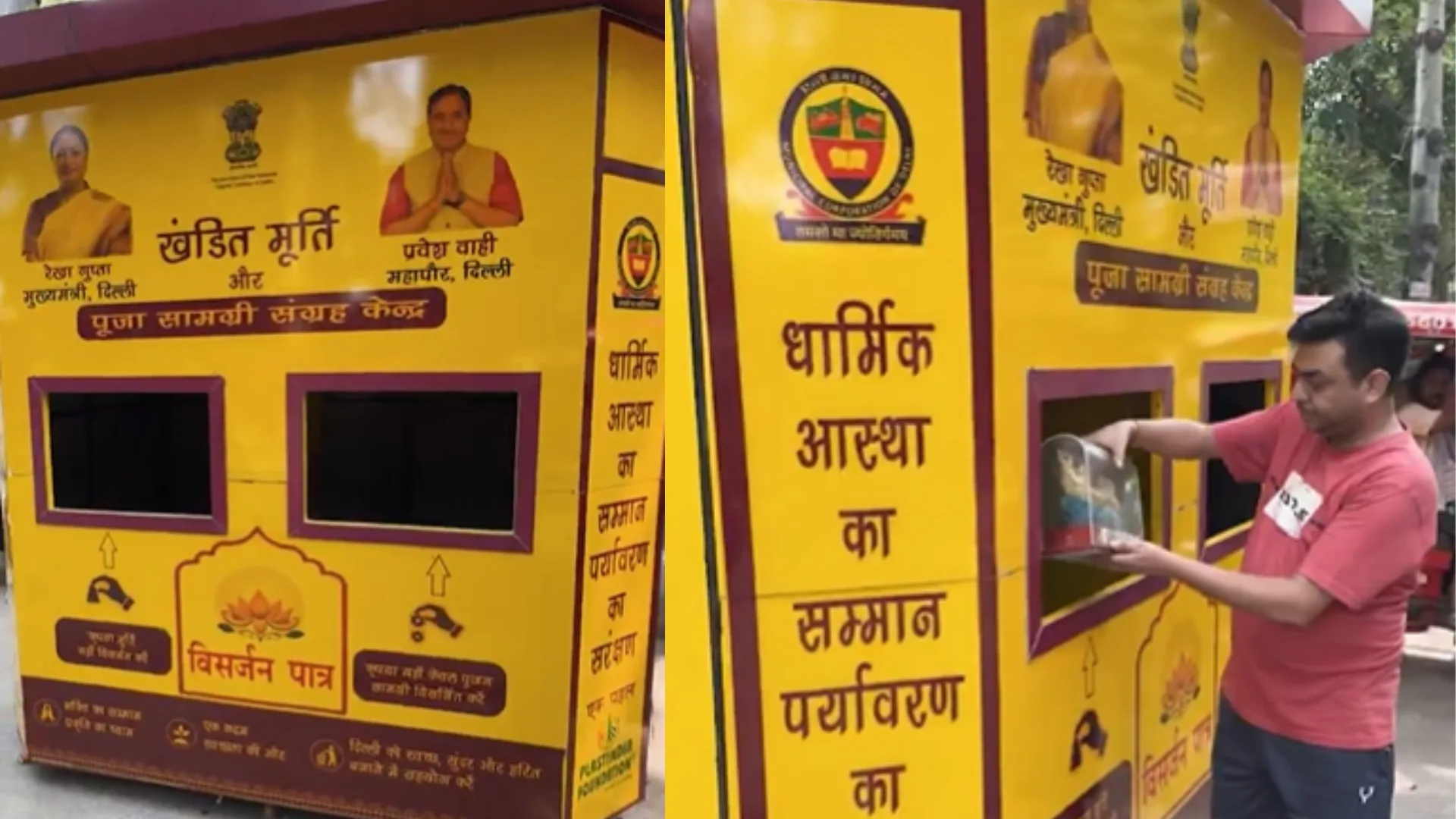
    Delhi is introducing dedicated collection centres for damaged idols and puja material, offering devotees an organised alternative to disposal in public spaces or water bodies.
    Delhi is introducing dedicated collection centres for damaged idols and puja material / X, Delhi Government

    The initiative therefore brings together religious considerations and waste-management concerns. The government has also highlighted the need for more organised systems to handle religious waste while reducing its impact on the environment.

    Over 110 ‘Visarjan Patra’ installed across Delhi

    According to the information available on the initiative, more than 110 Visarjan Patra have been installed across Delhi for collecting broken idols, puja remains and other religious material.

    Earlier, the Shahdara North zone of the Delhi Municipal Corporation had established damaged-idol collection centres at several locations with support from resident welfare associations and other organisations.

    Also Read | Sangrur man consumes poison over alleged drug inaction, political row follows

    The latest initiative aims to create a more structured system across the city, allowing devotees to use designated collection points rather than leaving damaged idols in public spaces.

    The collected material is expected to be handled through scientific and eco-friendly disposal and recycling methods.

    For devotees who have a damaged idol at home, the centres could provide an organised way to part with it while remaining mindful of the religious sentiment associated with the idol.

  • Who is Suryanarayana Doolla? IIT Bombay professor suspended after student’s death

    Who is Suryanarayana Doolla? IIT Bombay professor suspended after student’s death

    Suryanarayana Doolla, a professor at the Indian Institute of Technology Bombay, was suspended as Dean (Student Affairs) on Monday amid an investigation into the death of a 20-year-old student. The Mumbai Police have registered an FIR naming Doolla and other officials following the student’s death on September 18.

    The professor came under scrutiny after he was invigilating a mid-semester examination held from 11 AM to 1 PM that day. During the examination, Doolla allegedly found the student using a mobile phone and uploading the question paper to an artificial intelligence platform to seek answers. The student, who was from IIT Bombay’s Department of Energy Science and Engineering, died by suicide later that day.

    Who is Suryanarayana Doolla?

    Suryanarayana Doolla is a professor in the Department of Energy Science and Engineering at IIT Bombay. He has also served as the institute’s Dean (Student Affairs), a position he took up in March 2023, according to information available on IIT Bombay’s official website.

    Doolla’s academic work focuses on power electronics and power systems. His work includes teaching and research in the field of energy systems.

    Before joining IIT Bombay, Doolla worked at Machine 2 Machine in Hyderabad from 2006 to 2008. He later joined Power Research and Development Consultants in Bengaluru in 2009.

    Doolla completed his B.Tech in Electrical Engineering from Nagarjuna University in 2000. He then earned an MTech in Energy Systems Engineering from IIT Bombay. He completed his PhD in Power Systems from IIT Delhi in 2007.

    Also Read | Sangrur man consumes poison over alleged drug inaction, political row follows

    Suryanarayana Doolla’s roles and awards at IIT Bombay

    Doolla has held several administrative positions at IIT Bombay during his academic career. His responsibilities have included student affairs, hostel management and national-level entrance examinations.

    He served as the organising chairman for JEE Advanced, CEED and UCEED in 2022. He was also the warden of Hostel 6 from 2012 to 2021 and had earlier served as its associate warden in 2011.

    Doolla has also received recognition for his teaching and research. His awards include the Prof S P Sukhatme Excellence in Teaching Award from IIT Bombay in September 2021 and the Excellence in Teaching Award from the Department of Energy Science and Engineering in 2017.

    He received the Young Faculty Award from IIT Bombay in 2009 and the Bhaskara Advanced Solar Energy Fellowship in 2017.

    Also Read | India’s semiconductor push faces sabotage risk, Union Minister Ashwini Vaishnaw warns

    FAQs

    Q: Who is Suryanarayana Doolla?
    Suryanarayana Doolla is a professor in IIT Bombay’s Department of Energy Science and Engineering. His academic work focuses on power electronics and power systems.

    Q: Why was Suryanarayana Doolla suspended?
    IIT Bombay suspended Doolla from his deanship amid an investigation into the death of a student who died by suicide on September 18.

  • Sangrur man consumes poison over alleged drug inaction, political row follows

    Sangrur man consumes poison over alleged drug inaction, political row follows

    A man in Punjab’s Sangrur allegedly consumed a poisonous substance outside the Deputy Commissioner’s office after claiming that authorities had failed to act against the alleged sale of drugs in his village.

    Jagseer Singh, also known as Jagga, a resident of Namol village, was taken to the Sangrur government hospital and later referred to Rajindra Hospital in Patiala for further treatment. His friend Manjinder Singh alleged that Jagseer had earlier raised the issue of drug sales and faced threats and an assault after posting videos about it.

    Also Read | Man travels 1,200 km from Amritsar to Gaya; ChatGPT helps him find his family

    The allegations have not been independently established. Police are expected to record Jagseer’s statement after doctors clear him for questioning.

    The incident has since triggered a political confrontation in Punjab, with Congress and BJP leaders questioning the Aam Aadmi Party government’s handling of the state’s drug problem.

    What happened outside the Sangrur DC office?

    Jagseer allegedly consumed a poisonous substance outside the Deputy Commissioner’s office in Sangrur while raising concerns about alleged drug sales in Namol.

    Jagseer alleged that drugs were being sold in his village and that the village sarpanch and administration had been informed about the issue several times, but that no effective action followed.

    His friend Manjinder Singh told reporters that Jagseer had videos that allegedly showed people selling “chitta”, a term commonly used in Punjab for illicit drugs. Manjinder also alleged that Jagseer had been attacked after raising the issue.

    Jagseer had earlier alleged that he and his family were threatened after he posted a video about drugs. The report said police had marked an investigation into the matter.

    What did doctors say about the substance?

    Jagseer was first taken to the Sangrur government hospital before being referred to Rajindra Hospital in Patiala.

    According to the account cited by NDTV, Dr Iqbalpreet Singh said Jagseer had consumed a poisonous substance, received first aid and was referred for further treatment. The doctor identified the substance as “Farnel”.

    His friend, however, said Jagseer had told him that he had consumed Sulphas. The differing accounts have not been independently reconciled.

    Sangrur City SHO Manpreet Singh reached the spot but declined to comment, saying Jagseer was undergoing treatment and further details could be shared later.

    Why has the incident triggered a political row?

    The incident comes amid an intensifying political debate over Punjab’s drug problem.

    Congress Punjab in-charge Sachin Pilot criticised the AAP government, alleging that people who speak out against drugs face pressure and harassment. Leader of Opposition Partap Singh Bajwa also targeted the government, questioning its claims of a “Drug-Free Punjab”. These are political allegations and have not been independently established in Jagseer’s case.

    BJP leader and former Union minister Ravneet Singh Bittu also criticised the AAP government, alleging that people raising their voices against drugs were being threatened instead of receiving protection.

    Bittu linked Jagseer’s case to other recent incidents in Sangrur and questioned the government’s response to complaints about the alleged drug trade.

    What is the police position?

    Police have not publicly confirmed the allegations of drug sales, assault or administrative inaction made by Jagseer and his associates.

    The Tribune reported that SSP Ravjot Kaur Grewal said police would record Jagseer’s statement once doctors gave clearance. She also said Jagseer had previously threatened suicide and that a daily diary report had been registered at the time.

    Also Read | India’s semiconductor push faces sabotage risk, Union Minister Ashwini Vaishnaw warns

    The police investigation is expected to establish the circumstances surrounding the incident, including the allegations made by Jagseer and his family.

    The latest case has added to an already heated political debate over Punjab’s drug crisis. Earlier this month, another Sangrur resident, Gulzar Singh, died after allegedly consuming poison following claims of harassment linked to his raising concerns about drugs. The National Commission for Scheduled Castes has since issued a notice to the Punjab government seeking a report on that case.

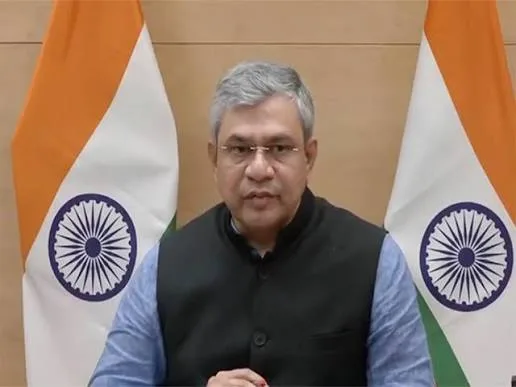
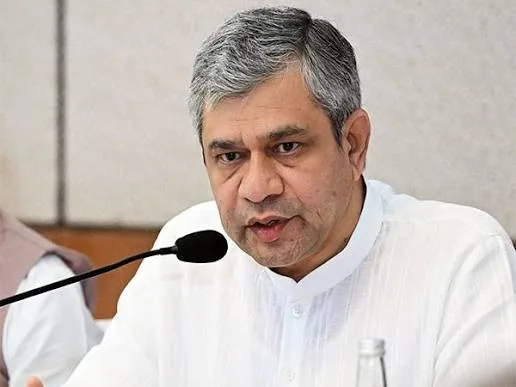
  • India’s semiconductor push faces sabotage risk, Union Minister Ashwini Vaishnaw warns

    India’s semiconductor push faces sabotage risk, Union Minister Ashwini Vaishnaw warns

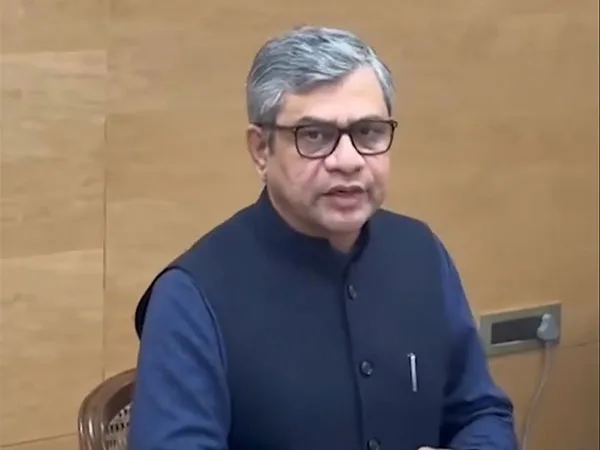
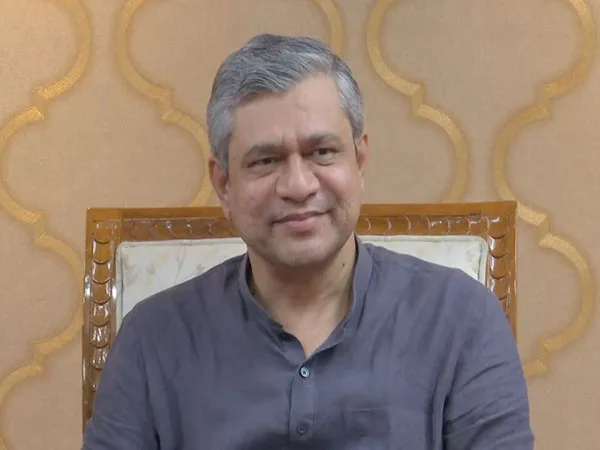
    Union Electronics and Information Technology Minister Ashwini Vaishnaw has warned that India’s growing semiconductor industry could face attempts at disruption as the country establishes itself as a new player in the global chip ecosystem. Speaking to NDTV, Vaishnaw said the industry should be prepared for cyberattacks, misinformation and physical disruptions, arguing that semiconductors have become a strategic sector.

    Union Electronics and Information Technology Minister Ashwini Vaishnaw has warned that India’s growing semiconductor industry could face attempts at disruption as the country establishes itself as a new player in the global chip ecosystem. (ANI)
    Union Electronics and Information Technology Minister Ashwini Vaishnaw has warned that India’s growing semiconductor industry could face attempts at disruption as the country establishes itself as a new player in the global chip ecosystem. (ANI)

    India semiconductor industry must prepare for disruption

    Union Electronics and Information Technology Minister Ashwini Vaishnaw referred to alleged incidents during the early phase of Apple’s manufacturing expansion in India to illustrate the kinds of challenges he believes the country could encounter as its manufacturing capabilities grow.

    He alleged that there had been attempts to disrupt operations through incidents including food poisoning, the cutting of electricity wires and misinformation. He also referred to a Reuters report about claims that married women were not being allowed to work at an Apple supplier, describing it as fake news.

    These claims were made by Vaishnaw during the interview and have not been independently established in the report.

    The minister said similar challenges could emerge as India expands its semiconductor capabilities and attracts greater international attention.

    Also Read | Man travels 1,200 km from Amritsar to Gaya; ChatGPT helps him find his family

    The minister said the government and industry would need to remain prepared because semiconductor manufacturing is strategically important for modern economies and technology supply chains. (ANI)
    The minister said the government and industry would need to remain prepared because semiconductor manufacturing is strategically important for modern economies and technology supply chains. (ANI)

    Cyberattacks and fake news among concerns

    Union Electronics and Information Technology Minister Ashwini Vaishnaw said the Indian semiconductor industry should be prepared for multiple forms of disruption rather than treating the challenge purely as a manufacturing issue.

    He warned that cyberattacks could target companies and infrastructure, while misinformation could be used to create uncertainty around the sector. He also raised the possibility of physical attacks and other disruptions.

    The minister said the government and industry would need to remain prepared because semiconductor manufacturing is strategically important for modern economies and technology supply chains.

    Semiconductors are used in a wide range of products, from smartphones and computers to automobiles, industrial equipment and defence systems. Their strategic importance has increased with the expansion of artificial intelligence and the global race to secure resilient chip supply chains.

    Also Read | Once visited by Christopher Nolan, Matt Damon, and Tom Holland, now facing regulatory action: The story of Olympia Cafe, Mumbai

    Vaishnaw’s warning came as SEMICON India 2026 concluded in New Delhi. (ANI)
    Vaishnaw’s warning came as SEMICON India 2026 concluded in New Delhi. (ANI)

    SEMICON India highlights growing semiconductor ambitions

    Union Electronics and Information Technology Minister Ashwini Vaishnaw’s warning came as SEMICON India 2026 concluded in New Delhi. The three-day event at Yashobhoomi brought together more than 600 exhibitors, including around 300 international companies, with representatives from 52 countries. The event also recorded 56 MoUs, announcements, and strategic initiatives across chip design, manufacturing, advanced packaging, equipment, materials, research, and talent development.

    The government has also outlined Semicon 2.0, which aims to expand India’s capabilities across the wider semiconductor value chain, including design, equipment, fabrication, advanced packaging, research and talent.

    For India, the next phase will therefore involve not only building semiconductor facilities but also protecting the ecosystem from technological, operational and geopolitical risks. Vaishnaw’s warning reflects the government’s stated view that preparedness will be key to establishing India as a semiconductor manufacturing and technology hub.

    FAQs

    Why did Ashwini Vaishnaw warn about sabotage attempts?

    Vaishnaw said India’s growing semiconductor capabilities could attract opposition and potential attempts at disruption.

    What threats did Vaishnaw identify?

    He cited possible cyberattacks, fake news, physical attacks and other forms of disruption.

    What is SEMICON India 2026?

    SEMICON India 2026 was a three-day semiconductor industry event in New Delhi featuring global companies, industry announcements and initiatives aimed at expanding India’s chip ecosystem.

  • Man travels 1,200 km from Amritsar to Gaya; ChatGPT helps him find his family

    Man travels 1,200 km from Amritsar to Gaya; ChatGPT helps him find his family

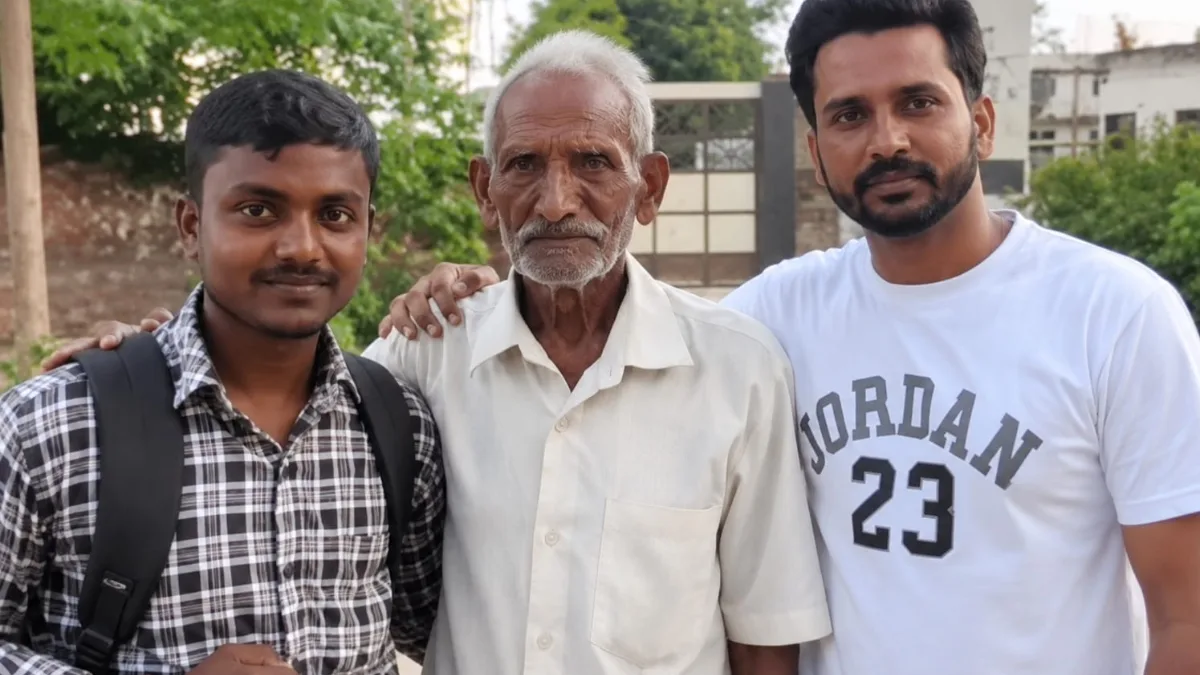
    A missing elderly man from Punjab travelled more than 1,200 kilometres away from home after losing his way during a pilgrimage, before a stranger in Gaya used ChatGPT and online searches to trace his family. Chaman Lal, from Fatehgarh Gujran village in Ludhiana district, had travelled to Amritsar on September 11 to visit the Golden Temple under the Punjab government’s Chief Minister Pilgrimage Scheme. After becoming separated from his group, he eventually boarded a train to Bihar and reached Gaya.

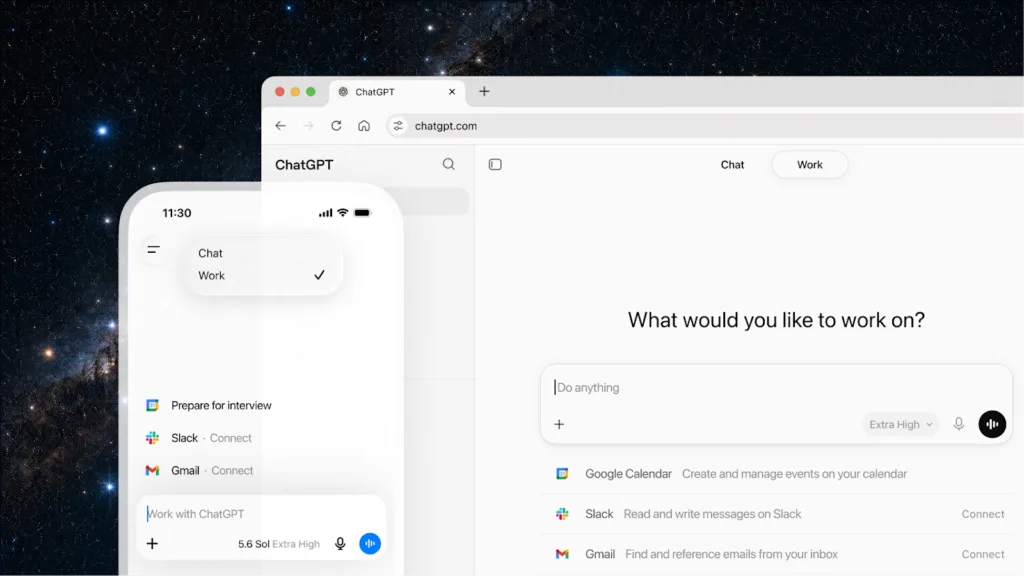
    A missing elderly man from Punjab travelled more than 1,200 kilometres away from home after losing his way during a pilgrimage, before a stranger in Gaya used ChatGPT and online searches to trace his family. (OpenAI)
    A missing elderly man from Punjab travelled more than 1,200 kilometres away from home after losing his way during a pilgrimage, before a stranger in Gaya used ChatGPT and online searches to trace his family. (OpenAI)

    Stranger finds missing man in Gaya

    Chaman Lal was found near a railway station in Gaya by Neeraj, a local construction worker. The elderly man appeared distressed and hungry and struggled to explain where he came from. His family said he has memory-related difficulties.

    The only useful information Chaman Lal could provide was the name of his village, Fatehgarh Gujran. Neeraj took him home, gave him food and shelter and allowed him to stay with his family while he tried to trace his relatives.

    Since Chaman Lal spoke only Punjabi, Neeraj used the village name as his starting point. He searched online and also turned to ChatGPT to identify the location of Fatehgarh Gujran.

    Also Read | Once visited by Christopher Nolan, Matt Damon, and Tom Holland, now facing regulatory action: The story of Olympia Cafe, Mumbai

    Since Chaman Lal spoke only Punjabi, Neeraj used the village name as his starting point. (OpenAI)
    Since Chaman Lal spoke only Punjabi, Neeraj used the village name as his starting point. (OpenAI)

    ChatGPT helps reunite family after a three-day search

    Neeraj’s search continued for three days before he identified a village called Fatehgarh Gujran near Machhiwara Sahib in Ludhiana district.

    Rather than sending Chaman Lal back alone, Neeraj decided to accompany him on the journey from Gaya to Punjab. After reaching the Machhiwara area, he began showing the elderly man’s photograph to residents in the hope that someone would recognise him.

    His efforts eventually paid off when a resident, Master Krishan Lal, identified Chaman Lal. The information quickly reached the family, and Chaman Lal’s grandson, Sukhchain Singh, travelled to Machhiwara to confirm his identity.

    The case shows how ChatGPT helps reunite family members when basic clues such as a village name can be combined with online information. However, it was Neeraj’s intervention, local searches and decision to personally accompany Chaman Lal that ultimately completed the journey home.

    Also Read | IIT Bombay student death: FIR filed after ChatGPT exam row

    Sukhchain Singh said the family had searched extensively for Chaman Lal after he went missing in Amritsar and had also informed the police. (OpenAI)
    Sukhchain Singh said the family had searched extensively for Chaman Lal after he went missing in Amritsar and had also informed the police. (OpenAI)

    Family had already searched for Chaman Lal

    Sukhchain Singh said the family had searched extensively for Chaman Lal after he went missing in Amritsar and had also informed the police. Relatives and villagers had circulated his photograph on social media in the hope that someone would recognise him.

    The family later welcomed Neeraj at their home with garlands and offered him money and clothes as a gesture of gratitude. Sukhchain Singh thanked him for protecting his grandfather and travelling with him all the way from Gaya to Punjab.

    Neeraj said he could not ignore an elderly man who appeared to be in distress. Once he learnt the name of Chaman Lal’s village, he felt responsible for finding his family.

    What began with a chance encounter at a railway station in Gaya ended with an elderly man returning home, helped by a stranger’s persistence and a simple combination of local knowledge, internet searches and AI.

    FAQs

    How did Chaman Lal reach Gaya from Punjab?

    Chaman Lal lost his way in Amritsar, reached a railway station and boarded a train that took him to Gaya in Bihar.

    How did ChatGPT help find Chaman Lal’s family?

    Neeraj used ChatGPT and online searches to trace the village name provided by Chaman Lal, helping identify his home in Ludhiana district.