Category: India

  • Election Commission’s 9 new decisions explained: What’s new and what isn’t

    Election Commission’s 9 new decisions explained: What’s new and what isn’t

    The Election Commission of India ECI has announced nine decisions aimed towards making electoral roll management and election administration more transparent and reliable. The announcements come days after reports revealed differences within the three-member Commission over decisions related to voter registration, deletion and restoration of names in electoral rolls.

    The Commission says these measures are designed to improve accountability and reduce confusion during voter list revisions. However, several existing procedures remain unchanged.

    Why did the Election Commission announce these decisions?

    The decisions follow scrutiny over the Commission’s functioning during the Special Intensive Revision (SIR) of electoral rolls. According to reports, two Election Commissioners had recorded objections multiple times over issues linked to voter verification and electoral roll management.

    The Commission has now introduced procedural changes while maintaining that its constitutional framework remains the same for maintaining transparency in the whole process.

    Electoral roll revision will become more transparent

    The ECI has decided that draft and final electoral rolls, along with reasons for additions, deletions and corrections, will be made available in a clearer and more accessible manner. This is meant to help voters understand why changes have been made to the rolls.

    Booth Level Officers will have stricter verification rules

    Booth Level Officers (BLOs) will follow a more structured verification process while checking voter details. The Commission says this is intended to ensure greater uniformity across states during voter verification exercises.

    Digital records of voter changes will be strengthened

    Every addition, substraction or any type of correction in the electoral roll will have a stronger digital trail. The move is aimed towards improving record and making future audits easier.

    Appeals process gets more clarity

    The Commission has clarified how voters can appeal if their names are deleted or restored. The process remains available under existing legal provisions. The electoral Commission has also said that the documentation and timelines will be communicated more clearly.

    Electoral Registration Officers get clearer responsibilities

    Further the Electoral Commision has also declared that the Electoral Registration Officers (EROs) will have defined responsibilities for handling claims, objections and corrections during electoral roll revisionsas a result which will help reducing ambiguity in decision-making.

    Better communication with political parties

    The ECI says recognised political parties will receive more regular information during electoral roll revision exercises so that they can raise objections or provide feedback within the prescribed timelines.

    Technology systems will have additional oversight

    The Commission plans for greater oversight of the digital systems used for maintaining the electoral rolls, with more improved monitoring of changes made through the software.

    Training for election officials will be expanded

    Officials who will be responsible for the voter registration and electoral roll revision will receive improvised training to ensure consistent implementation of rules across the country.

    Also Read | Mamata Banerjee sharpens attack on SIR, backs key Opposition moves

    Public disclosure of procedures will improve

    The ECI has said, it will publish clearer standard operating procedures and explanatory material so the voters could understand the electoral roll revision process.

    What has not changed?

    Despite the nine announcements, several key aspects remain unchanged:

    The constitutional powers of the Election Commission remain the same.

    The legal process for voter registration, subtrraction, addition and correction continues under the Representation of the People Act andover the existing election rules.

    Electoral roll revisions will still be carried out by Electoral Registration Officers. The Booth Level Officers will be responsible for conducting field verification.

    Why these decisions matter

    The announcements come at a time when the Election Commission is facing questions over the handling of electoral roll revisions in recent months. The Commission says the new measures are designed to increase transparency, improve record-keeping and make the voter verification process easier to understand for both common people and political parties as well.

    Also Read | Mobile retailers plan ‘No UPI Day’ on October 2; raise concern over UPI MDR
  • Mobile retailers plan ‘No UPI Day’ on October 2; raise concern over UPI MDR
    Mobile retailers plan ‘No UPI Day’ on October 2; raise concern over UPI MDR
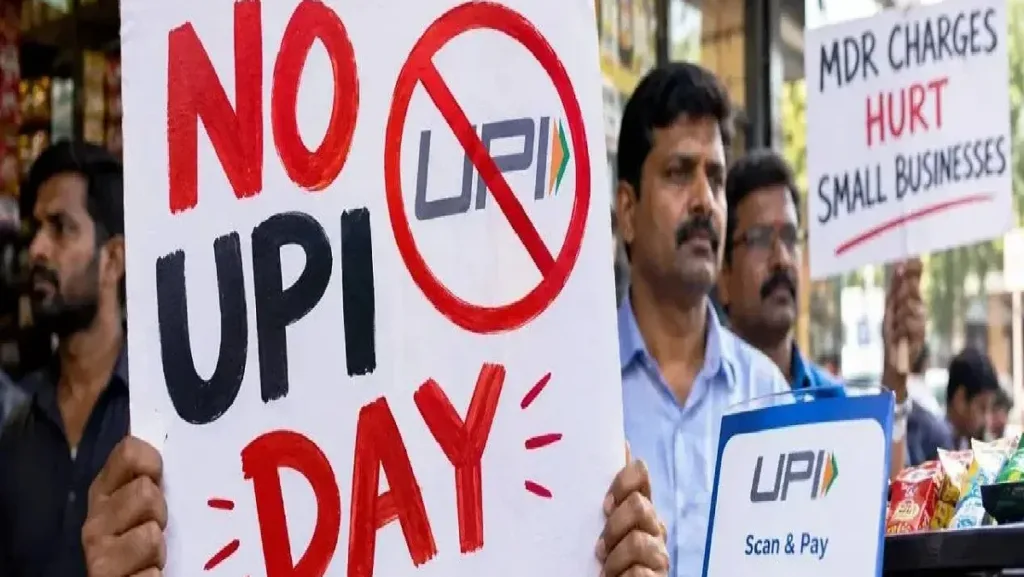
    Mobile phone retailers across India are set to observe October 2 as “No UPI Day” to protest the proposed 0.4 per cent Merchant Discount Rate (MDR) on eligible UPI merchant transactions. The campaign has been called by the All India Mobile Retailers Association (AIMRA), which says the additional cost could put pressure on small retailers.

    The 0.4 per cent MDR on person-to-merchant UPI payments above ₹2,000 is scheduled to take effect from October 15, 2026. Person-to-person payments and eligible transactions up to ₹2,000 will remain outside the charge.

    What Is ‘No UPI Day’ on October 2?

    AIMRA Vice President and Delhi NCR President Tarvinder Singh said the association has called for the nationwide observance to draw attention to retailers’ concerns over the proposed UPI MDR.

    “The All India Mobile Retailers Association (AIMRA) has called for a ‘NO UPI DAY’ on October 2, 2026, to highlight the concerns of mobile retailers regarding the 0.4 per cent Merchant Discount Rate (MDR) applicable to eligible merchant UPI transactions,” AIMRA Vice President and President for Delhi NCR region, Tarvinder Singh, said in a statement.

    As part of the campaign, participating retailers plan to cover their UPI QR codes with black cloth and stop accepting UPI payments for the day. October 2 also marks Gandhi Jayanti.

    The protest comes as several trade bodies have announced plans to participate in the “No UPI Day” campaign against the new MDR framework.

    Mobile Retailers Raise Concerns Over UPI MDR

    According to AIMRA’s representation to Finance Minister Nirmala Sitharaman, the proposed MDR could affect the earnings of small mobile retailers that rely heavily on digital payments.

    Also Read | CJP demands CEC Gyanesh Kumar’s resignation, announces nationwide protest from Oct 2

    The association estimates that a retailer processing between ₹5 lakh and ₹30 lakh in monthly UPI transactions could face a monthly loss of ₹2,000 to ₹12,000. AIMRA has argued that this could reduce a significant portion of the net income of smaller businesses.

    The retailers’ body has also estimated the overall financial impact at around ₹40 crore every month, or nearly ₹500 crore annually, for small mobile retailers across India.

    Retailers hold a placard of "No UPI Day" to protest the proposed 0.4 per cent MDR on eligible UPI merchant transactions
    Retailers hold a placard of “No UPI Day” to protest the proposed 0.4 per cent MDR on eligible UPI merchant transactions. Credit: X/ANI

    AIMRA Demands Zero MDR for UPI

    AIMRA has stressed that its campaign is not against UPI or digital payments. Instead, the association wants merchant UPI payments to continue under a zero-MDR system.

    “If We Want Digital India, UPI Must Remain Zero MDR. This is not a protest against UPI or Digital India. Our concern is the additional financial burden being placed on merchants who accept digital payments. If we want Digital India to grow further, digital payments should remain affordable for the entire retail ecosystem. Our clear demand is that UPI merchant payments should continue under a Zero MDR structure,” Singh said.

    Also Read | Prashant Kishor’s Jan Suraaj eyes Delhi after Bankipur bypoll win

    Under the new framework, the 0.4 per cent MDR will apply to specified merchant transactions above ₹2,000, with the charge capped at ₹300 for transactions of ₹75,000 or more.

    The October 2 campaign is therefore expected to put the concerns of mobile retailers over UPI MDR at the centre of attention ahead of the October 15 implementation date.

  • Delhi PWD begins 4-step survey for Press Enclave Marg link road

    Delhi PWD begins 4-step survey for Press Enclave Marg link road

    The long-pending Press Enclave Marg link road project has moved another step forward, with the Delhi Public Works Department (PWD) beginning a detailed physical survey of the proposed alignment in Sheikh Sarai. The proposed road is intended to provide an additional route between Press Enclave Marg and the Outer Ring Road and reduce pressure on one of South Delhi’s heavily congested corridors.

    The survey is being carried out using GPS-enabled total station equipment, which combines conventional optical surveying with satellite-based mapping. Officials said the exercise will provide the technical information required before the Press Enclave Marg link road can move towards construction.

    The survey will cover approximately 100,000 square metres and map existing roads, structures, drainage and sewerage networks, water pipelines, electrical and telephone lines, road levels, roundabouts, trees and other permanent and temporary features.

    The long-pending Press Enclave Marg link road project has moved another step forward, with the Delhi Public Works Department (PWD) beginning a detailed physical survey of the proposed alignment in Sheikh Sarai. (ANI)
    The long-pending Press Enclave Marg link road project has moved another step forward, with the Delhi Public Works Department (PWD) beginning a detailed physical survey of the proposed alignment in Sheikh Sarai. (ANI)

    Press Enclave Marg link road gets detailed ground survey

    The current survey is expected to establish the precise physical conditions along the proposed alignment. Officials will also examine properties belonging to the Delhi Metro and railways and record detailed coordinates and levels that can be used while preparing the road’s design.

    The Press Enclave Marg link road is not a new proposal. The project was approved in principle by the governing body of the Unified Traffic and Transportation Infrastructure Planning and Engineering Centre (UTTIPEC) in November 2008. In 2012, UTTIPEC directed that the project be implemented and that encroachments on land required for the road be removed and handed over to the concerned road-owning agencies.

    However, the project subsequently faced delays. In 2024, the Delhi government informed the Delhi High Court that a modified proposal had been approved in principle. The Delhi Integrated Multi-Modal Transit System (DIMTS) had indicated that the work could be taken up alongside the proposed Ambedkar Nagar-Moolchand bus rapid transit corridor, but the project remained stalled.

    The latest survey is therefore significant because it will help officials establish the present ground conditions before finalising the alignment and other technical details.

    Also Read | Prashant Kishor’s Jan Suraaj eyes Delhi after Bankipur bypoll win

    The need for the Press Enclave Marg link road is linked to persistent congestion on the existing corridor. (ANI)
    The need for the Press Enclave Marg link road is linked to persistent congestion on the existing corridor. (ANI)

    Press Enclave Marg link road targets major congestion points

    The need for the Press Enclave Marg link road is linked to persistent congestion on the existing corridor. Press Enclave Marg is around 3.7 kilometres long and connects Sri Aurobindo Marg with Lal Bahadur Shastri Marg. The two-lane stretch passes several major commercial and public establishments, including shopping malls, hospitals and the Saket district court area.

    A PWD traffic survey conducted in 2025 recorded peak-hour traffic of approximately 9,000 passenger car units (PCUs) during the morning and around 10,000 PCUs in the evening.

    According to PWD, unauthorised parking, encroachments, narrow sections of the carriageway and congestion at junctions are among the factors affecting traffic movement on the corridor. The department had also considered changes around the Mandir Marg intersection in 2024, including shifting the central verge and making the stretch signal-free, but the proposal did not progress.

    The Press Enclave Marg link road is expected to offer an alternative route for vehicles and could reduce dependence on the existing congested stretch. However, its eventual impact will depend on the final alignment, road design and how effectively traffic is distributed between the existing and proposed routes.

    Also Read | Cyclone Arnab explained: Why it’s actually a deep depression

    While the survey marks progress for the Press Enclave Marg link road, officials have not yet announced a construction schedule. (ANI)
    While the survey marks progress for the Press Enclave Marg link road, officials have not yet announced a construction schedule. (ANI)

    Press Enclave Marg link road timeline remains unclear

    While the survey marks progress for the Press Enclave Marg link road, officials have not yet announced a construction schedule. The final alignment, total length, estimated construction cost and completion timeline will be determined after the ongoing survey is completed.

    The technical exercise will also help identify potential constraints arising from existing infrastructure and properties along the proposed route. Mapping drainage, sewerage, utility lines, trees, roads and other structures at this stage is intended to help planners account for these features before construction begins.

    The project’s long history also underlines the challenges involved in developing a new road connection in a densely built-up part of south Delhi. Although the link was approved in principle years ago, subsequent changes to the proposal and coordination with other transport projects contributed to delays.

    The Press Enclave Marg link road is now being examined against the current traffic and infrastructure conditions of the area. Once the survey is completed, PWD will be in a position to determine the project’s detailed technical requirements and prepare the next stage of planning.

  • Prashant Kishor’s Jan Suraaj eyes Delhi after Bankipur bypoll win

    Prashant Kishor’s Jan Suraaj eyes Delhi after Bankipur bypoll win

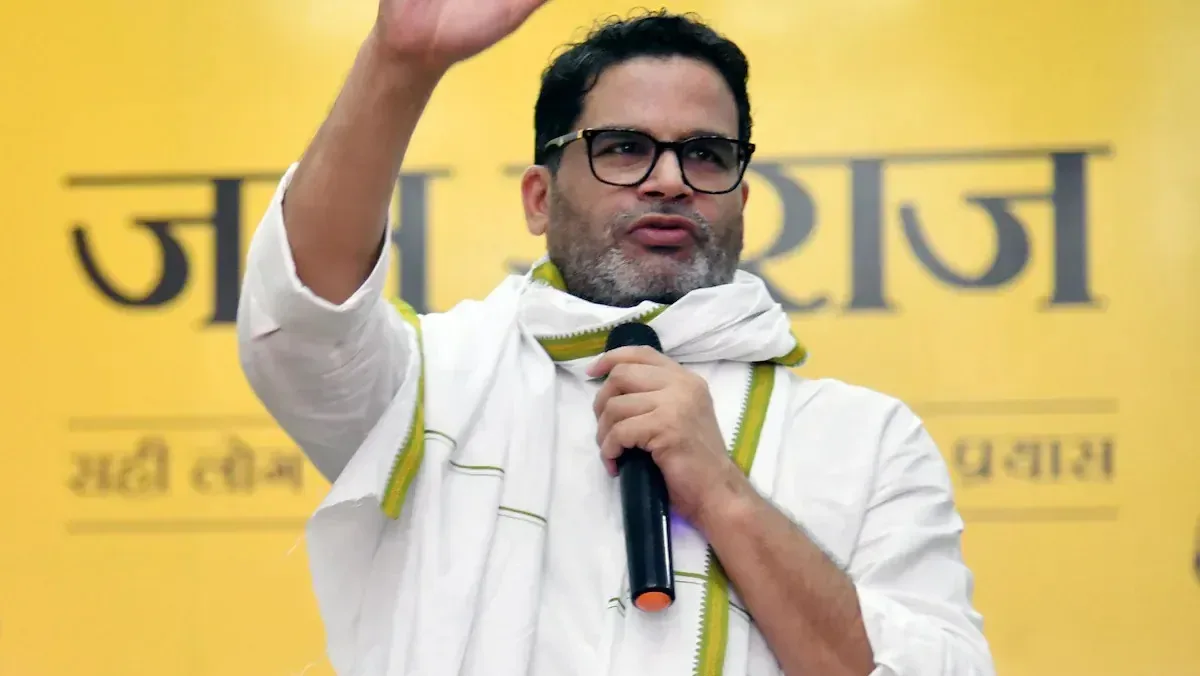
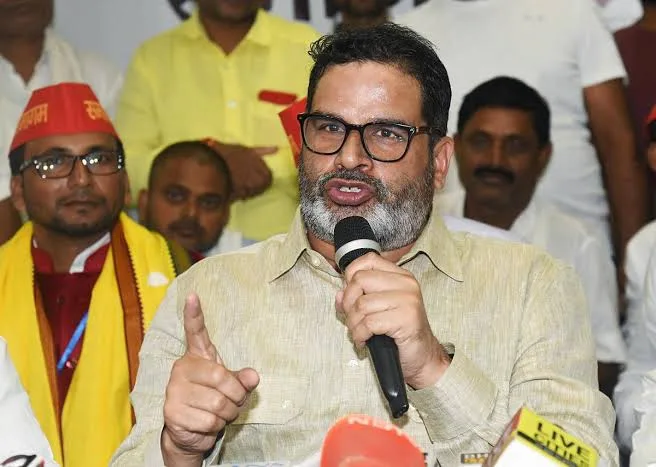
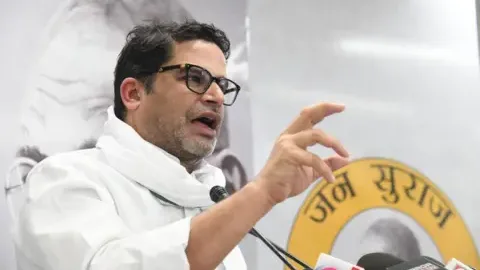
    Kishor-led Jan Suraaj Party may venture out of Bihar and take its politics beyond the state. Some supporters of the party based in the national capital are lobbying for the party to create a unit in Delhi.

    The matter is expected to come up in talks with Kishor at an event on Sunday, wherein he will receive felicitations for winning the Bankipur by-poll.

    After Bankipur victory, Jan Suraaj supporters push for Delhi entry.
    After Bankipur victory, Jan Suraaj supporters push for Delhi entry. (ANI)

    Jan Suraaj seeks Delhi entry

    “People connected with Jan Suraaj in Delhi want the party to have a presence here, but tomorrow’s event is all about felicitating Kishor for his victory in Bankipur,” said Kumar Shantanu, member of the Jan Suraaj core committee and a professor at Delhi University, as quoted by PTI.

    Also Read | Cyclone Arnab explained: Why it’s actually a deep depression

    According to him, it will be decided later whether the party should contest elections in Delhi or not, depending on the chances of the party in the city. Creation of a Delhi unit would be the first major expansion of the Jan Suraaj party outside Bihar.

    What is the Bankipur link?

    The talk of an expansion move to Delhi follows Kishor’s election victory in Bihar. In the Bankipur bypoll conducted in August, Kishor got elected for the first time as a candidate and helped his Jan Suraaj get its first seat in the Bihar Assembly.

    Kishor beat BJP’s Neeraj Kumar by 19,324 votes in the Patna constituency. He got 64,151 votes compared to Kumar’s 44,827 votes, the report said.

    This happened after Jan Suraaj’s first serious electoral test in the upcoming 2025 Bihar Assembly elections. The party fought for 238 seats but failed to win any, although Kishor did not contest that particular election.

    Jan Suraaj’s possible Delhi cell

    Thus far, all the political campaigns carried out by Jan Suraaj have taken place in Bihar, where the movement was built up by Kishor on the basis of problems like education, employment, and governance.

    However, a new Delhi cell would mean a new political scenario for the party, since there has been no announcement that it would contest the elections in Delhi.

    Also Read | CEC vs 2 Election Commissioners: What happens when ECI members disagree?

    The event planned for Sunday has been organised by Biharis settled in Delhi under Jan Suraaj. According to Shantanu, there will not be any representatives of other political parties at this closed-door meeting, but those who want to join Jan Suraaj are welcome.

    It is up to Kishor and Jan Suraaj’s leadership to make the final decision about opening a Delhi cell.

    Prashant Kishor's Jan Suraaj weighs Delhi expansion after Bankipur win.
    Prashant Kishor’s Jan Suraaj weighs Delhi expansion after Bankipur win. (ANI)

    For the time being, the issue of expanding into Delhi remains in the hands of Prashant Kishor and the party leadership.

    The supporters in the city are demanding a proper organizational structure from the party, while taking any decision for contesting elections in Delhi will come after an assessment of its potential in the region.

  • Cyclone Arnab explained: Why it’s actually a deep depression

    Cyclone Arnab explained: Why it’s actually a deep depression

    The term ‘Cyclone Arnab’ has been widely used on social media and in reports about the latest weather system over the Bay of Bengal. But according to the India Meteorological Department (IMD), there is no officially classified cyclone by that name.

    The system that made landfall over Andhra Pradesh late on Wednesday night has been classified by the IMD as a deep depression, bringing heavy rain and strong winds to parts of Andhra Pradesh and Odisha.

    Also Read | India needs to retain 3 key talent groups to build a stronger AI ecosystem

    The confusion largely stems from the fact that ‘Arnab’ is an assigned name on the regional list of names for tropical cyclones. The name can be used when a system meets the criteria for a cyclone, but its appearance on the list does not itself mean that every weather system associated with the name has reached cyclone intensity.

    Why is ‘Cyclone Arnab’ not officially a cyclone?

    According to the IMD, the distinction between a depression, deep depression and cyclone is primarily based on the system’s maximum sustained surface wind speed.

    The IMD classifies a depression when maximum sustained surface winds are between 31 and 50 kmph. A deep depression has winds between 52 and 61 kmph, or 28 to 33 knots.

    Fishermen sail the boat amid high tidal waves hitting the coast under the influence of Cyclone Arnab, in Puri on Thursday. (ANI Video Grab)
    Strong winds and high tides triggered by Cyclone Arnab, in Puri on Thursday. (ANI Video Grab)

    For a system to be classified as a cyclonic storm, sustained surface winds need to cross the 63 kmph threshold.

    The weather system over the Bay of Bengal was therefore classified as a deep depression rather than a cyclone.

    So, where did the name Arnab come from?

    The name Arnab is part of a predetermined list maintained under the World Meteorological Organization (WMO) and United Nations Economic and Social Commission for Asia and the Pacific (UN-ESCAP) panel.

    The regional naming system involves 13 countries including Bangladesh, India, the Maldives, Myanmar, Oman, Pakistan, Sri Lanka, Thailand, Iran, Qatar, Saudi Arabia, the United Arab Emirates and Yemen.

    ‘Cyclone Arnab’ is actually a deep depression, according to the IMD. Here’s why the name is circulating.
    ‘Cyclone Arnab’ is actually a deep depression, according to the IMD. Here’s why the name is circulating / ANI

    Each country contributes 13 names, creating a list of 169 names for tropical storms.

    The names are used sequentially when qualifying cyclonic systems develop. Arnab, which means “ocean” in Bengali, was among the names in the queue. Its presence on the list does not mean the current deep depression has officially been named Cyclone Arnab.

    What impact has the deep depression had?

    Although the system is not classified as a cyclone, it has brought significant rainfall to parts of eastern India.

    Odisha has witnessed heavy rain, with authorities preparing for possible flooding and waterlogging. Schools and Anganwadi centres were shut in several districts, including Khurda, Jagatsinghpur, Ganjam, Gajapati and Malkangiri.

    A view of Chilika Lake as high tidal waves hit the coast under the influence of Cyclone Arnab, in Puri on Thursday. (ANI Video Grab)
    A view of Chilika Lake as high tidal waves hit the coast under the influence of Cyclone Arnab, in Puri on Thursday. (ANI Video Grab)

    The state government placed collectors of 11 districts on high alert and kept cyclone and flood shelters ready.

    Also Read | CJP demands CEC Gyanesh Kumar’s resignation, announces nationwide protest from Oct 2

    Andhra Pradesh has also experienced intense rainfall. According to the Andhra Pradesh State Disaster Management Authority (APSDMA), heavy showers were recorded across multiple districts between 8.30 am on Wednesday and 7 am on Thursday, with more than 80 locations recording over 100 mm of rain.

    What is the difference between a depression and a cyclone?

    A depression is a low-pressure weather system accompanied by thunderstorms and organised circulation. As wind speeds increase, the system can strengthen into a deep depression and eventually into a cyclonic storm if it crosses the required threshold.

    In the current case, the IMD’s classification remains deep depression, despite the widespread use of the term ‘Cyclone Arnab’ online.

  • CEC vs 2 Election Commissioners: What happens when ECI members disagree?

    CEC vs 2 Election Commissioners: What happens when ECI members disagree?

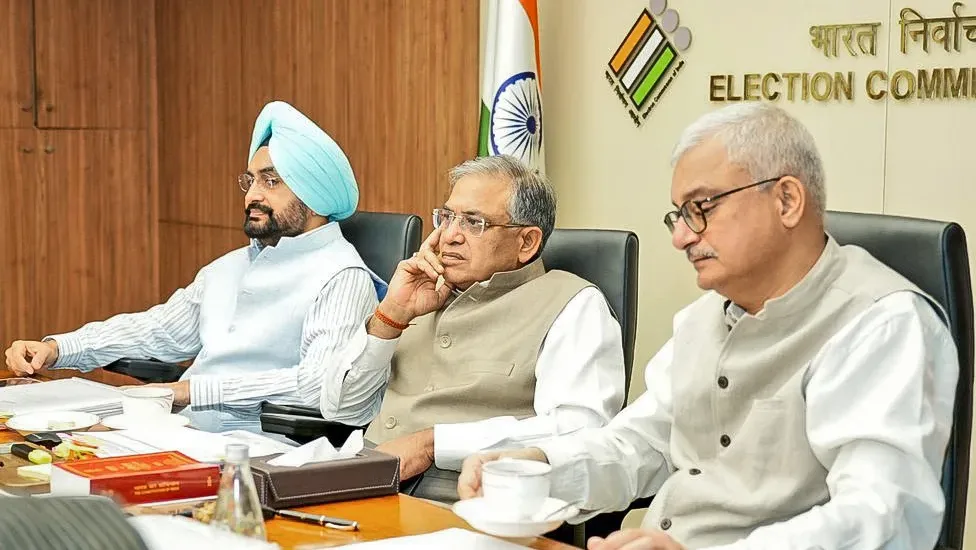
    The Election Commission of India (ECI) is again facing questions over how decisions are taken when its three members do not agree. The issue has come into focus after Election Commissioners Sukhbir Singh Sandhu and Vivek Joshi reportedly recorded formal objections at least 14 times in 10 months over decisions linked to the Special Intensive Revision (SIR) of electoral rolls.

    The ECI later said the objections were “part of decision-making process”.

    But what happens when the Chief Election Commissioner (CEC) and the two Election Commissioners disagree? The answer lies in the Constitution and laws governing the poll panel.

    What does Article 324 say?

    Article 324(1) gives the Election Commission “the superintendence, direction and control of the preparation of the electoral rolls for, and the conduct of, all elections” to Parliament, state legislatures, and the offices of President and Vice-President.

    Also Read | What is ERONET? The ECI software at the centre of the SIR row

    The Supreme Court, in the 1977 Mohinder Singh Gill case, held that the ECI has broad powers under Article 324 and can act where there is no specific parliamentary law, provided its action does not conflict with existing legislation.

    ECI
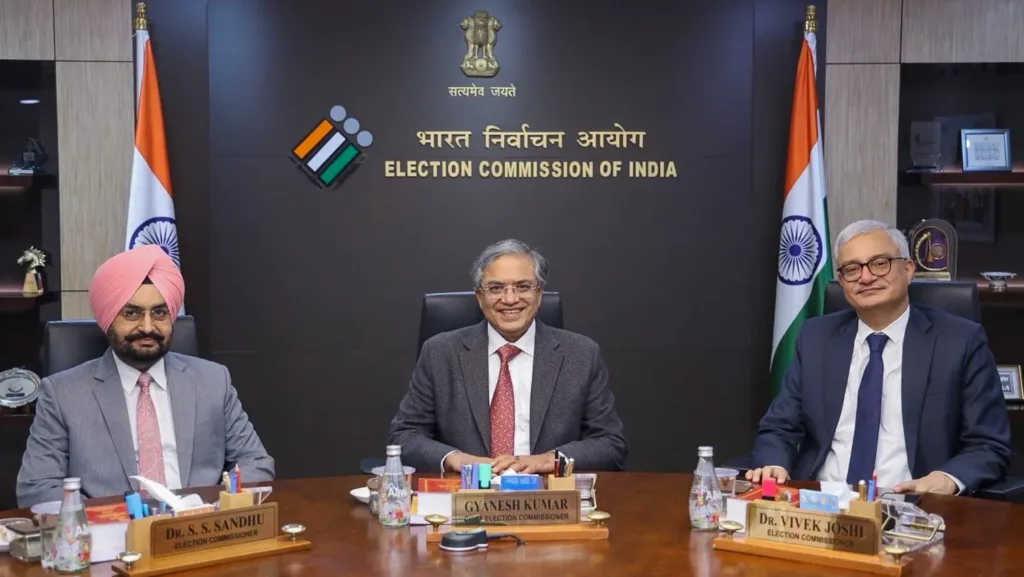
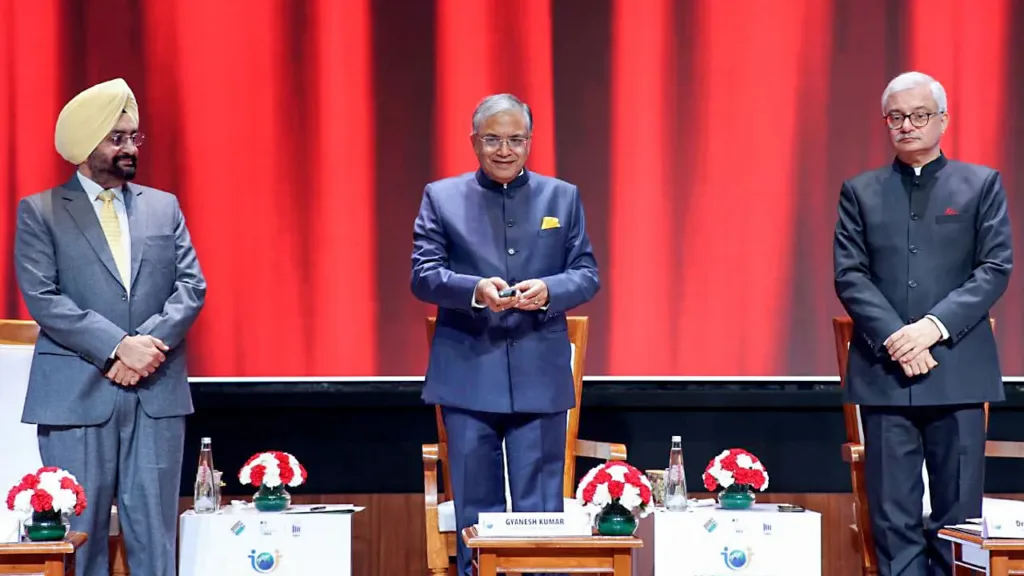
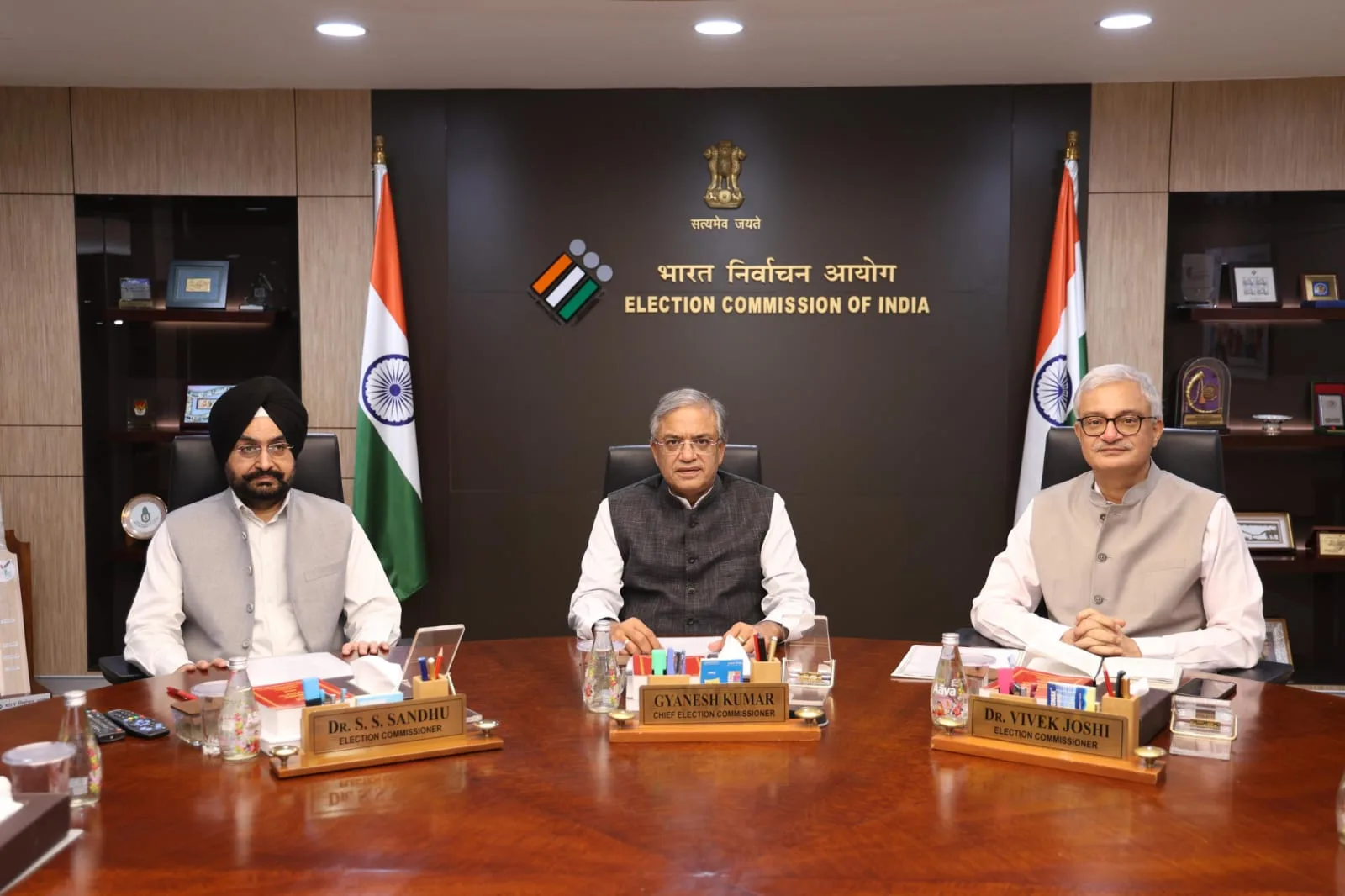
    New Delhi, Apr 08 (ANI): Chief Election Commissioner Gyanesh Kumar, along with Election Commissioners Vivek Joshi and Sukhbir Singh Sandhu | ANI

    Article 324(2) allows the President to decide how many Election Commissioners the ECI will have. The commission functioned with only a CEC from 1950 to 1989. It has had one CEC and two Election Commissioners since October 1993.

    Does the CEC have a veto?

    No. The Supreme Court settled this question in the 1995 TN Seshan v Union of India case.

    The court held that once additional Election Commissioners are appointed, the ECI operates as a multi-member body. The CEC does not have primacy or a veto over the other commissioners.

    Under the decision-making framework, the commission seeks unanimity where possible. If its members disagree, the matter is decided by majority.

    Also Read | ECI dissent report sparks Opposition attack as poll panel rejects formal dissent claim

    The 2023 Chief Election Commissioner and Other Election Commissioners Act repealed the earlier 1991 law but retained this majority-based system.

    How are the commissioners appointed?

    The appointment system changed after the Supreme Court’s 2023 Anoop Baranwal judgment. The court had directed a selection panel comprising the Prime Minister, Leader of the Opposition and Chief Justice of India until Parliament enacted a law.

    Chief Election Commissioner Gyanesh Kumar and Election Commissioners Sukhbir Singh Sandhu and Vivek Joshi
    SIR objections bring Election Commission’s decision-making process into focus | ANI

    Parliament subsequently passed the 2023 Act. Its selection committee comprises the Prime Minister, the Lok Sabha Leader of the Opposition and a Union Cabinet minister nominated by the Prime Minister.

    Can Election Commissioners be removed?

    The CEC has protection similar to that of a Supreme Court judge and can be removed only through the prescribed parliamentary process.

    Election Commissioners have a different safeguard. Under Article 324(5), they can be removed only on the recommendation of the CEC.

  • CJP demands CEC Gyanesh Kumar’s resignation, announces nationwide protest from Oct 2

    CJP demands CEC Gyanesh Kumar’s resignation, announces nationwide protest from Oct 2

    The Cockroach Janta Party (CJP) has stepped up its criticism of the Election Commission of India amid a controversy over reported differences within the poll panel. The party has demanded the resignation of Chief Election Commissioner Gyanesh Kumar and announced plans for nationwide protests if he does not step down.

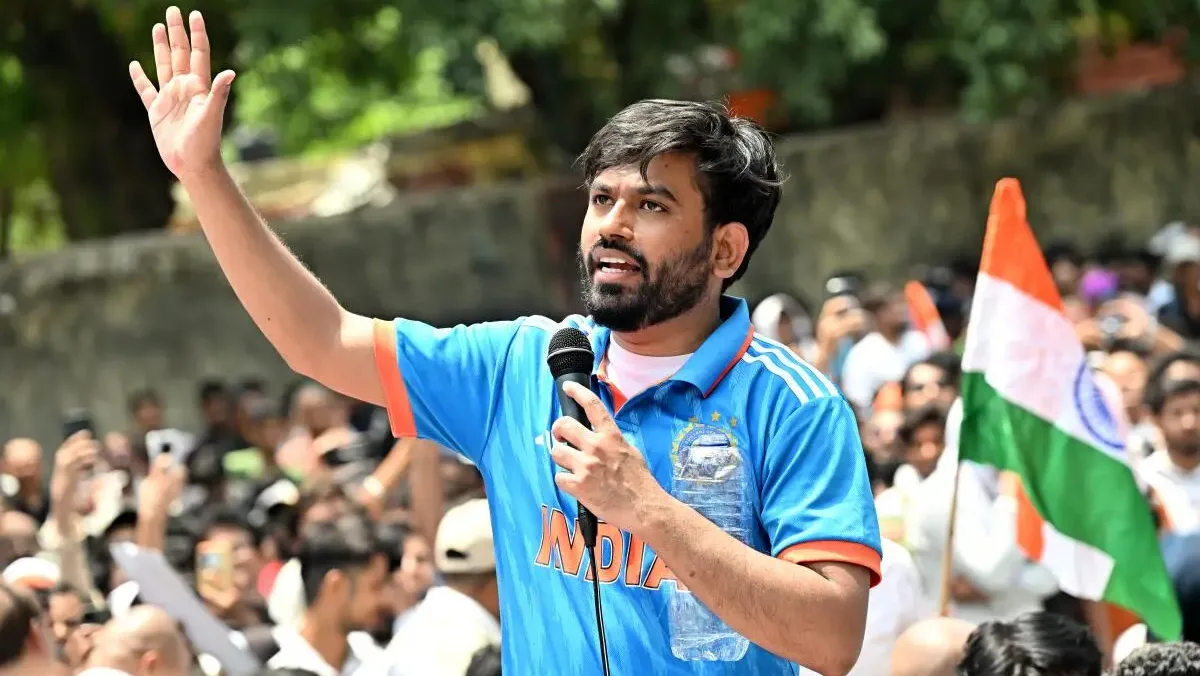
    CJP founder Abhijeet Dipke, along with spokespersons Saurav Das and Ashutosh Ranka, outlined the party’s demands at a press conference. The development came after a report by The Indian Express detailed objections reportedly raised by Election Commissioners Sukhbir Singh Sandhu and Vivek Joshi over several decisions concerning electoral rolls and the Special Intensive Revision (SIR).

    The Election Commission, however, has rejected the suggestion of an internal breakdown and said that all decisions, including those related to SIR, had the approval of all three commissioners.

    What are CJP’s three demands?

    The CJP listed three key demands during its press conference.

    First, the party called for Gyanesh Kumar to resign and demanded criminal proceedings against him.

    Second, it sought an immediate halt to the Special Intensive Revision (SIR) and called for the restoration of the January 2025 voter list.

    Third, the party demanded that the 2023 law governing the appointment and functioning of the Election Commission be repealed, along with reforms to the poll panel.

    Also Read | ECI dissent report sparks Opposition attack as poll panel rejects formal dissent claim

    Dipke also issued a 48-hour ultimatum to the Chief Election Commissioner and warned of a protest that he referred to as “Jantar Mantar 2.0” if Kumar failed to resign within the deadline.

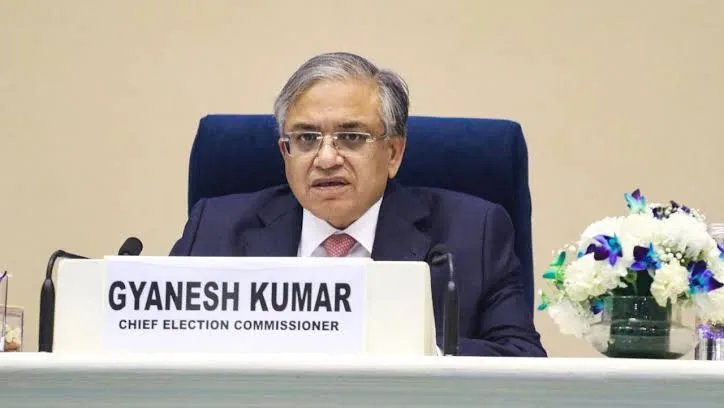
    Chief Election Comissioner Gyanesh Kumar
    Chief Election Comissioner Gyanesh Kumar. Credit: X/ANI

    Why is the Election Commission facing scrutiny?

    The controversy follows an Indian Express report that said Sandhu and Joshi had formally objected to several decisions taken within the Election Commission over the past 10 months.

    According to the report, the objections covered issues including voter registration, deletion of names from electoral rolls, access to voter databases and aspects of the SIR exercise. The two commissioners reportedly raised objections on 14 occasions.

    One point of contention involved Form 6, which is used by Indian citizens to apply for inclusion in the electoral roll for the first time. The report said changes were made to the form in connection with SIR, despite concerns raised by the commissioners.

    The reported disagreements have also brought renewed attention to the way electoral databases are managed and the role of statutory election officials in maintaining voter lists.

    CJP alleges voting rights are under threat

    Speaking about the controversy, Dipke said: “We are in a difficult phase; the right to vote is being snatched… If you know elections are being rigged you cannot participate. You will have to take a stand.”

    He also alleged that CEC Kumar was the “biggest threat to Indian democracy” and accused the Election Commission of deciding who would be allowed to vote.

    Also Read | What is ERONET? The ECI software at the centre of the SIR row

    These are allegations made by the CJP and are not established findings. The Election Commission has maintained that its decisions, including the SIR exercise, were unanimous and approved by all three commissioners.

    CJP announces nationwide protest from October 2

    On Friday, Dipke announced that the CJP would begin nationwide protests from October 2, Gandhi Jayanti, if Kumar did not resign. The agitation is set to begin in Mumbai before spreading to other cities, according to the party.

    “This Gandhi Jayanti let’s pledge to save democracy,” Dipke said.

    CJP co-convener Ashutosh Ranka added: “There cannot be a better date than Oct 2 to reclaim our Republic.”

    Dipke also questioned why Opposition parties continue to contest elections while alleging irregularities in the electoral process.

    In an earlier statement, he said: “When you continue to participate in rigged elections, you legitimise these elections and help maintain the illusion that they are free and fair.”

    The CJP’s announcement adds another layer to the ongoing debate surrounding the Election Commission, SIR and the management of electoral rolls, with the poll panel’s response and the reported objections from two commissioners remaining central to the controversy.

  • India needs to retain 3 key talent groups to build a stronger AI ecosystem

    India needs to retain 3 key talent groups to build a stronger AI ecosystem

    India’s ambitions of becoming a major artificial intelligence hub could depend not only on creating a large pool of skilled professionals but also on keeping its most experienced technology talent within the country. Salesforce chief digital evangelist Vala Afshar has highlighted talent retention as an important challenge as companies worldwide compete for engineers, researchers and entrepreneurs with expertise in AI.

    Speaking to The Economic Times on the sidelines of Salesforce’s Dreamforce event in San Francisco, Afshar said global technology centres have long competed for highly skilled professionals. The growing investment in artificial intelligence is now intensifying that competition, making India’s AI talent an increasingly important factor in the country’s technology ambitions.

    India already has a large technology workforce and a substantial startup ecosystem. But as AI becomes a bigger part of global business, retaining people capable of developing and scaling advanced technology businesses could become as important as training new workers.

    India's ambitions of becoming a major artificial intelligence hub could depend not only on creating a large pool of skilled professionals but also on keeping its most experienced technology talent within the country. (ANI)
    India’s ambitions of becoming a major artificial intelligence hub could depend not only on creating a large pool of skilled professionals but also on keeping its most experienced technology talent within the country. (ANI)

    India’s AI talent faces growing global competition

    The movement of Indian technology professionals to overseas markets is not new. What has changed, according to Afshar, is the way Indian software companies and startups are building their businesses.

    In the past, Indian founders would often keep most of their teams in India while sending a founder or senior executive to the US to manage sales and business development. That model allowed companies to retain much of their workforce in India while establishing a presence in an important global market.

    Afshar said an increasing number of founders are now choosing to establish themselves in the US much earlier and build teams closer to international customers and investors.

    For India’s AI talent, this shift could have significant implications. As startups become increasingly global from their early stages, highly skilled engineers and researchers may have more opportunities to work directly from overseas technology centres.

    The competition is particularly relevant in areas such as generative AI, AI agents, data infrastructure and automation, where companies are seeking professionals with specialised technical and research skills.

    Also Read | Delhi High Court says POCSO cases cannot be settled by family

    As startups become increasingly global from their early stages, highly skilled engineers and researchers may have more opportunities to work directly from overseas technology centres. (ANI)
    As startups become increasingly global from their early stages, highly skilled engineers and researchers may have more opportunities to work directly from overseas technology centres. (ANI)

    AI skills expansion creates a larger talent pool

    India’s existing technology workforce provides a substantial foundation for expanding its AI capabilities. The country also has a growing startup ecosystem that could support the development of AI products and services for both domestic and international markets.

    However, increasing the number of trained professionals is only one part of the challenge. For India to develop a deeper domestic AI ecosystem, AI talent will also need opportunities to work on ambitious products, build companies, and participate in research.

    Salesforce has been expanding its own focus on AI skills in India. In June, the company said it aimed to equip one million learners in the country with AI skills by 2030 through partnerships involving universities, government bodies and industry.

    Such programmes reflect the growing emphasis on developing AI capabilities beyond a relatively small group of highly specialised professionals.

    Expanding AI skills could also increase the number of workers across sectors capable of adopting the technology. As businesses integrate AI into their operations, demand is expected to extend beyond traditional technology roles.

    Also Read | Amazon joins India’s quick-commerce race with a $3 billion war chest

    Alongside its technology workforce, India is also emerging as a significant market for AI adoption. (ANI)
    Alongside its technology workforce, India is also emerging as a significant market for AI adoption. (ANI)

    India emerges as an important AI adoption market

    Alongside its technology workforce, India is also emerging as a significant market for AI adoption.

    A Salesforce survey released in July found that Indian workers were 45 per cent more likely than the global average to say AI formed part of their core workflow. The finding points to the growing integration of artificial intelligence into everyday professional tasks in India.

    The development of a strong domestic market could create additional opportunities for companies and professionals working in AI. Startups can build products for Indian users while also using the country as a base for global expansion.

    For India’s AI talent, however, the broader question remains whether the country’s growing opportunities will be sufficient to compete with international technology hubs for highly experienced professionals.

    The challenge is therefore twofold. India needs to continue developing new AI skills while creating an environment in which experienced engineers, researchers and founders have strong reasons to build their careers and companies domestically.

    As global investment in artificial intelligence continues to expand, the ability to develop and retain specialised talent could become an increasingly important part of India’s technology story.

  • Delhi High Court says POCSO cases cannot be settled by family

    Delhi High Court says POCSO cases cannot be settled by family

    The Delhi High Court has made it clear that criminal proceedings involving sexual offences against children cannot be brought to an end simply because the survivor or her family has settled with the accused. Justice Sachin Datta passed the order while hearing a petition filed by a 49-year-old accused seeking to quash proceedings under the Protection of Children from Sexual Offences (POCSO) Act following a purported compromise with the minor survivor.

    The Delhi High Court was informed that the trial had already reached the stage of recording prosecution evidence. The accused had approached the court after a settlement was reached with the minor survivor following intervention by her family.

    Justice Datta dismissed the petition on September 22, observing that allowing the proceedings to be quashed based on such a compromise would undermine the purpose of the law and the interests of justice.

    The Delhi High Court has made it clear that criminal proceedings involving sexual offences against children cannot be brought to an end simply because the survivor or her family has reached a settlement with the accused. (ANI)
    The Delhi High Court has made it clear that criminal proceedings involving sexual offences against children cannot be brought to an end simply because the survivor or her family has settled with the accused. (ANI)

    Delhi High Court explains why POCSO settlement cannot end case

    The Delhi High Court said that a child victim or the victim’s family cannot privately compromise an offence registered under the POCSO Act. The court treated the nature of the alleged offence as central to its decision.

    According to the order, the accused was facing allegations of aggravated penetrative sexual assault against a child while allegedly being in a position of trust or authority. The allegations relate to an incident in 2022.

    The court referred to the legal position laid down by the Supreme Court concerning the High Court’s power to quash criminal proceedings. That power, the order noted, cannot ordinarily be used to terminate proceedings involving heinous and serious offences, including sexual offences.

    The Delhi High Court observed that permitting a compromise in such circumstances would give private settlement an effect that the law does not recognise for such offences.

    The court also emphasised the wider implications of offences involving sexual violence against children. Unlike disputes that primarily concern private rights, criminal offences under the POCSO framework are treated as matters carrying consequences beyond the individuals directly involved.

    Also Read | Amazon joins India’s quick-commerce race with a $3 billion war chest

    India Space Force: Why India may need a separate space command? (ANI)
    India Space Force: Why India may need a separate space command? (ANI)

    Accused sought quashing during prosecution evidence

    The petition before the Delhi High Court was filed by the accused while the trial was already underway. The prosecution had reached the stage of recording evidence when the accused sought to have the criminal proceedings quashed based on the settlement.

    The court rejected that request, holding that the stage of the proceedings was another relevant consideration. Quashing the case after the prosecution had begun presenting its evidence, merely because the parties had subsequently reached an agreement, would not be consistent with the purpose of the statute, the court said.

    The case involves allegations under provisions including Section 6 of the POCSO Act. The order also referred to Sections 376 and 506 of the Indian Penal Code in describing the offences alleged in the case.

    The Delhi High Court’s ruling does not amount to a determination of guilt in the underlying criminal trial. The allegations against the accused remain matters for adjudication through the trial process.

    The decision instead addresses whether a settlement between the accused and the child survivor or her family can provide a basis for ending the criminal proceedings.

    Also Read | India Space Force: Why India may need a separate space command?

    The Delhi High Court therefore declined to interfere with the ongoing trial and dismissed the petition seeking quashing of the proceedings. (ANI)
    The Delhi High Court therefore declined to interfere with the ongoing trial and dismissed the petition seeking quashing of the proceedings. (ANI)

    Court stresses wider impact of child sexual offences

    In its order, the Delhi High Court underlined that sexual offences against children are treated differently from disputes that can ordinarily be resolved through compromise between private parties.

    Justice Datta noted that the Supreme Court’s jurisprudence limits the circumstances in which High Courts can exercise their inherent powers to quash criminal proceedings based on settlements.

    The court stated that a settlement between a victim and an offender in cases involving heinous sexual offences has no legal sanction. It also pointed to the alleged position of trust or authority involved in the case while describing the accusations as serious.

    The ruling reinforces the distinction between criminal proceedings that can legally be compounded or quashed in appropriate circumstances and offences where the law attaches wider societal consequences.

    For cases under the POCSO Act, the ruling means that an agreement reached between a survivor’s family and an accused cannot, by itself, provide a legal route to terminate prosecution for serious sexual offences against a child.

    The Delhi High Court therefore declined to interfere with the ongoing trial and dismissed the petition seeking quashing of the proceedings. The case will continue through the criminal justice process, where the evidence and allegations will be examined in accordance with law.

  • Amazon joins India’s quick-commerce race with a $3 billion war chest

    Amazon joins India’s quick-commerce race with a $3 billion war chest

    Amazon plans to invest $3 billion in India’s quick-commerce business by 2030, Reuters reported on Thursday, citing two people with direct knowledge of the plans.

    The proposed spending would be Amazon’s biggest investment yet in India’s fast-delivery segment, where Blinkit, Swiggy and Zepto have built a substantial lead.

    Amazon declined to comment on the planned investment figures. It did say its quick-commerce business had crossed $1 billion in annualised gross sales over the past three months.

    Also Read | ECI dissent report sparks Opposition attack as poll panel rejects formal dissent claim

    Amazon Now prepares to spread its wings

    From roughly 750 stores to about 1,300 by April 2027, Amazon Now is preparing a sharp expansion | X (@wallstengine)
    From roughly 750 stores to about 1,300 by April 2027, Amazon Now is preparing a sharp expansion | X (@wallstengine)

    The plan is split into two stages. Amazon intends to invest $1 billion by the end of 2027 and a further $2 billion by 2030. Much of the money is expected to go into expanding the Amazon Now network.

    The plan would require adding more small neighbourhood warehouses from which orders can be picked and dispatched quickly. One source said Amazon is targeting about 1,300 stores by April 2027, up from roughly 750 now.

    “Expansion needs money,” the source said. The company is also looking at stronger inventory-management software, AI tools to forecast demand and a wider product range.

    A crowded race

    The bigger issue is the race to catch a market that has changed how many urban Indians shop. Quick commerce has grown rapidly since 2022, with customers using apps for everyday needs such as milk and chocolates, as well as some electronics.

    Data Intelligence put the Indian quick-commerce market at $19 billion and said it could more than double to $41 billion by 2030.

    Blinkit, Swiggy and Zepto together control 77% of the market and operate more than 4,500 stores, while Flipkart has more than 1,000 stores and an 11% share.

    Amazon’s share is 6.2%, according to the same data. The gap helps explain why Amazon is now putting more money behind Amazon Now.

    Not every shiny gadget gets a shelf

    Quick commerce has changed how many urban Indians shop, and Amazon is responding with more neighbourhood warehouses and a tighter product strategy | X (@TheIndexMint)
    Quick commerce has changed how many urban Indians shop, and Amazon is responding with more neighbourhood warehouses and a tighter product strategy | X (@TheIndexMint)

    Amazon is taking a narrower approach to what it keeps in stock. One source said, “The focus will be daily essentials. If the order is unlikely to be repeated, Amazon does not plan to stock it right now in quick commerce.”

    That helps explain why Amazon Now it does not currently stock iPhones in the same way some rivals do.

    The economics of the sector remain a challenge. Bernstein said in a July note that groceries alone may not cover the high costs of quick commerce because average order values are low, while non-grocery products tend to have higher prices and margins.

    Satish Meena, founder of Datum Intelligence, said established rivals already have quality service and loyal customers, although Amazon could use its large existing shopping customer base to encourage more people to try faster delivery.

    Hardly a leisurely stroll

    Quick commerce is costly, groceries have low average order values, and regulation has challenged the 10-minute promise | X (@imnotharsh)
    Quick commerce is costly, groceries have low average order values, and regulation has challenged the 10-minute promise | X (@imnotharsh)

    The expansion also comes as the quick-commerce model faces regulatory and safety scrutiny. In January, the Indian government asked companies to stop promoting deliveries as “10-minute” services amid concerns around rider safety.

    The government’s intervention led major platforms to drop the explicit 10-minute delivery branding while the underlying quick-commerce services continued.

    Amazon also faces India’s foreign e-commerce regulations and a pending 2024 antitrust case related to allegations that it gave preference to select sellers.

    Amazon denies those allegations. For now, the company is betting that more stores, better inventory systems and a tighter focus on repeat purchases can help it gain ground in a market where speed has quickly become part of everyday shopping.

    Also Read | India Space Force: Why India may need a separate space command?