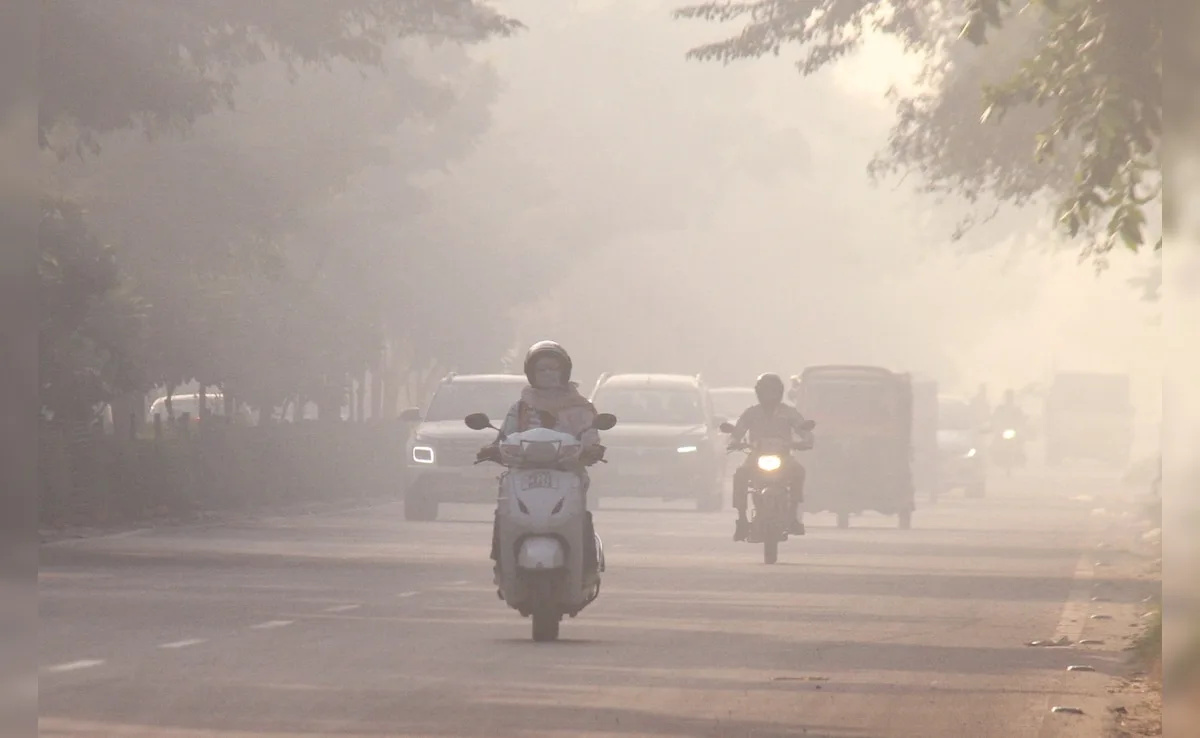
Delhi air pollution may be affecting residents in ways that go well beyond coughing, breathing difficulties and other respiratory problems. Research conducted over several decades has associated exposure to polluted air with high blood pressure, cardiovascular diseases, depression, attention-deficit hyperactivity disorder (ADHD) and premature deaths.
A review conducted by the Centre for Research on Energy and Clean Air (CREA), examining 184 peer-reviewed Indian studies published between 1975 and 2025, found that 169 studies, or 91.8%, reported at least one association between air pollution and an adverse health outcome. The findings underline the wider consequences of Delhi air pollution and the need to treat it as a public health concern throughout the year.
Of the 184 studies reviewed, 26 focused on Delhi, making it the most extensively studied area. Punjab, Maharashtra and Uttar Pradesh followed. Respiratory illnesses featured in 86 studies, while 16 examined mortality and 11 investigated cardiovascular diseases.

Delhi air pollution linked to heart disease and high blood pressure
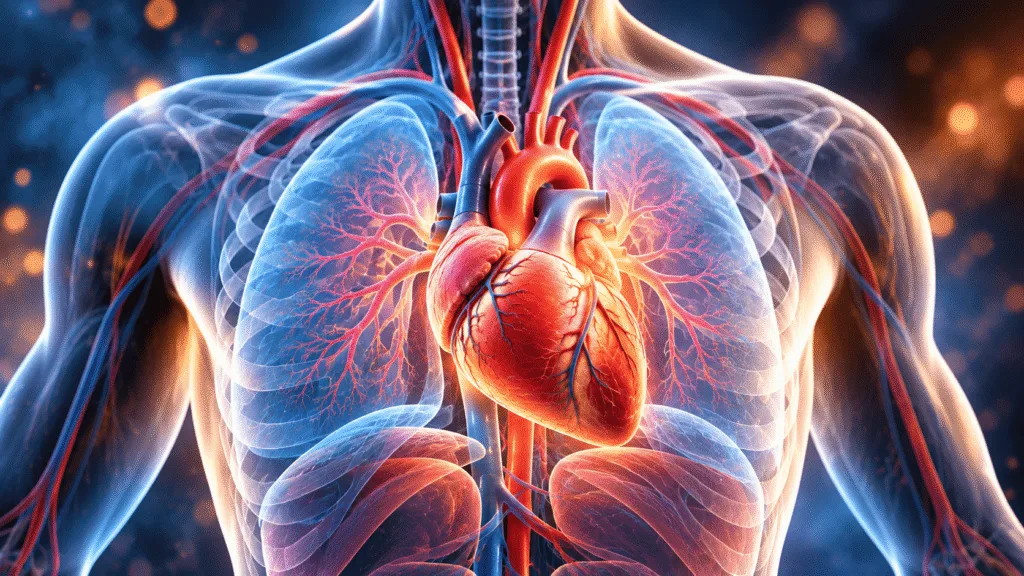
The review found evidence connecting exposure to fine particulate matter, particularly PM2.5, with increased cardiovascular risks. Studies examining daily deaths in Delhi reported an association between higher PM2.5 exposure and an increase in non-accidental deaths, including those caused by cardiovascular and respiratory conditions.
Long-term exposure to particulate pollution was also associated with higher blood pressure, an increased likelihood of hypertension and more hospital admissions for cardiovascular conditions. These findings suggest that Delhi air pollution can affect the circulatory system even when its immediate effects are not visible as respiratory symptoms.
Across India, 10 of the 11 studies examining cardiovascular diseases reported at least one association with air pollution. Three studies specifically identified links between PM2.5 exposure and hypertension, atherosclerosis, which involves the accumulation of plaque in arteries, and arterial stiffness.
However, the evidence was not uniform across every pollutant and health outcome. Seven studies found no significant association for certain combinations, highlighting the need to interpret individual findings carefully.
Also Read | India rules out shift in Indus Waters Treaty position during Pakistani minister’s Delhi visit
Mental health, ADHD and brain development among concerns
The CREA review also highlighted emerging evidence about the relationship between air pollution and mental health. Some studies suggested that exposure to polluted air could be associated with depression, changes in cognitive functioning and problems affecting brain development.
One Delhi-based study involving asthma patients found that short-term exposure to PM2.5, PM10, nitrogen dioxide and sulphur dioxide was associated with severe depression and poorer asthma control. Another study linked exposure to household cooking pollution with depression, while research examining PM10 reported an association with ADHD.
Dr Rajesh Sagar, Professor of Psychiatry at AIIMS, New Delhi, told The Indian Express that the mental health consequences of pollution could extend beyond anxiety and depression to affect brain development and cognitive functions, particularly among children and young people.
He explained that pollutants may trigger inflammation that affects the brain, potentially influencing mood and cognitive abilities. The findings raise concerns about the long-term implications of Delhi air pollution for children whose brains are still developing.
The review also identified risks linked to age, occupation and living conditions. Children residing in industrial areas showed a higher prevalence of asthma, according to Dr Manojkumar N, a CREA analyst and one of the review’s authors. Studies also documented respiratory allergies and infections associated with household cooking fuels, alongside elevated blood lead levels among schoolchildren living in areas with greater environmental lead exposure.
Older people, particularly those above 60-65 years, were found to be especially vulnerable. Research examining mortality in Delhi reported stronger associations between PM2.5 exposure and daily deaths among elderly residents.
Outdoor workers, including autorickshaw drivers, street vendors and sanitation workers, also reported respiratory complaints and eye irritation, with some studies documenting reduced lung function. Their prolonged exposure to polluted outdoor environments can make them particularly vulnerable to Delhi air pollution.
Also Read | India-Japan defence ties deepen as Japanese forces prepare for first live-fire drills on Indian soil

Pollution risks continue beyond winter, CREA calls for action
Although winter smog brings Delhi air pollution into sharper public focus, the review indicates that exposure-related health risks are not restricted to the colder months. Studies comparing populations living in areas with different pollution levels found poorer lung function among people residing in more polluted neighbourhoods.
Indoor air pollution was another significant concern. Prolonged exposure to solid cooking fuels, including biomass, coal and dung, was associated with respiratory allergies, infections and tuberculosis. This suggests that tackling pollution requires attention to household environments alongside outdoor emissions.
The CREA review called for stronger enforcement of the National Ambient Air Quality Standards (NAAQS), wider air-quality monitoring, time-bound pollution reduction targets for individual sectors and tighter controls on industrial emissions. It also recommended accelerating the transition from biomass, coal and dung to cleaner cooking and heating fuels.
Manojkumar said the next phase of the National Clean Air Programme, or NCAP 2.0, should move beyond a city-centric approach and include rural areas through a regional, airshed-based strategy. Such an approach would recognise that pollution travels across administrative boundaries and requires coordinated action across regions.
The review also recommended updating the NAAQS, which was last revised in 2009. Improving monitoring and strengthening standards would help address pollution sources and their effects on communities beyond major urban centres.
Dr Sagar emphasised that public awareness and preventive measures should form part of the response rather than creating panic. He called for greater protection of vulnerable groups, including pregnant women, children and older people, and advised people to minimise exposure during periods of high pollution.
The findings make clear that Delhi air pollution is not simply a seasonal inconvenience or a problem limited to the respiratory system. Its possible links with cardiovascular disease, mental health, cognitive development and premature mortality make sustained pollution control an important public health priority.
Leave a Reply