Author: Shaptadeep Saha

  • What are the flashpoints behind India’s growing debate over political legitimacy?

    What are the flashpoints behind India’s growing debate over political legitimacy?

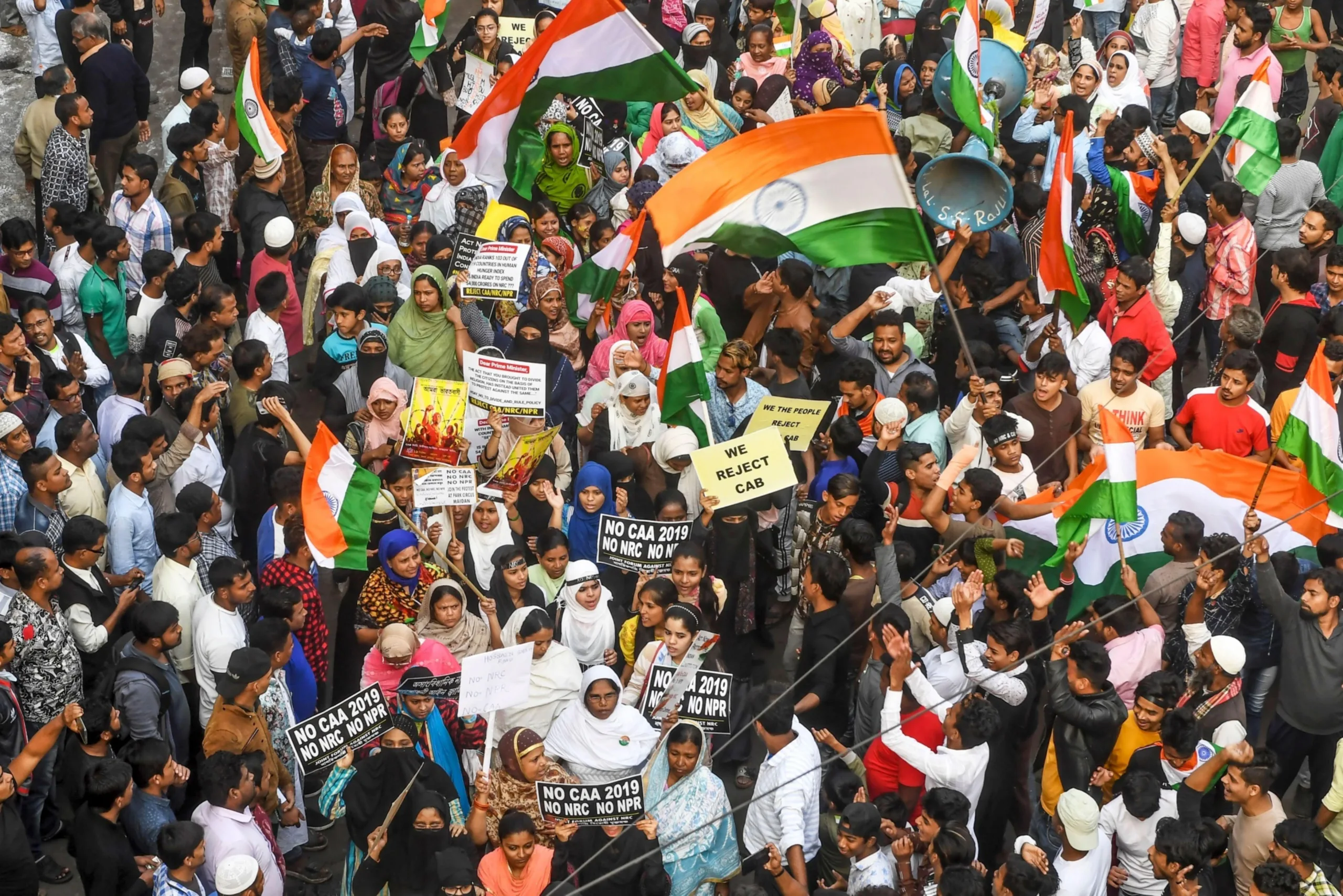
    India’s political debate has increasingly centred on a question that goes beyond individual controversies: how much confidence do citizens place in the institutions responsible for elections, examinations, public administration and economic crisis?

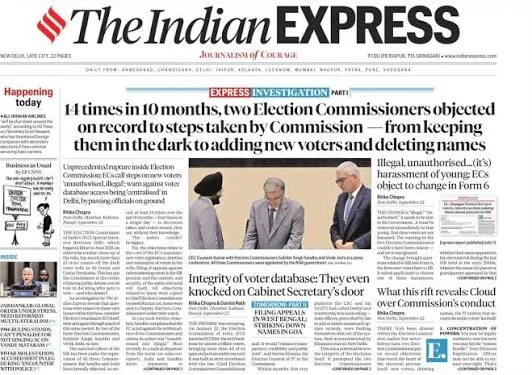
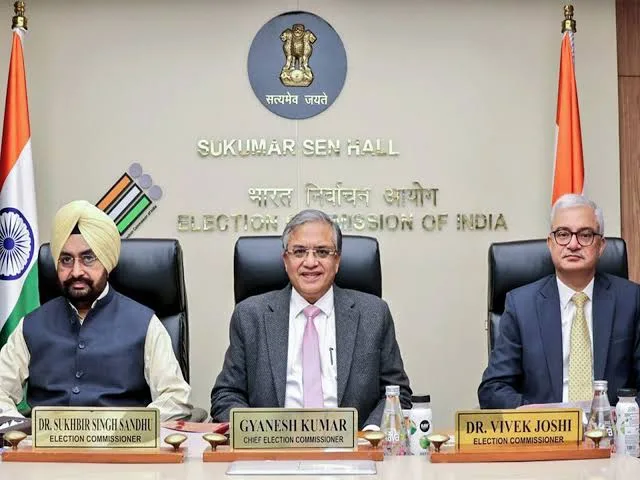
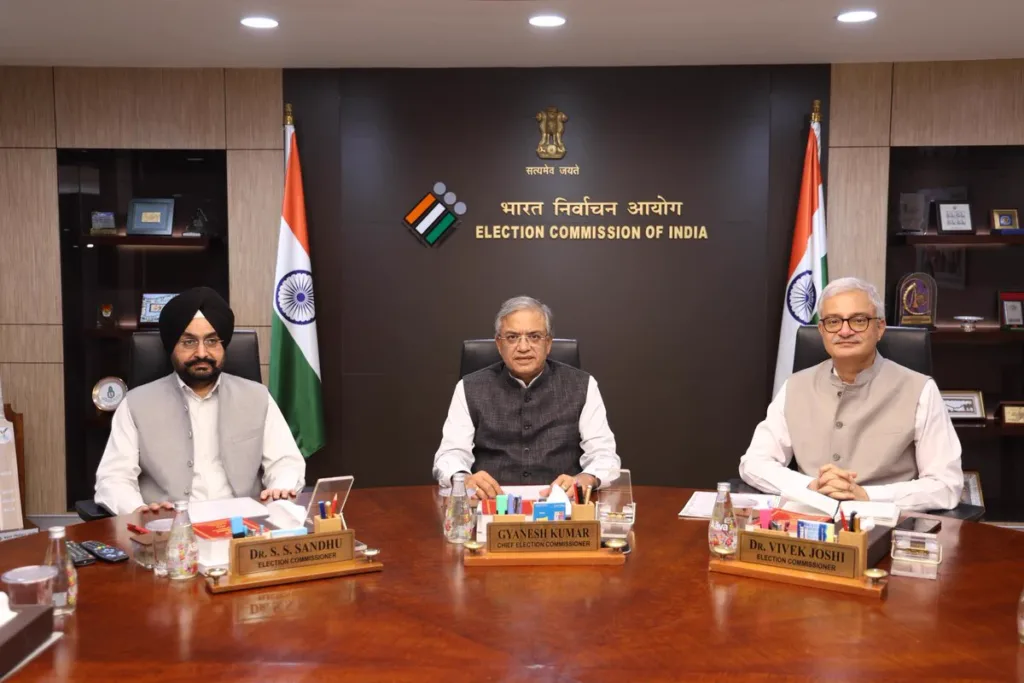
    The latest flashpoint is the Election Commission of India’s Special Intensive Revision (SIR) of electoral rolls. An investigation by The Indian Express reported that Election Commissioners Sukhbir Singh Sandhu and Vivek Joshi recorded objections at least 14 times over 10 months on matters including voter registration, deletions, Form 6 and access to electoral-roll systems. The ECI has maintained that SIR and other decisions were approved unanimously.

    These competing accounts have fuelled a wider debate about institutional credibility. Political commentator Muqtedar Khan, writing in Frontline, describes this as a crisis of legitimacy. That is an analytical interpretation rather than an established institutional finding, but it reflects concerns that have become increasingly visible across several public controversies.
    India's political debate has increasingly centred on a question that goes beyond individual controversies: how much confidence do citizens place in the institutions responsible for elections, examinations, public administration and economic reporting? (ANI)
    India’s political debate has increasingly centred on a question that goes beyond individual controversies: how much confidence do citizens place in the institutions responsible for elections, examinations, public administration and economic reporting? (ANI)

    Crisis of legitimacy grows around electoral-roll questions

    The dispute over the Election Commission predates the current SIR exercise. Opposition parties have for years raised allegations about electoral roll changes and voting data, while the ECI has rejected claims of systematic manipulation.

    The latest controversy acquired greater significance after reports of internal objections within the Commission. The reported disagreements concerned issues including changes to voter-registration procedures, deletion and restoration of names and the centralisation of access to electoral-roll databases.

    The scale of SIR has added another dimension. The Indian Express reported that more than 13 crore names had been removed from draft rolls across 30 States and Union Territories during the exercise. These are draft-roll exclusions and do not necessarily represent permanent disenfranchisement, since claims, objections and restoration procedures remain available.

    The ECI has also announced measures including an ECINET review, easier hearings and extensions to certain deadlines, while reiterating that its decisions were unanimous.

    The Supreme Court has now agreed to hear a petition challenging aspects of the ECI’s functioning and the SIR process, adding a judicial dimension to the dispute.

    Also Read | Foral de Goa 1526, the charter behind Goa’s land legacy: Know all about 500 years of history
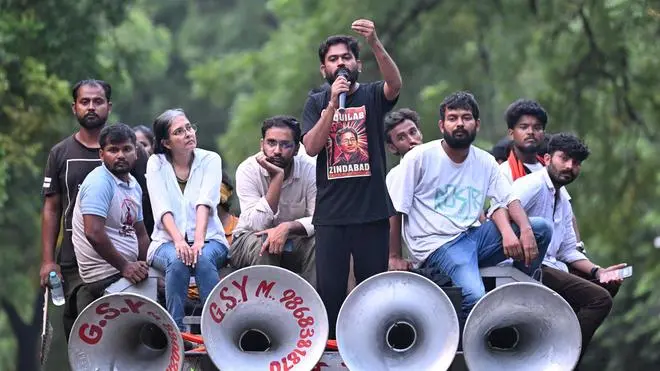
    The argument that India's crisis of legitimacy is broader than the ECI controversy draws on several recent episodes. (ANI)
    The argument that India’s crisis of legitimacy is broader than the ECI controversy draws on several recent episodes. (ANI)

    Crisis of legitimacy extends beyond the Election Commission

    The argument that India’s crisis of legitimacy is broader than the ECI controversy draws on several recent episodes. One is the NEET-UG 2026 paper-leak controversy, which triggered weeks of student protests and eventually culminated in Education Minister Dharmendra Pradhan’s resignation on July 25.

    The episode placed examination security and accountability under intense scrutiny. More recently, the National Testing Agency withheld the result of the son of a coaching-centre owner accused in the leak and barred him from the 2027 examination.

    Another contentious crisis concerns donations at the Ram Mandir in Ayodhya. An SIT investigation into alleged theft and misappropriation found lapses involving cash handling, CCTV monitoring, and recruitment, while eight people were arrested in June.

    By July, the SIT’s report had pointed to administrative and supervisory lapses while indicating that the alleged siphoning was linked to lower-level staff. The latest chargesheet has further detailed alleged diversion during the counting process, with investigators citing CCTV evidence and other material.

    These cases are different in nature and cannot automatically be treated as evidence of a single systemic failure. However, they have each generated questions about institutional oversight, accountability and the speed with which authorities respond to allegations.

    Also Read | 5 things to know about the Congress’s Rs 81.45 lakh payment to The Indian Express during the Bengal polls
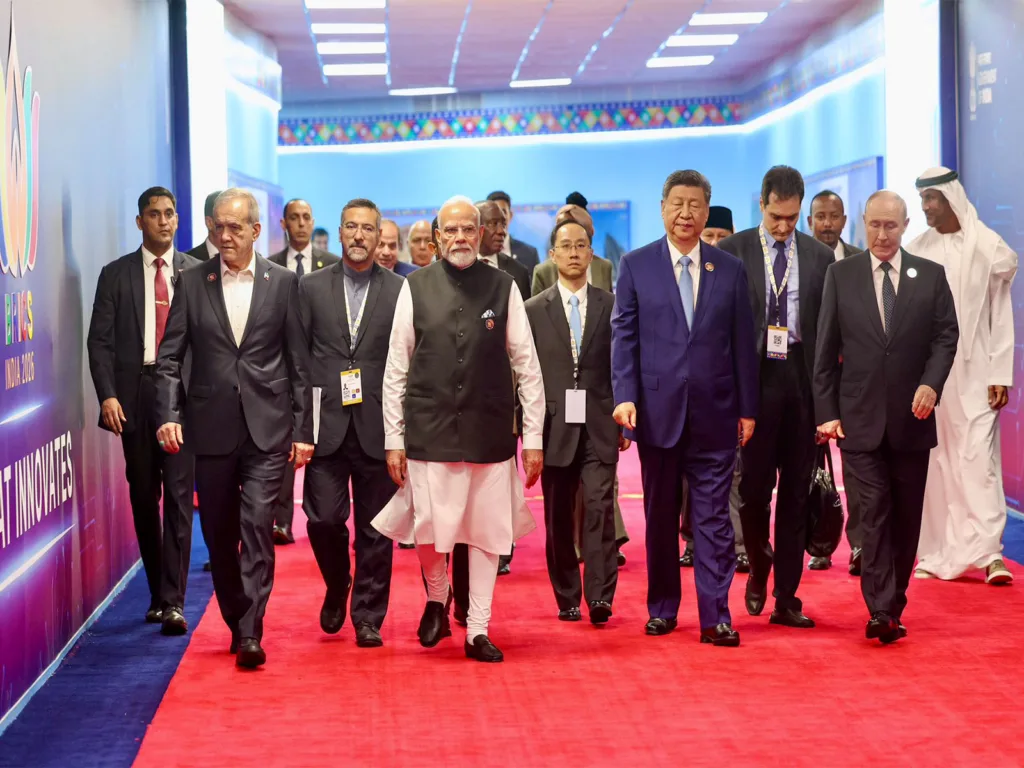
    Foreign policy has similarly become an arena for competing interpretations of India's international position. (ANI)
    Foreign policy has similarly become an arena for competing interpretations of India’s international position. (ANI)

    Economic claims and foreign policy add to public debate

    The crisis of legitimacy argument also extends into the economic sphere, although here the evidence is more contested. India’s economy grew 7.8 percent in the April-June quarter of 2026, according to official data reported by Reuters, exceeding both the Reserve Bank of India’s projection and market expectations.

    That strong headline growth has nevertheless been accompanied by debates over employment, inflation, household pressures, and the reliability of economic measurements. These disagreements do not establish that official GDP data are false, but they show how economic statistics have become part of a larger argument over whether government narratives adequately reflect citizens’ lived experiences.

    Foreign policy has similarly become an arena for competing interpretations of India’s international position. The author’s analysis in Frontline argues that recent developments involving the United States, China and Pakistan have exposed limits to the government’s narrative of India’s expanding geopolitical influence. Such judgments remain matters of political and foreign-policy interpretation rather than settled facts.

    The broader question is therefore less about whether every controversy proves a crisis of legitimacy and more about how repeated disputes affect institutional trust. Electoral rolls, examination systems, religious institutions, and economic data operate differently, but confidence in each depends partly on transparency, accountability and credible mechanisms for correcting errors.

    For the government, opposition parties, and independent institutions alike, restoring confidence requires more than rebutting individual allegations. It requires processes through which disputed decisions can be examined, evidence can be independently assessed, and legitimate grievances can be addressed.

    The current debate over a crisis of legitimacy ultimately reflects that larger challenge. In a democracy, public trust cannot be assumed indefinitely. It is strengthened when institutions explain decisions clearly, acknowledge errors where they occur, and provide citizens with meaningful avenues for review and redress.
  • Keep your friends close, but your enemies closer? The implications of TMC-CPI(M) dialogue amid EC row

    Keep your friends close, but your enemies closer? The implications of TMC-CPI(M) dialogue amid EC row

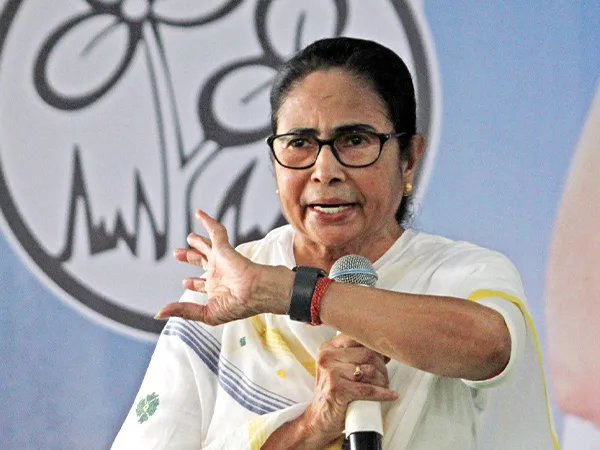
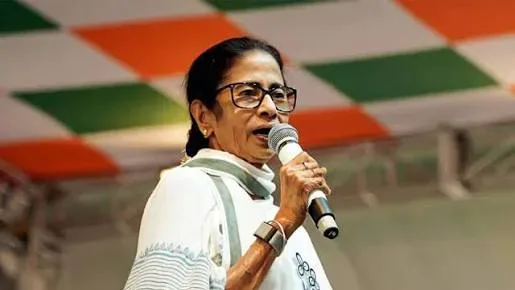
    Mamata Banerjee’s reported outreach to the CPI(M) has opened an unusual political channel in West Bengal, where the Trinamool Congress and the Left party have remained bitter rivals for decades. The Mamata CPI(M) outreach comes amid an escalating Opposition campaign over the Election Commission’s Special Intensive Revision (SIR) of electoral rolls and reports of disagreements within the poll panel.

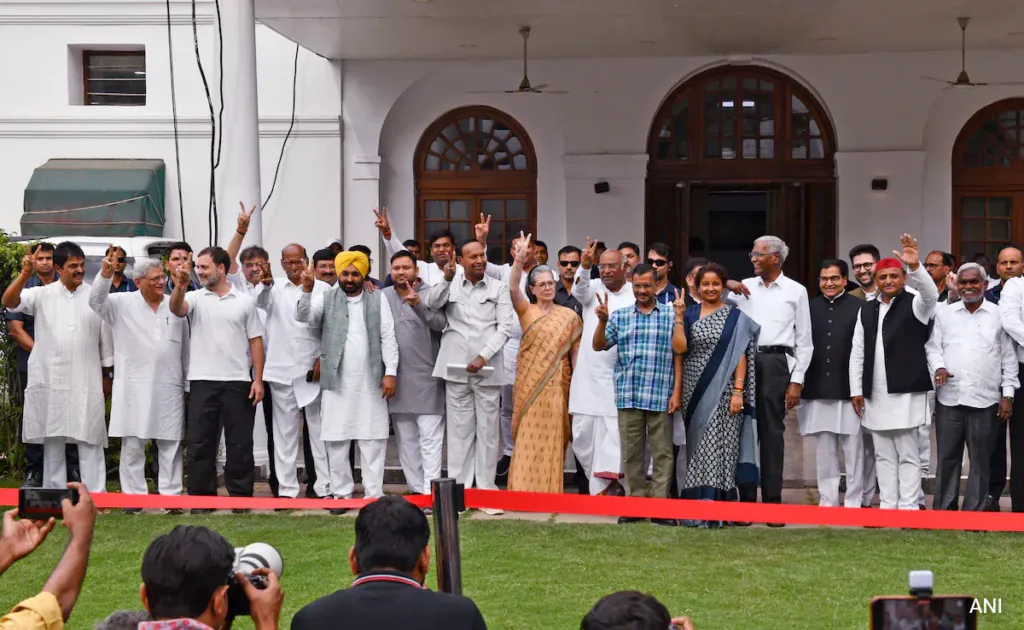
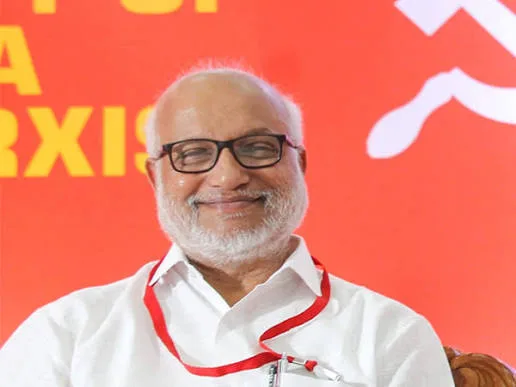
    Banerjee and CPI(M) general secretary MA Baby spoke over the phone on September 25 after the Left leader wrote to Opposition parties seeking a joint response to developments concerning the Election Commission. According to reports, the two leaders discussed the need for Opposition parties to work together on the issue. Banerjee also spoke to Congress leader Rahul Gandhi and urged an early meeting of INDIA bloc parties.

    The development has attracted attention because TMC and CPI(M) have historically been fierce opponents in Bengal. However, CPI(M) leader MA Baby has described the current initiative as issue-based and said it was too early to say whether it would lead to any wider political understanding.

    Mamata Banerjee and CPI(M) General Secretary MA Baby spoke over the phone on September 25 after the Left leader wrote to Opposition parties seeking a joint response to developments concerning the Election Commission. (ANI)
    Mamata Banerjee and CPI(M) General Secretary MA Baby spoke over the phone on September 25 after the Left leader wrote to Opposition parties seeking a joint response to developments concerning the Election Commission. (ANI)

    Mamata CPI(M) outreach begins with the Election Commission row

    The immediate reason for the Mamata CPI(M) outreach is the controversy surrounding the SIR exercise and concerns raised by Opposition parties about the functioning of the Election Commission.

    The Indian Express reported that Election Commissioners Sukhbir Singh Sandhu and Vivek Joshi had recorded objections on multiple occasions over decisions related to the SIR process. The Election Commission acknowledged the existence of the written notes but described them as part of its decision-making process.

    Against this backdrop, Baby wrote to Banerjee and other Opposition leaders, calling for a meeting. Banerjee subsequently responded positively and spoke to Baby by phone.

    The CPI(M) has sought broader Opposition participation rather than limiting the initiative to its own party or the INDIA bloc. Baby told The Federal that the Left was looking for the widest possible cooperation among non-NDA parties on the issue.

    This explains why the present Mamata CPI(M) outreach is being viewed primarily through the lens of the Election Commission dispute rather than as a formal alliance announcement.

    Also Read | TMC rebel MLAs: Supreme Court sets October 8 timeline from Bengal Speaker

    The outreach between CPI(M) and the TMC is creating the fuss because the TMC took the help of the BJP to counter the very same Left Front government led by the CPI(M). (ANI)
    The outreach between CPI(M) and the TMC is creating the fuss because the TMC took the help of the BJP to counter the very same Left Front government led by the CPI(M). (ANI)

    Mamata-CPI(M) outreach revives an old political contradiction

    The latest contact between the two parties is notable because TMC and CPI(M) have spent years attacking each other in Bengal politics. Mamata Banerjee built the TMC as the principal political force challenging the Left’s long rule in the state, eventually defeating the CPM-led Left Front in 2011.

    The outreach between CPI(M) and the TMC is creating the fuss because the TMC took the help of the BJP to counter the very same Left Front government led by the CPI(M). The TMC-BJP alliance began shortly after Mamata Banerjee founded the Trinamool Congress (TMC) in 1998. Seeking to challenge West Bengal’s dominant Left Front, the TMC joined the BJP-led National Democratic Alliance (NDA).

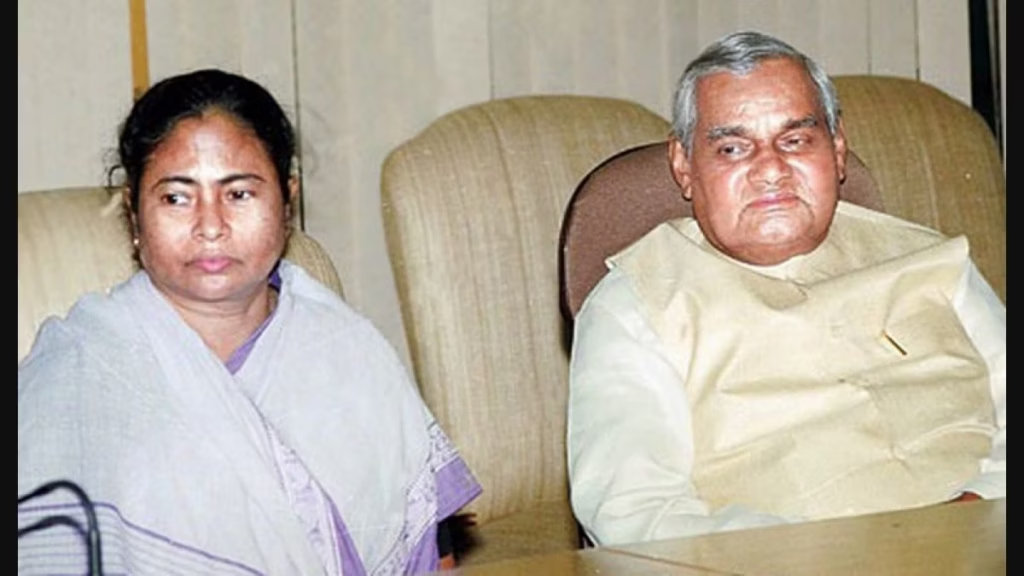
    Between 1999 and 2006, the TMC remained a key NDA partner. Banerjee served as the Union Railway Minister and later the Coal and Mines Minister under Prime Minister Atal Bihari Vajpayee.

    The parties TMC and BJP jointly contested the 1998, 1999, and 2004 Lok Sabha elections, alongside the 2006 state assembly polls. Following electoral setbacks, the TMC exited the NDA in 2006. The former allies later became fierce regional rivals

    The political relationship remained adversarial with the CPI(M) after the TMC came to power. Even though both parties are part of the broader INDIA bloc at the national level, they have maintained separate political strategies in West Bengal.

    The present Mamata CPI(M) outreach therefore represents a tactical convergence on a specific issue rather than confirmation of a new electoral alliance.

    Political analyst Sumantra Bose, speaking to Open Magazine, argued that the SIR controversy and state-level electoral politics should be treated as separate questions. He said the developments concerning the Election Commission could provide grounds for cooperation between the two parties, while their interests in West Bengal remained substantially different.

    Bose also described both the CPM and Congress as parties that have been trying to rebuild their organisational presence in Bengal. His comments are an assessment of the state’s political situation, rather than evidence of a formal arrangement between the parties.

    Also Read | Mamata Banerjee sharpens attack on SIR, backs key Opposition moves

    The immediate political test for the Mamata CPI(M) outreach is likely to be the wider Opposition meeting scheduled in Delhi on September 30. (ANI)
    The immediate political test for the Mamata CPI(M) outreach is likely to be the wider Opposition meeting scheduled in Delhi on September 30. (ANI)

    What the Mamata CPI(M) outreach means for the INDIA bloc

    The immediate political test for the Mamata CPI(M) outreach is likely to be the wider Opposition meeting scheduled in Delhi on September 30. Banerjee and TMC MP Abhishek Banerjee are expected to attend the meeting, which is set to discuss the Election Commission and SIR.

    The CPI(M) has also reached out beyond the INDIA bloc. Baby said the Left had contacted several non-NDA parties as part of its effort to build a broader response to the Election Commission issue.

    For Banerjee, the immediate focus remains opposition to the Election Commission’s actions and the SIR process. She has publicly criticised Chief Election Commissioner Gyanesh Kumar and alleged large-scale deletions from electoral rolls, claims that remain part of the ongoing political dispute.

    The BJP, meanwhile, has criticised Banerjee’s engagement with the CPI(M). West Bengal minister Dilip Ghosh said the political circumstances had changed and accused Banerjee of seeking a larger role within the Opposition camp. Those remarks represent the BJP’s political interpretation of the development.

    It is not yet clear whether the Mamata-CPI(M) outreach remains confined to the Election Commission issue or develops into broader coordination in Bengal. For now, the evidence points to communication and issue-based cooperation, rather than a declared electoral alliance.

    The September 30 INDIA bloc meeting and subsequent protests are likely to provide a clearer indication of whether the current contact produces sustained coordination between the two long-time rivals.

  • 5 things to know about the Congress’s Rs 81.45 lakh payment to The Indian Express during the Bengal polls

    5 things to know about the Congress’s Rs 81.45 lakh payment to The Indian Express during the Bengal polls

    A Rs 81.45 lakh expenditure entry involving The Indian Express has triggered a political controversy over Congress’s election spending and its relationship with media organisations during the West Bengal Assembly elections. The payment, cited from Congress expenditure records, has been highlighted by critics amid a separate dispute over the newspaper’s recent reports concerning the Election Commission, electoral-roll revision and changes related to Form 6.

    The controversy gained momentum after Supreme Court senior advocate Mahesh Jethmalani claimed on social media that the payment was evidence of a connection between Congress and The Indian Express. His allegation has been reported by the Navbharat Times. However, the existence of an expenditure entry and an allegation of editorial influence are two different things. The available expenditure record establishes a payment but does not by itself establish that Congress influenced the newspaper’s editorial decisions.
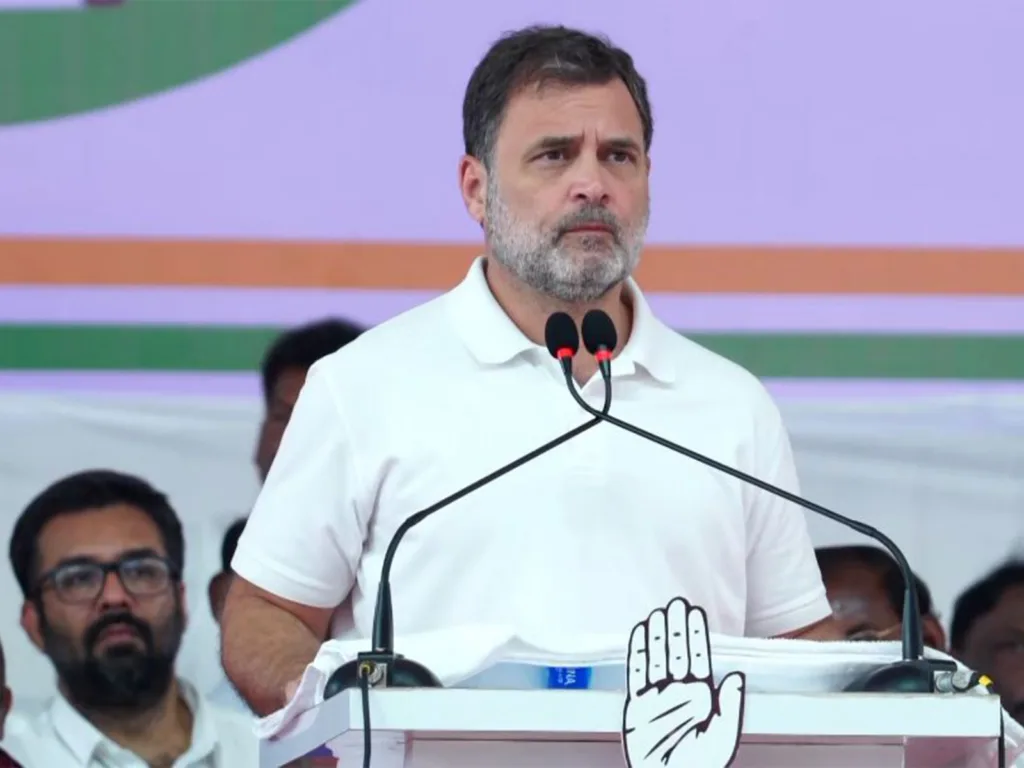
    A Rs 81.45 lakh expenditure entry involving The Indian Express has triggered a political controversy over Congress's election spending and its relationship with media organisations during the West Bengal Assembly elections. (ANI)
    A Rs 81.45 lakh expenditure entry involving The Indian Express has triggered a political controversy over Congress’s election spending and its relationship with media organisations during the West Bengal Assembly elections. (ANI)

    Congress’s payment to The Indian Express recorded during Bengal polls

    The central figure in the controversy is Rs 81,45,780, which the cited Congress expenditure material records as a payment to The Indian Express during the West Bengal election period.

    The timing has attracted particular attention because The Indian Express has recently been involved in a political dispute over its reporting on the Election Commission’s handling of the Special Intensive Revision of electoral rolls. Critics of the newspaper have questioned its coverage, while the Election Commission has rejected several interpretations surrounding its internal decision-making and Form 6.

    The Congress’s payment to The Indian Express therefore became a talking point in the wider political debate. The organiser reported that the expenditure document establishes the payment but does not establish an editorial quid pro quo.

    Congress, like other political parties, incurs substantial election expenditure on advertising, publicity and campaign-related activities. Recent expenditure reporting has also shown the scale of spending by other parties. For instance, The Indian Express reported that the BJP spent Rs 529.38 crore across the latest round of Assembly elections, including Rs 286 crore in West Bengal.

    Also Read | LPU violence: Rape claim, student death and hostel demands explained

    The central figure in the controversy is Rs 81,45,780, which the cited Congress expenditure material records as a payment to The Indian Express during the West Bengal election period. (ANI)
    The central figure in the controversy is Rs 81,45,780, which the cited Congress expenditure material records as a payment to The Indian Express during the West Bengal election period. (ANI)

    Congress’s payment to The Indian Express is part of wider media spending

    The Bengal payment was not the only media-related expenditure cited in the material under discussion. The records also contain substantial payments involving other media organisations.

    For Kerala, the entries cited include Rs 76.47 lakh to Veekshanam, Rs 42.48 lakh to Jaihind TV and Rs 28.37 lakh to The New Indian Express. The cited material puts these payments together at more than Rs 1.47 crore.
    The records also point to expenditure involving Udayavani and India Express during the 2023 Karnataka Assembly election. The entries cited in the controversy amount to more than Rs 2.32 crore.

    These figures provide context for the Congress’s payment to The Indian Express in Bengal. Political parties routinely use newspapers, television channels and digital platforms for election publicity. Consequently, a payment to a media organisation cannot automatically be treated as proof that its editorial coverage was purchased or directed.

    That distinction is particularly important in the present controversy because the allegation of editorial influence goes beyond what the expenditure record itself demonstrates.

    Also Read | What actually is the ‘virtue of higher seeding’? Here is how it helped India reach the semis of Asian Games

    The political controversy has intensified because of the timing of the payment and The Indian Express's recent reporting on the Election Commission. (The Indian Express Newspaper)
    The political controversy has intensified because of the timing of the payment and The Indian Express’s recent reporting on the Election Commission. (The Indian Express Newspaper)

    What the Rs 81 lakh record proves and does not prove

    The political controversy has intensified because of the timing of the payment and The Indian Express’s recent reporting on the Election Commission.

    The newspaper has published reports concerning disagreements or concerns raised during discussions within the poll panel over aspects of the Special Intensive Revision and Form 6. The Election Commission, however, has maintained that its final decisions were unanimous and has rejected suggestions that its internal discussions represented a breakdown in institutional functioning.

    The BJP has also challenged aspects of the newspaper’s reporting, particularly claims concerning the authority of Electoral Registration Officers and the SIR-related material accompanying Form 6.

    Against this backdrop, the Congress’s payment to The Indian Express has been cited by critics as a reason to question the newspaper’s relationship with the Congress party. Mahesh Jethmalani has gone further, describing the payment as evidence of a deeper connection. His claim is an allegation, rather than an established finding.

    The available expenditure record establishes that money was paid. It does not establish that the payment was made in return for favourable coverage, that Congress dictated editorial decisions, or that a particular report was commissioned by the party.

    Establishing such a link would require additional evidence beyond an election expenditure entry.

    The episode nevertheless highlights a broader question about transparency in political advertising. Readers can reasonably distinguish between paid election publicity and independent editorial content, particularly when a media organisation is reporting on institutions and political issues that directly affect the parties funding election campaigns.

    For now, the Rs 81.45 lakh figure remains a documented expenditure entry at the centre of a political dispute, while claims about its impact on editorial coverage remain allegations that require separate evidence.

  • 3-day bank strike deferred as panel takes up 5-day week demand

    3-day bank strike deferred as panel takes up 5-day week demand

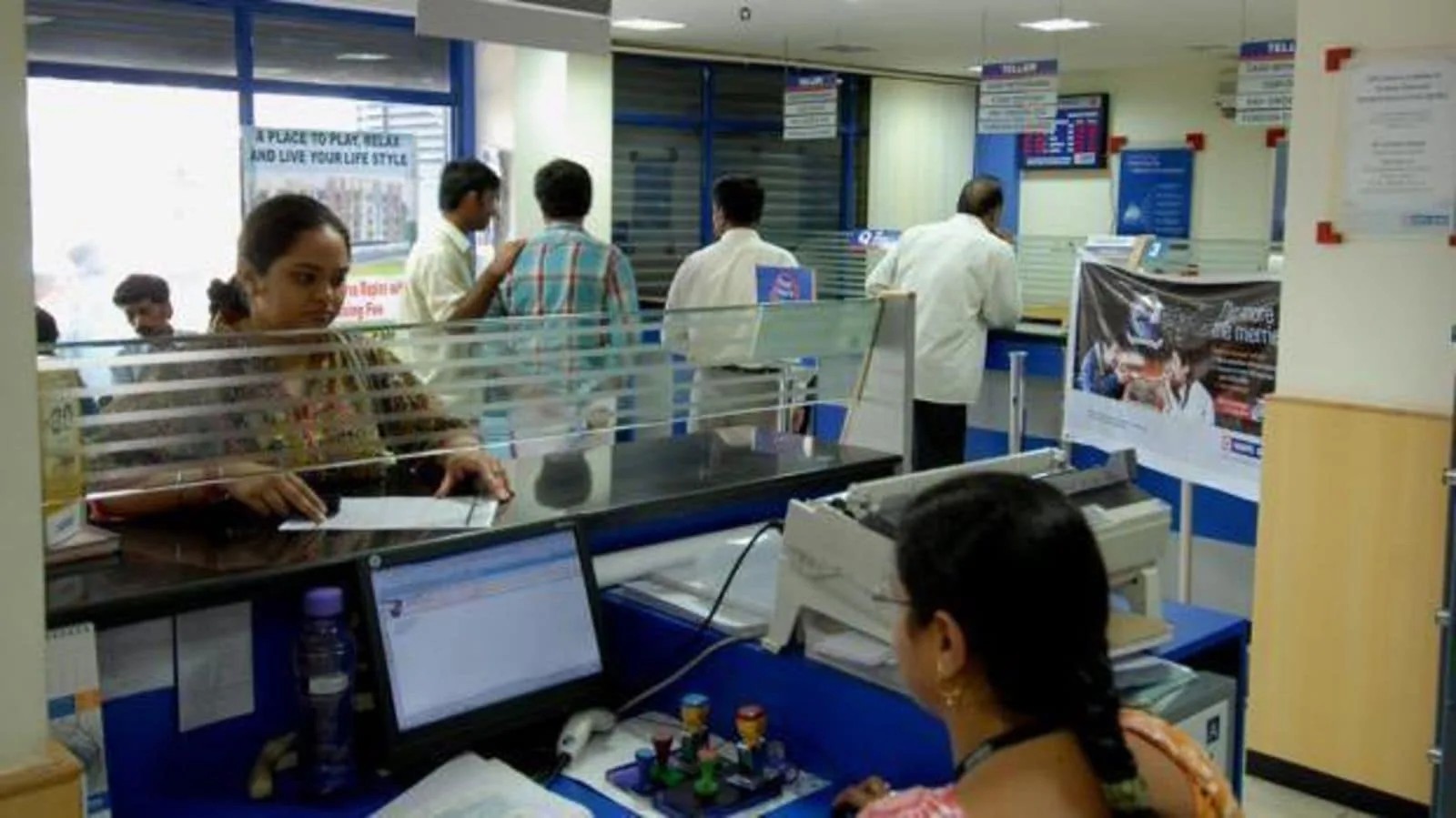
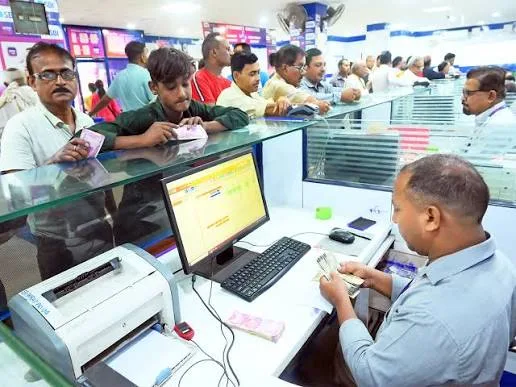
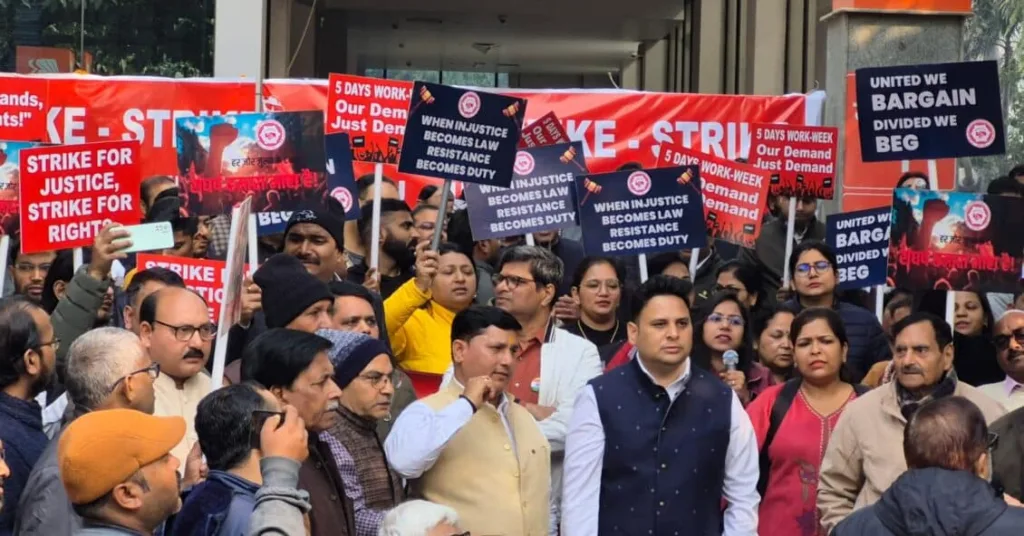
    The proposed three-day bank strike from September 28 to 30 has been deferred after the United Forum of Bank Unions (UFBU) reached an agreement with the Indian Banks’ Association (IBA) following talks on Sunday night. As a result, bank branches are expected to function normally on Monday, avoiding a disruption that could have coincided with the half-yearly closing of accounts.

    The bank strike was called by unions primarily over their demand for a five-day banking week, with all Saturdays declared holidays. The IBA has now agreed to set up a high-level joint committee to examine the demand and consider possible alternatives. The committee will also consult stakeholders, including customers, before arriving at its recommendations.

    The development means customers will not face the widespread branch closures that had been expected during the three-day bank strike. However, the broader dispute over working days and Saturday holidays remains unresolved.

    The proposed three-day bank strike from September 28 to 30 has been deferred after the United Forum of Bank Unions (UFBU) reached an agreement with the Indian Banks’ Association (IBA) following talks on Sunday night. (ANI)
    The proposed three-day bank strike from September 28 to 30 has been deferred after the United Forum of Bank Unions (UFBU) reached an agreement with the Indian Banks’ Association (IBA) following talks on Sunday night. (ANI)

    Bank strike deferred after agreement with IBA

    The bank strike was withdrawn after the IBA agreed to immediately constitute a high-level committee to examine the unions’ demand. The UFBU subsequently announced that its other planned agitation would also be deferred.

    At present, banks remain closed on the second and fourth Saturdays of every month, while branches operate on the remaining Saturdays. The unions have been seeking a change to this arrangement as part of their demand for a five-day banking week.

    The committee will examine the possibility of declaring the remaining Saturdays as holidays and will also look at alternative arrangements. Its discussions are expected to include consultations with customers and other stakeholders who could be affected by any change in banking schedules.

    However, the agreement does not mean that banks will immediately move to a five-day working week. No deadline has been set for the committee to complete its examination or make a recommendation.

    The decision to defer the bank strike therefore provides temporary relief for customers while leaving the central demand open for further negotiations between the unions and the banking industry.

    Also Read | 4 injured as chutney dispute sparks street brawl in Hapur market

    The bank strike was withdrawn after the IBA agreed to immediately constitute a high-level committee to examine the unions’ demand. (ANI)
    The bank strike was withdrawn after the IBA agreed to immediately constitute a high-level committee to examine the unions’ demand. (ANI)

    Why was the bank strike called by the unions?

    The UFBU had announced the bank strike after previous rounds of discussions failed to resolve the issue of working Saturdays. The unions have argued that employees face long working hours and that a five-day banking week would bring banking schedules in line with those followed by several other sectors.

    The demand for five-day banking has been under discussion for more than two years, according to the unions. Their proposed agitation had included the September 28 to 30 bank strike, followed by a possible indefinite strike from October 26 if their demands remained unresolved.

    Government sources, however, have maintained that a five-day banking week was neither agreed upon nor included in earlier wage negotiations. This has been one of the key points of disagreement between the government and bank employee organisations.

    Sunday’s agreement does not set a fresh date for the deferred bank strike. Instead, both sides will continue discussions through the newly proposed committee.

    The two sides have also agreed to discuss a performance-linked incentive scheme for officers in Scale IV and above. The IBA will propose changes to the existing government scheme in an attempt to address objections raised by the unions.

    Also Read | What happens if Gyanesh Kumar resigns as Chief Election Commissioner?

    The demand for five-day banking has been under discussion for more than two years, according to the unions. (ANI)
    The demand for five-day banking has been under discussion for more than two years, according to the unions. (ANI)

    What does a bank strike deferment mean for customers?

    For bank customers, the immediate impact of the decision is that branches are expected to remain open as usual on Monday, September 28. The proposed bank strike would otherwise have affected services for three consecutive days.

    The timing had raised particular concerns because September marks the half-yearly closing period for banks. The Finance Ministry had warned that a three-day bank strike could affect several customer services and financial transactions.

    Public sector banks and Regional Rural Banks were also asked to open on Sunday, September 27, providing customers with an additional opportunity to complete branch-related transactions before the planned strike.

    With the bank strike now deferred, customers are not expected to face the disruption that had been anticipated for September 28 to 30. However, digital banking services, ATMs and other electronic facilities would have continued to operate subject to normal technical availability even during a branch strike.

    The immediate disruption has therefore been avoided, but the question of whether all Saturdays should become bank holidays remains open. The committee will examine the proposal and possible alternatives before further decisions are taken.

    For now, the deferred bank strike marks a pause in the unions’ agitation rather than a final settlement. The five-day banking week demand, Saturday holidays and the proposed changes to performance-linked incentives will remain part of the discussions between the UFBU and the IBA.

  • 4 injured as chutney dispute sparks street brawl in Hapur market

    4 injured as chutney dispute sparks street brawl in Hapur market

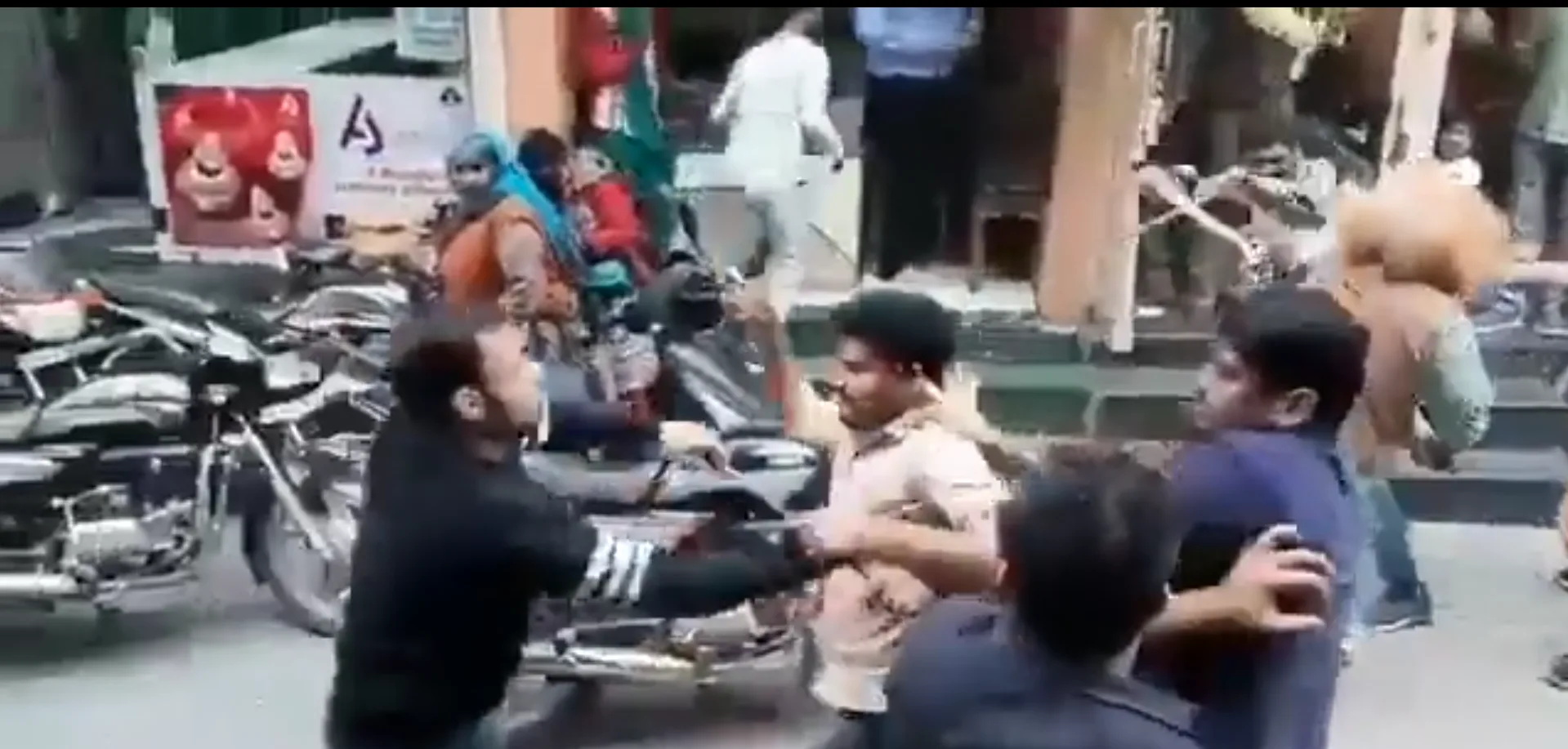
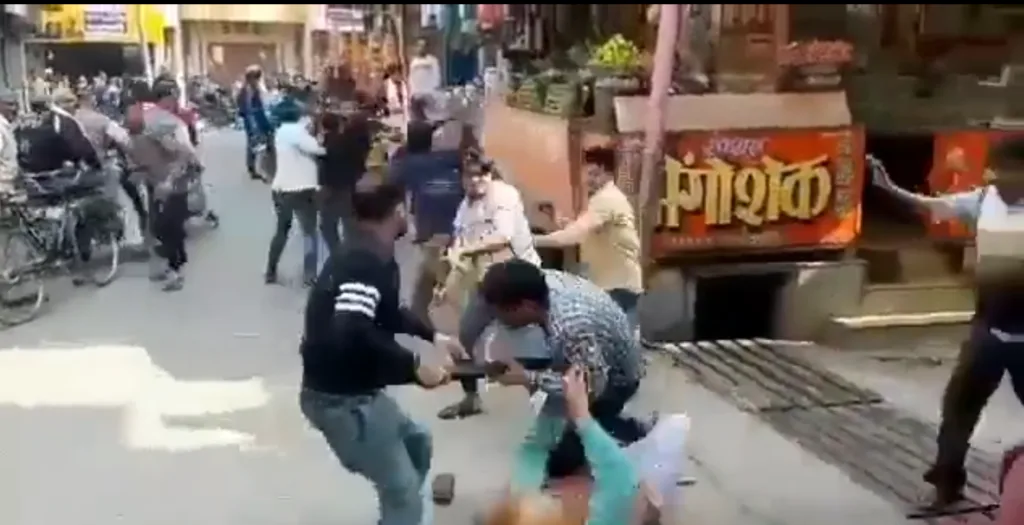
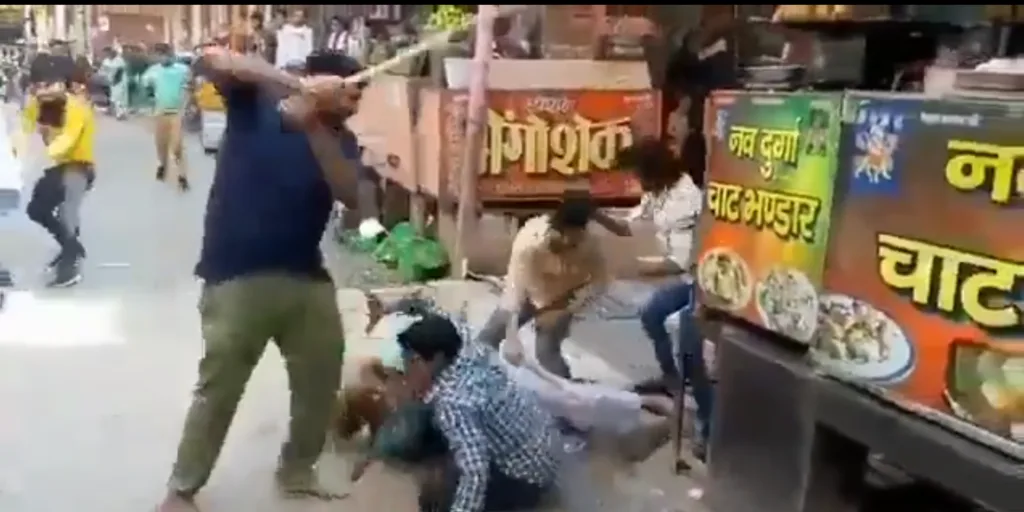
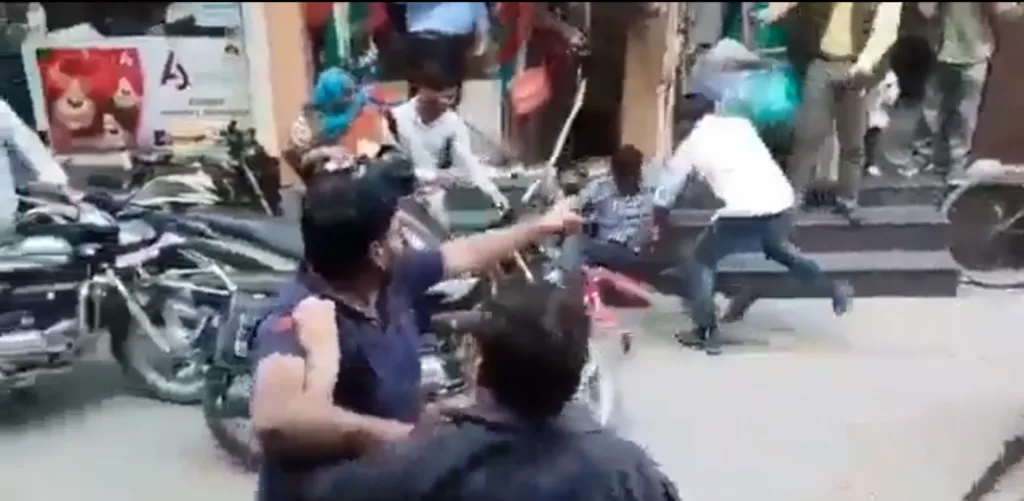
    A dispute over chutney served with bread pakodas escalated into a violent Hapur brawl in Uttar Pradesh, with four people injured after two groups clashed in a busy market. The incident took place in Dehra and was captured on video, with footage showing people attacking each other using stones, a cricket bat, belts and a large iron strainer.

    According to officials, the confrontation began after a group became angry when they were served tamarind chutney instead of green chutney with their bread pakodas. The disagreement quickly turned physical, with the shopkeeper being attacked and others stepping in to defend him.

    The Hapur brawl has since drawn attention online because of the unusual trigger and the chaotic scenes captured in the videos. Police have started an investigation and are identifying those involved using the footage.

    A dispute over chutney served with bread pakodas escalated into a violent Hapur brawl in Uttar Pradesh, with four people injured after two groups clashed in a busy market. (ANI)
    A dispute over chutney served with bread pakodas escalated into a violent Hapur brawl in Uttar Pradesh, with four people injured after two groups clashed in a busy market. (ANI)

    Hapur brawl begins after chutney dispute

    The Hapur brawl reportedly started when a group objected to being served tamarind chutney with their bread pakodas instead of the green chutney they expected. The argument escalated when the group allegedly attacked the shopkeeper.

    Officials said several people gathered after the shopkeeper came under attack, leading to a confrontation between the two sides. What began as a disagreement at a food stall soon spilt into the market, with multiple people joining the fight.

    Videos from the incident show one man being pushed and pulled by several people until his T-shirt was almost torn apart. Another man then intervened and struck one of the attackers with a large iron strainer.

    The person who was hit appears to become dazed briefly before later bending down to assist another man who was lying on the road. The Hapur brawl continued around them as several others became involved.

    A man wearing a blue T-shirt is seen throwing a stone, while others struggle over a cricket bat. Another person carrying a belt is pulled forward by his shirt during the clash.

    A woman can also be seen attempting to intervene and stop the violence, but the fight continues despite her efforts.

    Also Read | What happens if Gyanesh Kumar resigns as Chief Election Commissioner?

    The Hapur brawl reportedly started when a group objected to being served tamarind chutney with their bread pakodas instead of the green chutney they expected. (ANI)
    The Hapur brawl reportedly started when a group objected to being served tamarind chutney with their bread pakodas instead of the green chutney they expected. (ANI)

    Police investigate Hapur brawl, four injured

    Four people were injured in the Hapur brawl, according to officials. Police have begun examining the video footage to identify the people involved and determine how the confrontation unfolded.

    Circle Officer Munish Chandra said information had been received about a clash between two groups in Dehra and confirmed that a video of the incident had surfaced.

    “An investigation is on, and medical examinations of the injured are being conducted,” Chandra said, adding that those involved were being identified on the basis of the video.

    The officer said necessary legal action would follow once the individuals involved had been identified and the circumstances of the incident established.

    The police investigation is expected to focus on the sequence of events that led from the initial disagreement over chutney to the wider street fight. The available footage is likely to form an important part of the process as officers identify those involved.

    The Hapur brawl has also attracted attention because several everyday objects were reportedly used during the confrontation, including a cricket bat and an iron strainer.

    Also Read | Election Commission announces 9 key decisions amid internal concerns: What changes?

    Four people were injured in the Hapur brawl, according to officials. (ANI)
    Four people were injured in the Hapur brawl, according to officials. (ANI)

    Hapur brawl recalls Baghpat chaat fight

    The latest incident has inevitably drawn comparisons with another food-related street fight in Uttar Pradesh that became a viral internet sensation five years ago.

    In 2021, two groups of chaat sellers clashed in Baghpat over allegations that they were competing to attract customers to their respective stalls. The fight took place in the middle of the road and was captured on video.

    Footage of the Baghpat clash spread rapidly online, largely because of a man wearing a kurta and long, henna-coloured hair who became known on social media as “Einstein Chacha”. His appearance and role in the fight turned him into a widely shared internet meme.

    The Baghpat incident remained a notable example of how a local dispute could quickly become a national social media talking point.

    The Hapur brawl has now attracted similar online attention, though the circumstances differ. While the Baghpat fight involved competing chaat sellers, the latest confrontation reportedly began over the type of chutney served with a bread pakoda.

    For now, police are investigating the Hapur incident, while the four injured people are undergoing medical examination. Authorities are also working to identify everyone who took part in the clash before deciding on further legal action.

  • Delhi PWD begins 4-step survey for Press Enclave Marg link road

    Delhi PWD begins 4-step survey for Press Enclave Marg link road

    The long-pending Press Enclave Marg link road project has moved another step forward, with the Delhi Public Works Department (PWD) beginning a detailed physical survey of the proposed alignment in Sheikh Sarai. The proposed road is intended to provide an additional route between Press Enclave Marg and the Outer Ring Road and reduce pressure on one of South Delhi’s heavily congested corridors.

    The survey is being carried out using GPS-enabled total station equipment, which combines conventional optical surveying with satellite-based mapping. Officials said the exercise will provide the technical information required before the Press Enclave Marg link road can move towards construction.

    The survey will cover approximately 100,000 square metres and map existing roads, structures, drainage and sewerage networks, water pipelines, electrical and telephone lines, road levels, roundabouts, trees and other permanent and temporary features.

    The long-pending Press Enclave Marg link road project has moved another step forward, with the Delhi Public Works Department (PWD) beginning a detailed physical survey of the proposed alignment in Sheikh Sarai. (ANI)
    The long-pending Press Enclave Marg link road project has moved another step forward, with the Delhi Public Works Department (PWD) beginning a detailed physical survey of the proposed alignment in Sheikh Sarai. (ANI)

    Press Enclave Marg link road gets detailed ground survey

    The current survey is expected to establish the precise physical conditions along the proposed alignment. Officials will also examine properties belonging to the Delhi Metro and railways and record detailed coordinates and levels that can be used while preparing the road’s design.

    The Press Enclave Marg link road is not a new proposal. The project was approved in principle by the governing body of the Unified Traffic and Transportation Infrastructure Planning and Engineering Centre (UTTIPEC) in November 2008. In 2012, UTTIPEC directed that the project be implemented and that encroachments on land required for the road be removed and handed over to the concerned road-owning agencies.

    However, the project subsequently faced delays. In 2024, the Delhi government informed the Delhi High Court that a modified proposal had been approved in principle. The Delhi Integrated Multi-Modal Transit System (DIMTS) had indicated that the work could be taken up alongside the proposed Ambedkar Nagar-Moolchand bus rapid transit corridor, but the project remained stalled.

    The latest survey is therefore significant because it will help officials establish the present ground conditions before finalising the alignment and other technical details.

    Also Read | Prashant Kishor’s Jan Suraaj eyes Delhi after Bankipur bypoll win

    The need for the Press Enclave Marg link road is linked to persistent congestion on the existing corridor. (ANI)
    The need for the Press Enclave Marg link road is linked to persistent congestion on the existing corridor. (ANI)

    Press Enclave Marg link road targets major congestion points

    The need for the Press Enclave Marg link road is linked to persistent congestion on the existing corridor. Press Enclave Marg is around 3.7 kilometres long and connects Sri Aurobindo Marg with Lal Bahadur Shastri Marg. The two-lane stretch passes several major commercial and public establishments, including shopping malls, hospitals and the Saket district court area.

    A PWD traffic survey conducted in 2025 recorded peak-hour traffic of approximately 9,000 passenger car units (PCUs) during the morning and around 10,000 PCUs in the evening.

    According to PWD, unauthorised parking, encroachments, narrow sections of the carriageway and congestion at junctions are among the factors affecting traffic movement on the corridor. The department had also considered changes around the Mandir Marg intersection in 2024, including shifting the central verge and making the stretch signal-free, but the proposal did not progress.

    The Press Enclave Marg link road is expected to offer an alternative route for vehicles and could reduce dependence on the existing congested stretch. However, its eventual impact will depend on the final alignment, road design and how effectively traffic is distributed between the existing and proposed routes.

    Also Read | Cyclone Arnab explained: Why it’s actually a deep depression

    While the survey marks progress for the Press Enclave Marg link road, officials have not yet announced a construction schedule. (ANI)
    While the survey marks progress for the Press Enclave Marg link road, officials have not yet announced a construction schedule. (ANI)

    Press Enclave Marg link road timeline remains unclear

    While the survey marks progress for the Press Enclave Marg link road, officials have not yet announced a construction schedule. The final alignment, total length, estimated construction cost and completion timeline will be determined after the ongoing survey is completed.

    The technical exercise will also help identify potential constraints arising from existing infrastructure and properties along the proposed route. Mapping drainage, sewerage, utility lines, trees, roads and other structures at this stage is intended to help planners account for these features before construction begins.

    The project’s long history also underlines the challenges involved in developing a new road connection in a densely built-up part of south Delhi. Although the link was approved in principle years ago, subsequent changes to the proposal and coordination with other transport projects contributed to delays.

    The Press Enclave Marg link road is now being examined against the current traffic and infrastructure conditions of the area. Once the survey is completed, PWD will be in a position to determine the project’s detailed technical requirements and prepare the next stage of planning.

  • Mamata Banerjee sharpens attack on SIR, backs key Opposition moves

    Mamata Banerjee sharpens attack on SIR, backs key Opposition moves

    Trinamool Congress chief Mamata Banerjee has stepped up her criticism of the Election Commission and called for greater coordination among Opposition parties amid the ongoing Special Intensive Revision (SIR) controversy. Addressing a rally at Serampore in West Bengal’s Hooghly district on Saturday, Banerjee said an INDIA bloc meeting could be held in Delhi on September 30 to discuss the issue and decide the Opposition’s next course of action.

    The Mamata Banerjee SIR row has also brought the TMC closer to the CPI(M) on the specific issue of the Election Commission, despite the parties’ long-standing political rivalry in West Bengal. Banerjee said she had reached out to Congress leader Rahul Gandhi and argued that Opposition parties should come together over what she described as a common public issue.

    Trinamool Congress chief Mamata Banerjee has stepped up her criticism of the Election Commission and called for greater coordination among Opposition parties amid the ongoing Special Intensive Revision (SIR) controversy. (ANI)
    Trinamool Congress chief Mamata Banerjee has stepped up her criticism of the Election Commission and called for greater coordination among Opposition parties amid the ongoing Special Intensive Revision (SIR) controversy. (ANI)

    Mamata Banerjee SIR row brings TMC and Left into talks

    The Mamata Banerjee SIR row has led to an unusual channel of communication between the TMC and CPI(M), two parties that have been major political opponents in West Bengal. CPI(M) general secretary M A Baby had written to Opposition leaders seeking discussions on concerns surrounding the Election Commission and the electoral process.

    According to reports, Banerjee and Baby also spoke over the phone on Friday. The discussions centred on the need for Opposition parties to coordinate their response to the controversy surrounding the poll panel and the SIR exercise.

    The proposed INDIA bloc meeting is expected to take place at the Constitution Club of India in New Delhi on September 30. India Today reported that senior Opposition leaders are expected to attend, although the final list of participants had not been confirmed as of September 26.

    The discussions come after reports of differences within the Election Commission over aspects of the SIR process. An Indian Express report said Election Commissioners Sukhbir Singh Sandhu and Vivek Joshi had raised objections on several occasions concerning decisions and orders linked to the exercise.

    Also Read | Prashant Kishor’s Jan Suraaj eyes Delhi after Bankipur bypoll win

    The Mamata Banerjee SIR row has led to an unusual channel of communication between the TMC and CPI(M), two parties that have been major political opponents in West Bengal. (ANI)
    The Mamata Banerjee SIR row has led to an unusual channel of communication between the TMC and CPI(M), two parties that have been major political opponents in West Bengal. (ANI)

    Mamata Banerjee SIR row puts Opposition unity in focus

    The Mamata Banerjee SIR row has given the Opposition an issue around which parties with otherwise different political positions are attempting to coordinate. At the Serampore rally, Banerjee said ideological differences should not prevent parties from joining hands when they are addressing what they consider common public concerns.

    “There is no need to see who is red, who is blue or who is yellow,” Banerjee said, referring to the different political identities within the Opposition. She said her focus would be on the issue rather than which party had raised it.

    The proposed September 30 meeting would come a day after the Congress Working Committee is scheduled to discuss the Election Commission issue. Opposition parties have also been discussing their response to Chief Election Commissioner Gyanesh Kumar and the SIR process.

    Banerjee has previously made stronger demands over the matter. On September 23, she sought fresh Assembly elections in West Bengal using the pre-SIR electoral rolls and called for action against Kumar, alleging irregularities in the electoral process. The Election Commission has disputed those claims in its position on the revision exercise.

    Also Read | Cyclone Arnab explained: Why it’s actually a deep depression

    The Mamata Banerjee SIR row has given the Opposition an issue around which parties with otherwise different political positions are attempting to coordinate. (ANI)
    The Mamata Banerjee SIR row has given the Opposition an issue around which parties with otherwise different political positions are attempting to coordinate. (ANI)

    Mamata Banerjee SIR row adds a new Bengal political equation

    The Mamata Banerjee SIR row has also opened a fresh line of communication between parties that have spent decades contesting each other in Bengal. The TMC ended the Left Front’s 34-year rule in 2011, while the BJP subsequently emerged as the principal challenger to the TMC in the state.

    The TMC and CPI(M), along with other Opposition parties, have separately maintained differences over electoral strategies and political priorities. The INDIA bloc itself was formed in 2023 ahead of the 2024 Lok Sabha elections, bringing together parties with varying ideological positions and competing regional interests.

    Against that background, coordination over the Election Commission represents a specific issue on which these parties are seeking common ground. Moneycontrol reported that Opposition parties were discussing a coordinated response and that the September 30 meeting could form part of wider efforts concerning the CEC and SIR.

    Banerjee also raised allegations concerning an attack on TMC leader Kunal Ghosh and claimed that leaders associated with her faction had faced restrictions while travelling to the Serampore rally. These allegations were made by Banerjee during her address and remain part of the broader political confrontation in Bengal.

    The immediate focus, however, remains the Election Commission and the SIR exercise. The proposed INDIA bloc meeting on September 30 is expected to allow Opposition parties to discuss their respective concerns and decide whether they can pursue a coordinated course of action. The Election Commission has maintained that differing views and observations can form part of institutional deliberations and has defended the legal basis of its orders.

    The Mamata Banerjee SIR row therefore continues to develop on two fronts, with the electoral-roll controversy driving Opposition coordination nationally while also creating a temporary point of engagement between long-time political rivals in West Bengal.

  • India needs to retain 3 key talent groups to build a stronger AI ecosystem

    India needs to retain 3 key talent groups to build a stronger AI ecosystem

    India’s ambitions of becoming a major artificial intelligence hub could depend not only on creating a large pool of skilled professionals but also on keeping its most experienced technology talent within the country. Salesforce chief digital evangelist Vala Afshar has highlighted talent retention as an important challenge as companies worldwide compete for engineers, researchers and entrepreneurs with expertise in AI.

    Speaking to The Economic Times on the sidelines of Salesforce’s Dreamforce event in San Francisco, Afshar said global technology centres have long competed for highly skilled professionals. The growing investment in artificial intelligence is now intensifying that competition, making India’s AI talent an increasingly important factor in the country’s technology ambitions.

    India already has a large technology workforce and a substantial startup ecosystem. But as AI becomes a bigger part of global business, retaining people capable of developing and scaling advanced technology businesses could become as important as training new workers.

    India's ambitions of becoming a major artificial intelligence hub could depend not only on creating a large pool of skilled professionals but also on keeping its most experienced technology talent within the country. (ANI)
    India’s ambitions of becoming a major artificial intelligence hub could depend not only on creating a large pool of skilled professionals but also on keeping its most experienced technology talent within the country. (ANI)

    India’s AI talent faces growing global competition

    The movement of Indian technology professionals to overseas markets is not new. What has changed, according to Afshar, is the way Indian software companies and startups are building their businesses.

    In the past, Indian founders would often keep most of their teams in India while sending a founder or senior executive to the US to manage sales and business development. That model allowed companies to retain much of their workforce in India while establishing a presence in an important global market.

    Afshar said an increasing number of founders are now choosing to establish themselves in the US much earlier and build teams closer to international customers and investors.

    For India’s AI talent, this shift could have significant implications. As startups become increasingly global from their early stages, highly skilled engineers and researchers may have more opportunities to work directly from overseas technology centres.

    The competition is particularly relevant in areas such as generative AI, AI agents, data infrastructure and automation, where companies are seeking professionals with specialised technical and research skills.

    Also Read | Delhi High Court says POCSO cases cannot be settled by family

    As startups become increasingly global from their early stages, highly skilled engineers and researchers may have more opportunities to work directly from overseas technology centres. (ANI)
    As startups become increasingly global from their early stages, highly skilled engineers and researchers may have more opportunities to work directly from overseas technology centres. (ANI)

    AI skills expansion creates a larger talent pool

    India’s existing technology workforce provides a substantial foundation for expanding its AI capabilities. The country also has a growing startup ecosystem that could support the development of AI products and services for both domestic and international markets.

    However, increasing the number of trained professionals is only one part of the challenge. For India to develop a deeper domestic AI ecosystem, AI talent will also need opportunities to work on ambitious products, build companies, and participate in research.

    Salesforce has been expanding its own focus on AI skills in India. In June, the company said it aimed to equip one million learners in the country with AI skills by 2030 through partnerships involving universities, government bodies and industry.

    Such programmes reflect the growing emphasis on developing AI capabilities beyond a relatively small group of highly specialised professionals.

    Expanding AI skills could also increase the number of workers across sectors capable of adopting the technology. As businesses integrate AI into their operations, demand is expected to extend beyond traditional technology roles.

    Also Read | Amazon joins India’s quick-commerce race with a $3 billion war chest

    Alongside its technology workforce, India is also emerging as a significant market for AI adoption. (ANI)
    Alongside its technology workforce, India is also emerging as a significant market for AI adoption. (ANI)

    India emerges as an important AI adoption market

    Alongside its technology workforce, India is also emerging as a significant market for AI adoption.

    A Salesforce survey released in July found that Indian workers were 45 per cent more likely than the global average to say AI formed part of their core workflow. The finding points to the growing integration of artificial intelligence into everyday professional tasks in India.

    The development of a strong domestic market could create additional opportunities for companies and professionals working in AI. Startups can build products for Indian users while also using the country as a base for global expansion.

    For India’s AI talent, however, the broader question remains whether the country’s growing opportunities will be sufficient to compete with international technology hubs for highly experienced professionals.

    The challenge is therefore twofold. India needs to continue developing new AI skills while creating an environment in which experienced engineers, researchers and founders have strong reasons to build their careers and companies domestically.

    As global investment in artificial intelligence continues to expand, the ability to develop and retain specialised talent could become an increasingly important part of India’s technology story.

  • Delhi High Court says POCSO cases cannot be settled by family

    Delhi High Court says POCSO cases cannot be settled by family

    The Delhi High Court has made it clear that criminal proceedings involving sexual offences against children cannot be brought to an end simply because the survivor or her family has settled with the accused. Justice Sachin Datta passed the order while hearing a petition filed by a 49-year-old accused seeking to quash proceedings under the Protection of Children from Sexual Offences (POCSO) Act following a purported compromise with the minor survivor.

    The Delhi High Court was informed that the trial had already reached the stage of recording prosecution evidence. The accused had approached the court after a settlement was reached with the minor survivor following intervention by her family.

    Justice Datta dismissed the petition on September 22, observing that allowing the proceedings to be quashed based on such a compromise would undermine the purpose of the law and the interests of justice.

    The Delhi High Court has made it clear that criminal proceedings involving sexual offences against children cannot be brought to an end simply because the survivor or her family has reached a settlement with the accused. (ANI)
    The Delhi High Court has made it clear that criminal proceedings involving sexual offences against children cannot be brought to an end simply because the survivor or her family has settled with the accused. (ANI)

    Delhi High Court explains why POCSO settlement cannot end case

    The Delhi High Court said that a child victim or the victim’s family cannot privately compromise an offence registered under the POCSO Act. The court treated the nature of the alleged offence as central to its decision.

    According to the order, the accused was facing allegations of aggravated penetrative sexual assault against a child while allegedly being in a position of trust or authority. The allegations relate to an incident in 2022.

    The court referred to the legal position laid down by the Supreme Court concerning the High Court’s power to quash criminal proceedings. That power, the order noted, cannot ordinarily be used to terminate proceedings involving heinous and serious offences, including sexual offences.

    The Delhi High Court observed that permitting a compromise in such circumstances would give private settlement an effect that the law does not recognise for such offences.

    The court also emphasised the wider implications of offences involving sexual violence against children. Unlike disputes that primarily concern private rights, criminal offences under the POCSO framework are treated as matters carrying consequences beyond the individuals directly involved.

    Also Read | Amazon joins India’s quick-commerce race with a $3 billion war chest

    India Space Force: Why India may need a separate space command? (ANI)
    India Space Force: Why India may need a separate space command? (ANI)

    Accused sought quashing during prosecution evidence

    The petition before the Delhi High Court was filed by the accused while the trial was already underway. The prosecution had reached the stage of recording evidence when the accused sought to have the criminal proceedings quashed based on the settlement.

    The court rejected that request, holding that the stage of the proceedings was another relevant consideration. Quashing the case after the prosecution had begun presenting its evidence, merely because the parties had subsequently reached an agreement, would not be consistent with the purpose of the statute, the court said.

    The case involves allegations under provisions including Section 6 of the POCSO Act. The order also referred to Sections 376 and 506 of the Indian Penal Code in describing the offences alleged in the case.

    The Delhi High Court’s ruling does not amount to a determination of guilt in the underlying criminal trial. The allegations against the accused remain matters for adjudication through the trial process.

    The decision instead addresses whether a settlement between the accused and the child survivor or her family can provide a basis for ending the criminal proceedings.

    Also Read | India Space Force: Why India may need a separate space command?

    The Delhi High Court therefore declined to interfere with the ongoing trial and dismissed the petition seeking quashing of the proceedings. (ANI)
    The Delhi High Court therefore declined to interfere with the ongoing trial and dismissed the petition seeking quashing of the proceedings. (ANI)

    Court stresses wider impact of child sexual offences

    In its order, the Delhi High Court underlined that sexual offences against children are treated differently from disputes that can ordinarily be resolved through compromise between private parties.

    Justice Datta noted that the Supreme Court’s jurisprudence limits the circumstances in which High Courts can exercise their inherent powers to quash criminal proceedings based on settlements.

    The court stated that a settlement between a victim and an offender in cases involving heinous sexual offences has no legal sanction. It also pointed to the alleged position of trust or authority involved in the case while describing the accusations as serious.

    The ruling reinforces the distinction between criminal proceedings that can legally be compounded or quashed in appropriate circumstances and offences where the law attaches wider societal consequences.

    For cases under the POCSO Act, the ruling means that an agreement reached between a survivor’s family and an accused cannot, by itself, provide a legal route to terminate prosecution for serious sexual offences against a child.

    The Delhi High Court therefore declined to interfere with the ongoing trial and dismissed the petition seeking quashing of the proceedings. The case will continue through the criminal justice process, where the evidence and allegations will be examined in accordance with law.

  • ECI dissent report sparks Opposition attack as poll panel rejects formal dissent claim

    ECI dissent report sparks Opposition attack as poll panel rejects formal dissent claim

    An ECI dissent report has triggered a fresh political confrontation between the Opposition and the Election Commission of India after an Indian Express investigation reported that Election Commissioners Sukhbir Singh Sandhu and Vivek Joshi had raised formal objections to decisions taken by the poll panel. The report said the two commissioners recorded at least 14 objections over 10 months on issues linked to voter registration, deletion and restoration of names, changes to electoral forms and the management of voter data. The ECI, however, has rejected the description of these objections as formal dissent, saying differences and observations are part of institutional deliberations and that decisions of the full Commission were unanimous.

    An ECI dissent report has triggered a fresh political confrontation between the Opposition and the Election Commission of India after an Indian Express investigation reported that Election Commissioners Sukhbir Singh Sandhu and Vivek Joshi had raised formal objections to decisions taken by the poll panel. (ANI)
    An ECI dissent report has triggered a fresh political confrontation between the Opposition and the Election Commission of India after an Indian Express investigation reported that Election Commissioners Sukhbir Singh Sandhu and Vivek Joshi had raised formal objections to decisions taken by the poll panel. (ANI)

    ECI dissent report puts internal decision-making under scrutiny

    The ECI dissent report centres on objections reportedly raised by Sandhu and Joshi, who are members of the three-person Election Commission headed by Chief Election Commissioner Gyanesh Kumar. According to the Indian Express investigation, the two commissioners objected on record at least 14 times, including four instances on a single day, over decisions and orders they said had been taken without their knowledge.

    The reported objections covered matters directly connected with electoral rolls, including the addition of new voters, deletion and restoration of names and the handling of the voter database. The investigation also reported concerns over the centralisation of access to electoral-roll systems in Delhi and changes to Form 6, which is used by citizens seeking registration as voters.

    The ECI has disputed the interpretation of the exchanges. Its position is that commissioners may raise observations or suggestions during deliberations without those necessarily amounting to dissent on a final decision. The poll panel said all decisions taken by the full Commission during the period were unanimous.

    Also Read | What is ERONET? The ECI software at the centre of the SIR row

    The ECI dissent report quickly became a political issue, with Congress leaders using the findings to renew their criticism of the poll panel and its handling of the Special Intensive Revision, or SIR, of electoral rolls. (ANI)
    The ECI dissent report quickly became a political issue, with Congress leaders using the findings to renew their criticism of the poll panel and its handling of the Special Intensive Revision, or SIR, of electoral rolls. (ANI)

    Rahul Gandhi, Congress step up attack after ECI dissent report

    The ECI dissent report quickly became a political issue, with Congress leaders using the findings to renew their criticism of the poll panel and its handling of the Special Intensive Revision, or SIR, of electoral rolls.

    Congress leader Rahul Gandhi accused the Election Commission, BJP and RSS of being involved in what he described as “vote chori” and said the issue amounted to an attack on the Constitution. These are political allegations and have not been independently established.

    Congress MP Manish Tewari also referred to the ECI dissent report while questioning whether the Election Commission was being influenced by an “invisible hand”. Tewari argued that if the reported objections reflected decisions being taken without following established procedures, the legality and credibility of those decisions would need examination. He also raised the possibility of proceedings against the Chief Election Commissioner. These were his political and legal arguments, rather than findings by a court.

    Trinamool Congress MP Derek O’Brien separately renewed a call for a Rajya Sabha motion seeking the removal of CEC Gyanesh Kumar. The Opposition’s response has therefore extended beyond the reported internal objections to broader questions about the functioning and accountability of the poll panel.

    Also Read | India asks Pakistan to back anti-terror claims with action as tensions rise

    The ECI dissent report has emerged at a time when the Election Commission's SIR exercise is already facing intense political and legal scrutiny. (ANI)
    The ECI dissent report has emerged at a time when the Election Commission’s SIR exercise is already facing intense political and legal scrutiny. (ANI)

    ECI dissent report comes amid wider SIR controversy

    The ECI dissent report has emerged at a time when the Election Commission’s SIR exercise is already facing intense political and legal scrutiny. The Indian Express investigation said the objections raised by Sandhu and Joshi concerned issues at the heart of electoral-roll management, including new voter registration and deletion of names.

    One reported dispute involved changes to Form 6, with the two commissioners objecting to the addition of questions related to voters’ or their relatives’ presence in earlier electoral rolls. The investigation reported that they described the change as unauthorised and illegal.

    At the same time, the ECI has maintained that the reported exchanges do not establish a formal split in the Commission. It has said that individual views, observations and suggestions are normal during deliberations and that final decisions remained unanimous.

    The ECI dissent report has consequently opened a debate over how a constitutional body should record and understand internal disagreements. While Opposition parties have treated the reported objections as evidence of serious concerns, the poll panel has characterised them as part of its normal decision-making process. The significance of the controversy will depend on how the coming weeks examine the underlying objections, procedures, and decisions.