Author: Shaptadeep Saha

  • ECI dissent report sparks Opposition attack as poll panel rejects formal dissent claim

    ECI dissent report sparks Opposition attack as poll panel rejects formal dissent claim

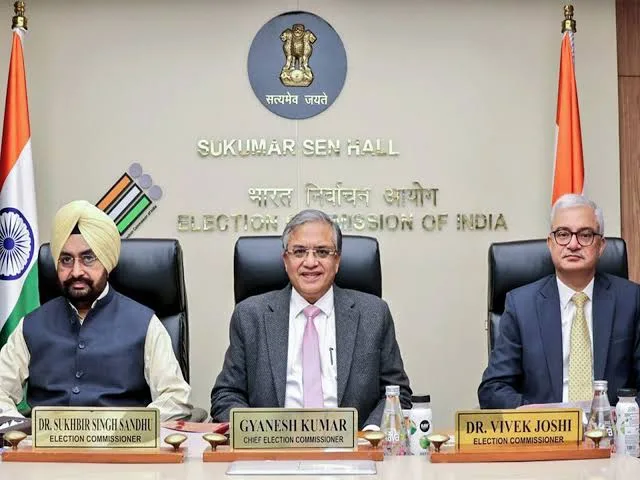
    An ECI dissent report has triggered a fresh political confrontation between the Opposition and the Election Commission of India after an Indian Express investigation reported that Election Commissioners Sukhbir Singh Sandhu and Vivek Joshi had raised formal objections to decisions taken by the poll panel. The report said the two commissioners recorded at least 14 objections over 10 months on issues linked to voter registration, deletion and restoration of names, changes to electoral forms and the management of voter data. The ECI, however, has rejected the description of these objections as formal dissent, saying differences and observations are part of institutional deliberations and that decisions of the full Commission were unanimous.
    An ECI dissent report has triggered a fresh political confrontation between the Opposition and the Election Commission of India after an Indian Express investigation reported that Election Commissioners Sukhbir Singh Sandhu and Vivek Joshi had raised formal objections to decisions taken by the poll panel. (ANI)
    An ECI dissent report has triggered a fresh political confrontation between the Opposition and the Election Commission of India after an Indian Express investigation reported that Election Commissioners Sukhbir Singh Sandhu and Vivek Joshi had raised formal objections to decisions taken by the poll panel. (ANI)

    ECI dissent report puts internal decision-making under scrutiny

    The ECI dissent report centres on objections reportedly raised by Sandhu and Joshi, who are members of the three-person Election Commission headed by Chief Election Commissioner Gyanesh Kumar. According to the Indian Express investigation, the two commissioners objected on record at least 14 times, including four instances on a single day, over decisions and orders they said had been taken without their knowledge.

    The reported objections covered matters directly connected with electoral rolls, including the addition of new voters, deletion and restoration of names and the handling of the voter database. The investigation also reported concerns over the centralisation of access to electoral-roll systems in Delhi and changes to Form 6, which is used by citizens seeking registration as voters.

    The ECI has disputed the interpretation of the exchanges. Its position is that commissioners may raise observations or suggestions during deliberations without those necessarily amounting to dissent on a final decision. The poll panel said all decisions taken by the full Commission during the period were unanimous.

    Also Read | What is ERONET? The ECI software at the centre of the SIR row
    The ECI dissent report quickly became a political issue, with Congress leaders using the findings to renew their criticism of the poll panel and its handling of the Special Intensive Revision, or SIR, of electoral rolls. (ANI)
    The ECI dissent report quickly became a political issue, with Congress leaders using the findings to renew their criticism of the poll panel and its handling of the Special Intensive Revision, or SIR, of electoral rolls. (ANI)

    Rahul Gandhi, Congress step up attack after ECI dissent report

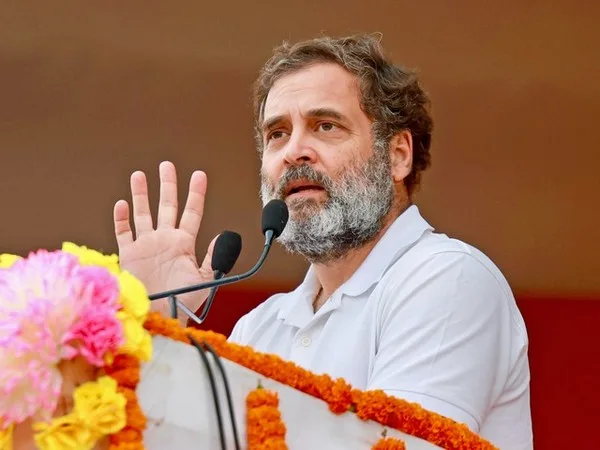
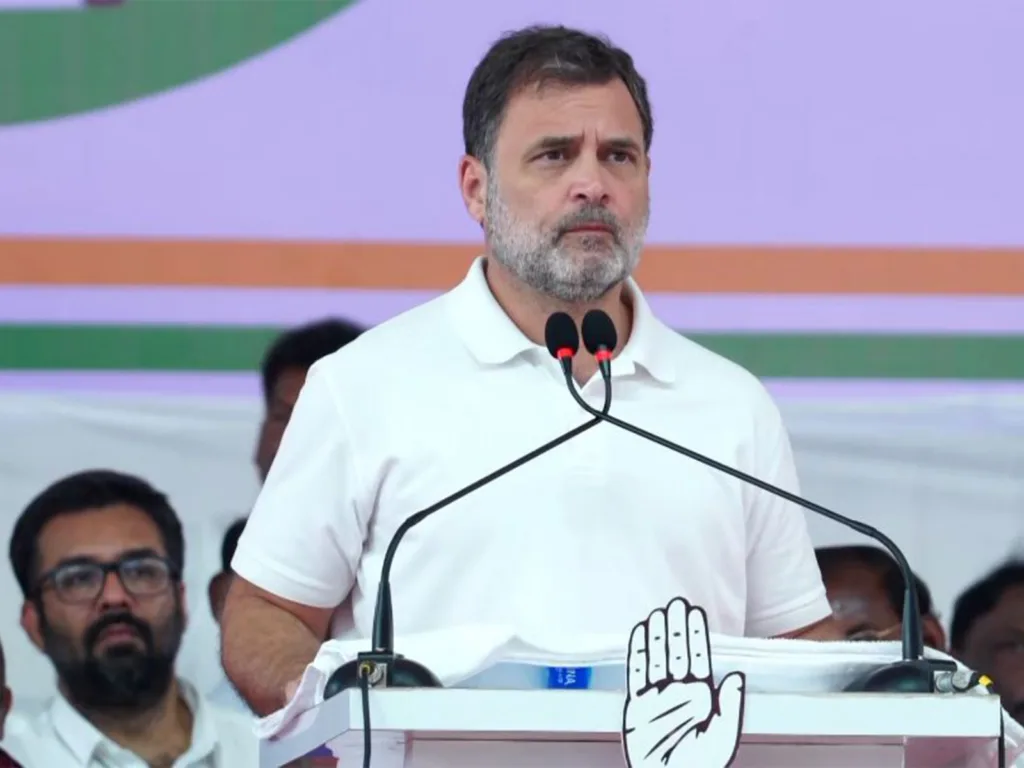
    The ECI dissent report quickly became a political issue, with Congress leaders using the findings to renew their criticism of the poll panel and its handling of the Special Intensive Revision, or SIR, of electoral rolls.

    Congress leader Rahul Gandhi accused the Election Commission, BJP and RSS of being involved in what he described as “vote chori” and said the issue amounted to an attack on the Constitution. These are political allegations and have not been independently established.

    Congress MP Manish Tewari also referred to the ECI dissent report while questioning whether the Election Commission was being influenced by an “invisible hand”. Tewari argued that if the reported objections reflected decisions being taken without following established procedures, the legality and credibility of those decisions would need examination. He also raised the possibility of proceedings against the Chief Election Commissioner. These were his political and legal arguments, rather than findings by a court.

    Trinamool Congress MP Derek O’Brien separately renewed a call for a Rajya Sabha motion seeking the removal of CEC Gyanesh Kumar. The Opposition’s response has therefore extended beyond the reported internal objections to broader questions about the functioning and accountability of the poll panel.

    Also Read | India asks Pakistan to back anti-terror claims with action as tensions rise
    The ECI dissent report has emerged at a time when the Election Commission's SIR exercise is already facing intense political and legal scrutiny. (ANI)
    The ECI dissent report has emerged at a time when the Election Commission’s SIR exercise is already facing intense political and legal scrutiny. (ANI)

    ECI dissent report comes amid wider SIR controversy

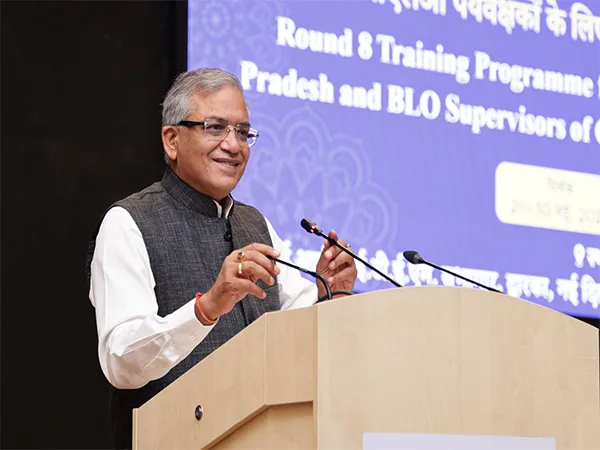
    The ECI dissent report has emerged at a time when the Election Commission’s SIR exercise is already facing intense political and legal scrutiny. The Indian Express investigation said the objections raised by Sandhu and Joshi concerned issues at the heart of electoral-roll management, including new voter registration and deletion of names.

    One reported dispute involved changes to Form 6, with the two commissioners objecting to the addition of questions related to voters’ or their relatives’ presence in earlier electoral rolls. The investigation reported that they described the change as unauthorised and illegal.

    At the same time, the ECI has maintained that the reported exchanges do not establish a formal split in the Commission. It has said that individual views, observations and suggestions are normal during deliberations and that final decisions remained unanimous.

    The ECI dissent report has consequently opened a debate over how a constitutional body should record and understand internal disagreements. While Opposition parties have treated the reported objections as evidence of serious concerns, the poll panel has characterised them as part of its normal decision-making process. The significance of the controversy will depend on how the coming weeks examine the underlying objections, procedures, and decisions.
  • Jaishankar meets Rubio in New York, raising India’s concerns over Russia sanctions

    Jaishankar meets Rubio in New York, raising India’s concerns over Russia sanctions

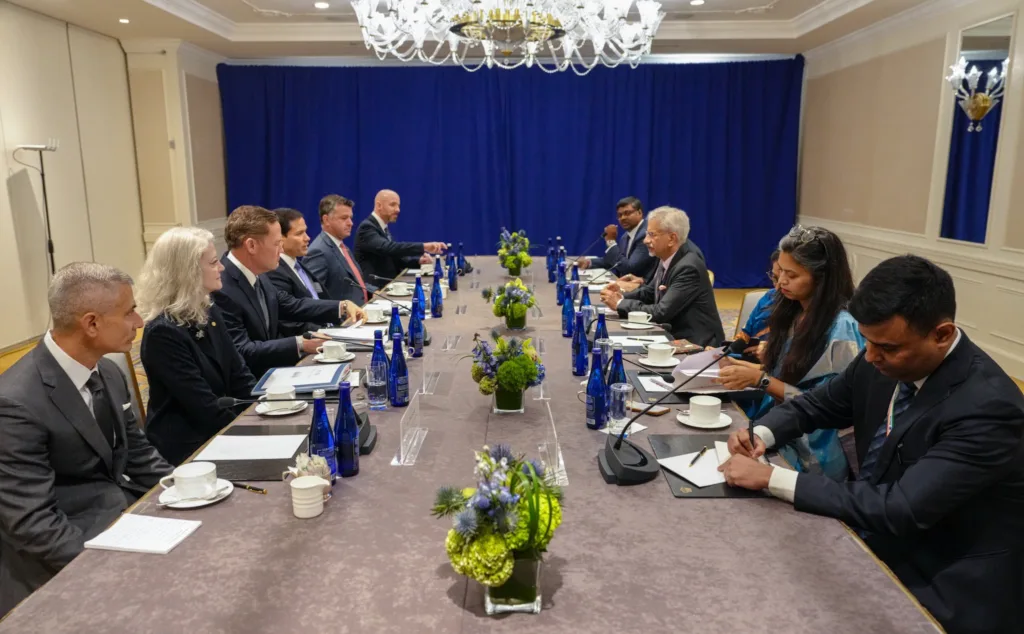
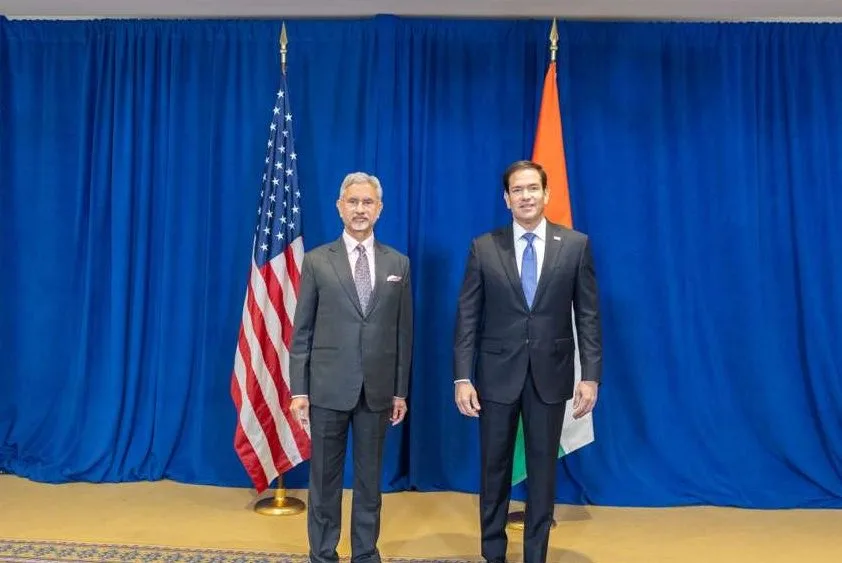
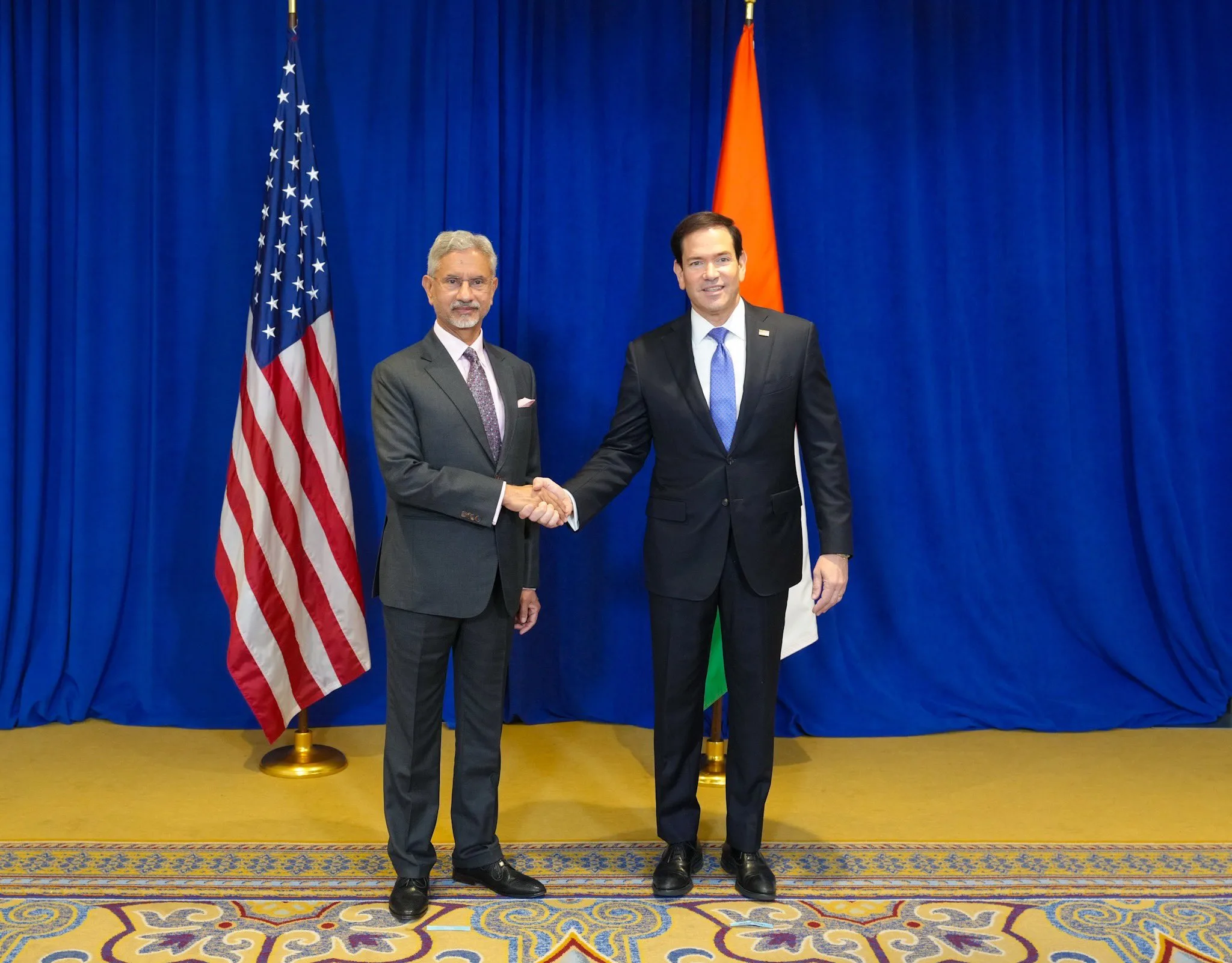
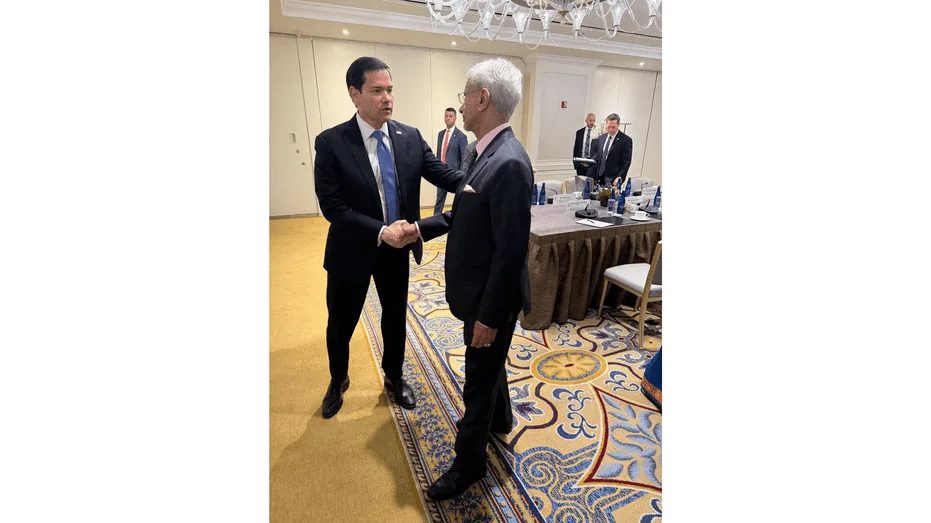
    External Affairs Minister S Jaishankar met US Secretary of State Marco Rubio in New York on Wednesday as the two sides discussed the India-US strategic partnership and a range of regional and global issues. Jaishankar said he reiterated India’s interests and concerns regarding the Lindsey O. Graham Sanctioning Russia and Iran Act of 2026, while the two ministers also discussed developments in the Gulf and Ukraine. The meeting took place on the sidelines of the United Nations General Assembly’s high-level week, where Jaishankar is scheduled to address the General Assembly on Saturday.

    External Affairs Minister S Jaishankar met US Secretary of State Marco Rubio in New York on Wednesday as the two sides discussed the India-US strategic partnership and a range of regional and global issues. (X/@DrSJaishankar)
    External Affairs Minister S Jaishankar met US Secretary of State Marco Rubio in New York on Wednesday as the two sides discussed the India-US strategic partnership and a range of regional and global issues. (X/@DrSJaishankar)

    The Jaishankar-Rubio meeting focuses on strategic partnership

    The meeting comes as India and the US continue discussions on trade, security and regional cooperation despite differences over proposed measures targeting countries and entities linked to Russia and Iran.

    Rubio said the two countries were working to strengthen their strategic partnership and coordinate on regional priorities and upcoming multilateral engagements. Jaishankar, meanwhile, said India had reiterated its interests and concerns regarding the proposed sanctions legislation.

    The legislation, referred to as SRIA, has implications for countries continuing significant economic engagement with Russia and Iran. India has maintained energy and trade ties with Russia, making any potential sanctions affecting Russian oil purchases an important issue for New Delhi.

    The meeting therefore comes at a time when broader India-US economic discussions are also continuing. Trade negotiations between the two countries have remained an important part of the bilateral agenda.

    Also Read | What is ERONET? The ECI software at the centre of the SIR row

    India has maintained energy and trade ties with Russia, making any potential sanctions affecting Russian oil purchases an important issue for New Delhi. (X/@DrSJaishankar)
    India has maintained energy and trade ties with Russia, making any potential sanctions affecting Russian oil purchases an important issue for New Delhi. (X/@DrSJaishankar)

    Jaishankar-Rubio meeting covers Gulf and Ukraine

    The meeting also covered the situations in the Gulf and Ukraine, according to Jaishankar’s account of the discussions.
    The Gulf remains strategically important for India because of its energy supplies, trade routes and large Indian-origin population across the region. Developments affecting shipping and energy security therefore remain a significant concern for New Delhi.

    The Ukraine conflict was another key issue. India has maintained diplomatic engagement with both Russia and Western countries while calling for dialogue and diplomacy to resolve the conflict. Prime Minister Narendra Modi had also publicly urged Russian President Vladimir Putin last month to end the war.

    Jaishankar’s discussions in New York come against this wider diplomatic backdrop, with the UN General Assembly bringing together heads of government, foreign ministers and senior diplomats from across the world.

    Also Read | India asks Pakistan to back anti-terror claims with action as tensions rise

    The Jaishankar-Rubio meeting also takes place within the broader framework of India-US cooperation through the Quad, which includes India, the United States, Japan and Australia. (X/@DrSJaishankar)
    The Jaishankar-Rubio meeting also takes place within the broader framework of India-US cooperation through the Quad, which includes India, the United States, Japan and Australia. (X/@DrSJaishankar)

    Jaishankar-Rubio meeting comes amid wider Quad coordination

    The meeting also takes place within the broader framework of India-US cooperation through the Quad, which includes India, the United States, Japan and Australia.

    The four countries have continued coordination on issues including maritime security, infrastructure and energy in the Indo-Pacific. At the Quad Foreign Ministers’ meeting in New Delhi in May, the members reiterated cooperation on maritime security, port infrastructure and energy.

    For India and the US, the strategic relationship therefore extends beyond their differences over trade and sanctions. Cooperation continues across the Indo-Pacific even as both sides navigate disagreements on economic and geopolitical issues.
    Jaishankar is scheduled to address the UN General Assembly on Saturday during the afternoon session beginning at 3 pm local time, which will be 12.30 am in India on Sunday. His meetings on the sidelines of the General Assembly are expected to form part of India’s wider diplomatic engagement during the high-level week.

    The Jaishankar-Rubio meeting adds to that diplomatic push, with India seeking to articulate its position on sanctions while continuing engagement with Washington on regional and multilateral priorities.

  • Sohar Port offers India another trade route as Hormuz risks persist

    Sohar Port offers India another trade route as Hormuz risks persist

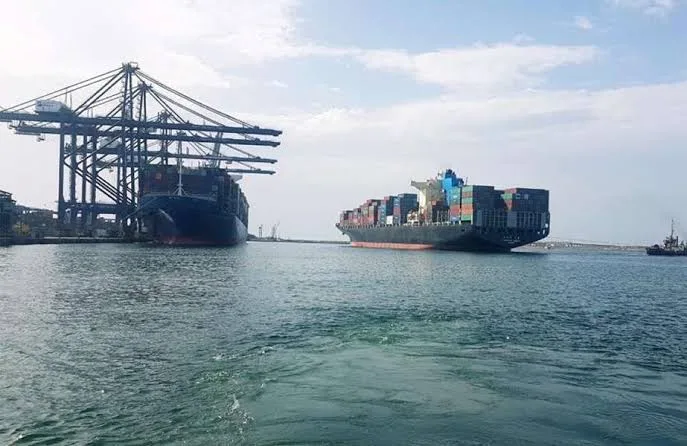
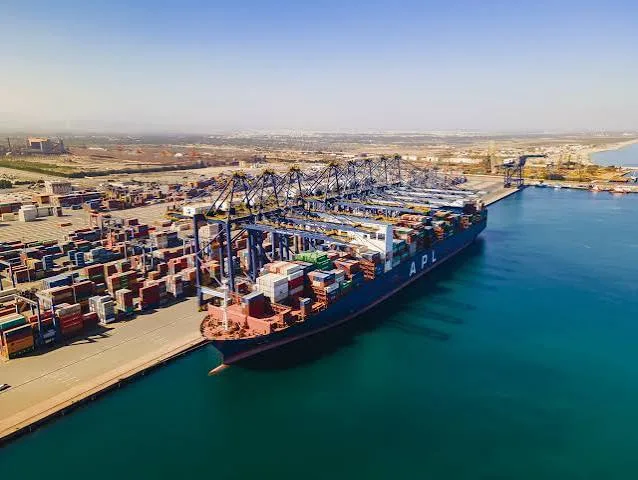
    The Strait of Hormuz remains a major concern for countries dependent on Gulf energy and trade flows, prompting India to explore alternative logistics routes that can reduce exposure to disruptions in the narrow maritime passage. In this context, Sohar Port in Oman has emerged as an important option. Located on the Gulf of Oman, outside the Strait of Hormuz, Sohar Port combines deep-water infrastructure with road connectivity to Gulf markets and an industrial free zone. It cannot replace the entire network of Persian Gulf ports, but it could provide Indian businesses with an additional gateway during periods of heightened maritime risk.

    The Strait of Hormuz remains a major concern for countries dependent on Gulf energy and trade flows, prompting India to explore alternative logistics routes that can reduce exposure to disruptions in the narrow maritime passage. (ANI)
    The Strait of Hormuz remains a major concern for countries dependent on Gulf energy and trade flows, prompting India to explore alternative logistics routes that can reduce exposure to disruptions in the narrow maritime passage. (Reuters)

    Sohar Port sits outside the Hormuz chokepoint

    The strategic importance of Sohar Port comes primarily from its location. Ships travelling from India’s western coast to Sohar can reach the Omani port without entering the Strait of Hormuz. This can reduce exposure to risks associated with shipping through the narrow passage when regional tensions affect maritime traffic.

    The Strait of Hormuz is a critical route for global energy supplies, connecting the Persian Gulf with the Gulf of Oman and the Arabian Sea. Major Gulf ports serving markets in the UAE, Saudi Arabia, Kuwait and Qatar are located inside the Persian Gulf and therefore depend on access through the strait.

    Sohar Port offers a different logistics model. Cargo arriving at its deep-water terminals can be moved by road towards the UAE and other Gulf markets. This means some goods can reach destinations without a vessel having to enter the Persian Gulf.

    The port also has facilities designed to handle large commercial vessels and is integrated with the wider Sohar Freezone industrial ecosystem.

    Also Read | From Trump TV to Truth Social: Inside the US president’s media multiverse

    The strategic importance of Sohar Port comes primarily from its location. Ships travelling from India's western coast to Sohar can reach the Omani port without entering the Strait of Hormuz. (ANI)
    The strategic importance of Sohar Port comes primarily from its location. Ships travelling from India’s western coast to Sohar can reach the Omani port without entering the Strait of Hormuz. (Reuters)

    Sohar Port gains importance with India-Oman trade ties

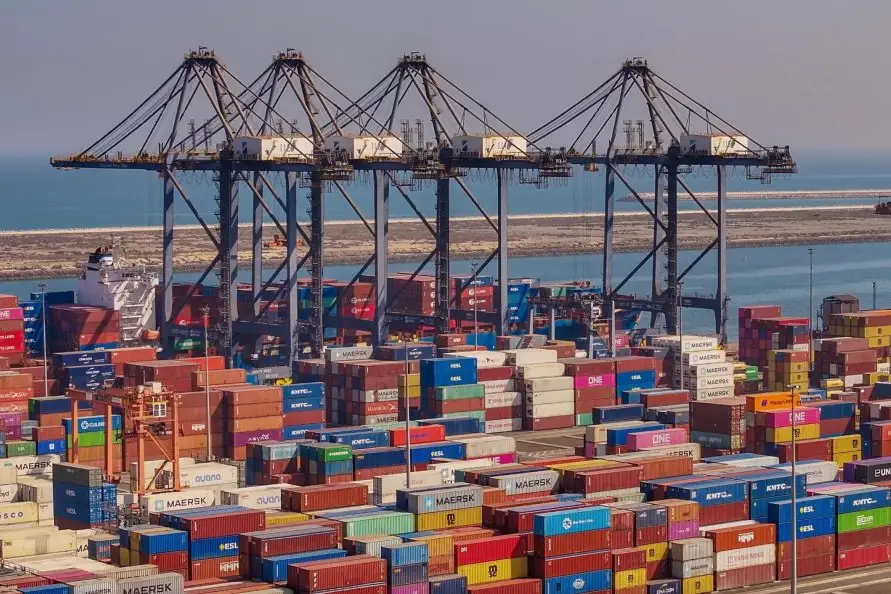
    The potential role of Sohar Port extends beyond serving as an emergency alternative. Its industrial free zone provides space for manufacturing, warehousing, processing and distribution, creating opportunities for Indian companies seeking access to Gulf and international markets.

    The India-Oman Comprehensive Economic Partnership Agreement has added another dimension to this relationship. The agreement, which came into force in June 2026, provides expanded market access and tariff concessions for Indian exports to Oman.

    For Indian companies, combining the trade benefits of the agreement with Sohar Port’s logistics infrastructure could make Oman a regional distribution base. Engineering products, pharmaceuticals, textiles, food products and machinery are among the sectors that could benefit from easier market access and regional distribution.

    The Sohar ecosystem is also built around several industrial clusters, including logistics, metals, petrochemicals and food processing. This allows companies to establish operations closer to shipping infrastructure rather than relying entirely on facilities in India.

    The port’s existing industrial base is significant. Sohar Port and Freezone has attracted billions of dollars in investment and handles substantial cargo volumes, giving it an established role in Oman’s trade network.

    Also Read | Iran Code 100 alert: What the reported military escalation means

    The potential role of Sohar Port extends beyond serving as an emergency alternative. Its industrial free zone provides space for manufacturing, warehousing, processing and distribution, creating opportunities for Indian companies seeking access to Gulf and international markets. (Reuters)
    The potential role of Sohar Port extends beyond serving as an emergency alternative. Its industrial free zone provides space for manufacturing, warehousing, processing and distribution, creating opportunities for Indian companies seeking access to Gulf and international markets. (Reuters)

    Sohar Port cannot replace Hormuz but can diversify routes

    Sohar Port’s biggest limitation is scale. The Persian Gulf’s major ports collectively handle enormous volumes of energy and container traffic, meaning Sohar does not have the capacity to absorb all cargo if the Strait of Hormuz were completely closed.

    Its role is therefore better understood as diversification rather than replacement.

    During periods of heightened risk, Sohar could discharge containerised cargo and transport it onwards by road or feeder services. This could allow some trade between India and Gulf markets to continue while reducing the need for vessels to enter the Persian Gulf.

    The same logic applies to India’s broader maritime strategy. Oman has ports beyond Sohar, including Duqm and Salalah, allowing India to develop a network of logistics points along the Omani coastline rather than relying on a single gateway.

    For India, the significance of Sohar Port therefore lies in resilience. A port outside the Strait of Hormuz cannot eliminate the country’s dependence on Gulf energy supplies or replace the region’s largest maritime hubs. However, it can provide an additional commercial route, support Indian investment in Oman and create more options for moving goods towards GCC markets.

    As India-Oman economic ties deepen, Sohar Port could consequently become an increasingly important component of India’s wider effort to diversify supply chains and reduce vulnerability to individual maritime chokepoints.

  • India asks Pakistan to back anti-terror claims with action as tensions rise

    India asks Pakistan to back anti-terror claims with action as tensions rise

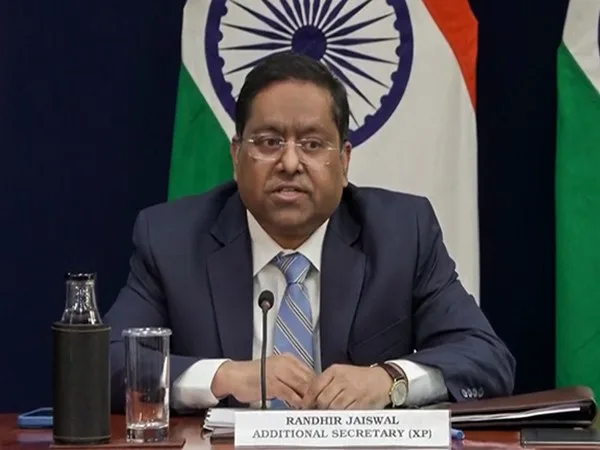
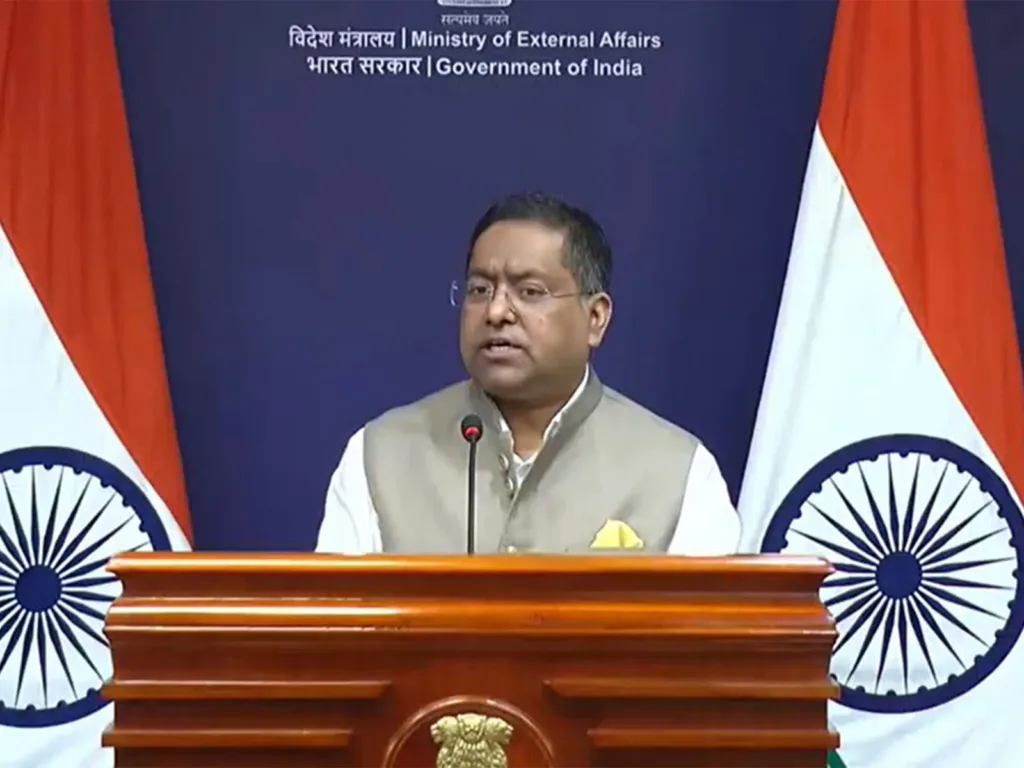
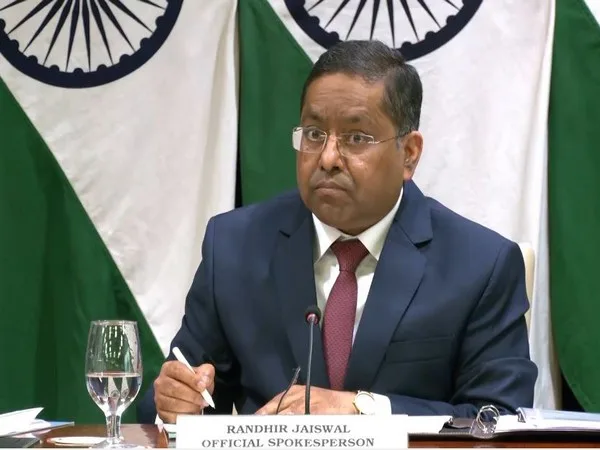
    India has called on Pakistan to demonstrate concrete action against cross-border terrorism, hours after Pakistan Army chief and Chief of Defence Forces Field Marshal Asim Munir reiterated his military’s commitment to defeating terrorism. Ministry of External Affairs spokesperson Randhir Jaiswal said on Tuesday that Pakistan would need to show a firm commitment through action before its assurances could gain greater credibility internationally. The remarks came amid renewed tensions between Pakistan and Afghanistan following Pakistani airstrikes in Afghanistan’s Kunar and Paktika provinces.

    India has called on Pakistan to demonstrate concrete action against cross-border terrorism, hours after Pakistan Army chief and Chief of Defence Forces Field Marshal Asim Munir reiterated his military’s commitment to defeating terrorism. (ANI)
    India has called on Pakistan to demonstrate concrete action against cross-border terrorism, hours after Pakistan Army chief and Chief of Defence Forces Field Marshal Asim Munir reiterated his military’s commitment to defeating terrorism. (ANI)

    Pakistan’s cross-border terrorism remarks draw response from India

    Jaiswal was responding to Munir’s remarks during a visit to Corps Headquarters in Peshawar. According to Pakistan’s military media wing, Munir was briefed on the security situation in the province, ongoing counter-terrorism operations, border management measures and the operational preparedness of formations deployed there.

    The Pakistani military said Munir emphasised the armed forces’ determination to defeat terrorism and ensure lasting peace and stability in the country.

    Responding to the statement, Jaiswal said Pakistan needs to demonstrate both action and a firm commitment against terrorism. He specifically called for credible action on Pakistan’s cross-border terrorism before the international community accepts Islamabad’s stated intentions.
    India has repeatedly raised concerns about cross-border terrorism emanating from Pakistan. The issue has remained a central point of disagreement between the two countries, with New Delhi maintaining that Pakistan must take verifiable steps against terrorist networks operating from territory under its control.

    Also Read | President Droupadi Murmu urges film stars to avoid harmful products; calls for more women on award juries

    Jaiswal was responding to Munir’s remarks during a visit to Corps Headquarters in Peshawar. (ANI)
    Jaiswal was responding to Munir’s remarks during a visit to Corps Headquarters in Peshawar. (ANI)

    Pakistan’s cross-border terrorism issue comes amid Afghanistan strikes

    The latest exchange between New Delhi and Islamabad came against the backdrop of escalating tensions between Pakistan and Afghanistan.

    Pakistan carried out airstrikes in Afghanistan’s Kunar and Paktika provinces on September 21. Islamabad said the operation targeted militant groups and reported that 28 militants had been killed. Afghan authorities, however, reported civilian casualties, while the United Nations Assistance Mission in Afghanistan confirmed that three civilians, including a man, a woman and a girl, were killed.

    India separately condemned the Pakistani strikes. Jaiswal said attacks against a sovereign neighbour were contrary to regional peace and security and reaffirmed India’s support for Afghanistan’s independence, sovereignty, and territorial integrity.

    Pakistan has maintained that militant groups operating from Afghan territory pose a security threat to the country. Afghan authorities have rejected accusations that they are allowing their territory to be used for attacks against Pakistan.

    The dispute has added another layer to the wider regional security situation, even as India continues to raise its own concerns over Pakistan’s cross-border terrorism.

    Also Read | Broken idol at home? Delhi introduces dedicated collection centres

    The latest exchange between New Delhi and Islamabad came against the backdrop of escalating tensions between Pakistan and Afghanistan. (ANI)
    The latest exchange between New Delhi and Islamabad came against the backdrop of escalating tensions between Pakistan and Afghanistan. (ANI)

    Pakistan’s cross-border terrorism remains a key Indian concern

    India’s latest statement reflects a longstanding position that declarations against terrorism need to be accompanied by demonstrable measures. The MEA has previously said that Pakistan must take credible, irreversible, and verifiable action against cross-border terrorism.

    The issue has repeatedly affected India-Pakistan relations, including efforts to improve bilateral ties. New Delhi has maintained that progress on normal relations is linked to the security environment and the absence of terrorism and violence directed against India.

    At the same time, the immediate diplomatic exchange does not establish whether Pakistan’s current counter-terrorism operations will result in any change in the security situation along its borders. Pakistan has publicly maintained that its armed forces are conducting operations against militant groups and has pointed to attacks inside the country as the reason for its security measures.

    For now, Pakistan’s cross-border terrorism remains a central issue in India’s public diplomatic messaging towards Islamabad. The latest remarks also come as Pakistan faces a separate security challenge along its western border, where tensions with Afghanistan have intensified following the recent airstrikes and competing allegations over militant activity.

  • Digi Yatra international trial may begin at Delhi, Mumbai, Bengaluru, Hyderabad and Cochin airports

    Digi Yatra international trial may begin at Delhi, Mumbai, Bengaluru, Hyderabad and Cochin airports

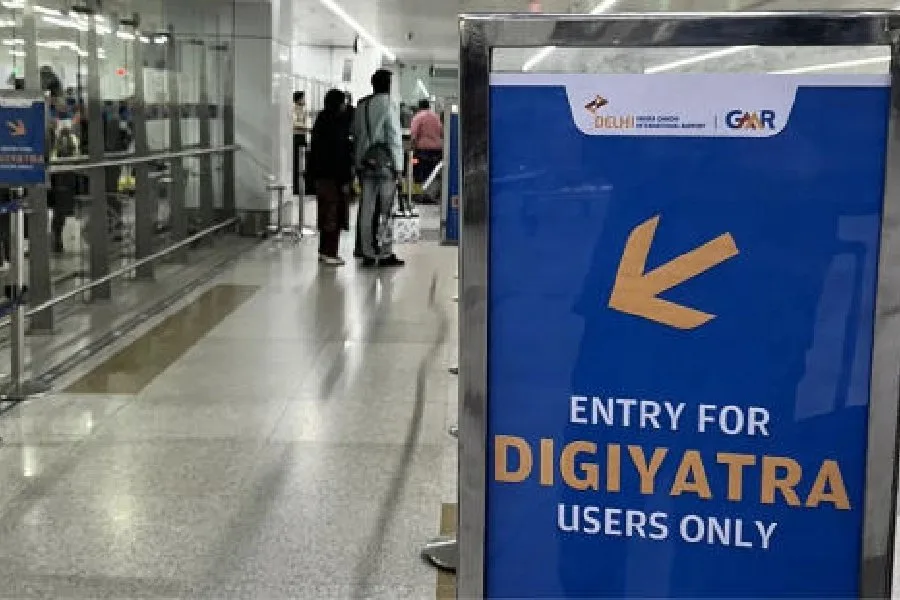
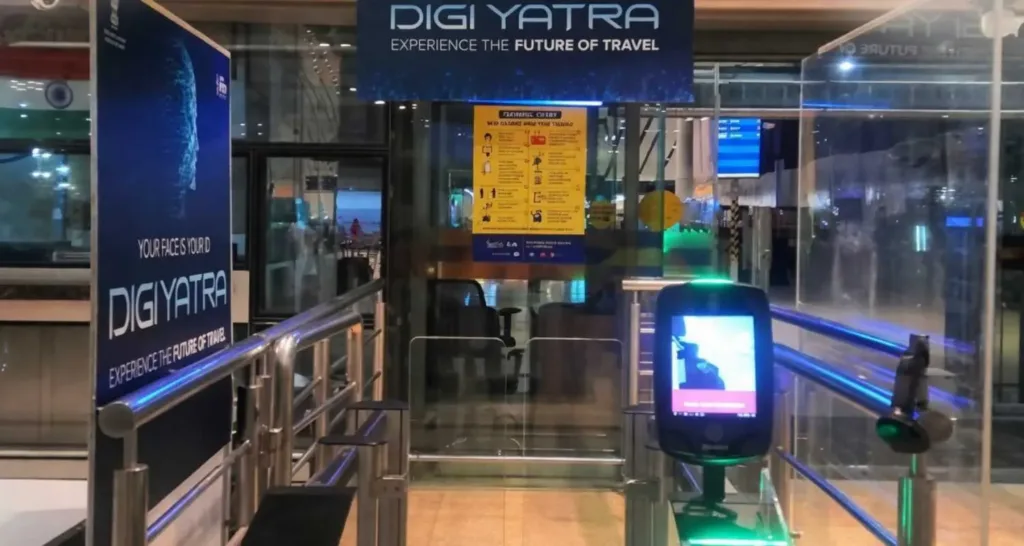
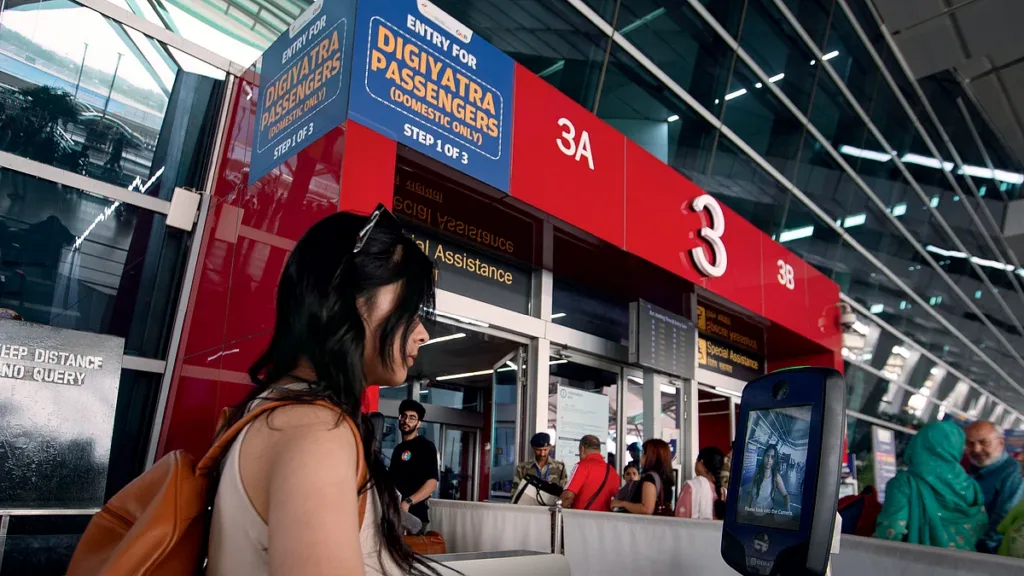
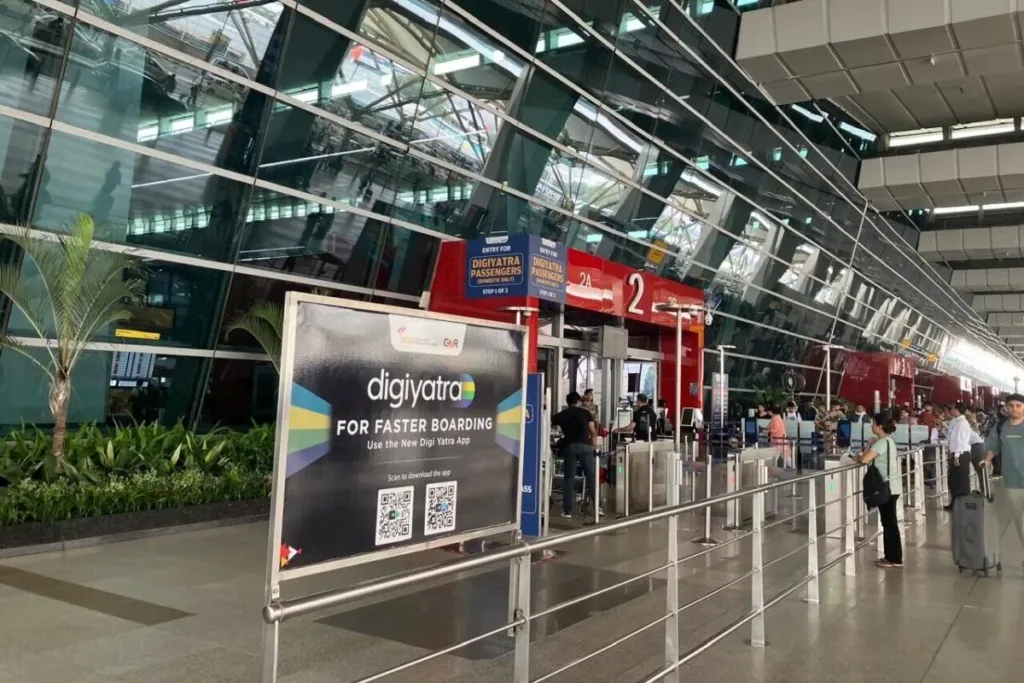
    International air travellers from India could soon get access to a facial recognition-based Digi Yatra system at major airports. The government is planning trials for international departures between October and December 2026, with Delhi and Mumbai expected to be among the first airports to receive the facility. Bengaluru, Hyderabad and Cochin airports are also part of the proposed trial.

    International air travellers from India could soon get access to a facial recognition-based Digi Yatra system at major airports. (ANI)
    International air travellers from India could soon get access to a facial recognition-based Digi Yatra system at major airports. (ANI)

    Digi Yatra international trial to begin with departures

    The first phase of the Digi Yatra international rollout is expected to focus only on passengers departing from India. The system could initially be used at relatively less-sensitive checkpoints such as terminal entry, security checks, and potentially boarding gates.

    Immigration and emigration checks are expected to continue under the existing system during the trial. Integration with immigration could be considered at a later stage after the technology has been tested for reliability and security.

    The Ministry of Civil Aviation’s policy framework treats the immigration process separately from the Digi Yatra boarding system, with automated border control for international travel envisaged as a later phase.

    Also Read | Who is Suryanarayana Doolla? IIT Bombay professor suspended after student’s death

    The first phase of the Digi Yatra international rollout is expected to focus only on passengers departing from India. (ANI)
    The first phase of the Digi Yatra international rollout is expected to focus only on passengers departing from India. (ANI)

    How Digi Yatra international travel will work

    Unlike domestic Digi Yatra, which uses Aadhaar-based enrolment, the international system is expected to rely on electronic passports.

    Passengers will be able to scan the information page of their e-passport using a smartphone and read its embedded chip through Near Field Communication, or NFC. The photograph stored on the passport chip can then be matched with a live selfie to create a digital travel credential.

    That credential could subsequently be used to verify the passenger’s identity at participating airport checkpoints, reducing the need for repeated manual document checks.

    India had issued 17,316,144 e-passports as of July 30, 2026, according to figures cited from a government reply in Parliament.

    Also Read | Sangrur man consumes poison over alleged drug inaction, political row follows

    Unlike domestic Digi Yatra, which uses Aadhaar-based enrolment, the international system is expected to rely on electronic passports. (ANI)
    Unlike domestic Digi Yatra, which uses Aadhaar-based enrolment, the international system is expected to rely on electronic passports. (ANI)

    Software upgrades and security checks still pending

    The planned Digi Yatra international rollout is still undergoing technical preparations. Officials told Hindustan Times that they are carrying out software upgrades before the trials, and an audit by the Ministry of Electronics and Information Technology is also expected.

    The upgraded application is reportedly undergoing final testing, including vulnerability assessment and penetration testing involving CERT-In and the Standardisation Testing and Quality Certification Directorate.

    Some aviation rules may also need amending before the system becomes operational. These include the existing requirement for passengers to show their passports at airport entry.

    For now, the proposed system is therefore a trial rather than a full replacement for existing international travel procedures. The government is expected to assess security, reliability, and passenger processing before deciding on wider implementation.

    FAQs

    When will Digi Yatra international trials begin?

    The proposed trials are expected to take place between October and December 2026.

    Which airports are expected to test Digi Yatra for international departures?

    Delhi, Mumbai, Bengaluru, Hyderabad, and Cochin airports are expected to participate, with Delhi and Mumbai likely to be among the first.

    Will immigration checks be removed under international Digi Yatra?

    No. Immigration and emigration checks are expected to continue under the existing system during the initial trial phase.

    Will international Digi Yatra use Aadhaar?

    No. The proposed international system is expected to use e-passports, with biometric verification based on the passport chip and a live facial image.

  • Iran Code 100 alert: What the reported military escalation means

    Iran Code 100 alert: What the reported military escalation means

    Iran has activated what is being described as its highest military alert, known as “Code 100.” It has added another layer of uncertainty to an already tense situation in West Asia. The reported move comes after Houthi attacks targeting Saudi Arabia, fresh warnings from Tehran about possible US military action and increased American military activity in the region. However, the specific “Code 100” designation has not been publicly confirmed by Iranian state media, making it important to distinguish the reported alert from independently verified developments.

    Iran has activated what is being described as its highest military alert, known as “Code 100”, have added another layer of uncertainty to an already tense situation in West Asia. (Reuters)
    Iran has activated what is being described as its highest military alert, known as “Code 100”, adding another layer of uncertainty to an already tense situation in West Asia. (Reuters)

    Iran Code 100 report emerges amid rising military tensions

    According to reports citing Iranian news agency Fars and other sources, Iran placed its armed forces on Code 100 on Thursday night. The reported alert covers the Islamic Revolutionary Guard Corps, the regular Army and security forces and is described as the country’s highest level of military preparedness.

    If the reported alert is accurate, it would indicate a major increase in military readiness at a time when Tehran is preparing for the possibility of further US action. Iran has also reportedly moved substantial Army units towards border areas, including the Makran coast along the Gulf of Oman, according to Fars. The reports do not establish that a US ground operation is imminent.

    The significance of the Iran Code 100 report therefore lies less in the name of the alert and more in the wider pattern of military preparations and warnings emerging from the region.

    Also Read | Why India wants a permanent seat at the UN Security Council

    If the reported alert is accurate, it would indicate a major increase in military readiness at a time when Tehran is preparing for the possibility of further US action. (ANI)
    If the reported alert is accurate, it would indicate a major increase in military readiness at a time when Tehran is preparing for the possibility of further US action. (Reuters)

    Houthi attack raises pressure on Iran and Gulf states

    The latest escalation follows attacks by Iran-aligned Houthi forces in Yemen targeting Saudi Arabia. Reuters reported that the attacks intensified an already volatile confrontation involving Iran, the United States, and regional powers. Tehran’s military has warned that any new attack could trigger severe retaliation against US forces and interests in the region.

    The United States has also issued security warnings for the region, reflecting concerns over possible attacks, flight disruptions and airspace restrictions. Reports of additional US military movements have further contributed to speculation about the possibility of renewed military action.

    For Gulf states, any escalation involving Iran, the US, or Iran-aligned groups could create risks for airports, shipping routes, and energy infrastructure. The Strait of Hormuz is particularly important because of its role in global energy transportation.

    Also Read | Wars, Trump and Guterres’ exit set the tone for UN General Assembly 2026

    The latest escalation follows attacks by Iran-aligned Houthi forces in Yemen targeting Saudi Arabia. (ANI)
    The latest escalation follows attacks by Iran-aligned Houthi forces in Yemen targeting Saudi Arabia. (Reuters)

    Has Iran officially confirmed Code 100?

    This remains the central uncertainty surrounding the Iran Code 100 story. Iranian official media have not publicly confirmed the specific designation, even though reports citing Fars and other sources have described the country’s forces as being placed on the highest alert.

    That distinction matters because military alert designations can carry specific operational meanings that cannot be independently established from social media posts or open-source reports alone.

    What is clearer is that military tensions have intensified. Reuters reported that Iran has warned of severe retaliation against any new US attack, while the US has increased security warnings amid the deteriorating regional situation.

    The reported Iran Code 100 activation should therefore be treated as an unconfirmed indication of heightened readiness rather than proof that Tehran has authorised an immediate military offensive. The coming days will depend on whether diplomatic efforts prevent further escalation or whether additional attacks and military deployments push the region towards a broader confrontation.

    FAQs

    What is Iran Code 100?

    Iran Code 100 has been described in current reports as the highest level of military alert, but its specific designation and operational meaning have not been publicly confirmed by Iranian state authorities.

    Has Iran officially confirmed Code 100?

    No. Reports have cited Iranian sources and open-source monitoring, but Iranian state media have not publicly confirmed the specific Code 100 designation.

  • India’s semiconductor push faces sabotage risk, Union Minister Ashwini Vaishnaw warns

    India’s semiconductor push faces sabotage risk, Union Minister Ashwini Vaishnaw warns

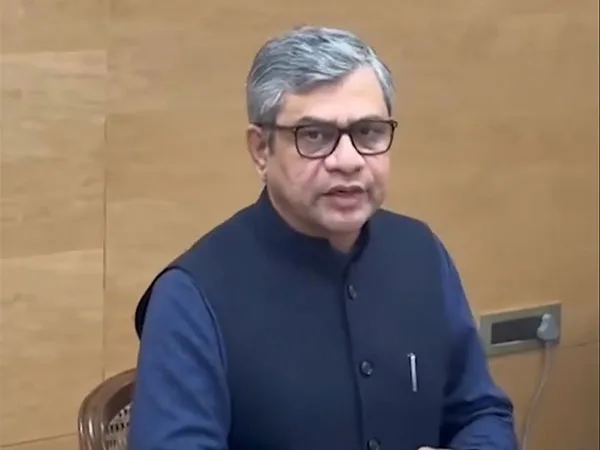
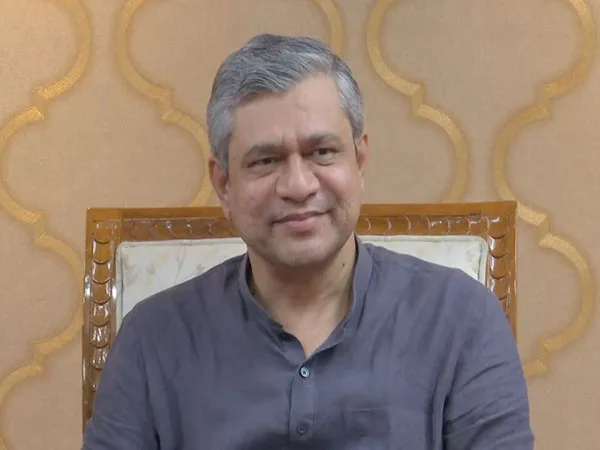
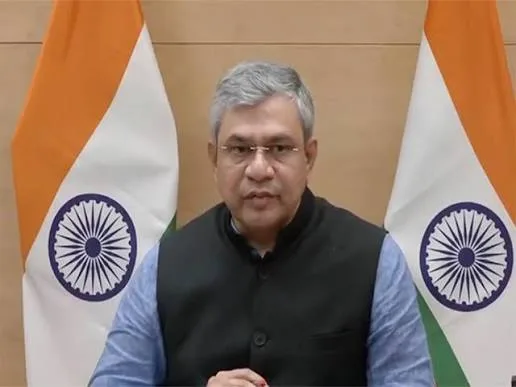
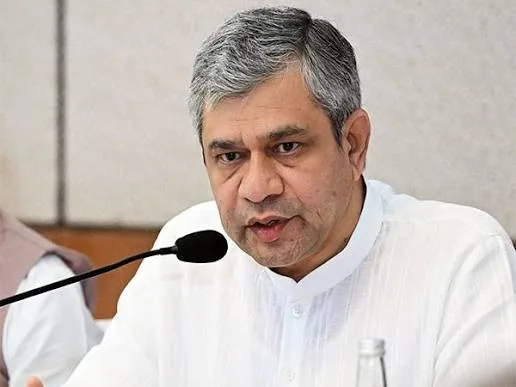
    Union Electronics and Information Technology Minister Ashwini Vaishnaw has warned that India’s growing semiconductor industry could face attempts at disruption as the country establishes itself as a new player in the global chip ecosystem. Speaking to NDTV, Vaishnaw said the industry should be prepared for cyberattacks, misinformation and physical disruptions, arguing that semiconductors have become a strategic sector.

    Union Electronics and Information Technology Minister Ashwini Vaishnaw has warned that India’s growing semiconductor industry could face attempts at disruption as the country establishes itself as a new player in the global chip ecosystem. (ANI)
    Union Electronics and Information Technology Minister Ashwini Vaishnaw has warned that India’s growing semiconductor industry could face attempts at disruption as the country establishes itself as a new player in the global chip ecosystem. (ANI)

    India semiconductor industry must prepare for disruption

    Union Electronics and Information Technology Minister Ashwini Vaishnaw referred to alleged incidents during the early phase of Apple’s manufacturing expansion in India to illustrate the kinds of challenges he believes the country could encounter as its manufacturing capabilities grow.

    He alleged that there had been attempts to disrupt operations through incidents including food poisoning, the cutting of electricity wires and misinformation. He also referred to a Reuters report about claims that married women were not being allowed to work at an Apple supplier, describing it as fake news.

    These claims were made by Vaishnaw during the interview and have not been independently established in the report.

    The minister said similar challenges could emerge as India expands its semiconductor capabilities and attracts greater international attention.

    Also Read | Man travels 1,200 km from Amritsar to Gaya; ChatGPT helps him find his family

    The minister said the government and industry would need to remain prepared because semiconductor manufacturing is strategically important for modern economies and technology supply chains. (ANI)
    The minister said the government and industry would need to remain prepared because semiconductor manufacturing is strategically important for modern economies and technology supply chains. (ANI)

    Cyberattacks and fake news among concerns

    Union Electronics and Information Technology Minister Ashwini Vaishnaw said the Indian semiconductor industry should be prepared for multiple forms of disruption rather than treating the challenge purely as a manufacturing issue.

    He warned that cyberattacks could target companies and infrastructure, while misinformation could be used to create uncertainty around the sector. He also raised the possibility of physical attacks and other disruptions.

    The minister said the government and industry would need to remain prepared because semiconductor manufacturing is strategically important for modern economies and technology supply chains.

    Semiconductors are used in a wide range of products, from smartphones and computers to automobiles, industrial equipment and defence systems. Their strategic importance has increased with the expansion of artificial intelligence and the global race to secure resilient chip supply chains.

    Also Read | Once visited by Christopher Nolan, Matt Damon, and Tom Holland, now facing regulatory action: The story of Olympia Cafe, Mumbai

    Vaishnaw’s warning came as SEMICON India 2026 concluded in New Delhi. (ANI)
    Vaishnaw’s warning came as SEMICON India 2026 concluded in New Delhi. (ANI)

    SEMICON India highlights growing semiconductor ambitions

    Union Electronics and Information Technology Minister Ashwini Vaishnaw’s warning came as SEMICON India 2026 concluded in New Delhi. The three-day event at Yashobhoomi brought together more than 600 exhibitors, including around 300 international companies, with representatives from 52 countries. The event also recorded 56 MoUs, announcements, and strategic initiatives across chip design, manufacturing, advanced packaging, equipment, materials, research, and talent development.

    The government has also outlined Semicon 2.0, which aims to expand India’s capabilities across the wider semiconductor value chain, including design, equipment, fabrication, advanced packaging, research and talent.

    For India, the next phase will therefore involve not only building semiconductor facilities but also protecting the ecosystem from technological, operational and geopolitical risks. Vaishnaw’s warning reflects the government’s stated view that preparedness will be key to establishing India as a semiconductor manufacturing and technology hub.

    FAQs

    Why did Ashwini Vaishnaw warn about sabotage attempts?

    Vaishnaw said India’s growing semiconductor capabilities could attract opposition and potential attempts at disruption.

    What threats did Vaishnaw identify?

    He cited possible cyberattacks, fake news, physical attacks and other forms of disruption.

    What is SEMICON India 2026?

    SEMICON India 2026 was a three-day semiconductor industry event in New Delhi featuring global companies, industry announcements and initiatives aimed at expanding India’s chip ecosystem.

  • Man travels 1,200 km from Amritsar to Gaya; ChatGPT helps him find his family

    Man travels 1,200 km from Amritsar to Gaya; ChatGPT helps him find his family

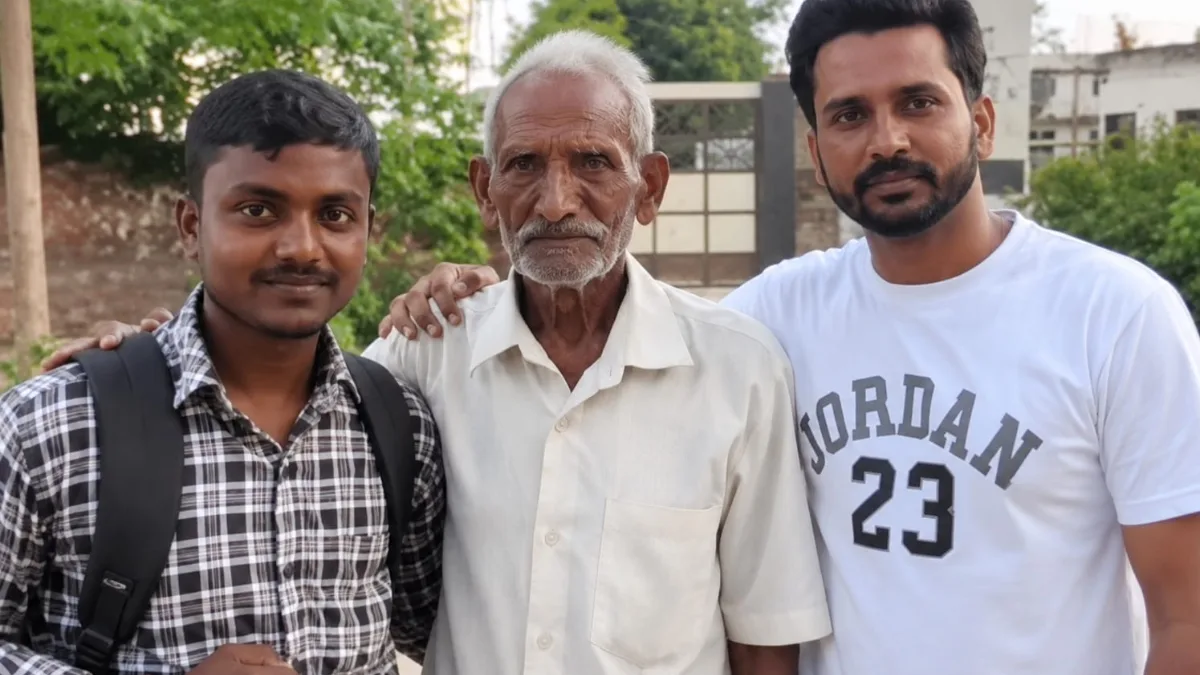
    A missing elderly man from Punjab travelled more than 1,200 kilometres away from home after losing his way during a pilgrimage, before a stranger in Gaya used ChatGPT and online searches to trace his family. Chaman Lal, from Fatehgarh Gujran village in Ludhiana district, had travelled to Amritsar on September 11 to visit the Golden Temple under the Punjab government’s Chief Minister Pilgrimage Scheme. After becoming separated from his group, he eventually boarded a train to Bihar and reached Gaya.

    A missing elderly man from Punjab travelled more than 1,200 kilometres away from home after losing his way during a pilgrimage, before a stranger in Gaya used ChatGPT and online searches to trace his family. (OpenAI)
    A missing elderly man from Punjab travelled more than 1,200 kilometres away from home after losing his way during a pilgrimage, before a stranger in Gaya used ChatGPT and online searches to trace his family. (OpenAI)

    Stranger finds missing man in Gaya

    Chaman Lal was found near a railway station in Gaya by Neeraj, a local construction worker. The elderly man appeared distressed and hungry and struggled to explain where he came from. His family said he has memory-related difficulties.

    The only useful information Chaman Lal could provide was the name of his village, Fatehgarh Gujran. Neeraj took him home, gave him food and shelter and allowed him to stay with his family while he tried to trace his relatives.

    Since Chaman Lal spoke only Punjabi, Neeraj used the village name as his starting point. He searched online and also turned to ChatGPT to identify the location of Fatehgarh Gujran.

    Also Read | Once visited by Christopher Nolan, Matt Damon, and Tom Holland, now facing regulatory action: The story of Olympia Cafe, Mumbai

    Since Chaman Lal spoke only Punjabi, Neeraj used the village name as his starting point. (OpenAI)
    Since Chaman Lal spoke only Punjabi, Neeraj used the village name as his starting point. (OpenAI)

    ChatGPT helps reunite family after a three-day search

    Neeraj’s search continued for three days before he identified a village called Fatehgarh Gujran near Machhiwara Sahib in Ludhiana district.

    Rather than sending Chaman Lal back alone, Neeraj decided to accompany him on the journey from Gaya to Punjab. After reaching the Machhiwara area, he began showing the elderly man’s photograph to residents in the hope that someone would recognise him.

    His efforts eventually paid off when a resident, Master Krishan Lal, identified Chaman Lal. The information quickly reached the family, and Chaman Lal’s grandson, Sukhchain Singh, travelled to Machhiwara to confirm his identity.

    The case shows how ChatGPT helps reunite family members when basic clues such as a village name can be combined with online information. However, it was Neeraj’s intervention, local searches and decision to personally accompany Chaman Lal that ultimately completed the journey home.

    Also Read | IIT Bombay student death: FIR filed after ChatGPT exam row

    Sukhchain Singh said the family had searched extensively for Chaman Lal after he went missing in Amritsar and had also informed the police. (OpenAI)
    Sukhchain Singh said the family had searched extensively for Chaman Lal after he went missing in Amritsar and had also informed the police. (OpenAI)

    Family had already searched for Chaman Lal

    Sukhchain Singh said the family had searched extensively for Chaman Lal after he went missing in Amritsar and had also informed the police. Relatives and villagers had circulated his photograph on social media in the hope that someone would recognise him.

    The family later welcomed Neeraj at their home with garlands and offered him money and clothes as a gesture of gratitude. Sukhchain Singh thanked him for protecting his grandfather and travelling with him all the way from Gaya to Punjab.

    Neeraj said he could not ignore an elderly man who appeared to be in distress. Once he learnt the name of Chaman Lal’s village, he felt responsible for finding his family.

    What began with a chance encounter at a railway station in Gaya ended with an elderly man returning home, helped by a stranger’s persistence and a simple combination of local knowledge, internet searches and AI.

    FAQs

    How did Chaman Lal reach Gaya from Punjab?

    Chaman Lal lost his way in Amritsar, reached a railway station and boarded a train that took him to Gaya in Bihar.

    How did ChatGPT help find Chaman Lal’s family?

    Neeraj used ChatGPT and online searches to trace the village name provided by Chaman Lal, helping identify his home in Ludhiana district.

  • Once visited by Christopher Nolan, Matt Damon, and Tom Holland, now facing regulatory action: The story of Olympia Cafe, Mumbai

    Once visited by Christopher Nolan, Matt Damon, and Tom Holland, now facing regulatory action: The story of Olympia Cafe, Mumbai

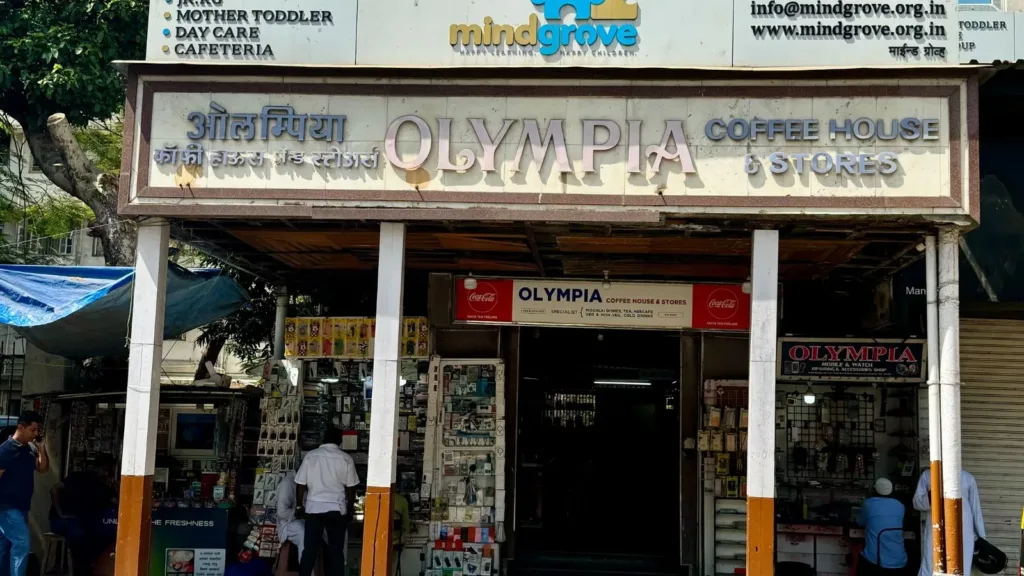
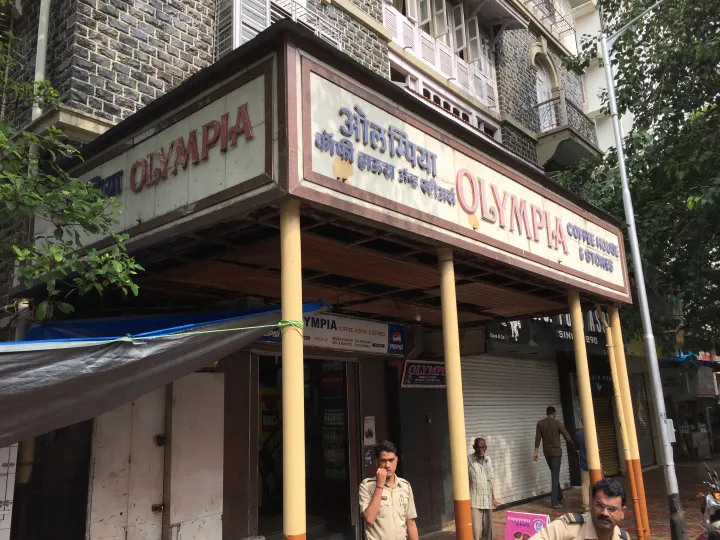
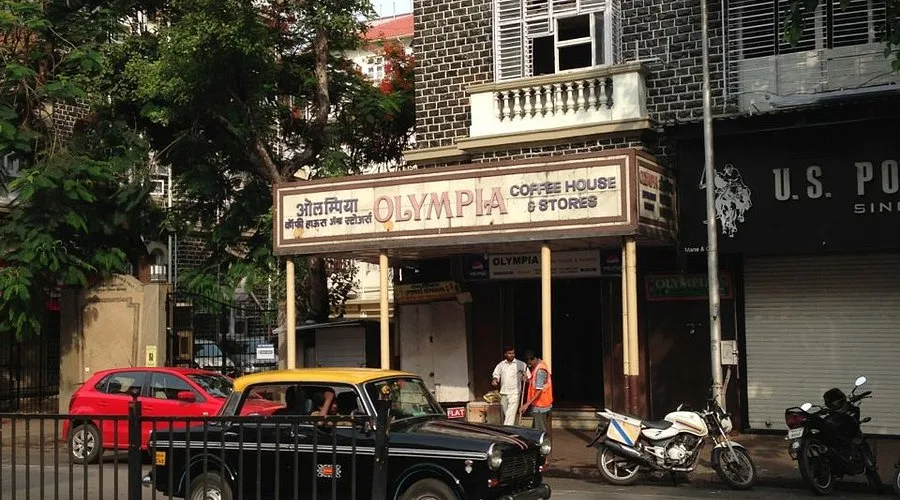
    Olympia Coffee House, the century-old Colaba eatery in Mumbai that recently made headlines after visits by Christopher Nolan, Matt Damon, and Tom Holland, is now facing regulatory action over food safety and hygiene concerns. The Maharashtra Food and Drug Administration has suspended the cafe’s licence following an inspection triggered by a consumer complaint. Officials reportedly found a range of violations, including cockroach and fly infestation, poor food handling practices and a urinal inside the food storage area.

    Olympia Coffee House, the century-old Colaba eatery that recently made headlines after visits by Christopher Nolan, Matt Damon and Tom Holland, is now facing regulatory action over food safety and hygiene concerns. (ANI)
    Olympia Coffee House, the century-old Colaba eatery that recently made headlines after visits by Christopher Nolan, Matt Damon and Tom Holland, is now facing regulatory action over food safety and hygiene concerns. (ANI)

    Mumbai cafe’s license suspension after FDA inspection

    The Mumbai cafe licence suspension followed an inspection in which FDA officials reportedly flagged several conditions they considered serious food safety violations. Inspectors found meat and blood residues inside a refrigerator, along with cockroaches and flies on the premises.

    The inspection also reportedly found food being handled directly on the floor, unhygienic food preparation and utensil-washing areas, and the use of unclean water. Raw vegetarian and non-vegetarian food was also allegedly not being stored separately.

    The findings did not stop there. Officials reportedly found damaged wooden chopping boards being used in the kitchen, while food handlers were allegedly not wearing appropriate protective clothing.

    The Mumbai cafe’s license suspension by the FDA will remain in place until further notice, according to the report.

    Also Read | IIT Bombay student death: FIR filed after ChatGPT exam row

    The Mumbai cafe's license suspension action followed an inspection in which FDA officials reportedly flagged several conditions they considered serious food safety violations.(ANI)
    The Mumbai cafe’s license suspension action followed an inspection in which FDA officials reportedly flagged several conditions they considered serious food safety violations.(ANI)

    Mumbai cafe licence suspended as food safety checks intensify

    Olympia Coffee House is among several establishments across Maharashtra against which the FDA has taken action as food safety inspections intensify. The inspection drive has brought greater attention to hygiene standards in restaurants, cafes, and other food establishments.

    The reported presence of a urinal in the food storage area was among the findings that drew particular attention. The FDA has also flagged the need for proper separation of raw food, hygienic preparation areas, and safe handling practices.

    The Mumbai cafe’s license suspension following the inspection is therefore linked to a broader regulatory exercise rather than the cafe’s association with visiting celebrities.

    Also Read | Passport rules changed: What children and parents need to know

    Olympia Coffee House is among several establishments across Maharashtra against which the FDA has taken action as food safety inspections intensify. (ANI)
    Olympia Coffee House is among several establishments across Maharashtra against which the FDA has taken action as food safety inspections intensify. (ANI)

    Mumbai cafe’s license suspended weeks after Hollywood visit

    The regulatory action comes just weeks after Olympia became a talking point among film fans when Christopher Nolan, Matt Damon, and Tom Holland visited the Colaba cafe during their Mumbai trip in July.

    The Hollywood filmmaker and actors reportedly stopped for tea, bun maska, and desserts while in the city ahead of the premiere of Nolan’s film The Odyssey. Their visit brought fresh attention to the old-school cafe, which has long been known for dishes such as mutton keema pav, biryani, kebabs, dal gosht, Irani chai, and bun maska.

    For a cafe with such a long association with Mumbai’s food culture, the suspension of its Mumbai cafe’s licence over reported hygiene violations marks a striking shift in its recent public attention. The licence will remain suspended while the regulatory action continues.

    FAQs

    Why was Olympia Coffee House’s license suspended?

    The Maharashtra FDA suspended the licence after inspectors reported several food-safety and hygiene violations.

    Did Christopher Nolan, Matt Damon and Tom Holland visit Olympia Coffee House?

    Yes, the three reportedly visited the Colaba cafe in July during their Mumbai trip.

  • IIT Bombay student death: FIR filed after ChatGPT exam row

    IIT Bombay student death: FIR filed after ChatGPT exam row

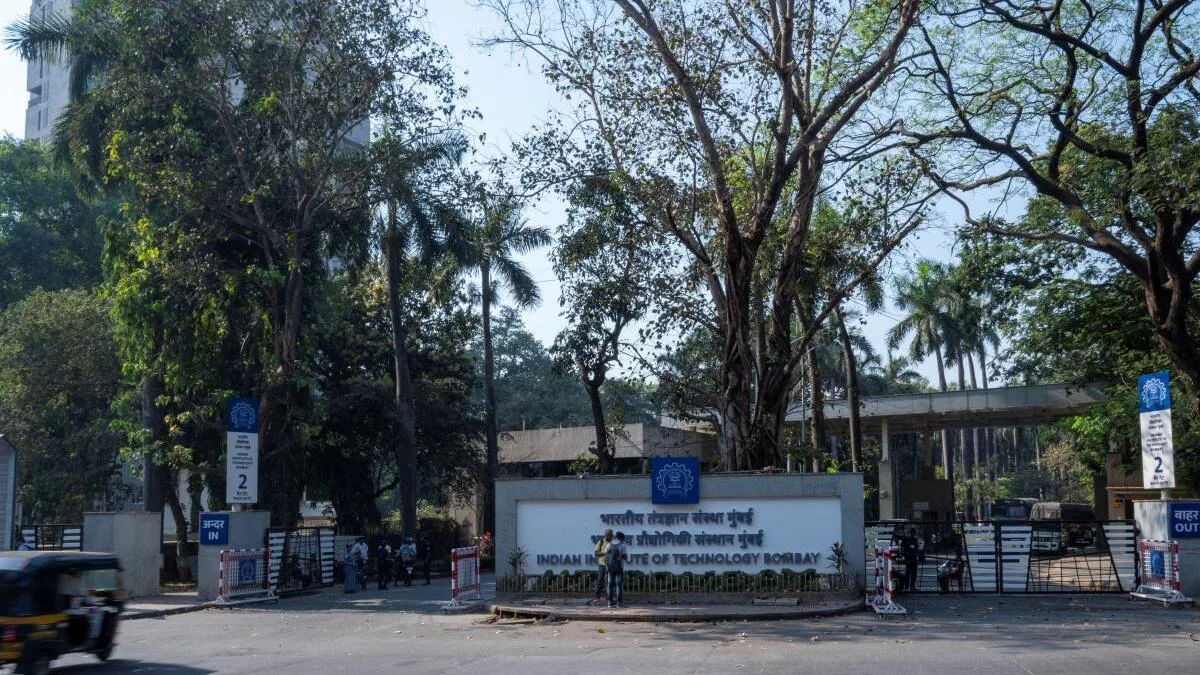
    The IIT Bombay student death case has taken a serious legal turn after police registered an FIR against the institute following the death of a second-year student. The FIR invokes Section 108 of the Bharatiya Nyaya Sanhita, relating to abetment of suicide, along with provisions of the Scheduled Castes and Scheduled Tribes (Prevention of Atrocities) Act. The development came amid protests by students seeking answers over what happened after the student was pulled up for using a mobile phone during an examination.

    The IIT Bombay student death case has taken a serious legal turn after police registered an FIR against the institute following the death of a second-year student. (ANI)
    The student death case has taken a serious legal turn after police registered an FIR against the institute following the death of a second-year student. (ANI)

    IIT Bombay student death case moves to FIR

    The student death case began after the student was found using a mobile phone during an examination. According to the institute, he had uploaded the examination question paper on ChatGPT to seek answers.

    IIT Bombay has maintained that no disciplinary action was initiated against him. The institute said the instructor and Head of Department discussed the matter with the student, counselled him, and assured him that the incident would not adversely affect his academic career. He later returned to his hostel room, where he was found dead.

    The police FIR now means the circumstances surrounding the IIT Bombay student’s death will be examined as part of a formal investigation. The registration of an FIR does not establish guilt, and the allegations against the institute remain subject to investigation and due process.

    Also Read | Passport rules changed: What children and parents need to know

    The IIT Bombay student death case began after the student was found using a mobile phone during an examination. (ANI)
    The IIT Bombay student death case began after the student was found using a mobile phone during an examination. (ANI)

    IIT Bombay student death sparks campus protests

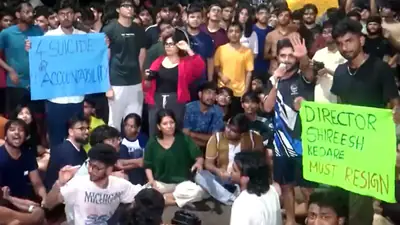
    The student death has also triggered protests on campus, with students demanding greater clarity from the administration. More than 100 students gathered at the main gate on Saturday, while earlier protests had drawn a larger crowd.

    Students have alleged that the deceased was asked to leave the examination hall and faced the possibility of disciplinary action, including suspension. IIT Bombay has disputed that account, saying that no disciplinary proceedings were initiated. The conflicting accounts are now among the issues surrounding the investigation.

    The student’s parents also joined the protest and sought an explanation from the institute. They have alleged that discrimination may have played a role, although this remains an allegation and has not been established by investigators.

    Also Read | India’s WTO dilemma: Can plurilateralism and multilateralism coexist?

    The IIT Bombay student death has also triggered protests on campus, with students demanding greater clarity from the administration. (ANI)
    The IIT Bombay student death has also triggered protests on campus, with students demanding greater clarity from the administration. (ANI)

    IIT Bombay student death raises mental health concerns

    The IIT Bombay student death has renewed concerns about academic pressure, student welfare, and the way institutions respond when students face disciplinary or academic difficulties. The institute’s director has said that greater attention will be given to student mental health, with IIT Bombay stating that psychologists are available on campus.

    The case also comes amid previous student deaths at the Powai campus this year, adding to concerns among students about mental health support and institutional communication.

    The investigation will now have to establish the circumstances surrounding the IIT Bombay student death and examine the competing accounts of what happened after the examination. For the institute, the case has also brought renewed scrutiny over student support, academic discipline, and communication during moments of distress.

    FAQs

    Why was an FIR registered after the IIT Bombay student death?

    Police registered an FIR under Section 108 of the BNS and provisions of the SC/ST Act to investigate the circumstances surrounding the death.

    What did IIT Bombay say about the exam incident?

    IIT Bombay said no disciplinary action was initiated and that the student was counselled and assured that the incident would not affect his academic career.