Tag: Delhi air pollution

  • Delhi air pollution: 13 key gaps emerge in CAQM report as infrastructure targets remain unmet

    Delhi air pollution: 13 key gaps emerge in CAQM report as infrastructure targets remain unmet

    Delhi has achieved several administrative and monitoring targets under its pollution-control action plan but continues to fall short on infrastructure-led measures, according to the Commission for Air Quality Management (CAQM). The commission’s State Action Plan 2026 report card, released on Sunday, found that the Capital had achieved nine of the 22 parameters assessed, while several important targets remained incomplete.

    The assessment covers progress recorded until October 31 and compares pollution-control measures across Delhi and neighbouring National Capital Region states. It found that Delhi had met targets related to air-quality monitoring stations, construction and demolition waste processing capacity, industrial inspections and pollution-control equipment. However, municipal waste management, landfill clearance and road dust control remain areas of concern.

    The findings underline the continuing challenge of addressing Delhi pollution through long-term infrastructure improvements rather than relying only on monitoring and enforcement.
    Delhi has achieved several administrative and monitoring targets under its pollution-control action plan but continues to fall short on infrastructure-led measures, according to the Commission for Air Quality Management (CAQM).  (ANI)
    Delhi has achieved several administrative and monitoring targets under its pollution-control action plan but continues to fall short on infrastructure-led measures, according to the Commission for Air Quality Management (CAQM). (ANI)

    Delhi meets monitoring and industrial inspection targets

    Delhi achieved its target of installing 19 Continuous Ambient Air Quality Monitoring Stations (CAAQMS), which help track changes in air quality. Haryana, in comparison, had not completed any of its target of 23 stations. Rajasthan had achieved three of its five targets, while Uttar Pradesh had completed 22 of its 25.

    The Capital also met its target of establishing 1,000 tonnes per day of construction and demolition waste processing capacity. Uttar Pradesh had achieved 300 tonnes per day against a target of 400 tonnes, while Haryana reported no achievement against its target of 115 tonnes.

    Industrial inspections were another area where Delhi recorded progress. Government agencies completed 1,609 inspections against a target of 979. The city also achieved its target of installing online continuous emission monitoring systems (OCEMS) and air pollution control devices at 90 industries.

    The comparison with neighbouring states showed lower inspection figures in several cases. Haryana completed 177 inspections against a target of 3,865, Rajasthan carried out 68 against 2,974, and Uttar Pradesh completed 730 against 3,789.

    However, progress in monitoring and industrial enforcement has not translated into similar results across all areas of Delhi pollution control.
    Also Read | External Affairs Minister S Jaishankar meets Nepal PM Balendra Shah ahead of landmark Modi talks on November 23

    Delhi achieved its target of installing 19 Continuous Ambient Air Quality Monitoring Stations (CAAQMS), which help track changes in air quality. (ANI)
    Delhi achieved its target of installing 19 Continuous Ambient Air Quality Monitoring Stations (CAAQMS), which help track changes in air quality. (ANI)

    Waste management and landfill clearance remain major challenges

    The report identified municipal solid waste processing as one of the Capital’s significant infrastructure gaps. Delhi had targeted the expansion of two waste-processing plants, but no progress was reported on this measure by October 31. The planned additional processing capacity of 650 tonnes per day also remained unachieved.

    The city’s three major landfill sites continue to hold substantial quantities of legacy waste. At Okhla, agencies cleared 18.26 lakh metric tonnes against a target of 27.45 lakh tonnes. Bhalswa recorded clearance of 27.49 lakh tonnes against 48.42 lakh tonnes, while Ghazipur saw 16.53 lakh tonnes cleared against a target of 39.12 lakh tonnes.

    The lifting of construction and demolition waste also remained below the annual targets. Government agencies lifted 2.07 lakh metric tonnes against a target of 9.90 lakh tonnes, achieving approximately 21% of the target. Private agencies lifted 3.08 lakh metric tonnes against a target of 12.09 lakh tonnes, or around 26%.

    These figures highlight the scale of the waste-management challenge facing Delhi. Inadequate processing capacity and the slow removal of accumulated waste remain important concerns in the city’s wider pollution-control efforts.

    Also Read | Maharashtra withdraws FSSAI challenge after 8 weeks, raising questions over state’s U-turn

    The report identified municipal solid waste processing as one of the Capital's significant infrastructure gaps. (ANI)
    The report identified municipal solid waste processing as one of the Capital’s significant infrastructure gaps. (File Image/@Shaptadeep Saha))

    Road dust control records uneven progress

    Road dust is another significant contributor to Delhi pollution, and the CAQM assessment found that the city had made uneven progress in expanding mechanical road-sweeping capacity.

    Delhi achieved its target of adding four small mechanical road-sweeping machines. However, it had deployed only 19 of the 35 large machines targeted for augmentation. The shortfall was even greater in the medium-sized category, with just one machine deployed against a target of 57.

    Mechanical sweeping is intended to reduce the amount of dust that becomes airborne due to traffic and other activity on roads. The limited deployment of medium and large machines indicates that the planned expansion of road-cleaning infrastructure remains incomplete.

    Overall, the CAQM report presents a mixed picture of Delhi’s pollution-control efforts. The Capital has met several targets involving monitoring systems, industrial inspections and pollution-control equipment, but infrastructure-related measures continue to lag.

    With waste processing, landfill remediation and road dust management still facing substantial gaps, the assessment points to the need for sustained implementation of the remaining action-plan targets to address Delhi pollution.

  • Delhi pollution linked to 5 major health risks beyond respiratory diseases: Here is everything you should know

    Delhi pollution linked to 5 major health risks beyond respiratory diseases: Here is everything you should know

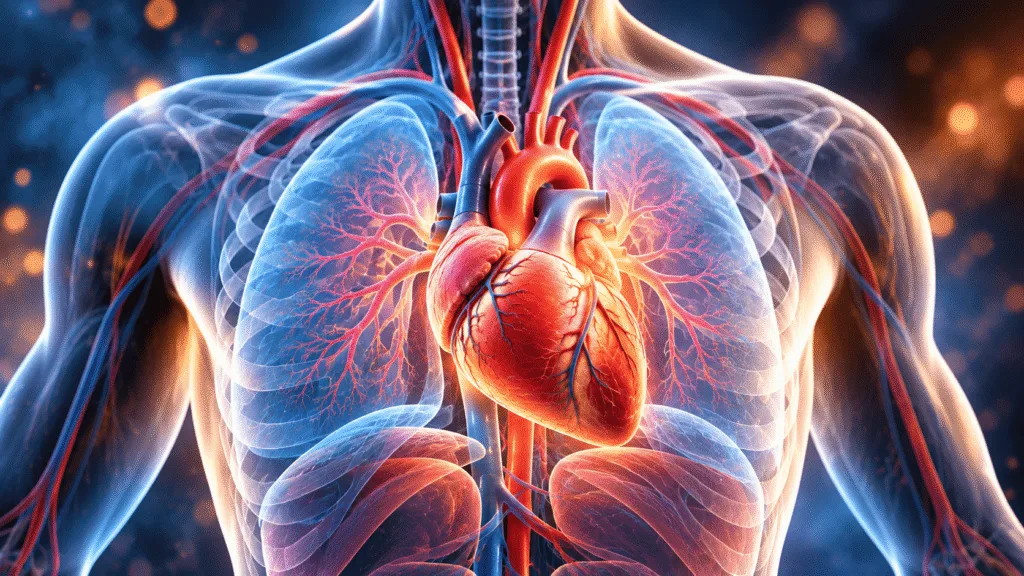
    Delhi air pollution may be affecting residents in ways that go well beyond coughing, breathing difficulties and other respiratory problems. Research conducted over several decades has associated exposure to polluted air with high blood pressure, cardiovascular diseases, depression, attention-deficit hyperactivity disorder (ADHD) and premature deaths.

    A review conducted by the Centre for Research on Energy and Clean Air (CREA), examining 184 peer-reviewed Indian studies published between 1975 and 2025, found that 169 studies, or 91.8%, reported at least one association between air pollution and an adverse health outcome. The findings underline the wider consequences of Delhi air pollution and the need to treat it as a public health concern throughout the year.

    Of the 184 studies reviewed, 26 focused on Delhi, making it the most extensively studied area. Punjab, Maharashtra and Uttar Pradesh followed. Respiratory illnesses featured in 86 studies, while 16 examined mortality and 11 investigated cardiovascular diseases.

    Delhi air pollution may be affecting residents in ways that go well beyond coughing, breathing difficulties and other respiratory problems. (AI-Generated)
    Delhi air pollution may be affecting residents in ways that go well beyond coughing, breathing difficulties and other respiratory problems. (AI-Generated)

    Delhi air pollution linked to heart disease and high blood pressure

    The review found evidence connecting exposure to fine particulate matter, particularly PM2.5, with increased cardiovascular risks. Studies examining daily deaths in Delhi reported an association between higher PM2.5 exposure and an increase in non-accidental deaths, including those caused by cardiovascular and respiratory conditions.

    Long-term exposure to particulate pollution was also associated with higher blood pressure, an increased likelihood of hypertension and more hospital admissions for cardiovascular conditions. These findings suggest that Delhi air pollution can affect the circulatory system even when its immediate effects are not visible as respiratory symptoms.

    Across India, 10 of the 11 studies examining cardiovascular diseases reported at least one association with air pollution. Three studies specifically identified links between PM2.5 exposure and hypertension, atherosclerosis, which involves the accumulation of plaque in arteries, and arterial stiffness.

    However, the evidence was not uniform across every pollutant and health outcome. Seven studies found no significant association for certain combinations, highlighting the need to interpret individual findings carefully.

    Also Read | India rules out shift in Indus Waters Treaty position during Pakistani minister’s Delhi visit

    The review found evidence connecting exposure to fine particulate matter, particularly PM2.5, with increased cardiovascular risks. (AI-Generated)
    The review found evidence connecting exposure to fine particulate matter, particularly PM2.5, with increased cardiovascular risks. (AI-Generated)

    Mental health, ADHD and brain development among concerns

    The CREA review also highlighted emerging evidence about the relationship between air pollution and mental health. Some studies suggested that exposure to polluted air could be associated with depression, changes in cognitive functioning and problems affecting brain development.

    One Delhi-based study involving asthma patients found that short-term exposure to PM2.5, PM10, nitrogen dioxide and sulphur dioxide was associated with severe depression and poorer asthma control. Another study linked exposure to household cooking pollution with depression, while research examining PM10 reported an association with ADHD.

    Dr Rajesh Sagar, Professor of Psychiatry at AIIMS, New Delhi, told The Indian Express that the mental health consequences of pollution could extend beyond anxiety and depression to affect brain development and cognitive functions, particularly among children and young people.

    He explained that pollutants may trigger inflammation that affects the brain, potentially influencing mood and cognitive abilities. The findings raise concerns about the long-term implications of Delhi air pollution for children whose brains are still developing.

    The review also identified risks linked to age, occupation and living conditions. Children residing in industrial areas showed a higher prevalence of asthma, according to Dr Manojkumar N, a CREA analyst and one of the review’s authors. Studies also documented respiratory allergies and infections associated with household cooking fuels, alongside elevated blood lead levels among schoolchildren living in areas with greater environmental lead exposure.

    Older people, particularly those above 60-65 years, were found to be especially vulnerable. Research examining mortality in Delhi reported stronger associations between PM2.5 exposure and daily deaths among elderly residents.

    Outdoor workers, including autorickshaw drivers, street vendors and sanitation workers, also reported respiratory complaints and eye irritation, with some studies documenting reduced lung function. Their prolonged exposure to polluted outdoor environments can make them particularly vulnerable to Delhi air pollution.

    Also Read | India-Japan defence ties deepen as Japanese forces prepare for first live-fire drills on Indian soil

    The CREA review also highlighted emerging evidence about the relationship between air pollution and mental health. (AI-Generated)
    The CREA review also highlighted emerging evidence about the relationship between air pollution and mental health. (AI-Generated)

    Pollution risks continue beyond winter, CREA calls for action

    Although winter smog brings Delhi air pollution into sharper public focus, the review indicates that exposure-related health risks are not restricted to the colder months. Studies comparing populations living in areas with different pollution levels found poorer lung function among people residing in more polluted neighbourhoods.

    Indoor air pollution was another significant concern. Prolonged exposure to solid cooking fuels, including biomass, coal and dung, was associated with respiratory allergies, infections and tuberculosis. This suggests that tackling pollution requires attention to household environments alongside outdoor emissions.

    The CREA review called for stronger enforcement of the National Ambient Air Quality Standards (NAAQS), wider air-quality monitoring, time-bound pollution reduction targets for individual sectors and tighter controls on industrial emissions. It also recommended accelerating the transition from biomass, coal and dung to cleaner cooking and heating fuels.

    Manojkumar said the next phase of the National Clean Air Programme, or NCAP 2.0, should move beyond a city-centric approach and include rural areas through a regional, airshed-based strategy. Such an approach would recognise that pollution travels across administrative boundaries and requires coordinated action across regions.

    The review also recommended updating the NAAQS, which was last revised in 2009. Improving monitoring and strengthening standards would help address pollution sources and their effects on communities beyond major urban centres.

    Dr Sagar emphasised that public awareness and preventive measures should form part of the response rather than creating panic. He called for greater protection of vulnerable groups, including pregnant women, children and older people, and advised people to minimise exposure during periods of high pollution.

    The findings make clear that Delhi air pollution is not simply a seasonal inconvenience or a problem limited to the respiratory system. Its possible links with cardiovascular disease, mental health, cognitive development and premature mortality make sustained pollution control an important public health priority.

  • Delhi air pollution: 3 key demands raised as AISA chief Neha leads protest with cancer patients

    Delhi air pollution: 3 key demands raised as AISA chief Neha leads protest with cancer patients

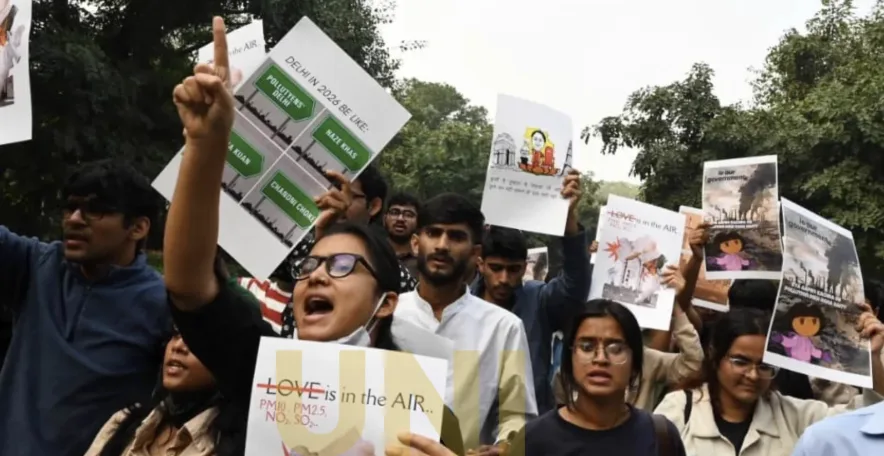
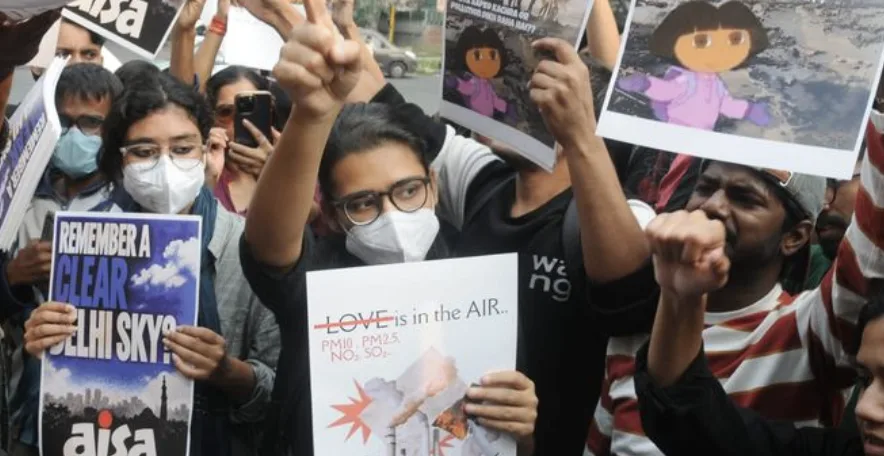
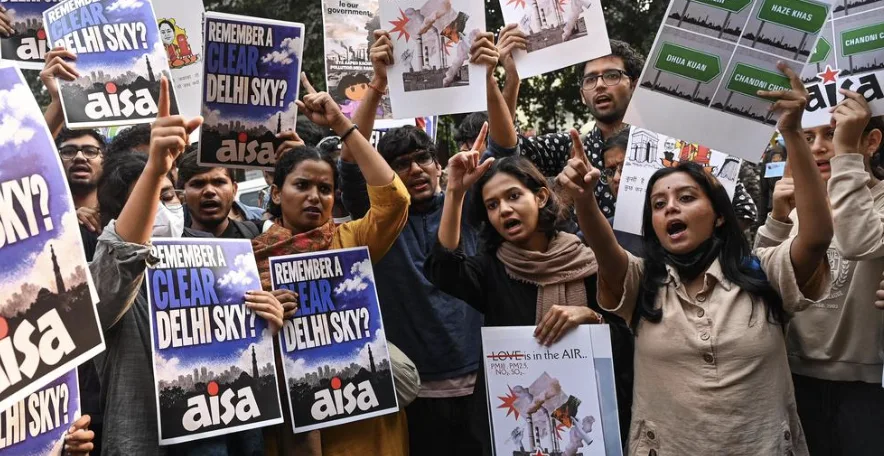
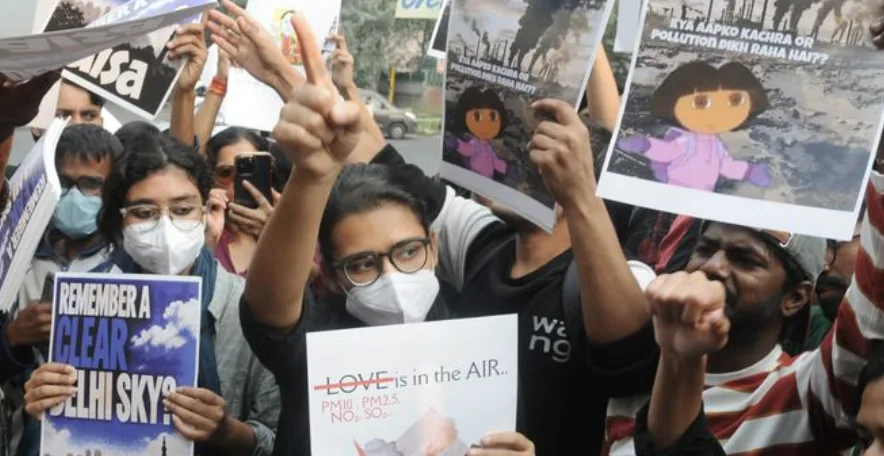
    AISA president Neha led a protest near the Ministry of Environment, Forest and Climate Change (MoEFCC) office in Jor Bagh on Monday, November 16, demanding urgent action over Delhi air pollution and its impact on public health. The demonstration was attended by cancer patients, student activists and environmentalists, who sought a meeting with senior government officials to discuss the worsening pollution crisis.

    The protesters were stopped by Delhi Police and paramilitary personnel at the intersection of Second Avenue and Jor Bagh Road. Following discussions with the authorities, the delegation was directed to meet officials of the Commission for Air Quality Management (CAQM) in the National Capital Region and adjoining areas.

    AISA president Neha led a protest near the Ministry of Environment, Forest and Climate Change (MoEFCC) office in Jor Bagh on Monday, November 16, demanding urgent action over Delhi air pollution and its impact on public health. (ANI)
    AISA president Neha led a protest near the Ministry of Environment, Forest and Climate Change (MoEFCC) office in Jor Bagh on Monday, November 16, demanding urgent action over Delhi air pollution and its impact on public health. (ANI)

    AISA chief Neha leads protest over Delhi air pollution

    The demonstration followed an email sent by Neha to Union Environment Minister Bhupender Yadav, seeking an appointment to discuss Delhi air pollution and its health consequences.

    According to Neha, the ministry did not respond for three working days before replying late on Sunday. The ministry communicated through Director V Pazhaniyandi that Yadav was travelling to Antalya, Turkiye, to lead India’s delegation at the 31st United Nations Climate Change Conference (COP31).

    The ministry also stated that the minister attached the highest priority to air pollution in Delhi-NCR and was continuously monitoring and reviewing measures taken by state governments and local authorities.

    Questioning the timing of the response, Neha said the minister’s international schedule would have been known in advance. She argued that the government should have communicated his unavailability earlier instead of leaving citizens waiting for a response.

    She also stressed that Delhi air pollution required immediate attention, irrespective of the minister’s presence in the country. Referring to AQI readings of 400, 600 and 800, she raised concerns about premature deaths, children’s exposure to polluted air and students attending classes without adequate protection.

    Also Read | Delhi Chhath safety scare: 8 hazardous chlorine cylinders found in unauthorised storage, man held

    The demonstration followed an email sent by Neha to Union Environment Minister Bhupender Yadav, seeking an appointment to discuss Delhi air pollution and its health consequences. (ANI)
    The demonstration followed an email sent by Neha to Union Environment Minister Bhupender Yadav, seeking an appointment to discuss Delhi air pollution and its health consequences. (ANI)

    Cancer patients and environmentalists highlight health risks

    The protest included environmentalist Bhavreen Kandhari, former Navy Captain Ashish Jacob and cancer patient and public-health professional Urvashi Prasad, among others.

    Prasad, 35, told The Indian Express that she was living with lung cancer and believed air pollution was a major factor behind the disease. She pointed to evidence linking air pollution with lung cancer among non-smokers and expressed concern over the increasing number of young people receiving similar diagnoses.

    Calling for urgent intervention, Prasad demanded that the government shut down polluting industries operating in the National Capital Region.

    Neha also questioned what she described as repeated relaxations for industries even as ordinary citizens, including children and students, continued to face hazardous air quality. She raised concerns about people working without air purifiers or protective masks and the health risks faced by vulnerable groups.

    The participation of cancer patients brought the health consequences of Delhi air pollution into focus, with the demonstrators seeking stronger preventive measures rather than relying solely on monitoring and periodic reviews.

    Also Read | Parliament security breach case: Delhi court rejects 2nd bail pleas of Manoranjan D, Sagar Sharma

    The meeting marked a step towards taking the protesters' concerns to the authorities, although the delegation continued to seek direct discussions with the minister. (ANI)
    The meeting marked a step towards taking the protesters’ concerns to the authorities, although the delegation continued to seek direct discussions with the minister. (ANI)

    Delegation meets CAQM and the Environment Ministry officials

    After the demonstration, Neha, Kandhari, Jacob and other delegation members met CAQM member secretary Tarun Kumar Pithode and MoEFCC Joint Secretary Uday Chaudhari.

    The meeting lasted more than an hour. The delegation again requested an appointment with Union Environment Minister Bhupender Yadav to discuss Delhi air pollution and the measures needed to address its health impacts.

    The group had initially sought to place its concerns before senior officials at the Environment Ministry. However, after being stopped near the office, it was directed towards the CAQM.

    The meeting marked a step towards taking the protesters’ concerns to the authorities, although the delegation continued to seek direct discussions with the minister.

    The demonstration comes amid growing concerns over the health burden of Delhi’s pollution crisis. The protesters argued that the problem cannot wait for administrative schedules or the return of officials from international engagements, and called for urgent action to protect residents across Delhi-NCR.

  • Delhi records decade-high Diwali Eve pollution as AQI threatens to enter severe zone

    Delhi records decade-high Diwali Eve pollution as AQI threatens to enter severe zone

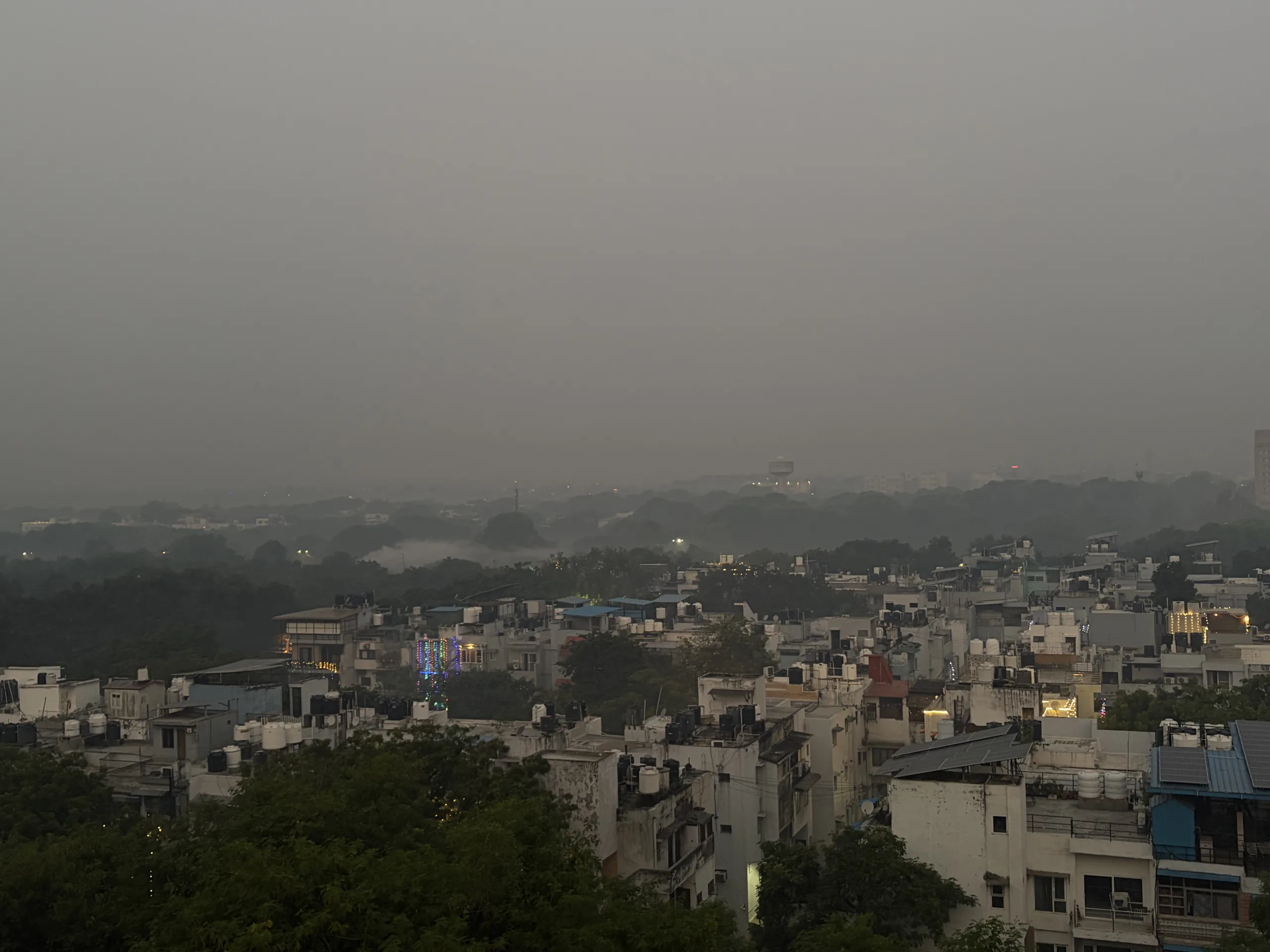
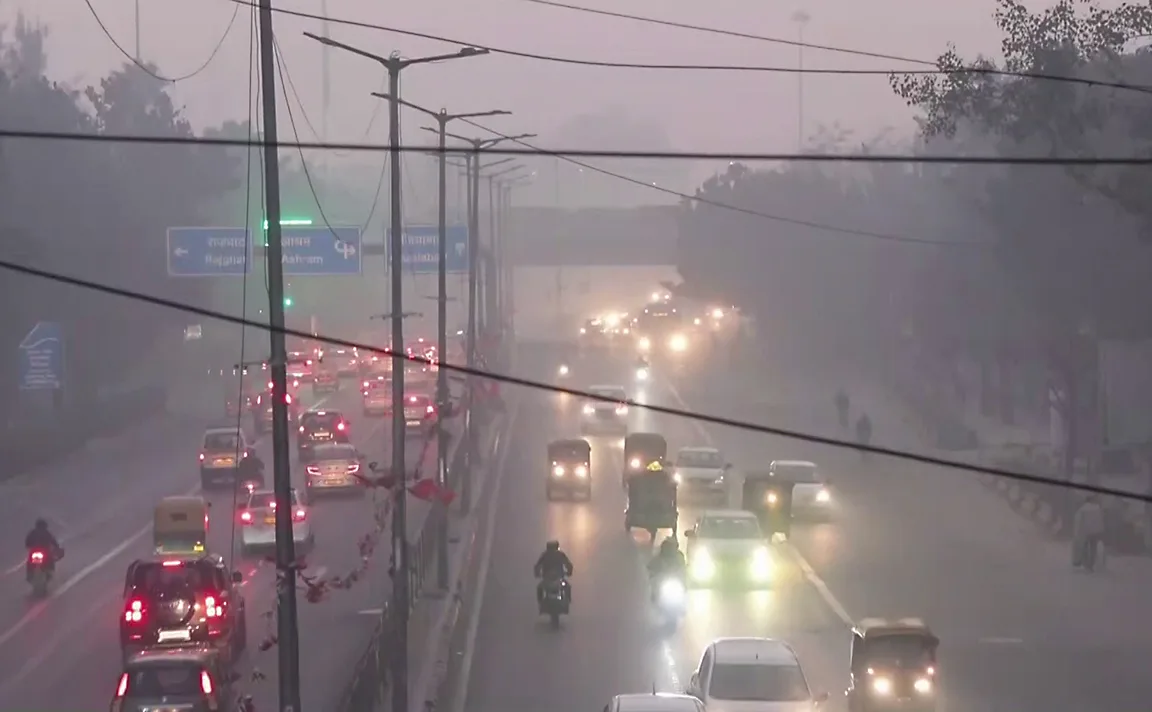
    Delhi woke up to Diwali on Sunday under a thick blanket of smog after recording its most polluted festival eve in a decade. A combination of rising farm fires in Punjab and Haryana, firecracker emissions and unfavourable weather conditions pushed pollution levels higher, raising concerns about a further deterioration in air quality after the celebrations.

    According to the Central Pollution Control Board (CPCB), Delhi’s average Air Quality Index (AQI) stood at 369 at 4 pm on Saturday, placing it in the very poor category. This was the highest AQI recorded on the day before Diwali since 2016, when the index had reached 404. The city’s AQI had risen from 261 on November 1, indicating a steady deterioration in air quality ahead of the festival.

    The situation worsened during Saturday evening’s permitted firecracker window, with several monitoring stations recording sharp increases in fine particulate matter.

    Delhi woke up to Diwali on Sunday under a thick blanket of smog after recording its most polluted festival eve in a decade. (ANI)
    Delhi woke up to Diwali on Sunday under a thick blanket of smog after recording its most polluted festival eve in a decade. (ANI)

    Delhi’s air pollution on Diwali worsens as PM2.5 levels surge

    Data from the CPCB’s monitoring network showed that PM2.5 concentrations averaged 295 micrograms per cubic metre across Delhi’s 59 monitoring stations between 10 am and 11 am on Saturday. As many as 36 stations recorded levels above 250 micrograms per cubic metre, the threshold for the severe category for PM2.5.

    Although Saturday afternoon offered better atmospheric ventilation than the preceding days, pollution levels remained higher than on Friday throughout the 11 am to 5 pm period.

    The evening firecracker window brought another sharp rise. Hindustan Times’ analysis of CPCB’s 15-minute readings showed that average PM2.5 levels increased from 177 micrograms per cubic metre at 7.45 pm to 208 at 8 pm. The concentration continued climbing, reaching 289 by 10 pm across 55 reporting stations.

    Some residential areas experienced particularly sharp spikes. Punjabi Bagh recorded a rise from 208 at 7 pm to 593 at 8 pm, while RK Puram registered 621 at 9 pm. Mundka recorded a reading of 718. By 9 pm, nine monitoring stations had crossed 400, compared with none at the same time on Friday.

    The worsening of Delhi’s air pollution on Diwali Eve came despite the Supreme Court permitting certified green firecrackers during specified hours on November 7 and 8. The court allowed bursting between 6 am and 7 am and again from 8 pm to 10 pm.

    Also Read | Delhi pollution alert: 5 key changes as schools shift primary classes to hybrid learning

    Data from the CPCB's monitoring network showed that PM2.5 concentrations averaged 295 micrograms per cubic metre across Delhi's 59 monitoring stations between 10 am and 11 am on Saturday. (ANI)
    Data from the CPCB’s monitoring network showed that PM2.5 concentrations averaged 295 micrograms per cubic metre across Delhi’s 59 monitoring stations between 10 am and 11 am on Saturday. (ANI)

    Farm fires and weak winds add to Delhi’s pollution burden

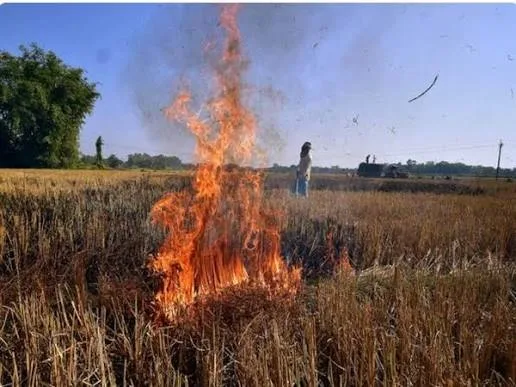
    Stubble burning across Punjab and Haryana remained another major contributor to the deteriorating conditions. Data from the Indian Space Research Organisation’s INSAT-3DS satellite showed 415 fire pixels across the two states on Saturday, around 5.5 times the count recorded on November 1.

    The satellite detected 647 of its 652 fire pixels between 4 pm and 6 pm. NASA satellite observations also indicated an increase in fire detections, although the two satellite systems use different methods and their absolute counts cannot be directly compared.

    Weather conditions are expected to make the situation more difficult. Forecasts indicated that winds near the ground could remain weak, at around 3 km per hour on Sunday afternoon. With limited wind movement, smoke and other pollutants could remain trapped close to the surface instead of dispersing.

    A layer of warmer air above the city can further restrict the upward movement of pollutants during calm nights. On Saturday morning, this inversion layer was recorded at a height of 578 metres, with temperatures 5.2 degrees Celsius higher than at ground level.

    The forecast offered some relief in the direction of winds carrying farm smoke, which were expected to shift from north-westerly to south-south-easterly on Sunday afternoon. However, this change was unlikely to clear pollution already trapped over the city.

    Also Read | Delhi is world’s most polluted major city before Diwali; why is its air so toxic?

    Stubble burning across Punjab and Haryana remained another major contributor to the deteriorating conditions. (ANI)
    Stubble burning across Punjab and Haryana remained another major contributor to the deteriorating conditions. (ANI)

    Delhi’s AQI may cross 400 by Monday morning

    The Indian Institute of Tropical Meteorology (IITM) forecast that Delhi’s AQI could climb to 406 by 4 am on Monday, entering the severe category. The forecast raised concerns that the day after Diwali could bring even worse air quality, particularly as the city was already starting from a higher pollution baseline.

    Sunil Dahiya, founder and lead analyst at Envirocatalysts, told Hindustan Times that the coming 48 hours could be particularly difficult because of weak winds and the existing pollution load. He identified reducing firecracker use, limiting truck movement into the city and preventing waste burning as measures that could help limit further deterioration.

    Delhi’s experience during previous Diwali celebrations offers another warning. In 2020, when winds were similarly weak, the AQI stood at 414 on Diwali and rose to 435 the following day. On Diwali night last year, average PM2.5 levels across 27 monitoring stations that reported overnight data reached 1,137 micrograms per cubic metre at 2 am, compared with 535 at 10 pm.

    The AQI on the day after Diwali has crossed 400 in four of the 11 years since 2015. Historical data also identifies November 6 to 9 as a particularly polluted period in Delhi, with the average AQI typically around 376 during these dates.

    With firecracker emissions, agricultural fires and stagnant weather conditions converging, Delhi air pollution on Diwali could intensify further before conditions improve.

  • Delhi pollution alert: 5 key changes as schools shift primary classes to hybrid learning

    Delhi pollution alert: 5 key changes as schools shift primary classes to hybrid learning

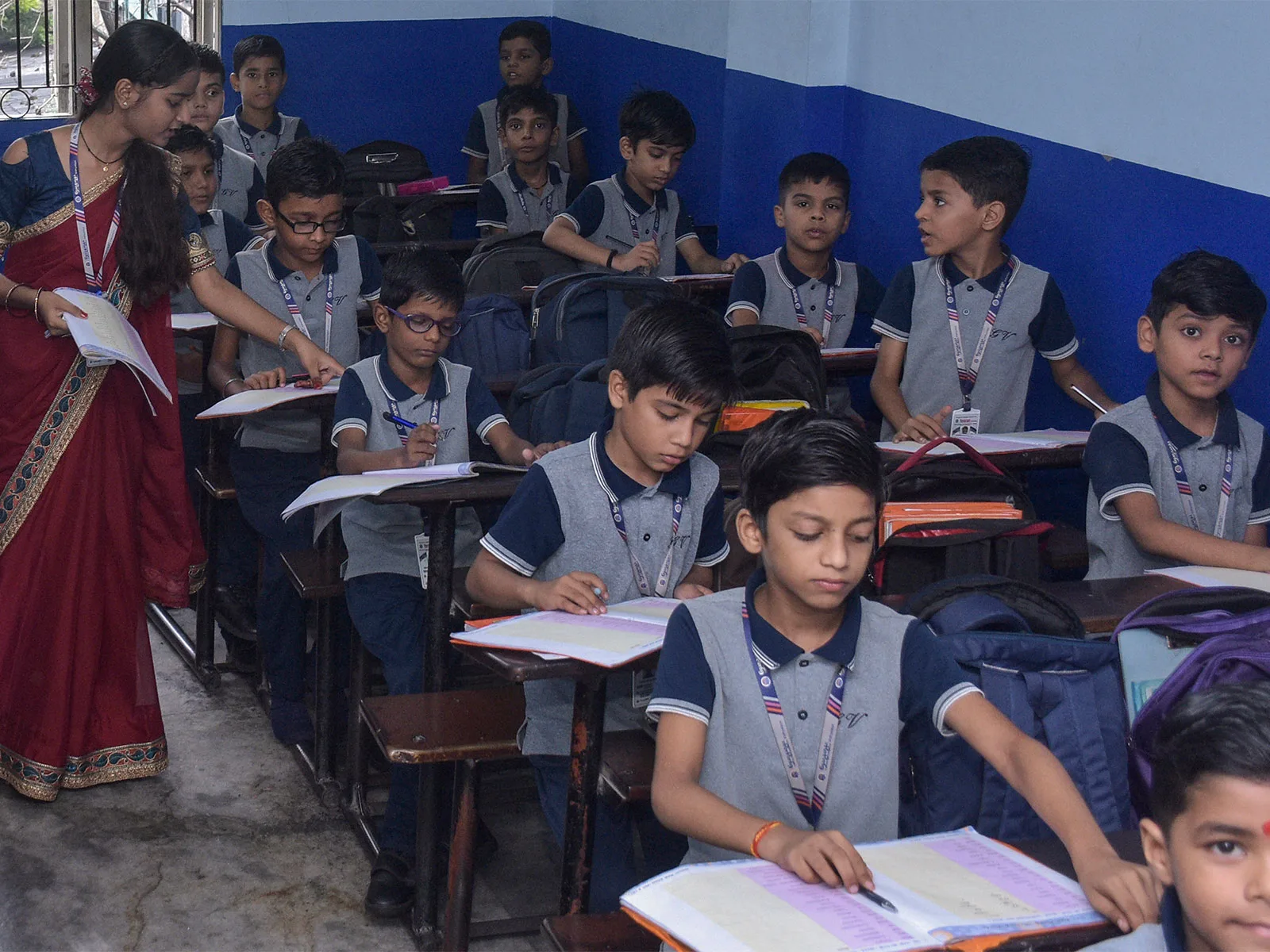
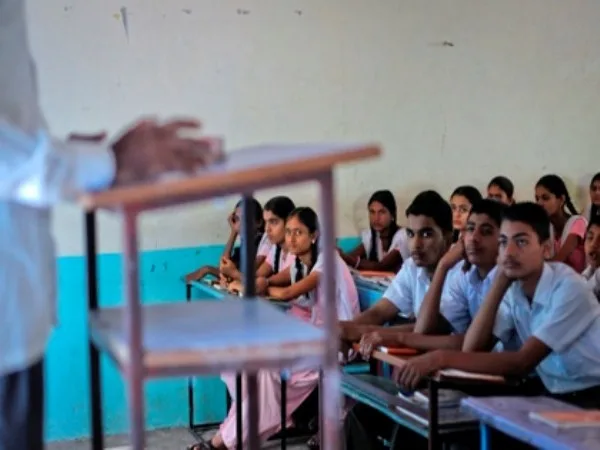
    Delhi’s worsening air quality has prompted the Directorate of Education to introduce changes in the way primary classes are conducted across the national capital. All government and private schools have been directed to offer classes up to Class 5 in hybrid mode, allowing students to attend lessons either physically or online.

    The order, issued on Friday, November 6, applies to government, government-aided and recognised unaided private schools under the Directorate of Education. Institutions managed by the New Delhi Municipal Council (NDMC), Municipal Corporation of Delhi (MCD) and Delhi Cantonment Board are also covered.

    The decision comes ahead of Diwali, when pollution levels are already a major concern for residents. On Saturday morning, Delhi’s Air Quality Index (AQI) stood at 364 at 9.05 am, placing the city in the very poor category, according to Central Pollution Control Board (CPCB) data.

    Delhi's worsening air quality has prompted the Directorate of Education to introduce changes in the way primary classes are conducted across the national capital. (ANI)
    Delhi’s worsening air quality has prompted the Directorate of Education to introduce changes in the way primary classes are conducted across the national capital. (ANI)

    Which classes and institutions are covered?

    The hybrid learning arrangement applies to students up to Class 5 in all government and private schools covered by the Directorate of Education’s order.

    Schools have been instructed to make both physical and online learning arrangements available. This means parents and guardians can choose the mode of attendance for their children, depending on the facilities provided by the institution.

    The directive covers government schools, government-aided institutions and recognised unaided private schools. It also extends to schools administered by the NDMC, MCD and Delhi Cantonment Board.

    The Directorate of Education has asked school heads to inform parents and guardians about the revised arrangement immediately. The instruction is intended to ensure that families are aware of the available options and can plan their children’s attendance accordingly.

    Deputy Directors of Education across districts and zones have also been directed to visit schools under their respective jurisdictions. Their responsibility will be to monitor the implementation of the order and ensure that institutions follow the prescribed arrangements.

    Also Read | Delhi is world’s most polluted major city before Diwali; why is its air so toxic?

    The hybrid learning arrangement applies to students up to Class 5 in all government and private schools covered by the Directorate of Education's order. (ANI)
    The hybrid learning arrangement applies to students up to Class 5 in all government and private schools covered by the Directorate of Education’s order. (ANI)

    Why has Delhi introduced hybrid classes for primary students?

    The decision to introduce hybrid school mode follows the Commission for Air Quality Management’s (CAQM) invocation of Stage III measures under the Graded Response Action Plan (GRAP) across Delhi-NCR.

    The restrictions came into effect immediately on Friday as pollution levels deteriorated in the national capital and surrounding areas. The school directive has been issued in compliance with the CAQM’s order.

    GRAP is a series of emergency measures activated in response to worsening air quality. Stage III restrictions include curbs on construction and demolition activities, restrictions on certain vehicles and measures aimed at reducing pollution across the region.

    The move towards hybrid learning is intended to reduce children’s exposure to polluted outdoor air while allowing their education to continue. Younger students are among those for whom limiting prolonged outdoor exposure is particularly important during periods of poor air quality.

    Parents should follow communications issued by their respective schools regarding online class schedules, attendance arrangements and other practical details. The order does not announce a complete closure of primary schools. Instead, it provides for a hybrid system.

    Also Read | E20 petrol row: 3 oil majors challenge Karnataka’s 31% ethanol findings

    Delhi's air quality remained in the very poor category on Saturday, November 7, a day before Diwali. CPCB data recorded an AQI of 364 at 9.05 am, indicating a high level of pollution across the capital. (ANI)
    Delhi’s air quality remained in the very poor category on Saturday, November 7, a day before Diwali. CPCB data recorded an AQI of 364 at 9.05 am, indicating a high level of pollution across the capital. (ANI)

    Delhi AQI reaches 364 as PM2.5 dominates monitoring stations

    Delhi’s air quality remained in the very poor category on Saturday, November 7, a day before Diwali. CPCB data recorded an AQI of 364 at 9.05 am, indicating a high level of pollution across the capital.

    PM2.5 was the leading pollutant at 53 of the city’s 59 air quality monitoring stations. These fine particles can penetrate deep into the respiratory system, making prolonged exposure a health concern.

    Under the CPCB’s classification, an AQI between 0 and 50 is considered good, while 51 to 100 is satisfactory. Readings between 101 and 200 fall under the moderate category, 201 to 300 are classified as poor, and 301 to 400 are very poor. Any reading between 401 and 500 is categorised as severe.

    With the AQI remaining elevated ahead of Diwali, the Delhi school hybrid mode arrangement is among the steps being taken to limit children’s exposure to polluted conditions.

    The CAQM’s Stage III restrictions and the education department’s directive underline the seriousness of the pollution situation. Parents are advised to stay in touch with schools for updates on class schedules and follow official advisories as air quality conditions evolve.

  • Delhi faces some of India’s worst pollution, but ranks above Srinagar and Bengaluru in clean-air survey: Here’s why

    Delhi faces some of India’s worst pollution, but ranks above Srinagar and Bengaluru in clean-air survey: Here’s why

    Delhi has long been associated with some of India’s worst air pollution episodes, particularly during winter. Yet the capital has finished 21st among 48 cities with populations above 10 lakh in the Centre’s Swachh Vayu Sarvekshan 2026, ahead of Srinagar and Bengaluru.

    Delhi scored 172 points, while Srinagar stood at 26th with 162.6 points and Bengaluru at 32nd with 152.6 points.

    The numbers may look surprising at first. But the ranking is not a cleanest-air list. It assesses how cities are addressing pollution, including measures to control road dust, vehicular and industrial emissions, construction waste and solid waste, as well as public awareness initiatives.

    Also Read | Kolkata parking rules change from Sept 1: Here’s what drivers need to know

    That distinction explains why a city battling severe pollution can still perform relatively well in the survey.

    What does the Swachh Vayu Sarvekshan actually measure?

    The survey is conducted under the Centre’s National Clean Air Programme (NCAP) and covers 130 cities across three population categories.

    Rather than relying only on ambient air-quality readings, the assessment looks at the steps cities have taken to tackle pollution and how effectively those measures are being implemented.

    According to the assessment process outlined in the report, cities first conduct self-assessments. These are scrutinised by state-level monitoring committees, followed by evaluation by the Central Pollution Control Board (CPCB) and field verification by independent teams.

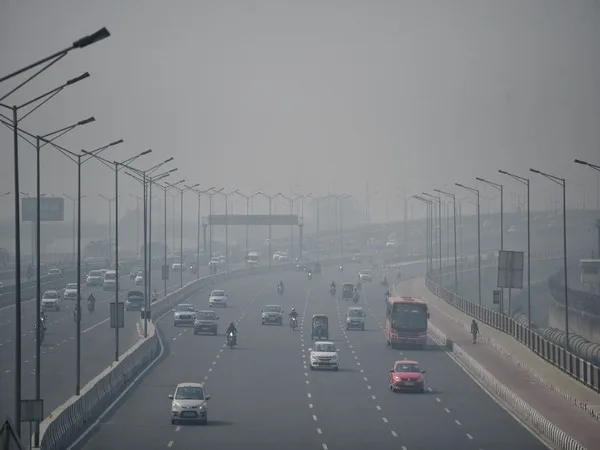
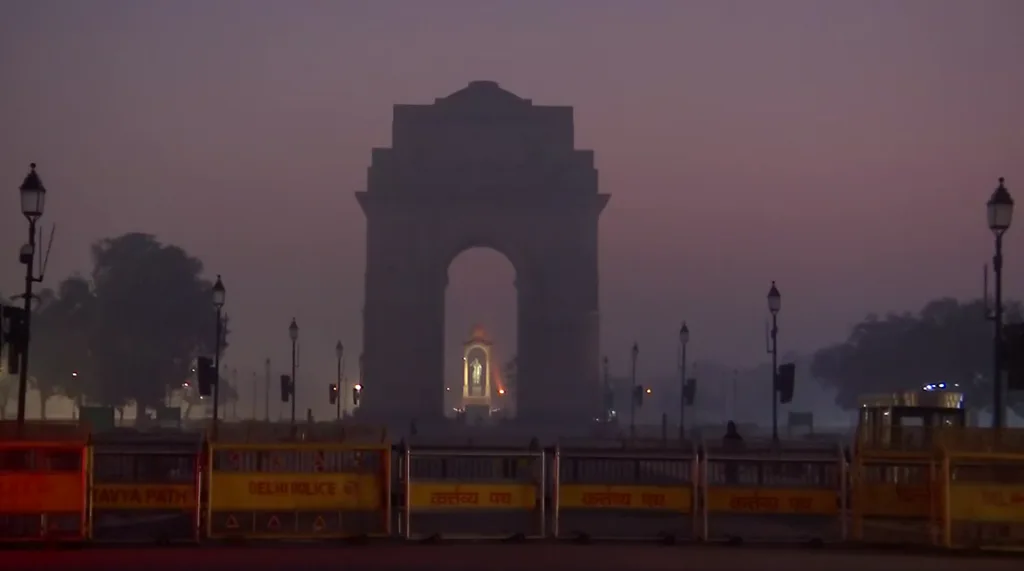
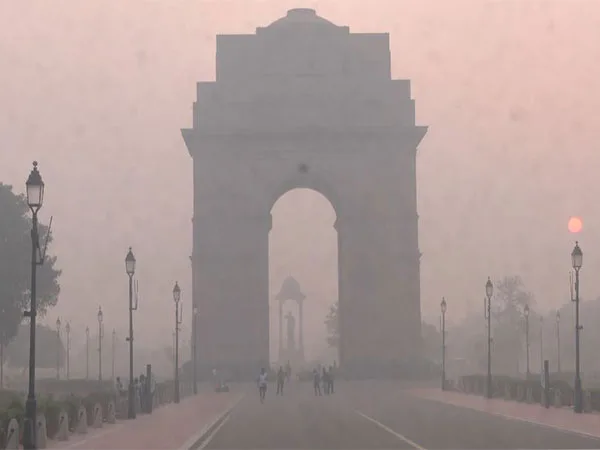
    A layer of smog covers the area around India Gate and Kartavya Path as the Air Quality Index (AQI) recorded '281' in the 'Very Poor' category as per the Central Pollution Control Board (CPCB), in New Delhi
    A layer of smog covers the area around India Gate and Kartavya Path as the Air Quality Index (AQI) recorded ‘281’ in the ‘Very Poor’ category as per the Central Pollution Control Board (CPCB), in New Delhi/ ANI

    That means the score reflects a combination of pollution-control action, implementation and measurable progress, rather than the AQI recorded on a particular day.

    Delhi’s position has also improved significantly compared with the previous edition. The capital ranked 32nd in 2025 with 157.3 points. In 2026, it moved up to 21st with 172 points.

    The improvement, therefore, is better understood as a measure of Delhi’s efforts to address pollution than as evidence that the capital’s air has become consistently clean.

    So why is Delhi above Srinagar and Bengaluru?

    Delhi’s higher ranking does not establish that its air is cleaner than Srinagar’s or Bengaluru’s.

    The same principle applies to the two cities. Srinagar’s 26th position and Bengaluru’s 32nd position reflect their scores against the survey’s broader pollution-control parameters, not a direct comparison of which city’s residents are breathing cleaner air every day.

    This is particularly important when rankings are read alongside real-world pollution levels.

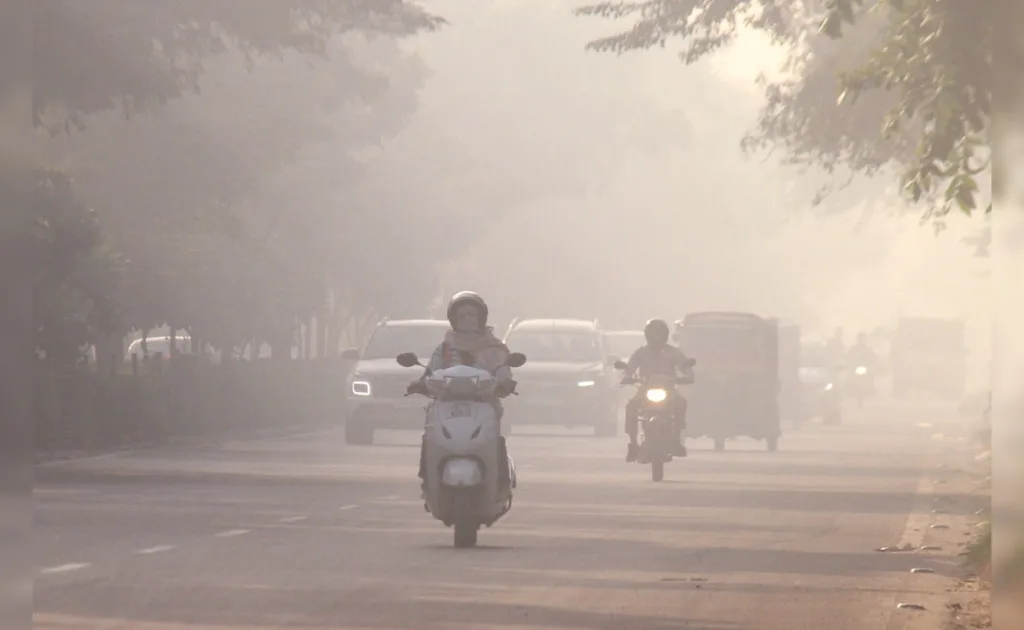
    A thick layer of smog covered all over the area gives a hazy view as air pollution increases, in Bengaluru / ANI
    A thick layer of smog covered all over the area gives a hazy view as air pollution increases, in Bengaluru / ANI

    Delhi continues to experience severe pollution episodes during winter, with its AQI frequently reaching hazardous levels. The report notes that the capital’s AQI has crossed 400 and, at times, 450. In January 2026, authorities invoked Stage IV of the Graded Response Action Plan (GRAP) after pollution reached critical levels.

    So, Delhi’s position should not be interpreted as a clean-air certificate.

    Even the top-ranked city still has pollution problems

    The distinction becomes clearer when looking at the top of the table.

    Lucknow ranked first among million-plus cities with 198 points, followed by Indore with 197 and Jabalpur with 195.

    Yet Lucknow’s first-place ranking does not mean it has eliminated air pollution. Its PM10 levels have reportedly fallen substantially from the 2017-18 baseline, but remained above the national standard of 60 micrograms per cubic metre in 2025-26.

    Lucknow ranked first among million-plus cities with 198 points, followed by Indore with 197 and Jabalpur with 195.
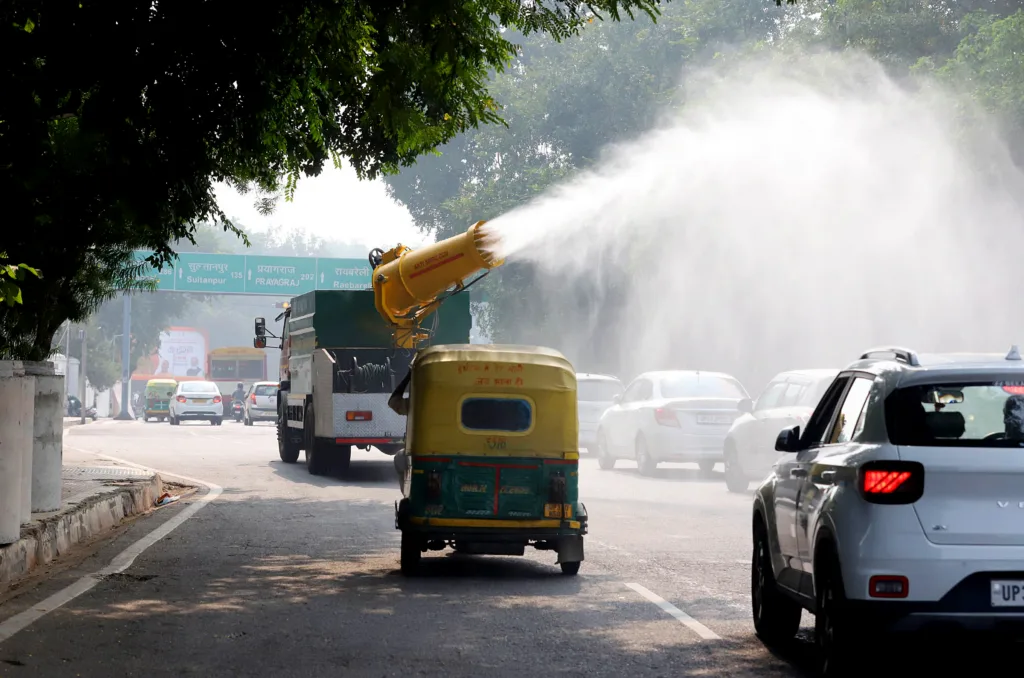
    A Municipal Corporation truck mounted with Anti-Smog Gun sprays water to curb air pollution as smog engulfs the city, in Lucknow /ANI

    Among the measures credited to Lucknow are electric vehicles for waste collection, mechanised road sweeping and improved legacy-waste management.

    The ranking is therefore designed to capture how cities are progressing against pollution, rather than declare which city has the cleanest air.

    Is India’s air quality actually improving?

    While there are indications of progress, the numbers also demonstrate the magnitude of the task at hand.

    As per government data, out of the 130 cities surveyed, 108 of them have recorded lower levels of PM10 than the level registered in their baseline year 2017-18 for the year 2025-26.

    On the other hand, only 14 cities have been found to meet the national PM10 standard.

    This is a substantial gap. While the reduction in pollution levels is positive, low levels do not always mean that the air quality has attained healthy or acceptable levels.

    Also Read | Why is Suvendu Adhikari pushing the Saffron Samman Yatra now?

    In the case of Delhi, what will be a meaningful indicator of progress is whether the pollution control efforts have led to fewer hazardous air days, lower particulate levels and lesser exposure to the populace.

    The Swachh Vayu Sarvekshan 2026 rankings demonstrate Delhi’s improvement in areas covered by the survey. They do not demonstrate that Delhi has solved its air pollution problem.