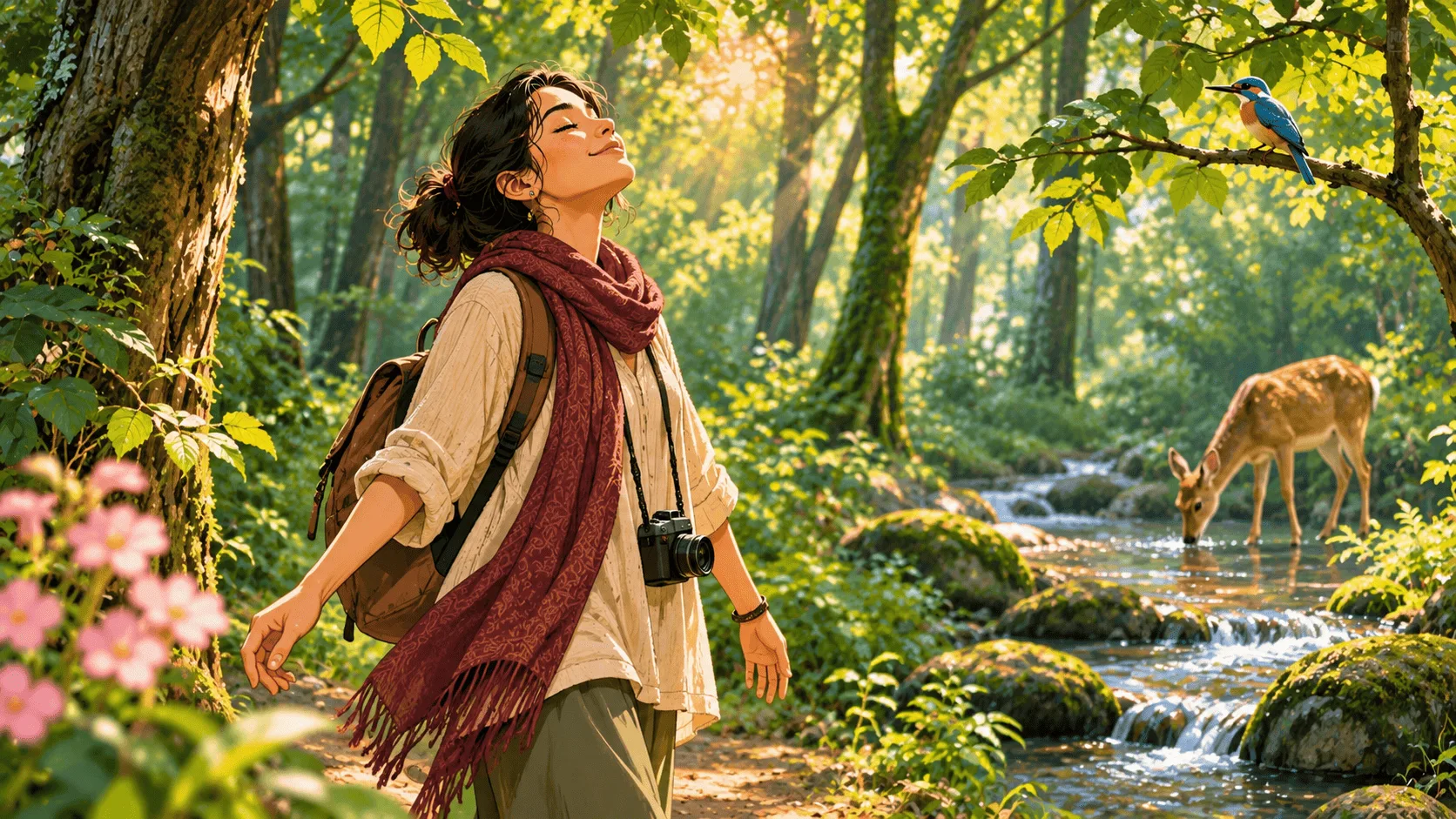
In a world where busy schedules, screen time and constant notifications leave little room to pause, spending time in nature can offer a welcome change. Forest bathing, a Japanese wellness practice known as shinrin-yoku, encourages people to slow down, step away from everyday distractions and experience their natural surroundings through all five senses.
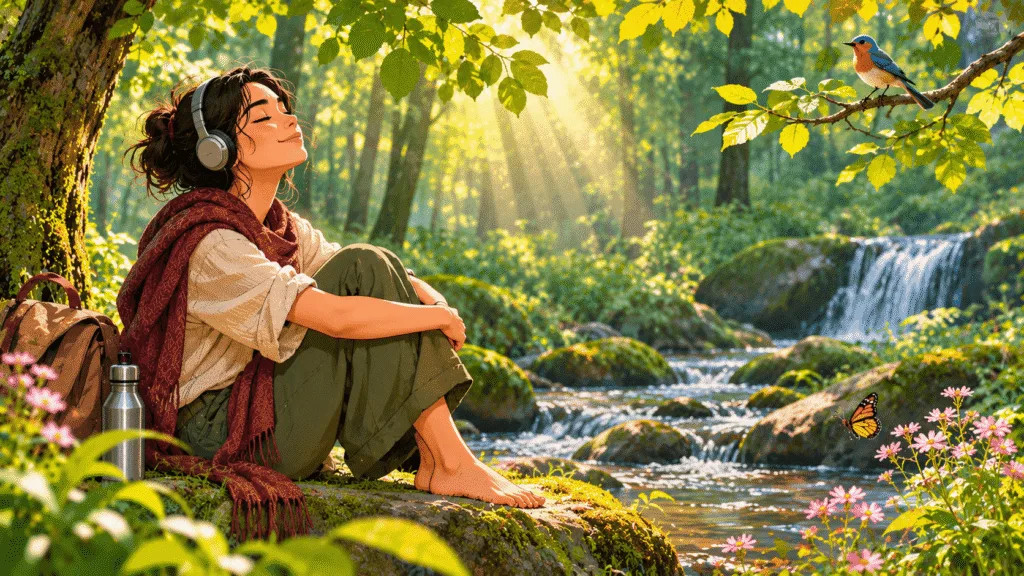
Unlike trekking, hiking or outdoor exercise, forest bathing does not involve covering a particular distance or achieving a fitness target. Instead, it focuses on being present and paying attention to the sights, sounds, smells and sensations of the forest.
What is Forest Bathing?
The term shinrin-yoku was introduced by Japan’s Forestry Agency in 1982. The Japanese expression combines two words, forest and bathing, referring to the practice of immersing oneself in the atmosphere of a forest.
Also Read | Delhi to Kolkata: The Saptaparni tree behind October’s distinctive floral fragrance
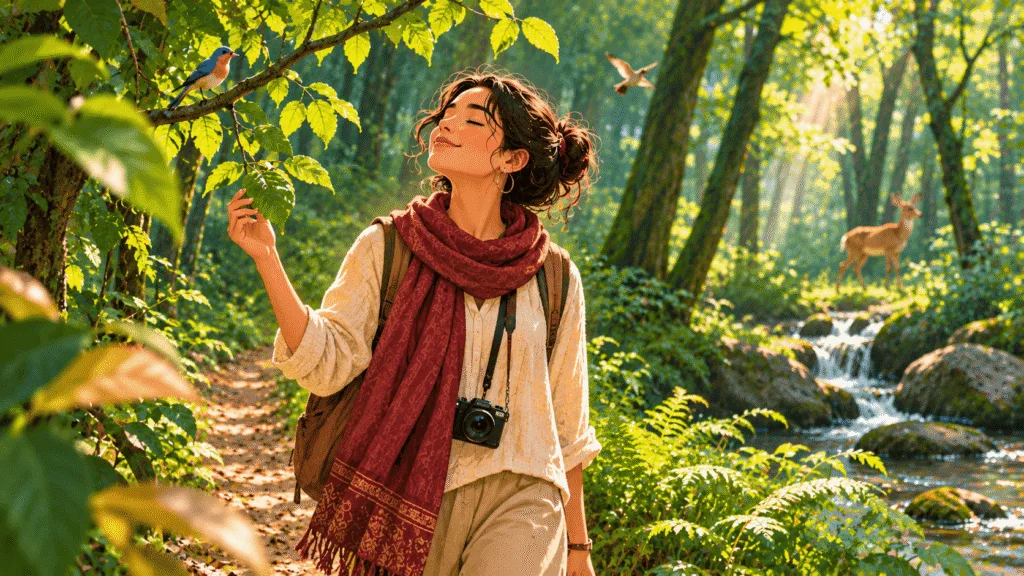
The activity does not require strenuous physical effort or a specific destination. Spending time under trees, observing leaves, listening to birds or feeling the breeze can all be part of the experience. The central idea is to engage with nature rather than simply pass through it.
How forest bathing encourages mindfulness
Forest bathing has a close connection with mindfulness, as both practices emphasise awareness of the present moment. Rather than allowing thoughts about work, responsibilities or future plans to take over, participants are encouraged to notice their surroundings.
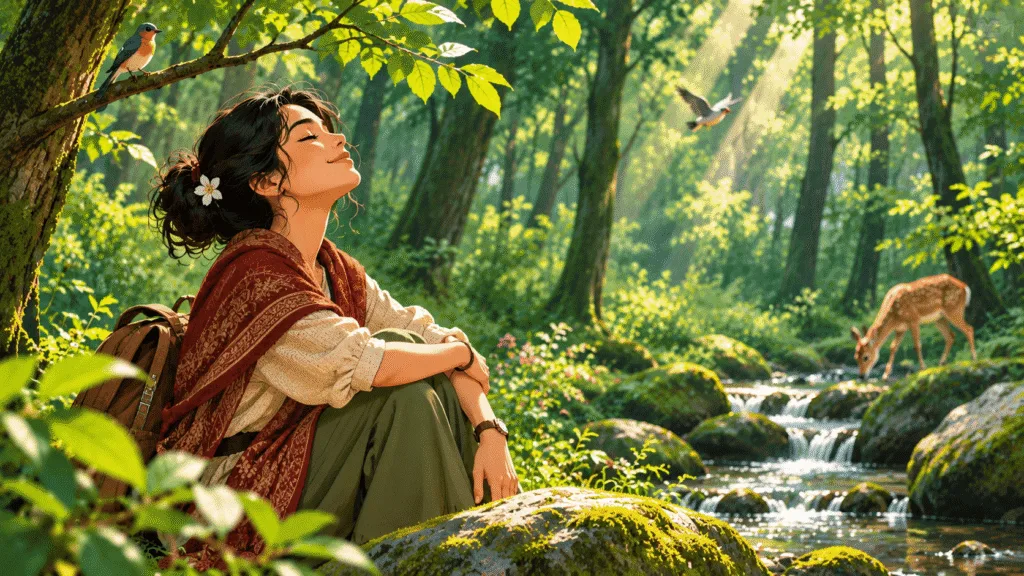
The American Psychiatric Association describes forest bathing as a conscious experience of the sights, sounds and smells around you. Focusing on these sensory details can help people become more attentive to their immediate environment.
Thich Nhat Hanh’s teachings on our connection with nature
Zen Buddhist teacher Thich Nhat Hanh explored a similar idea through his philosophy of interbeing. His teachings emphasise the interconnectedness of humans and the environment. Plum Village, the community that continues his work, also shares the message that people cannot be separated from nature.
Also Read | Think solo dates are boring? These 20 ideas may change your mind
How to practise forest bathing and its benefits
You do not have to visit Japan to experience forest bathing. A nearby park, garden or wooded area can provide a suitable setting. Keep your phone aside, walk without rushing, observe the surroundings and spend a few quiet minutes listening to nature.
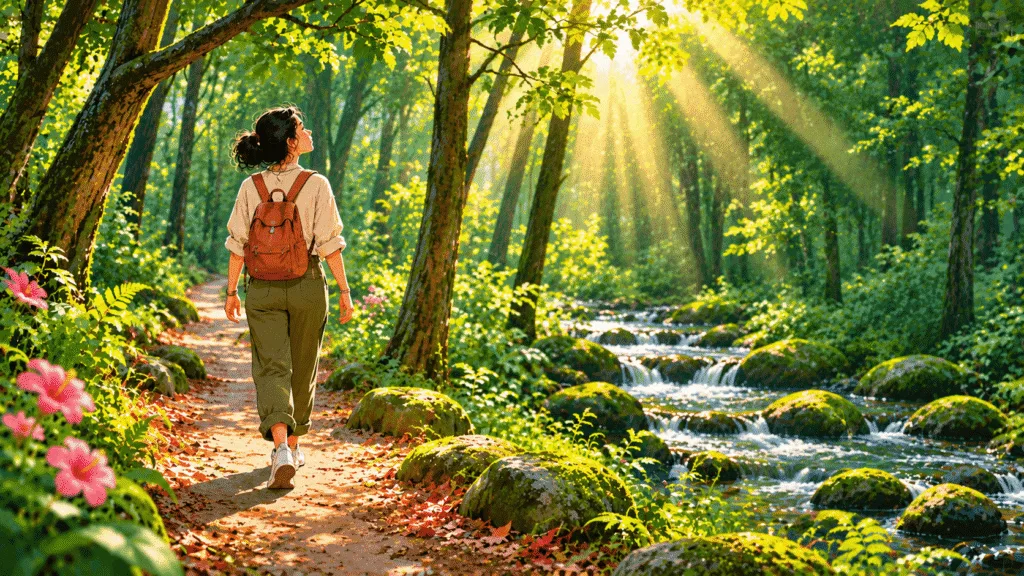
Research suggests that forest bathing may support short-term relaxation and emotional well-being, although scientific evidence has certain limitations. It should be considered a complementary wellness activity rather than a substitute for medical treatment.
Leave a Reply