Tag: Mental Health

  • What is forest bathing? How Japan’s shinrin-yoku practice helps you relax 

    What is forest bathing? How Japan’s shinrin-yoku practice helps you relax 

    In a world where busy schedules, screen time and constant notifications leave little room to pause, spending time in nature can offer a welcome change. Forest bathing, a Japanese wellness practice known as shinrin-yoku, encourages people to slow down, step away from everyday distractions and experience their natural surroundings through all five senses.

    Forest Bathing: Japan's shinrin-yoku practice helps you relax
    Shinrin-yoku offers a simple way to escape daily stress and embrace the calming atmosphere of forests | AI Generated

    Unlike trekking, hiking or outdoor exercise, forest bathing does not involve covering a particular distance or achieving a fitness target. Instead, it focuses on being present and paying attention to the sights, sounds, smells and sensations of the forest.

    What is Forest Bathing?

    The term shinrin-yoku was introduced by Japan’s Forestry Agency in 1982. The Japanese expression combines two words, forest and bathing, referring to the practice of immersing oneself in the atmosphere of a forest.

    Forest Bathing: Japan's shinrin-yoku practice helps you relax
    Forest bathing benefits may include improved emotional well-being, mindfulness and short-term relaxation | AI Generated

    Also Read | Delhi to Kolkata: The Saptaparni tree behind October’s distinctive floral fragrance

    The activity does not require strenuous physical effort or a specific destination. Spending time under trees, observing leaves, listening to birds or feeling the breeze can all be part of the experience. The central idea is to engage with nature rather than simply pass through it.

    How forest bathing encourages mindfulness

    Forest bathing has a close connection with mindfulness, as both practices emphasise awareness of the present moment. Rather than allowing thoughts about work, responsibilities or future plans to take over, participants are encouraged to notice their surroundings.

    Forest Bathing: Japan's shinrin-yoku practice helps you relax
    Forest Bathing: Japan’s shinrin-yoku practice helps you relax | AI Generated

    The American Psychiatric Association describes forest bathing as a conscious experience of the sights, sounds and smells around you. Focusing on these sensory details can help people become more attentive to their immediate environment.

    Thich Nhat Hanh’s teachings on our connection with nature

    Zen Buddhist teacher Thich Nhat Hanh explored a similar idea through his philosophy of interbeing. His teachings emphasise the interconnectedness of humans and the environment. Plum Village, the community that continues his work, also shares the message that people cannot be separated from nature.

    Also Read | Think solo dates are boring? These 20 ideas may change your mind

    How to practise forest bathing and its benefits

    You do not have to visit Japan to experience forest bathing. A nearby park, garden or wooded area can provide a suitable setting. Keep your phone aside, walk without rushing, observe the surroundings and spend a few quiet minutes listening to nature.

    Forest Bathing: Japan's shinrin-yoku practice helps you relax
    Japan’s shinrin-yoku tradition focuses on slowing down and experiencing nature through all five senses | AI Generated

    Research suggests that forest bathing may support short-term relaxation and emotional well-being, although scientific evidence has certain limitations. It should be considered a complementary wellness activity rather than a substitute for medical treatment.


  • World Mental Health Day 2026: ‘I’m so OCD’, ‘Are you bipolar’, ‘I’m depressed’ – are we turning mental health disorders into punchlines?

    World Mental Health Day 2026: ‘I’m so OCD’, ‘Are you bipolar’, ‘I’m depressed’ – are we turning mental health disorders into punchlines?

    World Mental Health Day 2026 highlights how words linked to mental health disorders have become part of everyday conversations, particularly on social media. From calling someone “bipolar” for changing their mind to saying “I’m so OCD” to describe a preference for cleanliness, psychiatric terms are increasingly used to describe ordinary emotions and behaviour.

    On Instagram and X, expressions such as “stressy depressy”, “menty B”, “traumatised” and “triggered” have also become part of internet vocabulary. While these phrases can make emotional struggles easier to discuss, their casual use can blur the distinction between everyday experiences and serious mental health conditions.

    How Mental Health diagnoses became casual labels

    Phrases such as “Why are you acting bipolar” or “My girlfriend is psychotic” are often used to describe unpredictable behaviour or disagreements. Similarly, saying “I’m depressed” after a disappointing day can reduce a complex mental health condition to a temporary feeling of sadness.

    World Mental Health Day 2026
    (Representational Image) World Mental Health Day 2026 explores the misuse of OCD, bipolar and depression as everyday slang | AI Generated

    Repeated exposure to such expressions can make it harder to understand what these diagnoses actually involve, especially when they are used without regard for their clinical meaning.

    OCD, ADHD And Bipolar Disorder: What the terms mean

    Obsessive-Compulsive Disorder (OCD) involves recurring, unwanted thoughts called obsessions and repetitive behaviours or mental acts known as compulsions. A preference for neatness alone does not indicate the condition.

    Also Read | Instagram’s AI feature makes soft launching your relationship easier

    Attention-Deficit/Hyperactivity Disorder (ADHD) is a neurodevelopmental disorder that can affect attention, impulse control and activity levels. The term ADD, once commonly used for attention-related difficulties, is now generally understood within the broader diagnosis of ADHD.

    World Mental Health Day 2026
    (Representational Image) Mental health disorders or internet slang? How social media is changing the meaning of psychiatric terms | AI Generated

    Bipolar disorder involves episodes of significant changes in mood, energy and activity, including mania or hypomania and depression. It is not simply another term for mood swings or inconsistent behaviour.

    Depression is more than a bad day

    Feeling low after a setback is different from clinical depression. A major depressive episode generally involves symptoms lasting at least two weeks, alongside significant distress or disruption to daily functioning. The condition can affect sleep, eating habits, concentration, work and relationships.

    Likewise, Paranoid Personality Disorder (PPD) involves a persistent pattern of distrust and suspicion that can affect relationships and social functioning. Calling someone “paranoid” over a passing concern does not establish this diagnosis.

    Also Read | Depression is not just a lifestyle problem. Here’s why

    What does ‘unaliving myself’ mean online?

    Expressions such as “I want to kill myself” and “unaliving myself” are sometimes used online to convey frustration, embarrassment or dark humour. The term “unaliving” has also become an internet euphemism for suicide and death-related content, partly in spaces where platforms restrict explicit terminology.

    World Mental Health Day 2026
    (Representational Image) From ‘I’m so OCD’ to ‘unaliving’, decoding popular mental health slang and its real meaning | AI Generated

    However, comments about wanting to die or feeling hopeless should not automatically be dismissed as jokes. Context matters because similar language can also signal genuine distress.

    World Mental Health Day 2026: Why language matters

    Mental health slang can help people discuss difficult emotions, but using diagnostic terms loosely can obscure the experiences of those living with these conditions. Understanding the difference between casual expressions and clinical symptoms is an important part of having more informed conversations about mental health.

  • Depression is not just a lifestyle problem. Here’s why

    Depression is not just a lifestyle problem. Here’s why

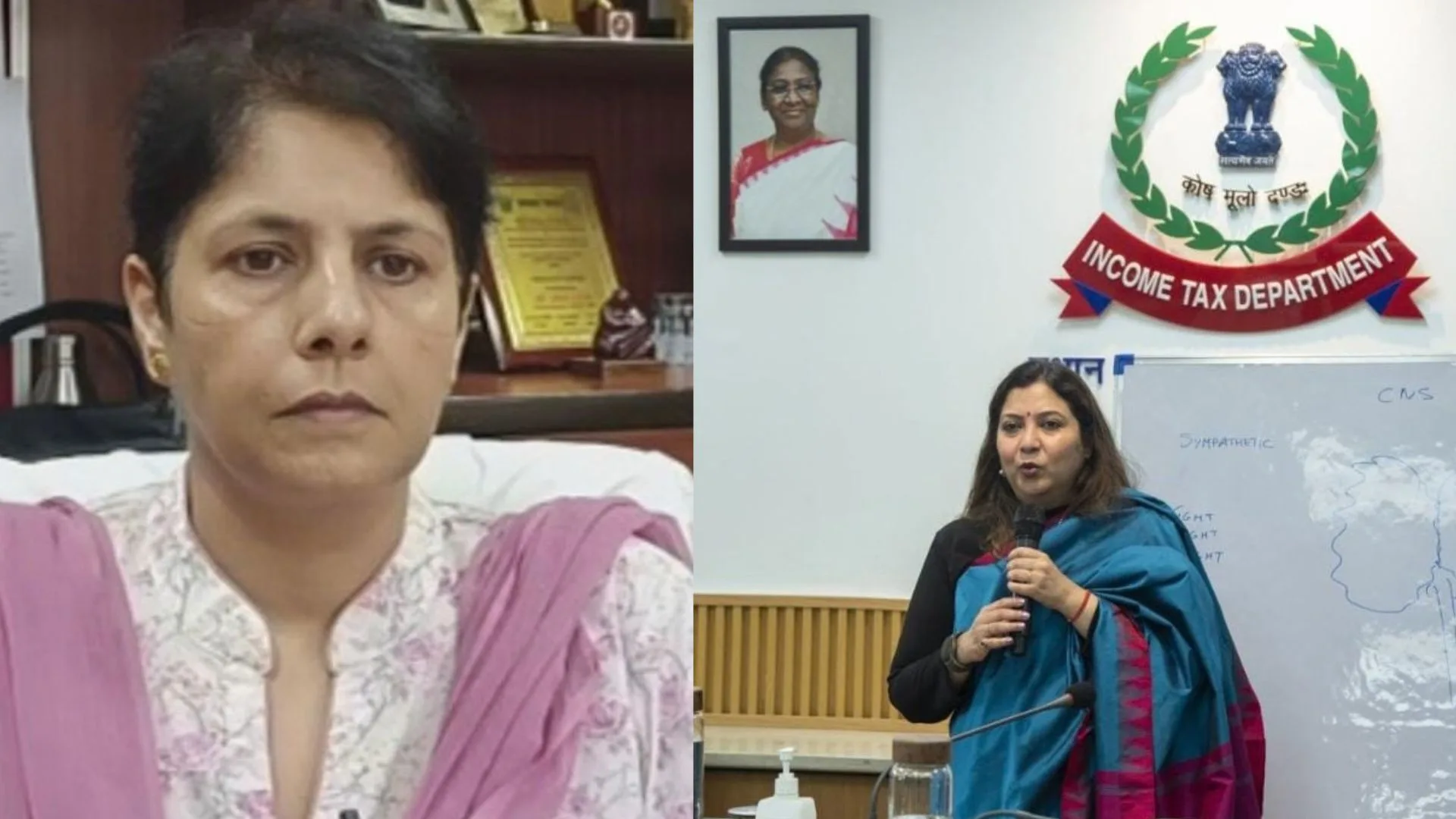
    A social media debate between an Indian Revenue Service (IRS) officer, Subhrata Prakash and an AIIMS professor, Rima Dada has reignited over a question

    The question goes like: Is depression simply the result of an unhealthy lifestyle? The discussion has drawn attention because it highlights two very different ways of understanding ones mental health.

    While healthy habits can improve mental wellbeing, psychiatrists exclaims that a clinical depression is a medical condition with biological, psychological and social causes.However, Lifestyle changes may help recovery, but they are not a cure for everyone.

    What started the debate?

    The debate began after Professor Rima dada of the Department of Anatomy at AIIMS Delhi spoke about polycystic ovary syndrome(PCOS) which is one of the main lifestyle led syndrome.

    “Whether it is PCOS, obesity, diabetes, depression, or any other lifestyle disease, there are only three or four primary causes. One is a sedentary lifestyle: sitting in front of the TV or screens all day, not playing, not going for walks, and staying confined indoors. Secondly, we observe that our diets today are very rich in carbohydrates. We are consuming highly processed foods, which we classify as a highly inflammatory diet,” Dada told news agency ANI.

    Also Read | Did you know eating with a loved one may lower blood sugar?

    On the other end IRS officer Shubhrata Prakash, who has spoken publicly about her own experience with depression for years, argued that calling depression a “lifestyle problem” oversimplifies a serious illness.

    She has also shared that she lived with severe depression for several years, underwent treatment and therapy, and believes people should not feel ashamed of seeking help.

    On the other side of the debate, AIIMS psychiatry professor Dr Nand Kumar has often said that many patients visiting his OPD suffer from burnout, anxiety, insomnia and stress linked to modern lifestyles.

    According to him, reducing digital addiction, improving sleep, exercising regularly, eating a balanced diet and strengthening social connections can significantly help many people experiencing emotional distress.

    Burnout, stress and depression are not the same

    Mental health experts stresses upon the fact that burnout and clinical depression are different conditions.

    Burnout is usually linked to stressful days at workplace or academic stress, problems reelated to personal life. People often feel emotionally exhausted, detached from work and less productive because of the stress management capacity of their body.

    Depression, however, affects mood, sleep, appetite, energy and the ability to enjoy daily life, putting hurdles over day to day life chores.

    Doctors say someone with depression may struggle to get out of bed, lose interest in relationships or hobbies, and experience persistent sadness or hopelessness for weeks or months.

    Can lifestyle changes help?

    Experts agree that lifestyle changes matter. Regular physical activity, enough sleep, nutritious food, yoga, mindfulness and spending time with supportive friends or family can reduce symptoms of anxiety and improve overall mental health.

    But they also warn against presenting these measures as the only solution. For moderate or severe depression. Mental Health experts advices that the cure to depression may include psychotherapy, medication or a combination of both, depending on the individual’s condition.

    Why this conversation matters

    In recent days mental health awareness has grown in India, and more people are seeking help for anxiety, depression and burnout before symptoms become severe. Doctors say this is a positive change because early treatment often leads to better outcomes.

    The debate ultimately underlines one important message: lifestyle influences mental health, but depression cannot be dismissed as merely a lifestyle problem.

    Also Read | How does Chuando Tan look so young at 60? His routine explained