Author: Pritha Chakraborty

  • Is your heart on the left or centre? 7 facts that may surprise you

    Is your heart on the left or centre? 7 facts that may surprise you

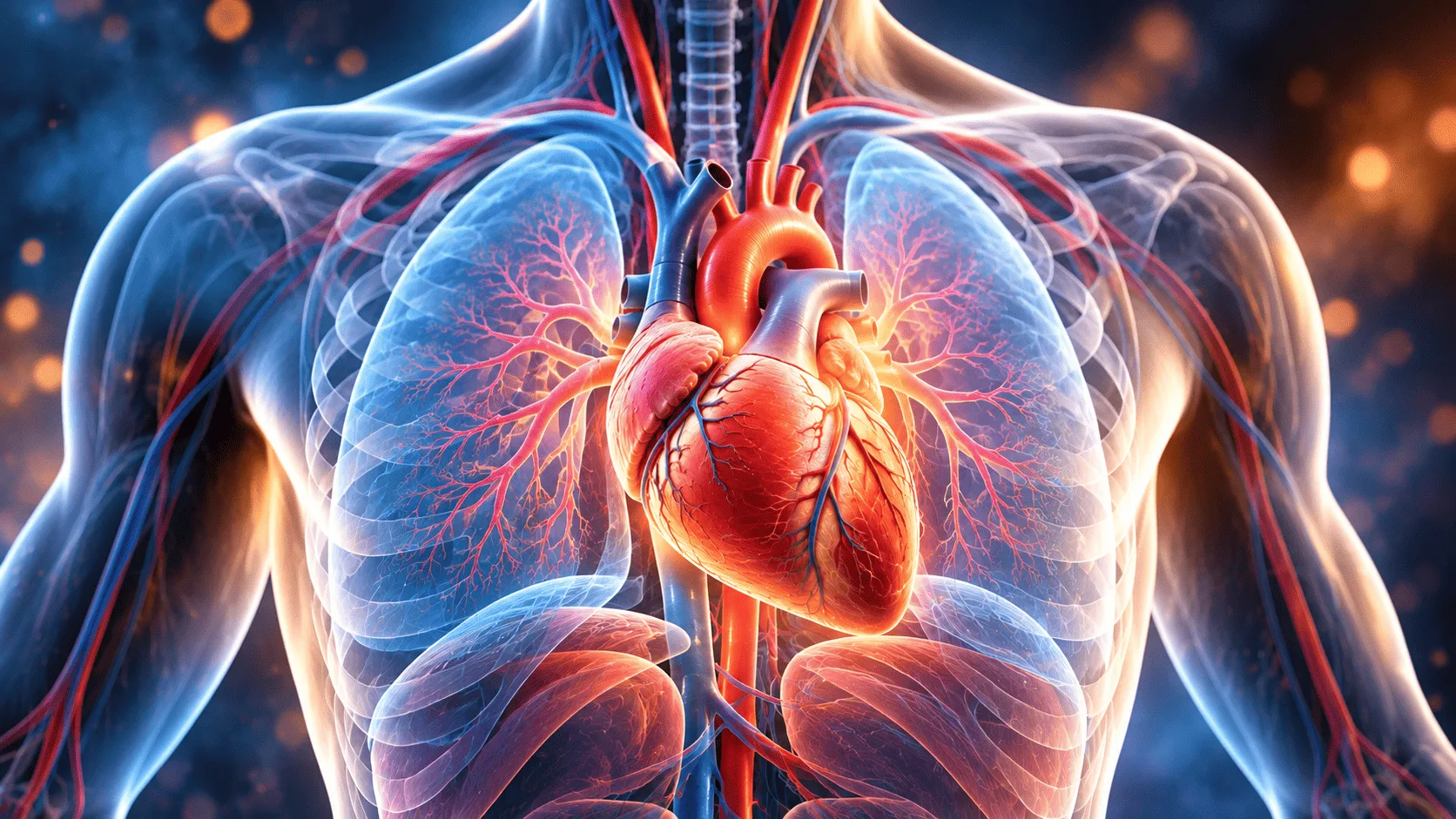
    Put your hand over the left side of your chest and you can probably feel your heartbeat. But does that mean your heart is actually located there? Not quite. The heart sits between the lungs, close to the centre of the chest, with its lower end angled towards the left.

    As World Heart Day is observed on September 29, here are seven simple facts that explain the heart’s position, structure and functioning.

    The heart is between the lungs

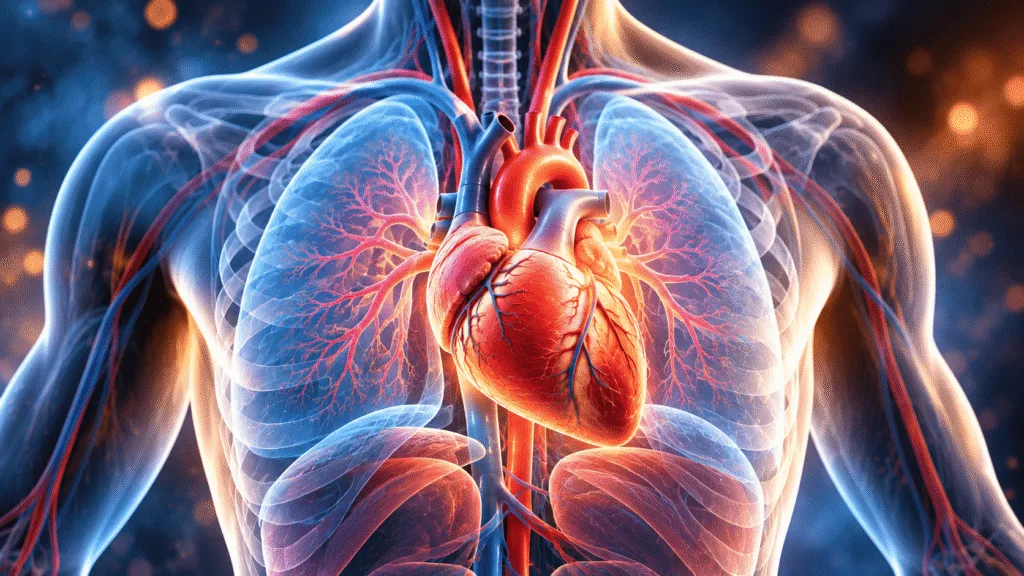
    The heart is located in the mediastinum, the space between the right and left lungs. It sits behind the sternum, or breastbone, and above the diaphragm. While a larger portion of the heart lies towards the left of the body’s midline, some of it extends towards the right as well.
    Is your heart on the left or centre? 7 facts
    (Representational Image) The heart’s position explains why its heartbeat is often felt on the left side | AI Generated

    Its pointed end faces left

    The heart is not completely upright. It has a slight tilt, with its pointed lower end, known as the apex, directed downward and towards the left. This positioning helps explain why the heartbeat can often be felt more distinctly on the left side of the chest.

    Also Read | Want a protein-rich chicken recipe? Try dahi tadka chicken at home

    It is roughly the size of a clenched fist

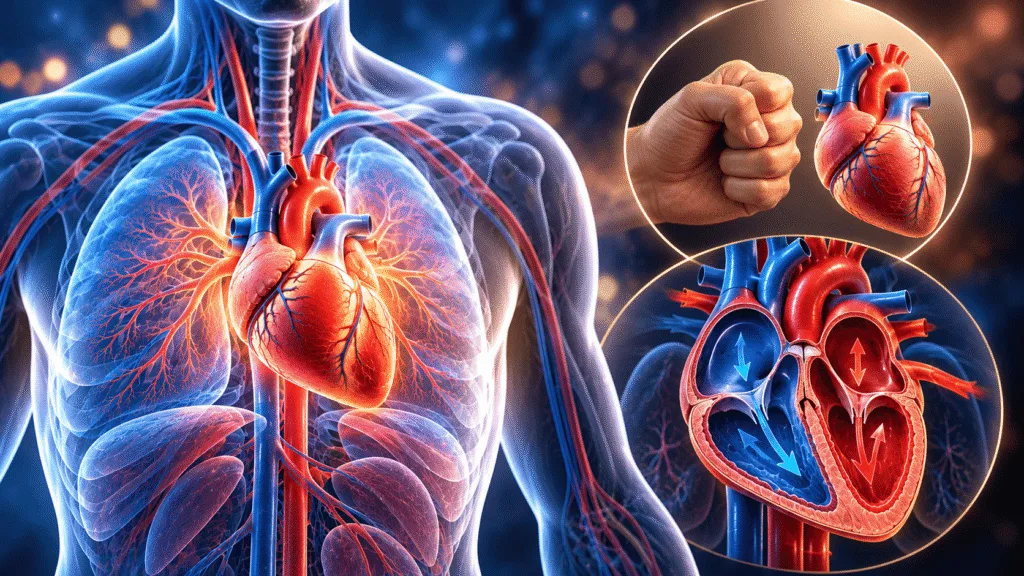
    An adult heart is generally around the size of the person’s clenched fist. Its actual size can differ depending on factors including age and body size. Despite being relatively small, it continuously pumps blood throughout the body.
    Is your heart on the left or centre? 7 facts
    (Representational Image) The four-chambered heart works continuously to keep blood circulating through the body | AI Generated

    The heart has four chambers

    The human heart consists of four chambers: the right atrium, right ventricle, left atrium and left ventricle. The right side deals mainly with blood returning from the body and sends it to the lungs, while the left side receives oxygen-rich blood from the lungs and pumps it throughout the body.

    A wall separates its two sides

    The right and left sides of the heart are divided by a muscular wall called the septum. This separation helps keep oxygen-rich and oxygen-poor blood from mixing under normal conditions.
    Is your heart on the left or centre? 7 facts
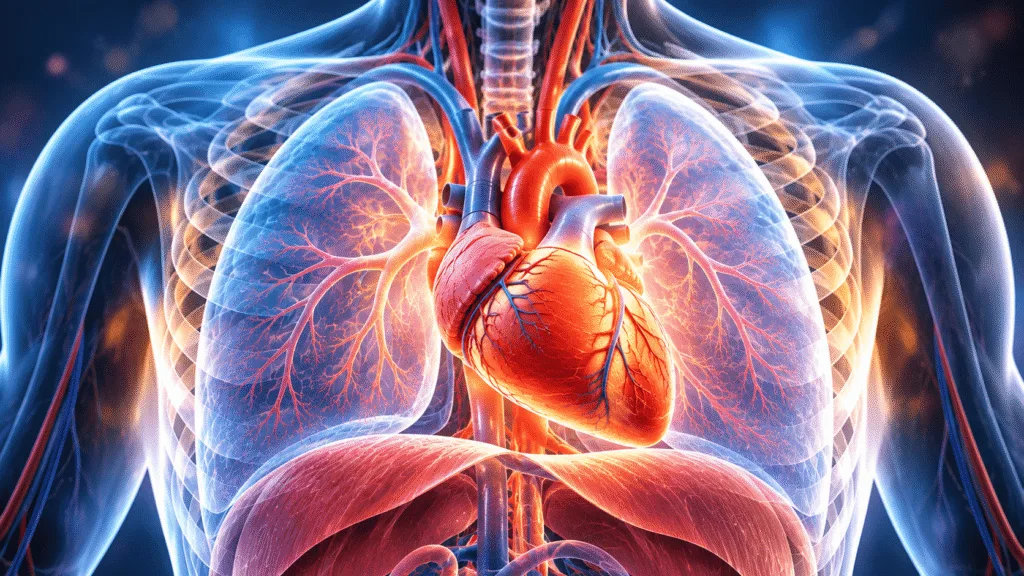
    (Representational Image) World Heart Day highlights key facts about the heart’s location and structure | AI Generated

    Your heartbeat can be felt on the left

    Because the apex points towards the left, the heartbeat may be felt in an area called the apical impulse. In adults, this is usually around the left fifth intercostal space, although the precise point where someone feels their heartbeat can vary.

    Also Read | Healthy office snacks: 8 foods to eat when hunger hits at 4pm

    The heart has its own electrical system

    Unlike muscles that we consciously control, the heart beats automatically. Its normal rhythm begins with electrical activity from the sinoatrial, or SA, node, commonly known as the heart’s natural pacemaker. This system coordinates contractions and enables the heart to keep pumping blood continuously, day and night.
  • What happens if Gyanesh Kumar resigns as Chief Election Commissioner?

    What happens if Gyanesh Kumar resigns as Chief Election Commissioner?

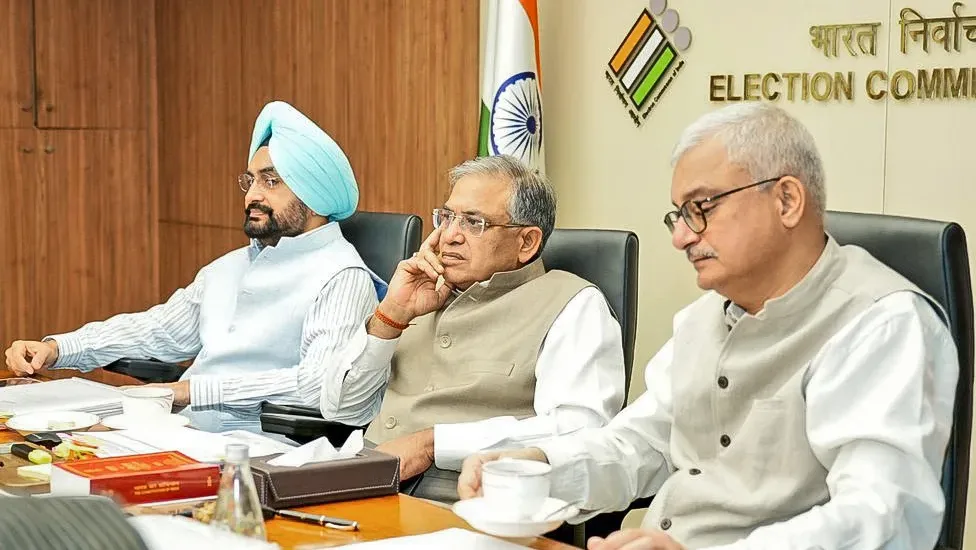
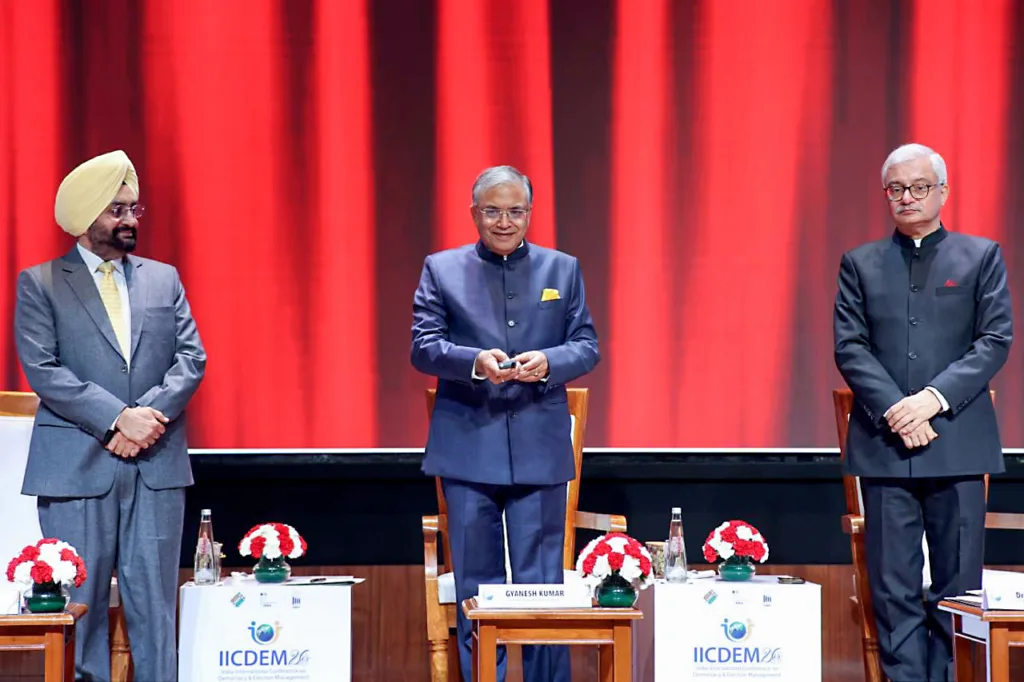
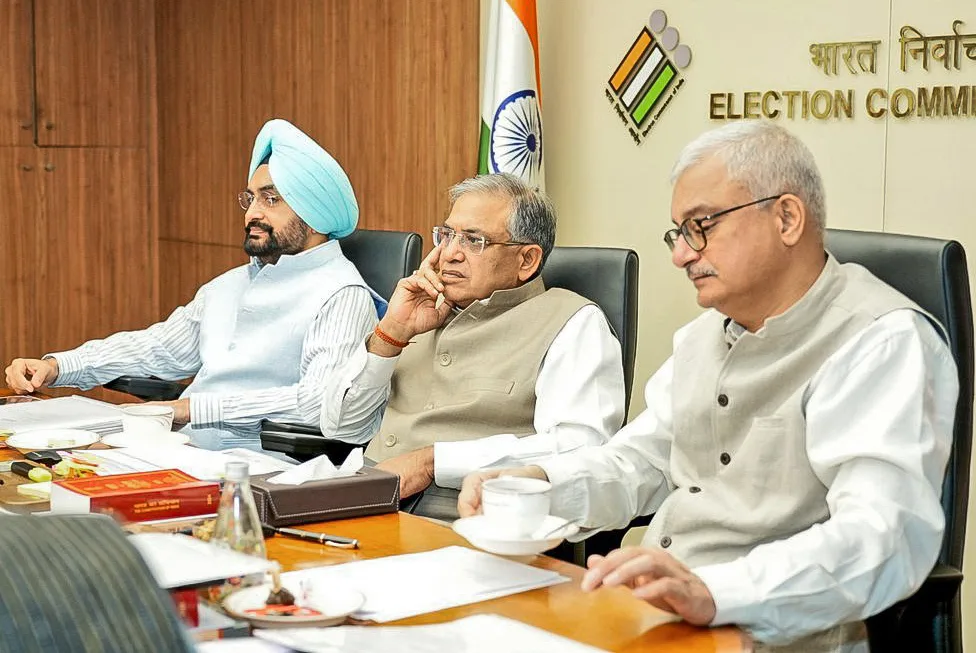
    Calls for the resignation of Chief Election Commissioner (CEC) Gyanesh Kumar have intensified after an investigation by The Indian Express reported repeated objections by Election Commissioners Sukhbir Singh Sandhu and Vivek Joshi over decisions linked to the Election Commission of India (ECI) and the Special Intensive Revision (SIR) of electoral rolls.

    The report said that the two Election Commissioners recorded dissent on at least 14 occasions over 10 months. They raised concerns over decisions involving voter registration, deletion of names and the centralisation of voter database-related processes. Some of the steps were described in their notes as “unauthorised” and “illegal”.

    Gyanesh Kumar
    CEC resignation rules explained amid Gyanesh Kumar controversy | ANI

    The controversy has prompted opposition leaders, including Rahul Gandhi, to demand Gyanesh Kumar’s resignation. Gandhi said elections were “fundamentally broken” and called for the CEC to step down.

    Also Read | Election Commission announces 9 key decisions amid internal concerns: What changes?

    The Election Commission, however, has rejected the suggestion that the reported differences undermine its functioning. The poll body said, “All these decisions are an outcome of the unanimous decisions of the full Commission in the past one year.” It also said differing views are a normal part of institutional deliberations.

    How does a CEC resign in India?

    The resignation process is set out in Section 11 of the Chief Election Commissioner and Other Election Commissioners (Appointment, Conditions of Service and Term of Office) Act, 2023. A CEC can resign at any time by submitting a written resignation addressed to the President of India.

    Election Commission
    CEC resignation rules explained amid Gyanesh Kumar controversy | ANI

    The law does not create a separate deputy CEC who automatically steps into the post when the office becomes vacant.

    Who takes over after the CEC resigns?

    A new CEC is appointed by the President. Under the 2023 Act, the appointment is made on the recommendation of a three-member Selection Committee comprising the Prime Minister, the Leader of Opposition in the Lok Sabha and a Union Cabinet Minister nominated by the Prime Minister.

    Also Read | CEC vs 2 Election Commissioners: What happens when ECI members disagree?

    The Act also provides for a Search Committee headed by the Cabinet Secretary to prepare a panel of five names for consideration by the Selection Committee.

    Election Commission announces 9 key decisions
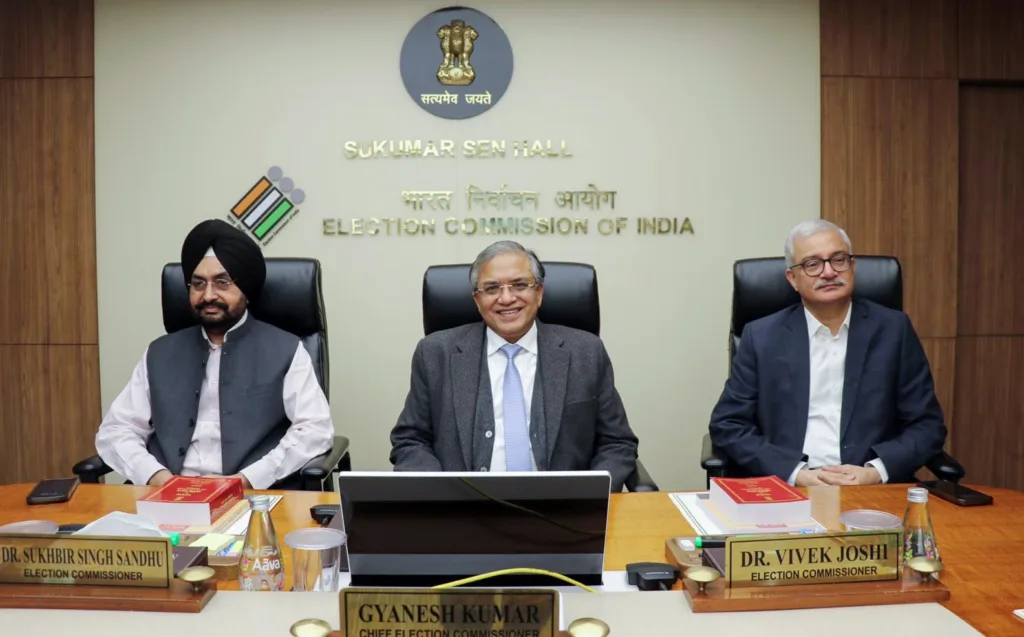
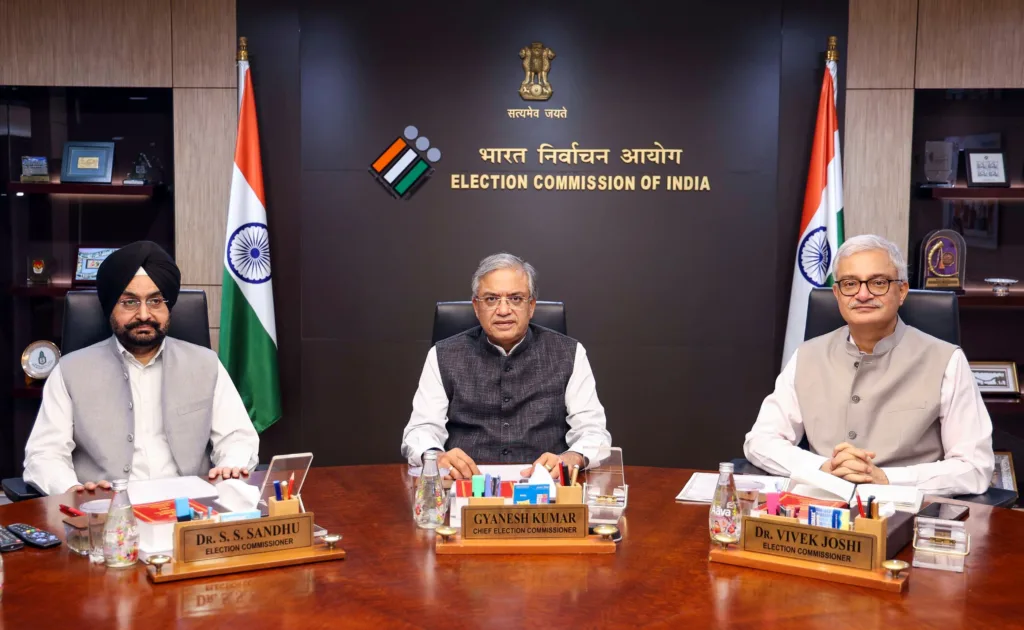
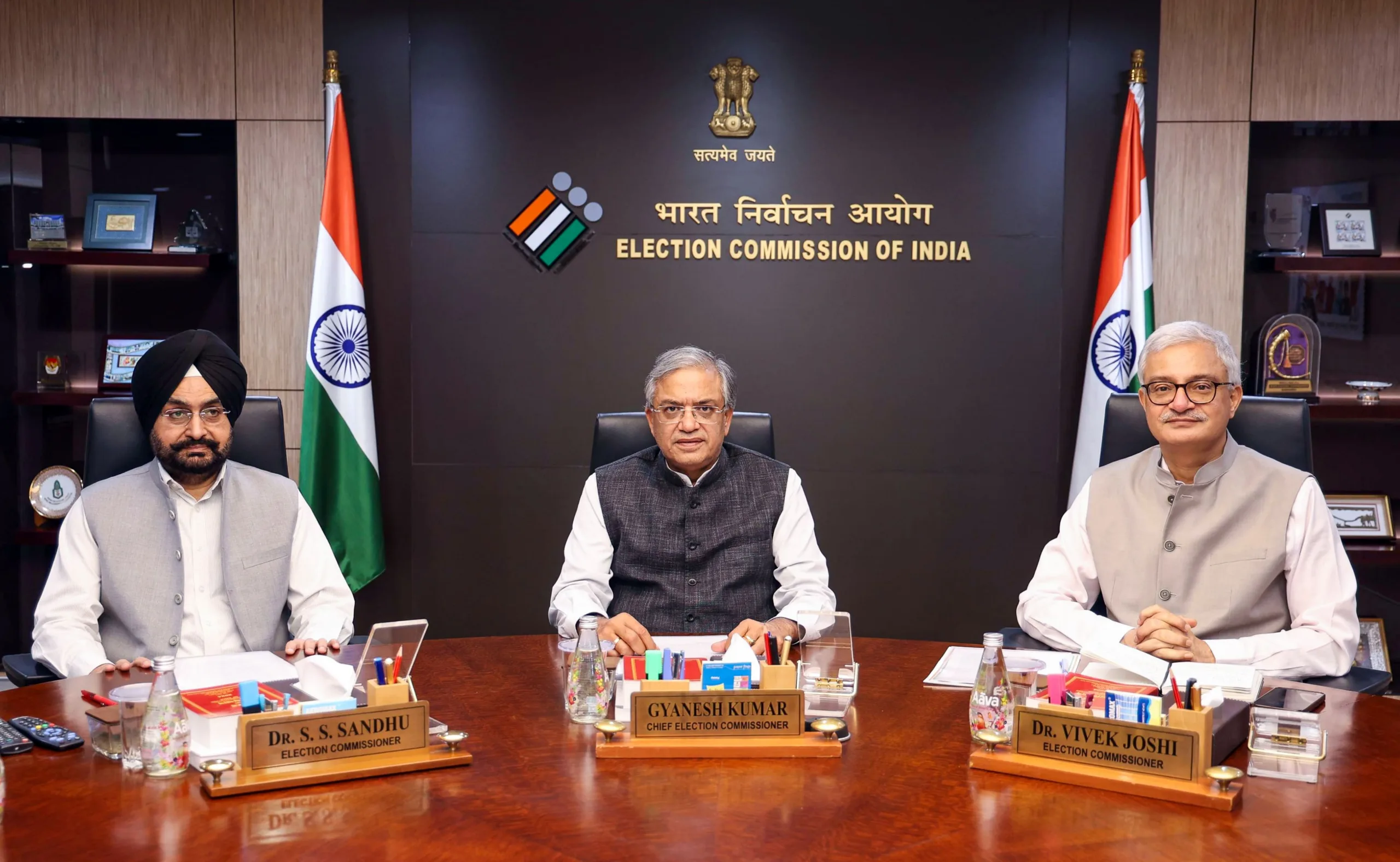
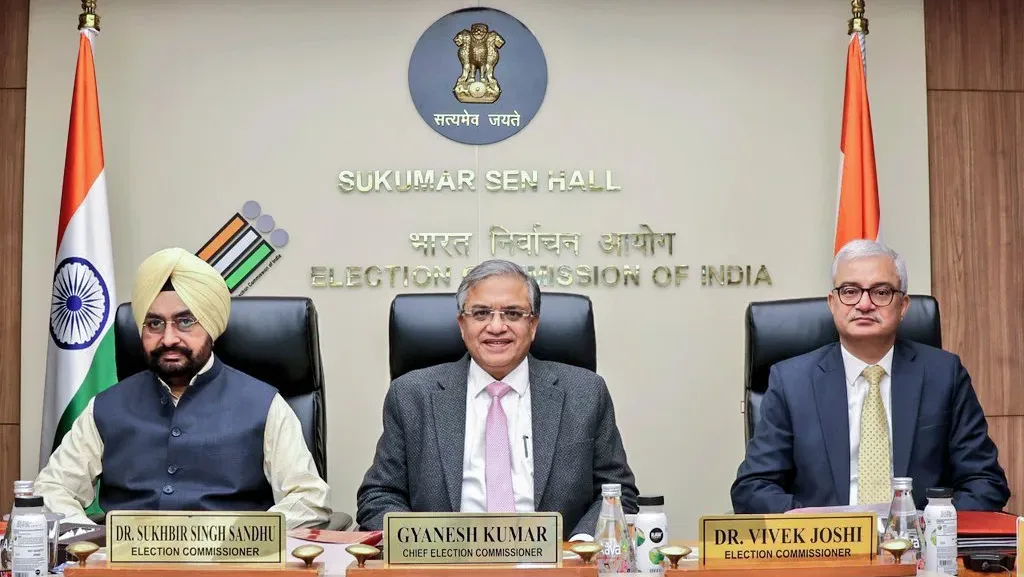
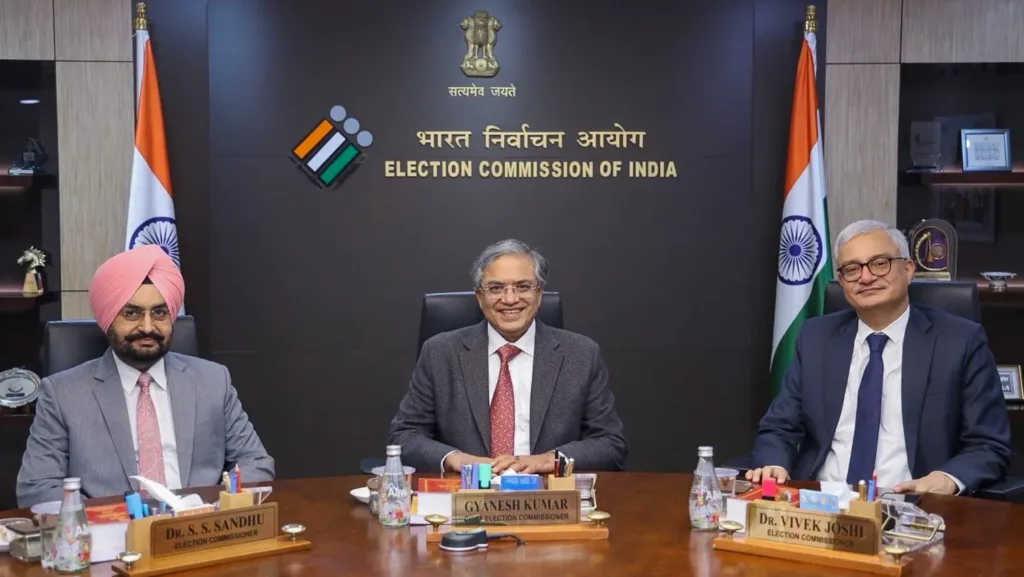
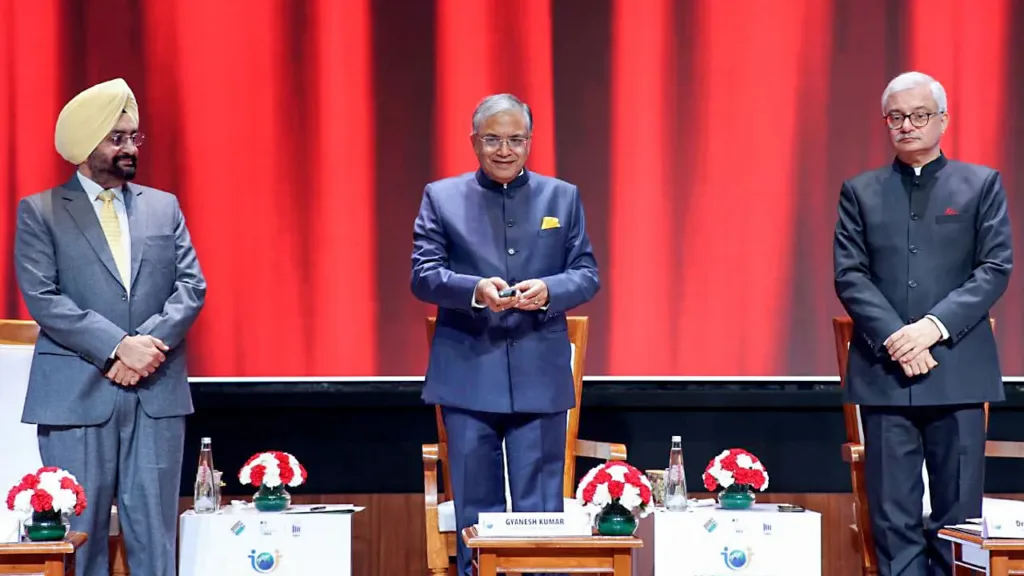
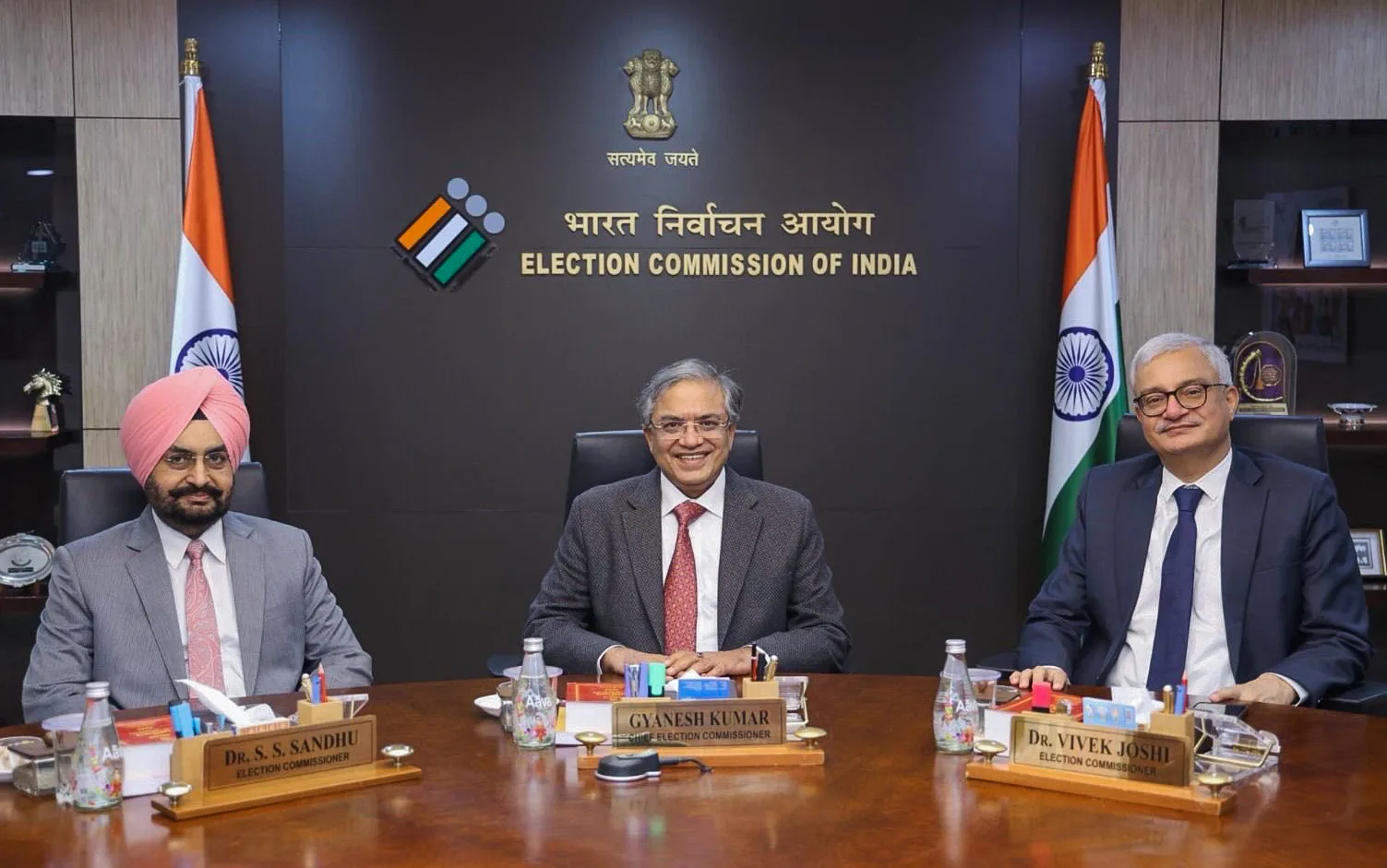
    Chief Election Commissioner Gyanesh Kumar with Election Commissioners Sukhbir Singh Sandhu, and Vivek Joshi | ANI

    Meanwhile, the Election Commission remains a multi-member constitutional body under Article 324. A vacancy in the CEC’s office does not by itself mean that the other Election Commissioners leave office. The exact arrangements for conducting the Commission’s business during any gap before a new CEC is appointed would depend on the applicable constitutional and statutory framework and directions issued by the competent authorities.

    So, if Gyanesh Kumar were to resign, there would not be an automatic appointment of another individual as CEC. The next CEC would have to be formally appointed by the President through the process laid down under the 2023 law.

  • Election Commission announces 9 key decisions amid internal concerns: What changes?

    Election Commission announces 9 key decisions amid internal concerns: What changes?

    The Election Commission of India (ECI) has announced nine decisions aimed at addressing concerns over the functioning of the three-member poll panel, including the management of electoral rolls, internal procedures and technology systems.

    The decisions came days after an investigation by The Indian Express reported that Election Commissioners Sukhbir Singh Sandhu and Vivek Joshi had recorded objections at least 14 times on issues linked to voter registration, deletion and restoration of names, appeals and electoral-roll systems.

    The ECI had earlier described these objections as “suggestions” and “inputs” arising during normal deliberations, while maintaining that key decisions over the past year had received the “unanimous” approval of the full Commission.

    What are the nine new ECI decisions?

    Following its latest meeting, the Commission issued a four-page note outlining several changes.

    Also Read | CEC vs 2 Election Commissioners: What happens when ECI members disagree?

    Agendas will now be circulated before Commission meetings, with minutes to be issued afterwards. Foreign travel by officers will require approval from the Commission. New IT modules and portals will first be examined by a committee of officers before being presented to the poll panel.

    Election Commission
    EC unveils changes to meetings, ECINet and electoral roll management | ANI

    The Commission also ordered a review of ECINet by a committee headed by a senior Deputy Election Commissioner. An independent expert from an IIT or IIIT will be part of the review.

    Field officers will receive additional flexibility where required, while directions issued by Commissioners to officers will be “meticulously complied with”.

    These measures correspond closely with concerns earlier recorded by Sandhu and Joshi regarding meeting procedures, foreign travel, IT systems and access to electoral-roll databases.

    Goa voter issue

    The Commission also addressed the case of 97 voters in Goa who, according to The Indian Express investigation, had been cleared by local officials but were missing from the final electoral roll.

    Election Commission
    Chief Election Commissioner Gyanesh Kumar with Election Commissioners Sukhbir Singh Sandhu, and Vivek Joshi | ANI

    The ECI said 81 of these voters have since submitted Form 6 and directed the Chief Electoral Officer (CEC) to facilitate their inclusion.

    What happens to Form 6?

    The changes around Form 6 remain less clear.

    The ECI said the form prescribed under the Registration of Electors Rules would apply outside the SIR period, reflecting the substance of Joshi’s May objection. However, his objection had specifically concerned the online ECINet form, where an additional question about an applicant’s parents appeared between sections J and K and prevented applicants from proceeding without answering it.

    Election Commission
    Election Commission decisions leave key Form 6 questions unresolved | ANI

    The latest note does not clarify whether that online question has been removed.

    Also Read | What is ERONET? The ECI software at the centre of the SIR row

    Questions that remain unanswered

    Several issues remain unresolved. The Commission has not explained who authorised appeals against voters whose inclusion had been ordered by judicial officers in West Bengal.

    It has also not clarified why Goa’s requested software facility for restoring voter names was not enabled, or addressed questions surrounding the roles of DG (IT) Seema Khanna and Senior Deputy Election Commissioner Maneesh Garg.

    The larger issue is how these decisions will change the Commission’s internal functioning. Whether the three Commissioners will now be involved more closely in decisions remains to be seen.

  • Did you know eating with a loved one may lower blood sugar?

    Did you know eating with a loved one may lower blood sugar?

    Eating a meal with someone close to you may do more than make dinner feel less lonely. A new study has found that eating with a romantic partner is associated with lower post-meal blood glucose levels compared with eating the same meal alone.

    Researchers from the Hebrew University of Jerusalem and Sheba Medical Center examined how social closeness may influence basic processes involved in the body’s regulation. Their findings were published in Science Advances on September 23.

    Eating with a partner linked to lower glucose levels

    The researchers studied 108 people, including 54 romantic couples, for the glucose experiment. Each participant ate the same standardised carbohydrate meal on two occasions. On one occasion, they ate alone, while on the other, they ate alongside their partner.

    Also Read | Micro-cheating vs cheating: What is the difference in a relationship

    The meal contained 102 grams of white-wheat bread. Researchers then monitored the participants’ blood glucose levels following the meal.

    Eating with a loved one
    (Representational Image) Shared meals with a partner may reduce blood sugar spikes, study finds | AI Generated

    Two hours after eating, blood glucose levels were about 15 per cent lower when participants had eaten with their partner. The researchers also recorded smaller increases in glucose and a faster return towards baseline levels in the social setting.

    Factors such as eating time, body mass index and stress were taken into account, and the association remained.

    The role of social physiology

    The glucose experiment formed part of a broader study into what researchers describe as “social physiology”. The concept examines whether close social relationships can affect the way the body regulates basic physiological functions.

    Eating with a loved one
    (Representational Image) Eating together may help the body manage blood sugar after meals | AI Generated

    The team also investigated temperature regulation and physiological stress. Their experiments indicated that being close to a familiar social partner could help people regulate body temperature during cold exposure and reduce physiological stress responses.

    Comparable effects were also seen in experiments involving mother-infant pairs. The researchers noted that the effects occurred even without physical contact, suggesting that simply being near a close person could influence these processes.

    Why might companionship affect blood sugar?

    The biological explanation is not yet established. Researchers suggest that the brain systems involved in regulating energy and other basic functions develop within close social environments, beginning with relationships between infants and caregivers.

    They hypothesise that close social partners may eventually become part of these regulatory systems, potentially affecting processes involved in glucose metabolism. Further research will examine insulin secretion and sensitivity, hormones, autonomic regulation and other metabolic pathways.

    Eating with a loved one
    (Representational Image) Dining with your partner may influence post-meal glucose levels | AI Generated

    The findings do not mean companionship can offset the effects of carbohydrates. Instead, they raise the possibility that the social environment surrounding a meal may influence the body’s response to food.

    Also Read | Healthy office snacks: 8 foods to eat when hunger hits at 4pm

    Findings also seen in Singapore study

    The results are also consistent with observations from a separate study in Singapore involving 20,629 meals and around 1,200 adults. That research found lower post-meal blood glucose among people who ate with friends compared with those who ate alone.

    However, the two studies used different approaches. The Israeli research compared the same participants under controlled conditions with a standardised meal, while the Singapore study examined people’s regular eating patterns in everyday settings.

    Eating with a loved one
    (Representational Image) A romantic partner’s presence may be linked to lower blood sugar after eating | AI Generated

    The researchers emphasise that social closeness is not a replacement for medical care, a balanced diet or exercise. Instead, the findings suggest that relationships and the social setting around meals may be another factor worth examining when studying how the body responds to everyday physiological demands.

  • World Tourism Day 2026: Planning a trip? 5 ways AI can help build a smarter travel plan

    World Tourism Day 2026: Planning a trip? 5 ways AI can help build a smarter travel plan

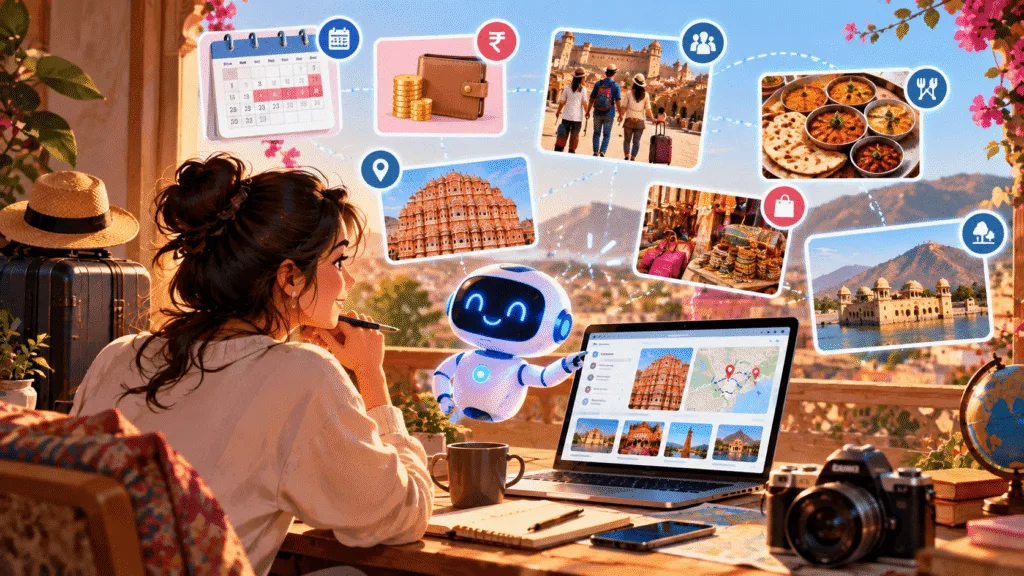
    World Tourism Day 2026: Your holiday may be a few weeks away, but the endless tabs, saved maps and hotel comparisons can start much earlier. Choosing where to stay, what places to visit, where to dine and how to incorporate it into a small timeframe could be quite confusing. That is where AI could help you create a more organised travel plan out of those scattered thoughts.

    Such an approach is consistent with the theme of World Tourism Day 2026 celebrated on September 27. This year’s theme is “Digital Agenda and Artificial Intelligence to Redesign Tourism”. Whether you’re creating a day-by-day itinerary, choosing the right hotels based on your requirements, or suggesting local dining and other experiences, AI can really be a valuable friend during your holiday planning process.

    It is important to know what questions to ask. Just adding a couple of points in your prompt could make it more specific.

    Give AI details about your trip 

    An open-ended question such as “Plan a Trip to Jaipur” will never bring you any helpful answer. Instead, give more information on your visiting dates, budget, time frame, and who you will be traveling with in your prompt.

    World Tourism Day 2026: 5 AI tips for smarter travel planning
    (Representational Image) World Tourism Day 2026 spotlights AI-powered tools for easier travel planning | AI Generated

    The information about your interests will help to limit the suggestions. Say what you want to taste from local cuisine, visit local attractions, go shopping, or avoid visiting the crowded places.

    Also Read | Anti-itinerary travel: Why Gen Z is changing holiday plans

    For example, a three-day family vacation is likely to demand a low-paced itinerary involving fewer trips between various sights. Providing these additional details will be helpful for the AI.

    Build a practical day-wise itinerary 

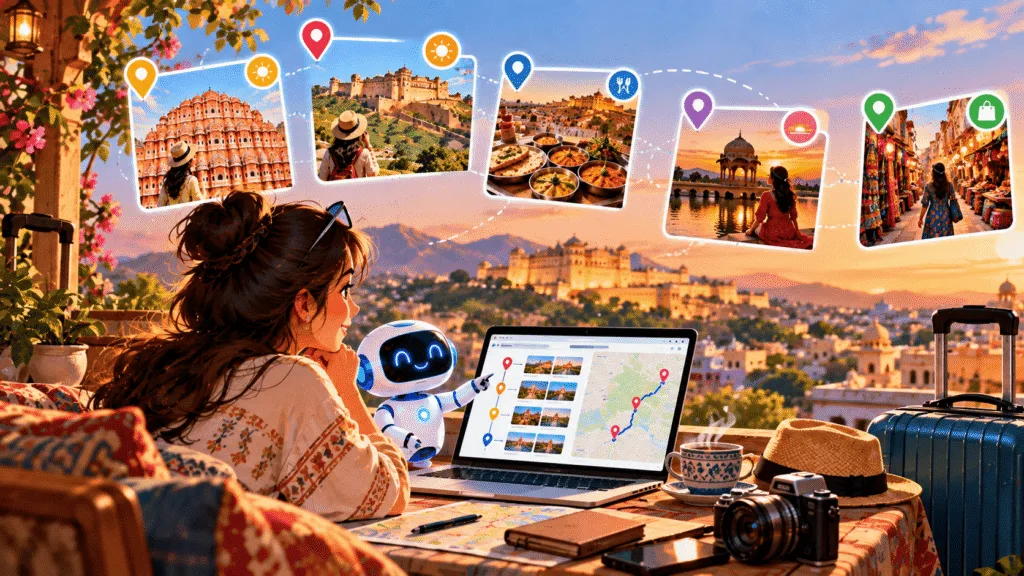
    AI can also be used for organizing attractions according to their location. Mention the area where you stay in the hotel and have the program organize those sites together on one day. This may assist you to minimize moving from one part of the town to another.

    World Tourism Day 2026: 5 AI tips for smarter travel planning
    (Representational Image) Smart travel planning with AI can help organise hotels, attractions, food and routes | AI Generated

    You can also request for other plans, including having a day less busy than others during the holiday period.

    Find hotels that match your requirements 

    Instead of just asking the AI to recommend a “best hoetel,” tell it what is important to you, like the price, location, room, near the transportation, parking, or breakfast.

    World Tourism Day 2026: 5 AI tips for smarter travel planning
    (Representational Image) AI travel tools can simplify holiday planning with personalised itineraries and hotel options | AI Generated

    The AI will assist you in coming up with a list of options and comparing them. Nevertheless, after that, you should look at the final price, availability, cancellation policy, and the reviews on the website where the booking is being made.

    Discover food and local experiences 

    The use of AI allows it to suggest restaurants and local dishes based on an existing travel itinerary. AI will provide the option for choosing alternatives to the planned itinerary in case there will be crowds at a landmark, including alternative nearby locations.

    Also Read | Autumn Travel Guide: 10 stunning places to visit in India this festive season

    Check important details before travelling 

    AI is not the sole source of up-to-date travel planning tips, as the opening hours and other data can be changed and some of the data suggested by AI may be out-of-date.

    World Tourism Day 2026: 5 AI tips for smarter travel planning
    (Representational Image) From itineraries to local food, AI can help make travel planning more organised | AI Generated

    It is recommended to check the information from official tourism websites, hotels’ websites, and transport providers’ websites prior to departure. AI will help with organizing the information search process.

  • Did you know QR codes were not made for digital payments? Here’s the real reason

    Did you know QR codes were not made for digital payments? Here’s the real reason

    Today, QR codes have become part of everyday life. A quick scan can open a restaurant menu, complete a digital payment, access a ticket or provide product information. But the technology behind those familiar black-and-white squares was originally developed for a very different reason.

    QR codes were created in Japan in 1994 by Denso Wave, a company associated with Toyota. Their first major purpose was to help automobile factories keep track of the large number of parts used during vehicle production.

    Why were QR codes invented?

    Before QR codes came along, factories relied on traditional barcodes to identify and track components. The problem was that conventional barcodes could hold only a limited amount of information.

    Also Read | No rain, no flowers — until El Niño: Why Atacama is suddenly blooming

    As the number of parts increased, workers sometimes had to place several barcodes on a single component. Each code had to be scanned separately, making the process slower and less convenient.

    Did you know QR codes were not made for digital payments
    (Representational Image) The little-known story behind the QR codes we use every day | AI Generated

    Masahiro Hara and his team at Denso Wave worked on a way to overcome this limitation. Their solution was a two-dimensional code that could contain considerably more information while also being read quickly.

    The result was the QR code, short for Quick Response code. Its design made it possible to scan information rapidly, which was particularly useful in the fast-moving environment of automobile manufacturing.

    What do the three squares mean?

    The three prominent squares placed at the corners of a QR code have an important function. They help scanning devices recognise the code and determine its orientation.

    Also Read | Planning a Malaysia Trip? Indians can go visa-free, but jobs are different

    This allows a QR code to be read from different angles, making scanning easier in situations where the code may not be perfectly positioned.

    How QR Codes became popular

    Another factor helped QR technology move beyond automobile factories. Denso Wave decided not to enforce its patent rights, allowing businesses and developers to use the technology without paying licensing fees.

    Did you know QR codes were not made for digital payments
    (Representational Image) QR codes began with a purpose far different from digital payments | AI Generated

    Over time, QR codes found applications far beyond manufacturing. They are now used for digital payments, restaurant menus, tickets, product labels and quick access to information.

    A QR code can store more than 7,000 characters and can be scanned quickly using a smartphone. What began as a factory solution for tracking car parts has therefore become a familiar part of everyday digital life.

  • CEC vs 2 Election Commissioners: What happens when ECI members disagree?

    CEC vs 2 Election Commissioners: What happens when ECI members disagree?

    The Election Commission of India (ECI) is again facing questions over how decisions are taken when its three members do not agree. The issue has come into focus after Election Commissioners Sukhbir Singh Sandhu and Vivek Joshi reportedly recorded formal objections at least 14 times in 10 months over decisions linked to the Special Intensive Revision (SIR) of electoral rolls.

    The ECI later said the objections were “part of decision-making process”.

    But what happens when the Chief Election Commissioner (CEC) and the two Election Commissioners disagree? The answer lies in the Constitution and laws governing the poll panel.

    What does Article 324 say?

    Article 324(1) gives the Election Commission “the superintendence, direction and control of the preparation of the electoral rolls for, and the conduct of, all elections” to Parliament, state legislatures, and the offices of President and Vice-President.

    Also Read | What is ERONET? The ECI software at the centre of the SIR row

    The Supreme Court, in the 1977 Mohinder Singh Gill case, held that the ECI has broad powers under Article 324 and can act where there is no specific parliamentary law, provided its action does not conflict with existing legislation.

    ECI
    New Delhi, Apr 08 (ANI): Chief Election Commissioner Gyanesh Kumar, along with Election Commissioners Vivek Joshi and Sukhbir Singh Sandhu | ANI

    Article 324(2) allows the President to decide how many Election Commissioners the ECI will have. The commission functioned with only a CEC from 1950 to 1989. It has had one CEC and two Election Commissioners since October 1993.

    Does the CEC have a veto?

    No. The Supreme Court settled this question in the 1995 TN Seshan v Union of India case.

    The court held that once additional Election Commissioners are appointed, the ECI operates as a multi-member body. The CEC does not have primacy or a veto over the other commissioners.

    Under the decision-making framework, the commission seeks unanimity where possible. If its members disagree, the matter is decided by majority.

    Also Read | ECI dissent report sparks Opposition attack as poll panel rejects formal dissent claim

    The 2023 Chief Election Commissioner and Other Election Commissioners Act repealed the earlier 1991 law but retained this majority-based system.

    How are the commissioners appointed?

    The appointment system changed after the Supreme Court’s 2023 Anoop Baranwal judgment. The court had directed a selection panel comprising the Prime Minister, Leader of the Opposition and Chief Justice of India until Parliament enacted a law.

    Chief Election Commissioner Gyanesh Kumar and Election Commissioners Sukhbir Singh Sandhu and Vivek Joshi
    SIR objections bring Election Commission’s decision-making process into focus | ANI

    Parliament subsequently passed the 2023 Act. Its selection committee comprises the Prime Minister, the Lok Sabha Leader of the Opposition and a Union Cabinet minister nominated by the Prime Minister.

    Can Election Commissioners be removed?

    The CEC has protection similar to that of a Supreme Court judge and can be removed only through the prescribed parliamentary process.

    Election Commissioners have a different safeguard. Under Article 324(5), they can be removed only on the recommendation of the CEC.

  • Smoking is banned on planes, but why does the bathroom have an ashtray?

    Smoking is banned on planes, but why does the bathroom have an ashtray?

    If you have ever used an airplane bathroom, you may have noticed a small detail that seems completely out of place: an ashtray. This can be puzzling, especially when passengers are repeatedly told, “smoking is strictly prohibited on the aircraft.” So why do airlines still keep ashtrays inside lavatories when smoking is banned on flights?

    The answer has less to do with allowing passengers to smoke and more to do with preventing a potentially dangerous aircraft fire. The seemingly odd fixture is tied to aviation safety rules and a tragic incident that changed how airlines deal with the risk of in-flight fires.

    Why are ashtrays still fitted inside airplane bathrooms?

    The presence of an ashtray does not mean passengers are permitted to smoke in the aircraft bathroom. Smoking remains prohibited.

    However, aviation safety regulations take into account the possibility that a passenger could ignore the rules and secretly light a cigarette inside the lavatory.

    Smoking is banned on planes
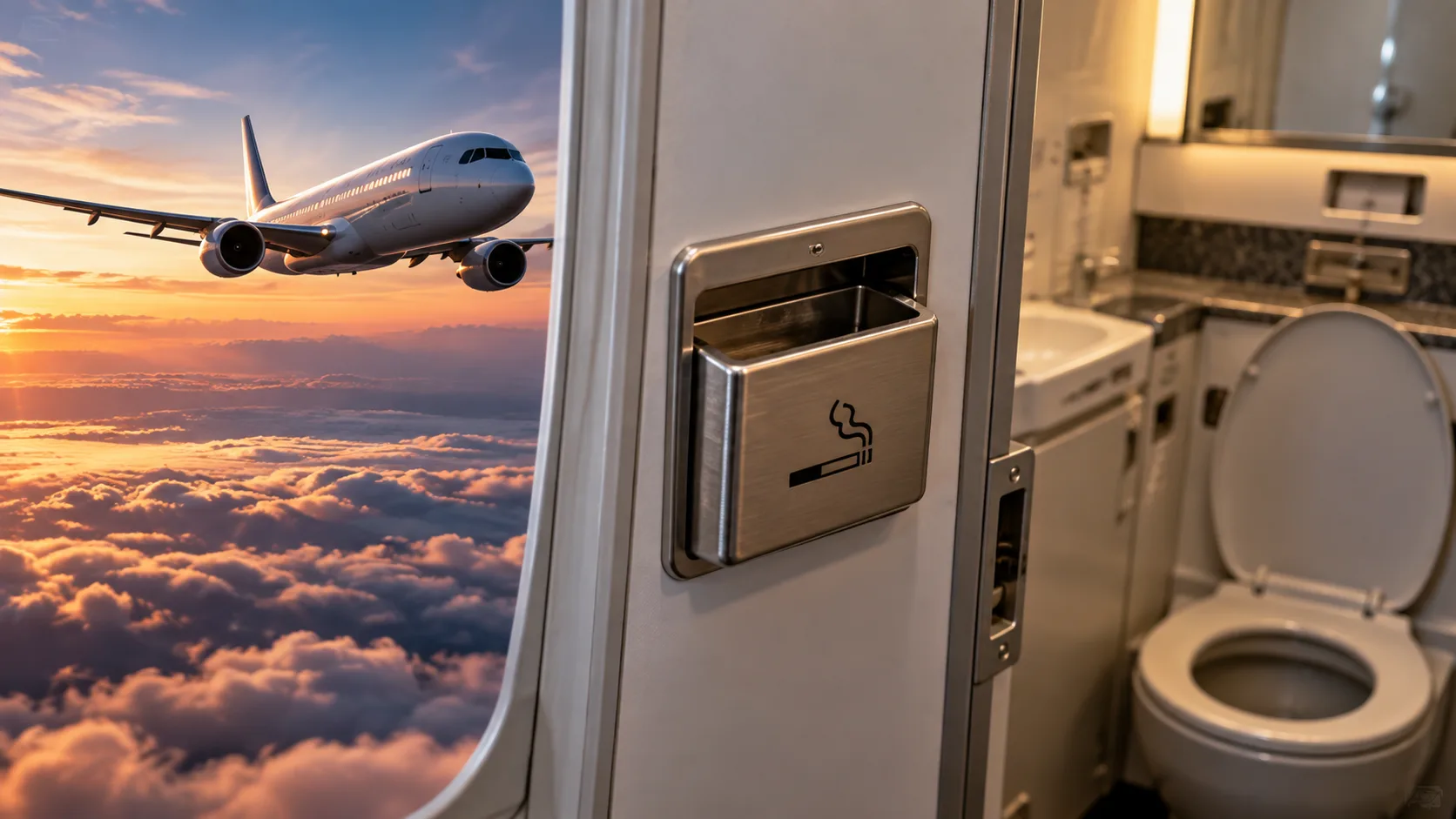
    (Representational Image) Smoking is banned on flights, but this tiny ashtray serves an important purpose | AI Generated

    This creates another potential danger. If a passenger is worried about triggering the smoke detector and throws a still-burning cigarette into the bathroom bin, the consequences could be serious.

    Aircraft lavatory bins can contain tissues, paper and other flammable material. A lit cigarette thrown into such a bin could potentially start a fire.

    Also Read | Do you know why airlines really ask you to put your phone on airplane mode?

    An ashtray provides a designated place to extinguish and dispose of a cigarette if someone illegally smokes inside the bathroom, reducing the risk of a discarded burning cigarette setting fire to the waste bin.

    What does the US aviation rule say?

    The US Federal Aviation Administration (FAA) requires passenger aircraft to have an ashtray in the lavatory.

    The requirement is a safety measure rather than permission to smoke onboard. The underlying idea is straightforward: if someone ignores the smoking ban, a cigarette should not end up burning inside a waste bin.

    plane (1) (1)
    (Representational Image) Aircraft ashtrays are designed to prevent burning cigarette butts from causing fires | AI Generated

    Airlines operating passenger aircraft, including carriers such as IndiGo in India, follow the relevant aviation safety requirements.

    Smoking on a plane is still strictly prohibited

    Seeing an ashtray inside an aircraft bathroom can sometimes create the wrong impression.

    The fixture is not an invitation to smoke. Passengers are still prohibited from smoking inside the aircraft, including the lavatory.

    The ashtray exists as a safety precaution to deal with the consequences of someone breaking that rule.

    The tragic incident that changed aviation safety

    The reason aviation authorities take the risk of lavatory fires so seriously can be traced back to a devastating incident in 1973.

    A Varig Boeing 707 was flying from Rio de Janeiro to Paris when a fire broke out in the aircraft’s lavatory.

    Also Read | Digi Yatra international trial may begin at Delhi, Mumbai, Bengaluru, Hyderabad and Cochin airports

    Smoke spread through the aircraft, and the crew eventually made an emergency landing near Paris. The aircraft crashed during the emergency landing, killing 120 people.

    Smoking is banned on planes, but why does the bathroom have an ashtray
    (Representational Image) The ashtray inside an airplane bathroom is a safety feature, not a smoking permit | AI Generated

    An investigation later determined that an improperly extinguished cigarette had caused the fire.

    Why the ashtray matters even when smoking is banned

    The tragic incident highlighted the danger posed by cigarettes and aircraft waste bins.

    That history helps explain why an ashtray can still be found inside modern airplane lavatories. It is not there because smoking is allowed. It is there as a last line of protection against the much more dangerous possibility of a burning cigarette being thrown into a bin filled with combustible waste.

    So, the next time you notice a small ashtray inside an airplane bathroom, there is no need to wonder whether smoking is secretly permitted there.

    It is a safety feature designed around the possibility that someone might ignore the rules.

  • What is ERONET? The ECI software at the centre of the SIR row

    What is ERONET? The ECI software at the centre of the SIR row

    The Election Commission of India (ECI)’s Special Intensive Revision (SIR) of electoral rolls has brought its voter-matching software, ERONET, under scrutiny. Around 17.6 million voters across Telangana, Karnataka, Maharashtra and Delhi have received notices under the “logical discrepancy” category during the third phase of SIR. 

    What is ERONET?

    ERONET, short for Electoral Roll Officers’ Network, processes enumeration forms and matches present voter records with entries in older electoral rolls. The software now operates within ECINET, the ECI’s unified technology platform launched in January 2026. 

    Why are voters being flagged? 

    A major issue involves differences between old and current voter records. The base rolls used for comparison were maintained in regional languages, including Telugu, Kannada and Marathi. Converting these records into English has resulted in spelling and transcription differences. 

    Also Read | India asks Pakistan to back anti-terror claims with action as tensions rise

    As per a Hindustan Times report, in Hyderabad, Qamer Fatima was served a notice because her name appeared as “Qemar Fatima” in the older roll. She said, “All my current documents have the same spelling of my name as my voter ID. I don’t know how to prove that the person on the 2002 rolls is me.” 

    Chief Election Commissioner Gyanesh Kumar and Election Commissioners Sukhbir Singh Sandhu and Vivek Joshi
    Chief Election Commissioner Gyanesh Kumar and Election Commissioners Sukhbir Singh Sandhu and Vivek Joshi | ANI

    An official at the Telangana CEO office said, “The 2002 base roll was a mess. Names and surnames were inconsistent. When they were translated to English and matched with the current list, several errors came up.” 

    Age-related mismatches have also triggered notices. In Bengaluru, Joan Fathima was flagged over an alleged gap of less than 15 years between her and her father’s ages in 2002, despite her saying the actual gap was 27 years. 

    What is the controversy over ERONET?

    This is not only an error in software, as Election Commissioners Vivek Joshi and Sukhbir Sandhu are quoted as being worried about access to the electoral roll database. “It is a gradual centralisation of the electoral roll database,” states Joshi, whereas Sandhu says that state officials “don’t have proper and complete access” to ERONET.

    ERONET? The ECI software at the centre of the SIR row
    Chief Election Commissioner Gyanesh Kumar, along with Election Commissioners Vivek Joshi and Sukhbir Singh Sandhu | ANI

    The problem also appeared in Goa, where EROs approved 97 voters but were unable to update the database due to the absence of rollback feature.

    Is software capable of determining who qualifies to vote? 

    According to the Representation of the People Act and electoral law, Electoral Registration Officers are tasked with maintaining registers and determining applications and appeals. ERONET is a technology used for that purpose. 

    Also Read | President Droupadi Murmu urges film stars to avoid harmful products; calls for more women on award juries

    Reportedly, an ECI official defended its use, saying, “It is impossible to carry out an exercise of this scale manually without technology. Checking duplication and mapping progeny manually will take years. We fix all problems with the software in real time.” 

    This is, however, a question about how ERONET detects problems, how corrections can be made, and who decides legally during SIR.

  • From Trump TV to Truth Social: Inside the US president’s media multiverse

    From Trump TV to Truth Social: Inside the US president’s media multiverse

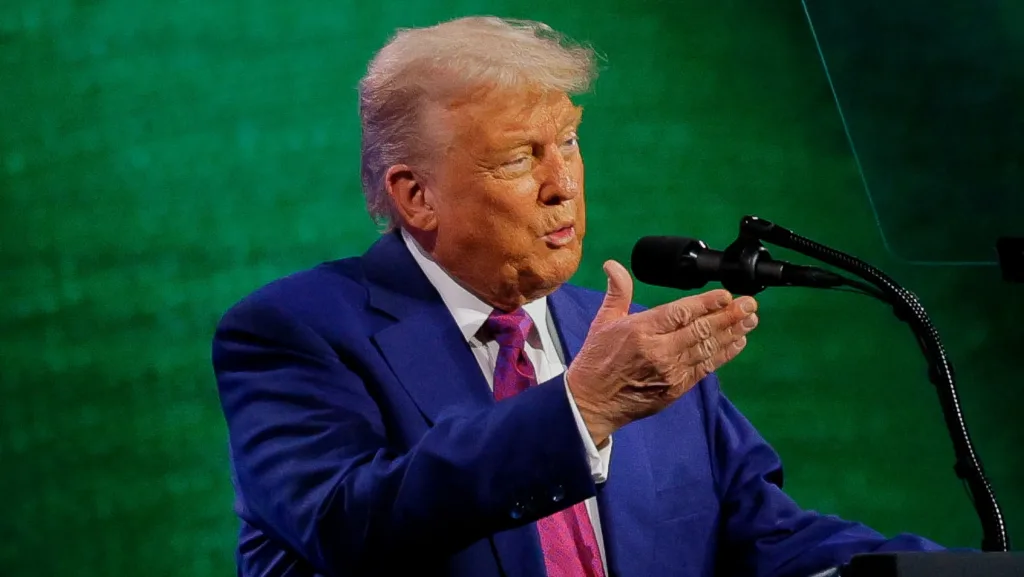
    Donald Trump’s media ecosystem has grown far beyond social media. What began with Truth Social has now expanded into streaming, data licensing and a dedicated White House video platform called TRUMP TV.

    The latest addition comes as tensions between the Trump administration and major US news organisations intensify, raising fresh questions about how presidential events and statements reach the public.

    What is Trump TV?

    The White House launched “TRUMP TV: The Essentials Station” on September 21, describing it as a 24/7 destination for the Trump administration’s “biggest moments all in one place”.

    Also Read | Wars, Trump and Guterres’ exit set the tone for UN General Assembly 2026

    The platform features “top videos, major remarks, and must-see highlights” and is designed to update content in real time. The White House has also promoted the launch with the title “Trump TV is Here”.

    Unlike a conventional television news network, Trump TV is a White House initiative focused on administration-produced material. It is also separate from Truth Social and Truth+, which are operated by Trump Media & Technology Group (TMTG).

    Truth Social and Truth+: How they fit in

    Truth Social became the first major part of Trump’s alternative media network. TMTG says the platform became generally available in early 2022 and was created around a free-expression model with less dependence on major technology companies.

    Trump has repeatedly linked the platform to his free-speech message. In December 2022, he said, “If we don’t have free speech, then we just don’t have a free country.”

    Trump TV to Truth Social: Inside Trump’s media multiverse
    Truth Social remains the core of Trump’s direct media strategy | ANI

    TMTG later expanded into streaming with Truth+. The company says the service offers live television channels and on-demand content, with standalone apps available across phones, the web and connected TVs.

    Truth API adds a data layer

    In August 2026, TMTG launched Truth API, allowing licensed customers to access publicly available posts from selected prominent Truth Social accounts. The company described it as its first data-licensing product.

    Why the TV pool dispute matters

    The Trump TV launch comes amid a major dispute involving the White House press corps.

    On September 19, the White House announced that CNN, MS NOW and Politico would be barred from White House access. On September 21, ABC, CBS, Fox News, CNN and NBC suspended their pooled television coverage of Trump’s events.

    Trump
    Truth+ and Truth API broaden Trump’s digital media reach | ANI

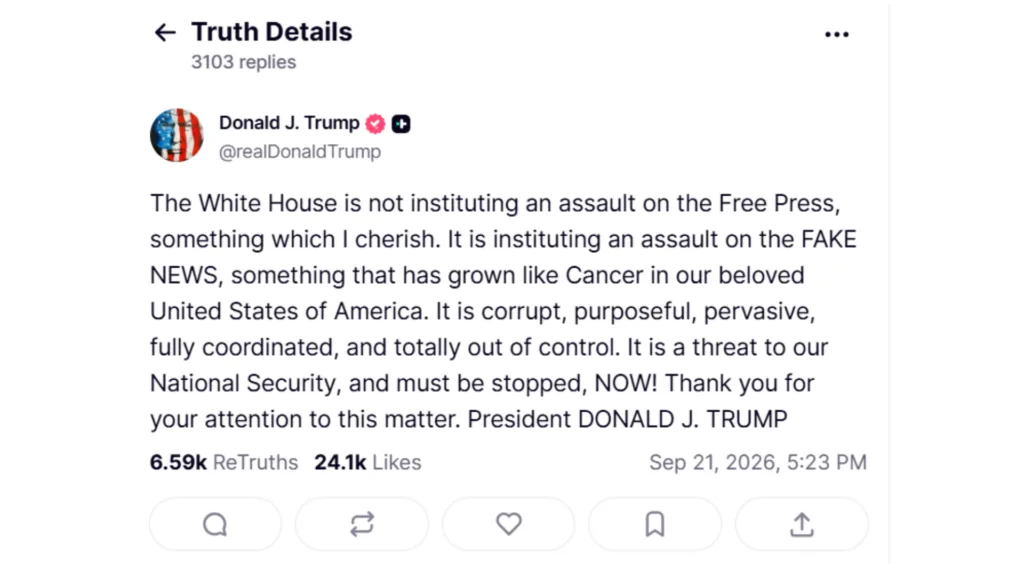
    Trump defended the administration’s move on Truth Social, saying, “The White House is not instituting an assault on the Free Press, something which I cherish.”

    Also Read | Why India wants a permanent seat at the UN Security Council

    He described the administration’s action instead as an assault on “FAKE NEWS”, calling it “corrupt, purposeful, pervasive, fully coordinated, and totally out of control” and a “threat to our National Security.”

    Trump TV to Truth Social: Inside Trump’s media multiverse

    CNN, MS NOW and Politico have challenged the restrictions in court.

    With Trump TV now providing a continuous White House video outlet, the administration has another direct route to audiences alongside the existing Trump media platforms.