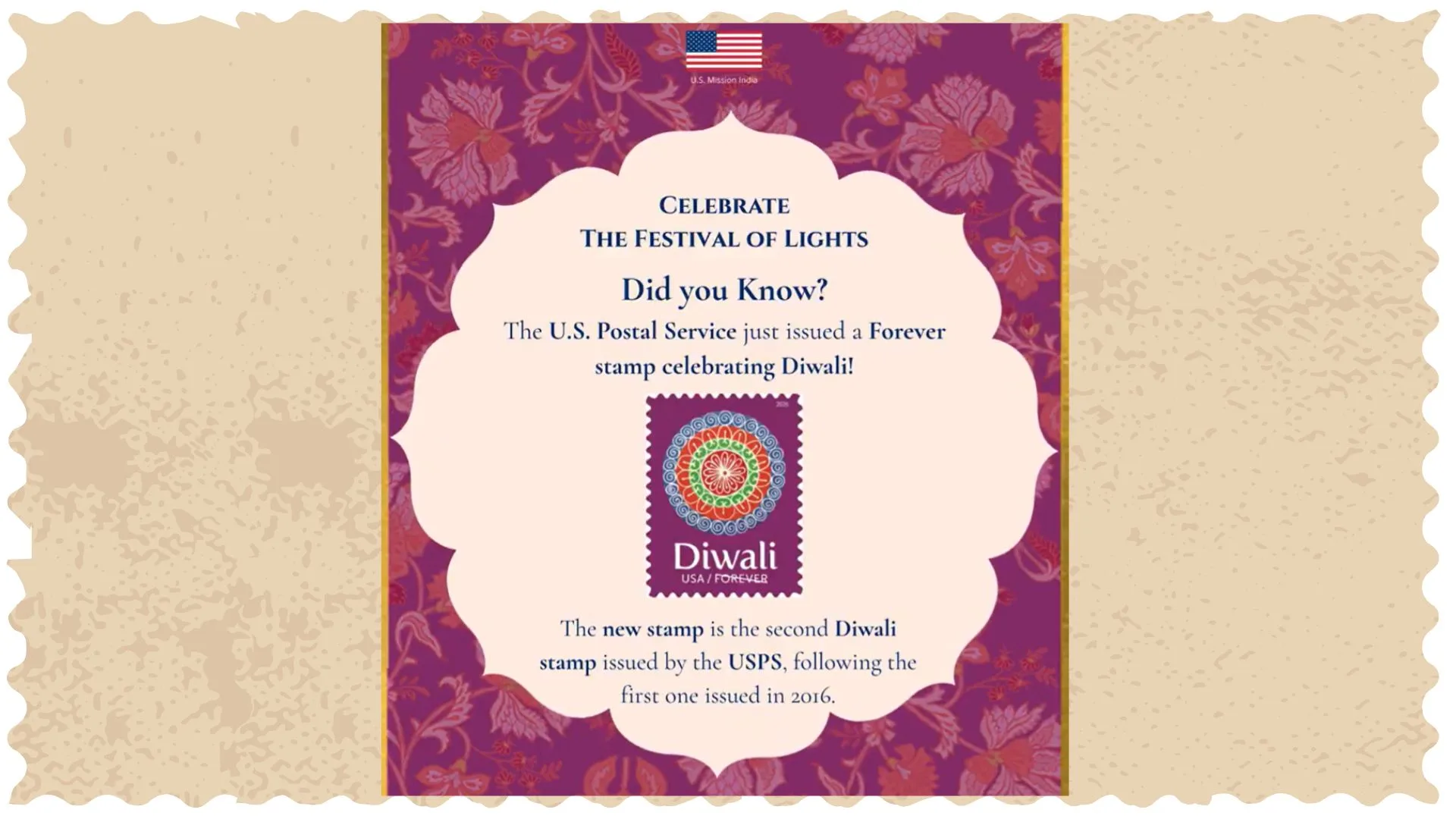
The United States Postal Service (USPS) has released a new Diwali-themed Forever stamp featuring an elaborate rangoli designed by Indian artist Sangita Bhutada. The latest release marks only the second occasion in the past decade that the American postal service has issued a stamp dedicated to the Indian festival of lights. The previous Diwali stamp was introduced in 2016.
The US Embassy in India shared the new stamp design on its official X account, highlighting the postal service’s special tribute to the festival. “Celebrate the festival of lights. Did you know? The U.S. Postal Service just issued a Forever stamp celebrating Diwali!” the post read.
Indian artist Sangita Bhutada creates eight-foot rangoli for Diwali stamp
The newly released USPS Diwali stamp showcases a colourful rangoli set against a purple background. The intricate artwork was created by Indian artist Sangita Bhutada, who has spent nearly 30 years practising the traditional art form.
According to the US Postal Service, Bhutada created the rangoli on an eight-foot diameter surface, spending between eight and 10 days completing the artwork. Photographer Bijay Dixit captured the finished design, while Jennifer Arnold was responsible for the stamp’s layout and design.
US celebrates Diwali with its second dedicated postage stamp in a decade | X(@USAndIndia)
The stamp was officially unveiled on October 21, 2026, at the Embassy of India in Washington DC. The postal service has printed approximately 20 million copies, with 20 stamps included in each sheet.
The new edition is a Forever stamp, which means it can be used for mailing a one-ounce First-Class letter at the applicable rate, even if postage prices increase later. Customers do not need to pay the additional amount following a price revision.
USPS released its first Diwali stamp in 2016
The latest release comes nearly 10 years after the USPS introduced its first stamp celebrating Diwali. It was unveiled on October 5, 2016, in New York.
Unlike the latest rangoli artwork, the 2016 edition featured a photograph of a traditional diya surrounded by flower petals. The lamp was placed against a shimmering golden background, representing the festival’s message of the triumph of good over evil.
The earlier stamp was designed by Greg Breeding, with photography by Sally Andersen-Bruce. With the 2026 release, the USPS has brought another traditional Indian art form into its collection of commemorative stamps.
Social media users welcome new Diwali stamp
The US Embassy’s announcement has also attracted responses from social media users, several of whom welcomed the initiative and shared festive wishes.
“This might make me send postcards this Diwali. Thanks for sharing!” one user commented. Another user responded with “Diwali greetings”.
The new USPS Diwali stamp has once again brought attention to India’s cultural traditions, with the colourful rangoli offering a distinctive representation of the festival on an internationally circulated postage stamp.
‘Mogging’ has become the latest buzzword in internet culture, particularly among Gen Z users who frequently discuss physical appearance, fashion and fitness online. From impressive gym transformations and celebrity red-carpet looks to Instagram-perfect photographs, appearance comparisons are everywhere on social media. Recognising the slang term’s growing popularity, Collins Dictionary has named ‘mogging’ its Word of the Year for 2026, bringing the internet expression into the mainstream spotlight.
The word has gained traction among younger internet users, particularly Gen Z and Gen Alpha, and is increasingly appearing in conversations about physical appearance, fashion and confidence.
What does ‘mogging’ mean?
According to Collins Dictionary, ‘mogging’ means outperforming or outshining someone or something, often making the other person appear inferior in terms of physical appearance, confidence or status.
The expression is commonly used when someone appears noticeably taller, more muscular, better dressed or conventionally more attractive than another person. For instance, a celebrity stealing attention with a red-carpet appearance or someone standing out with an impressive fitness transformation could be described as mogging others.
(Representational Image) Gen Z’s viral slang term moves from bodybuilding circles to mainstream vocabulary | AI Generated
Simply put, it refers to being overshadowed by someone who appears to have the upper hand in a particular comparison.
Where did the slang term originate?
The origins of mogging can be traced to bodybuilding circles and online communities discussing physical appearance. Collins Dictionary links the word to AMOG, an acronym for ‘alpha male of the group’.
(Representational Image) Collins recognises the internet’s latest buzzword amid growing social media popularity | AI Generated
Around 2016, the term began circulating as a noun in bodybuilding communities, describing the most physically dominant man in a gym or social setting. It later evolved into a verb and became associated with manosphere communities, where discussions about masculinity, attractiveness and social hierarchies were common.
How is gen z using mogging on social media?
Platforms such as Instagram and TikTok have helped popularise the expression. It is now frequently used in a humorous or exaggerated way to describe someone stealing the spotlight through their appearance, outfit, physique or confidence.
(Representational Image) From physical appearance to online comparisons, ‘mogging’ defines a new internet trend | AI Generated
The term also appears alongside ‘looksmaxxing’, which refers to efforts to improve one’s physical attractiveness.
Why did Collins Dictionary choose mogging as its 2026 word of the year?
According to Collins Dictionary, usage of the term increased by 210 per cent over the past year. Its lexicographers monitor a database containing approximately 27 billion words, including language used across social media.
Collins managing director Alex Beecroft said the selection demonstrates how each generation leaves its mark on language, with younger internet users giving existing expressions a new, humorous life.
(Representational Image) The viral slang reflects Gen Z’s growing influence on everyday language | AI Generated
However, the popularity of mogging also reflects the growing culture of appearance-based comparisons online. Its association with certain manosphere communities has raised concerns about turning subjective beauty standards into rigid hierarchies. As sociology researcher Simon Copland told ABC News, some influencers use questionable scientific claims to create formulas for determining whether someone is attractive enough.
From a niche bodybuilding expression to a widely recognised internet slang term, mogging’s journey highlights how quickly online vocabulary can enter mainstream conversations.
Scientists have identified a distant object beyond Neptune that could become the sixth officially recognised dwarf planet in the Solar System. Named 2026 ED138, the object is estimated to be between 600 and 1,500 kilometres across, placing it among the largest potential dwarf planets found in the outer Solar System.
The discovery was announced on October 27 by the International Astronomical Union’s Minor Planet Center. Researchers identified the object using observations from the Vera C. Rubin Observatory in Chile, offering fresh insight into the distant regions beyond Pluto.
How was 2026 ED138 discovered?
Astrophysicist Matthew Holman of the Harvard-Smithsonian Center for Astrophysics identified the object on October 13 while examining astronomical data collected earlier in 2026. He used software developed with his colleague Kevin Napier to track moving objects among billions of astronomical detections.
#ICYMI: our Solar System has a newly-discovered dwarf planet candidate! Meet 2026 ED138, recently revealed by NSF–DOE Rubin Observatory ☄
Let’s get to know this new world a little bit, shall we?
https://t.co/wTOg898zBu https://t.co/RC0HP5rZiL
Subsequent analysis showed that the Rubin Observatory had captured the object 30 times across 20 nights between March 4 and July 11, 2026. Researchers also found it in archival images taken by the Dark Energy Camera in February 2016, indicating that the object had remained unidentified for years.
(Representational Image) A mysterious object beyond Neptune could become the Solar System’s sixth recognised dwarf planet | AI Generated
What do scientists know about the distant object?
2026 ED138 is located approximately 46 astronomical units from the Sun. One astronomical unit represents the average distance between Earth and the Sun.
A research paper published on arXiv estimates that its orbit is inclined by approximately 24.4 degrees relative to the plane of the Solar System.
Its position against the crowded background of the Milky Way may explain why previous observations failed to identify it. Scientists have yet to establish its precise diameter because its surface reflectivity remains unknown.
Meet our Solar System’s newest dwarf planet candidate: 2026 ED138!
Orbiting past Pluto, scientists found it in NSF–DOE Rubin Observatory data from earlier in 2026. Early analysis suggests it’s 600–1500 km across, one of the largest found past Neptune!
🔗 https://t.co/wTOg898zBu https://t.co/hEgnk597rl
However, its estimated size raises the possibility that gravity has shaped it into a roughly spherical body, one of the requirements for dwarf planet classification.
Could 2026 ED138 become the sixth recognised dwarf planet?
Further infrared observations are needed to determine its actual size and establish whether it meets the criteria for official recognition.
If confirmed, 2026 ED138 would join Pluto, Ceres, Eris, Haumea and Makemake as the sixth officially recognised dwarf planet.
The Vera C. Rubin Observatory’s planned decade-long sky survey could also reveal more distant objects that earlier surveys missed.
Holman said, “Rubin will image the whole southern sky again and again for ten years,” adding, “so any others hiding in the places earlier surveys skipped are now within reach.”
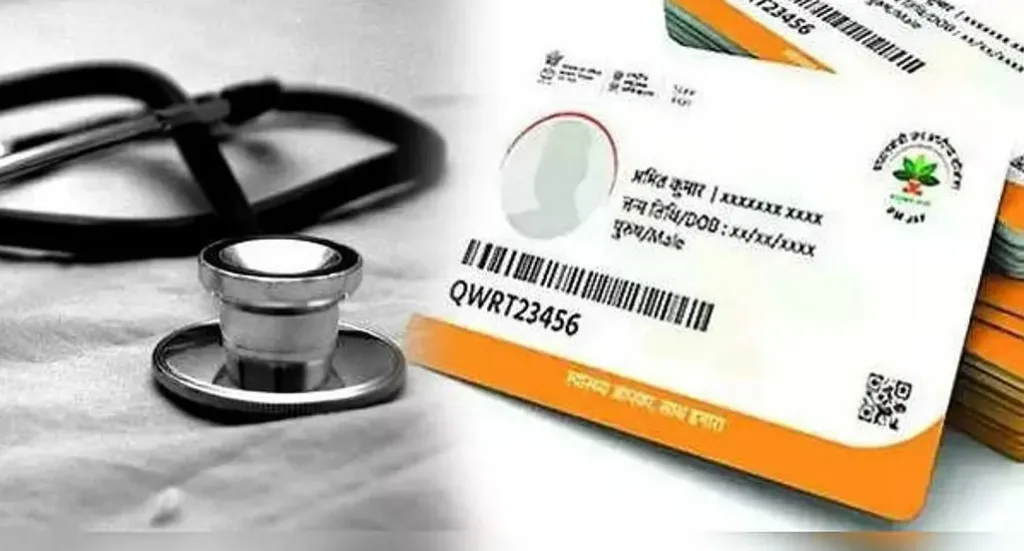
Nearly 20 lakh people listed as beneficiaries of government welfare schemes in West Bengal are reportedly untraceable, with officials unable to locate them at the addresses recorded in official documents. The issue came to light during efforts to distribute Ayushman Bharat health insurance cards and verify the details of eligible beneficiaries.
According to Nabanna sources, these individuals had received benefits under schemes introduced during the previous state government’s tenure. However, officials and ASHA workers tasked with delivering health insurance cards and completing e-KYC verification have reportedly been unable to find several beneficiaries at their registered addresses.
The development has triggered questions about the accuracy of beneficiary databases and allegations of irregularities in the administration of welfare schemes.
Ayushman Bharat card distribution raises questions over beneficiary records
The discrepancy reportedly surfaced when government officials began visiting households to distribute Ayushman Bharat cards and complete the mandatory verification process.
Officials also encountered difficulties locating several people while distributing Kisan Credit Cards, according to reports. These individuals were reportedly beneficiaries of schemes previously administered by the state government.
Bengal probes welfare records as Ayushman Bharat card distribution flags missing beneficiaries | File Image
Several possible explanations have emerged for the missing beneficiaries. Some may have relocated after the Special Intensive Revision (SIR) of electoral rolls conducted ahead of the West Bengal Assembly elections. Others may have died, while speculation has also emerged that some could have moved to Bangladesh. However, these possibilities have not been independently established.
The reported absence of beneficiaries has raised concerns about whether government records accurately reflect the people receiving welfare benefits.
West Bengal health minister alleges irregularities in Swasthya Sathi scheme
West Bengal Health Minister Sharadwat Mukhopadhyay has alleged large-scale financial irregularities in the Swasthya Sathi scheme, stating that the state government is examining its records in detail.
Speaking about the ongoing investigation, the minister said, “We are conducting a thorough investigation into the Swasthya Sathi statistics. Preliminary findings have revealed a scam worth Rs 25,000 crore to Rs 30,000 crore. There is still a lot left to investigate. It will take time. We have found information about fake cards, fake beneficiaries, forged doctors’ signatures, fake hospitals and fake third-party insurance. What you are seeing is only the tip of the iceberg of corruption. We are conducting a forensic audit of the entire matter.”
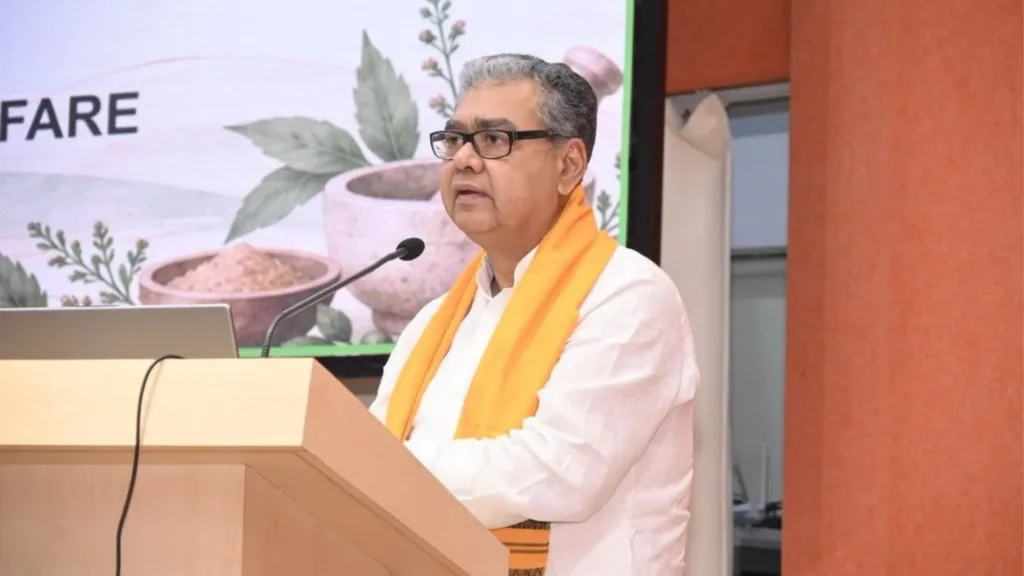
West Bengal Health Minister Sharadwat Mukhopadhyay | ANI
The minister’s remarks come amid allegations of irregularities involving beneficiary records and the administration of the state’s health insurance programme.
The state government is conducting a forensic audit to examine the matter further. The allegations and preliminary findings remain subject to the ongoing investigation.
How areAyushman Bharat and Mukhyamantri Swasthya Bima Yojana beneficiaries identified?
West Bengal introduced the Centre’s Ayushman Bharat health insurance scheme on August 16. The process of identifying eligible beneficiaries involves checking existing databases and verifying their details.
People whose names appear in the scheme’s database can download their Ayushman Bharat cards through the designated website.
If an applicant’s name is missing from that database, officials check whether it appears in the records maintained under the National Food Security Act, 2013. The relevant ration card categories include Antyodaya Anna Yojana (AAY), State Priority Household (SPHH) and Priority Household (PHH).
If the applicant’s name appears in the National Food Security Act database, officials check whether the e-KYC process, which involves household-level verification, has been completed.
Beneficiaries who have completed e-KYC must wait for their cards to be issued. They can also check their application status through the designated website.
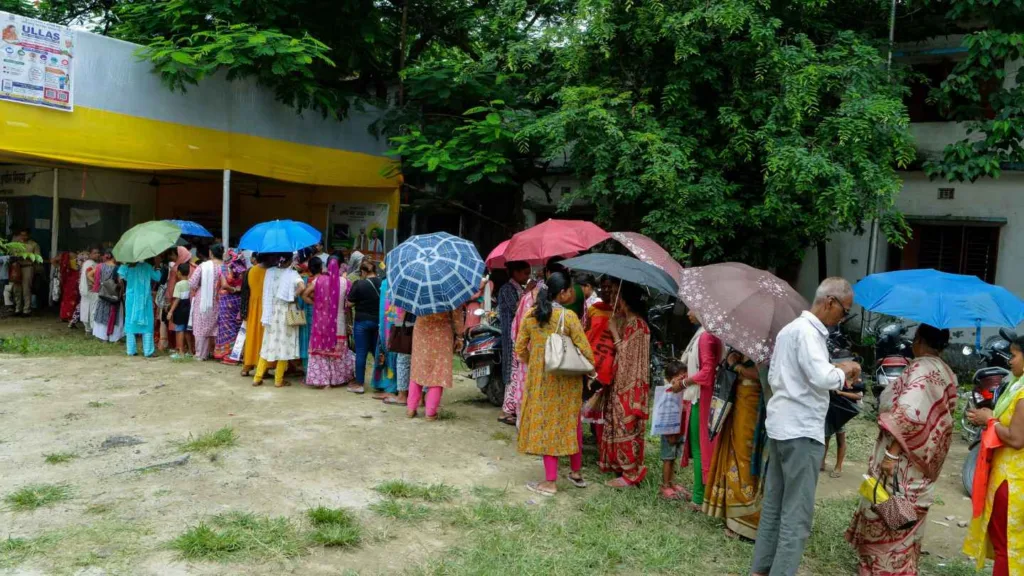
Ayushman Bharat verification raises questions over beneficiary records linked to Bengal’s health schemes | ANI
If e-KYC has not been completed, the verification process remains pending and must be finished before the application can proceed.
Applicants whose names do not appear in the National Food Security Act database can apply for the Mukhyamantri Swasthya Bima Yojana.
Where the necessary documents are in order, completing KYC for one member of a family is sufficient, according to the information provided.
People who previously received benefits under the state’s Swasthya Sathi scheme were subsequently included in the beneficiary pool for Ayushman Bharat and the Mukhyamantri Swasthya Bima Yojana.
Officials and ASHA workers visited households to deliver cards and complete e-KYC verification. It was during these visits that some listed beneficiaries reportedly could not be located.
Who is eligible for Ayushman Bharat health insurance?
The state government’s BJP administration had earlier announced that economically disadvantaged families covered by Ayushman Bharat would be eligible for cashless treatment worth up to Rs 5 lakh annually at government hospitals and empanelled private hospitals.
The eligibility categories mentioned by the state include:
Landless families and daily-wage labourers.
Families belonging to Scheduled Castes and Scheduled Tribes.
Households living in kutcha houses or single-room homes.
Families without an earning male member aged between 16 and 59 years.
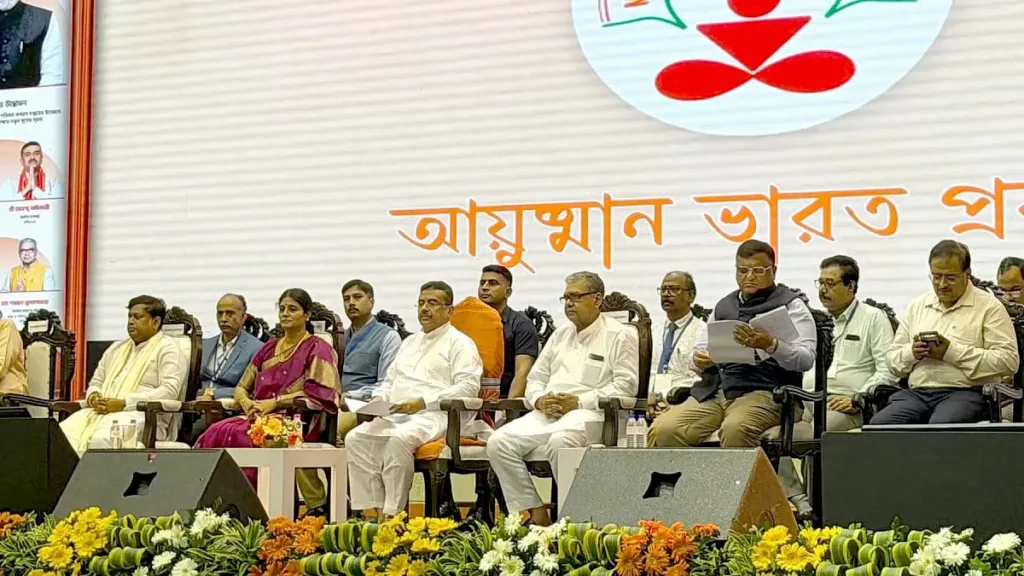
Swasthya Sathi faces scrutiny amid allegations of financial irregularities and a forensic audit | File image
All senior citizens aged above 70, who are covered under the scheme’s senior citizen provision.
The scheme is intended to provide eligible beneficiaries with access to cashless hospital treatment, subject to the applicable eligibility criteria.
Ayushman Bharat cards distributed to over 4.23 crore people in Bengal
West Bengal had received applications covering approximately 4.42 crore people for Ayushman Bharat cards. Of these, the government has distributed cards to around 4.23 crore beneficiaries so far.
According to the figures cited in the report, 19,57,792 people received cards over the course of one month.
Murshidabad recorded the highest number of card recipients, with approximately 46.06 lakh people receiving their cards. North 24 Parganas and South 24 Parganas followed, while Kolkata recorded around 2.98 lakh card recipients.
The reported cases of untraceable beneficiaries have brought the accuracy of government welfare records under scrutiny. The ongoing verification process and forensic audit are expected to examine discrepancies in the relevant databases and the allegations of irregularities in the administration of welfare schemes.
As October draws to a close, Delhi’s streets and neighbourhoods take on a distinctive floral fragrance. Just as preparations for Diwali gather pace, the air fills with the sweet, powerful scent of tiny flowers blooming on the Saptaparni tree. While the fragrance signals the changing season for some residents, others find it too strong to ignore.
The phenomenon is not limited to Delhi. In Kolkata, where the festive season brings the excitement of Durga Puja, the fragrance of Saptaparni can also become part of the city’s autumn experience. From festive evenings to neighbourhood walks, the seasonal scent adds another dimension to the atmosphere of eastern India’s biggest celebration.
What is the Saptaparni tree?
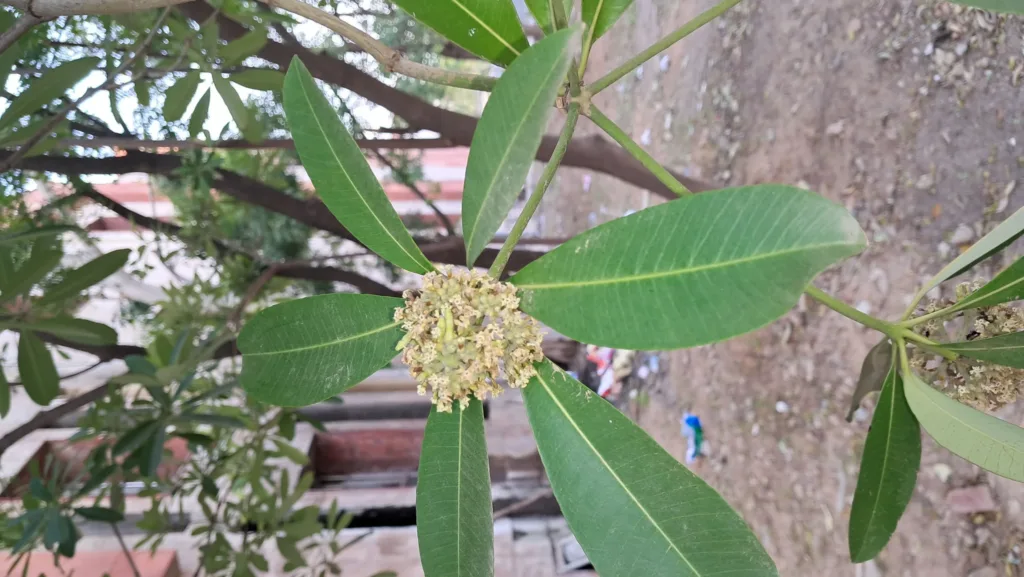
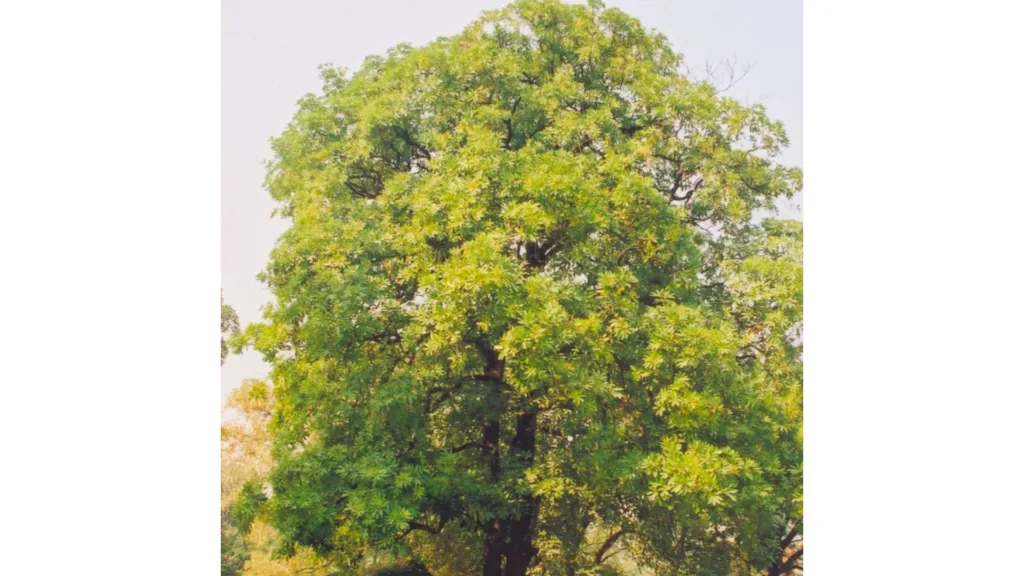
Known scientifically as Alstonia scholaris, Saptaparni is an evergreen tree native to the moist Himalayan region. It was planted extensively across Delhi from the 1940s onwards and has since become a familiar feature of the capital’s green spaces.
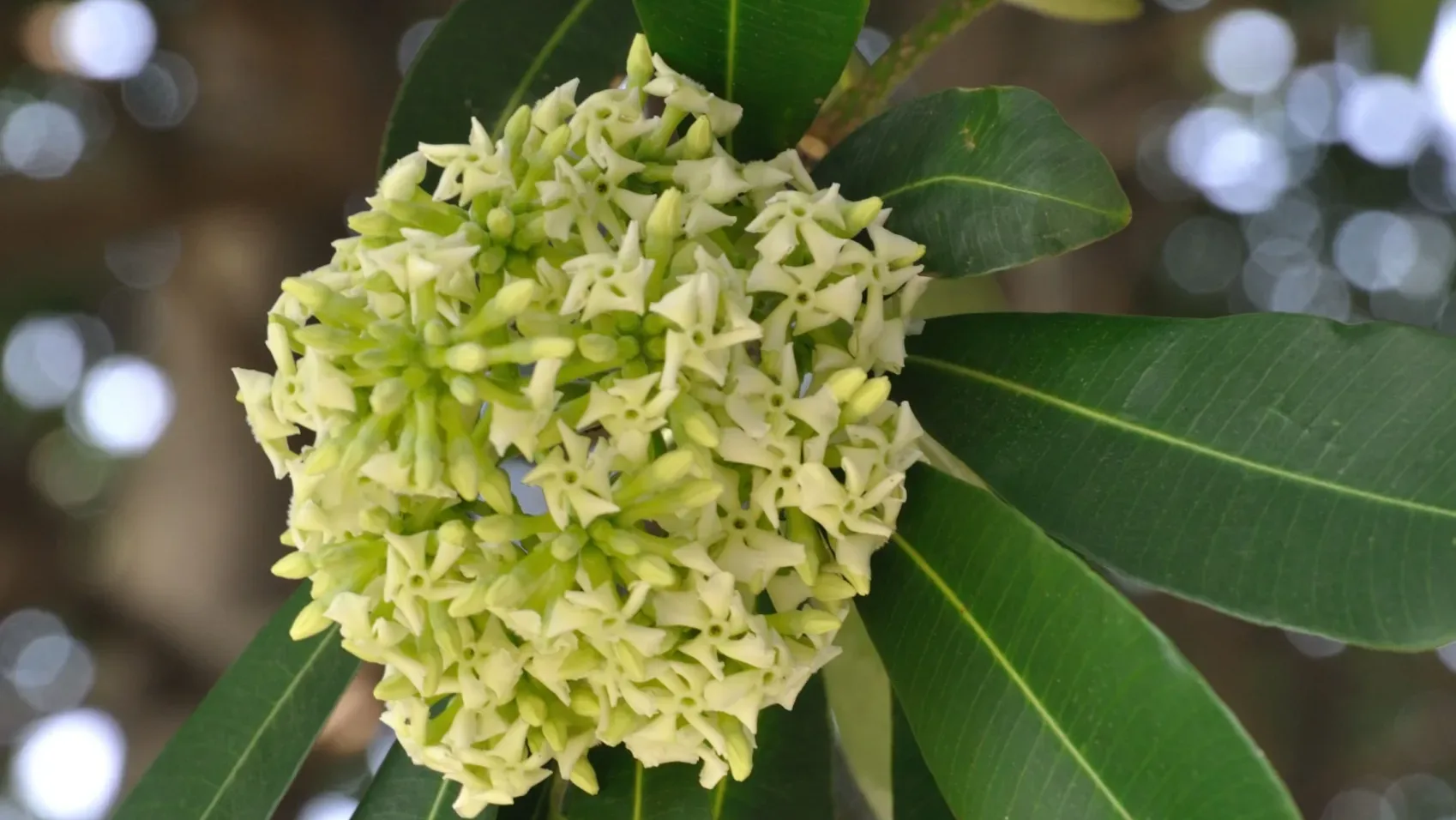
Delhi’s famous October scent comes from the fragrant flowers of the Saptaparni tree | Wikipedia
The tree is particularly noticeable in October, when clusters of small, pale flowers release a strong, sweet fragrance. Its scent can spread across entire neighbourhoods, making it one of the most recognisable seasonal smells in the city.
Why does Saptaparni smell so strong before Diwali?
The tree’s flowering season coincides with the festive period, which is why many people associate its fragrance with the arrival of Diwali. However, the scent does not appeal to everyone. While some welcome the sweet aroma as a sign of autumn, others find its intensity overwhelming.
This contrast has made the Saptaparni tree a talking point every year, particularly in areas where several trees bloom around the same time.
Saptaparni, Durga Puja and Kolkata’s autumn fragrance
In Kolkata, autumn is closely associated with Durga Puja, when illuminated streets, decorated pandals and the scent of flowers create a distinctive festive atmosphere. The fragrance of Saptaparni can become part of this seasonal experience, offering another sensory reminder of the time of year.
Although the tree’s flowering is a natural seasonal occurrence rather than a phenomenon exclusive to any festival, its timing can link the fragrance with memories of Puja celebrations and the transition towards Diwali.
Why is Saptaparni also called the Blackboard tree?
Saptaparni gets its name from its leaves, which often grow in whorls of seven. Its lightweight wood was traditionally used to make blackboards, earning it the familiar name Blackboard Tree.
The Saptaparni tree connects autumn’s natural fragrance with India’s festive season | Wikipedia
In some traditions, the tree is also known as the Devil’s Tree. Its older name, Yakshi-paalya, connects it with folklore surrounding yakshas and yakshis, nature spirits associated with beauty and supernatural powers.
More than just a fragrant tree
Beyond its seasonal flowers, Saptaparni is valued for its resilience and tolerance of pollution. It is also associated with traditional medicinal uses.
In Delhi, the tree can be found in green spaces such as Golf Links and Lodhi Gardens. Its presence in the capital’s urban landscape, combined with its unmistakable October fragrance, makes it a notable feature of the changing season.
Whether welcomed as a reminder of Diwali or recognised amid Kolkata’s autumn festivities, the Saptaparni tree offers a distinctive connection between nature and the celebrations that mark this time of year.
Why are humans born after nine months? While science explains pregnancy through fetal development, religious and spiritual traditions offer another perspective, linking the journey from conception to birth with the soul, karma and the cycle of life. In several Indian scriptures, the womb is described as more than a place where the body develops. It is also seen as a spiritual passage through which the soul prepares for a new life.
These beliefs explore why birth takes time and what the nine-month journey represents in spiritual thought.
The womb as a spiritual passage
The Garbha Upanishad discusses the development of the unborn child and the soul’s relationship with the human body. Within Indian spiritual traditions, the womb is often associated with the transition from a previous existence to a new human life.
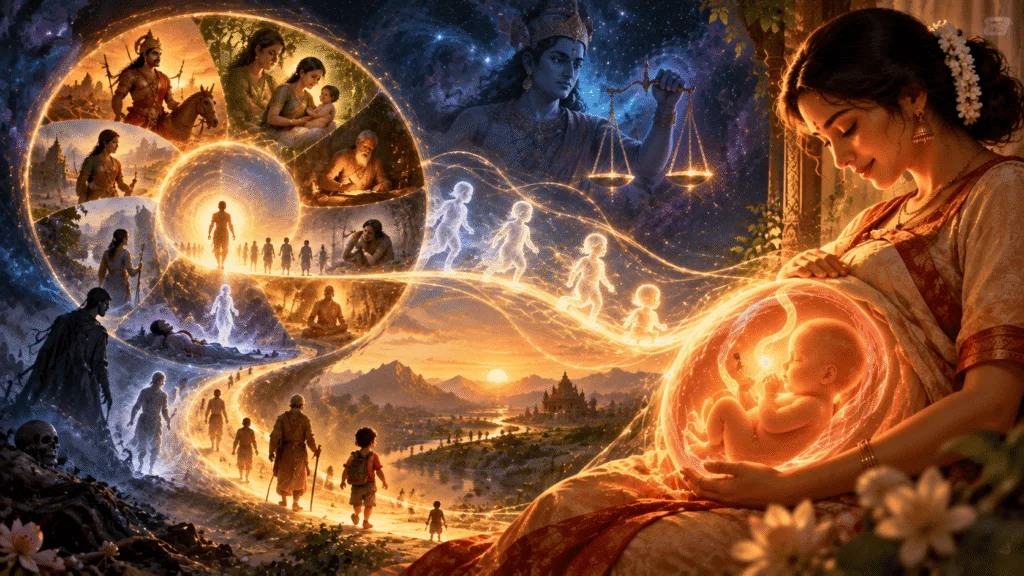
(Representational Image) The mystery of human birth through the lens of religious texts, karma and the soul | AI Generated
According to these interpretations, the soul carries karmic impressions from previous lives. Pregnancy represents a gradual shift from spiritual awareness towards physical existence, with the developing child preparing to experience life through a human body.
Why does the number nine hold spiritual significance?
The number nine carries symbolic importance in several Indian religious traditions. It is associated with the Navagrahas, or nine celestial bodies in Hindu astrological tradition, and Navadurga, the nine forms of Goddess Durga worshipped during Navratri.
(Representational Image) Hindu spiritual traditions connect the journey from womb to birth with karma and rebirth | AI Generated
Against this cultural background, the nine-month pregnancy period is sometimes interpreted symbolically as a complete journey towards birth. However, this is a spiritual interpretation rather than a scientifically established explanation for the duration of pregnancy.
Does the unborn child remember past lives?
Some spiritual interpretations suggest that an unborn child may retain awareness of previous lives during pregnancy. Certain accounts associate the seventh month with a temporary return of such awareness, including reflection on past actions and a desire for liberation.
These beliefs are also connected with garbha sanskar, a traditional approach that emphasises the mother’s emotional well-being, positive surroundings, music and prayer during pregnancy.
How Does Karma Influence Birth?
In Hindu philosophical thought, karma is closely linked to the cycle of birth, death and rebirth. Some interpretations view the circumstances of birth as connected to actions from previous lives.
(Representational Image) Religious interpretations explore the soul’s journey, past lives and the significance of human birth | AI Generated
From this perspective, entering the world is part of a larger spiritual journey. The timing of birth may be understood symbolically through karma and cosmic order, although religious traditions differ in their explanations.
Why is forgetting past lives considered important?
Another spiritual idea is that forgetting previous experiences allows a person to begin life anew. According to this interpretation, the soul’s transition into a human body marks the beginning of a fresh chapter, without conscious access to memories of previous lives.
Across different religious traditions, pregnancy and birth are also associated with divine purpose and the mystery of life. These perspectives offer spiritual interpretations of the nine-month journey, while biology explains pregnancy through the development of the fetus.
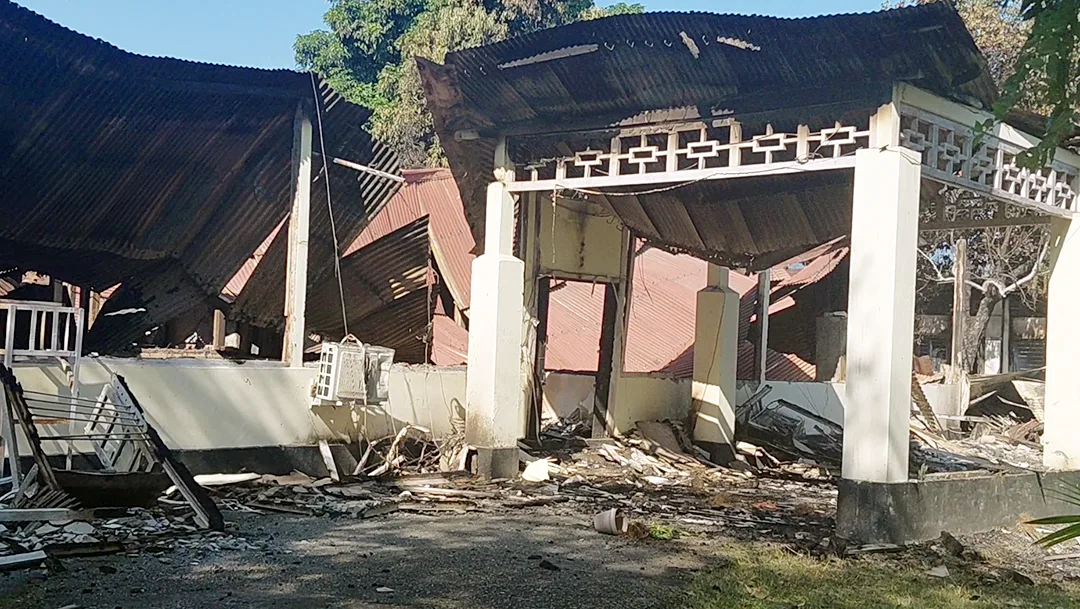
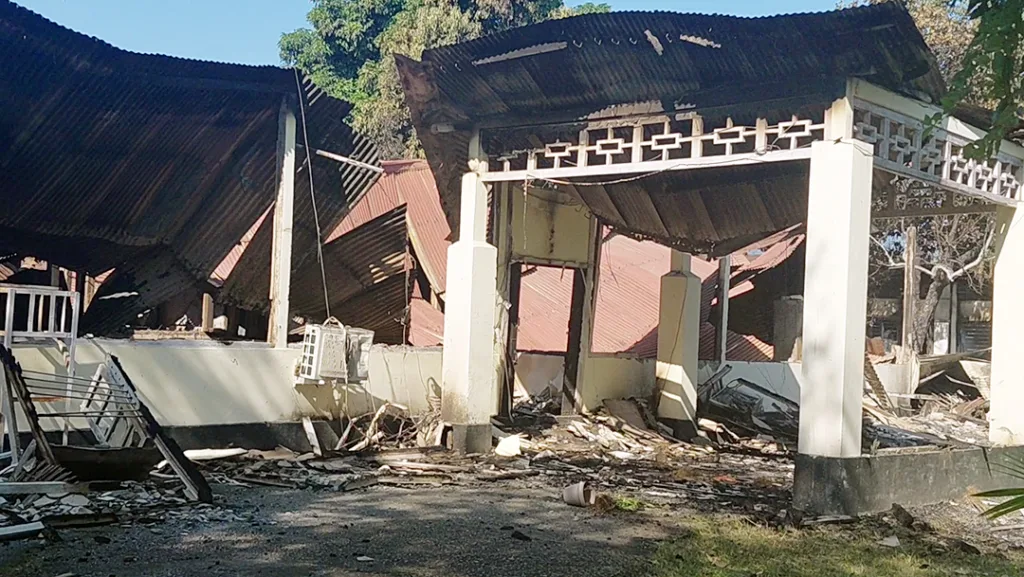
In Arunachal Pradesh, protests against the proposed 11,200 MW Siang Upper Multipurpose Project (SUMP) turned violent on Friday night, leaving at least 40 security personnel injured, officials claimed. Protesters allegedly torched a police station, an NHPC office and nine police vehicles. Reports also said the residences of National People’s Party (NPP) MLA Oni Panyang, BJP leader Ninong Ering and state BJP president Kaling Moyong were damaged and looted.
The violence followed a 12-hour bandh on October 23 across Siang, Upper Siang and East Siang districts, highlighting growing opposition to the proposed mega dam on the Siang River.
Why are Arunachal people protesting against the Siang Dam project?
Opposition to the Siang Upper Multipurpose Project centres on concerns about displacement, environmental damage and the potential impact on the traditional way of life of communities living in the Siang Valley.
Sections of the Adi community have raised objections to the ongoing pre-feasibility report (PFR) process and survey activities for the proposed hydropower project. Residents fear that the development could affect their land, livelihoods and surrounding ecosystem, particularly given the region’s seismic vulnerability.
The Siang Indigenous Farmers Forum (SIFF) and its youth wing have emerged as prominent voices against the survey work. They have demanded that activities related to the project be stopped until the concerns of affected families are addressed.
What did CM Pema Khandu say about the Siang Dam protest?
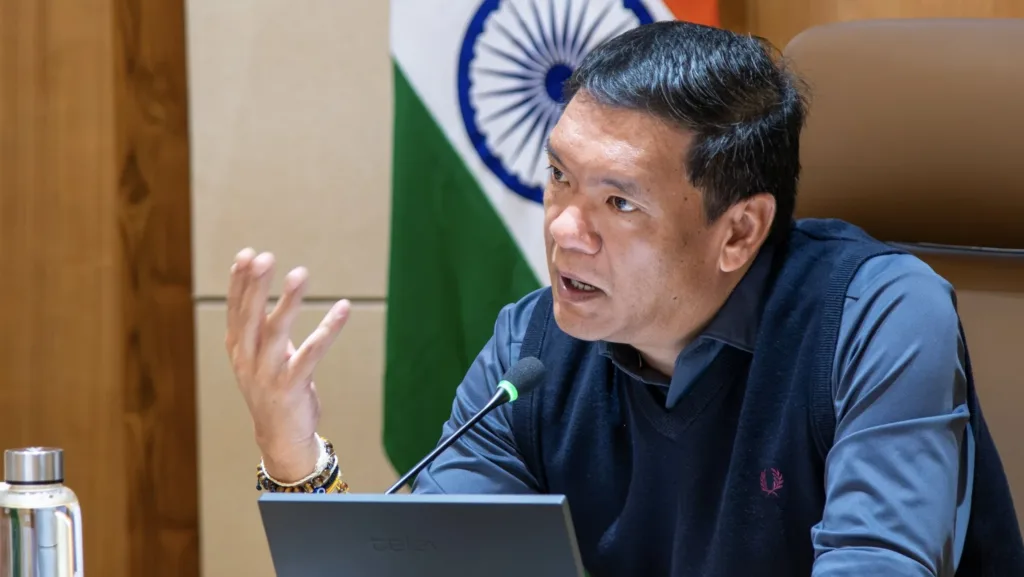
Arunachal Pradesh Chief Minister Pema Khandu expressed concern on Saturday over reports of vandalism, looting and property damage in Pasighat following the bandh.
Amid the continuing protests, Khandu invited the youth wing of Adi Bane Kebang (ABK) and the Youth Association for discussions on the proposed 11,200 MW project.
CM Pema Khandu | X(@PemaKhandu)
The Chief Minister said he would dedicate the entire month to the Siang region and continue visiting the area until the pre-feasibility report process was completed.
Why is the Siang hydropower project important?
The state government has argued that the project could support economic development, create employment opportunities and strengthen water and energy security for Arunachal Pradesh and the country.
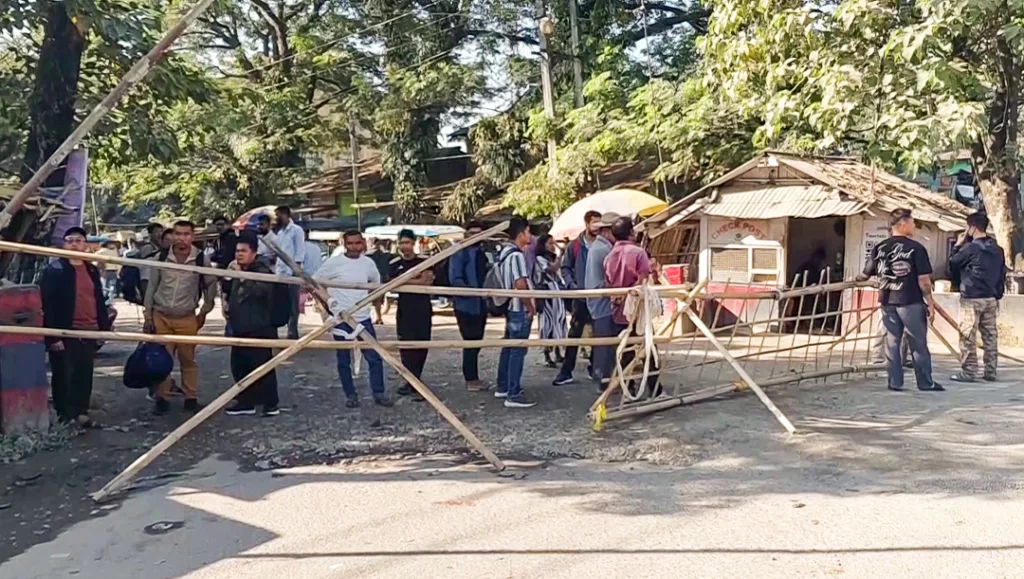
Bamboo barricades put up during a 12-hour shutdown called by various organisations under the aegis of ABKU (Adi Bane Kebang United) across Siang, Upper Siang and East Siang districts | ANI
The proposal has also drawn attention amid concerns over China’s planned mega dam on the Brahmaputra upstream. However, the government has maintained that the ongoing pre-feasibility exercise is intended to assess the project’s viability and does not constitute final approval for construction. Public consultations and assessments would be required before a final decision.
The bandh was called by Adi Bane Kebang United, the SUMP Affected Area Youth Association, the Siang Indigenous Farmers’ Forum Youth Wing and the Adi Galo Welfare Society. While protests had continued for some time, tensions escalated during Friday’s shutdown, resulting in clashes, injuries and reported attacks on public infrastructure and political leaders’ residences.
Siang Dam protests turn violent in Arunachal Pradesh, leaving at least 40 security personnel injured | ANI
The immediate challenge for the authorities is to address the unrest while navigating the competing concerns surrounding the proposed Siang Upper Multipurpose Project.
France, known for its historic bookshops, literary cafés and celebrated writers, is opening a new chapter in its literary tradition. The country is drawing attention with the Prix Pascal de Littérature IA, a literary competition that recognises fiction written with the assistance of artificial intelligence (AI).
The initiative invites writers to explore the possibilities of AI-assisted storytelling while bringing questions about authorship and technology into the literary conversation. Unlike conventional writing competitions, this prize specifically welcomes unpublished French-language fiction developed in collaboration with AI tools.
What is the Prix Pascal de Littérature IA?
The Prix Pascal de Littérature IA is a literary prize dedicated to fiction created with the help of artificial intelligence. Writers from across the world can participate, provided their submissions meet the competition’s requirements.
AI-assisted books enter the spotlight as France opens a new literary competition | File Image
The initiative reflects the growing intersection of technology and creative writing. By inviting authors to work with AI, the competition creates a platform for stories that combine human creativity with artificial intelligence.
The winning manuscript is set to receive publication, offering the selected writer an opportunity to bring their work before readers.
Who is eligible for the AI literature prize?
The competition is open to writers regardless of nationality, country of residence or publishing background. However, entries must meet two essential conditions: the manuscript must be unpublished fiction written in French, and it must be co-created using AI.
ChatGPT, Claude and Gemini feature in France’s new AI literature prize | File Image
Participants are also required to disclose the AI model and prompts used to develop their manuscripts. This includes tools such as ChatGPT, Claude, Gemini and LLaMA.
These requirements establish transparency around the role artificial intelligence plays in the writing process.
What is the last date to apply?
According to the organisers’ published rules, applications for the inaugural Prix Pascal de Littérature IA are scheduled to open on November 2, 2026. The submission deadline is November 30, 2026.
The winner is expected to be announced in early December 2026.
AI meets literature in France as a new fiction prize opens for global writers | File Image
Interested writers should consult the competition’s official website for the complete submission guidelines and eligibility requirements before entering.
Why is this prize relevant to literary travellers?
France has long attracted visitors interested in literature, from independent bookshops to the cafés and neighbourhoods associated with its literary history. Paris, in particular, remains closely linked to writers, publishers and literary communities.
The new competition adds a contemporary dimension to that cultural landscape, connecting France’s literary heritage with the changing ways books are created and published. For visitors interested in the country’s literary scene, it offers another development to follow as artificial intelligence becomes part of discussions about modern storytelling.
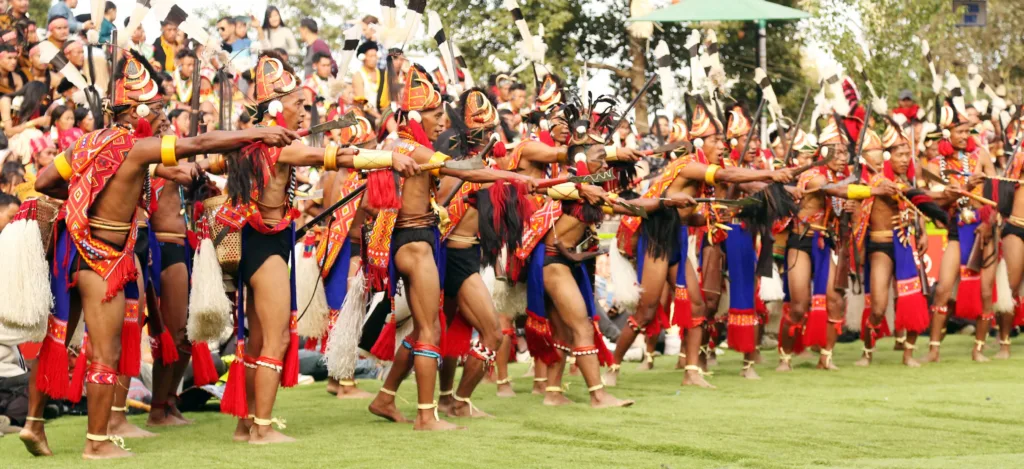
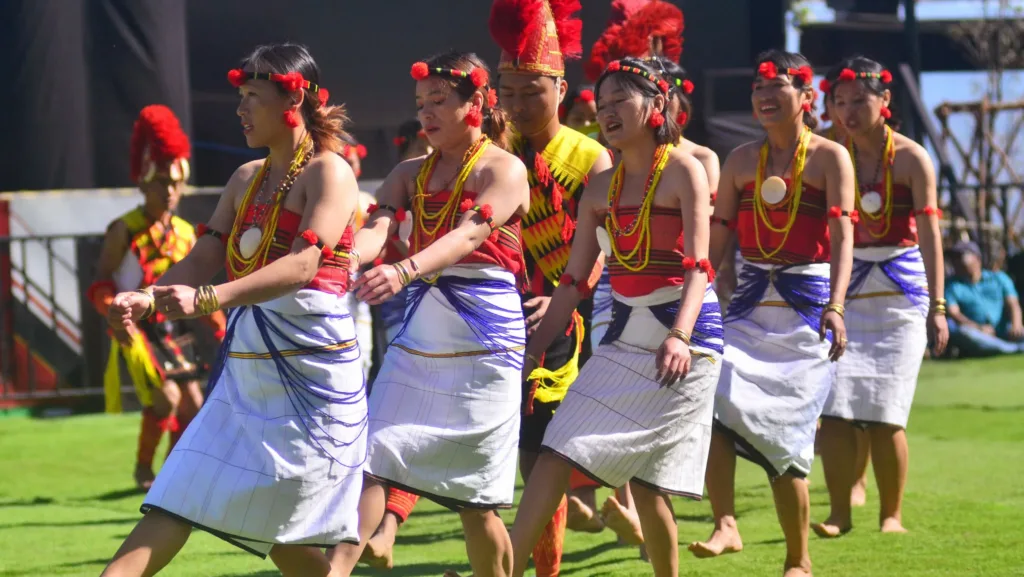
Planning a winter holiday beyond the usual tourist destinations? The Hornbill Festival in Nagaland offers an opportunity to discover the Northeast’s rich cultural heritage, traditional cuisine, indigenous games and vibrant music scene. Known as the ‘Festival of Festivals’, the 10-day celebration brings together different Naga tribes to showcase their customs and artistic traditions.
The 27th edition of the Hornbill Festival will take place from December 1 to 10, 2026, at Kisama Heritage Village near Kohima. Here are seven reasons why this cultural celebration deserves a place on your travel itinerary.
Discover Nagaland’s tribal heritage
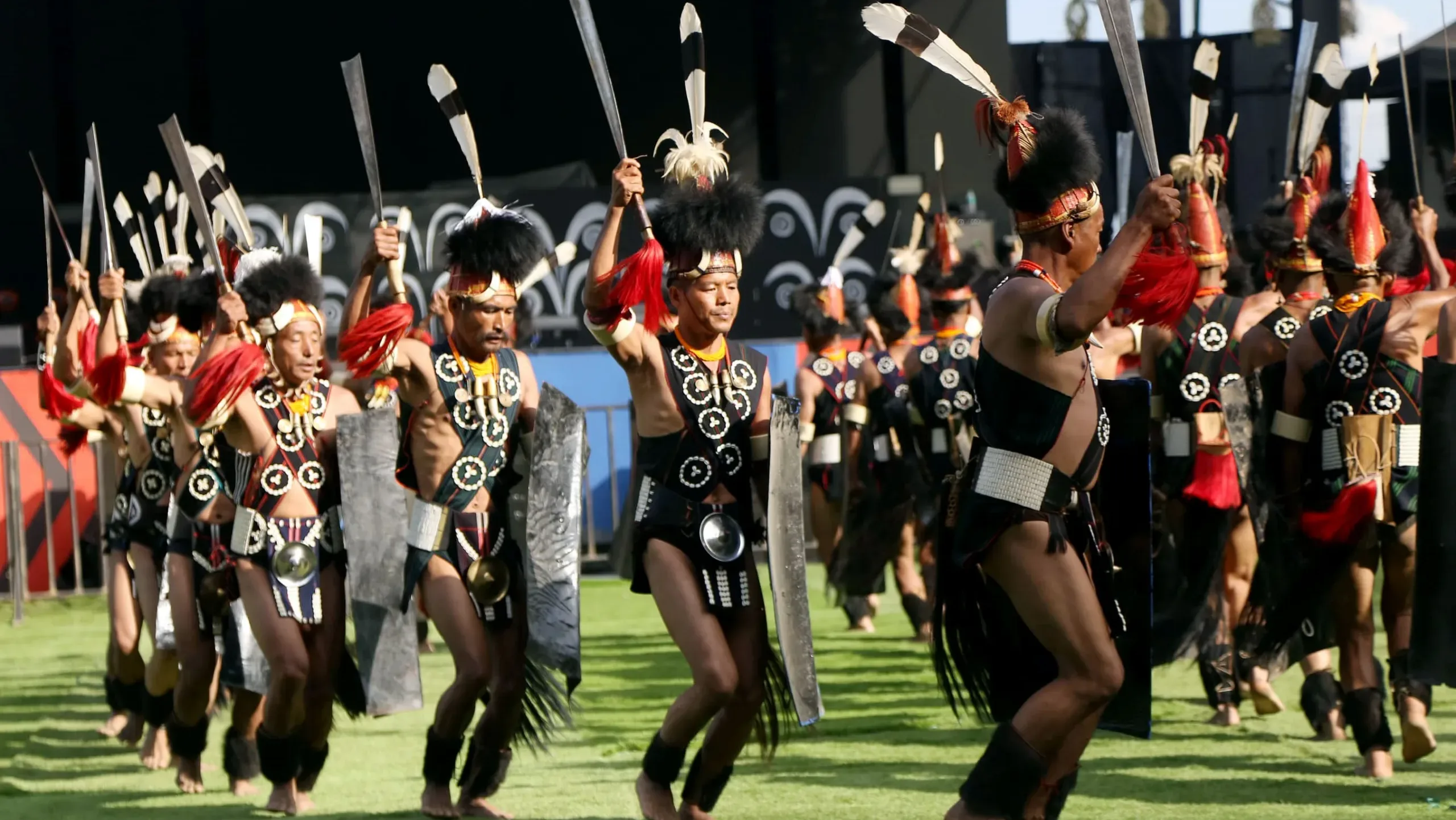
Traditional dances, folk songs and ceremonial attire are among the biggest attractions at the Hornbill Festival. Performances by different Naga communities offer visitors an opportunity to learn about their distinct customs, music and cultural identities in one place.
Kisama Heritage Village features representations of traditional morungs, communal houses associated with Naga communities. Their distinctive architecture, intricate carvings and decorative elements provide insights into indigenous craftsmanship and traditional community life.
Food lovers can explore regional specialities at the festival’s food stalls. Smoked pork with bamboo shoot, fermented soybean chutney and sticky rice are among the local delicacies visitors can look out for while discovering Nagaland’s culinary traditions.
Hornbill Festival 2026 brings 10 days of Naga traditions, indigenous games, handicrafts and cultural performances | ANI
Shop for handcrafted souvenirs
The Hornbill Festival offers opportunities to browse locally made handloom products, woven textiles, bead jewellery, bamboo and cane crafts, and wooden carvings. These traditional products showcase the skills of local artisans and make distinctive souvenirs.
Watch traditional sports and indigenous games
Naga wrestling is a major attraction for visitors interested in traditional sports. Competitions showcase the strength and skills of participants, while activities such as archery may also feature in the festival programme.
Music is another important part of the Hornbill Festival experience. Alongside traditional performances, contemporary concerts bring musicians and audiences together, adding another dimension to Nagaland’s annual cultural celebration.
Visitors can extend their trip beyond Kisama Heritage Village. Kohima War Cemetery commemorates soldiers who died during the Second World War. Khonoma Village is known for its community-led conservation efforts, while Dzükoü Valley attracts nature enthusiasts with its scenic landscapes and trekking routes.
Discover seven unmissable experiences at Nagaland’s famous Hornbill Festival this December | ANI
How to reach the Hornbill Festival 2026?
Kisama Heritage Village is approximately 12 km from Kohima. Dimapur, which has the nearest airport and railway station, serves as a key arrival point. From there, visitors can travel by road to Kohima and continue to the festival venue.
A 9-year-old Class 2 student was allegedly molested in the Chaldhowani area of Rampurhat on Friday morning. Sources noted that the incident reportedly took place when the girl went to play at a neighbour’s house, where a man visiting the household allegedly molested her.
The girl’s mother said that the child managed to escape and ran back home. She then approached her mother and reportedly told her about the incident.
Following the incident, residents alerted the police. The accused has reportedly been booked under the Protection of Children from Sexual Offences (POCSO) Act.
The circumstances surrounding the alleged incident remain unclear, and further details about the police action and the investigation are awaited.