Author: Pritha Chakraborty

  • 7 things that aren’t cringe but people judge you for doing

    7 things that aren’t cringe but people judge you for doing

    Cringe, one word that social media has turned into a label for almost everything, from being too expressive in love to dressing up just because you feel like it. Suddenly, laughing loudly, celebrating your favourite celebrity or enjoying your own company can invite unnecessary judgement. But when did being yourself become so embarrassing? Not everything that makes people stare deserves to be called cringe. Here are seven everyday things you should never feel awkward about, as long as you know where to draw the line.

    Expressing love vs being controlling

    7 things that aren’t cringe
    (Representational Image) From self-love to fashion, discover 7 things that deserve less judgement | AI Generated

    Showing affection, celebrating your relationship and enjoying public displays of affection (PDA) are not inherently cringe. The problem arises when love becomes an excuse to control a partner. Forcing someone to share passwords or checking their phone without permission crosses a boundary. Love should make people feel valued, not trapped.

    Also Read | World Mental Health Day 2026: ‘I’m so OCD’, ‘Are you bipolar’, ‘I’m depressed’ – are we turning mental health disorders into punchlines?

    Self-love vs self-superiority

    7 things that aren’t cringe
    (Representational Image) Being yourself isn’t cringe. These 7 everyday things are more normal than you think | AI Generated

    Buying yourself flowers, visiting a fancy restaurant alone or trying that strawberry matcha you have been craving should not be embarrassing. Self-love means appreciating yourself without constantly worrying about other people’s opinions. However, confidence becomes a problem when it turns into superiority. The belief that “I love myself” should never become “I am superior to you.”

    Being ambitious vs making everything a competition

    7 things that aren’t cringe
    (Representational Image) Love, ambition and loud laughter aren’t cringe until boundaries are crossed | AI Generated

    Working hard, setting career goals and wanting a better life are nothing to be ashamed of. Ambition becomes unhealthy when every achievement turns into a comparison. Feeling insecure about a friend’s promotion, constantly comparing salaries or struggling to celebrate someone else’s success can turn healthy ambition into unnecessary rivalry.

    Being a fan vs being a blind fan

    7 things that aren’t cringe
    (Representational Image) Stop judging everyday choices and rethink these 7 things people call cringe | AI Generated

    Adoring Shah Rukh Khan’s iconic pose or getting emotional when Ranbir Kapoor has his heart broken on screen is perfectly normal. Collecting posters, recreating celebrity looks and celebrating film releases can be part of being a fan. However, attacking critics or defending a favourite star regardless of their actions crosses the line between admiration and obsession.

    Being a fashion baddie vs being the fashion police

    7 things that aren’t cringe
    (Representational Image) Not everything people call cringe is embarrassing | AI Generated

    Dressing up, experimenting with trends and looking your best should not invite unsolicited judgement. There is no need to feel embarrassed about being overdressed if you feel comfortable in your outfit. However, criticising someone else’s clothes simply because they do not match your preferences turns personal style into unnecessary policing.

    Being honest vs being rude

    7 things that aren’t cringe
    (Representational Image) These 7 everyday things are more normal than you think | AI Generated

    Speaking up about something wrong is important, but honesty also requires consideration. Being truthful does not mean humiliating others or dismissing their feelings. Using “just being honest” to justify rude remarks can quickly turn confidence into arrogance.

    Also Read | Did you know eating with a loved one may lower blood sugar?

    Being happy vs being mean

    7 things that aren’t cringe
    (Representational Image) Love, ambition and loud laughter aren’t cringe until boundaries are crossed | AI Generated

    Laughing loudly, cracking jokes and enjoying life are not embarrassing. People express happiness differently, and that should not be a reason for ridicule. However, humour becomes hurtful when someone else is repeatedly the punchline. Being funny should not come at the expense of another person’s dignity.

    Being yourself is not automatically cringe. The difference lies in how your actions affect others. Before labelling someone’s choices embarrassing, consider whether they are genuinely crossing a boundary or simply expressing themselves differently. Individuality deserves space, and respect should go both ways.

  • Ranbir Kapoor apologises for Kolkata Dussehra remarks, says ‘slip of tongue’

    Ranbir Kapoor apologises for Kolkata Dussehra remarks, says ‘slip of tongue’

    Ranbir Kapoor has apologised for his remarks at a Dussehra celebration in Kolkata after a video of his speech circulated widely on social media. The actor addressed the controversy on Wednesday during an event in Chennai, clarifying that he had a “slip of tongue” while speaking about the victory of good over evil.

    The incident drew attention after Ranbir’s comments at the Kolkata event were shared online. The actor explained what he had intended to say and issued an apology for the unintended error.

    Ranbir Kapoor clarifies Kolkata Dussehra speech

    According to news agency ANI, Ranbir attended a Dussehra celebration organised by Salt Lake Sanskritik Sansad at Central Park in Salt Lake, Kolkata, on Tuesday. The event followed the theme ‘Ram Er Ayodhya – Ram Ki Ayodhya’.

    Ranbir Kapoor
    Ranbir Kapoor as Ram in Ramayana | File Image

    While addressing the gathering, the actor spoke about the triumph of goodness and truth over evil. He said, “Burai kitni bhi takatvar kyun na ho, aakhir mei ant sachai aur achai ki hi hoti hai.”

    Also Read | Kolkata stampede: Which parts of the city are under Section 163 for 3 days? Here’s a full list

    The speech later became a topic of discussion on social media, with clips of his remarks gaining traction online.

    Ranbir Kapoor apologises, quotes Rockstar song

    On Wednesday, Ranbir responded to the controversy at an event in Chennai, where he was accompanied by his Ramayana co-star Sai Pallavi. He apologised for the previous day’s incident and clarified the message he had wanted to convey.

    “I would like to take this opportunity to apologise for the incident that happened yesterday. I was at the Dussehra event, and I had a slip of tongue. What I meant to say is, ‘Burai chahe kitni bhi takatvar kyun na ho, aakhir mei jeet achai aur sachai ki hoti hai’,” he said.

    The actor also brought a reference to his film Rockstar into his clarification, quoting a line associated with its music composed by AR Rahman. He said, “Jo bhi kehna chahun, barbad karein alfaz mere.”

    Ranbir Kapoor’s upcoming film Ramayana: Cast and release date

    Ranbir will next be seen as Lord Rama in Ramayana, directed by Nitesh Tiwari. The film features Sai Pallavi as Sita, Yash as Ravana, Sunny Deol as Hanuman and Ravi Dubey as Lakshman.

    Produced by Namit Malhotra’s Prime Focus Studios in collaboration with DNEG and Yash’s Monster Mind Creations, the project is planned as a two-part epic.

    Also Read | Durga Puja in Kolkata: 5 things to do beyond pandal-hopping

    Ramayana Part 1 is scheduled for a worldwide release on November 5, 2026, while the second instalment is slated to arrive during Diwali 2027. The films will be released in Hindi, Tamil, Telugu, Kannada and Malayalam, with an IMAX presentation planned.

    Sony Pictures will handle international distribution outside India, while Dharma Productions will distribute the film in the Hindi-speaking market.

  • World Mental Health Day 2026: ‘I’m so OCD’, ‘Are you bipolar’, ‘I’m depressed’ – are we turning mental health disorders into punchlines?

    World Mental Health Day 2026: ‘I’m so OCD’, ‘Are you bipolar’, ‘I’m depressed’ – are we turning mental health disorders into punchlines?

    World Mental Health Day 2026 highlights how words linked to mental health disorders have become part of everyday conversations, particularly on social media. From calling someone “bipolar” for changing their mind to saying “I’m so OCD” to describe a preference for cleanliness, psychiatric terms are increasingly used to describe ordinary emotions and behaviour.

    On Instagram and X, expressions such as “stressy depressy”, “menty B”, “traumatised” and “triggered” have also become part of internet vocabulary. While these phrases can make emotional struggles easier to discuss, their casual use can blur the distinction between everyday experiences and serious mental health conditions.

    How Mental Health diagnoses became casual labels

    Phrases such as “Why are you acting bipolar” or “My girlfriend is psychotic” are often used to describe unpredictable behaviour or disagreements. Similarly, saying “I’m depressed” after a disappointing day can reduce a complex mental health condition to a temporary feeling of sadness.

    World Mental Health Day 2026
    (Representational Image) World Mental Health Day 2026 explores the misuse of OCD, bipolar and depression as everyday slang | AI Generated

    Repeated exposure to such expressions can make it harder to understand what these diagnoses actually involve, especially when they are used without regard for their clinical meaning.

    OCD, ADHD And Bipolar Disorder: What the terms mean

    Obsessive-Compulsive Disorder (OCD) involves recurring, unwanted thoughts called obsessions and repetitive behaviours or mental acts known as compulsions. A preference for neatness alone does not indicate the condition.

    Also Read | Instagram’s AI feature makes soft launching your relationship easier

    Attention-Deficit/Hyperactivity Disorder (ADHD) is a neurodevelopmental disorder that can affect attention, impulse control and activity levels. The term ADD, once commonly used for attention-related difficulties, is now generally understood within the broader diagnosis of ADHD.

    World Mental Health Day 2026
    (Representational Image) Mental health disorders or internet slang? How social media is changing the meaning of psychiatric terms | AI Generated

    Bipolar disorder involves episodes of significant changes in mood, energy and activity, including mania or hypomania and depression. It is not simply another term for mood swings or inconsistent behaviour.

    Depression is more than a bad day

    Feeling low after a setback is different from clinical depression. A major depressive episode generally involves symptoms lasting at least two weeks, alongside significant distress or disruption to daily functioning. The condition can affect sleep, eating habits, concentration, work and relationships.

    Likewise, Paranoid Personality Disorder (PPD) involves a persistent pattern of distrust and suspicion that can affect relationships and social functioning. Calling someone “paranoid” over a passing concern does not establish this diagnosis.

    Also Read | Depression is not just a lifestyle problem. Here’s why

    What does ‘unaliving myself’ mean online?

    Expressions such as “I want to kill myself” and “unaliving myself” are sometimes used online to convey frustration, embarrassment or dark humour. The term “unaliving” has also become an internet euphemism for suicide and death-related content, partly in spaces where platforms restrict explicit terminology.

    World Mental Health Day 2026
    (Representational Image) From ‘I’m so OCD’ to ‘unaliving’, decoding popular mental health slang and its real meaning | AI Generated

    However, comments about wanting to die or feeling hopeless should not automatically be dismissed as jokes. Context matters because similar language can also signal genuine distress.

    World Mental Health Day 2026: Why language matters

    Mental health slang can help people discuss difficult emotions, but using diagnostic terms loosely can obscure the experiences of those living with these conditions. Understanding the difference between casual expressions and clinical symptoms is an important part of having more informed conversations about mental health.

  • Who is Birendra Krishna Bhadra? The voice that awakens an entire civilization on Mahalaya every year

    Who is Birendra Krishna Bhadra? The voice that awakens an entire civilization on Mahalaya every year

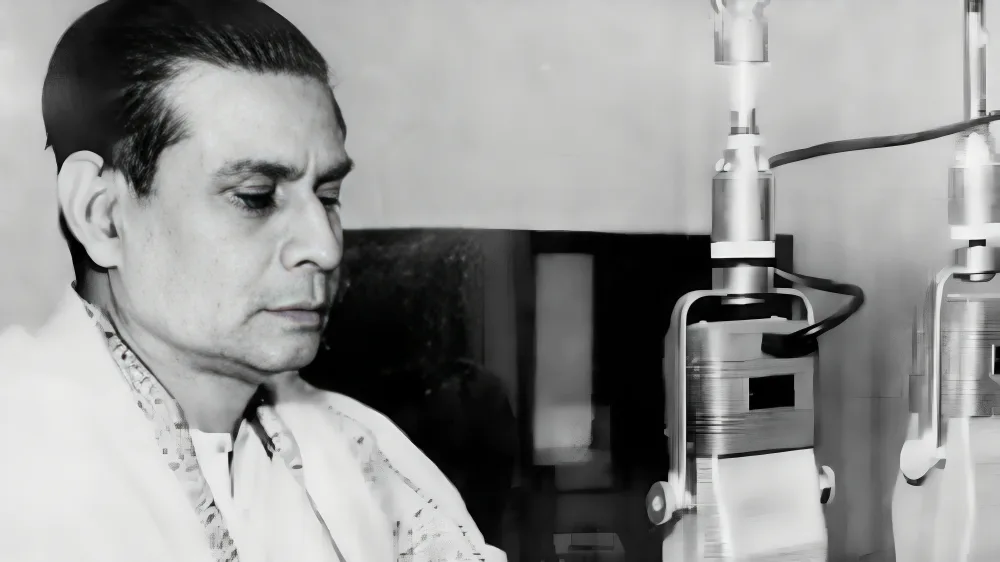
    Birendra Krishna Bhadra’s iconic voice transforms the 4 am dawn of Mahalaya into a timeless celebration of Bengali identity. From Kolkata’s lanes to London’s streets, his Mahishasura Mardini remains an inseparable part of Durga Puja, awakening devotion, nostalgia and the spirit of Bengal with every rendition of his legendary Chandipath.

    Who was Birendra Krishna Bhadra?

    Born in August 1905 in Ahiritola, North Kolkata, Birendra Krishna Bhadra was the son of Roy Bahadur Kalikrishna and Sarala Bala Devi. He was a man of the theatre and words – a playwright, actor, broadcaster, and narrator.

    Also Read | Why does Mahalaya mark Goddess Durga’s arrival? The myth and meaning behind the ritual

    But his fate scripted his immorality while working in All India Radio, where his voice became inseparable from the spirit of Durga Puja in Bengal.

    Birendra Krishna Bhadra: The legendary voice of Mahalaya
    Mahishasura Mardini remains the timeless Mahalaya tradition cherished by Bengalis worldwide | ANI

    Why is he remembered on Mahalaya?

    Bhadra’s place in history rests on a single creation: Mahishashur Mardini, first aired in 1931. This show became a dawn ritual on Mahalaya. Every year, as the sky still holds the last trace of night, Bhadra’s sonorous recitation fills the sky, the homes, marking the transition from Pitri Paksha (a time of remembrance) to Debi Paksha (the time of worship). For Bengalis across the world, Mahalaya is incomplete without Birendra Krishna Bhadra’s Mahishashur Mardini echoing through pre-dawn darkness.

    About Mahishasur Mardini

    It is a nearly two-hour-long epic that tells the legendary tale of Goddess Durga’s battle against Mahishasura, mixing Sanskrit shlokas with 19 devotional songs. With Bani Kumar’s powerful script, Pankaj Kumar Mallik’s timeless Music Direction, and Bhadra’s spellbinding voice, it is part myth, part music, part prayer, and wholly a magic.

    Birendra Krishna Bhadra
    Mahalaya 2026 marks the sacred beginning of Devi Paksha and Durga’s homecoming | ANI

    Uttam Kumar vs Birendra Krishna Bhadra

    In 1976, legendary Bengali actor Uttam Kumar was persuaded to record a new version. Although intrigued, he hesitated to replace Bhadra’s iconic rendition. And instead, a new programme titled Durga Durgatiharini with Hemanta Mukhopadhyay’s music was released on September 23, 1976.

    Also Read | Durga Puja 2026: From Tant to Baluchari, 7 Bengali sarees to flaunt this puja

    Despite Uttam’s charisma, Bengalis rejected it. For them, Mahalaya was not just about a story but about a voice. And the voice was Birendra Krishna Bhadra’s.

    Even after his passing, decades after decades, travelling across generations and geographies, Bengal and Bengalis still wake each Mahalaya to the same voice- the voice which turned sound into ritual and ritual into memory.

  • Trump says US ‘looking at it very strongly’ after plague researcher dies in Russia

    Trump says US ‘looking at it very strongly’ after plague researcher dies in Russia

    US President Donald Trump said that Washington is closely watching reports of a possible plague case in Russia and offered assistance to Moscow if needed. The comments came after reports of the death of a laboratory worker in Siberia raised concerns about a possible pneumonic plague infection and a potential laboratory accident.

    “We’re looking at it very strongly, we just heard about it,” Trump told reporters at the White House when asked about the reported risk of plague spreading from Russia. “We’ll help them, we’ll help them as much as we can.”

    Trump says US monitoring Russia after plague researcher dies
    Trump offers US help amid reports of possible plague in Russia | X (@TheWhiteHouse)

    The reports centred on 28-year-old Darya Shipilova, who was said to have died after working at an anti-plague institute in Russia’s Irkutsk region. Some reports linked her death to pneumonic plague and raised the possibility of an incident involving laboratory material.

    Russia disputes pneumonic plague reports

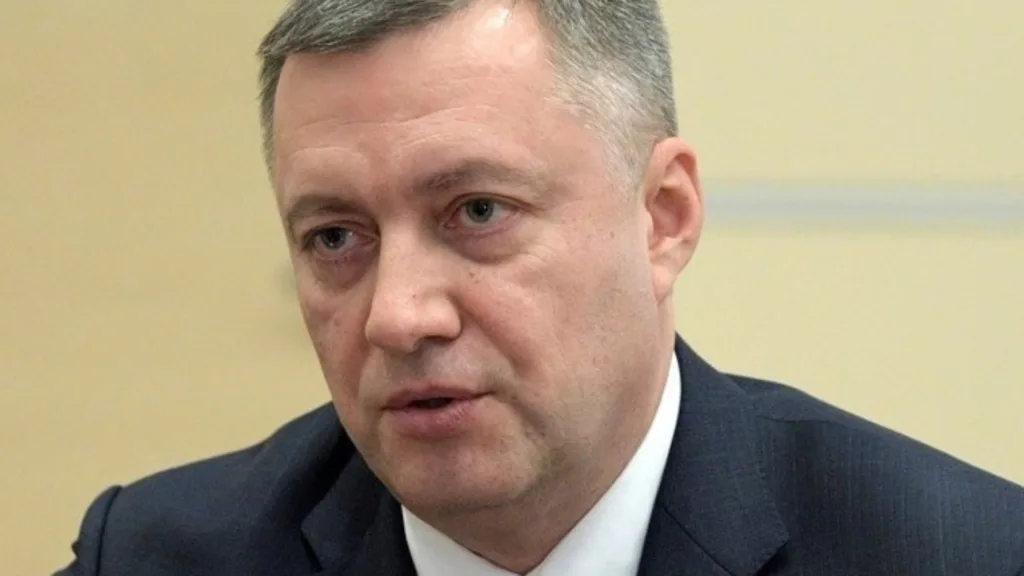
    Russian authorities have rejected the claim that Shipilova died from plague. Irkutsk Governor Igor Kobzev said an investigation determined that she had died from pneumonia of “undetermined aetiology”.

    Also Read | Nobel Prize in Medicine 2026: How 3 scientists unlocked the brain with light

    According to Kobzev, Russia’s consumer and health watchdog Rospotrebnadzor did not detect microorganisms associated with the woman’s work in her biological samples.

    Irkutsk Governor Igor Kobzev
    Irkutsk Governor Igor Kobzev | Wikipedia

    Kobzev also said that no other employees at the anti-plague institute had required medical treatment following her death. He said the sanitary situation in the region remained stable.

    Russian outlet People of Baikal, citing unnamed security sources, had reported that Shipilova may have contracted pneumonic plague after a test tube broke. Other reports raised similar concerns about a possible laboratory accident and said as many as 200 people had reportedly been quarantined.

    Also Read | As US Supreme Court term begins, Thomas-Alito factor gets fresh chances to wield power

    Kremlin spokesman Dmitry Peskov urged the public to depend on official information rather than “rumours and speculations”.

    US keeps watch on Russia situation

    US Secretary of State Marco Rubio said that Washington was monitoring the reports but said there was no “cause for alarm”. “Something like that gets out, it could quickly spread,” Rubio said, adding that the US was keeping a close watch.

    Marco Rubio
    US Secretary of State Marco Rubio | X

    Pneumonic plague is a serious form of plague that can spread through respiratory droplets and may become fatal if treatment is delayed, according to the World Health Organisation.

    The reports have also attracted attention in Washington amid continuing interest in infectious disease outbreaks following the Covid-19 pandemic and debates over its origins.

    Malick Gibani, a clinical associate professor in bacterial vaccinology at Imperial College London, said the measures reportedly taken in Russia appeared “proportionate”, pointing to quarantine and monitoring as steps that could limit potential transmission.

  • What is a payday loan? Here’s how it works, eligibility, benefits, risks and more

    What is a payday loan? Here’s how it works, eligibility, benefits, risks and more

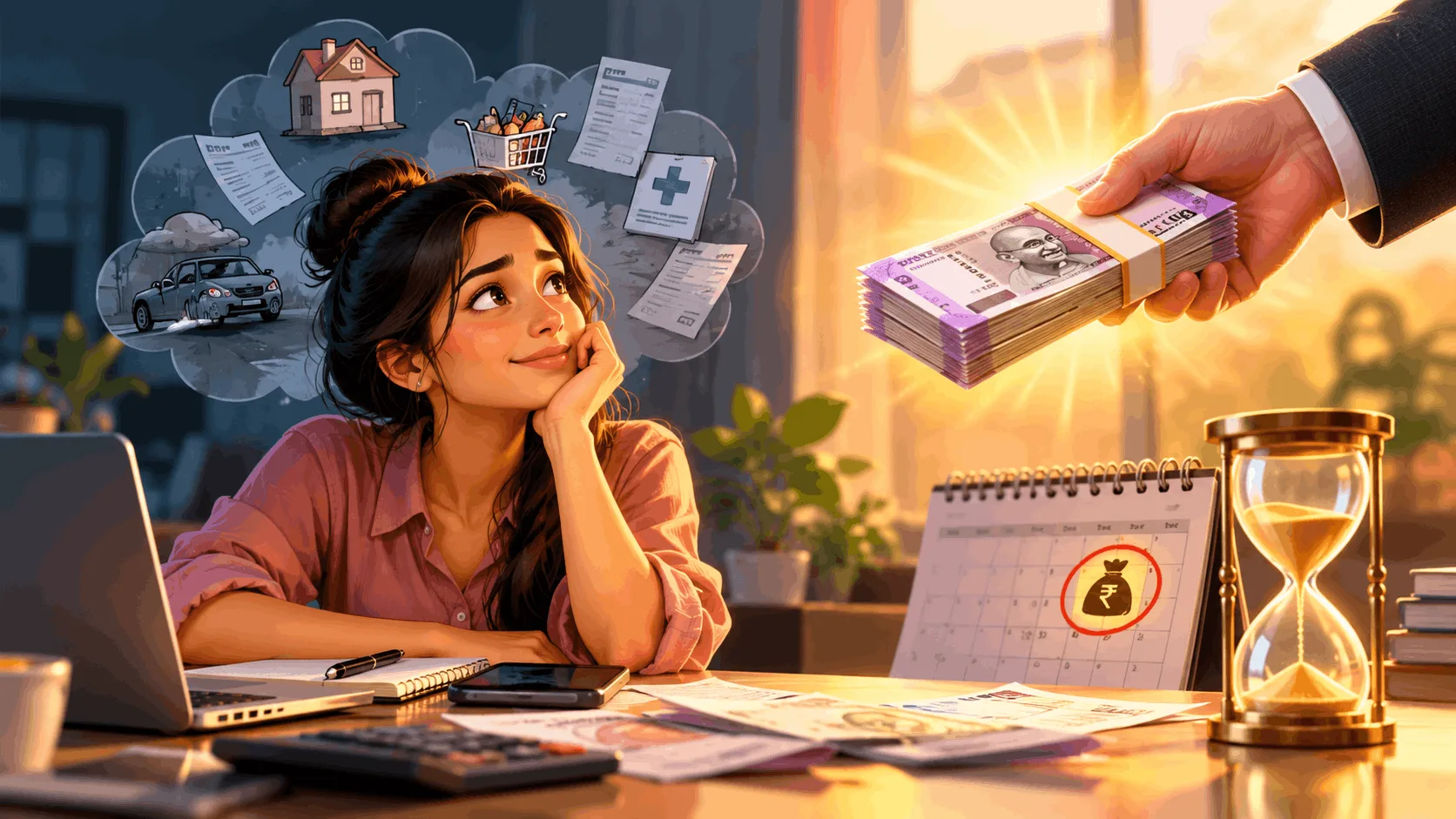
    Your salary may still be days away, but an urgent expense cannot always wait. For working professionals facing a sudden cash crunch, a payday loan can offer quick access to money until the next salary arrives. However, the convenience comes with short repayment periods and often higher interest rates, making it important to understand the costs and conditions before borrowing.

    What is a payday loan?

    A payday loan is a short-term loan meant to cover immediate expenses until the borrower’s next payday. It is generally linked to the borrower’s salary, so the amount offered may depend on their wages or monthly income.

    The repayment period is usually brief and can range from around two weeks to one month or until the next salary date. Since these loans are intended for short-term needs, the borrowed amount, along with interest and applicable charges, is generally repaid around the next payday.

    payday loan
    (Representational Image) Payday loans offer quick funds for urgent expenses before salary day | AI Generated

    Where can you get a payday loan?

    Payday loans may be available through a lender’s physical branch or online. The application process is generally quick, with limited documentation required when the lender can verify the applicant’s salary information.

    Also Read | 74% of households in Yemen unable to meet basic food needs

    Once approved, the money may be credited directly to the borrower’s bank account or provided through a cheque. Repayment typically includes the loan amount, interest and applicable charges.

    What are the types of payday loans?

    Payday loans can be secured or unsecured. Secured loans require collateral, while unsecured loans do not require an asset as security and rely on the borrower’s promise to repay.

    Payday Loan
    (Representational Image) Quick cash before payday comes with benefits and financial risks | AI Generated

    What are the benefits and features of payday loans?

    A key advantage of payday loans is quick access to funds for urgent expenses. The application process can also be relatively straightforward and involve fewer documents. Some lenders may offer these loans even when the borrower does not have a strong credit history.

    However, the interest rates, repayment periods and other conditions can vary between lenders. Borrowers should therefore check the specific terms offered by their bank or lender before taking the loan.

    Risks and disadvantages of payday loans

    The convenience of payday loans comes with certain risks. They generally carry higher interest rates, and combining these rates with a short repayment period can make repayment difficult.

    Missing repayments may also affect the borrower’s credit score. Some lenders offering such loans may not be regulated by the Reserve Bank of India (RBI), which can add to the risks. Borrowers should also carefully examine charges and loan conditions to avoid unexpected costs.

    Payday Loan
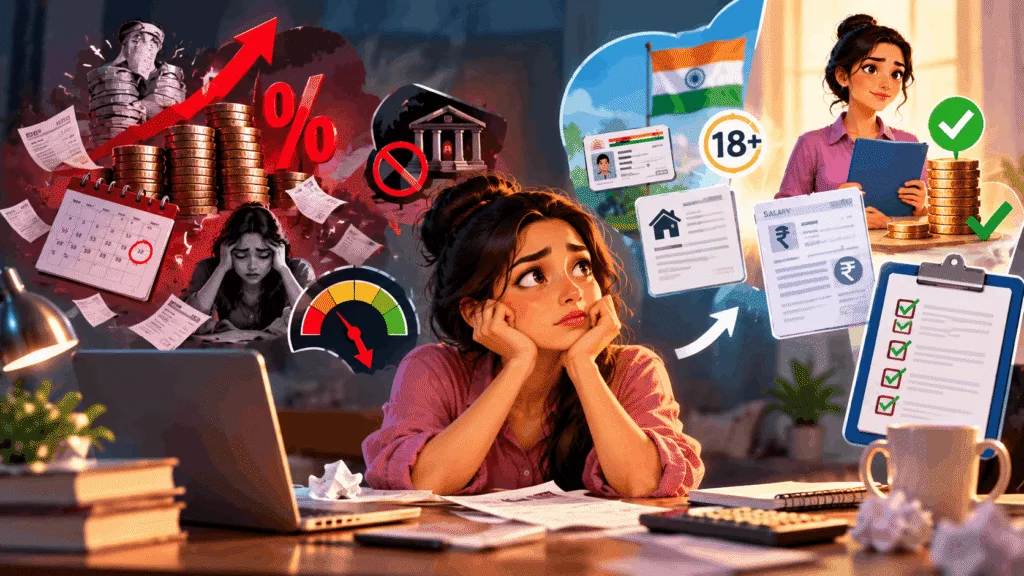
    (Representational Image) Know payday loan eligibility, repayment terms and required documents | AI Generated

    Payday loan eligibility and documents required

    Generally, an applicant should be an Indian citizen aged above 18 years, have a full-time job and earn a fixed income. Lenders may require documents proving the applicant’s identity, age, address, employment and income.

    Also Read | Europe weighs 50 million-barrel diesel stock release amid

    How do payday loans work in India?

    Applicants can apply through a lender’s branch or online portal. After checking the applicant’s income and employment details, the lender may approve and transfer the loan amount to the bank account or issue it through a cheque.

    payday loan
    (Representational Image) Payday loans can help during a cash crunch but cost more to repay | AI Generated

    Many advance salary lenders do not require a traditional credit check. Instead, they may assess employment stability and income to approve the loan, according to a blog post by Kotak Mahindra Bank.

    Many lenders approve a payday loan in India of about 30% to 60% of your net monthly salary for bullet repayment. For instance, Kotak Mahindra Bank offers a one-month payday loan of up to 50% of the borrower’s net salary to eligible salary account holders at a pre-approved rate.

  • Flydubai FZ1073 mystery pilots: Who were the two heroes who stepped in to save the plane?

    Flydubai FZ1073 mystery pilots: Who were the two heroes who stepped in to save the plane?

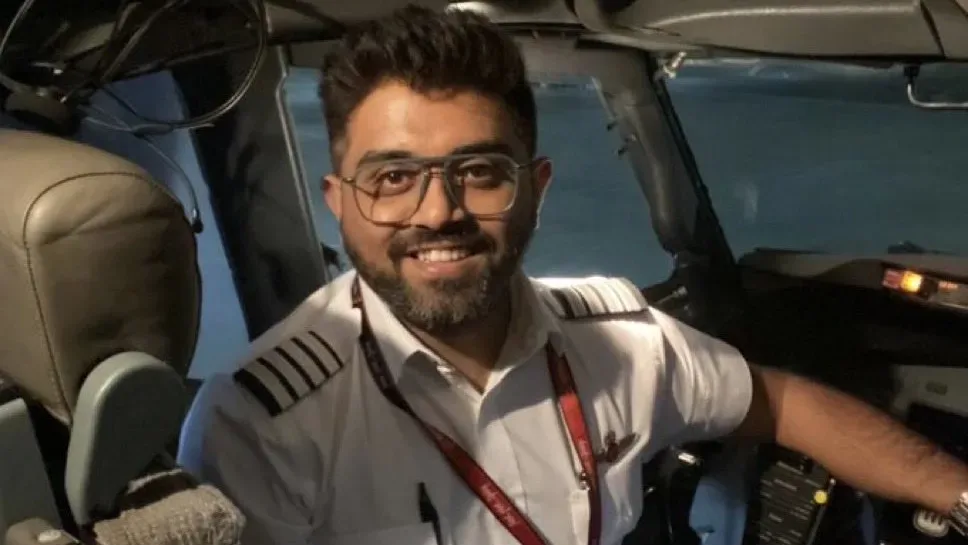
    The two pilots who stepped in during the chaos aboard flydubai flight FZ1073 were on-duty crew members travelling as passengers, the airline has said. Their intervention came after the co-pilot allegedly attacked Indian captain Smit Machchhar during the Dubai to Tel Aviv flight.

    The identities of the two pilots had not been publicly disclosed as of Sunday morning, four days after the incident. Flydubai has described them as on-duty crew members who were travelling on the aircraft.

    Two pilots were travelling on the flight

    The presence of the two pilots proved crucial when passengers realised something had gone seriously wrong inside the cockpit.

    Also Read | Flydubai FZ1073: The 5 people who helped stop a mid-air catastrophe

    Passenger Daniel Schlichter, who was seated in the second row, described their intervention to The Associated Press.

    “This is one of the miracles,” Schlichter said.

    He explained that the pilots were travelling because they were expected to operate the aircraft on its return journey from Tel Aviv to Dubai. Such travel by airline crew is commonly known as deadheading.

    After Machchhar managed to open the cockpit door despite being attacked, passengers restrained the co-pilot. According to Schlichter, one of the travelling pilots then rushed through the group and reached the controls.

    Smit Machchhar
    Captain Smit Machchhar

    “He was actually kind of jumping above the guys that were handling the terrorist, and he reached out to the pilot area and started to take over. And then the other guy, the other pilot, joined in, and they closed the door because they didn’t want anybody else to be there,” he said.

    Passenger recalls pilot taking control

    Schlichter said the first pilot reacted quickly and appeared to understand the seriousness of the situation.

    “He acted really like a hero, taking over the plane and reacted like he understood exactly what is going on, and I think we owe him our lives not less than the other heroes that went on the flight,” he said.

    The aircraft had reportedly descended around 17,000 feet during the crisis, leaving the pilots with the urgent task of stabilising it. A mayday call was made as they searched for a safe airport.

    Passengers feared another hijacking

    The passengers did not initially know who the two pilots were. Their silence after taking control also created fresh anxiety.

    Also Read | Flydubai cockpit attack: Was Indian pilot Smit Machchhar hit with an axe?

    “After they managed to stabilise the airplane, actually they did not have any communication with us, and I have to tell you, I was worried about this,” Schlichter said.

    He feared the aircraft could be hijacked again, possibly towards Iran. About 45 minutes later, however, the pilots announced that the plane would land in Tabuk, Saudi Arabia, and reassured passengers that everything would be fine.

    Schlichter said he then trusted them. The aircraft ultimately landed safely in Saudi Arabia.

  • Why does Mahalaya mark Goddess Durga’s arrival? The myth and meaning behind the ritual

    Why does Mahalaya mark Goddess Durga’s arrival? The myth and meaning behind the ritual

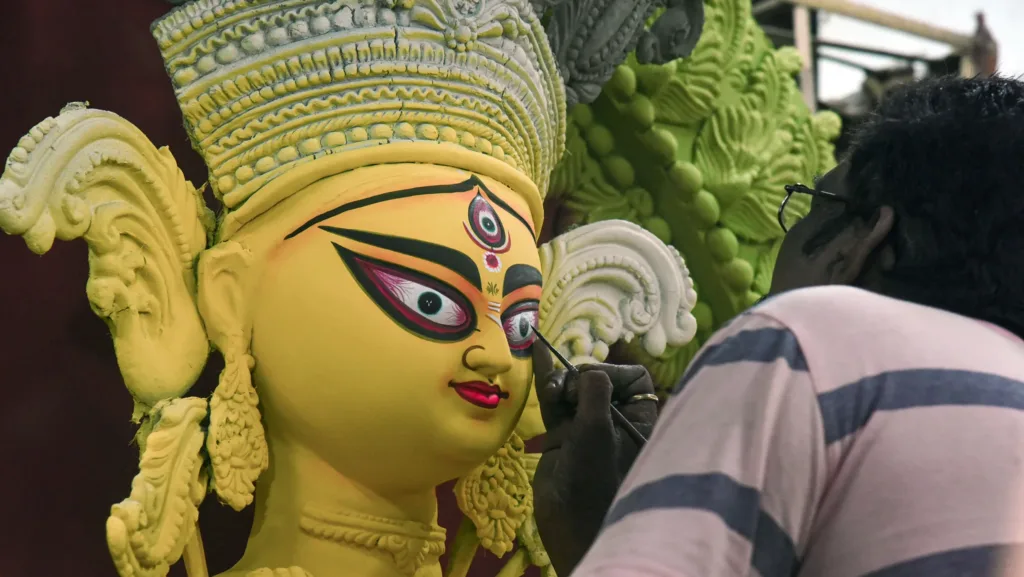
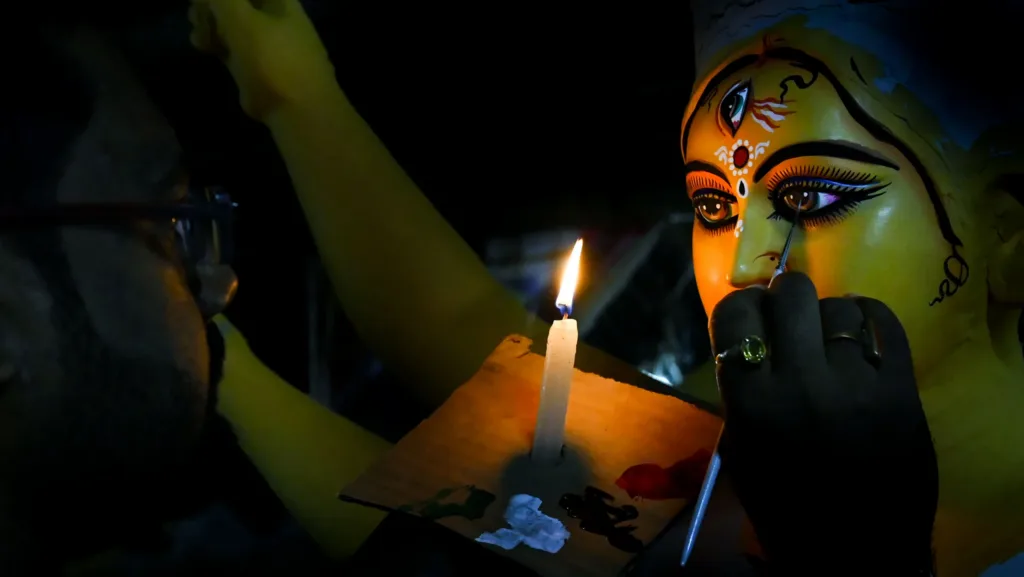
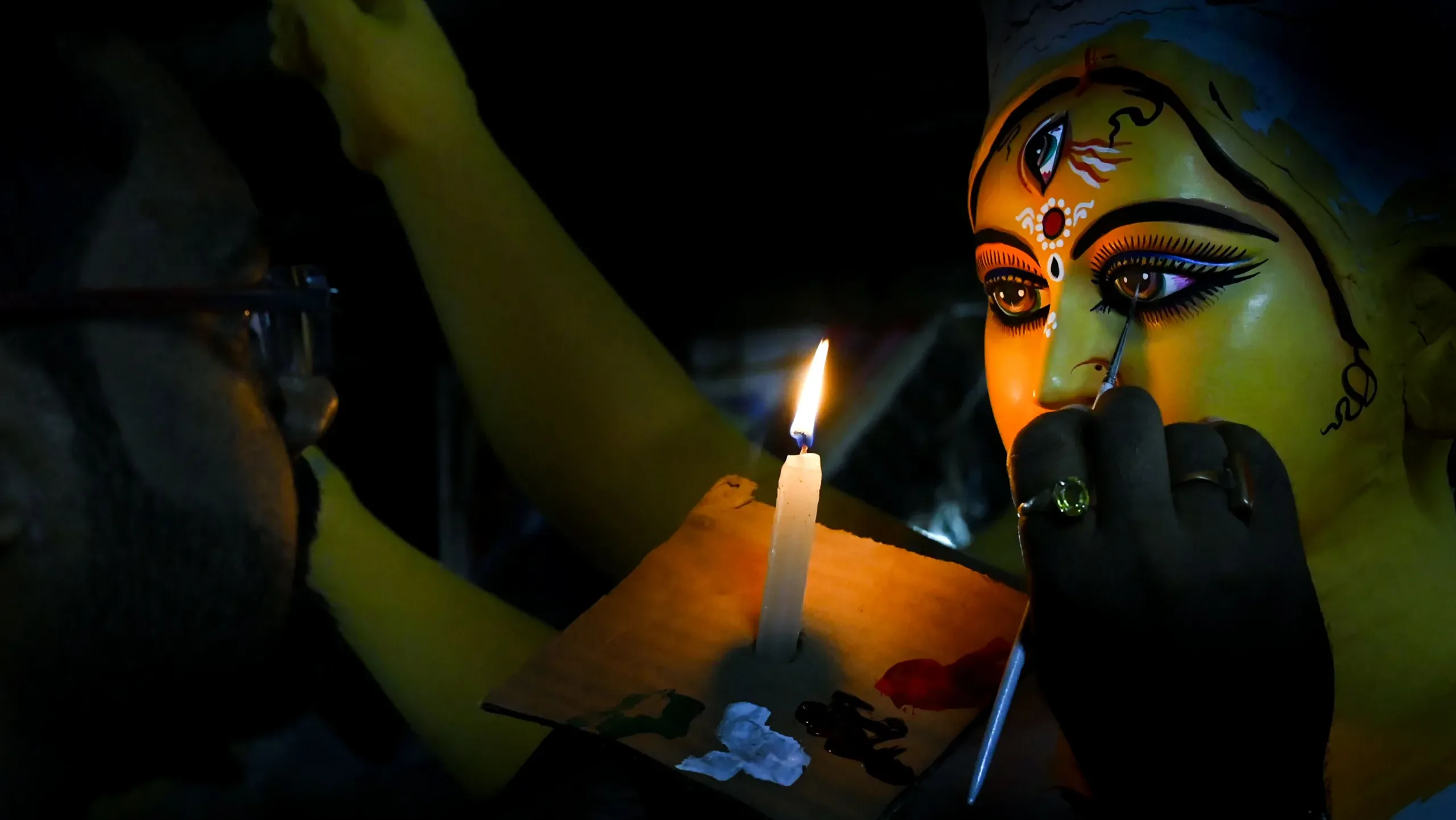
    Mahalaya 2026 falls on Saturday, October 10, marking the close of Pitru Paksha and the beginning of Devi Paksha. For Bengalis, the dawn of Mahalaya signals that Durga Puja is drawing closer. Across Bengal, homes wake up before sunrise to the familiar sound of Mahishasura Mardini, the iconic radio programme narrated by Birendra Krishna Bhadra.

    But why is Goddess Durga invoked on Mahalaya, and what is the mythology behind this centuries-old tradition?

    Mahalaya and the arrival of Goddess Durga

    Mahalaya is associated with the beginning of the goddess’s journey towards Earth. In Bengali tradition, Durga is believed to leave her heavenly abode and travel to her maternal home, where she is welcomed during the Durga Puja festivities.

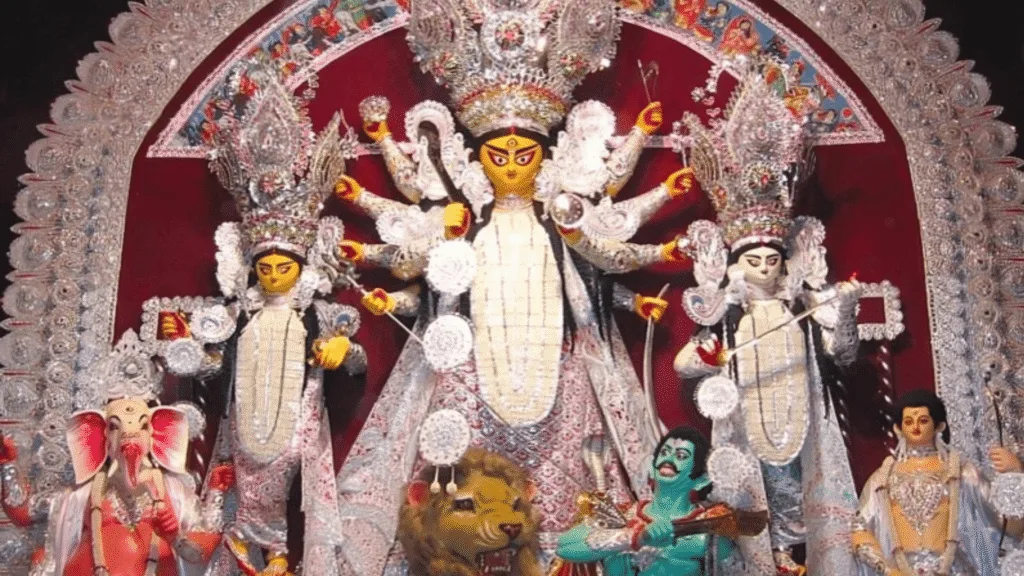
    Mahalaya 2026: The myth behind goddess Durga’s homecoming
    Goddess Durga’s arrival begins with the dawn chants of Mahishasura Mardini | ANI

    Also Read | Durga Puja 2026: From Tant to Baluchari, 7 Bengali sarees to flaunt this puja

    The day also marks the transition from Pitru Paksha, traditionally observed to honour ancestors, to Devi Paksha, the fortnight devoted to the worship of the goddess. This transition gives Mahalaya its distinctive spiritual significance.

    The story of Goddess Durga and Mahishasura

    The mythology surrounding Durga’s invocation is closely linked to the demon king Mahishasura. After performing intense penance, Mahishasura received a boon from Lord Brahma that protected him from being killed by any man or god.

    Mahalaya 2026: The myth behind goddess Durga’s homecoming
    The Mahalaya dawn recalls Durga’s victory over the demon king Mahishasura | Wikipedia

    Believing himself unbeatable, Mahishasura attacked the three worlds and drove the gods from heaven. Unable to defeat him, the gods turned to Brahma, Vishnu and Shiva.

    Their combined divine energy manifested as Goddess Durga. Armed with weapons gifted by the gods and riding a lion, she emerged as the embodiment of Shakti, the supreme feminine force.

    Why Mahishasura Mardini is heard at dawn

    The battle between Durga and Mahishasura continued for nine nights and ten days. The demon repeatedly changed forms, but Durga eventually defeated him and restored cosmic order.

    Also Read | West Bengal Durga puja 2026: What is changing this year with Bengal’s regime change?

    The story is central to the Devi Mahatmya, from which the ritual of Chandipath draws its verses. The recitation invokes the goddess and celebrates her victory over demonic forces.

    Bengal welcomes Devi Paksha as Goddess Durga begins her journey home | ANI

    That is why Mahalaya begins with an invocation of Durga. Before the dhak fills the streets, the chants of Mahishasura Mardini announce the goddess’s approaching homecoming.

    For Bengal, Mahalaya is therefore both a religious observance and the emotional beginning of Durga Puja, when the wait for the goddess finally starts to feel real.

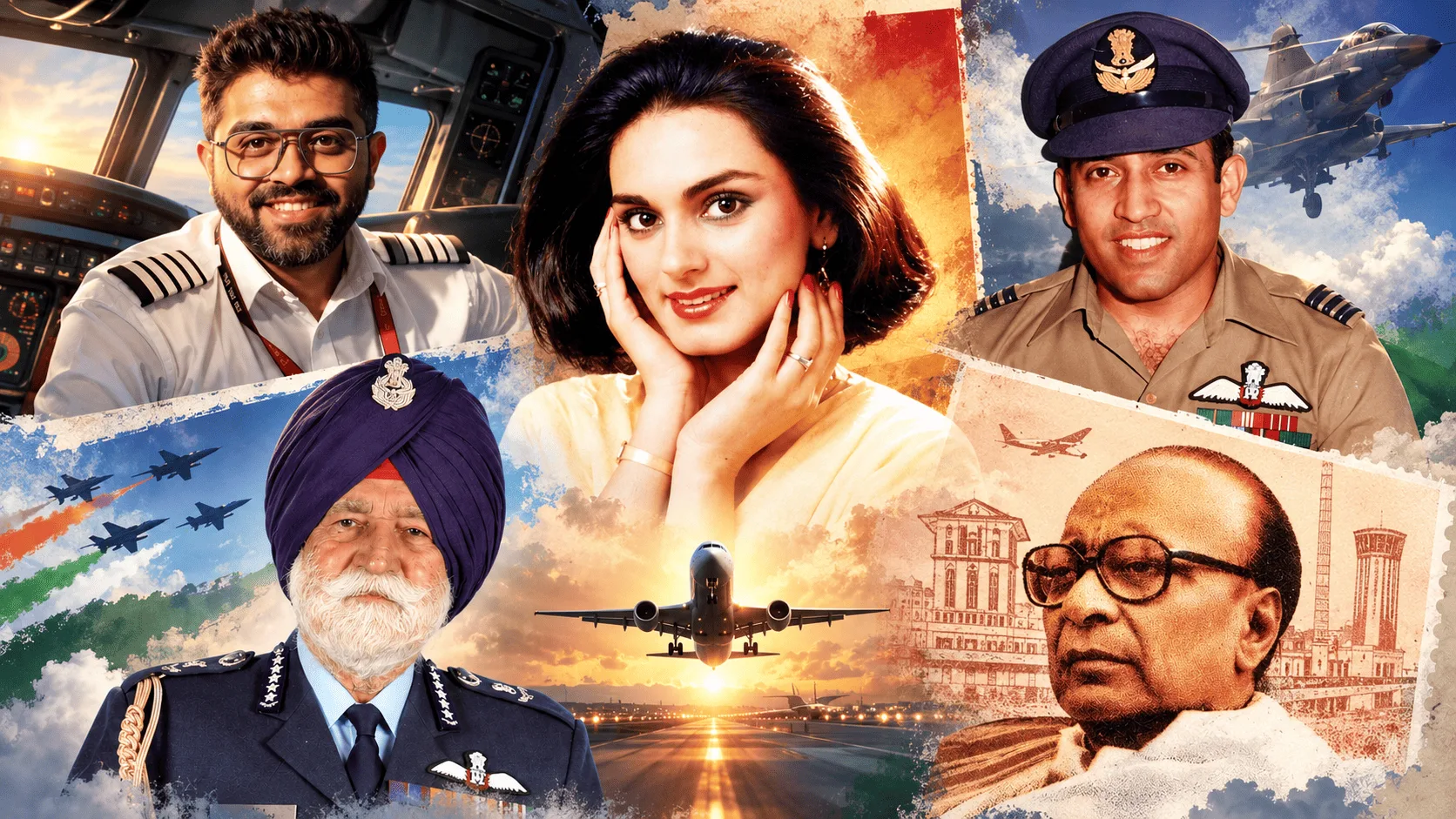
  • From Smit Machchhar to Neerja Bhanot: Indian aviation heroes who defied danger

    From Smit Machchhar to Neerja Bhanot: Indian aviation heroes who defied danger

    Captain Smit Machchhar’s ordeal on October 1, 2026, has added another remarkable chapter to India’s history of aviation courage. While operating a flydubai flight from Dubai to Tel Aviv, Machchhar was attacked by his co-pilot inside the cockpit. Despite suffering serious injuries, he remained focused on securing the aircraft and helping protect the passengers from the immediate threat.

    His experience recalls several other extraordinary stories involving pilots and cabin crew who faced hijackings, wartime missions and other life-threatening situations while responsible for hundreds of lives. In each case, the crisis demanded quick judgment, composure and courage under extreme pressure.

    Captain Smit Machchhar, 2026

    Captain Smit Machchhar was commanding a Boeing 737 when his co-pilot suddenly attacked and stabbed him. Even while badly injured and bleeding, he activated the emergency lock release, enabling cabin crew and passengers to enter the cockpit and overpower the attacker.

    Smit Machchhar
    Captain Smit Machchhar

    The aircraft was subsequently diverted to Saudi Arabia. The incident involved 174 passengers and placed the captain’s composure under extraordinary pressure.

    Also Read | Smit Machchhar chanted Hanuman Chalisa during Flydubai attack: Why the prayer symbolises strength and protection?

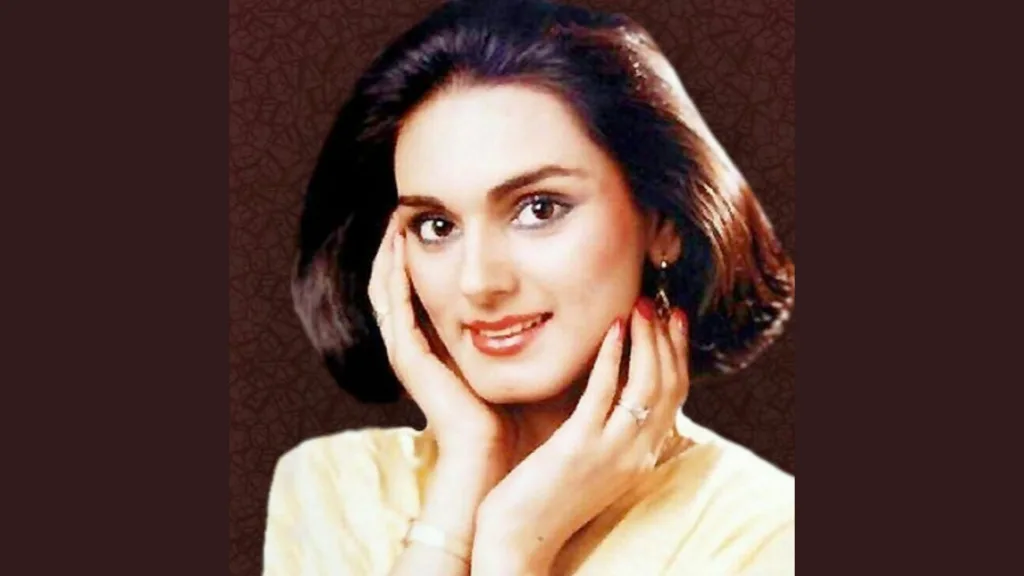
    Neerja Bhanot, 1986

    Neerja Bhanot was serving as the senior flight purser on Pan Am Flight 73 when terrorists hijacked the aircraft in Karachi. She alerted the cockpit crew, giving the pilots time to escape and preventing the aircraft from being flown away.

    Neerja Bhanot
    Neerja Bhanot | Pinterest

    During the 17-hour ordeal, Bhanot concealed the passports of American passengers to protect them from being singled out. She was killed while shielding three children from gunfire. Bhanot was later awarded the Ashoka Chakra posthumously.

    Captain Devi Sharan, 1999

    Captain Devi Sharan was at the controls of Indian Airlines Flight IC 814 when it was hijacked by five terrorists. The aircraft was forced to travel across several countries during the seven-day crisis.

    With limited fuel and armed hijackers on board, Sharan continued flying and negotiating under immense pressure. His handling of the situation helped keep the passengers and crew alive until the crisis ended.

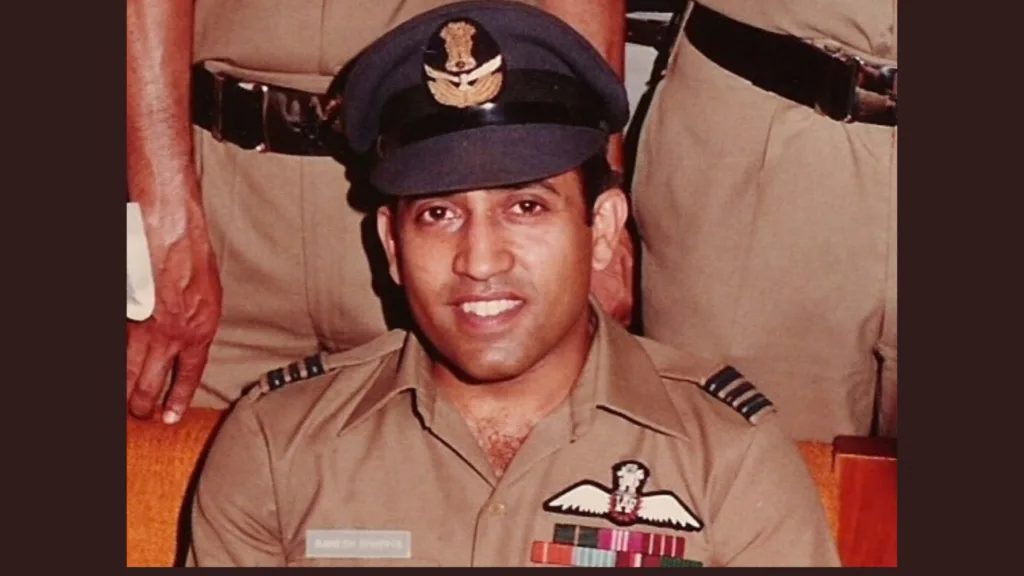
    Wing Commander Rakesh Sharma, 1984

    Before becoming India’s first cosmonaut, Rakesh Sharma served as an Indian Air Force fighter pilot. During the 1971 Indo-Pak War, he flew 21 combat missions in a MiG-21.

    Rakesh Sharma
    Wing Commander Rakesh Sharma | Wikpedia

    His military career later led him to the Soviet Salyut 7 space station, where he became a symbol of India’s achievements in space.

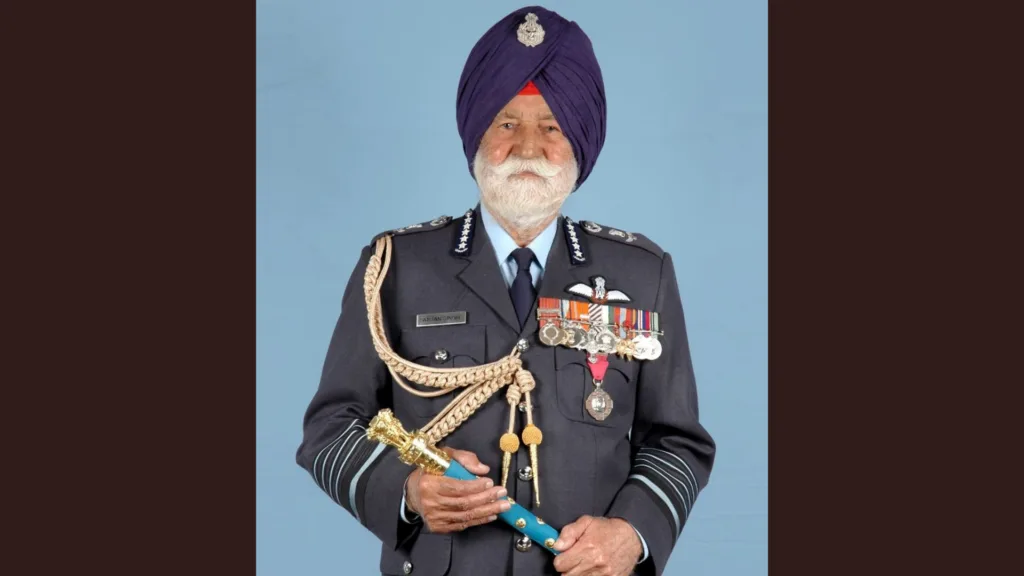
    Air Marshal Arjan Singh, 1965

    Air Marshal Arjan Singh led the Indian Air Force during the 1965 Indo-Pak War as Chief of the Air Staff. His leadership during the conflict earned him a place among India’s most distinguished military aviators.

    Arjan Singh
    Air Marshal Arjan Singh | Wikipedia

    He later became the first and only IAF officer to receive the five-star rank of Marshal of the Air Force.

    Also Read | Flydubai FZ1073: The 5 people who helped stop a mid-air catastrophe

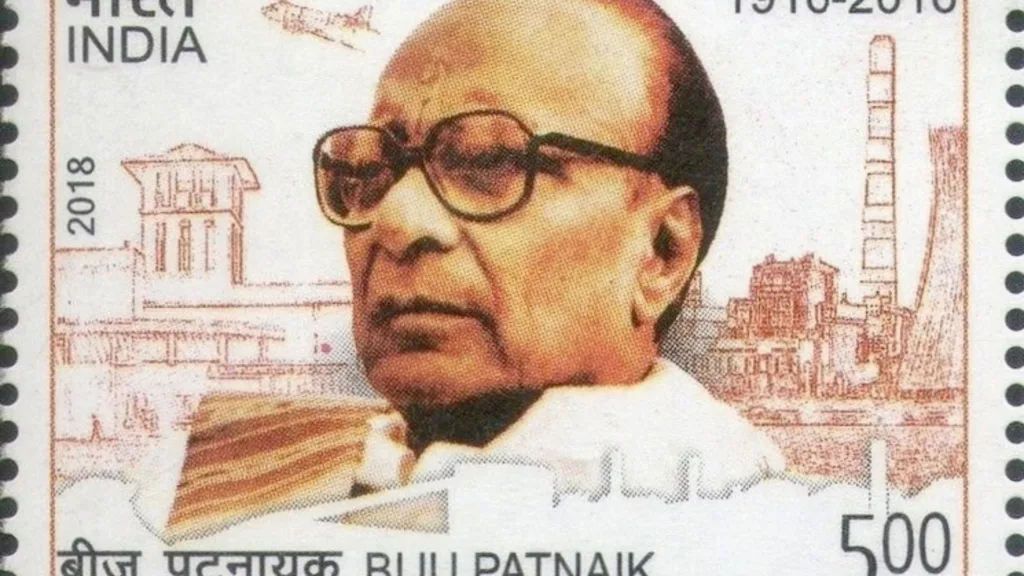
    Biju Patnaik, 1947

    Biju Patnaik was a pilot before entering politics and undertook dangerous flying missions during World War II. During the 1947 war, he flew the first wave of Indian troops into Srinagar as Indian forces moved to defend Kashmir.

    Biju Patnaik
    Biju Patnaik | Wikipedia

    Patnaik was also involved in a covert mission to Jakarta, where he flew through a blockade to rescue Indonesian freedom fighters.

  • Smit Machchhar chanted Hanuman Chalisa during Flydubai attack: Why the prayer symbolises strength and protection? 

    Smit Machchhar chanted Hanuman Chalisa during Flydubai attack: Why the prayer symbolises strength and protection? 

    In a moment when fear and chaos took over the cockpit, Captain Smit Machchhar held on to something deeply familiar: the Hanuman Chalisa. The Indian flydubai pilot, who was seriously injured after being attacked by his co-pilot during a flight from Dubai to Tel Aviv, turned to the prayer as he faced one of the most frightening moments of his life.

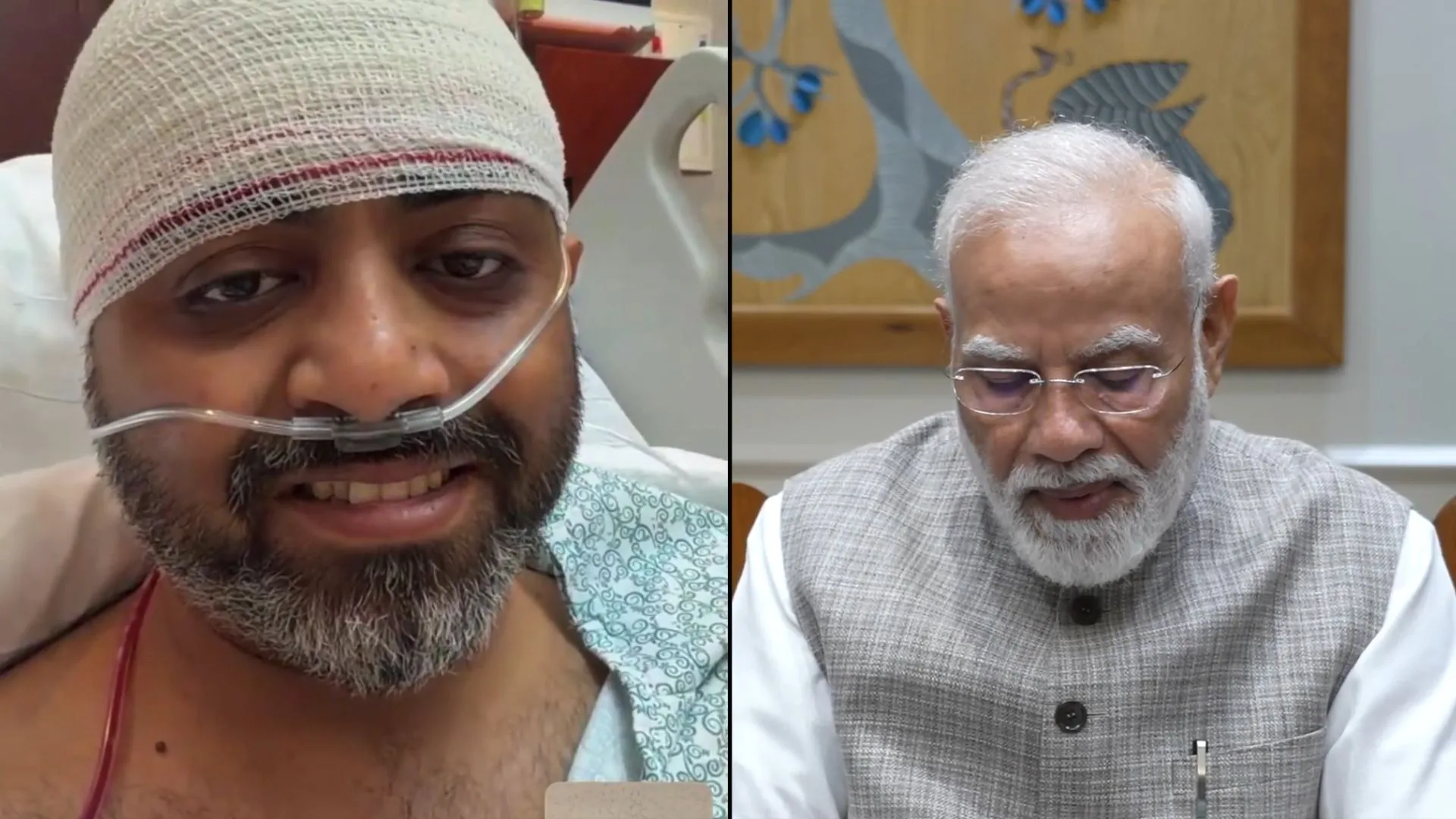
    Speaking to Prime Minister Narendra Modi during a video call, Machchhar said that he was reciting the Hanuman Chalisa during the ordeal. He also said that he turns to the prayer whenever he feels afraid or is in pain, and believes that God saved him.

    What is the Hanuman Chalisa?

    The Hanuman Chalisa is a devotional hymn devoted to Lord Hanuman and contains 40 verses, known as chaupais. It was composed by poet-saint Goswami Tulsidas.

    Also Read | Flydubai FZ1073: The 5 people who helped stop a mid-air catastrophe

    In Hindu tradition, Lord Hanuman is associated with qualities such as courage, strength, devotion and service to Lord Rama. He is also known as Sankat Mochan, a name that refers to the remover of difficulties.

    Flydubai attack: Why Smit Machchhar chanted Hanuman Chalisa?
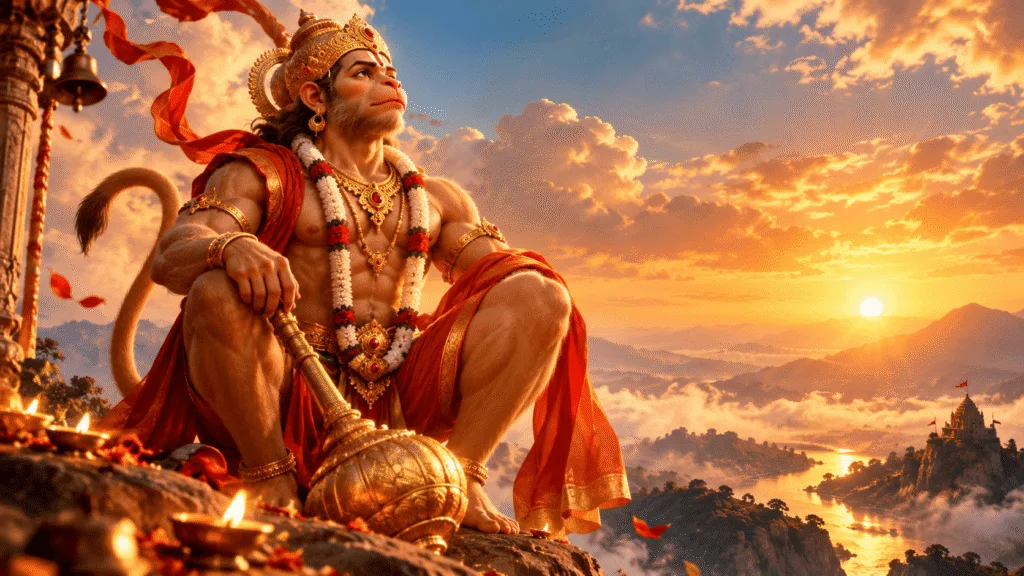
    Hanuman Chalisa became Smit Machchhar’s source of strength amid fear | AI Generated

    Because of this association, devotees often recite the Hanuman Chalisa during challenging or uncertain moments. Traditional beliefs regard the prayer as a means of seeking protection, inner strength and help while facing obstacles.

    For many devotees, chanting the Hanuman Chalisa is also an act of remembrance and surrender. Tuesday and Saturday are traditionally associated with Hanuman worship, although the prayer is recited by devotees on other days as well.

    ‘Whenever I feel afraid, I chant the Hanuman Chalisa’

    Machchhar indicated that the prayer has been part of his life well before the flight incident. During his conversation with PM Modi, he said that whenever he feels fear or pain, he recites the Hanuman Chalisa.

    Also Read | Flydubai cockpit attack: Was Indian pilot Smit Machchhar hit with an axe?

    “I have a two-year-old son. He sits in my lap when I pray. I recite Hanuman Chalisa to him because we are away from the country, but not away from our traditions,” he added.

    The pilot also recalled pushing himself to get back up after being injured because passengers were relying on him. He managed to open the cockpit door, allowing passengers and crew to intervene, while the aircraft was diverted for an emergency landing in Tabuk, Saudi Arabia.

    The idea of Sankat Mochan is closely connected with this devotional tradition. For devotees, invoking Hanuman during difficult moments can represent a search for protection, courage and strength when circumstances feel beyond their control.