Put your hand over the left side of your chest and you can probably feel your heartbeat. But does that mean your heart is actually located there? Not quite. The heart sits between the lungs, close to the centre of the chest, with its lower end angled towards the left.
As World Heart Day is observed on September 29, here are seven simple facts that explain the heart’s position, structure and functioning.
The heart is between the lungs
The heart is located in the mediastinum, the space between the right and left lungs. It sits behind the sternum, or breastbone, and above the diaphragm. While a larger portion of the heart lies towards the left of the body’s midline, some of it extends towards the right as well.
(Representational Image) The heart’s position explains why its heartbeat is often felt on the left side | AI Generated
Its pointed end faces left
The heart is not completely upright. It has a slight tilt, with its pointed lower end, known as the apex, directed downward and towards the left. This positioning helps explain why the heartbeat can often be felt more distinctly on the left side of the chest.
An adult heart is generally around the size of the person’s clenched fist. Its actual size can differ depending on factors including age and body size. Despite being relatively small, it continuously pumps blood throughout the body.
(Representational Image) The four-chambered heart works continuously to keep blood circulating through the body | AI Generated
The heart has four chambers
The human heart consists of four chambers: the right atrium, right ventricle, left atrium and left ventricle. The right side deals mainly with blood returning from the body and sends it to the lungs, while the left side receives oxygen-rich blood from the lungs and pumps it throughout the body.
A wall separates its two sides
The right and left sides of the heart are divided by a muscular wall called the septum. This separation helps keep oxygen-rich and oxygen-poor blood from mixing under normal conditions.
(Representational Image) World Heart Day highlights key facts about the heart’s location and structure | AI Generated
Your heartbeat can be felt on the left
Because the apex points towards the left, the heartbeat may be felt in an area called the apical impulse. In adults, this is usually around the left fifth intercostal space, although the precise point where someone feels their heartbeat can vary.
Unlike muscles that we consciously control, the heart beats automatically. Its normal rhythm begins with electrical activity from the sinoatrial, or SA, node, commonly known as the heart’s natural pacemaker. This system coordinates contractions and enables the heart to keep pumping blood continuously, day and night.
If regular chicken curry has started feeling repetitive, this dahi tadka chicken recipe offers a creamy and flavourful alternative. Shared by chef Saloni Kukreja as part of her ‘AirFryerMaxxing’ series, the recipe combines air-fried chicken breast with Greek yoghurt and a tempering of mustard seeds, curry leaves and green chillies.
The chicken is air-fried instead of deep-fried, while Greek yoghurt forms the creamy base of the dish. The recipe can be served with roti or paratha.
The recipe uses 400g chicken breast and Greek yoghurt, both of which are sources of protein. The chicken is air-fried with a drizzle of oil, reducing the need for deep-frying.
The yoghurt mixture gets its flavour from a tadka made with ghee, mustard seeds, curry leaves, green chillies, red chilli powder and turmeric. Lime juice, ginger-garlic paste and spices add flavour to the chicken marinade.
How to make dahi tadka chicken at home?
Ingredients
400g chicken breast, cut into pieces 1 tbsp lime juice ½ tsp salt ½ tsp pepper ½ tsp chilli powder ¼ tsp coriander powder 1 tbsp ginger-garlic paste 1 small onion, sliced Coriander, for garnish ¾ cup Greek yoghurt 1 tbsp ghee ¼ tsp red chilli powder Salt and pepper, to taste A pinch of turmeric powder 2 tsp mustard seeds 1 sprig curry leaves 2 green chillies, slit
Method
Marinate the chicken: Add lime juice, salt, pepper, chilli powder, coriander powder and ginger-garlic paste to the chicken. Mix well and leave it to marinate.
Bored of regular chicken curry? This creamy dahi tadka chicken adds a protein-rich twist to your meal / Pexels
Air-fry the chicken: Place the marinated chicken pieces on a parchment-lined tray and drizzle with oil. Air fry at 230°C for around 15 minutes, or until the chicken is cooked and crispy.
Prepare the tadka: Heat ghee in a pan. Add mustard seeds, slit green chillies, curry leaves, red chilli powder and turmeric powder. Let the mixture crackle.
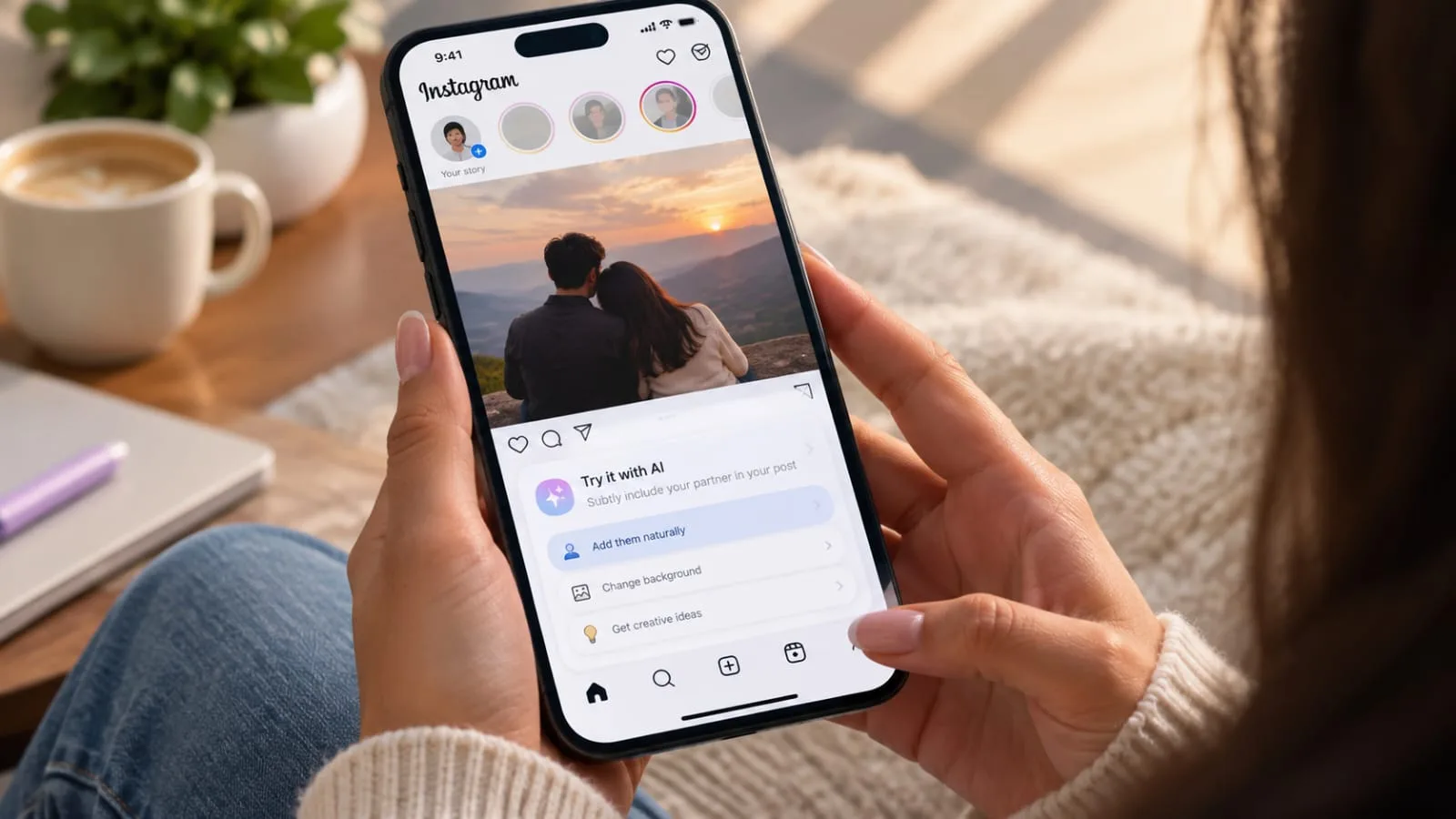
Instagram is now testing a new AI-powered feature that helps users “soft launch” their relationship through personalised Story collages, making it easier to hint at a romance without officially confirming it.
The feature is aimed for the users who want to share moments with their partner while keeping things subtle. Instead of uploading a single photo, Instagram’s AI creates a collage using pictures, videos and memories already available in your gallery or Instagram archive.
What is a soft launch on Instagram?
A “soft launch” is a social media trend where people quietly reveal they are dating someone without showing their partner’s face or making a public announcement. It could be a photo of two coffee cups, intertwined hands, matching shoes or a blurred silhouette.
The trend has become popular among celebrities and creators who want to maintain some privacy while still sharing parts of their personal lives online.
How the new AI feature works
Instagram’s AI suggests Story layouts and collages based on recent memories and shared moments. Users can customise the collage, choose which photos to include and add music, stickers or captions before posting it. The idea is to make creating a subtle relationship reveal quicker and more creative.
The feature is currently being tested and may roll out to more users in phases.
Why soft launches are becoming popular
Many users now prefer keeping relationships more private online. A soft launch allows couples to acknowledge their relationship without inviting too much public attention or scrutiny. It also avoids the pressure of making a “hard launch” post that clearly announces a relationship.
As Instagram continues to add AI-powered creative tools, this feature reflects how the platform is adapting to changing social media habits, where users want more personalised and less public ways to share important moments.
A social media debate between an Indian Revenue Service (IRS) officer, Subhrata Prakash and an AIIMS professor, Rima Dada has reignited over a question
The question goes like: Is depression simply the result of an unhealthy lifestyle? The discussion has drawn attention because it highlights two very different ways of understanding ones mental health.
While healthy habits can improve mental wellbeing, psychiatrists exclaims that a clinical depression is a medical condition with biological, psychological and social causes.However, Lifestyle changes may help recovery, but they are not a cure for everyone.
What started the debate?
The debate began after Professor Rima dada of the Department of Anatomy at AIIMS Delhi spoke about polycystic ovary syndrome(PCOS) which is one of the main lifestyle led syndrome.
“Whether it is PCOS, obesity, diabetes, depression, or any other lifestyle disease, there are only three or four primary causes. One is a sedentary lifestyle: sitting in front of the TV or screens all day, not playing, not going for walks, and staying confined indoors. Secondly, we observe that our diets today are very rich in carbohydrates. We are consuming highly processed foods, which we classify as a highly inflammatory diet,” Dada told news agency ANI.
On the other end IRS officer Shubhrata Prakash, who has spoken publicly about her own experience with depression for years, argued that calling depression a “lifestyle problem” oversimplifies a serious illness.
She has also shared that she lived with severe depression for several years, underwent treatment and therapy, and believes people should not feel ashamed of seeking help.
On the other side of the debate, AIIMS psychiatry professor Dr Nand Kumar has often said that many patients visiting his OPD suffer from burnout, anxiety, insomnia and stress linked to modern lifestyles.
According to him, reducing digital addiction, improving sleep, exercising regularly, eating a balanced diet and strengthening social connections can significantly help many people experiencing emotional distress.
Burnout, stress and depression are not the same
Mental health experts stresses upon the fact that burnout and clinical depression are different conditions.
Burnout is usually linked to stressful days at workplace or academic stress, problems reelated to personal life. People often feel emotionally exhausted, detached from work and less productive because of the stress management capacity of their body.
Depression, however, affects mood, sleep, appetite, energy and the ability to enjoy daily life, putting hurdles over day to day life chores.
Doctors say someone with depression may struggle to get out of bed, lose interest in relationships or hobbies, and experience persistent sadness or hopelessness for weeks or months.
Can lifestyle changes help?
Experts agree that lifestyle changes matter. Regular physical activity, enough sleep, nutritious food, yoga, mindfulness and spending time with supportive friends or family can reduce symptoms of anxiety and improve overall mental health.
But they also warn against presenting these measures as the only solution. For moderate or severe depression. Mental Health experts advices that the cure to depression may include psychotherapy, medication or a combination of both, depending on the individual’s condition.
Why this conversation matters
In recent days mental health awareness has grown in India, and more people are seeking help for anxiety, depression and burnout before symptoms become severe. Doctors say this is a positive change because early treatment often leads to better outcomes.
The debate ultimately underlines one important message: lifestyle influences mental health, but depression cannot be dismissed as merely a lifestyle problem.
Eating a meal with someone close to you may do more than make dinner feel less lonely. A new study has found that eating with a romantic partner is associated with lower post-meal blood glucose levels compared with eating the same meal alone.
Researchers from the Hebrew University of Jerusalem and Sheba Medical Center examined how social closeness may influence basic processes involved in the body’s regulation. Their findings were published in Science Advances on September 23.
Eating with a partner linked to lower glucose levels
The researchers studied 108 people, including 54 romantic couples, for the glucose experiment. Each participant ate the same standardised carbohydrate meal on two occasions. On one occasion, they ate alone, while on the other, they ate alongside their partner.
The meal contained 102 grams of white-wheat bread. Researchers then monitored the participants’ blood glucose levels following the meal.
(Representational Image) Shared meals with a partner may reduce blood sugar spikes, study finds | AI Generated
Two hours after eating, blood glucose levels were about 15 per cent lower when participants had eaten with their partner. The researchers also recorded smaller increases in glucose and a faster return towards baseline levels in the social setting.
Factors such as eating time, body mass index and stress were taken into account, and the association remained.
The role of social physiology
The glucose experiment formed part of a broader study into what researchers describe as “social physiology”. The concept examines whether close social relationships can affect the way the body regulates basic physiological functions.
(Representational Image) Eating together may help the body manage blood sugar after meals | AI Generated
The team also investigated temperature regulation and physiological stress. Their experiments indicated that being close to a familiar social partner could help people regulate body temperature during cold exposure and reduce physiological stress responses.
Comparable effects were also seen in experiments involving mother-infant pairs. The researchers noted that the effects occurred even without physical contact, suggesting that simply being near a close person could influence these processes.
Why might companionship affect blood sugar?
The biological explanation is not yet established. Researchers suggest that the brain systems involved in regulating energy and other basic functions develop within close social environments, beginning with relationships between infants and caregivers.
They hypothesise that close social partners may eventually become part of these regulatory systems, potentially affecting processes involved in glucose metabolism. Further research will examine insulin secretion and sensitivity, hormones, autonomic regulation and other metabolic pathways.
(Representational Image) Dining with your partner may influence post-meal glucose levels | AI Generated
The findings do not mean companionship can offset the effects of carbohydrates. Instead, they raise the possibility that the social environment surrounding a meal may influence the body’s response to food.
The results are also consistent with observations from a separate study in Singapore involving 20,629 meals and around 1,200 adults. That research found lower post-meal blood glucose among people who ate with friends compared with those who ate alone.
However, the two studies used different approaches. The Israeli research compared the same participants under controlled conditions with a standardised meal, while the Singapore study examined people’s regular eating patterns in everyday settings.
(Representational Image) A romantic partner’s presence may be linked to lower blood sugar after eating | AI Generated
The researchers emphasise that social closeness is not a replacement for medical care, a balanced diet or exercise. Instead, the findings suggest that relationships and the social setting around meals may be another factor worth examining when studying how the body responds to everyday physiological demands.
Singaporean model and photographer Chuando Tan, 60, continues to attract attention for his youthful appearance. He first became a global internet sensation in 2017, when photographs of him went viral and people were surprised to learn that he was 51 at the time.
Tan’s routine, as described in interviews and profiles, revolves around diet, exercise, sleep and consistency rather than a single anti-ageing treatment.
Who is Chuando Tan and how did he become famous?
Tan began his modelling career in the 1980s and 1990s, becoming one of Singapore and Asia’s recognisable male models. He later moved behind the camera and built a career as a fashion photographer.
Vogue Singapore has documented his transition from modelling to photography. Tan began photography in his late 20s after spending more than a decade in front of the camera, and became an early adopter of digital imaging and high-level retouching in Singapore’s fashion industry.
His second wave of global attention came in 2017, when his Instagram photographs spread widely online. At the time, he was 51. Tan told Vogue Singapore that he had never felt insecure about his age and continued enjoying life as he always had.
What does Chuando Tan eat?
Tan has spoken about diet as an important part of his lifestyle. In an interview with FIFTIERS, he described his approach as 70% diet and 30% exercise.
His breakfast typically includes six eggs, although he eats only two yolks, along with a glass of milk. Depending on the day, he may also have avocado, berries, oatmeal or a protein shake.
Lunch is generally simple, with meals including grilled or steamed chicken or fish, rice and vegetables. Fish soup or broth may also feature in his meals.
Tan avoids ultra-processed foods and drinks plenty of water. He also avoids coffee and alcohol and does not smoke. The FIFTIERS profile also mentions vitamin C supplements as part of his routine.
How does Chuando Tan stay fit?
Exercise has been a consistent part of Tan’s routine for decades. He does around 30 minutes of strength training three to five times a week, incorporating compound movements such as squats, lunges, push-ups and pull-ups.
He also includes low-intensity cardio, such as brisk walking on a treadmill and swimming.
His fitness routine predates his 2017 viral fame, rather than being something he adopted after gaining attention online. Chuando Tan- This Singaporean man looks 30 but is actually 60 years old! Inside .pdf
What is Chuando Tan’s sleep routine?
Tan also pays attention to sleep and meal timing. He aims to go to bed around 11 pm and finishes his final meal at least five hours before bedtime.
He prefers spending time without screens before sleeping and uses the evening to relax.
Does Chuando Tan follow an elaborate skincare routine?
His skincare routine is relatively basic. He uses a gentle cleanser and moisturiser rather than describing a lengthy list of products or procedures.
The source material also notes that Tan has said he does not rely on cosmetic surgery. Chuando Tan- This Singaporean man looks 30 but is actually 60 years old! Inside .pdf
His approach to ageing is similarly centred on maintaining his lifestyle and attitude. In a 2025 interview with Vogue Singapore, Tan spoke about keeping a sense of confidence and attraction for himself rather than for others.
Student suicides in India continue to raise serious questions about academic pressure, mental health and the expectations placed on young people. A recent death by suicide at IIT Bombay has once again brought attention to a problem that extends well beyond a single institution or an individual case.
The circumstances surrounding the IIT Bombay student’s death remain under investigation, and conclusions should not be drawn from incomplete accounts of the student’s final hours. However, the incident has also highlighted the wider concern surrounding youth suicides and the pressures faced by students in high-achieving academic environments.
Student suicides are a wider concern
Student suicides are not unique to India. Universities in the United States and other countries have also faced similar tragedies. Among full-time US college students aged 18 to 22, around 11% to 15% have reported serious thoughts of suicide during the previous year, depending on the survey.
Research from the US has also found higher levels of anxiety, depression and other mental health problems among students in high-achieving environments compared with national norms. While much of the available research comes from the US, the underlying pressures faced by young people can also be relevant to students in India.
Data from India’s National Crime Records Bureau showed 14,488 suicides among people categorised as students in 2024. Students accounted for 8.5% of all reported suicides that year. A nationally representative mortality study covering the period from 2001 to 2019 found that 44% of all suicides occurred among people aged 15 to 29. Among women, the proportion was 56%.
Academic pressure can affect mental health
The reasons behind suicide are often complicated and cannot always be understood through a single factor. Family conflict, relationships, social isolation, mental illness, academic stress and financial uncertainty can overlap in ways that are difficult to identify after a death.
Academic pressure and stress affect mental health of students | Representational Image
Examination results can become particularly difficult for young people when marks are treated as a measure of intelligence, personal worth or future prospects.
A review combining findings from 52 studies across several countries found that most of the studies reported a relationship between academic pressure or the timing of the school year and at least one negative mental health outcome. These included anxiety, depression and suicidal ideation.
The pressure can be especially intense in institutions where students are expected to maintain exceptionally high academic standards. A poor examination result may then feel less like a temporary setback and more like a threat to a student’s entire future.
Building resilience before failure
The discussion around student suicides also raises questions about how young people are prepared to deal with failure. Resilience can be developed before students encounter their first major academic setback. When children grow up believing that a very high mark represents success while anything lower amounts to failure, their understanding of achievement can become narrowly tied to examination performance.
Effective parenting can help build resilience | Representational Image
Parents can play an important role in changing that approach. Instead of repeatedly asking, “What rank did you get?”, greater emphasis can be placed on the question, “What did you learn?”
Academic performance early in life does not necessarily determine eventual professional success. Changing direction, repeating a year, moving to another college, failing an examination or choosing a different career can all become part of a person’s longer journey.
Why does connectedness matter?
Counselling services at universities can provide support, but they cannot address every problem on their own. Students may hesitate to seek help if they believe that asking for support is a sign of weakness.
Another important factor is connectedness. Research has found that students who feel they belong to their school or university, believe that adults care about them and have people they can approach for help face a lower risk of suicidal thoughts and behaviour. Creating a stronger sense of belonging can therefore form an important part of efforts to support students.
Education must prepare students for life
The death of a student should not be reduced to a statistic or used simply as an example in debates over examinations, caste or technology such as ChatGPT. The wider issue of youth suicides is far larger than any one case.
The purpose of education extends beyond helping young people perform well in examinations. It also involves preparing them for setbacks, failures and unexpected changes. For students, learning how to cope when plans go wrong can be as important as learning how to succeed when everything goes right.
For highly sensitive people, relationships can sometimes feel particularly intense. Small changes in tone, behaviour or communication may be noticed quickly, making emotional safety and consistency especially important.
Relationship therapist and content creator Kasturi Mahanta recently shared six guidelines for sensitive individuals looking to build calmer and more secure relationships.
Choose emotional safety over intensity
Intense feelings may be thrilling, particularly when the relationship is in its early stages; however, intense feelings are not synonymous with having emotional security.
According to Mahanta, emotionally sensitive people prefer emotional security to emotional intensity. A relationship which seems stable and predictable might be better than a relationship where there is a lot of emotional ups and downs all the time.
Look for clear and honest communication
It is usually the case that the highly sensitive individuals are good at detecting the tone of the conversation, body language and other subtleties.
Given that fact, honest and open communication is essential in building up trust, and your partner should always be willing to communicate honestly and clearly.
Understand your partner’s family background
Family experiences can shape how people understand and express emotions later in life.
Mahanta suggests looking into a partner’s family background, particularly how emotions were treated while they were growing up. Someone raised in an environment where feelings were dismissed or handled harshly may find it difficult to understand the emotional needs of a highly sensitive partner.
Understanding these patterns can offer insight into how someone approaches emotions and relationships.
Consider lifestyle compatibility
Compatibility is not just about shared interests or chemistry. Everyday lifestyle can matter just as much.
Highly sensitive people may need quiet routines, slower transitions and regular downtime. Being with someone who prefers a constantly busy, loud or high-energy lifestyle can eventually feel exhausting.
A relationship can feel more comfortable when both people respect each other’s need for space, rest and different rhythms.
Learn the difference between growth and danger
Not every uncomfortable feeling is a warning sign, but not every uncomfortable situation should be pushed through either.
Mahanta suggests learning to distinguish between discomfort that can come with personal growth and discomfort that signals a potentially unhealthy situation.
Learn the difference between growth and danger in relationship / Pexels
Tools such as therapy, journaling and mindfulness can help sensitive individuals understand their emotional responses instead of immediately reacting to them.
Stop chasing emotionally unavailable partners
Mahanta further cautions us against falling for the temptation to repair or heal an unattainable relationship.
An attempt to fill up the emotional voids of someone else may make the relationship a one-sided venture. High sensitives must understand if their relationship is reciprocated to avoid being emotionally exhausted.
The objective is not to stop feeling. It is to create relationships where there is emotional intelligence and safety.
Ultimately, being highly sensitive does not mean feeling less or changing who you are. It means understanding what helps you feel secure, communicating those needs clearly and choosing relationships where emotional safety, consistency and mutual effort are valued.
The afternoon slump can make the office pantry look especially appealing. By around 4 pm, lunch may feel like a distant memory, while dinner is still several hours away. Reaching for a snack at this time is not necessarily a bad habit.
In fact, the reason you feel hungry could have more to do with what you ate at lunch. An early meal, inadequate protein or too many refined carbohydrates can leave you hungry again by late afternoon.
Ms Charu Dua, HOD, Clinical Nutrition Department, Amrita Hospital, Faridabad, says an afternoon urge to eat may sometimes be genuine hunger.
“If lunch was early, low in protein or mostly made up of refined carbohydrates, what feels like a snack craving may actually be true hunger,” she explains. Rather than ignoring that hunger, Dua recommends planning a nutritious snack.
“The key is not fighting it with willpower, but preparing for it with the right food choices.”
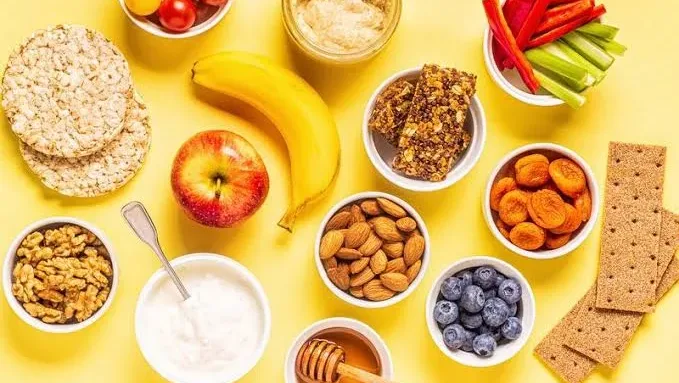
Healthy snacks | Representational Image
What Should You Look for in an Office Snack?
A good snack should help you stay satisfied until the next proper meal. According to Dua, protein, fibre and healthy fats are useful nutrients to include.
“A useful office snack should ideally contain protein, fibre or healthy fats,” she says. “These nutrients digest more slowly than refined carbohydrates and help improve satiety.”
She adds, “Protein tends to keep you fuller for longer, while fibre helps reduce hunger between meals.”
8 Healthy Snacks for Your Office Desk
1. Roasted Chana
Roasted chana is an easy option to keep at work. It supplies plant protein and fibre without requiring refrigeration. “Roasted chana is a great option because it is rich in plant protein and fibre,” says Dua.
She also points to its convenience. “It is inexpensive, shelf-stable and far better than fried snacks.” Portion size still matters. “Stick to a small handful of about 25 to 30 grams to avoid excess calorie intake.”
2. Unsalted Nuts
Almonds, walnuts, pistachios and peanuts provide a combination of protein, fibre and healthy fats. “They help maintain energy levels without sharp spikes and crashes,” Dua explains. Because nuts are calorie-dense, she recommends limiting the serving to around 20 to 25 grams.
Unsalted Nuts | Representational Image
3. Whole Fruits
An apple, orange, pear or banana can make a convenient afternoon snack. “A whole fruit is one of the simplest and most effective snacks,” Dua says.
Whole fruit also has an advantage over juice. “Whole fruit is always better than fruit juice, which removes fibre and concentrates sugar.” For greater satiety, she suggests pairing fruit with some nuts.
4. Roasted Makhana
Makhana can work as a light office snack when prepared without excessive toppings. “Makhana can be a good low-calorie snack when prepared correctly,” she explains. Dua advises avoiding buttered, heavily salted or cheese-coated versions and recommends combining it with peanuts or chana because makhana itself is low in protein.
5. Seeds
Pumpkin and sunflower seeds are compact and easy to carry. “Pumpkin and sunflower seeds provide healthy fats, protein and minerals,” Dua says. However, she stresses that portion sizes should still be monitored.
6. Whole-Grain Crackers With Peanut Butter
This combination can provide carbohydrates, protein and fat. “This is a balanced combination of carbohydrates, fat and protein when chosen correctly,” she notes.
Dua recommends checking labels rather than relying on terms such as “multigrain”. She also suggests choosing peanut butter where peanuts are the main ingredient.
7. High-Protein Snacks
Protein bars and roasted soy snacks can be useful when lunch or dinner gets delayed. “Be cautious of marketing terms like ‘natural’ or ‘fitness’,” Dua advises. “Some protein bars contain as much sugar as sweets.” Check protein, fibre, added sugar and serving size before buying one.
8. Dark Chocolate
For those looking for something sweet, a small portion of dark chocolate can fit into an afternoon snack.
“Sometimes cravings are emotional rather than physical,” Dua explains. “One or two pieces of dark chocolate can satisfy sweet cravings without turning into a full dessert.” She adds, “Portion control is key, as dark chocolate is still calorie-dense.”
Dark Chocolate | Representational Image
Keep an Emergency Snack Box at Work
Planning ahead can make healthier choices easier during busy office hours. “A simple office snack box can include roasted chana, nuts, seeds, whole-grain crackers and small portions of dark chocolate,” Dua says.
She also advises, “Avoid eating directly from packets. Portion your snack and eat slowly.”
How to Tell Hunger From Habit
Not every afternoon craving means you need food immediately. “Ask yourself whether you are hungry, thirsty, tired or just bored. Sometimes a glass of water or a short break is enough,” she says. If you are genuinely hungry, having a planned snack can help bridge the gap before dinner.
A 4 PM Snack Can Be Part of a Healthy Routine
Dua says afternoon snacking itself is not the issue. What matters is the food choice, portion and frequency.
“A planned snack at 4 pm is completely fine and can even prevent overeating at dinner,” she says. “The issue is when snacking becomes unplanned, frequent and based on unhealthy foods.” Her advice is simple: “a good snack should bridge the gap between meals, not become another meal itself.”
Attachment styles are largely influenced by early childhood experiences, particularly how consistently caregivers respond to a child’s emotional and physical needs.
Consistent and emotionally responsive caregiving can help children develop a sense of trust and security. On the other hand, inconsistent, neglectful or frightening caregiving experiences may contribute to feelings of anxiety, insecurity or fear.
However, childhood is not the only factor. Relationships outside the family and experiences later in life can also influence attachment patterns. Even past heartbreak can affect how cautiously or openly someone approaches a new relationship.
What are the four attachment styles and how can they show up in relationships?
Secure attachment
People with a secure attachment style generally feel comfortable forming and maintaining close relationships. They value intimacy while also being able to maintain healthy boundaries and communicate their needs.
Secure attachment is also associated with interdependence — being able to seek support and reassurance from a partner while still regulating your own emotions and maintaining a sense of independence.
Secure attachment / Pexels
How is secure attachment formed?
Consistently present and responsive caregivers, particularly during early childhood, can help create the foundation for secure attachment.
Anxious attachment
Anxious attachment is often associated with a strong desire for closeness alongside a fear of abandonment or rejection.
People with this pattern may frequently seek reassurance from their partners but still struggle to feel reassured even after receiving it. It can also appear through excessive communication, difficulty expressing needs directly or changing oneself to maintain a relationship.
Anxious attachment / Pexels
How is anxious attachment formed?
Emotionally inconsistent or unpredictable caregiving can contribute to anxious attachment. When a child’s experience of emotional availability changes frequently, they may become uncertain about whether support and closeness will be available in the future.
Avoidant attachment
Avoidant attachment tends to look very different from anxious attachment. Instead of seeking frequent reassurance, people with avoidant patterns may place a strong emphasis on independence and feel uncomfortable with emotional closeness.
They may find vulnerability difficult and pull away when relationships become more intimate. Although they can still desire connection, closeness may also trigger discomfort or a need for distance.
Avoidant attachment / Pexels
How is avoidant attachment formed?
Dismissive, disconnected or emotionally distant caregiving can contribute to avoidant attachment. When emotional needs are not consistently acknowledged, children may learn to rely primarily on themselves.
Disorganised attachment
Disorganized attachment, also called fearful-avoidant attachment, can involve a combination of anxious and avoidant behaviours.
A person may want closeness while simultaneously fearing it, creating a push-and-pull pattern in relationships. They may struggle with trust and find it difficult to establish lasting emotional connections.
Disorganised attachment / Pexels
How is disorganised attachment formed?
This pattern has been associated with highly unpredictable, frightening or abusive caregiving environments. A child may seek closeness from a caregiver while also becoming fearful or withdrawn, creating conflicting responses to intimacy.
How can you figure out your attachment style?
Identifying an attachment pattern starts with looking at how you respond to closeness, trust, conflict and emotional vulnerability.
Reflecting on childhood experiences, relationships with caregivers and past romantic relationships can help reveal recurring patterns. Online attachment-style questionnaires can also be used as a starting point, but their results should not be treated as a definitive assessment.
For a deeper assessment, a psychotherapist can use clinical interviews and standardised tools to explore attachment patterns and how they may affect relationships.
Can your attachment style change?
Yes. Attachment styles are not necessarily fixed for life.
Developing awareness of recurring behaviours can be an important first step towards changing them. Strategies such as emotional regulation, assertive communication and healthy boundaries can help people develop more secure ways of relating to others.
Therapy can also help people understand where certain patterns come from and develop different ways of responding to difficult emotions, intimacy and relationship challenges.
The process is gradual. Understanding your attachment style is less about placing yourself in a fixed category and more about recognising patterns in your relationships and deciding what you may want to change.