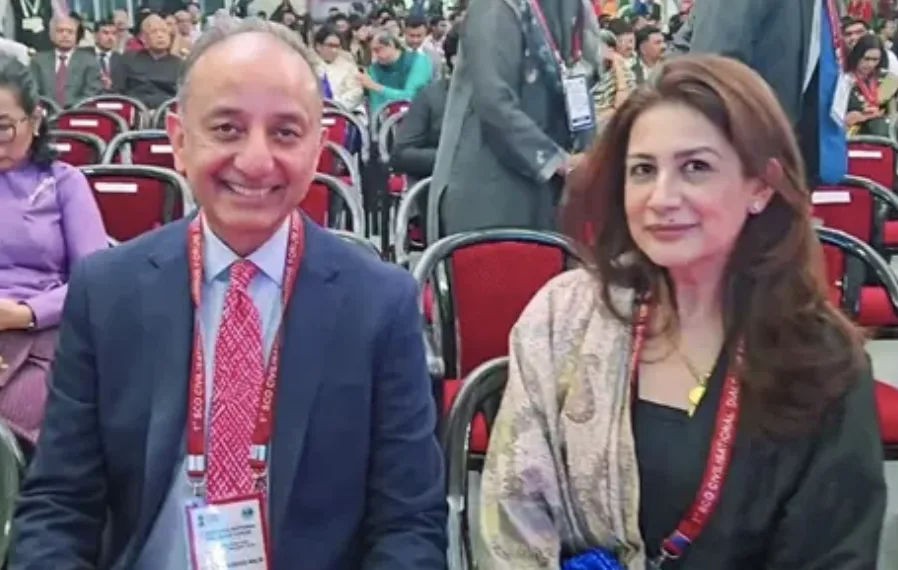
India has reiterated that there will be no change in its position on the Indus Waters Treaty (IWT), as Pakistan’s Climate Change Minister Musadik Masood Malik arrived in New Delhi to participate in the Shanghai Cooperation Organisation (SCO) Civilisational Dialogue Forum. The Ministry of External Affairs (MEA) made the statement on Friday, November 20, amid questions over Malik’s earlier criticism of India’s decision to place the 1960 water-sharing agreement in abeyance.
MEA spokesperson Randhir Jaiswal said New Delhi had already made its position clear and there was no change in the government’s stand. Malik, meanwhile, has avoided directly addressing his previous remarks on the treaty, maintaining that his visit is centred on discussions within a multilateral framework.
The visit is significant as Malik is the first Pakistani minister to travel to India in more than three years. It also comes amid strained bilateral relations following the Pahalgam terror attack in 2025 and the subsequent military confrontation between the two countries.
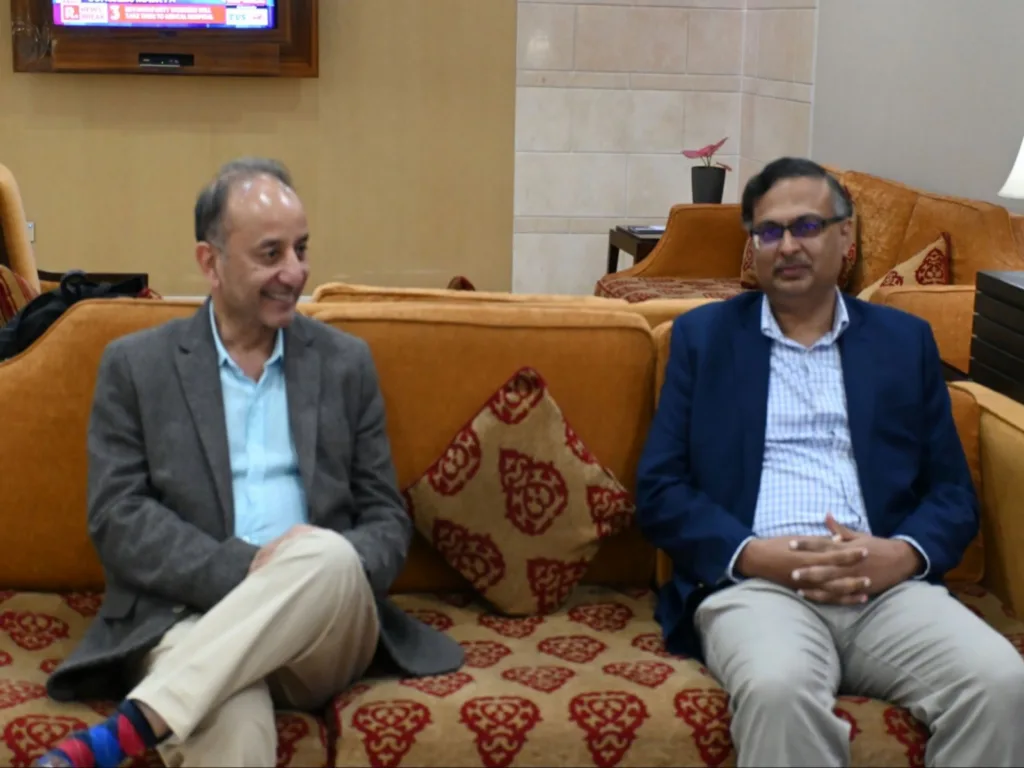
MEA reiterates India’s stand on Indus Waters Treaty
Responding to questions about Malik’s arrival and his earlier comments on the water-sharing agreement, Jaiswal said India’s position on the Indus Waters Treaty remained exactly as previously communicated.
“As far as the IWT is concerned, we have made our position very clear, and that is where it remains. There is absolutely no change,” the MEA spokesperson said.
India placed the Indus Waters Treaty in abeyance following the April 2025 Pahalgam terror attack, in which 26 people were killed. The decision followed a major deterioration in relations between New Delhi and Islamabad.
Malik had strongly criticised the move. In June, he warned that Pakistan would “cut off that hand” which attempted to take away its share of water, accusing India of using water as an instrument of pressure against Islamabad.
The Pakistani minister arrived in New Delhi on Friday to lead his country’s delegation at the SCO Civilisational Dialogue Forum, scheduled from November 20 to 22. The event brings together representatives of the organisation’s 10 member states to promote cultural understanding and civilisational exchanges.
Also Read | India-Japan defence ties deepen as Japanese forces prepare for first live-fire drills on Indian soil
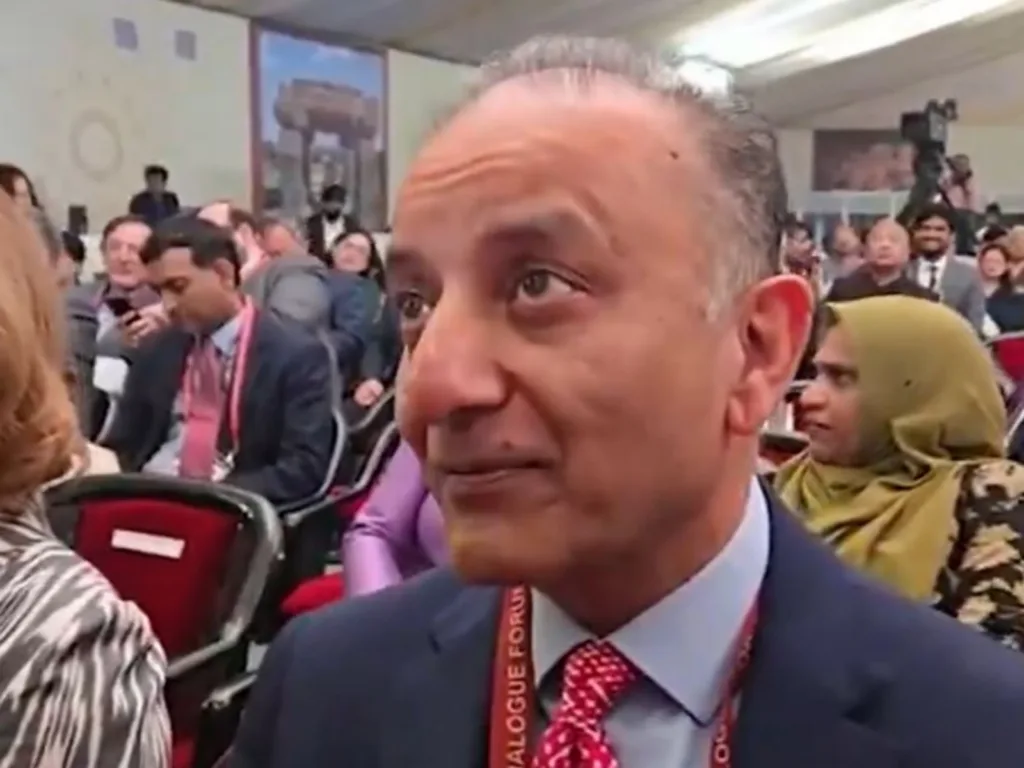
Musadik Malik avoids direct comments on India-Pakistan ties
During interactions with the media after arriving in Delhi, Malik declined to revisit his earlier remarks on the Indus Waters Treaty. He told ANI that discussions at the forum were taking place within a multilateral framework and urged reporters to focus on that aspect of his visit.
Asked whether his presence in India could help improve bilateral relations, Malik again avoided giving a direct response. Speaking to PTI, he said discussions would take place within the multilateral setting and indicated that he would address the media after the next one or two days of engagements.
He described the forum as a “tremendous opportunity” for multilateral engagement and expressed hope that relations among SCO member countries would improve.
“I think all of our relationships will improve. The region is in flux, as you know. The plates underneath geopolitics are shifting very fast,” Malik told ANI.
When asked about visiting India after a long gap, he expressed hope that future visits between the two countries would continue.
The Pakistani minister’s comments have not, however, indicated any formal resumption of bilateral talks. The government in New Delhi has maintained that Malik’s participation is part of a multilateral event rather than a bilateral diplomatic engagement.
Also Read | Delhi gurdwara incident: Man arrested after alleged desecration of Guru Granth Sahib in Tilak Nagar
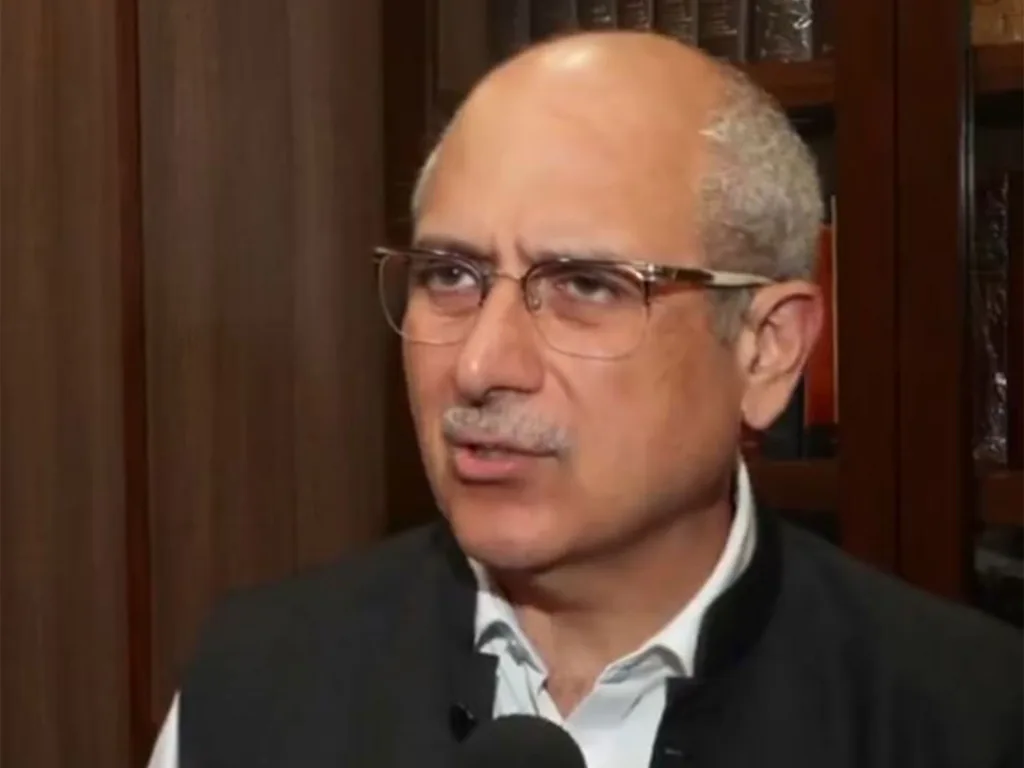
BJP rejects bilateral dialogue as Congress questions policy
Malik’s visit has also triggered a political debate in India over the government’s approach towards Pakistan. BJP leader Nalin Kohli said on Monday that bilateral dialogue could not take place as long as terrorism against India continued.
Kohli clarified that Pakistan had not received any special invitation and that its participation was part of India’s invitation to all 10 SCO member states. He said the government’s position on bilateral relations remained unchanged.
The BJP leader also criticised the Congress for questioning the Centre’s Pakistan policy and referred to the foreign policies followed under former prime ministers Jawaharlal Nehru and Indira Gandhi.
Congress leader and former external affairs minister Salman Khurshid, meanwhile, questioned what he described as inconsistency in the government’s approach towards Islamabad. He argued that the Centre needed to communicate its position more clearly so that the Opposition could understand and respond to its policy.
The SCO Civilisational Dialogue Forum was organised as a multilateral platform, with India inviting all member countries, including Pakistan. Malik’s participation follows the military confrontation between the two neighbours in May 2025, after India launched Operation Sindoor against terrorist infrastructure in Pakistan and Pakistan-occupied Kashmir in response to the Pahalgam attack.
While the visit has brought a Pakistani minister to New Delhi for the first time in more than three years, the MEA’s latest statement makes clear that India’s position on the Indus Waters Treaty remains unchanged.
Leave a Reply