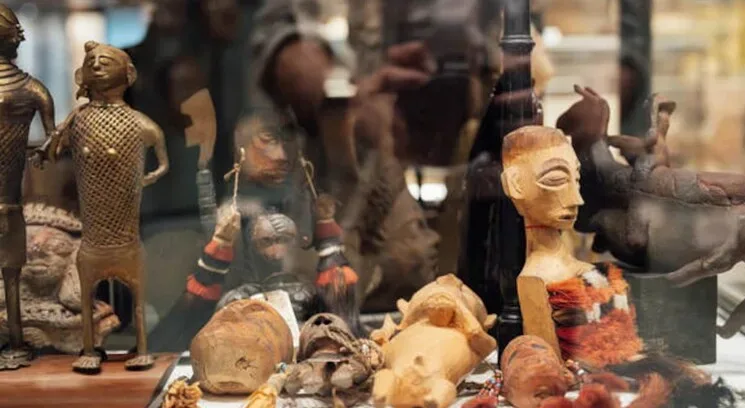
The University of Oxford has formally transferred 39 Naga ancestral remains to representatives of the Naga people, ending more than a century of their custody at the university’s Pitt Rivers Museum. The handover took place on November 9, 2026, through the Forum for Naga Reconciliation (FNR) and Naga tribal organisations. The ancestral remains will now be brought back to Nagaland and buried at Naga Solidarity Park in Kohima.
The Naga ancestral remains were formally handed over during a ceremony hosted by the Pitt Rivers Museum. The process, facilitated by the FNR, began in 2020 and was described by the organisation as a community-led effort towards reconciliation and healing.
Also Read | Delhi High Court seeks alternatives to demolition of unsafe buildings during GRAP curbs
How were the Naga ancestral remains returned?
The Pitt Rivers Museum, established in 1884, had received Naga artefacts, including human remains, from collectors over the years. The 39 ancestral remains remained under its custodianship for more than 100 years.
The transfer was formalised through a Transfer of Title Form signed by Professor Laura Van Broekhoven for the museum and Rev Dr Wati Aier on behalf of the FNR. Visier Sanyu, representing the FNR, and Thejao Vihienuo, representing the Naga tribes, also attested to the document.
University of Oxford Vice-Chancellor Professor Irene Tracey described the handover as a historic moment in the institution’s relationship with the Naga people. She highlighted the initiative as an example of reconciliation, healing and peace led by the community.
During the ceremony, Naga representatives stressed that the return of ancestral remains was a matter of dignity and the right of communities to care for their ancestors. A tribal chant by Nyamto Wangsha marked the occasion.
Also Read | India rejects 3 key allegations in Gurpatwant Singh Pannun’s lawsuit
Where will the Naga ancestral remains be buried?
The remains will be taken to Naga Solidarity Park in Kohima after reaching Nagaland. Representatives of the FNR and Naga tribal organisations are expected to return with them later this week.
Naga leaders also called for all ancestral remains held in museums to be returned to their homeland. Rev. Dr. Ellen Konyak, coordinator of the Recover, Restore and Decolonise team, said the repatriation marked the beginning of a wider effort by the community to reclaim its history.
The FNR said the return would help address colonial-era injustices and build a shared future based on reconciliation.
Leave a Reply