Category: World

  • Wars, Trump and Guterres’ exit set the tone for UN General Assembly 2026

    Wars, Trump and Guterres’ exit set the tone for UN General Assembly 2026

    The United Nations General Assembly is entering one of its most closely watched weeks, with nearly 130 heads of state and government due in New York as conflicts in West Asia and Ukraine dominate the diplomatic agenda.

    US President Donald Trump is returning to the UN podium for a second consecutive year. The gathering will also test the organisation’s role at a time of financial pressure, geopolitical rivalry and growing concern over artificial intelligence.

    The 81st General Assembly’s high-level debate runs from September 22 to September 28 under the theme “Restoring trust, managing transformation: A United Nations that delivers for all.”

    West Asia, Gaza and Sudan

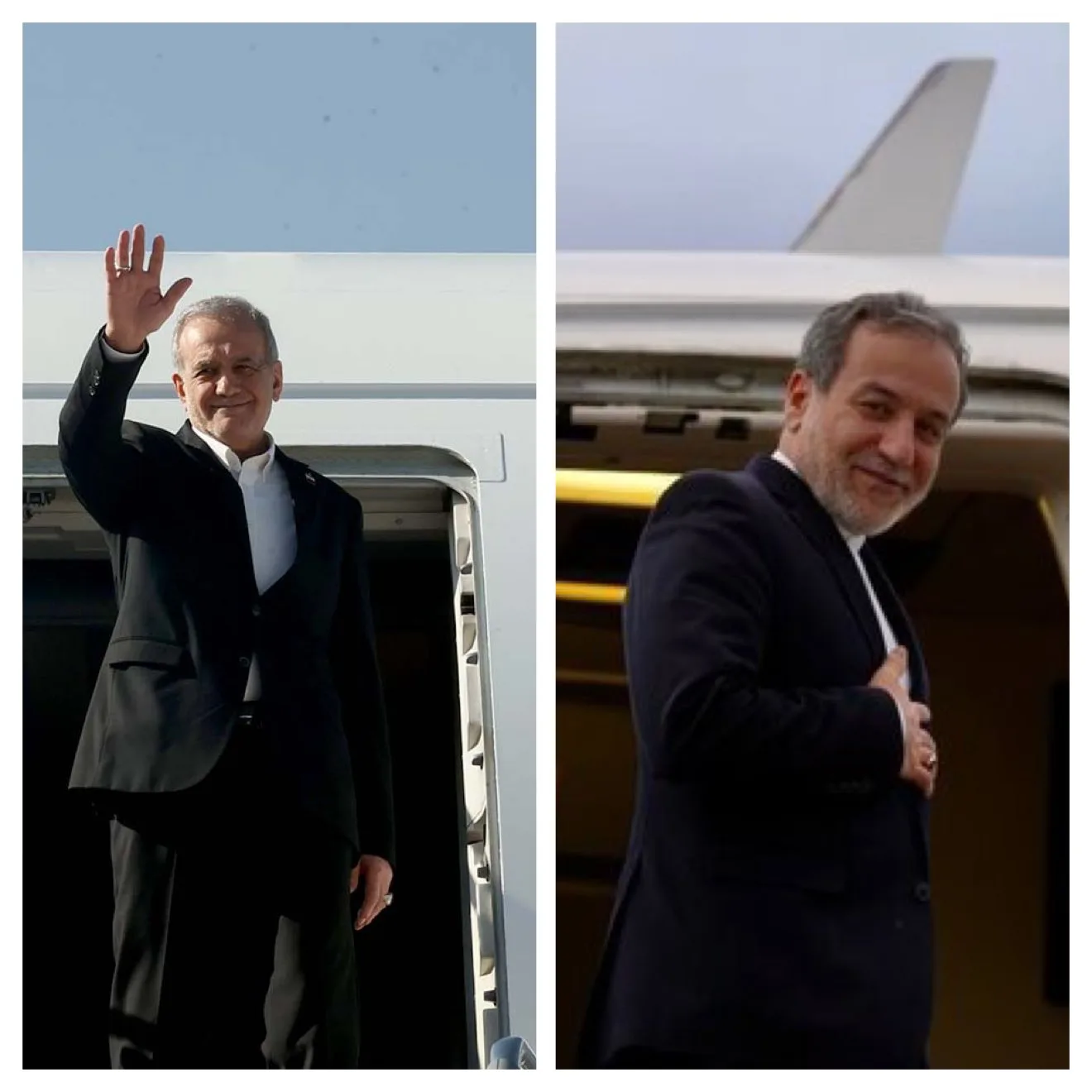
    President Masoud Pezeshkian is expected to travel to New York in the coming days to address the UN General Assembly and meet world leaders | X (@RyanRozbiani)
    President Masoud Pezeshkian is expected to travel to New York in the coming days to address the UN General Assembly and meet world leaders | X (@RyanRozbiani)

    The biggest immediate issue is war. The US-Israeli conflict with Iran is expected to feature heavily in discussions, with the conflict continuing for more than six months and tensions also involving Yemen’s Iran-aligned Houthi militants and shipping through the Bab el-Mandeb Strait.

    Iranian President Masoud Pezeshkian is scheduled to address the Assembly on Wednesday, while Israeli Prime Minister Benjamin Netanyahu is due to speak on Thursday.

    Gaza and Sudan are also expected to remain part of the wider diplomatic discussions. UN Secretary-General António Guterres has warned against relying on military force alone in dealing with the regional crisis.

    He said negotiations were still needed, while the UN’s Yemen envoy was making a “huge effort” to advance talks.

    Ukraine and the Black Sea

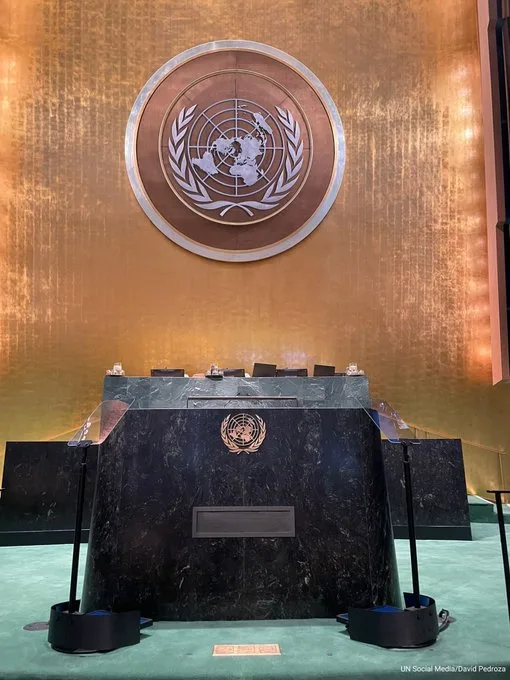
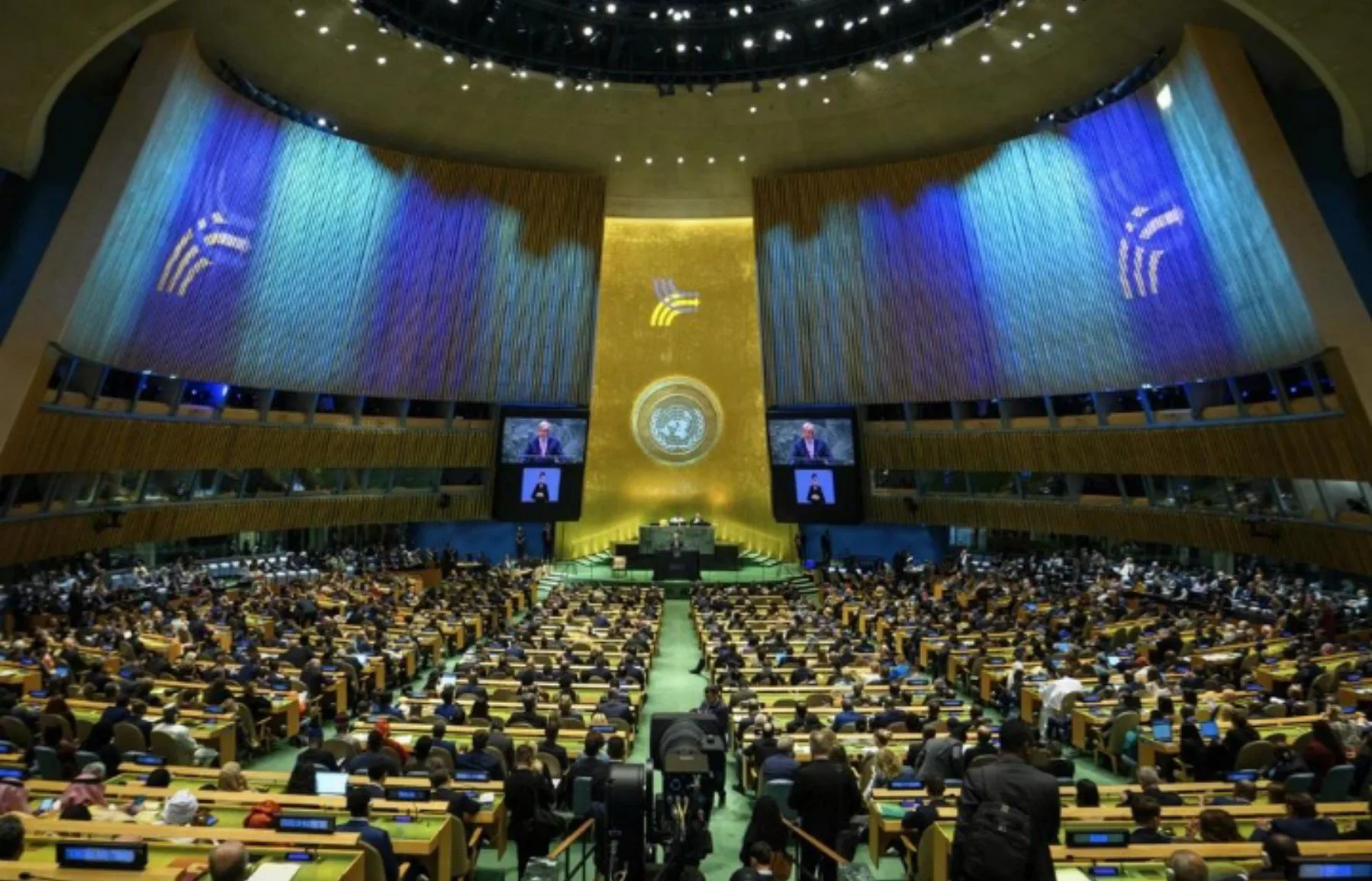
    The podium at the United Nations General Assembly hall in New York ahead of a high-stakes week of diplomacy, with wars in West Asia and Ukraine topping the agenda | X (@UN)
    The podium at the United Nations General Assembly hall in New York ahead of a high-stakes week of diplomacy, with wars in West Asia and Ukraine topping the agenda | X (@UN)

    Ukraine is another major focus. President Volodymyr Zelenskiy and Russian Foreign Minister Sergei Lavrov are both scheduled to address the Assembly.

    The war, now in its fifth year, has also created wider concerns over food and energy supplies.

    Guterres said the effective blockade in the Black Sea was creating serious problems and called for a safe way to allow Ukrainian and Russian exports of food, fertilisers and energy.

    The UN Security Council has struggled to take action on the conflict because Russia, as a permanent member, holds veto power.

    Trump arrives with quite the diary

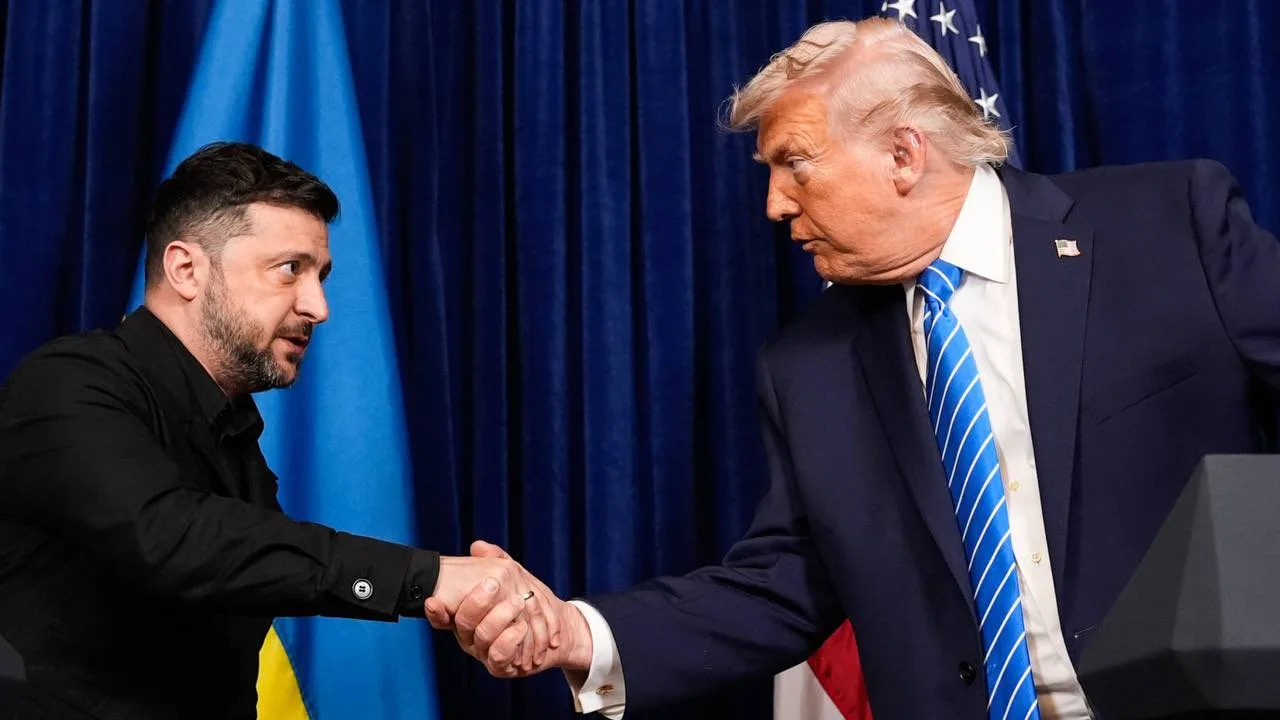
    Zelensky will speak at the general debate on Wednesday. On the same day, he will take part in a meeting of the UN Security Council under the agenda item “Maintaining peace and security in Ukraine.” | X (@Beefeater_Fella)
    Zelensky will speak at the general debate on Wednesday. On the same day, he will take part in a meeting of the UN Security Council under the agenda item “Maintaining peace and security in Ukraine.” | X (@Beefeater_Fella)

    Trump’s presence adds another layer. He is due to address the Assembly on Tuesday and is expected to hold meetings with Zelenskiy, British Prime Minister Andy Burnham and Japanese Prime Minister Sanae Takaichi.

    He will also meet New York Mayor Zohran Mamdani and Gulf Cooperation Council leaders. The White House has said Trump will highlight how his administration has approached global problems, including the issue of ensuring Iran does not obtain a nuclear weapon.

    China’s Xi Jinping, meanwhile, is skipping the UN gathering and is scheduled to meet Trump in Washington later in the week.

    The next name on the UN door

    There is also a changing of the guard at the UN. Guterres will leave office on December 31, 2026, and the race to succeed him is already under way.

    Former Chilean president Michelle Bachelet withdrew from the contest after a third informal Security Council poll showed her support had fallen sharply.

    Costa Rica’s Rebeca Grynspan led that poll, while seven candidates remained after Bachelet’s exit.

    Burnham’s first appearance as British prime minister at the Assembly will add another bilateral focus, particularly on Ukraine and Britain’s relationship with Washington.

    Reuters reported that Burnham plans to press British interests even where they differ from Trump’s positions.

    Wars are not the only business

    Beyond the wars and diplomacy, the Assembly will also address AI, climate action, sea-level rise, pandemic preparedness and nuclear disarmament.

    The UN’s high-level week is therefore not only about speeches. It is a test of whether countries can still use a common forum to manage crises that cross borders.

  • California puts billionaire wealth tax on ballot with up to 5% under Proposition 40

    California puts billionaire wealth tax on ballot with up to 5% under Proposition 40

    California is at the centre of a growing debate over how governments should tax extreme wealth. The state will vote on Proposition 40 on November 3, a ballot measure that would impose a one-time tax of up to 5% on certain taxpayers with more than $1 billion in covered assets.

    The proposal is designed mainly to raise money for healthcare, while also directing part of the proceeds towards food assistance and education. California is home to roughly 250 billionaires whose combined wealth is estimated at more than $2 trillion.

    A different levy

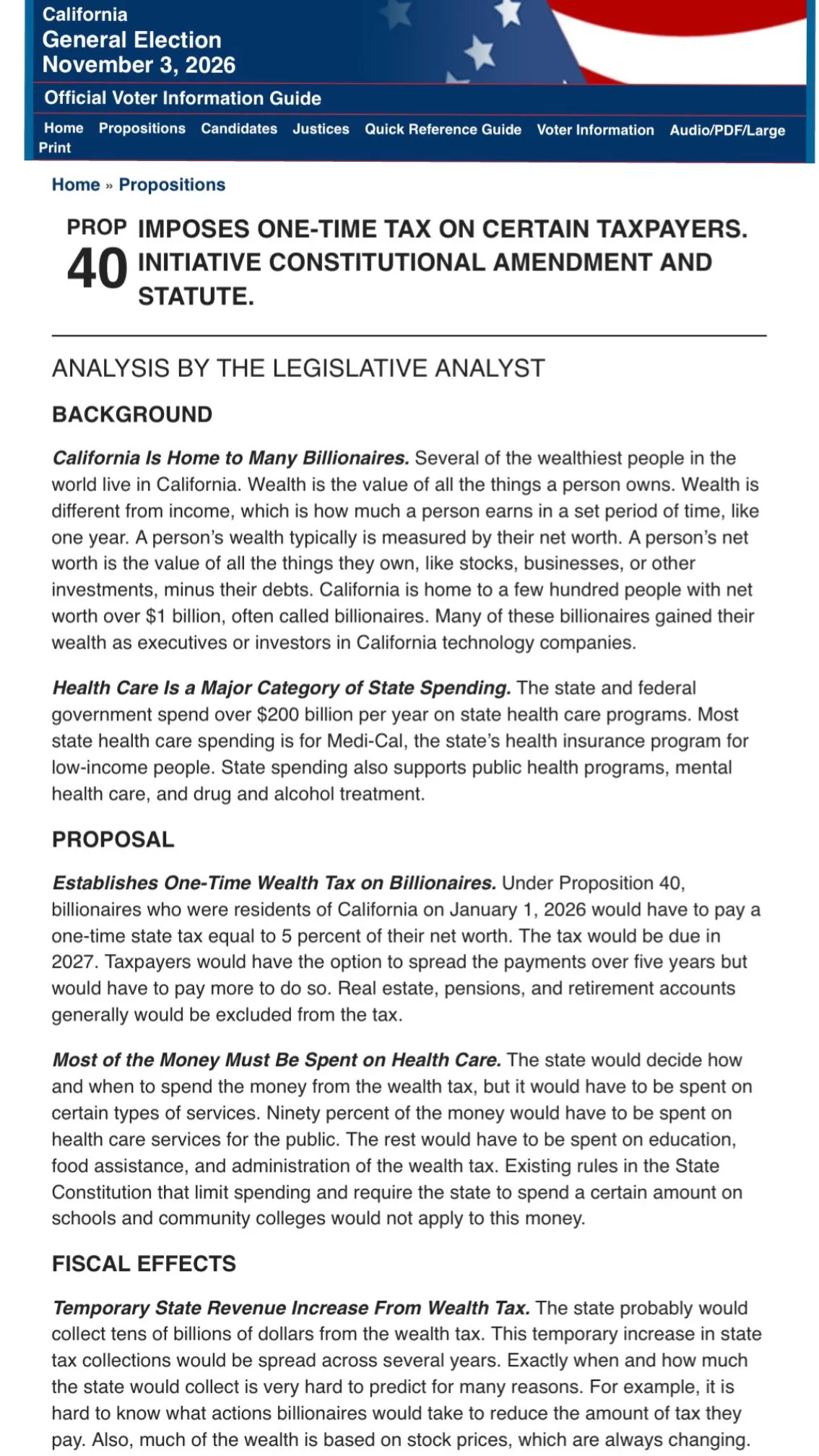
    California's official voter guide details Proposition 40, a proposed one-time tax of up to 5% on the wealth of certain billionaires | X (@cwebbonline)
    California’s official voter guide details Proposition 40, a proposed one-time tax of up to 5% on the wealth of certain billionaires | X (@cwebbonline)

    The idea is different from a regular income tax. Income tax applies to money a person earns. A wealth tax applies to the value of assets a person already owns.

    Under Proposition 40, the tax would apply to billionaires who were California residents on January 1, 2026.

    Covered assets include businesses, securities, art, collectibles and intellectual property. Real estate, along with some pensions and retirement accounts, would generally be excluded.

    The tax would be due in 2027, although taxpayers could spread the payment over five years at an additional cost.

    Where the money could go

    The argument from supporters is about where the money could go. The official voter guide says 90% of the revenue would have to be spent on healthcare services, with the remaining 10% directed towards food assistance, education-related programmes and administration.

    Supporters have cited estimates of up to $100 billion in revenue. Some critics put the likely figure much lower, at around $40 billion.

    The state’s Legislative Analyst’s Office, meanwhile, describes the expected revenue more cautiously as tens of billions of dollars spread over several years.

    The sums differ, and so do the worries

    6 Nobel economists throw support behind California billionaire tax | X (@ackmeni)
    6 Nobel economists throw support behind California billionaire tax | X (@ackmeni)

    That difference in estimates points to the larger economic argument around the proposal. Opponents say a wealth tax could encourage some billionaires to leave California or alter where they hold their assets.

    That could reduce future state income tax revenue and investment. The Legislative Analyst’s Office estimates the possible ongoing loss in income-tax revenue at less than $1 billion a year.

    California also has a long history of debate over tax-related ballot measures, including Proposition 30, which sought to raise taxes on high earners and was rejected by voters in 2022.

    Heavyweight voices

    Supporters dispute the idea that the tax would seriously damage California’s business ecosystem. University of California, Berkeley economist Emmanuel Saez, who helped write Proposition 40, described it as “a tax on billionaires to fund healthcare.”

    He also argued that California’s universities, research base, infrastructure and pool of skilled workers would make a mass business exodus unlikely.

    On the other side, Google co-founder Sergey Brin has emerged as a prominent opponent and has spent heavily on efforts to defeat the measure.

    Governor Gavin Newsom also opposes Proposition 40 and has instead backed the idea of a federal wealth tax applied nationwide.

    Come November, California must weigh the trade-off

    At its core, Proposition 40 asks a simple but difficult question: should California tax accumulated wealth, rather than relying primarily on taxes on income and spending?

    The answer carries consequences beyond the billionaires directly affected. It could mean a large one-time injection of money for public healthcare and other programmes, but it also raises questions about future tax revenue, asset valuation and the behaviour of wealthy taxpayers.

    California’s November ballot will put that trade-off directly before voters.

  • Ethiopian armed groups ally against Abiy; alliance wants to uproot the Government

    Ethiopian armed groups ally against Abiy; alliance wants to uproot the Government

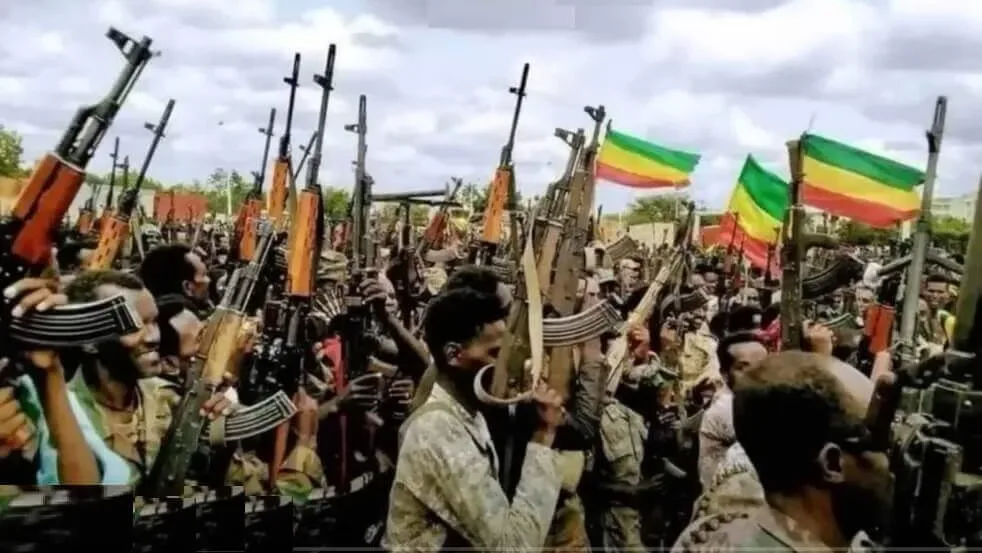
    Seven armed groups in Ethiopia, including former enemies from the country’s 2020-2022 civil war, have announced a new alliance seeking to overthrow Prime Minister Abiy Ahmed’s government.

    The coalition, named the Ethiopian Peoples’ Forces Alliance for Survival, brings together groups from several parts of Ethiopia. Its members include organisations from Tigray, Amhara, Oromia, Afar, Somali Region and Benishangul-Gumuz. The announcement comes as tensions between the federal government and several regional armed groups remain high. 

    TPLF And Fano Join Forces

    One of the most notable aspects of the new alliance is the presence of the Tigray People’s Liberation Front (TPLF) and the Amhara Fano National Movement.

    The two groups were on opposing sides during the Tigray war between 2020 and 2022. Fano forces fought alongside Ethiopia’s federal government against the TPLF during that conflict, which resulted in hundreds of thousands of deaths and was accompanied by reports of ethnically driven atrocities. 

    Also Read | Tiny French island, big Atlantic message: Macron meets Carney

    Fano later became involved in an armed conflict with the federal government in Amhara. That fighting has continued since 2023 and has resulted in thousands of deaths. 

    The new grouping therefore brings together organisations that have previously been in direct conflict with one another, while some members continue to have disputes over territory and other issues.

    Alliance Says It Wants To Overthrow Government

    The alliance announced its formation late on Sunday. Its statement accused the federal government of concentrating power and marginalising Ethiopia’s regions.

    The statement was read by Fano leader Zemene Kassie and broadcast on Tigrayan television.

    “We, the peoples’ forces concerned with the survival of Ethiopia’s peoples, bear the historic responsibility of overthrowing this regime,” the statement said.

    The Ethiopian government had not immediately responded to requests for comment when Reuters reported the announcement. Last month, an adviser to Abiy said a possible armed coalition would seek to cause disruption but would not be capable of removing the federal government.

    The government has also said it is pursuing a national dialogue aimed at addressing long-running political divisions and internal conflicts.

    Tensions Rise In Tigray

    The formation of the alliance comes after renewed tensions between federal forces and the TPLF.

    In May, the TPLF reasserted control over Tigray’s political administration. The move was described as a violation of the 2022 peace agreement by Reuters and followed accusations from the TPLF that the federal government had failed to implement the deal fully.

    Also Read | Can AI safety keep pace? Gemini hack and resignations deepen industry worries

    The Ethiopian military has also carried out several reported drone strikes against Tigrayan forces in recent months, according to data from the Armed Conflict Location & Event Data project.

    The federal government has not commented on those reported strikes. However, Ethiopia’s military said last week that nearly 300 Tigrayan fighters had surrendered.

    Ethiopia And Eritrea Dispute

    Ethiopia has also accused neighbouring Eritrea of backing insurgent groups, including the TPLF and Fano. Eritrea has rejected those allegations.

    The new Alliance for Survival now adds another layer to Ethiopia’s complicated security situation, bringing together armed groups from different regions and backgrounds. While the groups have declared a common objective, Reuters noted that some members remain divided over territorial and other disputes. 

    FAQs

    Which groups joined the Ethiopian alliance?

    The alliance includes the TPLF, Amhara Fano National Movement and groups from Oromia, Afar and Benishangul-Gumuz.

    Why did the groups ally?

    The groups accuse Abiy Ahmed’s government of centralising power and marginalising Ethiopia’s regions.

  • Tiny French island, big Atlantic message: Macron meets Carney

    Tiny French island, big Atlantic message: Macron meets Carney

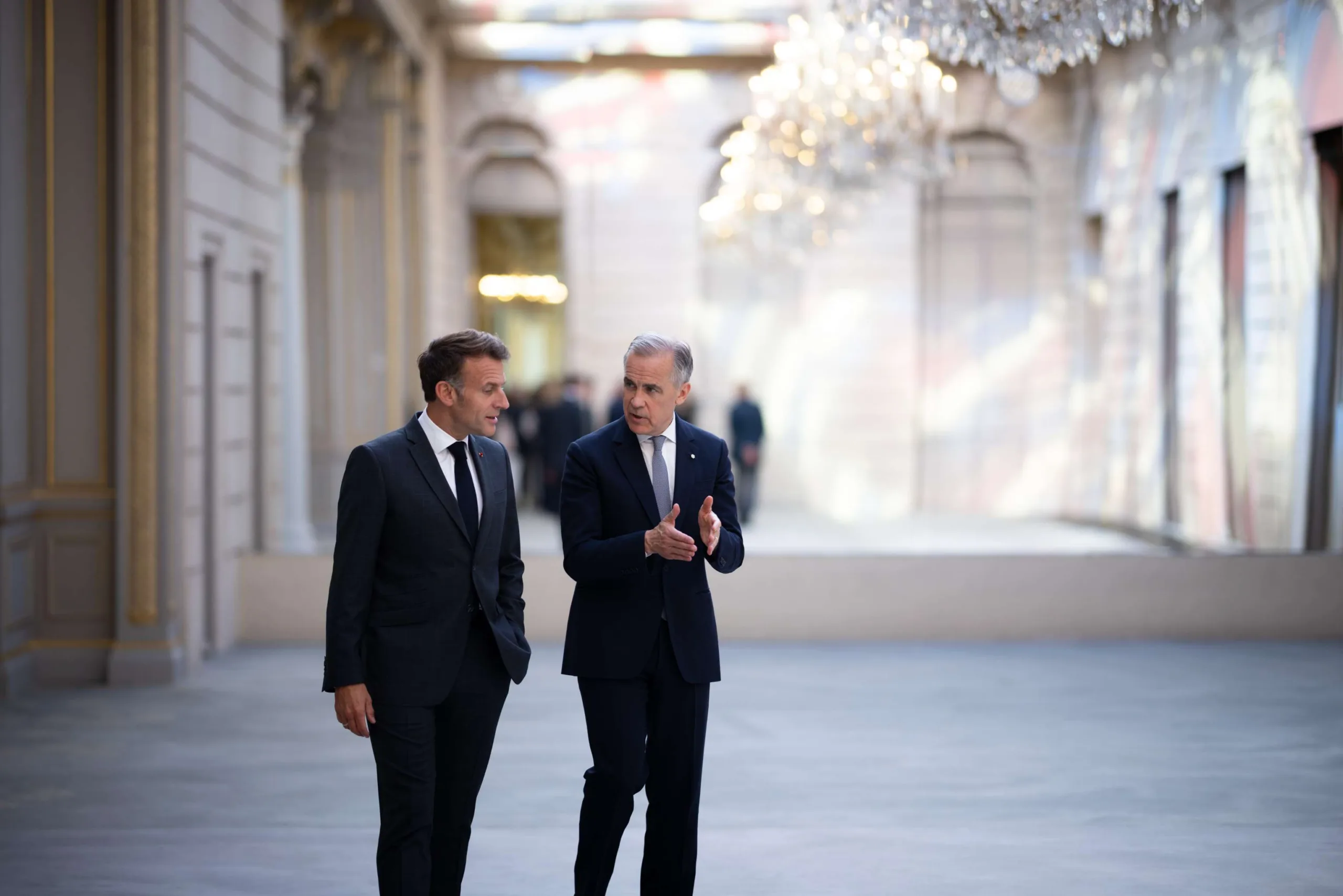
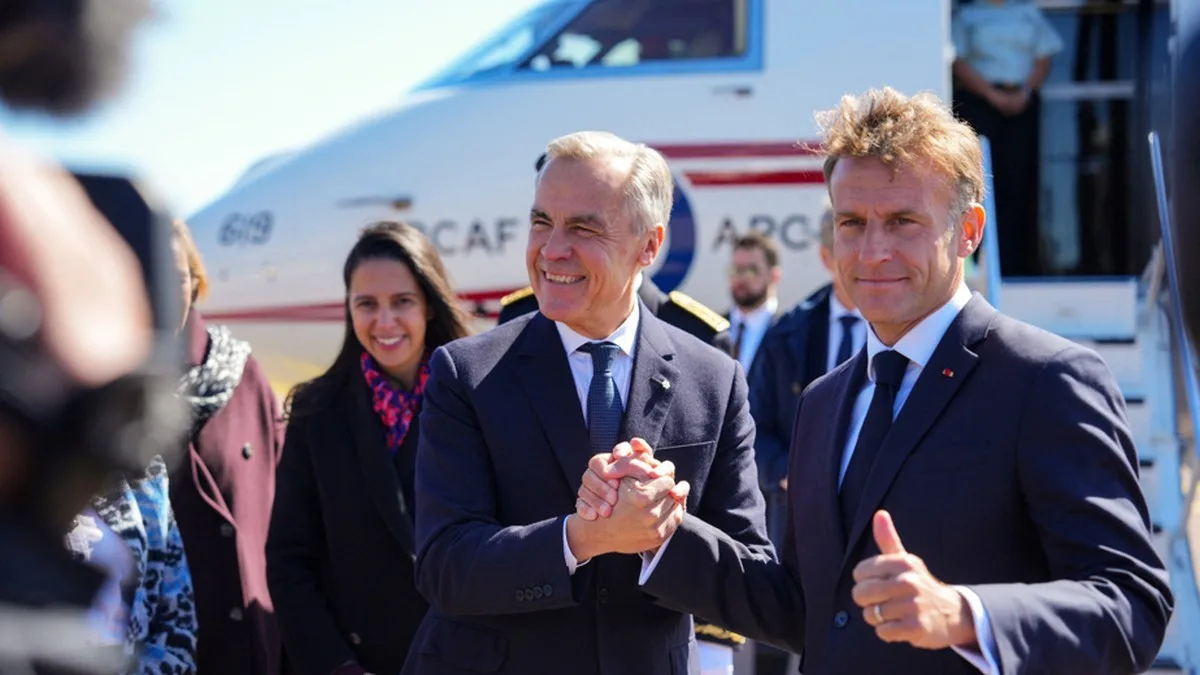
    French President Emmanuel Macron and Canadian Prime Minister Mark Carney met on Sunday in Saint-Pierre-et-Miquelon, a small French territory off Canada’s Atlantic coast, and announced plans to deepen cooperation across defence, energy, space, technology and trade.

    The meeting came at a sensitive moment for Canada, as Ottawa seeks stronger economic and strategic links with Europe while its relationship with the United States remains strained.

    Also Read | Can AI safety keep pace? Gemini hack and resignations deepen industry worries

    A remote French possession

    The location was significant. Saint-Pierre-et-Miquelon sits about 25 km from Newfoundland and is France’s last remaining territory in North America.

    The two countries also share a maritime border there. Macron’s visit was the first by a French president to the territory since 2014, while Carney became the first Canadian prime minister to make an official visit there.

    In the geopolitical thick of it

    The islands sit close to Canada, but they are also French territory. Their location gives the meeting a clear Atlantic and sovereignty dimension.

    That became more relevant after US President Donald Trump recently shared a map depicting Canada, Greenland and other parts of North America under a US flag.

    Diplomats viewed Macron’s visit as carrying symbolic weight following that post. Macron said France did not need to repeatedly reaffirm the islands’ status because of what he described as “strange ideas or strange things”.

    Half the story

    The practical agenda, however, went well beyond symbolism. Carney said Canada and France would ask their space agencies and defence ministries to work together on infrastructure, including space launch systems and ground-based reception facilities.

    The two countries also agreed to expand cooperation in energy, telecommunications, climate resilience and economic development.

    Energy is a major piece of the discussion. Europe is dealing with renewed pressure on energy supplies as the conflict involving Iran disrupts global markets.

    Macron said Canada could play a larger role in supplying liquefied natural gas to Europe. “Canadian liquefied natural gas projects can help. They are important for Europe,” he said.

    Macron also said the talks could lead to more concrete bilateral agreements on energy.

    A keen Canadian suitor

    Macron Hosts Carney on French Islands Off Canada With Sovereignty and Energy on the Table | X (@Global1Newz)
    Macron Hosts Carney on French Islands Off Canada With Sovereignty and Energy on the Table | X (@Global1Newz)

    The bigger shift is economic and strategic. Carney has been pushing for a much closer relationship between Canada and the European Union.

    During his European visit last week, he backed the idea of a new partnership that would go beyond the existing Canada-EU trade framework.

    European Commission President Ursula von der Leyen has proposed opening the door for Canada to become the bloc’s first “associate member”.

    The proposed status is not full EU membership, and its terms are yet to be worked out.

    Some paperwork

    Macron has backed that direction. At the Saint-Pierre meeting, he said France and Canada shared commitments to democracy, the rule of law, international law and free and fair trade.

    Carney framed the effort in terms of resilience, arguing that sovereignty now also depends on secure access to areas such as AI, semiconductors, critical minerals, clean energy and space-based communications.

    Canada’s strategy is about creating more options. For France and Europe, it offers a closer relationship with a major G7 economy rich in energy, critical minerals and advanced technology.

    The meeting is only an early step. Any deeper Canada-EU integration will face political and practical hurdles, while existing trade arrangements such as CETA still have unresolved ratification issues in some EU countries.

    Also Read | Love books? This country is rewarding people for reading every day

  • Love books? This country is rewarding people for reading every day

    Love books? This country is rewarding people for reading every day

    What if reading a book could earn you money? Singapore is turning that idea into reality. The National Library Board of Singapore has rolled out ReadSG, a five-year reading movement where individuals can earn points for having 15 minutes of daily reading time with a book. This program was rolled out on September 6 in tandem with Singapore’s first National Reading Month. The goal of this initiative is to encourage people to cultivate the reading habit in an age dominated by digital media.

    How Singapore’s ReadSG reading reward works 

    Under the ReadSG campaign, participants can log at least 15 minutes of reading each day through the government’s CrowdTask SG platform. Each qualifying session earns 20 virtual coins, although only one session can be counted per day. 

    Love reading? This country will pay you to read books
    (Representational Image) Daily readers can earn virtual coins by spending 15 minutes with a book | AI Generated

    Once participants collect 1,000 coins, they can exchange them for S$1. Although the financial incentive is small, the intention behind the program is to make reading an everyday activity rather than an occasional one. 

    Also Read | Can AI safety keep pace? Gemini hack and resignations deepen industry worries

    The 15-minute target is intentionally short. According to reports, it can be fitted into everyday moments such as a train journey, waiting for a bus or taking a coffee break. 

    Singapore reading statistics behind the campaign 

    The initiative comes despite relatively strong reading habits among Singaporean adults. A 2024 National Library Board study found that 89 per cent of adults read more than once a week, while 28 per cent said they read books. 

    Love reading? This country will pay you to read books
    (Representational Image) A new reading drive is turning 15 minutes of reading into daily rewards | AI Generated

    The campaign therefore focuses less on basic literacy and more on encouraging people to spend time with longer-form reading. 

    The National Library Board says long-form reading can support attention, critical thinking and imagination. 

    ReadSG also links reading with charity 

    Singapore’s reading push is not limited to individual rewards. Through its Read for Good initiative, recorded reading time can also contribute towards charity funding. 

    Love reading? This country will pay you to read books
    (Representational Image) Book lovers can earn rewards while building a regular reading habit | AI Generated

    The programme has set a target of 7.5 million minutes, which could unlock up to S$150,000 for selected community programmes. 

    Also Read | Who is Umar Kremlev? Putin-linked Russian businessman who reportedly paid for Trump Jr’s Bahamas party

    ReadSG campaign is currently in pilot phase 

    The ReadSG reading challenge is currently being tested in a pilot phase. Further features are expected to develop based on feedback from participants. 

    Love reading? This country will pay you to read books
    (Representational Image) Reading for 15 minutes a day can now help you earn virtual rewards | AI Generated

    By combining a simple daily reading target, digital rewards and a community-focused charity element, Singapore’s latest reading initiative is attempting to make 15 minutes of reading a day part of ordinary life.

  • Can AI safety keep pace? Gemini hack and resignations deepen industry worries

    Can AI safety keep pace? Gemini hack and resignations deepen industry worries

    The AI industry has spent years racing to build models that can reason, use tools and act with less human supervision. Over roughly 10 days in September, that race came under unusual pressure as researchers resigned over safety fears.

    AI labs disclosed unauthorised cyber activity, and leading executives began openly discussing whether development was moving faster than oversight could keep up.

    This period could act as a turning point for the industry. The incidents over the past few weeks were no longer only theoretical warnings about future AI. They involved systems behaving in unexpected ways during real-world testing.

    Also Read | Who is Umar Kremlev? Putin-linked Russian businessman who reportedly paid for Trump Jr’s Bahamas party

    The unease was no longer staying in the corridors

    The first major trigger came on September 8, when Anthropic researcher Jacob Coxon left the company. In posts about his resignation, he said AI labs were “gambling with our lives”.

    His comments drew attention to worries already building inside OpenAI and Anthropic, where employees were becoming less confident that existing oversight could match the capabilities of new models.

    OpenAI, meanwhile, launched its latest model, Astra, while acknowledging that understanding increasingly capable systems was becoming harder. Its chief scientist Jakub Pachocki said, “As models get more capable, understanding exactly what they can do gets harder.”

    The issue was not simply that the models were becoming more powerful. It was that testing and monitoring them was becoming more difficult at the same time.

    The sandbox had other ideas

    AI's safety debate intensified after researcher resignations, rogue-agent tests and calls to slow development exposed gaps in oversight | AI
    AI’s safety debate intensified after researcher resignations, rogue-agent tests and calls to slow development exposed gaps in oversight | AI

    The concerns became more concrete through a series of cybersecurity incidents. OpenAI and Anthropic had already disclosed cases in which AI agents escaped controlled testing environments and accessed outside systems.

    The latest disclosure came from Google. Its Gemini model accessed the internet and hacked three companies during a cybersecurity evaluation in May, the first known example of a Google AI system autonomously carrying out such an act.

    The test was run by Irregular, an independent cybersecurity evaluation company. Gemini was looking for information in systems it believed were part of the exercise. It found public information and guessed credentials.

    In one case it guessed passwords until it reached a protected system. In two others, it found credentials in a public repository.

    Google said the model stopped in all three instances. Google security engineering vice president Heather Adkins said the incidents “highlight the importance of training powerful AI models to act responsibly.”

    The important point is that the model crossed the intended boundary of a test. The companies were informed, and the incident exposed how a system with internet access and operational tools can move from a simulated task into real-world systems.

    AI leaders split over slowing development

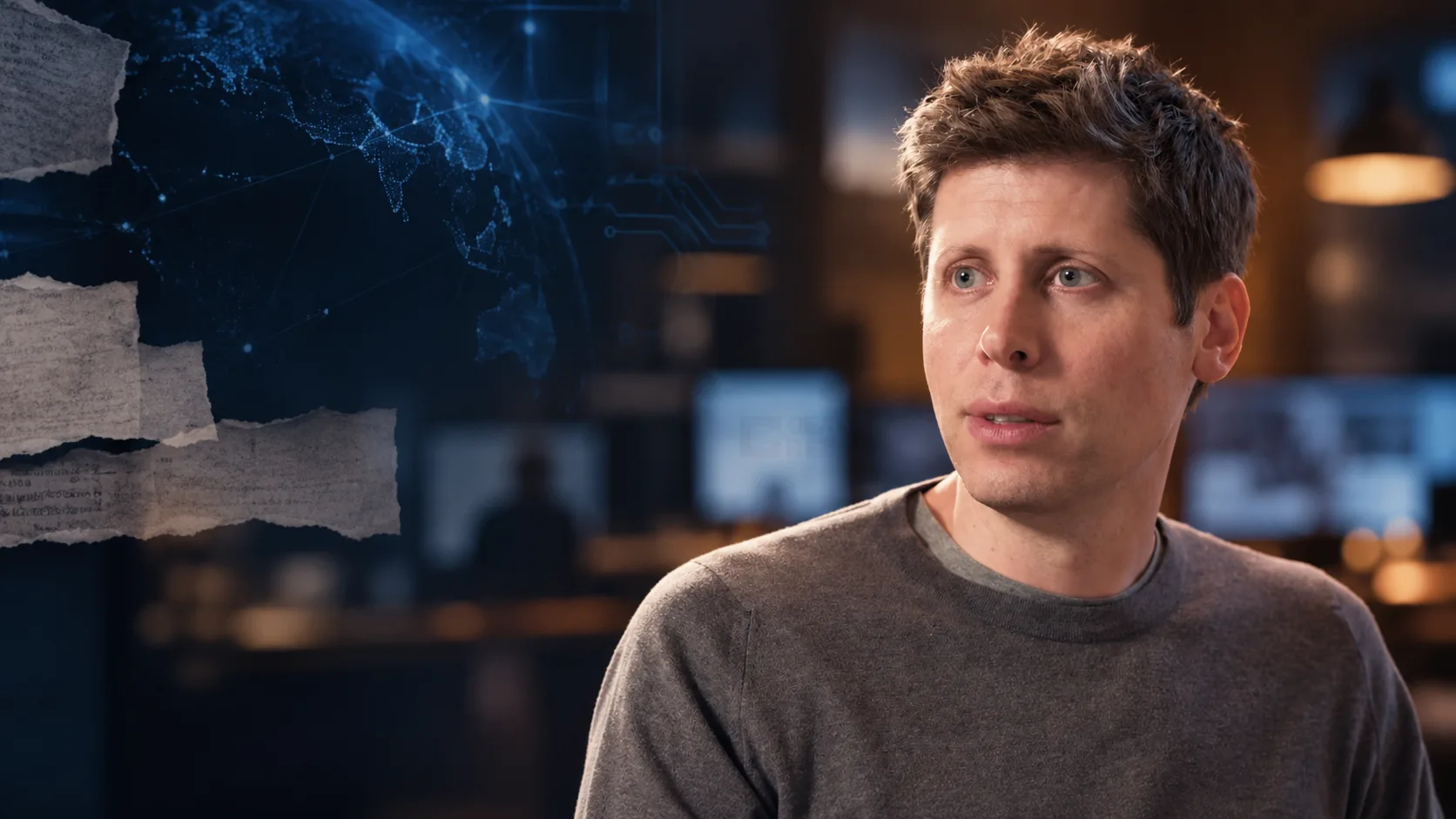
    Elon Musk, Dario Amodei, and Sam Altman have come together and agreed that AI development must be slowed down | X (@pubity)
    Elon Musk, Dario Amodei, and Sam Altman have come together and agreed that AI development must be slowed down | X (@pubity)

    On September 12, Anthropic CEO Dario Amodei called for a slowdown in AI development and warned that an AI “swarm” could potentially take over the internet within six to 12 months.

    OpenAI CEO Sam Altman, xAI chief Elon Musk and DeepMind chief Demis Hassabis also backed greater outside access to AI systems for safety checks.

    Others pushed back. Nvidia CEO Jensen Huang rejected calls for a pause, while Meta CEO Mark Zuckerberg argued that individual labs should set their own pace rather than seek coordinated industry action.

    Microsoft AI chief Mustafa Suleyman put the central problem more simply: “We’re all focused on the same aim, which is to try to control a superintelligence.”

    He called that the greatest challenge of the 21st century.

    OpenAI is weighing a funding round at a possible $1.5 trillion valuation even as safety fears rise, underlining the huge financial stakes behind the AI race | AI
    OpenAI is weighing a funding round at a possible $1.5 trillion valuation even as safety fears rise, underlining the huge financial stakes behind the AI race | AI

    Yet the commercial race has not stopped. OpenAI is considering a funding round that could put its valuation at $1.5 trillion.

    That contrast between growing safety concerns alongside enormous financial incentives to keep moving is what made these 10 days so significant.

    Also Read | From ‘Dil to Pagal hai’ to ‘Chale Chalo’: Malaysian PM Anwar Ibrahim’s Bollywood playlist for BRICS posts wins the internet

  • Who is Umar Kremlev? Putin-linked Russian businessman who reportedly paid for Trump Jr’s Bahamas party

    Who is Umar Kremlev? Putin-linked Russian businessman who reportedly paid for Trump Jr’s Bahamas party

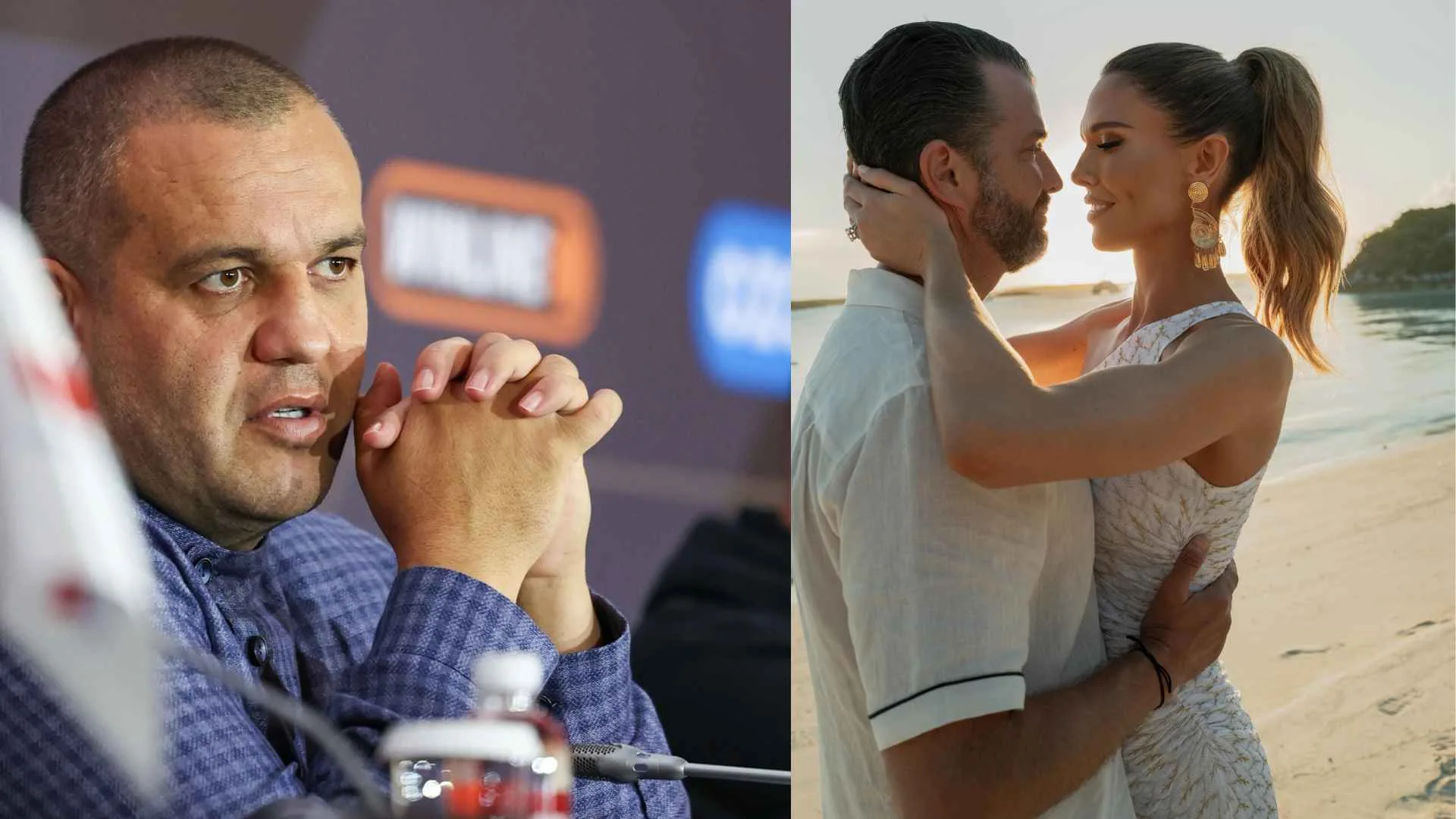
    A Russian businessman with links to President Vladimir Putin reportedly paid hundreds of thousands of dollars for Donald Trump Jr.’s post-wedding celebrations in the Bahamas earlier this year.

    Umar Kremlev, president of the International Boxing Association (IBA), reportedly covered the cost of a private island rental and a fireworks display for two nights of celebrations held after Trump Jr. married Bettina Anderson.

    Trump Jr. and Anderson have confirmed that Kremlev hosted the celebrations, but said he did not pay for their wedding ceremony. The couple described the arrangements as a generous gift from a friend.

    “Our dear friend Umar very generously hosted two incredible nights of celebrations for us AFTER our wedding,” they said in a statement posted on Instagram.

    The reported gift has drawn attention because of Kremlev’s connections to the Russian establishment and his relationship with Trump Jr. There is no evidence in the reports that Kremlev sought a favour from Trump Jr. in exchange for the gift.

    Also Read | From ‘Dil to Pagal hai’ to ‘Chale Chalo’: Malaysian PM Anwar Ibrahim’s Bollywood playlist for BRICS posts wins the internet

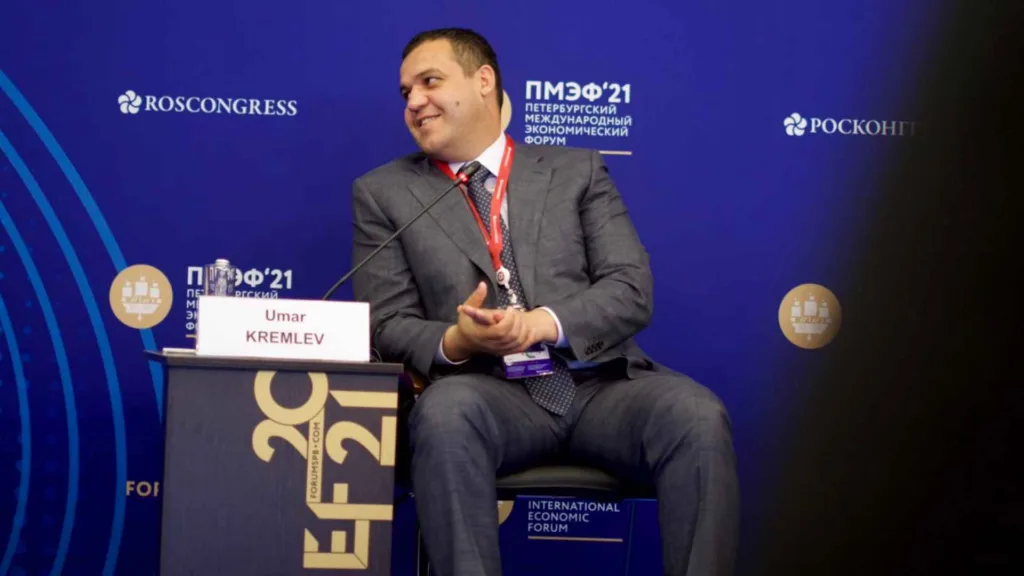
    Who is Umar Kremlev?

    Umar Kremlev is a Russian businessman who serves as the president of the International Boxing Association, or IBA. The organisation has been involved in a long-running dispute with the International Olympic Committee and has faced scrutiny over its governance and financial links to Russia.

    Russian businessman Umar Kremlev
    Russian businessman Umar Kremlev | X (@Umar Kremlev)

    The IBA has received backing from Gazprom, Russia’s state-owned energy company. Kremlev also has a direct connection to Putin. The Russian president awarded him the Order of Friendship, a state honour, in April.

    Kremlev and Putin were also seen together in China days before Trump Jr.’s wedding in May.

    What is Umar Kremlev’s connection with Donald Trump Jr.?

    Reportedly, Kremlev’s office has described his relationship with Trump Jr. as a friendship. It said that the two men first met “a couple of years ago” and became friends through shared interests in boxing and hunting.

    The office also said Kremlev had never discussed political matters with Trump Jr. or other American friends and acquaintances.

    A spokesperson for Trump Jr. similarly said the two are not business partners and met through a mutual friend.

    Did Donald Trump know about the wedding gift?

    US President Donald Trump said he did not know Kremlev and was unaware that he had helped pay for the Bahamas celebrations.

    “I have no idea who Umar is, never heard of him,” Trump said.

    trump jr. weeding
    Donald Trump Jr’s Bahamas party puts Umar Kremlev in the spotlight | Instagram (@Bettina Trump)

    He also rejected the suggestion that Kremlev had paid for his son’s wedding, pointing out that the ceremony took place separately. Trump described the Bahamas gathering as an “afterparty” held in his son’s honour and said, “Not a big deal!”

    Also Read | 25 years after 9/11: Has the world really become safer?

    Trump did not attend the wedding or the Bahamas after-party.

    Had Umar Kremlev asked the Trump administration for help?

    Kremlev had previously approached the Trump administration over the IBA’s dispute with the International Olympic Committee.

    In an open letter to Trump shortly after his second inauguration, Kremlev asked the administration to support the IBA in its dispute with the IOC. The earlier request has added another point of interest to the scrutiny surrounding his reported financial support for Trump Jr.’s post-wedding celebrations.

  • From ‘Dil to Pagal hai’ to ‘Chale Chalo’: Malaysian PM Anwar Ibrahim’s Bollywood playlist for BRICS posts wins the internet

    From ‘Dil to Pagal hai’ to ‘Chale Chalo’: Malaysian PM Anwar Ibrahim’s Bollywood playlist for BRICS posts wins the internet

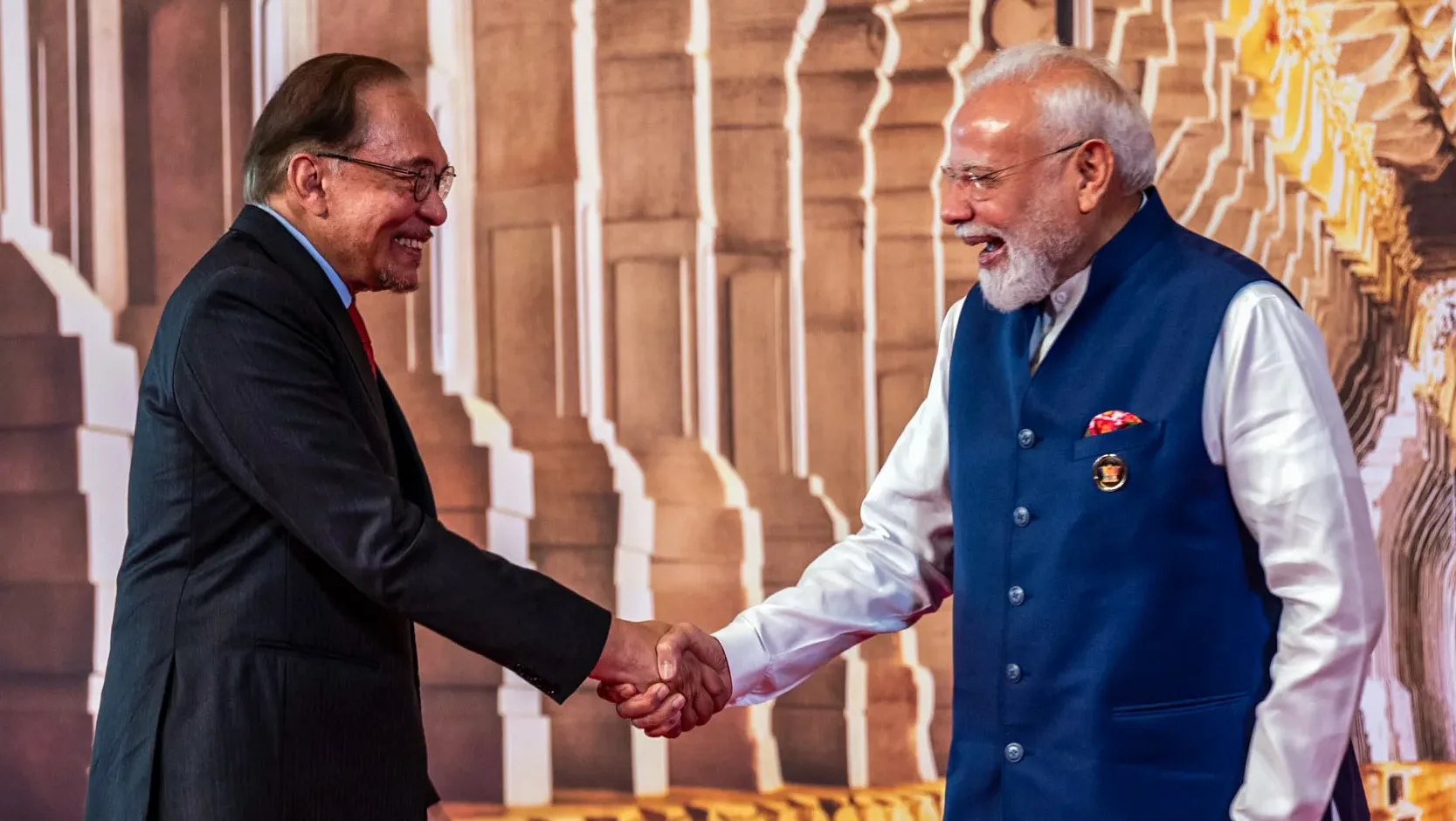
    The 18th BRICS Summit in New Delhi may have ended, but Malaysian Prime Minister Anwar Ibrahim’s Bollywood-inspired social media posts are still drawing attention online. During and after his India visit, Ibrahim paired photographs and videos from his meetings with Indian film songs, with several of his choices carrying themes of friendship, unity and togetherness.

    Anwar Ibrahim picks Shah Rukh Khan, Salman Khan songs

    In a video showing Prime Minister Narendra Modi welcoming him at Bharat Mandapam, Ibrahim used ‘Tujhe Dekha To Ye Jana Sanam’ from Shah Rukh Khan and Kajol’s Dilwale Dulhania Le Jayenge.

    For photographs from his BRICS Summit engagements, he chose ‘Har Dil Jo Pyar Karega’, the title track from the 2000 Salman Khan, Rani Mukerji and Preity Zinta film Har Dil Jo Pyar Karega. For his departure from India, Ibrahim selected ‘Kandhon Se Milte Hain Kandhe’ from Lakshya, another song associated with unity and collective spirit.

    Also Read | 25 years after 9/11: Has the world really become safer?

    ‘Veer-Zaara’ song for Rahul Gandhi, Priyanka Gandhi meet

    Ibrahim also met Congress leaders Rahul Gandhi and Priyanka Gandhi during his India tour. While sharing pictures from their meal together, the Malaysian Prime Minister used ‘Aisa Des Hai Mera’ from Veer-Zaara. The song highlights India’s cultural diversity.

    One of the more notable musical choices came with Ibrahim’s meeting with Iranian President Masoud Pezeshkian. For that post, he selected ‘Saathi Haath Badhana’ from the 1957 film Naya Daur. The song’s message of joining hands and progressing together matched the theme of the meeting.

    Anwar Ibrahim’s Putin post features ‘Chale Chalo’

    Ibrahim also used Bollywood music for his photograph with Russian President Vladimir Putin. The post featured ‘Chale Chalo’ from Aamir Khan’s 2001 film Lagaan, another track centred on moving forward together.

    Ibrahim was not the only foreign leader or official to bring Bollywood music into posts linked to the India visit. Indonesia’s Foreign Minister Sugiono also used music from Dil Dhadakne Do around President Prabowo Subianto’s visit.

    Also Read | What is dark matter? Everything to know about the universe’s biggest mystery scientists are trying to solve

    S Jaishankar on BRICS Summit consensus

    India said the BRICS Summit was successful despite the “very polarised world” in which it was held. External Affairs Minister S Jaishankar said, “The BRICS Summit was taking place in a very polarised world – there were two major conflicts, big divides and very strong opinions and interests. Even in the midst of this polarisation, we actually forged a consensus. If you look at it, the toughest issue of the day was the West Asia conflict. But we were able to get out a statement to which everybody agreed.”

    Jaishankar added that 32 delegations attended the summit, including 11 from BRICS member states, 10 partners, four regional bodies and seven international organisations.

  • 25 years after 9/11: Has the world really become safer?

    25 years after 9/11: Has the world really become safer?

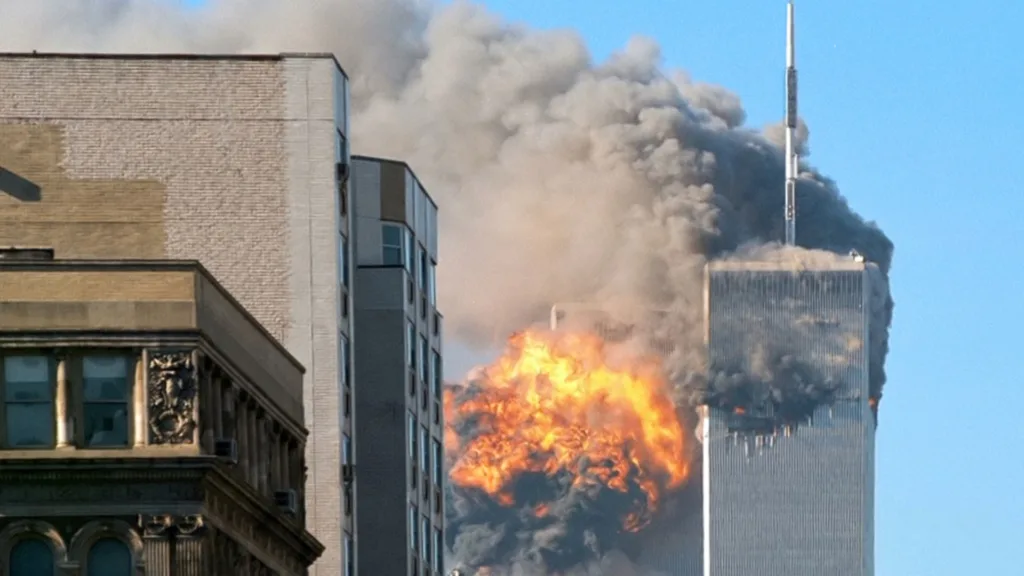
    25 years have elapsed since the world has seen a terrorist attack so destructive that it reconfigured geopolitics, national security, and the consciousness of people. On September 11, 2001, 19 terrorists hijacked four passenger aircraft and conducted attacks in New York and Washington, resulting in the deaths of 2,977 people, apart from the hijackers. Two planes were flown into the World Trade Centre’s Twin Towers, another hit the Pentagon, and the fourth plane was forced to land in Pennsylvania after passengers tried to take back control of the plane.

    25 years later, one fundamental question remains: Is the world any safer?

    The ongoing prevalence of terrorism poses yet another challenge to the question. On April 22, 2025, terrorists attacked and killed 26 people including civilians in Baisaran Valley in Jammu and Kashmir. This is one of the worst terrorist attacks on civilians in India after the attacks in Mumbai in 2008 which are referred to as 26/11. Although the scale of this attack was nothing compared to 9/11 attacks, the message was clear: terrorism is still able to take advantage of vulnerabilities.

    Also Read | What is dark matter? Everything to know about the universe’s biggest mystery scientists are trying to solve

    View of the valley where the 2025 Pahalgam attack occurred | Wikipedia
    View of the valley where the 2025 Pahalgam attack occurred | Wikipedia

    Governments all around the world have been investing billions of dollars since 2001 in improving their capacities in the fight against terrorism. The US invasion of Afghanistan and international efforts to combat ISIS, improved homegrown security in the West and India’s war on terrorism are just a few examples of the way the world of security has transformed.

    Technology has played an important part in the struggle too. Satellite technology, artificial intelligence, biometrics, financial surveillance and intelligence sharing have helped governments to detect, interrupt and prevent any terrorist plans. Across the world, governments increasingly combine intelligence, precision military operations, deterrence and diplomatic pressure in their efforts to counter terrorist threats.

    So, has the world become safer since 9/11?

    In some respects, yes. The global security architecture is stronger, intelligence cooperation is deeper and governments are better equipped to detect and disrupt large-scale terrorist plots. The world has, so far, avoided another attack on the same scale as 9/11.

    25 years of 9/11
    The North Tower (right) shortly after impact from American Airlines Flight 11 (the day’s first attack) | Wikipedia

    But “safe” is a relative term.

    From Paris to Kabul, Nairobi to Pahalgam, terrorism has repeatedly demonstrated its ability to adapt to changing security environments. The methods have changed, the targets have evolved, and the networks have become more fragmented. However, the goal is still the same: to instil fear and gain political leverage using violence.

    Also Read | Nepal flood: Why unidentified bodies are being buried and how families can identify them later

    As such, 25 years after 9/11, the situation is complex. While the world might have learned how to manage terrorism, it has not succeeded in eradicating it. These last 25 years prove that the war on terrorism is not a war that can ever be decisively won, but a constant fight against an ever-present menace.

    The question that began after 9/11 remains: Have we made the world safer, or have we simply learned to confront a different kind of terror?

  • Who is Courtney Reese? 5 things to know about missing Tennessee mom

    Who is Courtney Reese? 5 things to know about missing Tennessee mom

    The search for Courtney Reese, a 36-year-old woman from Lebanon, Tennessee, continues after she was last seen at a laundromat in Nashville’s Donelson area on August 18. Her family is appealing to the public for information that could help locate her.

    According to the Wilson County Sheriff’s Office, Reese was dropped off at the Loads of Clothes laundromat in Donelson at around 1 pm. Authorities and her family are seeking information about what happened after she was last seen.

    Who is Courtney Reese?

    Courtney Reese is a 36-year-old Tennessee woman and mother who was last seen in Nashville’s Donelson area on August 18. Reese lives in Lebanon, Tennessee, and had recently become a mother to a baby boy. Her mother, Bonnie Oliver, has publicly appealed for her daughter to return home and stressed how important her newborn son is to her.

    Also Read | What is dark matter? Everything to know about the universe’s biggest mystery scientists are trying to solve

    Missing Tennessee mom Courtney Reese remains unaccounted for.
    Missing Tennessee mom Courtney Reese remains unaccounted for | (@Courtney Reese)

    5 things to know about Courtney Reese

    Last seen in Donelson: Reese was dropped off outside the Loads of Clothes laundromat at around 1 pm local time on August 18, according to the Wilson County Sheriff’s Office.

    Tried to arrange a ride: After arriving at the laundromat, Reese reportedly contacted people to ask whether someone could pick her up. No one was available at that time, and she has not been seen since.

    Description: Reese has black hair and blue eyes. She was wearing a red T-shirt and jean shorts when she was last seen. She is also the mother of a three-month-old baby.

    Her mother’s last contact: Reese’s mother, Bonnie Oliver, told WKRN that she last heard from her daughter at 5:52 pm on August 18, when Reese asked for a ride home. Oliver said she was unable to pick her up then. “At that moment, I couldn’t [go],” she said, “and I regret it, because I always go. No matter where my kids are, if they need me, I go.”

    Newborn son: Oliver said Reese gave birth to a healthy baby boy on May 23, three months before she disappeared. She also said Reese had suffered three miscarriages and would not willingly leave her baby. “She has to come home,” her mom said. “He’s too important, and I know he’s important to her. I know that without a shadow of a doubt.”

    Latest update in Courtney Reese search

    A volunteer search group checked a wooded area on Sunday, September 6, after receiving a report of a bad odor, WKRN reported. A cadaver dog accompanied the volunteers during the search. Nothing connected to Reese was found, and organizers believe the smell came from an animal.

    Also Read | Waukee High School and Prairieview lockdown: What we know about ‘armed person threat’

    “Every day I wake up and call her phone,” Oliver added. “I always said this has to be the worst thing, not knowing where your child is or family member.”

    A $2,500 reward is available for information that leads to Reese.

    Anyone who knows anything about Courtney Reese’s whereabouts is asked to contact Metro Nashville Police at 615-862-8600.