Category: World

  • Saudi Arabia wants more than one powerful partner. China is stepping in

    Saudi Arabia wants more than one powerful partner. China is stepping in

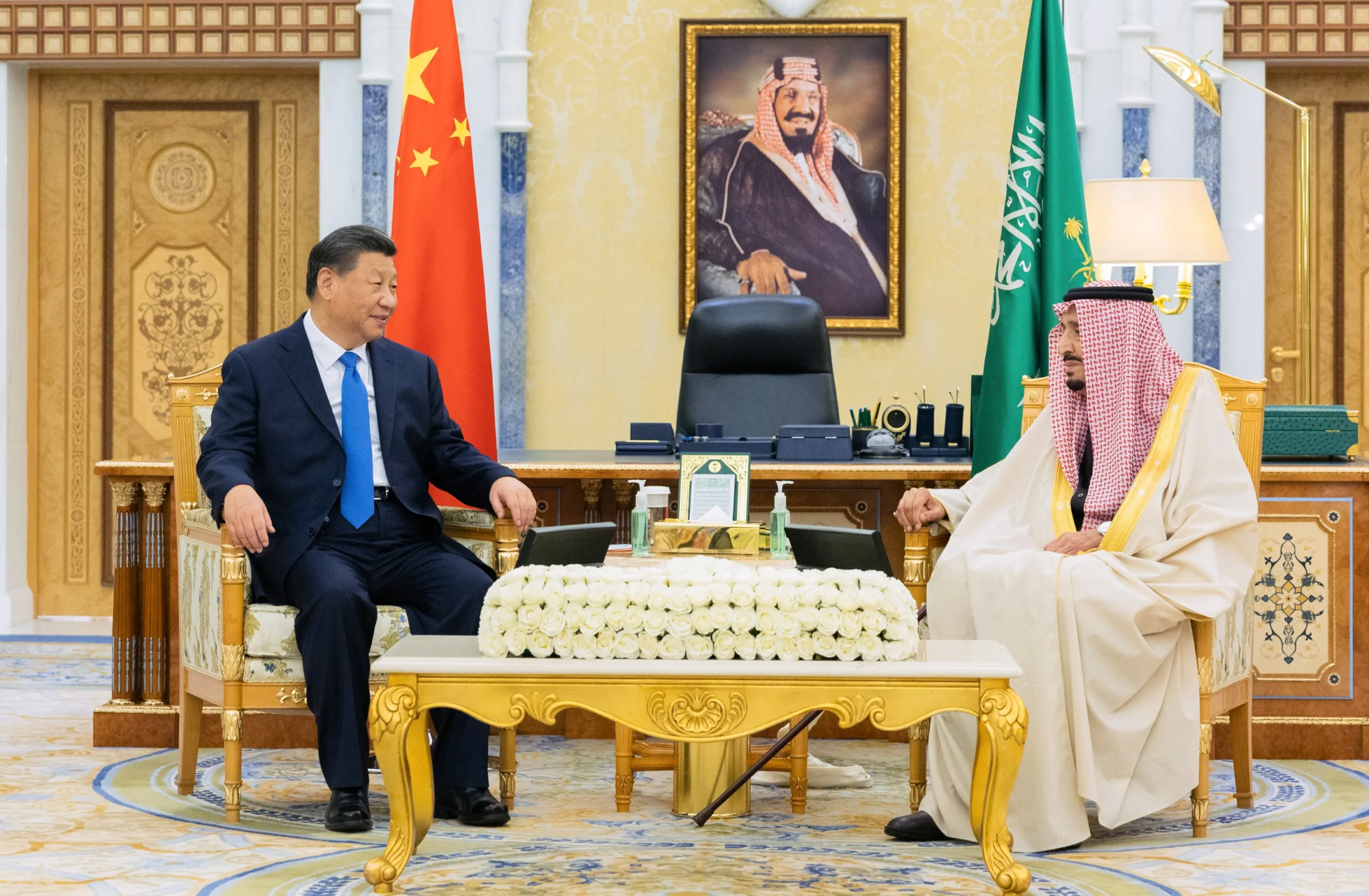
    Saudi Arabia’s growing outreach to China is drawing attention as the kingdom faces renewed attacks from Yemen’s Iran-aligned Houthis and uncertainty over how far the United States is prepared to intervene.

    The immediate concern is security. But the broader story is about how Riyadh has been steadily widening its options beyond Washington. The latest crisis has brought that strategy into sharper focus.

    Also Read | Jaishankar meets Rubio in New York, raising India’s concerns over Russia sanctions

    Squeeze for Riyadh
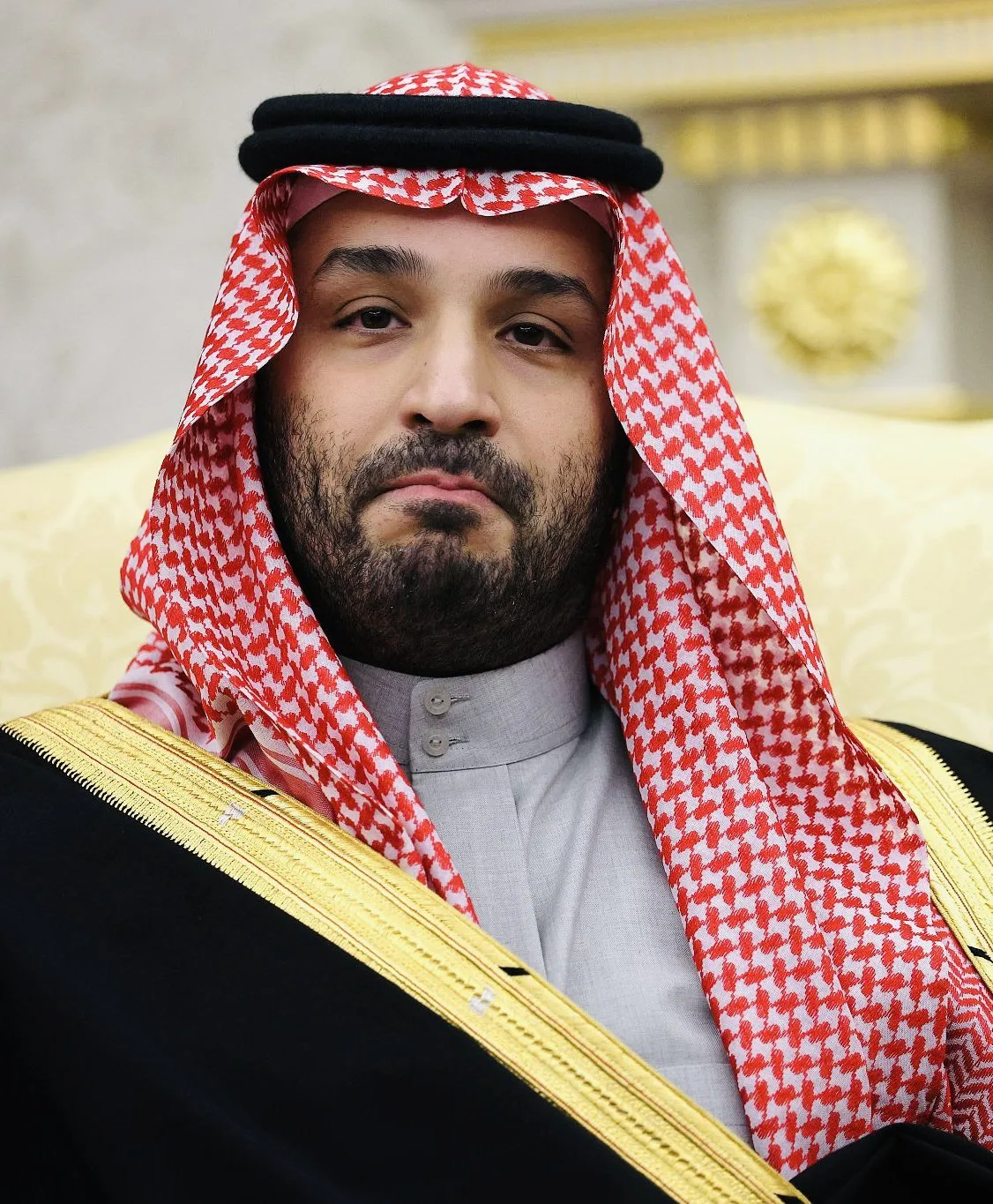
    Riyadh’s China outreach gains attention amid shifting US security ties | X (@Megatron_ron)
    Riyadh’s China outreach gains attention amid shifting US security ties | X (@Megatron_ron)

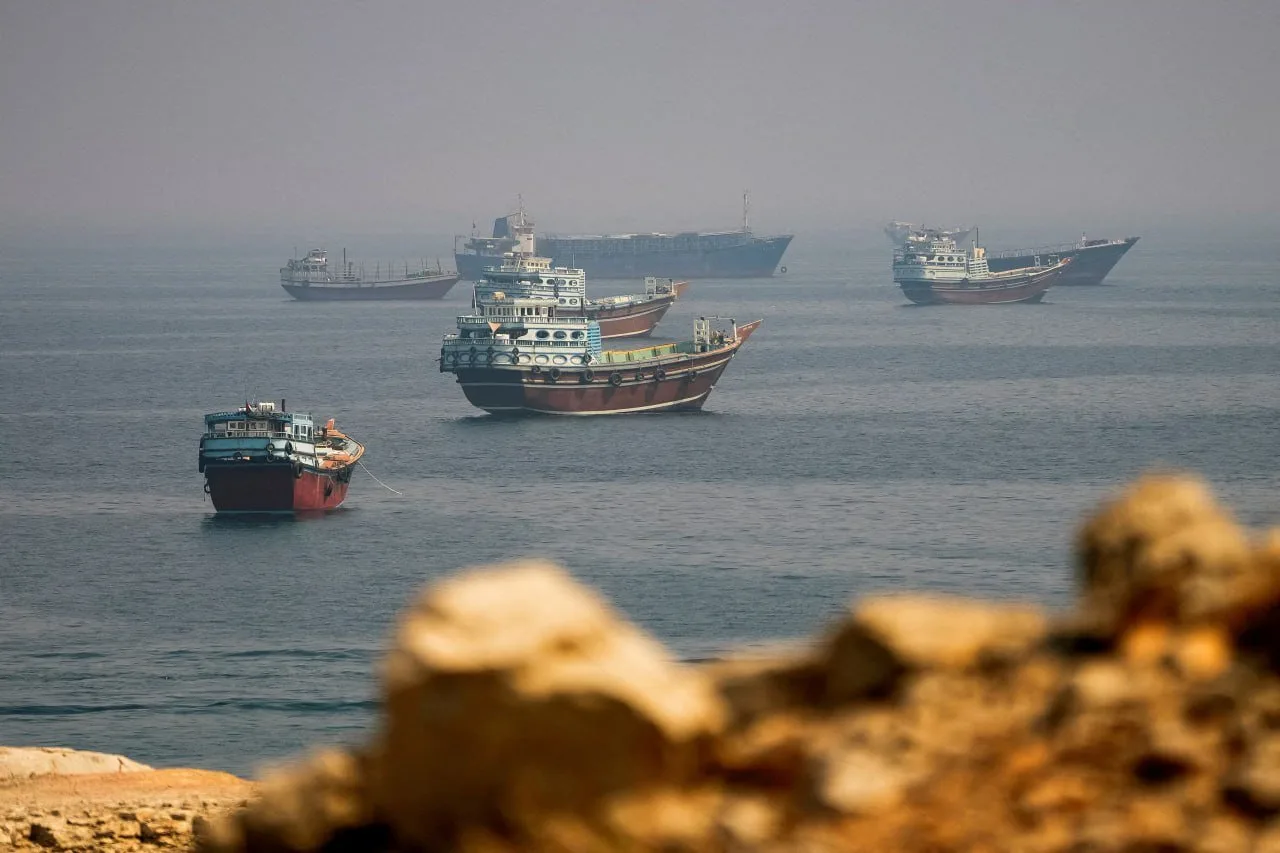
    The pressure has increased because Saudi Arabia’s usual energy-export routes have come under strain. The Strait of Hormuz has been disrupted, while attacks have also threatened the kingdom’s East-West Petroline, which carries crude towards the Red Sea.

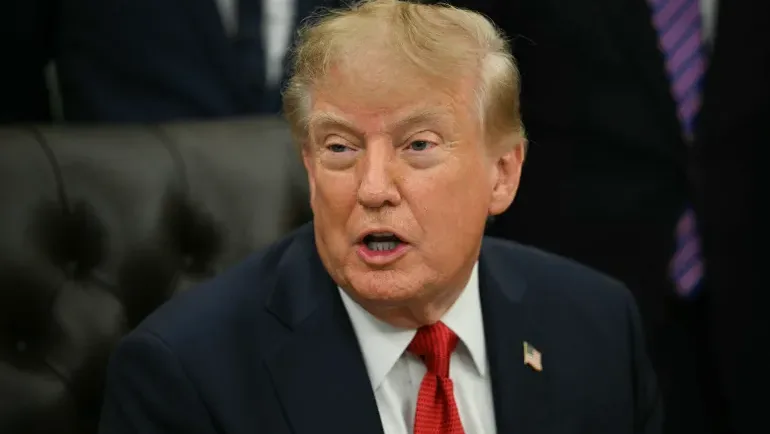
    Washington refused to militarily intervene against the Houthis. On September 12, US President Donald Trump described the Houthi seizure of Yemen’s Red Sea coast as an issue that “only affects one country.”

    The episode has added to concerns in Riyadh over the reliability of its traditional security relationship with the US.

    Beijing has useful connections
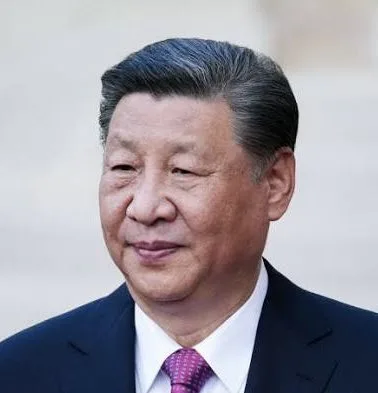
    China’s leadership remains central to Beijing’s expanding ties with Saudi Arabia, from diplomacy and trade to Vision 2030 | X (@Megatron_ron)
    China’s leadership remains central to Beijing’s expanding ties with Saudi Arabia, from diplomacy and trade to Vision 2030 | X (@Megatron_ron)

    This is where China becomes important. Beijing has relationships with both Saudi Arabia and Iran, which gives it a channel that Washington does not have with Tehran.

    In 2023, China hosted and sponsored talks that led Saudi Arabia and Iran to agree to restore diplomatic relations after years of hostility. That agreement reopened embassies and helped establish Beijing as a diplomatic player in a region where it has major economic interests.

    A relationship built over years

    China’s influence in Saudi Arabia, meanwhile, is not new. The two countries have spent years expanding cooperation in energy, infrastructure, technology, and investment.

    Carnegie Endowment research shows that the relationship accelerated after Saudi Arabia launched Vision 2030 in 2016, with Beijing aligning parts of its Belt and Road Initiative with Riyadh’s economic diversification plans.

    Between 2005 and June 2024, Chinese infrastructure projects in Saudi Arabia were valued at about $53.85 billion, according to the Carnegie analysis.

    Official Chinese data also puts bilateral trade at $107.53 billion in 2024.

    More than oil at stake

    With $107.53 billion in bilateral trade in 2024, Saudi Arabia’s China relationship has an economic weight that extends well beyond security ties | X
    With $107.53 billion in bilateral trade in 2024, Saudi Arabia’s China relationship has an economic weight that extends well beyond security ties | X

    There is also a strategic calculation behind the economic relationship. China is a major buyer of Saudi crude and has interests in the kingdom’s infrastructure and energy projects.

    Saudi Arabia, in turn, wants investment, technology, and markets as it tries to reduce its dependence on oil.

    Chinese companies have participated in projects ranging from renewable energy to manufacturing and digital infrastructure under the Vision 2030 framework.

    That gives the relationship a practical foundation beyond diplomatic symbolism.

    Influence without boots

    The current Red Sea crisis adds another layer. Saudi Arabia wants the Houthis contained, but China is unlikely to respond with direct military intervention.

    Its possible leverage lies instead in its relationship with Iran.

    A Chinese Foreign Ministry statement said, “China does not wish to see regional tensions further spill over into Yemen and the Red Sea.”

    Beijing has pressed Tehran to restrain the Houthis, although such efforts should not be confused with a Chinese security guarantee for Saudi Arabia.

    Saudi’s room

    Saudi Arabia’s “China turn” is less about choosing Beijing over Washington and more about reducing dependence on a single power.

    The kingdom is expanding economic, diplomatic, and defense relationships with China while continuing to maintain deep ties with the US.

    The latest crisis has simply exposed why that diversification matters to Riyadh. When security threats spread across the Gulf and Red Sea, having several powerful partners gives Saudi Arabia more diplomatic channels and strategic options.

    Also Read | No rain, no flowers — until El Niño: Why Atacama is suddenly blooming
  • No rain, no flowers — until El Niño: Why Atacama is suddenly blooming
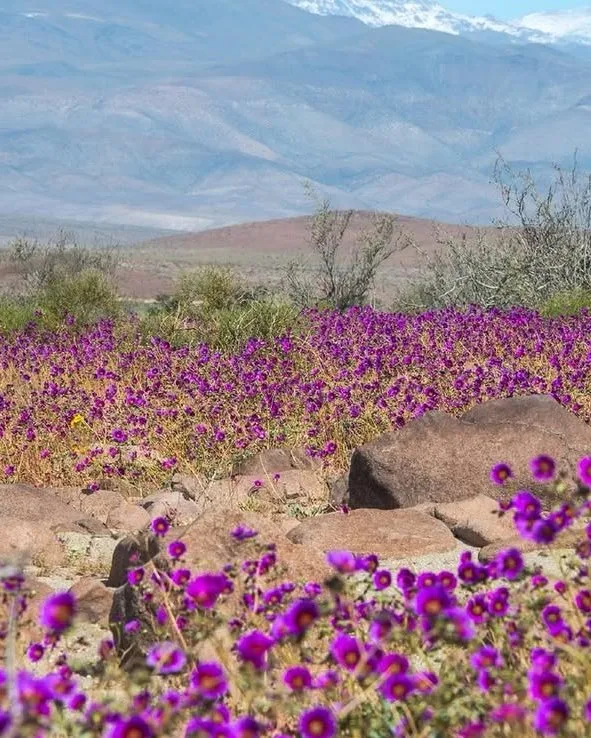
    No rain, no flowers — until El Niño: Why Atacama is suddenly blooming
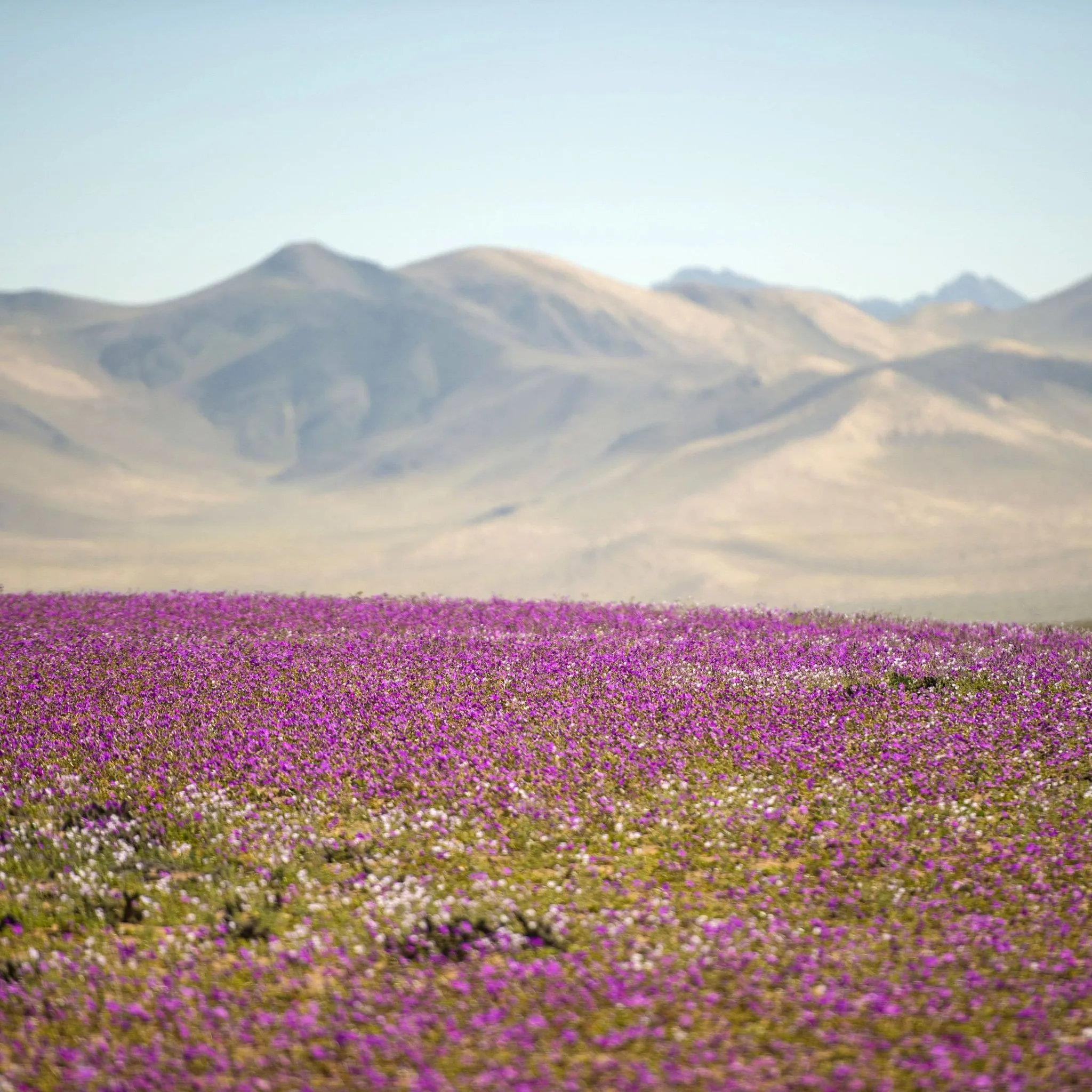
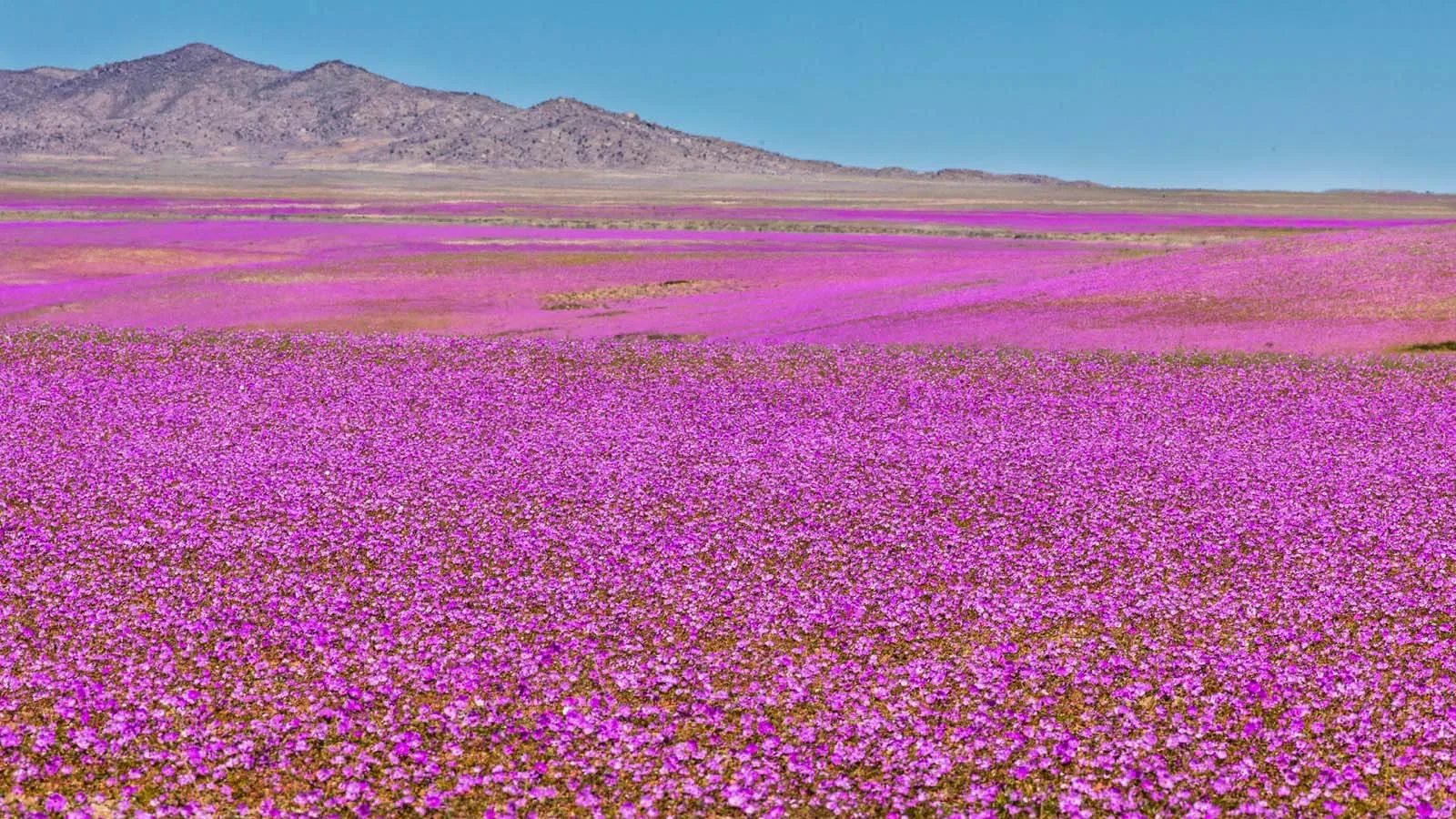
    For much of the year, Chile’s Atacama Desert is defined by cracked ground, bare slopes, and an almost complete absence of rain. This month, parts of that landscape look very different.

    Vast patches of violet and white flowers have appeared after unusually heavy rainfall linked to El Niño, reviving a natural phenomenon known as the “Desierto Florido,” or flowering desert.

    The bloom is already visible in parts of the Atacama region, while Chilean authorities expect the display to reach its peak in October.

    Also Read | Trump’s Board of Peace plans $2.45 billion Gaza recovery plan

    The secret beneath the sand

    Atacama rainfall crossed 180 millimetres in some areas | X (@fascinatingonX)
    Atacama rainfall crossed 180 millimetres in some areas | X (@fascinatingonX)

    The reason lies beneath the desert floor. Seeds and bulbs from roughly 200 plant species can remain dormant for long periods, waiting for enough moisture to return.

    When significant rain finally reaches the soil, some of these plants germinate almost at once.

    This creates the sudden carpets of color that have made the Atacama bloom famous. The Chilean government says more than 200 plant species may emerge during the 2026 season, along with an ecosystem of insects and vertebrates that becomes active around the flowering plants.

    Quite a lot of rain for a desert

    More than 200 plant species can lie dormant beneath the Atacama Desert, waiting for the rare combination of moisture, heat and light | X (@cirosalla)
    More than 200 plant species can lie dormant beneath the Atacama Desert, waiting for the rare combination of moisture, heat and light | X (@cirosalla)

    This year’s trigger has been the extraordinary amount of water reaching northern Chile. In some parts of the region, seasonal rainfall has exceeded 180 millimeters.

    César Pizarro, head of biodiversity in Atacama at Chile’s National Forestry Corporation (CONAF), told AFP that such levels “had never been recorded before.”

    The rain also penetrated deeper into the sand than usual, allowing more vegetation to emerge.

    According to CONAF forecasts cited by Chile’s tourism agency Sernatur, the phenomenon could manifest across an area of up to 15,000 square kilometers, although that is a projection for the potential extent of the phenomenon rather than a claim that the entire area will be covered with flowers at the same time.

    El Niño conundrum

    El Niño is known for reshaping weather far beyond the Pacific | X (@theinformant_x)
    El Niño is known for reshaping weather far beyond the Pacific | X (@theinformant_x)

    This phenomenon raises a question. Why did El Niño bring so much rain to a desert famous for its extreme dryness?

    El Niño is a climate pattern associated with unusually warm surface waters in the central and eastern equatorial Pacific. That warming can alter atmospheric circulation, shifting rainfall and temperature patterns across distant regions.

    The World Meteorological Organization said in September that the 2026 El Niño was strengthening and was expected to become a very strong event. NOAA’s Climate Prediction Center also put the chance of a very strong event above 90% for the Northern Hemisphere autumn and winter.

    Beauty and the beast

    The striking bloom, however, is only one side of this unusual weather.

    The heavy July rains also caused deadly disruption elsewhere in Chile, with at least 13 people killed and around 4,000 homes destroyed or badly damaged.

    In Atacama, the same unusual burst of moisture has instead activated dormant plant life and drawn visitors hoping to see the short-lived spectacle.

    CONAF officials have urged tourists to remain on established paths, avoid stepping on plants, and not remove flowers or seeds.

    This spectacular flowering relies on a combination of factors beyond just rainfall. As Gabriela López of CONAF put it, the flowering desert depends not just on rainfall but also on soil absorption, temperature, and solar exposure.

    Also Read | Jaishankar meets Rubio in New York, raising India’s concerns over Russia sanctions

  • Jaishankar meets Rubio in New York, raising India’s concerns over Russia sanctions

    Jaishankar meets Rubio in New York, raising India’s concerns over Russia sanctions

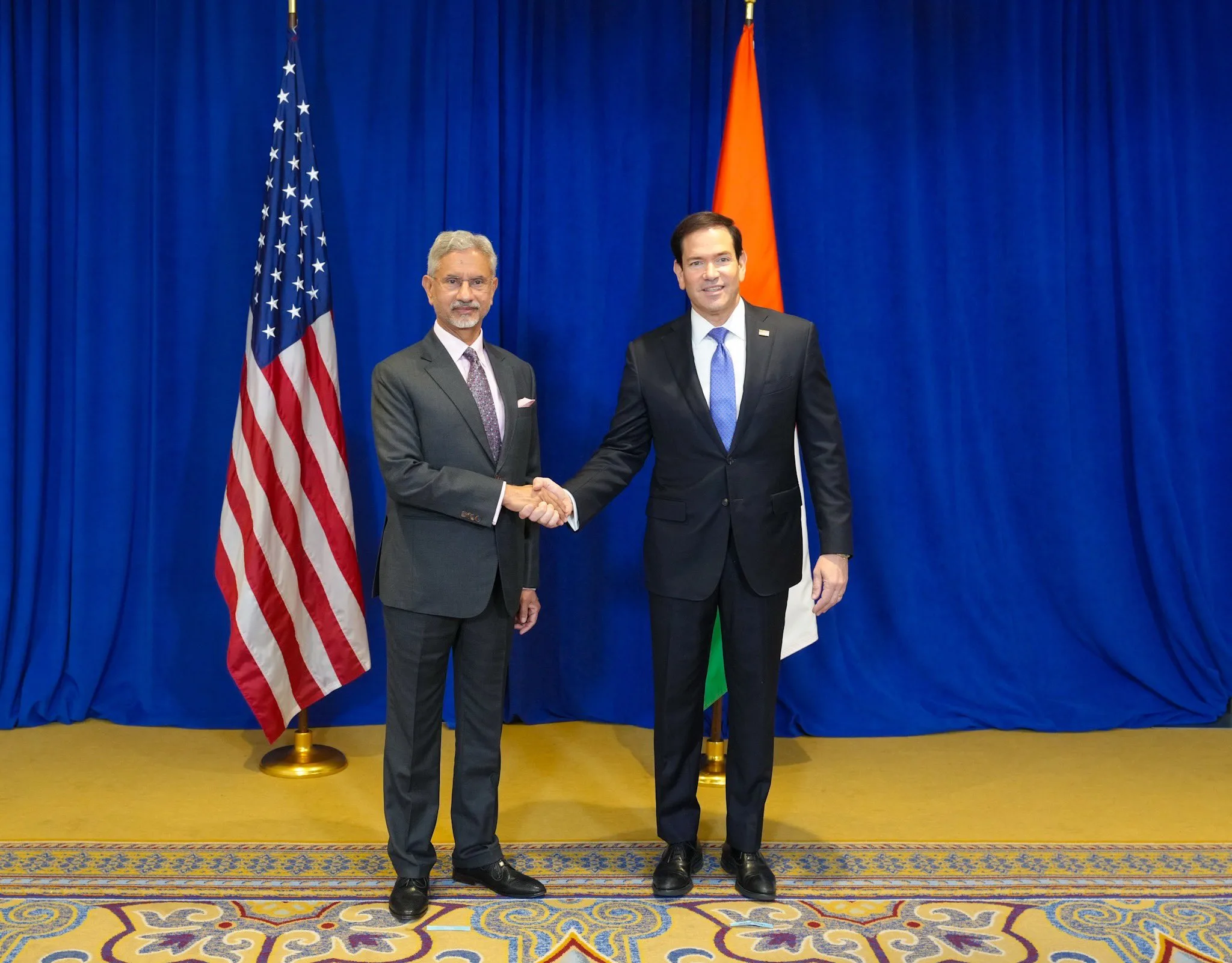
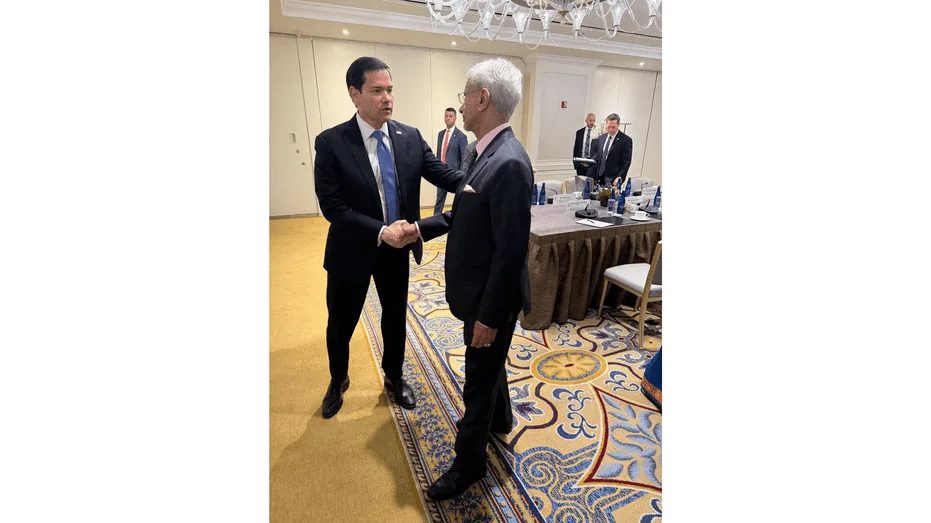
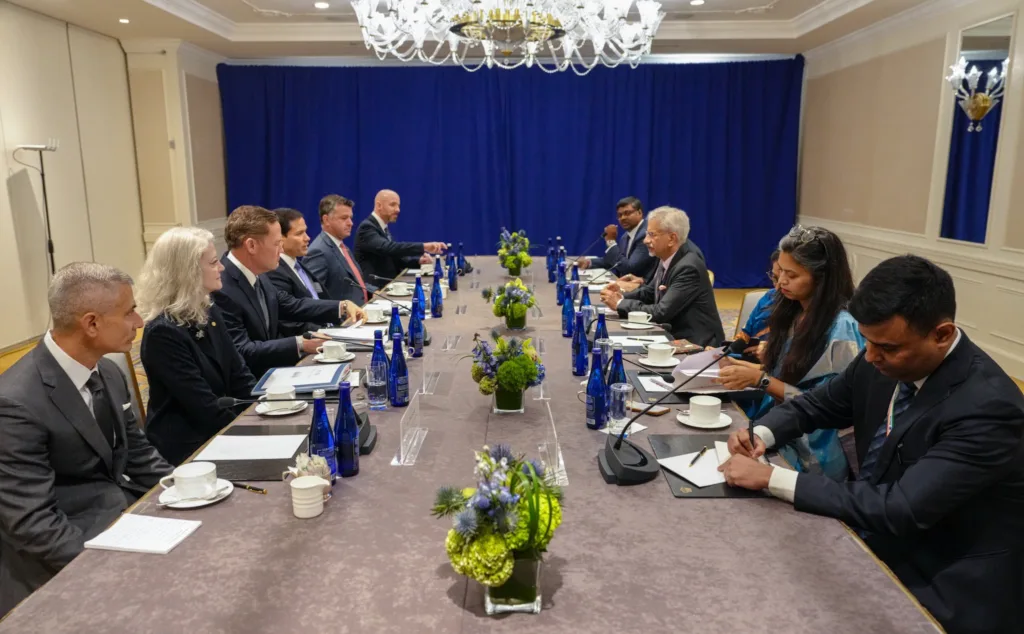
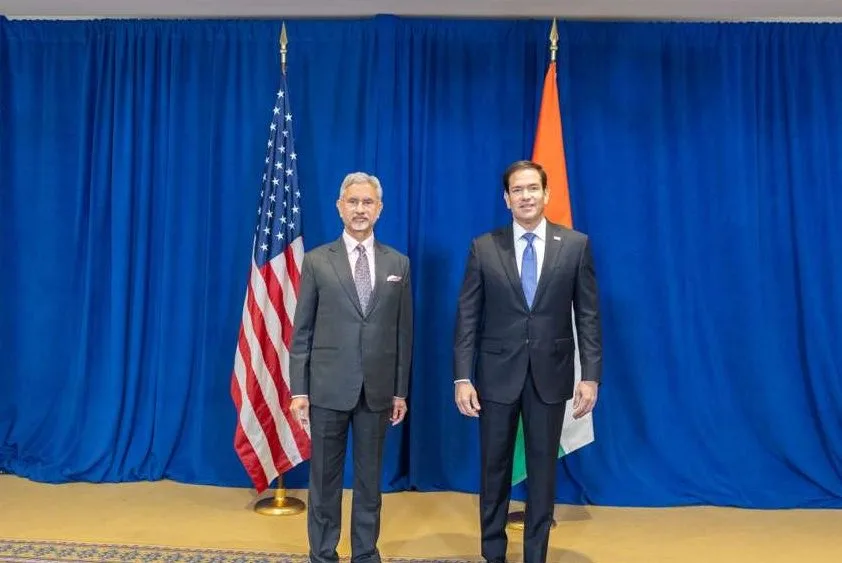
    External Affairs Minister S Jaishankar met US Secretary of State Marco Rubio in New York on Wednesday as the two sides discussed the India-US strategic partnership and a range of regional and global issues. Jaishankar said he reiterated India’s interests and concerns regarding the Lindsey O. Graham Sanctioning Russia and Iran Act of 2026, while the two ministers also discussed developments in the Gulf and Ukraine. The meeting took place on the sidelines of the United Nations General Assembly’s high-level week, where Jaishankar is scheduled to address the General Assembly on Saturday.

    External Affairs Minister S Jaishankar met US Secretary of State Marco Rubio in New York on Wednesday as the two sides discussed the India-US strategic partnership and a range of regional and global issues. (X/@DrSJaishankar)
    External Affairs Minister S Jaishankar met US Secretary of State Marco Rubio in New York on Wednesday as the two sides discussed the India-US strategic partnership and a range of regional and global issues. (X/@DrSJaishankar)

    The Jaishankar-Rubio meeting focuses on strategic partnership

    The meeting comes as India and the US continue discussions on trade, security and regional cooperation despite differences over proposed measures targeting countries and entities linked to Russia and Iran.

    Rubio said the two countries were working to strengthen their strategic partnership and coordinate on regional priorities and upcoming multilateral engagements. Jaishankar, meanwhile, said India had reiterated its interests and concerns regarding the proposed sanctions legislation.

    The legislation, referred to as SRIA, has implications for countries continuing significant economic engagement with Russia and Iran. India has maintained energy and trade ties with Russia, making any potential sanctions affecting Russian oil purchases an important issue for New Delhi.

    The meeting therefore comes at a time when broader India-US economic discussions are also continuing. Trade negotiations between the two countries have remained an important part of the bilateral agenda.

    Also Read | What is ERONET? The ECI software at the centre of the SIR row

    India has maintained energy and trade ties with Russia, making any potential sanctions affecting Russian oil purchases an important issue for New Delhi. (X/@DrSJaishankar)
    India has maintained energy and trade ties with Russia, making any potential sanctions affecting Russian oil purchases an important issue for New Delhi. (X/@DrSJaishankar)

    Jaishankar-Rubio meeting covers Gulf and Ukraine

    The meeting also covered the situations in the Gulf and Ukraine, according to Jaishankar’s account of the discussions.

    The Gulf remains strategically important for India because of its energy supplies, trade routes and large Indian-origin population across the region. Developments affecting shipping and energy security therefore remain a significant concern for New Delhi.

    The Ukraine conflict was another key issue. India has maintained diplomatic engagement with both Russia and Western countries while calling for dialogue and diplomacy to resolve the conflict. Prime Minister Narendra Modi had also publicly urged Russian President Vladimir Putin last month to end the war.

    Jaishankar’s discussions in New York come against this wider diplomatic backdrop, with the UN General Assembly bringing together heads of government, foreign ministers and senior diplomats from across the world.

    Also Read | India asks Pakistan to back anti-terror claims with action as tensions rise

    The Jaishankar-Rubio meeting also takes place within the broader framework of India-US cooperation through the Quad, which includes India, the United States, Japan and Australia. (X/@DrSJaishankar)
    The Jaishankar-Rubio meeting also takes place within the broader framework of India-US cooperation through the Quad, which includes India, the United States, Japan and Australia. (X/@DrSJaishankar)

    Jaishankar-Rubio meeting comes amid wider Quad coordination

    The meeting also takes place within the broader framework of India-US cooperation through the Quad, which includes India, the United States, Japan and Australia.

    The four countries have continued coordination on issues including maritime security, infrastructure and energy in the Indo-Pacific. At the Quad Foreign Ministers’ meeting in New Delhi in May, the members reiterated cooperation on maritime security, port infrastructure and energy.

    For India and the US, the strategic relationship therefore extends beyond their differences over trade and sanctions. Cooperation continues across the Indo-Pacific even as both sides navigate disagreements on economic and geopolitical issues.

    Jaishankar is scheduled to address the UN General Assembly on Saturday during the afternoon session beginning at 3 pm local time, which will be 12.30 am in India on Sunday. His meetings on the sidelines of the General Assembly are expected to form part of India’s wider diplomatic engagement during the high-level week.

    The Jaishankar-Rubio meeting adds to that diplomatic push, with India seeking to articulate its position on sanctions while continuing engagement with Washington on regional and multilateral priorities.

  • Trump’s Board of Peace plans $2.45 billion Gaza recovery plan

    Trump’s Board of Peace plans $2.45 billion Gaza recovery plan

    US President Donald Trump’s Board of Peace is set to present a six-month, $2.45 billion recovery plan for Gaza at a meeting of its members on Wednesday, according to a report by Axios. The proposal covers emergency housing, debris removal, hospital repairs, economic recovery and security arrangements.

    The plan contains 66 projects and is being presented as a framework for the initial phase of Gaza’s post-war recovery and governance. It has reportedly been prepared over the past year by members of the Board of Peace and a Palestinian technocratic government. The board has 28 member countries.

    Gaza Reconstruction Plan: What Does It Include?

    According to the reported plan, infrastructure would receive about $1 billion. The proposed spending includes around $400 million for temporary shelters, $275 million for clearing rubble and unexploded ordnance, $50 million for hospital rehabilitation and $30 million for road repairs.

    The proposal also covers electricity and water infrastructure, border crossings and solar power. Around $400 million is reportedly earmarked for insulated caravans to provide temporary accommodation for displaced Palestinians currently living in tents.

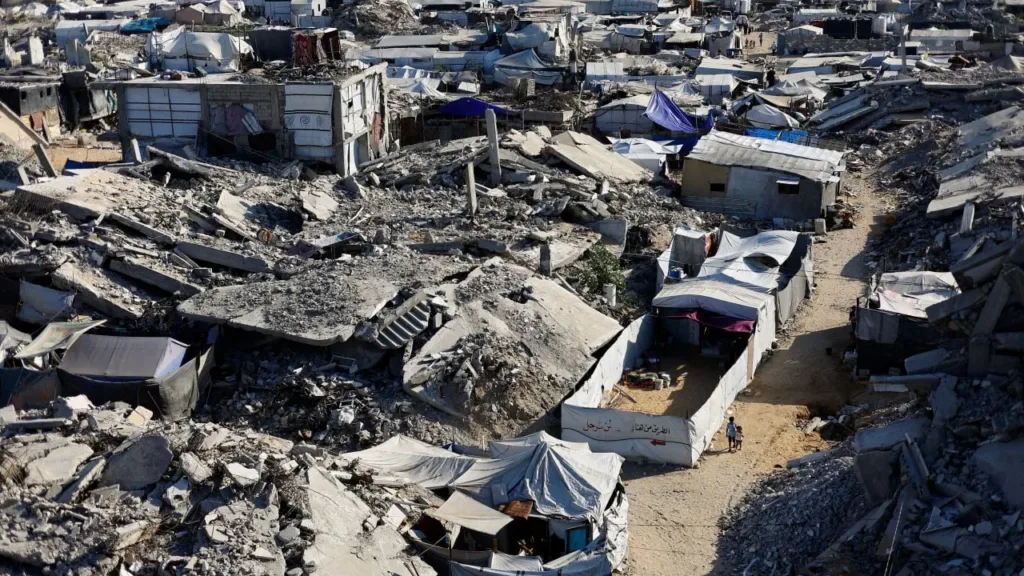
    An aerial view shows widespread destruction in Gaza, with sprawling camps of makeshift tents set up among collapsed concrete buildings and rubble.
    An aerial view shows widespread destruction in Gaza, with sprawling camps of makeshift tents set up among collapsed concrete buildings and rubble. Credit: X/ANI

    Security-related projects account for another major portion of the proposed budget. The plan reportedly sets aside about $885 million for security projects, including facilities and deployment related to a multinational security force. It also includes funding for Palestinian police and a weapons buy-back programme.

    A Board of Peace official was quoted as saying: “The plan shows how to stand up a government from nothing, an economy from shambles and a territory from disaster.”

    Gaza Recovery Could Cost $71.4 Billion

    The proposed six-month programme is only an initial step compared with the estimated cost of rebuilding Gaza.

    The plan puts the physical damage in Gaza at about $35.2 billion and estimates that full recovery and reconstruction could require approximately $71.4 billion over the next 10 years.

    Also Read | From Trump TV to Truth Social: Inside the US president’s media multiverse

    Beyond immediate relief, the proposal reportedly includes plans for digital services, economic support, healthcare and education. The broader objective is to establish the foundations of a functioning Palestinian administration and restart private-sector activity.

    Israel, Hamas Cooperation Key to Gaza Plan

    Implementation remains dependent on political and security conditions involving Israel and Hamas.

    According to Axios, Israel’s government has agreed in principle to parts of the proposal previously discussed but has not begun implementation, citing domestic political considerations ahead of its October 27 election. Hamas has also agreed in principle to disarm, although that commitment has yet to be tested.

    Funding is another challenge as the Board officials said the entire $2.45 billion does not have to be available immediately, while donor countries would be expected to support individual projects once political obstacles are addressed.

    Also Read | Iran offers to reopen Strait of Hormuz in 7 days if US eases pressure

    The proposal therefore combines short-term humanitarian needs with longer-term reconstruction and governance plans, but its implementation will depend on funding and cooperation among the parties involved.

  • Planning a Malaysia Trip? Indians can go visa-free, but jobs are different

    Planning a Malaysia Trip? Indians can go visa-free, but jobs are different

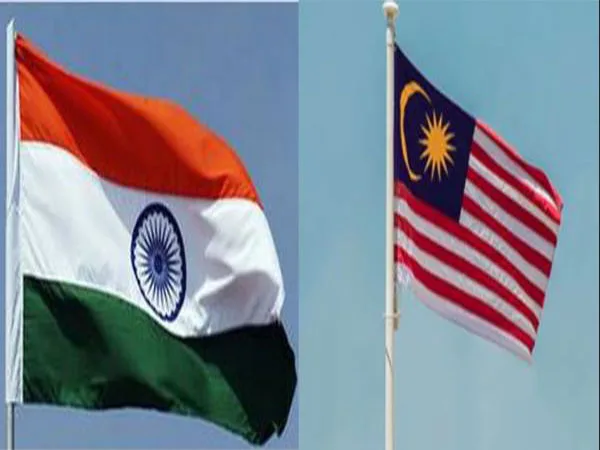
    Indian passport holders can currently travel to Malaysia without a visa for short visits, but the facility comes with specific conditions.

    The visa waiver has been extended until December 31, 2026, and permits stays of up to 30 days for purposes including tourism, social visits, business and transit.

    However, visa-free entry should not be confused with permission to work in Malaysia.

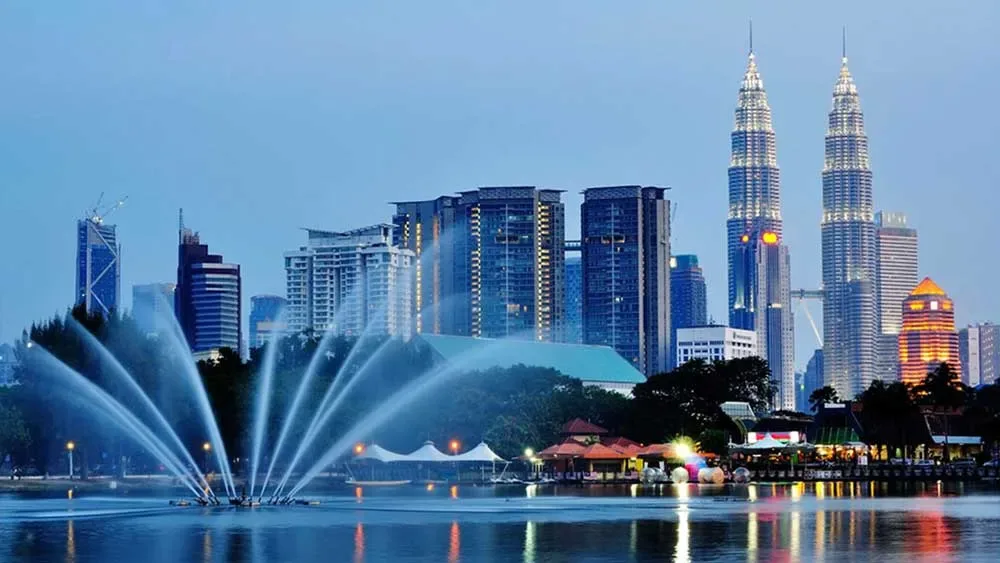
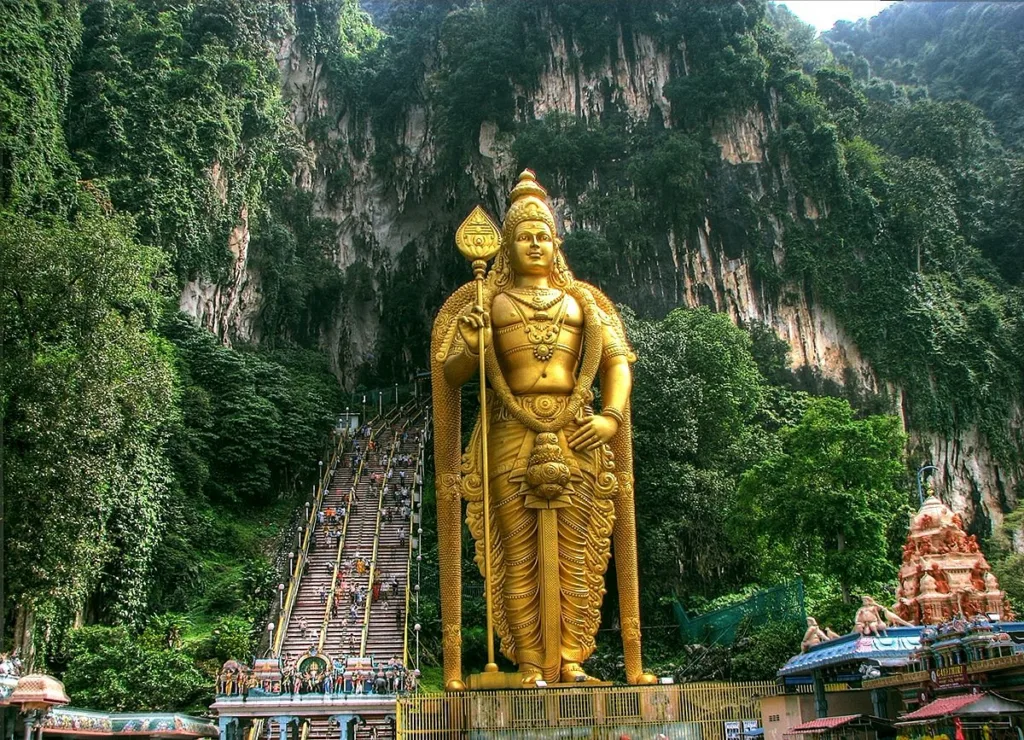
    Malaysia is visa-free for Indians, but that does not mean you can work there without a permit.
    Malaysia is visa-free for Indians, but that does not mean you can work there without a permit. (ANI)

    The Indian High Commission in Kuala Lumpur has now cautioned Indian nationals against using the 30-day facility to travel to Malaysia in search of employment. The warning comes after the mission noticed an increase in Indians arriving in the country after being allegedly misled by agents promising jobs.

    Also Read | Iran offers to reopen Strait of Hormuz in 7 days if US eases pressure

    The High Commission said:

    “There is a noticeable increase in Indian nationals arriving in Malaysia using the 30-day visa-free facility, to seek employment.

    “The High Commission of India in Kuala Lumpur alerts Indian nationals travelling to Malaysia on tourist visas against taking up employment. Many Indian nationals are misled by unscrupulous agents with false job promises, leading to overstay, illegal status, exploitation, detention, and legal action.”

    Can Indians work in Malaysia on a tourist visa?

    No. The visa-free facility does not give an Indian traveller the right to take up employment in Malaysia.

    Malaysia’s Immigration Department separately states that foreign nationals entering the country for employment must follow the relevant immigration procedure. For Indian workers, permitted sectors include certain areas of services, plantation, agriculture, manufacturing and construction.

    Also Read | Sohar Port offers India another trade route as Hormuz risks persist

    The distinction is important because entering Malaysia for a holiday and entering the country as a foreign worker are governed by different requirements.

    Malaysia’s Expatriate Services Division has also clarified that the visa exemption for Indian nationals applies to tourist visits and does not extend to employment-related passes. These include Employment Passes, Professional Visit Passes and Residence Pass-Talent.

    Tourist visa vs work permit: What is the difference?

    For a tourist, the visa-free arrangement is designed for a temporary visit. It does not automatically create a route to employment.

    Those travelling to Malaysia for work need the appropriate approval and documentation before entering the country. Malaysian immigration rules state that foreign workers generally require a Visa With Reference, or VDR, and an entry visa before arrival. A Visit Pass Temporary Employment is issued after the relevant procedures are completed.

    Indians can visit Malaysia visa-free, but jobs require the right work permit and approvals.
    Indians can visit Malaysia visa-free, but jobs require the right work permit and approvals.(X/Malysiatourism)

    The Malaysian Immigration Department also lists a VDR or Visa Approval Letter route for foreign nationals travelling for purposes such as employment or study.

    This means an Indian traveller should not assume that a visa-free tourist entry can later be converted into permission to work.

    High Commission warns against fake job offers

    The latest warning also highlights the risks faced by people who rely on unofficial agents or unverified job offers.

    According to the High Commission, some Indian nationals have reportedly been attracted to Malaysia by false employment promises. Such situations can result in overstaying, illegal immigration status, exploitation, detention and legal action.

    The warning is particularly relevant for travellers who are planning to visit Malaysia specifically to look for employment after entering the country as tourists.

    Documents tourists should carry

    For genuine tourists, the High Commission has advised travellers to keep valid and verifiable travel documents ready.

    The advisory says:

    “Genuine tourists must carry valid and verifiable documentation such as a confirmed return ticket, hotel booking, online submission of the Malaysia Digital Arrival Card (MDAC) three days before the arrival date, and a passport with minimum 6-month validity, to avoid any immigration-related issues on arrival in Malaysia.”

    Malaysia’s Foreign Ministry also lists a passport validity of at least six months, a confirmed return ticket, hotel booking and submission of the Malaysia Digital Arrival Card among the requirements for Indian passport holders using the visa waiver.

    Malaysia travel rules for Indians: What to remember?

    The key point for Indian travellers is simple: visa-free travel does not mean visa-free employment.

    Indians can use the current waiver for eligible short visits, subject to Malaysian immigration requirements. But anyone planning to work in Malaysia must obtain the appropriate employment approval, work permit and related entry documentation before travelling.

    Travellers should also be cautious about agents offering jobs in Malaysia on the promise that they can enter first on a tourist visa and complete the paperwork later. The Indian High Commission has specifically warned against this practice.

    The visa waiver is currently scheduled to remain in place for Indian nationals until December 31, 2026.

  • Iran offers to reopen Strait of Hormuz in 7 days if US eases pressure

    Iran offers to reopen Strait of Hormuz in 7 days if US eases pressure

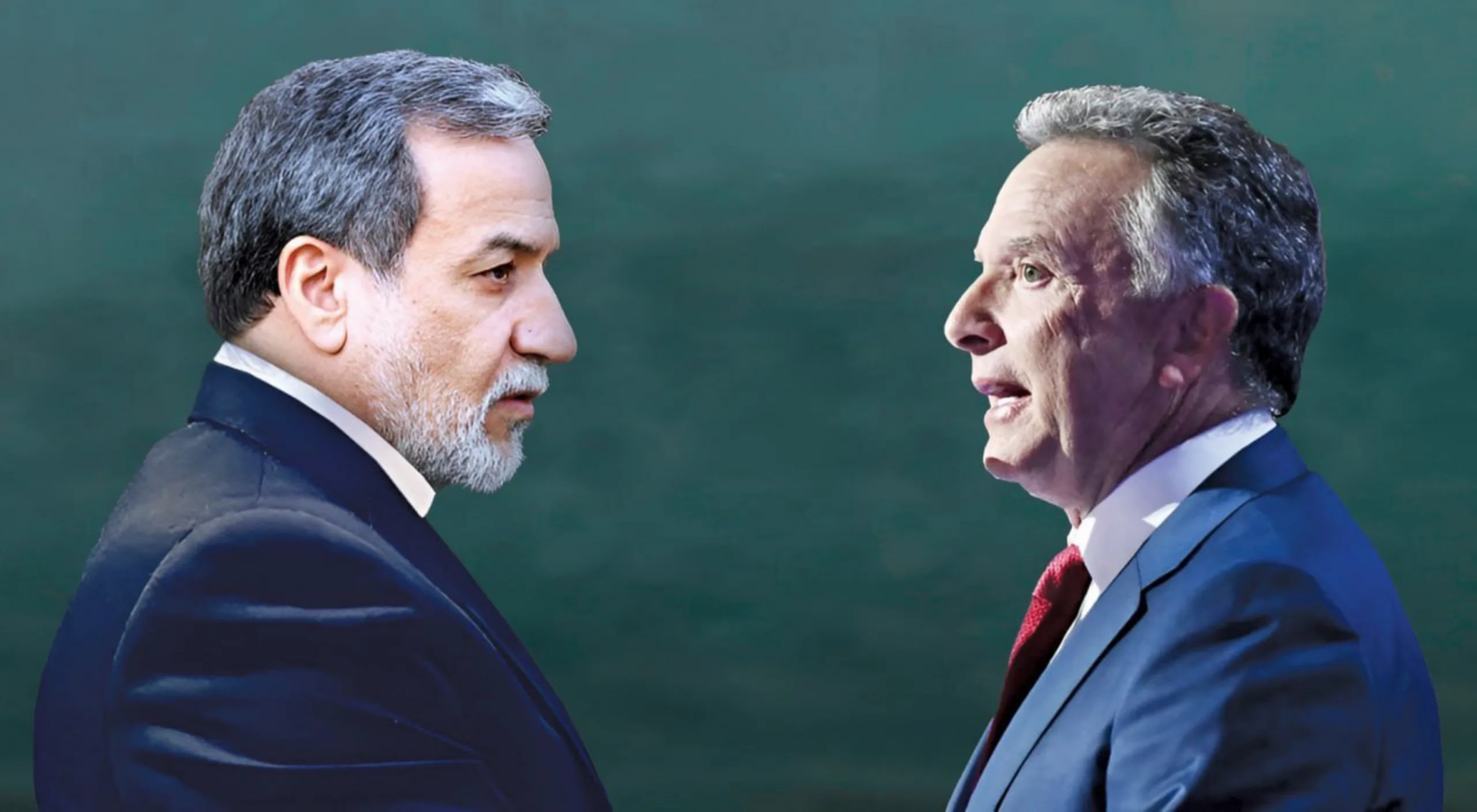
    Iran has offered to reopen the strategically important Strait of Hormuz within seven days if the United States eases military pressure and lifts its blockade on Iranian ports, a senior Iranian official told Reuters on Tuesday.

    The proposal came as US President Donald Trump and Iranian President Masoud Pezeshkian arrived in New York for the United Nations General Assembly, creating a fresh opening for diplomacy amid months of conflict.

    Iranian officials said Tehran had already sent its latest proposal to Washington through mediators on September 16.

    There are no plans for a direct meeting between Trump and Pezeshkian, but Iran’s delegation in New York has been given authority to pursue negotiations.

    Also Read | From Trump TV to Truth Social: Inside the US president’s media multiverse

    A small stretch of water

    The Strait of Hormuz is at the center of the dispute because it is one of the world’s most important energy chokepoints.

    The narrow waterway connects the Persian Gulf with the Gulf of Oman and provides a major route for oil and liquefied natural gas shipments from the Gulf states.

    Before the war, about a fifth of global oil and gas shipments passed through the strait. Its disruption has therefore had consequences well beyond Iran and the United States, affecting Gulf producers, shipping companies, and energy markets.

    The proposal from Tehran is conditional. Iran says it would restore maritime traffic after Washington takes initial steps to reduce military pressure and lift the blockade on Iranian ports.

    A little diplomacy

    Tehran is also trying to connect the Hormuz issue with a broader diplomatic process. The senior Iranian official said the US must formally show that it wants to resolve the dispute through diplomacy and agree on a timetable for negotiations.

    “The UN General Assembly is a golden opportunity for the US to return to diplomacy,” the official said.

    Washington, meanwhile, has signalled that dialogue remains possible, though its position on Iran’s nuclear program remains central.

    Secretary of State Marco Rubio said the US was open to speaking with Iranian representatives, particularly if discussions could lead to a positive outcome. Trump separately said the two sides had been communicating and that Washington would not accept Iran obtaining a nuclear weapon.

    Plenty of caution

    The difficulty is that both sides are still maintaining hard positions. Iran’s parliament speaker Mohammad Baqer Qalibaf said Tehran would not surrender, while Iranian military officials have warned of a stronger response if the US launches fresh attacks.

    At the same time, Gulf states are pressing for the restoration of shipping through Hormuz while managing their own security concerns.

    A Qatari proposal for a regional security framework involving Iran and the Arab Gulf states was also under discussion.

    The key question is whether the conditional offer on Hormuz can become the starting point for wider negotiations, or whether military pressure and conflicting demands will keep diplomacy stalled.

    Also Read | Iran Code 100 alert: What the reported military escalation means

  • Sohar Port offers India another trade route as Hormuz risks persist

    Sohar Port offers India another trade route as Hormuz risks persist

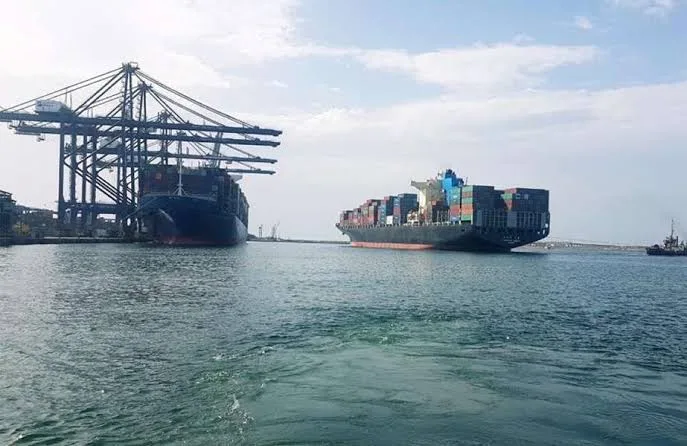
    The Strait of Hormuz remains a major concern for countries dependent on Gulf energy and trade flows, prompting India to explore alternative logistics routes that can reduce exposure to disruptions in the narrow maritime passage. In this context, Sohar Port in Oman has emerged as an important option. Located on the Gulf of Oman, outside the Strait of Hormuz, Sohar Port combines deep-water infrastructure with road connectivity to Gulf markets and an industrial free zone. It cannot replace the entire network of Persian Gulf ports, but it could provide Indian businesses with an additional gateway during periods of heightened maritime risk.

    The Strait of Hormuz remains a major concern for countries dependent on Gulf energy and trade flows, prompting India to explore alternative logistics routes that can reduce exposure to disruptions in the narrow maritime passage. (ANI)
    The Strait of Hormuz remains a major concern for countries dependent on Gulf energy and trade flows, prompting India to explore alternative logistics routes that can reduce exposure to disruptions in the narrow maritime passage. (Reuters)

    Sohar Port sits outside the Hormuz chokepoint

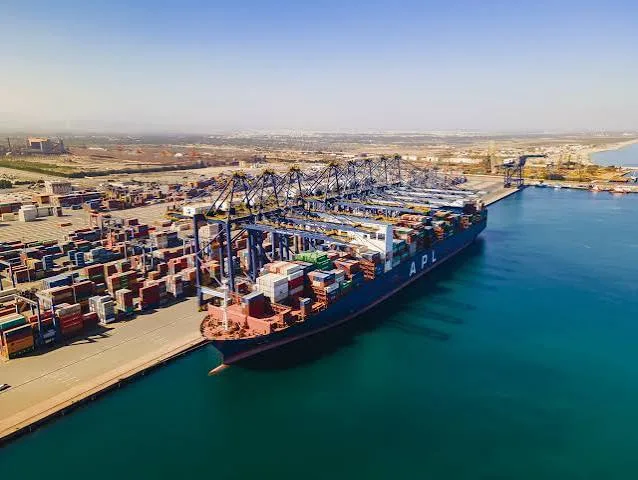
    The strategic importance of Sohar Port comes primarily from its location. Ships travelling from India’s western coast to Sohar can reach the Omani port without entering the Strait of Hormuz. This can reduce exposure to risks associated with shipping through the narrow passage when regional tensions affect maritime traffic.

    The Strait of Hormuz is a critical route for global energy supplies, connecting the Persian Gulf with the Gulf of Oman and the Arabian Sea. Major Gulf ports serving markets in the UAE, Saudi Arabia, Kuwait and Qatar are located inside the Persian Gulf and therefore depend on access through the strait.

    Sohar Port offers a different logistics model. Cargo arriving at its deep-water terminals can be moved by road towards the UAE and other Gulf markets. This means some goods can reach destinations without a vessel having to enter the Persian Gulf.

    The port also has facilities designed to handle large commercial vessels and is integrated with the wider Sohar Freezone industrial ecosystem.

    Also Read | From Trump TV to Truth Social: Inside the US president’s media multiverse

    The strategic importance of Sohar Port comes primarily from its location. Ships travelling from India's western coast to Sohar can reach the Omani port without entering the Strait of Hormuz. (ANI)
    The strategic importance of Sohar Port comes primarily from its location. Ships travelling from India’s western coast to Sohar can reach the Omani port without entering the Strait of Hormuz. (Reuters)

    Sohar Port gains importance with India-Oman trade ties

    The potential role of Sohar Port extends beyond serving as an emergency alternative. Its industrial free zone provides space for manufacturing, warehousing, processing and distribution, creating opportunities for Indian companies seeking access to Gulf and international markets.

    The India-Oman Comprehensive Economic Partnership Agreement has added another dimension to this relationship. The agreement, which came into force in June 2026, provides expanded market access and tariff concessions for Indian exports to Oman.

    For Indian companies, combining the trade benefits of the agreement with Sohar Port’s logistics infrastructure could make Oman a regional distribution base. Engineering products, pharmaceuticals, textiles, food products and machinery are among the sectors that could benefit from easier market access and regional distribution.

    The Sohar ecosystem is also built around several industrial clusters, including logistics, metals, petrochemicals and food processing. This allows companies to establish operations closer to shipping infrastructure rather than relying entirely on facilities in India.

    The port’s existing industrial base is significant. Sohar Port and Freezone has attracted billions of dollars in investment and handles substantial cargo volumes, giving it an established role in Oman’s trade network.

    Also Read | Iran Code 100 alert: What the reported military escalation means

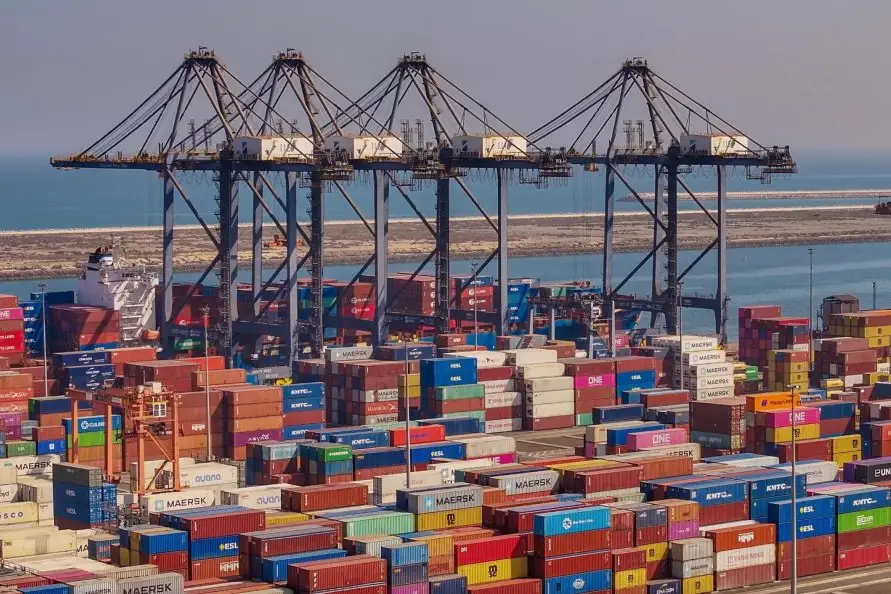
    The potential role of Sohar Port extends beyond serving as an emergency alternative. Its industrial free zone provides space for manufacturing, warehousing, processing and distribution, creating opportunities for Indian companies seeking access to Gulf and international markets. (Reuters)
    The potential role of Sohar Port extends beyond serving as an emergency alternative. Its industrial free zone provides space for manufacturing, warehousing, processing and distribution, creating opportunities for Indian companies seeking access to Gulf and international markets. (Reuters)

    Sohar Port cannot replace Hormuz but can diversify routes

    Sohar Port’s biggest limitation is scale. The Persian Gulf’s major ports collectively handle enormous volumes of energy and container traffic, meaning Sohar does not have the capacity to absorb all cargo if the Strait of Hormuz were completely closed.

    Its role is therefore better understood as diversification rather than replacement.

    During periods of heightened risk, Sohar could discharge containerised cargo and transport it onwards by road or feeder services. This could allow some trade between India and Gulf markets to continue while reducing the need for vessels to enter the Persian Gulf.

    The same logic applies to India’s broader maritime strategy. Oman has ports beyond Sohar, including Duqm and Salalah, allowing India to develop a network of logistics points along the Omani coastline rather than relying on a single gateway.

    For India, the significance of Sohar Port therefore lies in resilience. A port outside the Strait of Hormuz cannot eliminate the country’s dependence on Gulf energy supplies or replace the region’s largest maritime hubs. However, it can provide an additional commercial route, support Indian investment in Oman and create more options for moving goods towards GCC markets.

    As India-Oman economic ties deepen, Sohar Port could consequently become an increasingly important component of India’s wider effort to diversify supply chains and reduce vulnerability to individual maritime chokepoints.

  • From Trump TV to Truth Social: Inside the US president’s media multiverse

    From Trump TV to Truth Social: Inside the US president’s media multiverse

    Donald Trump’s media ecosystem has grown far beyond social media. What began with Truth Social has now expanded into streaming, data licensing and a dedicated White House video platform called TRUMP TV.

    The latest addition comes as tensions between the Trump administration and major US news organisations intensify, raising fresh questions about how presidential events and statements reach the public.

    What is Trump TV?

    The White House launched “TRUMP TV: The Essentials Station” on September 21, describing it as a 24/7 destination for the Trump administration’s “biggest moments all in one place”.

    Also Read | Wars, Trump and Guterres’ exit set the tone for UN General Assembly 2026

    The platform features “top videos, major remarks, and must-see highlights” and is designed to update content in real time. The White House has also promoted the launch with the title “Trump TV is Here”.

    Unlike a conventional television news network, Trump TV is a White House initiative focused on administration-produced material. It is also separate from Truth Social and Truth+, which are operated by Trump Media & Technology Group (TMTG).

    Truth Social and Truth+: How they fit in

    Truth Social became the first major part of Trump’s alternative media network. TMTG says the platform became generally available in early 2022 and was created around a free-expression model with less dependence on major technology companies.

    Trump has repeatedly linked the platform to his free-speech message. In December 2022, he said, “If we don’t have free speech, then we just don’t have a free country.”

    Trump TV to Truth Social: Inside Trump’s media multiverse
    Truth Social remains the core of Trump’s direct media strategy | ANI

    TMTG later expanded into streaming with Truth+. The company says the service offers live television channels and on-demand content, with standalone apps available across phones, the web and connected TVs.

    Truth API adds a data layer

    In August 2026, TMTG launched Truth API, allowing licensed customers to access publicly available posts from selected prominent Truth Social accounts. The company described it as its first data-licensing product.

    Why the TV pool dispute matters

    The Trump TV launch comes amid a major dispute involving the White House press corps.

    On September 19, the White House announced that CNN, MS NOW and Politico would be barred from White House access. On September 21, ABC, CBS, Fox News, CNN and NBC suspended their pooled television coverage of Trump’s events.

    Trump
    Truth+ and Truth API broaden Trump’s digital media reach | ANI

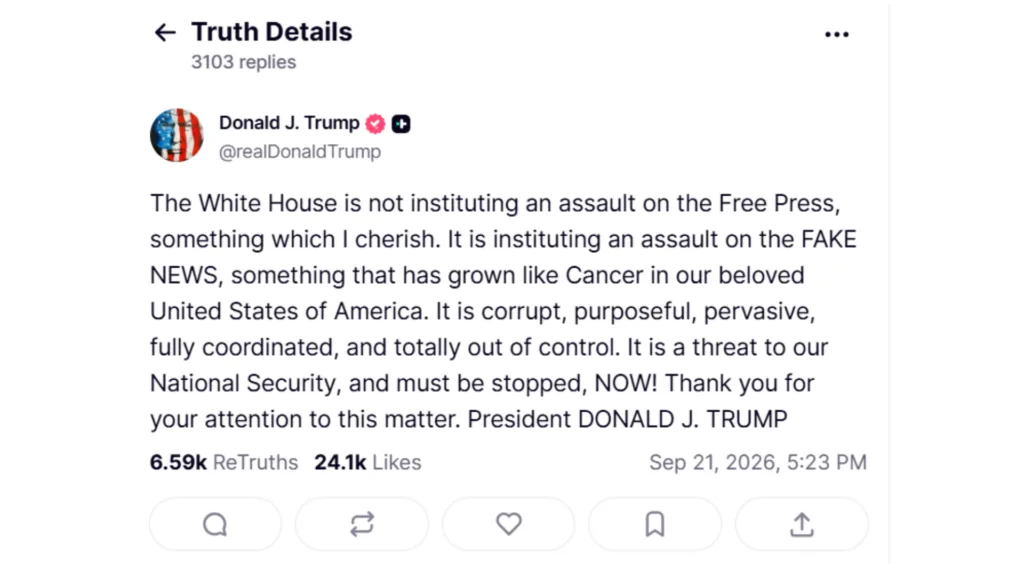
    Trump defended the administration’s move on Truth Social, saying, “The White House is not instituting an assault on the Free Press, something which I cherish.”

    Also Read | Why India wants a permanent seat at the UN Security Council

    He described the administration’s action instead as an assault on “FAKE NEWS”, calling it “corrupt, purposeful, pervasive, fully coordinated, and totally out of control” and a “threat to our National Security.”

    Trump TV to Truth Social: Inside Trump’s media multiverse

    CNN, MS NOW and Politico have challenged the restrictions in court.

    With Trump TV now providing a continuous White House video outlet, the administration has another direct route to audiences alongside the existing Trump media platforms.

  • Iran Code 100 alert: What the reported military escalation means

    Iran Code 100 alert: What the reported military escalation means

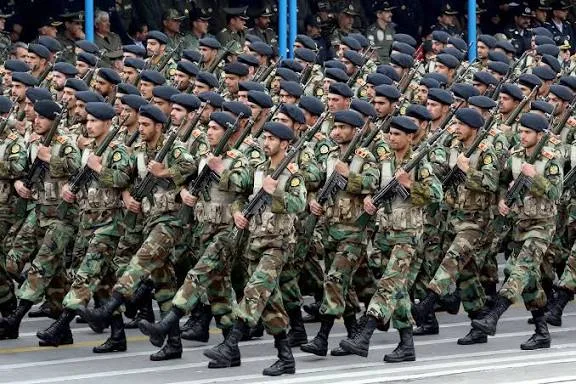
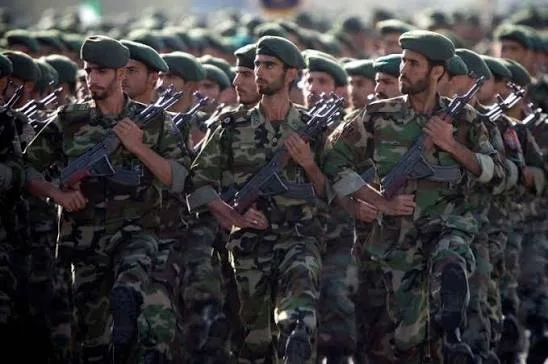
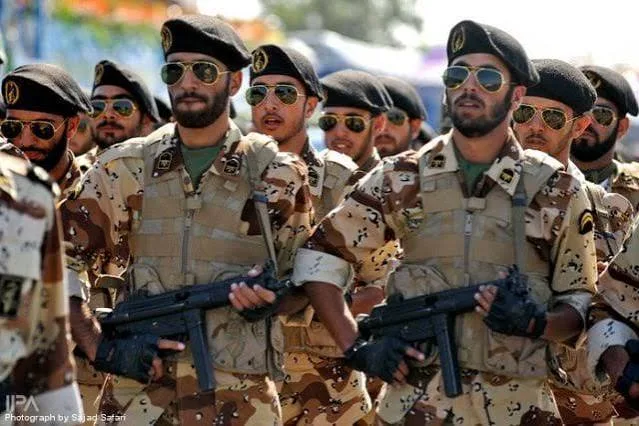
    Iran has activated what is being described as its highest military alert, known as “Code 100.” It has added another layer of uncertainty to an already tense situation in West Asia. The reported move comes after Houthi attacks targeting Saudi Arabia, fresh warnings from Tehran about possible US military action and increased American military activity in the region. However, the specific “Code 100” designation has not been publicly confirmed by Iranian state media, making it important to distinguish the reported alert from independently verified developments.

    Iran has activated what is being described as its highest military alert, known as “Code 100”, have added another layer of uncertainty to an already tense situation in West Asia. (Reuters)
    Iran has activated what is being described as its highest military alert, known as “Code 100”, adding another layer of uncertainty to an already tense situation in West Asia. (Reuters)

    Iran Code 100 report emerges amid rising military tensions

    According to reports citing Iranian news agency Fars and other sources, Iran placed its armed forces on Code 100 on Thursday night. The reported alert covers the Islamic Revolutionary Guard Corps, the regular Army and security forces and is described as the country’s highest level of military preparedness.

    If the reported alert is accurate, it would indicate a major increase in military readiness at a time when Tehran is preparing for the possibility of further US action. Iran has also reportedly moved substantial Army units towards border areas, including the Makran coast along the Gulf of Oman, according to Fars. The reports do not establish that a US ground operation is imminent.

    The significance of the Iran Code 100 report therefore lies less in the name of the alert and more in the wider pattern of military preparations and warnings emerging from the region.

    Also Read | Why India wants a permanent seat at the UN Security Council

    If the reported alert is accurate, it would indicate a major increase in military readiness at a time when Tehran is preparing for the possibility of further US action. (ANI)
    If the reported alert is accurate, it would indicate a major increase in military readiness at a time when Tehran is preparing for the possibility of further US action. (Reuters)

    Houthi attack raises pressure on Iran and Gulf states

    The latest escalation follows attacks by Iran-aligned Houthi forces in Yemen targeting Saudi Arabia. Reuters reported that the attacks intensified an already volatile confrontation involving Iran, the United States, and regional powers. Tehran’s military has warned that any new attack could trigger severe retaliation against US forces and interests in the region.

    The United States has also issued security warnings for the region, reflecting concerns over possible attacks, flight disruptions and airspace restrictions. Reports of additional US military movements have further contributed to speculation about the possibility of renewed military action.

    For Gulf states, any escalation involving Iran, the US, or Iran-aligned groups could create risks for airports, shipping routes, and energy infrastructure. The Strait of Hormuz is particularly important because of its role in global energy transportation.

    Also Read | Wars, Trump and Guterres’ exit set the tone for UN General Assembly 2026

    The latest escalation follows attacks by Iran-aligned Houthi forces in Yemen targeting Saudi Arabia. (ANI)
    The latest escalation follows attacks by Iran-aligned Houthi forces in Yemen targeting Saudi Arabia. (Reuters)

    Has Iran officially confirmed Code 100?

    This remains the central uncertainty surrounding the Iran Code 100 story. Iranian official media have not publicly confirmed the specific designation, even though reports citing Fars and other sources have described the country’s forces as being placed on the highest alert.

    That distinction matters because military alert designations can carry specific operational meanings that cannot be independently established from social media posts or open-source reports alone.

    What is clearer is that military tensions have intensified. Reuters reported that Iran has warned of severe retaliation against any new US attack, while the US has increased security warnings amid the deteriorating regional situation.

    The reported Iran Code 100 activation should therefore be treated as an unconfirmed indication of heightened readiness rather than proof that Tehran has authorised an immediate military offensive. The coming days will depend on whether diplomatic efforts prevent further escalation or whether additional attacks and military deployments push the region towards a broader confrontation.

    FAQs

    What is Iran Code 100?

    Iran Code 100 has been described in current reports as the highest level of military alert, but its specific designation and operational meaning have not been publicly confirmed by Iranian state authorities.

    Has Iran officially confirmed Code 100?

    No. Reports have cited Iranian sources and open-source monitoring, but Iranian state media have not publicly confirmed the specific Code 100 designation.

  • Why India wants a permanent seat at the UN Security Council

    Why India wants a permanent seat at the UN Security Council

    The United Nations Security Council was created in 1945 after World War II, but its five permanent seats have remained unchanged for more than eight decades. China, France, Russia, the United Kingdom and the United States hold those seats and have veto powers.

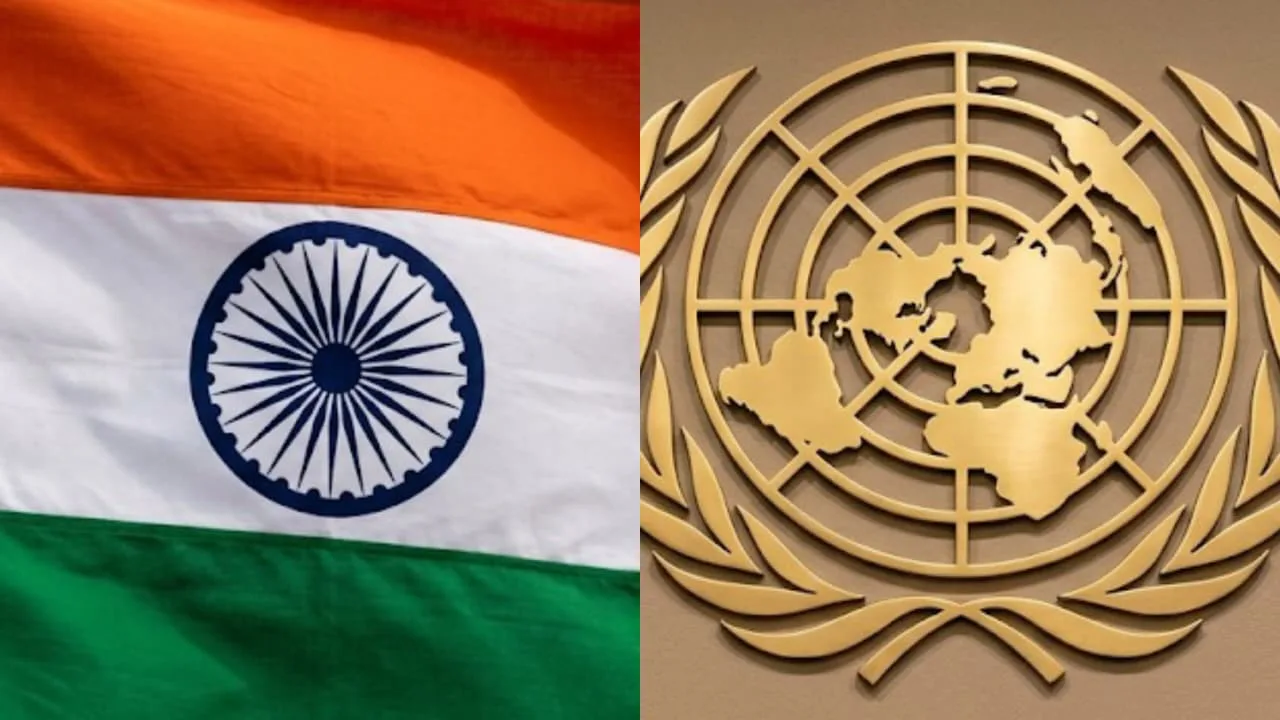
    India, which has repeatedly called for reform of the Council, wants a permanent place at the table. New Delhi argues that the body should reflect today’s global balance, particularly the role of Asia, Africa, and Latin America. The Security Council currently has 15 members, including 10 countries elected for two-year terms.

    Why India wants a permanent seat at the UNSC

    India’s argument begins with a simple question: can a Council created in the aftermath of World War II fully represent the world of today? New Delhi has called for expansion in both permanent and non-permanent categories, saying that merely adding elected seats would not change the permanent members’ special position in decision-making. The Council was expanded only once, in 1965, when four non-permanent seats were added. The five permanent seats remained untouched.

    India says developing countries and under-represented regions need a stronger voice in decisions on international peace and security. It points to its large population, democratic system, growing economic and geopolitical role and long contribution to UN peacekeeping as part of its case. India has also maintained that Security Council reform should make the institution more representative and effective.

    The demand is not new. India formally put forward its candidature for permanent membership in 1994 and has continued to raise the issue at successive UN General Assembly sessions. At the Millennium Summit in 2000, then Prime Minister Atal Bihari Vajpayee again said India considered itself qualified for the responsibilities of permanent membership.

    Also Read | Wars, Trump and Guterres’ exit set the tone for UN General Assembly 2026

    India’s history at the UNSC

    India has already spent several terms inside the Security Council, although always as a non-permanent member. Its first term was in 1950-51. It subsequently served in 1967-68, 1972-73, 1977-78, 1984-85, 1991-92, 2011-12 and most recently in 2021-22.

    During these terms, India has taken part in discussions and decisions on conflicts, peacekeeping, sanctions and international security. India’s latest campaign is for another non-permanent term in 2028-29, even as it continues its longer-term push for permanent membership.

    The question of reform has also gained wider international attention. India has received support from several countries for a greater role in the UN, while different groups continue to disagree over how the Council should be expanded. The debate therefore remains open, with India seeking a permanent role in a body whose basic structure has changed little since 1945.

    Also Read | California puts billionaire wealth tax on ballot with up to 5% under Proposition 40

    FAQs

    Q: Why does India want a permanent seat on the UNSC?

    India argues that the Security Council should better reflect the contemporary global balance and give greater representation to developing countries and under-represented regions.

    Q: Who are the five permanent members of the UNSC?

    China, France, Russia, the United Kingdom and the United States are the five permanent members. They have veto power over substantive Security Council decisions.