Category: Lifestyle

  • Want to transform your body in 12 months? Fitness coach suggests these 4 basics

    Want to transform your body in 12 months? Fitness coach suggests these 4 basics

    We are already deep into 2026, and the fitness industry has a curious way of making simple things look complicated. One week, it is a new diet. The next, it is a different workout split, a new supplement or a supposedly fat-burning trick. Before long, getting fitter can start to feel like a full-time research project.

    But if the real goal is to lose fat, build muscle and improve body composition, fitness coach Kevin Heintz says the answer may be considerably less complicated.

    ALSO READ| Are you sacrificing too much for love? 3 signs you’re losing yourself in a relationship

    He laid out a simple checklist built around four things in his post on X: nutrition, resistance training, sleep and everyday movement.

    Understand the calorie deficit

    Fat loss ultimately requires the body to use more energy than it consumes over time. Heintz recommends beginning with a 500–750 calorie deficit, alongside a protein intake of around 0.8 grams per pound of body weight.

    “These are the two most important numbers when it comes to fat loss, so only focus on these to start,” Kevin suggests.

    If you want to overhaul your body composition and love what you see in the mirror…

    Here’s what your checklist to make it happen as quickly as possible:

    • 500-750 calorie deficit
    • 0.8g of protein per lb of body weight (floor)

    These are the two most important numbers when…— Kevin Heintz (@AskCoachKev) August 19, 2026

    He also suggests ensuring a routine that makes calorie and protein targets achievable consistently may be a more useful first step.

    Kevin specifically notes that if the aim is to lose fat while working on muscle, resistance training is your go-to.

    ALSO READ| Onam Sadya: Why is the traditional feast served on a banana leaf?

    “Initially focus on executing each lift with good form and showing up consistently. Once you’re comfortable with that, you need to start applying progressive overload, which is the stimulus your body needs to build muscle,” he says.

    “Progressive Overload is increasing the amount of weight or reps you do over time. So tracking your lifts makes this process easier to track. I’d recommend following an Upper/Lower or Full Body split to start.”

    How much sleep do you need to make a difference?

    Heintz recommends getting at least seven hours a night. “You can make progress with less, but it is way harder to do. Good sleep makes everything easier,” he noted.

    His suggestions for improving sleep include keeping the bedroom cool and dark, avoiding going to bed excessively full and reducing screen exposure during the final hour before bedtime.

    He also mentions magnesium and L-theanine supplements as possible options.

    Then comes the most ignored part: daily movement. Ten thousand steps has become almost synonymous with being active, but Heintz argues, “It doesn’t have to be 10k steps, but you do need to move more throughout the day.”

    ALSO READ| What is the Sweatpants Theory? Uncovering one ‘Weird’ modern Gen-Z dating term

    That could mean taking a 30-minute walk in the morning and another in the evening. Someone working at a desk could use a walking pad while working, while others might add Zone 2 cardio on rest days.

    “There are hundreds of little things you can add to this list like no alcohol, supplements like creatine, water intake, etc. But the above is responsible for 90% of the results you’re looking for,” he added.

    Heintz finally advised, “Commitment for the next 12 months to consistency, and I promise you will come out on the other side completely unrecognisable,” he says.


  • Are you sacrificing too much for love? 3 signs you’re losing yourself in a relationship

    Are you sacrificing too much for love? 3 signs you’re losing yourself in a relationship

    Love often involves compromise, understanding and emotional support. But there is a difference between adjusting for a partner and constantly putting your own needs aside to keep a relationship together. Over time, repeatedly ignoring what you want, feel or need can make you lose touch with your own identity.

    Licensed therapist Jeffrey Meltzer highlighted three signs in an August 3 Instagram post that may indicate you are abandoning yourself in a relationship.

    You begin seeing yourself through your partner’s eyes

    One sign of self-abandonment is becoming overly focused on how your partner sees you. Instead of asking what you genuinely like, believe or feel, you may start making choices based on whether they will approve.

    Also Read | What is the Sweatpants Theory? Uncovering one ‘Weird’ modern Gen-Z dating term

    This can show up in small ways, such as changing how you dress, hiding certain personality traits or avoiding opinions that could lead to disagreement.

    When love means saying yes while your heart says no
    (Representational Image) When love means saying yes while your heart says no | AI Generated

    Jeffrey explains, “You may change how you dress, hide parts of your personality, or stop sharing certain opinions because you’re afraid they may like you less.”

    When your partner’s approval becomes more important than your own sense of self, you may slowly lose sight of who you are outside the relationship.

    You keep saying yes when you mean no

    Another sign is having difficulty expressing your real feelings or setting boundaries. You may agree to plans, choices or situations that make you uncomfortable simply to avoid disappointing your partner.

    Jeffrey says, “You stay silent when something bothers you. You convince yourself that your needs are not worth creating conflict over.”

    Healthy love needs compromise, not the loss of your identity.
    (Representational Image) Healthy love needs compromise, not the loss of your identity | AI Generated

    While avoiding an argument may seem easier in the moment, constantly suppressing your feelings can affect how you see yourself. “Every time you ignore what you really feel, you lose a little trust in yourself,” Jeffrey says.

    Over time, repeatedly saying yes when you mean no can also leave unspoken frustration and resentment building up.

    Your relationship becomes your entire source of stability

    A partner can naturally provide love, reassurance and emotional support. The concern arises when the relationship becomes your only source of security, identity or emotional stability.

    Also Read | What is digital jealousy? Online habit affecting modern couples

    “Relationships are supposed to involve interdependence,” Jeffery explains. “The problem begins when your emotional stability, identity, or sense of security depends entirely on whether that person stays.”

    At this stage, personal goals, friendships and other relationships may gradually take a back seat because maintaining the relationship becomes the main priority.

    A healthy relationship can involve compromise while still leaving room for individuality. Being close to someone does not have to mean losing your connection with yourself.

    FAQs

    What are signs of losing yourself in a relationship?

    Changing yourself for approval, repeatedly saying yes when you mean no, and making the relationship your main source of emotional security can be warning signs.

    Is compromising in a relationship unhealthy?

    No. Compromise is a normal part of relationships. The concern is when you repeatedly sacrifice your needs, boundaries, goals or identity to maintain the relationship.

  • How to decorate your home for Independence Day without overdoing the tricolour

    How to decorate your home for Independence Day without overdoing the tricolour

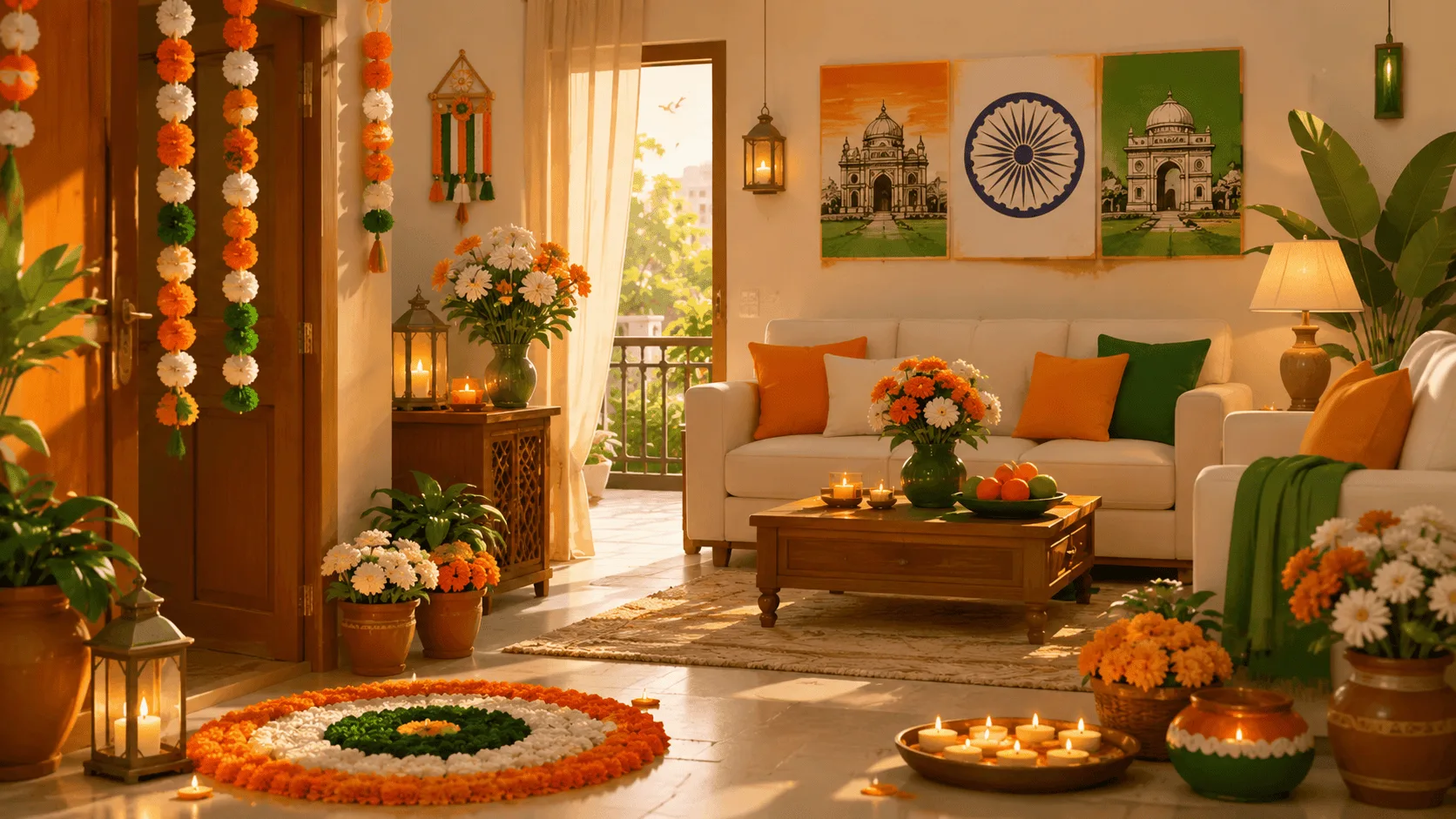
    Independence Day is the perfect time to bring a touch of festive warmth into your home without transforming every corner into a sea of saffron, white and green. A few thoughtful additions like flowers, handloom textiles, candles and handcrafted accents can capture the spirit of August 15 while blending seamlessly with your everyday décor.

    The key is to allow the tricolour to enhance your surroundings instead of dominating them.

    Also Read | India Independence Day 2026: Wishes, greetings and messages to share on August 15

    Begin at the entrance

    Since the door makes a strong first impression, do not clutter it up. A bouquet of marigolds in white immediately adds festive appeal, while a fabric strip or a homemade toran made using recycled paper, cloth or dried flowers will subtly bring in the tricolor.

    Independence Day home decor ideas
    (Representational Image) Easy Independence Day décor ideas using flowers, diyas, textiles and Indian crafts | AI-generated

    What can you do to refresh your living room without going overboard?

    Rather than decorating every nook and corner with themed decorations, concentrate on one or two items that can jazz up the surroundings. Change the cushion covers to shades of saffron, ivory and green colours, or team up your usual throw with cushion covers in contrasting colours.

    A ceramic green vase full of orange and white flowers will be a beautiful tribute to the Indian flag without seeming too much. If you are into DIYs, a wall decor displaying pictures, postcards or sketches highlighting the cultural wealth of India would be great.

    Set a festive dining table

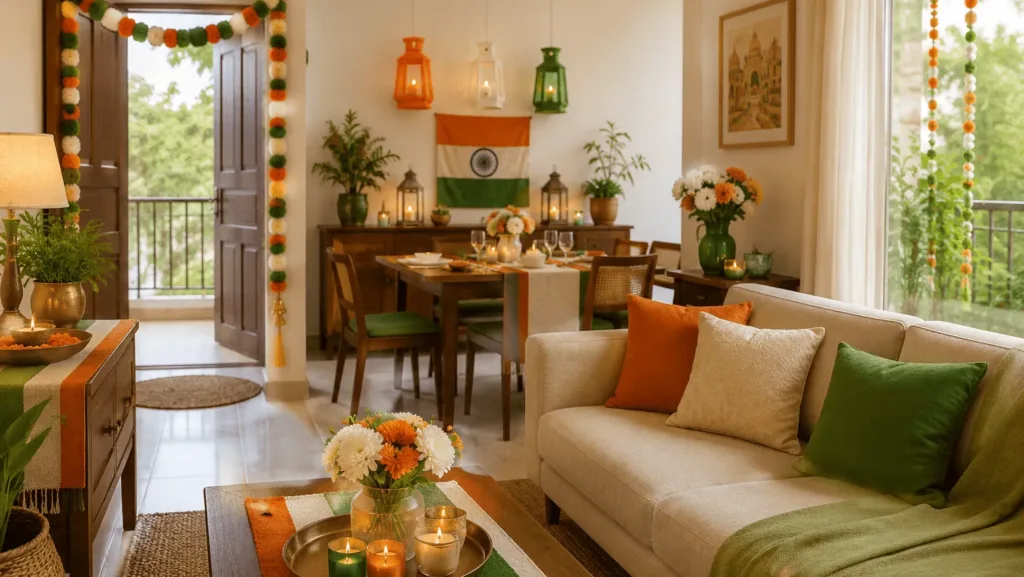
    The dining table is one of the easiest places to introduce the theme. Use white crockery as a clean base and add colour through saffron and green napkins, floral centrepieces or serving accessories.

    Seasonal fruits can double as natural décor, while handmade place cards with Indian-inspired motifs can make a family meal feel even more special.

    Independence Day home decor ideas
    (Representational Image) Refresh your home this Independence Day with simple and elegant tricolour accents | AI Generated

    Light up the evening

    As the sun sets, warm lighting can transform the atmosphere. Arrange candles or diyas around your living room, balcony or entrance for a cosy glow. Small lanterns in tricolour-inspired tones can also work beautifully outdoors when used safely.

    Also Read | How many years of Independence does India complete in 2026?

    Celebrate Indian craftsmanship

    Independence Day also offers a great opportunity to bring Indian craftsmanship into one’s home through the use of handloom table runner, terracotta accessories, cane baskets, Madhubani paintings and Indian pottery.

    The best way to celebrate Independence Day through decor is not by stuffing your room with three colours but by appreciating the warmth and craft of India in the rooms you call your own.

  • India Independence Day 2026: Wishes, greetings and messages to share on August 15

    India Independence Day 2026: Wishes, greetings and messages to share on August 15

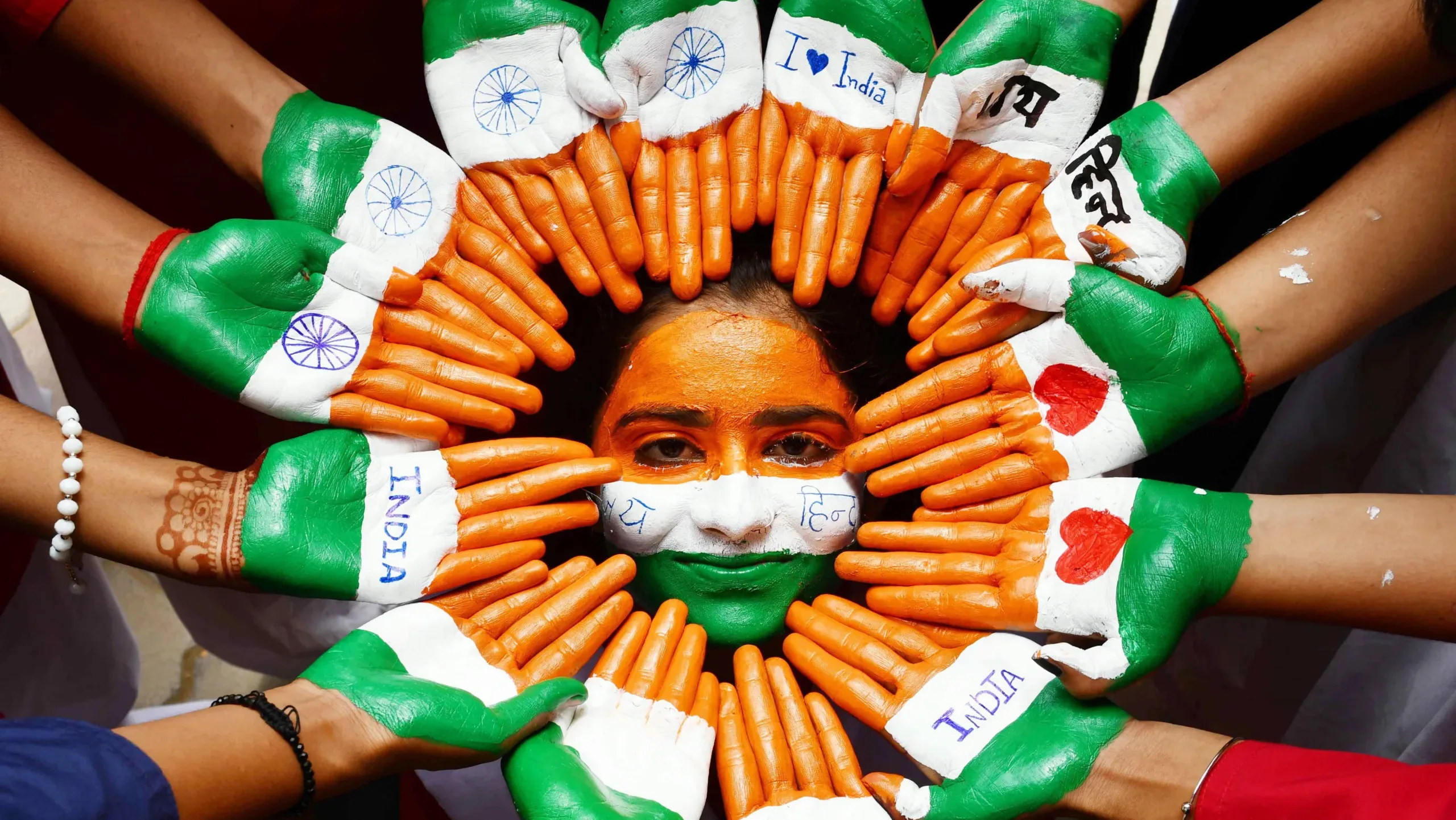
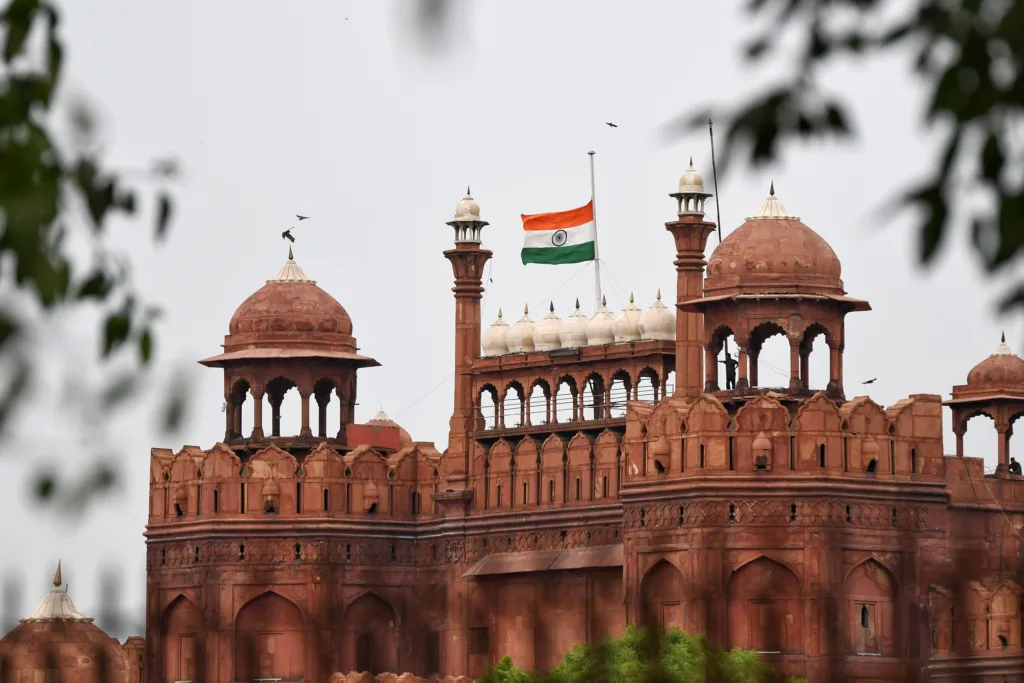
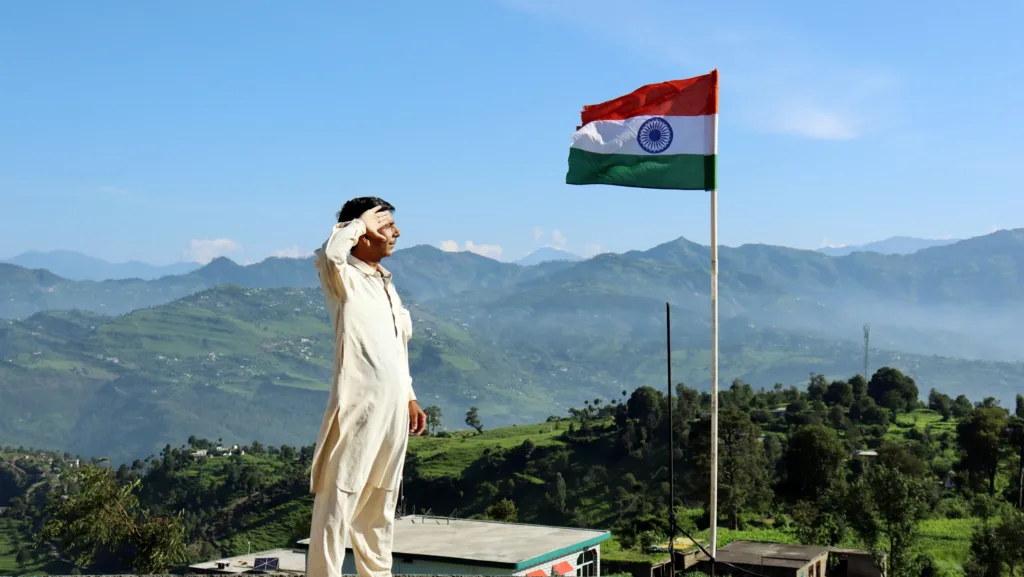
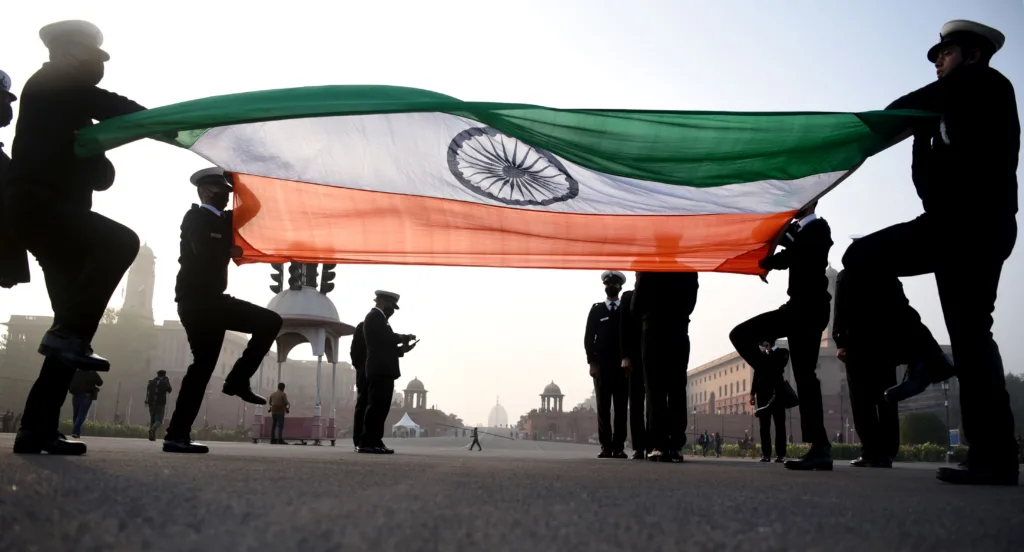
    India celebrates its 80th Independence Day today, on August 15, 2026, commemorating 79 years since the country attained freedom from British rule in 1947. The national occasion, observed every year with flag-hoisting ceremonies, cultural programmes, patriotic events, and public gatherings, is also a moment for citizens to reflect on the long and arduous journey that transformed India from a colonial possession into a sovereign democratic republic.

    Independence Day carries a significance that extends well beyond the ceremonial unfurling of the Tricolour. It recalls the generations of freedom fighters who challenged colonial authority through constitutional politics, mass movements, revolutionary action, social reform and acts of extraordinary personal sacrifice. From Mahatma Gandhi’s mass mobilisation and Jawaharlal Nehru’s political leadership to Subhas Chandra Bose’s uncompromising nationalism and the countless lesser-known men and women who participated in the freedom struggle, India’s independence was the culmination of a movement whose social breadth remains difficult to fully capture.

    India marks its 80th Independence Day in 2026 after completing 79 years of freedom
    India marks its 80th Independence Day in 2026 after completing 79 years of freedom | ANI

    The occasion is consequently marked by messages of patriotism, fraternity, constitutional values and national unity, with families, institutions, schools, workplaces and community organisations exchanging Independence Day greetings and organising programmes to commemorate the historic date.

    Also Read | How many years of Independence does India complete in 2026?

    Independence Day 2026 wishes

    For those looking for messages to share with family, friends, colleagues or on social media, a simple and meaningful greeting can carry the spirit of the occasion.

    Also Read | The Unfinished Awakening: Bengal, Freedom and India’s Tryst with Destiny at 80

    “Happy Independence Day 2026! May we always cherish the freedom won through the sacrifices of those who came before us and work together to build an India that is more prosperous, inclusive and resilient.”

    India Independence Day 2026: Best wishes, greetings and messages to celebrate August 15.
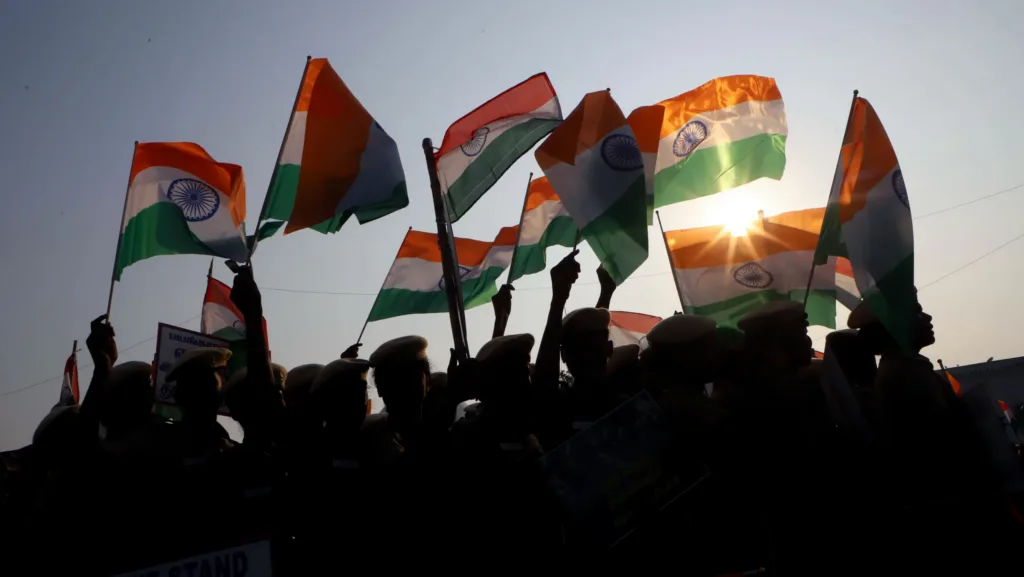
    India Independence Day 2026: Best wishes, greetings and messages to celebrate August 15 | ANI

    Another message could read:

    “On this Independence Day, let us honour the courage of our freedom fighters and celebrate the remarkable journey of India. May our nation continue to rise with unity, confidence and hope. Happy 80th Independence Day!”

    For a more formal greeting:

    “Warm wishes on the 80th Independence Day of India. May this historic occasion inspire us to uphold the values of liberty, democracy, equality and fraternity, while contributing to the nation’s continued progress.”

    For social media, a shorter message may be more appropriate:

    “79 years of freedom, 80th Independence Day, and a future still being written. Jai Hind.”

    15 August 2026: Best Independence Day wishes, greetings, quotes and messages to share.
    15 August 2026: Best Independence Day wishes, greetings, quotes and messages to share | ANI

    Why is Independence Day 2026 significant?

    The 2026 celebration comes at an important point in India’s journey towards 2047, when the country will mark 100 years of independence. The intervening two decades are increasingly being viewed through the prism of the national ambition of building a Viksit Bharat, or developed India, by the centenary of independence.

    That makes the 80th Independence Day more than an anniversary. It is a point of reflection between the India that emerged from colonial rule in 1947 and the India that seeks to emerge as a developed, technologically capable and globally influential nation by 2047.

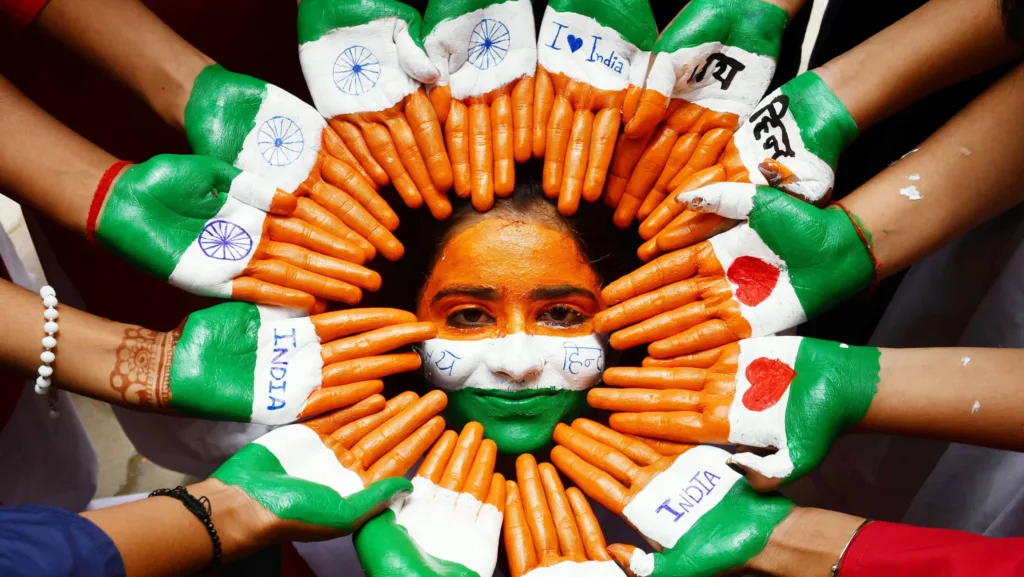
    India Independence Day 2026: Celebrate 79 years of freedom with heartfelt wishes and greetings.
    India Independence Day 2026: Celebrate 79 years of freedom with heartfelt wishes and greetings | ANI

    The story of independence, after all, did not conclude with the lowering of the Union Jack in 1947. It entered a different chapter. The responsibility of subsequent generations has been to translate political freedom into opportunity, education, economic security, dignity and social mobility.

    As the Tricolour rises on August 15, 2026, the most meaningful tribute may therefore be neither a slogan nor a ceremonial gesture, but a renewed commitment to the democratic and constitutional ideals that give independence its enduring meaning.

  • How many years of Independence does India complete in 2026?

    How many years of Independence does India complete in 2026?

    India completes 79 years of independence in 2026 and celebrates its 80th Independence Day on August 15. The distinction often causes confusion because the number of completed years and the ordinal number of the Independence Day are not the same.

    India became independent from British rule on August 15, 1947. Therefore, by August 15, 2026, exactly 79 years will have elapsed since that historic transfer of power. The country will consequently enter its 80th year of independence, while the national celebration itself will be the 80th Independence Day.

    Also Read | The Unfinished Awakening: Bengal, Freedom and India’s Tryst with Destiny at 80

    The arithmetic is straightforward: 2026 minus 1947 equals 79. However, because August 15, 1947, was the first Independence Day, August 15, 1948, was the second, and so on, August 15, 2026, becomes the 80th such observance. The Government of India referred to August 15, 2025, as the 79th Independence Day, thereby establishing the corresponding numbering for 2026.

    India turns 79 years independent in 2026 as it celebrates its 80th Independence Day, marking a historic step towards 2047.
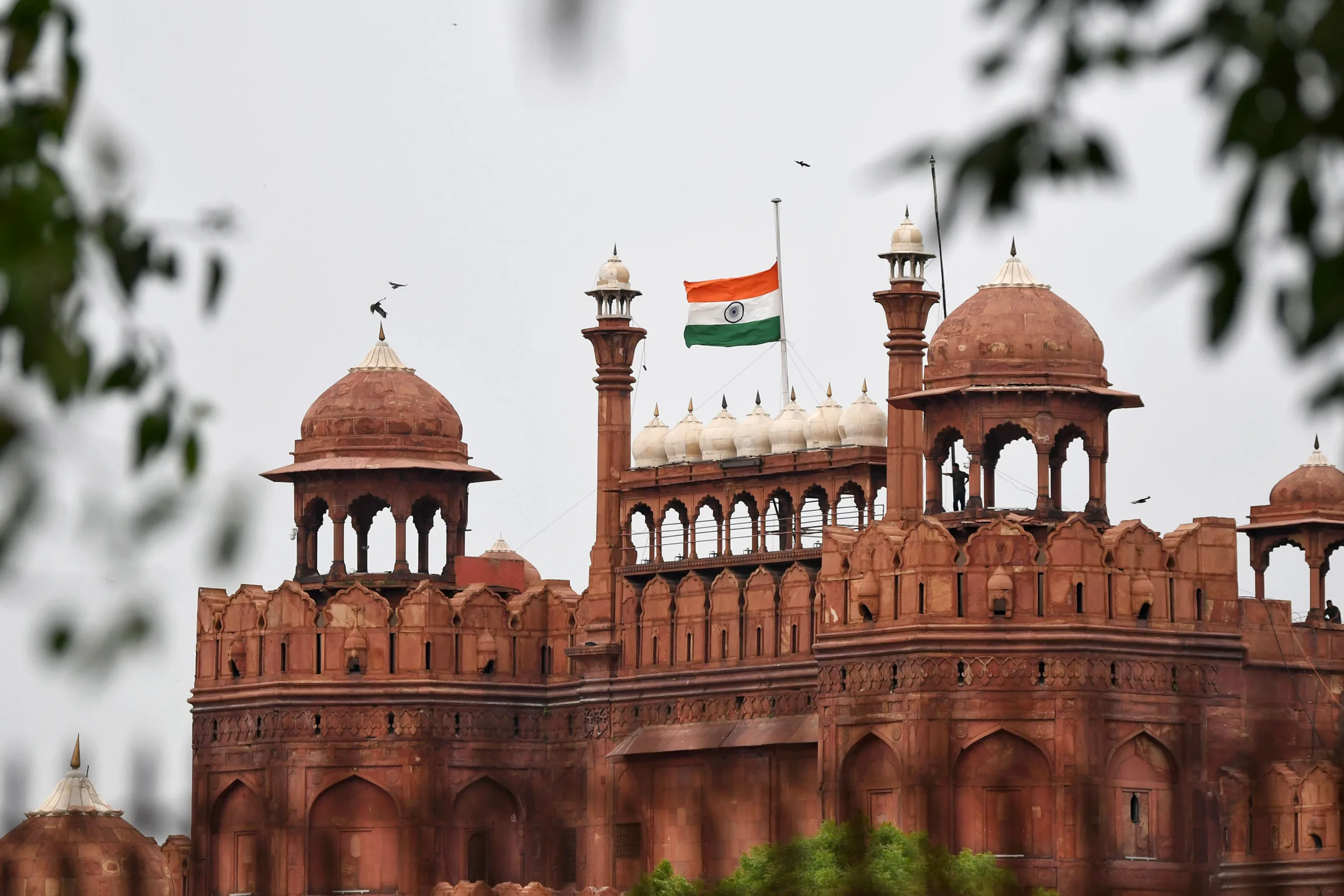
    India turns 79 years independent in 2026 as it celebrates its 80th Independence Day, marking a historic step towards 2047 | ANI

    The distinction becomes particularly relevant this year because the 80th Independence Day places India only 21 years away from the centenary of independence in 2047. The approaching milestone has acquired significance alongside the national aspiration of building a Viksit Bharat by the centenary year.

    India’s journey since 1947 has encompassed some of the most consequential transformations in its modern history. The country inherited a deeply impoverished economy, widespread illiteracy, limited industrial capacity and the immense human consequences of Partition. It subsequently established a constitutional democracy, built institutions, expanded education and infrastructure, developed an industrial and technological base, and emerged as one of the world’s major economies.

    Also Read | Onam Sadya: Why is the traditional feast served on a banana leaf?

    Yet Independence Day is ultimately less about arithmetic than about inheritance. The generation that secured freedom fought primarily for political sovereignty; subsequent generations have been entrusted with converting that sovereignty into opportunity, prosperity and dignity.

    August 15, 2026, marks India's 80th Independence Day and 79 completed years of freedom since independence from British rule in 1947 | ANI
    August 15, 2026, marks India’s 80th Independence Day and 79 completed years of freedom since independence from British rule in 1947 | ANI

    Thus, August 15, 2026, marks 79 completed years of India’s independence, the beginning of its 80th year, and the celebration of its 80th Independence Day.

    The numbers may appear deceptively similar, but together they mark a significant moment: India is no longer merely commemorating the freedom achieved in 1947; it is increasingly measuring the distance between that historic beginning and the India it hopes to become by 2047.

  • What is the Sweatpants Theory? Uncovering one ‘Weird’ modern Gen-Z dating term

    What is the Sweatpants Theory? Uncovering one ‘Weird’ modern Gen-Z dating term

    There is something faintly absurd about the modern dating vocabulary. We once had courtship, romance and heartbreak. We now have ghosting, breadcrumbing, situationships, love bombing and, apparently, the Sweatpants Theory.

    Yet beneath its deliberately ridiculous name lies a rather serious proposition: perhaps attraction becomes more authentic when performance is reduced.

    ALSO READ| What is digital jealousy? Online habit affecting modern couples

    What is the Sweatpants Theory about?

    The Sweatpants Theory has been circulating on TikTok and other social platforms as the idea that people can appear more attractive when they dress comfortably and behave without the elaborate self presentation traditionally associated with dating. In other words, the less one appears to be trying to impress, the more approachable and, paradoxically, attractive one may become.

    It sounds like an internet joke. It is, however, a revealing symptom of how profoundly dating has changed.

    For decades, a date was an exercise in presentation. Clothes were selected, hair arranged, perfume applied, conversation rehearsed and expectations carefully calibrated. The objective was to present the most desirable version of oneself before intimacy had earned access to the least curated one.

    Modern dating has begun to distrust that theatre

    The Sweatpants Theory essentially argues that comfort can become its own form of seduction. Someone who looks relaxed may appear more confident because they are not visibly negotiating the approval of the room. A person in ordinary clothes, laughing freely and behaving naturally, can communicate something that a meticulously assembled dating persona cannot: this is who I am when I am not trying to convince you to like me.

    ALSO READ| Feeling fear during meditation? The surprising reason may not be what you think

    That distinction matters in an age when dating apps have transformed romance into a marketplace of curated identities.

    Profiles are edited. Photographs are selected with forensic precision. Biographies are compressed into witty sentences. First dates can feel less like encounters and more like auditions. Even vulnerability can become performative, packaged as evidence of emotional intelligence.

    The Sweatpants Theory cuts against this economy of impression management. Its deeper appeal, therefore, may have little to do with sweatpants. It is about authenticity.

    But there is a caveat. Authenticity should not become an alibi for indifference. Turning up looking deliberately careless is not necessarily confidence; sometimes it is simply carelessness. The distinction between being comfortable and making no effort remains important, particularly because relationships require reciprocity.

    The theory becomes interesting precisely at that intersection. Modern daters increasingly appear exhausted by the elaborate rituals of romantic self marketing. They do not necessarily want someone flawless. They want someone recognisable. Someone whose dating persona does not collapse the moment the relationship moves from candlelit restaurants to grocery shopping, bad hair days, unfinished chores and Sunday afternoons spent doing absolutely nothing.

    Perhaps that is the real revolution concealed inside the Sweatpants Theory.

    ALSO READ| 25 years of Dil Chahta Hai: The friendship we grew up with

    Romance has historically been obsessed with discovering whether someone finds us attractive at our most polished. Modern relationships demand a more uncomfortable question: will they still find us compelling when there is nothing left to perform?

    The sweatpants, then, are merely sartorial shorthand and the real theory is about being seen without the costume.

  • Onam Sadya: Why is the traditional feast served on a banana leaf?

    Onam Sadya: Why is the traditional feast served on a banana leaf?

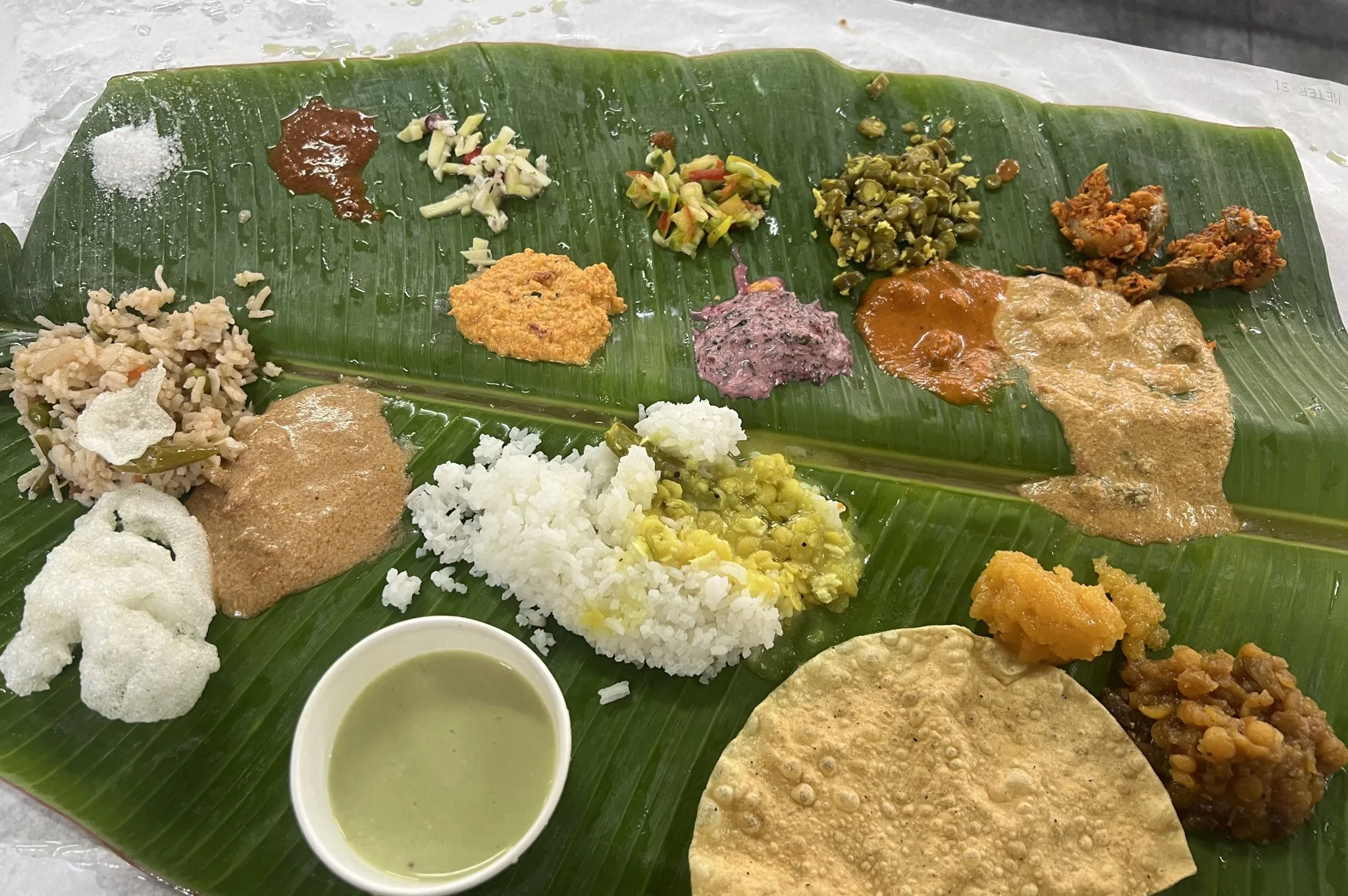
    Onam Sadya, also known as Onasadya, is one of the most important parts of Onam celebrations in Kerala. This traditional vegetarian feast is served on a fresh banana leaf and can feature more than 20 dishes. From rice, curries and vegetables to pickles, crunchy sides and payasam, the meal brings together a wide range of flavours in a carefully arranged spread.

    Preparing Sadya is often a family affair, with several dishes cooked and served together as part of the festive celebrations.

    ALSO READ| Will Kolkata see heavy rain again? Fresh cyclonic system forms over Bay of Bengal

    Story behind Onam

    Onam is celebrated as a harvest festival and is closely associated with the legend of King Mahabali, remembered as a prosperous and beloved ruler. According to Hindu mythology, Lord Vishnu appeared as Vamana and asked Mahabali for three paces of land. Mahabali was later allowed to return to his people once every year.

    Onam is traditionally linked to this annual homecoming, with families marking the occasion through celebrations, feasts and displays of prosperity.

    Why Is sadya important during Onam?

    Food and togetherness are central to the festival, making Sadya an important part of Onam celebrations. The vegetarian feast reflects Kerala’s culinary traditions through ingredients such as rice, coconut, lentils, vegetables, yoghurt, and spices.

    ALSO READ| What is digital jealousy? Online habit affecting modern couples

    Why is Sadya served on a banana leaf?

    Banana leaves are more than just a natural serving plate. It has been part of Kerala’s food traditions for generations and forms an important part of the Sadya dining experience. The dishes are placed in a customary order, with items such as banana chips, pickles, and puli inji arranged alongside vegetables and curries.

    The leaf is traditionally folded after the meal, completing the dining ritual.

    From avial to payasam

    A traditional Sadya may include avial, olan, thoran, kalan, erissery, kootu curry, theeyal, pachadi, kichadi, sambar, rasam, parippu and moru curry. Banana chips, pappadam, sharkara upperi and inji puli add contrasting flavours and textures.

    ALSO READ| Kolkata food guide: Hilsa festival and Sawan vegetarian specials to try this August

    Kerala matta rice forms the centre of the meal and is paired with different curries during the course of the feast. The final highlight is payasam, with varieties such as Palada Payasam and Ada Pradhaman bringing the elaborate Onam Sadya to a sweet close.

    More than a festive feast, Sadya brings together Kerala’s harvest traditions, regional flavours and the spirit of family and community that defines Onam.

  • 25 years of Dil Chahta Hai: The friendship we grew up with

    25 years of Dil Chahta Hai: The friendship we grew up with

    Twenty-five years ago, on August 10, 2001, three young men walked into Indian popular culture and refused to leave. Akash, Sameer and Sid were not merely characters in Dil Chahta Hai. They became archetypes. Friends recognised themselves in them, borrowed their mannerisms and repeated their banter and, for a while, imagined that adulthood could be indefinitely postponed.

    A quarter of a century later, Farhan Akhtar’s directorial debut remains less a film one watches than a memory one revisits.

    That is its singular achievement.

    Hindi cinema had celebrated friendship long before Dil Chahta Hai. But friendship was often presented through the prism of sacrifice, loyalty and masculine heroism. Farhan Akhtar’s film was more irreverent. It understood that the essence of camaraderie is frequently found in its frivolity.

    ALSO READ| What is digital jealousy? Online habit affecting modern couples

    Three friends could spend an afternoon accomplishing absolutely nothing and still regard it as a day well spent.

    They could insult each other without offence, quarrel without permanently breaking the friendship and laugh at jokes that had ceased to be funny several repetitions ago. They could discuss love, life and the future one moment, and descend into puerile banter the next.

    It felt less scripted than remembered.

    Akash was the incorrigible cynic, weaponising sarcasm against almost everything remotely earnest. Sameer was the hopeless romantic, forever susceptible to the next infatuation. Sid was the introspective one, quietly observing the emotional turbulence around him. Together, they represented the holy trinity of most friend groups: the troublemaker, the hopeless romantic and the one who keeps everyone grounded.

    Most of us have had an Akash.

    Most of us have known a Sameer.

    And, occasionally, life has forced us to become Sid.

    The film’s genius lay in recognising that friendship is rarely constructed through grand declarations. It accumulates through inconsequential moments: shared meals, pointless arguments, embarrassing confessions, terrible decisions, private jokes and stories that become funnier with every retelling.

    The legendary Goa trip consequently became more than a cinematic holiday. It was an adolescent manifesto. A car, three friends, an endless road and the intoxicating illusion that responsibility was somebody else’s problem.

    When friendship grows up

    But Dil Chahta Hai was never merely a paean to carefree youth. Beneath its exuberance was a more melancholy proposition: friendships, like people, evolve.

    Akash falls in love. Sameer confronts the instability of his romantic impulses. Sid discovers an emotional seriousness that his friends initially struggle to comprehend. Their lives begin moving in divergent directions.

    And therein lay the film’s emotional sophistication.

    It did not pretend that enduring friendship requires permanent sameness. Quite the opposite. It suggested that genuine camaraderie survives precisely because people are permitted to change.

    Twenty-five years later, that idea has acquired an almost poignant resonance.

    The generation that once watched Dil Chahta Hai in college now has mortgages, managerial hierarchies, children, ageing parents and calendars that require a fortnight’s notice for dinner. The spontaneous road trip has been replaced by Google Calendar. The long conversation by voice notes. The college canteen by a restaurant reservation.

    Yet the friendship survives, often in the most inconspicuous forms.

    A birthday message or a resurrected photograph. Or maybe a four-hour reunion after four years. Or, even one old insult that instantly restores the chemistry of another decade.

    That is why Dil Chahta Hai remains culturally durable. Its clothes have dated. Its gadgets belong to an archaeological era. Its urban India looks almost quaint in the age of Instagram, dating apps and perpetual connectivity.

    But its emotional cartography remains remarkably contemporary.

    Because technology has changed the architecture of friendship, not its fundamental appetite.

    We still need people before whom we can be ridiculous without embarrassment. People who know our most egregious mistakes and possess the temerity to remind us of them. People with whom silence does not require explanation and laughter does not require context.

    ALSO READ| Kolkata food guide: Hilsa festival and Sawan vegetarian specials to try this August

    That might be the reason why the movie feels different at different ages.

    At 18, Akash looks unbelievably cool. At 25, Sameer’s romantic madness sounds familiar. And at 35, Sid’s silences suddenly gain another kind of meaning.

    The movie ages with us.

    And somewhere in the midst of all the laughter, all the talk, all the arguments and that imaginary Goa trip that is still there in our minds lies the magic of Dil Chahta Hai: it did not just tell us about three friends.

    It told us about ourselves, about how we grew up and about the friends we are fortunate enough to have made along the way.

    Some friendships age with us. The rare ones simply refuse to.

  • What is digital jealousy? Online habit affecting modern couples

    What is digital jealousy? Online habit affecting modern couples

    Someone’s partner liking someone else’s post. A new follower. Slow response whilst online. These commonplace events on social media are sparking a new real-life trend: digital jealousy.

    Mental health professionals do not say it’s necessarily a problem with what is done online, but how it is done. In the absence of context, small digital interactions can rapidly escalate into grounds for suspicion, insecurity, and conflicts.

    ALSO READ| Feeling fear during meditation? The surprising reason may not be what you think

    What is digital jealousy?

    Digital jealousy involves emotions of insecurity or mistrust that may be caused by the activities of one’s partner in digital space. Likes, comments, followers, direct messages, or even a presence in online space may sometimes give rise to suspicions which may have nothing to do with reality.

    While social networks provide users with access to any information about their partners’ activities at any time, they seldom provide a context in which this information should be seen. Thus, people often make up stories to explain what may happen to them, especially those who are already having trust or insecurity issues.

    When does digital jealousy become unhealthy?

    Occasional curiosity about a partner’s online presence is normal. However, experts say it becomes unhealthy when checking social media turns into a habit that affects emotional well-being or replaces honest communication.

    Some common signs include:

    Constantly checking your partner’s followers, likes or comments
    Feeling anxious when they are online but don’t respond immediately
    Reading too much into emojis, reactions or old interactions
    Frequently asking for passwords, phone access or live location
    Scrolling through social media looking for proof of dishonesty
    Comparing your relationship with what you see online
    Letting online activity become a regular source of arguments

    Experts caution that while monitoring a partner may offer temporary reassurance, it often increases anxiety over time and creates a cycle of repeated checking.

    ALSO READ| Kolkata food guide: Hilsa festival and Sawan vegetarian specials to try this August

    Can couples overcome digital jealousy?

    Experts agree that the answer is found in building trust, not surveillance.

    It may be helpful to discuss boundaries, expectations and social media use to eliminate confusion. On the other hand, acknowledging one’s own insecurity and getting used to uncertainty are equally crucial steps.

    Successful relationships are built on communication, mutual respect and trust, not continuous surveillance of online actions. Social media allows looking into people’s lives but does not provide any answers regarding intentions, emotions or relationship strength.

  • Kolkata food guide: Hilsa festival and Sawan vegetarian specials to try this August

    Kolkata food guide: Hilsa festival and Sawan vegetarian specials to try this August

    Sometimes the rain falls softly, like a drizzle. At times, Kolkata seems to disappear under a sheet of water. It has been those kinds of days in the city and suburbs for the past few days, with showers here and there and the sky being overcast.

    But one group doesn’t complain about this kind of weather: the city’s foodies.

    Kolkata and the rains go hand in hand, as do rain and food. As the monsoon season has set in, several restaurants in the city have created seasonal menus and some food festivals to make the season even more appealing.

    ALSO READ| Feeling fear during meditation? The surprising reason may not be what you think

    Notably, for hilsa lovers, this is the season to indulge. For many Bengali households, Shravan also means vegetarian food. Restaurants, therefore, are trying to cater to both at the table.
    For those who believe that monsoon is incomplete without hilsa, there is good news.

    Where is the Hilsa festival in Kolkata? What are the prices?

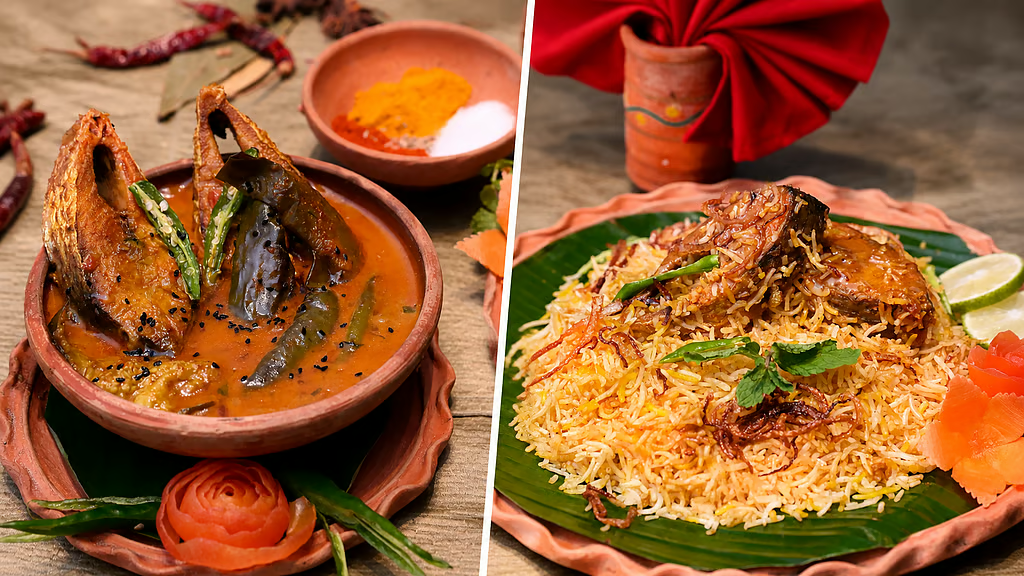
    A Hilsa festival is currently underway at Princeton Club in South Kolkata, bringing together a variety of traditional Bengali preparations as well as fusion dishes inspired by culinary traditions from both Bengals.

    Popular dishes featured are Nawabganj Hilsa from Bangladesh, brinjal-hilsa broth, which is very popular among Bengalites. But the restaurant has also come up with some more adventurous dishes, such as hilsa biryani and hilsa sizzler, in an attempt to attract younger clientele.

    Mustard-based sauces have been used to give several of the dishes a distinctly Bengali character. Traditional preparations such as hilsa fry with rice and pumpkin-leaf-steamed hilsa are also on the menu.

    Chef Abhijit Chakraborty explained the thought behind the festival to Ei Samay, saying, “Two serving-sized pieces of hilsa fish are being served in each dish. Hilsa is actually an emotion for Bengalis, so just as there is a rush to eat familiar dishes, many people also want to try different fusion dishes. Keeping that in mind, these hilsa dishes were chosen.”

    The price of the hilsa dishes is in the range of ₹650 and ₹750. The festival will also continue till Sunday evening; after the hilsa festival ends, the restaurant will organise more food events.

    Where to savour Burmese cuisine in Kolkata this monsoon?

    Meanwhile, at Burma Burma, those who aren’t fond of Bengali dishes can savour the Burmese cuisine.

    The restaurant will be serving a special menu throughout the month of August that reflects the food that can be found at Burmese tea shops. Spreads range from fukse (steamed buns) and palata (flaky Burmese bread) to pulled tea and desserts.
    Food lovers can also try out these dishes, and each dish will be roughly around the mark of ₹450, which is another option for them during the rainy season.

    Where can you find Shravan specials in Kolkata?

    While hilsa dominates the plates of many Bengalis during this season, Shravan is also there. Many people prefer vegetarian food during the month.

    Keeping this demand in mind, a new vegetarian restaurant, Spice Carnival, has opened on Park Street.

    Their menu features dishes such as Phuchka Platter, Bhatti Ke Bhutte, Paneer Tikka Lavabdar and Velvet Kofta-e Khas.

    ALSO READ| Sawan 2026: Planning a Jyotirlinga Yatra? Here’s a travel guide for you

    “This restaurant is the fruit of our family’s thinking. Vegetarian food is served at our house. In many cases, many people do not go out to eat out of fear of getting vegetarian food, so we prepare all our dishes so that they can come and eat without hesitation,” Spice Carnival managing partner Jalan told Ei Samay.

    Social Restaurant on Park Street has also introduced a special vegetarian menu for Shravan. Diners can try dishes such as Achari Paneer Tikka, Mushroom Clouds and Alpino Cheese Nads, with the special offerings available until August 28.

    So, either way, Kolkata’s monsoon dining scene appears to have decided that a little rain is no reason to stay away from the table.