Author: Tuhin Das Mahapatra

  • Onam Sadya: Why is the traditional feast served on a banana leaf?

    Onam Sadya: Why is the traditional feast served on a banana leaf?

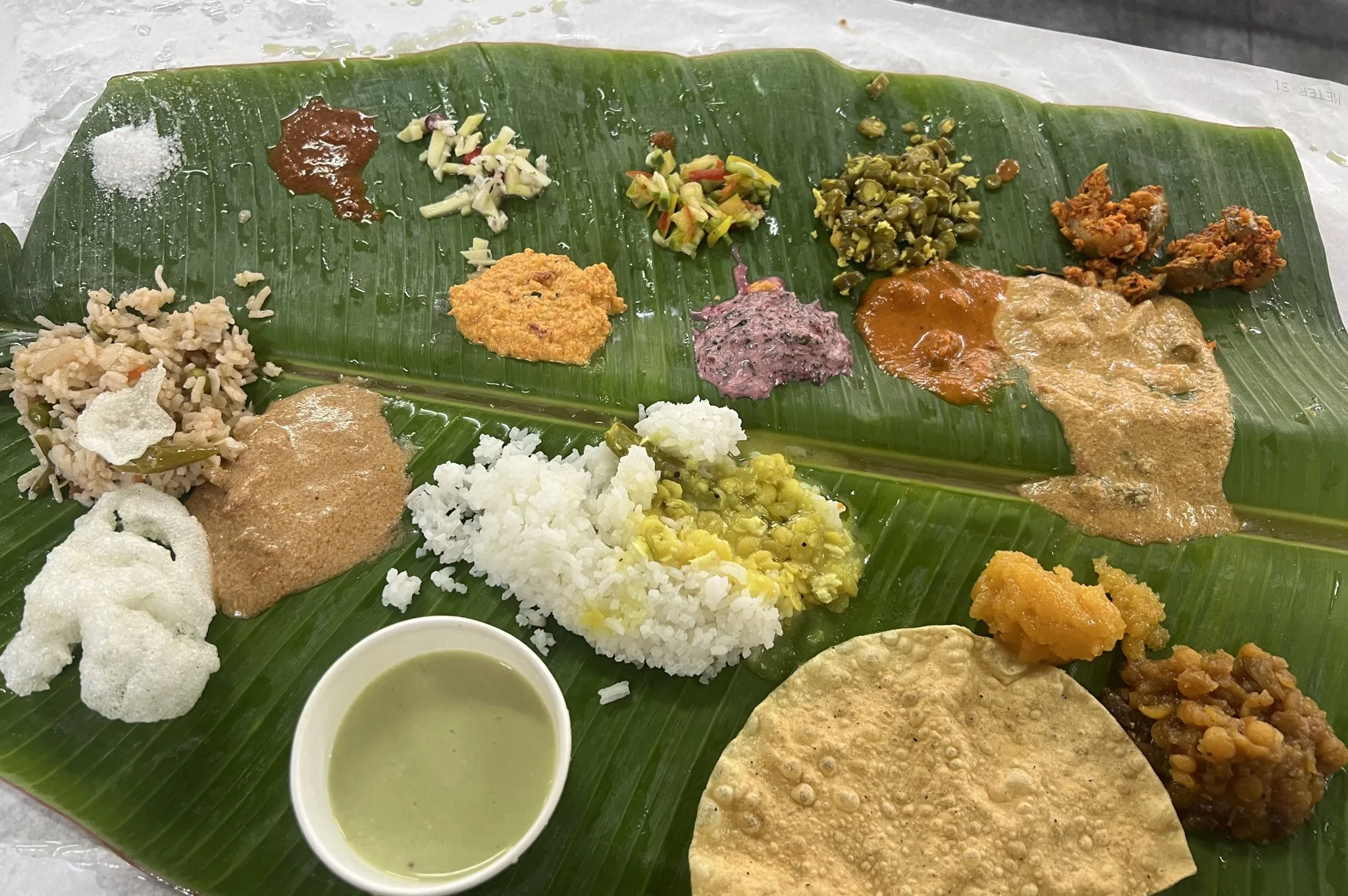
    Onam Sadya, also known as Onasadya, is one of the most important parts of Onam celebrations in Kerala. This traditional vegetarian feast is served on a fresh banana leaf and can feature more than 20 dishes. From rice, curries and vegetables to pickles, crunchy sides and payasam, the meal brings together a wide range of flavours in a carefully arranged spread.

    Preparing Sadya is often a family affair, with several dishes cooked and served together as part of the festive celebrations.

    ALSO READ| Will Kolkata see heavy rain again? Fresh cyclonic system forms over Bay of Bengal

    Story behind Onam

    Onam is celebrated as a harvest festival and is closely associated with the legend of King Mahabali, remembered as a prosperous and beloved ruler. According to Hindu mythology, Lord Vishnu appeared as Vamana and asked Mahabali for three paces of land. Mahabali was later allowed to return to his people once every year.

    Onam is traditionally linked to this annual homecoming, with families marking the occasion through celebrations, feasts and displays of prosperity.

    Why Is sadya important during Onam?

    Food and togetherness are central to the festival, making Sadya an important part of Onam celebrations. The vegetarian feast reflects Kerala’s culinary traditions through ingredients such as rice, coconut, lentils, vegetables, yoghurt, and spices.

    ALSO READ| What is digital jealousy? Online habit affecting modern couples

    Why is Sadya served on a banana leaf?

    Banana leaves are more than just a natural serving plate. It has been part of Kerala’s food traditions for generations and forms an important part of the Sadya dining experience. The dishes are placed in a customary order, with items such as banana chips, pickles, and puli inji arranged alongside vegetables and curries.

    The leaf is traditionally folded after the meal, completing the dining ritual.

    From avial to payasam

    A traditional Sadya may include avial, olan, thoran, kalan, erissery, kootu curry, theeyal, pachadi, kichadi, sambar, rasam, parippu and moru curry. Banana chips, pappadam, sharkara upperi and inji puli add contrasting flavours and textures.

    ALSO READ| Kolkata food guide: Hilsa festival and Sawan vegetarian specials to try this August

    Kerala matta rice forms the centre of the meal and is paired with different curries during the course of the feast. The final highlight is payasam, with varieties such as Palada Payasam and Ada Pradhaman bringing the elaborate Onam Sadya to a sweet close.

    More than a festive feast, Sadya brings together Kerala’s harvest traditions, regional flavours and the spirit of family and community that defines Onam.

  • Will Kolkata see heavy rain again? Fresh cyclonic system forms over Bay of Bengal

    Will Kolkata see heavy rain again? Fresh cyclonic system forms over Bay of Bengal

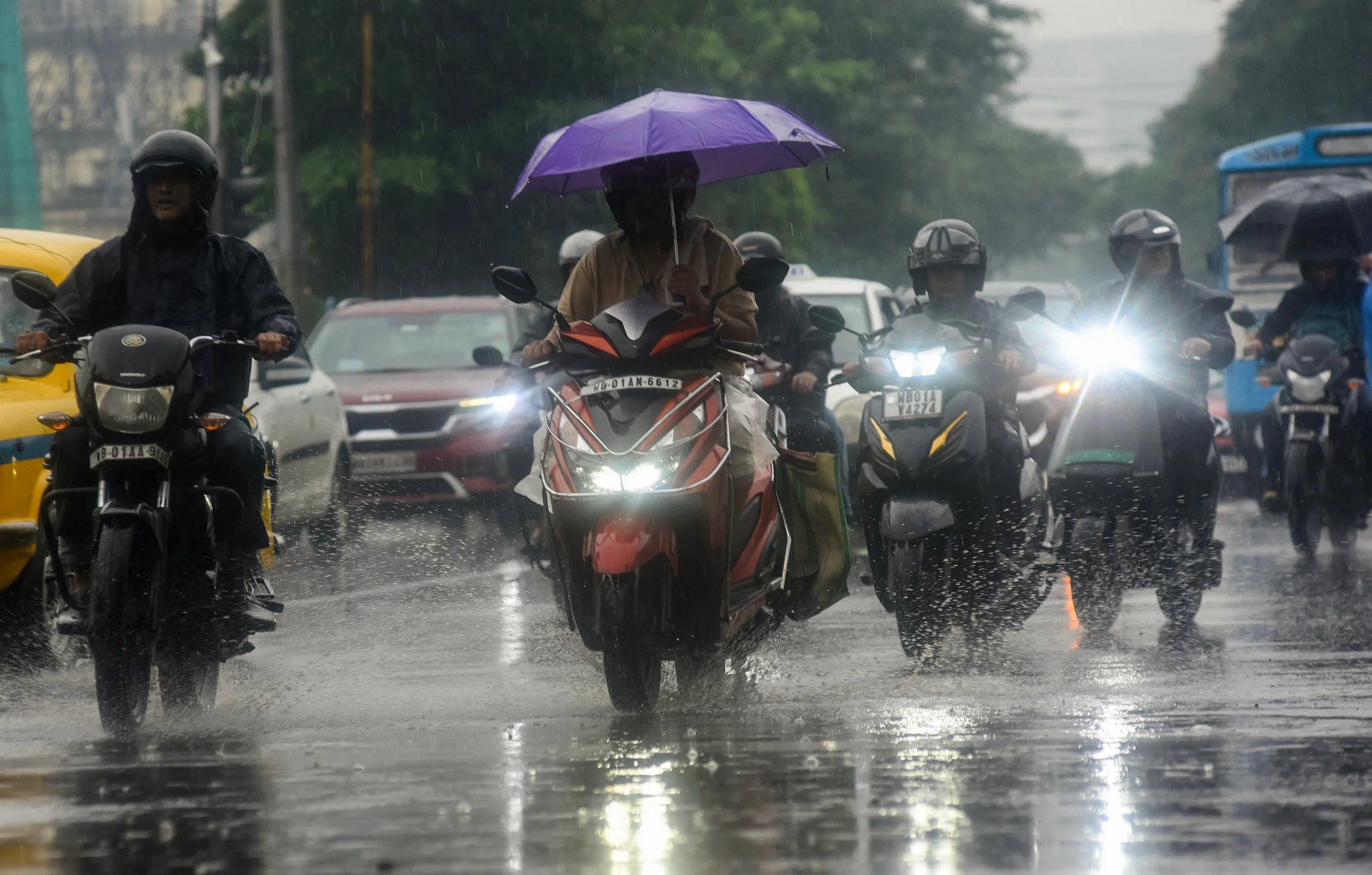
    Kolkata may see another spell of rain as a fresh weather system develops over the Bay of Bengal, raising the prospect of heavier showers across West Bengal. Just days after the state was affected by a previous depression, a new cyclonic circulation has formed over the northwest Bay of Bengal.

    According to the weather department’s latest update, the circulation could intensify into a depression on Wednesday. Its influence is expected to increase rainfall activity across South Bengal, while several parts of North Bengal may also receive heavy rain.

    ALSO READ| Calcutta High Court gets 8 new judges at once in over two decades: Here’s a full list

    How’s Kolkata weather today?

    Kolkata is likely to remain under mostly cloudy skies throughout Wednesday. The city may receive light to moderate rain during the day.

    Humidity is expected to remain high, with relative humidity around 99 per cent. Kolkata recorded a minimum temperature of 27.9 degrees Celsius and a maximum temperature of 32.6 degrees Celsius on Tuesday. No major change in temperature is expected on Wednesday.

    Heavy rain forecast for South Bengal

    Rainfall activity is likely to pick up across South Bengal from Wednesday as the weather system over the Bay of Bengal strengthens.

    North 24 Parganas, South 24 Parganas and East Midnapore may receive heavy rain. Kolkata and other districts of South Bengal are also likely to see thunderstorms accompanied by rain.

    Gusty winds with speeds of around 30 to 40 kmph may accompany the showers in some areas.

    Rain to continue in coastal and western districts

    The weather department has forecast rain across the coastal districts of South Bengal as well as parts of western Bengal until Friday.

    ALSO READ| Who is Sumit Roy? Supreme Court orders not to arrest Abhishek Banerjee’s close aide

    Rainfall activity and intensity may ease somewhat from Saturday, according to the current forecast.

    North Bengal also faces rain threat

    The developing weather system over the Bay of Bengal could also bring heavy rain to several areas of North Bengal. The extent of rainfall will depend on the movement and strengthening of the system.

    For now, the weather department is keeping several parts of the state under watch as the new low-pressure system takes shape over the Bay.

  • Pancha Kedar-Part 3: Tungnath, the highest Shiva temple in the world

    Pancha Kedar-Part 3: Tungnath, the highest Shiva temple in the world

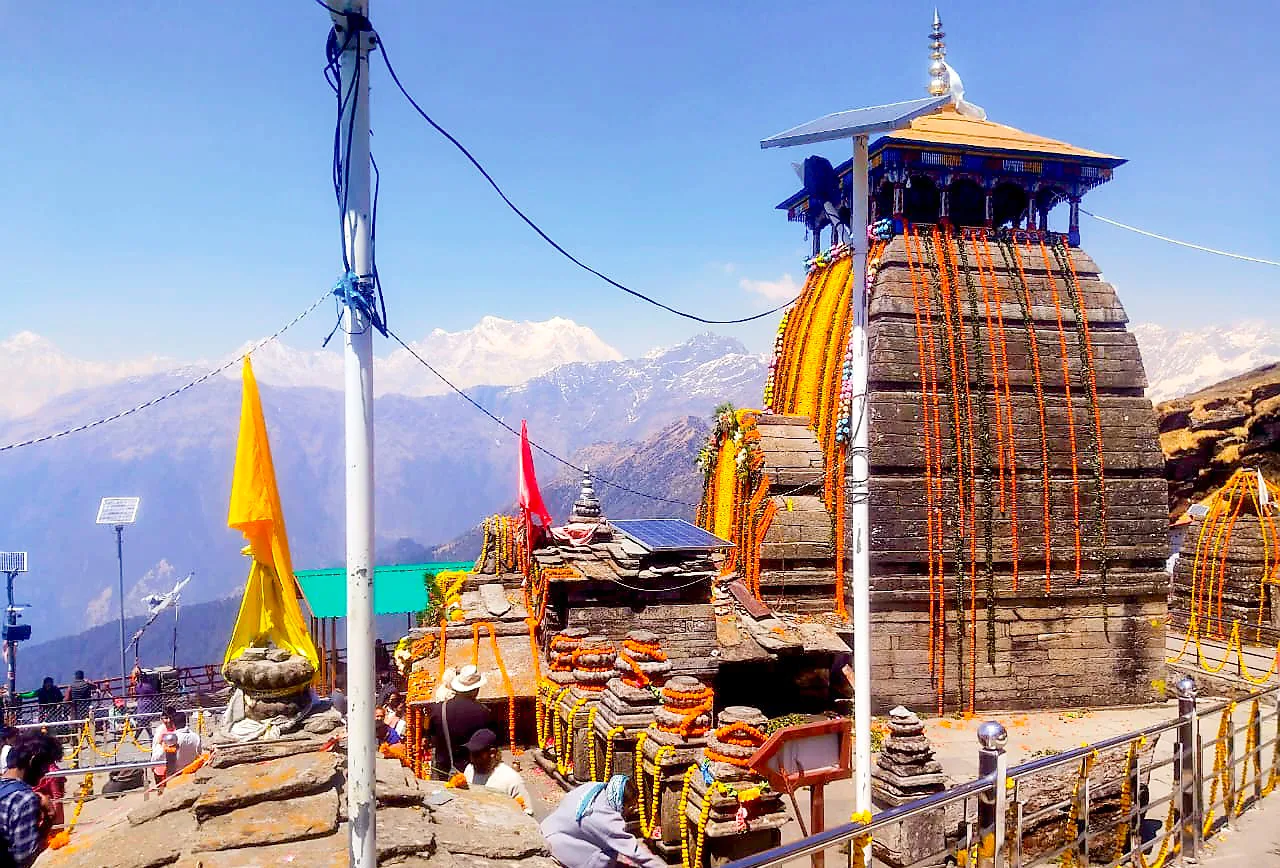
    Located at a height of 3,680 metres (12,073 feet) in the Garhwal Himalayas, Tungnath is known as the highest Shiva temple in the world.
    This alone brings visitors from all over the world, be it for trekking, photography or pilgrimage. However, giving it the status of a geographical superlative does not reflect its true importance.
    If you do Pancha Kedar, then Tungnath is not just a cloud-sculpted temple. It is a sacred place where Lord Shiva’s arms are thought to have emerged after he left the earth when he was running away from the Pandavas.

    Kedarnath is the burden that one should carry, and Tungnath is the responsibility of action.

    ALSO READ| Pancha Kedar–Part 1: Why did Lord Shiva hide from the Pandavas?

    The story begins where the legend of Kedarnath leaves off. The Pandavas went on a pilgrimage to the Himalayas to find Lord Shiva to get forgiveness for the tremendous destruction they had seen and also caused during the Kurukshetra war. Until they learned humility, Shiva could not grant forgiveness; He disguised Himself as a magnificent bull. When Bhima saw that the deity was disguised in the form of a bull, he tried to grab the deity, but the bull disappeared below the ground. Then, the various parts of Shiva appeared at five places in the Garhwal Himalayas.

    Then, at Kedarnath, emerged the hump. At Tungnath, the arms manifested from the mountainside. Why the arms?

    Ancient Indian mythology rarely chooses body parts at random. All symbols have a message. The arms are the instruments of action. They construct, defend, love, work and when needed, they fight. All of man’s actions are initiated by his will and translated by his hands. The word “Karma” does not just mean “destiny” in Sanskrit. It literally means action. The arms then are the fruit of one’s work or action and are thus visible.

    Maybe the figure of Shiva at the Tungnath serves as a reminder to the human race of one of the main teachings of the Bhagavad Gita: it is not action that binds humans, but attachment to action’s results.

    It was because Dharma called for it that the Pandavas fought. But they were still under the burden of the effects of war, as all actions, even if they are justified, impact the heart. Shiva shows His arms at Tungnath and seems to be saying here that the redemption is not to cease action but to cleanse the motive of action.

    Why is it called Tungnath?

    The name Tungnath itself offers another clue. Derived from two Sanskrit words, Tunga, meaning ‘lofty’ or ‘elevated,’ and Nath, meaning ‘Lord’, the name may be translated as ‘The Lord of the Highest Peaks.’ Standing amidst alpine meadows with uninterrupted views of the Chaukhamba, Nanda Devi, Trishul and Kedarnath mountain ranges.
    Unlike many Himalayan pilgrimages requiring days of difficult trekking, Tungnath can be reached by a relatively short but steep trail beginning at Chopta, often called the ‘Mini
    Switzerland of India.’ The walk covers barely four kilometres, and dense forests of oak, deodar and rhododendron gradually give way to rolling alpine grasslands known as bugyals.
    Himalayan birds fill the air with song.
    Only mountains.
    Only silence.
    Only the rhythmic sound of footsteps against ancient stone pathways.

    ALSO READ| Pancha Kedar–Part 2: Kedarnath, where Lord Shiva’s hump emerged and time stands still

    For centuries, sages have regarded such silence as one of the Himalayas’ greatest teachers. In cities, the mind constantly reacts to noise, movement and distraction, but in the mountains, thought itself begins to slow. Perhaps that is why Shiva chose these heights.

    How old is Tungnath?

    The present temple is believed to be over a thousand years old, though local traditions attribute its earliest foundation to the Pandavas themselves.

    Like Kedarnath, the existing stone structure is often associated with the revival of Himalayan pilgrimage routes during the time of Adi Shankaracharya in the eighth century.

    Beyond Tungnath lies another sacred destination, Chandrashila, a summit rising to nearly 4,000 metres. The short climb from the temple rewards pilgrims with one of the most breathtaking panoramic views in the Indian Himalayas.

    Yet Chandrashila is more than a viewpoint. According to tradition, Lord Rama meditated here after defeating Ravana, seeking purification for the act of killing a Brahmin king. Another legend associates the peak with Chandra, the Moon God, who performed penance after being cursed by Sage Daksha.

    These stories reveal an intriguing pattern. Even the greatest among the Indian epics’ heroes, like the Pandavas after Kurukshetra or Rama after Lanka, perform penance after performing their duty. Victory is never deemed good enough. All good deeds require contemplation.

    This is a common theme that is missed by modern readers.
    Indian mythology celebrates courage, but it also celebrates introspection. Power without humility is incomplete. Action without self-examination is dangerous.

    Throughout Indian philosophy, the hand occupies a sacred place. The ancient morning prayer ‘Karagre Vasate Lakshmi’ begins by reminding us that prosperity, knowledge and divine power reside within our own hands.

    ALSO READ| Why is Shiva worshipped as a Lingam while other gods have idols?

    Tungnath is also the time of the seasons, as in the other Pancha Kedar temples. The temple is shut in winter when the snow is heavy, and the worship of the deity is symbolic at Makku Math.
    These days, a lot of people visit Tungnath because they’ve seen snow-covered paths or some enchanting sunrise images from Chandrashila on social media. Some go for trekking, and others are for adventure.

    However, nearly everyone walks away with a surprise. Tungnath seems serene and does not invite the hasty tourist. The mountains have their rhythms, and slowly, almost imperceptibly, the visitor starts on a more gentle pace to walk, breathe, and think.

    Maybe this is the advantage that Shiva has bestowed upon us.

  • When is the best time to visit Kalimpong? Here’s a season-by-season travel guide

    When is the best time to visit Kalimpong? Here’s a season-by-season travel guide

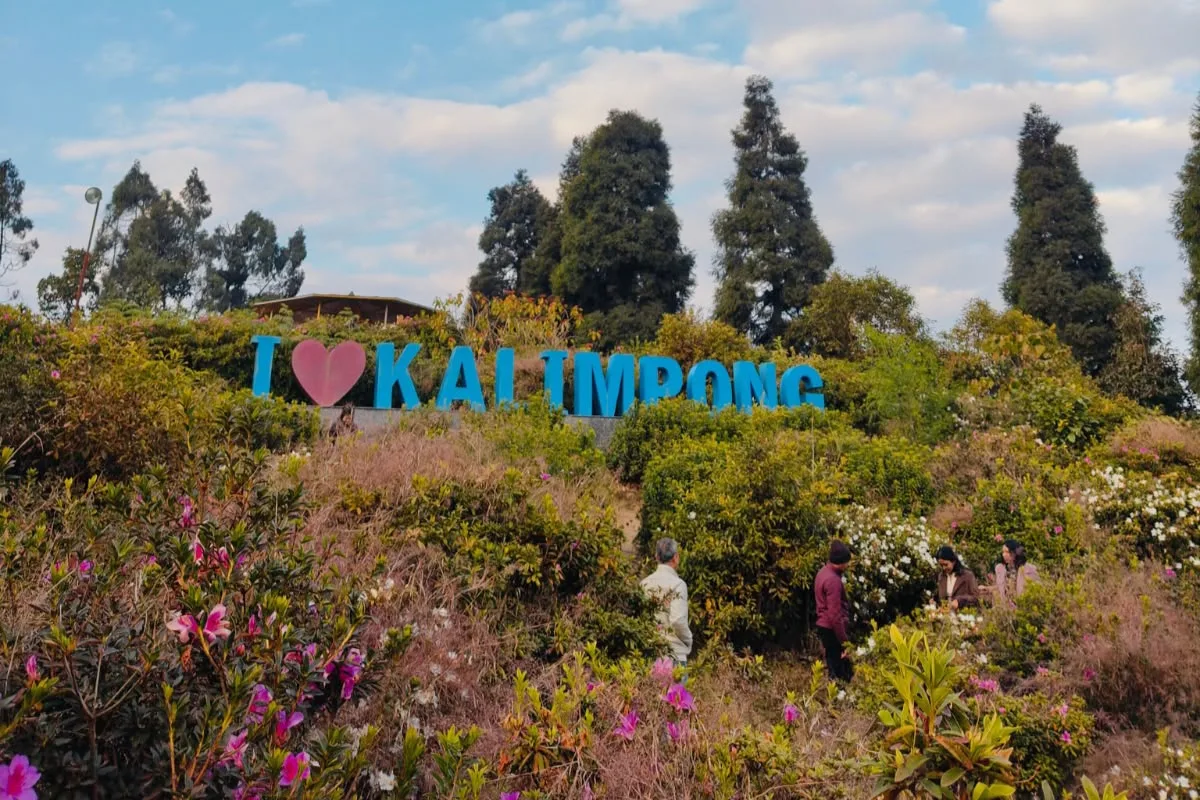
    Perched in the foothills of the Himalayas, Kalimpong offers a different reason to visit with every changing season. Spring brings rhododendron blooms and adventure activities, autumn paints the surrounding forests in warmer shades, while winter offers some of the clearest views of the snow-covered Himalayas.

    And then there is the food. From jhol momos and thukpa to sel roti and Nepali thalis, Kalimpong’s culinary appeal doesn’t disappear when the weather changes.

    Thus, what would be the best time to visit Kalimpong? Well, according to the season-wise travel guide published in the magazine of Conde Nast Traveller India, the widest period suitable for travelling falls between October and February.

    ALSO READ| Did you know there’s a secret trail between Kedarnath and Badrinath? Discover the lost Himalayan path of the gods

    When is the best time to visit Kalimpong?

    October to February is the recommended period if your priority is comfortable weather, autumn landscapes and clear Himalayan views.

    Sal forests surrounding Sikkim will be decked up with autumn colours during October and November. December through February are famous for clear skies and better views of Mount Kanchenjunga.

    On the other hand, for those who like adventure sports and would like to enjoy nature’s beauty, March and April may turn out to be more favourable seasons. Wildflowers and rhododendron bloom in this period.

    The monsoon months can be less convenient for travel, with the source noting muggy conditions, difficult roads and the possibility of flash-flood warnings.

    What can you see in Kalimpong during spring?

    If flowers are the reason for your trip, late February to April is the season to consider.

    The forests around Lava and Neora Valley National Park come alive with rhododendrons, with March and April generally considered a good period to see the blooms. Flowering can vary depending on altitude and weather conditions each year.

    Spring also works well for hiking, birdwatching and scenic drives, while the surrounding hills offer opportunities for adventure activities.

    When is the best time to see Kanchenjunga?

    For Himalayan views, October to February is the strongest window.

    Post-monsoon skies are generally clearer and humidity is lower. Early mornings are particularly favourable because clouds can gather around the mountains later in the day.

    Deolo Hills and Durpin Dara Hill are among the viewpoints highlighted in the source. Travellers willing to venture farther can also explore Ramdhura, Lava and Rishop for mountain views.

    ALSO READ| Sawan 2026: Planning a Jyotirlinga Yatra? Here’s a travel guide for you

    What about Kalimpong’s food scene?

    You don’t necessarily need perfect weather to visit Kalimpong if food is your priority.

    The town’s culinary landscape draws from Lepcha, Nepali, Tibetan and Bhutanese influences, with dishes ranging from jhol momos and tingmo to thukpa, kewa datshi, pork momos and Nepali thalis.

    The local Haat Bazaar, held on Wednesdays and Saturdays, is another attraction for food lovers, with local produce, pickled bamboo, millet-based ferments and street food.

    How many days do you need in Kalimpong?

    Three days can be enough to explore Kalimpong itself, according to the source.

    However, travellers who want to explore surrounding tea estates and natural attractions at a slower pace can plan for a week or more.

    The town can also be combined with a Darjeeling trip. Kalimpong is roughly a two-hour drive from Darjeeling, while Bagdogra International Airport is around 2.5 hours away by road, according to the source.

    Kalimpong weather by season
    March-April: 13°C-25°C
    May-October: 17°C-30°C
    November-February: 5°C-21°C

    ALSO READ| Pancha Kedar–Part 1: Why did Lord Shiva hide from the Pandavas?

    Ultimately, the best time to visit Kalimpong depends on what you want from the hills. Choose spring for rhododendrons and adventure, autumn for walks and changing forests, and winter for crisp mountain views. If food is the main attraction, Kalimpong’s momos, thukpa and local specialities are reason enough to visit year-round.

  • What is digital jealousy? Online habit affecting modern couples

    What is digital jealousy? Online habit affecting modern couples

    Someone’s partner liking someone else’s post. A new follower. Slow response whilst online. These commonplace events on social media are sparking a new real-life trend: digital jealousy.

    Mental health professionals do not say it’s necessarily a problem with what is done online, but how it is done. In the absence of context, small digital interactions can rapidly escalate into grounds for suspicion, insecurity, and conflicts.

    ALSO READ| Feeling fear during meditation? The surprising reason may not be what you think

    What is digital jealousy?

    Digital jealousy involves emotions of insecurity or mistrust that may be caused by the activities of one’s partner in digital space. Likes, comments, followers, direct messages, or even a presence in online space may sometimes give rise to suspicions which may have nothing to do with reality.

    While social networks provide users with access to any information about their partners’ activities at any time, they seldom provide a context in which this information should be seen. Thus, people often make up stories to explain what may happen to them, especially those who are already having trust or insecurity issues.

    When does digital jealousy become unhealthy?

    Occasional curiosity about a partner’s online presence is normal. However, experts say it becomes unhealthy when checking social media turns into a habit that affects emotional well-being or replaces honest communication.

    Some common signs include:

    Constantly checking your partner’s followers, likes or comments
    Feeling anxious when they are online but don’t respond immediately
    Reading too much into emojis, reactions or old interactions
    Frequently asking for passwords, phone access or live location
    Scrolling through social media looking for proof of dishonesty
    Comparing your relationship with what you see online
    Letting online activity become a regular source of arguments

    Experts caution that while monitoring a partner may offer temporary reassurance, it often increases anxiety over time and creates a cycle of repeated checking.

    ALSO READ| Kolkata food guide: Hilsa festival and Sawan vegetarian specials to try this August

    Can couples overcome digital jealousy?

    Experts agree that the answer is found in building trust, not surveillance.

    It may be helpful to discuss boundaries, expectations and social media use to eliminate confusion. On the other hand, acknowledging one’s own insecurity and getting used to uncertainty are equally crucial steps.

    Successful relationships are built on communication, mutual respect and trust, not continuous surveillance of online actions. Social media allows looking into people’s lives but does not provide any answers regarding intentions, emotions or relationship strength.

  • Kolkata food guide: Hilsa festival and Sawan vegetarian specials to try this August

    Kolkata food guide: Hilsa festival and Sawan vegetarian specials to try this August

    Sometimes the rain falls softly, like a drizzle. At times, Kolkata seems to disappear under a sheet of water. It has been those kinds of days in the city and suburbs for the past few days, with showers here and there and the sky being overcast.

    But one group doesn’t complain about this kind of weather: the city’s foodies.

    Kolkata and the rains go hand in hand, as do rain and food. As the monsoon season has set in, several restaurants in the city have created seasonal menus and some food festivals to make the season even more appealing.

    ALSO READ| Feeling fear during meditation? The surprising reason may not be what you think

    Notably, for hilsa lovers, this is the season to indulge. For many Bengali households, Shravan also means vegetarian food. Restaurants, therefore, are trying to cater to both at the table.
    For those who believe that monsoon is incomplete without hilsa, there is good news.

    Where is the Hilsa festival in Kolkata? What are the prices?

    A Hilsa festival is currently underway at Princeton Club in South Kolkata, bringing together a variety of traditional Bengali preparations as well as fusion dishes inspired by culinary traditions from both Bengals.

    Popular dishes featured are Nawabganj Hilsa from Bangladesh, brinjal-hilsa broth, which is very popular among Bengalites. But the restaurant has also come up with some more adventurous dishes, such as hilsa biryani and hilsa sizzler, in an attempt to attract younger clientele.

    Mustard-based sauces have been used to give several of the dishes a distinctly Bengali character. Traditional preparations such as hilsa fry with rice and pumpkin-leaf-steamed hilsa are also on the menu.

    Chef Abhijit Chakraborty explained the thought behind the festival to Ei Samay, saying, “Two serving-sized pieces of hilsa fish are being served in each dish. Hilsa is actually an emotion for Bengalis, so just as there is a rush to eat familiar dishes, many people also want to try different fusion dishes. Keeping that in mind, these hilsa dishes were chosen.”

    The price of the hilsa dishes is in the range of ₹650 and ₹750. The festival will also continue till Sunday evening; after the hilsa festival ends, the restaurant will organise more food events.

    Where to savour Burmese cuisine in Kolkata this monsoon?

    Meanwhile, at Burma Burma, those who aren’t fond of Bengali dishes can savour the Burmese cuisine.

    The restaurant will be serving a special menu throughout the month of August that reflects the food that can be found at Burmese tea shops. Spreads range from fukse (steamed buns) and palata (flaky Burmese bread) to pulled tea and desserts.
    Food lovers can also try out these dishes, and each dish will be roughly around the mark of ₹450, which is another option for them during the rainy season.

    Where can you find Shravan specials in Kolkata?

    While hilsa dominates the plates of many Bengalis during this season, Shravan is also there. Many people prefer vegetarian food during the month.

    Keeping this demand in mind, a new vegetarian restaurant, Spice Carnival, has opened on Park Street.

    Their menu features dishes such as Phuchka Platter, Bhatti Ke Bhutte, Paneer Tikka Lavabdar and Velvet Kofta-e Khas.

    ALSO READ| Sawan 2026: Planning a Jyotirlinga Yatra? Here’s a travel guide for you

    “This restaurant is the fruit of our family’s thinking. Vegetarian food is served at our house. In many cases, many people do not go out to eat out of fear of getting vegetarian food, so we prepare all our dishes so that they can come and eat without hesitation,” Spice Carnival managing partner Jalan told Ei Samay.

    Social Restaurant on Park Street has also introduced a special vegetarian menu for Shravan. Diners can try dishes such as Achari Paneer Tikka, Mushroom Clouds and Alpino Cheese Nads, with the special offerings available until August 28.

    So, either way, Kolkata’s monsoon dining scene appears to have decided that a little rain is no reason to stay away from the table.

  • Sawan 2026: Planning a Jyotirlinga Yatra? Here’s a travel guide for you

    Sawan 2026: Planning a Jyotirlinga Yatra? Here’s a travel guide for you

    The chanting of “Har Har Mahadev” becomes more intense as Sawan takes followers onto the road, which can start as early as before dawn and can cover distances of cities, highways and mountain trails. For many, it is a journey to one of the 12 sacred Jyotirlingas Yatras of India, and it is a pilgrimage of faith.

    From the ghats of Varanasi and the shores of Somnath to the Himalayan heights of Kedarnath, each shrine offers a different journey. And with Sawan 2026 drawing large crowds, knowing how to reach these revered temples by air, rail or road can help pilgrims plan their journey with fewer hassles. Here is a travel guide to reaching all 12 Jyotirlingas.

    ALSO READ| Did you know there’s a secret trail between Kedarnath and Badrinath? Discover the lost Himalayan path of the gods

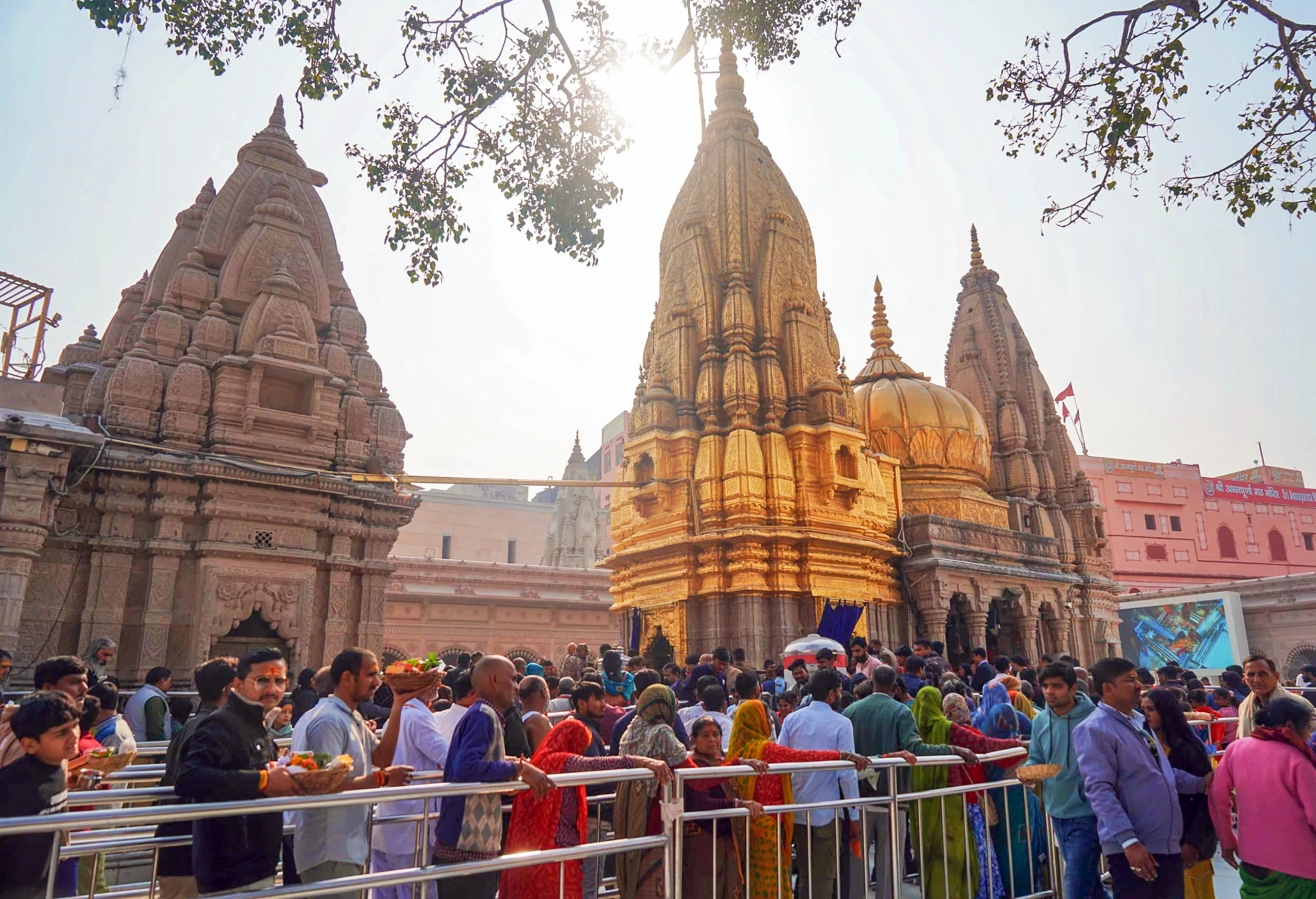
    Kashi Vishwanath, Varanasi

    Located in the old city of Varanasi, Kashi Vishwanath can be reached through Varanasi Junction or Lal Bahadur Shastri International Airport. From there, travellers can take a cab or auto to Godowlia Chowk. The final stretch to the temple involves a 10 to 15-minute walk through the security lanes.

    Somnath, Gujarat

    Somnath Temple at Prabhas Patan is regarded as the first and most ancient among the 12 Jyotirlingas. Veraval Railway Station, around 7 km away, is the nearest major rail point, while Diu Airport is approximately 65 km from the temple.

    Mahakaleshwar, Ujjain

    Mahakaleshwar stands on the banks of the Shipra River in Ujjain. The temple is about 2 km from Ujjain Junction, making the final journey possible by auto, taxi or on foot.

    Baidyanath, Deoghar

    Devotees heading to Baidyanath Jyotirlinga can use Deoghar Airport or Jasidih Junction. Pilgrims also undertake the traditional Kanwar Yatra from Sultanganj to reach the shrine.

    Kedarnath, Uttarakhand

    At an altitude of 3,580 metres, Kedarnath requires considerably more travel planning. The usual route involves reaching Sonprayag from Haridwar or Rishikesh, taking a shuttle to Gaurikund and completing the 16 to 18 km trek to the temple.

    Other Jyotirlingas To Visit

    Mallikarjuna in Srisailam, Andhra Pradesh, is known as the ‘Kailash of the South’. Hyderabad, Markapur Road and road routes through the hills are among the options for reaching it.
    For Trimbakeshwar in Nashik, travellers can use Nashik Road Railway Station, Ozar Airport or road routes via NH 160.

    Omkareshwar in Madhya Pradesh is located on Mandhata Island in the Narmada, with Indore and Khandwa serving as key travel hubs.
    Bhimashankar can be accessed from Pune or Mumbai, although monsoon conditions may make the Sahyadri routes slower. For Nageshwar, travellers generally reach Dwarka first and continue by local transport.

    ALSO READ| Why is Shiva worshipped as a Lingam while other gods have idols?

    Then in Tamil Nadu, Ramanathaswamy Temple in Rameswaram can be reached through Madurai Airport, Rameswaram Railway Station or by road across Pamban Bridge.
    Finally, Grishneshwar Jyotirlinga near Ellora can be accessed through Aurangabad by air, rail or road. During Sawan, the temple witnesses extended darshan hours and heavy crowds.

  • Pancha Kedar–Part 2: Kedarnath, where Lord Shiva’s hump emerged and time stands still

    Pancha Kedar–Part 2: Kedarnath, where Lord Shiva’s hump emerged and time stands still

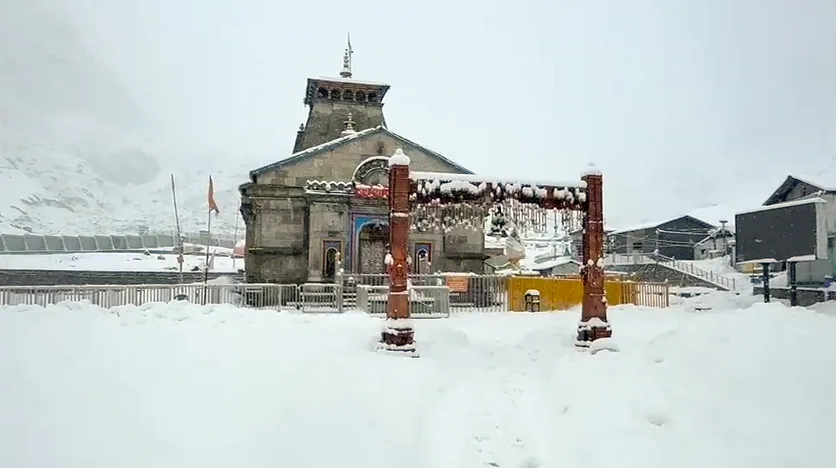
    Then, at an altitude of nearly 3,583 metres (11,755 feet), surrounded by snow-clad Himalayan peaks and nourished by the icy waters of the Mandakini River, stands one of India’s most revered temples, Kedarnath. Every year, for barely six months, thousands of pilgrims undertake the arduous journey to this sacred shrine, walking through steep mountain trails, unpredictable weather and thin mountain air.


    However, not many people know that Kedarnath is not just one of the 12 Jyotirlingas of Lord Shiva. It is also the first out of the sacred abodes of the Pancha Kedar, where it is believed that Lord Shiva appeared to the Pandavas after the Mahabharata war.
    The story starts not at Kedarnath, but on the blood-stained plains of Kurukshetra. The Pandavas won the battle after eighteen days with a test of their might, but their victory did not bring them any respite. Their own family members, teachers, friends and many innocent soldiers had been lost in the war. They were in a state of guilt and wanted to rid themselves of the sin of war by seeking blessings from Lord Shiva.

    ALSO READ| Pancha Kedar–Part 1: Why did Lord Shiva hide from the Pandavas?

    However, Shiva was not ready to meet them straight away, so he went to the Garhwal Himalayas and took the shape of a great bull. Bhima then saw that he had been deceived by a god and tried to capture him, and the bull went underground.
    According to the legend, different parts of Shiva’s body emerged at five separate locations. At Kedarnath, the hump of the divine bull surfaced from the ground, making it the most important shrine of the Pancha Kedar pilgrimage.


    Another miraculous episode from Indian mythology?


    Like most legends, there are deeper symbolic meanings, and this is no exception. The hump of a bull is more than a physical attribute. It symbolises strength, endurance and the ability to carry great loads. In whole Indian civilisation, the bull is a symbol of Dharma, steadfastness, patience and responsibility. By showing His hump at Kedarnath,
    Shiva appears to be teaching the human race that spiritual development starts when one learns to bear the weight of our lives without rancour and hostility. Perhaps that’s why Kedarnath has always been a place of atonement and never a place of celebration.


    Whereas the temples in the city require little effort, Kedarnath requires effort. As is still the case today, the trek to the shrine is a difficult journey up the mountain from Gaurikund. A pilgrim climbs through thick forests, waterfalls, rocky roads and high-altitude valleys until finally he reaches the temple.
    Each step is an integral part of the worship. The Himalayas are unique in their ability to take away earthly identities. A rich man, a scholar, a labourer and a saint go on the same road, inhale the same air of the mountains, and are equally exhausted from the physical effort.

    Before Shiva, everyone becomes simply a pilgrim


    The location of Kedarnath is itself extraordinary. The temple stands against the dramatic backdrop of the towering Kedarnath Peak, which rises to nearly 6,940 metres. Glaciers surround the valley, and the Mandakini River flows nearby, carrying icy waters born from Himalayan snowfields. Ancient Indian sages did not choose such places by accident.


    Mountains have always symbolised stability and transcendence. They rise above the noise of ordinary life.
    For Shiva, the eternal yogi immersed in meditation, the Himalayas were not merely a residence but an extension of His own consciousness.


    Notably, tradition attributes the earliest shrine to the Pandavas themselves, who are believed to have built a simple temple after receiving Shiva’s blessings.


    Historians suggest that the present stone structure was probably constructed between the 8th and 12th centuries CE, with many associating its revival and restoration with Adi Shankaracharya, the great philosopher who travelled across India re-establishing centres of Hindu learning and pilgrimage.
    Near the temple lies a memorial traditionally believed to mark the place where Shankaracharya attained Mahasamadhi at the remarkably young age of thirty-two.

    How Kedarnath survived the 2013 floods

    Architecturally, Kedarnath is a masterpiece of Himalayan engineering. Massive grey stone blocks, some weighing several tonnes, have been assembled without modern cement or steel reinforcement. Standing in one of the most seismically active and climatically harsh regions of the world, the temple has endured centuries of earthquakes, heavy snowfall and glacial weather.
    Kedarnath temple’s resilience became evident to the entire world during the devastating Himalayan floods of June 2013.


    Relentless rainfall triggered landslides, flash floods and the sudden outburst of glacial waters that devastated large parts of Uttarakhand. Entire villages disappeared. Roads, bridges and buildings were swept away. Thousands of lives were lost. Kedarnath town suffered unimaginable destruction as torrents of water and debris rushed through the valley.


    Yet when the floodwaters receded, an astonishing sight awaited rescuers. The temple itself remained standing. Behind the shrine rested an enormous boulder, later affectionately named Bhim Shila. The massive rock had rolled down from the mountains and stopped directly behind the temple, diverting much of the destructive flow around the structure before continuing downstream.

    ALSO READ| Did you know there’s a secret trail between Kedarnath and Badrinath? Discover the lost Himalayan path of the gods

    To devotees, this was nothing short of Lord Shiva’s divine intervention. To geologists, the boulder altered the direction and velocity of the debris flow, acting as a natural barrier that reduced the direct impact on the temple walls.


    Faith called it a miracle. Science recognised the role of geology and landscape dynamics.


    Then another fascinating aspect of Kedarnath is its seasonal rhythm. Unlike most temples in India, Kedarnath remains open only for about six months each year. As winter approaches and heavy snowfall begins, the temple doors are ceremonially closed. The symbolic worship of Lord Kedarnath then shifts to Ukhimath, where the deity is venerated until spring returns.


    This reflects an important principle of Himalayan life: rather than attempting to dominate nature, ancient traditions learned to adapt to it.


    Unlike many Shiva temples where devotees offer prayers from a distance, pilgrims at Kedarnath have traditionally been allowed to touch and embrace the naturally formed stone worshipped as the divine hump of Shiva.


    Beyond mythology and architecture, Kedarnath also occupies a unique position in Indian philosophy. The shrine represents not only forgiveness but endurance. Just as the hump bears the weight of the bull, every human being carries invisible burdens, memories, regrets, responsibilities and hopes.


    The Pandavas arrived at Kedarnath burdened by the consequences of war. They left not because history had been erased but because they had learned to carry it differently.
    Perhaps that is why millions continue to undertake this difficult pilgrimage even in an age of modern transportation and convenience.
  • Who was Kamal Senapati? Hooghly railway officer dies after being hit by train

    Who was Kamal Senapati? Hooghly railway officer dies after being hit by train

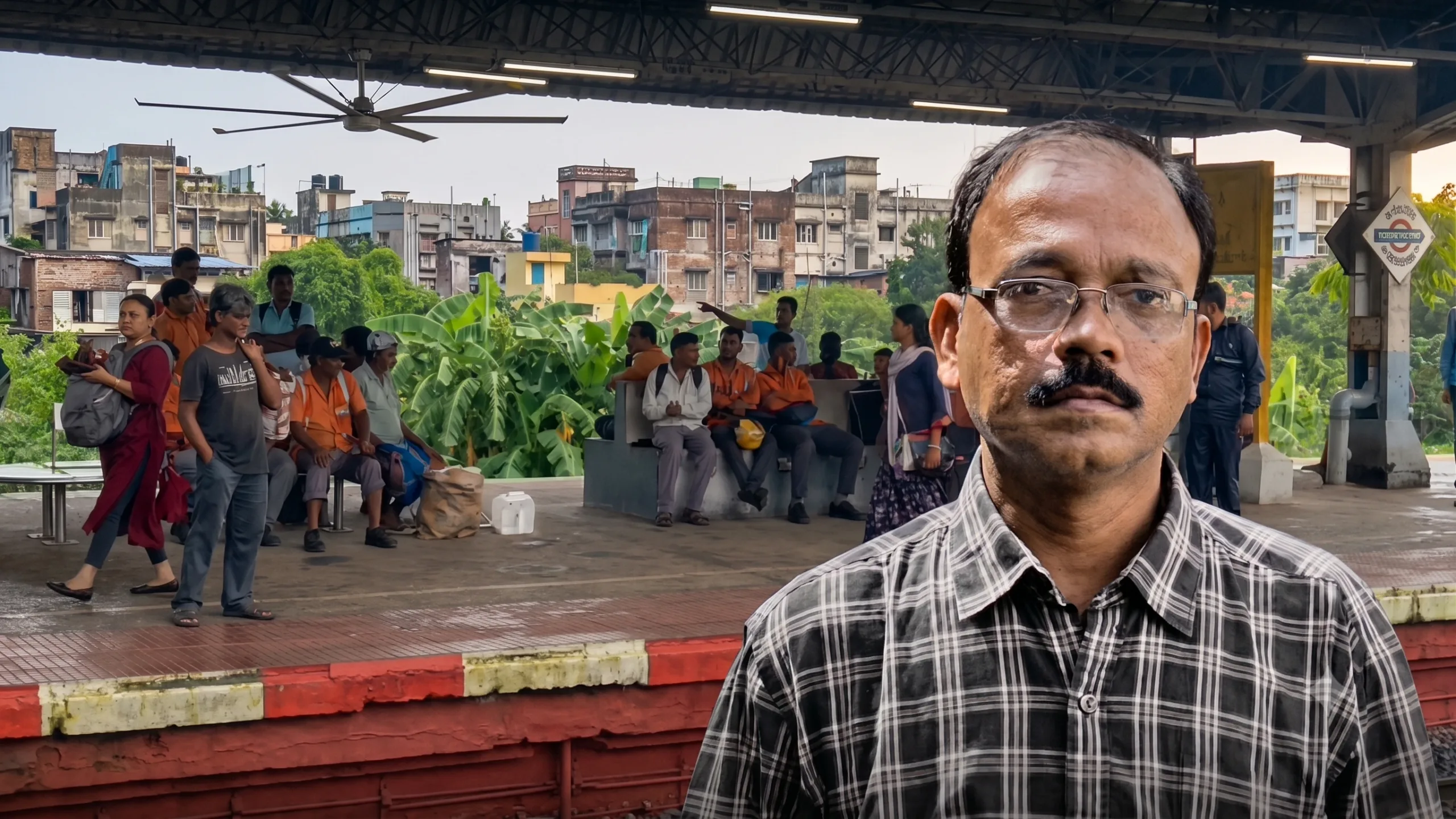
    On Friday, Kamal Senapati, a 53-year-old senior engineer in the Public Works Department (PWD) of Eastern Railway, died after being hit by a train close to the station at Hooghly railway station.
    While the exact circumstances surrounding his death are still under investigation, some of his colleagues have alleged that prolonged work pressure may have taken a heavy toll on him.
    Police are currently investigating whether the death was an accident or a case of suicide.

    Who was Kamal Senapati?

    Kamal Senapati was serving as a Senior Engineer in the Railway’s Public Works Department at Hooghly station. He had been handling massive responsibilities within the department.
    On Friday morning, Kamal reportedly left his residence in Hooghly at around 8 am. Sources reported that he was scheduled to travel to Chandannagar for official duties.

    ALSO READ| Did you know Bengal once had its own airline? Here’s why it never took flight

    Just shortly after leaving home, he was hit by a train near Hooghly railway station, resulting in his death on the spot. Following the incident, personnel from the Bandel Government Railway Police (GRP) reached the location, recovered the body and sent it for post-mortem examination.

    What has raised questions?

    Eyewitnesses claimed that Kamal was struck by a train running on Line No. 3 at Hooghly station. They also noted that Kamal was expected to board a train to Chandannagar from the down-line platform. If that was the case, they wonder why he was on or near the up-line track, where the fatal accident occurred.
    Many of his colleagues suspect that the incident may not have been accidental.
    Even some employees raised concerns over mounting work pressure within the department. According to a section of railway workers, employees have been working under considerable stress for an extended period.
    They alleged that leave has become increasingly difficult to obtain and that many workers are expected to remain available almost round the clock due to operational demands.
    Some colleagues further claimed that Kamal had been under huge mental pressure in recent weeks. They alleged that he had also been threatened with suspension and said the matter had already been brought to the attention of the Divisional Railway Manager (DRM).

    ALSO READ| Who is Sumit Roy? Supreme Court orders not to arrest Abhishek Banerjee’s close aide
    The railway workers’ organisation has also warned of industrial action if their concerns remain unaddressed.
    However, Bandel GRP sources noted that no formal complaint has been lodged so far.
    Meanwhile, an Eastern Railway official, speaking on condition of anonymity, expressed grief over the incident and told Ei Samay, “This is a very sad incident. We will talk to the people of the house. We are trying to contact them. We are investigating the matter.”

  • Feeling fear during meditation? The surprising reason may not be what you think

    Feeling fear during meditation? The surprising reason may not be what you think

    You close your eyes expecting peace, but instead, a wave of fear takes over. Your heart races, your stomach tightens and an unexplained sense of panic sets in, even though there’s no real danger. If this has happened during meditation, you’re not alone.

    Aathman Awareness Centre’s HH Guruji Sundar notes that it is a common experience that many practitioners encounter, and it does not necessarily mean something has gone wrong.

    ALSO READ| Why is Shiva worshipped as a Lingam while other gods have idols?

    Why fear can surface during meditation

    Meditation shifts attention away from external distractions and towards the inner self. As the mind enters a space that feels unfamiliar, fear can naturally arise.

    HH Guruji Sundar explains, “When a seeker enters unknown territory within, fear is a normal part of that crossing. It is not a warning sign in itself. It is simply what happens when awareness moves past what the mind already knows.”

    Rather than viewing fear as a setback, it can be understood as a response to unfamiliar inner experiences that emerge during deeper states of meditation.

    Why some people experience a fear of death

    For certain meditators, the feeling of fear may become more specific and appear as an unexpected fear of death. This can happen even when there is no physical discomfort or external trigger.

    As silence deepens and thoughts begin to fade, the mind may interpret the loss of its usual activity as something threatening.

    ALSO READ| Did you know there’s a secret trail between Kedarnath and Badrinath? Discover the lost Himalayan path of the gods

    HH Guruji Sundar says, “It isn’t the body that’s afraid. It’s the mind, reacting to a stillness it has never had to face before.” He further explains that this is “a known and normal part of the process, not a sign to stop meditating.”

    What should you do if fear arises?

    Instead of resisting the experience or trying to push through it, the guidance remains straightforward.

    HH Guruji Sundar advises practitioners to “watch the process in its entirety.” If the feeling becomes too overwhelming, it is perfectly fine to pause, relax and resume meditation once the fear has subsided. There is no need to force yourself to complete a session while feeling distressed.

    Why proper guidance matters

    Observing difficult sensations without becoming overwhelmed takes practice and proper instruction. Those who repeatedly experience fear during meditation may benefit from guidance rather than abandoning the practice altogether.

    HH Guruji Sundar advises anyone facing persistent or unmanageable fear to seek the support of a Guru or Guide. Those experiencing these feelings without understanding the reason are welcome to reach out to learn where proper guidance begins.