Author: Tuhin Das Mahapatra

  • Waukee High School and Prairieview lockdown: What we know about ‘armed person threat’

    Waukee High School and Prairieview lockdown: What we know about ‘armed person threat’

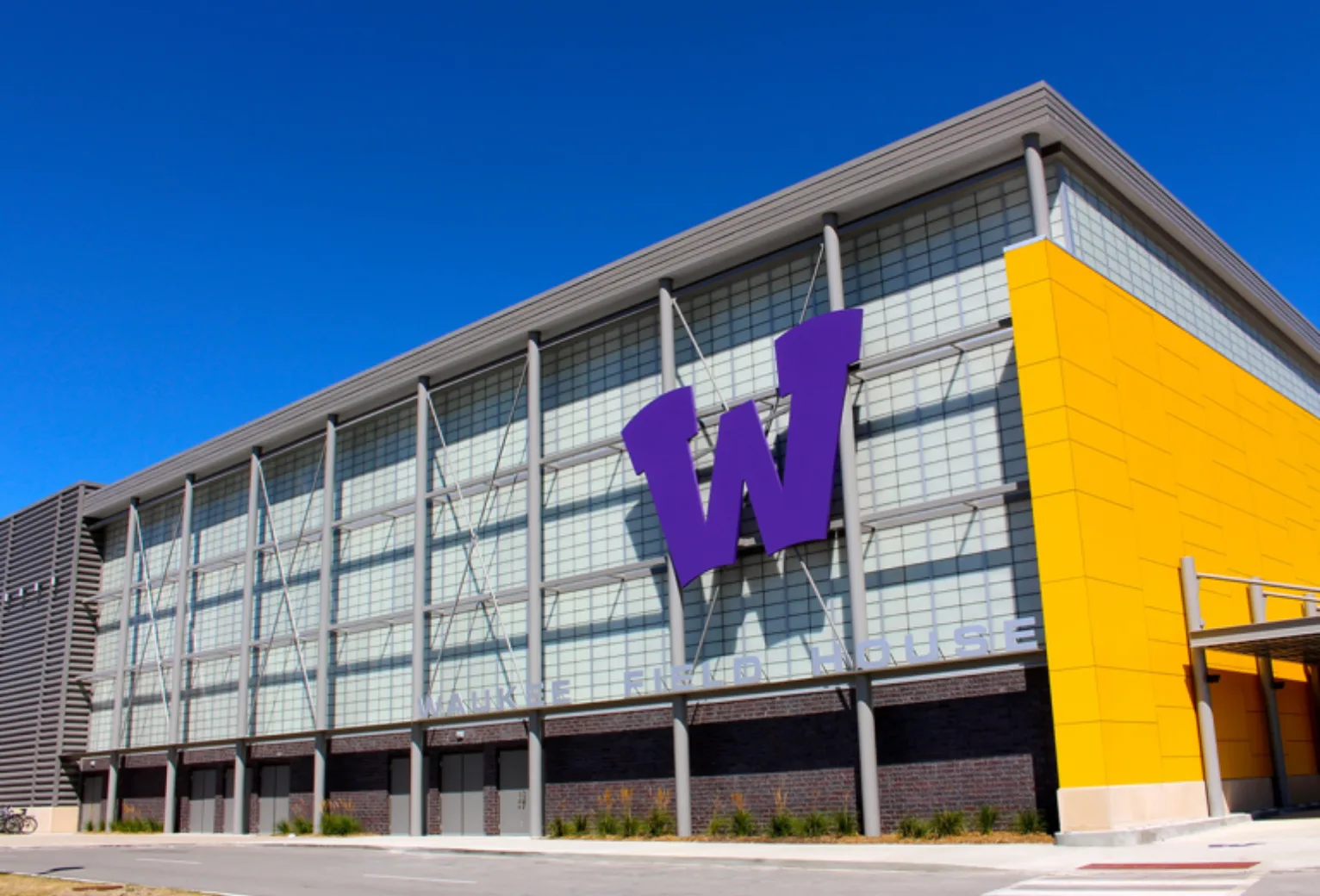
    Waukee High School and the nearby Prairieview School in Iowa were placed under an external lockdown on Friday morning after authorities received a report of a person carrying a weapon outside the high school.

    However, officials later confirmed that there was no active threat to students or staff, and no injuries were reported.

    The Waukee Police Department said officers and additional emergency responders were sent to the area to investigate the report and check the surroundings.

    ALSO READ| AK-203 Sher: India’s fully indigenous assault rifle clears first test; what’s next?

    “THERE IS NO ACTIVE THREAT AT THIS TIME,” stated the Waukee Police Department in a Facebook update.

    The Waukee Community School District informed families at around 8:35 a.m. that Waukee High School and Prairieview had been placed under lockdown “as a precaution” following a “potential threat off-property near Waukee High School.”

    The lockdown was not initiated because of an active attack inside either school

    Waukee Police Chief Chad McCluskey said that the police “thoroughly investigated” the situation and “This response went exactly as we planned.”

    “Waukee Community School District personnel and Waukee Police Department personnel worked seamlessly to ensure the safety of our kids, the safety of our community, and to support timely information sharing to help reduce anxiety associated with this incident.”

    What happened during the Waukee lockdown?

    Under the district’s external lockdown procedures, normal classes continued inside the buildings. However, students and staff were not permitted to enter or leave the affected schools, while visitors were also barred from entering.

    Families were asked not to travel to the schools while police were investigating the reported weapon sighting.

    Meanwhile, the district said all other schools continued to operate normally.

    Notably, the lockdown remained in place for roughly 90 minutes as police conducted their investigation. At 9:15 a.m., the lockdown was lifted after officers completed checks of the area.

    ALSO READ| 32 Kolkata tourists missing in Nepal: Here are all the helpline numbers for you

    Waukee police sent a message to parents around 9:20 a.m, noting, “The Waukee Police Department thoroughly investigated the situation, including areas inside and outside our buildings, and determined there is no threat to student safety,” authorities stated in a message to parents sent around 9:20 a.m. “All schools will operate as normal today.”

    “We appreciate the quick response of our local law enforcement. Thank you to our families, staff, and students for your patience and understanding. If you have any questions, please contact us at [info@waukeeschools.org](mailto:info@waukeeschools.org),” the school thanked in their later post.

  • 32 Kolkata tourists missing in Nepal: Here are all the helpline numbers for you

    32 Kolkata tourists missing in Nepal: Here are all the helpline numbers for you

    32 people from Kolkata are missing while travelling in Nepal. They had gone to visit Manasarovar in a group with a travel agency. The group was to cross over the border with Tibet on Wednesday morning. But since the Harappa Ban disaster, they have not been contacted. No one has been found yet.

    The missing group included 30 tourists and two employees of the travel agency that had arranged the journey. One of the tourists had travelled all the way from the United States for the Manasarovar pilgrimage, although he is an Indian citizen.

    The group left Kolkata on August 21 and reached Nepal the following day. Until Tuesday, the tourists were in Kathmandu and had sent photographs and videos to the travel agency from there. 

    ALSO READ| Will West Bengal’s new land reforms make it easier to set up businesses? Exploring

    They were scheduled to cross the Nepal-Tibet border on Wednesday morning. By around 8.30 am, the group had reportedly reached the immigration office. After that, neither the tourists nor the group members contacted the travel agency again. 

    The travel agency said an international organisation was handling arrangements for the Manasarovar expedition. After news of the disaster emerged, efforts were made to reach the affected area by helicopter.

    However, the helicopter could not land at the site. The agency has since contacted Nepal Tourism authorities as well as the Indian embassy in Nepal.

    How can you contact the authorities following the Nepal disaster?

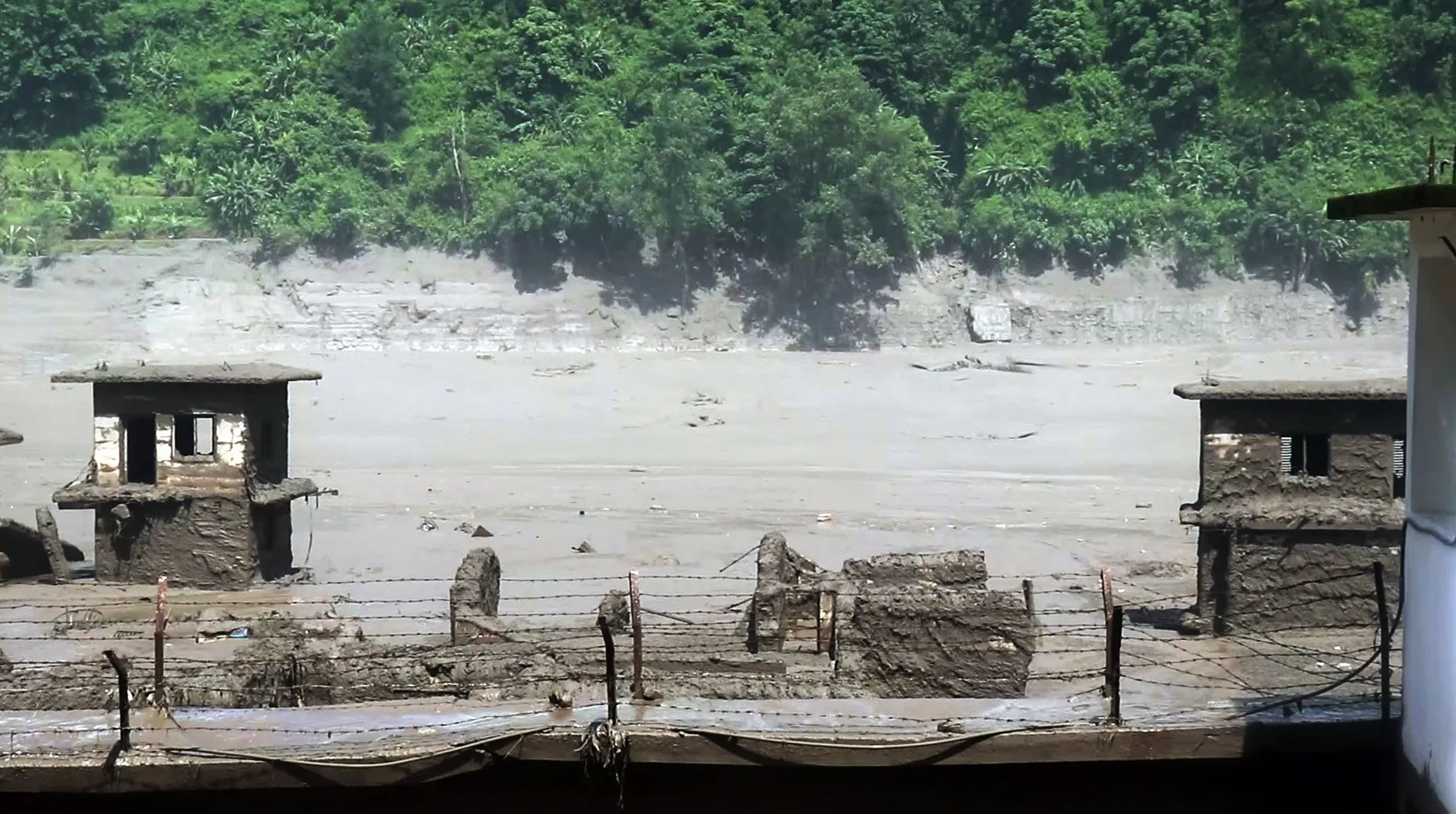
    On Wednesday morning, a sudden flash flood hit the Bhote Koshi River area of Nepal’s Rasuwa district, ravaging settlements, roads and bridges near the Nepal-Tibet border.

    Following the massive Nepal disaster, helplines were opened to help families in West Bengal seeking information. A helpline has been launched at the state police headquarters, Bhawani Bhavan, on the instructions of Chief Minister Subhendu Adhikari.

    Affected people or their family members can contact the state government’s helpline numbers: 033-24793311 and 9147890181.

    Kolkata Police has also opened a helpline; seekers can call on 18003455678 or contact WhatsApp at 9874902880.

    The Indian Embassy in Nepal can be contacted at +977-9851316807 and +977-9709107500.

    ALSO READ| Bidhan Market eviction: What Calcutta High Court ordered

    They had gone to visit Manasarovar in a group with a travel agency. The group was to cross over the border with Tibet on Wednesday morning. But since the Harappa Ban disaster, they have not been contacted. No one has been found yet. The DG Control number is 9174890145, while the Bhawani Bhavan control room can be reached at 033-24794044 and 9147890146.

    Notably, another tourist group from Hooghly is stuck in Nepal. A bus carrying 65 tourists from Arambagh is currently at Chetan Park, around 120 kilometres from the main disaster-hit area.

    The group had left for Nepal on August 24. The tourists could not be contacted since Wednesday morning. They were later contacted, and all 65 tourists are reportedly safe.

    How serious is the Nepal disaster?

    The Nepal Tourism Board has reported hundreds of travellers missing from the affected area. A preliminary list put the number of missing travellers at 384, including 291 foreign nationals and 93 Nepali nationals. Indian nationals form the largest group among the foreign travellers on that list.

    ALSO READ| Why do the survivors describe the Kolkata hotel fire as ‘a scene from a horror movie’?

    Damaged infrastructure and challenging conditions in the affected area have also posed a challenge to search and rescue efforts.

    India has also stepped up efforts to assist Nepal and track Indian nationals who may have been affected.

    The Indian Embassy in Kathmandu has been coordinating with the Nepalese authorities over rescue and relief operations.

  • Bidhan Market eviction: What Calcutta High Court ordered

    Bidhan Market eviction: What Calcutta High Court ordered

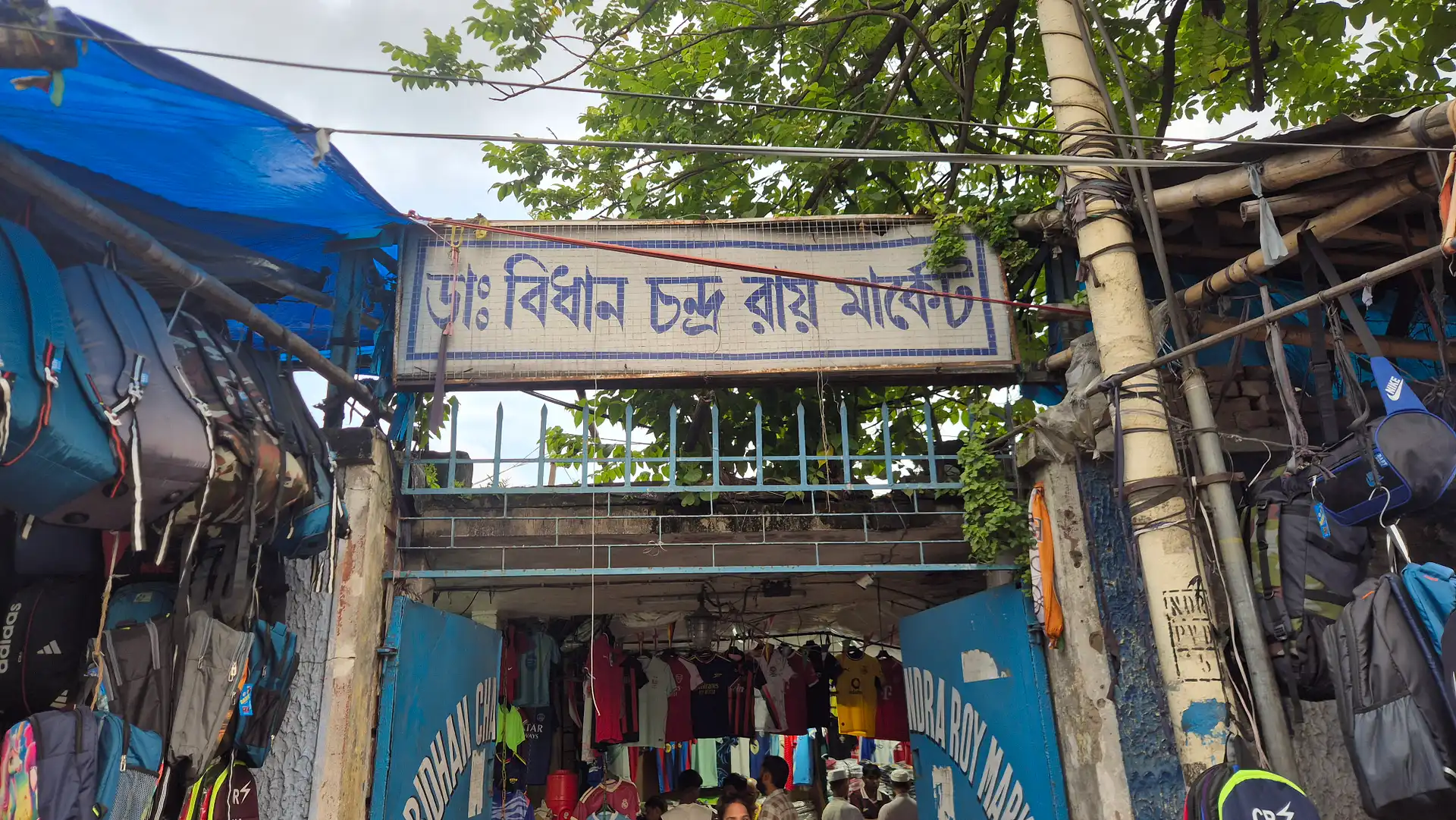
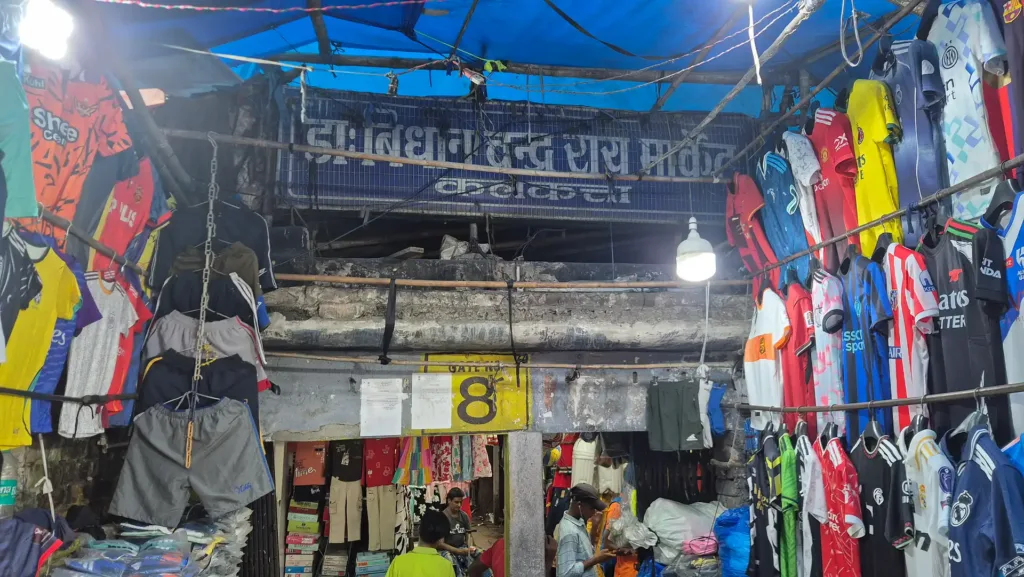
    On Monday, the Calcutta High Court directed the authorities to begin work on the Joka-B.B.D. Bagh Metro project in the Dharmatala’s Bidhan Market area within seven days. To make that possible, the shopkeepers of Bidhan Market will have to be temporarily relocated.

    However, the court has made one thing clear: the traders cannot simply be asked to leave without proper arrangements being made at the alternative site.

    ALSO READ| Kolkata rain alert: Will thunderstorms continue despite low pressure moving west?

    A bench headed by Justice Partha Sarathi Chatterjee passed the directions on Monday while hearing a plea related to the proposed relocation of the market’s traders.

    Why does Bidhan Market have to be cleared?

    The iconic Bidhan Chandra Roy Market area stands in the way of a major part of the Joka-B.B.D. Bagh Metro project.

    The planned Esplanade Metro station is to be constructed underneath the market. As a result, the area needs to be cleared before construction can move forward.

    Calcutta High Court gives 7 days to start Joka-B.B.D. Bagh Metro work, and vacate Bidhan Market.

    The High Court has now directed that work in the market area should begin within seven days. But before the traders are moved, the authorities have also been asked to make adequate security arrangements.

    Where will the traders go?

    Reports noted that the shopkeepers could be temporarily relocated to the Mounted Police Parade Ground area.

    The traders had earlier moved the Calcutta High Court after alleging that they were being asked to vacate Bidhan Market without receiving sufficient assurances about their temporary relocation and future rehabilitation.

    ALSO READ| Can you buy a gun for self-defence in West Bengal? Know the rules

    The court directed the authorities to ensure that the temporary relocation is carried out only after the alternative site has adequate water, electricity and other essential civic facilities.

    The court has also directed the agency responsible for the project to ensure that the traders are allowed to return to their original location once the construction work is over.

    The project authority has also been asked to provide the traders with a written assurance regarding their return.

  • AK-203 Sher: India’s fully indigenous assault rifle clears first test; what’s next?

    AK-203 Sher: India’s fully indigenous assault rifle clears first test; what’s next?

    Recently, the first AK-203 Sher assault rifle made entirely with Indian components and input materials has been successfully test-fired at the Korwa Ordnance Factory in Amethi.

    This is a huge step forward for the country’s self-reliant defence manufacturing ecosystem. According to Indo-Russian Rifles Private Limited (IRRPL), this is the first AK-203 to be manufactured with 100 per cent Indian components and input materials.

    ALSO READ| Kolkata rain alert: Will thunderstorms continue despite low pressure moving west?

    What makes the development important?

    The AK-203 programme did not begin as a completely indigenous project. It was originally launched as a Russia-India manufacturing programme, with production in India initially relying heavily on imported components. Over the years, however, the share of Indian-made parts and materials steadily increased. The latest rifle represents the point at which that process has reached full indigenisation.

    The prototype was test-fired at the Korwa Ordnance Factory in Amethi on August 23. The rifle successfully went through firing trials, including burst firing, marking a crucial step before it is handed over to the Indian Army for detailed evaluation.

    Major General SK Sharma, CEO and MD of IRRPL, lauded, “A moment of immense pride for all of us at IRRPL. We have successfully produced and fired the first AK-203 (Sher) rifle made with 100% Indian components and input materials.”

    “What makes this achievement truly special is that every single component and every input material going into this rifle has been sourced from Indian industry. This is not merely localisation of selected components; it is true, end-to-end “100% genuine indigenisation” of the rifle. This is Atmanirbhar Bharat in action.”

    ALSO READ| Can you buy a gun for self-defence in West Bengal? Know the rules

    The company is now preparing the required number of fully indigenous prototypes for the next stage of the programme.

    “We are now working towards making the requisite number of 100 per cent indigenised prototypes for handing over to the Army for trials during September 2026,” Major General Sharma added.

    Now, the indigenous version of the rifle will have to demonstrate that it meets the operational and technical requirements of the Indian military before any decision is taken on wider induction and large-scale production.

    What makes the AK-203 Sher different?

    The AK-203 belongs to the globally recognised Kalashnikov family of assault rifles and is being manufactured in India through the Indo-Russian joint venture.

    The rifle weighs approximately 3.6 kg and fires the 7.62×39 mm cartridge. It comes with a 415 mm barrel, a cyclic firing rate of around 700 rounds per minute and a 30-round magazine. Its sighting range is around 800 metres, while the battle sight range is approximately 350 metres.

    One key characteristic of the AK-203 is its 7.62×39 mm ammunition. Compared with the 5.56×45 mm cartridge used by rifles such as the American M4 family and Germany’s HK416, the 7.62 mm round uses a heavier projectile. The AK-203, therefore, continues with the established 7.62 mm intermediate cartridge associated with several Kalashnikov platforms.

    Why India is replacing the Insas

    For Indian soldiers, the AK-203 means the gradual move away from the Indian Small Arms System, or Insas, which entered military service during the 1990s.

    The Insas uses the 5.56×45 mm cartridge, has a 20-round magazine, weighs around 4.15 kg and has an effective range of approximately 400 metres.

    ALSO READ| Will West Bengal’s new land reforms make it easier to set up businesses? Exploring

    The AK-203, however, is lighter, has a larger 30-round magazine and offers a longer sighting range. More importantly, it introduces a newer assault rifle platform while retaining the 7.62×39 mm ammunition standard familiar across the Kalashnikov family.

    The September 2026 Army trials will therefore be closely watched. If the indigenous AK-203 meets the Army’s requirements, the Sher programme could move into a much larger production phase.

  • Kolkata rain alert: Will thunderstorms continue despite low pressure moving west?

    Kolkata rain alert: Will thunderstorms continue despite low pressure moving west?

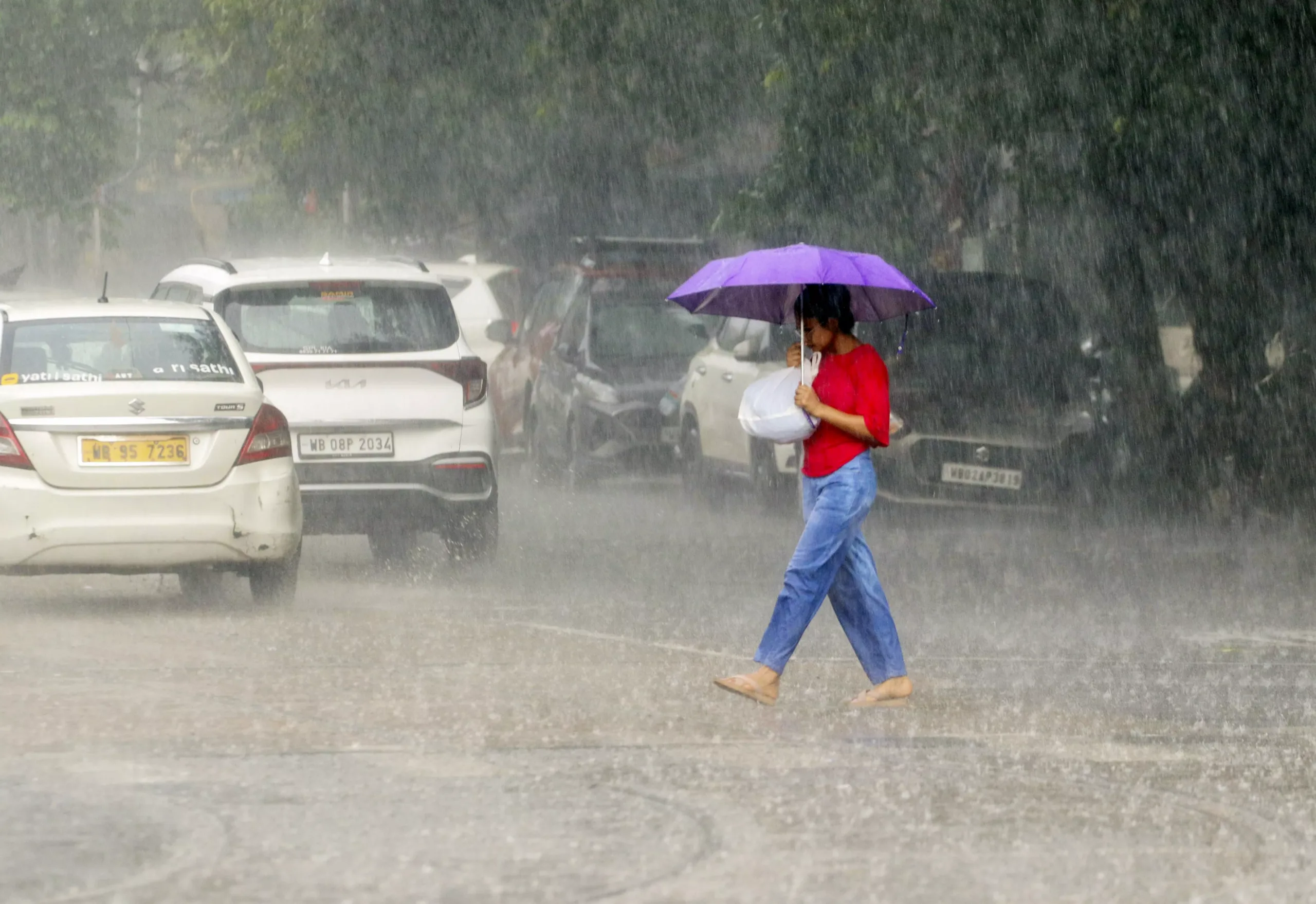
    The low-pressure system over Bengal has now shifted westward. But its exit hasn’t ended the rain overnight. However, a few areas in the state, like in Kolkata, are expected to see continued rain in the coming days, as the Alipore Meteorological Department has predicted heavy showers at isolated places in North and South Bengal.

    No new area of low pressure or cyclone is forming over the sea at present. Despite this, the dry spells are not expected to become more severe anytime soon. The remaining moisture along with an active monsoon axis will help to keep building rain clouds over other parts of the state.

    Kolkata, Howrah and Hooghly may see thunderstorms

    Kolkata and neighbouring districts are likely to experience a mix of cloudy weather, rain and thunderstorms. Scattered showers accompanied by thundershowers are expected in Kolkata, Howrah and Hooghly on Monday and Tuesday.

    ALSO READ| Why do the survivors describe the Kolkata hotel fire as ‘a scene from a horror movie’?

    North 24 Parganas, South 24 Parganas and Purulia may also receive scattered rain from Saturday.

    From Monday, Bankura, Jhargram, West Midnapore, East Midnapore and South 24 Parganas may receive heavy rainfall. Gusty winds with speeds of around 20 to 40 kmph could accompany the showers in some places.

    However, the current forecast does not indicate any weather warning after Tuesday.

    North Bengal remains under the rain cloud

    Jalpaiguri and Alipurduar are likely to experience heavy rain from Saturday through Wednesday. Cooch Behar and Darjeeling may see scattered heavy showers on Monday, while Kalimpong could receive heavy rain on Saturday.

    North Dinajpur, South Dinajpur and Malda are not currently expected to witness heavy rainfall. However, scattered showers are likely in these districts between Saturday and Tuesday.

    ALSO READ| Will West Bengal’s new land reforms make it easier to set up businesses? Exploring

    So, while the main weather system has moved away, Bengal is certainly not out of the rain zone yet.

    Why is rain continuing despite the low pressure moving away?

    Although the monsoon has passed its official peak and autumn has already begun, the seasonal wind system has not completely withdrawn. The monsoon axis remains active, allowing local thunderclouds to develop and trigger rain in different pockets.

    This means the next few days could bring the familiar late-monsoon pattern: rain in one neighbourhood while another remains relatively dry, followed by sudden thunderstorms and showers.

    For now, the sea is relatively calm. So, the weather department has not issued any warning for fishermen.

    Rain decreases, but Kolkata heat begins to return

    Compared with the heavier spells seen earlier, the overall amount of rain has already declined in the city. And as the showers become less persistent, the heat is beginning to make its presence felt again.

    ALSO READ| Who was Asish Banerjee? Close Mamata Banerjee aide found dead at TMC party office in Birbhum

    Kolkata’s temperatures are already running above normal.
    On Saturday, the city recorded a minimum temperature of 28.2 degrees Celsius, which was 1.8 degrees above normal. On Friday, the maximum temperature reached 33.1 degrees Celsius, around 1.1 degrees above the normal level.

  • Will West Bengal’s new land reforms make it easier to set up businesses? Exploring

    Will West Bengal’s new land reforms make it easier to set up businesses? Exploring

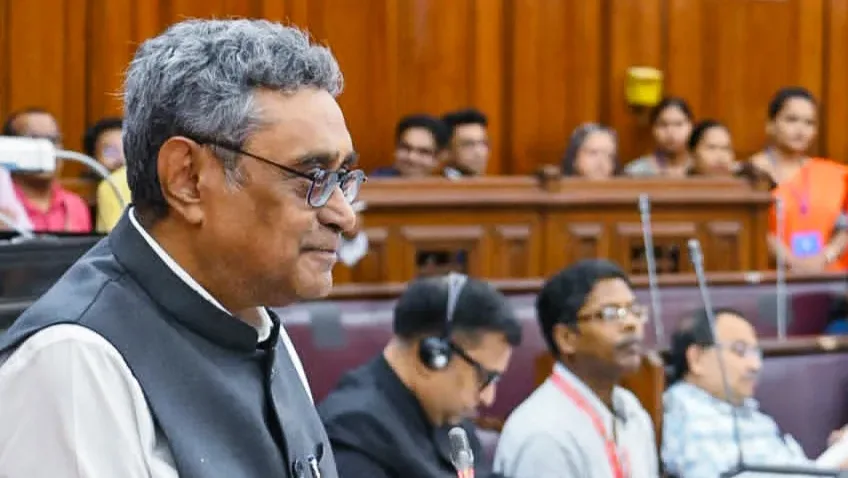
    On Thursday, Finance Minister Swapan Dasgupta said the West Bengal government is exploring legislative changes, land pooling, and other reforms to address long-standing difficulties around land use.

    Land remains Bengal’s knotty question

    Speaking at Business Today’s India at 100 event, Dasgupta described land as one of West Bengal’s most difficult issues. He said the challenge comes from both limited land availability and the fragmented nature of land holdings in the state.

    “Land is always a ticklish issue in West Bengal because of two reasons. One, it is in short supply due to sheer population pressure, and secondly, land holdings tend to be of handkerchief size,” Dasgupta said.

    ALSO READ| Can you buy a gun for self-defence in West Bengal? Know the rules

    The minister said some of the existing land tenures are highly complicated. In some cases, he argued, the rules make it difficult to sell or use land for new purposes. His immediate focus, he said, would be to simplify the legal framework governing land use.

    “We have to first get a large amount of legislation done to simplify land use,” Dasgupta said.

    Simplifying the rules, parcel by parcel

    The proposed approach is not limited to changing land laws. The state is also experimenting with land pooling arrangements, a model that brings together fragmented parcels of land for planned development.

    Dasgupta pointed to Gujarat and Haryana as states where such arrangements have been used successfully.

    At the same time, he cautioned against expecting West Bengal to offer unlimited land for industrial or commercial projects. The state has high population density and limited availability of large parcels, making land a structural constraint.

    “But land is always going to be an issue in Bengal. I am not going to minimise its importance,” he said.

    West Bengal wants to shed ‘difficult for business’ tag

    The government’s larger goal is to change the perception that West Bengal is difficult for businesses.

    Dasgupta said investment decisions are not determined only by financial incentives. Other states may offer more attractive incentives, he noted, but West Bengal wants to compete by highlighting its broader economic ecosystem.

    ALSO READ| Why do the survivors describe the Kolkata hotel fire as ‘a scene from a horror movie’?

    “We have a tradition. We have a skilled workforce. We have a reasonably livable city. We have all these things,” Dasgupta said, adding that the state’s infrastructure has also improved and needs further strengthening.

    The land reforms are part of a wider push for deregulation. Dasgupta said the government is also examining ways to use existing assets to improve state finances.

    He described public debt as a major challenge and said the government would have to consider measures including deregulation, privatisation, and the better use of underutilised assets.

    More than sweeteners for investors

    The minister also spoke about simplifying the Goods and Services Tax (GST) system. He said he had yet to attend his first GST Council meeting but stressed that reducing complexity and discretionary powers would be important for businesses.

    Dasgupta said the state wants to create conditions where investment can move more easily once regulatory hurdles are reduced.

    ALSO READ| Who was Asish Banerjee? Close Mamata Banerjee aide found dead at TMC party office in Birbhum

    His broader ambition is for West Bengal to regain its position as a major growth centre.

    “If, in the next four years, we can register the highest growth rate in India, I think that pride will return,” he said.

  • Want to transform your body in 12 months? Fitness coach suggests these 4 basics

    Want to transform your body in 12 months? Fitness coach suggests these 4 basics

    We are already deep into 2026, and the fitness industry has a curious way of making simple things look complicated. One week, it is a new diet. The next, it is a different workout split, a new supplement or a supposedly fat-burning trick. Before long, getting fitter can start to feel like a full-time research project.

    But if the real goal is to lose fat, build muscle and improve body composition, fitness coach Kevin Heintz says the answer may be considerably less complicated.

    ALSO READ| Are you sacrificing too much for love? 3 signs you’re losing yourself in a relationship

    He laid out a simple checklist built around four things in his post on X: nutrition, resistance training, sleep and everyday movement.

    Understand the calorie deficit

    Fat loss ultimately requires the body to use more energy than it consumes over time. Heintz recommends beginning with a 500–750 calorie deficit, alongside a protein intake of around 0.8 grams per pound of body weight.

    “These are the two most important numbers when it comes to fat loss, so only focus on these to start,” Kevin suggests.

    If you want to overhaul your body composition and love what you see in the mirror…

    Here’s what your checklist to make it happen as quickly as possible:

    • 500-750 calorie deficit
    • 0.8g of protein per lb of body weight (floor)

    These are the two most important numbers when…— Kevin Heintz (@AskCoachKev) August 19, 2026

    He also suggests ensuring a routine that makes calorie and protein targets achievable consistently may be a more useful first step.

    Kevin specifically notes that if the aim is to lose fat while working on muscle, resistance training is your go-to.

    ALSO READ| Onam Sadya: Why is the traditional feast served on a banana leaf?

    “Initially focus on executing each lift with good form and showing up consistently. Once you’re comfortable with that, you need to start applying progressive overload, which is the stimulus your body needs to build muscle,” he says.

    “Progressive Overload is increasing the amount of weight or reps you do over time. So tracking your lifts makes this process easier to track. I’d recommend following an Upper/Lower or Full Body split to start.”

    How much sleep do you need to make a difference?

    Heintz recommends getting at least seven hours a night. “You can make progress with less, but it is way harder to do. Good sleep makes everything easier,” he noted.

    His suggestions for improving sleep include keeping the bedroom cool and dark, avoiding going to bed excessively full and reducing screen exposure during the final hour before bedtime.

    He also mentions magnesium and L-theanine supplements as possible options.

    Then comes the most ignored part: daily movement. Ten thousand steps has become almost synonymous with being active, but Heintz argues, “It doesn’t have to be 10k steps, but you do need to move more throughout the day.”

    ALSO READ| What is the Sweatpants Theory? Uncovering one ‘Weird’ modern Gen-Z dating term

    That could mean taking a 30-minute walk in the morning and another in the evening. Someone working at a desk could use a walking pad while working, while others might add Zone 2 cardio on rest days.

    “There are hundreds of little things you can add to this list like no alcohol, supplements like creatine, water intake, etc. But the above is responsible for 90% of the results you’re looking for,” he added.

    Heintz finally advised, “Commitment for the next 12 months to consistency, and I promise you will come out on the other side completely unrecognisable,” he says.

  • Why do the survivors describe the Kolkata hotel fire as ‘a scene from a horror movie’?

    Why do the survivors describe the Kolkata hotel fire as ‘a scene from a horror movie’?

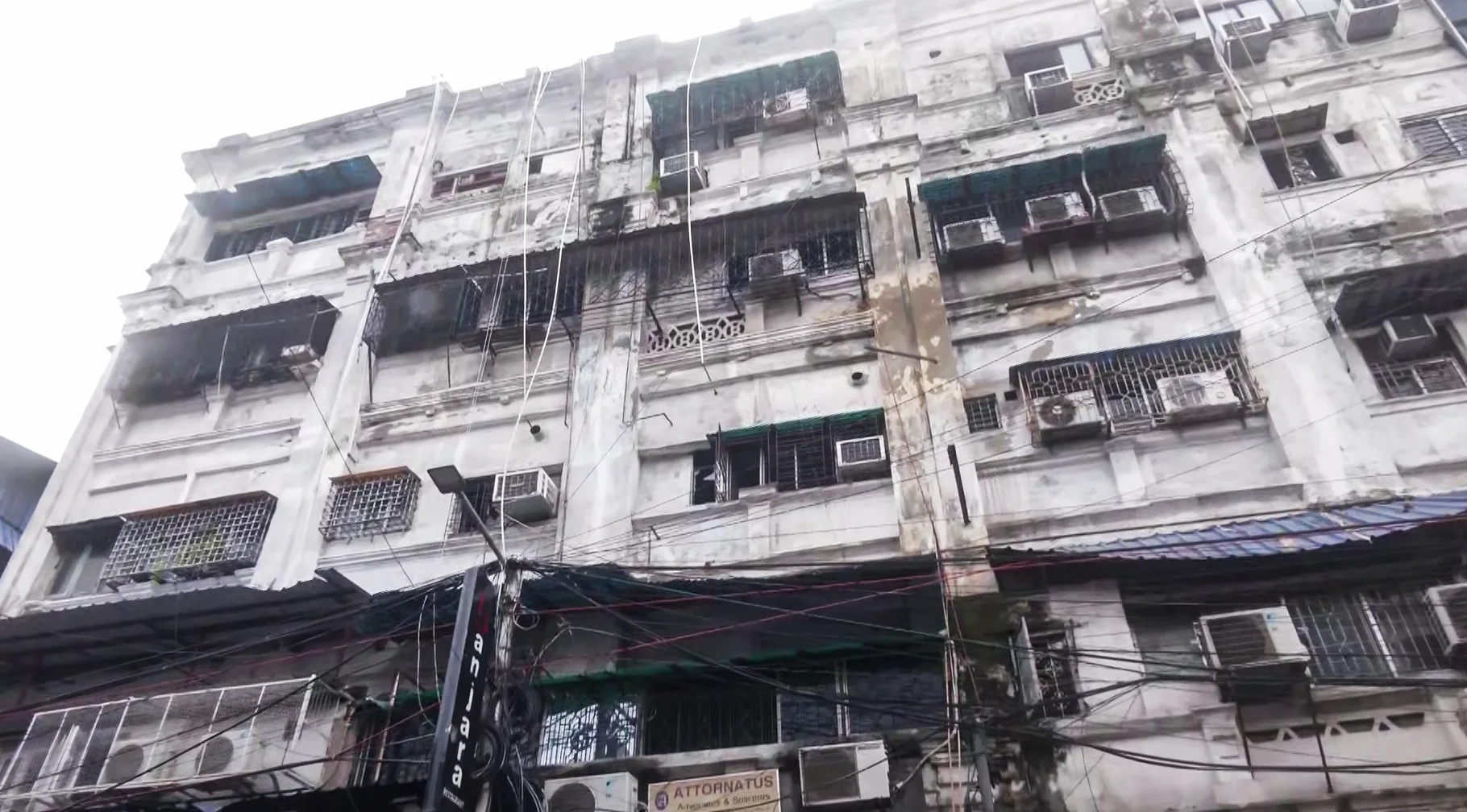
    The guests on Mirza Ghalib Street, Kolkata, witnessed a horror movie in front of their eyes. The devastating Kolkata hotel fire, which broke out at the hotel, claimed nine lives before seeing the light of day. Fumes of dark smoke engulfed the second and third floors of the building, which came under the perimeter of the fire.

    Survivors describe their experience with hell

    The survivors told PTI that there were no fire alarms in the establishment, nor was there any sign of adequate safety equipment in place. The fire claimed the lives of nine people, which included a four-year-old child and two women.

    “The fire brigade arrived hastily, which helped save the lives of 80 people,” says the West Bengal fire and emergency services department minister Kaushik Chowdhury.

    ALSO READ| Who was Asish Banerjee? Close Mamata Banerjee aide found dead at TMC party office in Birbhum

    The PTI noted a resident of Bangladesh who was residing in the hotel that came under fire mentioned approaching the staff, who were fast asleep when the fire broke out around 2 am. The man from Bangladesh had to give up all his belongings to get to a safer place.

    Survivors thank the fire brigade for their prompt arrival

    Ejaj Ahmed, a resident of Birbhum, thanked the fire brigade for arriving without any haste. He checked in at the hotel on Tuesday; it was with the help of the fire brigade personnel that he got his life saved, per The Times of India.

    “I was helped by two fire brigade personnel when I was coming down from the upper floors and ran out of the building to safety, in the midst of the darkness,” Ahmed said. A resident described the situation as horrific, mentioning people caught inside the building pleading for help.

    “It was like a scene from a horror movie,” he said.
    He mentioned only one entrance to the hotel, which leads to the staircase, making the situation worse.

    What are the key takeaways from the incident?

    While the flames themselves were not highly intense, the fire produced thick black smoke that caused severe breathing difficulties. Fire officials highlighted severe ventilation failures as a major concern. Each floor housed a hotel or guest house featuring small rooms, narrow passages, and difficult escape routes.

    ALSO READ| Can you buy a gun for self-defence in West Bengal? Know the rules

    The fire began on the third floor, and dense smoke quickly filled the building’s staircase. This not only trapped the occupants but also made it extremely difficult for firefighters to reach and rescue people on the upper floors. The building management allegedly failed to comply with fundamental safety and construction norms.

  • Can you buy a gun for self-defence in West Bengal? Know the rules

    Can you buy a gun for self-defence in West Bengal? Know the rules

    Can an ordinary person in West Bengal actually own a gun? The answer is yes, but it is certainly not as simple as walking into a shop and buying one.

    Under the Indian Arms Act, 1959 and the Arms Rules, 2016, civilians can apply for firearms licences under specific circumstances. Broadly, licences are issued for self-defence, business protection and sports shooting. Each category has its own requirements, and simply wanting to own a gun is not enough.

    Notably, just in recent weeks, Trinamool Congress MP Kirti Azad said that he would obtain an arms licence for security. That raises a wider question: what about ordinary citizens? What does the law actually allow?

    ALSO READ| Is the magic of Bengal’s music now lost, or is another story waiting to unfold?

    When can someone get a gun licence for self-defence?

    The Arms Act notes that a self-defence licence is primarily meant for people who can demonstrate a genuine threat to their life or property. The authorities do not generally issue such licences merely because an applicant feels unsafe. There has to be some supporting evidence.

    Documents that may be required include:

    1. FIR or GD copy.
    2. Police record of any previous assault, threats or blackmail allegations.
    3. Any evidence of threats received through threatening letters or digital means.

    People holding sensitive government positions, or those occupying social positions that put their lives at risk, may also apply. Depending on the circumstances and the licence granted, they may be permitted to possess firearms in the Non-Prohibited Bore (NPB) category, including certain pistols, revolvers or shotguns.

    What about business owners?

    Interestingly, a separate category exists for people whose work involves handling substantial amounts of cash or valuables.
    Jewellers, banks, cash-handling agencies, petrol pumps and large distributors, for example, may have a reason to seek additional security where large cash transactions occur regularly.

    ALSO READ| Did you know Bengal once had its own airline? Here’s why it never took flight

    Then in such cases, applicants have to provide documents including:

    1. Specific business licences, including trade licences.
    2. Company’s incorporation certificate.
    3. Proof of financial transactions.
    4. Annual turnover ledger.
    5. GST Return.
    6. Income Tax Return (ITR).

    Can sports shooters get a gun licence?

    Yes. Firearms licences can also be issued for sports shooting and target practice. But this category is specifically linked to participation in recognised shooting activities.

    The applicant must be an active member of a recognised shooting club or rifle association.

    The required documents can include:

    National Rifle Association of India (NRAI) or State Rifle Association-approved membership card and certificate.

    Shooter ID card (special identity card for sports category).

    Proof of active participation in various district, state or national level shooting competitions for 2 years.

    What kind of gun can a civilian actually own?

    This is where the rules become particularly important. A district police official noted that getting a gun license does not mean that all types of guns can be purchased. He said that no type of automatic rifle, machine gun or any military weapon used by the army can be purchased.

    303 rifles, 7.62 mm and high-powered firearms meant for military use also cannot be purchased by ordinary civilians, the official made it clear.

    ALSO READ| Who is Sumit Roy? Supreme Court orders not to arrest Abhishek Banerjee’s close aide

    With a valid licence, however, certain civilian firearms, such as shotguns and smoothbore guns, may be available. These can include single-barrel or SBBL guns and double-barrel or DBL guns. Depending on the category and conditions of the licence, certain 9 mm pistols may also be permitted.

    What is the minimum age?

    For personal or business purposes, an applicant must generally be at least 21 years old.

    Sports shooting has different provisions. Under special conditions, those aged 12 years and above can apply under the sports category.

    How does the application process work?

    The applicant has to submit Form A-1, either online or offline, following which the application is sent to the concerned police station. Following this, an officer under the District Magistrate handles the application process in each district.

    The police then conduct the necessary verification. A report from the District Intelligence Department is also obtained. The application subsequently moves to the concerned officer under the District Magistrate.

    After checking the documents, background information and other details, the file is placed before the District Magistrate. The District Magistrate then takes the final decision after examining the information and verification reports.

  • Pancha Kedar–Part 4: Rudranath, where Lord Shiva revealed his face to the world

    Pancha Kedar–Part 4: Rudranath, where Lord Shiva revealed his face to the world

    Some temples arouse devotion, some marvel with their architecture, and others attract millions of visitors through their ceremonies and festivals. Rudranath is a different world altogether.

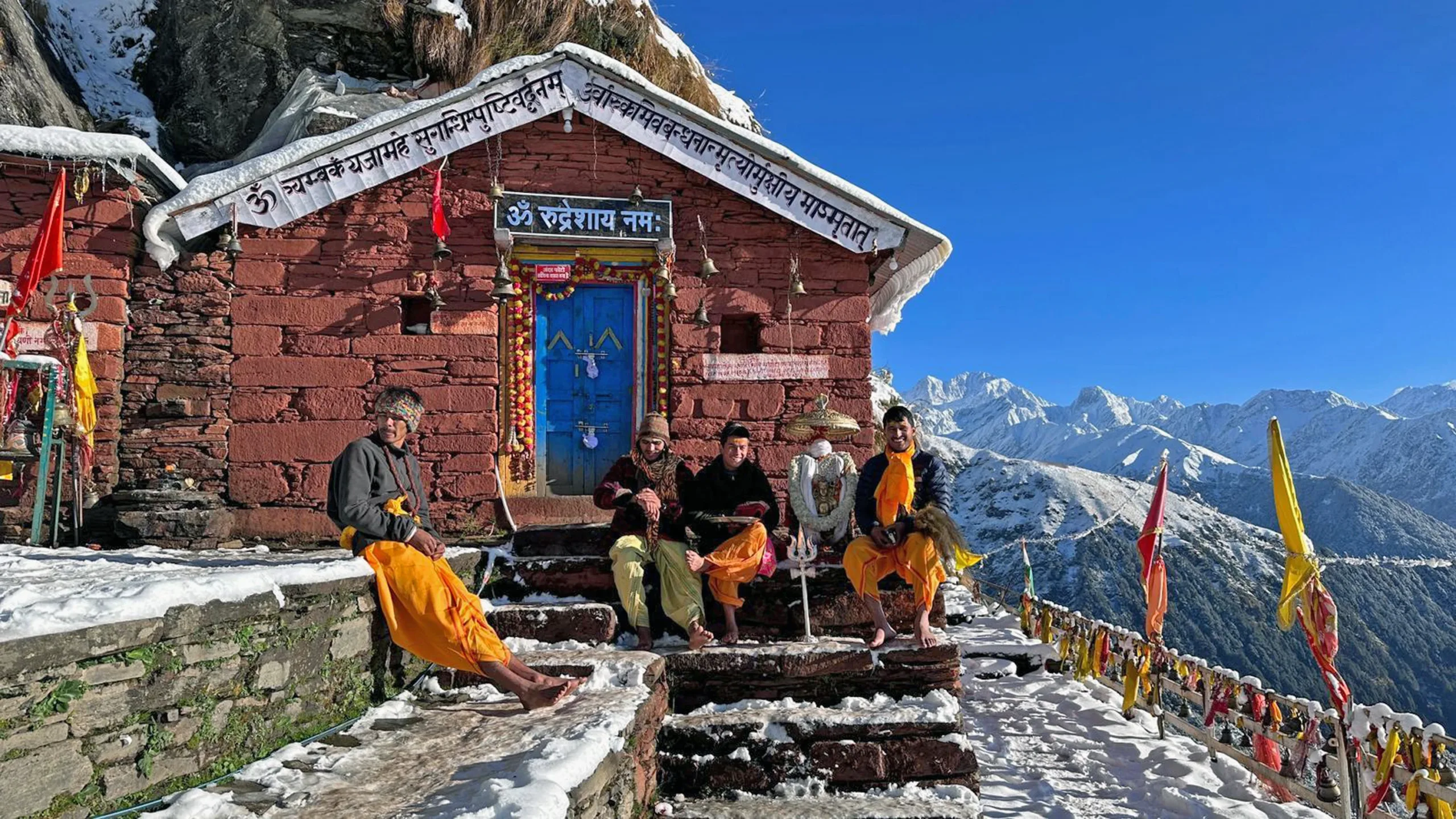
    Perhaps the most mysterious of the Pancha Kedar, Rudranath is nestled in dense forests, alpine meadows, and misty ridges at an elevation of almost 3,600 metres (11,800 feet) in the Garhwal Himalayas.

    Rudranath is one of the less-frequented peaks of Kedarnath; compared to Kedarnath or the less steep path of Tungnath, the peak requires patience, endurance, and total surrender. No roads touch it, no bustling bazaars throng at its doorstep, and no grand processions greet it. One has to earn the right to stand before the Lord.

    ALSO READ| Pancha Kedar–Part 1: Why did Lord Shiva hide from the Pandavas?

    According to the ancient Pancha Kedar tradition, it is here that the Lord Shiva’s face appeared once He went underground to evade the Pandavas.

    How is Rudranath different from other Kedars?

    Unlike many temples where the deity is represented by a carefully sculpted idol, Rudranath preserves a naturally formed rock worshipped as the face of Shiva.

    Human beings instinctively seek faces. We recognise emotions, intentions and identity through the face more than through any other part of the body. A smile comforts us. A glance reassures us. A stern expression warns us. Throughout history, the face has represented truth because it reveals what words often conceal. Perhaps that is why Shiva chose to reveal His face here.

    The name itself gives an important hint: Rudranath. Rudra is one of the earliest names of Shiva, dating to the Rig Veda, well before the development of much mythology as found in the Puranas. Although the word is translated ‘the fierce one’ or ‘the roaring one,’ Vedic scholars have noted that Rudra is not only the destroyer, but also a powerful god. He is also the great healer, the deity who annihilates ignorance, thus bringing truth to light.

    The normal starting point for excursions to Rudranath is from the villages of Sagar or Mandal, and the walk takes about 20 kms through dense oak and rhododendron woods to reach the large alpine meadows. The path follows ridges, crosses mountain streams and meanders through lonely areas where only birdsong and the rustle of the wind and the distant cawing of the cattle can be heard when they are grazing.

    ALSO READ| Pancha Kedar–Part 2: Kedarnath, where Lord Shiva’s hump emerged and time stands still

    Unlike many famous pilgrimage centres, Rudranath offers long periods of complete silence. Silence, in Indian spirituality, is never regarded as emptiness. It is regarded as revelation. Ancient sages believed that the deepest truths become audible only when the noise of the mind begins to settle. Perhaps that is why Shiva, the great yogi, chose such remote places for His manifestations. One does not simply visit Rudranath. One gradually becomes quiet enough to receive it.

    As the final stretch of the trek unfolds, the temple appears almost unexpectedly, nestled within the mountains as though it has grown naturally from the rocks themselves.

    Who built Rudranath?

    It is thought that the existing stone temple was restored during the time of Adi Shankaracharya, who was an important figure in revitalising many ancient pilgrimage routes up the Himalayas. But local beliefs say that the shrine is much older and is connected to the Pandavas. The structure of Rudranath and the other Pancha Kedar temples is made with huge stones, which are supposed to withstand the rigours of the harsh Himalayan winters for centuries.

    Rudranath is different from all other Kedars as per its atmosphere. Many pilgrims report that they experience a strange calmness when they get inside the temple. There are no elaborate decorations. The oil lamps softly flicker against old walls, and the scent of incense wafts through the cool mountain air. Mahadeva’s face is calm, compassionate and timeless, and the devotees realise that truth does not have to shout.

    There are four water bodies around the temple, which are also considered sacred: Surya Kund, Chandra Kund, Tara Kund and Manas Kund. They both have their own local folklore and ritual meaning.

    Another one of Rudranath’s unique traditions is Pitr Tarpan, special rituals performed for the departed ancestors. Many families come here to pray for the dead.

    In the spring and early summer, the meadows are blanketed with flowers. The forests are home to Himalayan monals, musk deer, and countless birds from the mountains, and medicinal herbs, which have been used for centuries in Ayurveda, are still being found growing naturally on these slopes.

    The temple is open for visits only in the summer. The deity is then taken in a ritual to Gopeshwar, where worship of the goddess is continued until the spring. Even here, tradition does not try to defy nature; it’s a natural thing. One thing the Lord seems to do is travel with the seasons, and He does so to teach mankind how to be in harmony with the earth; itself devotion.

    ALSO READ| Pancha Kedar-Part 3: Tungnath, the highest Shiva temple in the world

    For many pilgrims, Rudranath becomes the emotional heart of the Pancha Kedar journey. Kedarnath inspires awe. Tungnath offers serenity. Rudranath invites introspection.

    Perhaps this is what the Pandavas experienced after finally standing before the face of Shiva. Forgiveness did not arrive through miracles. It emerged through understanding.

    The face of Mahadeva did not condemn them for the war they had fought. Instead, it reflected their own humanity to them.

    Hence the importance of Rudranath as one of the most significant places in the Himalayas. It’s not just a temple where Shiva’s face emerged by ancient storybook fairy tale. It’s a place where each pilgrim is softly asked to shed many layers of his or her mask and be confronted directly with the truth.

    But that’s the true definition of Rudranath, isn’t it?