Remember icy blue eyeshadow, frosted lips and ultra-thin brows? The Y2K makeup trends that defined the early 2000s are making a comeback, but this time they are getting a more polished and wearable update.
Instead of recreating the heavily frosted, sharply defined looks of the era, makeup artists are giving the nostalgic trends a softer finish. Think diffused blue shadow instead of stark colour, natural-looking skin instead of heavy foundation, pearlescent lips instead of intense glitter and slimmer-looking brows without necessarily reaching for the tweezers.
The revival is part of beauty’s natural cycle, but the latest version is not simply a repeat of the past.
Which Y2K makeup trends are making a comeback?
Icy blue eyeshadow
Blue eyeshadow is once again having a moment. The early-2000s version was often intensely shimmery and almost white, but the modern take is softer and more diffused.
Makeup artists recommend blending the edges rather than creating a sharply defined block of colour. Keeping the rest of the makeup understated can also allow the blue shade to become the focus of the look.
Icy blue eyeshadow / Pexels
A matte or creamy blue shadow topped with a subtle shimmer can give the eyes that unmistakable Y2K feel without looking dated.
Natural, breathable skin
The current obsession with lightweight base makeup has more in common with early-2000s beauty than it might seem.
The period’s emphasis on enhancing natural features rather than creating an overly perfected complexion. The updated version means letting real skin remain visible, using concealer selectively or choosing sheer coverage instead of masking the entire face.
Natural, breathable skin / Pexels
The result is a complexion that looks fresh rather than heavily sculpted.
Frosted lips
Frosted lips are another unmistakable early-2000s trend returning to the beauty conversation.
But today’s version is less about an intensely metallic finish and more about a subtle, pearlescent sheen. Adding shimmer to the centre of the lips can also enhance their natural shape and create the appearance of added fullness.
Frosted lips / Pexels
For an easy take, start with a lip liner close to your natural lip colour and layer a shimmery lipstick or balm over it.
Skinny brows
Ultra-thin brows were one of the defining beauty choices of the early 2000s, and they are gradually returning.
Skinny brows / Pexels
But you don’t necessarily have to pick up a pair of tweezers to try the trend. Whitfield suggests using brow gel to reshape the tail of the brow so that it appears slimmer.
Why are Y2K makeup trends back now?
The comeback goes beyond simple nostalgia. Beauty has been moving away from highly sculpted and perfected looks towards individuality and experimentation.
That shift makes early-2000s makeup particularly relevant again. The era’s beauty trends were often playful, colourful and personality-driven Sand those elements can be adapted without copying the original looks exactly.
The key to wearing Y2K makeup trends in 2026 is restraint: blend the blue shadow, keep the skin light, make the frost subtle and reshape brows rather than immediately committing to extreme plucking.
In other words, the Y2K revival is less about recreating the past and more about borrowing its most fun beauty ideas.
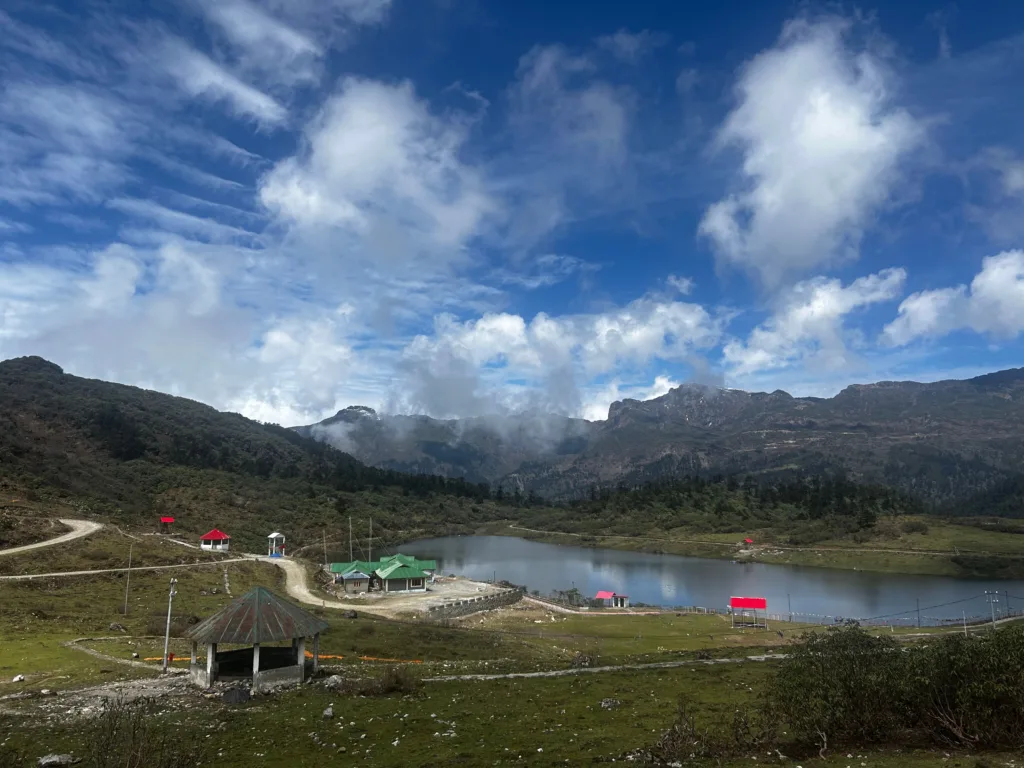
Arunachal Pradesh travel destinations are getting a fresh push as more remote parts of the northeastern state begin appearing on the tourism map. The recently concluded Trans Arunachal Drive (TAD) covered nearly 2,000 km, travelling through the state’s valleys and mountains and highlighting places that remain largely unexplored by tourists.
The drive showcased Rima, Lishu, Bomjir, Geku, Maryang, Kambu and Gori as potential new driving destinations, according to the Times of India report on the event.
The larger idea behind the drive was to position Arunachal Pradesh not only as a scenic holiday destination but also as a self-drive and road-trip destination.
Which new Arunachal Pradesh destinations are in focus?
The TAD brought attention to several remote locations that have so far remained outside the mainstream tourism circuit.
Places such as Rima, Lishu, Bomjir, Geku, Maryang, Kambu and Gori offer travellers a different side of Arunachal Pradesh, away from the state’s better-known tourist routes.
Much of the state remains relatively unexplored, particularly in remote areas. Upper Subansiri and Dibang Valley, for instance, have not yet become established parts of the wider tourism circuit because of connectivity challenges.
Arunachal Pradesh opens up new destinations for self-drive trips / Pexels
Improving access to such areas is therefore likely to be important if Arunachal Pradesh wants to turn these emerging destinations into viable tourism hubs.
Why could road trips change tourism in Arunachal Pradesh?
Arunachal Pradesh’s geography makes road travel particularly significant. The state’s appeal lies not only in individual tourist attractions but also in the journey through its mountains, valleys, villages and remote landscapes.
The TAD was designed to highlight precisely this experience and promote the state as a destination where the road itself becomes part of the holiday.
the road itself becomes part of the holiday in Arunachal / Pexels
Better connectivity could bring more visitors into areas that currently see relatively few tourists from outside the state. At the same time, expanding tourism beyond established destinations could spread its economic benefits to smaller communities.
The push is also particularly relevant for travellers looking for less commercialised experiences. Remote destinations are unlikely to immediately have large hotels and extensive tourist infrastructure, making smaller-scale accommodation an important part of the experience.
How can rural tourism benefit?
The emergence of new destinations could give homestays and local tourism businesses a significant role.
With fewer large hotels in far-flung areas, travellers may rely on locally run homestays for accommodation, food and guidance. That creates an opportunity for tourism income to reach communities that may otherwise remain outside the state’s mainstream tourism economy.
The Trans Arunachal Drive covered nearly 2,000 km across the state / Pexels
Arunachal Pradesh’s attraction is also closely tied to its local cultures, traditions, cuisine and communities, alongside its natural landscapes.
If connectivity improves and responsible tourism grows alongside it, these lesser-known destinations could become part of a broader tourism network without losing the local character that makes them attractive in the first place.
Arunachal Pradesh’s road-trip appeal
The state has long been known for its mountains and natural beauty, but the Trans Arunachal Drive places a different emphasis on how visitors experience the region.
Rather than simply travelling to a famous viewpoint or established tourist town, the road-trip model encourages travellers to explore the state’s lesser-known corners.
For travellers seeking an offbeat Northeast India itinerary, destinations such as Rima, Lishu, Geku, Maryang, Kambu, Gori and Bomjir could eventually offer a new route through Arunachal Pradesh.
The challenge now is to match that growing interest with better connectivity and tourism infrastructure while ensuring that development remains sustainable for the remote communities that call these places home.
Political view may not be the most obvious topic for a first date, but for many people, it is becoming harder to keep it out of the dating conversation.
The usual questions about work, hometowns, hobbies and relationship goals are still there. But as conversations around feminism, climate change, inequality, identity, education and mental health become more prominent, political opinions can reveal something deeper about how a potential partner sees the world.
That raises an uncomfortable question for modern dating: can two people with completely different political views build a healthy relationship?
The answer may have less to do with which party someone supports and more to do with what their beliefs say about their values.
When did politics become a dating question?
Nobody expects a first date to begin with a political questionnaire. Yet political beliefs can naturally enter conversations when people discuss current events, social issues or the kind of future they want.
For younger daters in particular, political opinions can feel personal because they often overlap with issues that directly affect everyday life. A person’s views on equality, women’s rights, climate change or social justice may tell you more about their worldview than their favourite film ever could.
From dating-app filters to first-date conversations, political views are becoming part of the modern compatibility check. / AI Generated
Two people can disagree about an election, a political party or a particular policy and still have plenty in common. They may argue about politics over dinner and still happily order dessert afterwards.
The bigger concern is what happens when the disagreement involves fundamental values.
If two partners have completely different ideas about equality, individual freedom or whether certain groups deserve the same rights, the disagreement can become much harder to compartmentalise.
Is political disagreement really a relationship dealbreaker?
Not necessarily.
A healthy relationship does not require two people to agree on everything. In fact, having different opinions can work when both partners are capable of listening, explaining their position and accepting that disagreement does not automatically make the other person stupid or immoral.
Your next dating dealbreaker may have nothing to do with looks / Pexels
The more important compatibility question may therefore be: How do you behave when you disagree?
Someone’s political label only tells you part of the story. The way they speak about people with opposing views can reveal far more about their personality and relationship style.
Can they listen? Can they disagree without becoming dismissive? Can they respect a partner’s right to hold a different opinion?
Those qualities can matter when political disagreements eventually spill into conversations about money, family, careers, children and everyday decisions.
What should you look for beyond someone’s political view?
Dating apps already allow people to filter potential partners according to preferences ranging from location and lifestyle to relationship goals. Political beliefs can feel like another compatibility marker, particularly for people for whom certain values are non-negotiable.
But instead of immediately asking someone to declare their political identity, it may be more useful to understand why they believe what they believe.
Would you date someone with completely different political views? / Pexels
Pay attention to how they talk about people they disagree with. Notice how they discuss their friends, colleagues, former partners or social issues. Someone’s ability to hold a strong opinion without treating everyone on the other side as an enemy can tell you a great deal.
Ultimately, political compatibility is not simply about voting for the same party.
It is about whether two people share enough fundamental values to build a life together and whether they can remain respectful when they don’t.
So, yes, you can still ask a new date about their favourite movie, travel plans or most embarrassing Spotify playlist. But somewhere between the coffee and the second drink, discovering what they genuinely care about may tell you much more about whether the relationship has a future.
What if the relationships that break your heart, turn your world upside down and eventually make you feel at home are all part of the same journey?
The Three Loves Theory suggests that people may experience three significant loves in their lifetime, with each relationship playing a different role in their emotional growth. While the idea is not a fixed rule for how every relationship unfolds, it offers an interesting way of looking at how romantic experiences can change as we grow.
Love has long been examined through both science and psychology. Anthropologist and researcher Helen E Fisher explored the biological systems involved in lust, romantic attraction and attachment, while psychologist Robert Sternberg proposed the Triangular Theory of Love, built around intimacy, passion and commitment.
The Three Loves Theory takes a more experiential approach, focusing on how relationships can evolve and what each one may teach us about ourselves.
What are the three loves in the theory?
According to this Three Loves Theory, the three stages are first love, intense love and unconditional love. They are not necessarily experienced by everyone in the same order or even three separate times, but each represents a distinct kind of romantic experience.
The first love feels like a fairy tale
The first love is often associated with the excitement and idealism of young romance. It can feel all-consuming, almost as though the relationship belongs in a movie.
The Three Loves Theory suggests that each relationship may arrive with a different lesson / Pexels
There are butterflies, intense excitement and the belief that the relationship will survive whatever comes its way. At this stage, love can also be influenced by how the relationship looks from the outside, rather than simply by compatibility between two people.
The eventual heartbreak can feel overwhelming, particularly because everything about the experience is new. But this relationship can also become an early lesson in what love feels like and what happens when that idealised version of romance meets reality.
Why does the second love feel so intense?
The second love is often described as the relationship that turns everything upside down.
Unlike the first love, which can feel like a fairy tale, this relationship can be far more complicated. It may bring intense passion alongside jealousy, possessiveness, insecurity and self-doubt.
This is the kind of relationship that can make you confront parts of yourself you did not know existed. You may find yourself trying to change, adapt or even mould yourself and your partner into what you believe an ideal relationship should look like.
Representational Image of Three Loves Theory / Pexels
The highs can be extremely high, while the lows can be equally difficult.
Yet, according to the Three Loves theory, this is also where some of the most important lessons are learned. The experience can force you to understand your boundaries, recognise unhealthy patterns and become clearer about what you actually want from a partner.
By the time this relationship ends, you may know yourself and your expectations from love, much better.
The unconditional love feels different
The third love is described as the unexpected one.
After experiencing heartbreak and learning from previous relationships, this connection can feel less dramatic but more secure. Instead of constantly wondering where you stand, there is a sense of ease and emotional safety.
The relationship does not require either person to be perfect. Instead, imperfections and quirks become part of what makes the connection work.
Representational Image of Three Loves Theory/ Pexels
Rather than turning disagreements into battles, both partners are willing to work through problems together. There is less focus on proving something and more emphasis on building a future.
This is the kind of love that can make you feel comfortable being completely yourself.
Is the third love really the one?
The Three Loves Theory ultimately presents the third relationship as the one that has the potential to last, but real relationships are far less predictable.
Not everyone will experience exactly three major loves. Some people may find a lasting relationship early in life, while others may experience several relationships before finding a compatible partner. Some may never follow this pattern at all.
What makes the theory appealing is the idea that relationships can change alongside us.
The person we want at 18 may not be the person we need at 30. A relationship that once felt perfect may later reveal incompatibilities, while an experience that ended painfully may leave us with a clearer understanding of our boundaries and needs.
Rather than treating love as a fixed destination, the Three Loves Theory looks at relationships as experiences that can shape emotional growth.
The first love can introduce us to romance. The intense love can challenge us. And the unconditional love, if and when it arrives, can show us what it feels like to build a relationship without losing ourselves in the process.
With H1N1 cases rising in parts of India, fever, cough, sore throat and body aches are prompting more people to wonder whether they have influenza or another respiratory infection. But symptoms alone cannot reliably distinguish H1N1 from seasonal flu, COVID-19 or other respiratory illnesses.
Doctors say testing is useful when the result could change treatment or clinical management, particularly in people at higher risk of complications or those with severe or worsening symptoms.
Symptoms alone can make it difficult to distinguish H1N1, COVID-19, seasonal flu and other flu-related illnesses.
That makes the question less about testing everyone and more about knowing when an H1N1 test can actually help.
Why can’t H1N1 be diagnosed from symptoms alone?
H1N1 is a subtype of influenza A, and its symptoms overlap considerably with several other respiratory infections.
Common symptoms can include:
Fever Cough Sore throat Runny or blocked nose Headache Body or muscle aches Fatigue Chills Breathing difficulty in some cases
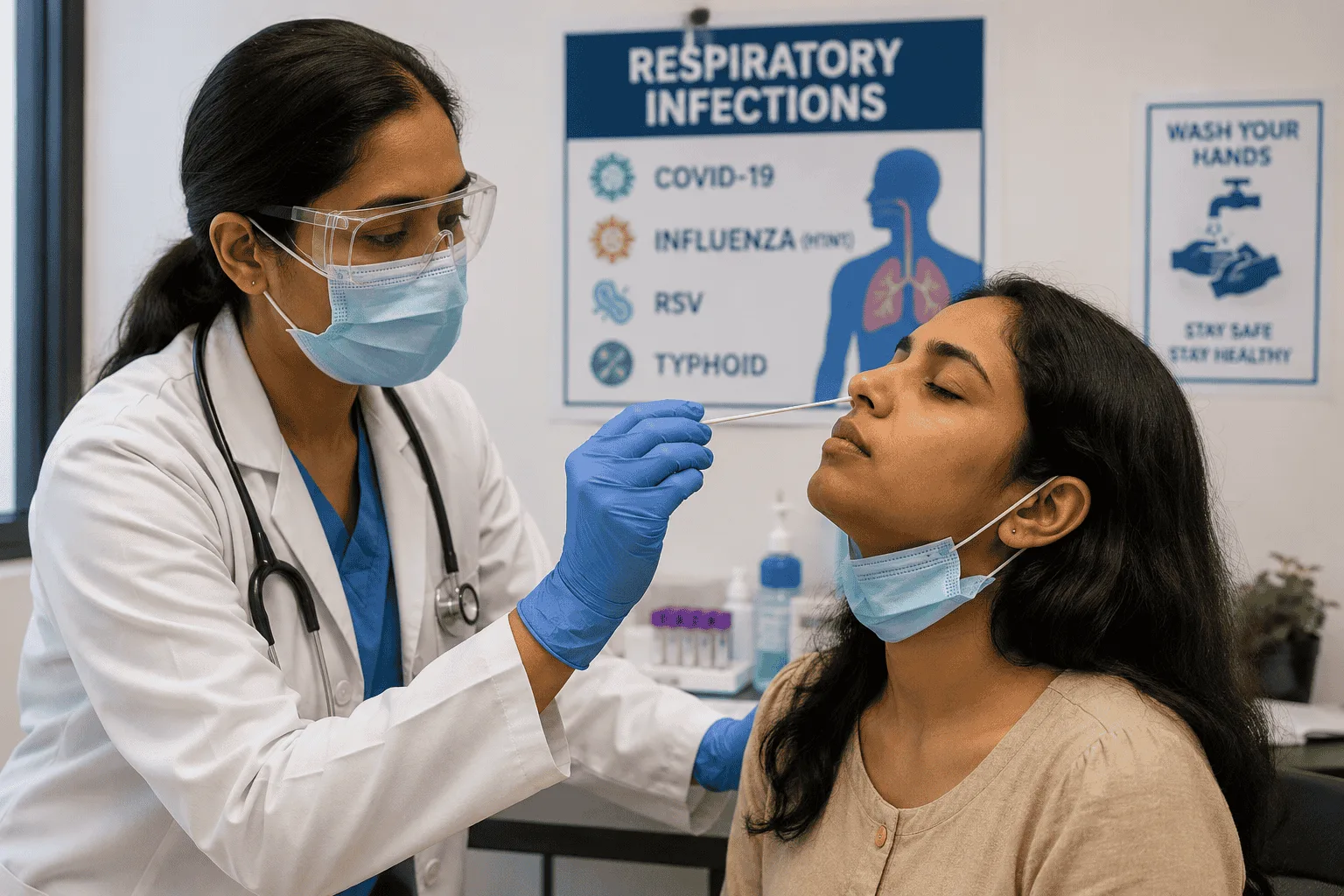
Representational image of Runny or blocked nose / Pexels
COVID-19, seasonal influenza and respiratory syncytial virus (RSV) can produce similar symptoms. Therefore, having a fever and cough does not automatically mean a person has H1N1.
The Infectious Diseases Society of America recommends influenza testing particularly when the result is likely to affect clinical decisions, including antiviral treatment, further investigations, antibiotic use or infection-control measures.
When is an H1N1 test actually needed?
Testing becomes more relevant when a patient has severe symptoms, belongs to a high-risk group or when knowing the result could change the course of treatment.
Doctors may consider testing particularly for:
Older adults Children Immunocompromised people People with chronic lung disease People with heart disease People with diabetes and other metabolic conditions
Testing is also recommended for hospitalised patients who develop acute respiratory symptoms without another clear diagnosis.
For an otherwise healthy person with mild symptoms who is steadily improving, testing may not necessarily change treatment.
The basic consideration is whether the test result will affect what the doctor does next.
Is RT-PCR the best test for H1N1?
When laboratory confirmation is required, molecular tests such as RT-PCR are preferred because they are generally more sensitive than rapid influenza antigen tests.
RT-PCR detects influenza viral RNA in respiratory specimens. The World Health Organization lists detection of influenza-specific RNA using RT-PCR among established methods for laboratory confirmation of influenza and notes that rapid diagnostic tests generally have lower sensitivity.
Indian health authorities also recommend rapid molecular assays over rapid influenza diagnostic tests when influenza testing is indicated. For hospitalised patients, RT-PCR or other molecular assays are preferred over less sensitive influenza tests.
This distinction is important because a negative rapid influenza antigen test does not necessarily rule out influenza.
What is a multiplex respiratory RT-PCR panel?
A multiplex respiratory panel can test for several respiratory pathogens from the same respiratory sample.
Depending on the specific panel, it may detect:
Influenza A Influenza B Influenza A(H1N1) or other influenza A subtypes RSV SARS-CoV-2 Other respiratory viruses Some bacterial respiratory pathogens
For someone recovering at home, a broad panel may provide additional information without necessarily changing treatment.
When should an H1N1 test be done?
The timing of the respiratory sample can affect detection. Influenza viral shedding is generally highest early in the illness, making prompt sample collection important.
Upper respiratory specimens for outpatients should ideally be collected as soon as possible after symptoms begin, preferably within four days.
Representational Image / Pexels
A negative result also needs to be interpreted alongside the patient’s symptoms, exposure history and the type of test used. A negative test with a less-sensitive method does not necessarily eliminate a strong clinical suspicion of influenza.
Do you need another H1N1 test after recovering?
Generally, no.
Patients who are recovering well clinically do not usually need a repeat test simply to confirm that the infection has cleared.
One reason is that molecular tests detect viral genetic material, which can remain detectable even after symptoms have substantially improved. Therefore, a positive RT-PCR result after clinical recovery does not necessarily mean that the person remains clinically ill or infectious.
For most uncomplicated cases, doctors instead look at whether the patient is actually getting better.
How do doctors know H1N1 recovery is on track?
Clinical improvement is usually more important than obtaining a negative repeat PCR.
Doctors look for signs such as:
Fever reducing or disappearing Cough and cold symptoms improving Energy gradually returning No breathing difficulty No new or worsening symptoms
Recovery is assessed through clinical symptoms and examination, including reduction or absence of fever, improvement in cough and cold and the absence of breathlessness.
If the patient is steadily improving, eating and drinking adequately and breathing normally, a repeat PCR is generally not required merely to obtain a negative report.
When should a recovering H1N1 patient seek further evaluation?
Persistent or worsening symptoms require closer attention.
Doctors may consider blood tests or chest imaging where clinically indicated. Pneumonia and secondary bacterial infections are among the complications that may need to be investigated, particularly if someone deteriorates after initially improving.
Representational image of persistent fever / Pexels
Higher-risk groups, including older adults, young children, pregnant women and people with underlying medical conditions, may require closer monitoring.
So, who actually needs an H1N1 test?
The decision should depend on the patient’s condition, risk factors, timing of symptoms and whether the result will change management.
Testing becomes more useful when:
The illness is severe or worsening: Respiratory symptoms such as breathlessness or a worsening cough warrant medical evaluation.
The patient is at higher risk: Older adults, young children, immunocompromised people and those with chronic illnesses may require a lower threshold for testing and treatment.
The result could change treatment: Confirmation of influenza may affect decisions about antiviral treatment, hospitalisation or infection-control measures.
Testing is performed at an appropriate stage: Molecular testing is generally most useful when performed early in the illness.
Can H1N1 be prevented?
Testing identifies infection after symptoms develop, but vaccination remains an important preventive measure.
The World Health Organization recommends annual influenza vaccination as the most effective way to prevent influenza, particularly for people at increased risk of severe disease.
Basic precautions, including staying home when acutely unwell, avoiding close contact with vulnerable people, maintaining hand hygiene and following appropriate respiratory precautions, can also help reduce transmission.
With H1N1 activity increasing in parts of India, awareness is important, but not every fever, cough or body ache requires an RT-PCR or a comprehensive respiratory panel.
For patients who need laboratory confirmation, molecular testing can provide sensitive detection of influenza. For those recovering normally, however, doctors generally rely on clinical improvement rather than repeated PCR tests.
If symptoms persist, return or worsen, particularly fever, breathlessness, chest pain or a worsening cough medical evaluation becomes more important.
First, we optimised dating profiles. Then came flirting techniques, “types” and endless advice about finding the perfect meet-cute. Now the internet has apparently decided that the next thing to optimise is body odour.
Enter pheromone maxxing, the latest addition to the internet’s ever-expanding “maxxing” vocabulary. The idea is simple, if somewhat questionable: humans supposedly emit pheromones that can influence attraction, so why cover up your natural scent with deodorant? Just let the musk do the work.
The trend, however, has gone beyond simply embracing your natural smell. Posts and videos circulating online claim that some people are deliberately showering less, rewearing sweaty clothes and avoiding deodorant in an attempt to make their natural scent stronger before dates.
At some point, dating advice has crossed over into what can only be described as a very questionable hygiene experiment.
What exactly is pheromone maxxing?
Pheromone maxxing refers to the idea of deliberately amplifying one’s natural body scent in the hope of becoming more attractive.
There is a kernel of logic behind the trend: smell does play a role in human attraction. Our sense of smell can influence emotions, memories and social perceptions, and someone’s natural scent can sometimes be appealing.
But that does not automatically mean that stronger body odour equals stronger attraction.
There is a considerable difference between finding someone’s natural scent attractive and intentionally allowing sweat and body odour to accumulate because you think it will make you irresistible.
The internet, naturally, has decided to skip that distinction.
Can skipping showers really make you more attractive?
There is no magic “sweat setting” that transforms someone from attractive to irresistible.
The pheromone maxxing trend appears to take the idea of natural scent and stretch it into a much more literal and considerably smellier direction. Avoiding showers or deodorant does not guarantee that another person will interpret your scent as attractive.
Pheromone maxxing has the internet debating whether smelling natural can make you more attractive / Pexels
In fact, deliberately turning up to a date smelling strongly of sweat could have precisely the opposite effect.
Natural scent is one thing. Deliberately marinating in body odour is another.
And perhaps that is where this particular dating hack loses the plot. Attraction is complicated, influenced by everything from personality and chemistry to appearance, familiarity and individual preferences. It is unlikely to be solved by simply making yourself smell more intensely human.
From looksmaxxing to pheromone maxxing
The trend fits neatly into the internet’s broader obsession with “maxxing” which is the idea that different aspects of your life can be optimised to become a supposedly better version of yourself.
Looksmaxxing involved the enhancement of physical appearance. However, other internet fads have turned activities such as sleep, productivity, and even social presence into items which need optimising.
The internet has found yet another way to optimise dating / Pexels
Pheromone maxxing now seems to have added smells to the list.
The trouble with the maximisation of optimisation is that it turns normal acts into hacks that need an additional effort.
However, if one’s approach to getting a girl’s attention means that she would have to smell you before seeing you, it is quite likely that she would form an impression which one did not intend her to form.
Therefore, one may go ahead and use his/her own smell if he/she likes. However, one should leave the three-day-old T-shirt in the laundry basket and not try out pheromone maxxing.
Hot temperatures and monsoon humidity can leave the body feeling drained, particularly for people who spend long hours outdoors, travel frequently or exercise regularly. While drinking enough fluids remains important, everyday food choices can also support hydration and help maintain energy levels.
From adding water-rich fruits and vegetables to choosing lighter meals and replenishing electrolytes, small dietary changes can make staying hydrated easier through the warmer months.
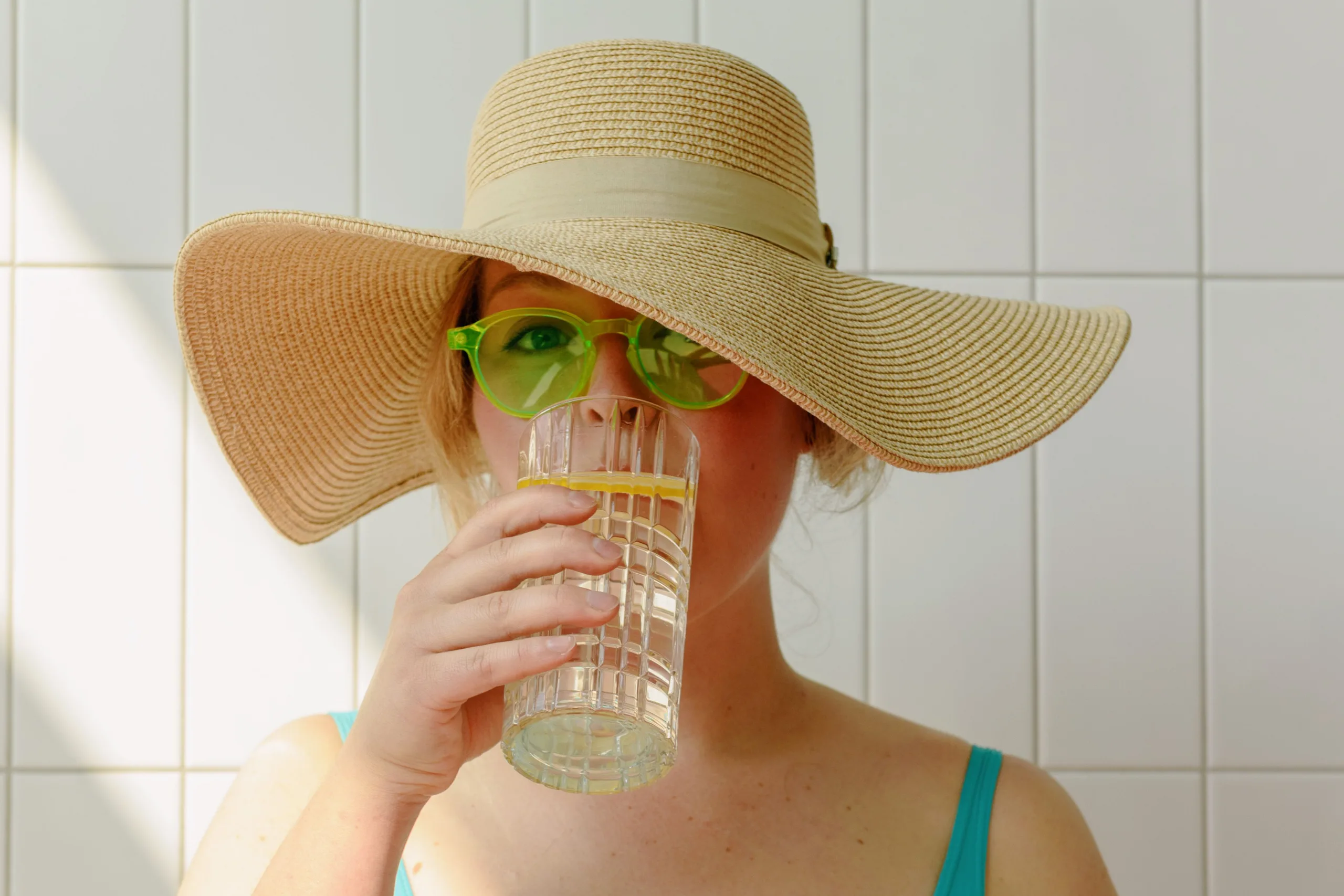
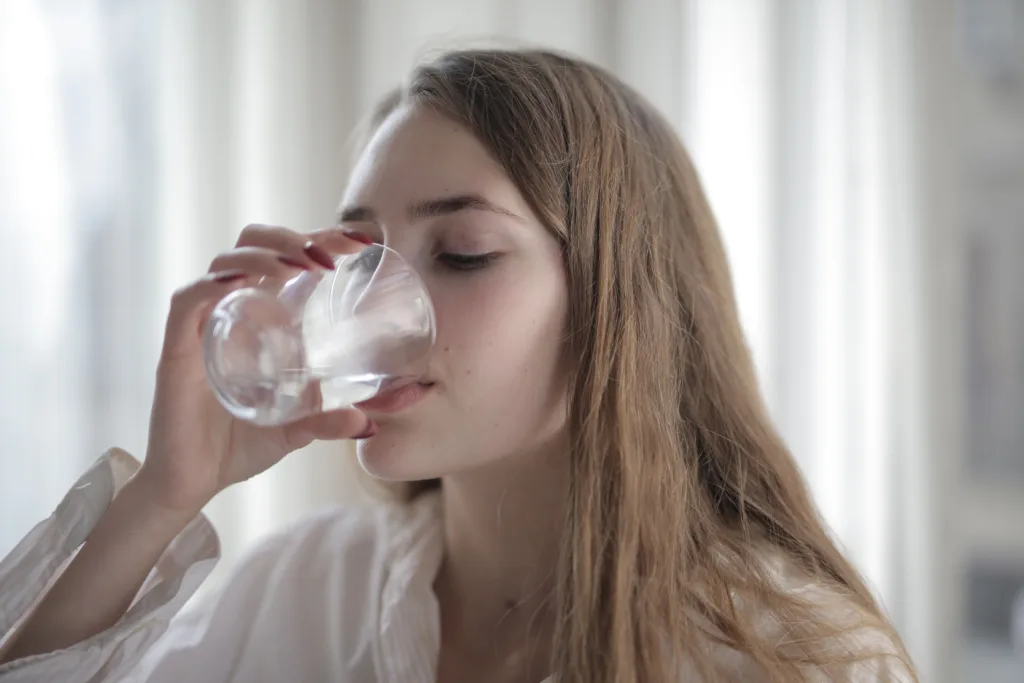
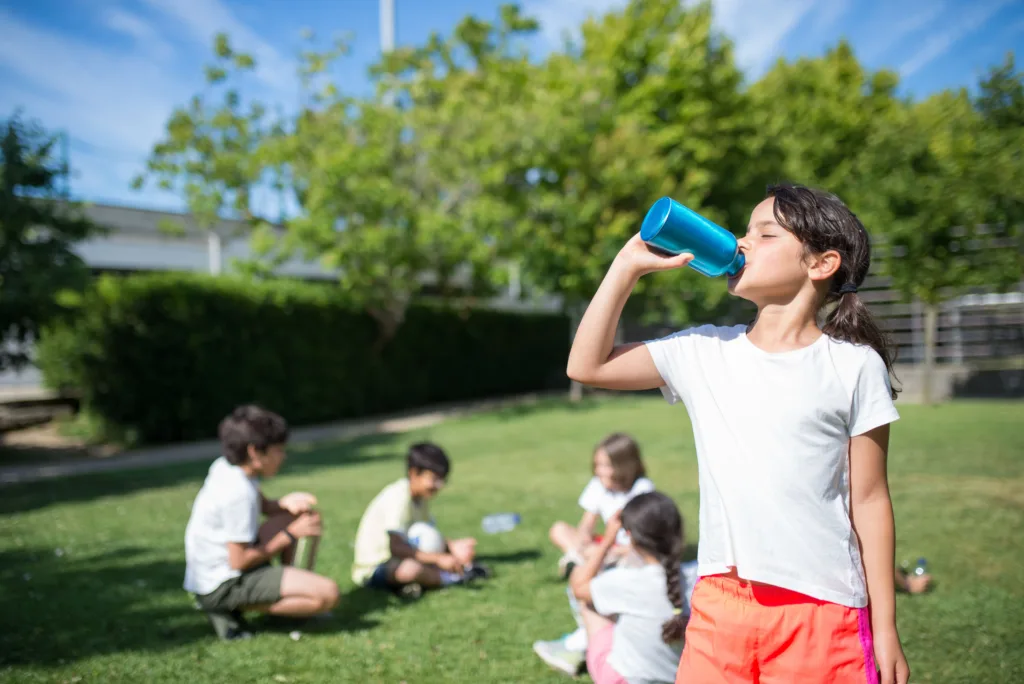
Thirst can be an early sign of mild dehydration. Instead of waiting until you feel thirsty and then drinking large amounts at once, make regular fluid intake a habit throughout the day.
Drink fluids before you feel thirsty / Pexels
Buttermilk, lemon water with a pinch of rock salt, mint-infused water and traditional khus water are some options that can help replenish fluids. Excessive consumption of caffeinated and sugary drinks, however, should be limited.
Add water-rich foods to your meals
Hydration does not come only from beverages. Foods with high water content can also contribute to daily fluid intake.
Add water-rich foods to your meals / Pexels
Watermelon, muskmelon, cucumber, bottle gourd, ash gourd, lettuce and zucchini are among the water-rich foods that can be incorporated into everyday meals. They can also support digestion while helping keep meals lighter.
Opt for lighter, home-cooked meals
Heavy, oily and spicy meals can feel particularly uncomfortable in hot weather. They may leave you feeling sluggish, bloated or fatigued.
Opt for lighter, home-cooked meals / Pexels
Lighter options such as khichdi, curd rice, millet rotis, lightly cooked vegetables, fresh salads and yoghurt-based dishes can provide nourishment without making meals feel excessively heavy.
Replenish electrolytes naturally
Sweating causes the body to lose minerals, including sodium and potassium. Replenishing electrolytes can therefore be particularly important during periods of heat and increased physical activity.
Replenish electrolytes naturally / Pexels
Lemon water with rock salt, yoghurt, watermelon, pomegranate and cucumber are among the foods and drinks highlighted as natural sources that can support electrolyte replenishment.
Include traditional cooling ingredients
Several familiar Indian kitchen ingredients can be incorporated into summer meals and drinks. Mint, coriander, fennel seeds and sabja seeds can support hydration and digestion.
Include traditional cooling ingredients / Pexels
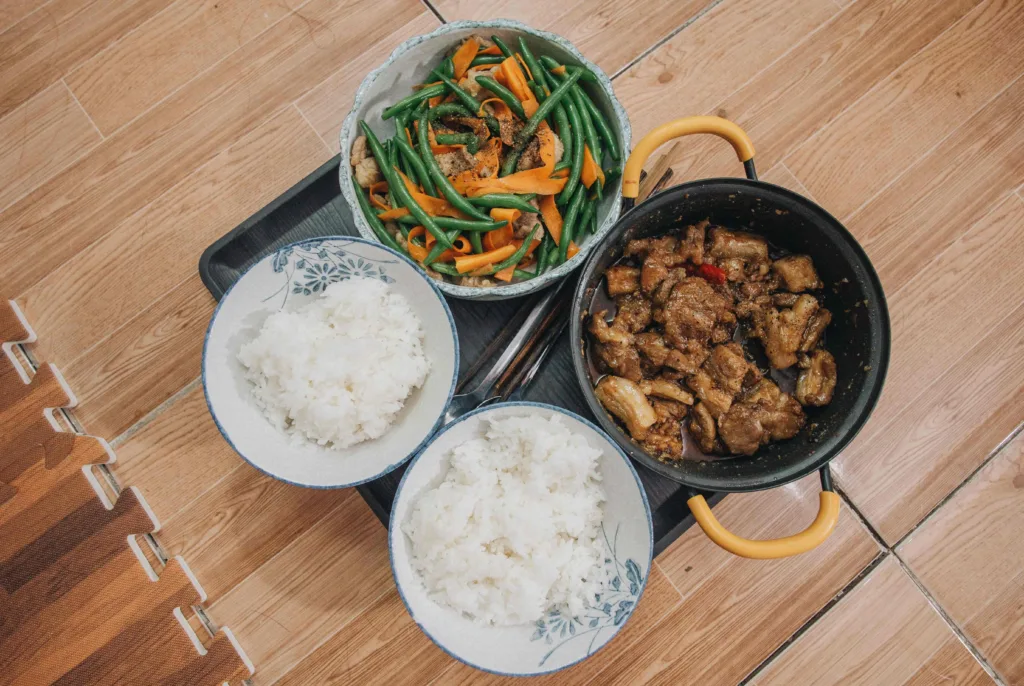
Aloe vera juice may also contribute to internal cooling when consumed appropriately.
Be mindful of when you eat
Meal timing can also affect how comfortable you feel in hot weather. Digestion generates heat, and heavy meals can feel more uncomfortable when temperatures are high.
Be mindful of when you eat/ Pexels
Eating lunch a little earlier and avoiding very late dinners can help. It is also useful to carry water while travelling and avoid direct sun exposure immediately after meals.
Kids may not necessarily feel the need for liquids when they are engaged in playing. Elders may also feel a lesser sense of thirst.
Hydration for kids and elders / Pexels
Hydration by giving water from time to time and seasonal fruits, curd and other beverages prepared at home will keep them hydrated.
Hydration does not mean that you have to make any drastic changes in your diet. Drinking enough amount of fluids, eating seasonal vegetables and fruits, maintaining electrolyte balance and eating light food can be done in your everyday life.
In hot and humid climate, these simple practices can help you stay hydrated, energetic and healthy.
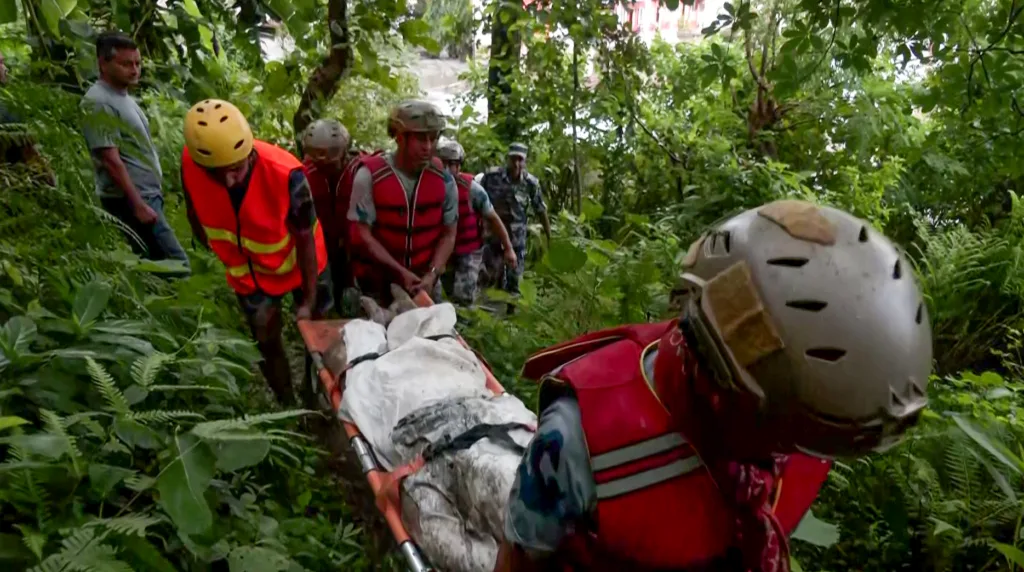
Nepal has begun burying unidentified flood victims as mortuaries and temporary holding centres run out of space and bodies recovered from the disaster begin to decompose. Authorities are preserving DNA samples, photographs and detailed forensic records before burial in an effort to ensure families can still identify their missing relatives later.
Only 20 of the 768 bodies recovered had been identified by relatives by Saturday evening. The wider death toll from the devastating flash floods had reached 734 by Sunday, with around 2,500 people still missing.
Chitwan recorded the highest number of recovered bodies at 259, followed by Nawalparasi East with 184, Nawalparasi West with 82, Gorkha with 58, Nuwakot with 52, Dhading with 50, Tanahun with 36 and Rasuwa with 13.
An area devastated by mud-laden floodwaters following a flash flood caused by an outburst in the Bhotekoshi River, in Rasuwa /ANI
The disaster followed a glacier collapse near the Nepal-Tibet border on Wednesday, sending water, mud, rocks and debris through the Bhote Koshi and Trishuli river systems. The floods swept away homes, roads, bridges and infrastructure, with some bodies reportedly carried as far as Bihar and Uttar Pradesh.
Why is Nepal burying unidentified flood victims?
The immediate problem is space. In Chitwan, authorities had recovered more than 200 bodies, but only four had been identified, yet. Hospitals and temporary holding facilities were struggling to accommodate the remains as decomposition progressed.
Health experts also warned that prolonged storage of decomposing bodies and the resulting foul odour could create sanitation concerns and increase the risk of infections. With existing mortuary capacity overwhelmed, officials began looking for emergency burial sites.
The Chitwan District Security Committee subsequently decided to bury unidentified and unclaimed bodies at an open site in Devghat, Bharatpur Metropolitan City, under Nepal’s Unidentified and Unclaimed Bodies Management (First Amendment) Directive, 2026.
Security forces and disaster management teams retrieve bodies from the flash-flood-affected Battar Bazar area, in Nuwakot on Thursday / ANI
Prime Minister Balendra Shah said bodies that could not be identified would be managed by the government, while those identified by relatives would be handed over to their families.
How will families identify victims after burial?
The burial does not mean authorities are abandoning efforts to establish the victims’ identities.
Before burial, forensic teams collect DNA samples and assign each body a permanent identification or reference number. Investigators also preserve photographs, physical descriptions, clothing, jewellery, identity documents and other belongings linked to that number.
Authorities are maintaining records of inquests, autopsies, DNA profiles, burial dates and the precise location of each grave. These records can subsequently be compared with missing-person reports and DNA samples provided by relatives, The Kathmandu Post reported.
Nepal Police has also published information on unidentified and unclaimed flood victims online. According to a post by Nepal Police on X, people can scan a QR code or access its official database to view details of bodies recovered in Rasuwa district.
A 40-member medical team, including seven forensic pathologists and seven dental surgeons, has been involved in the identification effort. DNA samples have already been collected from bodies held at temporary facilities.
The challenge is spreading beyond Chitwan
The crisis is not confined to a single district. Authorities in Nawalparasi East have transferred bodies to facilities outside Chitwan, including Pokhara and Palpa. Other remains have been moved to hospitals in Rupandehi and Kapilvastu.
Officials in Kathmandu have also started identifying possible burial sites as authorities prepare for the possibility of recovering more unidentified remains.
For Nepal, the challenge now involves two urgent priorities: managing the immediate health and logistical crisis created by hundreds of recovered bodies while preserving enough forensic evidence for families to establish their identities later.
By linking every buried victim to DNA evidence, photographs and detailed records, authorities are attempting to ensure that burial is not the end of the identification process.
A new term is being thrown around in relation to modern relationships that is causing quite a stir. The term is “Tolyamory,” coined by relationship columnist Dan Savage. It is being thrown around quite heavily online for what many people are deeming to be a worrying change in how people are approaching relationship boundaries.
Unlike other non-monogamous practices such as polyamory, tolyamory is the practice of accepting infidelity without mutual agreement.
The term combines “tolerate” and “polyamory,” but the comparison ends there. While ethical non-monogamy is built on communication and consent, tolyamory describes a situation where one partner continues the relationship despite repeated betrayal.
Relationship experts have pointed out that the difference is significant. While in consensual relationships all parties are aware and agree to the relationship structure, in tolyamory there is one-sided compromise.
Tolyamory explained / Pexels
The term has also sparked debate on whether these relationships represent a shift in relationship norms or simply redefine unhealthy relationships.
Why the term is trending
The popularity of terms such as tolyamory can also be seen as a result of a general shift in the way relationships are discussed on the internet. Social media has also played a significant role in the popularisation of relationship terms.
Relationships between high-profile individuals, in which cases of infidelity are forgiven time and again, have also led to the popularity of the term. While these cases represent acts of courage and strength on the woman’s part, they also raise the question of whether she is forgiving the man out of strength or tolerance.
Representational Image / Pexels
The need to appear “unbothered” or “chill” in relationships may also be a reason why people are accepting such behavior in relationships.
Blurred lines in modern relationships
The rising prevalence of such terminology highlights the general problem which is relationship boundary issues.
New labels may come and go, yet the underlying problems seem to stay the same: trust, respect, communication. Without these, relationships may become unbalanced and stressful.
At the heart of the tolyamory debate is not so much terminology; it is how one chooses to define their own emotional well-being.
Ultimately, the debate around tolyamory is less about creating another category of relationships and more about examining what people are willing to accept in order to remain in one.
A new dating label may help describe a pattern, but it does not by itself determine whether that arrangement is healthy. That comes down to the boundaries, expectations and emotional well-being of the people involved.