Nobody wants to be that passenger whose food fills the entire cabin with its aroma. While carrying your own food can be useful during a long journey, choosing something mild-smelling, easy to pack and relatively mess-free can make the experience more comfortable for everyone.
If you are wondering what to pack in your cabin bag, here are five simple flight snacks that travel well.
What snacks can you carry on a flight without worrying about the smell?
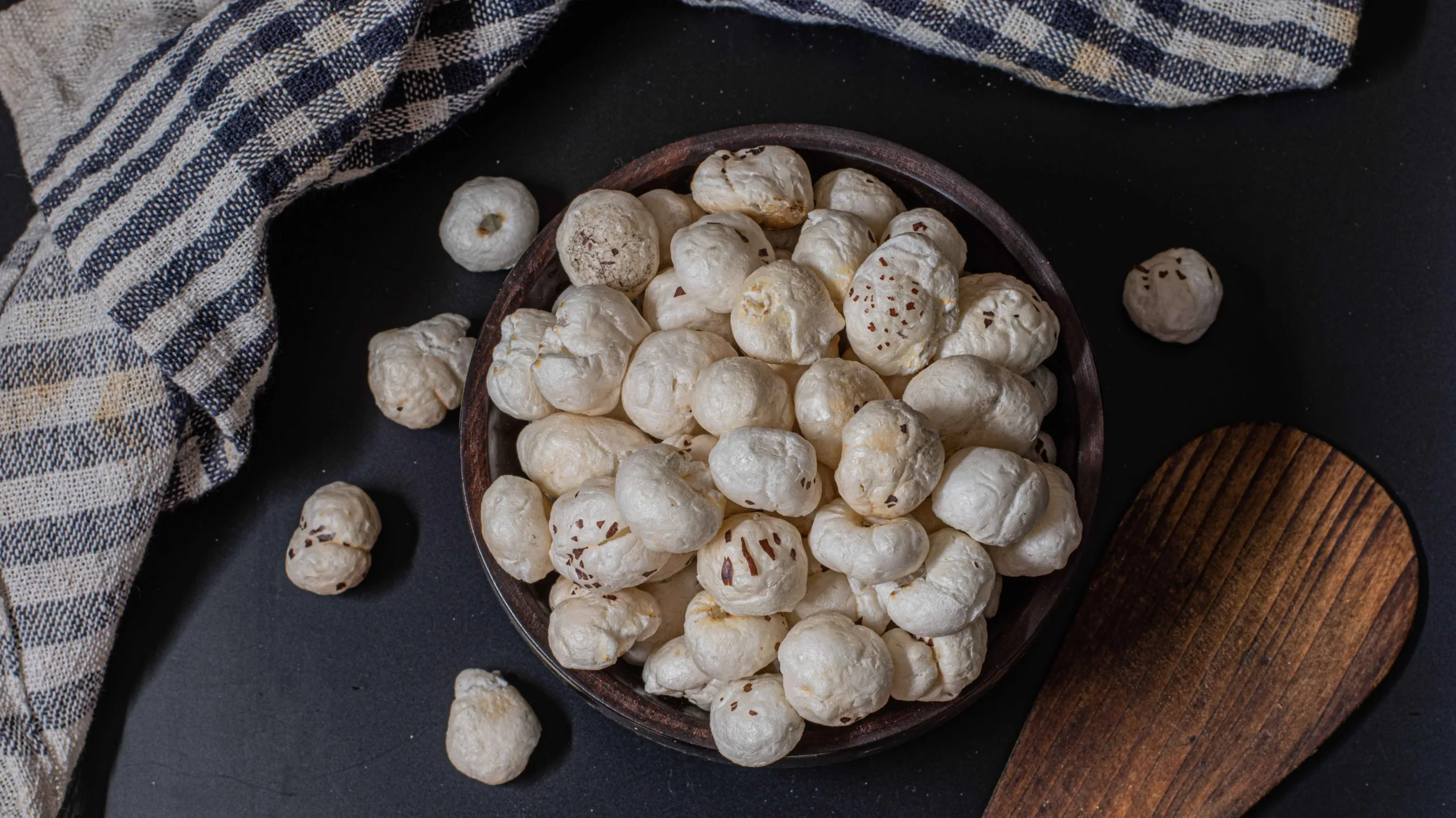
Roasted makhana
Roasted makhana / Pexels
Light, crunchy and easy to pack, roasted makhana is a convenient option for flights. You can season it with a little salt and pepper or your preferred mild seasoning, then store it in a zip-lock bag or airtight container. It is also relatively mess-free to eat.
Dry fruits and nuts
Dry fruits and nuts / Pexels
Almonds, cashews, walnuts, pistachios and raisins are easy travel staples. They do not need refrigeration and can be packed in small portions. You can also make a simple trail mix by combining a few of your favourites.
Sandwiches
Sandwiches / Pexels
A basic sandwich can be a filling option for a flight, provided you choose mild-smelling fillings. Cucumber and cheese, peanut butter and banana or a simple vegetable sandwich can work well. Wrapping sandwiches individually also makes them easier to carry and eat.
Which Indian snacks are best for a long flight?
Granola or energy bars
Granola or energy bars / Pexels
For something quick and convenient, granola and energy bars can easily fit into a handbag or cabin bag. Since they are individually packed, they require little preparation and can be eaten between meals. Choose varieties without strong-smelling ingredients or messy fillings.
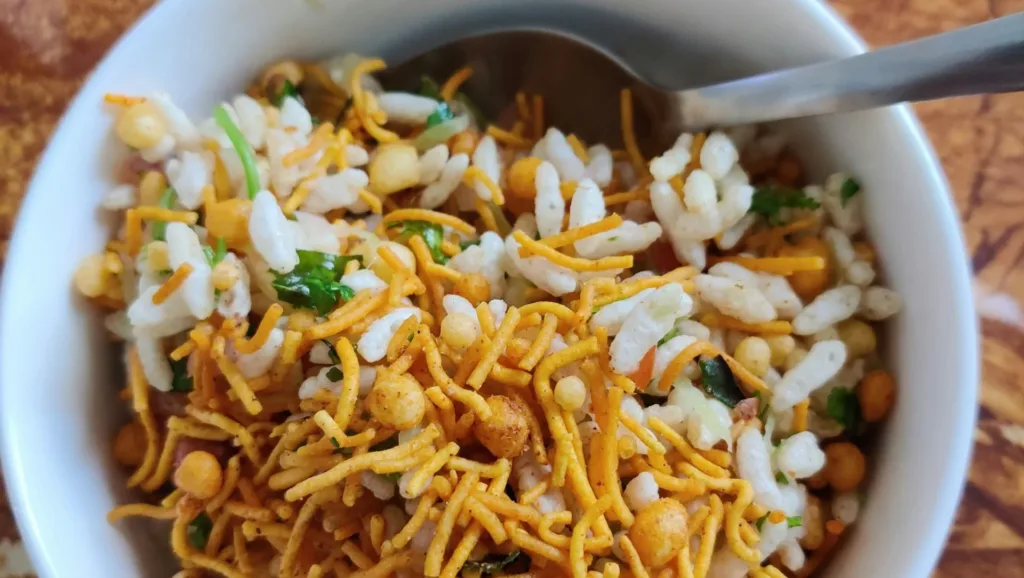
Several Indian snacks are particularly convenient for travel. Khakhra, mathri, roasted chana, murmura and baked chakli can be packed in small airtight portions. For a flight, choose relatively dry varieties without heavy oil or strong masalas to minimise crumbs, mess and lingering smells.
The next time you pack your cabin bag, consider choosing snacks that are dry, easy to handle and mildly scented. They can help keep hunger away without turning your row into an impromptu dining area.
If regular chicken curry has started feeling repetitive, this dahi tadka chicken recipe offers a creamy and flavourful alternative. Shared by chef Saloni Kukreja as part of her ‘AirFryerMaxxing’ series, the recipe combines air-fried chicken breast with Greek yoghurt and a tempering of mustard seeds, curry leaves and green chillies.
The chicken is air-fried instead of deep-fried, while Greek yoghurt forms the creamy base of the dish. The recipe can be served with roti or paratha.
The recipe uses 400g chicken breast and Greek yoghurt, both of which are sources of protein. The chicken is air-fried with a drizzle of oil, reducing the need for deep-frying.
The yoghurt mixture gets its flavour from a tadka made with ghee, mustard seeds, curry leaves, green chillies, red chilli powder and turmeric. Lime juice, ginger-garlic paste and spices add flavour to the chicken marinade.
How to make dahi tadka chicken at home?
Ingredients
400g chicken breast, cut into pieces 1 tbsp lime juice ½ tsp salt ½ tsp pepper ½ tsp chilli powder ¼ tsp coriander powder 1 tbsp ginger-garlic paste 1 small onion, sliced Coriander, for garnish ¾ cup Greek yoghurt 1 tbsp ghee ¼ tsp red chilli powder Salt and pepper, to taste A pinch of turmeric powder 2 tsp mustard seeds 1 sprig curry leaves 2 green chillies, slit
Method
Marinate the chicken: Add lime juice, salt, pepper, chilli powder, coriander powder and ginger-garlic paste to the chicken. Mix well and leave it to marinate.
Bored of regular chicken curry? This creamy dahi tadka chicken adds a protein-rich twist to your meal / Pexels
Air-fry the chicken: Place the marinated chicken pieces on a parchment-lined tray and drizzle with oil. Air fry at 230°C for around 15 minutes, or until the chicken is cooked and crispy.
Prepare the tadka: Heat ghee in a pan. Add mustard seeds, slit green chillies, curry leaves, red chilli powder and turmeric powder. Let the mixture crackle.
Violent protests at Lovely Professional University (LPU) in Phagwara, Punjab, escalated into vandalism, arson, clashes with police and a blockade of NH-44 after students raised allegations of sexual assault involving a female student and questions over the death of another student.
The allegations surrounding the reported sexual assault have not been established. Police have registered a rape case against an unidentified person and formed a seven-member Special Investigation Team (SIT) to investigate the matter. LPU, meanwhile, has denied that a rape took place on campus and described the reports as false and fabricated.
The unrest began around the girls’ hostel early Sunday and later spread across the campus and the adjoining highway. Police said the situation returned to normal by Monday, while NH-44, which had remained blocked for more than 15 hours, was restored.
What triggered the LPU protest?
The immediate trigger was a series of claims circulating among students and on social media that a female student had allegedly been sexually assaulted by a construction worker or plumber at a girls’ hostel.
Students also alleged that the hostel warden had been informed but had not taken the matter to the police. These claims formed the basis of a complaint by protesting students, according to police.
Students block the national highway, followed by a protest outside Lovely Professional University (LPU), in Phagwara on Sunday. (ANI Video Grab)
Jalandhar Range DIG Naveen Singla said investigators would examine forensic evidence, CCTV footage and call records before reaching a conclusion. Police subsequently registered a case against an unknown person and constituted a seven-member SIT. Five representatives of the protesting students were also included in the probe, according to Singla.
The police investigation is therefore still ongoing, and the allegation should not be treated as established fact.
How did the Telangana student’s death become part of the protests?
Students also raised the case of 21-year-old Laxmi Chandra, a BTech Agriculture student from Telangana, who died after allegedly jumping from the seventh floor of a girls’ hostel on September 10.
Police said the circumstances surrounding her death were being investigated. Singla said Laxmi’s parents had visited the university and that her mobile phone had been sent for forensic examination.
Police have said that if evidence suggests foul play, appropriate action will follow. The available material does not establish a connection between her death and the separate sexual assault allegation.
What did LPU say about the rape allegation?
LPU has denied that a rape occurred on its campus and described the reports circulating on social media as “false”, “baseless” and “fabricated”.
Registrar Monica Gulati said certain people were spreading allegations through social media and creating confusion among students. Vice-Chancellor Jaspal Singh Sandhu said the university would cooperate with the investigation.
Students hold a protest at Lovely Professional University (LPU), in Phagwara on Sunday. (ANI Video Grab)
LPU also released a video featuring three female students who said they were staying in the hostel room identified in the allegations and denied that a rape had taken place there.
How did the LPU protest turn violent?
The protest began near the girls’ hostel around 1 am on Sunday before escalating as the number of protesters grew.
Protesters damaged administrative buildings and other campus property, while videos showed broken windows, burning objects and damage to shops. Some protesters also climbed onto a decommissioned MiG-23 aircraft and a military tank installed on the campus.
The protesters later blocked NH-44, disrupting traffic between Jalandhar and Phagwara for more than 15 hours.
The confrontation with police intensified on Sunday evening. Police said protesters threw stones at personnel and attacked police vehicles, after which a lathi charge was carried out. Several police personnel were injured, while vehicles were damaged and some were set on fire.
A view of the completely gutted vehicle(s) following the protests by the students of Lovely Professional University (LPU) in Phagwara, Kapurthala, on Monday. (ANI Video Grab)
Punjab Police subsequently deployed more than 2,000 personnel and conducted a flag march on the campus, according to officials cited in the source material.
What were students demanding?
Apart from the sexual assault allegation, students raised concerns about hostel safety and security.
Punjab DGP Gaurav Yadav said one of the demands was that only women staff should be present in girls’ hostels. DIG Singla also said female students had sought an all-women hostel staff.
Authorities said discussions were held with students and the university administration to address these concerns.
Police have also said they found indications that outsiders may have entered the campus during the unrest. Kapurthala SSP Gaurav Toora said four or five people were detained late Saturday night, including one person carrying a walkie-talkie. Police said they were investigating the circumstances of their presence.
What is the situation at LPU now?
By Monday, police said the situation on campus had returned to normal, with heavy deployment at the university gates. NH-44 was also reopened.
LPU has suspended regular classes for 10 days from September 28 and postponed its mid-term examinations until further notice. Students have been allowed to travel home in consultation with their parents or guardians, while those staying on campus have been advised to remain inside their hostels or residences and avoid unnecessary movement.
Police said the investigation into the sexual assault allegation remains underway. The SIT is expected to examine CCTV footage, forensic material, call records and other evidence before drawing conclusions.
Singaporean model and photographer Chuando Tan, 60, continues to attract attention for his youthful appearance. He first became a global internet sensation in 2017, when photographs of him went viral and people were surprised to learn that he was 51 at the time.
Tan’s routine, as described in interviews and profiles, revolves around diet, exercise, sleep and consistency rather than a single anti-ageing treatment.
Who is Chuando Tan and how did he become famous?
Tan began his modelling career in the 1980s and 1990s, becoming one of Singapore and Asia’s recognisable male models. He later moved behind the camera and built a career as a fashion photographer.
Vogue Singapore has documented his transition from modelling to photography. Tan began photography in his late 20s after spending more than a decade in front of the camera, and became an early adopter of digital imaging and high-level retouching in Singapore’s fashion industry.
His second wave of global attention came in 2017, when his Instagram photographs spread widely online. At the time, he was 51. Tan told Vogue Singapore that he had never felt insecure about his age and continued enjoying life as he always had.
What does Chuando Tan eat?
Tan has spoken about diet as an important part of his lifestyle. In an interview with FIFTIERS, he described his approach as 70% diet and 30% exercise.
His breakfast typically includes six eggs, although he eats only two yolks, along with a glass of milk. Depending on the day, he may also have avocado, berries, oatmeal or a protein shake.
Lunch is generally simple, with meals including grilled or steamed chicken or fish, rice and vegetables. Fish soup or broth may also feature in his meals.
Tan avoids ultra-processed foods and drinks plenty of water. He also avoids coffee and alcohol and does not smoke. The FIFTIERS profile also mentions vitamin C supplements as part of his routine.
How does Chuando Tan stay fit?
Exercise has been a consistent part of Tan’s routine for decades. He does around 30 minutes of strength training three to five times a week, incorporating compound movements such as squats, lunges, push-ups and pull-ups.
He also includes low-intensity cardio, such as brisk walking on a treadmill and swimming.
His fitness routine predates his 2017 viral fame, rather than being something he adopted after gaining attention online. Chuando Tan- This Singaporean man looks 30 but is actually 60 years old! Inside .pdf
What is Chuando Tan’s sleep routine?
Tan also pays attention to sleep and meal timing. He aims to go to bed around 11 pm and finishes his final meal at least five hours before bedtime.
He prefers spending time without screens before sleeping and uses the evening to relax.
Does Chuando Tan follow an elaborate skincare routine?
His skincare routine is relatively basic. He uses a gentle cleanser and moisturiser rather than describing a lengthy list of products or procedures.
The source material also notes that Tan has said he does not rely on cosmetic surgery. Chuando Tan- This Singaporean man looks 30 but is actually 60 years old! Inside .pdf
His approach to ageing is similarly centred on maintaining his lifestyle and attitude. In a 2025 interview with Vogue Singapore, Tan spoke about keeping a sense of confidence and attraction for himself rather than for others.
The term ‘Cyclone Arnab’ has been widely used on social media and in reports about the latest weather system over the Bay of Bengal. But according to the India Meteorological Department (IMD), there is no officially classified cyclone by that name.
The system that made landfall over Andhra Pradesh late on Wednesday night has been classified by the IMD as a deep depression, bringing heavy rain and strong winds to parts of Andhra Pradesh and Odisha.
The confusion largely stems from the fact that ‘Arnab’ is an assigned name on the regional list of names for tropical cyclones. The name can be used when a system meets the criteria for a cyclone, but its appearance on the list does not itself mean that every weather system associated with the name has reached cyclone intensity.
Why is ‘Cyclone Arnab’ not officially a cyclone?
According to the IMD, the distinction between a depression, deep depression and cyclone is primarily based on the system’s maximum sustained surface wind speed.
The IMD classifies a depression when maximum sustained surface winds are between 31 and 50 kmph. A deep depression has winds between 52 and 61 kmph, or 28 to 33 knots.
Strong winds and high tides triggered by Cyclone Arnab, in Puri on Thursday. (ANI Video Grab)
For a system to be classified as a cyclonic storm, sustained surface winds need to cross the 63 kmph threshold.
The weather system over the Bay of Bengal was therefore classified as a deep depression rather than a cyclone.
So, where did the name Arnab come from?
The name Arnab is part of a predetermined list maintained under the World Meteorological Organization (WMO) and United Nations Economic and Social Commission for Asia and the Pacific (UN-ESCAP) panel.
The regional naming system involves 13 countries including Bangladesh, India, the Maldives, Myanmar, Oman, Pakistan, Sri Lanka, Thailand, Iran, Qatar, Saudi Arabia, the United Arab Emirates and Yemen.
‘Cyclone Arnab’ is actually a deep depression, according to the IMD. Here’s why the name is circulating / ANI
Each country contributes 13 names, creating a list of 169 names for tropical storms.
The names are used sequentially when qualifying cyclonic systems develop. Arnab, which means “ocean” in Bengali, was among the names in the queue. Its presence on the list does not mean the current deep depression has officially been named Cyclone Arnab.
What impact has the deep depression had?
Although the system is not classified as a cyclone, it has brought significant rainfall to parts of eastern India.
Odisha has witnessed heavy rain, with authorities preparing for possible flooding and waterlogging. Schools and Anganwadi centres were shut in several districts, including Khurda, Jagatsinghpur, Ganjam, Gajapati and Malkangiri.
A view of Chilika Lake as high tidal waves hit the coast under the influence of Cyclone Arnab, in Puri on Thursday. (ANI Video Grab)
The state government placed collectors of 11 districts on high alert and kept cyclone and flood shelters ready.
Andhra Pradesh has also experienced intense rainfall. According to the Andhra Pradesh State Disaster Management Authority (APSDMA), heavy showers were recorded across multiple districts between 8.30 am on Wednesday and 7 am on Thursday, with more than 80 locations recording over 100 mm of rain.
What is the difference between a depression and a cyclone?
A depression is a low-pressure weather system accompanied by thunderstorms and organised circulation. As wind speeds increase, the system can strengthen into a deep depression and eventually into a cyclonic storm if it crosses the required threshold.
In the current case, the IMD’s classification remains deep depression, despite the widespread use of the term ‘Cyclone Arnab’ online.
For highly sensitive people, relationships can sometimes feel particularly intense. Small changes in tone, behaviour or communication may be noticed quickly, making emotional safety and consistency especially important.
Relationship therapist and content creator Kasturi Mahanta recently shared six guidelines for sensitive individuals looking to build calmer and more secure relationships.
Choose emotional safety over intensity
Intense feelings may be thrilling, particularly when the relationship is in its early stages; however, intense feelings are not synonymous with having emotional security.
According to Mahanta, emotionally sensitive people prefer emotional security to emotional intensity. A relationship which seems stable and predictable might be better than a relationship where there is a lot of emotional ups and downs all the time.
Look for clear and honest communication
It is usually the case that the highly sensitive individuals are good at detecting the tone of the conversation, body language and other subtleties.
Given that fact, honest and open communication is essential in building up trust, and your partner should always be willing to communicate honestly and clearly.
Understand your partner’s family background
Family experiences can shape how people understand and express emotions later in life.
Mahanta suggests looking into a partner’s family background, particularly how emotions were treated while they were growing up. Someone raised in an environment where feelings were dismissed or handled harshly may find it difficult to understand the emotional needs of a highly sensitive partner.
Understanding these patterns can offer insight into how someone approaches emotions and relationships.
Consider lifestyle compatibility
Compatibility is not just about shared interests or chemistry. Everyday lifestyle can matter just as much.
Highly sensitive people may need quiet routines, slower transitions and regular downtime. Being with someone who prefers a constantly busy, loud or high-energy lifestyle can eventually feel exhausting.
A relationship can feel more comfortable when both people respect each other’s need for space, rest and different rhythms.
Learn the difference between growth and danger
Not every uncomfortable feeling is a warning sign, but not every uncomfortable situation should be pushed through either.
Mahanta suggests learning to distinguish between discomfort that can come with personal growth and discomfort that signals a potentially unhealthy situation.
Learn the difference between growth and danger in relationship / Pexels
Tools such as therapy, journaling and mindfulness can help sensitive individuals understand their emotional responses instead of immediately reacting to them.
Stop chasing emotionally unavailable partners
Mahanta further cautions us against falling for the temptation to repair or heal an unattainable relationship.
An attempt to fill up the emotional voids of someone else may make the relationship a one-sided venture. High sensitives must understand if their relationship is reciprocated to avoid being emotionally exhausted.
The objective is not to stop feeling. It is to create relationships where there is emotional intelligence and safety.
Ultimately, being highly sensitive does not mean feeling less or changing who you are. It means understanding what helps you feel secure, communicating those needs clearly and choosing relationships where emotional safety, consistency and mutual effort are valued.
Remember when family holidays required months of planning, multiple spreadsheets and at least one argument over train tickets? Gen Z is taking a very different approach.
New travel trends show young Indian travellers increasingly moving away from the traditional annual holiday and embracing anti-itinerary travel, a style built around less planning, flexible schedules and leaving room for spontaneous experiences.
For a generation increasingly drawn to flexibility and experiences that feel personal, travel is beginning to follow the same pattern.
Goodbye annual vacation, hello random weekend escape
For years, holidays followed a familiar formula: save throughout the year, book months ahead and pack as many attractions as possible into one big trip.
Gen Z is increasingly choosing a different model.
Gen Z is moving away from heavily planned annual vacations and embracing shorter getaways / Pexels
Rather than taking one long annual holiday, young travellers are opting for multiple shorter escapes throughout the year. These trips may be booked only days before departure and often come without an elaborate schedule.
The focus is less on ticking destinations off a list and more on taking a break from everyday routines.
What is anti-itinerary travel?
Anti-itinerary travel is essentially the rejection of rigid holiday planning. Instead of filling every hour with sightseeing, travellers deliberately leave gaps in their schedules.
That could mean spending an afternoon at a local café, walking through a neighbourhood, discovering an unexpected spot or simply deciding what to do after reaching the destination.
Gen Z is ditching rigid holidays for spontaneous escapes. / Pexels
In this style of travel, getting lost can become part of the plan.
Young travellers are also increasingly looking beyond destinations that dominate social media. Places that feel quieter, less crowded or less overexposed can offer the sense of discovery they are seeking.
When travel becomes part of your identity
For Gen Z, travel is increasingly about more than the destination itself. The way they travel can also reflect their personality and interests.
A mountain cabin, artistic homestay or secluded beach house may become as important as the location. Accommodation itself becomes part of the experience, and often part of the memories travellers want to take home.
Less planning, more exploring: Gen Z’s new travel style. / Pexels
The perfect trip does not necessarily have to be luxurious. It simply needs to feel personal, distinctive and memorable.
Why are shared homes becoming popular?
Group travel is another part of this changing approach.
Young travellers are increasingly choosing large shared homes where friends can stay together rather than booking separate hotel rooms. The focus shifts from simply visiting attractions to spending uninterrupted time together.
The Bharatiya Janata Party (BJP) spent ₹286.99 crore on the West Bengal Assembly election alone, exceeding the ₹248.55 crore spent by the Congress across five elections, according to expenditure statements filed with the Election Commission.
The figures cover the Assembly elections held in West Bengal, Assam, Kerala, Tamil Nadu and Puducherry earlier this year. Across the five polls, the BJP’s expenditure through its central office stood at ₹529.38 crore, with West Bengal accounting for more than half of the total.
In Bengal, the BJP reported ₹217.16 crore on general campaigning and another ₹69.83 crore on candidates and related expenses.
How much did BJP spend in the Bengal election?
The BJP’s Bengal expenditure of ₹286.99 crore was divided between party campaigning and candidate-related expenses.
Of the total, ₹217.16 crore went towards general campaigning, while ₹69.83 crore was spent on candidates. The figures were included in expenditure statements submitted to the Election Commission after the polls.
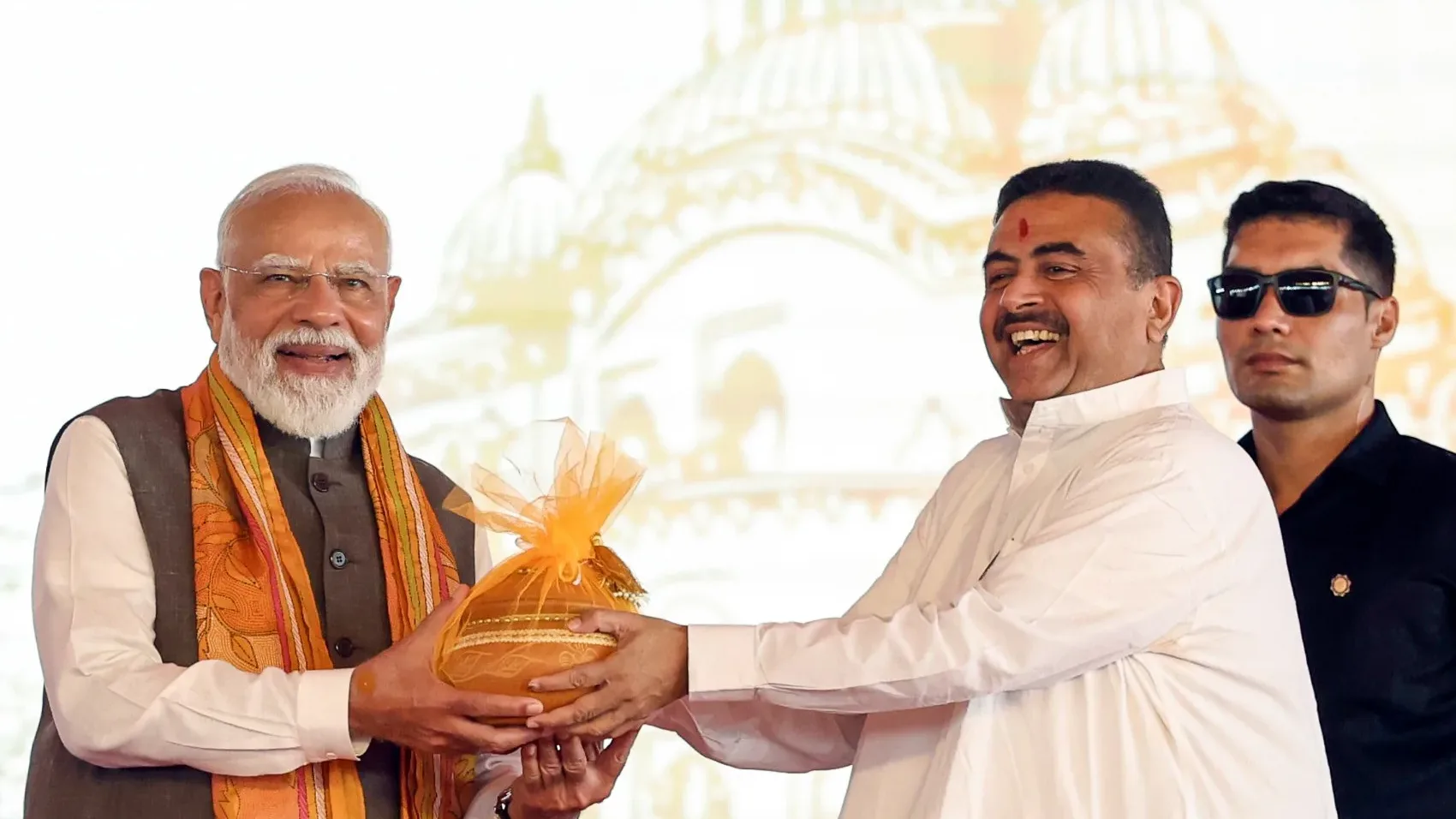
Prime Minister Narendra Modi and BJP National President Nitin Nabin at BJP headquarters to celebrate victory with BJP supporters / ANI
The BJP’s expenditure in the other four elections stood at ₹96.27 crore in Assam, ₹82.67 crore in Kerala, ₹51.56 crore in Tamil Nadu and ₹11.90 crore in Puducherry, taking its combined five-election expenditure to ₹529.38 crore.
Election expenditure statements submitted by recognised political parties include spending on areas such as campaigning, travel, advertisements, rallies and campaign material.
What was Congress’ total election spending?
The Congress reported ₹248.55 crore in expenditure across the five elections.
Of this, ₹143 crore was spent on general campaigning, while ₹105.55 crore went towards candidates and related expenses, according to the filings.
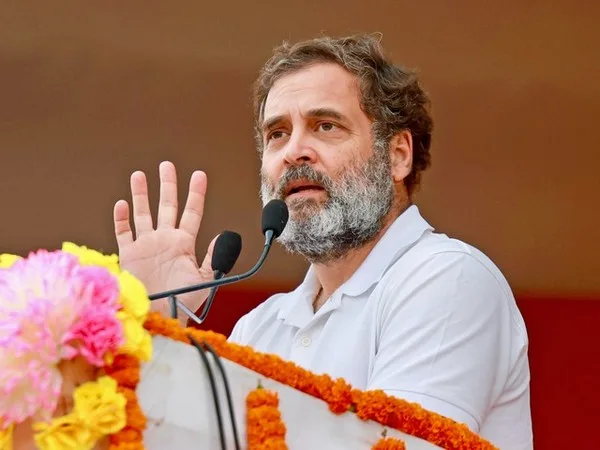
Congress leader Rahul Gandhi addresses the crowd (ANI)
West Bengal accounted for ₹42.08 crore of the Congress’ reported expenditure through its central headquarters and state unit. This included ₹12.96 crore on general campaigning and ₹29.12 crore on candidates and related expenses.
The Congress spent more than the BJP in Kerala, reporting ₹105.34 crore compared with the BJP’s ₹82.67 crore. Of the Congress’ Kerala expenditure, ₹71.30 crore went towards general campaigning and ₹34.05 crore towards candidates.
How did the BJP’s spending compare across the five states?
State/UT BJP expenditure
West Bengal ₹286.99 crore Assam ₹96.27 crore Kerala ₹82.67 crore Tamil Nadu ₹51.56 crore Puducherry ₹11.90 crore Total ₹529.38 crore
The Bengal figure alone was about ₹38.44 crore higher than the Congress’ combined ₹248.55 crore expenditure across all five elections.
West Bengal Chief Minister Suvendu Adhikari (ANI Photo)
The comparison is based on party expenditure statements filed with the Election Commission and reflects reported expenditure, not the total spending by every organisational unit or candidate unless included in the relevant filings.
What do the filings show about party finances?
The filings also provide a picture of the parties’ finances during the election period.
The BJP’s central headquarters received ₹1,472.8 crore during the election period, according to the figures cited by PTI. Its central office reported a closing balance of ₹7,627.2 crore, up from ₹6,722.6 crore when the elections were announced.
The Congress reported ₹207.17 crore in receipts across its headquarters and five state units. Its combined balance declined from about ₹169.06 crore to ₹103.2 crore during the period, according to the same filings.
The CPI(M), meanwhile, reported consolidated expenditure of ₹39.04 crore across the five elections. Its Kerala state unit reported ₹28.60 crore, while its West Bengal unit reported ₹8.23 crore.
The Trinamool Congress’ expenditure statement for the West Bengal election had not been made public in the source data at the time of reporting.
Attachment styles are largely influenced by early childhood experiences, particularly how consistently caregivers respond to a child’s emotional and physical needs.
Consistent and emotionally responsive caregiving can help children develop a sense of trust and security. On the other hand, inconsistent, neglectful or frightening caregiving experiences may contribute to feelings of anxiety, insecurity or fear.
However, childhood is not the only factor. Relationships outside the family and experiences later in life can also influence attachment patterns. Even past heartbreak can affect how cautiously or openly someone approaches a new relationship.
What are the four attachment styles and how can they show up in relationships?
Secure attachment
People with a secure attachment style generally feel comfortable forming and maintaining close relationships. They value intimacy while also being able to maintain healthy boundaries and communicate their needs.
Secure attachment is also associated with interdependence — being able to seek support and reassurance from a partner while still regulating your own emotions and maintaining a sense of independence.
Secure attachment / Pexels
How is secure attachment formed?
Consistently present and responsive caregivers, particularly during early childhood, can help create the foundation for secure attachment.
Anxious attachment
Anxious attachment is often associated with a strong desire for closeness alongside a fear of abandonment or rejection.
People with this pattern may frequently seek reassurance from their partners but still struggle to feel reassured even after receiving it. It can also appear through excessive communication, difficulty expressing needs directly or changing oneself to maintain a relationship.
Anxious attachment / Pexels
How is anxious attachment formed?
Emotionally inconsistent or unpredictable caregiving can contribute to anxious attachment. When a child’s experience of emotional availability changes frequently, they may become uncertain about whether support and closeness will be available in the future.
Avoidant attachment
Avoidant attachment tends to look very different from anxious attachment. Instead of seeking frequent reassurance, people with avoidant patterns may place a strong emphasis on independence and feel uncomfortable with emotional closeness.
They may find vulnerability difficult and pull away when relationships become more intimate. Although they can still desire connection, closeness may also trigger discomfort or a need for distance.
Avoidant attachment / Pexels
How is avoidant attachment formed?
Dismissive, disconnected or emotionally distant caregiving can contribute to avoidant attachment. When emotional needs are not consistently acknowledged, children may learn to rely primarily on themselves.
Disorganised attachment
Disorganized attachment, also called fearful-avoidant attachment, can involve a combination of anxious and avoidant behaviours.
A person may want closeness while simultaneously fearing it, creating a push-and-pull pattern in relationships. They may struggle with trust and find it difficult to establish lasting emotional connections.
Disorganised attachment / Pexels
How is disorganised attachment formed?
This pattern has been associated with highly unpredictable, frightening or abusive caregiving environments. A child may seek closeness from a caregiver while also becoming fearful or withdrawn, creating conflicting responses to intimacy.
How can you figure out your attachment style?
Identifying an attachment pattern starts with looking at how you respond to closeness, trust, conflict and emotional vulnerability.
Reflecting on childhood experiences, relationships with caregivers and past romantic relationships can help reveal recurring patterns. Online attachment-style questionnaires can also be used as a starting point, but their results should not be treated as a definitive assessment.
For a deeper assessment, a psychotherapist can use clinical interviews and standardised tools to explore attachment patterns and how they may affect relationships.
Can your attachment style change?
Yes. Attachment styles are not necessarily fixed for life.
Developing awareness of recurring behaviours can be an important first step towards changing them. Strategies such as emotional regulation, assertive communication and healthy boundaries can help people develop more secure ways of relating to others.
Therapy can also help people understand where certain patterns come from and develop different ways of responding to difficult emotions, intimacy and relationship challenges.
The process is gradual. Understanding your attachment style is less about placing yourself in a fixed category and more about recognising patterns in your relationships and deciding what you may want to change.
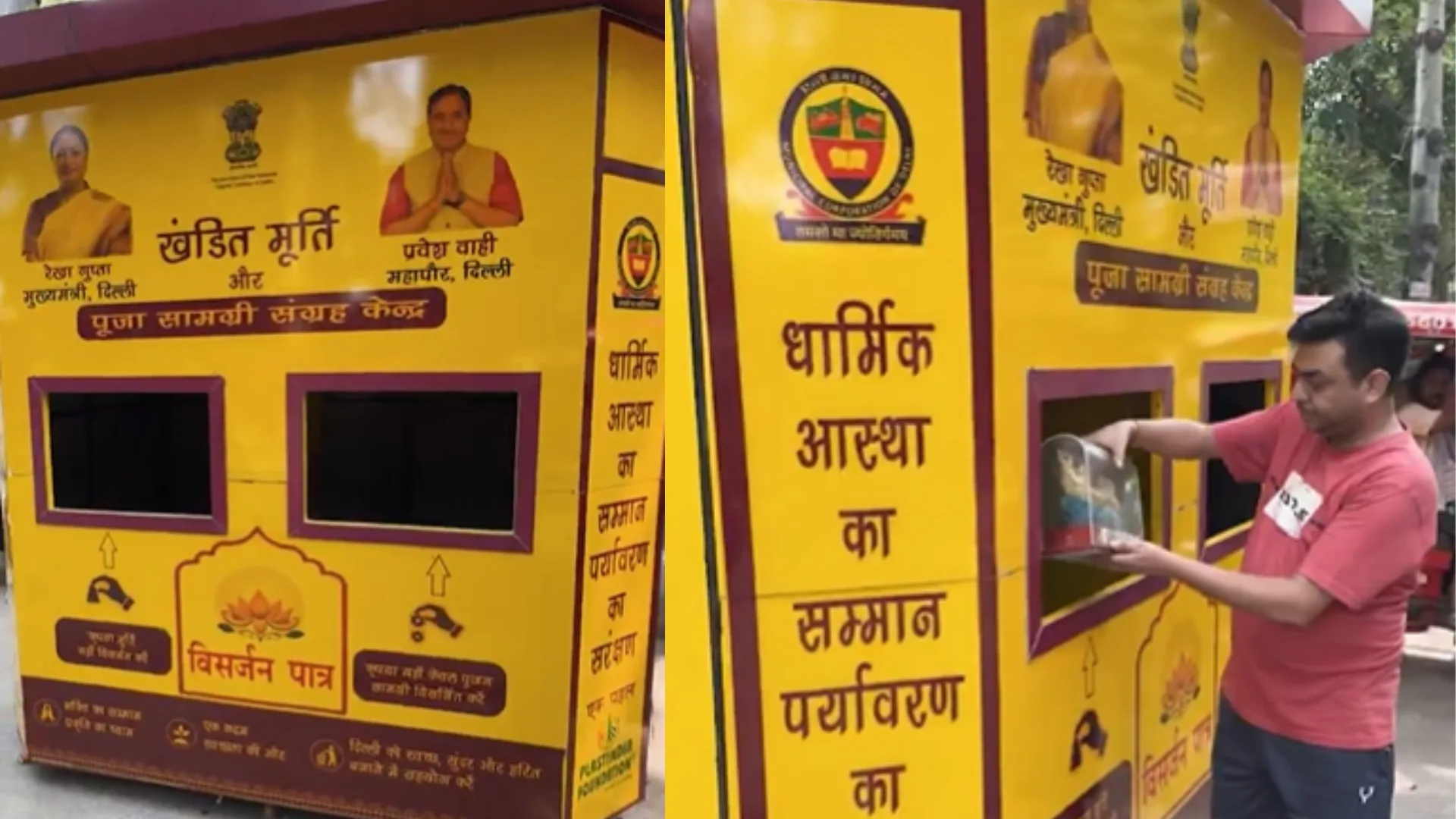
Delhi is introducing dedicated collection centres for damaged or broken idols, offering devotees an alternative to leaving them in public spaces or disposing of them in water bodies.
For many devotees, idols remain closely connected to faith even after they become damaged or unsuitable for worship. To address the disposal of such khandit murtis, the Delhi government has announced plans for dedicated collection centres where people can deposit damaged idols and other religious material.
Delhi Chief Minister Rekha Gupta recently announced the initiative, saying special centres would be created where devotees could bring damaged idols for respectful disposal. The collected material will be handled through scientific and environmentally responsible methods, according to the government.
What will happen to damaged idols in Delhi?
The initiative aims to provide an organised alternative to a practice seen in several cities, where damaged idols are sometimes left under trees, beside roads, in parks or near water bodies.
Under the proposed system, devotees will be able to deposit damaged idols and leftover puja material at designated collection points. The collected material will then be processed for disposal and recycling through designated systems.
Aastha ka samman bhi. Prakriti ka sanrakshan bhi. Delhi Government is setting up Khandit Murti Collection Centres near temples across the city, offering a dignified solution for sacred idols and puja materials.
The move also comes amid concerns around the disposal of religious material in water bodies, including the Yamuna. During festivals such as Ganesh Chaturthi and Durga Puja, devotees traditionally immerse idols in water as part of the visarjan ritual.
While visarjan holds religious significance, the immersion of idols and other puja materials can put additional pressure on water bodies, particularly when the materials used to make idols are not easily biodegradable.
Why is Delhi looking for alternatives to idol immersion?
The dedicated collection centres are intended to address a different situation from traditional visarjan, idols that have already become damaged or khandit and are no longer suitable for worship.
Instead of leaving such idols in public places or disposing of them in rivers and other water bodies, devotees would have designated locations where they can deposit them.
Delhi is introducing dedicated collection centres for damaged idols and puja material / X, Delhi Government
The initiative therefore brings together religious considerations and waste-management concerns. The government has also highlighted the need for more organised systems to handle religious waste while reducing its impact on the environment.
Over 110 ‘Visarjan Patra’ installed across Delhi
According to the information available on the initiative, more than 110 Visarjan Patra have been installed across Delhi for collecting broken idols, puja remains and other religious material.
Earlier, the Shahdara North zone of the Delhi Municipal Corporation had established damaged-idol collection centres at several locations with support from resident welfare associations and other organisations.
The latest initiative aims to create a more structured system across the city, allowing devotees to use designated collection points rather than leaving damaged idols in public spaces.
The collected material is expected to be handled through scientific and eco-friendly disposal and recycling methods.
For devotees who have a damaged idol at home, the centres could provide an organised way to part with it while remaining mindful of the religious sentiment associated with the idol.