Author: Surjosnata Chatterjee

  • 7 luxury fashion hotels every style lover should know

    7 luxury fashion hotels every style lover should know

    For luxury and fashion lovers, a hotel can be more than a place to sleep between shopping trips. Some luxury properties are woven into the history of fashion itself, with designer connections, couture associations, iconic guests and access to some of the world’s most fashionable neighbourhoods.

    Also Read | Do you know why airlines really ask you to put your phone on airplane mode?

    From a Ferragamo-owned riverside retreat in Florence to the Paris hotel where Christian Dior presented his first couture collection, these seven properties offer a different way to experience fashion and luxury hotels while travelling.

    Which hotels belong on a fashion lover’s bucket list?

    Hotel Lungarno, Florence

    Set along the Arno River in Florence, Hotel Lungarno combines old-world Italian elegance with a direct connection to one of the country’s most influential fashion families.

    Hotel Lungarno, Florence / Official website
    Hotel Lungarno, Florence / Official website

    The five-star property is owned by the Ferragamo family and features Renaissance art, Murano glass and views of the Arno. Its location near the Ponte Vecchio also puts guests within easy reach of some of Florence’s most famous shopping streets.

    For fashion travellers, however, the biggest draw is its connection to the Ferragamo legacy and Florence’s long-standing role in Italian fashion.

    Portrait Milano, Milan

    Another Ferragamo-owned property, Portrait Milano brings the family’s fashion heritage to the heart of Milan.
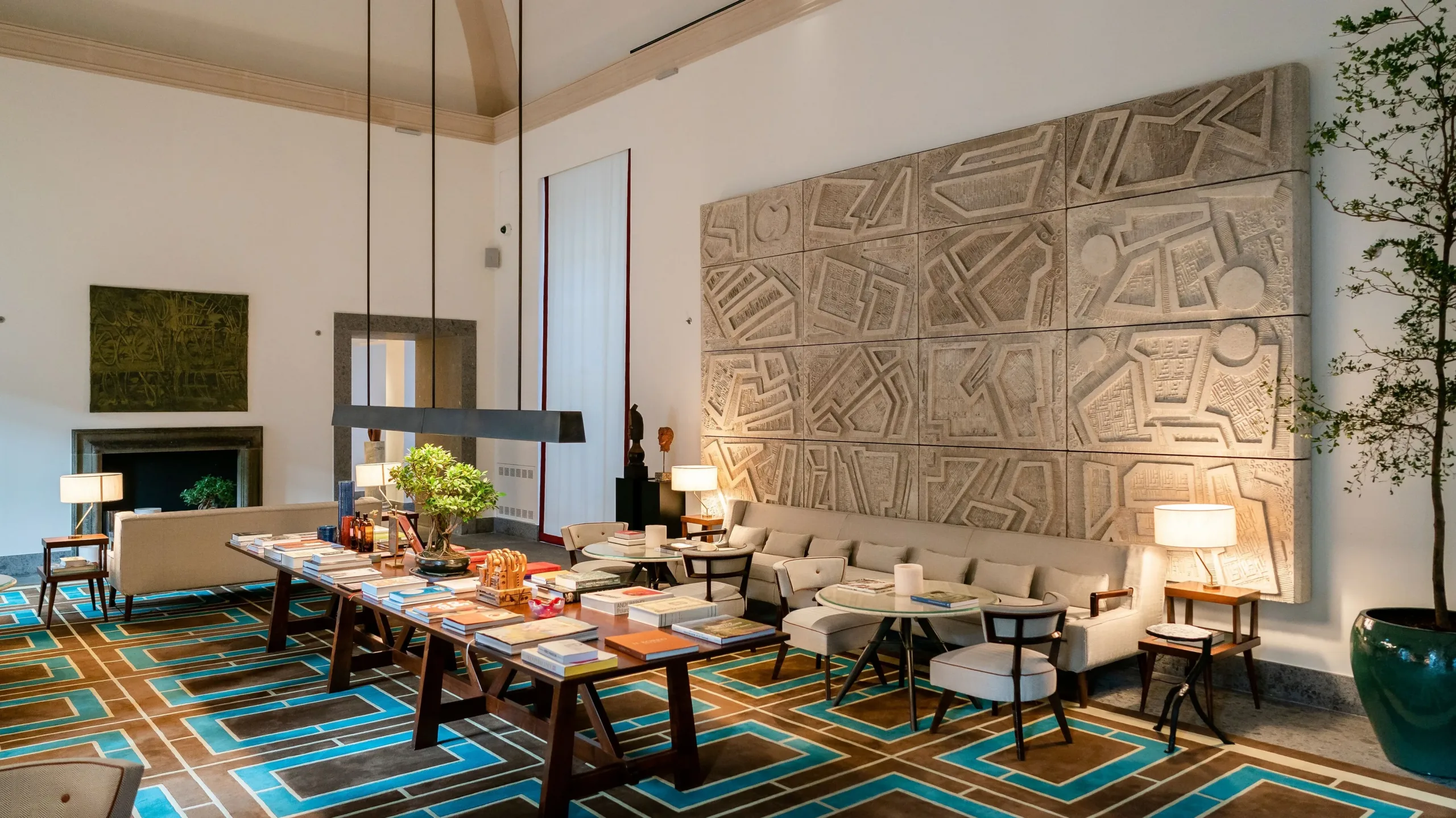
    Portrait Milano, Milan
    Portrait Milano, Milan / Official website

    The hotel occupies a restored 16th-century seminary in the Quadrilatero della Moda, Milan’s famed fashion district. Its central piazza and understated interiors offer a quieter version of Milanese luxury, while its location places major fashion boutiques practically at the doorstep.

    For travellers visiting Milan with shopping and fashion at the top of the itinerary, the address itself becomes part of the experience.

    Hôtel Plaza Athénée, Paris

    Few Paris hotels have a fashion history as closely connected to a single designer as Hôtel Plaza Athénée.
    Hôtel Plaza Athénée, Paris
    Hôtel Plaza Athénée, Paris / Official Website

    The property sits on Avenue Montaigne, directly across from Dior’s flagship, and has a Dior Spa. It also holds an important place in the history of Christian Dior: the designer presented his first couture collection at the hotel in 1947.

    Its instantly recognisable red awnings and views towards the Eiffel Tower have since made the hotel a familiar part of Parisian popular culture, including its appearance in Sex and the City.

    For fashion travellers, the hotel offers the rare combination of Parisian glamour and genuine couture history.

    Hôtel de Crillon, Paris

    Overlooking the Place de la Concorde, Hôtel de Crillon has long been associated with Parisian high society and fashion.

    Hôtel de Crillon, Paris / Official webiste
    Hôtel de Crillon, Paris / Official webiste

    The historic palace has hosted couture clients, fashion editors and major social events over the years. It is also known for its Bal des Débutantes, one of Paris’ most closely watched society events.

    Fashion lovers can take the experience a step further by booking one of the suites designed by the late Karl Lagerfeld, whose work helped define modern fashion.

    Ritz Paris, Paris

    The Ritz Paris has been a symbol of luxury for more than a century, but its fashion credentials are particularly tied to Gabrielle “Coco” Chanel.
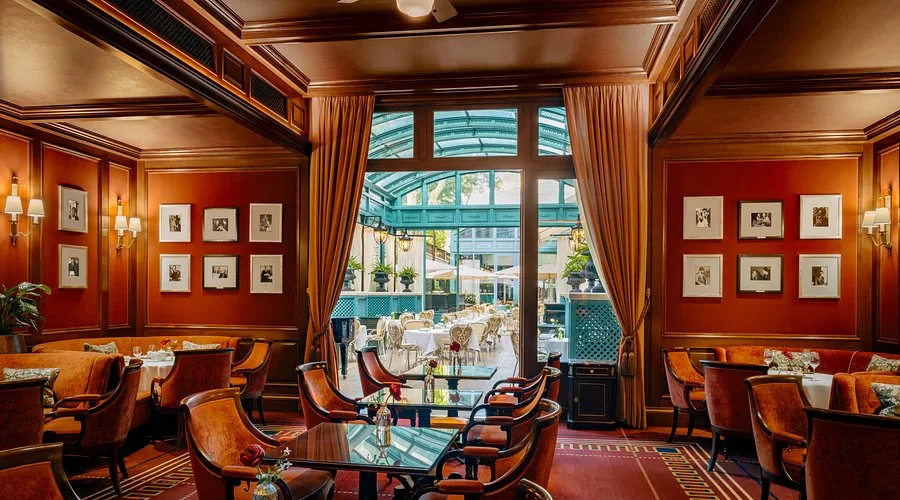
    Ritz Paris, Paris
    Ritz Paris, Paris / Official webiste

    Chanel lived at the hotel for more than three decades, and the property now has a Coco Chanel Suite named in her honour. The hotel also continues to collaborate with fashion brands, including Los Angeles-based label FRAME.

    With its gilded interiors, historic reputation and connection to one of fashion’s most influential figures, the Ritz remains one of Paris’ most recognisable fashion addresses.

    Mandarin Oriental Hyde Park, London

    For a fashion-focused London trip, location can be just as important as the hotel itself.

    Mandarin Oriental Hyde Park, London
    Mandarin Oriental Hyde Park, London / Official website

    Mandarin Oriental Hyde Park sits close to Sloane Street and Harrods, putting some of London’s most coveted shopping within easy reach. The property also caters to serious shoppers through its concierge service and spacious suites with generous wardrobe space.

    After a day of shopping, guests can retreat to the hotel for its afternoon tea, adding another classic London experience to the itinerary.

    The Mark, New York

    On Manhattan’s Upper East Side, The Mark has become closely associated with New York’s fashion crowd.

    The Mark, New York / Official Website
    The Mark, New York / Official Website

    Its connection with Bergdorf Goodman is a major draw for shoppers, with guests able to access personal-shopping services. The hotel is also a familiar staging point for celebrities and guests attending the Met Gala, making its entrance part of the spectacle surrounding fashion’s biggest annual night.

    Beyond the Met Gala season, The Mark remains a social destination in its own right, with the Mark Bar serving as a popular Upper East Side meeting spot.

    Why are fashion hotels becoming travel destinations?

    The appeal of these properties goes beyond designer names and luxury interiors. Their locations, histories and connections to fashion houses allow travellers to experience a city through its style culture.

    Also Read | What is Run-cations? Why marathon holidays are the new travel trend

    For some, that means staying in a hotel linked to Christian Dior or Coco Chanel. For others, it could mean waking up in Milan’s fashion district or shopping in London with a concierge who knows the city’s luxury scene.

    In each case, the hotel becomes part of the fashion itinerary rather than simply a place to stay.

  • Who was Miss Dior? Meet Christian Dior’s real-life muse

    Who was Miss Dior? Meet Christian Dior’s real-life muse

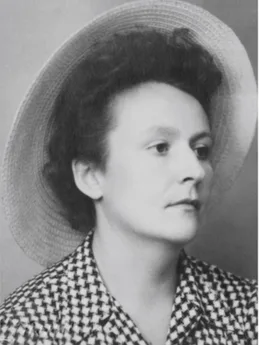
    For nearly 80 years, the name Miss Dior has been associated with romance, flowers and one of the most recognisable fragrances in the world. But behind the perfume was a real woman: Catherine Dior, the younger sister of fashion designer Christian Dior.

    Catherine was not simply the inspiration behind a fragrance name. She was a gardener, a French Resistance fighter and a survivor of a Nazi concentration camp. Her life and her close relationship with her brother became part of the story behind one of Dior’s most enduring creations.

    Also Read | Micro-cheating vs cheating: What is the difference in a relationship

    Who was Catherine Dior, the woman behind Miss Dior?

    Born in 1917, Catherine was 12 years younger than Christian Dior and grew up in a family where flowers played an important role. Their mother, Madeleine, was an enthusiastic gardener who cultivated roses at the family home in Normandy.

    That love of flowers later became closely connected to the Dior siblings. Christian incorporated floral references into his fashion and fragrance work, while Catherine eventually made horticulture and rose cultivation a major part of her life.

    Catherine Dior
    Catherine Dior / Wikipedia

    But Catherine’s life changed dramatically during the Second World War.

    In 1941, she became involved with the French Resistance after meeting Hervé des Charbonneries, a store manager who recruited her into the F2 resistance network. Catherine operated under the code name Caro and helped gather information for the Allied forces.

    Her resistance activities eventually led to her arrest. She was imprisoned at Ravensbrück concentration camp, where she endured the final years of the war before returning to France.

    How did Catherine inspire the Miss Dior perfume?

    After the war, Catherine reunited with Christian in Paris. Around the same period, Christian was preparing to establish himself as a fashion designer and was also developing his first fragrance.

    The perfume was created with floral notes including jasmine, rose and lily of the valley. These flowers had a personal connection to the Dior family and reflected Christian’s longstanding fascination with gardens and nature.

    The fragrance was initially known by the working name Corolle, a French word associated with the petals of a flower.

    More than a fragrance, Miss Dior carries a story of love, flowers and legacy.
    More than a fragrance, Miss Dior carries a story of love, flowers and legacy / Pexels

    The name Miss Dior emerged when Catherine entered the room during the fragrance’s development. A friend of Christian reportedly referred to her as Miss Dior, and the name stayed.

    The fragrance subsequently became closely associated with Christian Dior’s debut couture collection in 1947, when the perfume filled the salon alongside the flowers decorating the space.

    Why is Catherine Dior’s story important to the Dior legacy?

    Catherine’s influence on Miss Dior went beyond the name.

    Her experience represented a generation of young Europeans whose lives had been dramatically reshaped by the Second World War. She had participated in the Resistance, survived imprisonment and later rebuilt her life around horticulture.

    After Christian Dior’s death in 1957, Catherine moved to Les Naÿssès, a family estate near Grasse, one of France’s most important regions for perfume production.

    Long before Miss Dior became a global fragrance icon, it was the name of Christian Dior’s beloved younger sister, Catherine.
    Representational Image of Dior magazine / Pexels

    There, she continued cultivating roses. The connection between Catherine, roses and the Miss Dior fragrance remained part of the house’s heritage, with roses from Grasse continuing to feature in Dior’s fragrance history.

    Catherine reportedly wore Miss Dior herself and kept a bottle on her dressing table, adding another personal link between the woman and the perfume that carried her name.

    From a sister’s name to a global fragrance icon

    What began as a deeply personal reference eventually became one of Dior’s signature fragrance names.

    Miss Dior has gone through several iterations over the decades, but its association with flowers, femininity and romance has remained central to its identity. The fragrance has also continued to feature prominently in Dior’s global beauty campaigns.

    Also Read | Reverse Vacation trend: Why Gen Z is ditching luxury travel

    The story of Catherine Dior adds another dimension to that legacy. Behind the polished image of Miss Dior was a woman whose life included resistance, imprisonment, survival and a lifelong connection to flowers.

    That makes the history of Miss Dior as much a story about Catherine Dior as it is about Christian Dior and the perfume itself.

  • Sangrur man consumes poison over alleged drug inaction, political row follows

    Sangrur man consumes poison over alleged drug inaction, political row follows

    A man in Punjab’s Sangrur allegedly consumed a poisonous substance outside the Deputy Commissioner’s office after claiming that authorities had failed to act against the alleged sale of drugs in his village.

    Jagseer Singh, also known as Jagga, a resident of Namol village, was taken to the Sangrur government hospital and later referred to Rajindra Hospital in Patiala for further treatment. His friend Manjinder Singh alleged that Jagseer had earlier raised the issue of drug sales and faced threats and an assault after posting videos about it.

    Also Read | Man travels 1,200 km from Amritsar to Gaya; ChatGPT helps him find his family

    The allegations have not been independently established. Police are expected to record Jagseer’s statement after doctors clear him for questioning.

    The incident has since triggered a political confrontation in Punjab, with Congress and BJP leaders questioning the Aam Aadmi Party government’s handling of the state’s drug problem.

    What happened outside the Sangrur DC office?

    Jagseer allegedly consumed a poisonous substance outside the Deputy Commissioner’s office in Sangrur while raising concerns about alleged drug sales in Namol.

    Jagseer alleged that drugs were being sold in his village and that the village sarpanch and administration had been informed about the issue several times, but that no effective action followed.

    His friend Manjinder Singh told reporters that Jagseer had videos that allegedly showed people selling “chitta”, a term commonly used in Punjab for illicit drugs. Manjinder also alleged that Jagseer had been attacked after raising the issue.

    Jagseer had earlier alleged that he and his family were threatened after he posted a video about drugs. The report said police had marked an investigation into the matter.

    What did doctors say about the substance?

    Jagseer was first taken to the Sangrur government hospital before being referred to Rajindra Hospital in Patiala.

    According to the account cited by NDTV, Dr Iqbalpreet Singh said Jagseer had consumed a poisonous substance, received first aid and was referred for further treatment. The doctor identified the substance as “Farnel”.

    His friend, however, said Jagseer had told him that he had consumed Sulphas. The differing accounts have not been independently reconciled.

    Sangrur City SHO Manpreet Singh reached the spot but declined to comment, saying Jagseer was undergoing treatment and further details could be shared later.

    Why has the incident triggered a political row?

    The incident comes amid an intensifying political debate over Punjab’s drug problem.

    Congress Punjab in-charge Sachin Pilot criticised the AAP government, alleging that people who speak out against drugs face pressure and harassment. Leader of Opposition Partap Singh Bajwa also targeted the government, questioning its claims of a “Drug-Free Punjab”. These are political allegations and have not been independently established in Jagseer’s case.

    BJP leader and former Union minister Ravneet Singh Bittu also criticised the AAP government, alleging that people raising their voices against drugs were being threatened instead of receiving protection.

    Bittu linked Jagseer’s case to other recent incidents in Sangrur and questioned the government’s response to complaints about the alleged drug trade.

    What is the police position?

    Police have not publicly confirmed the allegations of drug sales, assault or administrative inaction made by Jagseer and his associates.

    The Tribune reported that SSP Ravjot Kaur Grewal said police would record Jagseer’s statement once doctors gave clearance. She also said Jagseer had previously threatened suicide and that a daily diary report had been registered at the time.

    Also Read | India’s semiconductor push faces sabotage risk, Union Minister Ashwini Vaishnaw warns

    The police investigation is expected to establish the circumstances surrounding the incident, including the allegations made by Jagseer and his family.

    The latest case has added to an already heated political debate over Punjab’s drug crisis. Earlier this month, another Sangrur resident, Gulzar Singh, died after allegedly consuming poison following claims of harassment linked to his raising concerns about drugs. The National Commission for Scheduled Castes has since issued a notice to the Punjab government seeking a report on that case.

  • What is Run-cations? Why marathon holidays are the new travel trend

    What is Run-cations? Why marathon holidays are the new travel trend

    What if your next holiday was planned not around a beach, a resort or a sightseeing list, but around a marathon? That is the idea behind run-cations, a growing travel trend that puts a running event at the heart of the itinerary.

    Instead of simply signing up for a race during an existing holiday, travellers are choosing the marathon first and then building the rest of their trip around it. Flights, hotels, recovery days, pre-race meals and sightseeing can all become part of the plan.

    Also Read | Water-based places in India: 4 stunning destinations to see

    For runners, it turns a race into more than a 42.195-km challenge. For destinations, it offers another way to experience a city, one that combines fitness, food, culture and exploration.

    What exactly is a run-cation?

    A run-cation combines running with vacationing. The race is the primary reason for the trip, while the destination becomes part of the overall experience.

    A typical run-cation could involve arriving a few days before race day, allowing time to settle in and acclimatise, followed by the marathon and a slower-paced holiday afterwards.

    From Tokyo to New York, travellers are planning holidays around marathons, turning race weekends into full-fledged city breaks.
    From Tokyo to New York, travellers are planning holidays around marathons, turning race weekends into full-fledged city breaks. / Pexels

    Instead of rushing through a checklist of tourist attractions, travellers can use the trip to explore neighbourhoods, sample local cuisine and experience the city at a more relaxed pace once the race is over.

    The concept also taps into the wider shift towards experience-led travel, where activities and personal milestones increasingly shape holiday plans.

    Why are travellers choosing marathon holidays?

    The growing overlap between fitness and travel is one of the key factors behind the trend.

    For many runners, a marathon provides a clear goal to work towards. Training for a race can begin months before the holiday, giving the trip a sense of purpose beyond simply taking a break.

    The new travel itinerary? Run, recover, explore and repeat.
    The new travel itinerary? Run, recover, explore and repeat. / Pexels

    There is also the community aspect. Major marathons bring together runners from different countries and backgrounds, creating an experience that extends beyond the race itself.

    And once the finish line is crossed, the holiday does not have to end. Travellers can spend the following days recovering while exploring the destination, turning a race weekend into a longer city break.

    Which destinations are popular for run-cations?

    Several major marathon destinations also happen to be cities that attract international tourists throughout the year.

    1. Tokyo

    The Tokyo Marathon combines a major international race with the chance to explore one of Asia’s most distinctive cities. Runners can extend their trip with visits to temples, neighbourhoods, food markets, shopping districts and pop-culture hotspots.

    1. London

    The London Marathon is a bucket-list event for many runners. The city’s museums, historic landmarks, markets and neighbourhoods make it easy to turn race weekend into a longer holiday.

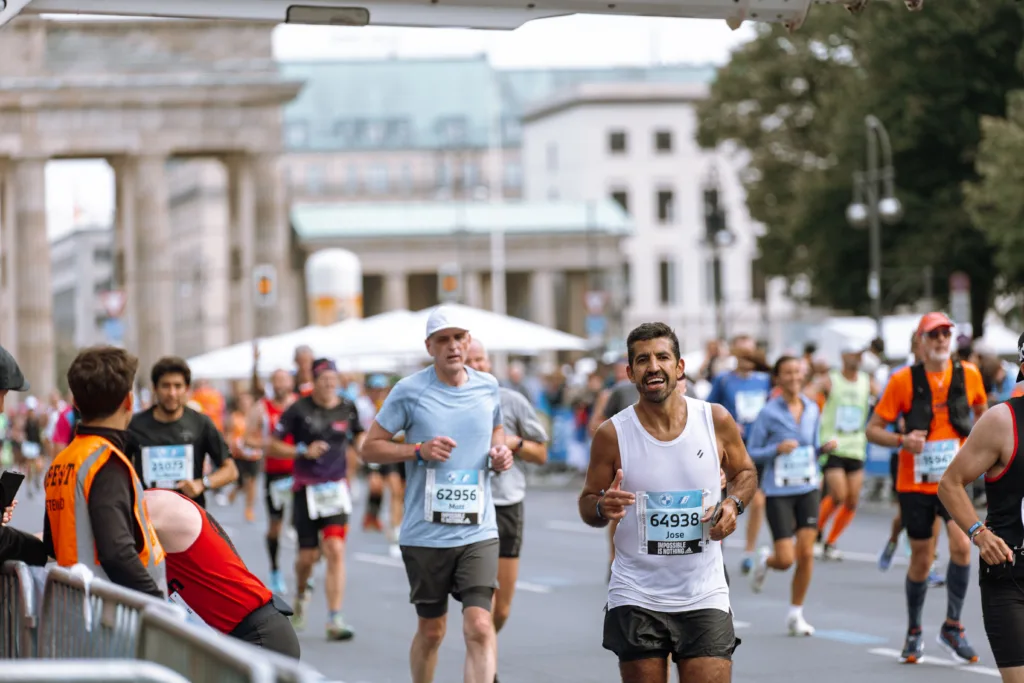
    1. Berlin

    Berlin offers runners the appeal of a major city marathon alongside a destination known for its history, museums, food and nightlife. The result is a natural combination of race and city break.

    Run a marathon, explore a city, repeat: the rise of ‘run-cations’.
    Run a marathon, explore a city, repeat: the rise of ‘run-cations’. / Pexels
    1. New York

    The New York City Marathon offers a particularly immersive way to experience the city, with the race route passing through several of its iconic boroughs. Travellers can then stay on to explore the city beyond race day.

    1. Sydney

    Sydney has gained further prominence among marathon travellers after joining the Abbott World Marathon Majors. Its beaches, harbour and urban attractions add a conventional holiday experience to the race itinerary.

    What makes run-cations different from regular race trips?

    It is all about the planning. A normal vacation might include a race as part of the activities but a run-cation includes a race from the start.

    This can affect everything from where you go, when you travel to where you stay, how many meals you have and how many recovery days you plan to take after the event.

    Also Read | Do you know why airlines really ask you to put your phone on airplane mode?

    For other travelers, it can be about seeing a city in a different light. Running the city allows you to see it in a way which traditional travel cannot, as well as giving you the time around the event to explore it.

    With the continued blend between fitness, community and experience-based travel, the running shoes are becoming a key part of the modern day traveler’s pack – right next to their passport and camera.

  • Water-based places in India: 4 stunning destinations to see

    Water-based places in India: 4 stunning destinations to see

    India’s diverse geography is home to communities whose lives are closely connected to lakes, rivers and tidal waterways. In these places, water is not simply part of the landscape, it can determine how people travel, work, grow food and build their homes.

    From the floating phumdis of Manipur to the river islands of Assam, thWhether it’s the floating phumdis of Manipur or the river islands of Assam, such destinations give one a look into the lifestyles of people living in association with water bodies.

    Also Read | Darjeeling to Bhutan: The autumn escape that became my favourite journey

    Loktak Lake, Manipur

    Manipuri Loktak Lake is famed for its characteristic floating mounds of vegetation, soil and organic debris called phumdis.

    The inhabitants near the lake have been depending on the lake for their living through fishing in it. Boats play an integral part in daily lives, along with some huts and other constructions scattered about in the lake.

    Loktak Lake, Manipur
    Loktak Lake, Manipur / Wikipedia

    Loktak is also the site of Keibul Lamjao National Park which is the world’s only floating national park. The national park is situated within the phumdis of the lake and it houses the sangai or Manipur brow-antlered deer which is an endangered species.

    The combination of floating land, fishing and unique wildlife makes Loktak one of India’s most distinctive water landscapes.

    Dal Lake, Srinagar

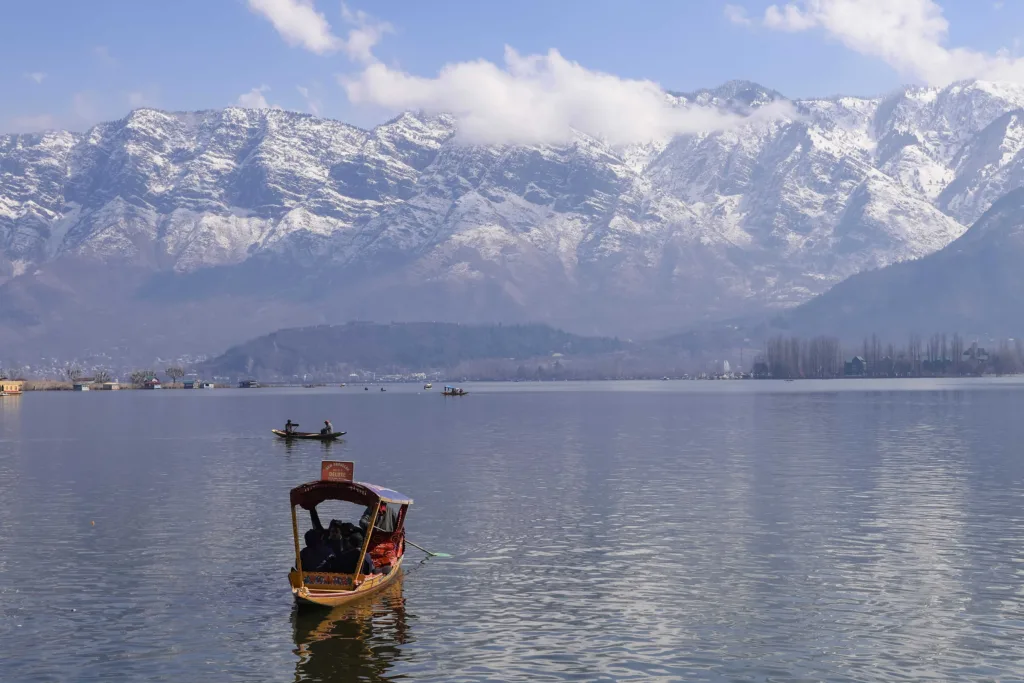
    Srinagar’s Dal Lake is closely associated with its houseboats and colourful shikaras, but the lake also supports livelihoods that go beyond tourism.

    Peaceful view of Dal Lake in Srinagar surrounded by snowcapped Himalayas, featuring traditional boats.
    Dal Lake in Srinagar surrounded by snowcapped Himalayas / Pexels

    Floating gardens are used to grow vegetables, while boats transport produce across the water and towards markets. The lake’s early-morning vegetable market is among its best-known attractions.

    For communities living and working around Dal Lake, fishing, water-based cultivation, transport and tourism have become closely intertwined with everyday life.

    Majuli, Assam

    Majuli is a river island in Assam whose geography is shaped by the Brahmaputra.

    Life on the island has long involved adapting to seasonal flooding, erosion and changes in the river’s channels. Agriculture, fishing and boat transport remain important to many communities.

    Majuli, Assam water body
    Majuli, Assam / Pexels

    Majuli is also known for its rich Assamese Vaishnavite heritage. Its satras, traditional performing arts, music and mask-making traditions form an important part of the island’s cultural identity.

    The Brahmaputra therefore shapes not only Majuli’s landscape but also the way its communities live and work.

    Sundarbans, West Bengal

    The Sundarbans is one of the world’s largest mangrove delta systems, where rivers, creeks and tidal channels dominate the landscape.

    Unlike a floating settlement, the Sundarbans represents a different form of life shaped by water. Villages exist in an environment where tides, erosion and changing water levels can directly affect homes and livelihoods.

    sundarbans, west bengal
    Sundarbans, West Bengal / Pexels

    Waterways are another key way of transportation in several regions within the area. Fishing, crab catching, honey collecting and agricultural activities are all common here.

    Also Read | What makes Mount Kailash so sacred? A detailed guide for the Himalayan pilgrimage

    The area also poses certain environmental difficulties that need to be taken into account. Cyclones, floods, soil erosion, and saltwater intrusion may all impact human settlements and economic activity, thus adaptation becomes one of the necessary aspects of life.

    Water is not only a background

    In Loktak, Dal Lake, Majuli and Sundarbans, water may serve differently. It may be a source of food, a means of transportation, a place to grow crops or a factor that constantly changes the area’s shape.

    These areas together give us an example of how Indian communities have created their own lifestyles in water-related areas.

  • Who is Akash? Senior Maoist leader Asim Mondal held in West Bengal

    Who is Akash? Senior Maoist leader Asim Mondal held in West Bengal

    Senior CPI (Maoist) leader Asim Mondal alias Akash has been arrested by the Kolkata Police Special Task Force (STF) in West Bengal, bringing to an end more than 15 years of his reported underground activity across inter-state forest areas.

    Mondal, a member of the CPI (Maoist) Central Committee and secretary of its West Bengal State Committee-I, was arrested from the Patashpur area of Purba Medinipur on Thursday, September 17.

    Also Read | 32 Kolkata tourists missing in Nepal: Here are all the helpline numbers for you

    The arrest came after police received information about his movement in the area. Kolkata Police Commissioner Ajay Nand said the operation followed intelligence inputs about Mondal’s presence. He was travelling in a rickshaw in the Polerhat area of Bhangar when an STF team picked him up.

    Who is Asim Mondal alias Akash?

    Asim Mondal, who is from Paschim Medinipur, is reported to have joined the Maoist movement during his student years in the 1980s.

    Mondal later became a Central Committee member and secretary of the CPI (Maoist) West Bengal State Committee-I. He was also associated with the organisation’s activities in the Bengal-Jharkhand region.

    Mondal was reportedly associated with senior Maoist commander Kishenji and emerged as a prominent figure in the organisation’s Bengal network after Kishenji’s death in 2011.

    Police said Mondal had remained active in Jharkhand after a large number of Maoists moved out of Bengal in 2012. Kolkata Police Commissioner Ajay Nand said he had not been making movements in West Bengal but was active in Jharkhand and was allegedly involved in multiple cases.

    Why was Asim Mondal wanted by security agencies?

    Mondal was wanted in several criminal cases across multiple states. Reports put the number of cases at more than a dozen in Bengal, while another report citing police sources said he was wanted in nearly 55 cases across three states.

    He also carried a substantial reward for information leading to his arrest. According to The Indian Express, Jharkhand had announced a ₹1 crore bounty, while Odisha authorities had announced ₹1.20 crore, taking the reported combined bounty to ₹2.20 crore.

    His reported cases include allegations linked to killings and rioting in Bengal, according to The Telegraph. These are allegations and charges reported by authorities; the arrest itself does not establish guilt in those cases.

    How was Asim Mondal arrested?

    The Kolkata Police STF tracked Mondal following information about his movements in the Patashpur area of Purba Medinipur.

    Mondal was travelling in a rickshaw in Polerhat when the STF team detained him. Police reportedly seized pen drives, documents, letters and ₹95,000 in cash from his possession.

    The arrest followed sustained security operations along the West Bengal-Jharkhand border and the use of technical intelligence to track Mondal.

    Police are expected to question him about the Maoist network, associates and activities in the region.

    What did the Bengal government say about the arrest?

    West Bengal Chief Minister Suvendu Adhikari congratulated the Kolkata Police STF following the arrest.

    In a post on X, Adhikari said Mondal had evaded law enforcement for more than 15 years across inter-state forest belts and attributed the arrest to technical intelligence. He also said the state government would not allow attempts to revive or expand Maoist networks in West Bengal.

    The comments were made by Adhikari following the arrest and represent the state government’s position on the operation.

    What happens next for Asim Mondal?

    Mondal is expected to be produced before a court, where the next legal proceedings will determine the course of the cases against him.

    Also Read | Bandel cheese found a place on global tables, but not a secure future for its makers

    Kolkata Police are also expected to investigate his movements, associates and alleged organisational links. The arrest follows the detention or surrender of several people associated with his network, according to police and media reports.

    The case is therefore likely to remain under investigation as authorities examine Mondal’s alleged role in the CPI (Maoist) network and the cases pending against him.

  • Passport rules changed: What children and parents need to know

    Passport rules changed: What children and parents need to know

    The Ministry of External Affairs has amended India’s passport rules, bringing changes to the validity of passports issued to children below 15 years of age and provisions governing passport application fees.

    The Passports (Amendment) Rules, 2026 were notified through the Official Gazette on September 15 and came into force immediately. The amendment modifies Rule 12 of the Passports Rules, 1980, which deals with the validity of passports issued to minors.

    What are the new passport rules in India?

    One of the key changes concerns ordinary 36-page passports issued to children below 15 years of age.

    Under the amended rules, such a passport will be valid for five years from the date of issue or until the child turns 18, whichever is earlier.

    Also Read | India’s 4am diplomatic push: How BRICS overcame Iran-Saudi-UAE differences

    The amendment was issued under the provisions of the Passports Act, 1967. The notification was signed by Joint Secretary and Chief Passport Officer BS Mubarak.

    The earlier rule provided that a 36-page ordinary passport issued to a child below 15 would remain valid for five years or until the child attained 15 years of age, whichever was earlier.

    The new provision therefore extends the age limit from 15 to 18, while retaining the five-year validity period.

    For instance, if a passport is issued when a child is 14, the five-year period would ordinarily extend to age 19. However, under the amended rule, the passport will expire when the child turns 18.

    What has changed in passport application fees?

    The amendment also changes Rule 8 of the Passports Rules, 1980, relating to passport application fees.

    The revised provision states that fees for different types of passport applications will be charged at the rates specified against the corresponding applications in Schedule IV of the rules.

    The Ministry of External Affairs had already revised passport-related fees from July 1, 2026.

    Under the revised fee structure, a fresh or reissued 36-page passport for adults costs ₹2,500, up from ₹1,500, while a 60-page passport costs ₹3,500, up from ₹2,000.

    The Tatkaal fee for a 36-page passport is ₹5,000, compared with the earlier ₹3,500, while a 60-page passport under Tatkaal costs ₹6,000, up from ₹4,000.

    Applicants should check the applicable fee category on the Passport Seva portal before making a payment, as charges vary according to the type of application and service selected.

    What does the new child passport rule mean for parents?

    The revised rule means a passport issued to a child below 15 can remain valid beyond the child’s 15th birthday, subject to the five-year limit.

    However, the passport will automatically cease to be valid when the holder turns 18, even if five years have not elapsed since its issue.

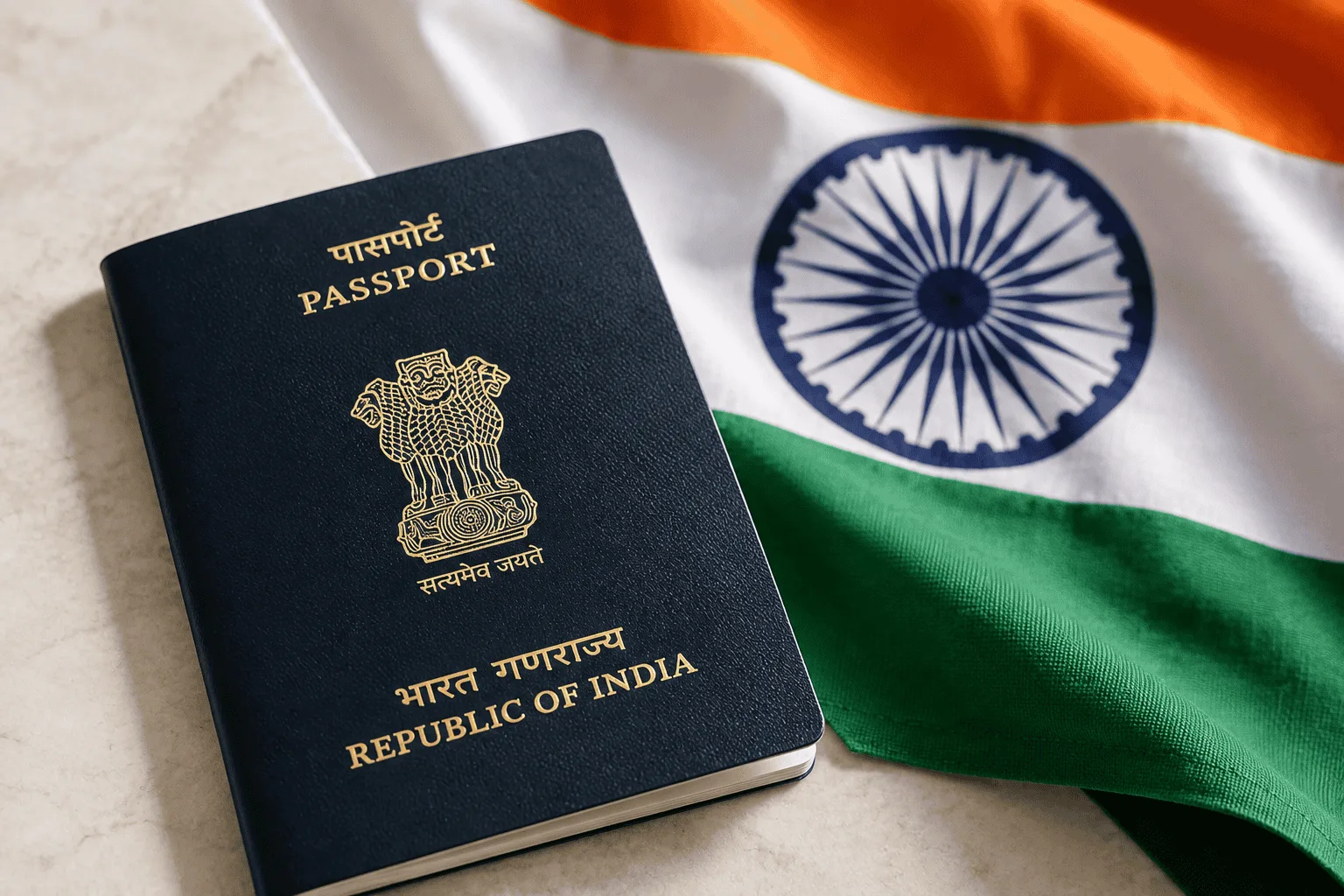
    New passport rules from Sept 15 bring changes for travellers and families.
    New passport rules from Sept 15 bring changes for travellers and families / Pexels

    This makes the child’s age at the time of application important when determining the actual validity period.

    Also Read | India’s WTO dilemma: Can plurilateralism and multilateralism coexist?

    Parents applying for passports should therefore check the validity applicable to their child’s age before making travel plans based on the passport’s expiry date.

    When did the new passport rules come into effect?

    The Passports (Amendment) Rules, 2026 came into force on September 15, 2026, the date they were published in the Official Gazette.

    The changes amend the Passports Rules, 1980, which were themselves updated earlier this year.

    For applicants, the key changes to note are the revised validity provision for children below 15 and the updated framework governing passport application fees.

  • India’s WTO dilemma: Can plurilateralism and multilateralism coexist?

    India’s WTO dilemma: Can plurilateralism and multilateralism coexist?

    The debate over plurilateral agreements at the World Trade Organisation has gained fresh attention after the 2026 BRICS Summit in New Delhi.

    The BRICS New Delhi Declaration said members recognise the importance of identifying “appropriate pathways” for plurilateral initiatives within the WTO legal framework, including on development-oriented issues.

    The wording is significant in the context of India’s longstanding preference for an inclusive, member-driven and multilateral WTO system. But it does not amount to a formal announcement that India has accepted plurilateral agreements.

    Also Read | Delhi faces some of India’s worst pollution, but ranks above Srinagar and Bengaluru in clean-air survey: Here’s why

    Instead, the declaration opens the door to discussions on how such initiatives could fit within the existing WTO framework.

    What are plurilateral agreements?

    A plurilateral agreement is a trade agreement in which only a group of WTO members participate. It differs from a multilateral agreement, which operates across the wider WTO membership under the applicable rules.

    A simple distinction is:

    Multilateral: The wider WTO membership participates.
    Plurilateral: A group of participating members negotiates an agreement.
    Bilateral: Two countries negotiate an agreement.

    Plurilateral negotiations can allow interested WTO members to move forward on specific subjects when reaching consensus among the entire membership proves difficult.

    However, negotiating an agreement among a group of members and formally incorporating it into the WTO’s legal framework are separate steps.

    Why is India’s position important?

    India has traditionally emphasised a member-driven and multilateral WTO system, particularly with regard to the interests of developing countries.

    Its reservations have also extended to whether certain subjects should become part of the WTO negotiating mandate and whether a growing number of plurilateral initiatives could create multiple parallel rule-making processes for developing economies.

    The Investment Facilitation for Development (IFD) Agreement provides a recent example.

    The agreement focuses on making investment-related administrative procedures more transparent, predictable and efficient, particularly to facilitate foreign investment in developing economies.

    At the WTO’s 14th Ministerial Conference (MC14) in Yaoundé, Cameroon, in March 2026, India maintained its reservations over incorporating the IFD Agreement into the WTO rulebook.

    According to WTO records cited in the source material, 129 WTO members were participating in the IFD initiative, while 165 of the 166 members supported a proposed ministerial decision on incorporation. Consensus was nevertheless not reached because of India’s reservations.

    How does plurilateralism work under WTO rules?

    The WTO has both agreements covering its wider membership and certain plurilateral agreements involving participating members.

    Annex 4 of the Marrakesh Agreement Establishing the WTO is particularly relevant. Under Article X:9 of the WTO Agreement, adding a new plurilateral agreement to Annex 4 requires a consensus decision by WTO members.

    That distinction is central to the current debate. A group of countries can negotiate an agreement among themselves, but getting that agreement formally incorporated into Annex 4 requires consensus.

    The IFD Agreement demonstrates the difference between participation in a plurilateral initiative and its formal incorporation into the WTO framework.

    What does the BRICS declaration actually change?

    The 2026 BRICS New Delhi Declaration places two ideas alongside each other.

    It reaffirms support for a rules-based multilateral trading system with the WTO at its core, including principles such as Most-Favoured-Nation treatment and Special and Differential Treatment for developing countries.

    BRICS Logo
    BRICS Logo / Website

    At the same time, it recognises the importance of finding appropriate pathways for plurilateral initiatives within the WTO legal framework, including on development-oriented issues.

    The declaration is a collective BRICS document, rather than a separate Indian policy statement. It also does not identify specific plurilateral agreements for incorporation or create a new legal mechanism for doing so.

    Therefore, the BRICS language should not by itself be read as India abandoning its earlier reservations.

    IFD and e-commerce agreements: Why do they matter?

    Two developments illustrate the wider WTO debate.

    The IFD Agreement, finalised in 2024 by participating members, seeks to streamline investment-related administrative procedures. Its participating members sought its incorporation into Annex 4, but consensus was not reached at MC14.

    Digital trade provides another example through the WTO Agreement on Electronic Commerce. At MC14, 66 WTO members, representing approximately 70% of global trade, adopted a pathway for implementing the agreement through interim arrangements while work continued towards incorporation into the WTO legal framework.

    The WTO subsequently reported that 67 members had adopted the pathway, with the agreement remaining open for acceptance by other WTO members.

    India has also raised questions about the institutional and legal basis of the interim arrangements for the e-commerce agreement.

    What does this mean for India?

    For India, the debate goes beyond individual agreements. It concerns the future structure of WTO rule-making and how developing-country interests are protected within that system.

    Plurilateral negotiations can provide a way for countries willing to move faster on emerging issues to develop common rules. At the same time, India has traditionally stressed that the WTO should remain the central institution for global trade governance and that its rule-making should remain inclusive.

    Also Read | India’s 4am diplomatic push: How BRICS overcame Iran-Saudi-UAE differences

    The BRICS declaration therefore presents a more nuanced picture than a simple shift from multilateralism to plurilateralism.

    The stated multilateral foundation remains, while possible pathways for plurilateral initiatives are also being discussed.

    For UPSC aspirants, the more precise takeaway is that India should not simply be described as being “against plurilateral agreements”. Its position has involved caution over their incorporation into the WTO framework and concerns about their wider institutional implications.

  • Reverse Vacation trend: Why Gen Z is ditching luxury travel

    Reverse Vacation trend: Why Gen Z is ditching luxury travel

    Vacations are usually about comfort, convenience and a break from everyday stress. But Reverse Vacation turns that idea on its head. The emerging travel trend encourages people to deliberately choose places where daily conveniences are limited and luxury takes a back seat.

    Instead of five-star resorts, easy food deliveries and strong connectivity, the idea is to spend time in remote or rustic settings where life moves at a slower and less convenient pace.

    Also Read | Zip coding: Smart dating hack or a recipe for relationship drama?

    What is the Reverse Vacation trend?

    Reverse Vacation refers to travelling somewhere that feels less convenient than your everyday life. The idea is to avoid the conveniences that have become part of modern urban living.

    That could mean choosing a remote village instead of a luxury resort, going somewhere without reliable network connectivity or spending a weekend without easy access to food delivery, malls, cafés and convenience stores.

    Gen Z is swapping five-star comfort for rustic escapes.
    Gen Z is swapping five-star comfort for rustic escapes / Pexels

    For someone living in a tier-1 city, the trend could mean travelling to a tier-2 or tier-3 city or heading further into a rural setting.

    The idea isn’t necessarily about deliberately having a bad trip. Instead, it is about temporarily stepping away from familiar comforts and experiencing a simpler way of living.

    Why are people trying Reverse Vacation?

    The trend is being linked to the desire for a mental reset and a fresh perspective. When everyday life revolves around instant services and constant convenience, deliberately stepping away from them can make ordinary comforts feel more valuable.

    Some people refer to the concept as “Trauma Tourism”, although that term is used within the trend’s online discussion rather than as a formal travel category.

    What if your next holiday was deliberately uncomfortable

    The trend has gained attention among Gen Z alongside other lifestyle movements centred on personal growth, including minimalism, dopamine detoxes and slow travel.

    How can you plan a Reverse Vacation?

    Planning one does not necessarily require an extreme trip. The basic idea is to choose a destination and stay that remove some of the conveniences you normally depend on.

    You could:

    • Choose a remote village or smaller town
    • Swap a luxury resort for a basic homestay
    • Spend time somewhere with limited mobile connectivity
    • Avoid food delivery and convenience apps
    • Explore places without malls or large commercial hubs
    • Spend more time walking and experiencing the local surroundings
    • Keep the itinerary slower and less structured

    Also Read | Gen Z is ‘maxxing’ everything: From looks and voice to aura and money, all about the new internet lingo

    The experience is ultimately about changing your surroundings and routine, rather than treating discomfort as the goal itself.

    For some travellers, a weekend away from constant connectivity and instant services may simply become a memorable change of pace.

  • Zip coding: Smart dating hack or a recipe for relationship drama?

    Zip coding: Smart dating hack or a recipe for relationship drama?

    The zip coding dating trend is the latest relationship idea making its way from TikTok into conversations about modern dating and unlike some viral dating rules, it is not necessarily a hard no.

    The term has two distinct meanings. One refers to keeping your dating-app location range very small and prioritising people who live nearby. The other describes a relationship where a couple considers themselves together only when they are in the same location, while treating themselves as single when they are apart.

    Also Read | Busy life taking a toll on your relationship? 5 habits to stay close

    The distinction matters because one is essentially about convenience and dating preferences, while the other can directly affect relationship boundaries.

    What exactly is the zip coding dating trend?

    In its first form, “zip coding” means restricting your dating pool geographically. Someone might set a very small radius on a dating app or decide they only want to date people who live close enough to see regularly.

    There is a practical argument for it. Dating apps can create an overwhelming number of choices, leading to swipe fatigue and decision paralysis. Limiting matches by location can make it easier to focus on people you can realistically meet and build a relationship with.

    Readme puts books, reading tastes and shared interests at the centre of dating.
    Representational image of dating / Pexels

    Living nearby can also make maintaining a relationship easier. Regular dates, spontaneous plans and everyday time together are generally more achievable when partners do not have to travel long distances.

    However, the trend can become less about convenience and more about status. Someone who only wants to date people from wealthy, fashionable or supposedly desirable neighbourhoods may be using location as a social filter rather than a practical one.

    That is where “zip coding” can start looking less like a sensible dating preference and more like unnecessary pickiness.

    Is location-based dating actually a bad thing?

    Not necessarily.

    Prioritising someone who lives within a reasonable distance can be a perfectly practical dating preference. It can reduce the logistical pressure that comes with trying to build a relationship across cities or long commutes.

    The problem comes when the postcode becomes a proxy for social status or compatibility.

    Micro-weddings are becoming increasingly popular as couples rethink traditional big-day expectations.
    Couple / Pexels

    A neighbourhood can reflect someone’s lifestyle and community, but assuming that everyone from a particular area will share the same values or personality can quickly become limiting.

    So, when it comes to restricting your dating pool by location, zip coding is not inherently toxic. It depends on why you are doing it and how rigid the rule becomes.

    When does zip coding become a relationship problem?

    The second version is considerably more complicated.

    Here, “zip coding” describes a relationship whose rules change depending on where the partners are. For example, a couple may consider themselves monogamous while living on the same college campus but treat themselves as single when they return to their respective hometowns during a break.

    On its own, that arrangement is not necessarily cheating.

    It can resemble forms of ethical non-monogamy in which partners agree that they can date or sleep with other people while they are apart but remain committed to each other when they are together.

    The crucial word is agreement.

    If both partners understand the arrangement and genuinely consent to it, they can decide what their relationship looks like when they are together and apart. It could even offer some couples an alternative to navigating a conventional long-distance relationship.

    But that arrangement can become complicated very quickly if the boundaries are unclear.

    What is the biggest red flag with zip coding?

    The biggest problem is when the two partners have different definitions of the relationship.

    If one person believes they are in a committed relationship regardless of distance while the other considers themselves single whenever they are apart, there is no shared agreement.

    In that situation, the issue is no longer simply a quirky TikTok dating trend. It becomes a question of trust, communication and consent.

    Also Read | The ‘Hot Fox Agenda’: Why Hollywood keeps turning foxes into heartthrobs

    The distinction between an open relationship and cheating is particularly important here. Ethical non-monogamy requires informed agreement between the people involved. Secretly changing the rules when your partner is away does not meet that standard.

    So, the verdict on zip coding is complicated: the location-based dating version can be practical, while the relationship version requires exceptionally clear boundaries.

    Without mutual understanding, what looks like a modern dating arrangement can quickly become a relationship conflict.