Category: Travel

  • 3 places in India where you can enjoy a submarine experience

    3 places in India where you can enjoy a submarine experience

    For travellers who are particularly fascinated by the underwater world, a submarine ride can sound like the kind of experience that requires an international trip. But you do not necessarily need to leave India to get the esence of life beneath the sea.

    Although submarine tourism is still limited in India, but a few destinations offer experiences that come close to the thrill. From walking through a real decommissioned Indian Navy submarine in Visakhapatnam to sitting inside an underwater viewing cabin in the Andaman Islands, one can experience the underwater thrill sitting in India.

    Here are three places in India where travellers can experience submarines or semi-submarines without needing a passport.

    INS Kursura Submarine Museum in Visakhapatnam
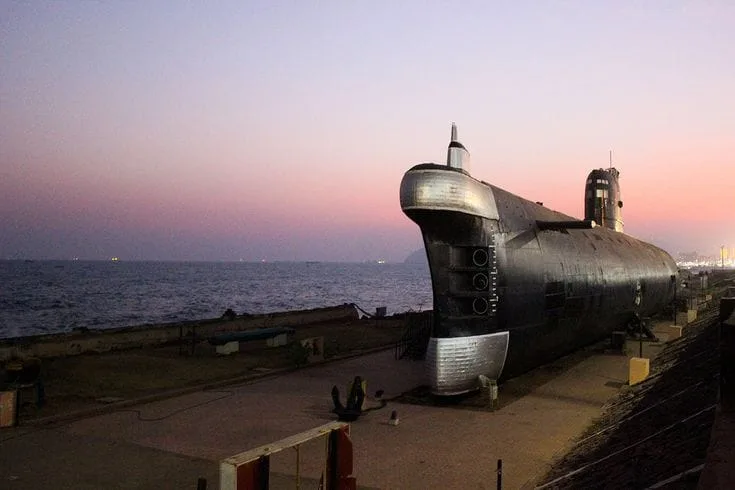
    For those who want to understand what life inside an actual submarine feels like, the INS Kursura Submarine Museum in Visakhapatnam offers a different kind of experience.

    Located near RK Beach, the museum is located inside INS Kursura, a decommissioned Indian Navy Foxtrot-class submarine. Unlike an underwater tourist ride, the submarine is permanently stationed on land, allowing visitors to walk through its original interiors and see how the vessel was designed and operated.

    Visitors enter the submarine through its hatches and make their way through its narrow passageways. The tour includes many consecutive sections of the vessel, including the control room, torpedo section, sonar and radar areas and crew compartments.

    The cramped interiors offer a sense of how naval personnel lived and worked inside a submarine, where space was limited and different parts of the vessel had specific operational purposes.

    Also Read | 5 travel-friendly snacks to eat on a flight without the mess

    The ticket price is Rs 70 for adults and Rs 40 for children below 12 years. Visitors carrying cameras also need to pay separately, with still cameras priced at Rs 50 and video cameras at Rs 200.

    One important distinction is that INS Kursura does not take visitors underwater. It is an opportunity to step inside a genuine naval submarine and explore its interiors while it remains docked on land.

    North Bay in the Andaman Islands

    If the idea is to actually look beneath the water, North Bay in the Andaman Islands offers a different experience through semi-submarine rides.

    Unlike a conventional submarine, a semi-submarine remains partly above the surface. The vessel has an underwater observation section where passengers can sit behind large glass windows while experiencing the underwater thrills and can easily witness the underwater creatures.

    Also Read | Chile Travel Guide: Why the world’s driest desert feels like another planet

    At North Bay, passengers can look through the glass panels at coral reefs and marine life. The viewing windows are positioned at an angle, which allows tourists to observe the underwater surroundings while remaining seated inside the cabin.

    Havelock Island or Swaraj Dweep

    Another option in the Andaman Islands is Swaraj Dweep, popularly known as Havelock Island.

    Like North Bay, the destination offers a semi-submarine experience for visitors who want to see the underwater world without getting into the water themselves.

    Passengers can sit inside a submerged viewing cabin and look through large windows as the vessel moves through the water. The viewers can see the Coral reefs and fish in the underwater section, offering a different perspective from a regular boat ride.

    Some semi-submarine trips operate around Elephant Beach, although the exact route and schedule can differ. Travellers should therefore confirm the day’s itinerary and operating conditions before booking.

    It is also worth remembering that this is a semi-submarine experience rather than a conventional submarine journey. The main vessel remains on the surface while the passenger viewing section is positioned below the waterline.


  • 5 travel-friendly snacks to eat on a flight without the mess

    5 travel-friendly snacks to eat on a flight without the mess

    Nobody wants to be that passenger whose food fills the entire cabin with its aroma. While carrying your own food can be useful during a long journey, choosing something mild-smelling, easy to pack and relatively mess-free can make the experience more comfortable for everyone.

    If you are wondering what to pack in your cabin bag, here are five simple flight snacks that travel well.

    Also Read | World Tourism Day 2026: Planning a trip? 5 ways AI can help build a smarter travel plan

    What snacks can you carry on a flight without worrying about the smell?

    Roasted makhana

    Roasted makhana
    Roasted makhana / Pexels

    Light, crunchy and easy to pack, roasted makhana is a convenient option for flights. You can season it with a little salt and pepper or your preferred mild seasoning, then store it in a zip-lock bag or airtight container. It is also relatively mess-free to eat.

    Dry fruits and nuts

    Dry fruits and nuts
    Dry fruits and nuts / Pexels

    Almonds, cashews, walnuts, pistachios and raisins are easy travel staples. They do not need refrigeration and can be packed in small portions. You can also make a simple trail mix by combining a few of your favourites.

    Sandwiches

    Sandwiches
    Sandwiches / Pexels

    A basic sandwich can be a filling option for a flight, provided you choose mild-smelling fillings. Cucumber and cheese, peanut butter and banana or a simple vegetable sandwich can work well. Wrapping sandwiches individually also makes them easier to carry and eat.

    Which Indian snacks are best for a long flight?

    Granola or energy bars

    Granola or energy bars
    Granola or energy bars / Pexels

    For something quick and convenient, granola and energy bars can easily fit into a handbag or cabin bag. Since they are individually packed, they require little preparation and can be eaten between meals. Choose varieties without strong-smelling ingredients or messy fillings.

    Also Read | Chile Travel Guide: Why the world’s driest desert feels like another planet

    Khakhra, chana and dry snacks

    Khakhra, chana and dry snacks
    Khakhra, chana and dry snacks / Pexels

    Several Indian snacks are particularly convenient for travel. Khakhra, mathri, roasted chana, murmura and baked chakli can be packed in small airtight portions. For a flight, choose relatively dry varieties without heavy oil or strong masalas to minimise crumbs, mess and lingering smells.

    The next time you pack your cabin bag, consider choosing snacks that are dry, easy to handle and mildly scented. They can help keep hunger away without turning your row into an impromptu dining area.

  • Chile Travel Guide: Why the world’s driest desert feels like another planet

    Chile Travel Guide: Why the world’s driest desert feels like another planet

    Chile is often described as one of the most unusual countries in the world, and for good reason. Stretching over 4,000 kilometres along South America’s Pacific coast, it offers an incredible mix of landscapes , from the world’s driest desert and snow-covered mountains to colourful coastal cities and volcanic terrain. For travellers looking for something beyond the usual beach or city holiday, Chile feels like stepping into another world.

    Atacama Desert is unlike anywhere else on Earth

    The biggest highlight of Chile is the Atacama Desert, widely recognised as the driest non-polar desert on Earth. Some parts of this vast desert receive almost no rainfall for years, creating dramatic landscapes of rocky valleys, giant sand dunes and salt-covered plains. Scientists have even compared parts of the Atacama to the surface of Mars because of its extreme conditions.

    The desert is also one of the best places in the world for stargazing. With almost no light pollution and exceptionally clear skies, visitors can enjoy breathtaking views of the Milky Way and countless stars throughout the year.

    Also Read | World Tourism Day 2026: Planning a trip? 5 ways AI can help build a smarter travel plan

    Salt lakes, geysers and flamingos add to the magic

    The Atacama is much more than a dry landscape. The region is filled with natural wonders, including vast salt flats, colourful lagoons and bubbling geothermal fields. Salar de Atacama, the country’s largest salt flat, is home to lagoons where pink flamingos gather in large numbers.

    Travellers can also visit the El Tatio Geysers, one of the world’s highest geyser fields, where steam rises dramatically at sunrise. Nearby hot springs and mineral-rich lakes offer a completely different side of the desert’s beauty.

    Valparaíso brings colour to Chile’s coastline

    After exploring the desert, the coastal city of Valparaíso offers a striking contrast. Built across steep hills overlooking the Pacific Ocean, the city is known for its colourful houses, vibrant street art, historic funiculars and creative neighbourhoods. Every corner feels artistic, making it one of Chile’s most photographed destinations.

    Santiago combines city life with mountain views

    Chile’s capital, Santiago, blends modern architecture with spectacular views of the Andes Mountains. The city serves as a gateway for hiking, skiing and vineyard tours, while museums, markets and food streets showcase Chile’s rich culture and cuisine.

    Also Read | Anti-itinerary travel: Why Gen Z is changing holiday plans

    Why Chile deserves a place on your travel bucket list

    Few countries pack so much natural diversity into a single destination. Whether it’s watching flamingos in a salt lake, exploring one of the driest places on Earth, wandering through colourful hillside streets or gazing at a sky full of stars, Chile offers experiences that are both dramatic and unforgettable. Its unique landscapes and cultural charm make it one of South America’s most rewarding travel destinations.

  • World Tourism Day 2026: Planning a trip? 5 ways AI can help build a smarter travel plan

    World Tourism Day 2026: Planning a trip? 5 ways AI can help build a smarter travel plan

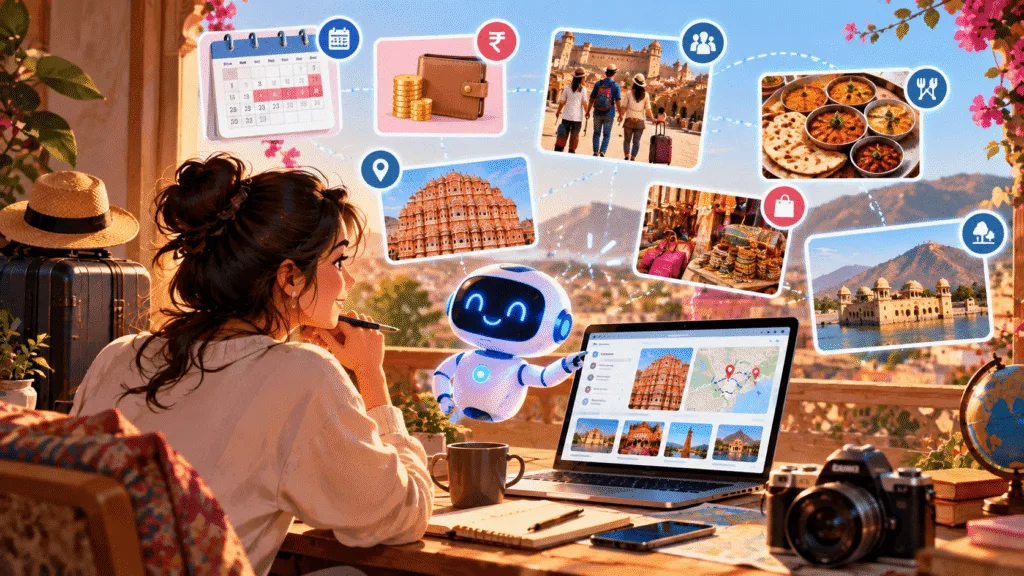
    World Tourism Day 2026: Your holiday may be a few weeks away, but the endless tabs, saved maps and hotel comparisons can start much earlier. Choosing where to stay, what places to visit, where to dine and how to incorporate it into a small timeframe could be quite confusing. That is where AI could help you create a more organised travel plan out of those scattered thoughts.

    Such an approach is consistent with the theme of World Tourism Day 2026 celebrated on September 27. This year’s theme is “Digital Agenda and Artificial Intelligence to Redesign Tourism”. Whether you’re creating a day-by-day itinerary, choosing the right hotels based on your requirements, or suggesting local dining and other experiences, AI can really be a valuable friend during your holiday planning process.

    It is important to know what questions to ask. Just adding a couple of points in your prompt could make it more specific.

    Give AI details about your trip 

    An open-ended question such as “Plan a Trip to Jaipur” will never bring you any helpful answer. Instead, give more information on your visiting dates, budget, time frame, and who you will be traveling with in your prompt.

    World Tourism Day 2026: 5 AI tips for smarter travel planning
    (Representational Image) World Tourism Day 2026 spotlights AI-powered tools for easier travel planning | AI Generated

    The information about your interests will help to limit the suggestions. Say what you want to taste from local cuisine, visit local attractions, go shopping, or avoid visiting the crowded places.

    Also Read | Anti-itinerary travel: Why Gen Z is changing holiday plans

    For example, a three-day family vacation is likely to demand a low-paced itinerary involving fewer trips between various sights. Providing these additional details will be helpful for the AI.

    Build a practical day-wise itinerary 

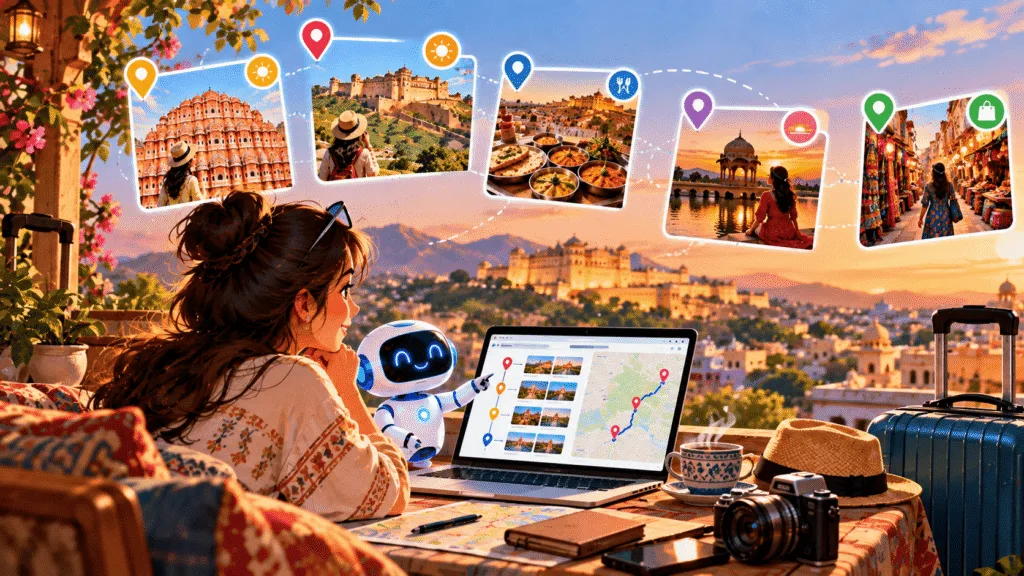
    AI can also be used for organizing attractions according to their location. Mention the area where you stay in the hotel and have the program organize those sites together on one day. This may assist you to minimize moving from one part of the town to another.

    World Tourism Day 2026: 5 AI tips for smarter travel planning
    (Representational Image) Smart travel planning with AI can help organise hotels, attractions, food and routes | AI Generated

    You can also request for other plans, including having a day less busy than others during the holiday period.

    Find hotels that match your requirements 

    Instead of just asking the AI to recommend a “best hoetel,” tell it what is important to you, like the price, location, room, near the transportation, parking, or breakfast.

    World Tourism Day 2026: 5 AI tips for smarter travel planning
    (Representational Image) AI travel tools can simplify holiday planning with personalised itineraries and hotel options | AI Generated

    The AI will assist you in coming up with a list of options and comparing them. Nevertheless, after that, you should look at the final price, availability, cancellation policy, and the reviews on the website where the booking is being made.

    Discover food and local experiences 

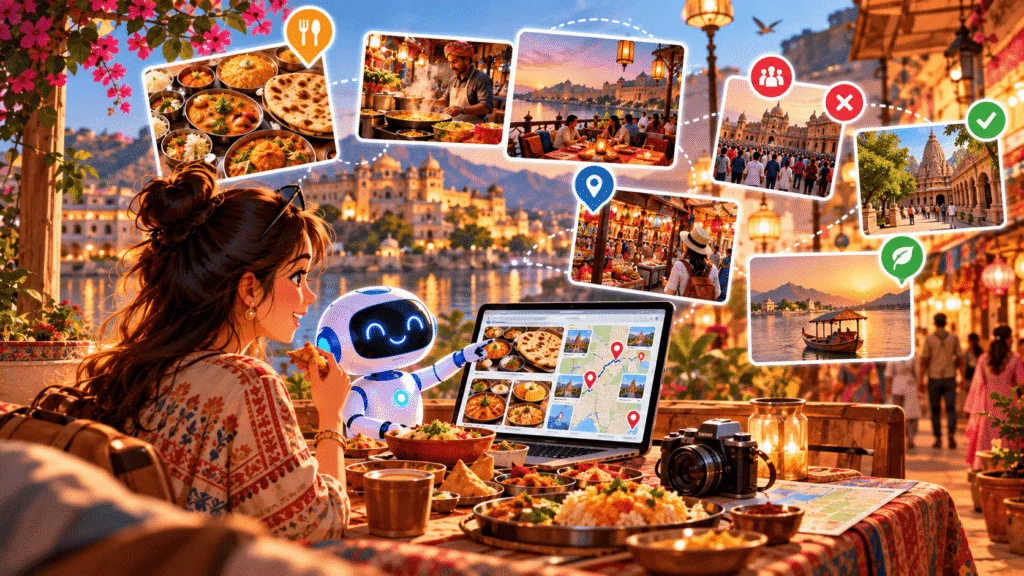
    The use of AI allows it to suggest restaurants and local dishes based on an existing travel itinerary. AI will provide the option for choosing alternatives to the planned itinerary in case there will be crowds at a landmark, including alternative nearby locations.

    Also Read | Autumn Travel Guide: 10 stunning places to visit in India this festive season

    Check important details before travelling 

    AI is not the sole source of up-to-date travel planning tips, as the opening hours and other data can be changed and some of the data suggested by AI may be out-of-date.

    World Tourism Day 2026: 5 AI tips for smarter travel planning
    (Representational Image) From itineraries to local food, AI can help make travel planning more organised | AI Generated

    It is recommended to check the information from official tourism websites, hotels’ websites, and transport providers’ websites prior to departure. AI will help with organizing the information search process.

  • Anti-itinerary travel: Why Gen Z is changing holiday plans

    Anti-itinerary travel: Why Gen Z is changing holiday plans

    Remember when family holidays required months of planning, multiple spreadsheets and at least one argument over train tickets? Gen Z is taking a very different approach.

    New travel trends show young Indian travellers increasingly moving away from the traditional annual holiday and embracing anti-itinerary travel, a style built around less planning, flexible schedules and leaving room for spontaneous experiences.

    Also Read | Autumn Travel Guide: 10 stunning places to visit in India this festive season

    For a generation increasingly drawn to flexibility and experiences that feel personal, travel is beginning to follow the same pattern.

    Goodbye annual vacation, hello random weekend escape

    For years, holidays followed a familiar formula: save throughout the year, book months ahead and pack as many attractions as possible into one big trip.

    Gen Z is increasingly choosing a different model.

    Gen Z is moving away from heavily planned annual vacations and embracing shorter getaways anti-itinerary travel
    Gen Z is moving away from heavily planned annual vacations and embracing shorter getaways / Pexels

    Rather than taking one long annual holiday, young travellers are opting for multiple shorter escapes throughout the year. These trips may be booked only days before departure and often come without an elaborate schedule.

    The focus is less on ticking destinations off a list and more on taking a break from everyday routines.

    What is anti-itinerary travel?

    Anti-itinerary travel is essentially the rejection of rigid holiday planning. Instead of filling every hour with sightseeing, travellers deliberately leave gaps in their schedules.

    That could mean spending an afternoon at a local café, walking through a neighbourhood, discovering an unexpected spot or simply deciding what to do after reaching the destination.

    Gen Z is ditching rigid holidays for spontaneous escapes.
    Gen Z is ditching rigid holidays for spontaneous escapes. / Pexels

    In this style of travel, getting lost can become part of the plan.

    Young travellers are also increasingly looking beyond destinations that dominate social media. Places that feel quieter, less crowded or less overexposed can offer the sense of discovery they are seeking.

    When travel becomes part of your identity

    For Gen Z, travel is increasingly about more than the destination itself. The way they travel can also reflect their personality and interests.

    A mountain cabin, artistic homestay or secluded beach house may become as important as the location. Accommodation itself becomes part of the experience, and often part of the memories travellers want to take home.

    Less planning, more exploring: Gen Z’s new travel style.
    Less planning, more exploring: Gen Z’s new travel style. / Pexels

    The perfect trip does not necessarily have to be luxurious. It simply needs to feel personal, distinctive and memorable.

    Why are shared homes becoming popular?

    Group travel is another part of this changing approach.

    Young travellers are increasingly choosing large shared homes where friends can stay together rather than booking separate hotel rooms. The focus shifts from simply visiting attractions to spending uninterrupted time together.

    Also Read | Smoking is banned on planes, but why does the bathroom have an ashtray?

    And some of the most memorable parts of these trips may not happen at famous landmarks.

    They can come from late-night conversations, spontaneous detours, unexpected discoveries and the moments that were never part of the original plan.

  • Smoking is banned on planes, but why does the bathroom have an ashtray?

    Smoking is banned on planes, but why does the bathroom have an ashtray?

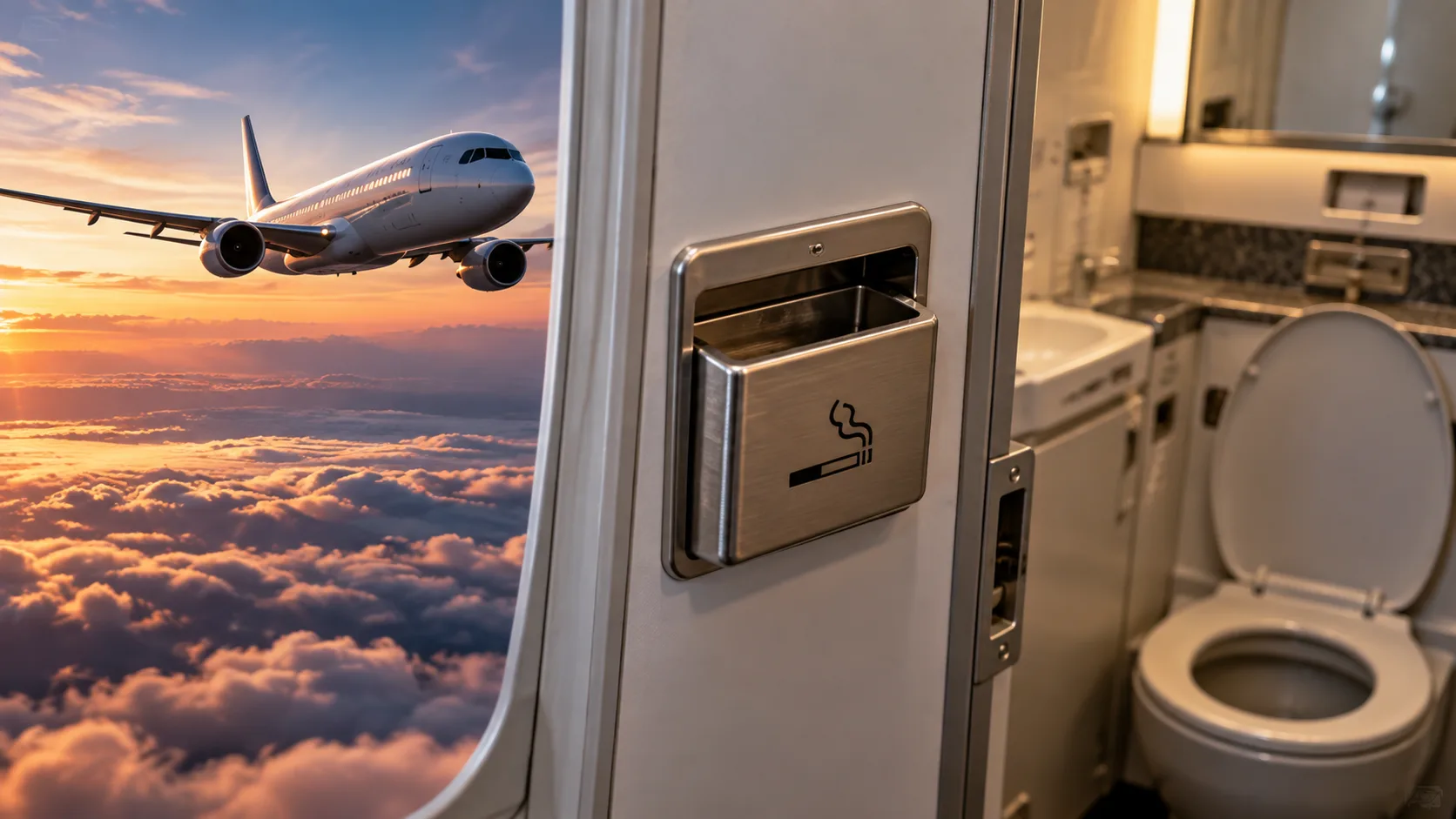
    If you have ever used an airplane bathroom, you may have noticed a small detail that seems completely out of place: an ashtray. This can be puzzling, especially when passengers are repeatedly told, “smoking is strictly prohibited on the aircraft.” So why do airlines still keep ashtrays inside lavatories when smoking is banned on flights?

    The answer has less to do with allowing passengers to smoke and more to do with preventing a potentially dangerous aircraft fire. The seemingly odd fixture is tied to aviation safety rules and a tragic incident that changed how airlines deal with the risk of in-flight fires.

    Why are ashtrays still fitted inside airplane bathrooms?

    The presence of an ashtray does not mean passengers are permitted to smoke in the aircraft bathroom. Smoking remains prohibited.

    However, aviation safety regulations take into account the possibility that a passenger could ignore the rules and secretly light a cigarette inside the lavatory.

    Smoking is banned on planes
    (Representational Image) Smoking is banned on flights, but this tiny ashtray serves an important purpose | AI Generated

    This creates another potential danger. If a passenger is worried about triggering the smoke detector and throws a still-burning cigarette into the bathroom bin, the consequences could be serious.

    Aircraft lavatory bins can contain tissues, paper and other flammable material. A lit cigarette thrown into such a bin could potentially start a fire.

    Also Read | Do you know why airlines really ask you to put your phone on airplane mode?

    An ashtray provides a designated place to extinguish and dispose of a cigarette if someone illegally smokes inside the bathroom, reducing the risk of a discarded burning cigarette setting fire to the waste bin.

    What does the US aviation rule say?

    The US Federal Aviation Administration (FAA) requires passenger aircraft to have an ashtray in the lavatory.

    The requirement is a safety measure rather than permission to smoke onboard. The underlying idea is straightforward: if someone ignores the smoking ban, a cigarette should not end up burning inside a waste bin.

    plane (1) (1)
    (Representational Image) Aircraft ashtrays are designed to prevent burning cigarette butts from causing fires | AI Generated

    Airlines operating passenger aircraft, including carriers such as IndiGo in India, follow the relevant aviation safety requirements.

    Smoking on a plane is still strictly prohibited

    Seeing an ashtray inside an aircraft bathroom can sometimes create the wrong impression.

    The fixture is not an invitation to smoke. Passengers are still prohibited from smoking inside the aircraft, including the lavatory.

    The ashtray exists as a safety precaution to deal with the consequences of someone breaking that rule.

    The tragic incident that changed aviation safety

    The reason aviation authorities take the risk of lavatory fires so seriously can be traced back to a devastating incident in 1973.

    A Varig Boeing 707 was flying from Rio de Janeiro to Paris when a fire broke out in the aircraft’s lavatory.

    Also Read | Digi Yatra international trial may begin at Delhi, Mumbai, Bengaluru, Hyderabad and Cochin airports

    Smoke spread through the aircraft, and the crew eventually made an emergency landing near Paris. The aircraft crashed during the emergency landing, killing 120 people.

    Smoking is banned on planes, but why does the bathroom have an ashtray
    (Representational Image) The ashtray inside an airplane bathroom is a safety feature, not a smoking permit | AI Generated

    An investigation later determined that an improperly extinguished cigarette had caused the fire.

    Why the ashtray matters even when smoking is banned

    The tragic incident highlighted the danger posed by cigarettes and aircraft waste bins.

    That history helps explain why an ashtray can still be found inside modern airplane lavatories. It is not there because smoking is allowed. It is there as a last line of protection against the much more dangerous possibility of a burning cigarette being thrown into a bin filled with combustible waste.

    So, the next time you notice a small ashtray inside an airplane bathroom, there is no need to wonder whether smoking is secretly permitted there.

    It is a safety feature designed around the possibility that someone might ignore the rules.

  • Autumn Travel Guide: 10 stunning places to visit in India this festive season

    Autumn Travel Guide: 10 stunning places to visit in India this festive season

    As the monsoon season finally bids goodbye, autumn season enters with clear blue skies, cool breezes and lush landscapes across India. Autumn season is known for the festive seasons, making September and October one of the most popular times for travel. Whether you want to experience colourful festivals, peaceful hill stations, heritage cities or nature at its finest, autumn offers something for every traveller.

    Here are 10 destinations that deserve a spot on your travel list this season.

    Kashmir

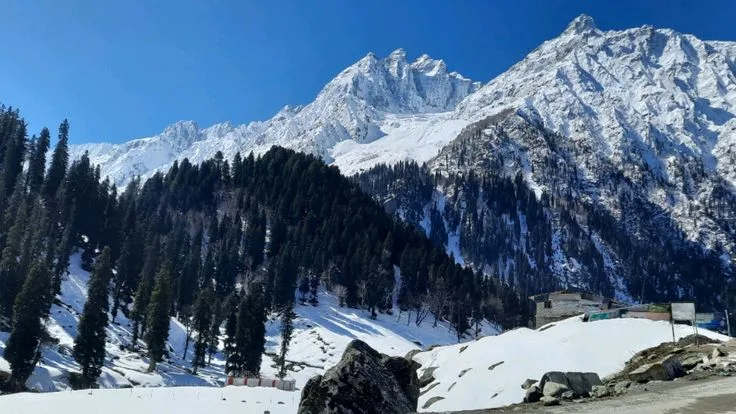
    Autumn transforms Kashmir into a canvas of red, orange and golden hues as the chinar trees change colour. The weather remains cool and comfortable, making it the perfect time to visit Srinagar in autumn, Dal Lake, Gulmarg and Pahalgam.

    Also Read | Tiger safari season is back: 8 national parks to visit as safari gates reopen in October

    Kolkata, West Bengal

    Durga Puja is the biggest reason to visit Kolkata in autumn. The city comes alive with beautifully designed pandals, dazzling lights, cultural performances and delicious street food. Visiting Kumartuli before the festival adds another unique experience, where artisans create Maa Durga idols by hand.

    Udaipur, Rajasthan

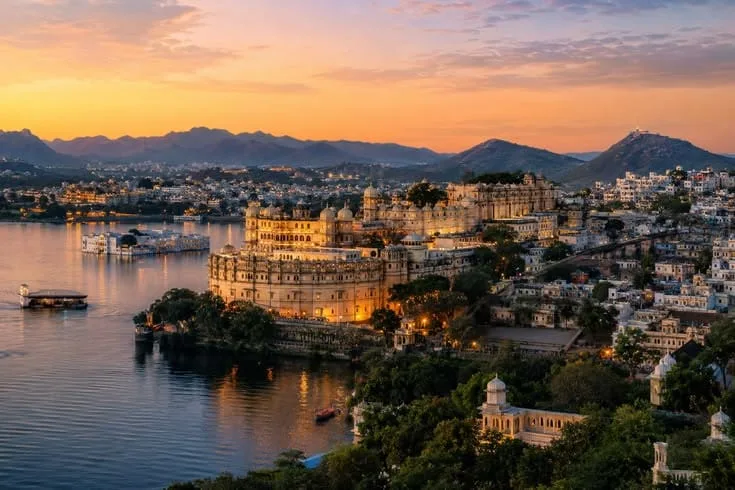
    After the monsoon, Udaipur’s lakes are full and the city’s gardens look fresh and green. Pleasant evenings make sightseeing enjoyable, while boat rides on Lake Pichola and visits to City Palace become even more memorable.

    Also Read | Digi Yatra international trial may begin at Delhi, Mumbai, Bengaluru, Hyderabad and Cochin airports

    Munnar, Kerala

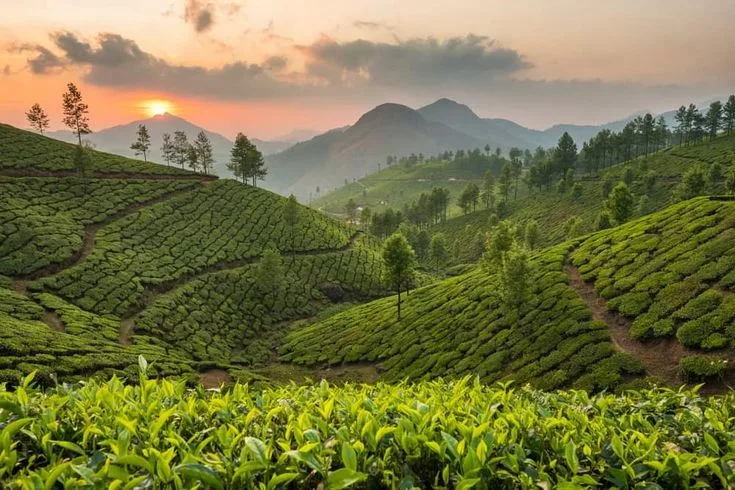
    The tea plantations of Munnar look especially vibrant after the rains. Mist-covered hills, waterfalls and cool weather make it one of the most refreshing destinations in South India during autumn.

    Shimla, Himachal Pradesh

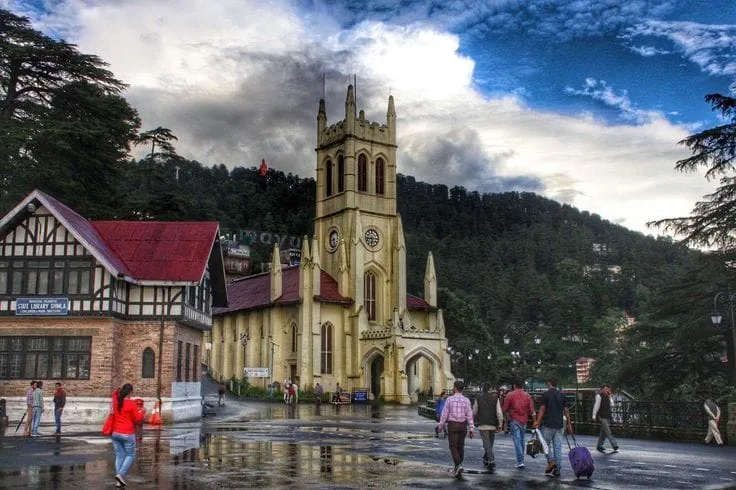
    Shimla enjoys crisp weather and clear mountain views during autumn. It’s a great time to stroll along the Mall Road, visit colonial-era landmarks and enjoy the peaceful atmosphere before the winter tourist rush begins.

    Coorg, Karnataka

    Known as the “Scotland of India”, Coorg is lush and beautiful during autumn. Coffee plantations, forests and waterfalls are at their greenest, making it ideal for nature lovers and weekend travellers.

    Goa

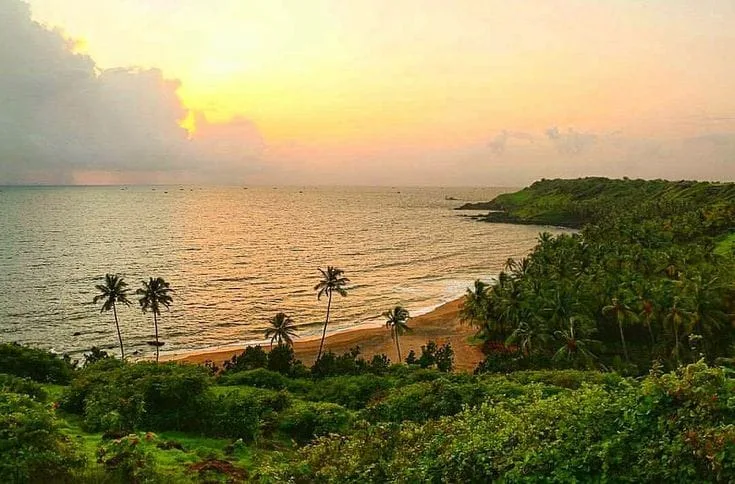
    Autumn is one of the best times to visit Goa if you want to avoid peak-season crowds. The beaches are cleaner after the monsoon, the weather is pleasant and the landscape remains beautifully green.

    Varanasi, Uttar Pradesh

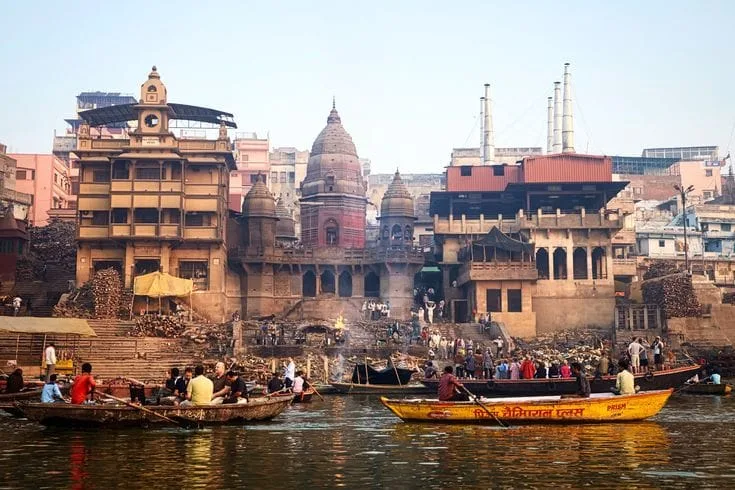
    The cooler weather makes exploring Varanasi much easier. Witness the evening Ganga Aarti, take a sunrise boat ride on the Ganges and experience the city’s spiritual atmosphere during the festive season.

    Manali, Himachal Pradesh

    Manali offers fresh mountain air, colourful landscapes and comfortable weather in autumn. It’s also a good season for trekking, camping and visiting nearby valleys before snowfall begins.

    Agra, Uttar Pradesh

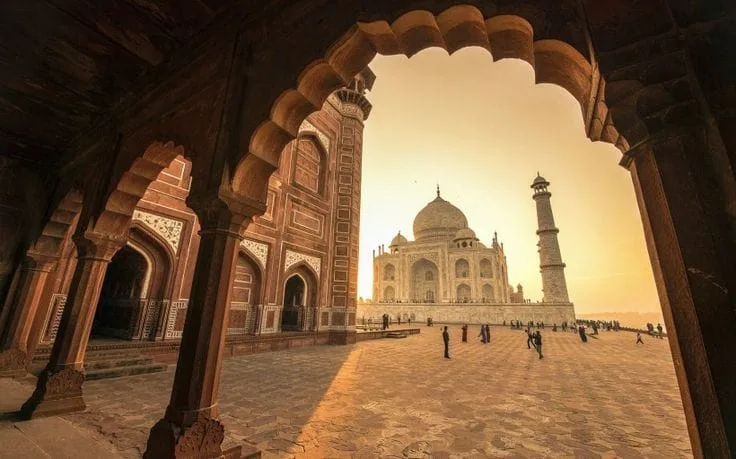
    Autumn is considered one of the best seasons to visit the Taj Mahal. The skies are usually clear after the monsoon, making the iconic monument look even more beautiful during sunrise and sunset.

  • Tiger safari season is back: 8 national parks to visit as safari gates reopen in October

    Tiger safari season is back: 8 national parks to visit as safari gates reopen in October

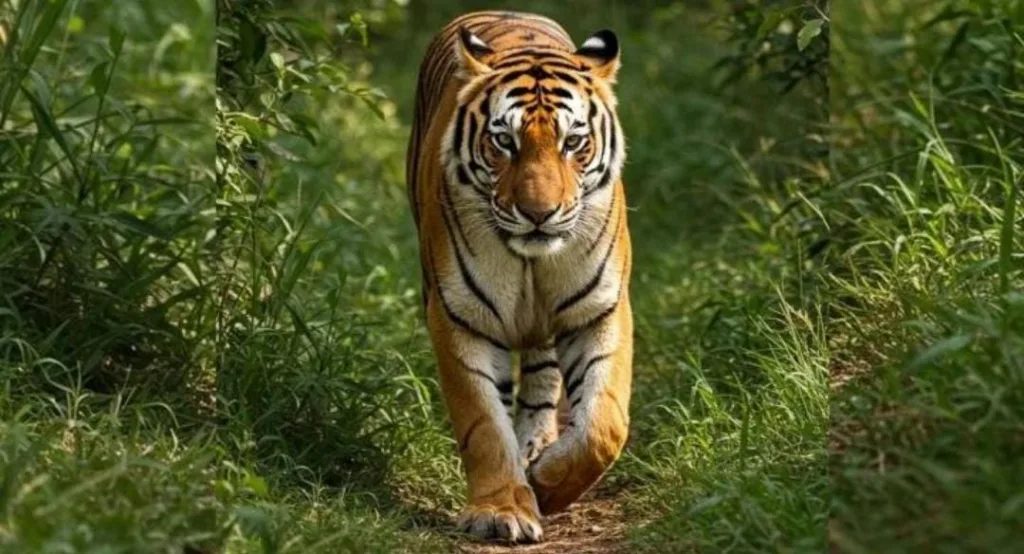
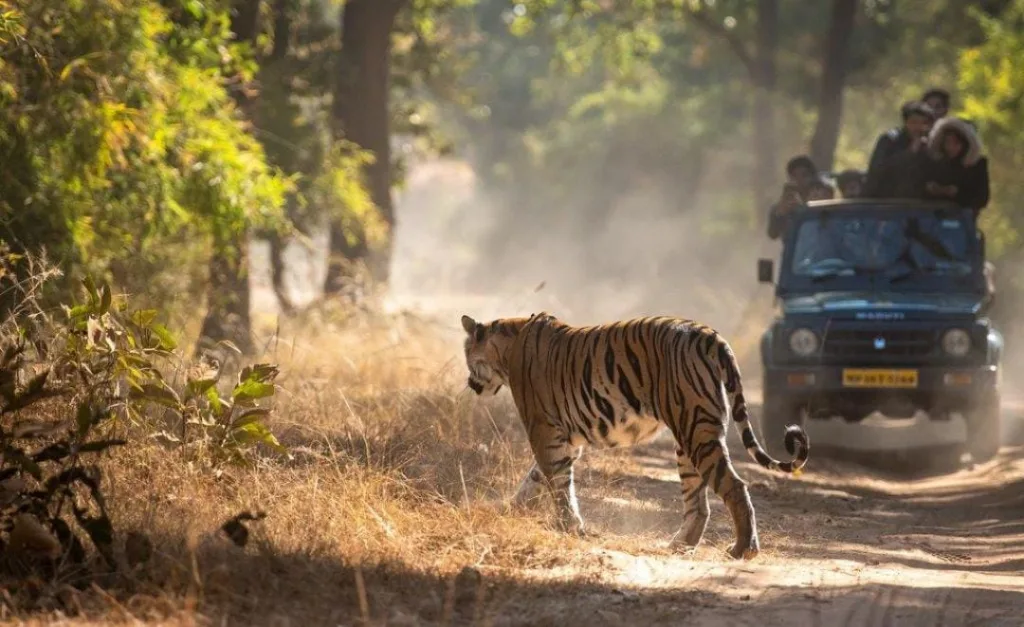
    As the monsoon comes to an end, India’s forests are ready to welcome wildlife lovers once again. Every year, most tiger reserves remain closed during the rainy season to protect breeding habitats, allow forests to recover, and repair safari tracks damaged by heavy rainfall. With October marking the beginning of the new safari season, travellers can once again enter the country’s iconic national parks.

    The post-monsoon months bring lush green landscapes, flowing rivers, pleasant temperatures and a fresh burst of wildlife activity. While dense vegetation can make tiger sightings slightly more challenging than summer, October offers one of the most beautiful times to experience India’s forests.

    Why October is a great time for a tiger safari

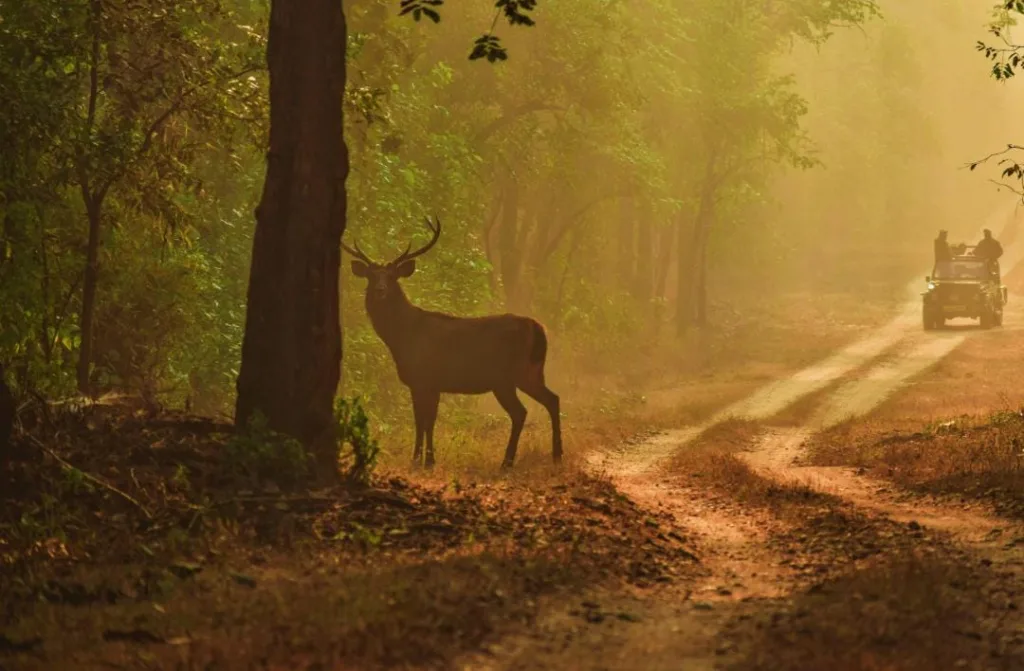
    October offers a different side of India’s forests. The rains leave behind vibrant greenery, water bodies are full, and animals become more active in the cooler weather. Apart from tigers, visitors have a chance to spot leopards, elephants, sloth bears, deer, wild dogs and a wide variety of birds.

    Many parks also reopen their core safari zones from October 1, while a few gradually open additional zones later in the month depending on weather conditions.

    8 tiger reserves reopening this October

    Ranthambore National Park, Rajasthan

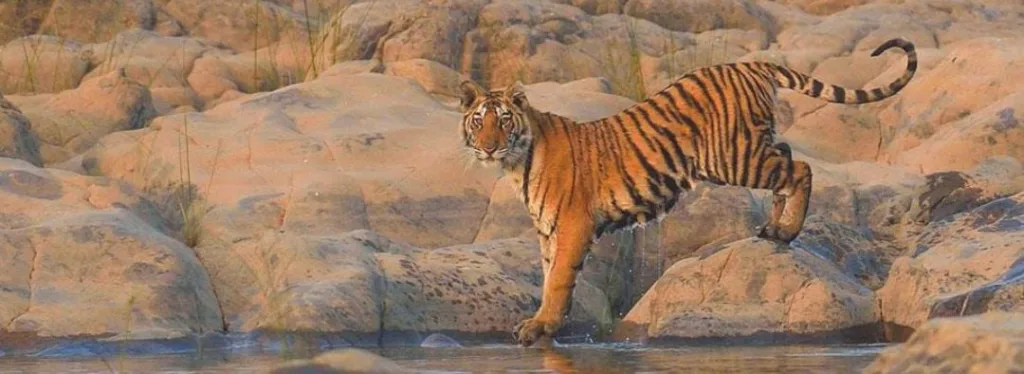
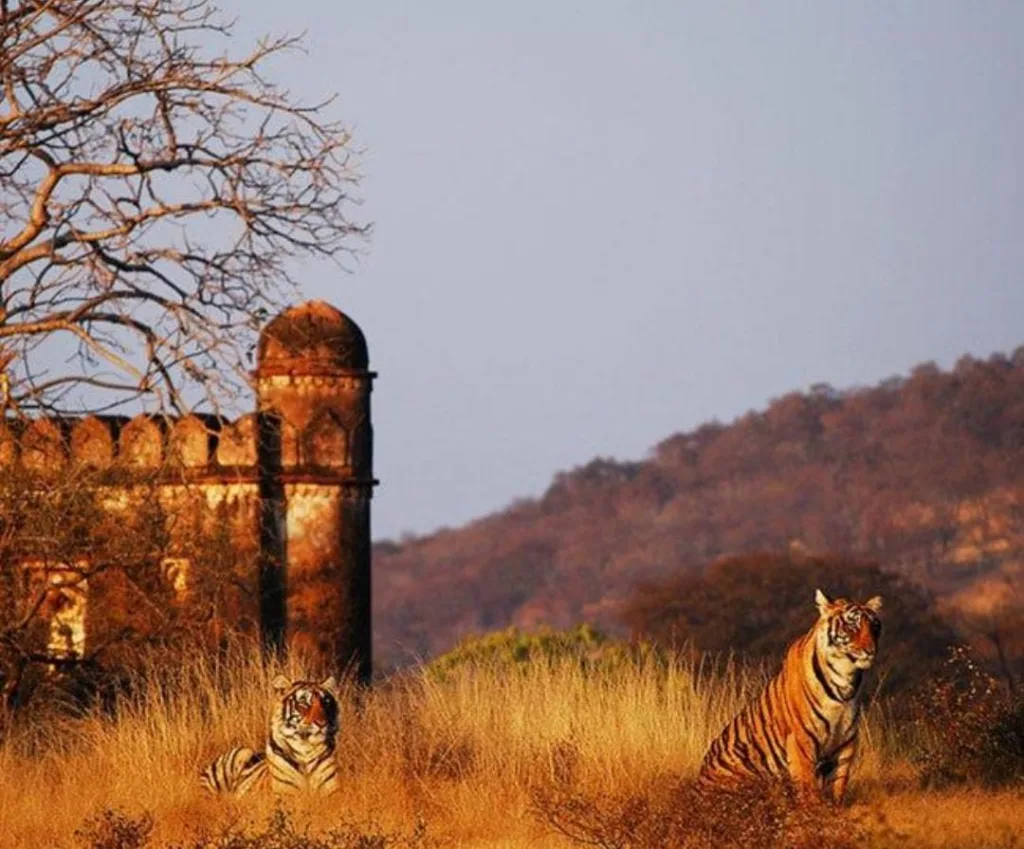
    One of India’s most famous tiger reserves, Ranthambore is known for its tigers roaming near lakes, ancient ruins and the historic Ranthambore Fort. The park reopens on October 1 after the monsoon closure.

    Bandhavgarh Tiger Reserve, Madhya Pradesh

    Bandhavgarh has one of the highest tiger populations in India. Its dense forests, rocky hills and grasslands also shelter leopards, sloth bears and more than 300 species of birds.

    Also Read | Digi Yatra international trial may begin at Delhi, Mumbai, Bengaluru, Hyderabad and Cochin airports

    Kanha Tiger Reserve, Madhya Pradesh

    Known for inspiring The Jungle Book, Kanha is famous for its sprawling sal forests and the rare hard-ground barasingha. It is one of the country’s largest and most scenic tiger reserves.

    Pench Tiger Reserve, Madhya Pradesh-Maharashtra

    Spread across two states, Pench is home to tigers, leopards, wild dogs and rich birdlife. The reserve’s teak forests and open meadows make it a favourite among wildlife photographers.

    Also Read | 7 luxury fashion hotels every style lover should know

    Tadoba-Andhari Tiger Reserve, Maharashtra

    Tadoba is among Maharashtra’s top wildlife destinations and is well known for frequent tiger sightings. Visitors can also spot sloth bears, leopards and marsh crocodiles here.

    Panna Tiger Reserve, Madhya Pradesh

    Located near Khajuraho, Panna is recognised for its successful tiger conservation programme. The Ken River flowing through the reserve adds to its scenic beauty.

    Jim Corbett National Park, Uttarakhand

    India’s oldest national park begins reopening several safari zones in October, with some remaining zones opening later. Besides tigers, Corbett is famous for elephants, gharials and hundreds of bird species.

    Sariska Tiger Reserve, Rajasthan

    Nestled in the Aravalli hills, Sariska offers a mix of wildlife, forests, lakes and historic temples. It is an excellent destination for travellers looking for both nature and heritage.

    Things to know before planning your trip

    Safari permits for popular parks such as Ranthambore, Bandhavgarh and Kanha are often booked well in advance. Visitors should check the official forest department booking portals for opening dates, safari timings and zone availability before making travel plans, as not all zones reopen on the same day.

  • Digi Yatra international trial may begin at Delhi, Mumbai, Bengaluru, Hyderabad and Cochin airports

    Digi Yatra international trial may begin at Delhi, Mumbai, Bengaluru, Hyderabad and Cochin airports

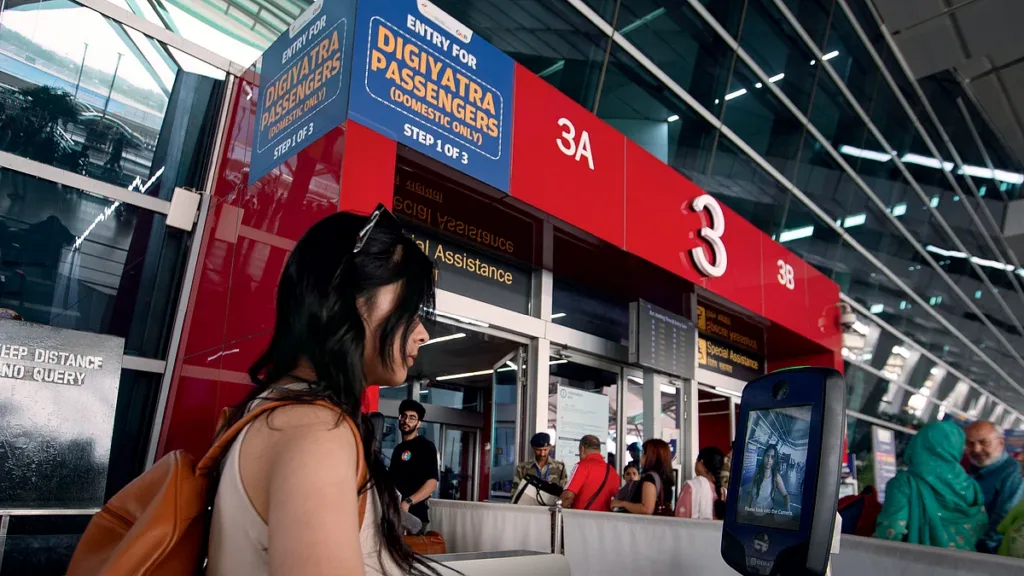
    International air travellers from India could soon get access to a facial recognition-based Digi Yatra system at major airports. The government is planning trials for international departures between October and December 2026, with Delhi and Mumbai expected to be among the first airports to receive the facility. Bengaluru, Hyderabad and Cochin airports are also part of the proposed trial.

    International air travellers from India could soon get access to a facial recognition-based Digi Yatra system at major airports. (ANI)
    International air travellers from India could soon get access to a facial recognition-based Digi Yatra system at major airports. (ANI)

    Digi Yatra international trial to begin with departures

    The first phase of the Digi Yatra international rollout is expected to focus only on passengers departing from India. The system could initially be used at relatively less-sensitive checkpoints such as terminal entry, security checks, and potentially boarding gates.

    Immigration and emigration checks are expected to continue under the existing system during the trial. Integration with immigration could be considered at a later stage after the technology has been tested for reliability and security.

    The Ministry of Civil Aviation’s policy framework treats the immigration process separately from the Digi Yatra boarding system, with automated border control for international travel envisaged as a later phase.

    Also Read | Who is Suryanarayana Doolla? IIT Bombay professor suspended after student’s death

    The first phase of the Digi Yatra international rollout is expected to focus only on passengers departing from India. (ANI)
    The first phase of the Digi Yatra international rollout is expected to focus only on passengers departing from India. (ANI)

    How Digi Yatra international travel will work

    Unlike domestic Digi Yatra, which uses Aadhaar-based enrolment, the international system is expected to rely on electronic passports.

    Passengers will be able to scan the information page of their e-passport using a smartphone and read its embedded chip through Near Field Communication, or NFC. The photograph stored on the passport chip can then be matched with a live selfie to create a digital travel credential.

    That credential could subsequently be used to verify the passenger’s identity at participating airport checkpoints, reducing the need for repeated manual document checks.

    India had issued 17,316,144 e-passports as of July 30, 2026, according to figures cited from a government reply in Parliament.

    Also Read | Sangrur man consumes poison over alleged drug inaction, political row follows

    Unlike domestic Digi Yatra, which uses Aadhaar-based enrolment, the international system is expected to rely on electronic passports. (ANI)
    Unlike domestic Digi Yatra, which uses Aadhaar-based enrolment, the international system is expected to rely on electronic passports. (ANI)

    Software upgrades and security checks still pending

    The planned Digi Yatra international rollout is still undergoing technical preparations. Officials told Hindustan Times that they are carrying out software upgrades before the trials, and an audit by the Ministry of Electronics and Information Technology is also expected.

    The upgraded application is reportedly undergoing final testing, including vulnerability assessment and penetration testing involving CERT-In and the Standardisation Testing and Quality Certification Directorate.

    Some aviation rules may also need amending before the system becomes operational. These include the existing requirement for passengers to show their passports at airport entry.

    For now, the proposed system is therefore a trial rather than a full replacement for existing international travel procedures. The government is expected to assess security, reliability, and passenger processing before deciding on wider implementation.

    FAQs

    When will Digi Yatra international trials begin?

    The proposed trials are expected to take place between October and December 2026.

    Which airports are expected to test Digi Yatra for international departures?

    Delhi, Mumbai, Bengaluru, Hyderabad, and Cochin airports are expected to participate, with Delhi and Mumbai likely to be among the first.

    Will immigration checks be removed under international Digi Yatra?

    No. Immigration and emigration checks are expected to continue under the existing system during the initial trial phase.

    Will international Digi Yatra use Aadhaar?

    No. The proposed international system is expected to use e-passports, with biometric verification based on the passport chip and a live facial image.

  • 7 luxury fashion hotels every style lover should know

    7 luxury fashion hotels every style lover should know

    For luxury and fashion lovers, a hotel can be more than a place to sleep between shopping trips. Some luxury properties are woven into the history of fashion itself, with designer connections, couture associations, iconic guests and access to some of the world’s most fashionable neighbourhoods.

    Also Read | Do you know why airlines really ask you to put your phone on airplane mode?

    From a Ferragamo-owned riverside retreat in Florence to the Paris hotel where Christian Dior presented his first couture collection, these seven properties offer a different way to experience fashion and luxury hotels while travelling.

    Which hotels belong on a fashion lover’s bucket list?

    Hotel Lungarno, Florence

    Set along the Arno River in Florence, Hotel Lungarno combines old-world Italian elegance with a direct connection to one of the country’s most influential fashion families.

    Hotel Lungarno, Florence / Official website
    Hotel Lungarno, Florence / Official website

    The five-star property is owned by the Ferragamo family and features Renaissance art, Murano glass and views of the Arno. Its location near the Ponte Vecchio also puts guests within easy reach of some of Florence’s most famous shopping streets.

    For fashion travellers, however, the biggest draw is its connection to the Ferragamo legacy and Florence’s long-standing role in Italian fashion.

    Portrait Milano, Milan

    Another Ferragamo-owned property, Portrait Milano brings the family’s fashion heritage to the heart of Milan.

    Portrait Milano, Milan
    Portrait Milano, Milan / Official website

    The hotel occupies a restored 16th-century seminary in the Quadrilatero della Moda, Milan’s famed fashion district. Its central piazza and understated interiors offer a quieter version of Milanese luxury, while its location places major fashion boutiques practically at the doorstep.

    For travellers visiting Milan with shopping and fashion at the top of the itinerary, the address itself becomes part of the experience.

    Hôtel Plaza Athénée, Paris

    Few Paris hotels have a fashion history as closely connected to a single designer as Hôtel Plaza Athénée.

    Hôtel Plaza Athénée, Paris
    Hôtel Plaza Athénée, Paris / Official Website

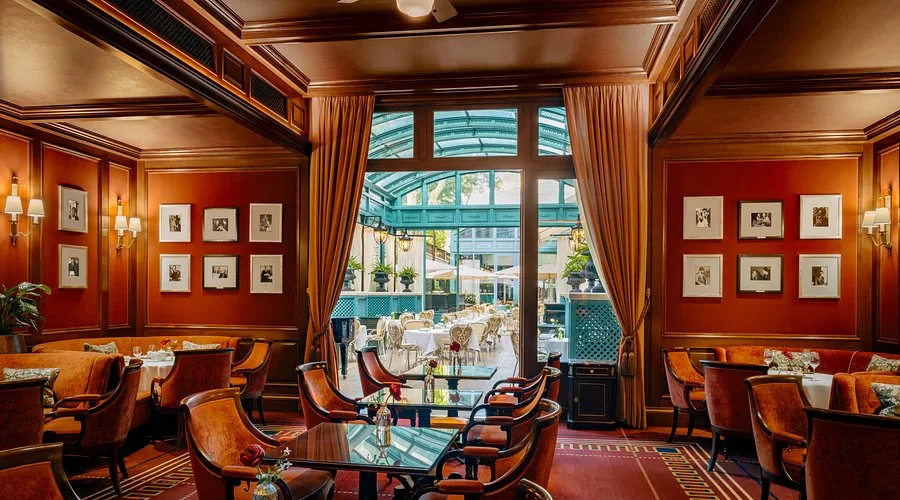
    The property sits on Avenue Montaigne, directly across from Dior’s flagship, and has a Dior Spa. It also holds an important place in the history of Christian Dior: the designer presented his first couture collection at the hotel in 1947.

    Its instantly recognisable red awnings and views towards the Eiffel Tower have since made the hotel a familiar part of Parisian popular culture, including its appearance in Sex and the City.

    For fashion travellers, the hotel offers the rare combination of Parisian glamour and genuine couture history.

    Hôtel de Crillon, Paris

    Overlooking the Place de la Concorde, Hôtel de Crillon has long been associated with Parisian high society and fashion.

    Hôtel de Crillon, Paris / Official webiste
    Hôtel de Crillon, Paris / Official webiste

    The historic palace has hosted couture clients, fashion editors and major social events over the years. It is also known for its Bal des Débutantes, one of Paris’ most closely watched society events.

    Fashion lovers can take the experience a step further by booking one of the suites designed by the late Karl Lagerfeld, whose work helped define modern fashion.

    Ritz Paris, Paris

    The Ritz Paris has been a symbol of luxury for more than a century, but its fashion credentials are particularly tied to Gabrielle “Coco” Chanel.

    Ritz Paris, Paris
    Ritz Paris, Paris / Official webiste

    Chanel lived at the hotel for more than three decades, and the property now has a Coco Chanel Suite named in her honour. The hotel also continues to collaborate with fashion brands, including Los Angeles-based label FRAME.

    With its gilded interiors, historic reputation and connection to one of fashion’s most influential figures, the Ritz remains one of Paris’ most recognisable fashion addresses.

    Mandarin Oriental Hyde Park, London

    For a fashion-focused London trip, location can be just as important as the hotel itself.

    Mandarin Oriental Hyde Park, London
    Mandarin Oriental Hyde Park, London / Official website

    Mandarin Oriental Hyde Park sits close to Sloane Street and Harrods, putting some of London’s most coveted shopping within easy reach. The property also caters to serious shoppers through its concierge service and spacious suites with generous wardrobe space.

    After a day of shopping, guests can retreat to the hotel for its afternoon tea, adding another classic London experience to the itinerary.

    The Mark, New York

    On Manhattan’s Upper East Side, The Mark has become closely associated with New York’s fashion crowd.

    The Mark, New York / Official Website
    The Mark, New York / Official Website

    Its connection with Bergdorf Goodman is a major draw for shoppers, with guests able to access personal-shopping services. The hotel is also a familiar staging point for celebrities and guests attending the Met Gala, making its entrance part of the spectacle surrounding fashion’s biggest annual night.

    Beyond the Met Gala season, The Mark remains a social destination in its own right, with the Mark Bar serving as a popular Upper East Side meeting spot.

    Why are fashion hotels becoming travel destinations?

    The appeal of these properties goes beyond designer names and luxury interiors. Their locations, histories and connections to fashion houses allow travellers to experience a city through its style culture.

    Also Read | What is Run-cations? Why marathon holidays are the new travel trend

    For some, that means staying in a hotel linked to Christian Dior or Coco Chanel. For others, it could mean waking up in Milan’s fashion district or shopping in London with a concierge who knows the city’s luxury scene.
    In each case, the hotel becomes part of the fashion itinerary rather than simply a place to stay.