Category: Mythology

  • 5 Indian animals steeped in mythology, folklore and tradition

    5 Indian animals steeped in mythology, folklore and tradition

    In India, animals have long occupied a place beyond the natural world. They appear in stories about gods and goddesses, are associated with particular festivals and rituals, and often represent qualities such as strength, wisdom, fertility and protection.

    Indian mythology has created a close connection between wildlife and the sacred. Some animals are described as divine companions or vehicles of gods, while others appear as powerful beings in their own right. These stories have also influenced the way generations of people have viewed animals in everyday life.

    Here are five animals that have particularly strong links with Indian mythology.

    Elephants are associated with Ganesha and Airavata

    The elephant has one of the strongest mythological identities in India. The most familiar association is with Lord Ganesha, the elephant-headed deity worshipped as the remover of obstacles and the god of wisdom, beginnings and prosperity.

    According to the popular story, Ganesha was beheaded by Shiva after a confrontation. Shiva later restored his life by replacing his head with that of an elephant. The story has made the elephant an enduring symbol of intelligence, strength and renewal.
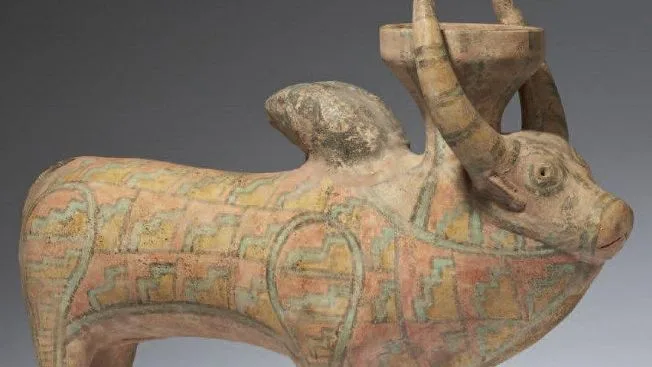
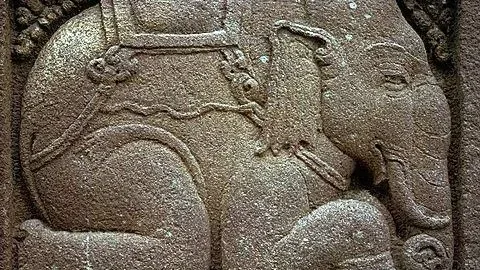
    Illustration of animals | X

    Elephants also appear in the mythology surrounding Indra, the king of the gods. His celestial mount, Airavata, is described as a magnificent white elephant that emerged during the churning of the cosmic ocean.

    Because of these associations, elephants have traditionally been linked with royalty, power, rain and prosperity. Their presence in temple processions and religious festivals continues to reflect this cultural importance.

    The tiger represents Durga’s power

    The tiger is another animal closely connected with Hindu religious imagery. Goddess Durga is commonly depicted riding a tiger as she battles evil forces.

    The animal represents physical strength, courage and uncontrolled power, while Durga’s command over it suggests that strength can be guided by wisdom and purpose.

    The association has also contributed to the tiger’s special place in Indian culture. The animal may be feared as a predator, but it has simultaneously been treated with a degree of reverence because of its connection with the goddess.

    This mixture of fear, respect and religious symbolism has helped make the tiger one of the most recognisable animals in Indian cultural traditions.
    Illustration of animals | X

    Snakes are linked with Shiva and Vishnu

    Few animals have a more complicated place in Indian mythology than the snake. While snakes can inspire fear, Hindu traditions also associate them with divine power, protection and the forces of nature.

    The Nagas, often described as serpent-like or semi-divine beings, appear throughout Indian mythology. They are associated with water, fertility, protection and subterranean realms.

    One of the best-known images is that of Lord Vishnu reclining upon Shesha, the cosmic serpent. Shiva is also frequently depicted wearing snakes around his neck and body.

    Snakes are especially prominent during Nag Panchami, when they are worshipped in several parts of India. The festival reflects a broader cultural idea of respecting creatures that people may otherwise regard as dangerous.

    The cow represents abundance and motherhood
    Illustration of animals | X

    The cow has a particularly important place in Indian religious and cultural traditions. In mythology, it is often associated with nourishment, motherhood, abundance and generosity.

    One of the best-known divine cows is Kamadhenu, described in Hindu mythology as a wish-fulfilling cow capable of providing what is needed. She is therefore associated with prosperity and abundance.

    Lord Krishna’s childhood and youth also strengthened the cultural connection between cows and pastoral life. Krishna is traditionally portrayed as a cowherd, with cows forming an important part of stories surrounding his life in Vrindavan.

    Also Read | Dragon Ball and the ancient Chinese mythology that inspired Akira Toriyama

    These associations have contributed to the cow’s revered status in many Hindu communities and have also influenced customs and debates surrounding the treatment of the animal in modern India.

    The peacock carries several divine associations

    India’s national bird, the peacock, also appears prominently in Hindu mythology.

    The bird is associated with Lord Kartikeya, also known as Murugan, whose mount is traditionally depicted as a peacock. In this context, the bird is connected with victory and the overcoming of negative qualities such as pride and desire.

    Peacock feathers have another famous association with Lord Krishna. He is frequently shown wearing a peacock feather in his crown, linking the bird with beauty, playfulness and divine love.
    Illustration of animals | X

    The peacock’s striking appearance has made it a natural subject for symbolism and religious art. Its presence in mythology gives the bird a significance that goes beyond its distinctive plumage, turning it into an enduring symbol of beauty and transformation.

    When mythology and wildlife meet

    These five animals show how closely India’s ideas about nature have been tied to mythology for centuries. Elephants, tigers, snakes, cows and peacocks are not simply recurring figures in old stories. Their associations with gods, festivals and religious traditions have helped shape the cultural identities attached to them.

    Also Read | Mythology of white Hindus and the Western gaze on Hinduism

    Mythology does not replace the biological reality of these animals, but it adds another layer to the way they are understood. A tiger becomes more than a predator when it is seen beside Durga; an elephant becomes more than a large mammal when its image is connected with Ganesha and Airavata.

    That relationship between belief, storytelling and the natural world continues to influence how these animals are represented and remembered in India today.
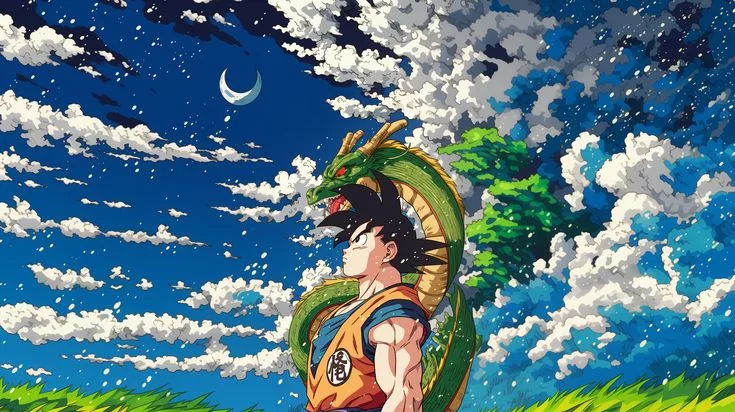
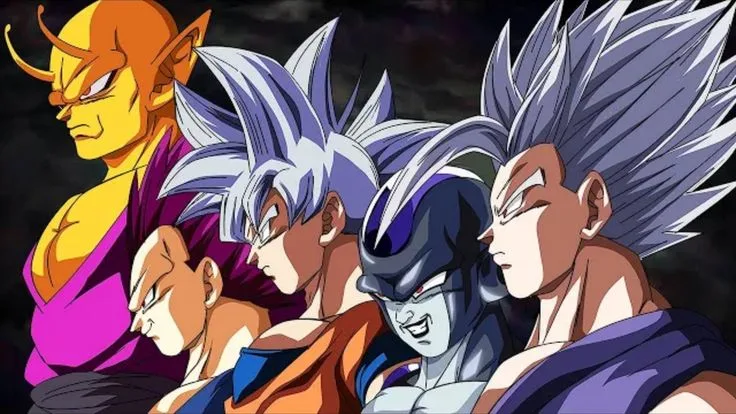
  • Dragon Ball and the ancient Chinese mythology that inspired Akira Toriyama

    Dragon Ball and the ancient Chinese mythology that inspired Akira Toriyama

    Long before Dragon Ball became one of the world’s most recognisable anime franchises, its basic idea was connected to a centuries-old Chinese literary tradition. Akira Toriyama did not simply create a martial arts adventure from scratch. He borrowed characters, themes and ideas from Journey to the West, the famous Chinese novel traditionally attributed to Wu Cheng’en, and reworked them into a fast-moving manga filled with martial arts, comedy and fantasy.

    The connection is especially visible in the original Dragon Ball manga. However, it is important to describe the relationship as an inspiration rather than a direct retelling. Toriyama took the framework of the older story and transformed it into something distinctly his own. He once described his intention as creating a kind of “modern Saiyuuki”, with Saiyuuki being the Japanese name for Journey to the West.

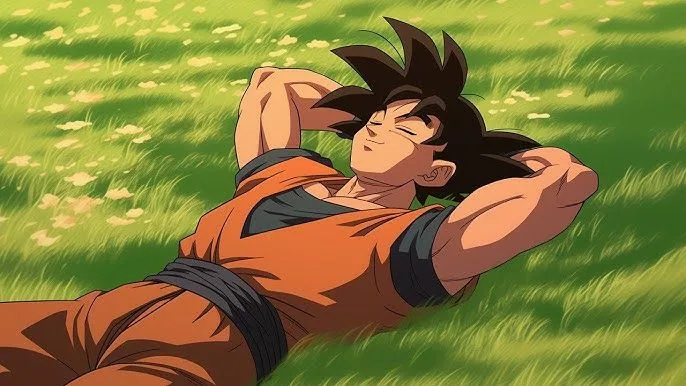
    Illustration of Dragon ball

    Goku is Toriyama’s version of the Monkey King

    The strongest connection is between Son Goku and Sun Wukong, the legendary Monkey King.

    Even Goku’s Japanese name, Son Goku, is derived from Sun Wukong. Both characters are extraordinary fighters with supernatural abilities, a mischievous personality and a strong appetite for adventure. Early Dragon Ball also gave Goku several features that immediately recalled the Monkey King, including a magical staff and a flying cloud.

    Sun Wukong’s famous weapon is the Ruyi Jingu Bang, a staff capable of changing its size. Goku’s Power Pole serves a similar purpose. The Monkey King also travels on a magical cloud, while Goku rides the Flying Nimbus.

    There is another striking parallel in their ability to transform. Sun Wukong possesses numerous transformations, while young Goku can turn into a gigantic ape under the full moon. These similarities helped establish Goku as a modern reinterpretation of one of Chinese mythology’s most famous heroes.

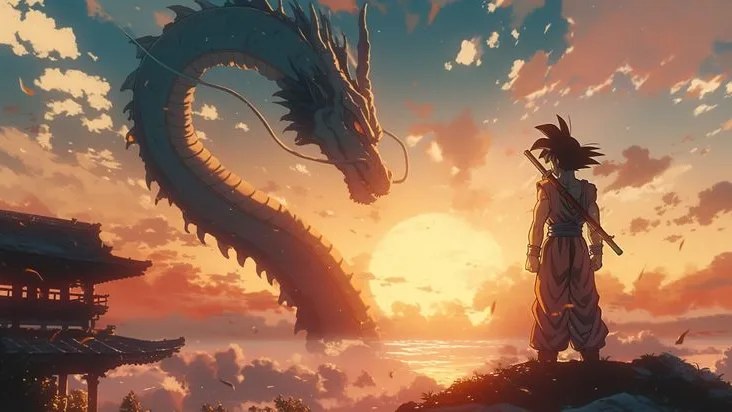
    Illustration of Dragon Ball

    Bulma, Oolong and Yamcha have roots in the ancient journey

    Goku is not the only early Dragon Ball character connected to Journey to the West.

    Bulma is loosely based on Tang Sanzang, also known as Tripitaka, the Buddhist monk at the centre of the original pilgrimage. The gender and personality are radically different, but Bulma occupies a similar structural position as Goku’s companion during the early search for the Dragon Balls.

    Also Read | Mythology of white Hindus and the Western gaze on Hinduism

    Oolong has a much clearer connection. The shape-shifting pig is inspired by Zhu Bajie, one of Tang Sanzang’s companions. Zhu Bajie is known as a comic, flawed character, and Oolong similarly provides much of the humour in the early story.

    Yamcha, meanwhile, draws from Sha Wujing, another member of the pilgrimage party. Yamcha begins Dragon Ball as a desert bandit before gradually becoming one of Goku’s allies.

    The early Dragon Ball adventure itself also echoes Journey to the West. Instead of travelling across Asia to obtain Buddhist scriptures, Goku and his companions travel in search of seven magical Dragon Balls.

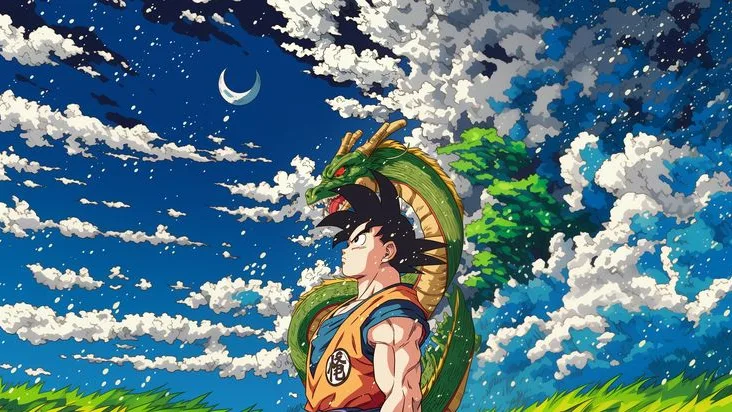
    Illustration of Dragon Ball

    The influence goes beyond the main characters

    Other parallels can be found throughout the franchise, although they should not all be treated as confirmed one-to-one adaptations.

    Tien Shinhan is often associated with Erlang Shen, a powerful deity who battles Sun Wukong in Journey to the West. Master Roshi has also been linked to the sage Subodhi, who teaches Sun Wukong supernatural abilities in the Chinese classic. The Ox-King and Chi-Chi similarly have parallels with the Bull Demon King and Princess Iron Fan.

    At the same time, Dragon Ball draws from a much wider range of Asian cultural influences. Toriyama was heavily influenced by Hong Kong martial arts cinema, particularly films starring Jackie Chan. He wanted to combine the adventurous structure of Journey to the West with kung fu and a more contemporary manga style.

    Illustration of Dragon Ball

    How Toriyama transformed an ancient epic

    What makes Dragon Ball interesting is not simply that Toriyama borrowed from an old story. It is the way he changed it.

    The religious pilgrimage became a treasure hunt. A Buddhist monk became a teenage inventor. A legendary Monkey King became a cheerful martial artist. Ancient supernatural adventures were mixed with capsules, spaceships, tournaments and science fiction.

    Also Read | Why does Mahalaya mark Goddess Durga’s arrival? The myth and meaning behind the ritual

    The result was not a reproduction of Journey to the West. It was a new work built from an old cultural foundation.

    That is why the mythology behind Dragon Ball remains so fascinating. Millions of viewers may have first encountered Goku as a young martial artist, but beneath his story lies one of China’s most influential literary traditions. Toriyama took that centuries-old material, reshaped it for a modern audience and helped carry elements of Asian mythology into global pop culture.

  • Mythology of white Hindus and the Western gaze on Hinduism

    Mythology of white Hindus and the Western gaze on Hinduism

    Hinduism has been studied, interpreted and debated by scholars across the world for centuries. Yet the way Hindu traditions are understood in the West has often been shaped by a particular set of ideas about India, religion and society.

    In his essay on the “mythology of white Hindus”, Devdutt Pattanaik looks at the complicated relationship between Hinduism and Western scholars, academics and converts. His argument is not simply about whether Western interpretations of Hinduism are correct or incorrect. Instead, it raises questions about who gets to explain a religion, which parts of it are given importance and how those interpretations influence the way Hinduism is understood today.
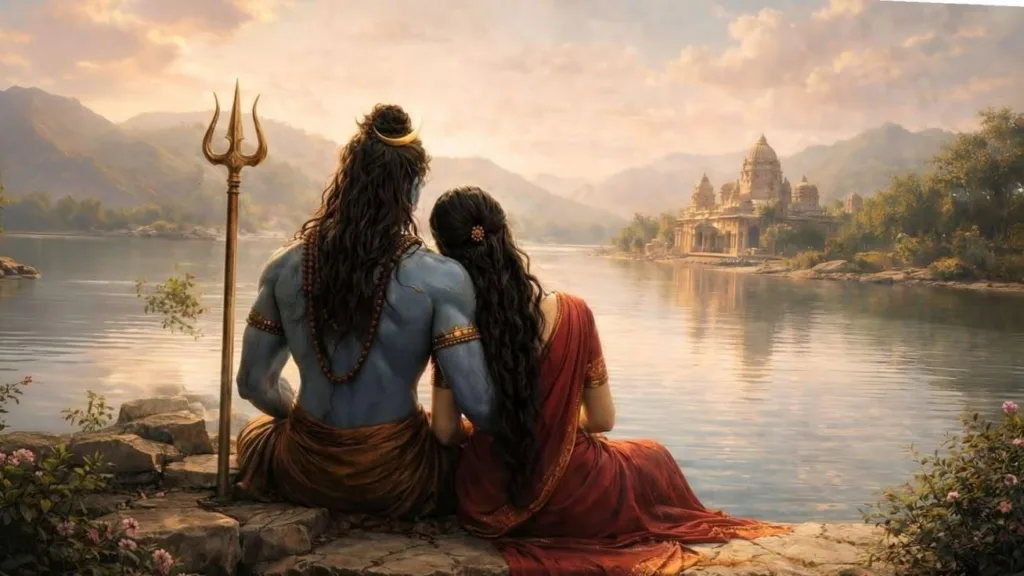
    The subject also touches upon India’s long relationship with colonialism. Even after political independence, the intellectual influence of the West has remained significant. There can be a tendency to consider an outsider’s interpretation more objective, while an Indian believer may be seen as too close to the tradition to study it critically.
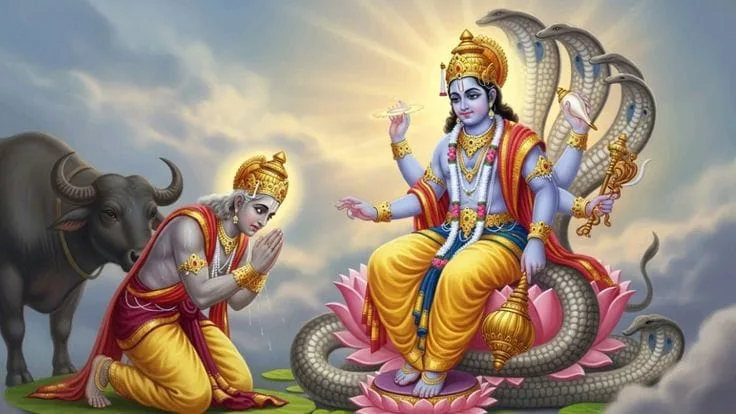
    Two contrasting Western views of Hinduism

    Pattanaik discusses two broad ways in which Hinduism has been approached by Western writers.

    The first is the academic approach. Scholars study Hindu texts and traditions through subjects such as caste, gender, politics, social hierarchy and power. Thinkers such as Wendy Doniger, Sheldon Pollock and Richard Eaton have examined different aspects of Indian religious and cultural history.

    Such scholarship often questions familiar interpretations of Hindu stories. Myths and religious traditions may be examined through the experiences of women, lower-caste communities or other groups whose voices have traditionally received less attention.

    This approach can offer a different way of looking at well-known stories and historical developments. At the same time, Pattanaik questions whether a framework based heavily on conflict, oppression and power can capture the full complexity of Hindu traditions.

    Also Read | Why does Mahalaya mark Goddess Durga’s arrival? The myth and meaning behind the ritual

    The second approach is almost the opposite. It comes from Westerners who have embraced Hinduism and often present ancient India in highly positive terms.

    Some writers have portrayed India as an ancient centre of wisdom and civilisation and have argued that many important ideas originated in India. These interpretations can become part of a larger attempt to reclaim India’s ancient past and challenge Western accounts of Indian history.

    For Pattanaik, both approaches are shaped by the assumptions of the people interpreting Hinduism. One may look at the tradition primarily through social conflict, while another may present an idealised picture of ancient India.

    The influence of Western converts

    The relationship becomes even more interesting when Westerners do not merely study Hinduism but become part of its religious and cultural institutions.

    Over the years, several Western seekers were drawn towards Indian gurus, yoga, Vedanta, theosophy and other spiritual traditions. Some rejected the organised religions they had grown up with and found in Indian philosophies an alternative way of understanding spirituality.

    Figures such as Helena Blavatsky and Sister Nivedita became part of the wider history through which Indian spiritual ideas travelled beyond the country. Their work also shows that Western engagement with Indian traditions was not limited to academic books. It could involve education, religious organisations, social work and the creation of new institutions.

    This interaction also changed how some Hindu organisations presented themselves. Ideas of structure, organisation and clearly defined missions became more prominent in certain modern religious movements.

    Also Read | Before Greek myths became Hollywood blockbusters, they were weapons of political parody

    But Hinduism has never been one neatly organised system. It contains numerous philosophies, rituals, gods, regional traditions and competing interpretations. A practice that is central in one part of India may be unfamiliar elsewhere.

    That diversity is important to Pattanaik’s argument. When Hinduism is explained through a single framework, whether it is entirely critical or entirely celebratory, something of that complexity can get lost.

    The larger question, therefore, is not whether Westerners should study or embrace Hinduism. It is about recognising that every interpretation comes with its own cultural background and assumptions.

    The debate over the “mythology of white Hindus” ultimately points towards a broader question about authority. Who has the right to define Hinduism, and whose interpretation is treated as authentic? For a tradition as diverse as Hinduism, the answer may be more complicated than any single scholarly or religious interpretation suggests.

  • Why does Mahalaya mark Goddess Durga’s arrival? The myth and meaning behind the ritual

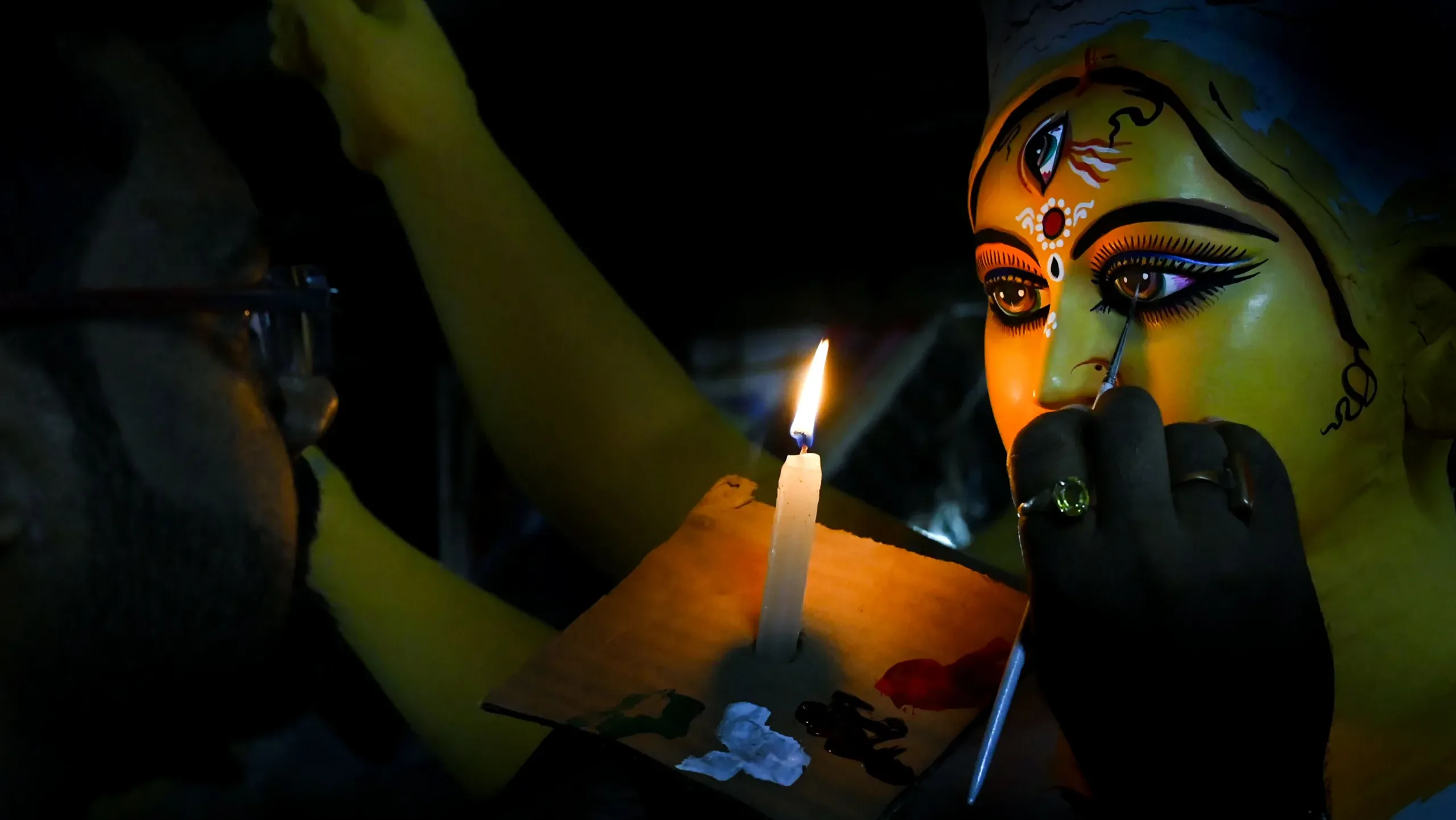
    Why does Mahalaya mark Goddess Durga’s arrival? The myth and meaning behind the ritual

    Mahalaya 2026 falls on Saturday, October 10, marking the close of Pitru Paksha and the beginning of Devi Paksha. For Bengalis, the dawn of Mahalaya signals that Durga Puja is drawing closer. Across Bengal, homes wake up before sunrise to the familiar sound of Mahishasura Mardini, the iconic radio programme narrated by Birendra Krishna Bhadra.

    But why is Goddess Durga invoked on Mahalaya, and what is the mythology behind this centuries-old tradition?

    Mahalaya and the arrival of Goddess Durga

    Mahalaya is associated with the beginning of the goddess’s journey towards Earth. In Bengali tradition, Durga is believed to leave her heavenly abode and travel to her maternal home, where she is welcomed during the Durga Puja festivities.

    Mahalaya 2026: The myth behind goddess Durga’s homecoming
    Goddess Durga’s arrival begins with the dawn chants of Mahishasura Mardini | ANI

    Also Read | Durga Puja 2026: From Tant to Baluchari, 7 Bengali sarees to flaunt this puja

    The day also marks the transition from Pitru Paksha, traditionally observed to honour ancestors, to Devi Paksha, the fortnight devoted to the worship of the goddess. This transition gives Mahalaya its distinctive spiritual significance.

    The story of Goddess Durga and Mahishasura

    The mythology surrounding Durga’s invocation is closely linked to the demon king Mahishasura. After performing intense penance, Mahishasura received a boon from Lord Brahma that protected him from being killed by any man or god.

    Mahalaya 2026: The myth behind goddess Durga’s homecoming
    The Mahalaya dawn recalls Durga’s victory over the demon king Mahishasura | Wikipedia

    Believing himself unbeatable, Mahishasura attacked the three worlds and drove the gods from heaven. Unable to defeat him, the gods turned to Brahma, Vishnu and Shiva.

    Their combined divine energy manifested as Goddess Durga. Armed with weapons gifted by the gods and riding a lion, she emerged as the embodiment of Shakti, the supreme feminine force.

    Why Mahishasura Mardini is heard at dawn

    The battle between Durga and Mahishasura continued for nine nights and ten days. The demon repeatedly changed forms, but Durga eventually defeated him and restored cosmic order.

    Also Read | West Bengal Durga puja 2026: What is changing this year with Bengal’s regime change?

    The story is central to the Devi Mahatmya, from which the ritual of Chandipath draws its verses. The recitation invokes the goddess and celebrates her victory over demonic forces.

    Bengal welcomes Devi Paksha as Goddess Durga begins her journey home | ANI

    That is why Mahalaya begins with an invocation of Durga. Before the dhak fills the streets, the chants of Mahishasura Mardini announce the goddess’s approaching homecoming.

    For Bengal, Mahalaya is therefore both a religious observance and the emotional beginning of Durga Puja, when the wait for the goddess finally starts to feel real.

  • Before Greek myths became Hollywood blockbusters, they were weapons of political parody

    Before Greek myths became Hollywood blockbusters, they were weapons of political parody

    Greek mythology has travelled a remarkably long distance. Stories that began as ancient tales of gods, monsters and heroes have been retold in books, television shows and films for generations.

    Christopher Nolan’s film The Odyssey is the latest example of Hollywood returning to one of the best-known epics of the ancient world.

    But long before Greek mythology reached modern cinema, its characters were being used for another purpose: making fun of politicians.

    In 18th-century Britain, political caricaturists turned familiar figures from Greek mythology into tools of satire. Artists used heroes such as Hercules and mythological characters such as King Midas to portray contemporary politicians as powerful, foolish, greedy or inexperienced.

    The practice was part of a much longer tradition of adapting ancient stories for new audiences. Greek myths never had a single, fixed version. Their stories existed in different forms and could be reshaped depending on the storyteller and the audience. That flexibility made them particularly useful to artists looking to comment on contemporary events.

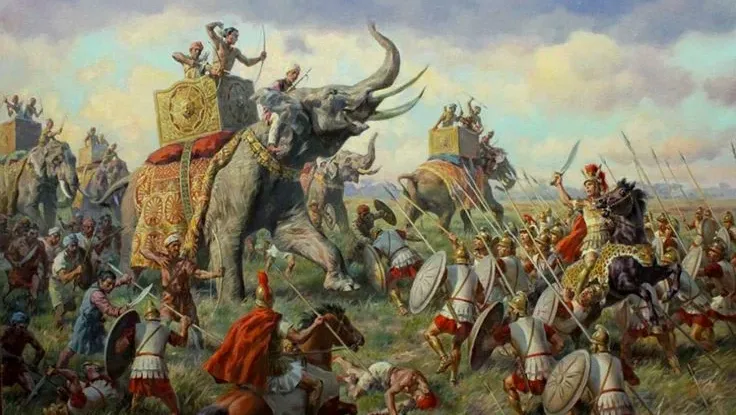
    representational image of ancient Greek courts| Ai generated
    representational image of ancient Greek courts| Ai generated

    When Greek mythology became political satire

    The 18th century saw a renewed interest in ancient Greek and Roman culture through the movement known as Neoclassicism. Knowledge of classical mythology was particularly associated with education and the cultural elite.

    Political caricaturists, however, helped take those references beyond the classroom.

    Artists such as James Gillray and Thomas Rowlandson became well known for their political caricatures. Others, including William Dent, produced more direct and sometimes cruder political jokes.

    Their work was not simply created for private amusement. Satirical prints were commercial products. Single-sheet illustrations, often hand-coloured, were sold to the public, displayed and discussed. They functioned as entertainment while also commenting on the political personalities and controversies of the time.

    Also Read | Sita, Draupadi and the forgotten voices being reclaimed through mythology

    Greek mythology gave these artists a ready-made visual language.

    A politician could be represented as Hercules to suggest strength. King Midas could represent greed because of his famous ability to turn everything he touched into gold. A Hydra could represent a problem that seemed difficult to defeat.

    The audience did not necessarily need a lengthy explanation. The myths already carried meanings that many people recognised.

    Pitt, Fox and Sheridan became characters in a visual political drama

    Among the politicians repeatedly featured in these caricatures were Charles James Fox, William Pitt and Richard Brinsley Sheridan.

    Their public personalities became familiar through repeated depictions. Fox was portrayed as a fashionable socialite and gambler, while Pitt was often represented as serious, reserved and somewhat stiff. Sheridan was caricatured through references to his financial troubles and drinking.

    representational image of ancient Greek courts| Ai generated
    representational image of ancient Greek courts| Ai generated

    Once their personalities were established in the public imagination, artists could place them inside well-known mythological stories.

    One example was Thomas Rowlandson’s The Infant Hercules. The caricature presents the young William Pitt as Hercules, fighting two serpents representing Fox and Lord North.

    At first glance, Pitt appears to be the heroic figure. But there was another joke hidden in the image.

    Pitt was shown not as a fully grown Hercules but as an infant. This allowed Rowlandson to comment on Pitt’s age and political inexperience. Pitt became prime minister in 1783 when he was only 24.

    The image also alluded to Pitt’s political family background. His father, William Pitt the Elder, had also served as prime minister. The symbolism therefore worked on several levels: Pitt was presented as a young political force while the image also hinted at the influence of his father’s legacy.

    Also Read | Was Ravana evil? The Ramayana’s complicated story of power and consent

    Representational image of ancient Greek courts
    Representational image of ancient Greek courts | Ai generated

    King Midas became a symbol of political greed

    James Gillray used another famous Greek myth to make a political point about Pitt.

    In the ancient story, King Midas is granted the ability to turn everything he touches into gold. What initially appears to be a gift soon becomes a curse.

    In the image, Pitt is presented as Midas, turning what he touches into paper money. The caricature was connected to criticism of Pitt’s taxation policies and portrayed him through the familiar association of Midas with greed.

    Gillray also gave Pitt the donkey’s ears traditionally associated with Midas. The addition made the political joke more pointed by linking Pitt to foolishness as well as greed.

    The myth therefore allowed the artist to communicate a political argument without spelling it out in words. The audience already knew the story of Midas, so the transformation of a politician into the mythological king immediately carried a particular meaning.

    The Odyssey also became material for political jokes

    Greek mythology was not limited to depictions of power and greed. Characters from Homer’s Odyssey were also adapted for political caricature.

    In Homer’s epic, the nymph Calypso keeps Odysseus on her island. The story was later reworked by caricaturist Charles Williams in The Modern Calypso.

    representational image of ancient Greek courts| Ai generated
    representational image of ancient Greek courts| Ai generated

    The caricature places Richard Brinsley Sheridan in the role of Mentor, the friend of Odysseus, alongside Calypso. Sheridan is shown surrounded by wine, creating a political joke based on contemporary perceptions of his drinking.

    Here, the mythological story was not the real subject. It was the framework through which the artist could make a contemporary political comment.

    Why did these jokes work?

    The biggest advantage of mythology was that it allowed caricaturists to communicate complicated ideas quickly.

    A political print could work at different levels.

    Someone unfamiliar with the details of Greek mythology could still understand the basic visual joke. A young politician appearing as an infant, for instance, could immediately suggest inexperience. A politician with donkey ears could be understood as an insult even without knowing the complete story of Midas.

    For viewers familiar with classical mythology, however, the same image offered another layer of meaning.

    That made mythological caricatures particularly effective. The artist could rely on stories that already existed in the cultural imagination instead of explaining every political argument from scratch.

    The prints could also function as entertainment. They were sold in shops, displayed publicly and discussed in places such as streets and coffee houses. Political satire could therefore travel alongside popular culture.

    representational image of ancient Greek courts| Ai generated
    representational image of ancient Greek courts| Ai generated

    From hand-coloured prints to Hollywood screens

    The connection between ancient mythology and modern entertainment is therefore older than cinema.

    Today, Greek myths continue to be adapted for contemporary audiences through films, television, novels and popular retellings. Stephen Fry’s modern retellings and Disney’s Hercules are examples of how ancient stories have been reshaped for newer generations. Nolan’s The Odyssey continues that tradition on a much larger cinematic scale.

    The medium may have changed, but the basic idea remains similar.

    An ancient story can be taken out of its original context and given a new meaning. The same myth can speak differently to different generations because its characters and conflicts are flexible enough to accommodate contemporary concerns.

    That may be one reason Greek mythology has survived for thousands of years. These stories have never been completely fixed. They have always been retold, reinterpreted and adapted. up

    The 18th-century caricaturists understood that power. They took heroes, villains and monsters from ancient Greece and placed them into the political world of their own time.

    Centuries later, filmmakers are doing something remarkably similar. The technology has changed from hand-coloured prints to giant cinema screens, but the appeal of Greek mythology remains the same: old stories can acquire new meanings when each generation tells them again

  • Sita, Draupadi and the forgotten voices being reclaimed through mythology

    Sita, Draupadi and the forgotten voices being reclaimed through mythology

    Indian mythology texts like Ramayana, Mahabharata always have had powerful women at their centre of attraction. But the most interesting part lies here that most of their stories have traditionally been told from a male perspective. A new generation of women writers has been revisiting these familiar narratives, giving greater attention to the choices, struggles and agency of women who were often pushed to the margins.

    The trend can be seen in retellings of Sita, Draupadi, Urmila, Surpanakha, Satyavati, Amba and several historical figures. These books do not simply repeat old stories or tradition. They ask what these women might have thought, felt and wanted.

    Sita beyond the idea of the ideal wife

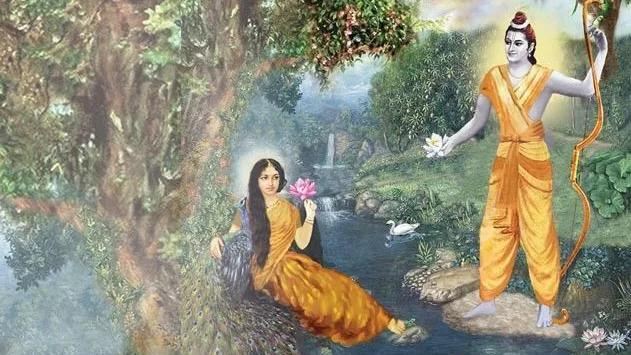
    ram and sita
    (representational image) ram and sita | Ai image

    Indian mythology texts like Ramayana, Mahabharata always have had powerful women at their centre of attraction. But the most interesting part lies here that most of their stories have traditionally been told from a male perspective. A new generation of women writers has been revisiting these familiar narratives, giving greater attention to the choices, struggles and agency of women who were often pushed to the margins.

    The trend can be seen in retellings of Sita, Draupadi, Urmila, Surpanakha, Satyavati, Amba and several historical figures. These books do not simply repeat old stories or tradition. They ask what these women might have thought, felt and wanted.

    Sita beyond the idea of the ideal wife

    In the ancient ages where most of the mythical stories were filed up by men, from a very manly perspective, prioritising Ram over sita, showing the heroism led by him. Chandrabati Bhattacharya’s ‘Chandrabati Ramayana’ was as utter exception showcasing the whole Ramayana from Sita’s perspective. The text also brings women such as Kaikeyi, Ahalya, Surpanakha, Mandodari and Urmila into the narrative.

    Sita’s story, in this interpretation, is not limited to her identity as Ram’s wife. Here in her text Sita has been described as a strong woman who was courageous enough to give the ‘agniparikhsha’ to prove her loyalty towards Ram. Though it has been always a point of controversy.

    The shift is significant because women in mythology have often been presented as ideals rather than complete human beings.

    Ira Mukhoty a scholar from the modern age, who has written about women in Indian history and mythology, has argued that these figures are frequently either turned into goddesses or forgotten altogether.

    Draupadi finds her voice

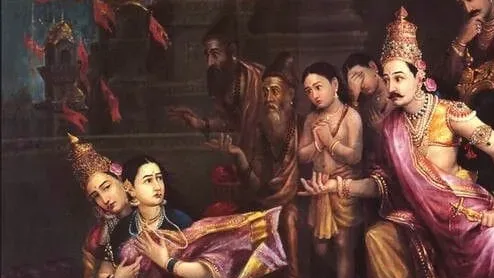
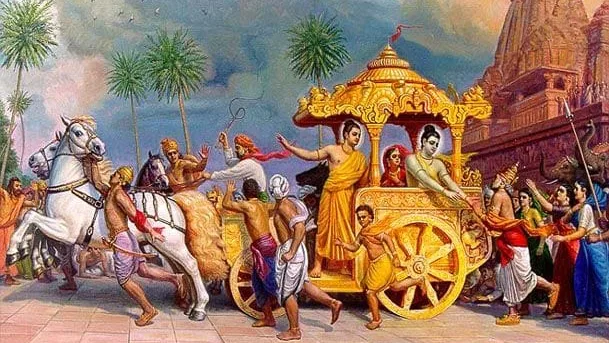
    ram leaving ayodhya for exile
    (representational image) ram leaving ayodhya for exile| Ai image

    Draupadi has also become one of the most frequently reinterpreted women of the Mahabharata.

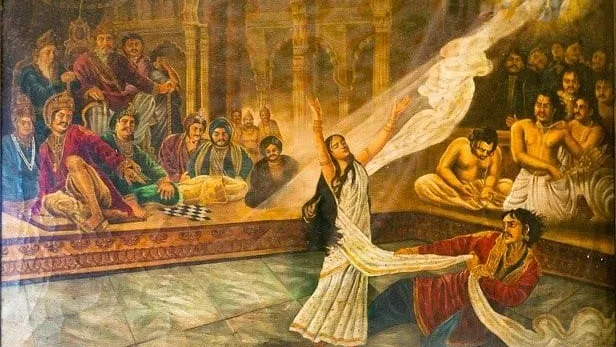
    Divakaruni’s The Palace of Illusions, published in 2008, was an important example of the Mahabharata being retold through Draupadi’s eyes. In these retellings, Draupadi’s humiliation in the Kuru court is not treated merely as another episode leading to war. Her refusal to remain silent becomes central to her character.

    Also Read | Was Ravana evil? The Ramayana’s complicated story of power and consent

    The forgotten women of the epics

    Kavita Kane has similarly focused on women whose stories received less attention. Her books include Sita’s Sister, which explores Urmila, and Lanka’s Princess, which looks at Surpanakha beyond the conventional image of a villain.

    Her work on Satyavati in The Fisher Queen’s Dynasty also presents her as a politically powerful woman whose decisions shaped the events that followed in the Mahabharata.

    Meenakshi Reddy Madhavan’s Girls from the Mahabharata series takes another route, examining women whose lives remain underwritten in the epic. Her work on Amba and Shikhandi explores questions around identity, rebirth and the circumstances that turned Amba into a warrior figure.

    draupadi in the court of kuru
    (representational image) draupadi in the court of kuru | Ai image

    Why these retellings matter

    These texts show how an old story can change when the narrator changes. Sita can be viewed through motherhood and exile, Draupadi through anger and resistance, while figures such as Urmila, Surpanakha, Satyavati and Amba receive space beyond the roles assigned to them in traditional accounts.

    Also Read | 3 Hindu mythology stories that go beyond good vs evil

    The larger shift is about seeing these women as people rather than simply as symbols or as any spiritual power, these exercised stories show that how these female characters build themselves through resistance power and motherhood .

    Their stories contain power, grief, ambition, conflict and difficult choices. Contemporary retellings are bringing those elements back into focus and, in doing so, changing how younger readers encounter women from India’s mythology and history.

  • Was Ravana evil? The Ramayana’s complicated story of power and consent

    Was Ravana evil? The Ramayana’s complicated story of power and consent

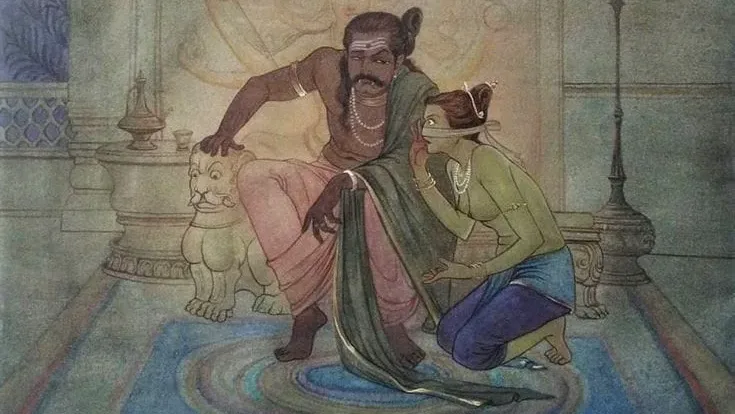
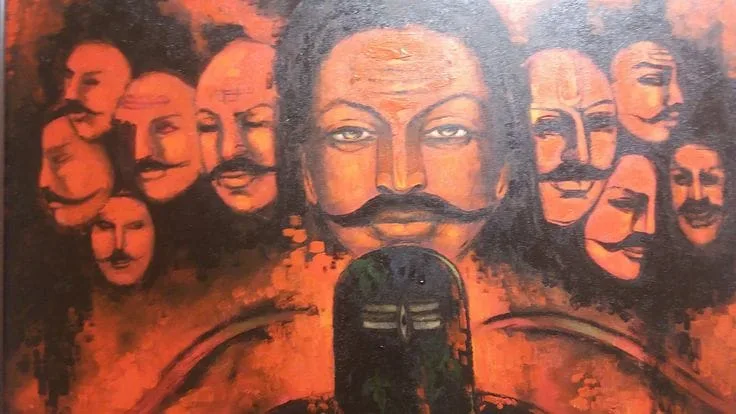
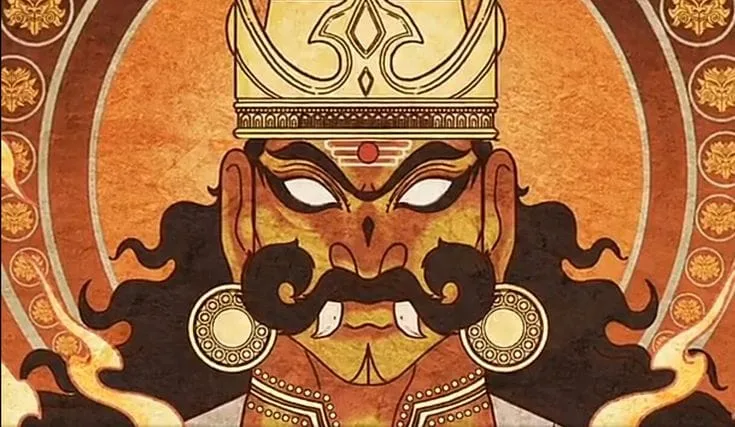
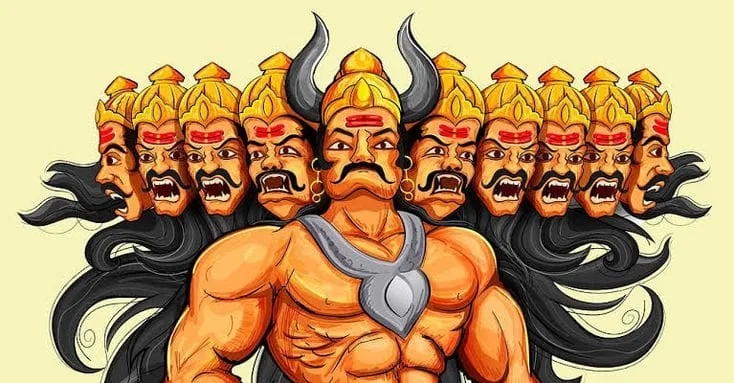
    Ravana is one of the most known figures when it comes to Indian mythology. Every year, his idol is burnt during Dussehra to mark Rama’s victory over the king of Lanka. He is generally described as the villain of the Ramayana, the ruler who abducted Sita and eventually brought about his own destruction.

    Yet Ravana’s character has never been entirely one-dimensional. He is also described in various traditions as a learned man, a powerful ruler, a musician and a devotee of Shiva. This has led to continuing debates about whether Ravana should simply be understood as evil.

    But there is another part of his story that becomes important when his conduct towards women is discussed.

    Ravana and the abduction of Sita

    Ravana’s most well-known act is the abduction of Sita. He takes her away from the forest and brings her to Lanka, where she is kept at the Ashoka Vatika.

    Ravana repeatedly tries to persuade Sita to accept him, but Sita refuses. He does not physically force himself on her. This aspect of the story in Ramyana has sometimes been used to argue that, despite abducting her, Ravana respected her decision not to be with him.

    Also Read | 3 Hindu mythology stories that go beyond good vs evil

    However, the story becomes more complicated when another episode involving the apsara Rambha is considered.

    What happened between Ravana and Rambha?

    In the Uttara Kanda of Ramayana, Ravana encounters Rambha and desires to be with her. Rambha tells him that she is connected to his family through Nalakuvera, Ravana’s nephew, and asks him not to approach her.

    Ravana ignores her refusal and sexually assaults her.

    When Nalakuvera learns what happened, he curses Ravana. According to the account, if Ravana ever tries to force himself upon another woman against her wishes, his head will split apart.

    The curse becomes significant when the story of Sita is considered. It provides one explanation for why Ravana, despite keeping Sita captive, never physically violates her.

    This makes it difficult to describe his behaviour towards Sita simply as an example of his respect for consent. His actions towards Rambha show that he had previously ignored a woman’s refusal. His restraint with Sita can therefore also be read in the context of the curse placed on him.

    The Uttara Kanda question

    There is also a textual question surrounding this episode. The Uttara Kanda has long been the subject of debate among scholars, with questions about whether all of its material formed part of the earliest version of the Valmiki Ramayana.

    That does not make the Rambha story irrelevant. It is still an important part of the wider Ramayana tradition, but it is useful to distinguish between different layers and versions of the epic rather than treating every episode as belonging to one fixed text.

    Also Read | Why should Hindus read Islamic mythology and what it reveals about shared traditions?

    The Ramayana has been retold across languages, regions and centuries, and its characters have taken on different meanings in different traditions.

    A complicated character does not mean an innocent one

    Ravana’s positive qualities are often brought up when his character is reassessed. He is portrayed as highly educated and is associated with music, scholarship and devotion to Shiva. Some traditions also remember him as a capable ruler.

    But these qualities do not erase his actions.

    A person can possess admirable qualities and still commit serious wrongdoing. In Ravana’s case, his scholarship or devotion does not change the fact that Sita was taken against her will and kept in Lanka.

    The same distinction is important when discussing the Rambha episode. Whether Ravana’s actions are viewed through a modern understanding of consent or through the moral framework of the epic, Rambha’s refusal is clear within the story, and Ravana ignores it.

    Why the debate around Ravana continues

    Ravana remains an interesting figure precisely because the Ramayana does not leave readers with a character who can be understood through one quality alone. He is a powerful king, a scholar and a devotee, but he is also responsible for the abduction of Sita and, in the Rambha episode, an assault committed despite her refusal.

    There are also communities and traditions in India where Ravana is viewed differently from the conventional Dussehra narrative. These variations are part of the larger history of how the Ramayana has been interpreted and retold.

    The question, then, is not simply whether Ravana was entirely good or entirely evil. His character can be examined through all of these contradictions. But complexity should not be confused with absolution.

    The story of Sita, particularly when read alongside the account of Rambha and Nalakuvera’s curse, brings the question of consent into sharp focus. Ravana may be remembered for his learning and power, but those qualities do not make his violations of another person’s freedom any less significant.If you want, I can also make this

  • 3 Hindu mythology stories that go beyond good vs evil

    3 Hindu mythology stories that go beyond good vs evil

    Most of us grow up in an Indian household hearing mythological stories like Ramayana, Mahabharata as tales where good ultimately defeats evil.

    While the theme of Good vs Evil remains an important theme in the Ramayana, Mahabharata and Puranas. Many stories in the mythology also carry lessons that go far beyond a simple moral victory. They explore power, ethics, difficult choices and the consequences of human actions.

    Here are three stories that offer a different perspective.

    Bhasmasura teaches that power without wisdom is dangerous

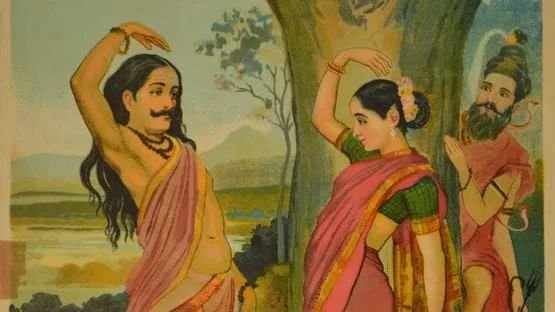
    Bhasmasura earned a powerful boon from Lord Shiva after intense penance. He gained the ability to reduce anyone to ashes by touching their head. Instead of using that power wisely, he tried to use it against Shiva himself. Lord Vishnu, in the form of Mohini, tricked Bhasmasura into placing his own hand on his head, leading to his destruction.

    The story is often seen as the defeat of evil, but it also warns that power without empathy or responsibility can become self-destructive. It reminds us that strength and authority require wisdom and restraint.

    Jaya and Vijaya show that challenges can become a path to growth

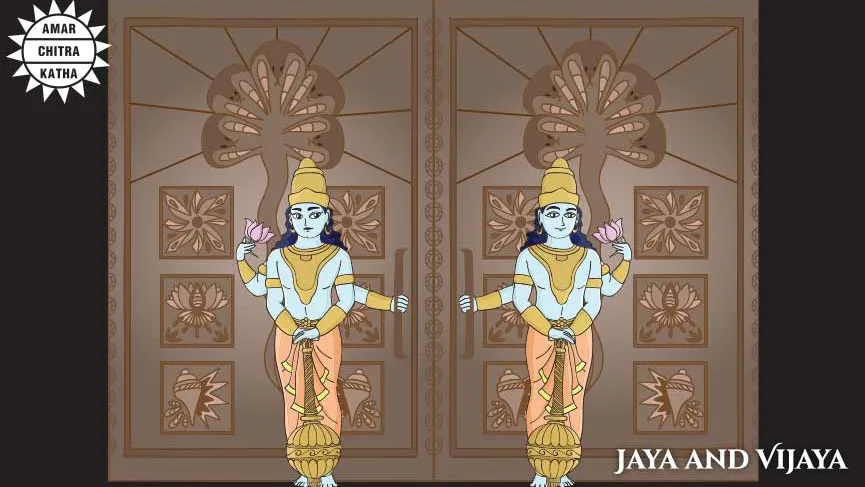
    Jaya and Vijaya were the gatekeepers of Vishnu’s abode, Vaikuntha. After being cursed by the four Kumaras, they had to choose between seven births as devotees or three births as Vishnu’s enemies. They chose the shorter but harder path and were born as Hiranyaksha and Hiranyakashipu, Ravana and Kumbhakarna, and finally Shishupala and Dantavakra before returning to Vaikuntha.

    Also Read | Why Hindus Should Read Islamic Mythology and What It Reveals About Shared Traditions

    The lesson is that hardships and setbacks are not always punishments. Sometimes difficult journeys become the fastest route to learning, transformation and spiritual growth.

    Also Read | Narad Muni the first cosmic journalist of Hindu mythology with 11 lesser-known facts

    Ashwatthama’s story explores the complexity of truth

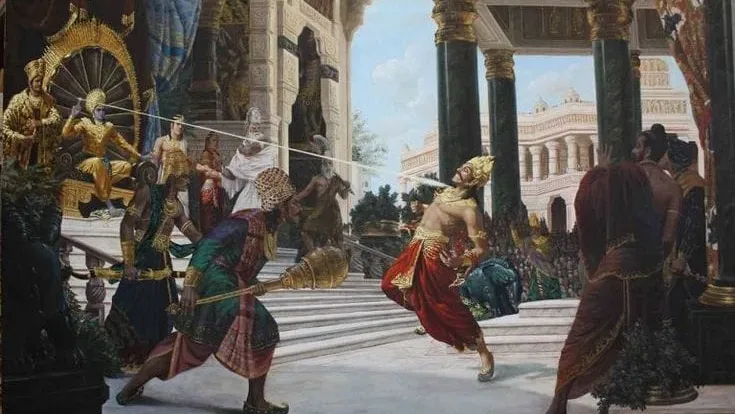
    During the Kurukshetra war, Krishna knew Dronacharya could not be defeated. Bhima killed an elephant named Ashwatthama, and Yudhishthira said, “Ashwatthama is dead,” while the rest of his sentence, “the elephant, not your son”, was drowned out by loud conches. Believing his son had died, Dronacharya laid down his weapons.

    This episode raises difficult ethical questions. It suggests that truth is not always simple and that moral decisions can involve painful dilemmas, especially when protecting a larger cause.

    Why these stories still matter today

    These three stories highlight that Hindu mythology is not only about heroes defeating villains. They encourage readers to think about responsible use of power, resilience during challenges and the moral complexity of truth. That is why these ancient stories continue to remain relevant in everyday life.

  • Why should Hindus read Islamic mythology and what it reveals about shared traditions?

    Why should Hindus read Islamic mythology and what it reveals about shared traditions?

    India is home to one of the world’s oldest and most diverse religious traditions, But here’s the surprising fact about Indians that they know little about Islamic stories, prophets and mythology.

    What does “Islamic mythology” mean?

    Experts explains that the word “mythology” is often misunderstood. In modern academic studies, mythology does not mean a false story. Instead, it refers to the collection of sacred stories,traditions, symbols and beliefs that creates a community’s worldview and identity. By that definition, Hinduism, Islam, Christianity, Judaism, Greek religion and Norse traditions all have mythologies.

    The older idea that mythology means fiction comes largely from 19th-century European thinking, where some religions were considered “true” while others were labelled myths. Contemporary religious studies use the term differently.

    Why should Hindus learn Islamic stories?

    Indians grow up hearing the Ramayana, Mahabharata and many Puranic tales. Many also become familiar with Biblical stories through schools, literature and films. However, stories from the Quran, Hadith and the lives of Islamic prophets remain unfamiliar to a large section of Indians.

    Also Read | Narad Muni the first cosmic journalist of Hindu mythology with 11 lesser-known facts

    He believes reading Islamic mythology helps people understand a worldview that has existed in India for nearly 1,400 years and has influenced the country’s culture, language, art and law.

    Similarities between Hindu and Islamic mythology

    Stories of rivalry between brothers, conflicts over inheritance and moral choices appear in Hindu mythology through characters described in the ancient mythology texts such as Ramayana and Mahabharata. Islamic traditions similarly include stories of Qabil and Habil (Cain and Abel), Ishmael and Isaac, and Jacob and Esau.

    Expert argues that these parallels show that while religions differ in theology, many myths reflect common human experiences such as family conflict, justice, loyalty and faith.

    A broader message about understanding religions

    The myths act as the “social glue” that helps communities make sense of the world and build shared identities.

    Also Read | Who was Mata Karma? The forgotten Krishna devotee

    Reading Islamic mythology, is not about accepting another religion’s beliefs but about understanding how another community thinks, remembers its past and imagines its relationship with the divine.

  • Narad Muni the first cosmic journalist of Hindu mythology with 11 lesser-known facts

    Narad Muni the first cosmic journalist of Hindu mythology with 11 lesser-known facts

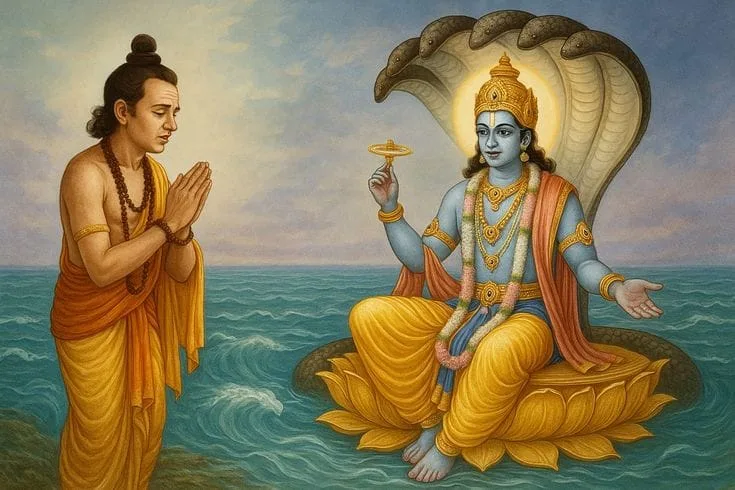
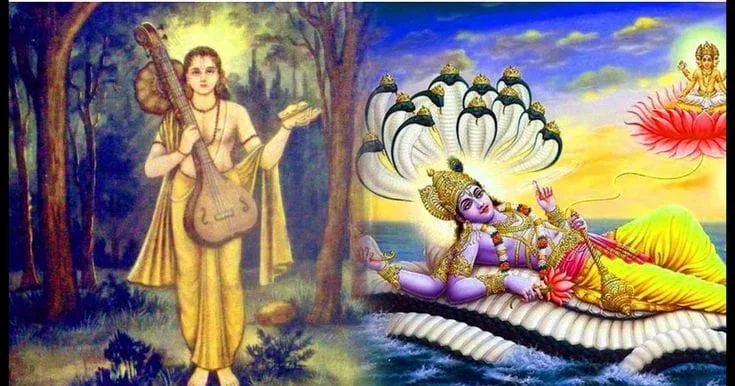
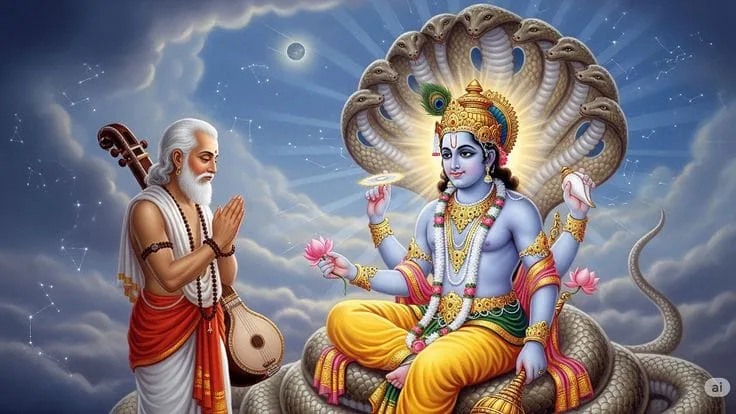
    Narad Muni is one of the most familiar figures in Hindu mythology. The moment people hear “Narayan, Narayan,” they instantly think of a being carrying a veena and travelling freely across the universe. While he is often portrayed as someone who carries news between gods, sages and humans. Beside being a messanger Narad Muni is a scholar, musician, teacher and one of Lord Vishnu’s greatest devotees. Narad Muni appears in the Ramayana, Mahabharata and several Puranas, where his presence often changes the course of important events.

    11 fascinating facts about Narad Muni

    Narad Muni is celebrated on Narad Jayanti His birth anniversary, known as Narad Jayanti, is observed every year and honours his contribution as a divine sage and messenger.

    He is considered the son of Lord Brahma According to Hindu traditions, Narad Muni is the mind-born son of Lord Brahma, symbolising wisdom and spiritual knowledge. Some traditions also associate him with Goddess Saraswati because of his deep connection with learning and music.

    He was Lord Vishnu’s greatest devotee Narad spent his life chanting Lord Vishnu’s name and spreading the message of devotion across the three worlds.

    Also Read | Who was Mata Karma? The forgotten Krishna devotee

    He travelled across heaven, earth and the netherworld Narad could move freely between Swarga, Prithvi and Patal, carrying messages and divine wisdom wherever needed.

    He is often called the first cosmic journalist Because he constantly gathered and shared information across different realms, many modern writers describe Narad Muni as Hindu mythology’s first “cosmic journalist.” This is a symbolic comparison rather than a historical title.

    Narad received Bhuma Vidya Sage Sanatkumara taught Narad the spiritual knowledge known as Bhuma Vidya, which is explained in the Chandogya Upanishad as the path to understanding the Infinite.

    He guided the Pandavas in the Mahabharata Narad advised Yudhishthira on dharma during the Pandavas’ exile and played the role of a spiritual guide in several episodes.

    Also Read | What is a Myth? The deeper meaning behind ancient stories explained

    He is believed to be one of the Chiranjeevis Many Hindu traditions regard Narad Muni as one of the immortal beings who continue to exist for the welfare of the world.

    He mastered 64 forms of knowledge Scriptures describe Narad as a master of 64 vidyas, including music, grammar, philosophy, astrology and the Vedas.

    Narad Bhakti Sutra is linked to his teachings The Narad Bhakti Sutra is one of the most respected texts on devotion and explains the essence of bhakti in simple yet profound terms.

    His words often changed the course of mythology Although Narad is sometimes shown creating conflict, scriptures say his actions ultimately helped restore dharma. One famous example is his role in the story of the demon king Jalandhar, which eventually led to Jalandhar’s downfall.

    Why Narad Muni remains relevant today

    Narad Muni’s stories continue to inspire devotees because they emphasise devotion, wisdom and the importance of speaking truth at the right time. Rather than being a mere messenger, he is remembered as a guide whose actions ultimately served the greater good and upheld dharma.