
Author: Shrey Banerjee

  • What is the Sweatpants Theory? Uncovering one ‘Weird’ modern Gen-Z dating term

    What is the Sweatpants Theory? Uncovering one ‘Weird’ modern Gen-Z dating term

    There is something faintly absurd about the modern dating vocabulary. We once had courtship, romance and heartbreak. We now have ghosting, breadcrumbing, situationships, love bombing and, apparently, the Sweatpants Theory.

    Yet beneath its deliberately ridiculous name lies a rather serious proposition: perhaps attraction becomes more authentic when performance is reduced.

    ALSO READ| What is digital jealousy? Online habit affecting modern couples

    What is the Sweatpants Theory about?

    The Sweatpants Theory has been circulating on TikTok and other social platforms as the idea that people can appear more attractive when they dress comfortably and behave without the elaborate self presentation traditionally associated with dating. In other words, the less one appears to be trying to impress, the more approachable and, paradoxically, attractive one may become.

    It sounds like an internet joke. It is, however, a revealing symptom of how profoundly dating has changed.

    For decades, a date was an exercise in presentation. Clothes were selected, hair arranged, perfume applied, conversation rehearsed and expectations carefully calibrated. The objective was to present the most desirable version of oneself before intimacy had earned access to the least curated one.

    Modern dating has begun to distrust that theatre

    The Sweatpants Theory essentially argues that comfort can become its own form of seduction. Someone who looks relaxed may appear more confident because they are not visibly negotiating the approval of the room. A person in ordinary clothes, laughing freely and behaving naturally, can communicate something that a meticulously assembled dating persona cannot: this is who I am when I am not trying to convince you to like me.

    ALSO READ| Feeling fear during meditation? The surprising reason may not be what you think

    That distinction matters in an age when dating apps have transformed romance into a marketplace of curated identities.

    Profiles are edited. Photographs are selected with forensic precision. Biographies are compressed into witty sentences. First dates can feel less like encounters and more like auditions. Even vulnerability can become performative, packaged as evidence of emotional intelligence.

    The Sweatpants Theory cuts against this economy of impression management. Its deeper appeal, therefore, may have little to do with sweatpants. It is about authenticity.

    But there is a caveat. Authenticity should not become an alibi for indifference. Turning up looking deliberately careless is not necessarily confidence; sometimes it is simply carelessness. The distinction between being comfortable and making no effort remains important, particularly because relationships require reciprocity.

    The theory becomes interesting precisely at that intersection. Modern daters increasingly appear exhausted by the elaborate rituals of romantic self marketing. They do not necessarily want someone flawless. They want someone recognisable. Someone whose dating persona does not collapse the moment the relationship moves from candlelit restaurants to grocery shopping, bad hair days, unfinished chores and Sunday afternoons spent doing absolutely nothing.

    Perhaps that is the real revolution concealed inside the Sweatpants Theory.

    ALSO READ| 25 years of Dil Chahta Hai: The friendship we grew up with

    Romance has historically been obsessed with discovering whether someone finds us attractive at our most polished. Modern relationships demand a more uncomfortable question: will they still find us compelling when there is nothing left to perform?

    The sweatpants, then, are merely sartorial shorthand and the real theory is about being seen without the costume.
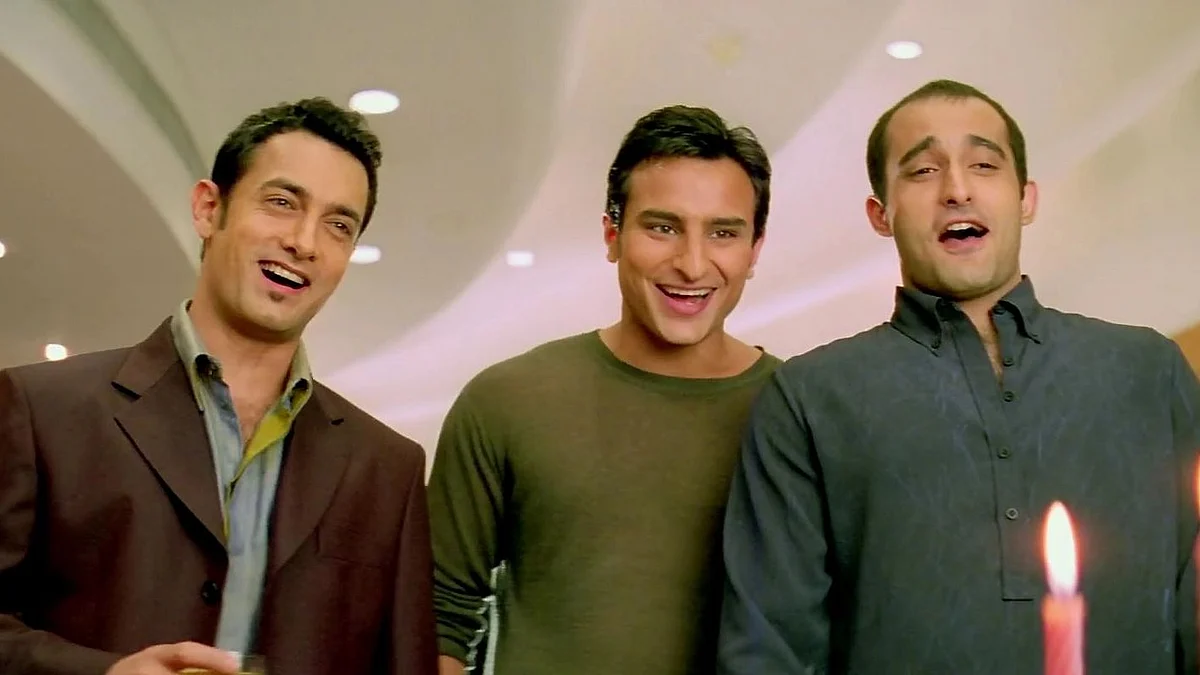
  • 25 years of Dil Chahta Hai: The friendship we grew up with

    25 years of Dil Chahta Hai: The friendship we grew up with

    Twenty-five years ago, on August 10, 2001, three young men walked into Indian popular culture and refused to leave. Akash, Sameer and Sid were not merely characters in Dil Chahta Hai. They became archetypes. Friends recognised themselves in them, borrowed their mannerisms and repeated their banter and, for a while, imagined that adulthood could be indefinitely postponed.

    A quarter of a century later, Farhan Akhtar’s directorial debut remains less a film one watches than a memory one revisits.

    That is its singular achievement.

    Hindi cinema had celebrated friendship long before Dil Chahta Hai. But friendship was often presented through the prism of sacrifice, loyalty and masculine heroism. Farhan Akhtar’s film was more irreverent. It understood that the essence of camaraderie is frequently found in its frivolity.

    ALSO READ| What is digital jealousy? Online habit affecting modern couples

    Three friends could spend an afternoon accomplishing absolutely nothing and still regard it as a day well spent.

    They could insult each other without offence, quarrel without permanently breaking the friendship and laugh at jokes that had ceased to be funny several repetitions ago. They could discuss love, life and the future one moment, and descend into puerile banter the next.

    It felt less scripted than remembered.

    Akash was the incorrigible cynic, weaponising sarcasm against almost everything remotely earnest. Sameer was the hopeless romantic, forever susceptible to the next infatuation. Sid was the introspective one, quietly observing the emotional turbulence around him. Together, they represented the holy trinity of most friend groups: the troublemaker, the hopeless romantic and the one who keeps everyone grounded.

    Most of us have had an Akash.

    Most of us have known a Sameer.

    And, occasionally, life has forced us to become Sid.

    The film’s genius lay in recognising that friendship is rarely constructed through grand declarations. It accumulates through inconsequential moments: shared meals, pointless arguments, embarrassing confessions, terrible decisions, private jokes and stories that become funnier with every retelling.

    The legendary Goa trip consequently became more than a cinematic holiday. It was an adolescent manifesto. A car, three friends, an endless road and the intoxicating illusion that responsibility was somebody else’s problem.

    When friendship grows up

    But Dil Chahta Hai was never merely a paean to carefree youth. Beneath its exuberance was a more melancholy proposition: friendships, like people, evolve.

    Akash falls in love. Sameer confronts the instability of his romantic impulses. Sid discovers an emotional seriousness that his friends initially struggle to comprehend. Their lives begin moving in divergent directions.

    And therein lay the film’s emotional sophistication.

    It did not pretend that enduring friendship requires permanent sameness. Quite the opposite. It suggested that genuine camaraderie survives precisely because people are permitted to change.

    Twenty-five years later, that idea has acquired an almost poignant resonance.

    The generation that once watched Dil Chahta Hai in college now has mortgages, managerial hierarchies, children, ageing parents and calendars that require a fortnight’s notice for dinner. The spontaneous road trip has been replaced by Google Calendar. The long conversation by voice notes. The college canteen by a restaurant reservation.

    Yet the friendship survives, often in the most inconspicuous forms.

    A birthday message or a resurrected photograph. Or maybe a four-hour reunion after four years. Or, even one old insult that instantly restores the chemistry of another decade.

    That is why Dil Chahta Hai remains culturally durable. Its clothes have dated. Its gadgets belong to an archaeological era. Its urban India looks almost quaint in the age of Instagram, dating apps and perpetual connectivity.

    But its emotional cartography remains remarkably contemporary.

    Because technology has changed the architecture of friendship, not its fundamental appetite.

    We still need people before whom we can be ridiculous without embarrassment. People who know our most egregious mistakes and possess the temerity to remind us of them. People with whom silence does not require explanation and laughter does not require context.

    ALSO READ| Kolkata food guide: Hilsa festival and Sawan vegetarian specials to try this August

    That might be the reason why the movie feels different at different ages.

    At 18, Akash looks unbelievably cool. At 25, Sameer’s romantic madness sounds familiar. And at 35, Sid’s silences suddenly gain another kind of meaning.

    The movie ages with us.

    And somewhere in the midst of all the laughter, all the talk, all the arguments and that imaginary Goa trip that is still there in our minds lies the magic of Dil Chahta Hai: it did not just tell us about three friends.

    It told us about ourselves, about how we grew up and about the friends we are fortunate enough to have made along the way.

    Some friendships age with us. The rare ones simply refuse to.