Author: Shrey Banerjee

  • The Camac Street Citadel: Why Abhishek Banerjee’s Kolkata office has become Bengal’s most contested political address

    The Camac Street Citadel: Why Abhishek Banerjee’s Kolkata office has become Bengal’s most contested political address

    What appeared on Thursday as a routine attempt by Kolkata Police and KMC officials to remove an allegedly unauthorised billboard from Abhishek Banerjee’s Camac Street office rapidly transformed into a political flashpoint.

    But the real story lies beyond the scuffle. This address is no ordinary party office—it is the nerve centre of Abhishek Banerjee’s political empire, the war room of Trinamool Congress’s new generation, and perhaps the most symbolically charged building in Bengal’s post-2024 politics.

    Also Read | Why do the survivors describe the Kolkata hotel fire as ‘a scene from a horror movie’?

    Why does Camac Street matter so much in Bengal politics?

    On Camac Street, amid the polished façades of corporate towers and luxury boutiques, stands a building that has quietly rewritten the grammar of Bengal politics. It bears no overt grandeur, no monumental architecture, and yet it has acquired the aura of a fortress. This is Abhishek Banerjee’s office—less an office than the command headquarters of Trinamool Congress’s most influential strategist after Mamata Banerjee.

    Thursday’s confrontation was ostensibly about a billboard. Kolkata Police, accompanied by officials from the Kolkata Municipal Corporation, arrived to remove a Trinamool hoarding that authorities described as unauthorised. Within minutes, the routine municipal exercise spiralled into a dramatic face-off, with Abhishek demanding written orders and accusing officials of attempting an illegal entry. The officials eventually withdrew, and the episode instantly became the day’s defining political spectacle.
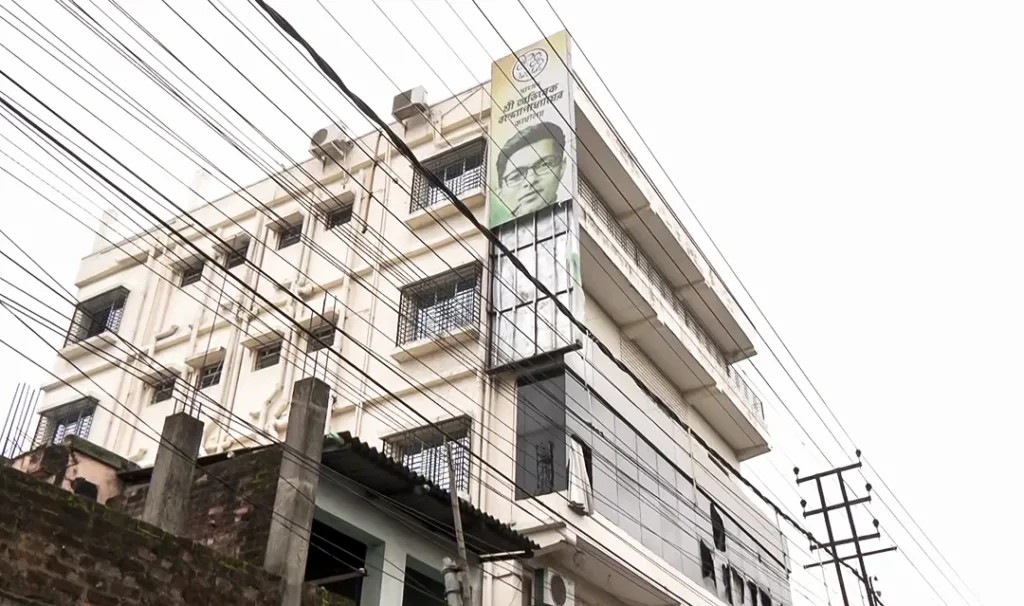
    A view of TMC MP Abhishek Banerjee's closed office in Camac Street
    A view of TMC MP Abhishek Banerjee’s office in Camac Street / ANI

    Yet, to understand why a billboard became a battle, one must understand what Camac Street represents.

    For nearly a decade, this office has evolved into Abhishek Banerjee’s independent political ecosystem. Candidate selection, campaign planning, organisational restructuring, digital outreach, grievance redressal and welfare initiatives have all flowed through this address. It is here that the Diamond Harbour MP cultivated an image distinct from the traditional Kalighat establishment—modern, data-driven and relentlessly organisational.

    If Kalighat is the emotional capital of Trinamool Congress, Camac Street is its operational capital.

    The symbolism has only intensified since the political upheavals following the 2026 Assembly election. The Trinamool Congress entered one of the most turbulent chapters in its history, confronting electoral setbacks, internal dissension and a series of criminal investigations. The alleged signature-forgery controversy brought investigators repeatedly to Abhishek Banerjee’s doorstep, making Camac Street a recurring destination for CID teams and police officers.

    This was not even the first search operation at the premises. In June, CID officials entered the Camac Street office as part of the investigation into the alleged forgery of legislators’ signatures on Assembly documents, even as simultaneous searches were conducted at the Kalighat party headquarters adjoining Mamata Banerjee’s residence.

    That parallelism was politically telling.

    For decades, Harish Chatterjee Street in Kalighat symbolised unquestioned authority within Trinamool Congress. Camac Street’s emergence reflects a generational transition—an institutional shift from charisma to machinery. It is the space where Abhishek Banerjee built his own network of political managers, researchers, lawyers, social media professionals and constituency coordinators.

    This is precisely why every visit by investigators acquires disproportionate significance.

    What makes Thursday’s confrontation politically significant?

    Thursday’s episode also unfolded against a sensitive legal backdrop. Only days earlier, the Calcutta High Court granted Abhishek Banerjee interim protection from coercive action in three criminal cases, restraining police from arresting or subjecting him to custodial interrogation while the matters remain under judicial consideration.

    That judicial shield has inevitably heightened the political optics surrounding every police action involving him.

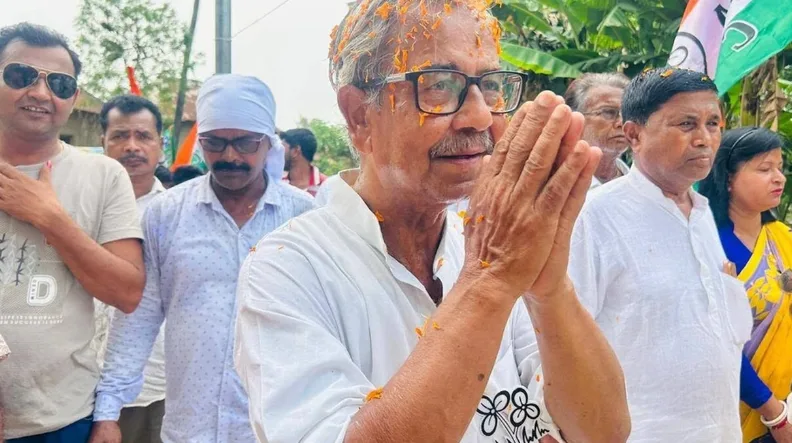
    A billboard dispute at Abhishek Banerjee’s Camac Street office has revived attention on the address’s growing political significance.
    Abhishek Banerjee / ANI

    The Trinamool Congress has framed Thursday’s development as selective targeting, arguing that numerous commercial establishments in the vicinity display similar billboards without municipal intervention. Abhishek himself alleged political vendetta and announced plans to challenge the action before the High Court.

    Also Read | Who was Asish Banerjee? Close Mamata Banerjee aide found dead at TMC party office in Birbhum

    The administration, meanwhile, maintains that the exercise concerned an allegedly illegal advertisement structure rather than the office itself. That distinction may be administrative, but in Bengal’s charged political climate, symbolism often overwhelms procedure.

    Camac Street is no longer merely an address on Kolkata’s map. It has become a metaphor for the contest over Trinamool’s future—between state power and political resistance, between institutional investigation and allegations of vendetta, between an inherited legacy and an emerging leadership.

    In Bengal, political geography has always mattered. Writers had College Street, revolutionaries had Alipore, the Left had Alimuddin Street, and Mamata Banerjee had Kalighat. Today, Abhishek Banerjee has Camac Street.

    And that is why when police knock on its doors, Bengal does not see a municipal inspection. It sees a struggle over the state’s evolving political centre of gravity.

  • What is a flash flood? Unfolding Nepal’s Himalayan tragedy

    What is a flash flood? Unfolding Nepal’s Himalayan tragedy

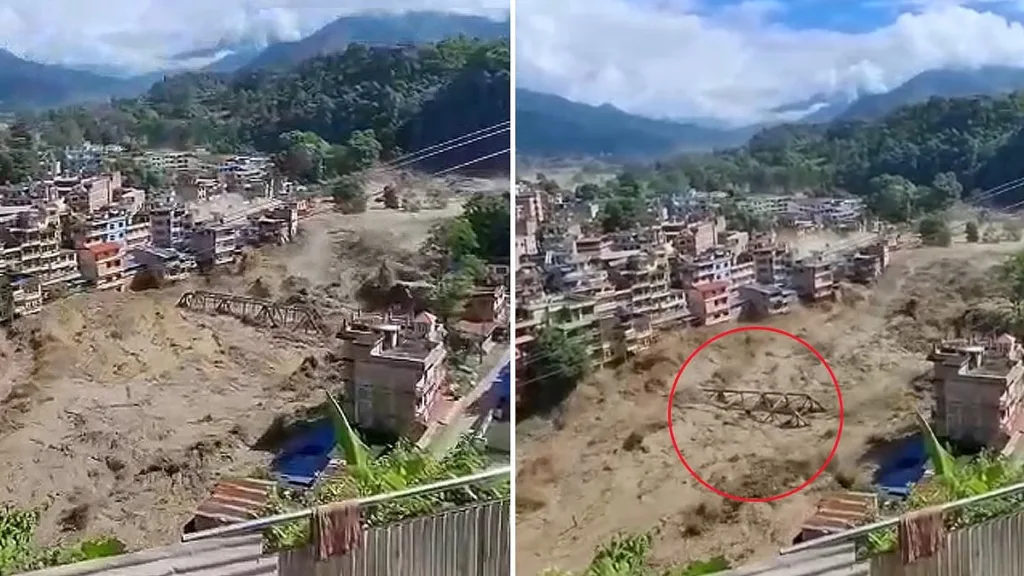
    In the Himalayas, calamity seldom announces its arrival. It gathers silently behind clouds, glaciers and mountain ridges before descending with astonishing ferocity. Nepal’s latest flash flood is a grim reminder that in the world’s youngest mountain range, nature’s violence often unfolds in minutes rather than hours.

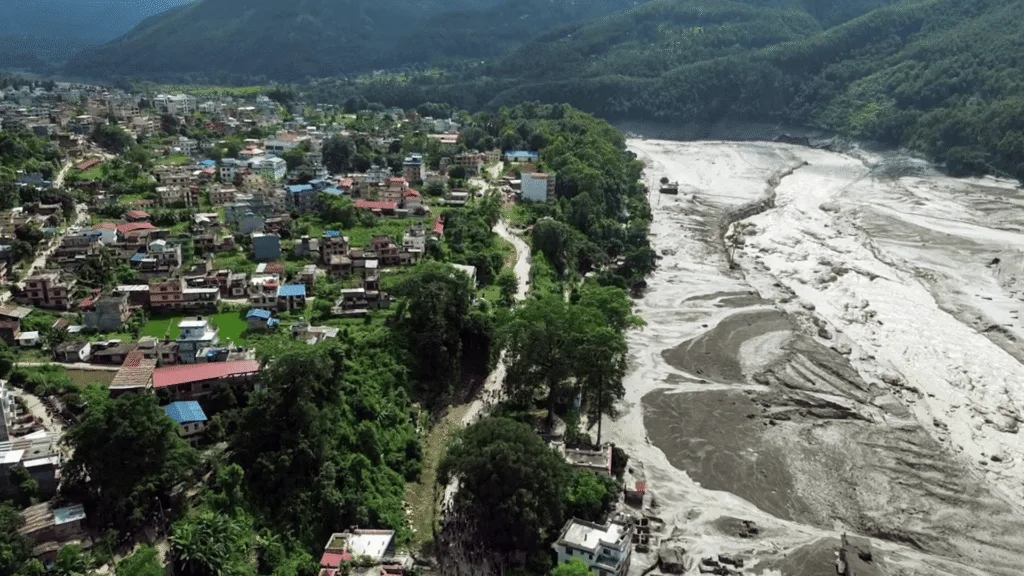
    A flash flood is among the deadliest natural disasters because of its defining characteristic: speed. Unlike river floods that build gradually over days, flash floods develop within minutes or a few hours of intense rainfall, glacial lake outbursts, cloudbursts or sudden dam failures. Water rushes downhill with extraordinary momentum, carrying boulders, trees, vehicles and entire homes in its path. In Nepal’s steep valleys, where settlements cling to riverbanks and mountainsides, this speed transforms a torrent into a catastrophe.

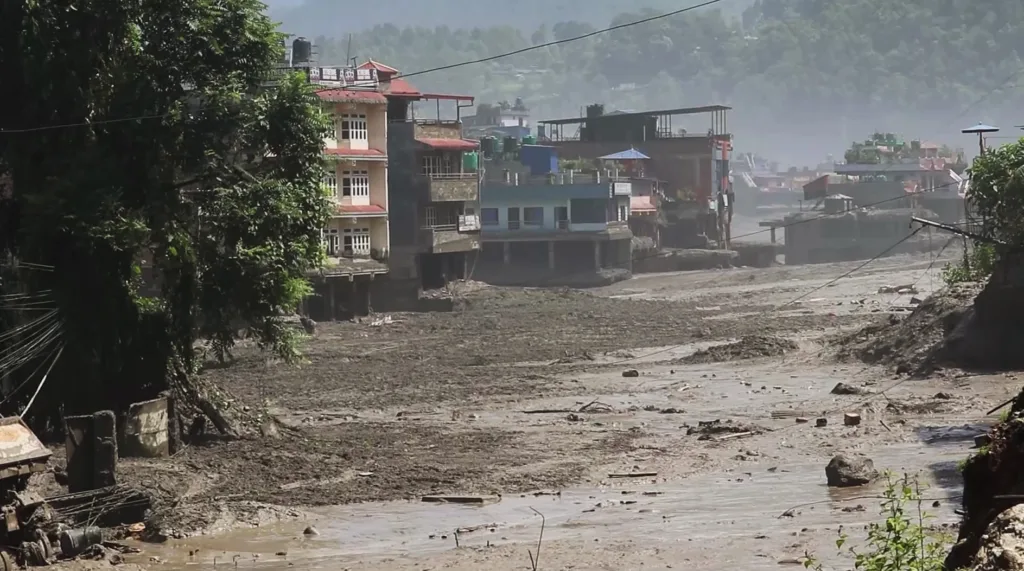
    The recent tragedy unfolded after exceptionally intense rainfall lashed Nepal’s central and western Himalayan regions. Saturated slopes, swollen rivers and collapsing mountain streams combined into a devastating cascade. Tributaries feeding major rivers overflowed almost simultaneously, creating walls of water that engulfed villages, highways and bridges before many residents could escape.

    Nepal's flash flood tragedy exposes the growing dangers of a warming Himalayas.
    Nepal’s flash flood tragedy exposes the growing dangers of a warming Himalayas | ANI

    Meteorologists describe such events as high-intensity, short-duration rainfall episodes. The Himalayas amplify these systems through orographic lifting: moisture-laden monsoon winds rise rapidly over mountain slopes, cool abruptly and unleash enormous quantities of rain over confined catchments. When this deluge falls on already saturated terrain, the landscape loses its capacity to absorb water, forcing torrents downhill.

    Also Read | 32 Kolkata tourists missing in Nepal: Here are all the helpline numbers for you

    Yet rainfall tells only part of the story. Climate scientists increasingly warn that a warming Himalaya is making these disasters more frequent and more destructive. Nepal has witnessed accelerated glacier melt over recent decades, expanding fragile glacial lakes dammed only by loose rock and ice. When these natural barriers fail, they release millions of cubic metres of water downstream in what is known as a Glacial Lake Outburst Flood (GLOF), a phenomenon unique to high mountain environments.

    The human cost is staggering. Families are displaced overnight. Roads connecting remote mountain districts disappear beneath landslides. Hydropower stations suffer extensive damage, disrupting electricity supplies and local economies. Search-and-rescue teams often struggle to reach affected communities because bridges and highways themselves become casualties of the flood.

    Raging waters, collapsing bridges and landslides reveal the deadly force of Himalayan floods.
    Raging waters, collapsing bridges and landslides reveal the deadly force of Himalayan floods | X

    Flash floods are particularly lethal because they offer almost no reaction time. A shallow mountain stream can transform into a roaring river within thirty minutes. Water travelling at several metres per second exerts immense force, enough to sweep away concrete structures. Even thirty centimetres of fast-moving water can knock an adult off balance, while sixty centimetres can carry away a vehicle.

    Nepal’s vulnerability is deeply geographical. Nearly eighty percent of the country is mountainous, intersected by thousands of rivers descending from Himalayan glaciers toward the Gangetic plains. Rapid urbanisation, deforestation and construction along river corridors have further narrowed natural flood channels, increasing exposure whenever rivers burst their banks.

    The tragedy also carries implications for India. Rivers originating in Nepal—including the Koshi, Gandak and Karnali—flow into Bihar and Uttar Pradesh. Extreme rainfall upstream frequently translates into flooding downstream, making Himalayan hydrology a shared regional challenge rather than a national one.

    Flash flood ravages Nepal’s Rasuwa
    Flash flood ravages Nepal’s Rasuwa | ANI

    Scientists argue that adaptation can reduce the devastation. Early warning systems using rainfall radar, satellite monitoring and river gauges have improved significantly. Community sirens, mobile alerts and evacuation protocols have already saved lives in several Himalayan districts. However, forecasting the precise location and intensity of cloudbursts remains one of meteorology’s greatest challenges.

    Also Read | Kolkata rain alert: Will thunderstorms continue despite low pressure moving west?

    Nepal’s latest disaster is therefore more than an isolated monsoon tragedy. It is an unsettling illustration of how climate change, fragile mountain ecosystems and expanding human settlements are colliding in the Himalayas. The mountains continue to nourish South Asia with rivers, biodiversity and livelihoods, yet they are becoming increasingly volatile under rising global temperatures.

    A flash flood is not simply excess water. It is compressed time, unleashed gravity and accumulated climate risk converging into a single devastating moment. Nepal’s sorrow is a warning echoing across the Himalayas: in an era of intensifying extremes, resilience must travel faster than the flood itself.

  • Are you sacrificing too much for love? 3 signs you’re losing yourself in a relationship

    Are you sacrificing too much for love? 3 signs you’re losing yourself in a relationship

    Love often involves compromise, understanding and emotional support. But there is a difference between adjusting for a partner and constantly putting your own needs aside to keep a relationship together. Over time, repeatedly ignoring what you want, feel or need can make you lose touch with your own identity.

    Licensed therapist Jeffrey Meltzer highlighted three signs in an August 3 Instagram post that may indicate you are abandoning yourself in a relationship.

    You begin seeing yourself through your partner’s eyes

    One sign of self-abandonment is becoming overly focused on how your partner sees you. Instead of asking what you genuinely like, believe or feel, you may start making choices based on whether they will approve.

    Also Read | What is the Sweatpants Theory? Uncovering one ‘Weird’ modern Gen-Z dating term

    This can show up in small ways, such as changing how you dress, hiding certain personality traits or avoiding opinions that could lead to disagreement.

    When love means saying yes while your heart says no
    (Representational Image) When love means saying yes while your heart says no | AI Generated

    Jeffrey explains, “You may change how you dress, hide parts of your personality, or stop sharing certain opinions because you’re afraid they may like you less.”

    When your partner’s approval becomes more important than your own sense of self, you may slowly lose sight of who you are outside the relationship.

    You keep saying yes when you mean no

    Another sign is having difficulty expressing your real feelings or setting boundaries. You may agree to plans, choices or situations that make you uncomfortable simply to avoid disappointing your partner.

    Jeffrey says, “You stay silent when something bothers you. You convince yourself that your needs are not worth creating conflict over.”

    Healthy love needs compromise, not the loss of your identity.
    (Representational Image) Healthy love needs compromise, not the loss of your identity | AI Generated

    While avoiding an argument may seem easier in the moment, constantly suppressing your feelings can affect how you see yourself. “Every time you ignore what you really feel, you lose a little trust in yourself,” Jeffrey says.

    Over time, repeatedly saying yes when you mean no can also leave unspoken frustration and resentment building up.

    Your relationship becomes your entire source of stability

    A partner can naturally provide love, reassurance and emotional support. The concern arises when the relationship becomes your only source of security, identity or emotional stability.

    Also Read | What is digital jealousy? Online habit affecting modern couples

    “Relationships are supposed to involve interdependence,” Jeffery explains. “The problem begins when your emotional stability, identity, or sense of security depends entirely on whether that person stays.”

    At this stage, personal goals, friendships and other relationships may gradually take a back seat because maintaining the relationship becomes the main priority.

    A healthy relationship can involve compromise while still leaving room for individuality. Being close to someone does not have to mean losing your connection with yourself.

    FAQs

    What are signs of losing yourself in a relationship?

    Changing yourself for approval, repeatedly saying yes when you mean no, and making the relationship your main source of emotional security can be warning signs.

    Is compromising in a relationship unhealthy?

    No. Compromise is a normal part of relationships. The concern is when you repeatedly sacrifice your needs, boundaries, goals or identity to maintain the relationship.

  • Who was Asish Banerjee? Close Mamata Banerjee aide found dead at TMC party office in Birbhum

    Who was Asish Banerjee? Close Mamata Banerjee aide found dead at TMC party office in Birbhum

    Veteran Trinamool Congress leader and former West Bengal Assembly Deputy Speaker Asish Banerjee was found hanging inside a TMC party office in Rampurhat, Birbhum, on Sunday morning, sending shockwaves through the state’s political circles.

    Police said his body was recovered from the office located near his residence and has been sent for post-mortem examination. A purported note was also recovered from the spot, though its contents and authenticity are yet to be independently verified.

    Also Read | Who was Kamal Senapati? Hooghly railway officer dies after being hit by train

    Banerjee was a prominent figure in the TMC’s Birbhum organisation and was regarded as being close to party supremo Mamata Banerjee. He served as Deputy Speaker of the West Bengal Assembly during Mamata Banerjee’s tenure as chief minister.

    Who is Asish Banerjee?

    Born in Rampurhat, Banerjee represented the constituency in the state Assembly for five consecutive terms. He first won the Rampurhat seat in 2001 and retained it in the 2006, 2011, 2016 and 2021 Assembly elections. His 25-year electoral run came to an end in the 2026 Assembly polls when he lost to BJP’s Dhruba Saha by more than 24,000 votes.

    His long association with Rampurhat made him one of the most recognisable TMC leaders in Birbhum. His political career, however, extended beyond the Assembly.

    From teacher to minister

    Before entering electoral politics, Banerjee worked as an associate professor at Rampurhat College. He had completed his higher education at Burdwan University and held a PhD. His political journey had roots in his student years.

    Former TMC MLA and ex-Deputy Speaker Asish Banerjee was found dead at a party office in Birbhum's Rampurhat.
    Former TMC MLA and ex-Deputy Speaker Asish Banerjee was found dead at a party office in Birbhum’s Rampurhat./ X

    After joining the TMC’s government, Banerjee was given ministerial responsibilities. He served as Minister of State with independent charge of Ayurveda, Yoga and Naturopathy, Unani, Siddha and Homoeopathy in 2014. He subsequently handled Biotechnology, Statistics and Programme Implementation portfolios.

    In 2017, he became West Bengal’s Agriculture Minister, a position he held until 2021.

    In July 2021, Banerjee was appointed Deputy Speaker of the West Bengal Legislative Assembly, placing him among the senior constitutional functionaries of the state. He held the post until May 2026.

    Political setback before death

    Banerjee’s final months in active politics came against the backdrop of a major electoral setback for the TMC in Birbhum. He lost the Rampurhat election in 2026, ending his quarter-century run as an MLA. The BJP’s Dhruba Saha defeated him by 24,233 votes.

    In June, Banerjee resigned as the TMC’s Birbhum district chairman and chairman of the party’s district core committee. At the time, he said he would continue as an ordinary member of the party. Reports also said he had expressed dissatisfaction over the functioning of the district organisation during the Assembly election.

    Also Read | The Unfinished Awakening: Bengal, Freedom and India’s Tryst with Destiny at 80

    His death therefore comes after a period of considerable political upheaval in his home district. However, police have not yet established the circumstances surrounding his death, and no conclusion should be drawn from the political developments preceding it.

    The recovery of the purported note has added another dimension to the investigation. Police are examining the circumstances of the death and the contents of the note, while the post-mortem examination is expected to provide further clarity.

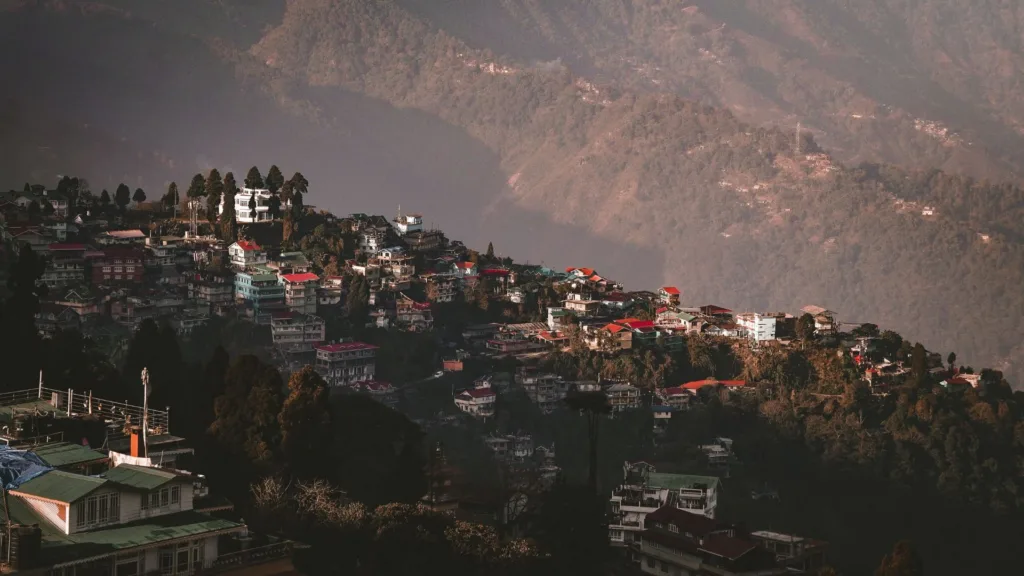
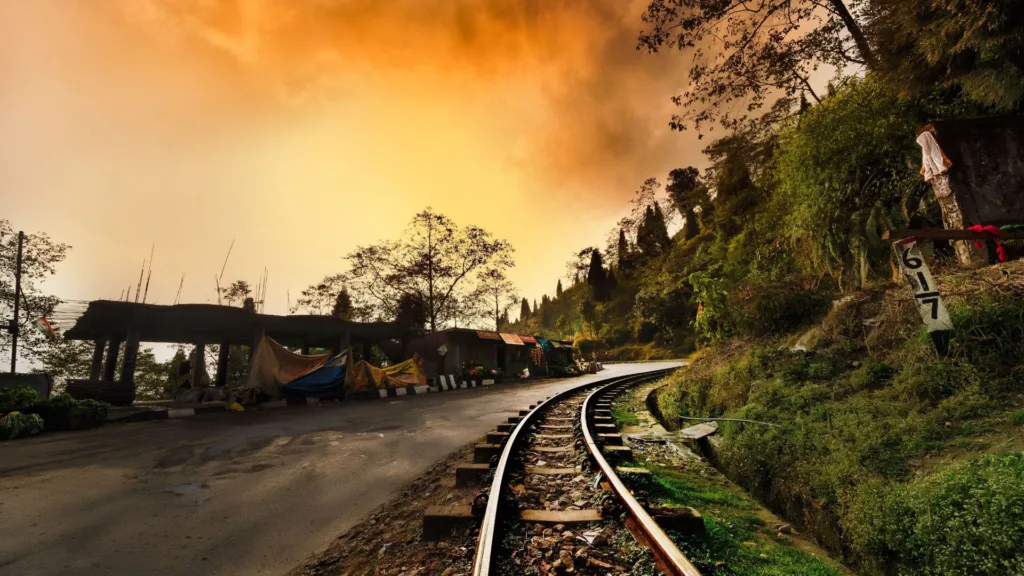
  • Darjeeling to Bhutan: The autumn escape that became my favourite journey

    Darjeeling to Bhutan: The autumn escape that became my favourite journey

    Sometimes, the best journeys begin with an escape rather than a plan.

    Three years ago, during the Durga Puja holidays, I travelled to Darjeeling, a place I have visited almost every year for decades. But this time felt different. It had been nearly 15 years since I had experienced the Queen of the Hills during Puja, and the overwhelming crowds made me fear that my affection for the town might slowly fade.

    So I did something spontaneous. I decided to travel abroad.

    That “foreign country” was Bhutan.

    For me, travelling abroad has never been about ticking off distant countries or boarding long-haul flights. I still believe I haven’t fully explored India itself, let alone North Bengal. A lifetime isn’t enough to uncover every hidden corner of this region. For the last 46 years, I have happily lived with an incurable case of wanderlust, and perhaps that lifelong obsession with travel has kept my mind healthier than any medicine ever could.

    Crossing into another world

    Leaving Darjeeling behind, I drove towards Jaigaon, the bustling Indian town on the Indo-Bhutan border. As the hills slowly dissolved into the plains, the scenery transformed into endless tea gardens, dense forests and emerald-green fields.

    Discover the best of Bhutan, from majestic mountains and ancient monasteries to serene valleys and charming towns
    Discover the best of Bhutan, from majestic mountains and ancient monasteries to serene valleys and charming towns | Pexels

    It was mid-October.

    Under a brilliant blue sky scattered with cotton-white clouds, I felt less like a tourist and more like a humble traveller approaching the kingdom of a benevolent king.

    Nearly 200 kilometres later, the magnificent Dragon Gate appeared before me. Beyond it lay Phuentsholing—the welcoming gateway to Bhutan.

    Also Read | When is the best time to visit Kalimpong? Here’s a season-by-season travel guide

    The change was immediate.

    Phuentsholing felt remarkably clean, peaceful and organised. Since travellers need an entry permit to venture beyond the town, most visitors spend a night there, and so did we. Our comfortable hotel cost around ₹2,500. We could have stayed more cheaply in Jaigaon, but spending the first night inside Bhutan felt like the perfect beginning.

    That afternoon we explored the Crocodile Park, wandered through a fascinating cave park and ended the day at a beautiful monastery perched nearly 1,500 feet above the town. Watching Jaigaon merge into the vast Dooars plains from that height remains one of my favourite memories.

    From majestic Himalayas to serene monasteries, explore the beauty and charm of Bhutan on an unforgettable travel journey
    From majestic Himalayas to serene monasteries, explore the beauty and charm of Bhutan on an unforgettable travel journey | Pexels

    Eight hours to Thimphu

    The next morning we set off for Thimphu.

    The distance from Phuentsholing is only 172 kilometres, but Bhutan teaches you early that mountain roads measure journeys differently. Eight hours passed as every bend revealed another masterpiece, blue mountains fading into the horizon, mist-covered villages and valleys that seemed untouched by time.

    Lunch came at a restaurant that felt suspended among the clouds. Sitting there, I couldn’t shake the feeling that we had briefly left the earth behind.

    At nearly 8,000 feet above sea level, Thimphu strikes a rare balance between tradition and progress. Under King Jigme Khesar Namgyel Wangchuck’s leadership, the capital has managed to modernise without losing its cultural soul.

    The city offers plenty to explore, the Royal Palace, the towering Buddha Dordenma overlooking the valley, the National Heritage Museum and the lively Clock Tower Square. Flowing quietly through it all is the Wang Chhu River, known as the Raidak River after crossing into India.

    Punakha: Where history lives on

    Our journey then took us to Punakha, Bhutan’s ancient capital until 1955.

    Standing at the meeting point of the Mo Chhu and Pho Chhu rivers, Punakha Dzong is far more than a beautiful fortress. It was here that Ugyen Wangchuck was crowned Bhutan’s first king in 1907.

    Surrounded by suspension bridges, waterfalls, forests and rolling mountains, Punakha carries an almost eternal springtime charm. It is the kind of place where history never feels trapped inside museum walls—it simply lives around you.

    Paro and the monastery that defies gravity

    About 55 kilometres from Thimphu lies Paro, another valley that feels almost unreal.

    The town is home to Bhutan’s only international airport, widely regarded as one of the world’s most challenging airports because of its short runway and towering Himalayan peaks. Only specially trained pilots are permitted to land there.

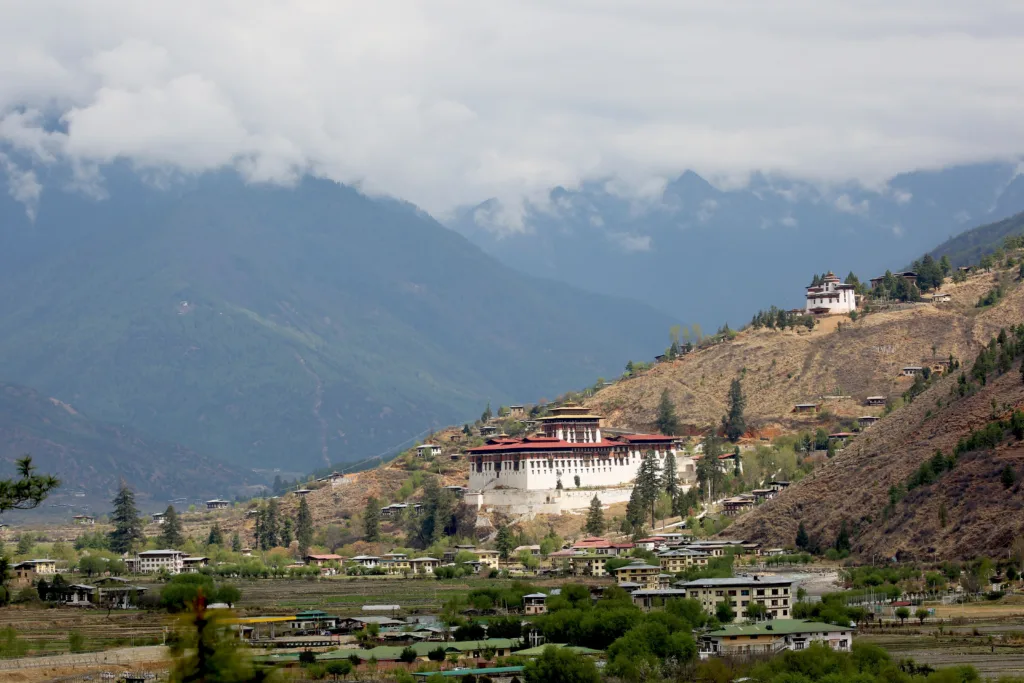
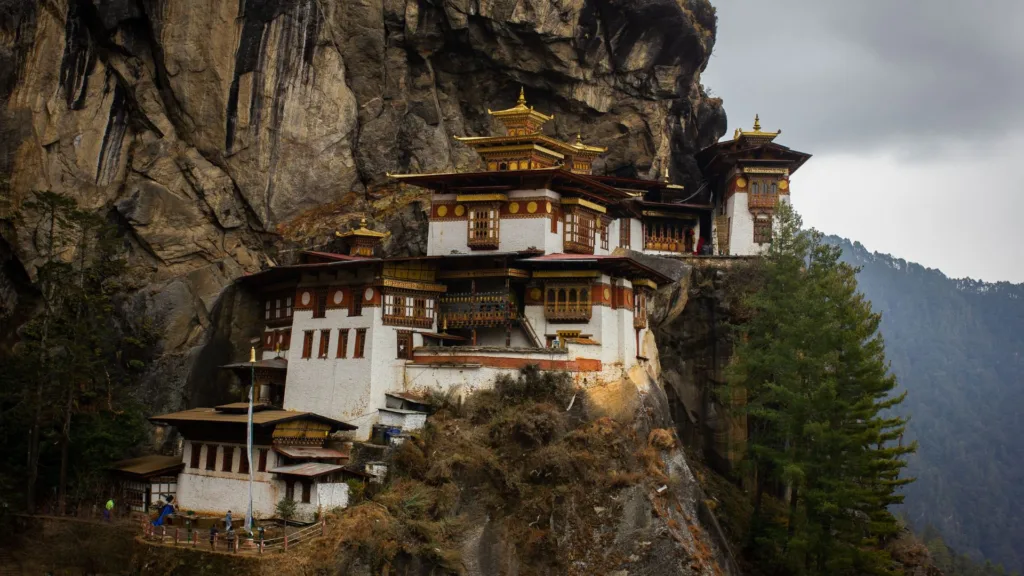
    Paro’s Rinpung Dzong is an architectural masterpiece, but nothing prepares you for Tiger’s Nest Monastery.

    Clinging dramatically to a steep cliff, Taktsang can only be reached by hiking or horseback. It is one of Bhutan’s holiest sites, and standing there, suspended between rock and sky, I understood why it has become the country’s most enduring symbol.

    Explore Bhutan’s breathtaking landscapes, peaceful monasteries and scenic mountain roads on an unforgettable journey
    Explore Bhutan’s breathtaking landscapes, peaceful monasteries and scenic mountain roads on an unforgettable journey | pexels

    The magic of Bhutan’s mountain passes

    Some of Bhutan’s most unforgettable moments happen on its roads.

    Dochula Pass, sitting at around 10,300 feet, is breathtaking throughout the year. Winter blankets it in snow, while drifting clouds dominate the remaining seasons. The 108 memorial chortens standing against snow-capped Himalayan peaks create a view that lingers long after you’ve left.

    Also Read | Sawan 2026: Planning a Jyotirlinga Yatra? Here’s a travel guide for you

    Then came Chele La Pass.

    At over 13,000 feet above sea level, the journey itself becomes the adventure. Snow-covered trees, frozen waterfalls and icy mountain winds welcomed us at every turn.

    Even the warm clothes I had packed for Darjeeling suddenly felt inadequate.

    The cold forced us to leave sooner than we wanted, but my heart wasn’t quite ready to descend.

    Is Bhutan expensive?

    Bhutan accommodates every kind of traveller.

    Hotels begin at around ₹1,500 a night, while properties priced above ₹2,000 usually offer excellent comfort and hospitality. Food is comparatively expensive, but the country’s cleanliness, peaceful atmosphere and warm hospitality make every rupee feel worthwhile.

    Discover why Bhutan is a dream destination with stunning mountains, ancient dzongs, peaceful monasteries and scenic valleys
    Discover why Bhutan is a dream destination with stunning mountains, ancient dzongs, peaceful monasteries and scenic valleys | Pexels

    How many days are enough for Bhutan?

    In my experience, seven days are the minimum needed to appreciate Bhutan properly.

    But if you truly want to understand its monasteries, mountain villages, rivers and gentle people, even a month feels surprisingly short.

    Bhutan isn’t simply another country to visit. It is a place where happiness seems measured less by wealth than by smiles, serenity and simplicity. Every journey there leaves me with more than photographs, it leaves me with a quieter mind and a gentler heart.

    Perhaps that is Bhutan’s greatest gift. You arrive hoping to discover a beautiful country, and somewhere along the way, you end up rediscovering yourself.

    Author: Parthamoy Chatterjee

  • How to decorate your home for Independence Day without overdoing the tricolour

    How to decorate your home for Independence Day without overdoing the tricolour

    Independence Day is the perfect time to bring a touch of festive warmth into your home without transforming every corner into a sea of saffron, white and green. A few thoughtful additions like flowers, handloom textiles, candles and handcrafted accents can capture the spirit of August 15 while blending seamlessly with your everyday décor.

    The key is to allow the tricolour to enhance your surroundings instead of dominating them.

    Also Read | India Independence Day 2026: Wishes, greetings and messages to share on August 15

    Begin at the entrance

    Since the door makes a strong first impression, do not clutter it up. A bouquet of marigolds in white immediately adds festive appeal, while a fabric strip or a homemade toran made using recycled paper, cloth or dried flowers will subtly bring in the tricolor.

    Independence Day home decor ideas
    (Representational Image) Easy Independence Day décor ideas using flowers, diyas, textiles and Indian crafts | AI-generated

    What can you do to refresh your living room without going overboard?

    Rather than decorating every nook and corner with themed decorations, concentrate on one or two items that can jazz up the surroundings. Change the cushion covers to shades of saffron, ivory and green colours, or team up your usual throw with cushion covers in contrasting colours.

    A ceramic green vase full of orange and white flowers will be a beautiful tribute to the Indian flag without seeming too much. If you are into DIYs, a wall decor displaying pictures, postcards or sketches highlighting the cultural wealth of India would be great.

    Set a festive dining table

    The dining table is one of the easiest places to introduce the theme. Use white crockery as a clean base and add colour through saffron and green napkins, floral centrepieces or serving accessories.

    Seasonal fruits can double as natural décor, while handmade place cards with Indian-inspired motifs can make a family meal feel even more special.

    Independence Day home decor ideas
    (Representational Image) Refresh your home this Independence Day with simple and elegant tricolour accents | AI Generated

    Light up the evening

    As the sun sets, warm lighting can transform the atmosphere. Arrange candles or diyas around your living room, balcony or entrance for a cosy glow. Small lanterns in tricolour-inspired tones can also work beautifully outdoors when used safely.

    Also Read | How many years of Independence does India complete in 2026?

    Celebrate Indian craftsmanship

    Independence Day also offers a great opportunity to bring Indian craftsmanship into one’s home through the use of handloom table runner, terracotta accessories, cane baskets, Madhubani paintings and Indian pottery.

    The best way to celebrate Independence Day through decor is not by stuffing your room with three colours but by appreciating the warmth and craft of India in the rooms you call your own.

  • India Independence Day 2026: Wishes, greetings and messages to share on August 15

    India Independence Day 2026: Wishes, greetings and messages to share on August 15

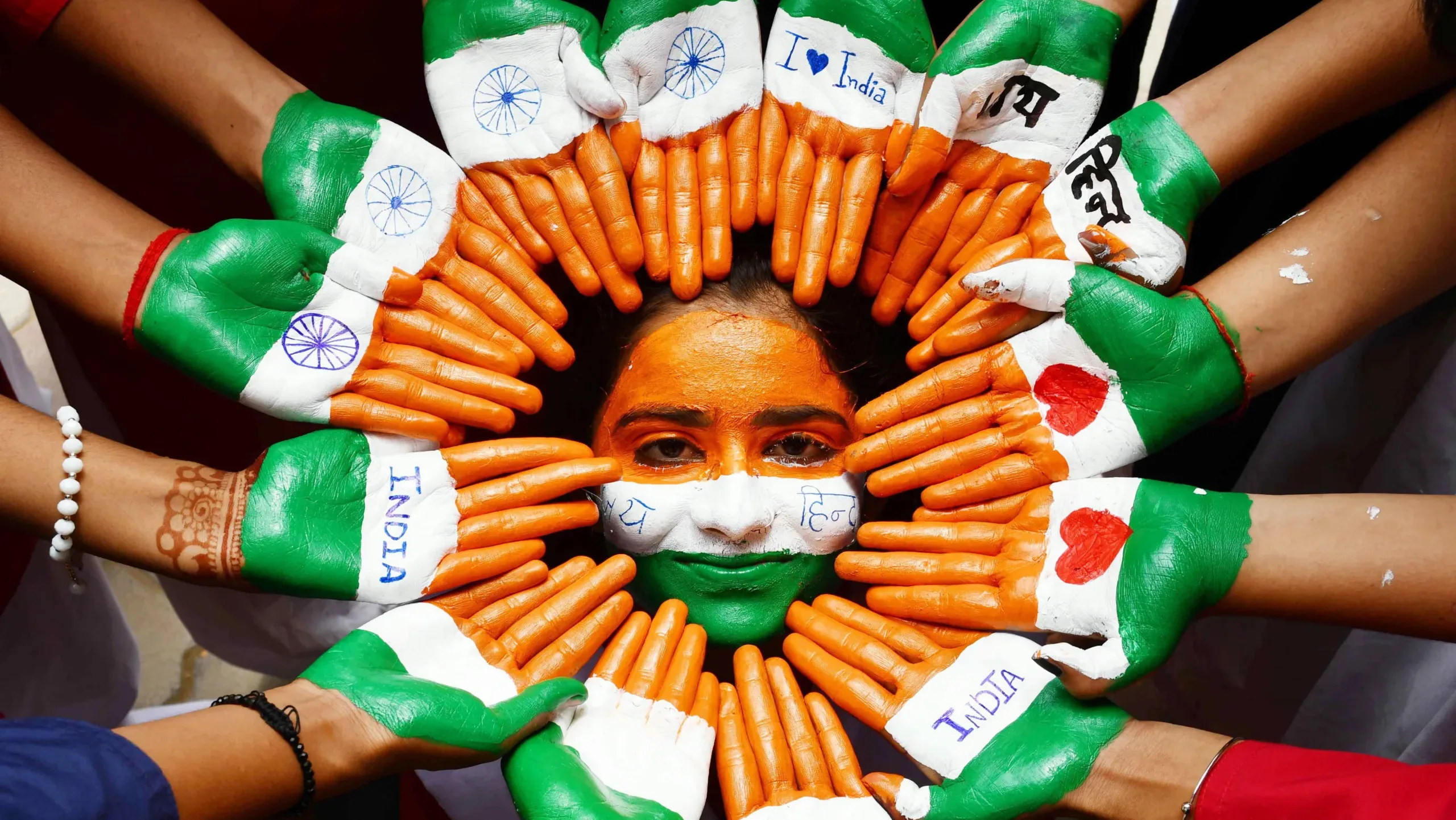
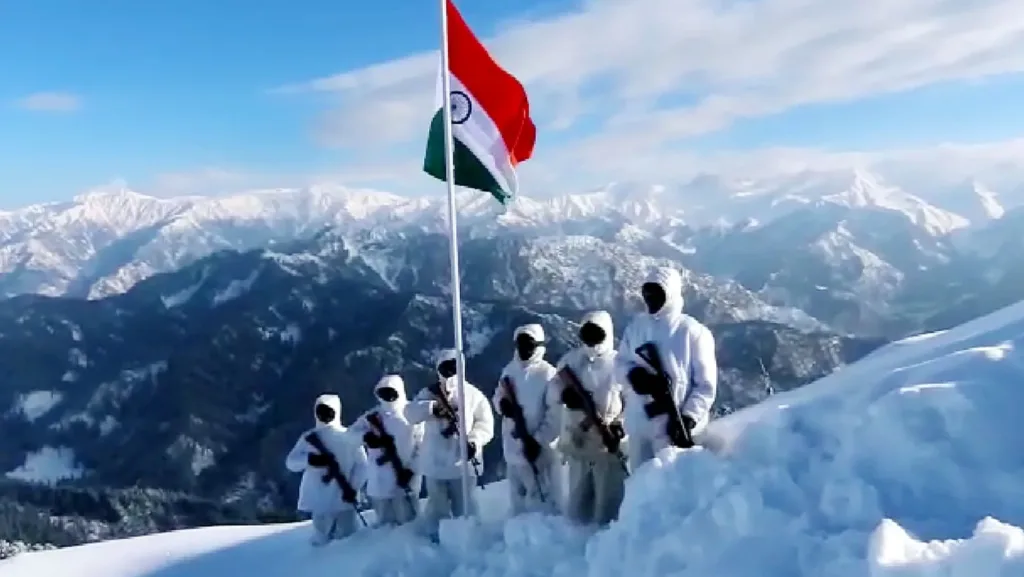
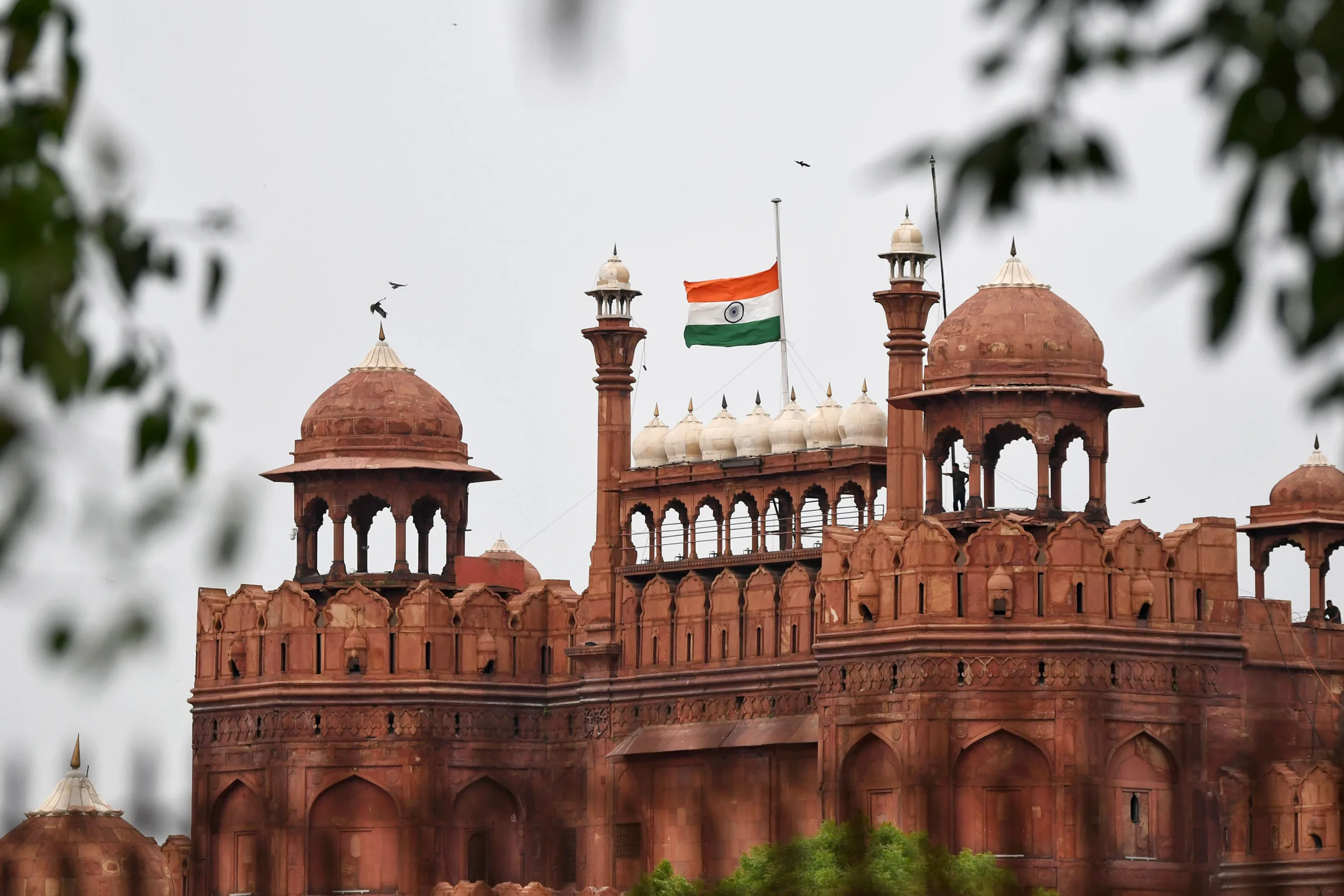
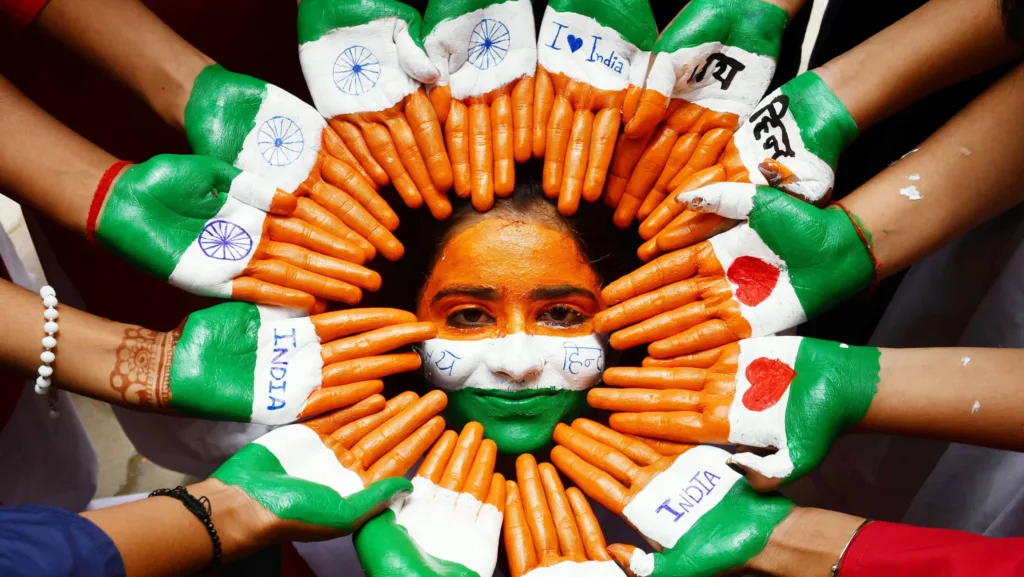
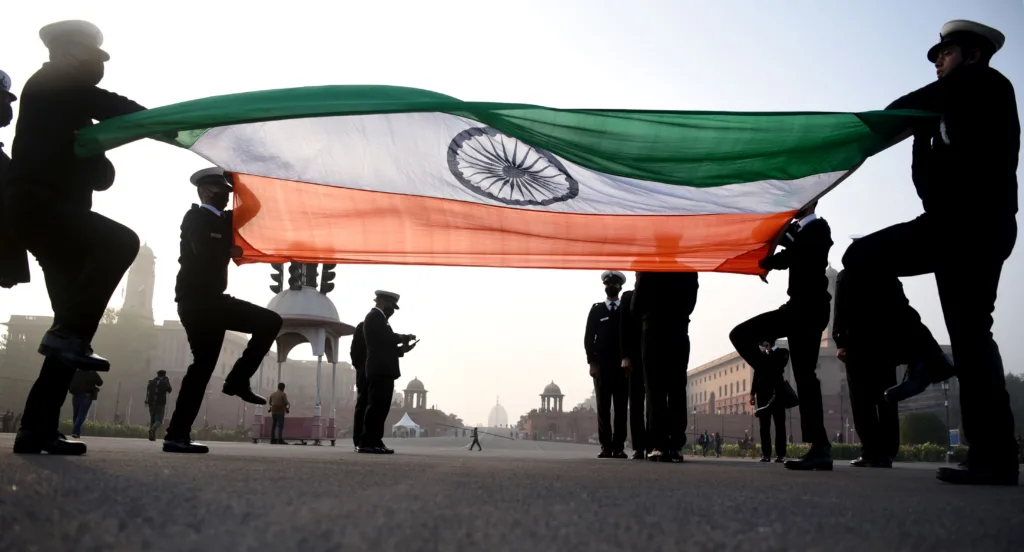
    India celebrates its 80th Independence Day today, on August 15, 2026, commemorating 79 years since the country attained freedom from British rule in 1947. The national occasion, observed every year with flag-hoisting ceremonies, cultural programmes, patriotic events, and public gatherings, is also a moment for citizens to reflect on the long and arduous journey that transformed India from a colonial possession into a sovereign democratic republic.

    Independence Day carries a significance that extends well beyond the ceremonial unfurling of the Tricolour. It recalls the generations of freedom fighters who challenged colonial authority through constitutional politics, mass movements, revolutionary action, social reform and acts of extraordinary personal sacrifice. From Mahatma Gandhi’s mass mobilisation and Jawaharlal Nehru’s political leadership to Subhas Chandra Bose’s uncompromising nationalism and the countless lesser-known men and women who participated in the freedom struggle, India’s independence was the culmination of a movement whose social breadth remains difficult to fully capture.

    India marks its 80th Independence Day in 2026 after completing 79 years of freedom
    India marks its 80th Independence Day in 2026 after completing 79 years of freedom | ANI

    The occasion is consequently marked by messages of patriotism, fraternity, constitutional values and national unity, with families, institutions, schools, workplaces and community organisations exchanging Independence Day greetings and organising programmes to commemorate the historic date.

    Also Read | How many years of Independence does India complete in 2026?

    Independence Day 2026 wishes

    For those looking for messages to share with family, friends, colleagues or on social media, a simple and meaningful greeting can carry the spirit of the occasion.

    Also Read | The Unfinished Awakening: Bengal, Freedom and India’s Tryst with Destiny at 80

    “Happy Independence Day 2026! May we always cherish the freedom won through the sacrifices of those who came before us and work together to build an India that is more prosperous, inclusive and resilient.”

    India Independence Day 2026: Best wishes, greetings and messages to celebrate August 15.
    India Independence Day 2026: Best wishes, greetings and messages to celebrate August 15 | ANI

    Another message could read:

    “On this Independence Day, let us honour the courage of our freedom fighters and celebrate the remarkable journey of India. May our nation continue to rise with unity, confidence and hope. Happy 80th Independence Day!”

    For a more formal greeting:

    “Warm wishes on the 80th Independence Day of India. May this historic occasion inspire us to uphold the values of liberty, democracy, equality and fraternity, while contributing to the nation’s continued progress.”

    For social media, a shorter message may be more appropriate:

    “79 years of freedom, 80th Independence Day, and a future still being written. Jai Hind.”

    15 August 2026: Best Independence Day wishes, greetings, quotes and messages to share.
    15 August 2026: Best Independence Day wishes, greetings, quotes and messages to share | ANI

    Why is Independence Day 2026 significant?

    The 2026 celebration comes at an important point in India’s journey towards 2047, when the country will mark 100 years of independence. The intervening two decades are increasingly being viewed through the prism of the national ambition of building a Viksit Bharat, or developed India, by the centenary of independence.

    That makes the 80th Independence Day more than an anniversary. It is a point of reflection between the India that emerged from colonial rule in 1947 and the India that seeks to emerge as a developed, technologically capable and globally influential nation by 2047.

    India Independence Day 2026: Celebrate 79 years of freedom with heartfelt wishes and greetings.
    India Independence Day 2026: Celebrate 79 years of freedom with heartfelt wishes and greetings | ANI

    The story of independence, after all, did not conclude with the lowering of the Union Jack in 1947. It entered a different chapter. The responsibility of subsequent generations has been to translate political freedom into opportunity, education, economic security, dignity and social mobility.

    As the Tricolour rises on August 15, 2026, the most meaningful tribute may therefore be neither a slogan nor a ceremonial gesture, but a renewed commitment to the democratic and constitutional ideals that give independence its enduring meaning.

  • How many years of Independence does India complete in 2026?

    How many years of Independence does India complete in 2026?

    India completes 79 years of independence in 2026 and celebrates its 80th Independence Day on August 15. The distinction often causes confusion because the number of completed years and the ordinal number of the Independence Day are not the same.

    India became independent from British rule on August 15, 1947. Therefore, by August 15, 2026, exactly 79 years will have elapsed since that historic transfer of power. The country will consequently enter its 80th year of independence, while the national celebration itself will be the 80th Independence Day.

    Also Read | The Unfinished Awakening: Bengal, Freedom and India’s Tryst with Destiny at 80

    The arithmetic is straightforward: 2026 minus 1947 equals 79. However, because August 15, 1947, was the first Independence Day, August 15, 1948, was the second, and so on, August 15, 2026, becomes the 80th such observance. The Government of India referred to August 15, 2025, as the 79th Independence Day, thereby establishing the corresponding numbering for 2026.

    India turns 79 years independent in 2026 as it celebrates its 80th Independence Day, marking a historic step towards 2047.
    India turns 79 years independent in 2026 as it celebrates its 80th Independence Day, marking a historic step towards 2047 | ANI

    The distinction becomes particularly relevant this year because the 80th Independence Day places India only 21 years away from the centenary of independence in 2047. The approaching milestone has acquired significance alongside the national aspiration of building a Viksit Bharat by the centenary year.

    India’s journey since 1947 has encompassed some of the most consequential transformations in its modern history. The country inherited a deeply impoverished economy, widespread illiteracy, limited industrial capacity and the immense human consequences of Partition. It subsequently established a constitutional democracy, built institutions, expanded education and infrastructure, developed an industrial and technological base, and emerged as one of the world’s major economies.

    Also Read | Onam Sadya: Why is the traditional feast served on a banana leaf?

    Yet Independence Day is ultimately less about arithmetic than about inheritance. The generation that secured freedom fought primarily for political sovereignty; subsequent generations have been entrusted with converting that sovereignty into opportunity, prosperity and dignity.

    August 15, 2026, marks India's 80th Independence Day and 79 completed years of freedom since independence from British rule in 1947 | ANI
    August 15, 2026, marks India’s 80th Independence Day and 79 completed years of freedom since independence from British rule in 1947 | ANI

    Thus, August 15, 2026, marks 79 completed years of India’s independence, the beginning of its 80th year, and the celebration of its 80th Independence Day.

    The numbers may appear deceptively similar, but together they mark a significant moment: India is no longer merely commemorating the freedom achieved in 1947; it is increasingly measuring the distance between that historic beginning and the India it hopes to become by 2047.

  • The Unfinished Awakening: Bengal, Freedom and India’s Tryst with Destiny at 80

    The Unfinished Awakening: Bengal, Freedom and India’s Tryst with Destiny at 80

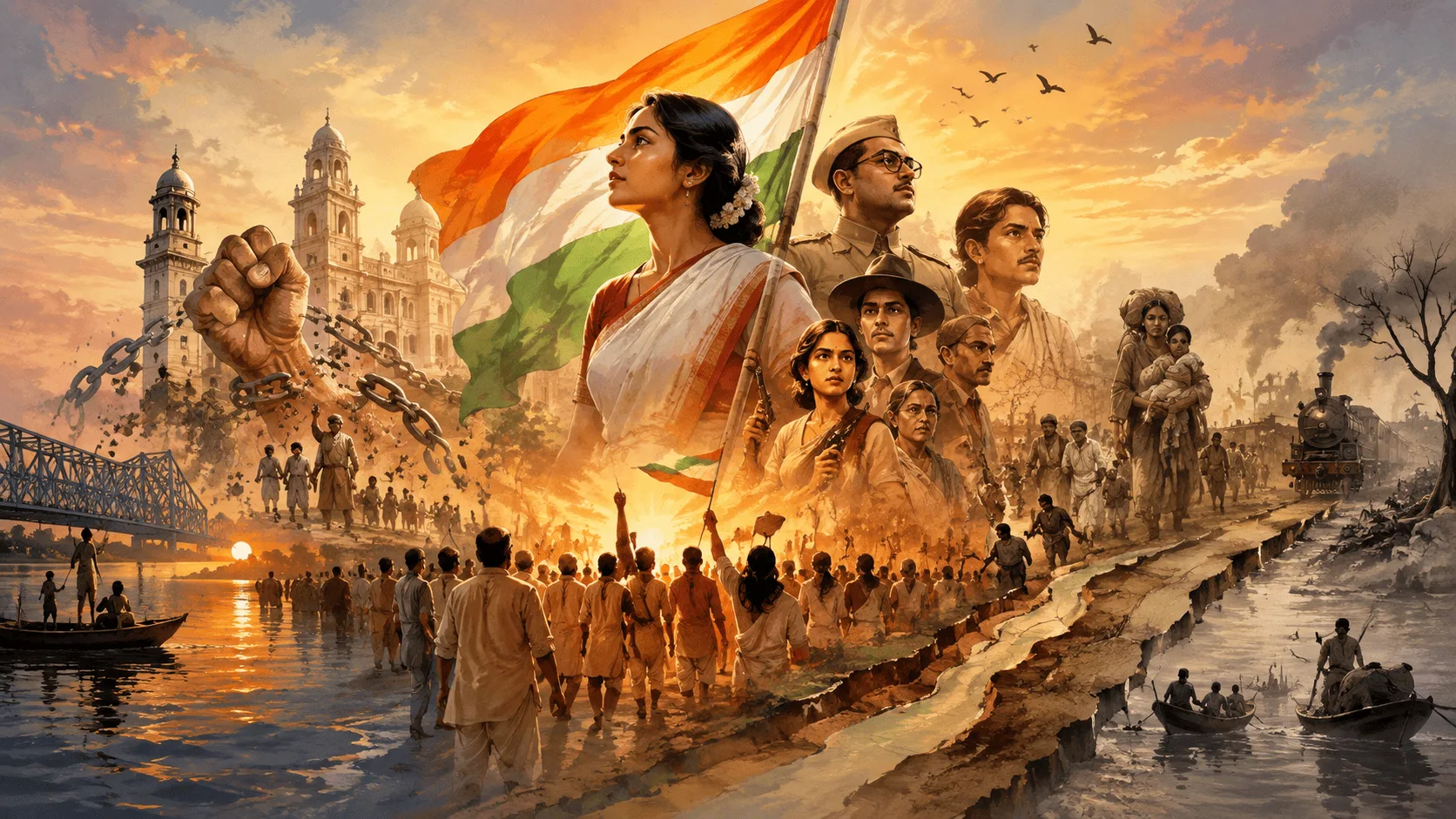
    On the night India crossed the threshold of freedom, Bengal occupied a peculiar and almost tragic position in the national imagination: it was at once one of the principal nurseries of Indian nationalism, the birthplace of movements that had challenged the moral authority of the Raj long before independence became an attainable political proposition, and the province that would experience the arrival of freedom through the violence of Partition, with Calcutta itself suspended between jubilation and apprehension. While New Delhi prepared for the ceremonies that would accompany the transfer of power, Bengal confronted a more complicated dawn, for the liberation of a country had arrived alongside the division of a homeland that had for generations been imagined, inhabited and remembered as a cultural whole. Eight decades later, as India marks its 80th Independence Day, that contradiction remains indispensable to any serious understanding of what freedom meant to Bengal and what Bengal, in turn, meant to the making of India.

    Long before 15 August became the ceremonial vocabulary through which an independent republic would annually remember itself, Bengal had already supplied much of the intellectual and emotional grammar of the freedom movement. The first Partition of Bengal in 1905, conceived by the colonial administration ostensibly for reasons of administrative convenience but widely perceived as an attempt to fracture an increasingly politically conscious population, produced the Swadeshi movement and transformed resistance from an abstract political sentiment into an everyday practice of boycott, indigenous enterprise, national education and cultural assertion. The streets, classrooms, printing presses and drawing rooms of Bengal became laboratories of nationalism, while literature, music and theatre acquired a political potency that the colonial state found increasingly difficult to contain. Rabindranath Tagore’s songs, Bankim Chandra Chattopadhyay’s Vande Mataram and the writings of a generation of intellectuals did something that political resolutions alone could not accomplish: they gave the idea of India an emotional vocabulary.

    Yet Bengal’s nationalism was never confined to the genteel world of intellectual debate. Beneath the public movement existed a subterranean republic of revolutionaries, whose names would eventually become inseparable from the mythology of India’s struggle for independence. Khudiram Bose, barely eighteen when he was executed in 1908, entered nationalist memory as the embodiment of a generation for whom colonial rule had ceased to appear merely unjust and had instead become intolerable; the organisations associated with Anushilan Samiti and Jugantar subsequently cultivated networks of young men who regarded armed resistance as an alternative to petitions, negotiations and constitutional gradualism. Their methods remain historically contentious, and their violence cannot responsibly be romanticised, but their importance lies in what they revealed about the changing psychology of colonial India: the British Empire, once presented as an almost permanent fact of political life, had begun to appear vulnerable to challenge.

    Also Read | Is the magic of Bengal’s music now lost, or is another story waiting to unfold?

    That transformation found one of its most formidable expressions in Subhas Chandra Bose, whose political imagination was perhaps too impatient to accommodate itself to the incrementalism of conventional nationalist politics. Netaji’s journey from Congress president to leader of the Indian National Army remains one of the most contested trajectories in the history of India’s freedom struggle, particularly because his wartime alliances with the Axis powers continue to invite legitimate historical scrutiny; yet reducing Bose either to a military romantic or to the controversies surrounding his wartime diplomacy would be to miss the larger significance of his politics. He understood freedom not merely as the legal transfer of sovereignty but as a psychological emancipation, requiring Indians to cease thinking of themselves as subjects awaiting political concessions and to imagine themselves instead as the authors of their own destiny. His famous call to sacrifice was consequently less a piece of rhetoric than an attempt to manufacture political agency among a colonised people.

    Bengal’s contribution to the freedom movement was, moreover, never exclusively male, nor was it confined to the celebrated names that populate school textbooks. Pritilata Waddedar, Kalpana Dutta and Bina Das belonged to a generation of women who entered political resistance at considerable personal risk, while Matangini Hazra, the elderly Gandhian revolutionary from Tamluk, became one of the most enduring symbols of the Quit India Movement when she continued advancing with the national flag after being shot by the colonial police in 1942. In the parallel nationalist administration established in Tamluk during the Quit India period, Bengal demonstrated another dimension of resistance: the capacity not merely to oppose colonial authority but to experiment, however imperfectly and briefly, with alternative forms of political organisation.

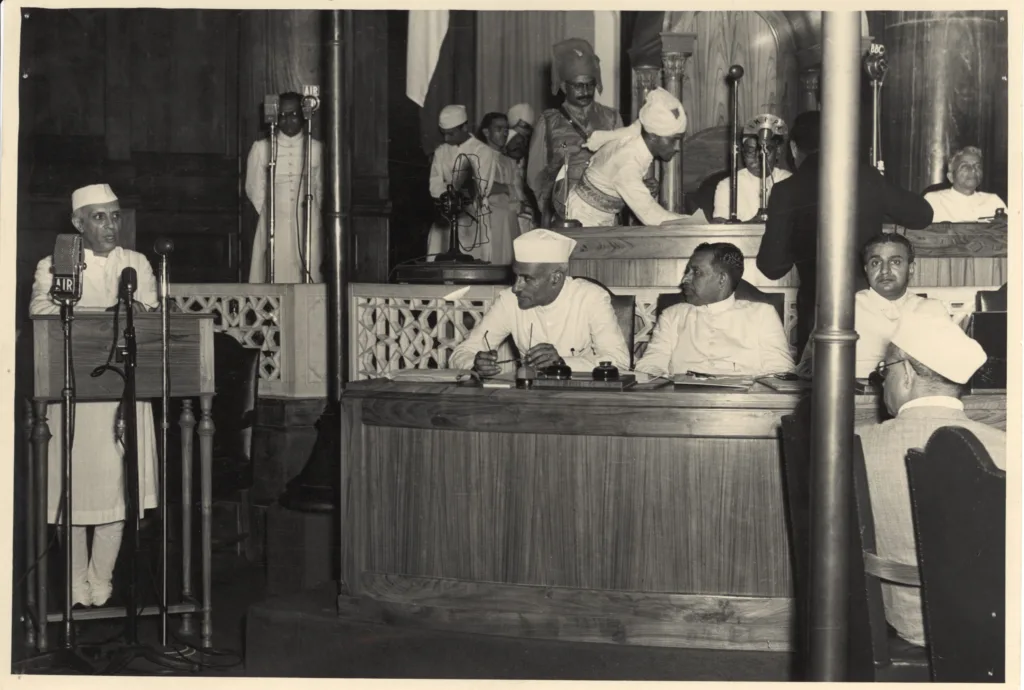
    And then came 1947, carrying with it the strange cruelty that history sometimes reserves for places that have contributed most passionately to its making. Nehru’s celebrated Tryst with Destiny speech, delivered on the eve of independence, imagined India awakening to life and freedom after a long night of subjugation; Bengal entered that same dawn with the knowledge that freedom had also redrawn the map beneath its feet. The partition of Bengal divided families, disrupted economies, displaced millions and transformed the meaning of home for communities on both sides of the new border. Calcutta, which had once stood at the centre of an undivided Bengal and had served as the capital of British India until 1911, became a city negotiating the enormous human consequences of Partition even as the new republic attempted to celebrate its arrival.

    Jawaharlal Nehru delivering his speech, Tryst with Destiny, on the eve of India’s first independence day | Wikipedia
    Jawaharlal Nehru delivering his speech, Tryst with Destiny, on the eve of India’s first independence day | Wikipedia

    This is why the Bengal story of Independence cannot be reduced to nostalgia, however seductive nostalgia may be. To remember Khudiram is to remember the ferocity of youthful conviction; to remember Surya Sen is to remember the audacity of organised rebellion; to remember Pritilata and Matangini is to recognise how extensively women participated in the making of freedom; to remember Netaji is to confront the complexity of nationalism itself; and to remember Partition is to understand that political liberation can coexist with profound human loss. The inheritance is therefore not a simple pantheon of heroes but a complicated archive of courage, disagreement, idealism, violence, sacrifice and grief.

    For India in 2026, that archive acquires renewed significance because the meaning of freedom has inevitably changed. The generation that fought the Raj sought sovereignty; the generation that inherited sovereignty has had to confront poverty, illiteracy, inequality, communal tension, institutional weakness and the enormous challenge of converting political independence into substantive opportunity. The India that now speaks of becoming a developed nation by 2047 is consequently engaged in a second, very different kind of freedom struggle: not against an external sovereign, but against the internal constraints that prevent citizens from exercising the full possibilities of independence.

    Also Read | Did you know Bengal once had its own airline? Here’s why it never took flight

    Bengal, which once supplied so much of the intellectual energy of India’s freedom movement, must find its place within that unfinished project. The challenge is no longer to overthrow an empire, but to build institutions capable of sustaining aspiration; no longer to demand Swaraj, but to translate political liberty into economic dynamism, educational excellence, technological confidence and social dignity. The Bengal that produced revolutionaries, poets, scientists, reformers and political thinkers cannot afford to treat its history as a museum of former greatness; its more demanding obligation is to convert that inheritance into a capacity for renewal.

    Perhaps, then, the most appropriate way to observe Independence Day in Bengal is neither through triumphalism nor through melancholy, but through a more demanding act of remembrance. Eighty years after Nehru spoke of India’s tryst with destiny, the tryst remains unfinished, because freedom, once achieved, does not become self-sustaining merely by virtue of being inherited. Every generation must decide what it will do with the political inheritance placed in its hands.

    The tricolour that rises over Bengal each August therefore carries within it more than the memory of 1947. It carries the unfinished arguments of 1905, the courage of the revolutionaries, the imagination of Tagore, the defiance of Netaji, the sacrifice of Matangini and Pritilata, the wounds of Partition and the aspirations of millions who inherited freedom without ever having witnessed its birth. The awakening of 1947 gave India its sovereignty; the responsibility of 2026 is to determine what that sovereignty can become.

    And perhaps that is the most enduring lesson Bengal can offer a country approaching its centenary: that freedom is not a destination reached at midnight, but a promise whose meaning must be renewed at every dawn.

  • Is the magic of Bengal’s music now lost, or is another story waiting to unfold?

    Is the magic of Bengal’s music now lost, or is another story waiting to unfold?

    There was a time when Bengal did not merely produce music; it possessed a musical civilisation.

    Its songs were not disposable embellishments to cinema, nor ephemeral commodities engineered for a weekend’s streaming numbers. They were cultural artefacts, carrying within their melodies the melancholy of a river, the romance of a rain drenched afternoon, the anguish of partition, the exuberance of youth and the philosophical resignation that Bengalis have long perfected into an aesthetic virtue.

    The greats did not simply sing songs. They fashioned an idiom.

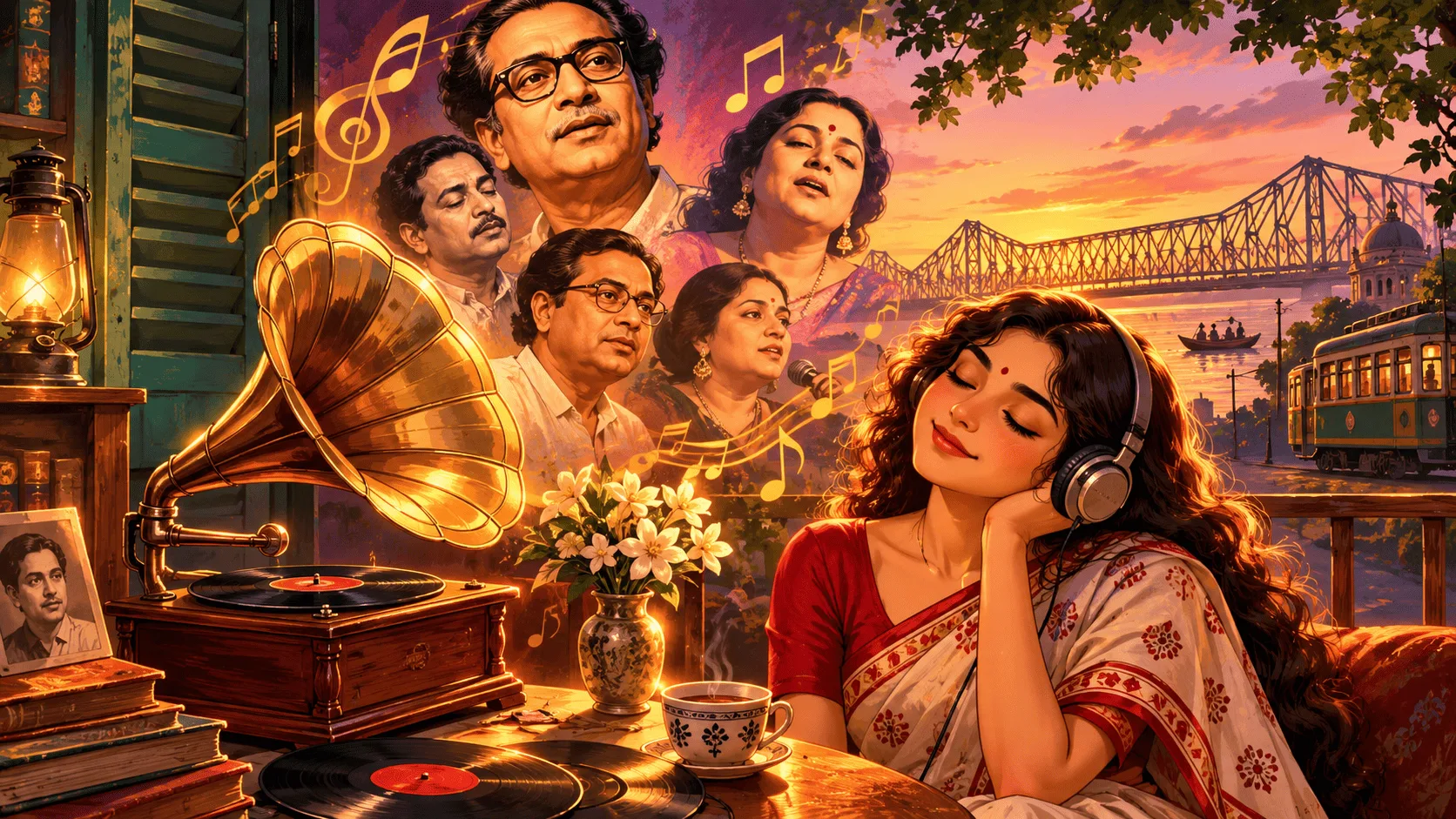
    Hemanta Mukhopadhyay possessed a baritone that could make solitude sound almost aristocratic. Manna Dey brought classical rigour into popular music without sacrificing accessibility. Sandhya Mukhopadhyay invested romantic longing with an almost operatic tenderness. Shyamal Mitra, Manabendra Mukhopadhyay, Dwijen Mukhopadhyay and Aarti Mukherji added their own hues to an extraordinarily variegated canvas. Behind them stood composers and lyricists such as Salil Chowdhury, Sudhin Dasgupta, Nachiketa Ghosh and Pulak Bandyopadhyay, whose collaborations created songs that have outlived the films for which they were composed.

    Also Read | Did you know Bengal once had its own airline? Here’s why it never took flight

    Sudhin Dasgupta alone worked with an astonishing constellation of voices, including Hemanta, Manna Dey, Shyamal Mitra, Sandhya Mukhopadhyay, Lata Mangeshkar, Asha Bhosle, Mohammed Rafi and Talat Mahmood.

    This was Bengal’s great musical paradox: it was fiercely Bengali without ever being culturally insular.

    Calcutta and Bombay were not rival musical republics. They were neighbouring provinces of the same imagination. Lata Mangeshkar could sing in Bengali; Kishore Kumar could become an intrinsic part of the Bengali sonic memory; Salil Chowdhury could carry the political conscience and melodic sophistication of Bengal into Hindi cinema. The traffic was not merely commercial. It was artistic.

    That cosmopolitanism has gradually receded and the decline did not arrive with the theatricality of an obituary. It came insidiously, through changing economics, altered listening habits and the transformation of cinema music into content. The old ecosystem, in which lyricists, composers, arrangers, singers and musicians could develop enduring artistic partnerships, slowly fragmented. The song became shorter, the production more immediate, the shelf life more precarious.

    What disappeared was not talent and Bengal has never been bereft of talent.

    What disappeared was the ecosystem that could turn talent into a musical era. This distinction is crucial.

    A generation ago, a composer could acquire a signature. A singer could cultivate a recognisable musical personality. A lyricist could become inseparable from a certain emotional vocabulary. Today, songs arrive amid an avalanche of releases, competing not merely with other songs but with reels, remixes, algorithms and an attention span increasingly atomised by the tyranny of immediacy.

    And then came the Dev era.

    The rise of Dev in Bengali commercial cinema, particularly through the enormously popular soundtracks of films such as Paglu, Shedin Dekha Hoyechilo and others, produced one of the last conspicuous manifestations of Bengal’s older cosmopolitan musical instinct. Jeet Gannguli became a formidable musical force, while voices from the Bombay playback establishment, including Sonu Nigam, Shaan and Kunal Ganjawala, became integral to Bengali popular cinema.

    It was commercially unapologetic, musically contemporary and unmistakably ambitious.

    Also Read | Who was Kamal Senapati? Hooghly railway officer dies after being hit by train

    More importantly, it demonstrated that Bengali cinema could still summon Bombay’s most recognisable voices and make them sing to a Bengali audience at considerable scale. Songs such as Je Kothati Mone and Shey Chhilo Boroi Anmona became chartbusters, evidence that linguistic particularity did not necessitate musical insularity.

    Perhaps that was the last grand bridge between two musical cultures that once conversed with enviable ease.

    Today, the irony is almost painful. The old songs refuse to die even as the ecosystem that created them has largely disappeared. They survive in Puja playlists, late night radio, streaming algorithms, family archives and the accidental nostalgia of a younger generation discovering that their grandparents’ music possesses something contemporary music often struggles to manufacture: permanence.

    Bengal’s lost musical diadem, therefore, is not really lost.

    Its jewels remain scattered across decades of recordings. What has been misplaced maybe is the crown.

    And perhaps the challenge before Bengali music is not to resurrect the past, for nostalgia is a poor substitute for creation, but to recover the confidence of that past: the audacity to compose ambitiously, to sing without haste, to write with literary precision and to believe that a Bengali song can travel beyond Bengal without first surrendering its Bengali soul.

    For music, like civilisation, does not perish when its practitioners change. It perishes when a culture ceases to believe that what it creates is worthy of being remembered.