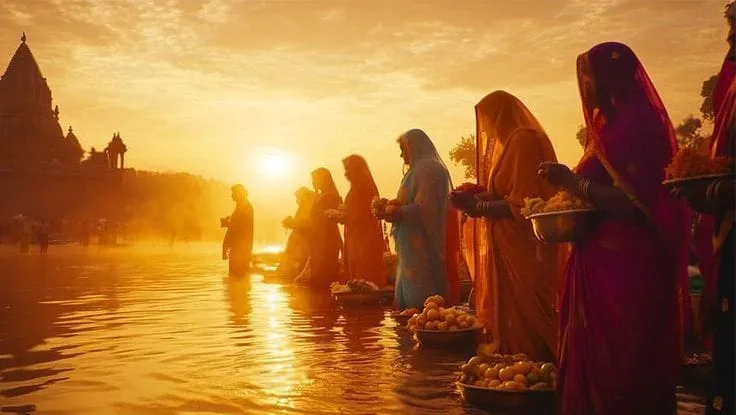
Chhath Puja is one of the most significant Hindu festivals, celebrated with immense devotion across Bihar, Jharkhand, eastern Uttar Pradesh and several other parts of India. Dedicated primarily to Surya Dev, the Sun God, the four-day festival also holds a special place for Chhathi Maiya, the mother goddess worshipped for the well-being, protection and long life of children.
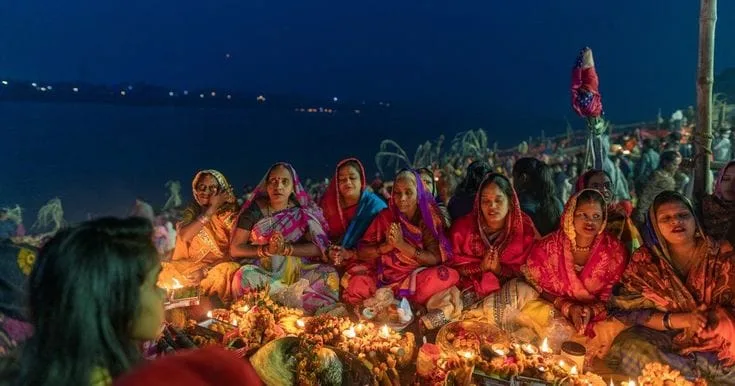
While devotees gather at riverbanks and water bodies to offer prayers to the rising and setting Sun, their devotion also centres on Chhathi Maiya. She is regarded as a divine protector of children and families, with worshippers seeking her blessings for good health, happiness, prosperity and a harmonious household.
But who exactly is Chhathi Maiya, and why is she worshipped during the festival? Her identity is closely connected with Hindu mythology, particularly the story of Shashthi Devi and her miraculous intervention in the life of a royal couple.
Who is Chhathi Maiya in Hindu mythology?
Chhathi Maiya is widely associated with Goddess Shashthi, also known as Shashthi Devi or Devasena. In Hindu religious traditions, she is worshipped as the divine protector of children and is believed to bless couples with offspring, safeguard newborns and ensure the well-being of families.
The name Shashthi refers to the sixth day of the lunar fortnight, while Maiya is an affectionate term for mother. Her name is therefore associated with motherhood, nurturing and protection.
According to the Devi Bhagavata Purana, Shashthi Devi is a manifestation of Prakriti, representing the creative and nurturing force of nature. She is also identified as Devasena, the wife of Lord Kartikeya, also known as Skanda.
Her identity, however, varies across regional traditions. In Bihar and parts of eastern Uttar Pradesh, Chhathi Maiya is popularly regarded as the sister of Surya Dev. Some other mythological interpretations associate her with the Sun God differently. Despite these variations, her role as a protective maternal figure remains central to her worship.
The story of Chhathi Maiya and King Priyavrat
One of the most significant mythological accounts associated with Chhathi Maiya appears in the Devi Bhagavata Purana. The story revolves around King Priyavrat and his wife, Queen Malini, who longed to have a child but remained unable to become parents.
Hoping to find a solution, King Priyavrat approached sage Kashyapa for guidance. The sage advised the royal couple to perform a Putreshti Yajna, a sacred ritual traditionally conducted with the desire to have children.
Also Read | How Lord Shiva got his third eye and the story behind its origin
Following the completion of the yajna, Queen Malini became pregnant and eventually gave birth to a son. However, their happiness was short-lived as the child was born lifeless.
The king and queen were devastated by the loss. Overwhelmed with grief, King Priyavrat carried his child’s body to the cremation ground. While mourning his son, he witnessed a divine woman arriving in a celestial chariot.
The woman introduced herself as Devsena, also known as Shashthi Devi. She explained that she was a manifestation of the sixth part of Prakriti and possessed divine powers.
Moved by the king’s suffering, the goddess lifted the lifeless child and brought him back to life. She also instructed Priyavrat to worship her and spread awareness about her blessings.
Following her instructions, the king began observing rituals in her honour. The story became closely associated with the belief that Shashthi Devi protects children, blesses couples with offspring and safeguards families from misfortune.
Why is Chhathi Maiya worshipped during Chhath Puja?
Chhathi Maiya’s association with childbirth and children’s well-being explains her importance during Chhath Puja. Devotees believe that worshipping her brings protection, good health, longevity and prosperity to their children.
Her worship is not restricted to the four-day festival. In several Hindu traditions, Shashthi Devi is also remembered on the sixth day after a child’s birth. Families perform rituals seeking her blessings for the newborn’s health and future.
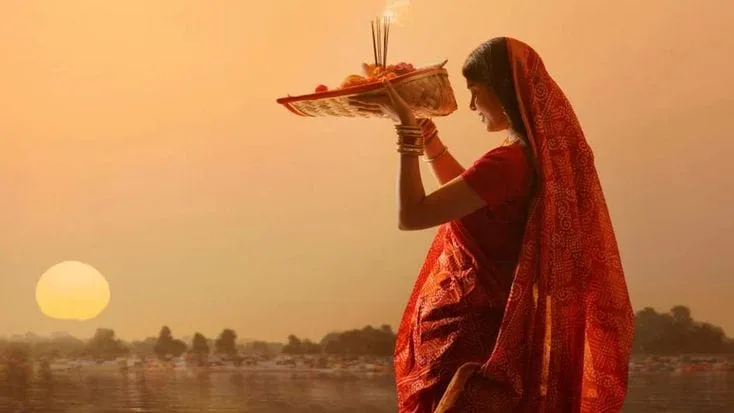
During Chhath Puja, devotees worship both Surya Dev and Chhathi Maiya. While the Sun God represents life, energy, nourishment and the natural forces that sustain the world, Chhathi Maiya symbolises maternal care, protection and family welfare.
This combination gives the festival a deeper significance, connecting gratitude towards nature with prayers for the happiness and security of loved ones.
The significance of Chhathi Maiya in the four-day festival
Chhath Puja is observed through a series of rituals involving fasting, prayers and offerings to the Sun God. The celebrations begin with Nahay Khay, followed by Kharna, when devotees prepare traditional offerings and begin an extended period of fasting.
The third day is marked by Sandhya Arghya, when devotees gather near rivers, ponds and other water bodies to offer prayers to the setting Sun. On the final day, they return before sunrise for Usha Arghya and offer water to the rising Sun before completing their fast.
Also Read | Children’s Day 2026: Wishes, quotes and story behind India’s November 14 celebration
Throughout these rituals, Chhathi Maiya remains an important presence in devotional songs, prayers and traditional beliefs.
For millions of devotees, the festival is not simply about observing a fast or following religious customs. It is also an expression of gratitude, discipline, family devotion and faith. Chhathi Maiya’s worship adds a deeply personal dimension to these celebrations, as families seek her blessings for the health, happiness and prosperity of future generations.
Leave a Reply