Tag: US Supreme Court

  • Trump’s last-minute California ballot gamble rejected by Supreme Court

    Trump’s last-minute California ballot gamble rejected by Supreme Court

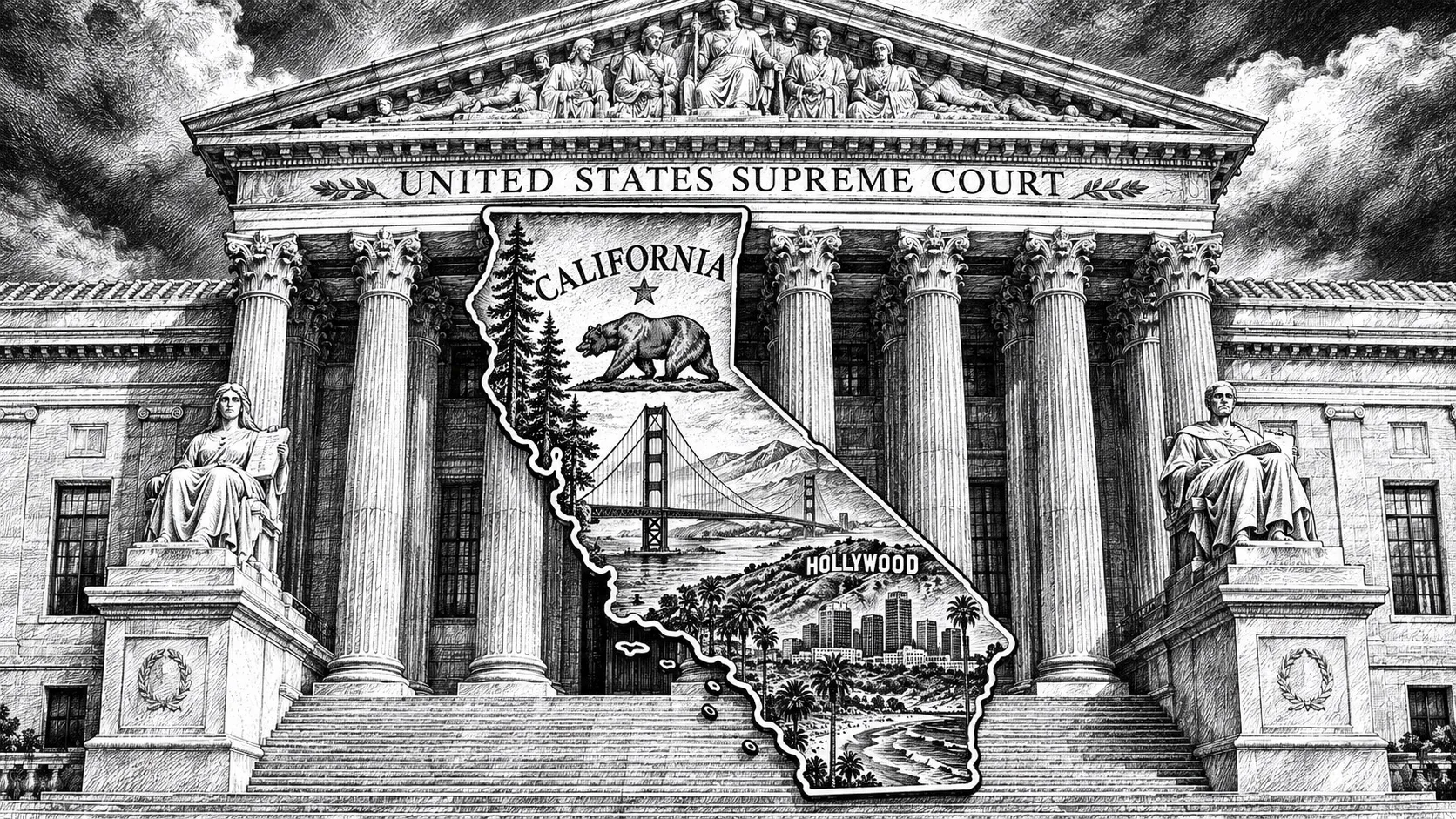
    The US Supreme Court on Monday, November 2, rejected President Donald Trump’s administration’s emergency request to stop California from counting mail-in ballots linked to more than 20,000 registered voters flagged by federal officials as “likely” non-US citizens.

    The decision came a day before the November 3 midterm elections, with control of Congress at stake. California can continue processing ballots under its existing election rules.

    Also Read | Poland steps up security on Kaliningrad border over fears of armed incursions

    Names flagged, questions unanswered

    The case is not a finding that 20,000 people voted illegally. Federal officials have identified voters whose citizenship they say needs to be checked.

    The list was compiled by the Department of Homeland Security (DHS) and sent to California and Los Angeles County. The Justice Department says the names belong to people who are likely noncitizens and were sent mail ballots.

    California questioned the list’s reliability and sought details about how federal agencies reached their conclusions. The list has not been made public.

    The ballot takes a legal turn
    The Trump administration wanted ballots set aside; judges saw a risk that eligible citizens could be shut out of an election already under way | X (@mitchjackson)
    The Trump administration wanted ballots set aside; judges saw a risk that eligible citizens could be shut out of an election already under way | X (@mitchjackson)

    The dispute began after California mailed ballots to all registered voters on October 1, as required under state law.

    On October 12, federal officials sent the state a list of more than 20,000 names and asked it to set aside ballots returned by those voters until their citizenship could be verified.

    The Justice Department filed a lawsuit on October 15, arguing that California was failing to enforce federal law by refusing to follow that request. It asked the court to block the state from counting the ballots in the meantime.

    The constitutional tug-of-war
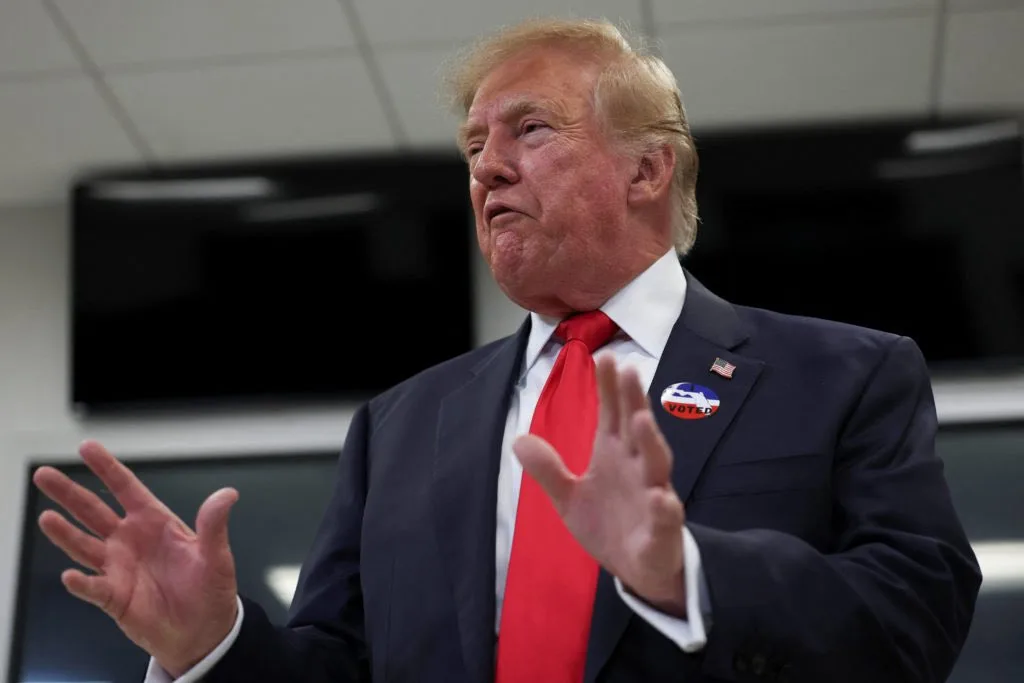
    Trump's bid to halt the count failed, but the ruling did not verify anyone's citizenship or resolve the wider dispute over voter eligibility | X (@PopCrave)
    Trump’s bid to halt the count failed, but the ruling did not verify anyone’s citizenship or resolve the wider dispute over voter eligibility | X (@PopCrave)

    At the heart of the case is a distinction between who can vote and who runs elections.

    Federal law makes it a crime for noncitizens to vote in federal elections. The Trump administration argued that federal authority to enforce that law should override California’s procedures.

    It relied on the Constitution’s Supremacy Clause, under which federal law takes precedence where state and federal laws conflict.

    California said its own laws also bar noncitizens from voting and that it already has safeguards to check voter eligibility.

    The Constitution gives states primary responsibility for administering elections, including registration, ballot processing and counting, while allowing Congress to set federal rules.

    That division became central to the court fight. On October 28, US District Judge David Carter rejected the administration’s first request to freeze the ballots.

    He questioned the reliability of the government’s list and warned that separating ballots so close to Election Day could disrupt the process and risk excluding eligible citizens.

    By then, more than 3.7 million Californians had voted and over 500,000 ballots had been processed, according to court filings.

    The judges have their reservations

    The US Court of Appeals for the Ninth Circuit rejected the administration’s renewed emergency request on October 30.

    The judges said the government had not shown that the law and facts clearly justified such an extraordinary intervention during an ongoing election.

    The court noted that federal law criminalises noncitizen voting but does not require states to segregate ballots based on a federal list or authorise the Justice Department to take charge of an active state election.

    It also noted that the government had not provided an error rate or reliable validation for its list. The court warned of a “material risk” that eligible voters could be disenfranchised and that late changes could disrupt election administration.

    Also Read | Britain may apologise for slave trade, but will it pay reparations?

    A narrow ruling, not the last word
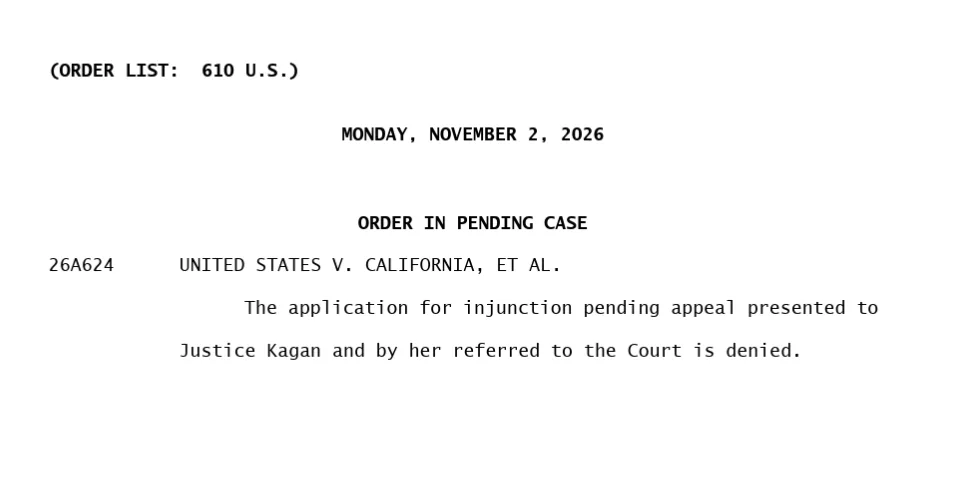
    More than 3.7 million Californians had voted by October 28. Against that backdrop, judges warned that late changes could disrupt the count | X (@scotus_wire)
    More than 3.7 million Californians had voted by October 28. Against that backdrop, judges warned that late changes could disrupt the count | X (@scotus_wire)

    The Supreme Court’s brief, one-sentence order on November 2 did not explain its reasoning. No justice publicly dissented.

    The decision does not change the federal prohibition on noncitizens voting in federal elections, nor does it establish the citizenship status of anyone on the list.

    It only denies the administration’s immediate request to stop California from counting the ballots. The state can therefore proceed under its existing rules as voters head to the polls on November 3.

    The wider dispute over the federal government’s list and its role in state election procedures may continue.
  • As US Supreme Court term begins, Thomas-Alito factor gets fresh chances to wield power

    As US Supreme Court term begins, Thomas-Alito factor gets fresh chances to wield power

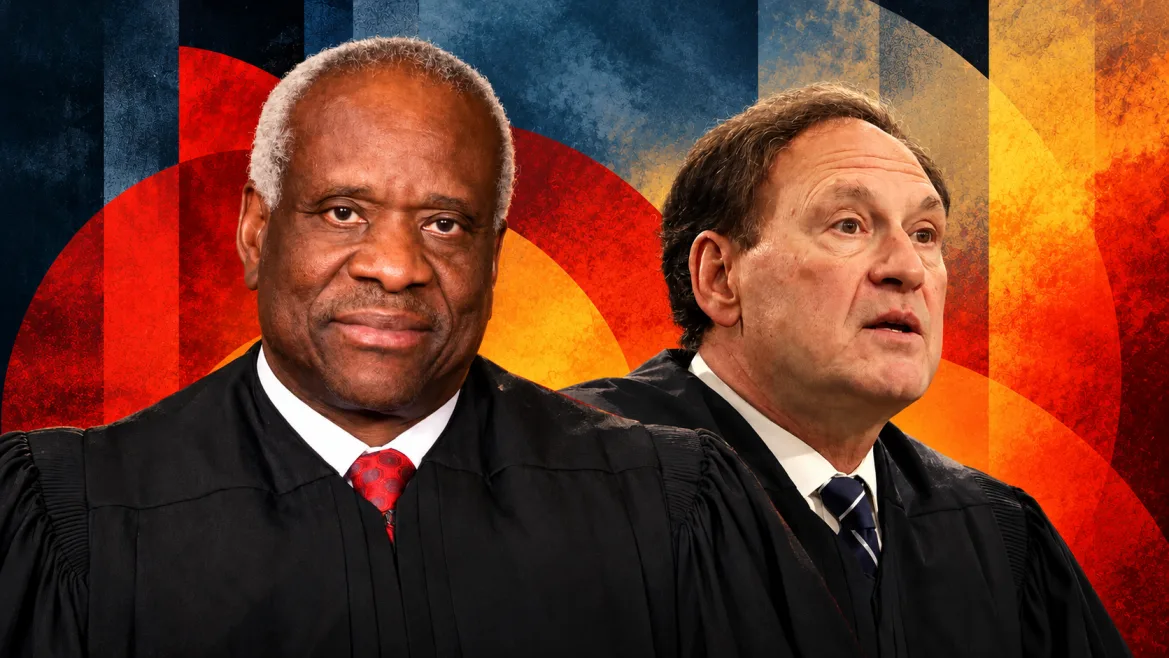
    The US Supreme Court begins its new term on Monday, October 5, with two of its most conservative members, Justices Clarence Thomas and Samuel Alito, entering the spotlight again.

    Thomas and Alito are among the court’s oldest and longest-serving members. With the court holding a 6-3 conservative majority, their views can carry significant weight on some of the biggest legal disputes in the country.

    Also Read | Flydubai FZ1073 mystery pilots: Who were the two heroes who stepped in to save the plane?

    Two old hands, still pivotal

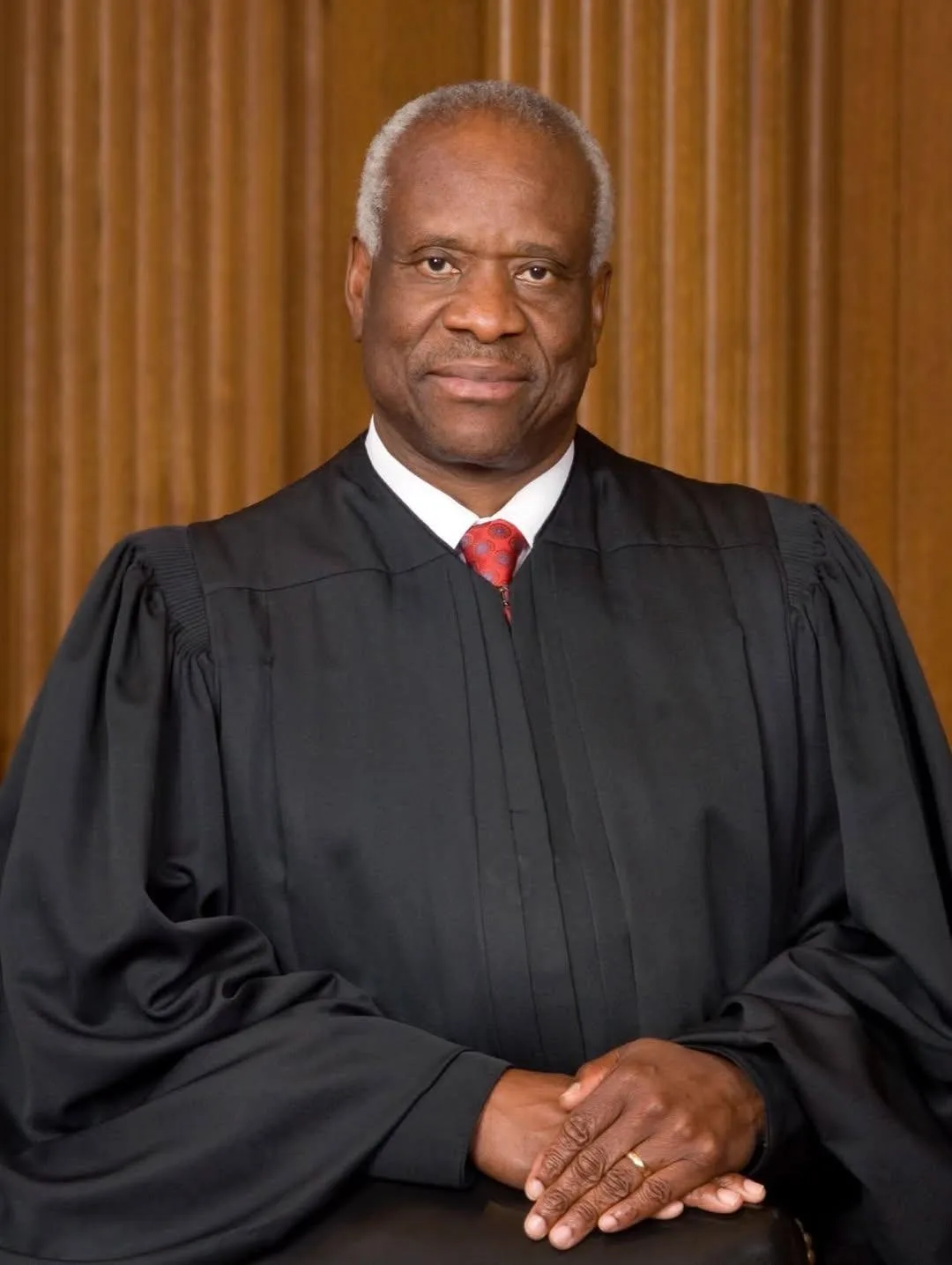
    Justice Clarence Thomas, one of the US Supreme Court’s longest-serving justices, returns for a new term | X (@LillianVikingDK)
    Justice Clarence Thomas, one of the US Supreme Court’s longest-serving justices, returns for a new term | X (@LillianVikingDK)

    Thomas, 78, has served on the court since 1991. Alito, 76, joined in 2006.

    The two have moved from being frequent dissenters earlier in their careers to being at the height of their influence as the court has shifted to the right.

    Their record already includes major conservative victories.

    Those include limits on the Voting Rights Act and a 2022 ruling that overturned Roe v. Wade, the landmark decision that had recognized a constitutional right to abortion.

    Major tests

    The new term brings several cases that touch issues central to the conservative legal movement.

    In November, the court is due to hear a challenge involving a Colorado law requiring taxpayer-funded preschools to enroll children of same-sex couples.

    The case puts religious freedom and LGBT protections directly before the justices.

    Another potential case involves a Texas law requiring public schools to display the biblical Ten Commandments. The issue is whether such a requirement conflicts with the Constitution’s ban on government establishing or endorsing religion.

    The Second Amendment gets another turn

    Gun rights will also be a major test. On December 2, the court is scheduled to hear arguments over state bans on AR-15s and other semiautomatic rifles.

    Thomas has already played a major role in shaping the court’s approach to gun regulation through the 2022 New York State Rifle & Pistol Association v. Bruen ruling.

    That decision said gun restrictions must fit with the nation’s historical tradition of firearm regulation.

    The upcoming cases could give Thomas an opportunity to clarify how that standard should apply to assault-style weapons.

    Ballot question

    Voting is another key battlefield. On December 8, the court will consider whether Arizona can require people registering to vote to provide proof of citizenship.

    Critics argue such rules could make registration harder for groups that tend to support Democrats, while supporters frame them as election safeguards.

    A little presidential friction?

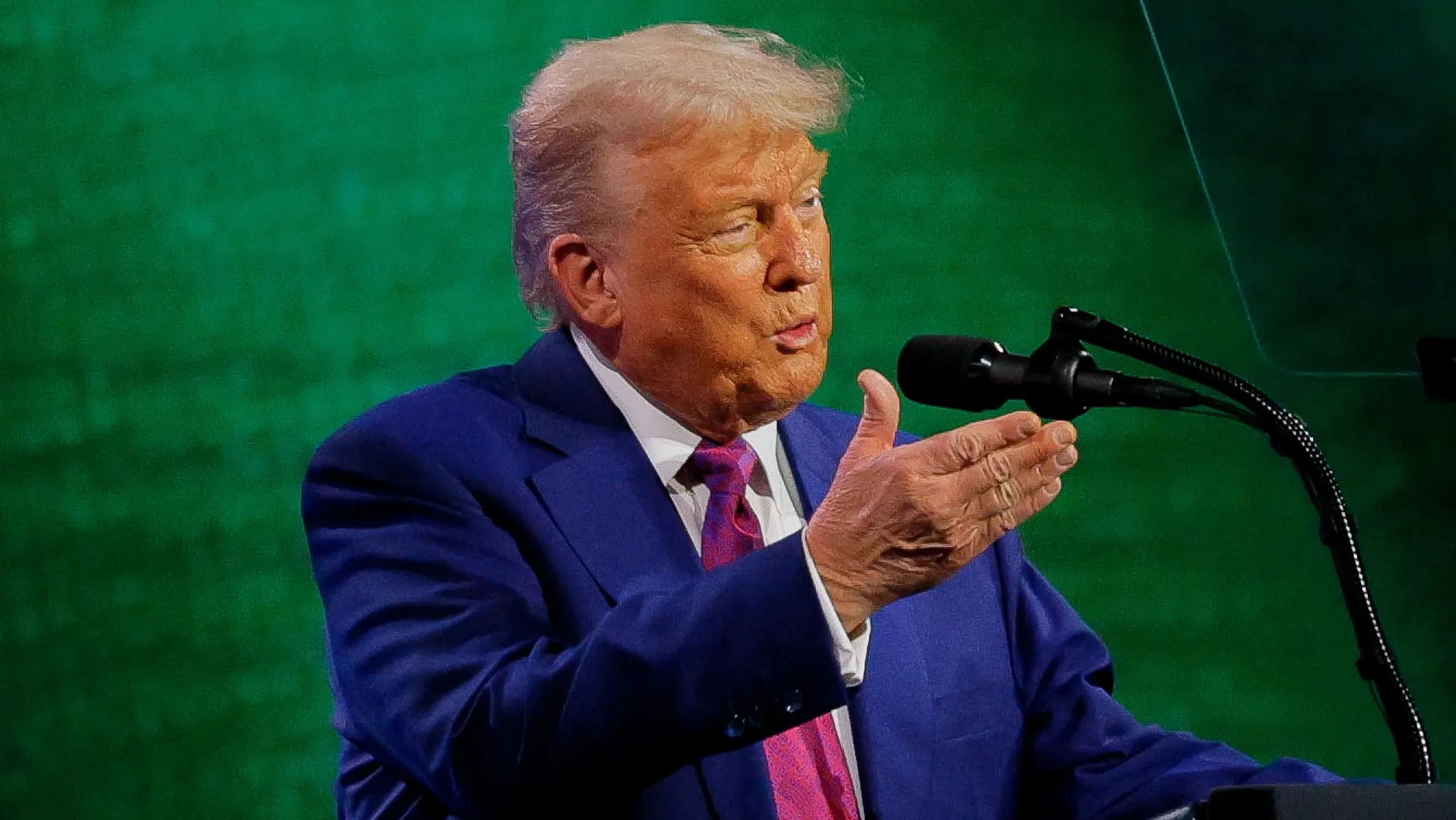
    POTUS Donald Trump | ANI
    POTUS Donald Trump | ANI

    The politics around the court add another layer. Thomas and Alito were the most reliable votes for the Trump administration’s major policies that reached the court last term.

    Trump has publicly praised both men while criticizing other conservative justices he appointed for ruling against him in some cases.

    Alito has rejected the idea that he simply votes in line with Trump. Speaking to The Wall Street Journal in August, he said, “I vote in every case the way I think the case should be decided.”

    At the same time, Alito has spoken about pressure on the judiciary.

    A Fox News clip published on October 3 showed him discussing what he described as a “concerted effort” by political actors to intimidate the Supreme Court.

    Who stays

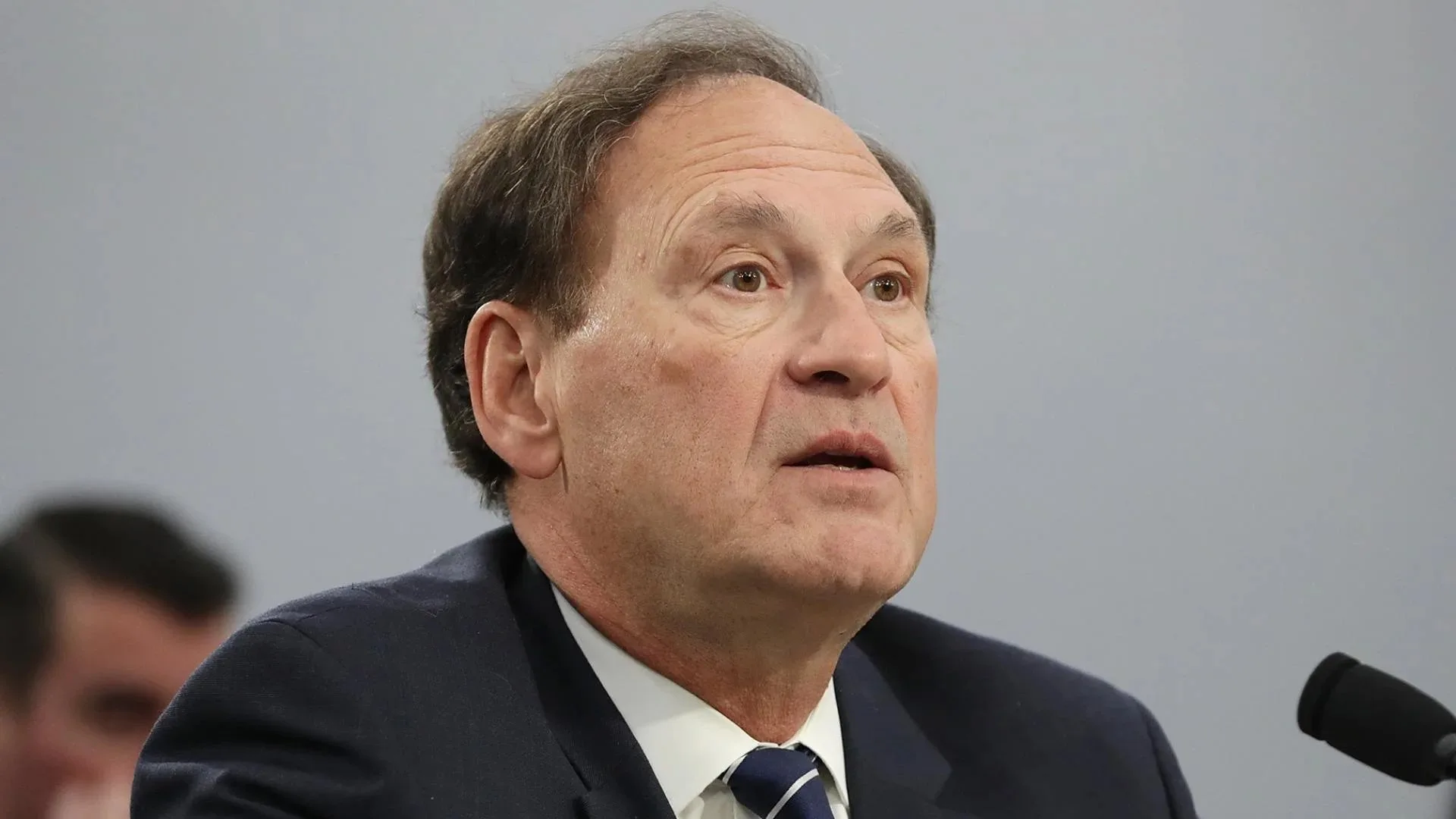
    Samuel Alito told CBS News that he lost friends over his decision to overturn Roe v Wade | X (@PollTracker2024)
    Samuel Alito told CBS News that he lost friends over his decision to overturn Roe v Wade | X (@PollTracker2024)

    That question is hanging over the term. A retirement by either justice would give President Donald Trump an opportunity to nominate a younger conservative who could remain on the bench for decades.

    Alito has said he considered retirement this year but decided he could still make “a valuable contribution.”

    He also said, “Obviously, I’m here for another term.”

    Thomas has not addressed the retirement speculation.

    One legal expert cited by Reuters suggested he may want to become the longest-serving justice in Supreme Court history, a milestone he could reach in May 2028.

    Also Read | Ethiopia strikes back in Tigray, retakes Mekelle as rebels withdraw

    No departure, just yet

    For now, both justices remain on the bench.

    The cases arriving this term could give them more chances to shape American law on guns, religion, voting rights, and presidential power.