![‘Possibly [be] needed in 90-120 days’: Why is the US checking Cuba readiness?](https://tidings-media-production.s3.ap-south-1.amazonaws.com/wp-content/uploads/bengalinsight/2026/09/28034806/HTO03ZcXgAEX35j.webp)
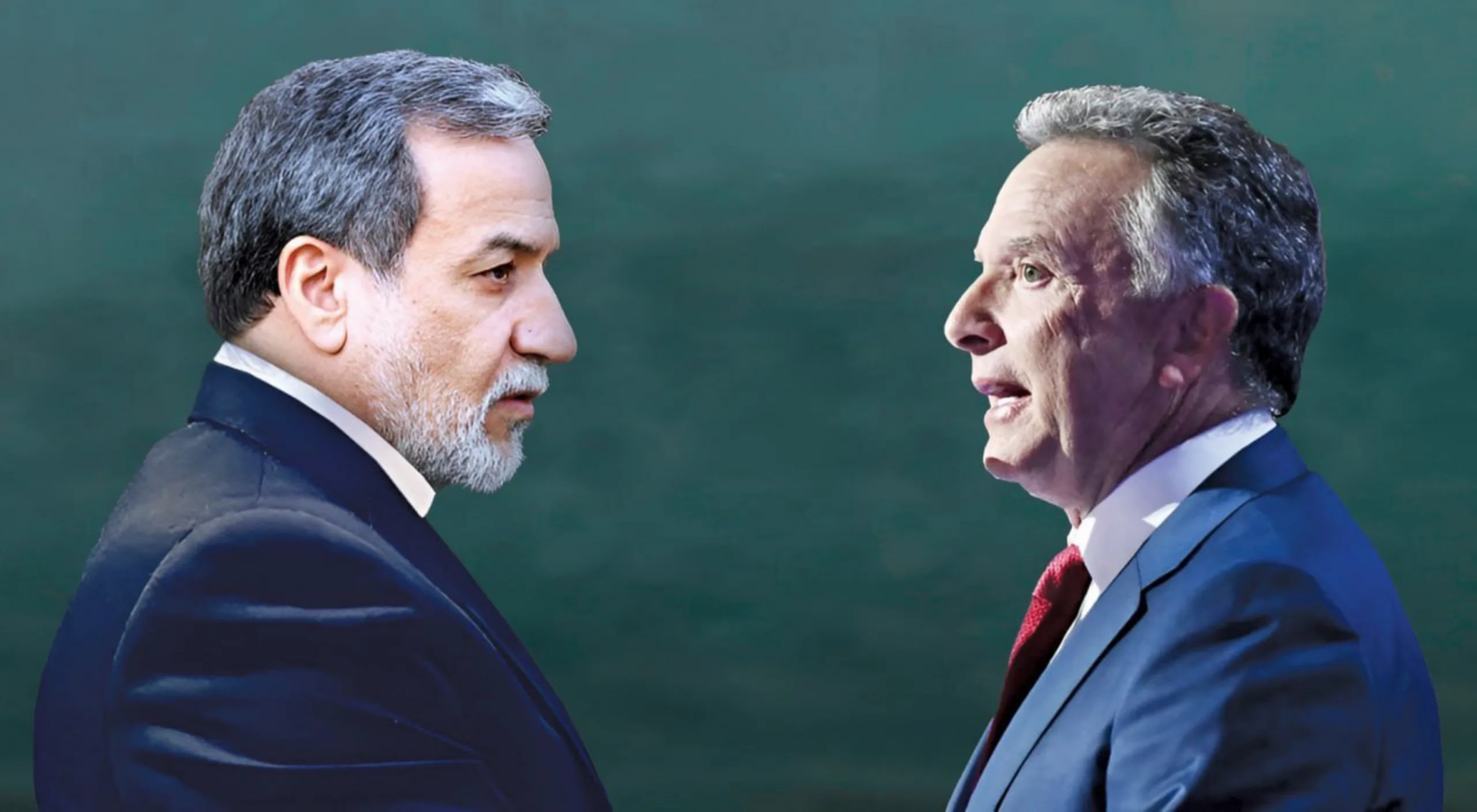
The United States is assessing whether key Army Reserve units could be made available for missions under US Southern Command within the next four months.
The message itself does not mention Cuba. Multiple US officials, however, told CBS that the request is part of continued military planning focused on the island.
There is no indication that any unit has been ordered to deploy. The document also does not say how many troops could be involved, where they might go, or what operation they would support.
US military is preparing for possible military action against Cuba.
— Current Report (@Currentreport1) September 26, 2026
US Army Reserve is checking whether it can provide military police, medical, engineering and logistics units to support US Southern Command within the next 90 to 120 days – CBS
At the same time, US intelligence… pic.twitter.com/RwYU2no9Vb
Also Read | 800,000 gather for Pope Leo XIV in Paris as France confronts its Catholic roots
Military preparedness
The Army Reserve is checking the possible availability of six types of formations. They include logistics and sustainment units, an engineer battalion, a medical brigade, a forward surgical and resuscitative detachment, and a military police brigade.
Their roles are largely about keeping a military operation supplied, treating casualties, providing engineering support, and maintaining security.
The message says these units could be “possibly [be] needed in 90-120 days.” Commands were asked to report their availability to Army Reserve headquarters by September 25.
US military plans for potential action in Cuba: Report pic.twitter.com/8hYWIFcLcc
— Sean Hannity 🇺🇸 (@seanhannity) September 26, 2026
A diplomatic squeeze
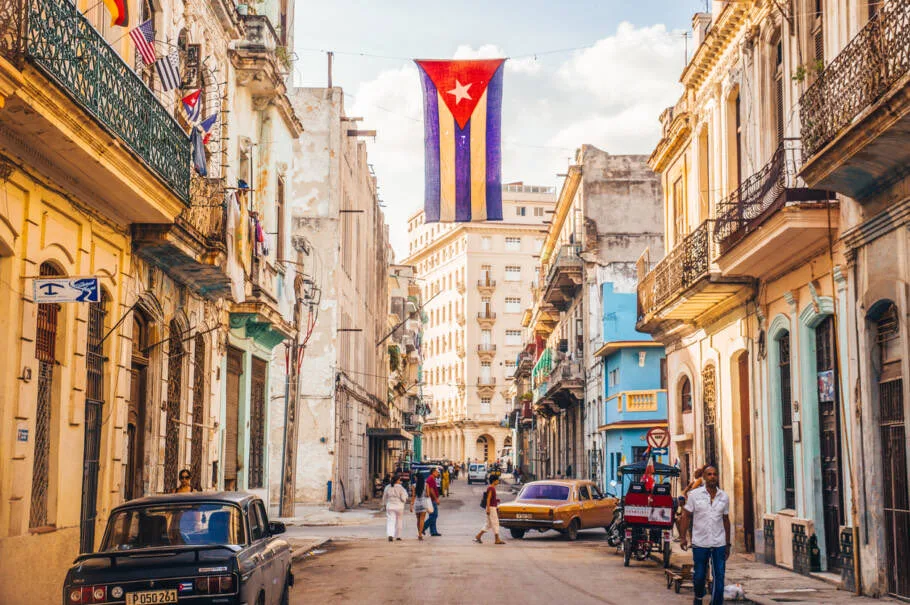
The timing matters because Washington and Havana have been under growing pressure for months. The Trump administration has increased economic pressure on Cuba and has pushed for political changes on the island.
Earlier this year, US forces carried out reconnaissance operations around Cuba’s seabed and maritime approaches.
Some US airpower components were also placed on heightened readiness, and personnel were prepared for possible deployment, although those plans did not move forward.
At the same time, US Southern Command has refused to discuss specific operational movements, citing security concerns.
A spokesperson said the command “continuously coordinates with the Joint Force” to assess military requirements across its area.
Q: Are you planning military action on Cuba? There's been reports that reserves have been activated potentially for Cuba
— Aaron Rupar (@atrupar) September 26, 2026
TRUMP: I would say that Cuba and us will make a deal. I don't think we'll need the military. Cubs is failing very badly. We want to help Cuba. We want to open… pic.twitter.com/xFSeSycei2
Door ajar
There is also an important second signal from Washington. On September 26, President Donald Trump said he did not believe the US would need military force and that “Cuba and we will make a deal.”
Trump made the remarks at the White House after months of escalating pressure on Havana.
In an interview with .@cspan, Cuban Deputy Foreign Minister .@CarlosFdeCossio stated:
— Ernesto Soberón (@SoberonGuzman) September 27, 2026
– The US government is implementing collective punishment against the entire Cuban people, without exception.
– There is absolutely no justification for US military aggression against Cuban… pic.twitter.com/UE3dsGiiH9
Cuban Foreign Minister Bruno Rodriguez, speaking at the United Nations, said Cuba remained open to dialogue and to business relations with US companies while condemning the US trade embargo.
The latest Army Reserve message therefore points to contingency planning, not a confirmed military operation.
What happens next will depend on how the broader US-Cuba confrontation develops and whether the two sides move towards an agreement.
The Army is asking for military plans focused on Cuba, and the State Dept won't rule out action. Saying the president has "a wide array of options" is definitely not a no. 😳 pic.twitter.com/HLrPgh0Q8x
— 💐The Casual Whistle🎐 (@Mariamelx58) September 25, 2026
Also Read | At 18, Christa Pike took a life; now age and trauma shape her appeal